Plant for birds: feast for wildlife and people from a tiny vine!
Passiflora suberosa - Corkystem Passion Vine
Plant for birds: feast for wildlife and people from a tiny vine!
Passiflora suberosa - Corkystem Passion Flower: did you know this Florida native passion vine is more than just a butterfly host? Birds love it too - they’ll happily snack on the little fruits and sing you thank-you songs all day long!
And yes, the fruit is edible for people as well! The berries are small, but they make a fun and exotic treat.
The plants has a tiny flower and a tiny fruit – both only about half an inch – but together they create a mighty native habitat.
It's a triple win: butterflies, birds, and people can all enjoy something from this charming little plant. Plus, it’s the larval host for Gulf Fritillary, Zebra Longwing, and Julia butterflies, and its tiny greenish flowers provide nectar all year long. Fast-growing, easy, and full of life – a real gem for any Florida garden.
This vine is delicate and compact, perfect for a medium trellis or climbing a small tree. Unlike the big, aggressive passion vines that can cover a whole fence, this one stays manageable.
This Passion vine is not just charming and wildlife-friendly, it’s also tough as nails. Cold hardy and easy to grow, this native vine takes whatever Florida throws at it – heavy rains, long droughts and heat, poor sandy soils, even total neglect – and still thrives. A perfect choice if you want beauty, wildlife, and resilience all in one little plant.
🍌 Blue Ice Cream banana you’ll never find in stores!
🔵 The Blue Java Banana, also known as the Ice Cream Banana, is the banana everyone wants - and for good reason.
🔵 First of all… it's blue. Yes, really. When the fruit is unripe, it has a frosty blue-green tint - especially striking in the sun. These short, chunky bananas are only about 4 inches long and grow in beautiful bunches under mauve-colored flowers. The whole plant is a tropical showstopper.
🔵But the real magic happens when the fruit ripens. The blue fades to yellow… and inside? Oh my God - it’s heaven! The texture is soft, smooth, and creamy. And the flavor? Like vanilla ice cream.
🔵That’s how it got the name Ice Cream Banana. And this isn’t just a gimmick - it’s a cold-tolerant, vigorous variety that grows fast, reaches 10-15 feet tall, and produces heavy bunches (up to 60 pounds!) of sweet fruit that you can eat raw or cook with.
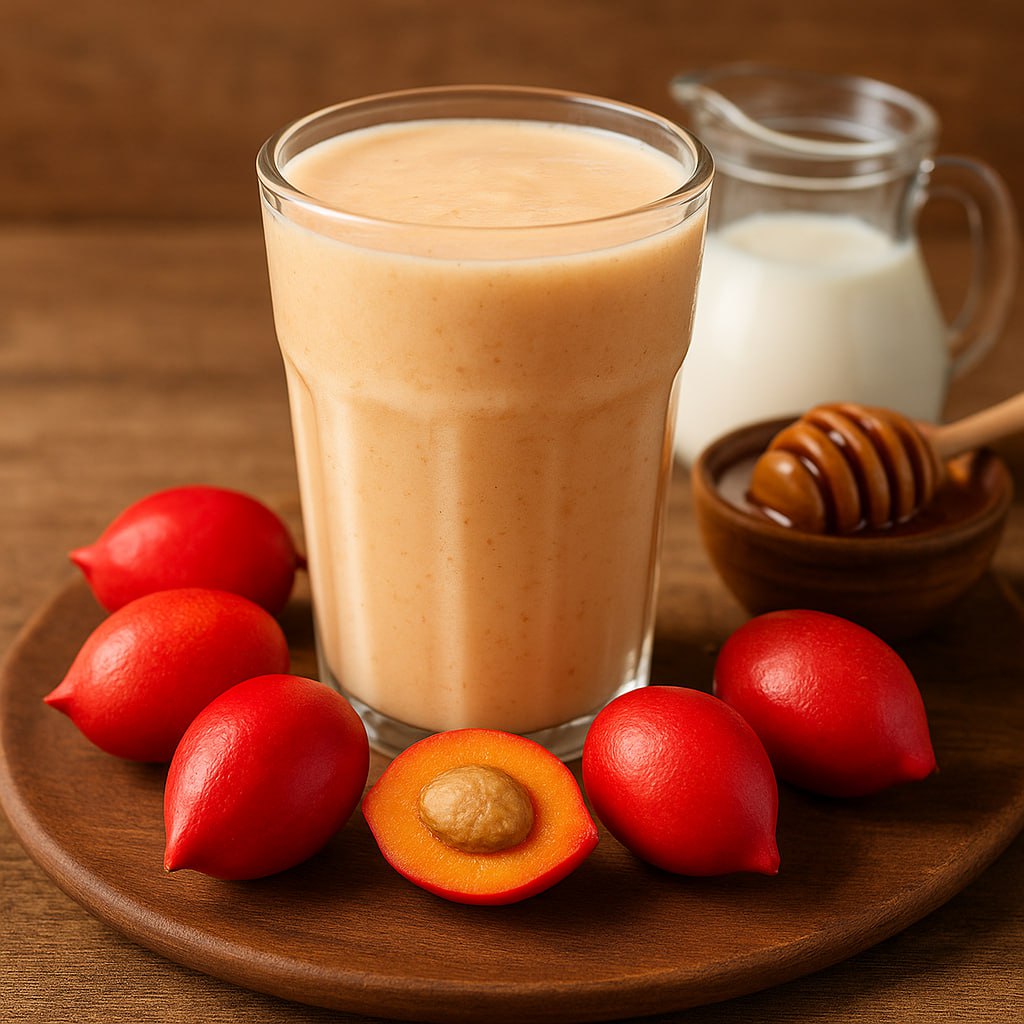
Peanut butter fruit smoothie: quick-n-fun exotic recipes
Peanut butter fruit smoothie
🍴 Peanut butter fruit smoothie: quick-n-fun exotic recipes
🔴Peanut butter fruit (Bunchosia argentia) makes delicious shake! 🔴Blend ripe peanut butter fruits with milk and honey. 🔴A creamy shake that tastes like dessert straight from the tree!
Peanut Butter Fruit Smoothie
Ingredients
1 cup ripe peanut butter fruit (Bunchosia argentea), seeded
1 cup cold milk
1–2 tablespoons honey
Ice cubes (optional)
Instructions
Remove seeds from ripe peanut butter fruits.
Blend fruits with milk and honey until smooth.
Add ice cubes if desired for a chilled version.
Serve immediately and enjoy a creamy shake that tastes like dessert straight from the tree!
Can you name all the fruits on this tray? One of them will stump you!
Papaya, Avocado, Egyptian guava and Cas guava, Barbados cherry, Peanut butter fruit
Can you name all the fruits on this tray? One of them will stump you!
🥭 This morning I walked the garden and came back with a tray of fruits! That’s the joy of living in Florida with your own tropical garden: something new is always in season.
10-minute recipe Bo La Lot with a leaf youve never cooked before!
Bo La Lot recipe with Vietnamese pepper Lalot (Piper sarmentosum)
🍴 10-minute recipe Bo La Lot with a leaf you’ve never cooked before!
🌮 Forget boring tacos - this wrap will blow your mind! In Vietnam they call it Bo La Lot - beef wrapped in peppery Lalot leaves.
🌮 It started as grape leaf wraps in the Middle East, but in tropical Asia grapes don’t grow, so people swapped to Lalot. Way more flavor than grape leaves!
🌮 Grilled beef, garlic, onion, lemongrass - all can be tucked into these shiny green leaves. Smoky, juicy, and so good you’ll wonder why you didn't try it sooner! It's better than grape leaf wraps, because it has so much flavor!
🌮 Most large leaf pepper plants will work for this recipe - Vietnamese pepper Lalot (Piper sarmentosum), Betel Leaf (Piper betle), or even large leaves of the traditional Black Pepper plant (Piper nigrum).
· Preheat the grill.
· Combine all ingredients in a large mixing bowl and mix well.
· Wrap about 2 tablespoons of the mixture into each betel leaf.
· Spear 3 to 4 betel leaf wraps onto a skewer and grill until the meat is thoroughly cooked.
· Be sure to eat immediately.
🟡Whisk eggs with chopped Moringa leaves, garlic, and a dash of soy sauce. 🟡Pour into a hot pan with some cooking oil and cook for a minute or two until fluffy and golden. 🟡A green power-packed breakfast!
Moringa Omelet
Ingredients
2 eggs
1/2 cup fresh Moringa leaves (chopped)
1 small onion (chopped)
1 tomato (diced)
1 clove garlic (minced)
Salt and pepper to taste
1 tsp oil or butter
Instructions
Beat the eggs in a bowl and season with salt and pepper.
Heat oil in a pan, sauté onion, garlic, and tomato until soft.
Add the chopped Moringa leaves and cook for 1 minute.
Pour in the beaten eggs and cook until set, flipping once.
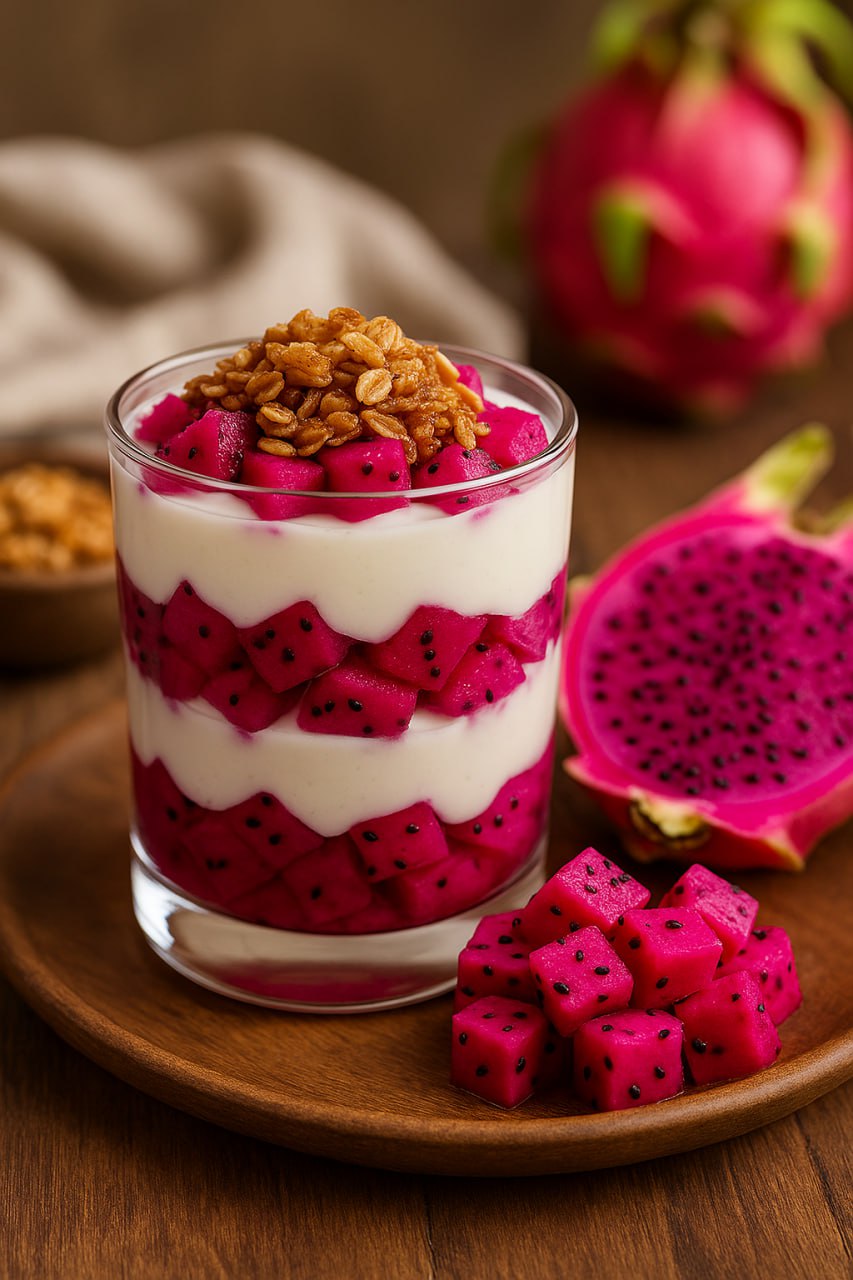
🌵Dragon Fruit (Pitaya) is one of the most rewarding exotic fruits to grow. Sweet pulp, striking looks, and plenty of health benefits make it a favorite. You'll see it in three main types: white-fleshed (Hylocereus undatus), red-fleshed (Hylocereus costaricensis), and yellow-skinned (Hylocereus, or Selenicereus megalanthus).
🌵Don't want to wait years for fruit? Here’s the good news: unlike many tropical trees that test your patience, dragon fruit is a fast-fruiting, easy-going cactus. With the right care, you can harvest in just 1-2 years from a cutting - or even the same season if you plant a well-established specimen.
🌵 How to get Dragon Fruit faster
Give it strong support - trellis, fence, or post. This cactus loves to climb. Full sun and good drainage - sandy or well-draining soil works best. Smart watering - water deeply in hot weather, then let the soil dry. Dragon fruit loves water during active summer growth, but remember it's still a cactus - don’t keep soil soggy. Pollination matters - flowers open at night. Some varieties are self-fertile, but planting a few different types boosts fruit set. This is why it helps to keep several varieties close together. Feed well - use organic liquid fertilizers like Sunshine Boosters C-Cibus with every watering, or Green Magic controlled-release fertilizer every 6 months. With these steps, dragon fruit quickly rewards you with flowers, followed by colorful, delicious fruit. Few exotics are this easy - or this fast! 🛒 Start your fast-growing Dragon Fruit production