Dont Wait Years: 8 Fruit Plants You Can Harvest the Same Season
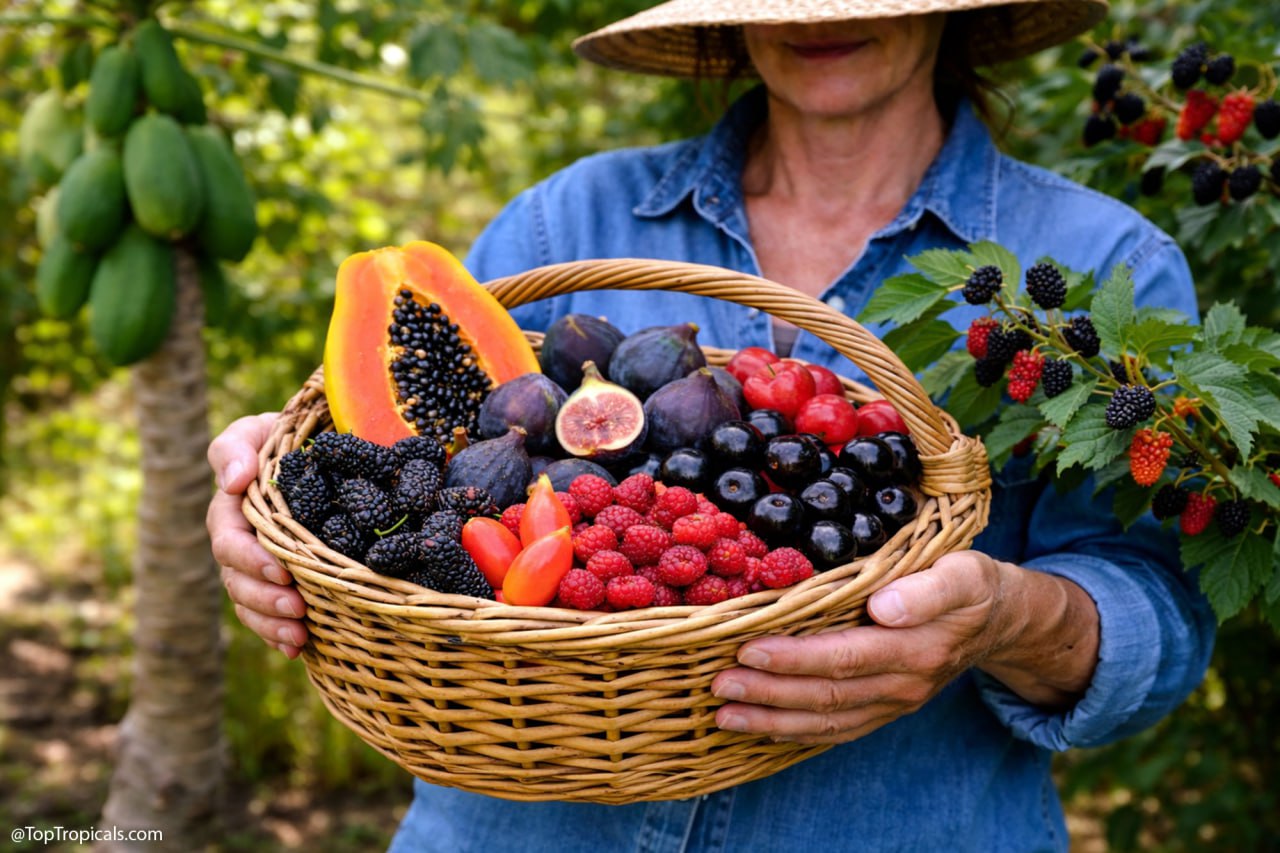
Don't wait years for fruit! Harvest papayas, berries, figs, and more in the very same season you plant them with these fast-growing varieties.
Don't Wait Years: 8 Fruit Plants You Can Harvest the Same Season 🍒
Growing fruit at home usually requires years of patience. Most gardeners view fruit trees as a long-term investment that may not pay off for a decade.
But you don't have to wait.
Certain tropical and subtropical plants are "fast-track" growers. In warm climates like Florida, choosing the right varieties means you can see flowers and fruit within months of planting - often in the very same season.
If you want a backyard harvest without the wait, here are the fastest-producing fruits you can plant today.
A compact shrub perfect for containers. It produces star-shaped flowers and dark purple fruit that tastes exactly like blackberry preserves. Established plants often fruit in their first season.
Blackberry Jam Fruit Plant Facts
Botanical name: Randia formosa, Mussaenda formosa, Randia mussaenda, Rosenbergiodendron formosum Also known as: Blackberry Jam Fruit, Jasmin de rosa
This fast-growing large shrub produces orange pulp with the uncanny flavor and texture of peanut butter. Expect flowers and bright red berries within months of planting in warm conditions.
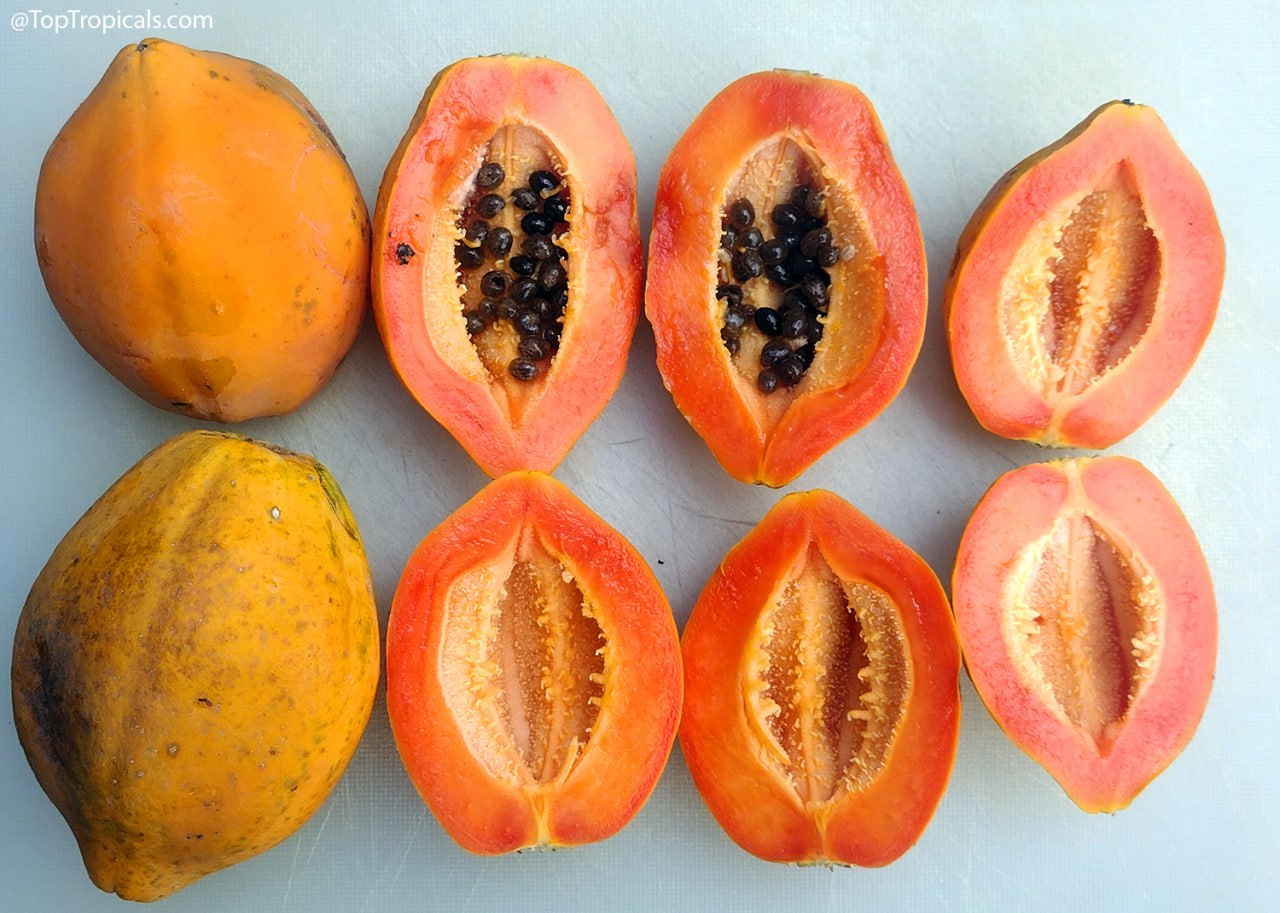
The "giant herb" of the fruit world. Papayas are legendary for their speed, often flowering just months after planting and providing sweet, vitamin-rich fruit within the same year.
Papaya Plant Facts
Botanical name: Carica papaya Also known as: Papaya
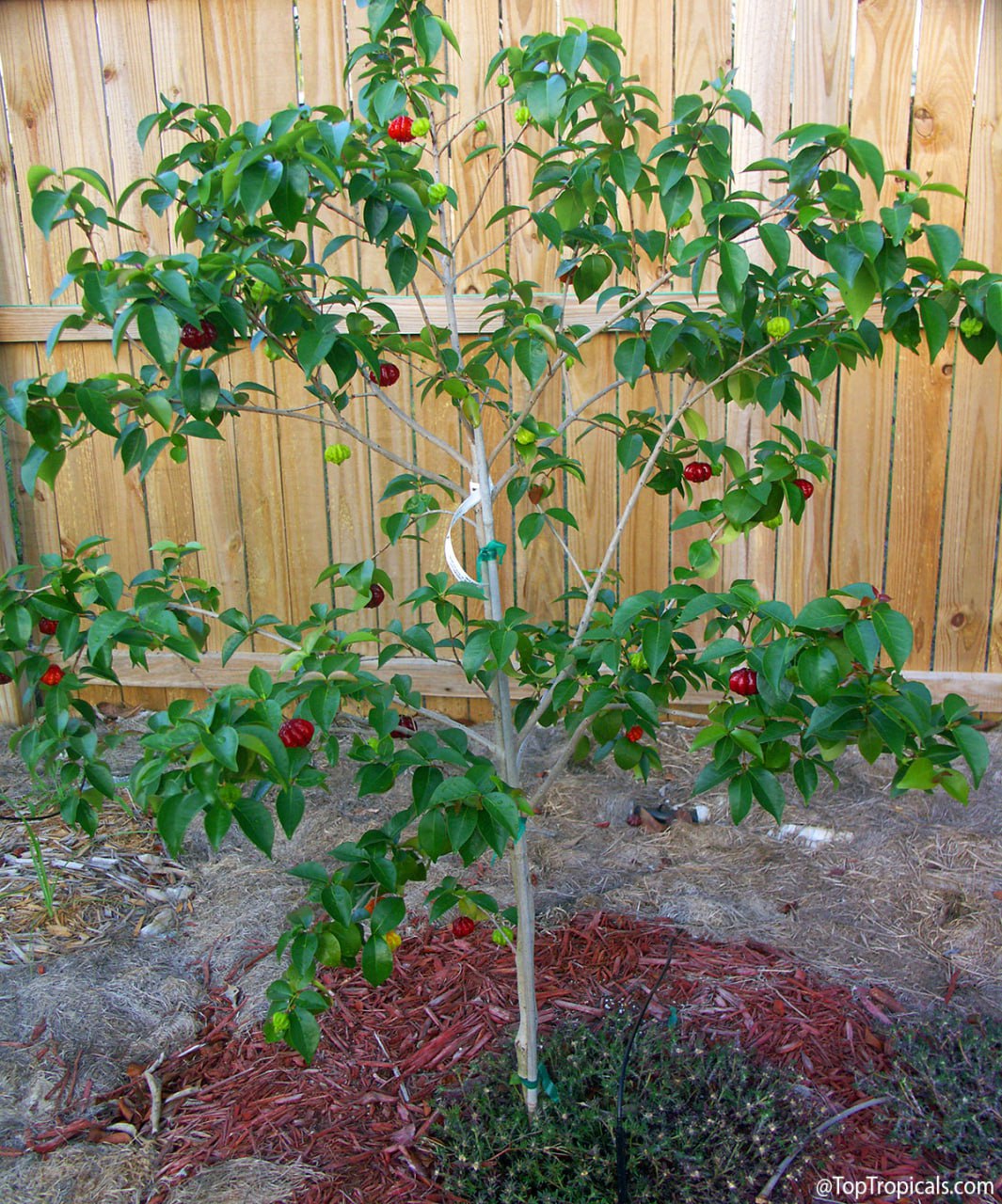
The 'Lolita' cultivar is a game-changer. It grows quickly as an edible hedge and produces nearly black, resin-free fruit that is significantly sweeter than the common red varieties.
Surinam Cherry Plant Facts
Botanical name: Eugenia uniflora, Eugenia michelii Also known as: Surinam Cherry, Pitanga, Brazilian Cherry
Unlike traditional berries that require chill hours, these Rubus species thrive in the heat. Their vigorous canes grow rapidly, often fruiting the same season they hit the soil.
Holy Bramble Plant Facts
Botanical name: Rubus sanctus, Rubus ulmifolius subsp. sanctus Also known as: Holy Bramble, Burning Bush of the Bible
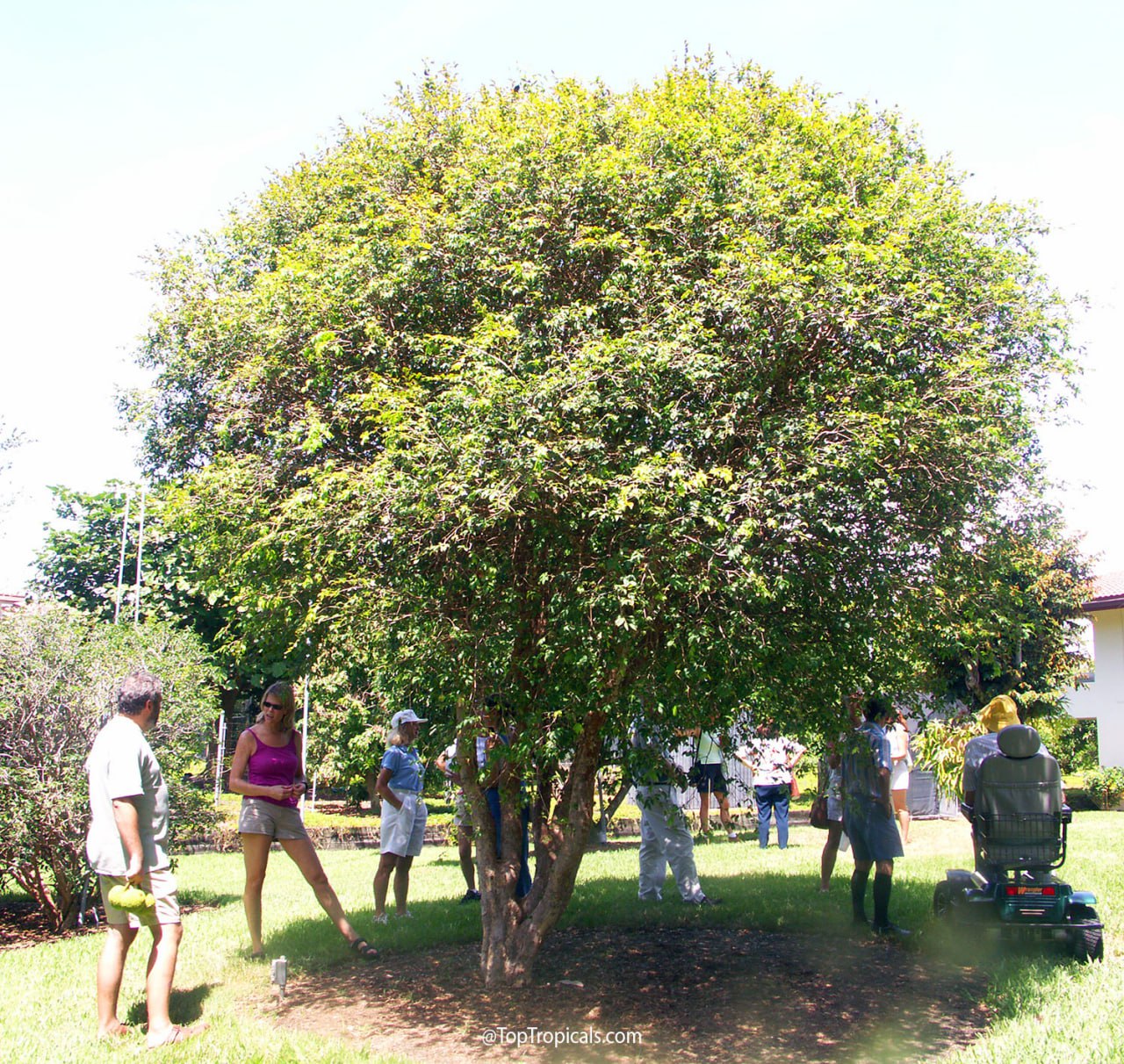
Mulberries are incredibly generous. Everbearing varieties produce sweet berries over an extended window and often begin fruiting the very first year they are planted.
Figs are the champions of container gardening. They are highly drought-tolerant and famous for setting honey-sweet fruit even at a very young age—often just months after being established.
Fig Tree Plant Facts
Botanical name: Ficus carica Also known as: Fig Tree, Brevo
Growing in containers?Fig trees are the drought-tolerant champions.
👉 Tips for Faster Results
• Start Large: Buy "nursery-established" plants rather than seeds. • Feed the Need: Use high-quality organic fertilizer to support rapid growth. • Sun is Fuel: Most of these varieties require at least 6-8 hours of direct sunlight to trigger flowering.
📷 Freshly picked tropical fruit bounty: don't wait years for fruit! Harvest papayas, berries, figs, and more in the very same season you plant them with these fast-growing varieties.
By Tatiana Anderson, Horticulture Expert at Top
Tropicals with
Smokey & Sunshine help
Sunshine Boosters for different types of plants
Here is why SUNSHINE Boosters are the smart choice for your garden this
spring:
Amino Acid Stability: Unlike traditional fertilizers that
use synthetic EDTA chelators, our formulas are amino-acid based. This means
100% of the nutrients are bioavailable and consumed by the plant, leaving
zero
toxic residues or salt build-up in your soil.
Safe for Every Watering: Because our concentrations are
scientifically balanced and mild, they are safe for daily use. This
eliminates the "feast or famine" cycle of dry fertilizers and prevents
accidental root burn.
Pure Taste for Edibles: Our delicate formulas do not
contain excess salts, urea, or ammonium salts that can ruin the flavor of
your harvest. Your fruit and vegetables will retain their pure, natural
taste.
Pollinator Friendly: Our boosters are designed to be safe
for honeybees and other beneficial insects, making them the responsible
choice for an organic-style garden.
🌿For Potted Plants: Breaking the "Foodless" Cycle
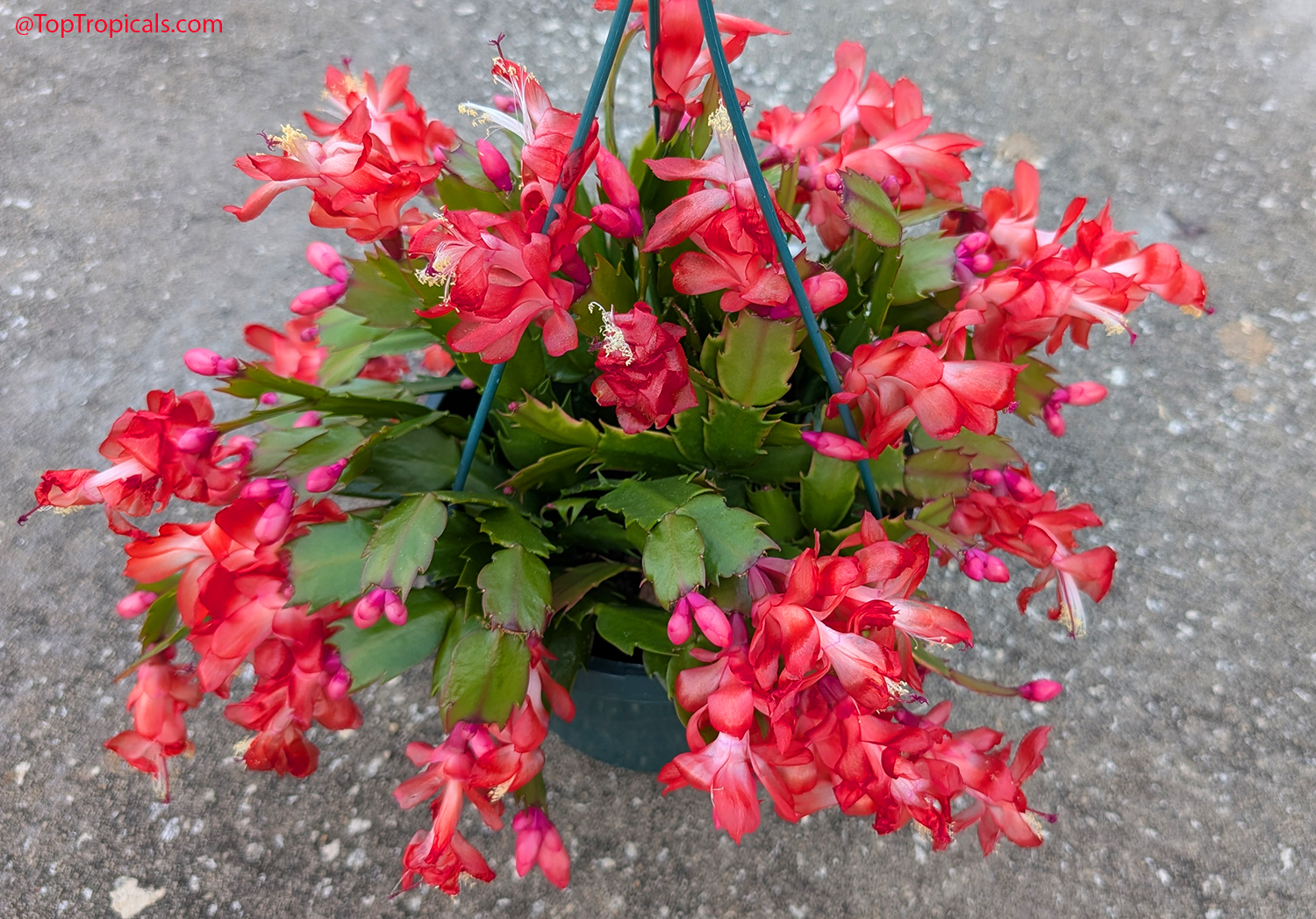
Schlumbergera - Christmas cactus - after boosting
flowers with Sunshine
Megaflor
Container-grown plants are trapped in soilless mixes (peat, bark,
perlite) that are structurally great but naturally nutrient-deficient.
Total Nutrition: Since pots lack the natural "buffet"
of the ground, SUNSHINE Boosters™ provide every
essential mineral the plant cannot find on its own.
No Salt Build-up: Our amino-acid based formulas are
consumed entirely by the plant, leaving zero toxic residue or root-burning
salts behind.
Daily Safety: Our mild concentrations eliminate the
"feast
or famine" cycle of dry fertilizers, making them safe for use with every
single watering.
Even in the ground, plants often struggle to absorb what they need
because soil compounds can "lock up" nutrients.
Enhanced Solubility: SUNSHINE Boosters create a
slightly acidic environment that helps dissolve stubborn salts in the soil,
making them accessible to roots again.
Precision Delivery: We provide mobile elements like
Nitrogen precisely when the plant needs to push new spring growth.
🌿The Foliar Advantage: Direct-to-Leaf Delivery
Did you know a plant leaf can absorb nutrients even more efficiently than
the roots? Foliar feeding is your "emergency button" for instant results.
Quick Fix: Foliar applications with Sunshine
Superfood are the fastest way to correct yellowing leaves or visible
deficiencies.
Metabolism Boost: Sprays like SUNSHINE-Epi act
as a bio-regulator, helping plants recover from the stress of spring
temperature swings.
Better Fruit:SUNSHINE Honey is applied to
leaves to naturally move sugars to the fruit, increasing sweetness and
flavor.
🌿The Calcium Problem: Solved
As your plants wake up this Spring, they need structural strength. Think
of Calcium as the "cement" that holds plant cells
together. Without it, new spring growth is doomed to fail.
Signs Your Plant is Starving for Calcium:
Deformed Leaves: New growth looks twisted, hooked, or
curled.
Blackened Tips: The very edges of young leaves turn white,
then quickly blacken and die.
The Industry Secret: The "Missing" Mineral
Most fertilizers, both dry and liquid, completely skip Calcium. Why?
Because it’s a chemical nightmare to keep stable in a concentrated
solution. Most manufacturers rely on your irrigation water to deliver
Calcium, but tap water is inconsistent and often fails to provide what a
hungry, growing plant needs.
The SUNSHINE Boosters: Stable Calcium in Every Bottle
We have successfully stabilized Calcium directly into every single
Sunshine Booster formula.
Whether you are using Bombino, Robusta, or Megaflor, you are delivering a
precise, stable dose of Calcium with every watering. No lockout, no
sediment, and no relying on the "luck" of your tap water. Just strong,
healthy cell walls and perfect spring growth.
🌿SUNSHINE-Epi: The Year-Round Bio-Regulator
Whether it’s the transition of spring, the extreme heat of summer,
or the dry air of indoor wintering, SUNSHINE-Epi is your
plant’s primary defense. This natural Brassinosteroid acts as a
powerful immune booster, helping plants navigate stress wherever it comes
from.
Universal Stress Shield: Protects against temperature
swings (both heat and cold), drought, and transplant shock.
Vigorous Development: Dramatically improves root growth
and speeds up the metabolism of young seedlings and cuttings.
Eco-Safe: 100% non-toxic to humans, pets, and
pollinators.
Note: While Epi is highly effective, it is a
performance booster, not a substitute for proper care. It works best when
paired with the right light, water, and a consistent feeding program. It
won't bring a dead plant back to life, but it will help a struggling one
find its footing.
Don't
let your garden wake up to an empty nutrition plate.
Smokey: Save your gas money for donuts. We're
shipping the boosters for free. Sunshine: Agreed. My charm covers the delivery
cost.
No coupon code required: The free shipping is automatically applied
at checkout.
Complete Nutrition: Stock up on Robusta, Superfood, and Epi for the Spring
growth push.
Offer
valid through 03/14/2026. Free shipping offer is valid on
SUNSHINE Boosters liquid products only. Not valid on previous purchases and
cannot be combined with any other offers, coupons, or discounts. Offer
subject to change or cancellation without notice.
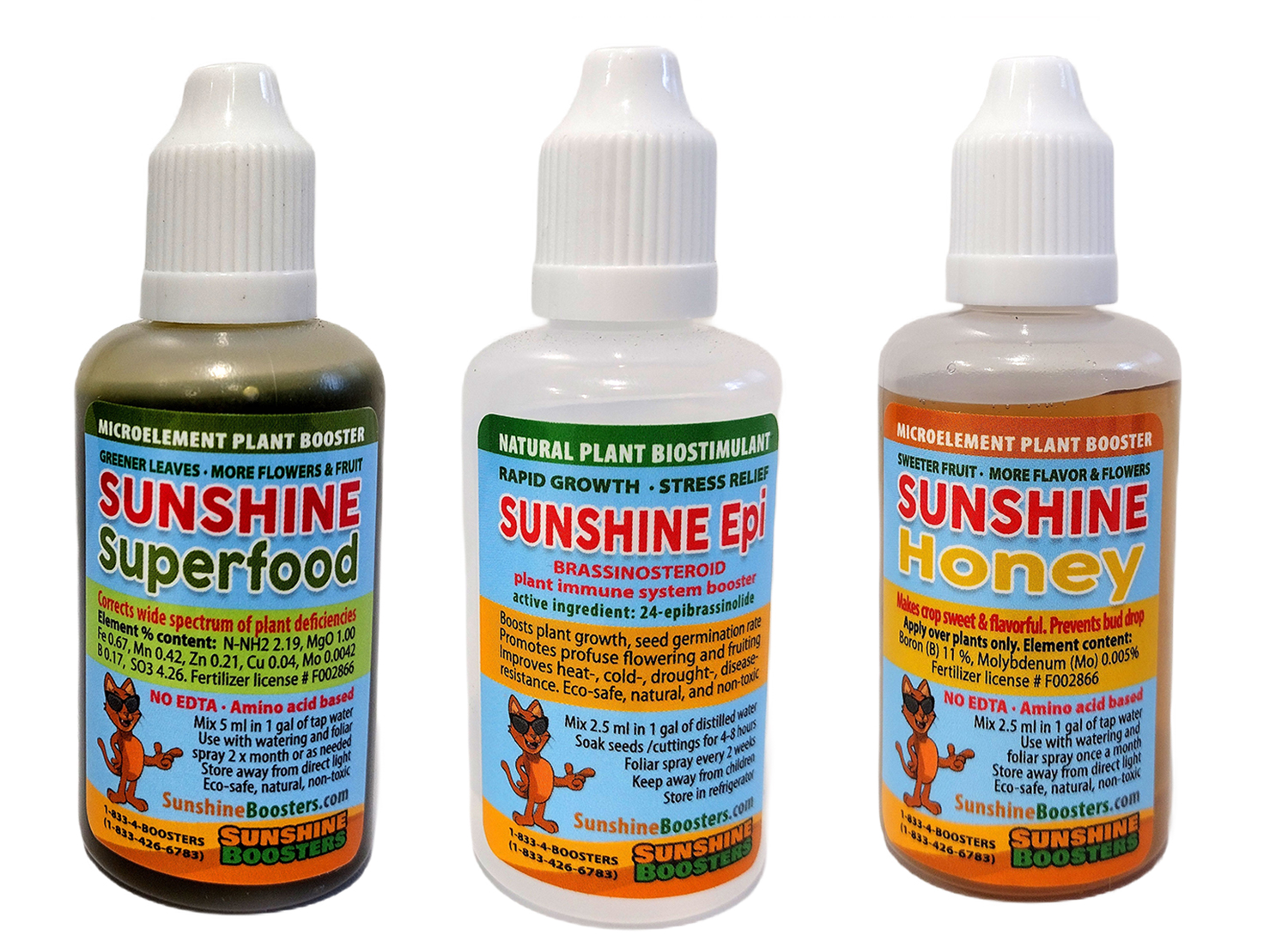
Sunshine Boosters micro
elements and supplements - Superfood micro-element complex, Sunshine Epi
biostimulant and Sunshine Honey supplement for better fruit
❓Frequently Asked Questions: SUNSHINE Boosters™
What water should I use for foliar spraying?
Tap water works perfectly for most. However, if your water is very "hard"
(leaving white mineral spots on leaves), switch to distilled water for a
cleaner finish and better absorption.
How long does a diluted solution last?
For maximum potency and to avoid nutrient degradation, try to use your
diluted mixture
within a few hours of preparation. Keep away from direct sun. Fresh is
always best!
Can I use SUNSHINE Boosters as a daily foliar spray?
Yes! You can mist your plants daily to maintain high vigor, but you must
reduce the dosage (use half the recommended strength) to avoid over-feeding.
Can I mix boosters with pesticides or fungicides?
It is best to apply them separately. Mixing fertilizers with chemical
pesticides in one tank can trigger reactions that "lock out" nutrients or
reduce the efficacy of the treatment.
Will the liquid stain my patio or hands?
No. Unlike traditional fertilizers with heavy blue or pink dyes, our
solutions are clear or very light-colored. If you spill it, simply rinse
with water—no stains, no mess.
Can I mix different SUNSHINE Boosters together in one sprayer?
Yes. All SUNSHINE Boosters are chemically compatible. You can combine a
"growth" booster like Robusta with a "micro-element" complex like Superfood
in the same water to save time.
Are these products safe to use around my pets?
Absolutely. Our formulas are 100% non-toxic and amino-acid based. Just ask
Smokey and Sunshine—they are perfectly safe for households with
curious cats, dogs, and children.
Can I use these boosters on indoor plants?
Yes. They are ideal for indoor use because they don't produce a "fertilizer
smell" and won't cause salt crusting on your decorative pots or furniture.
Is it safe to use on fruit and vegetables I plan to eat?
Yes. Because our formulas contain no urea, nitrates, or harsh salts, they
don't leave a "chemical" aftertaste. They actually help improve the natural
sugars and flavor profile
of your harvest.
What is the best temperature for foliar spraying?
Apply when temperatures are below 85°F. Early morning or late evening
is best; this allows the leaves to remain wet longer, giving the plant more
time to absorb the nutrients.
What Fertilizer to Use and How?
Green
Magic controlled release fertilizer keeps plants green during active
growth season - apply only once in 6 months.
Sunshine: Smokey, you saved my coffee tree. But what do I
do now so it stays happy?
Smokey: Simple. Spray Sunshine Robusta every five days
during active growth.
Sunshine: Five days? Smokey, I barely remember where I left
my coffee
mug five minutes ago.
Smokey: That is exactly why we use Green Magic.
Sunshine: Fertilizer for forgetful gardeners?
Smokey: Controlled release. Sprinkle once and it feeds the
plant for six months.
Sunshine: Six months? I can have a very good nap in that
time.
Smokey: Exactly. The plant keeps eating slowly while you
keep napping.
Sunshine: Perfect. Remember, I will bring the coffee. You
bring the donuts.
Smokey: And next week we will show you exactly how Green
Magic works and why plants love it. Stay tuned.
Spring has arrived, and plants are coming back to life. New shoots are
appearing, fresh leaves are unfolding, and roots are beginning to grow
actively again. As plants enter this important stage of the season, they
need more than just water to support their growth. Proper nutrition is
essential for strong development and healthy
plants. SUNSHINE
Boosters provide the balanced nutrition plants need to start the growing
season strong.
A simple rule we follow in our nursery: new growth responds best to foliar
feeding.
When nutrients are sprayed directly on the leaves, plants can absorb them
quickly and efficiently.
Immediate action – nutrients are absorbed through the
leaves and start working right away.
No delay traveling through soil – plants do not need to
wait for nutrients to move down to the roots.
Avoids soil lockout – micronutrients can become unavailable
in high pH soils, but foliar feeding bypasses this problem.
Supports stressed plants – when roots are cold, damaged, or
newly transplanted, foliar feeding helps
plants recover faster.
However, sometimes plants begin to show visible nutrient deficiencies.
Yellow leaves, slow growth, brown leaf edges, or distorted new leaves are
often early signs that the plant is missing essential elements needed for
healthy development.
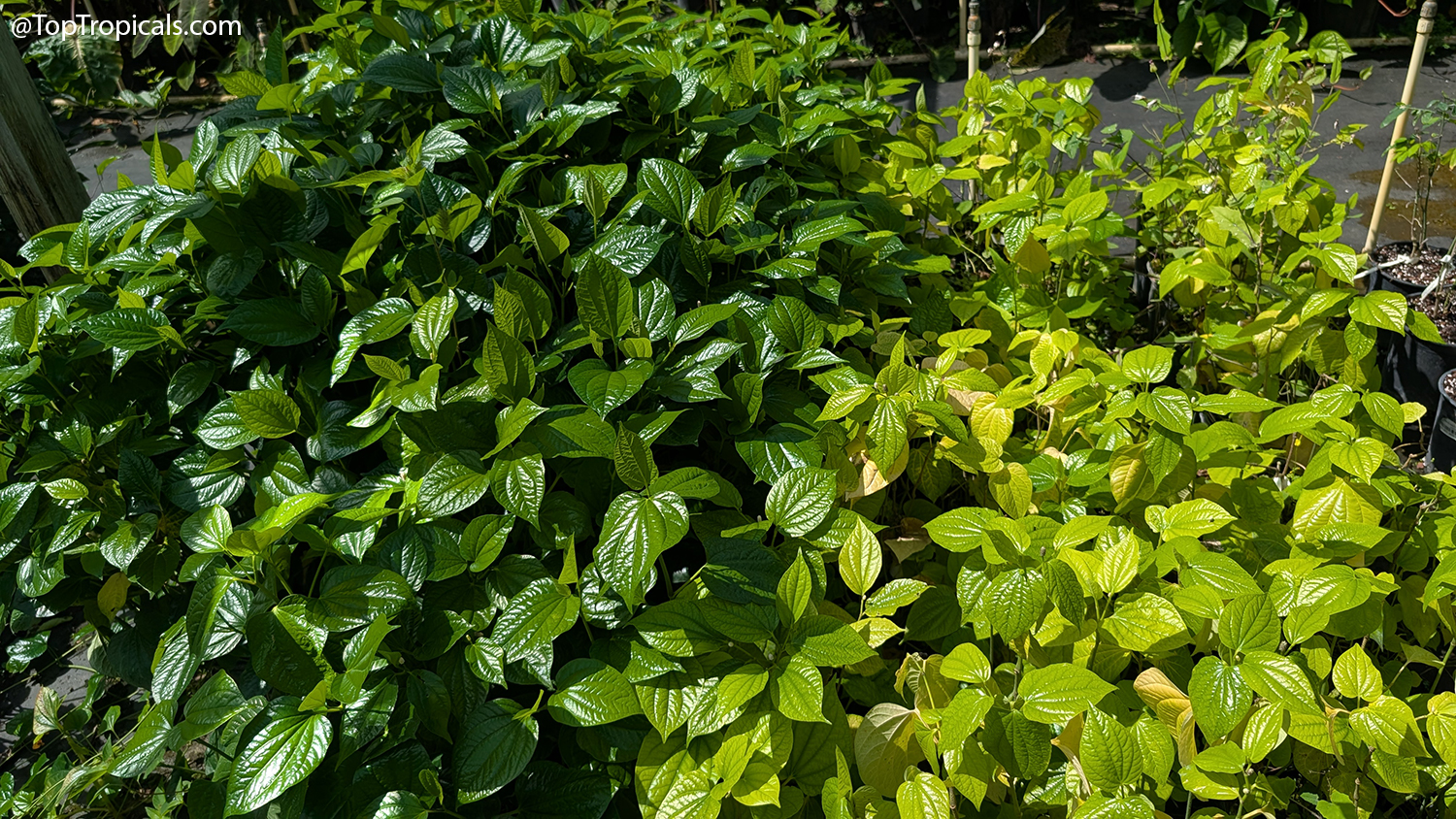
Piper sarmentosum - Vietnamese Pepper - with
fertilizer (left) and without (right)
Chaa-plu Plant Facts
Botanical name: Piper sarmentosum Also known as: Chaa-plu, Vietnamese Pepper, Lalot, La Lot, Wild Betel Leaf
USDA Zone: 9 - 11
Highligths
These symptoms are especially common in container plants, where nutrients
can be quickly depleted or become
unavailable due to soil pH and watering conditions.
Use the quick reference table below to identify common nutrient-related
symptoms and the recommended SUNSHINE solution to correct them.
Symptom you see
What to do
Pale leaves, slow growth, weak new shoots
(often nitrogen related)
For most plants, foliar feeding works best when applied lightly and
regularly during active growth.
Regular feeding (maintenance): Mix with tap water according to
the ratio on the label. For SUNSHINE Robusta use 25 ml (5 tsp)per gallon
of water and spray leaves every 5-7
days during active growth.
Correction feeding ("medicine" dose): if plants show visible
nutrient deficiencies, combine SUNSHINE Robusta with SUNSHINE Superfood and
spray every 5–7 days until new growth appears healthy. All SUNSHINE
Boosters
products are compatible and can be mixed with water in the same sprayer.
Best time to spray: early morning or evening when temperatures
are cooler and leaves can absorb nutrients efficiently.
Important: spray both the top and underside of leaves for
maximum absorption.
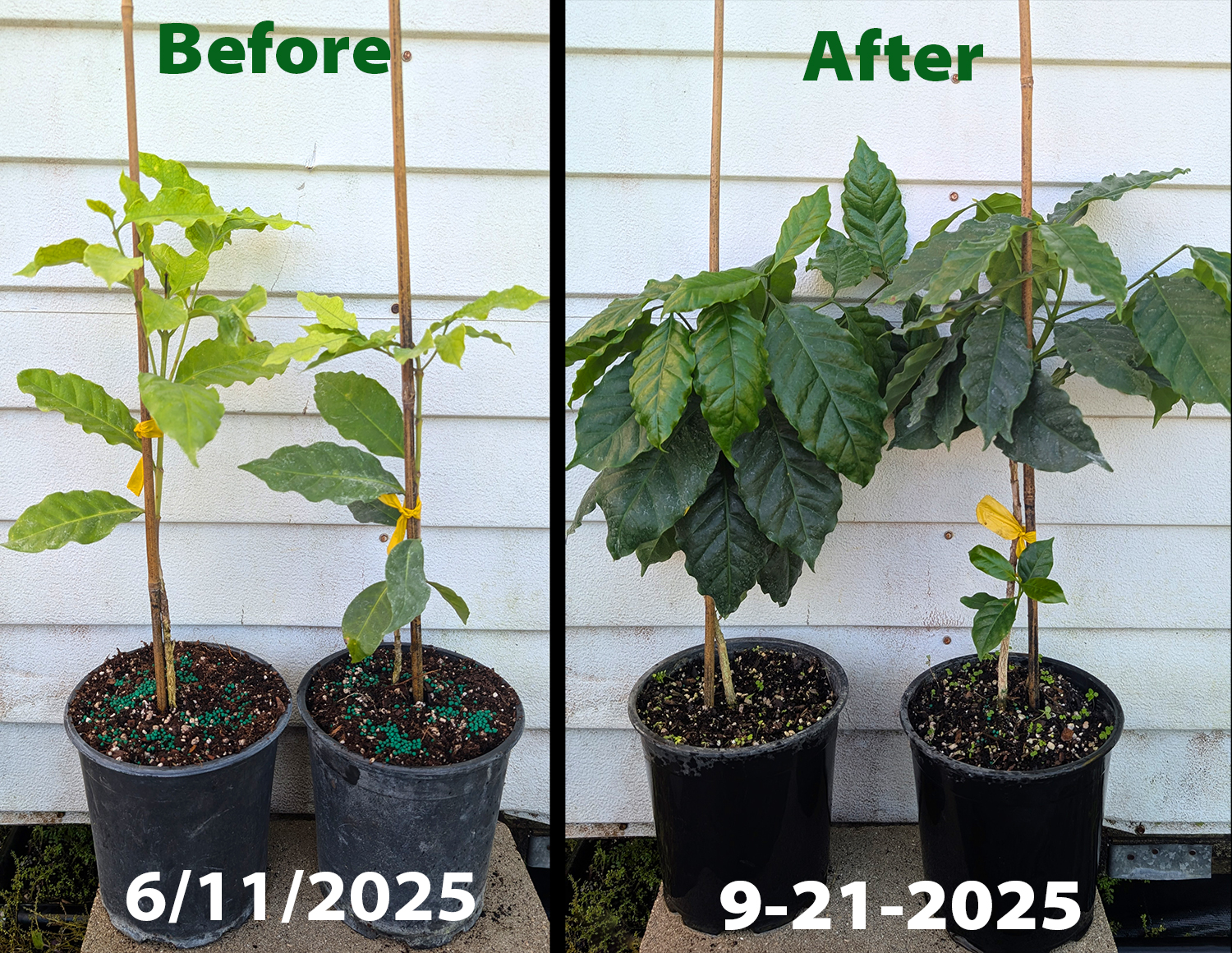
Coffee plants before and after regular Sunshine
Robusta applications
The Magic Number 65: when tropicals finally wake and the 7-Day Rule you should know
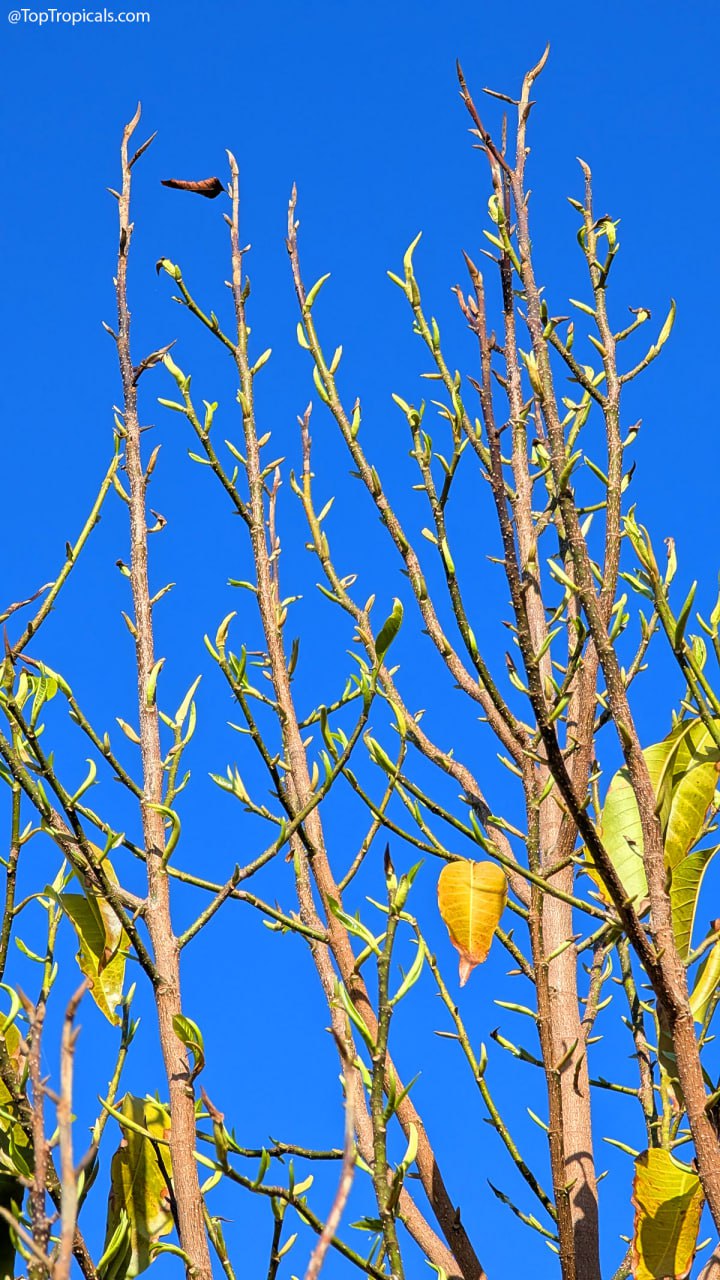
Champaka tree new growth sprouts
A Champaka tree (Joy Perfume Tree) first fresh sprouts
The Magic Number 65: when tropicals finally wake and the 7-Day Rule you should know 🌱
Discover the "Magic 65" rule for waking up your garden and the exact time to start fertilizing for maximum growth. Learn the specific temperature threshold that signals your tropicals to wake up and how to handle spring cold snaps.
🌿 If you’ve been staring at your dormant trees and shrubs wondering if they survived the winter, you aren't alone. The most frequent question every spring is: "When will my tropical plants start sprouting?"
🌿 While the calendar might say spring, tropical plants don’t use a watch - they use a thermometer. If you want to see green shoots and active growth, there is one "Magic Number" you need to watch: 65F 🌡
🌿 The 7-Day Rule for Tropical Growth
The gold standard for the tropical world is simple: plants generally wake up when minimum nighttime temperatures remain at or above 65F for at least one full week.
🌿 Why 65°F?
Tropical species are biologically programmed to stay dormant to protect their cell structure from cold damage. A single warm day won't fool them, but seven consecutive nights of 65F+ signals that the "growing season" has officially arrived. Once you hit that 7-day mark, you’ll see buds pushing and fresh leaves finally sprouting.
🌿 Can You Force Them to Wake Up Faster?
Patience is a virtue, but if you’re looking to "push" your plants, focus on two things: 🌞 Sun Exposure: Ensure they are in the brightest spot possible to warm the soil. ♨️ Heat Retention: Use dark mulch or move potted plants onto concrete surfaces that retain daytime heat.
🌿 When to Start Fertilizing
❌ Don’t reach for the fertilizer until you see that active growth. Feeding a dormant plant can lead to root rot or wasted nutrients. 👉 The Signal: After that first week of 65F nights. ✅ The Action: Once you see green tips, start your fertilization routine. This is when the plant actually has the metabolic "engine" running to use those nutrients.
🌿 Watch Out for the "False Spring"
Before you go all-in, ensure the risk of a hard freeze has passed. A minor cold snap - a few nights in the 50s - won't kill your progress, but it will act as a "pause" button. If cool weather persists, tropicals may "lock up" and return to dormancy. If that happens, simply reset your clock and wait for the next stretch of 65F nights.
🌿 Ready for the Wake-Up Call? Fuel Your Tropical Growth!
Don’t get caught empty-handed when that 7th day of 65F hits. Stock up now so you can feed them the moment they wake up. Using the right nutrients during the active growth phase is key to lush blooms. Check out our curated selection of professional-grade fertilizers:
📷 Recovery in Action: The Joy Perfume Tree - Champaka showing off its first fresh sprouts in March after a chilly Florida winter. This is exactly what happens once you hit that 7-day streak of 65F nights! 📚 Learn more: ✦ Why is my Champaka Tree dropping leaves?
💚 Do papaya seeds need to be cleaned before planting?
Yes. The slimy coating must be removed or seeds may rot instead of sprouting.
💚 What soil is best for papaya seedlings?
A well-draining mix or coconut fiber. Soil should be moist, never soggy.
💚 Why do papaya seedlings rot so easily?
Overwatering and poor drainage are the main causes. Young papaya roots are very sensitive to excess moisture.
💚 Do papayas like transplanting?
No. Papayas hate root disturbance. Reduce transplanting and move into larger containers sooner rather than stepping up gradually.
💚 How big should the container be?
After a 4-inch pot, move directly into a 1-gallon or even 3-gallon container to minimize root disturbance.
💚 Does papaya need staking?
Yes. Papaya grows fast, and the stem can outpace root development. Even light wind can knock it over.
💚 How much sun does papaya need?
Full sun. Shade causes leggy growth, poor flowering, and little to no fruit.
💚 Should papaya be watered heavily?
No. Once established, papaya prefers drier conditions. Large plants tolerate rain better than young ones.
💚 Can papaya be planted in the ground?
Yes, but only in well-drained soil and elevated spots. Low areas with standing water will kill it.
💚 Is fertilizer important for papaya?
Yes. Papaya is a heavy feeder. Poor soil means poor growth and little or no fruit. Use Green Magic once every 6 months or Sunshine Boosters C-Cibus with every watering.
💚 Should papaya be pruned to control height?
No. Pruning ruins its natural form. If height is an issue, grow a dwarf variety instead.
Florida freeze damage - what to replant after a record cold winter
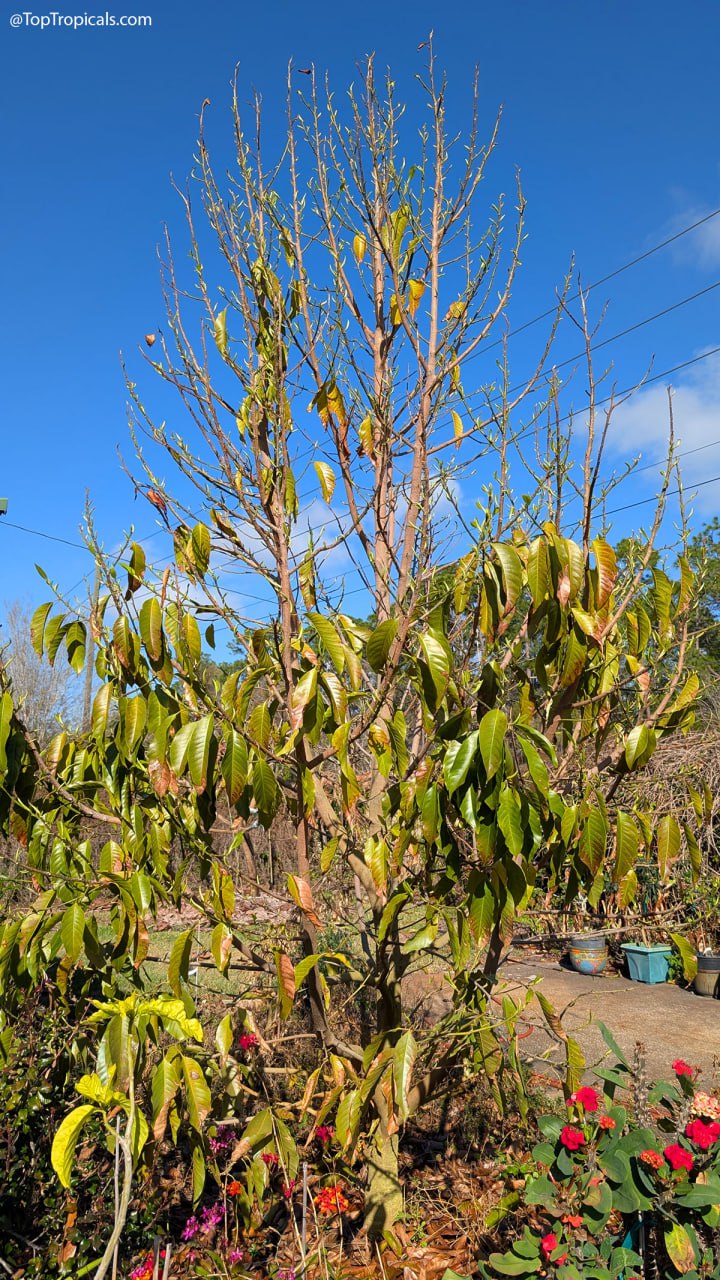
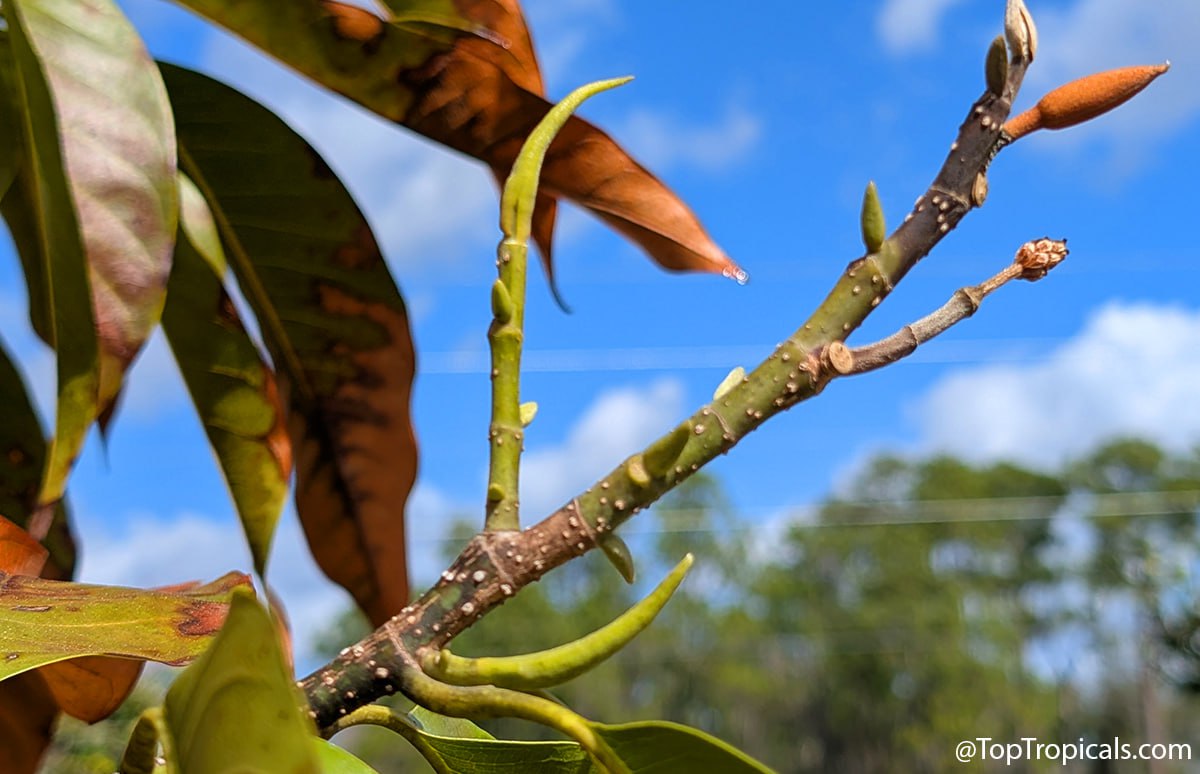
Magnolia champaka new shoots
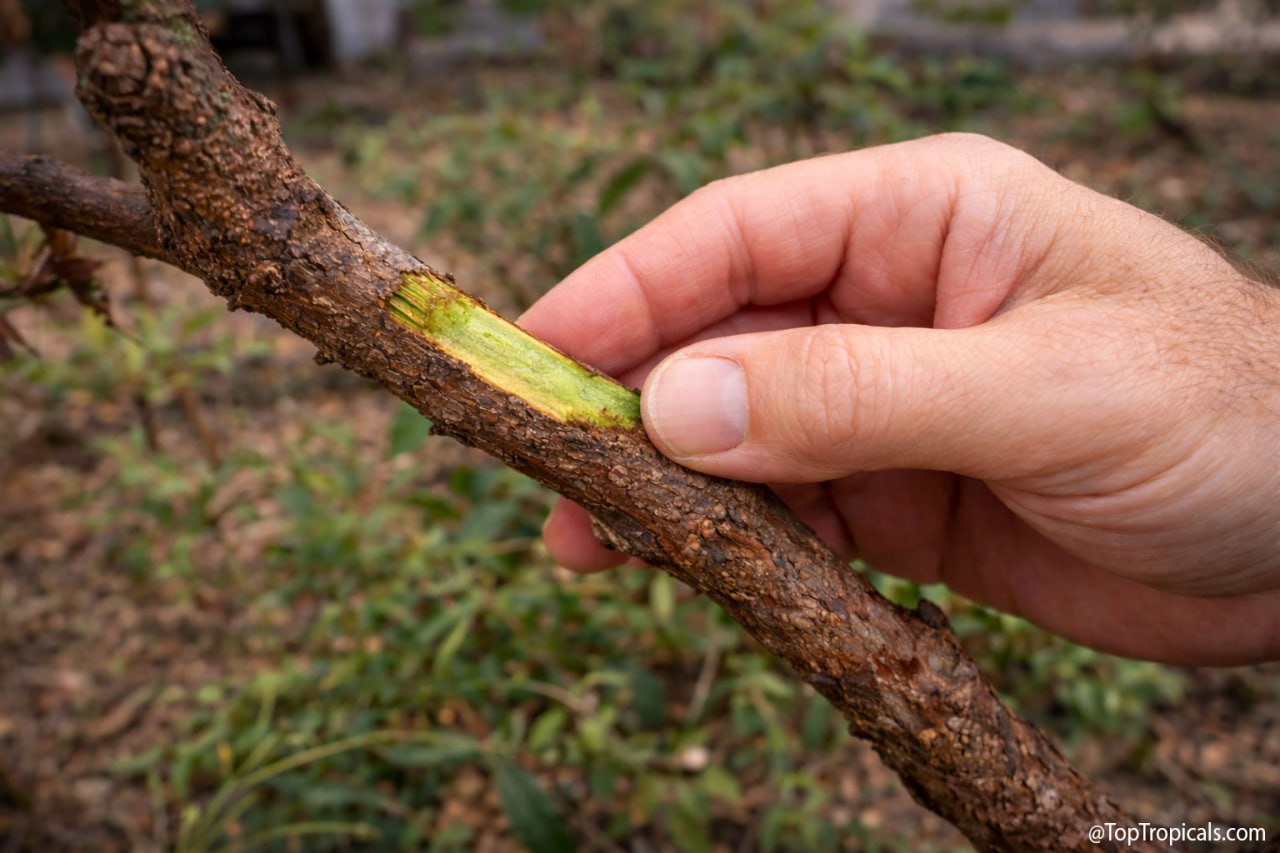
Scratch test on a bark
❄️ Florida freeze damage - what to replant after a record cold winter
🌱 A record freeze changed Florida gardens
After the recent record cold across Florida, many gardeners are now seeing the real damage - browned leaves, split stems, collapsed shrubs, and fruit trees that may not recover.
Some plants surprised us with new growth. Others are clearly gone.
The practical question is simple: what should you replant so it does not happen again next winter?
The good news - you can build a more frost-resilient garden without giving up beauty or fruit.
🌱 First - do not rush to rip everything out
Before replacing anything, check carefully: Scratch the bark lightly - green underneath means the branch is alive. Wait for consistent warm weather - some plants re-sprout weeks or even months later. Look for growth higher on the stem, not just at the base.
After freezes, many tropicals look worse than they are. Patience often saves money.
🌱 Why some plants survived and others did not
Freeze survival depends on several factors: Duration of cold - 2 hours vs 8 hours makes a major difference Microclimate - south-facing walls, wind protection, canopy cover Plant maturity - established roots handle stress better Pre-freeze health - overfertilized, soft growth freezes faster
This explains why two identical plants in the same yard can perform very differently.
🌱 What to replant for a frost-resilient garden
Instead of replacing losses with the same tender species, consider: Cold-hardy fruit trees Proven freeze survivors from this winter Shrubs that tolerate brief dips below freezing Layered planting for wind protection
When redesigning: Plant tender species closer to structures. Use hardy trees as windbreaks. Avoid low frost pockets. Improve drainage - wet roots freeze faster.
You do not have to remove tropical character. You just have to plant smarter.
After freeze damage, many gardeners replant quickly - only to repeat the same losses.
A better approach: Identify what truly died. Learn which species survived locally. Choose varieties proven in your climate zone. Design with cold in mind.
One freeze can become a turning point. Many Florida gardens become stronger after a hard winter because the plant list gets refined.
🌱 Spring Equinox - a natural reset
The Spring equinox marks equal day and night and the astronomical start of spring. From this point forward, daylight increases and active growth accelerates.
For Florida gardeners, it is a natural reset.
New growth begins. Roots wake up. Replacement planting becomes safer.
This is the right time to rebuild.
What tropical plants survived Floridas historic freeze without protection
Florida historic freeze
What tropical plants survived Florida's historic freeze without protection
In the first week of February 2026, arctic air pushed deep into Florida. For many areas, this was the coldest event in over a century.
We received one question over and over: How did your gardens do?
Top Tropicals Farm in Sebring, Florida is up and running - and this freeze became a real-world hardiness test for tropical and subtropical plants. Below is our initial field report after inspecting established plantings.
📊 Weather data - February 1-6, 2026
Sebring, Florida - 132 years of recorded observations
This was not a light frost. It was prolonged, windy, penetrating hard freeze.
🌡 Minimum temperature: 25F ❄️ Wind chill: 14F ⏳ Duration: 3 nights of 8-10 hour hard freeze ☀️ Daytime temperatures: around 50F for 7 days 🌀 Wind: sustained 20 mph, gusts 40-50 mph
Cold protection
In-ground trees: selected plants covered with frost cloth, especially
Mango Plant Facts
Botanical name: Mangifera indica Also known as: Mango
USDA Zone: 9 - 11
Highligths
mango and young
Avocado Plant Facts
Botanical name: Persea americana, Persea gratissima Also known as: Avocado, Alligator Pear, Aguacate, Abacate
USDA Zone: 9 - 11
Highligths
avocado trees. Tender container plants: moved into greenhouses with propane heat above 34F. Hardy container plants: frost cloth and wind protection only - no plastic Nutrition support: plants fertilized regularly during the growing season with Green Magic and Sunshine Boosters to maintain vigor and hardiness.
However, the plants listed below had no protection at all.
All were established trees 2-3 years in the ground.
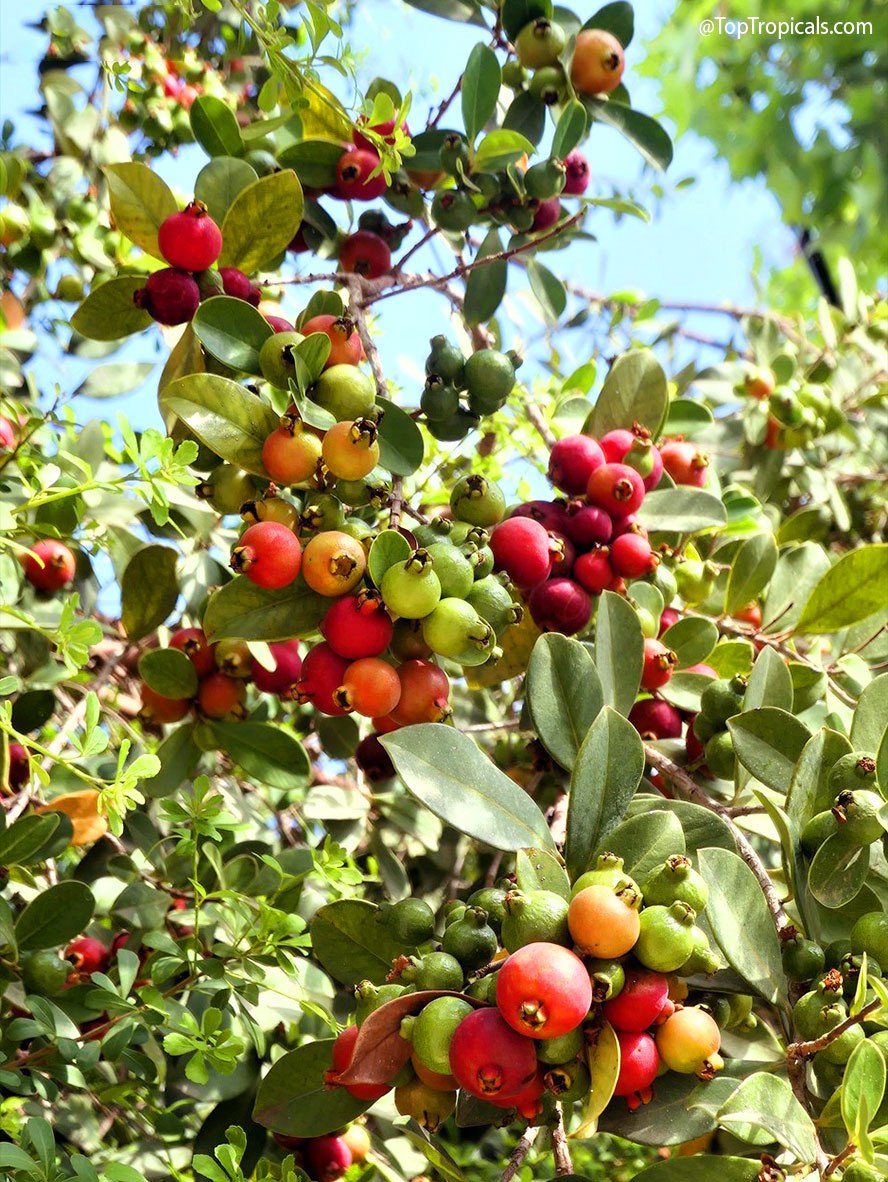
The plants below had NO PROTECTION, established trees 2-3 years old
Botanical name: Psidium cattleyanum, Psidium littorale Also known as: Cattley Guava, Sand Plum, Strawberry Guava
USDA Zone: 9 - 11
Highligths
Eugenias (Grumichama, Rio Grande, Surinam and more)
Olive trees
Bay Leaf (Laurus nobilis)
Fig trees (Ficus carica)
Prunus sp - Peaches, Plums, Nectarines
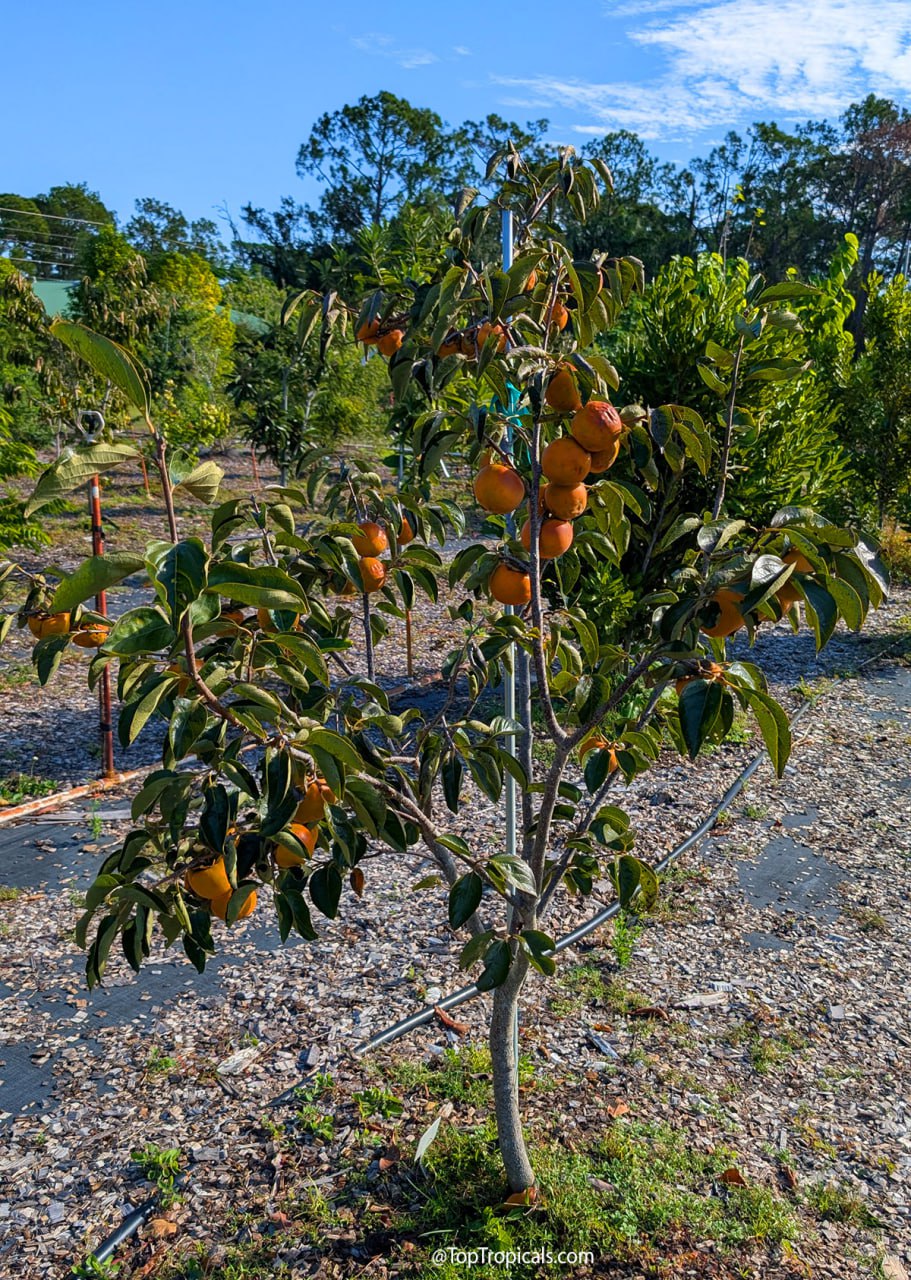
Persimmons
Rubus (Blackberries) including Tropical Mysore Raspberry
Elderberry (Sambucus)
Yerba Mate - Ilex paraguariensis
Opuntia - Nopal Cactus, Prickly Pear
🌸 Flowering Trees and Shrubs:
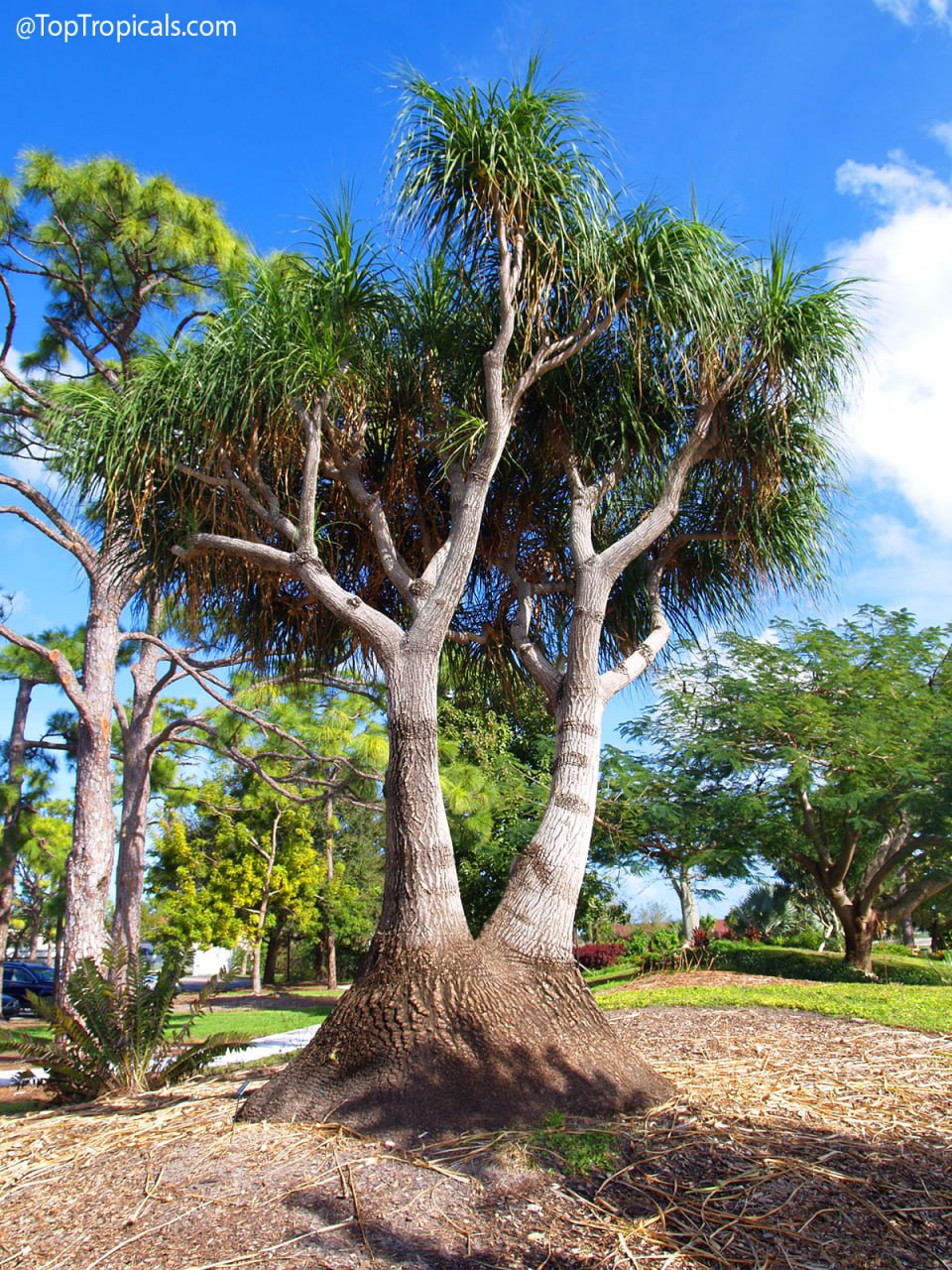
Beaucarnea recurvata - Pony Tail
Ponytail Palm Plant Facts
Botanical name: Beaucarnea recurvata, Nolina recurvata Also known as: Ponytail Palm, Pony Tail, Bottle Palm, Nolina, Elephant-foot Tree
USDA Zone: 10 - 11
Highligths
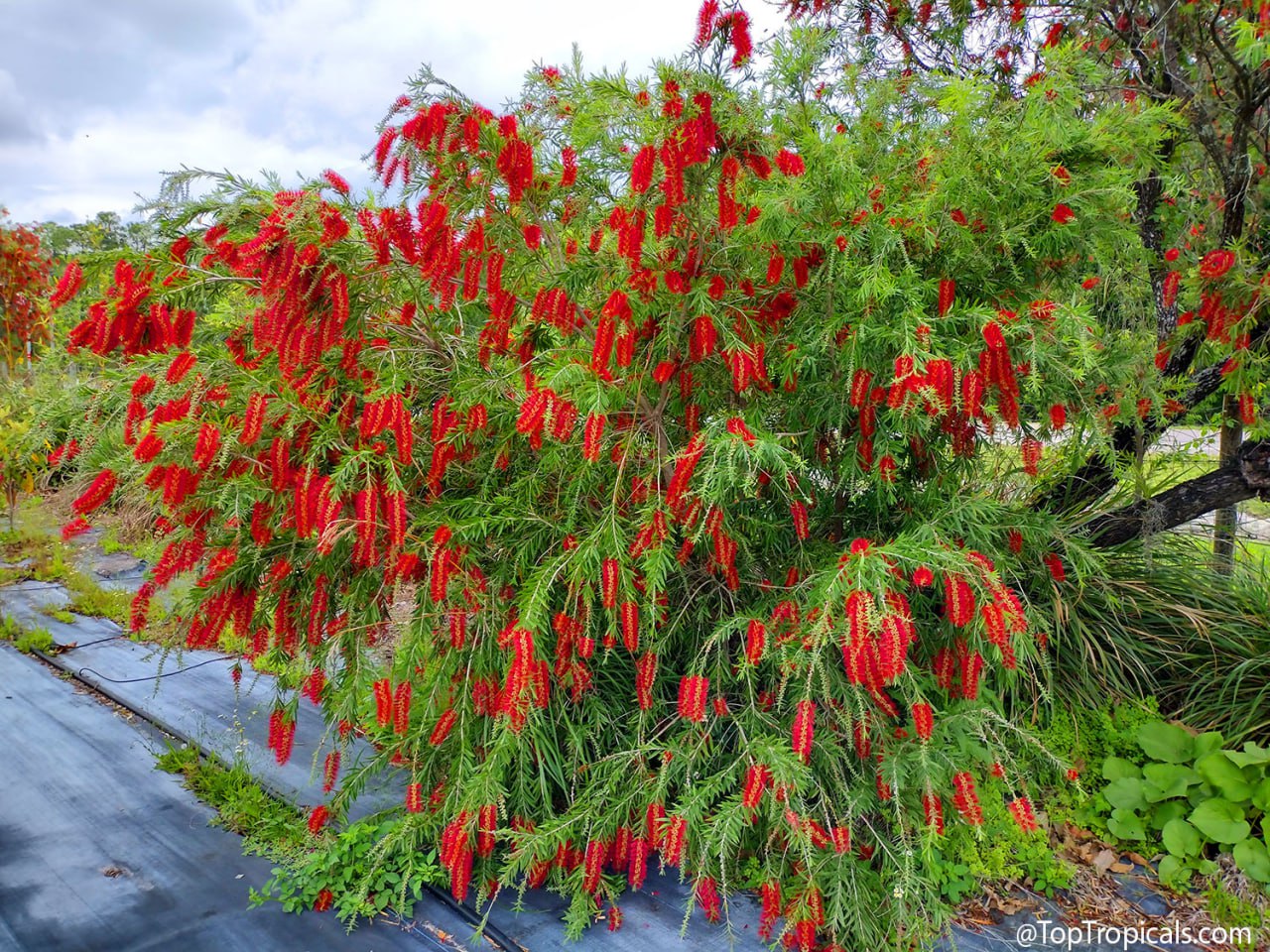
Callistemon - Bottlebrush
Yucca
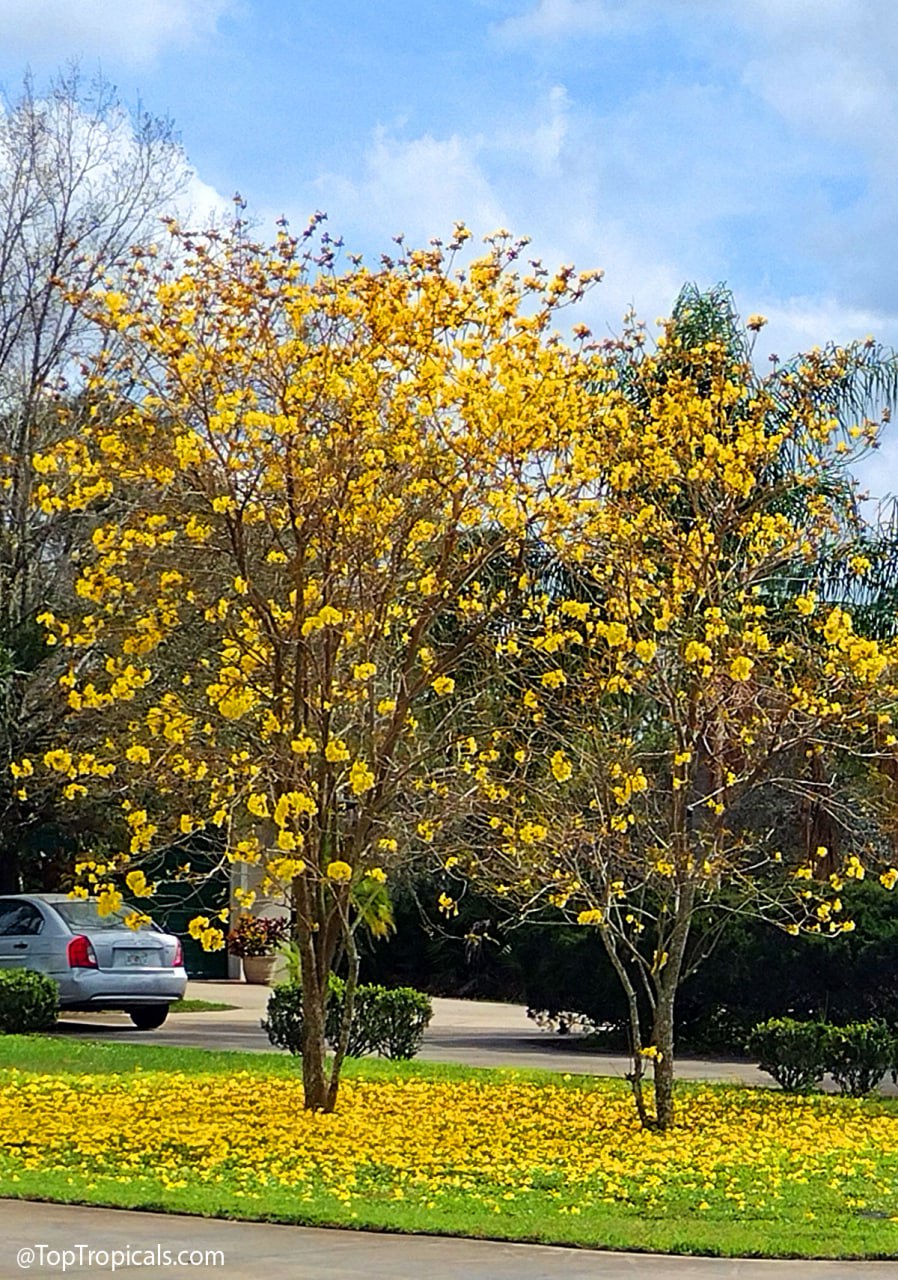
Tabebuias
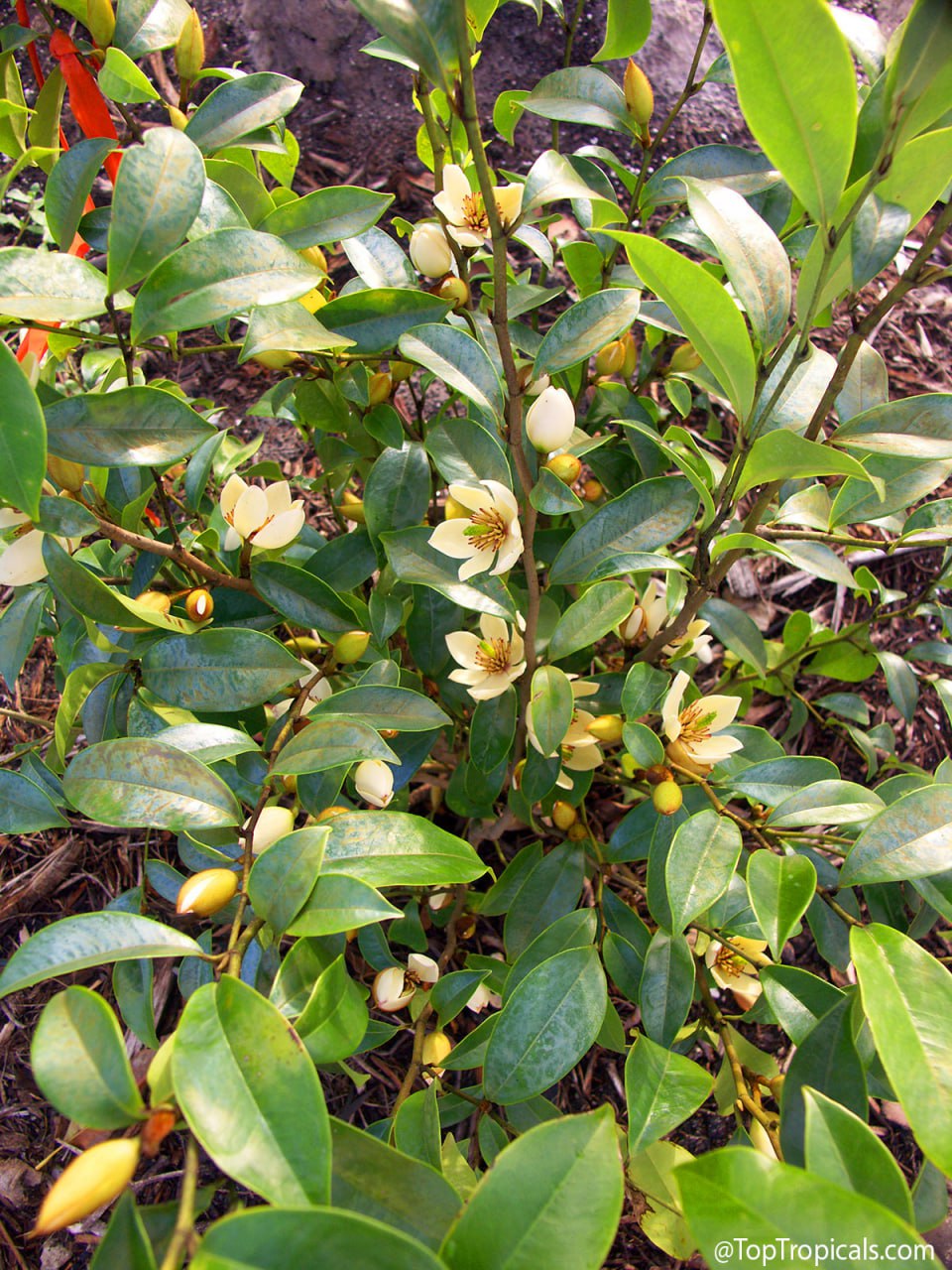
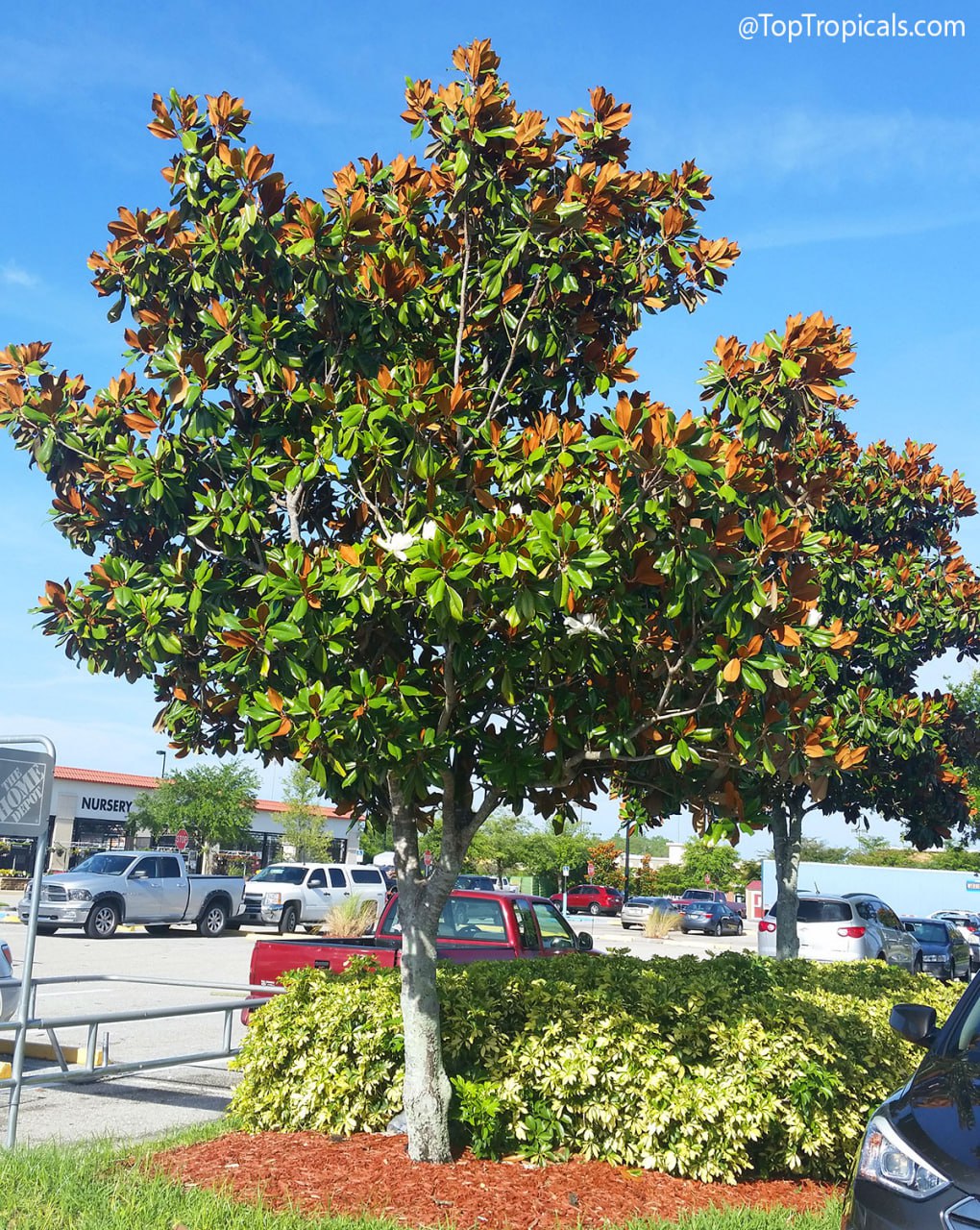
Magnolia figo and Little Gem
Banana Magnolia Plant Facts
Botanical name: Magnolia figo, Michelia figo, Magnolia fuscata Also known as: Banana Magnolia, Banana Shrub, Port Wine Magnolia
USDA Zone: 7 - 10
Highligths
Calliandra tweedii - Red Powderpuff
Sophora tomentosa
Yellow Necklace Pod Plant Facts
Botanical name: Sophora tomentosa Also known as: Yellow Necklace Pod, Silverbush
USDA Zone: 8 - 11
Highligths
Galphimia gracillis - Thriallis
Thriallis Plant Facts
Botanical name: Galphimia gracillis, Galphimia gracilis, Galphimia glauca Also known as: Thriallis, Rain of Gold, Spray of Gold
USDA Zone: 9 - 11
Highligths
Acacia trees
Osmanthus fragrans
Tea Olive Plant Facts
Botanical name: Osmanthus fragrans, Olea fragrans, Olea ovalis, Osmanthus longibracteatus, Osmanthus macrocarpus Also known as: Tea Olive, Fragrant Olive, Sweet Olive, Kinmokusei in Japan
USDA Zone: 8 - 11
Highligths
Abutilon trees
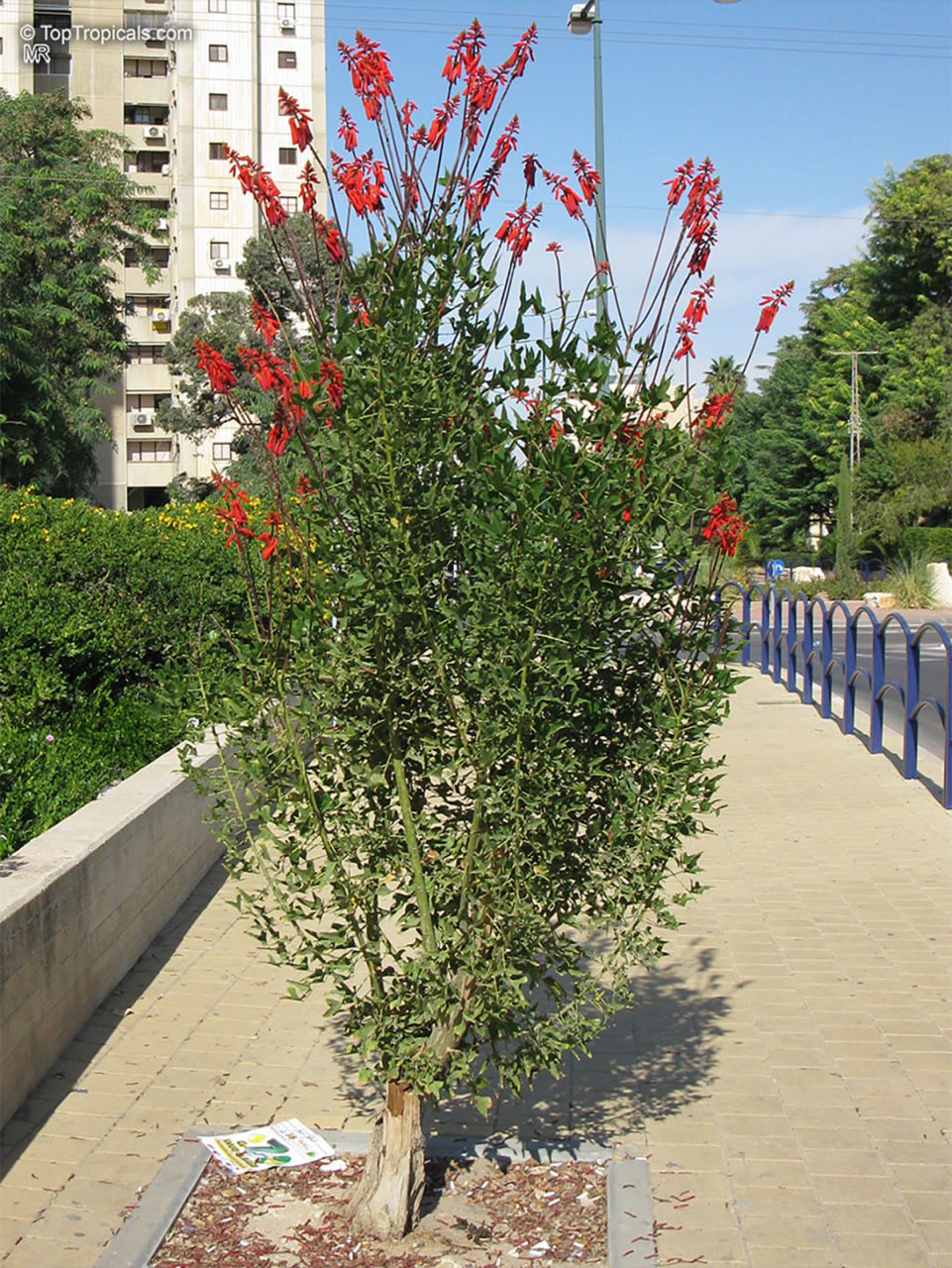
Erythrina - several species
Monkey Ear tree - Enterolobium cyclocarpum
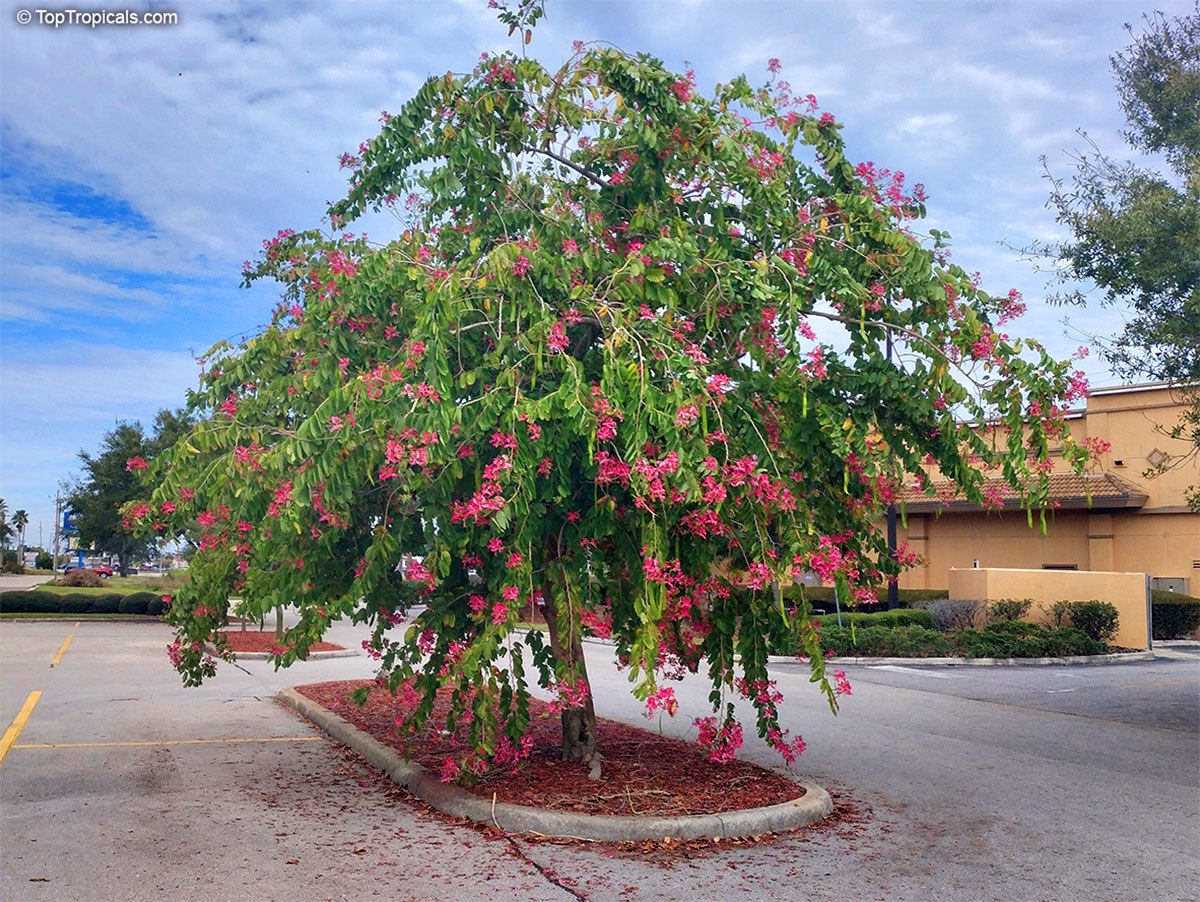
Bauhinia Orchid Trees - several species
Pseudobombax ellipticum - Shaving Brush Tree
Shaving Brush Tree Plant Facts
Botanical name: Pseudobombax ellipticum, Bombax ellipticum Also known as: Shaving Brush Tree
USDA Zone: 9 - 11
Highligths
Bulnesia arborea- Vera Wood
Vera Plant Facts
Botanical name: Bulnesia arborea Also known as: Vera, Verawood, Vera Wood, Maracaibo Lignum Vitae
USDA Zone: 10 - 12
Highligths
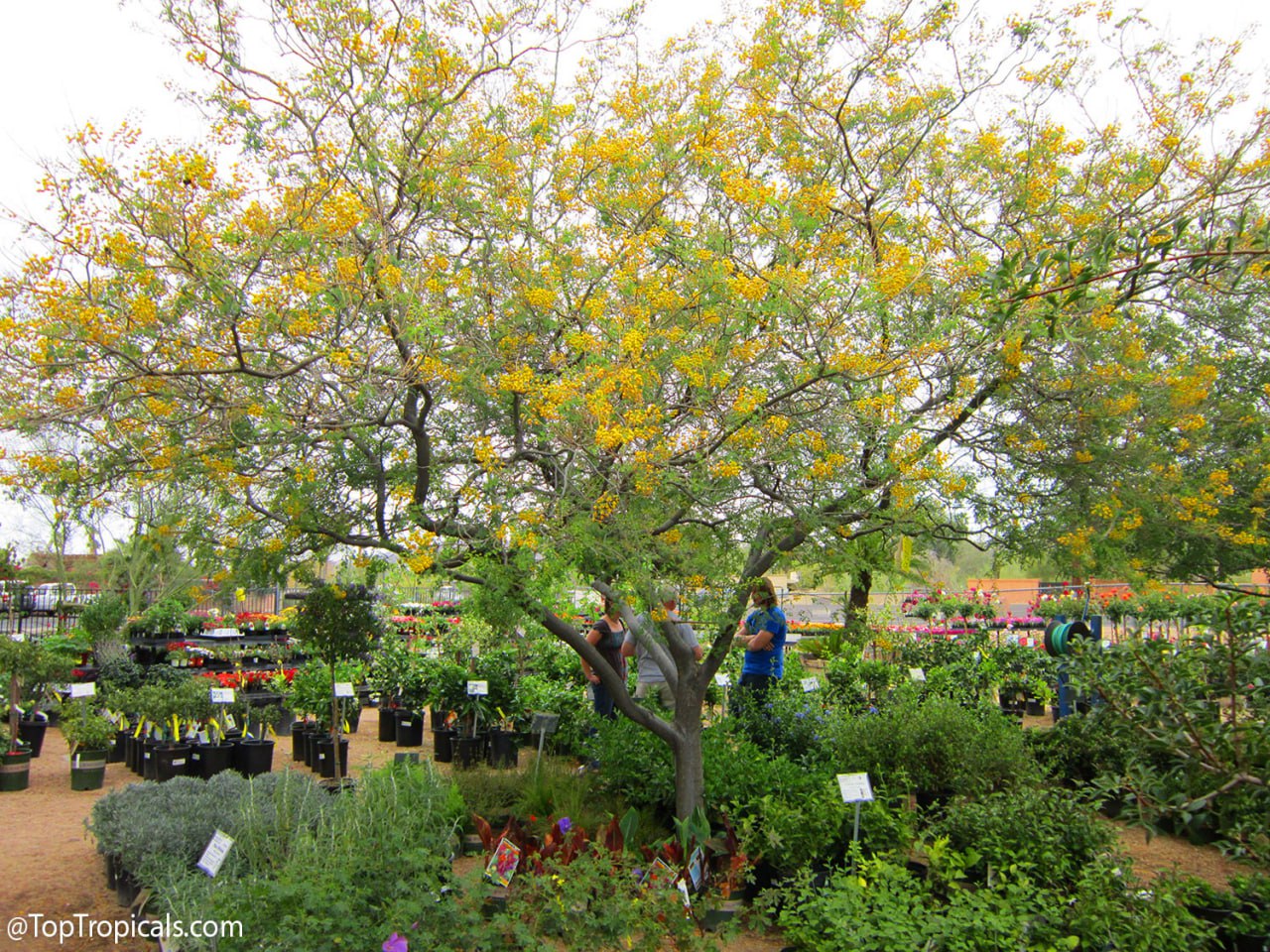
Caesalpinia mexicana, Mexican Bird of Paradise
Mexican Bird of Paradise Plant Facts
Botanical name: Caesalpinia mexicana Also known as: Mexican Bird of Paradise, Dwarf Poinciana
USDA Zone: 9 - 11
Highligths
Sansevieria - Snake Plant
Foxtail fern - Asparagus densiflorus
Lonicera - several varieties
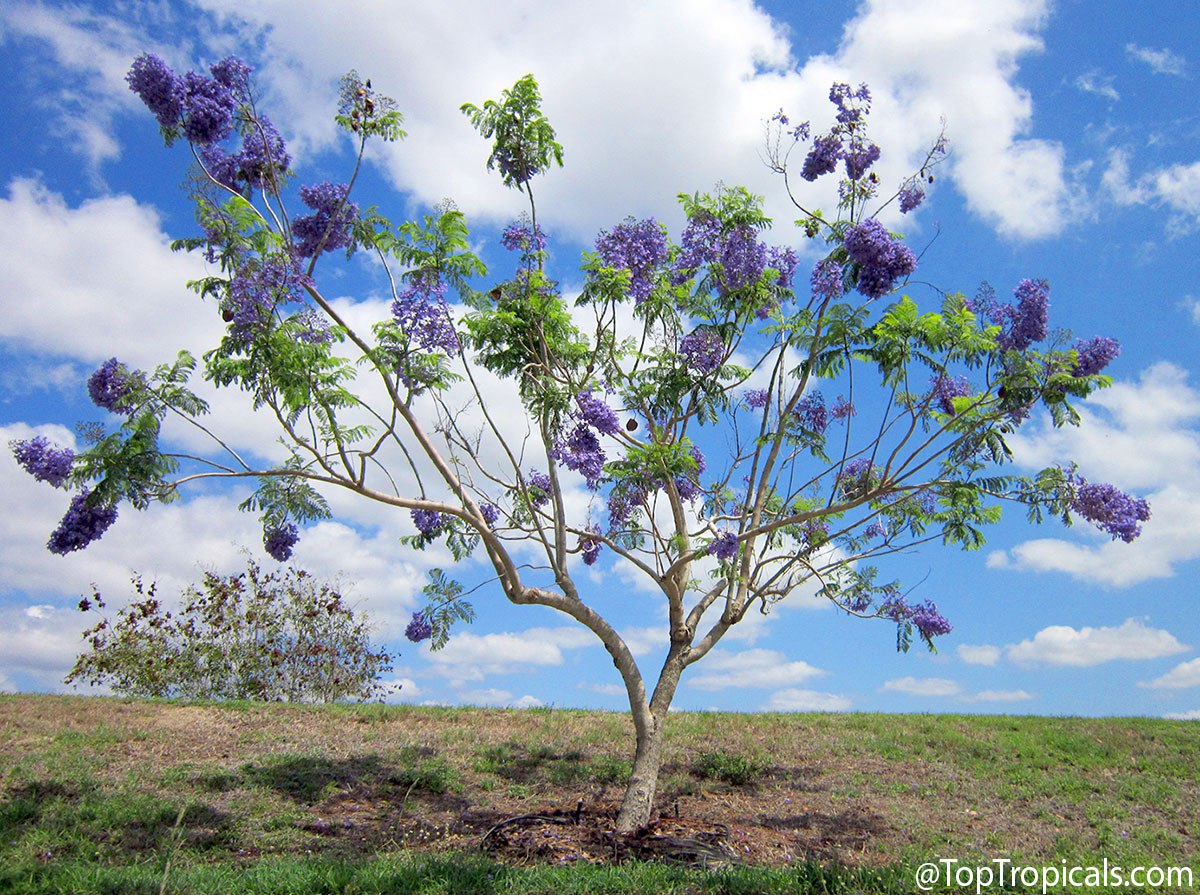
Jacaranda tree
Eucalyptus
Plumbago Imperial Blue
Philodendron bipinnatum
Gardenias
Gingers (dormant rhizomes)
✳️ Minimal leaf damage only:
(These plants showed light cosmetic damage but no structural injury)
🍑 Tropical Fruit Trees and Edibles:
Glycosmis pentaphylla - Gin Berry
Ash sheora Plant Facts
Botanical name: Glycosmis pentaphylla, Limonia pentaphylla Also known as: Ash sheora, Orangeberry, Rum Berry, Gin Berry
USDA Zone: 9 - 10
Highligths
Black sapote tree
Tamarind tree
Syzygiums: Rose Apple and Java Plum
🌸 Flowering Trees and Shrubs:
Pandora vine
Jasminum - several species
Stenocarpus sinuatus - Firewheel Tree
Firewheel Tree Plant Facts
Botanical name: Stenocarpus sinuatus Also known as: Firewheel Tree
USDA Zone: 9 - 11
Highligths
Xanthostemon
Quisqualis indica
Rangoon Creeper Plant Facts
Botanical name: Combretum indicum, Quisqualis indica Also known as: Rangoon Creeper, Burma Creeper, Chinese Honeysuckle
USDA Zone: 9 - 11
Highligths
Schotia tree
Eranthemum pulchellum - Blue Sage
Blue sage Plant Facts
Botanical name: Eranthemum pulchellum, Eranthemum nervosum Also known as: Blue sage, Blue eranthemum, Lead Flower
USDA Zone: 9 - 11
Highligths
Hiptage benghalensis - Helicopter Flower
Hiptage Plant Facts
Botanical name: Hiptage benghalensis, Hyptage bengalensis Also known as: Hiptage, Helicopter Flower, Madhavi
USDA Zone: 9 - 10
Highligths
🏡 What this means for Florida gardeners
This freeze was a stress test few gardens are prepared for. Yet many species handled 25F, wind, and multi-night freeze conditions without protection.
Choosing proven survivors, planting in smart microclimates, and maintaining strong plant health during the growing season makes a measurable difference.
More updates will follow as full recovery continues - but these early results already help define a stronger plant palette for future winters.
Yes, you can grow a mango tree on your patio - here is how to do it right
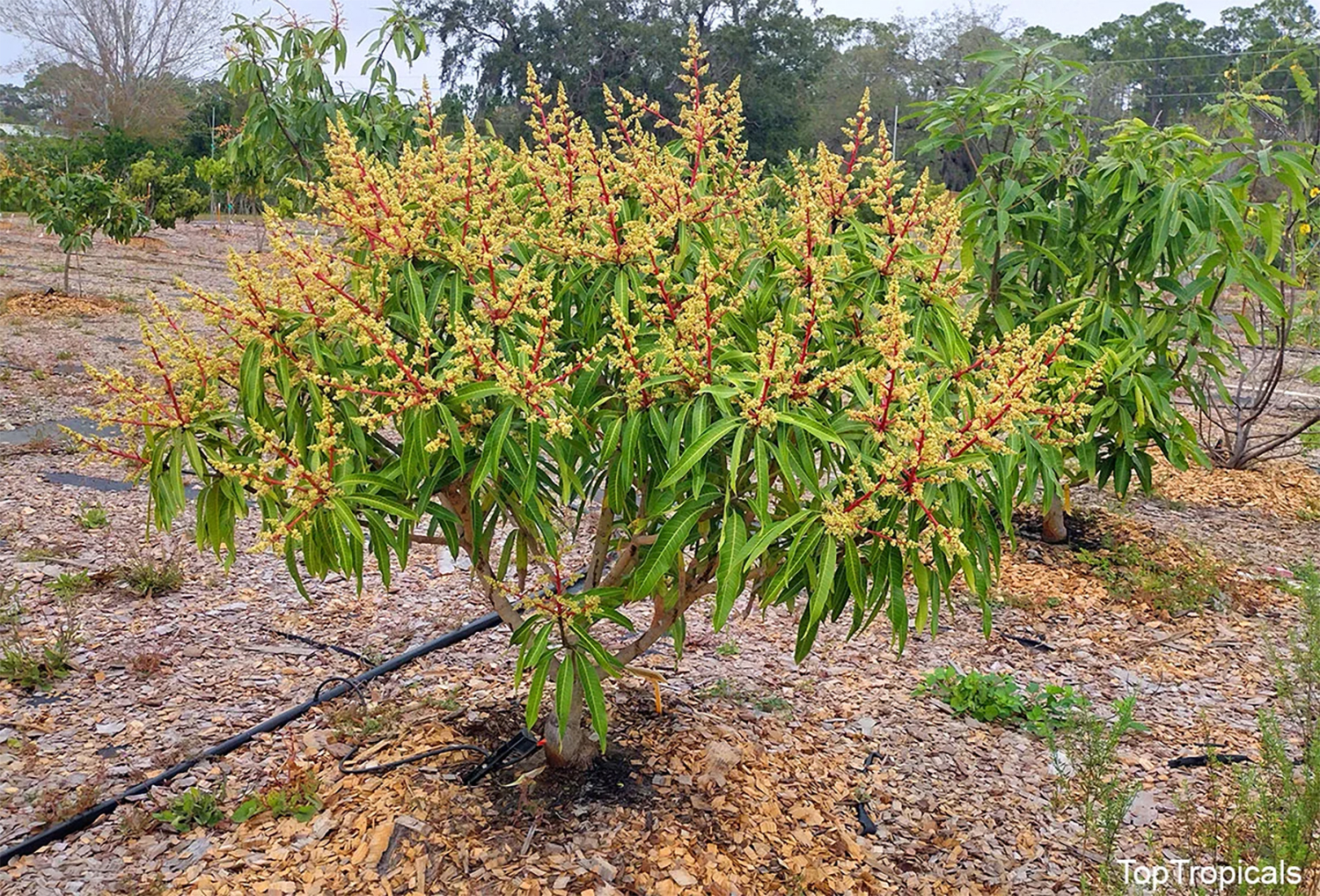
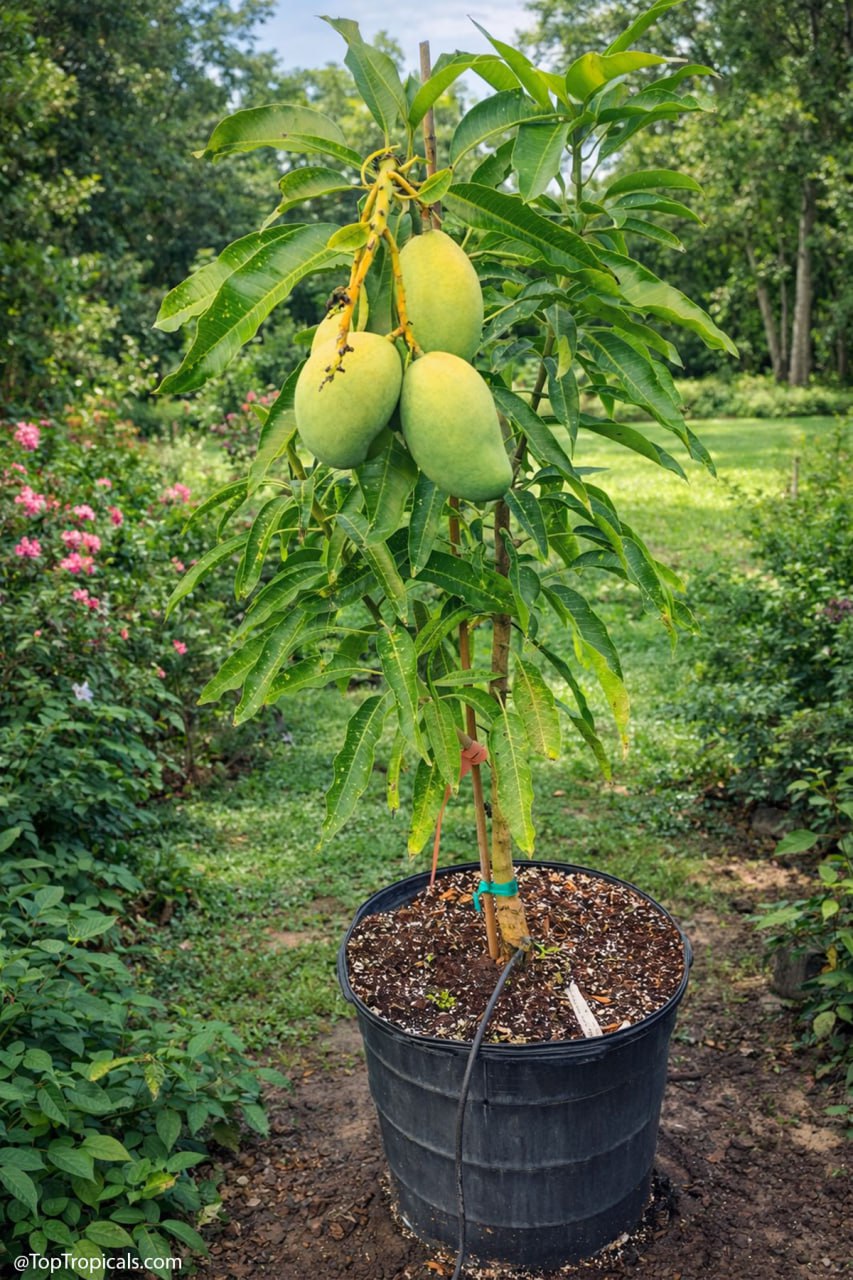
Mango fruiting in container
🥭 Yes, you can grow a container mango tree on your patio - here is how to do it right
Think you need a backyard orchard to grow mangoes? You don't. Mango trees grow very well in containers. Compact varieties, often called condo mangoes, stay naturally smaller and are well suited for pots, patios, and small yards. We grow and ship mango trees nationwide and have seen which varieties perform best in containers.
Mango Plant Facts
Botanical name: Mangifera indica Also known as: Mango
USDA Zone: 9 - 11
Highligths
Growing mangoes in pots is also practical in cooler climates. The tree can be moved to protection during cold weather while still producing real fruit. Here is how to do it right.
🥭 Pick the right condo mango tree variety
Choose condo or semi-dwarf mango varieties that stay smaller and respond well to pruning. These mango trees usually stay 6 to 10 feet tall in containers with light pruning. Fruit size is full-size, just fewer than on large trees.
Good mango choices for pots include:
· Cogshall - compact and productive
· Pickering - naturally small and reliable
· Carrie - manageable size, great flavor
· Ice Cream - slow growing, narrow canopy
· Julie - classic Caribbean type
· more condo varieties...
🥭 Choose the right pot
Start small. Young mango trees do best in a 5- to 7-gallon pot. Oversized containers too early often cause overwatering and root issues.
Increase size gradually:
First pot: 5-7 gallons
Next size: 10-15 gallons
Mature container: 20-25 gallons
The pot must drain well. Mango roots dislike wet soil. Add holes if needed. Plastic, ceramic, and fabric pots all work.
🥭 Use fast-draining soil
Mango trees need air around their roots.
Use a loose, fast-draining mix, such as Abundance Professional Soilless Mix. Improve drainage with perlite, pine bark, or coarse sand. Avoid heavy or water-holding soils. Drainage matters more than fancy ingredients.
🥭 Water carefully
Mango trees prefer a wet-dry cycle.
Water deeply, then allow the top few inches of soil to dry before watering again. Always check with your finger first.
In warm weather, water once or twice a week. In winter, much less. Overwatering is the most common container mistake.
🥭 Give plenty of sun
Mango trees love sun and heat.
Place the pot in full sun with at least 8 hours daily. More sun improves growth and flowering.
If overwintered indoors, use the brightest window possible. Grow lights help, but outdoor sun is best when weather allows.
🥭 Fertilize lightly but consistently
Potted mango trees benefit from regular feeding during active growth.
Use a balanced mango or fruit tree fertilizer such as Sunshine Mango Tango (safe to use with every watering, year-around). Controlled-release fertilizer Green Magic (every 6 months) work well too. Avoid excess feeding, which promotes leaves over flowers.
If leaves pale, check watering first, then nutrition.
🥭 Prune to stay compact
Pruning is essential for mangoes in pots.
Light tipping and trimming control size, encourage branching, and increase flowering points. Keep the canopy open and balanced. Watch how simple tipping works in real life: .
Avoid heavy pruning before flowering. Most pruning is best right after harvest.
🥭 Protect from cold
Mango trees are tropical and cold-sensitive.
When temperatures drop below 40F, move the pot to protection or indoors. Young trees are especially vulnerable.
During winter, reduce watering and stop fertilizing. Growth slows and the tree rests.
When warm weather returns, reintroduce the tree to sun gradually to prevent leaf burn.
🥭 Final thoughts
Growing a mango tree in a pot is practical and rewarding. With the right variety, good drainage, full sun, and careful watering, a potted mango can thrive and fruit for years, even in small spaces.
Ready to start? Choose a compact mango variety.