Garden Blog - Top Tropicals
Date: 16 Mar 2026
🌞 Spring Nutrition Strategy: How to Identify and Fix Plant Nutrient Starvation

Smokey: Yes, it is good. However, it managed to grow your waistline, not the mango. Starting tomorrow, you begin exercising.
Sunshine: Exercising? Like running?
Smokey: No. Pulling weeds.
Read more about Smokey & Sunshine
🌱 The Spring Fertilizer Rush
It's the middle of March. The weather warms up, plants wake up, and gardeners rush to Home Depot to buy fertilizer. We see this every spring: one big feeding, then weeks or months of nothing.
Tatiana Anderson, horticultural expert from Top Tropicals, reminds gardeners that plants do not eat that way. They grow best when nutrients arrive little by little, not in one giant spring dump. That idea is the science behind Green Magic controlled-release fertilizer usage.
🎢 The Fertilizer Roller Coaster
After that big spring feeding, plants usually respond quickly. Leaves turn greener, growth speeds up, everything looks great. But a few weeks later something strange happens. Growth slows down. Leaves lose color. The plant looks hungry again. So gardeners fertilize again.
This cycle of nutrient spikes followed by starvation is very common with traditional fertilizers. Plants do not like roller coasters. They grow best with steady nutrition.
🚽 Where Traditional Fertilizers Go
Traditional fertilizers are usually made from soluble nutrient salts. When you water the soil or when it rains, part of those nutrients dissolve and become available to plants.
But plants cannot absorb everything at once. The unused portion continues moving with water through the soil. In gardens and container plantings, that excess often travels through drainage and eventually reaches nearby canals, lakes, or rivers causing algae growth.
These dissolved salts are also the reason gardeners sometimes see what is called "fertilizer burn". When too many salts accumulate around the roots, they can pull water out of plant tissues and damage sensitive roots and leaf edges.
It is also important to understand that traditional fertilizers are not the same as slow-release fertilizers. Traditional fertilizers dissolve quickly, while slow or controlled-release fertilizers are designed to release nutrients gradually over time.
This is why large fertilizer applications often lead to two problems: a short nutrient spike for plants and nutrient pollution.
⏳ The Idea Behind Slow Release
Gardeners and scientists recognized this problem a long time ago. If nutrients dissolve too quickly, plants receive a spike and the rest is washed away before roots can use it. The obvious solution was to slow things down. Instead of dumping nutrients all at once, slow-release fertilizers were developed to feed plants gradually over time.
The goal is simple: keep nutrients in the soil longer and deliver them to plants little by little, closer to the way plants actually grow.
⚖️ Slow Release vs Controlled Release
Not all gradual fertilizers work the same way. There is an important difference between slow-release and controlled-release fertilizers.
Slow-release fertilizers rely on natural processes such as moisture, temperature changes, soil microbes, or simple coatings that slowly break down. The release rate can vary depending on weather, soil conditions, and watering.
Controlled-release fertilizers use engineered coatings that regulate how nutrients leave the fertilizer granule. The coating acts like a membrane, allowing nutrients to move out gradually in a more predictable way.
In simple terms, slow-release fertilizers slow things down, while controlled-release fertilizers are designed to control how nutrients are delivered over time.
🌡️ The 75°F Trap
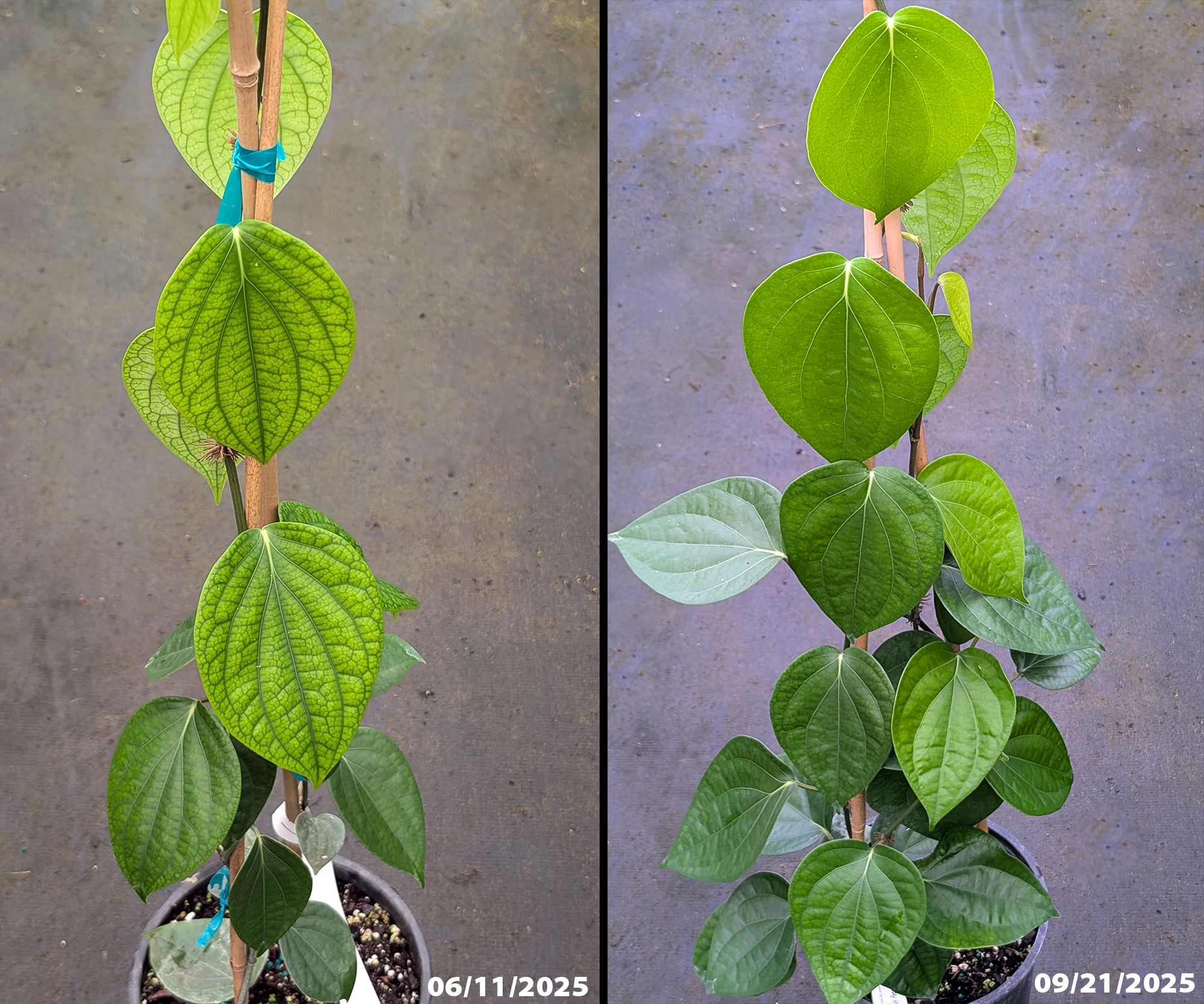
Most controlled or slow-release fertilizers are tested under laboratory conditions where soil temperature is around 75°F. But in real gardens, especially in warm climates, soil temperatures can be much higher. Container soil in full sun can easily reach 90°F or more. Higher temperature speeds up chemical and biological processes, including nutrient release from fertilizer coatings.
As a result, a fertilizer labeled 6-month release at 75°F may actually finish releasing nutrients in about 3 months in hot soil. That means plants receive nutrients too quickly early in the season and then may run short of food later, right when growth is strongest.
At 90°F and above, the issue is not only faster feeding. The fertilizer coating can release nutrients so quickly that the soil solution becomes highly concentrated with dissolved salts. In containers especially, this sudden surge of salts can pull water away from the roots through osmotic pressure, effectively dehydrating the roots at the exact moment when the plant needs water most. Instead of steady nutrition, the plant experiences a brief nutrient spike followed by stress.
⚙️ Why Release Mechanisms Matter
Different fertilizers use different coating technologies. Some rely on simple coatings that release nutrients mainly in response to moisture. When it rains or the soil stays wet, nutrients are released faster. When the soil dries, release slows down. This moisture-driven mechanism can be unpredictable because it depends heavily on rainfall and watering patterns.
More advanced fertilizers use membranes designed to regulate nutrient movement based primarily on temperature. Because plant metabolism is closely tied to temperature, this creates a much more scientific and predictable feeding process. As temperatures rise and plants grow faster, nutrients are released more actively. When temperatures drop and plant activity slows, the release rate also slows.
This scientific, temperature-based mechanism helps deliver nutrients gradually and predictably, reducing the large spikes and sudden shortages that often occur with simpler fertilizer coatings.
Controlled Release Technology
Modern controlled-release fertilizers use polymer coatings that act like a thin membrane around each granule. Water enters the granule, nutrients dissolve inside, and then slowly move through the coating into the soil.
The speed of this process is influenced mainly by soil temperature, which generally follows the plant's natural growth rate.
Polyon coating technology is known for its very consistent polymer layer, which helps deliver nutrients more evenly from granule to granule. This consistency is one reason controlled-release fertilizers are widely used in professional nurseries and container plant production.
Green Magic fertilizer uses advanced Polyon controlled-release technology to provide steady background nutrition for plants without the large nutrient spikes common with traditional fertilizers.
⚠️ The Calcium Gap
One nutrient that is often missing from many controlled-release fertilizers is Calcium. Calcium is essential for plant cell structure. It strengthens cell walls and supports healthy development of new leaves, roots, and fruit. In many ways, its role is similar to how calcium supports bone structure in the human body.
Unlike many other nutrients, Calcium is not mobile inside plants. The plant cannot move it from older leaves to support new growth. This is why calcium deficiency usually appears first in the newest leaves and growing tips. When plants lack calcium, new growth may become distorted, weak, or fail to develop properly because the cells cannot form strong walls.
Another important detail is that Calcium is not mobile inside plants. Once it becomes part of plant tissue it cannot move to new growth, which is why fresh leaves are the first to show deficiency symptoms.
No matter how much NPK fertilizer is added, plants cannot grow properly without enough Calcium because new cells simply cannot build their structure.
Calcium is difficult to include inside polymer-coated fertilizer granules because many calcium salts are highly soluble and can interfere with the stability of the coating.
For this reason most controlled-release fertilizers focus on delivering nitrogen, phosphorus, and potassium, while assuming that Calcium will come from irrigation water or soil amendments such as gypsum.
Garden advice often recommends bone meal as a Calcium source. While bone meal does contain Calcium, it releases very slowly and depends on soil biology and acidity, so it may take months before plants can actually use it. A more reliable Calcium source for many growers is gypsum, which supplies Calcium. However, adding it to container mixes is risky because the correct amount is difficult to control.
The most reliable way to supply Calcium is simple: use Sunshine Boosters. These liquid fertilizers deliver readily available Calcium directly to plants in soil and in containers, supporting strong new growth and preventing the hidden deficiencies that often limit plant development. We explained this approach in detail in our previous newsletter.
The Two-Layer Feeding System
Professional growers rarely rely on a single fertilizer. The most stable approach is combining controlled-release nutrition with targeted liquid feeding.
Green Magic provides steady background nutrition through Polyon controlled-release technology, supplying nitrogen, phosphorus, potassium, and essential microelements gradually over time.
Sunshine Boosters complement this base feeding by delivering Calcium and additional micronutrients in a form plants can absorb quickly when growth is most active.
Together they create a balanced system: Green Magic feeds plants continuously, while Sunshine Boosters provide the nutrients that controlled-release fertilizers cannot easily deliver.
Green Magic builds the foundation, Sunshine Boosters power the growth.
Date: 15 Mar 2026
Adeniums from a world of imagination - where Thai names become living stories
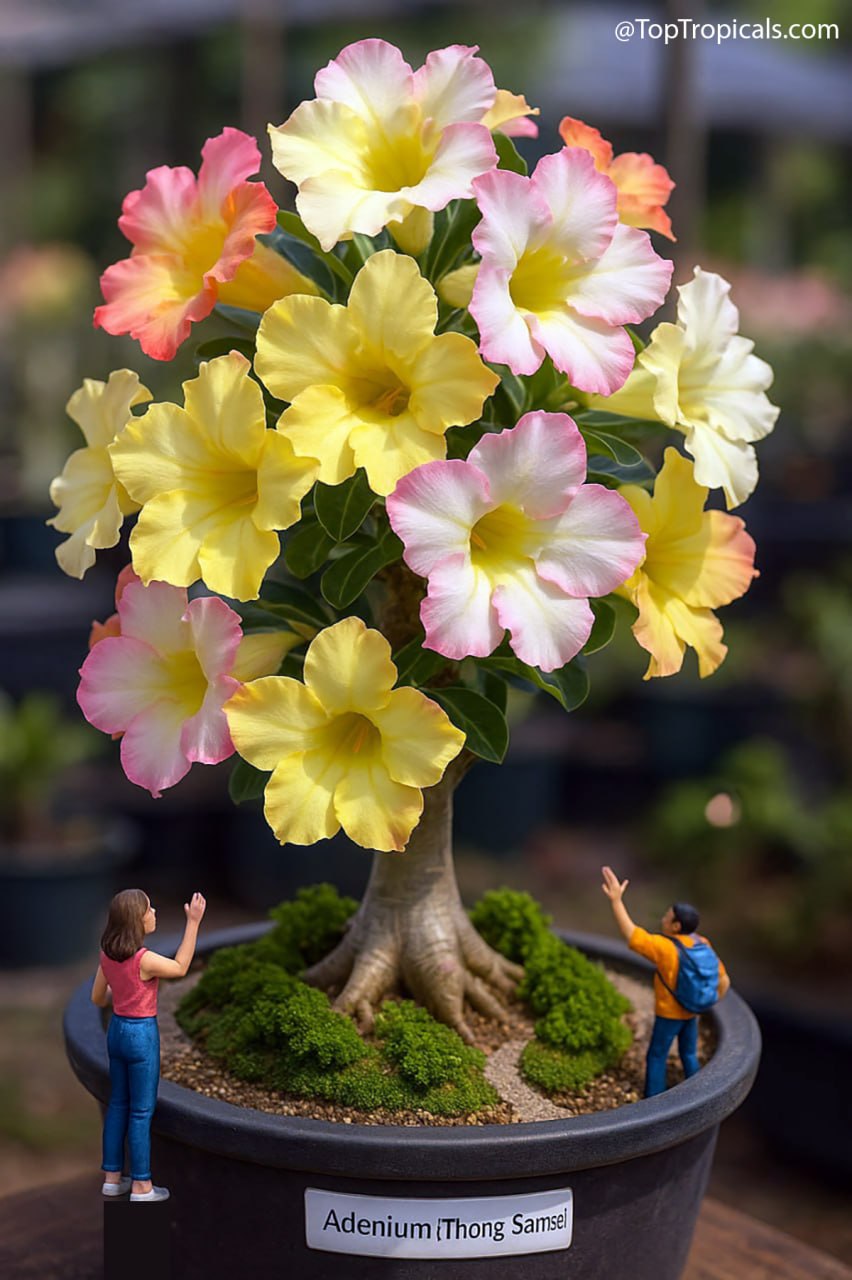
Adenium Thong Samsee - "Three Colors of Gold"

Adenium Ploysai - "Clear Crystal Gem"
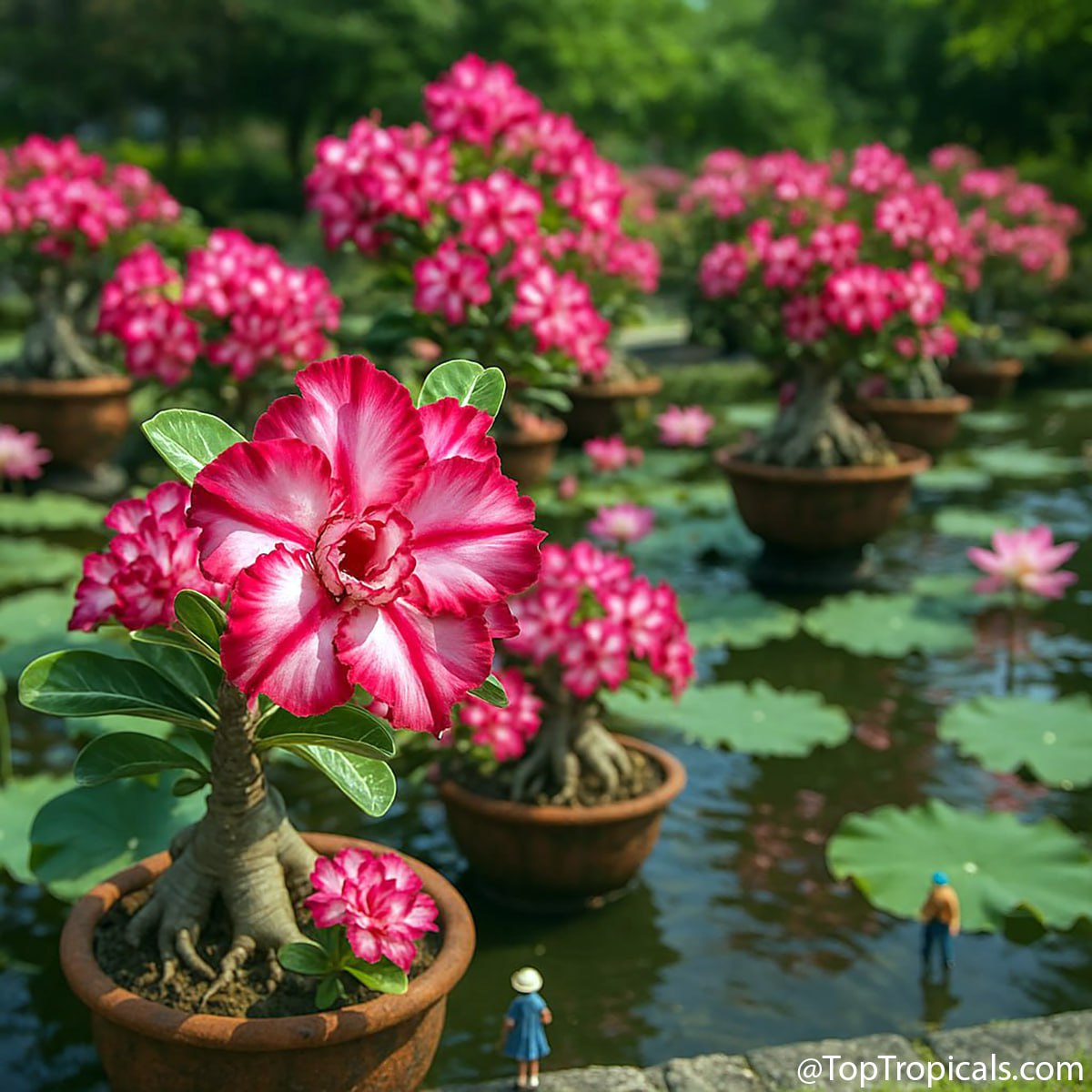
Adenium Bua Sawan - "Heavenly Lotus"
Some plants are grown for their flowers. Adeniums are also grown for their names!


🌸 Thong Samsee - "Three Colors of Gold"
Golden Adenium blooms in soft yellow, cream, and pink shades - a perfect example of why Thai growers love the word Thong, meaning gold, in plant names that suggest prosperity and good fortune.
🌸 Ploysai - "Clear Crystal Gem"
A treasure chest filled with glowing flowers, like precious stones discovered by a lucky explorer. In Thai plant names, Ploy means gemstone - a symbol of beauty and value.
🌸 Bua Sawan - "Heavenly Lotus"
A vision of Adeniums blooming like lotus flowers in a dream garden. The name suggests purity, beauty, and something that feels almost otherworldly.
🛒 Explore Exotic Thai Adeniums
📚 Learn more:
· About #Adenium Rainbow - fantastic varieties
· What Thai Adenium names mean: luck, gold, and mythology
· How to learn the secret meanings behind Thai flower names
#Container_Garden #Adeniums #Horoscope #How_to #Discover
🟢 Join 👉 TopTropicals
Date: 15 Mar 2026
What Thai Adenium names mean: luck, gold, and mythology

Cats Smokey and Sunshine in adenium garden
Many Adenium hybrids come from Thailand, where breeders often give varieties meaningful and poetic names rather than simple codes. Instead of simple labels like "Red Double #27", Thai breeders often give their flowers names that sound like small poems. These names frequently reference wealth, luck, jewels, mythology, and beautiful colors.
Once you start recognizing common Thai words, Adenium names become much easier to understand. Some sound almost like short blessings - promising prosperity, beauty, or good fortune.
Below are examples of Adenium varieties whose names reflect these traditions.
🏯 Thai names related to luck, wealth, and prosperity
These words are extremely common in Thai plant naming and often suggest good fortune or financial success.
· Chok Am Nuay
· Chok Dee
· Chok Sedthee
· Dang Sab Jaren (Dang Sab Mongkol)
· Dang Udomsab
· Mee Stang
· Permsaap (Perm Sab)
· Ramruay
· Sab Jaren Yellow
· Som Term Sab
🏯 Thai names related to gold or wealth (Thong group)
The word Thong means gold and appears in many Thai plant names associated with value and prosperity.
· Golden Carrot (Kuman Thong)
· Happy Gold (Thong Hassadee)
· Mai Thong (Golden Silk)
· Pratum Thong
· Thong Nuekao
· Thong Samsee
· Thong Saprang
· Thong Suk Jai
· Thong Uma
· Thong Yod
· Yellow Gift (Sai Thong)
🏯 Mythological and symbolic creatures
Some Adenium names come directly from Thai mythology and sacred animals.
· Dang Hassadee
· Hassadee Variegated
· Hong Fa
· Hong Yok
· Phoenix
· Swan and Dragon
Hassadee (Hatsadiling) refers to a legendary elephant-bird creature found in Thai mythology.
🏯 Gem and jewel themed names
These names reflect the Thai tradition of treating ornamental plants like living jewels.
Blue Diamond
Chaba Kaew
Maneenate
Petch Pratum (Diamond Lotus)
Ploy Nappan
Ploy Sakorn
Ploysai
Talab Phet
🏯 Thai, Sanskrit, and poetic names
Some Adenium names come from classical or poetic language used in Thai culture.
Bo Tun
Bua Chompoo
Bua Sawan
Chailai (Chai Lai)
Chandra
Leela
Moradok Lok
Namwhan (Nam Whan)
Pra Rod Mary
Pratuma
Sai Fah
Supermaharach
🏯 Color names used in Thai varieties
These words often describe the flower color or tone.
Moung Jinda (Moung Kusuma)
Moung Mongkol
Moung Sakda
Moung Taweesab
Moung VN (Vietnam Purple)
🏯 Country references
Adenium breeding is also popular in Vietnam, Taiwan, and some varieties reflect that origin.
Moung VN (Vietnam Purple)
Taiwan Purple
Once you learn a few Thai words, Adenium names begin to sound less mysterious - and much more meaningful.
🛒 Explore Exotic Thai Adeniums
📚 Learn more:
· About #Adenium Rainbow - fantastic varieties
· How to learn the secret meanings behind Thai flower names
· How to grow a happy Adenium
· The First Video of Exotic Adenium Hybrids
#Container_Garden #Adeniums #Horoscope #How_to #Discover
🟢 Join 👉 TopTropicals
Date: 14 Mar 2026
Not just guacamole - 6 unusual avocado recipes from top chefs
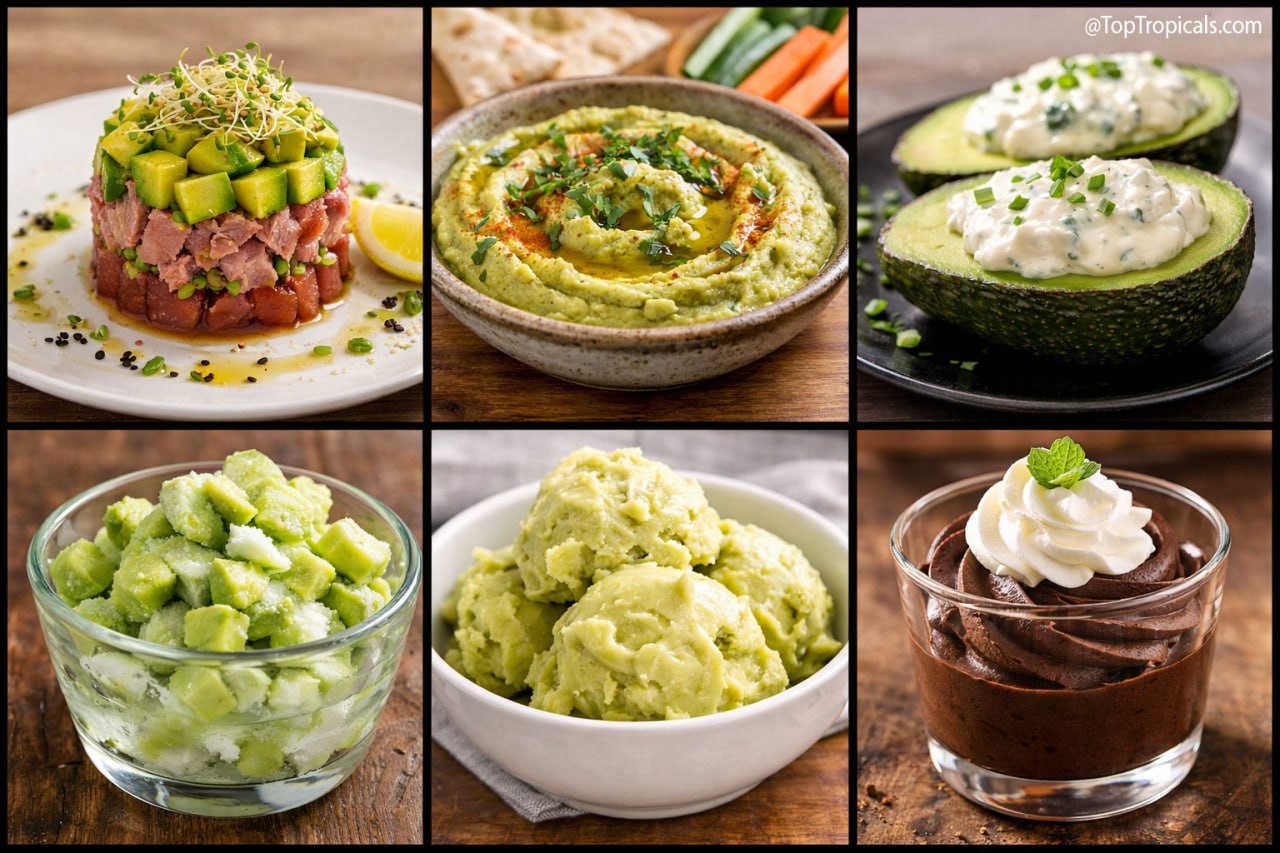
Avocado-inspired dishes arrangement
Not just guacamole - 6 unusual avocado recipes from top chefs
Avocado is rich, creamy, and loaded with healthy fats and fiber. It is also packed with vitamins C, K, B6, E, riboflavin, folate, niacin, and pantothenic acid, plus minerals that support digestion, bone health, heart health, and immune function.


Most people stop at guacamole, smoothies, or avocado toast. But in professional kitchens, avocado is treated as far more than a spread. It becomes a sauce base, a frozen dessert, even a chocolate mousse ingredient.
👉 Here are six unexpected avocado ideas inspired by well-known chefs:
1. Tuna avocado timbale
This plated appetizer looks restaurant-level but is surprisingly simple.
Small-diced fresh tuna is mixed with minced shallots or red onion, fresh coriander, pickled ginger, lemon juice, olive oil, salt, and pepper. The mixture is pressed into a small ring mold, then topped with diced avocado and garnished with sprouts.
The avocado adds cool creaminess against the bright citrus and savory tuna.
2. Avocado hummus
Blend two creamy favorites - chickpeas and avocado - into one smooth dip.
Combine drained chickpeas, ripe avocados, tahini or peanut butter, garlic, cumin, olive oil, lemon zest and juice, and salt. Process until silky. Finish with a drizzle of olive oil and a sprinkle of herbs and paprika.
It is lighter than traditional hummus and naturally vibrant green.
3. Stuffed avocado with blue cheese sauce
Avocado can also be the bowl.
Mix Dijon mustard, blue cheese, sour cream, a splash of wine vinegar, salt, and pepper into a thick dressing. Slice the avocado in half, remove the seed, and spoon the sauce into the center.
Eat it straight from the skin for a bold, savory appetizer.
4. Creamy avocado ice bowl
For a quick chilled dessert, cube ripe avocado and mix with cream and a light sweetener. Serve over ice.
It is not quite a smoothie and not quite ice cream - just cold, creamy avocado with clean sweetness.
5. Frozen avocado with condensed milk
Mash ripe avocado with condensed milk and freeze.
After a few hours, it becomes a scoopable, creamy treat with no special equipment required.
6. Green chocolate mousse
Perhaps the most surprising idea: avocado in chocolate mousse.
Puree ripe avocado and blend with melted dark chocolate, cocoa powder, coconut cream, and syrup. Chill until set, then top with whipped cream.
Despite the name, the dessert stays chocolate-brown. The avocado provides structure and silkiness, replacing part of the heavy cream.
💚 Why avocado works in sweet and savory dishes
Avocado is naturally buttery. It thickens sauces without flour, blends smoothly into dips, and creates creamy desserts without dairy overload. It freezes well and holds flavor beautifully.
So next time avocados are in season, think beyond guacamole. Stuff them, blend them, freeze them, or turn them into mousse. Feel like a chef!
This versatile fruit can do far more than sit on toast.
🛒 Select Avocado tree for contant fruit supply
📚 Learn more about #Avocado
#Food_Forest #Recipes
🟢 Join 👉 TopTropicals
Date: 13 Mar 2026
Tamarind shrimp stir-fry: quick-n-fun exotic recipes
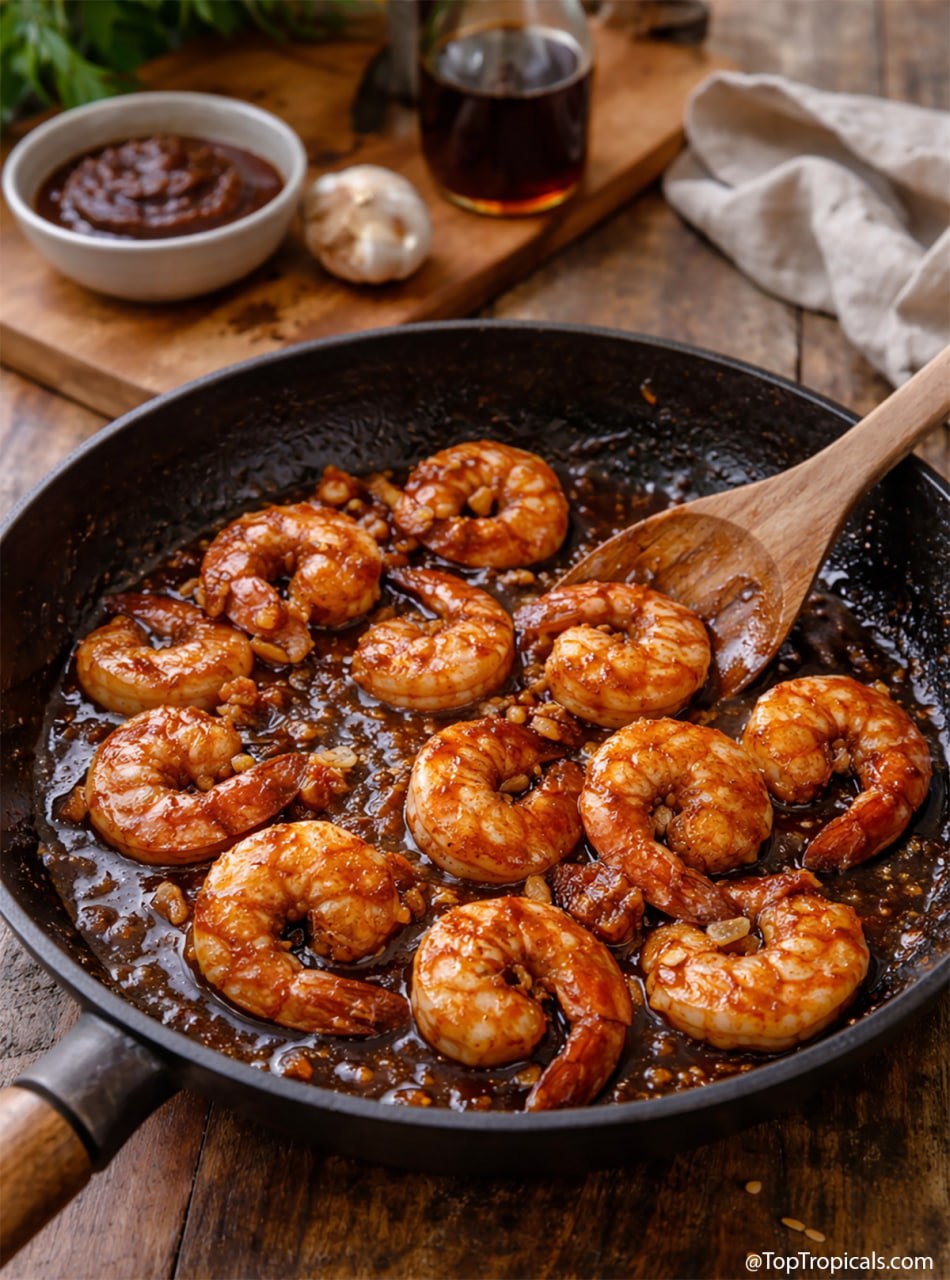
Tamarind shrimp stir-fry in skillet
🍴 Tamarind shrimp stir-fry: quick-n-fun exotic recipes
Tamarind Shrimp Stir-Fry
Ingredients
- 1 lb shrimp, peeled and deveined
- 2 tbsp tamarind pulp
- 2 cloves garlic, minced
- 1 tbsp fish sauce
- 1 tbsp brown sugar
- 1 tbsp vegetable oil
- 1 tbsp water (to loosen tamarind pulp if needed)
- Optional: sliced green onions or chili flakes for garnish
Instructions
- In a small bowl mix tamarind pulp, garlic, fish sauce, brown sugar, and water until a smooth sauce forms.
- Heat oil in a very hot skillet or wok.
- Add shrimp and stir-fry for 3 to 4 minutes until they begin turning pink.
- Pour the tamarind sauce into the skillet and toss shrimp to coat evenly.
- Cook about 1 more minute until the sauce becomes glossy and slightly thick.
- Serve immediately. Garnish with green onions or chili flakes if desired.
🌿 About the plant:
The pulp of tamarind can be used fresh from the pod, pressed into blocks, or sold as concentrate. Its acidity works like citrus but with more complexity - slightly fruity, slightly caramel-like.
🏡 In the garden:
Tamarind trees - Tamarindus indica - are drought-tolerant once established and surprisingly hardy in brief cool snaps. They develop a beautiful spreading canopy and fine, fern-like leaves that close at night.


🛒 Plant a Tamarind tree
📚 Learn more:
Tamarindus indica in Plant Encyclopedia
#Food_Forest #Recipes
🟢 Join 👉 TopTropicals