Happy March 1st! 🌷 First Spring Grass vs. Hungry Cats!
🌿 The first blades of spring grass are here, and the PeopleCats have officially lost their minds.
It’s a "Grass Party" with zero manners and maximum competition.
🌿 Did you know? Today marks the unofficial start of "Cat's Green Grass Day," but keep these other cat dates on your radar:
Oct 29: National Cat Day (USA) Feb 17: World Cat Day (Europe) Aug 8: International Cat Day March 17: St. Gertrude’s Day (Patron Saint of Cats and Gardeners)
May your yard be green and your cats stay mildly civilized!
Cat Pelmen has officially expanded his winter collection. The alien has landed - in knitwear. As a very serious Sphynx gentleman, he does not simply wear a sweater… he curates it. This season’s look? Cozy, practical, slightly dramatic. While other cats grow fur, Pelmen upgrades his wardrobe. Warm, dignified, and faintly extraterrestrial - he is ready for winter. 👽
Stop Sugar Crashes: 5 Tropical Fruit Hacks for Healthy Dessert
Exotic Tropical Fruits for Blood Sugar Management. Stop the sugar crash cycle. Learn how to manage glucose levels and insulin spikes using tropical fruits, healthy fats, and metabolic hacks for healthy dessert.
🍨 Stop Sugar Crashes: 5 Tropical Fruit Hacks for Healthy Dessert
The smarter way to handle sugar cravings - no restriction required
Tired of the post-cookie slump? Sugar cravings are a physiological response to blood glucose fluctuations, not a lack of willpower. Refined sugars trigger an insulin spike followed by a hypoglycemic crash, trapping you in a cycle of fatigue and hunger.
The secret to metabolic health is managing glycemic load. By choosing nutrient-dense tropical fruits, you satisfy your sweet tooth while maintaining stable energy homeostasis.
The solution is not to give up dessert. It is to change what dessert means. Here is how to use tropical horticulture to hack your biology and regulate insulin:
🍭 1. Choose fruit that comes with fiber
Whole tropical fruits deliver sweetness wrapped in fiber, water, and nutrients. That slows sugar absorption and keeps energy steady.
Try:
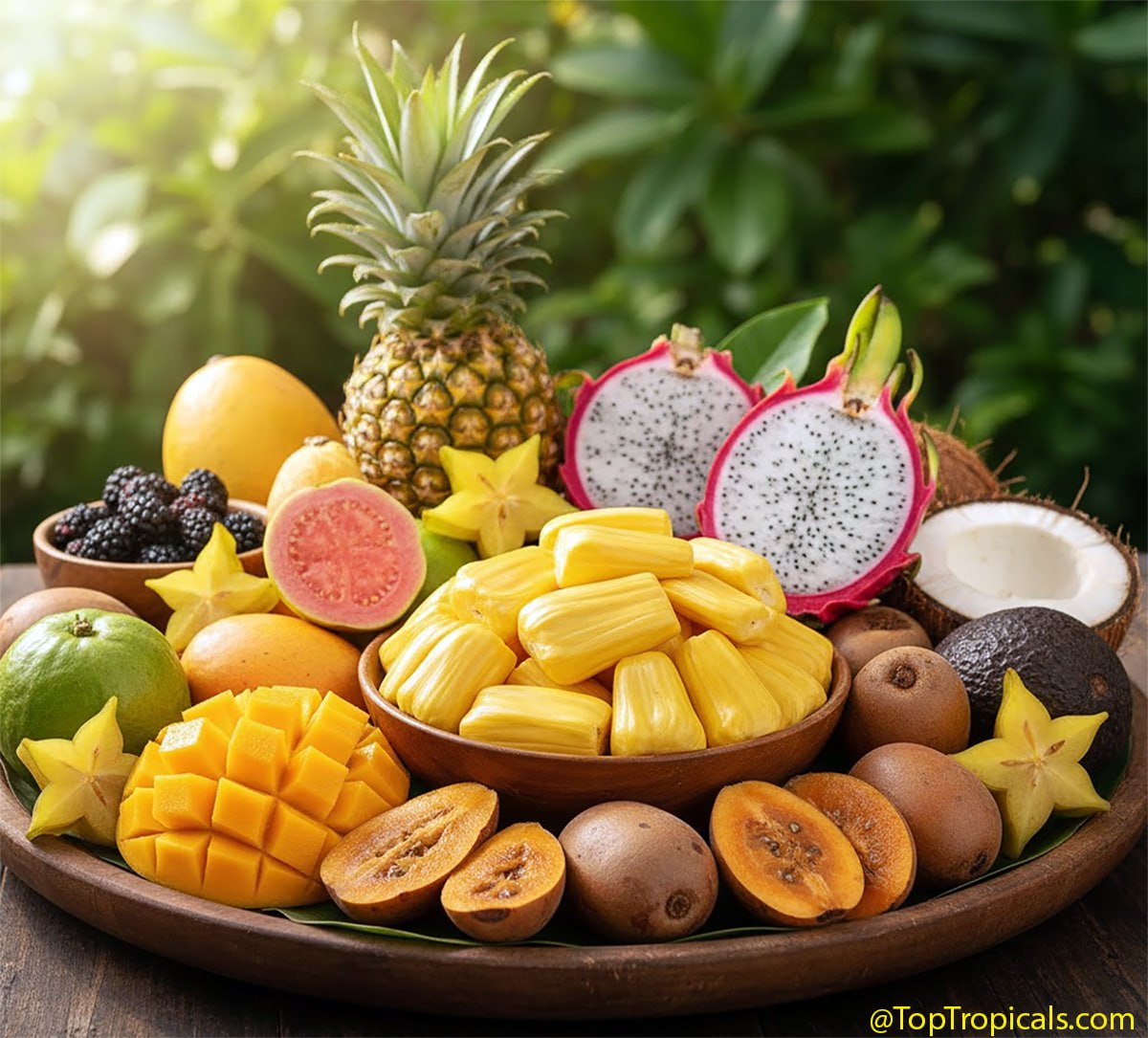
· Mango, chilled and sliced
· Sapodilla - naturally caramel-sweet
· Mulberries by the handful
· Loquat halves straight from the fridge
· Dragon Fruit for light, clean sweetness
Same pleasure. Less crash.
🍭 2. Pair sweet with fat to blunt the glucose spike
Healthy lipids are a biological hack for your metabolism. Fats slow gastric emptying, ensuring a steady glucose release rather than an inflammatory spike. Furthermore, lipids trigger cholecystokinin (CCK) - the hormone that signals satiety to the brain - effectively "turning off" cravings at the source.
· Avocado blended into a chocolate-style mousse: The monounsaturated fats create a creamy texture while blunting the sugar response.
· Banana with nut butter: Combining fast-acting fruit sugars with dense protein and fats.
· Pineapple with raw nuts: The bromelain in pineapple aids digestion, while the fats in nuts provide long-lasting satiety.
· Mango mixed into full-fat yogurt: The combination of probiotics, protein, and lipids turns a simple fruit into a complete, low-glycemic snack.
When fruit is balanced with fat, cravings calm down instead of escalating.
🍭 3. Use naturally rich fruits in place of sugar
Some tropical fruits taste like dessert already.
· Jackfruit has candy-like sweetness
· Sapote is creamy and custard-like
· Guava brings floral depth
· Cherries add brightness
· Mash Banana into baking instead of white sugar.
· Blend Mango into yogurt instead of syrup.
· Top oatmeal with Mulberry instead of brown sugar.
Dessert stays. The crash disappears.
🍭 4. Balance sweet with tart
Adding contrast reduces the urge to overeat sweetness.
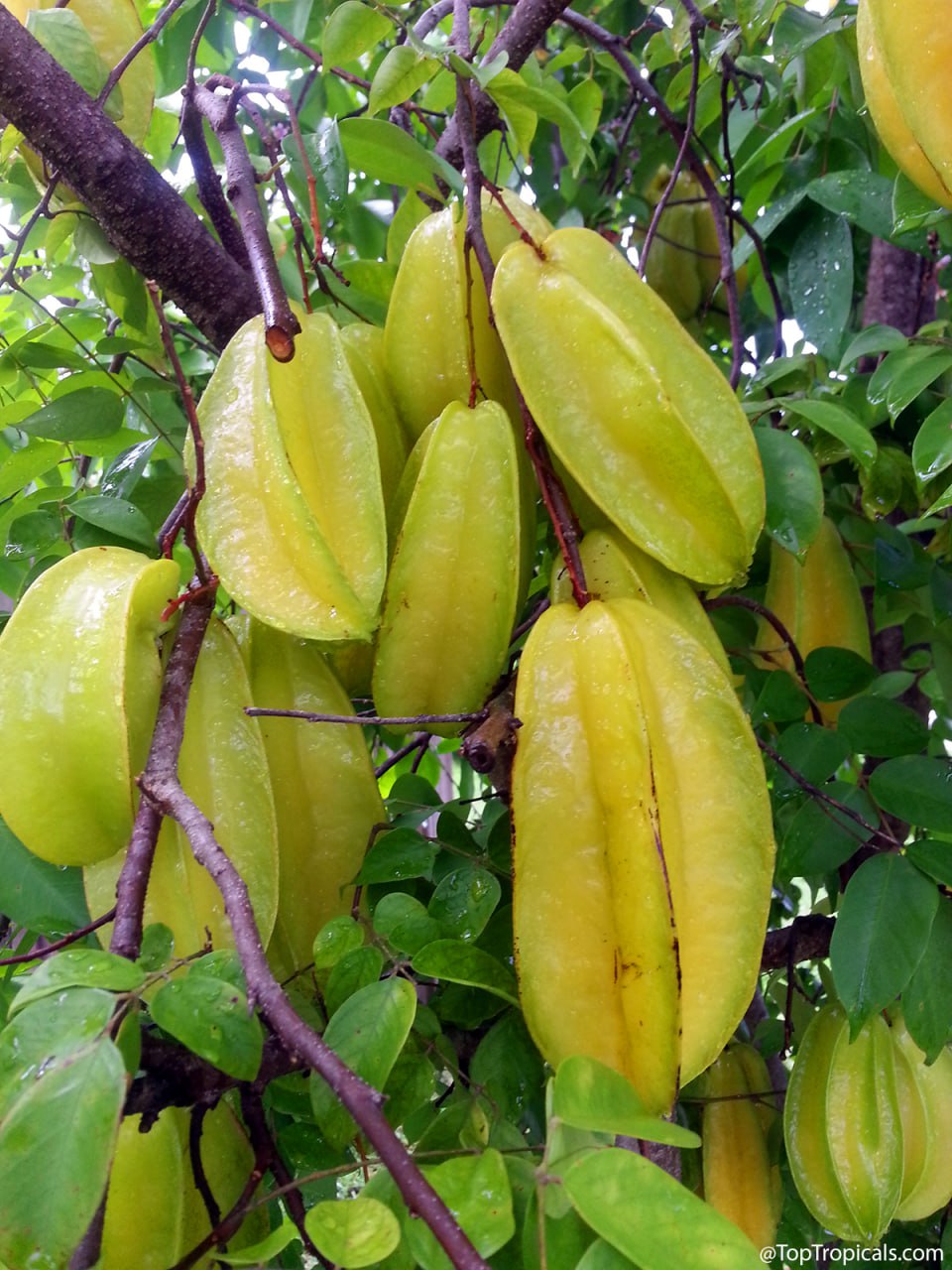
· Carambola adds crisp tang.
· Pineapple brightens the palate.
· Loquat gives gentle acidity.
Balanced flavors satisfy faster.
🍭 5. Start the day right
Skipping breakfast increases late-day sugar cravings.
A morning smoothie with Avocado, Banana, and Mango prevents the afternoon energy dip. Hydration also matters - thirst often disguises itself as a sweet craving.
🍭 In essence
Dessert is not the enemy. Refined sugar is.
When sweetness comes from nature's bounty, it nourishes instead of draining energy.
You do not need to quit dessert.
You just need to let nature handle it.
Consult with a healthcare professional before making significant dietary changes, especially if you have diabetes or metabolic conditions
A Miracle in the Garden: Watching a Tiger Swallowtail Rebuild Itself on a Magnolia Champaka - Joy Perfume Tree
Tiger Swallowtail Butterfly
A Miracle in the Garden: Watching a Tiger Swallowtail Rebuild Itself on a Magnolia Champaka - Joy Perfume Tree 🐯
Tiger Swallowtail Metamorphosis: From Cocoon to Joy
🏼 Nature’s most mind-blowing magic trick happened right here on a branch of our Magnolia champaka - the Joy Perfume Tree. Did you know that when a caterpillar enters its chrysalis (cocoon), it literally dissolves its body and rebuilds it from scratch?
🏼 This Tiger Swallowtail chose the legendary Joy Perfume Tree as its nursery. It’s a match made in heaven—the "flying tiger" of North America born on a tree famous for the world’s most expensive perfume scent. While most people know the Champaka for its intensely fragrant flowers, few realize that even the leaves release a soft, sweet aroma when brushed against.
🏼 In this video, you’ll see the rare moment of eclosion - where the butterfly emerges with soft, wrinkled wings and begins the slow process of pumping life into them before its first flight.
🏼 It is a real gem in your garden - not just for fragrance lovers, but for wildlife that clearly loves it too.
Watch this Tiger Swallowtail butterfly being born on a Champaka - Joy Perfume tree!
5 Heart-Shaped Plants Every Gardener Needs This Spring
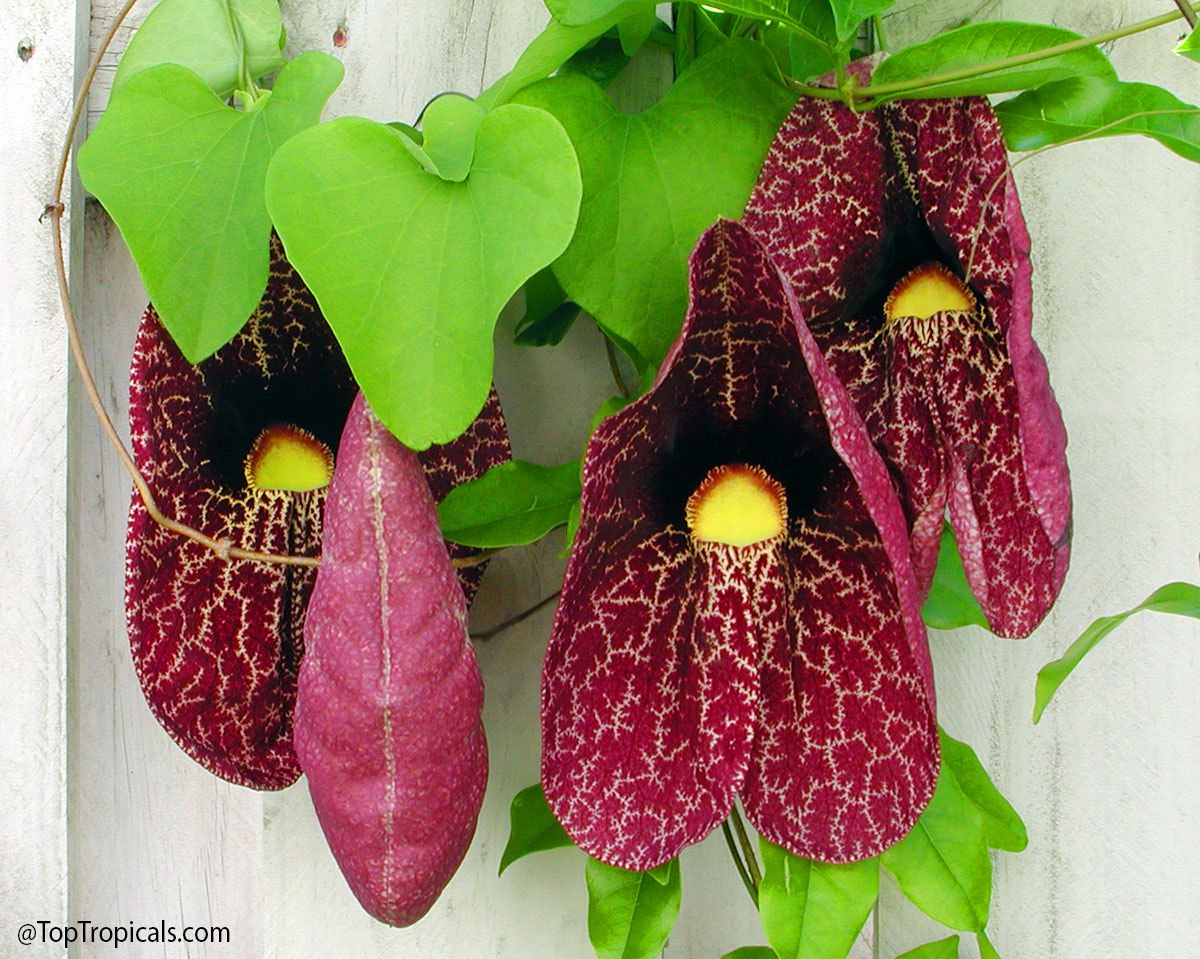
Aristolochia " The "alien" flower that hosts rare butterflies.
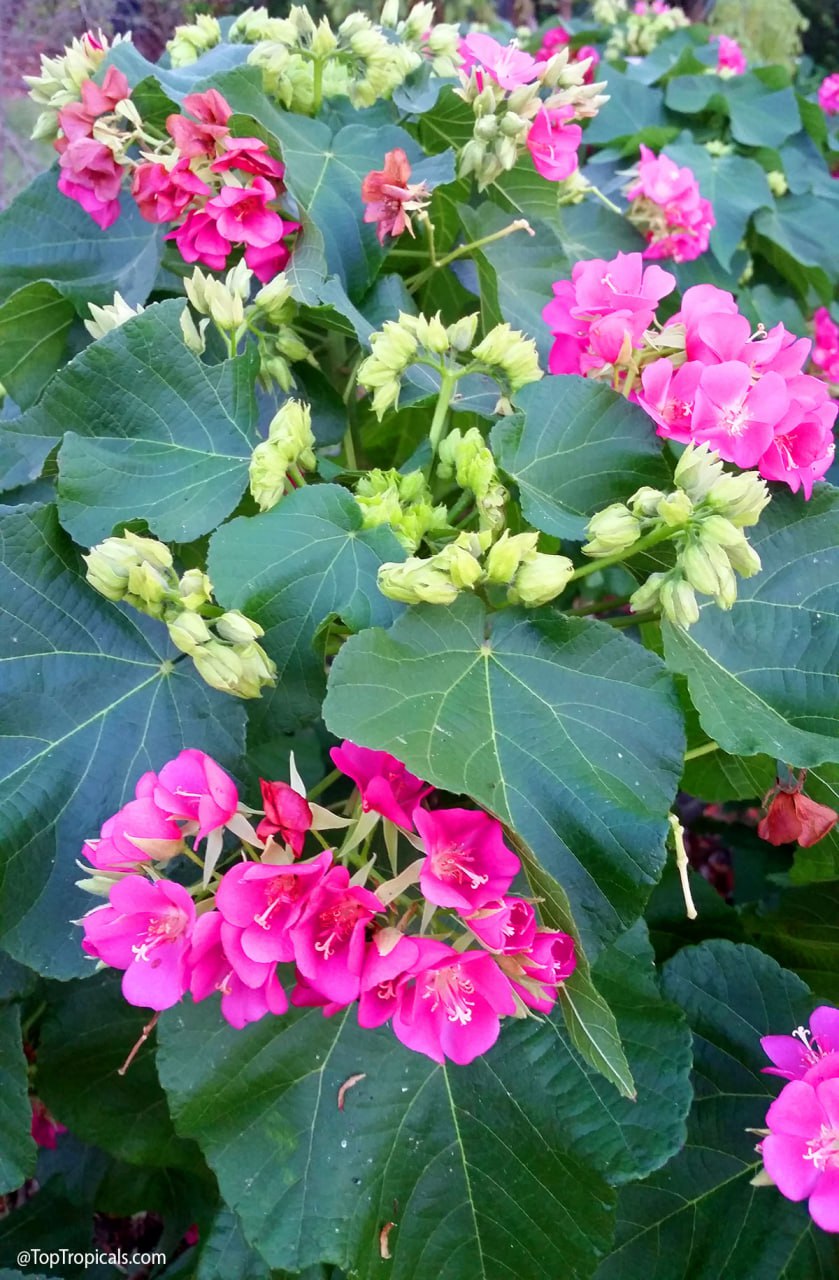
Dombeyaflowers on the bush
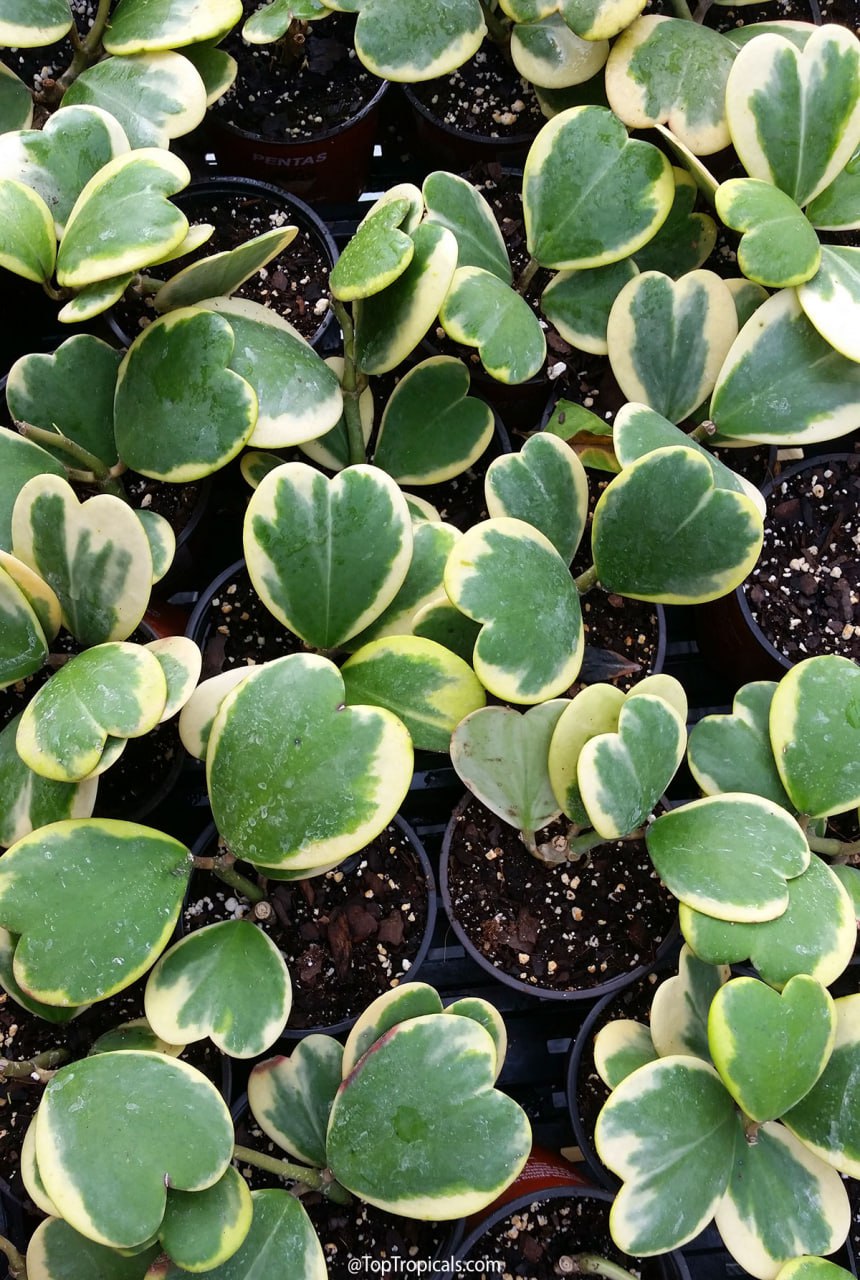
Hoya kerrii Sweetheart Hoya
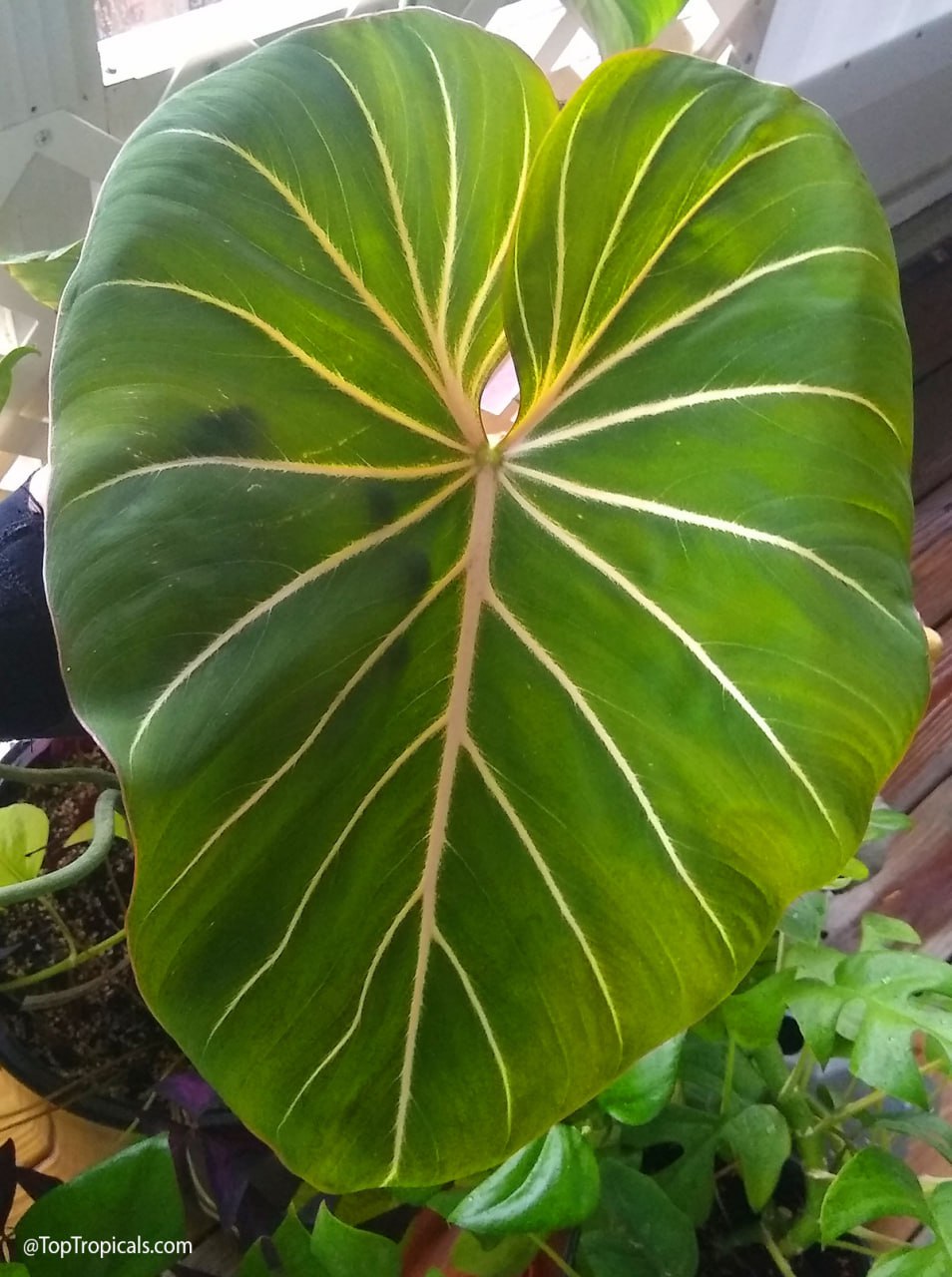
Philodendron leaves
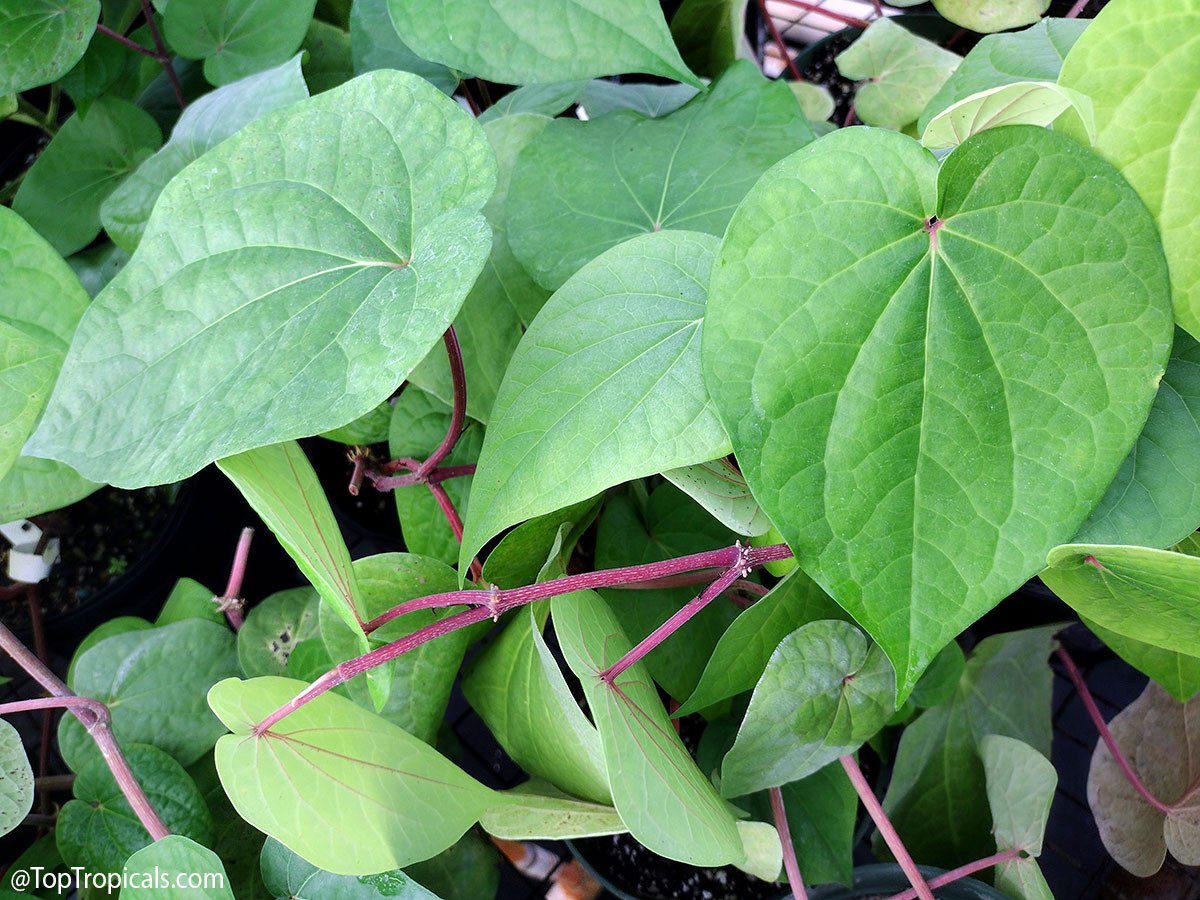
Piper - edible leaves
5 Heart-Shaped Plants Every Gardener Needs This Spring 💕
❣️ Why heart-shaped?
Heart-shaped leaves instantly soften a garden. They feel welcoming, romantic, and just a little bit playful. But if you choose wisely, you will get much more than a cute leaf shape.
Before adding a plant to your collection, look beyond the foliage. Does it flower? Does it attract pollinators? Does it offer edible or fragrant benefits? The right heart-shaped plant can bring beauty, fragrance, butterflies - even flavor - to your landscape all year long.
Here are five plants that truly give your home a little love.
💚 1. Aristolochias - bold leaves and wild flowers
If you want a conversation starter, Aristolochia is the answer. These vines don't just offer bold, oversized heart foliage and produce "alien-looking" blooms that defy garden norms.
· Garden Hack: Use it to create "living shade" on hot west-facing walls to naturally cool your home.
· Extra benefits: Many species are host plants for Pipevine Swallowtail butterflies, making them essential for pollinator gardens. They grow fast, create dense shade, and can cool down hot garden walls during summer. 👉Explore Aristolochias
💚 2. Dombeyas - winter flowers when little else blooms
Dombeyas bring heart-shaped foliage together with spectacular winter blooms. Their large clusters of pink flowers resemble hydrangeas and appear when many other plants are resting.
Extra benefits: They bloom in the cooler months, feeding bees when nectar sources are limited. These fast-growing shrubs create privacy quickly and fill the air with a light, sweet fragrance during flowering season. 👉Explore Dombeya
💚 3. Hoya kerrii - the living Valentine
Often sold as a single heart-shaped leaf in a pot, Hoya kerrii is known as the Sweetheart plant. But when mature, it becomes a climbing or trailing vine with thick, succulent foliage.
Extra benefits: It is extremely low maintenance, tolerates dry indoor air, and can live for many years. When happy, it produces clusters of star-shaped, lightly fragrant flowers. It is compact enough for desks and shelves, yet long-lived enough to become a true keepsake plant. 👉Explore Heart Hoya
If you picture a heart-shaped leaf, you are probably imagining a Philodendron. From deep green to bright chartreuse like Golden Goddess, there is a variety for every style.
Extra benefits: Philodendrons adapt easily to indoor or outdoor growing in warm climates. They help improve indoor air quality, tolerate lower light, and require minimal care. In the garden, they thrive in shade and add a lush tropical feel without demanding constant attention. 👉Explore Philodendrons
💚 5. Piper - beautiful and edible
Many Piper species have attractive heart-shaped leaves, but they offer more than good looks. Some are edible and culturally significant.
Extra benefits: Piper betle and Piper sarmentosum leaves are used fresh in Southeast Asian cuisine, while Piper nigrum gives you real black pepper from your own vine. These plants grow well in warm, humid climates, thrive in partial shade, and combine ornamental appeal with practical harvest. 👉Explore Pipers
💚 Ready to add some 'love' to your landscape?
Heart-shaped foliage is charming, but the real value comes from what these plants give back - flowers in winter, butterflies in spring, edible leaves in summer, or easy indoor greenery all year.
Choose plants that not only look lovely but also work hard in your garden. That way, your landscape is not just pretty - it is alive, useful, and full of personality.
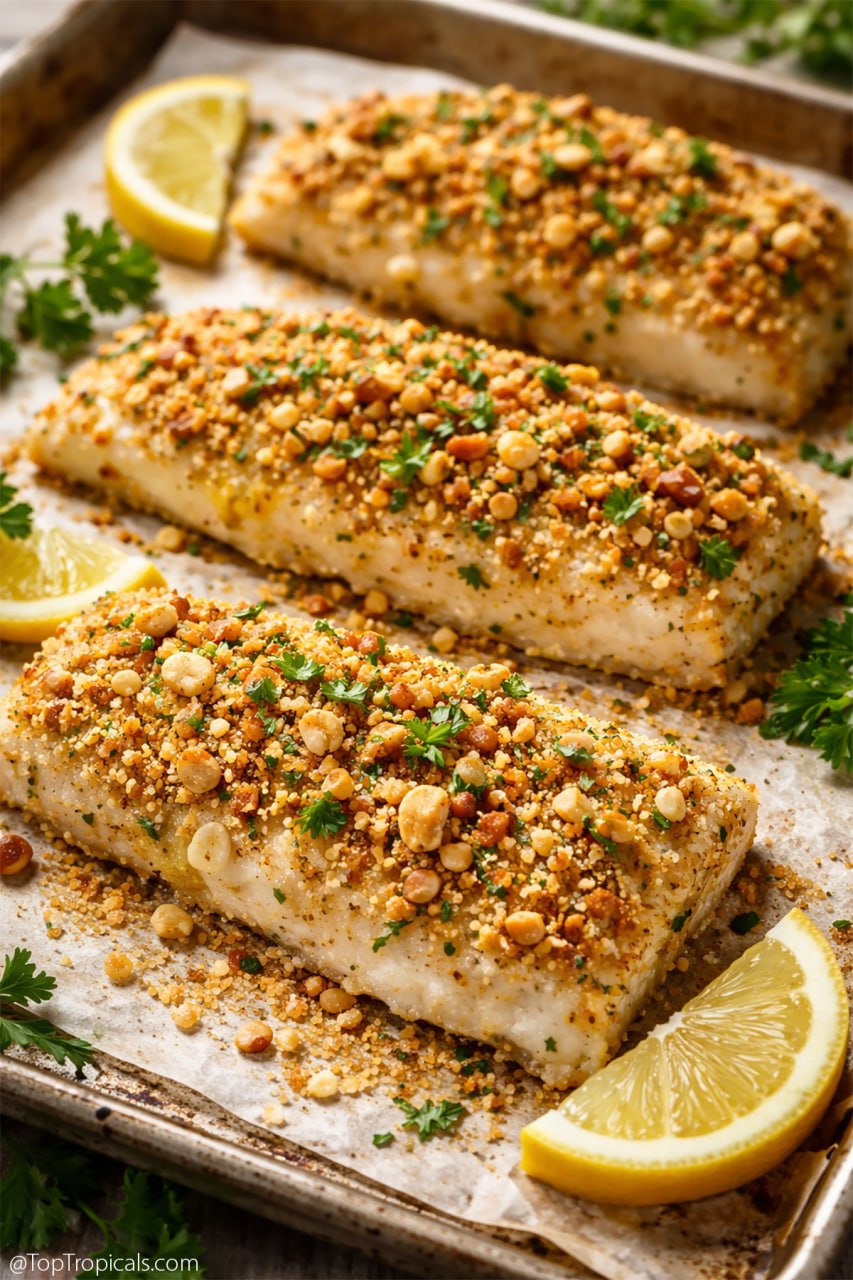
Spread a thin layer of mustard over the fish fillet.
Press crushed macadamia nuts onto the top of the fillet.
Drizzle lightly with olive oil.
Bake until golden and crisp, about 12–15 minutes.
🌿About the plant:
Macadamia is an Australian rainforest tree that gives us one of the richest, creamiest nuts on earth. The shell is famously hard - you really earn that buttery crunch.
🏡 In the garden:
Best in warm climates, zones 9-11, cold hardy to light freeze. Needs full sun, good drainage, and patience - seedlings can take several years to start producing (grafted or air-layered trees start flowering right away). Once established, they are long-lived and productive.
By Tatiana Anderson, Horticulture Expert at Top
Tropicals with Smokey & Sunshine help
Macadamia
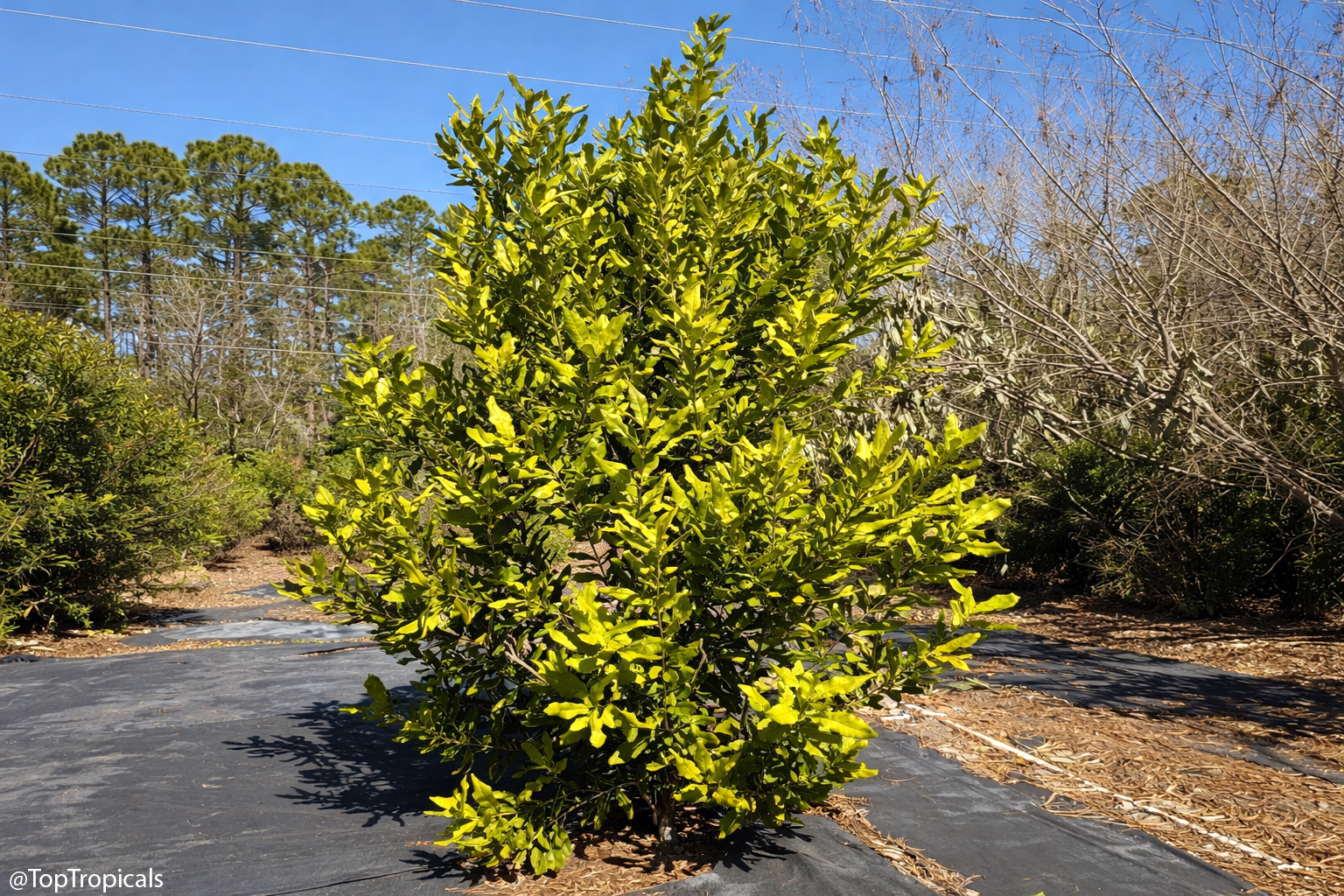
tree maturing into a productive, manageable canopy.
🌳 Growing Macadamia Tree
Macadamia is not a fragile tree, but it does have preferences. If you
respect them from the beginning, the tree rewards you for decades.
Start with the site. Drainage is everything. Macadamia will tolerate
cool weather better if planted in a well-drained area. Avoid low spots where
water sits after rain. If your soil is dense or clay-like, build a mound or
improve drainage before planting.
Choose full sun whenever possible for the best nut production.
Planting location matters. A south or southeast exposure near a wall can
create a warmer microclimate that buffers cold nights. Freeze plus wind is
more damaging than temperature alone. Macadamia handles cold better when
protected from winter wind.
Dig a hole about twice as wide as the container, but no deeper than the
root ball. Set the tree level with the surrounding soil. Do not bury the
trunk.
Water regularly during the first three months while the tree establishes
roots.
Fertilize lightly. Macadamia does not respond well to over-fertilizing.
Macadamias prefer mild liquid fertilizers, SUNSHINE
Boosters Robusta is ideal for it. You may also use controlled release Green
Magic every
6 months, it is especially formulated for hot climate. To keep leaves
healthy deep green without yellowing, micro elements must be applied on
regular basis, we recommend to always have handy Sunshine
Superfood micro nutrients complex.
Young trees should be protected if temperatures drop below freezing.
Once established, they become far more resilient.
Harvest timing: Nuts mature 6-7 months after flowering. Husk splits
naturally when ready. Fallen nuts should be collected quickly.
Flower and Nut Drop: Many gardeners panic when they see flowers or small
nuts drop, but Macadamia naturally sheds excess fruit. It does not mean
failure; the tree simply keeps what it
can afford to feed.
Macadamia is relatively low-maintenance, but watch for squirrels and rats.
They love the rich nuts as much as humans do, so be sure to collect fallen
nuts quickly.
Macadamia is not a fast-return crop. It begins producing a few years and
increases gradually. But once mature, it becomes a steady, reliable part of
your garden.
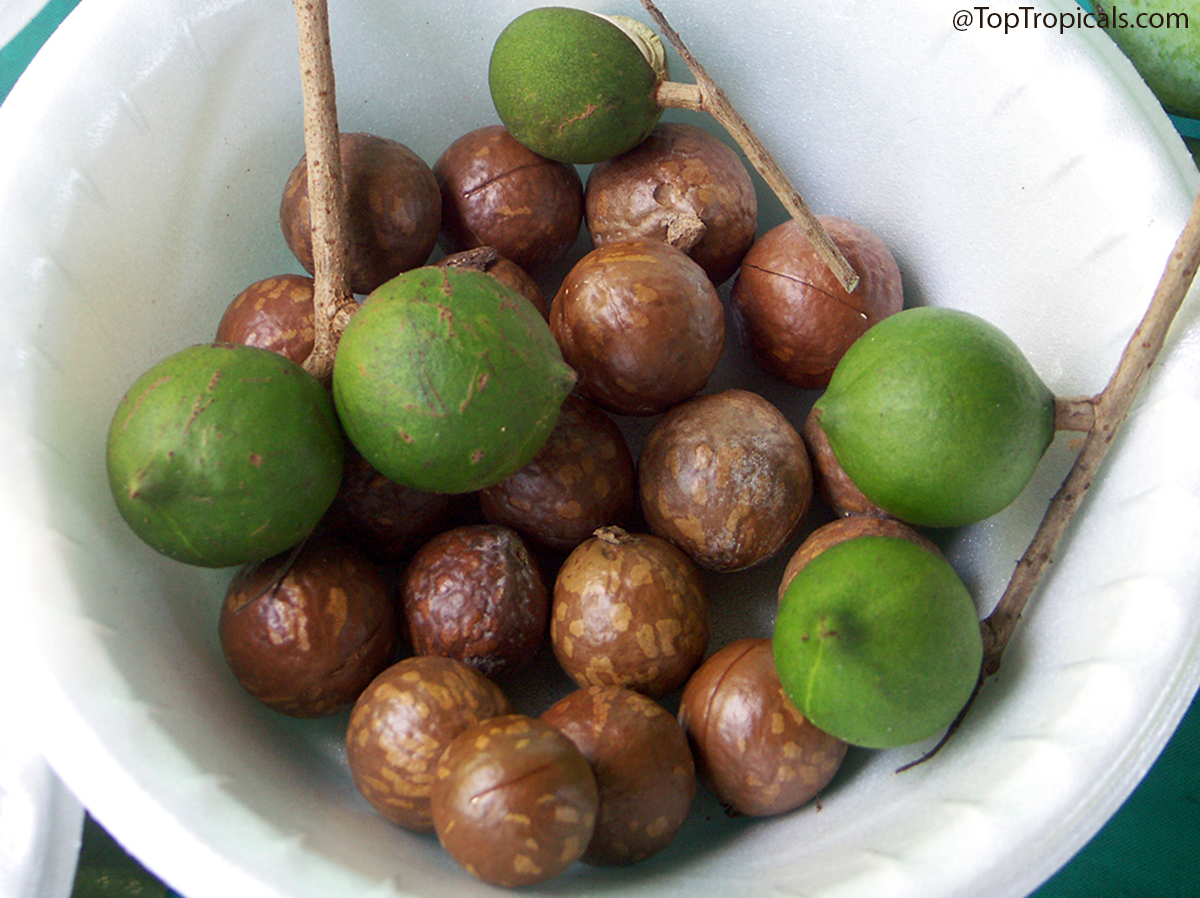
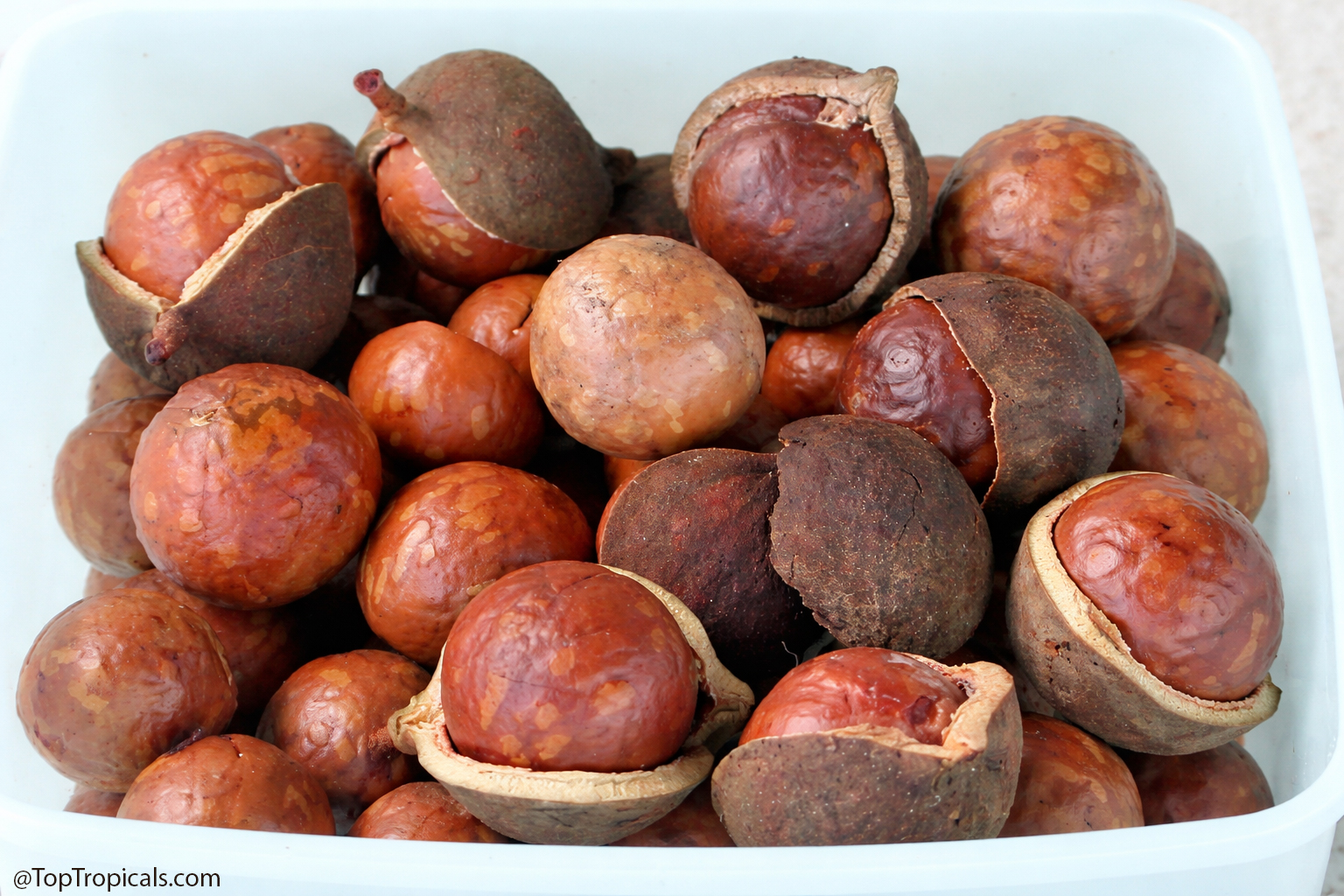
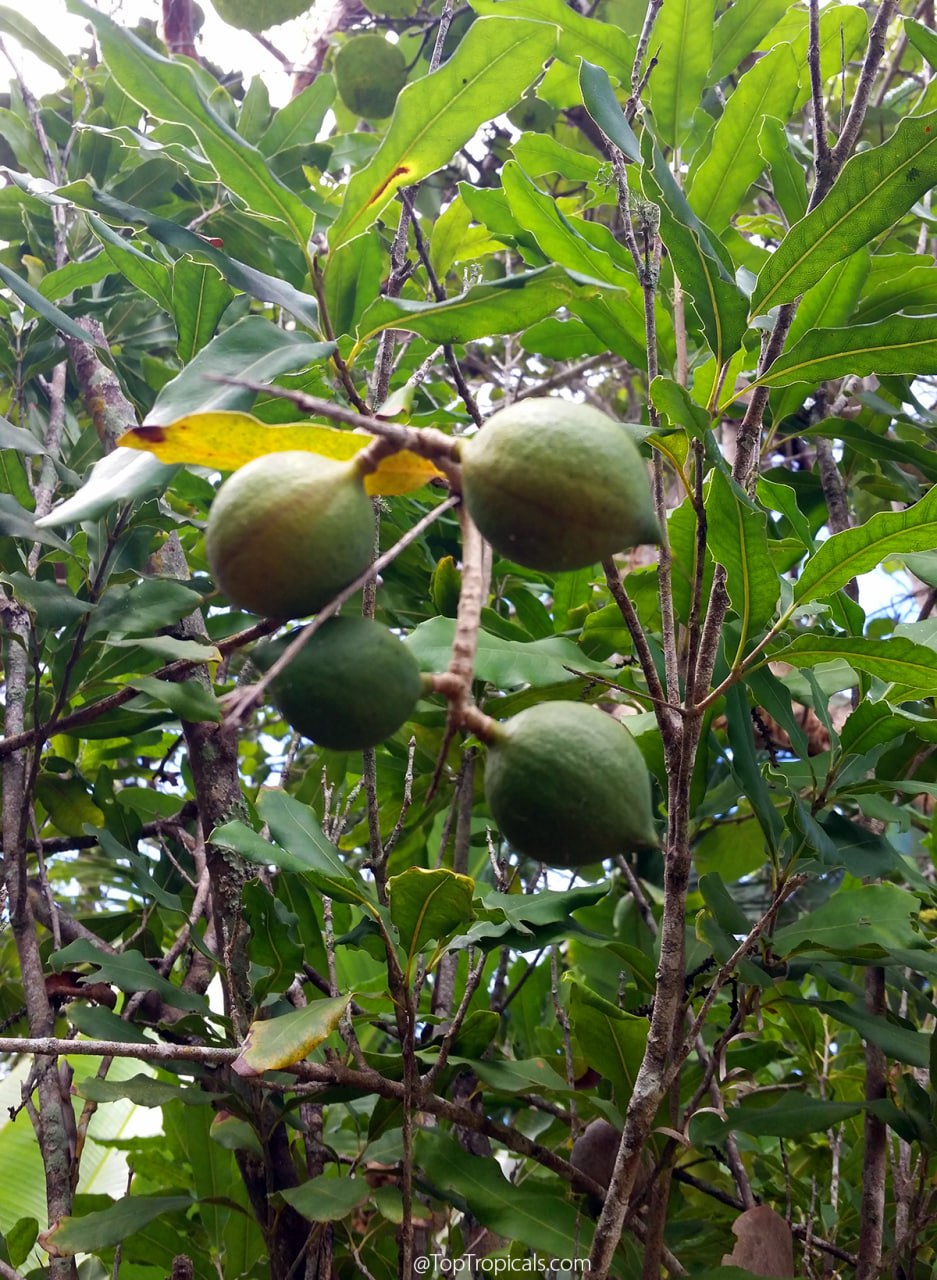
Macadamia fruit showing green outer husk and mature
brown shell inside.
🌱 Growing Macadamia in a Pot
Container size: Start large. A 15-25 gallon pot is ideal for long-term
growth.
Drainage: Critical. Use a container with multiple drainage holes.
Soil mix: Use a high-quality, well-draining container mix. Avoid heavy
garden soil. Top
Tropicals Abundance soil-less mix is specially formulated for pot
growing
Light: Full sun is best. Strong light improves flowering and nut
production.
Watering: Water deeply, then allow the top layer to dry slightly before
watering again. Avoid constant saturation.
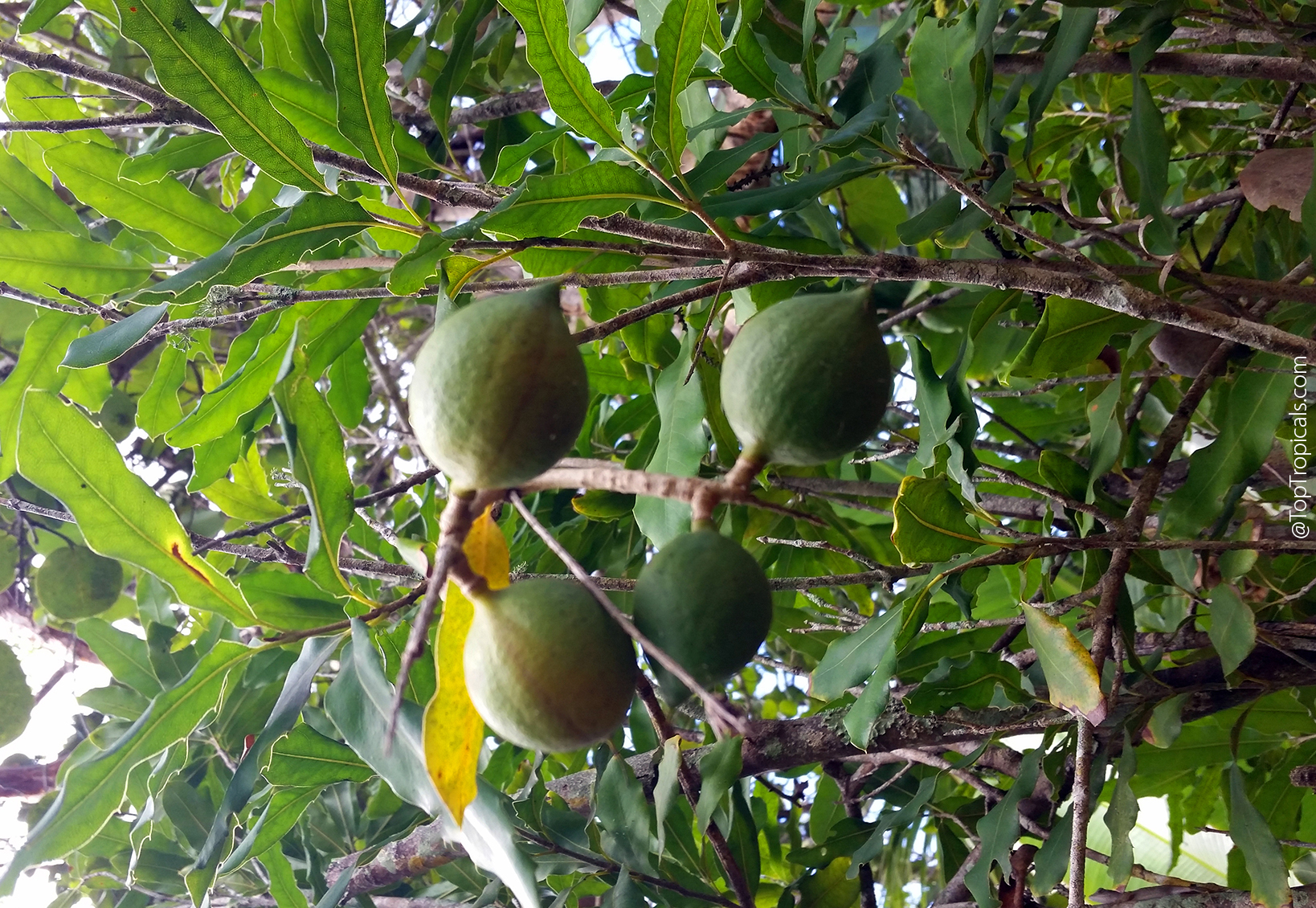
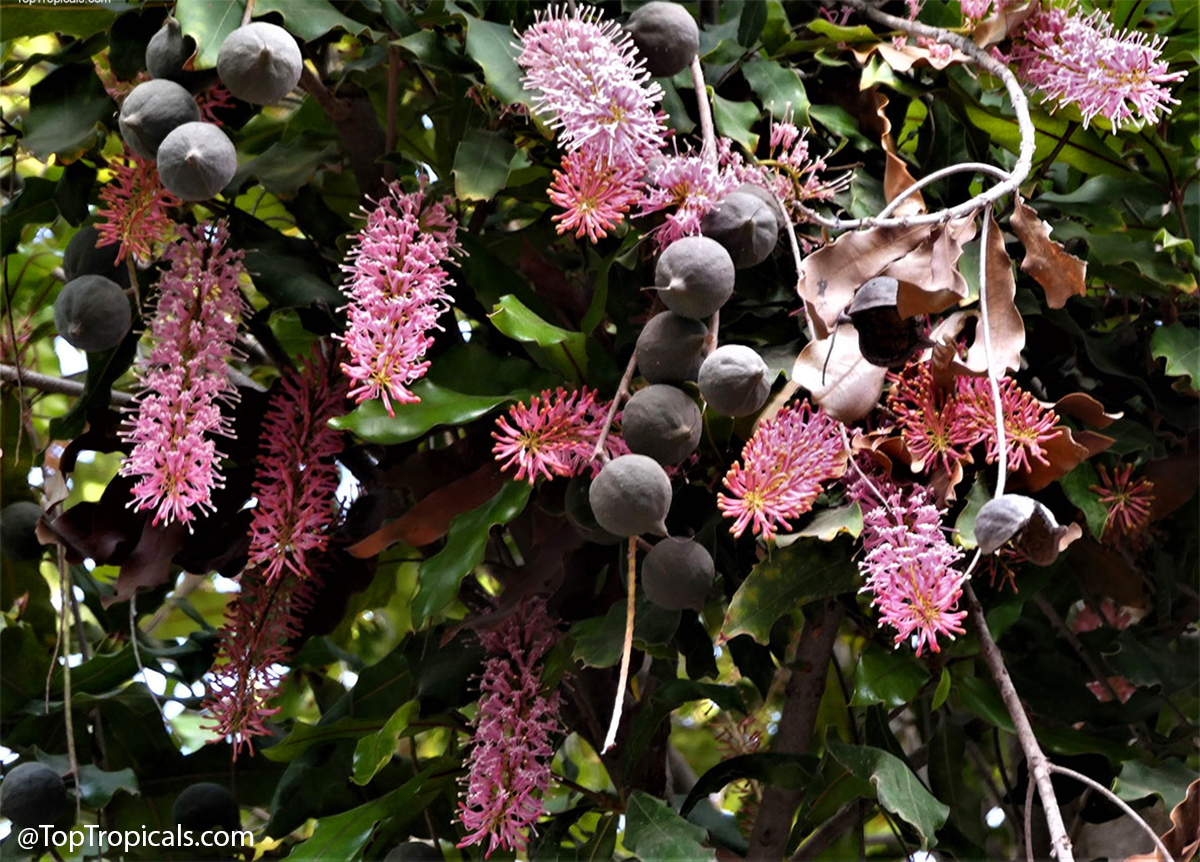
Macadamia nuts developing on the tree before the husk
splits.
🚫 Common Mistakes When Growing Macadamia
Planting in poorly drained soil:
The most common mistake. Macadamia will decline quickly in heavy,
waterlogged ground. If
drainage is questionable, plant on a mound.
Overwatering young trees:
Newly planted trees need consistent moisture, not constant saturation. Wet
roots lead to root problems.
Over-fertilizing:
Too much fertilizer causes weak growth and nutrient imbalance. Feed lightly
and avoid heavy nitrogen applications.
Planting too deep:
The top of the root ball should sit level with or slightly above the
surrounding soil. Do not bury the trunk.
Ignoring micronutrients:
Macadamia is very prone to iron, zinc, and copper deficiencies. Yellowing
leaves may signal a micronutrient issue. Applly Sunshine
Superfood on regular
basis.
Expecting instant production:
Macadamia takes time. Early years build structure. Patience is part of
success.
Skipping cold protection for young trees:
Established trees are tougher, but young plants should be protected below
freezing.
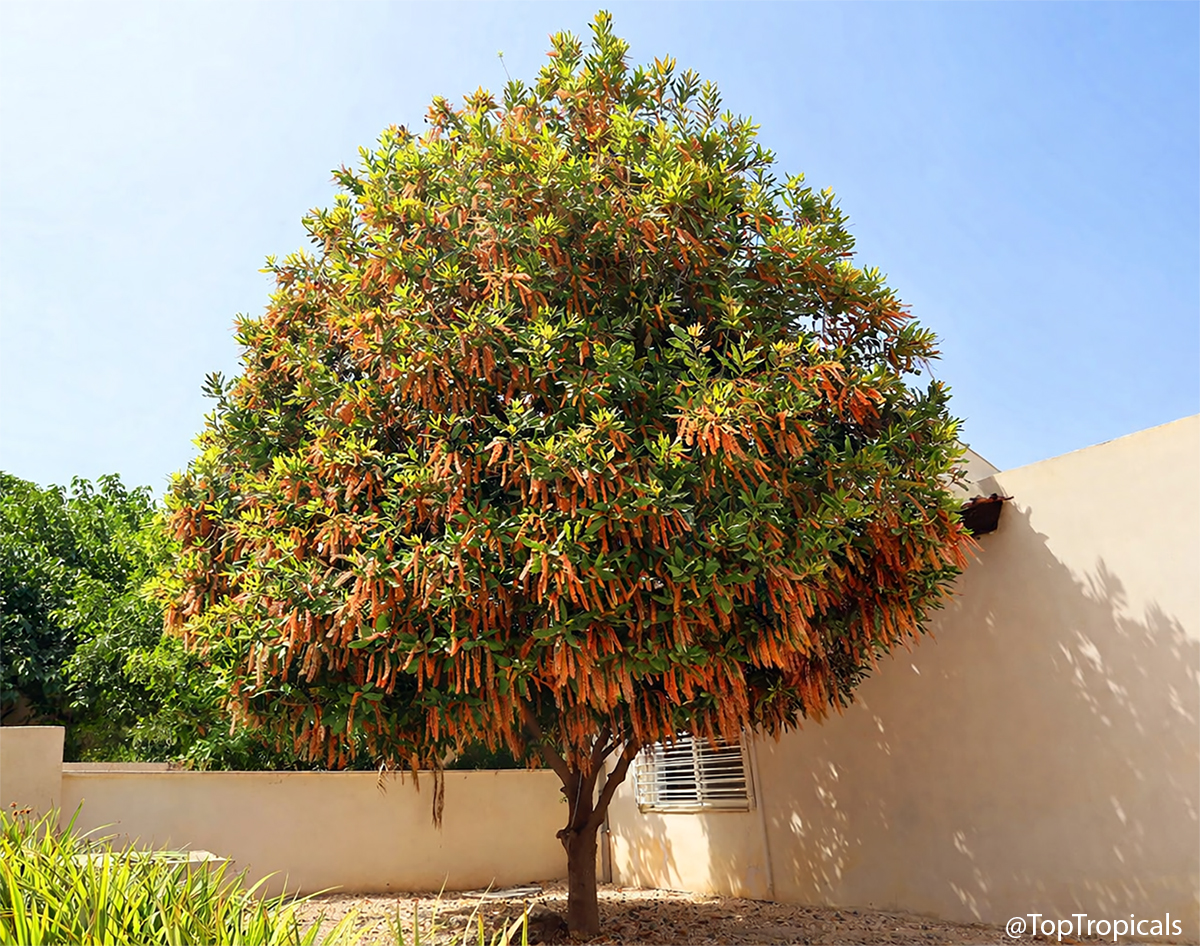
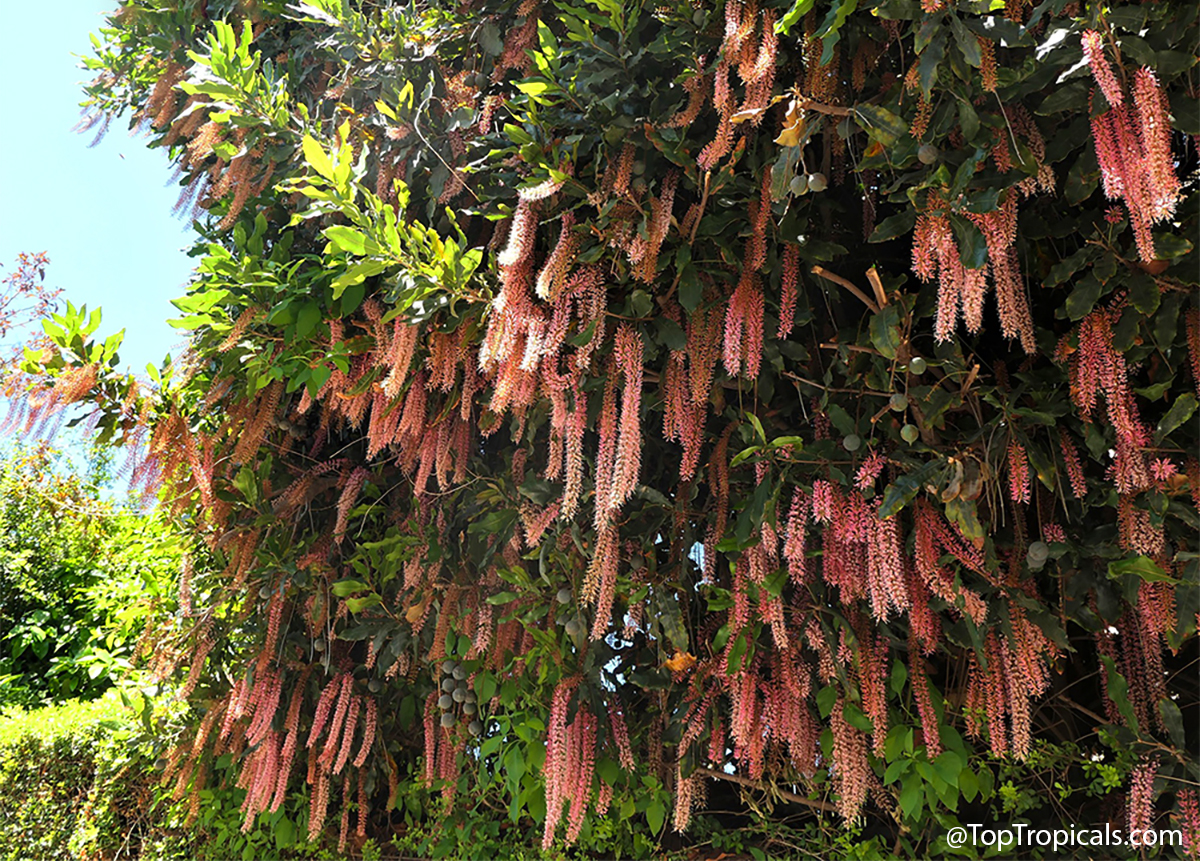
Macadamia tree in full bloom with abundant flower
clusters.
❓Frequently Asked Questions (FAQ)
Is Macadamia toxic to pets?
While the nuts are a superfood for humans, they are toxic to dogs. If
you have a dog that tends to forage in the garden, ensure you harvest
fallen nuts promptly or fence the base of the tree during the drop season.
Which varieties are best for the "Survivor" garden?
Look for Macadamia integrifolia (smooth-shell) or hybrids like
'Beaumont' (M.
tetraphylla x M. integrifolia). Hybrids often show slightly better cold
tolerance and more
consistent "home garden" production.
How tall will my tree get?
In the ground, an unpruned Macadamia can reach 20–30 feet. However,
they respond very well to "heading back" (pruning the top) to keep them at a
manageable 12–15 feet for easy harvesting.
Do I need two trees for cross-pollination?
Macadamias are self-fertile, meaning one tree will produce nuts. However,
planting two varieties near each other often results in a significantly
heavier "nut
set" due to cross-pollination.
Why are the leaves on my Macadamia prickly?
Don't panic—this is normal! Some species, particularly M.
tetraphylla, have serrated, holly-like leaves. This actually makes them
a great "defensive" hedge against intruders or deer.
When exactly should I harvest?
The tree tells you when it's ready. Don't shake the tree; wait for the nuts
to fall naturally. In Florida, this usually happens between August and
November. If the green outer husk hasn't split yet, let them sit in a
shaded, dry spot until they do.
My tree has "clusters" of flowers but no nuts. What happened?
Macadamias produce long racemes (flower spikes) with hundreds of tiny
blooms. It is normal for 90% of these to fall off. The tree only keeps what
it can afford to "feed." Boost your
success by using a combination of Sunshine
C-Cibus liquid
fertilizer and SUNSHINE
Superfood micro element supplement during the flowering stage to help
the tree retain more fruit.
Can I grow them from a nut I bought at the store?
Unlikely. Commercial nuts are usually roasted or dried at high heat, killing
the embryo. Even if a raw nut sprouts, it may take 10–12 years to
fruit and the quality is a gamble. Buying a grafted tree saves you a decade
of waiting.
We don’t just sell plants; we test them. The data from this
February freeze proves that with the right selection and proper drainage,
'tropical' doesn’t have to mean 'fragile.' Don’t wait for the
next cold front to find out what in your garden is
vulnerable. It is time to replace those empty spots with proven survivors
that offer both beauty and a premium harvest. If it can stand up to 25F in
our fields, it’s
ready for your backyard.
Coming in Part 2...
Smokey is already crunching the numbers on our next survivor, and Sunshine
found another tree that stayed perfectly green in the wind. Stay tuned to
see which fruit tree made the cut!
Macadamia
flowers forming long cascading racemes before nut set.
🐾 Smokey & Sunshine’s real-world survival data from our
Sebring, Florida Research Gardens.
Smokey analyzed the data. Sunshine just stayed happy. Here is what they
found.
Sunshine: Twenty five degrees. Wind chill fourteen. And it is still
standing... like nothing happened? Smokey: This is macadamia strength. Sunshine: I should put a macadamia nut in my coffee and borrow some
of that strength. Smokey: Do not get too nutty yet. It still needs curing and
cracking.
📊 Weather Data – February 1–6,
2026
Sebring, Florida – 132 years of recorded observations
This was not a light frost. It was a prolonged, windy, penetrating hard
freeze.
🌡 Minimum temperature: 25F
❄️ Wind chill: 14F
⏳ Duration: 3 nights of 8–10 hour hard
freeze
☀️ Daytime temperatures: around 50F for 7 days
🌀 Wind: sustained 20 mph, gusts 40–50 mph
While all our plants in pots were protected in greenhouses, our in-ground
plantings faced the freeze outdoors. We covered what we could. Even so, some
plants were damaged, some died, and some surprised us by surviving.
In the next few newsletters, we will share the real survivors - the plants
that proved themselves in the ground, under real conditions. Smokey and
Sunshine have been out in the fields assessing the damage from the February
1–6 freeze. While many plants struggled, the Macadamia proved to
be a true standout. This is how we grow them to handle the tough years.
Why does this matter? Because we have gotten used to warm winters, and this
freeze was a rude awakening. Not everyone lives in Miami. If you garden in
places where a real cold event can happen, you have to be prepared - and you
have to plant what can take it.
🌰 Macadamia: Freeze
Tested and Standing
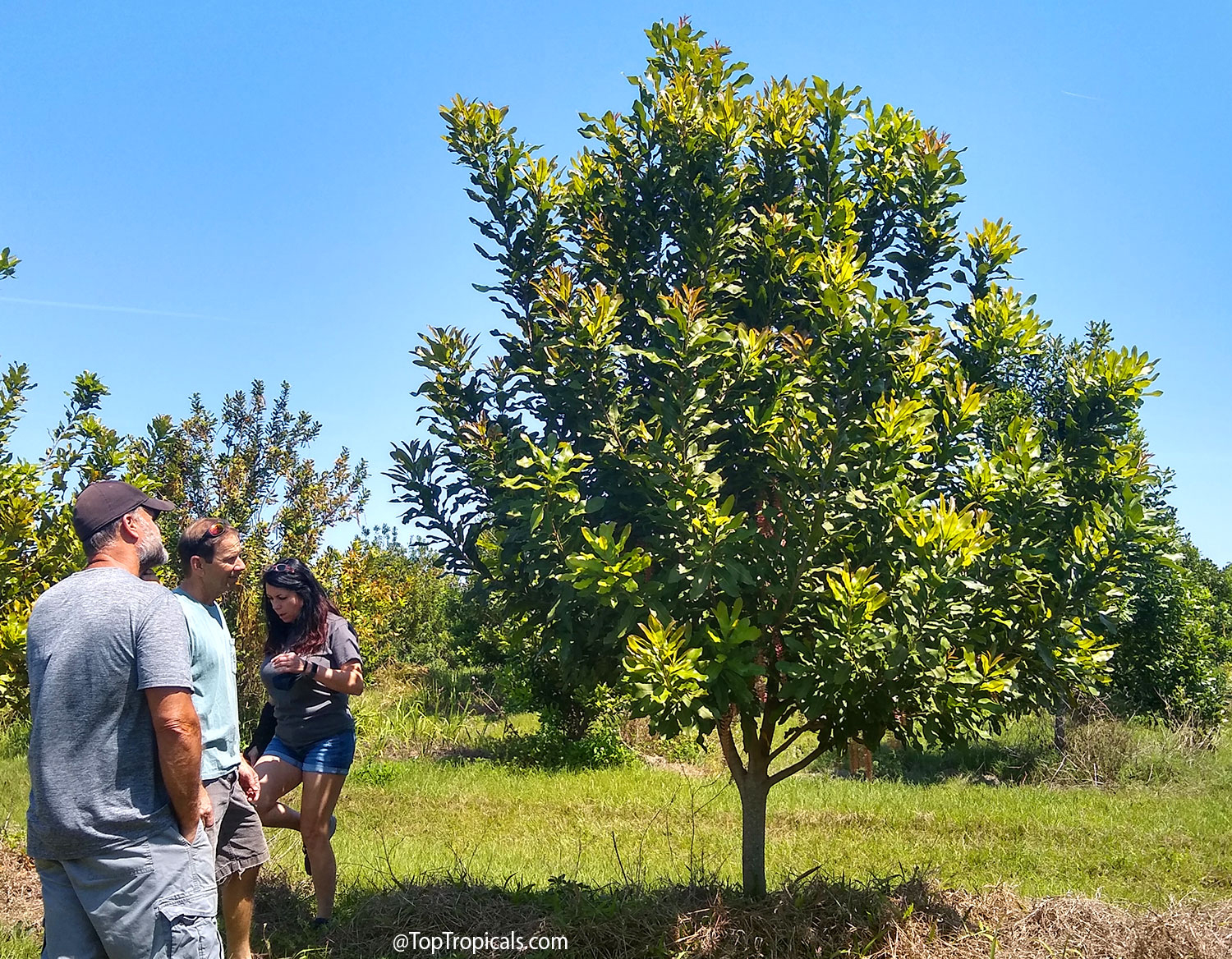
3 year old macadamia tree after 3 nights of hard
freeze in February 2026 - standing strong.
When temperatures dropped to 25F with wind chill near 14F, our established
macadamia trees remained upright, green, and structurally intact. Leaves
held. Branches stayed firm. No collapse, no panic.
That is not luck. That is macadamia hardiness.
Often considered a "tropical luxury nut," macadamia proved it can handle
more than many gardeners expect. In USDA Zones 9b-11, with proper drainage
and site selection, it is not just ornamental - it is a long-term food tree
with real resilience.
In a winter that reminded us not to take warmth for granted, macadamia
earned its place on the survivor list.
The nut itself is famous for its strength. The shell is among the hardest
in the nut world, requiring serious pressure to crack. Inside, the kernel
is creamy, buttery, rich, and deeply satisfying. High in monounsaturated
fats and naturally low in sugar, macadamias have long been valued both for
flavor and for nutrition.
The tree is equally impressive. An evergreen with tough leaves and elegant
spring flowers, it matures into a productive, manageable canopy. Nuts
develop slowly over six to seven months. Production begins in a few years
and increases steadily as the tree matures. Plant it once, and it can reward
you for decades.
Macadamia flowers and developing nuts on the
tree.
Cold will come again. It always does.
The question is not whether winter will test your garden. The question is
whether your trees are ready.
Macadamia proved it is.
If you are building a garden that feeds you for decades, this is a tree
worth planting.
Meet Oscar. Street-fight champion. One ear bent from "previous negotiations". Confidence level - untouchable.
Five feet of snow? Minor inconvenience.
He did not train all winter to be defeated by fluffy water.
Yes, the snow is deep.
Yes, it is hard to walk.
Yes, his voice is loud.
But retreat? Never.
His blood is thick.
His fur is thicker.
His territory will be inspected and properly marked.
Some heroes wear capes.
Oscar wears winter coat - and attitude.
Maybe your tropical winter is not so bad after all? ⛄️
🐈📸 Cat Oscar, a non-tropical friend of TopTropicals and PeopleCats.Garden.







 Macadamia Tree Care