Garden Blog - Top Tropicals

Date: 27 Feb 2026

Grilled star fruit slices: quick-n-fun exotic recipes

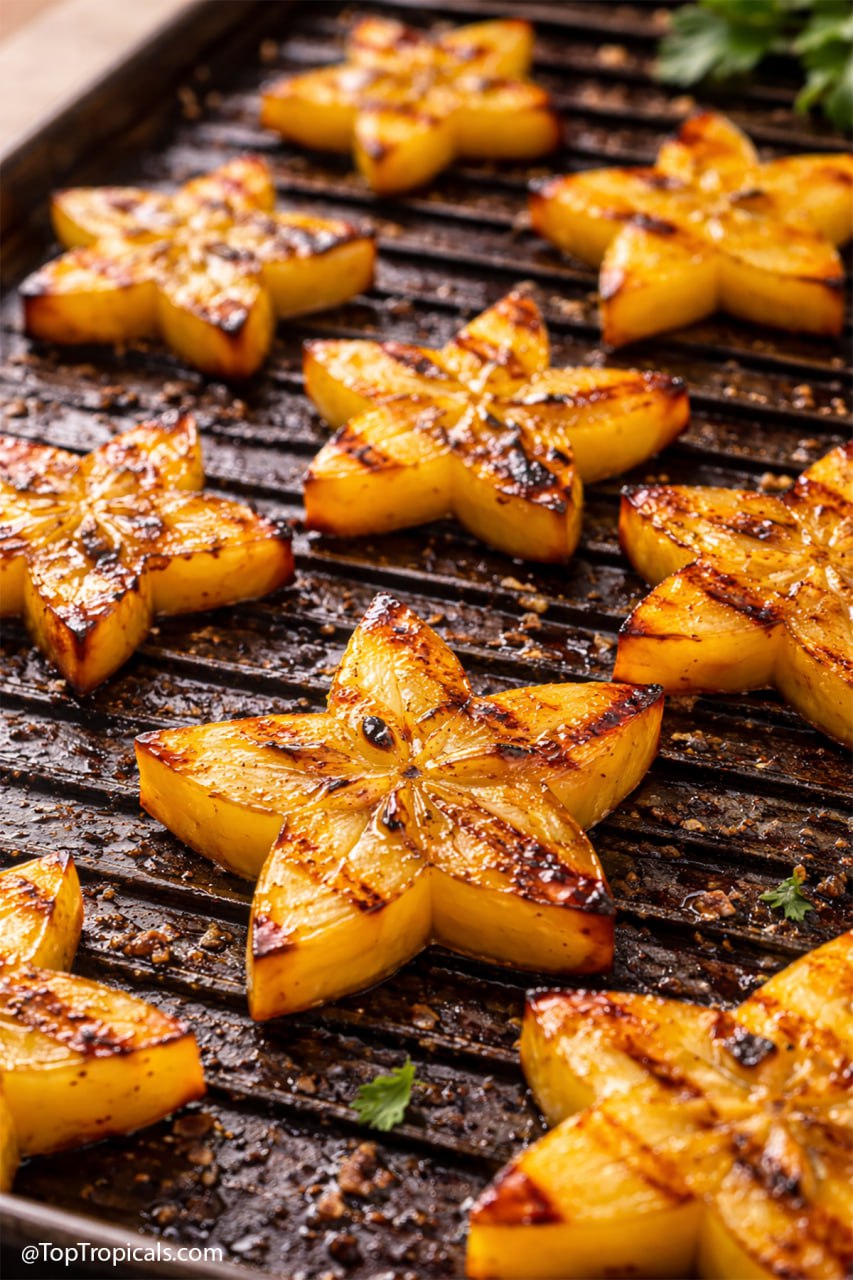
Grilled star fruit slices on grill pan

Grilled star fruit slices on grill pan

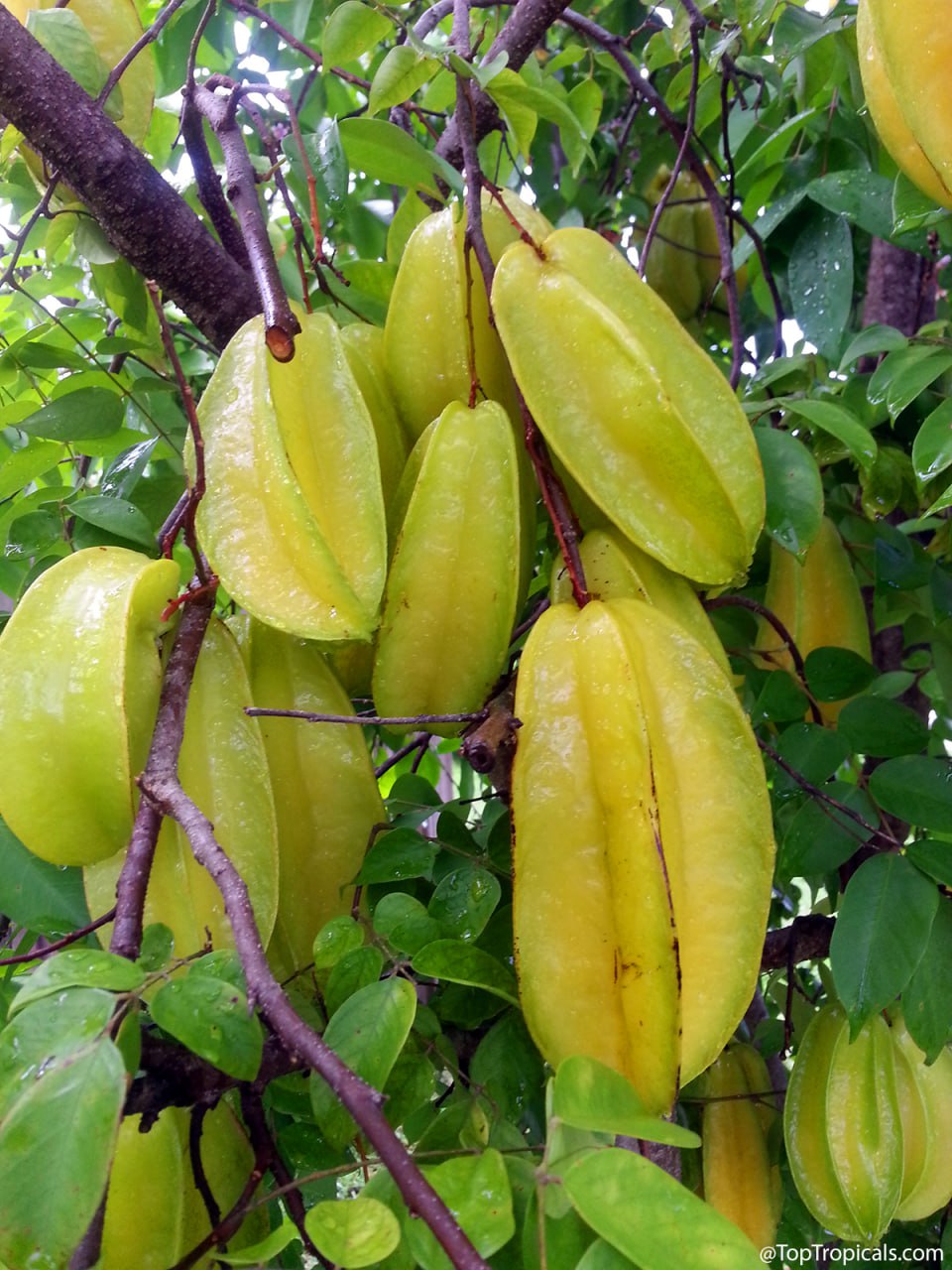
Averrhoa carambola - Star Fruit Carambola Tree

Averrhoa carambola - Star Fruit Carambola Tree

🍴 Grilled star fruit slices: quick-n-fun exotic recipes


Grilled Star Fruit Slices

Ingredients

  • 1 ripe star fruit (carambola)
  • 1 teaspoon honey
  • 1 teaspoon butter or coconut oil

Instructions

  1. Slice the star fruit crosswise into star-shaped pieces.
  2. Heat a grill pan or skillet and lightly grease with butter or coconut oil.
  3. Place the slices on the hot surface and grill briefly on each side.
  4. Drizzle lightly with honey as the edges begin to caramelize.
  5. Serve warm as a tropical side dish or dessert topping.


🌿 About the plant:


Carambola, or Star Fruit, is a small tropical tree with glossy leaves and crisp, juicy fruit that slices into perfect stars.

🏡 In the garden:


Thrives in zones 9-11. Likes sun, regular water, and protection from strong winds. Dwarf varieties do well in large containers.

🛒 Plant Star Fruit Carambola Tree

📚 Learn more:

Plant Facts

Averrhoa carambola
Carambola, Starfruit, Five-finger, Balimbing
USDA Zone: 9-11
Small tree 10-20 ftSemi-shadeFull sunRegular waterEdible plantSubtropical plant. Mature plant cold hardy at least to 30s F for a short time
  • Averrhoa carambola in Plant Encyclopedia
  • How to gets lots of Star Fruit Carambola
  • Star Fruit from our garden
  • Grow your own Carambola
  • Top 10 fast-fruiting trees: #8. Carambola - Starfruit
  • Carambola Banana Whip
  • Carambola Jam recipe
  • When young Carambola trees are covered with fruit
  • Carambola tree is the Star of the orchard

  • #Food_Forest #Recipes

    🟢 Join 👉 TopTropicals

    Date: 23 Feb 2026

    Macadamia nut oven crisp

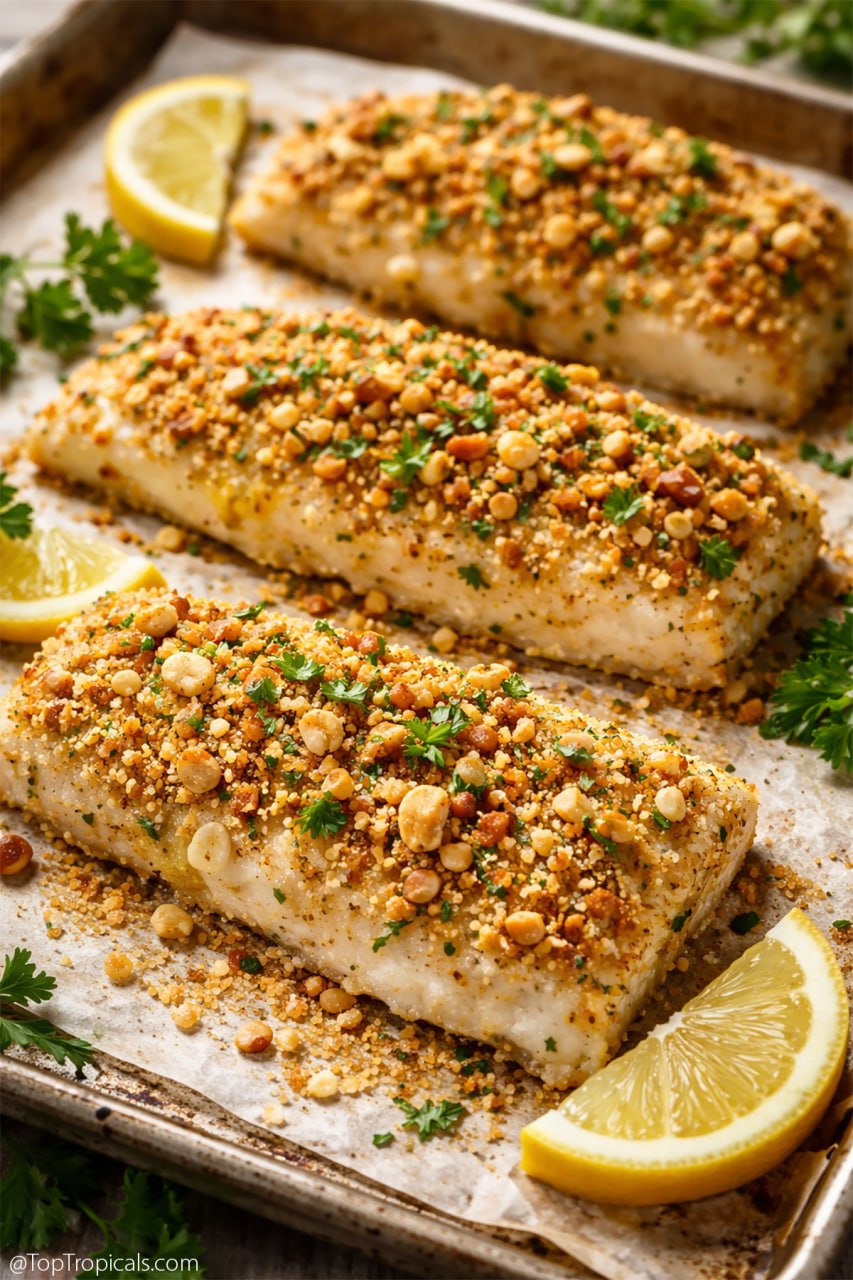
    Golden macadamia-crusted fish fillet

    Golden macadamia-crusted fish fillet

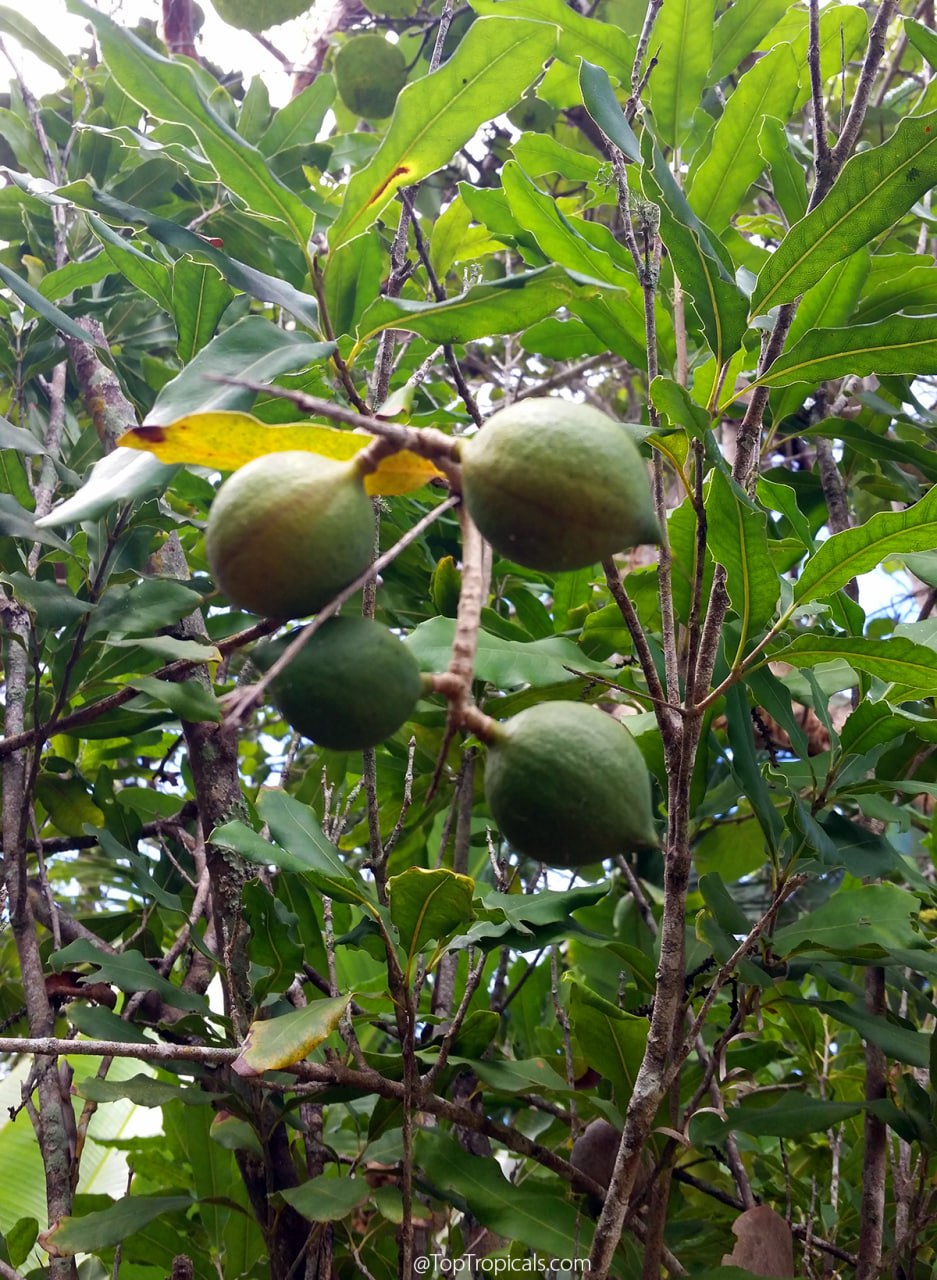
    Macadamia integrifolia - Macadamia nuts and leaves on a tree

    Macadamia integrifolia - Macadamia nuts and leaves on a tree

    🍴 Macadamia nut oven crisp: quick-n-fun exotic recipes

    Macadamia Nut Oven Crisp

    Ingredients

    • 1 fish fillet (cod, tilapia, or snapper)
    • 1/3 cup crushed macadamia nuts
    • 1 teaspoon Dijon mustard
    • 1 teaspoon olive oil
    • Salt and pepper to taste

    Instructions

    1. Preheat oven to 375°F.
    2. Spread a thin layer of mustard over the fish fillet.
    3. Press crushed macadamia nuts onto the top of the fillet.
    4. Drizzle lightly with olive oil.
    5. Bake until golden and crisp, about 12–15 minutes.


    🌿About the plant:
    Macadamia is an Australian rainforest tree that gives us one of the richest, creamiest nuts on earth. The shell is famously hard - you really earn that buttery crunch.

    🏡 In the garden:


    Best in warm climates, zones 9-11, cold hardy to light freeze. Needs full sun, good drainage, and patience - seedlings can take several years to start producing (grafted or air-layered trees start flowering right away). Once established, they are long-lived and productive.

    🛒 Plant a hardy Macadamia tree to always have your nuts

    📚 Learn more:

    Plant Facts

    Macadamia sp, Macadamia integrifolia, Macadamia tetraphylla
    Macadamia nut
    USDA Zone: 9-11
    Large tree taller than 20 ftSmall tree 10-20 ftFull sunRegular waterYellow, orange flowersWhite, off-white flowersPink flowersEdible plantSubtropical plant. Mature plant cold hardy at least to 30s F for a short timeFlood tolerant plant
  • Macadamia integrifolia in Plant Encyclopedia
  • Macadamia nut crusted fish: quick-n-fun exotic recipes
  • Stop buying macadamias - plant this tree to enjoy your own nuts
  • Where do Macadamia nuts come from
  • What are the flowers of Macadamia nuts
  • Ten best fruit trees to grow in Florida and Southern landscapes. # 6: Macadamia Nut Tree.
  • How to grow your own Sweet Macadamia Nuts
  • Macadamia: Hard Sweet Nut and Hardy Tree
    🎥 Growing Macadamia trees

    #Food_Forest #Recipes

    🟢 Join 👉 TopTropicals
  • Date: 19 Feb 2026

    10 ways to enjoy Wild Medlar - Spanish Tamarind

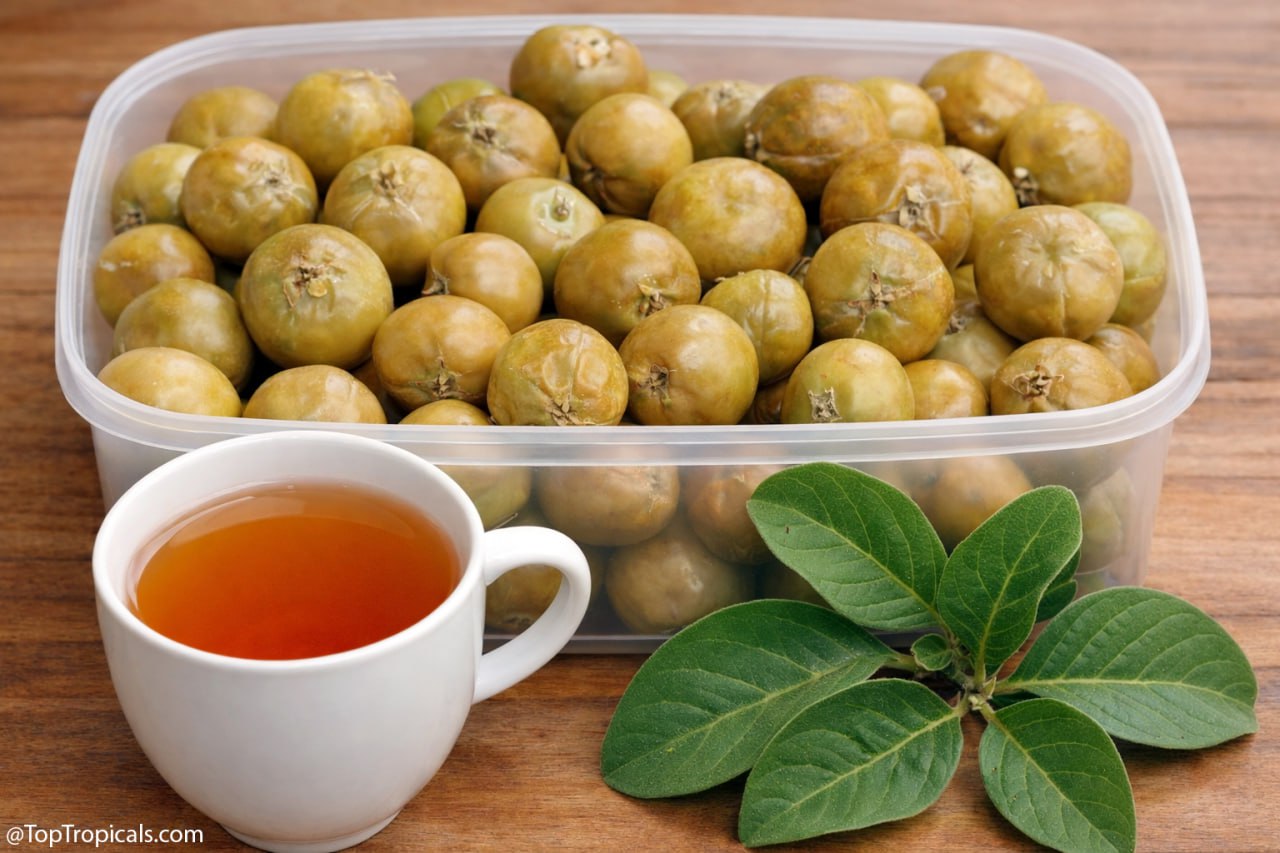
    Vangueria infausta (Spanish Tamarind, Wild Medlar)

    Vangueria infausta (Spanish Tamarind, Wild Medlar)

    🍊 10 ways to enjoy Wild Medlar - Spanish Tamarind


    Vangueria infausta (Spanish Tamarind, Wild Medlar) from Africa to your backyard: the fruit, the medicine, the tradition.

    Spanish Tamarind may look like a small, unassuming fruit - but don’t let it fool you. In its native Africa, this tree is a food staple, a home remedy, and a cultural favorite, all wrapped into one. And now, it’s ready to bring that same magic into your garden and kitchen. People have used this fruit for generations - and how you can too.

    🍊 1. Eat it fresh, off the tree


    When ripe, the fruit turns golden brown and softens slightly. Its flavor is sweet-tart, almost like a tangy apple or tamarind with a hint of citrus. Just peel and eat!

    🍬 2. Dry it for snacks


    In many African regions, the fruit is sun-dried and enjoyed like natural fruit leather. It keeps well, travels well, and makes a great healthy snack.

    🍵 3. Brew it into a fruit tea


    Dried fruit can be steeped into a tart, refreshing tea that’s packed with vitamin C and antioxidants. Add honey or ginger for a soothing drink.

    🍷 4. Ferment it into traditional beer or wine


    In some local cultures, the fruit is fermented into a mild alcoholic drink, similar to fruit wine or beer. This is one of the tree’s oldest known traditional uses.

    🍧 5. Make jams and preserves


    Boil the pulp with sugar and lemon juice to make tangy medlar jam. Spread it on toast, stir into yogurt, or use it in baking.

    6. Add to porridge or smoothies


    Crushed or juiced medlar fruit is added to traditional maize porridge for a nutrient boost. You can do the same with oatmeal or smoothies.

    7. Try traditional fruit pudding


    A simple medlar mash with a little sweetener makes a rich, apple-like pudding with hints of spice. Great as a chilled dessert.

    🌿 8. Use the leaves and bark medicinally


    In folk medicine, leaves are brewed into a tea for treating fever, colds, and stomach aches. Bark is used for chest congestion and coughs. Roots are sometimes used for even stronger remedies like malaria treatment.

    9. Clean your teeth the traditional way


    Believe it or not, people use medlar leaves to clean their teeth! The leaves are antimicrobial and have a slight astringent taste that leaves your mouth feeling fresh.

    🎨 10. Dye fabric naturally
    Crush the bark or boil the leaves to create natural dyes in yellow, green, and even purple tones. This use is still practiced in rural areas of southern Africa.

    ✍️ Why this tree belongs in your life


    Wild Medlar is more than just a fruit. It’s a versatile, resilient, and deeply cultural plant that connects generations. It’s food, it’s healing, it’s art—and now it can be part of your garden story.
    Grow it for the fruit, the medicine, the tradition… or just for the joy of growing something wild and wonderful.

    🛒 Plant Spanish Tamarind and enjoy exotic fruit benefits

    📚 Learn more:

    Plant Facts

    Vangueria infausta
    Wild Medlar, Spanish Tamarind
    USDA Zone: 9-11
    Small tree 10-20 ftFull sunModerate waterEdible plantDeciduous plantEthnomedical plant.
Plants marked as ethnomedical and/or described as medicinal, are not offered as medicine but rather as ornamentals or plant collectibles.
Ethnomedical statements / products have not been evaluated by the FDA and are not intended to diagnose, treat, cure, or prevent any disease. We urge all customers to consult a physician before using any supplements, herbals or medicines advertised here or elsewhere.Subtropical plant. Mature plant cold hardy at least to 30s F for a short time
  • Vangueria infausta - Spanish Tamarind in Plant Encyclopedia
  • 7 steps for a care-free Spanish Tamarind - the easiest rare fruit to grow
  • The wild fruit with a secret: health benefits of rare Spanish Tamarind - the exotic fruit you've never heard of

  • #Food_Forest #Remedies #Recipes #Discover

    🟢 Join 👉 TopTropicals
    Date: 15 Feb 2026

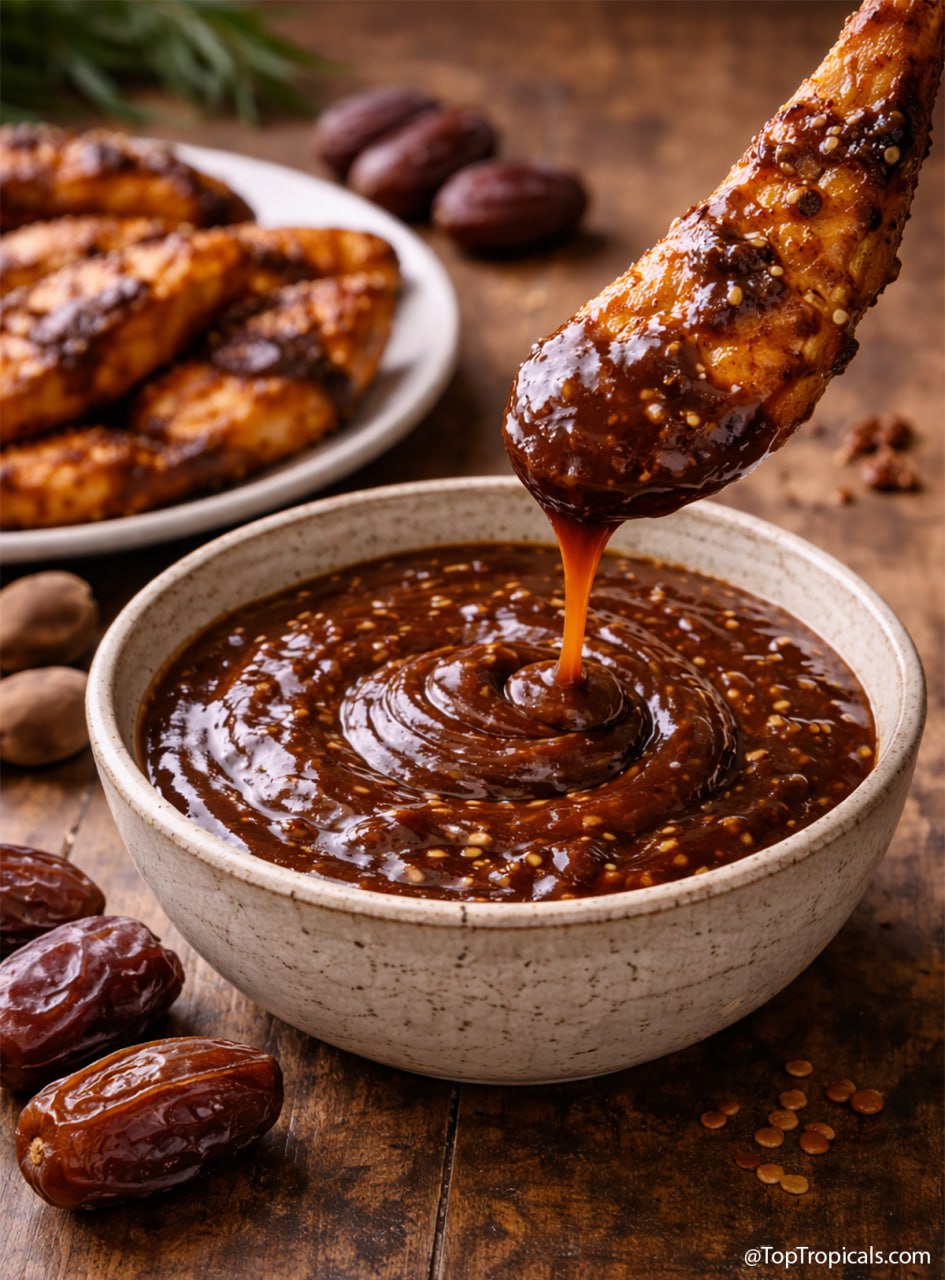
    Tamarind date dipping sauce, quick-n-fun exotic recipes

    Tamarind date dipping sauce

    Tamarind date dipping sauce

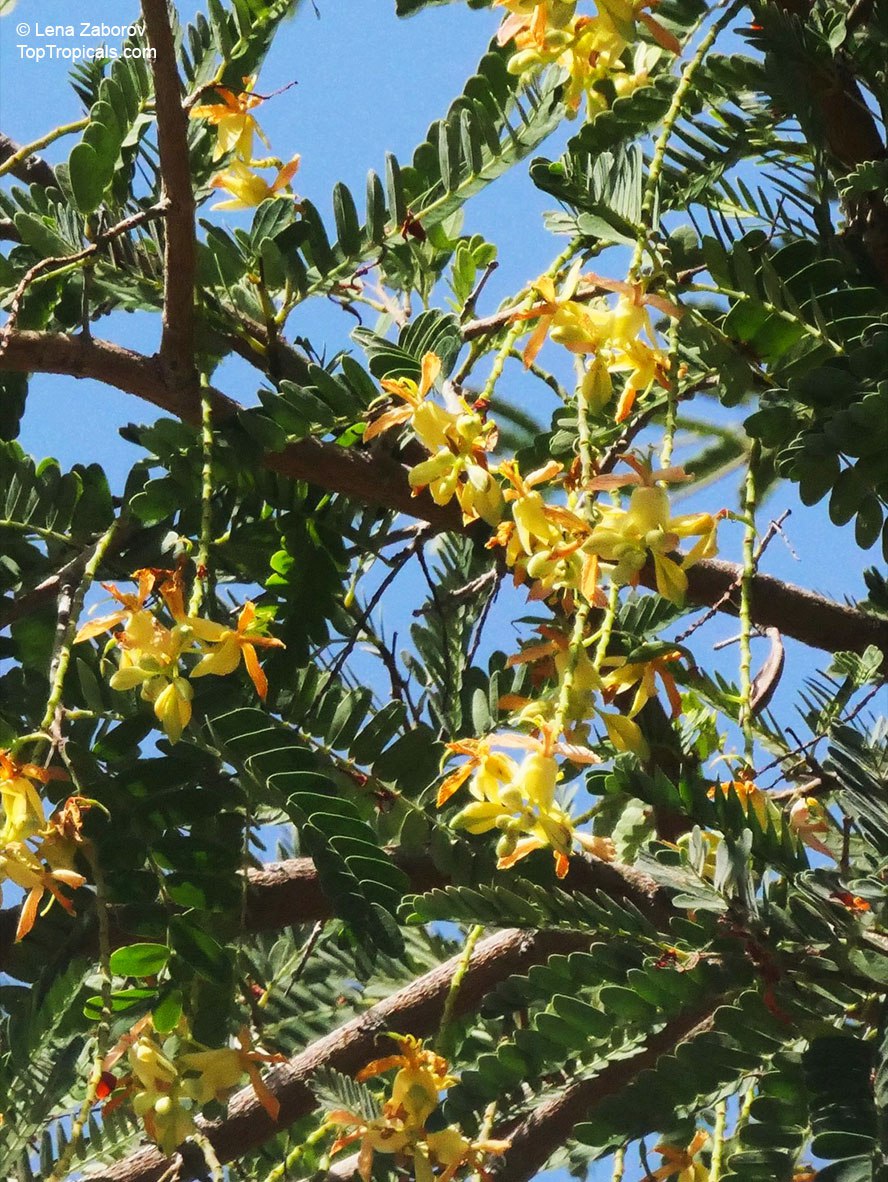
    Tamarind - Tamarindus indica - flowers

    Tamarind - Tamarindus indica - flowers

    🍴 Tamarind date dipping sauce: quick-n-fun exotic recipes


    Tamarind Date Dipping Sauce

    Ingredients

    • 3 soft dates
    • 1 tablespoon tamarind pulp
    • 1 pinch salt
    • 2–3 tablespoons warm water

    Instructions

    1. Soak the dates briefly in warm water if they are firm.
    2. Add the dates, tamarind pulp, and salt to a blender.
    3. Blend until smooth.
    4. Add warm water gradually until the sauce reaches dipping consistency.
    5. Serve with snacks, roasted vegetables, or grilled foods.


    🌿 About the plant:


    When combined with dates, tamarind transforms into a sweet-sour chutney common in Indian street food.

    🏡 In the garden:


    Tamarind (Tamarindus indica) flowering occurs in warm months with small yellowish blooms. Pollination leads to the familiar curved pods.

    🛒 Add Tamarind tree to your garden

    📚 Learn more:

    Plant Facts

    Tamarindus indica
    Tamarind, Sampalok
    USDA Zone: 9-11
    Large tree taller than 20 ftFull sunModerate waterEdible plantSubtropical plant. Mature plant cold hardy at least to 30s F for a short timeFlood tolerant plantSeaside, salt tolerant plant

    Tamarindus indica in Plant Encyclopedia

    #Food_Forest #Recipes

    🟢 Join 👉 TopTropicals

    Date: 31 Jan 2026

    Pitomba pop cups: quick-n-fun exotic recipes

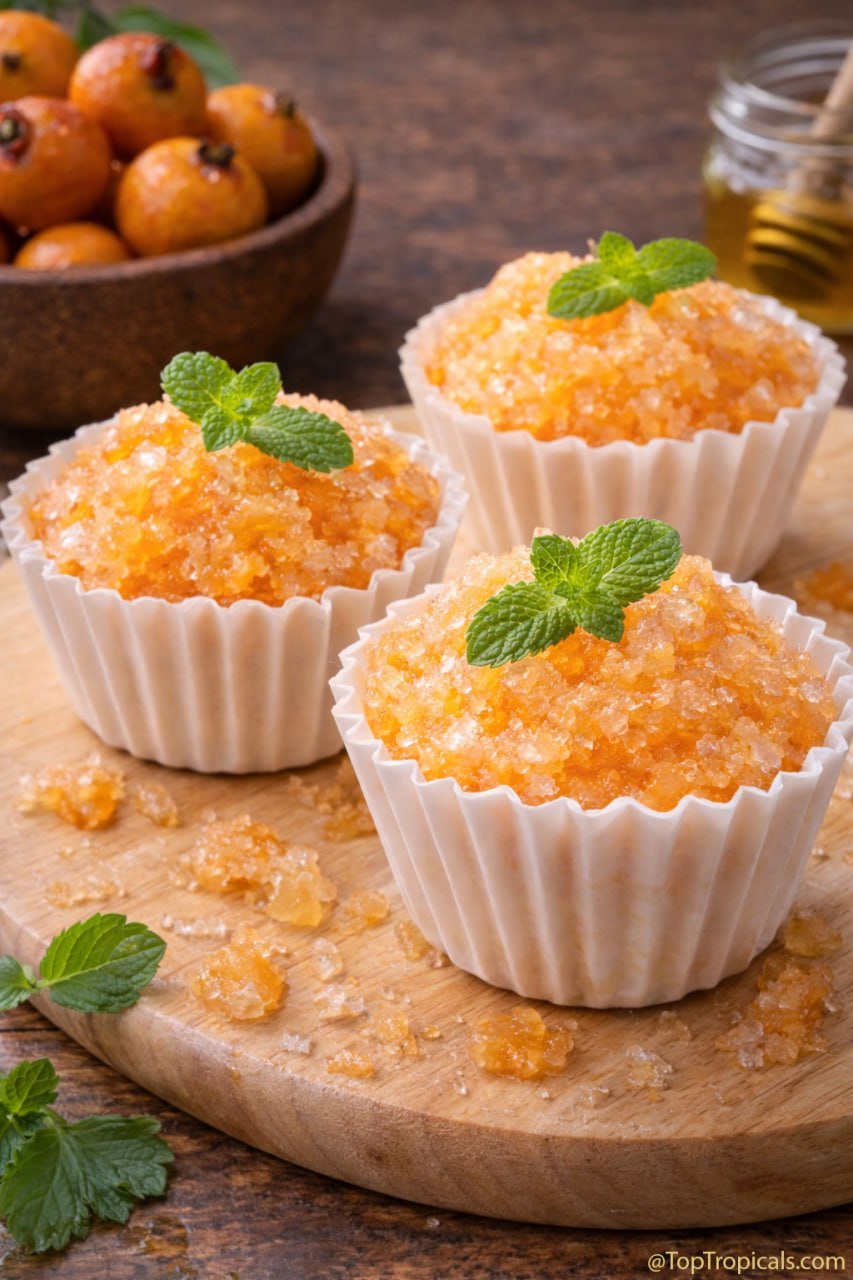
    Frozen pitomba pops with mint

    Frozen pitomba pops with mint

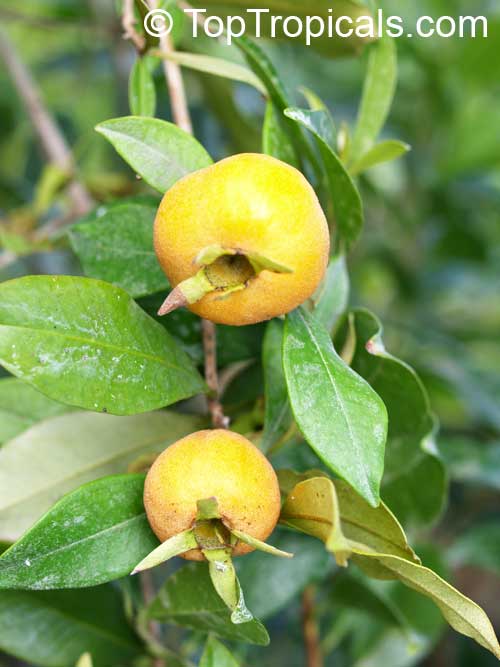
    Eugenia luschnathiana - Pitomba

    Eugenia luschnathiana - Pitomba

    🍴 Pitomba pop cups: quick-n-fun exotic recipes


    Pitomba Pop Cups

    Ingredients

    • 1 cup pitomba pulp
    • 1 teaspoon honey
    • 1 tablespoon water
    • Fresh mint leaves (optional)

    Instructions

    1. Scoop pitomba pulp into a small bowl.
    2. Mix with honey and a little water to soften the texture.
    3. Spoon the mixture into small cups or molds.
    4. Freeze until icy-soft.
    5. Serve topped with fresh mint for a refreshing tropical snack.


    🌿 About the plant:


    Pitomba (Eugenia luschnathiana) is a tropical fruit native to Brazil, prized for its bright, citrusy pulp with a sweet-sour kick. The flavor is often compared to a mix of apricot, citrus, and mild resin, making it refreshing and snack-worthy straight from the fruit.

    🌱 In the garden:


    Pitomba grows as a small to medium-sized slow growing tree with glossy evergreen leaves. It thrives in warm climates, prefers full sun to light shade, suitable for USDA zones 10-11, it can also be grown in large containers and responds well to pruning, making it manageable for home gardens.

    🛒 Plant exotic Pitomba cherry in your garden

    📚 Learn more:

    Plant Facts

    Eugenia luschnathiana, Phyllocalyx luschnathianus
    Pitomba
    USDA Zone: 9-11
    Small tree 10-20 ftFull sunModerate waterRegular waterWhite, off-white flowersEdible plant

    Eugenia luschnathiana - Pitomba - in Plant Encyclopedia

    #Food_Forest #Recipes

    🟢 Join 👉 TopTropicals
    Date: 27 Jan 2026

    Jackfruit golden hash: quick-n-fun exotic recipes

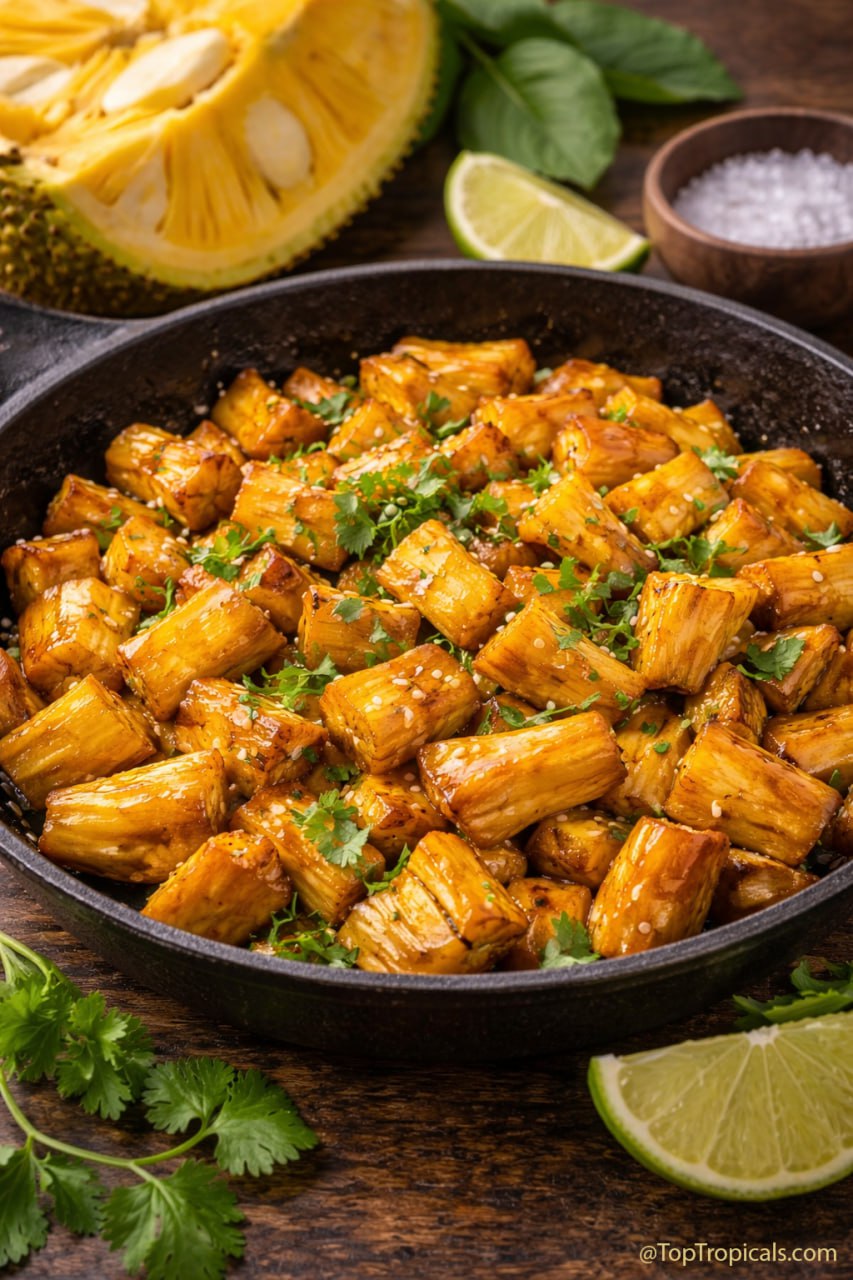
    Jackfruit golden hash in frying pan

    Jackfruit golden hash in frying pan

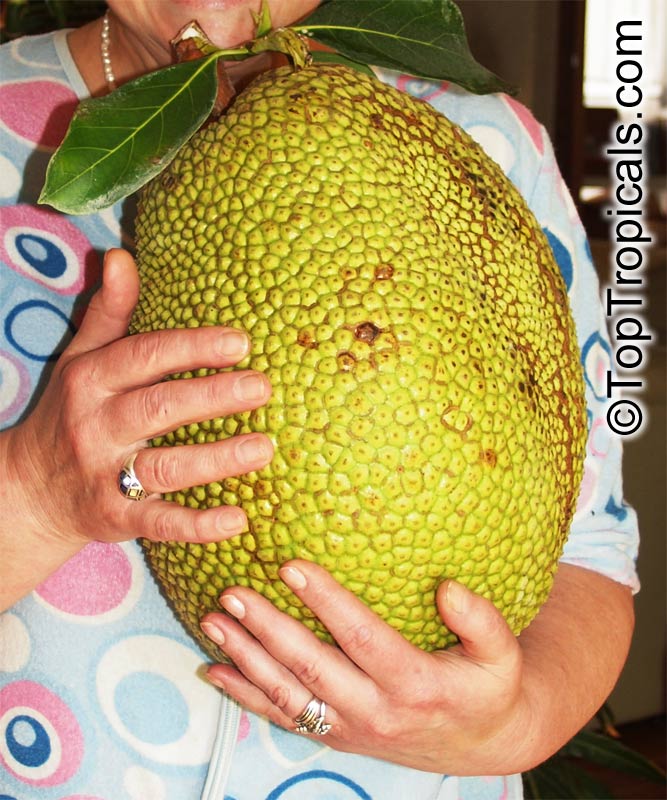
    Jackfruit tree (Artocarpus heterophyllus) fruit

    Jackfruit tree (Artocarpus heterophyllus) fruit

    🍴 Jackfruit golden hash: quick-n-fun exotic recipes


    Jackfruit Golden Hash

    Ingredients

    • 1 cup ripe jackfruit pods, chopped
    • 1 teaspoon coconut oil or butter
    • 1 pinch salt
    • Fresh lime juice (optional)

    Instructions

    1. Chop ripe jackfruit pods into small pieces.
    2. Heat coconut oil or butter in a frying pan over medium heat.
    3. Add the chopped jackfruit and pan-sear until the edges begin to caramelize.
    4. Toss with a tiny pinch of salt.
    5. Finish with a squeeze of lime juice and serve warm.


    🌿 About the plant:


    Jackfruit is the world’s largest tree-borne fruit, native to South and Southeast Asia. When ripe, its golden pods are sweet, fragrant, and naturally caramelize when cooked. It has been a staple food for centuries, used both ripe and unripe in desserts and savory dishes.

    🌱 In the garden:


    Jackfruit is a fast-growing tropical tree that thrives in warm climates with full sun and good drainage. It loves regular water and fertile soil, it's a heavy feeder. Best suited for USDA zones 9b-11, it can be grown in large containers when young and makes a bold, architectural fruit tree in the landscape. The fruit forms at the base of the tree, so trimming it under 7-8 ft makes it easier for cold protection.

    🛒 Plant your own Jackfruit tree

    📚 Learn more:

    Plant Facts

    Artocarpus heterophyllus, Artocarpus integrifolius
    Jackfruit, Jakfruit, Langka, Nangka, Jaca
    USDA Zone: 9-11
    Large tree taller than 20 ftFull sunRegular waterEdible plantSubtropical plant. Mature plant cold hardy at least to 30s F for a short time
  • Jackfruit tree (Artocarpus heterophyllus) in Plant Encyclopedia
  • Ten best fruit trees to grow in Florida and Southern landscapes. Jackfruit Tree.
  • How to Grow Jackfruit: Practical Guide

    🎥 We Cut Open a 37 lb Jackfruit - You Won't Believe What's Inside!

    #Food_Forest #Recipes

    🟢 Join 👉 TopTropicals
  • Date: 24 Jan 2026

    Guava Cas cloud drink: quick-n-fun exotic recipes

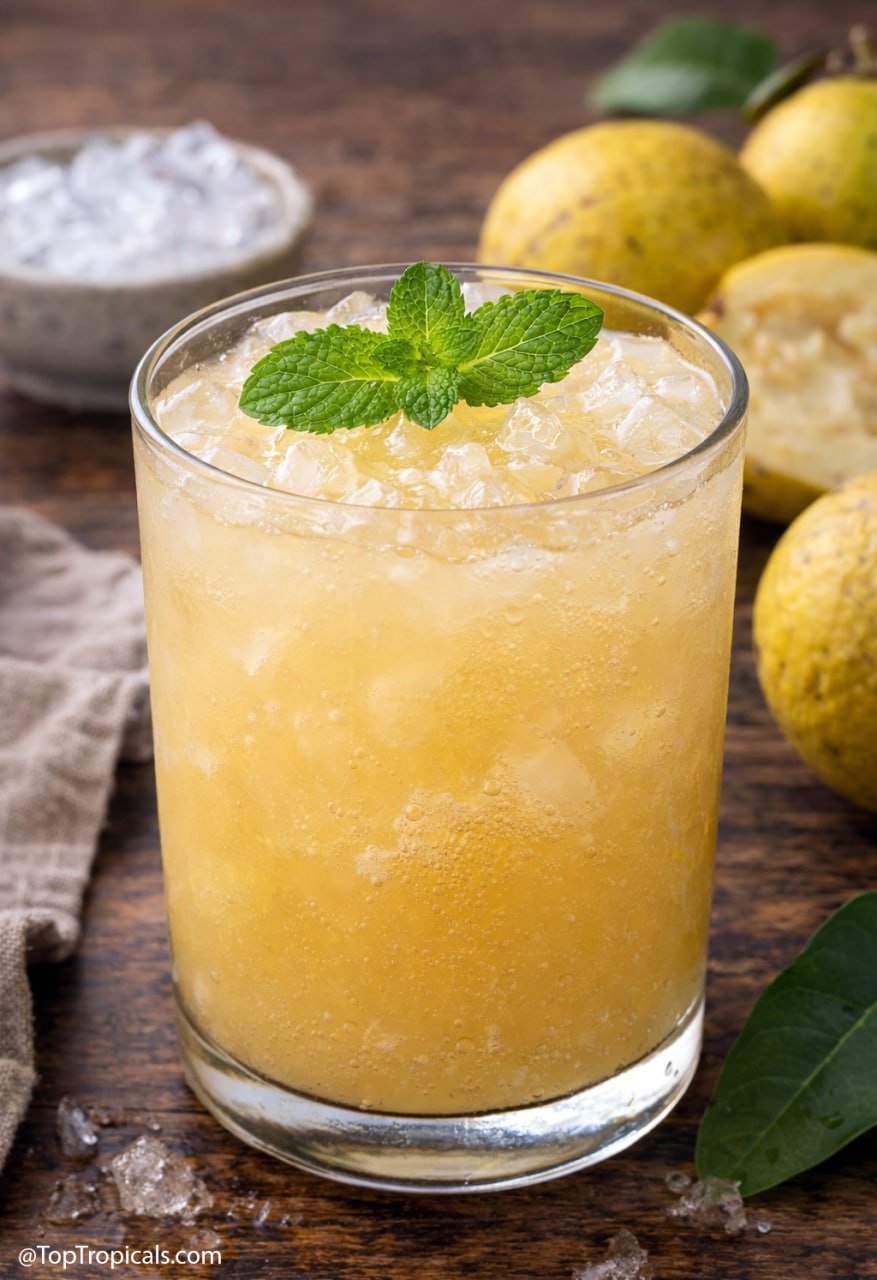
    Guava Cas cloud drink

    Guava Cas cloud drink

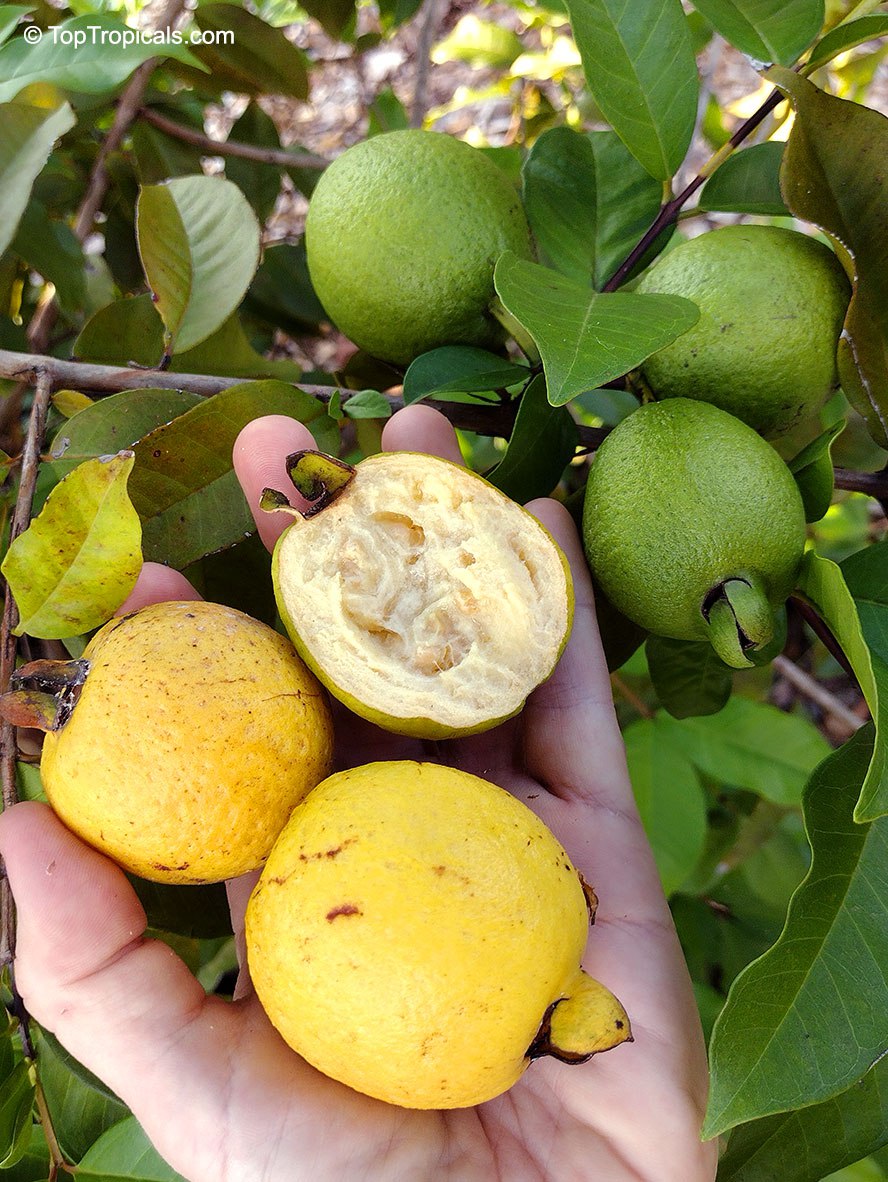
    Cas guava (Psidium friedrichsthalianum)

    Cas guava (Psidium friedrichsthalianum)

    🍴 Guava Cas Cloud Drink (Quick and Fun Exotic Recipe)

    Ingredients

    • 1 cup ripe Cas guava pulp (Psidium friedrichsthalianum)
    • 1.5 cups cold water
    • 1 tablespoon sugar (adjust to taste)
    • Ice cubes
    • Fresh mint (optional garnish)

    Instructions

    1. Add Cas guava pulp, cold water, and sugar to a blender.
    2. Blend until smooth and evenly mixed.
    3. Strain the liquid to remove seeds and coarse pulp.
    4. Serve over ice for a cloudy, tangy refresher.
    5. Garnish with mint if desired.

    Cas guava (Psidium friedrichsthalianum) is a Central American guava known for its bold, tangy flavor and high vitamin C content and Low sugar content. Unlike common guava, the pulp is sharp and refreshing, making it especially popular for drinks, juices, and traditional beverages.

    🌱 In the garden:


    Cas guava is a small, productive tree suited for warm climates. It prefers full sun, regular watering, and good drainage. The tree is adaptable, fairly fast-growing, and fruits reliably, making it a great choice for home gardens and containers.

    🛒 Plant easy and productive Cas Guava

    📚 Learn more:

    Plant Facts

    Psidium friedrichsthalianum
    Costa Rica Cas Fruit, Cas Guava
    USDA Zone: 9-11
    Large shrub 5-10 ft tallSmall tree 10-20 ftFull sunWhite, off-white flowersEdible plantSubtropical plant. Mature plant cold hardy at least to 30s F for a short time
  • Guava tree Cas (Psidium friedrichsthalianum) in Plant Encyclopedia
  • Zero Sugar fruit: forget lemonade - new perfect summer drink discovered!
  • What is the best fruit for summer drinks and wine?
  • •  What fruit is more sour and has more vitamin C than a lemon
  • •  What fruit can you drink? Costa Rican Cas is the Guava for Drinking
  • •  Costa Rican Guava

  • #Food_Forest #Recipes

    🟢 Join 👉 TopTropicals

    Date: 23 Jan 2026

    Insulin Ginger traditional remedies: Quick-n-fun exotic recipes

    Insulin Ginger (Chamaecostus cuspidatus) traditional remedies recipes

    Insulin Ginger (Chamaecostus cuspidatus) traditional remedies recipes

    ❣️ Insulin Ginger traditional remedies: Quick-n-fun exotic recipes

    • 6 very simple, real-world ways people actually use Insulin Ginger (Chamaecostus cuspidatus)


    ✦ 1. 🍵 Simple leaf tea


    Steep 1–2 fresh leaves (or dried) in hot water for 10–15 minutes. Drink warm, plain or lightly sweetened.
    • 2. ❄️ Refreshing iced herbal drink
    Blend a couple of leaves with water, strain, add ice. Some people add a squeeze of lemon.
    • ✦ 3. Coconut water blend


      Blend 1–2 leaves with fresh coconut water. Drink chilled as a mild daily tonic.
    • ✦ 4. 🌿 Fresh leaf chew


      The simplest method - chew a fresh leaf in the morning, then discard. Very common traditional use.
    • ✦ 5. Salad add-in


      Finely slice young leaves and mix with other greens. Use lightly, like a functional herb.
    • ✦ 6. 🍲 Leaf Chutney


      Leaves can be blended with spices and other herbs into a savory condiment. Meals like this make the leaves easy to include in everyday diet (though you’d want to adapt it for flavor and personal preferences).


    👆This plant has a long history of traditional use. Everyone’s body is different, so if you have diabetes or take medication, it’s wise to check with your healthcare provider first.

    🛒 Add Insulin Ginger to your medicinal herb garden

    📚 Learn more:

    Plant Facts

    Costus igneus, Chamaecostus cuspidatus
    Insulin Plant, Fiery Costus, Spiral Flag
    USDA Zone: 9-11
    Large shrub 5-10 ft tallSmall plant 2-5 ftSemi-shadeShadeRegular waterYellow, orange flowersEdible plantSpice or herb plantEthnomedical plant.
Plants marked as ethnomedical and/or described as medicinal, are not offered as medicine but rather as ornamentals or plant collectibles.
Ethnomedical statements / products have not been evaluated by the FDA and are not intended to diagnose, treat, cure, or prevent any disease. We urge all customers to consult a physician before using any supplements, herbals or medicines advertised here or elsewhere.Subtropical plant. Mature plant cold hardy at least to 30s F for a short time
  • Costus igneus (Chamaecostus cuspidatus) - Insulin Ginger in Plant Encyclopedia
  • A leaf you grow, not a pill you buy: Insulin ginger - the plant people actually use
  • How to make lots of Insulin Ginger plants quickly and get more health benefits
  • How to lose weight naturally with tropical fruit and plants
  • The fiery plant that fights sugar: Nature secret insulin?
  • Most interesting edible gingers

  • #Food_Forest #Remedies #Shade_Garden #Discover #Recipes

    🟢 Join 👉 TopTropicals
    Date: 22 Jan 2026

    Canistel breakfast mash: quick-n-fun exotic recipes

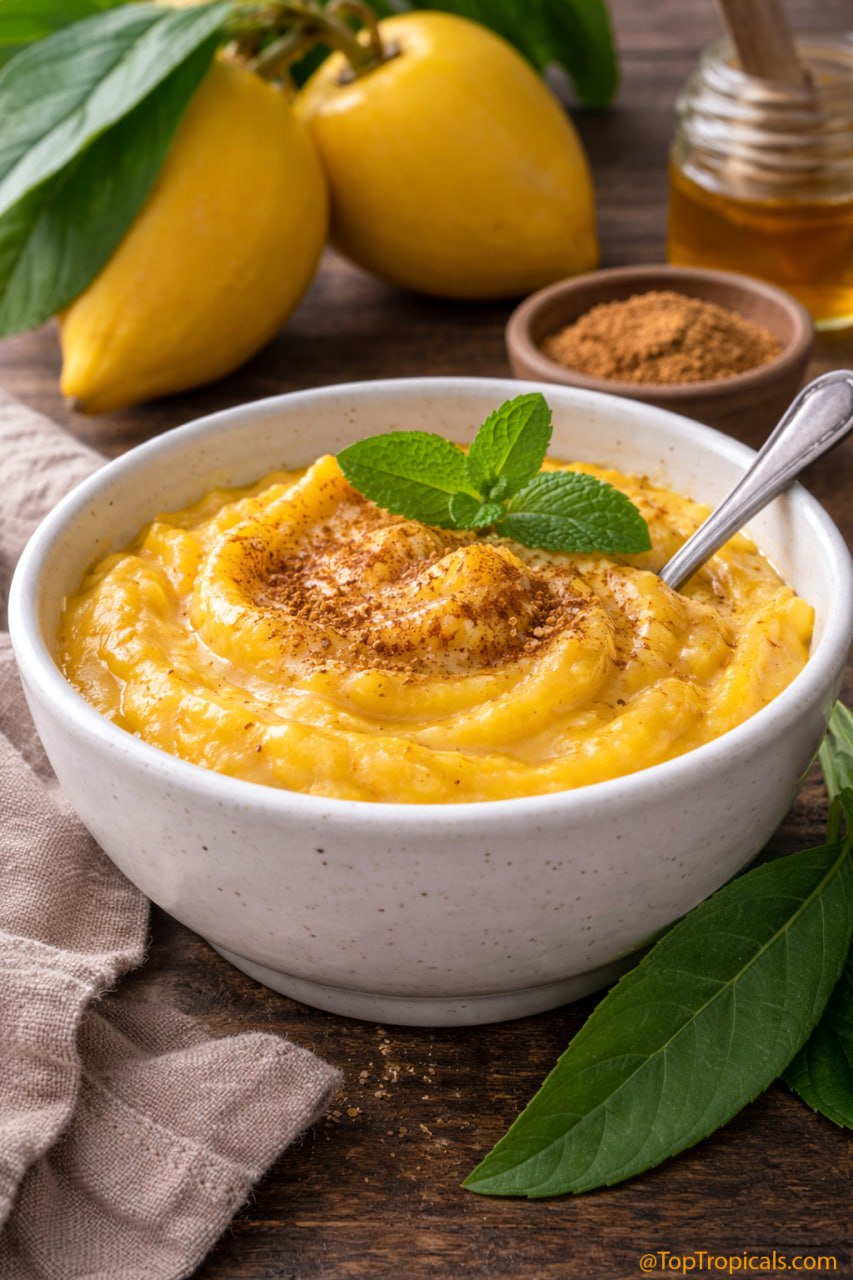
    Canistel breakfast mash

    Canistel breakfast mash

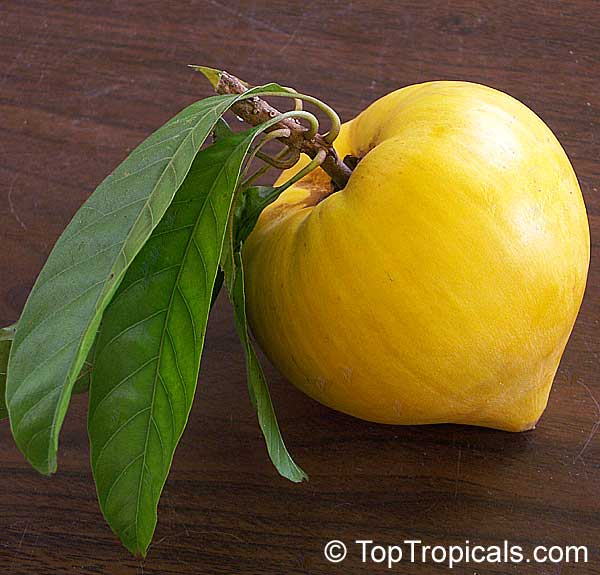
    Canistel - Pouteria campechiana, Egg Fruit

    Canistel - Pouteria campechiana, Egg Fruit

    🍴 Canistel Breakfast Mash

    Ingredients

    • 1 ripe canistel (egg fruit), peeled and seeded
    • 1 tablespoon milk
    • Ground cinnamon, to taste

    Instructions

    1. Scoop the canistel flesh into a bowl.
    2. Mash thoroughly with a spoon, adding milk gradually until smooth and custard-like.
    3. Serve immediately, topped with a light sprinkle of cinnamon.

    🌿 About the plant:


    Canistel (Pouteria campechiana), often called Eggfruit, has dense yellow flesh with a flavor reminiscent of sweet potato, pumpkin, and custard. It is naturally rich and filling, which is why it is often used mashed, blended, or cooked.

    🌱 In the garden:


    Canistel is a tough, drought-tolerant tropical fruit tree that performs well in warm climates. It prefers full sun, well-drained soil, and minimal fuss once established. Compact growth and heavy production make it well suited for edible landscapes and container growing.

    🛒 Add to your garden:


    📚 Learn more:

    Plant Facts

    Pouteria campechiana
    Canistel, Eggfruit, Chesa
    USDA Zone: 9-11
    Large tree taller than 20 ftSmall tree 10-20 ftFull sunRegular waterEdible plant
  • Pouteria campechiana - Canistel, Eggfruit - in Plant Encyclopedia
  • Health Benefits of Canistel Fruit
  • Pouteria campechiana - Canistel, the curious heart-shaped Egg Super-Fruit

  • #Food_Forest #Recipes

    🟢 Join 👉 TopTropicals
    Date: 21 Jan 2026

    Ice Cream Bean cool fluff: quick-n-fun exotic recipes

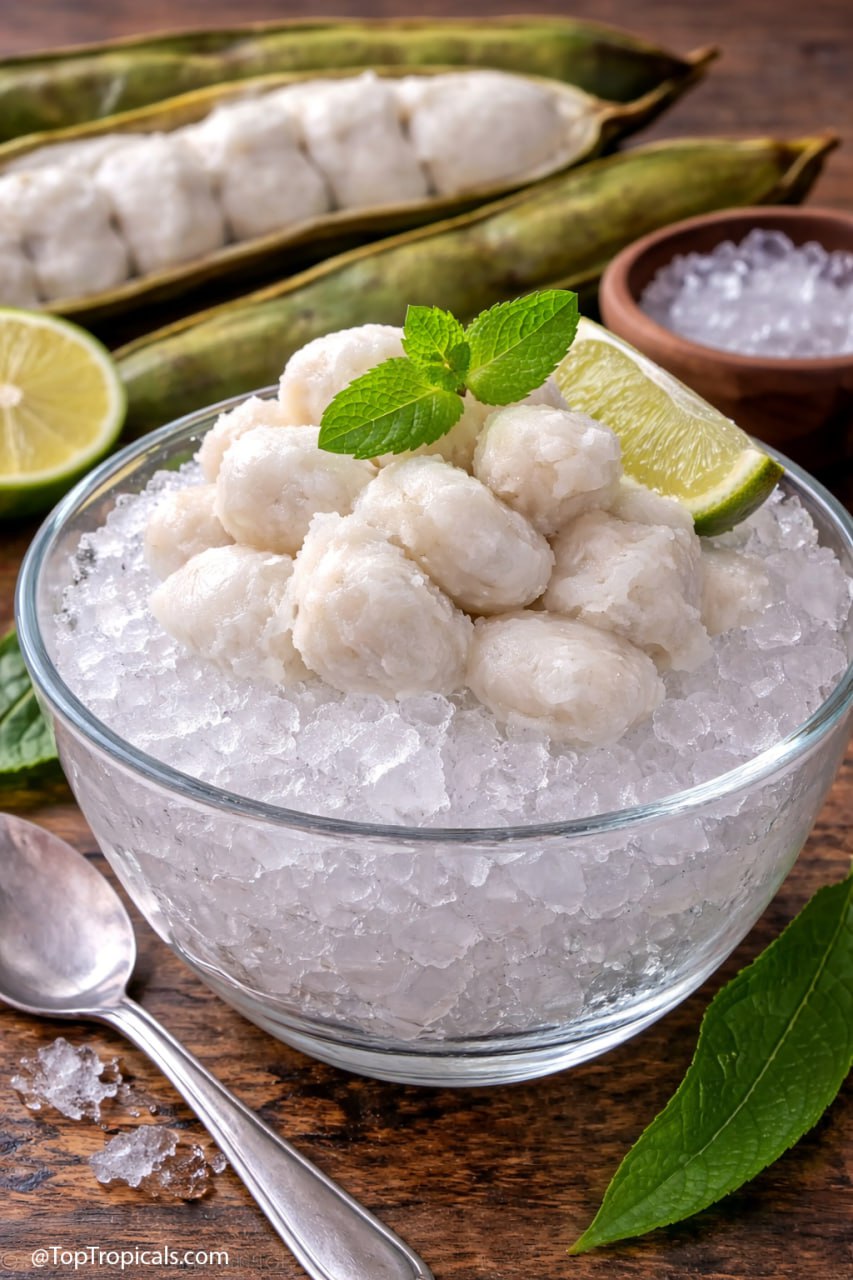
    Ice Cream Bean cool fluff

    Ice Cream Bean cool fluff

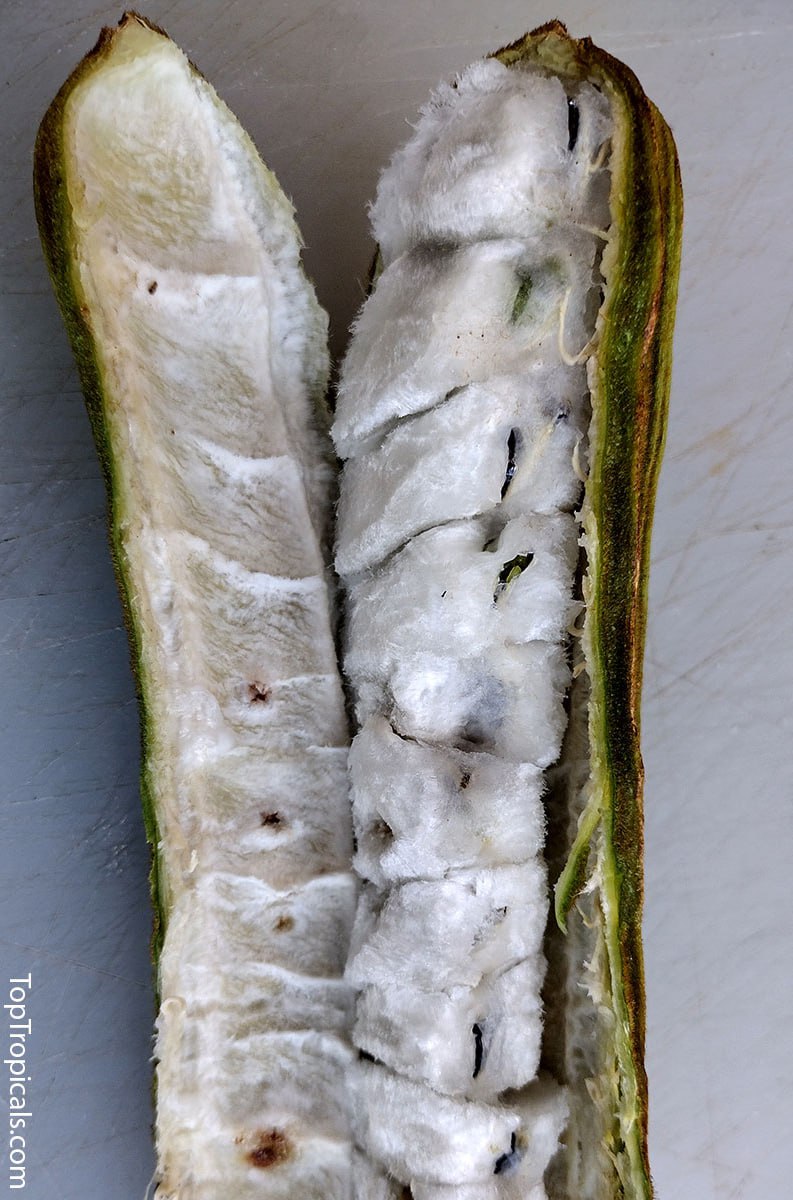
    Ice cream bean tree (Inga edulis) - fruit

    Ice cream bean tree (Inga edulis) - fruit

    🍴 Ice Cream Bean Cool Fluff

    Ingredients

    • Fresh Ice Cream Bean pulp (Inga edulis)
    • Crushed ice
    • Optional: lime wedge or mint leaf for garnish

    Instructions

    1. Open ripe Ice Cream Bean pods and scoop out the sweet white pulp.
    2. Remove and save the seeds if you want to plant more Ice Cream Bean trees.
    3. Chill the pulp for 20 to 30 minutes.
    4. Serve the chilled pulp over crushed ice as a natural shaved-ice dessert.

    🌿 About the plant:


    Ice cream bean (Inga edulis) produces long pods filled with sweet, cottony white pulp surrounding dark seeds. The flavor is mild, vanilla-like, and naturally creamy. The pulp is eaten fresh and used as a natural dessert across South and Central America.

    🌱 In the garden:


    Inga edulis is a fast-growing tropical tree with lush foliage and nitrogen-fixing roots that improve soil health. It is a perfect tree for a quick shade solution in just one season. While large in the ground, it can be managed with pruning in home orchards.

    🛒 Plant Ice Cream Bean tree

    📚 Learn more:

    Plant Facts

    Inga edulis, Inga feuilleei
    Ice Cream Bean, Inga, Guama, Guaba
    USDA Zone: 9-11
    Large tree taller than 20 ftFull sunRegular waterWhite, off-white flowersEdible plantSubtropical plant. Mature plant cold hardy at least to 30s F for a short time
  • Ice Cream Bean tree (Inga edulis) in Plant Encyclopedia
  • Did you know that ice cream actually grows on a tree?
  • What does Ice Cream Bean fruit taste like?
  • Ice Cream Bean Tree: Eating the fruit and planting the tree

  • #Food_Forest #Recipes

    🟢 Join 👉 TopTropicals