Rare Night-Blooming Cactus that Glows and Grows Large Edible Fruit
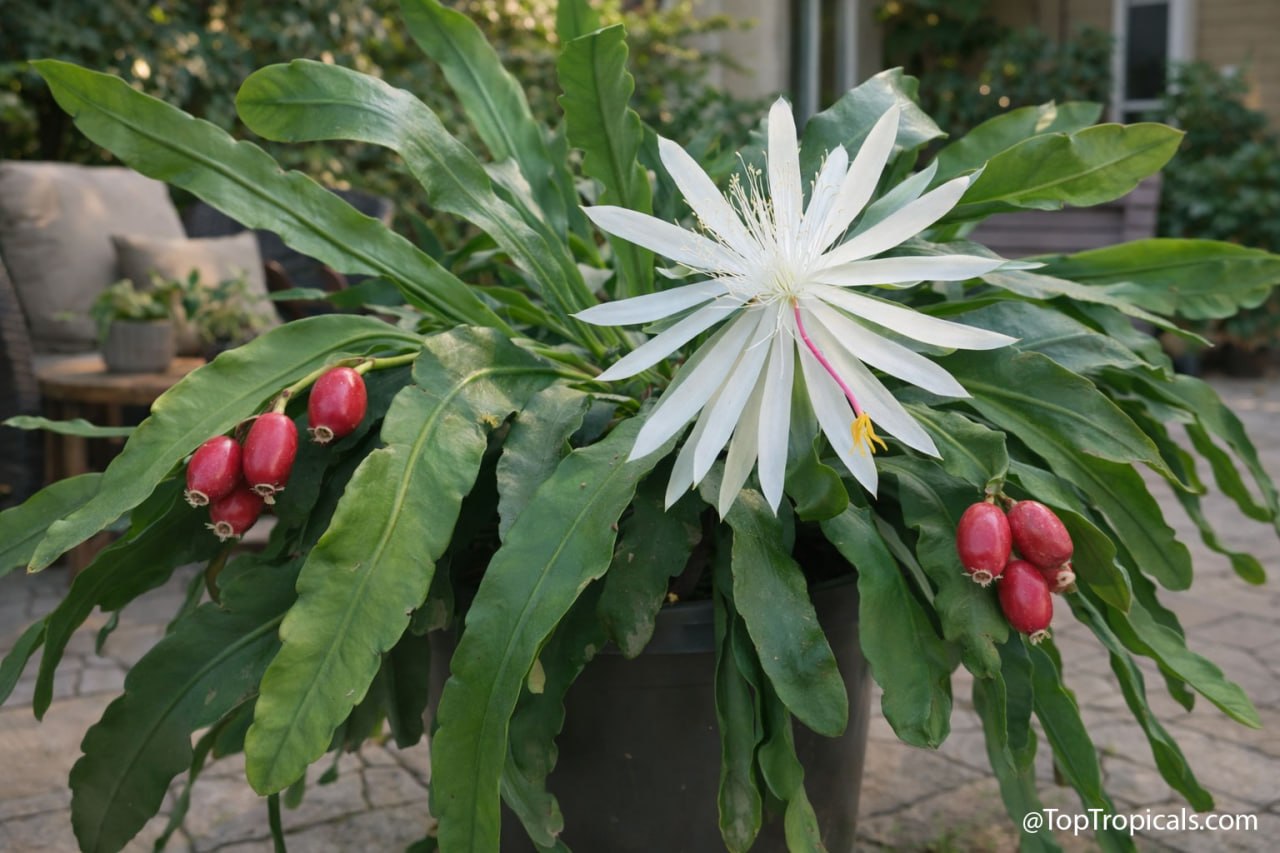
Epiphyllum hookeri - Rare Night-Blooming Cactus with fragrant flowers and large edible fruit
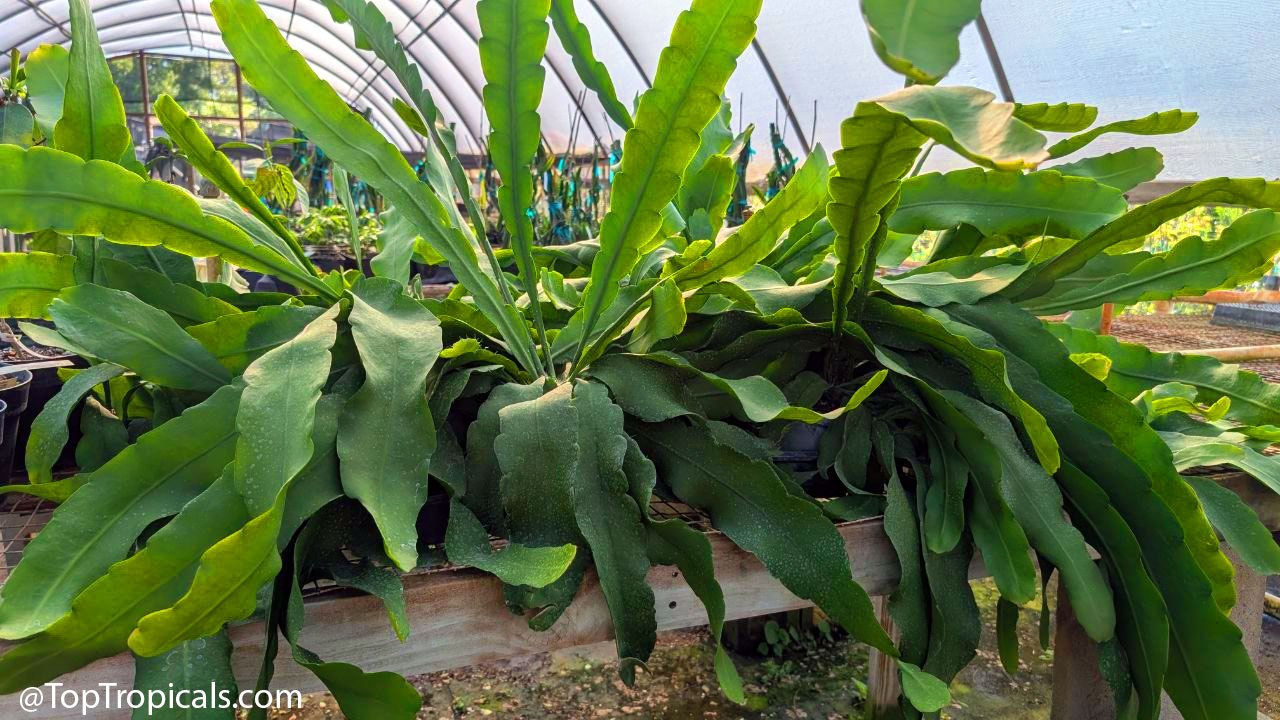
Epiphyllum hookeri - Night-Blooming Cactus with large leaves
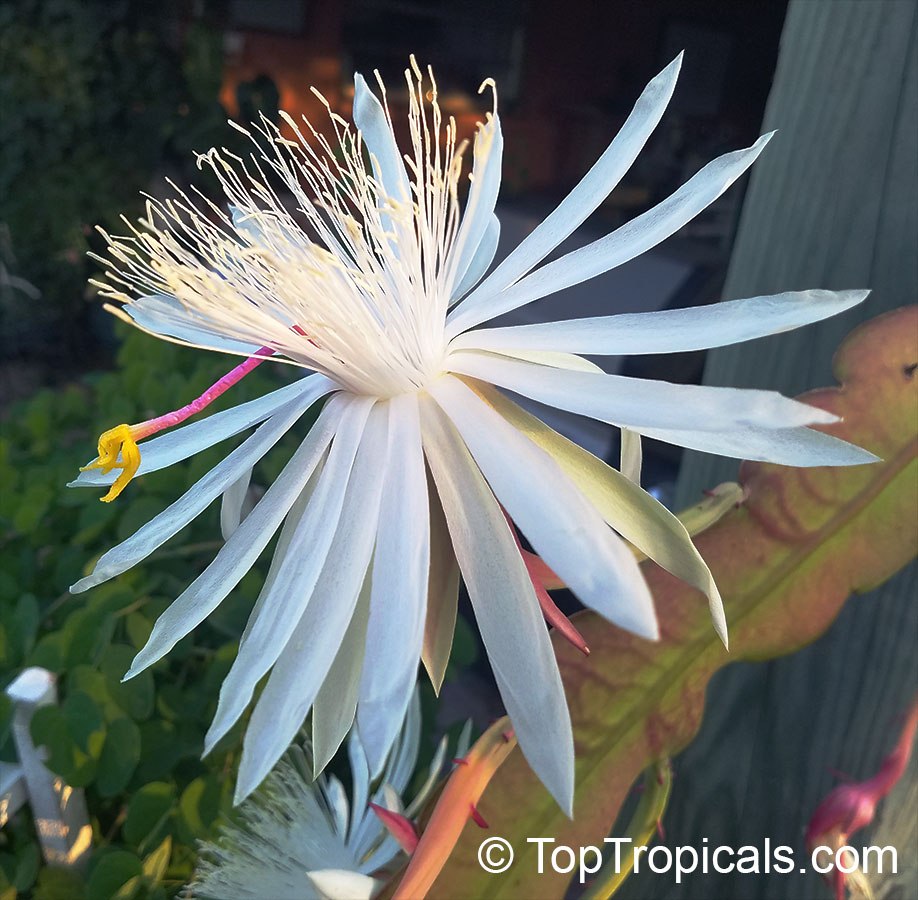
Epiphyllum hookeri - Night-Blooming Cactus large flowers
Rare Night-Blooming Cactus that Glows and Grows Large Edible Fruit 🍅
Did you know this nigh blooming beauty has large edible fruit? Why the Epiphyllum hookeri is the ultimate two-for-one plant for tropical garden lovers.
Climbing Cactus Plant Facts
Botanical name: Epiphyllum hookeri, Epiphyllum strictum, Epiphyllum stenopetalum, Epiphyllum phyllanthus Also known as: Climbing Cactus, Hooker's Orchid Cactus
USDA Zone: 9 - 11
Highligths
🌠 The Midnight Spectacle
Most gardeners grow the Epiphyllum hookeri for its "ghostly" white flowers. These massive, fragrant blooms wait until sunset to unfurl, reaching their peak beauty under the moonlight before fading at dawn.
🌠 The Edible Bonus
What many don’t realize is that this specific seed-grown type is a "fruiting" powerhouse. After the dramatic floral display, the plant sets smooth, elongated fruit. The flavor? Mild, sweet, and surprisingly refreshing -think of it as a garden-grown secret.
🌠 How to Grow It
Light: Filtered sun or bright shade (no harsh midday sun!). Hydration: Regular watering in well-drained soil. Display: It’s a natural climber/cascader—put it in a hanging basket and let it shine.
Just in time for spring: Nun Orchid blooms for months!
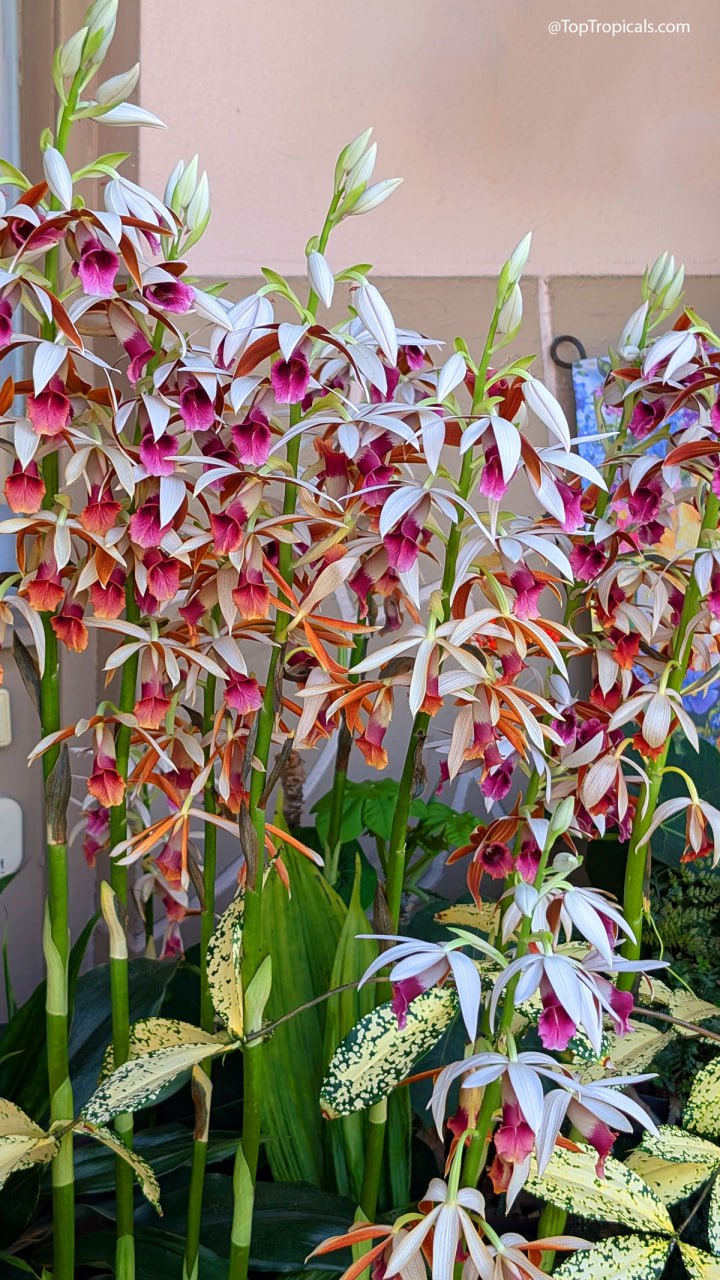
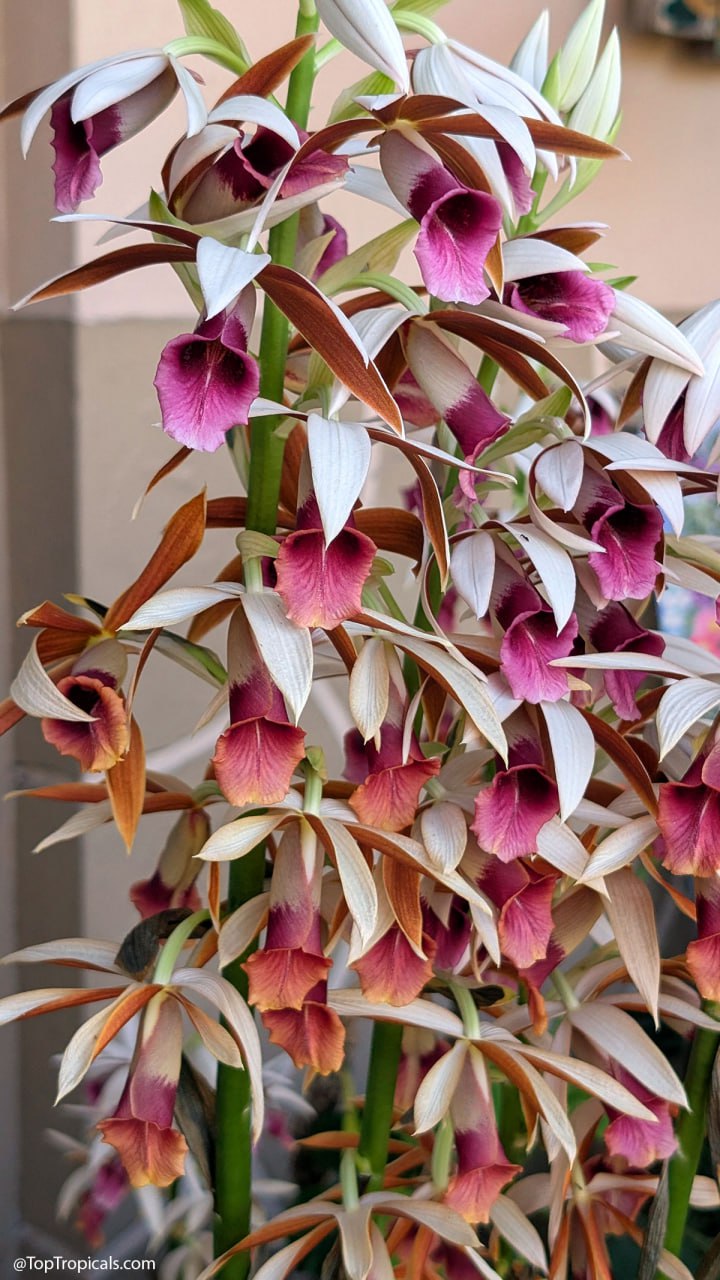
Phaius tankervilleae, Chinese Ground Orchid, Nut Orchid
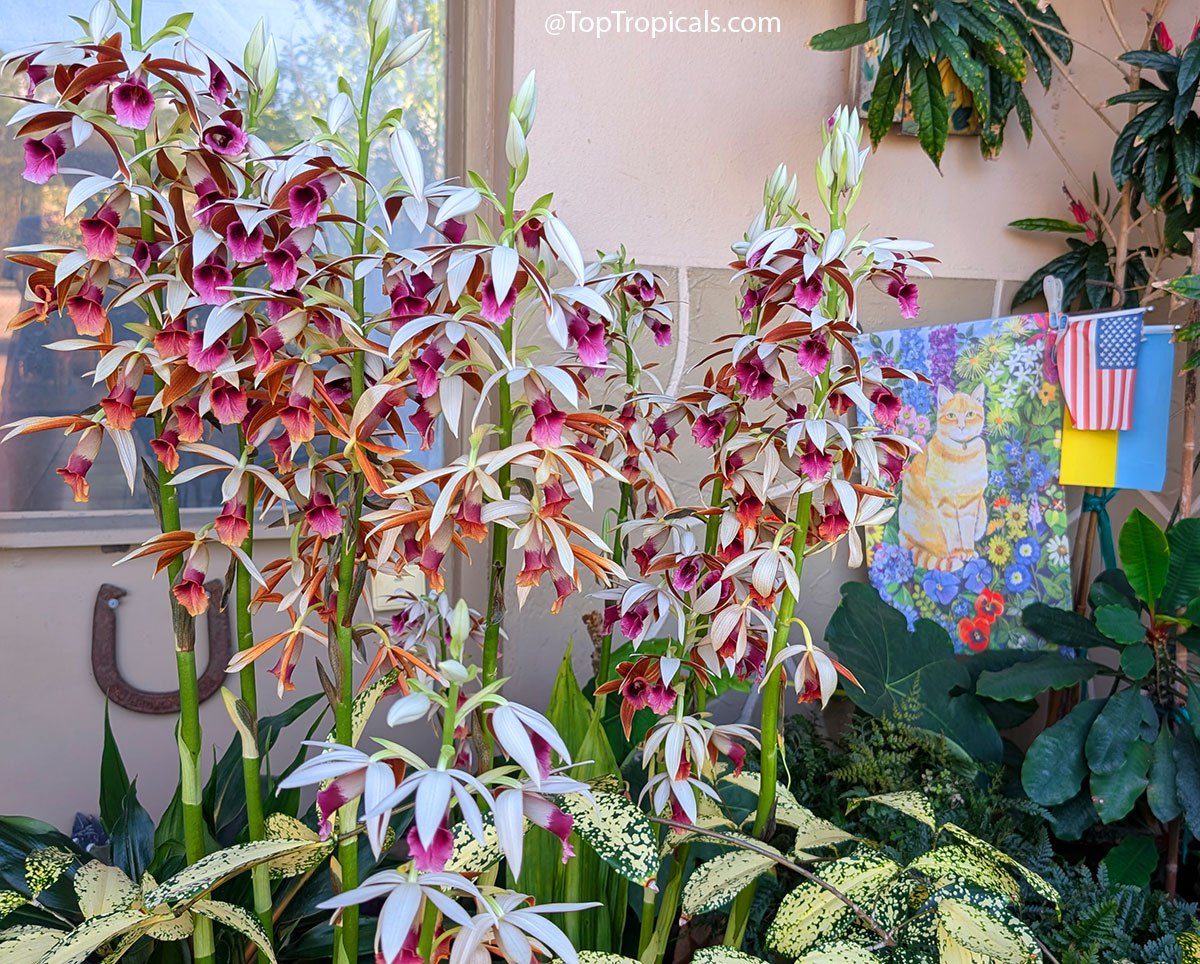
Phaius tankervilleae, Chinese Ground Orchid, Nut Orchid
Phaius tankervilleae, Chinese Ground Orchid, Nut Orchid
Just in time for spring: Nun Orchid blooms for months! 🌹
🌷 What a wonderful treat after a long cold winter: Nun Orchid (Phaius tankervillea) is putting on a full show right now in the garden - and it’s been going strong since February.
🌷 These plants were already loaded with buds before our Record 25F Florida Freeze, so I moved the two pots into the garage to protect them. Totally worth it - they came through beautifully and didn’t miss a beat.
🌷 Now they’re in full bloom and should keep going well into April. This is one of those rare orchids that just keeps going.
🌷 Unlike most orchids, Nun Orchid grows in regular soil. Big lush leaves, tall flower spikes, and it’s perfectly happy in filtered light - great for patios, containers, or a shady spot in your garden.
👩❤️💋 Last-minute Valentine idea: let them choose!
If timing, weather, or plant selection feels uncertain, a Gift Card keeps things easy. Your Valentine can choose the perfect plant when the time is right - especially helpful for gardeners up north or when you want the gift to unfold later.
👩❤️💋 Valentine’s Day Gift Card Bonus
To make Valentine’s Day a little sweeter, we are adding 15% extra value to every gift card for a limited time.
Just include a Valentine greeting in the gift card message field.
💵 For example, a $100 gift card becomes $115 to spend.
Offer valid through 02/15/2026. The bonus value is not valid with other promotions or discounts. Gift cards cannot be used to purchase other gift cards. Bonus value is added at the time of purchase.
How to get three colors on the same plant: Yesterday, Today, and Tomorrow
Brunfelsia grandiflora - Yesterday, Today, and Tomorrow
🌸 How to get three colors on the same plant: Yesterday, Today, and Tomorrow
💜 Brunfelsia is one of those plants that makes people stop mid-sentence.
It blooms in shade, smells incredible at night, and then does something unexpected - the flowers change color over just three days.
💜 Purple. Lavender. White.
All at the same time, on one plant.
💜 It is easy to grow, loves warm weather and part shade, and turns any garden path or patio into an instant conversation starter. Once it starts blooming, it just keeps going.
💜 These are the most interesting varieties known as Yesterday-Today-Tomorrow for their magical color transformation from purple to lavender to white over three days: B. grandiflora, B. paucifolia, B. australis.
Top nine plants of love, desire, and the senses: aphrodisiacs and sensory connections
Cinnamon (Cinnamomum zeylanicum)
Coffee - Coffea arabica
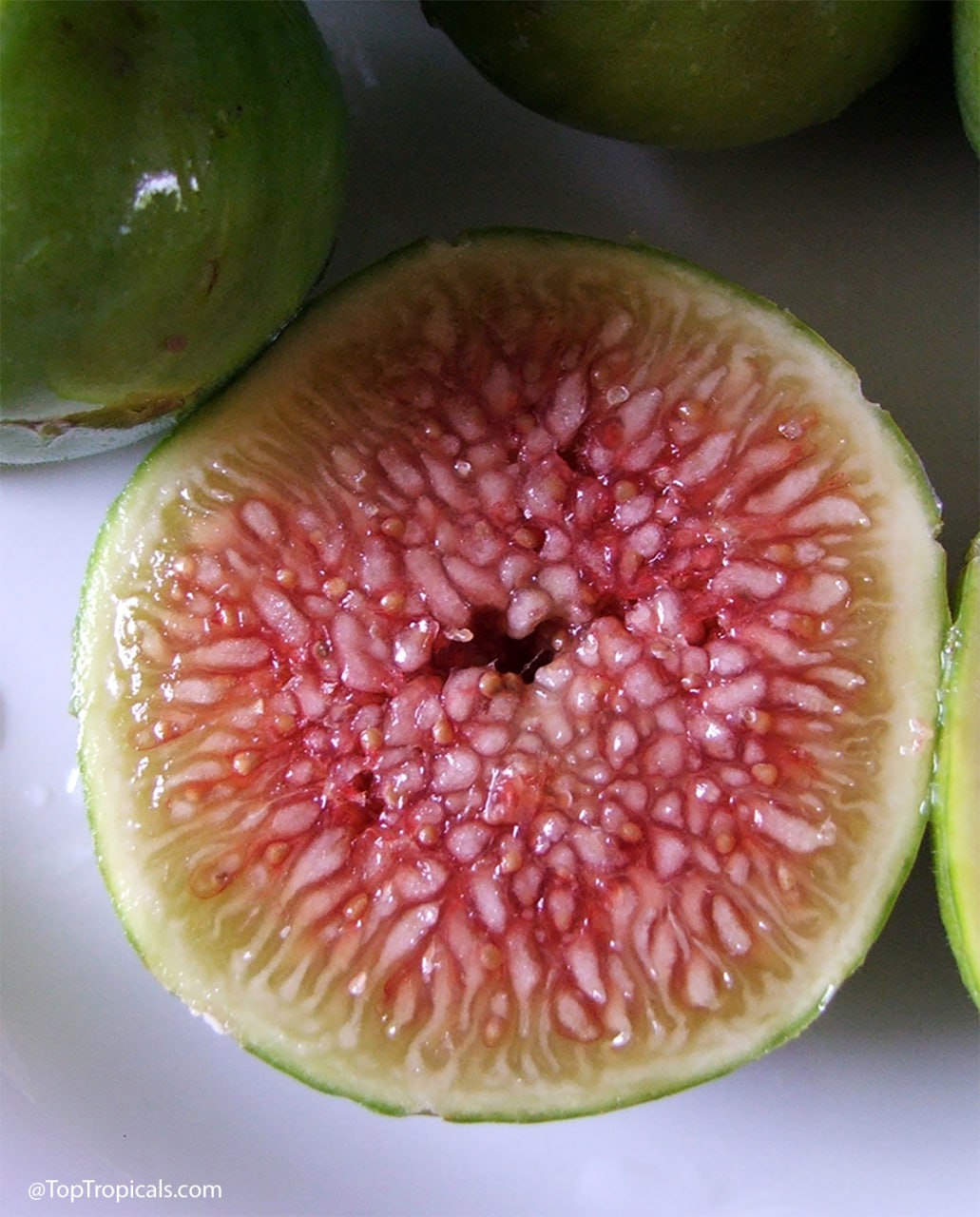
Fig tree fruit (Ficus carica)
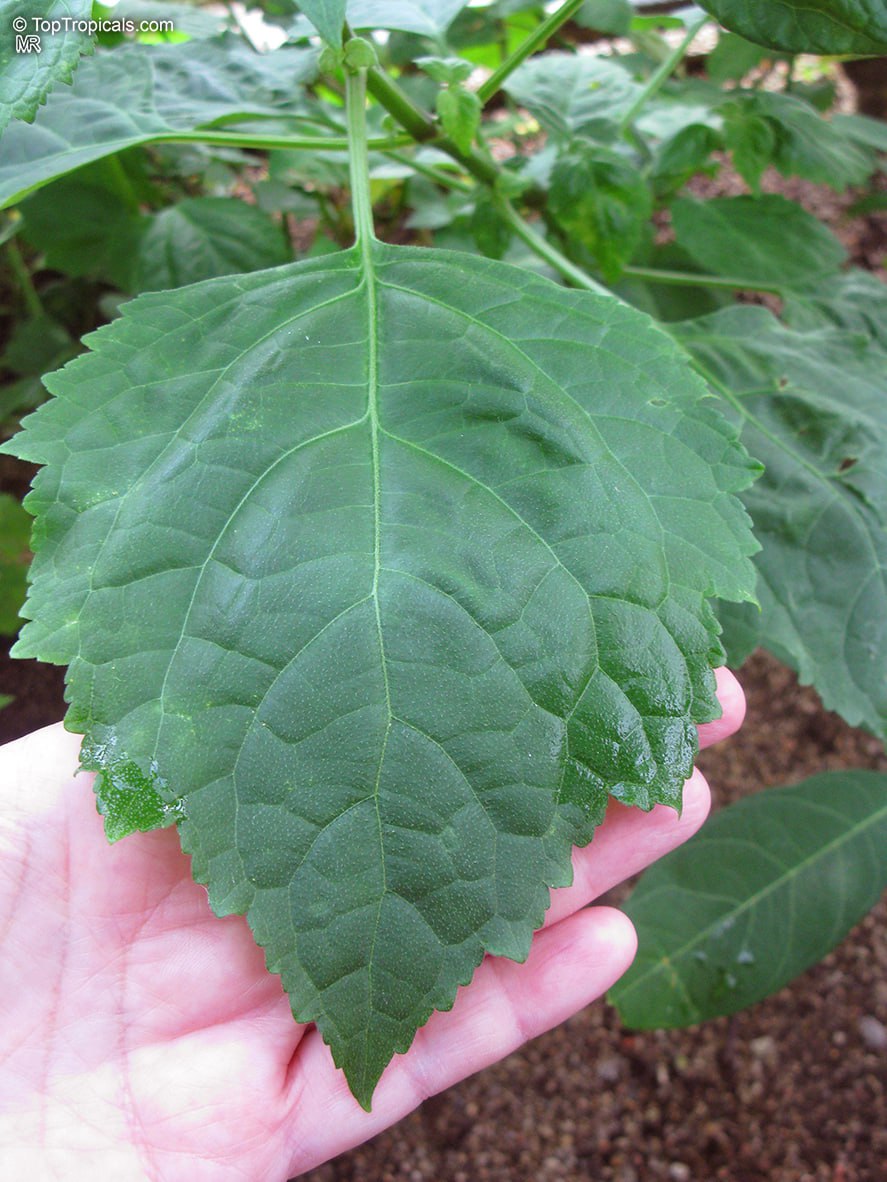
Patchouli - Pogostemon cablin
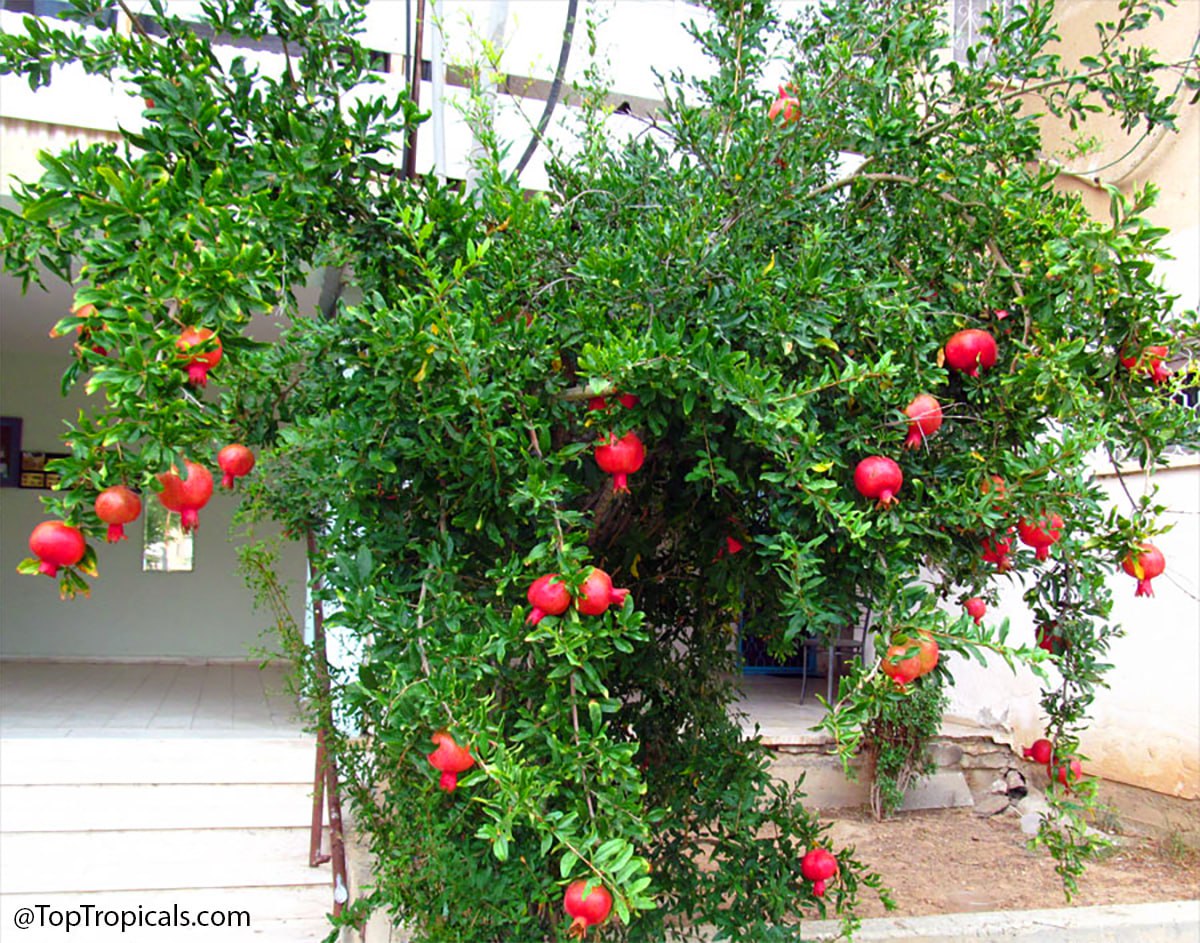
Pomegranate (Punica granatum)
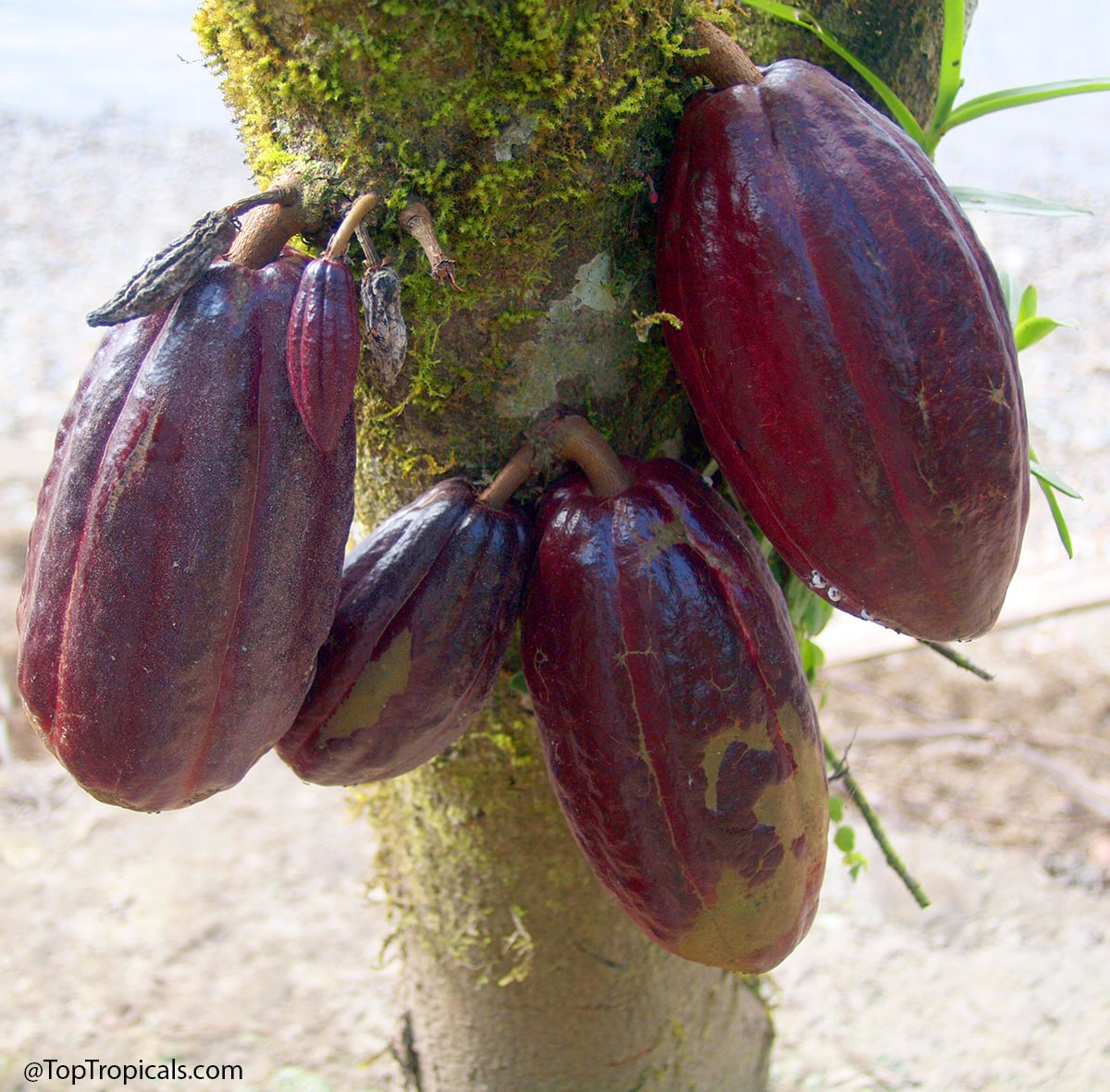
Cacao - Chocolate Tree (Theobroma cacao)
💖 Top nine plants of love, desire, and the senses: aphrodisiacs and sensory connections
Across cultures, love has also been expressed through taste, scent, warmth, and shared ritual. These tropical plants were valued not just for beauty, but for how they awaken the body and deepen connection.
💘 1. Cacao
Cacao - Chocolate Tree (Theobroma cacao) - has one of the strongest global associations with love. Revered by the Aztecs as a “food of the gods”, it was consumed to increase desire and emotional bonding. Chocolate contains compounds linked to feelings of pleasure and infatuation, making cacao a natural Valentine symbol.
Chocolate Tree Plant Facts
Botanical name: Theobroma cacao Also known as: Chocolate Tree, Cacao, Cocoa Tree
Vanilla (Vanilla planifolia) is both an orchid and one of the most sensual plant aromas known. Historically paired with cacao in love remedies, vanilla represents intimacy, warmth, and attraction. Its fragrance alone carries powerful emotional associations.
Madagascar Bourbon Vanilla Bean Plant Facts
Botanical name: Vanilla planifolia, Vanilla fragrans Also known as: Madagascar Bourbon Vanilla Bean, French Vanilla, Vanilla Orchid
Ginger symbolizes heat, vitality, and passion. Used worldwide to stimulate circulation and warm the body, it represents spark, chemistry, and physical energy. 👉 Ginger gift
💘 4. Cinnamon
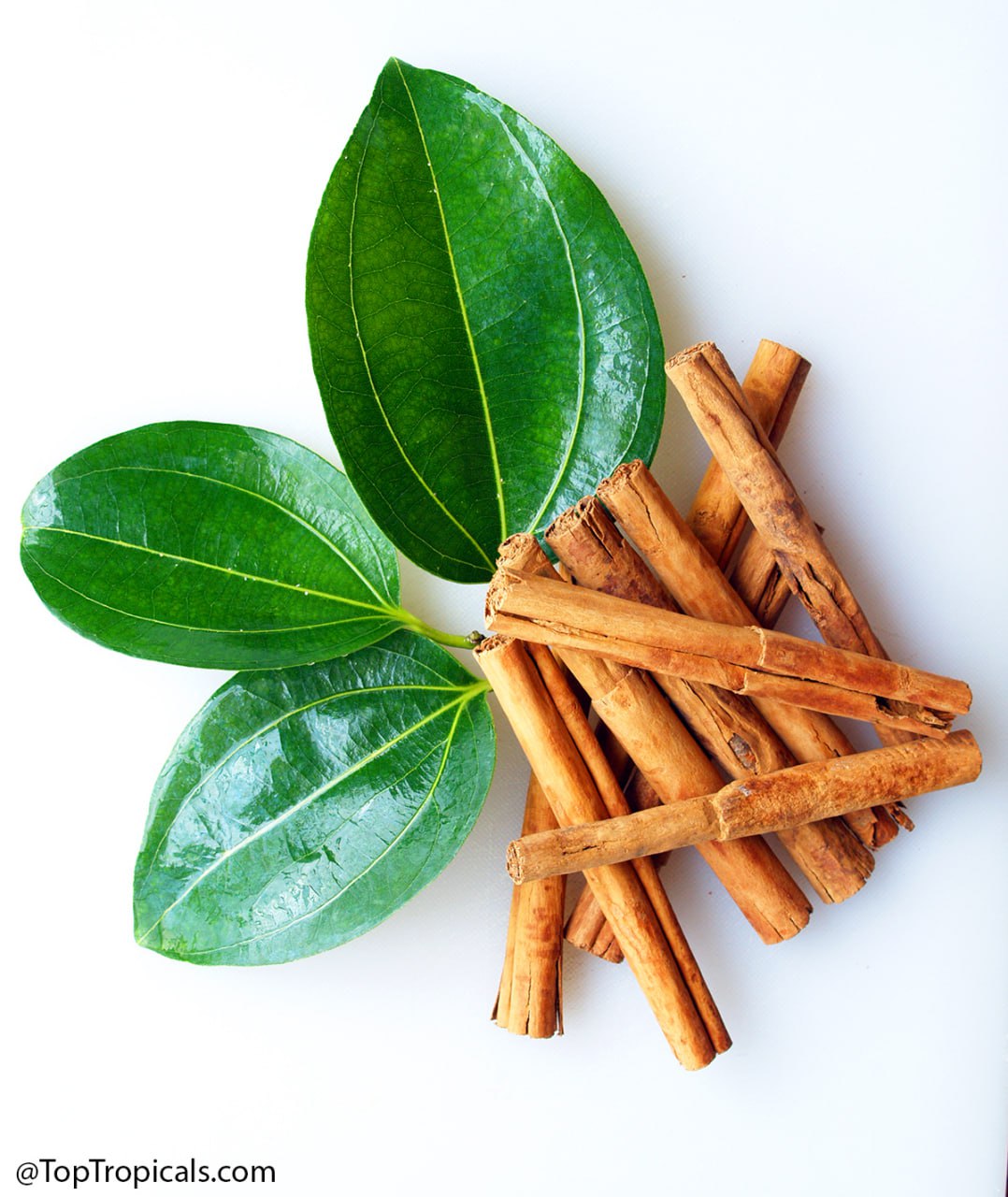
Cinnamon (Cinnamomum zeylanicum) has long been associated with attraction and stimulation. Its warm, lingering aroma makes it a classic plant of desire, comfort, and emotional warmth.
Cinnamon Plant Facts
Botanical name: Cinnamomum zeylanicum, Cinnamomum verum Also known as: Cinnamon
Pomegranate (Punica granatum) has long symbolized love, fertility, and union, with its many ruby-red seeds representing abundance and deep connection. In ancient traditions, it was linked to goddesses of love and marriage and remains a symbol of passion balanced by continuity and commitment.
Pomegranate Plant Facts
Botanical name: Punica granatum Also known as: Pomegranate, Granada, Grenade, Pomegranate, Granada, Anar, Granaatappel, Pomo Granato, Romeira, Melo Grano
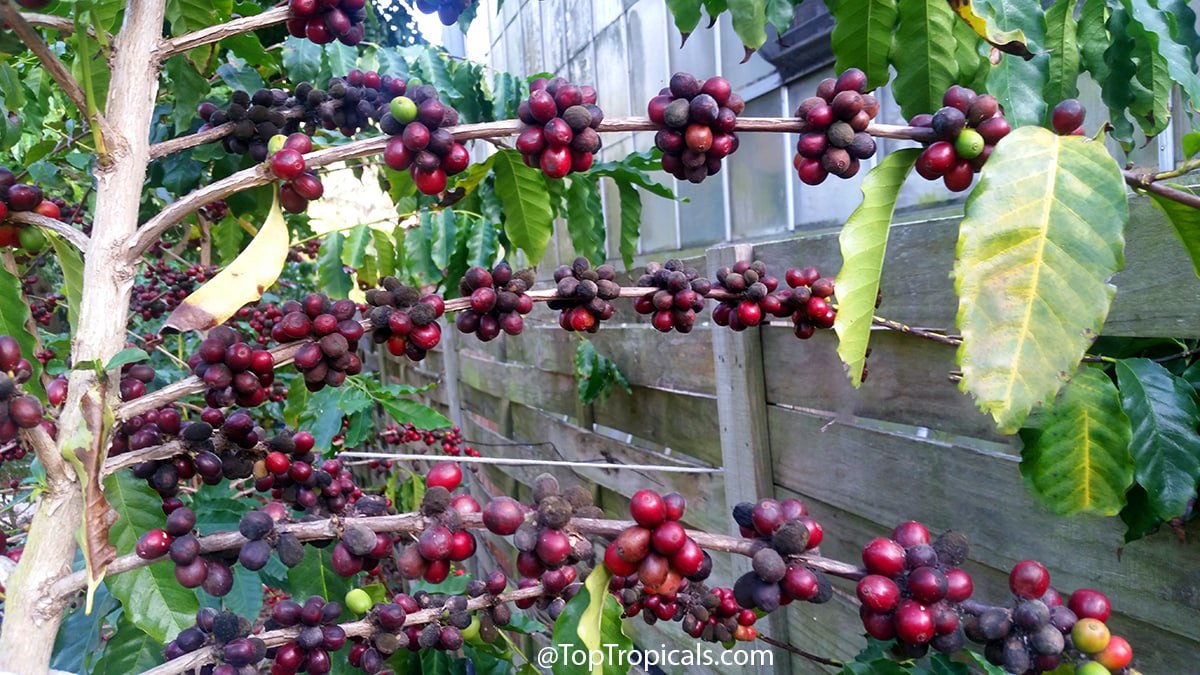
Coffee (Coffea arabica) represents connection through shared ritual. Sacred to African Sufis for its stimulating properties, coffee symbolizes conversation, alertness, and social bonding rather than purely romantic love.
Coffee Plant Facts
Botanical name: Coffea arabica Also known as: Coffee
Figs (Ficus carica) have ancient associations with fertility, sensuality, and indulgence. Their voluptuous form, sweet flesh, and rich texture made them symbols of desire and abundance in many cultures.
Fig Tree Plant Facts
Botanical name: Ficus carica Also known as: Fig Tree, Brevo
Betel Leaf (Piper betle) is a powerful symbol of love, respect, and partnership across South and Southeast Asia. It is exchanged in courtship, weddings, and ceremonies, representing acceptance and shared experience. Its heart-shaped leaves reinforce its Valentine symbolism.
Betel nut (Areca catechu) - traditionally used as a stimulant and aphrodisiac, betel nut represents intensity, ritual, and sensory awakening. In this context, it is best presented as a cultural symbol rather than a casual love plant.
Betel Leaf Plant Facts
Botanical name: Piper betle Also known as: Betel Leaf
Patchouli (Pogostemon cablin) represents deep attraction and emotional grounding. Its earthy, musky scent has long been associated with intimacy and physical presence. Unlike sweet florals, patchouli symbolizes mature, rooted love that lingers.
Patchouli Plant Facts
Botanical name: Pogostemon cablin, Pogostemon patchouli, Pogostemon heyneanous Also known as: Patchouli, Pucha-pat