Epiphyllum - Plant Encyclopedia Results
| Number of plants found: 7 |
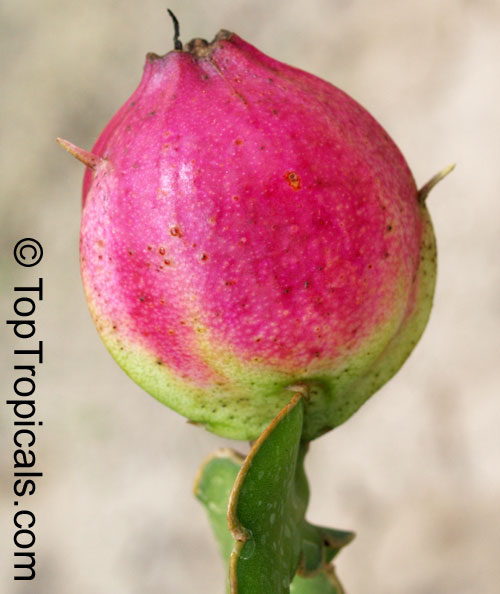
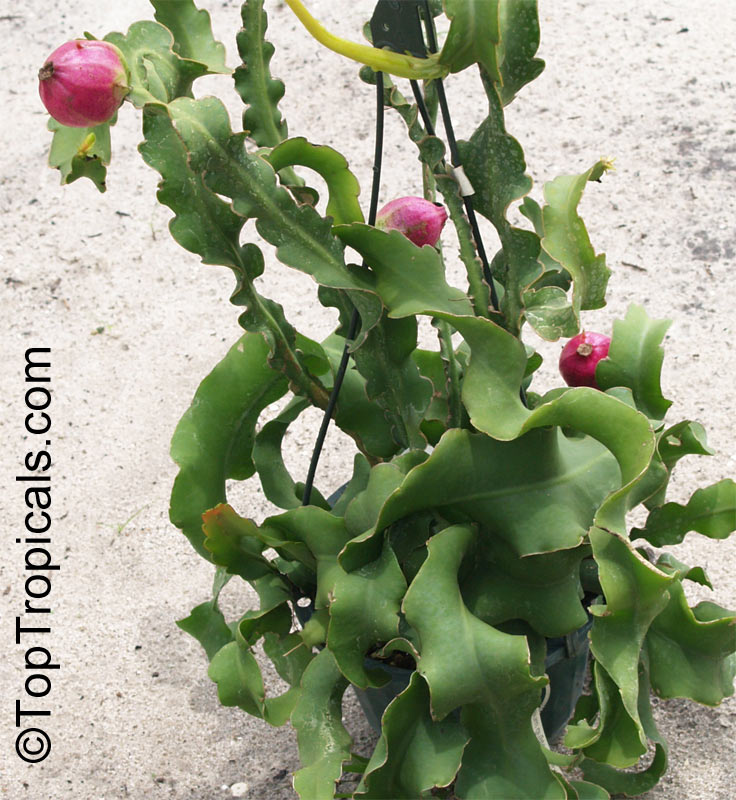
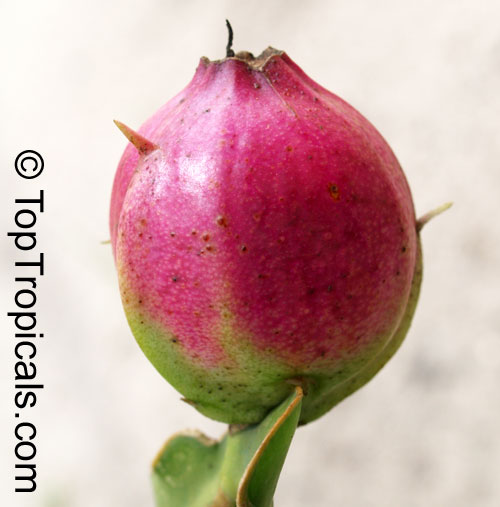
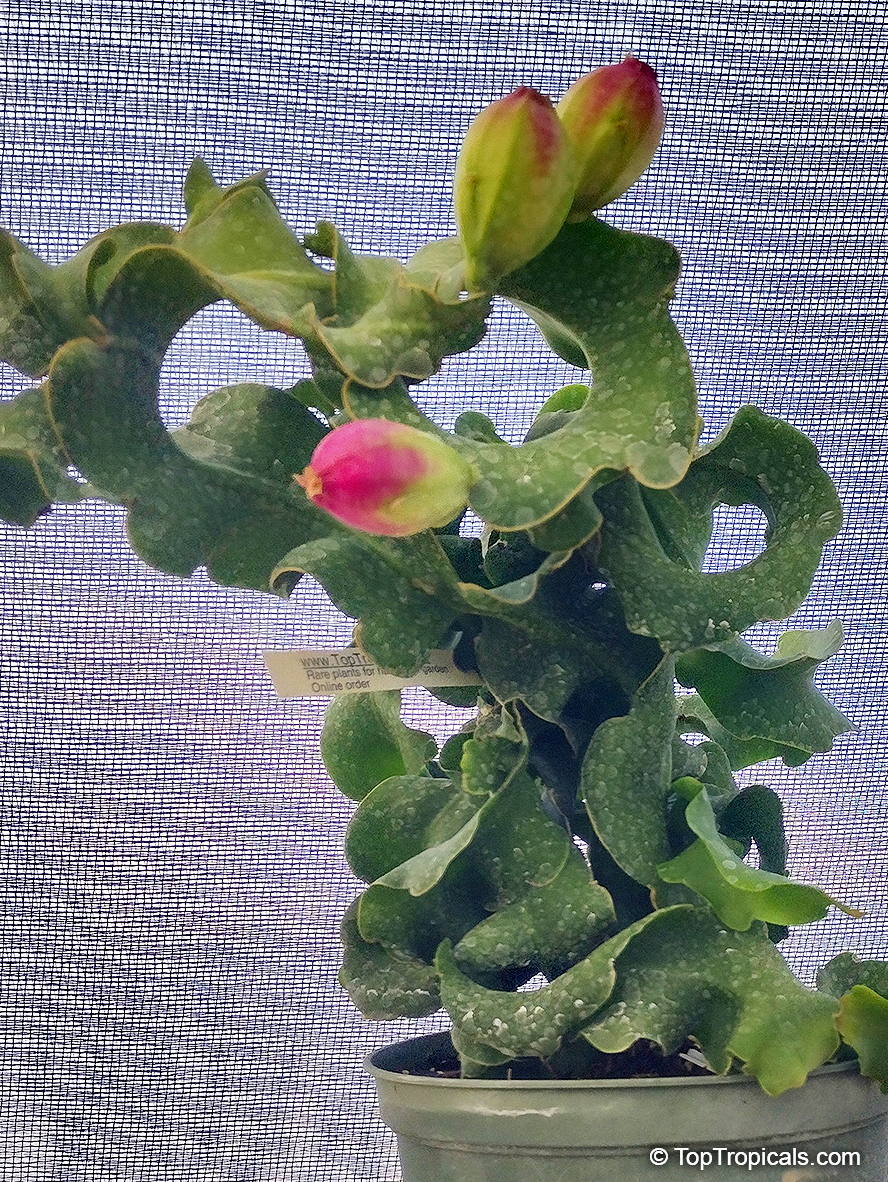
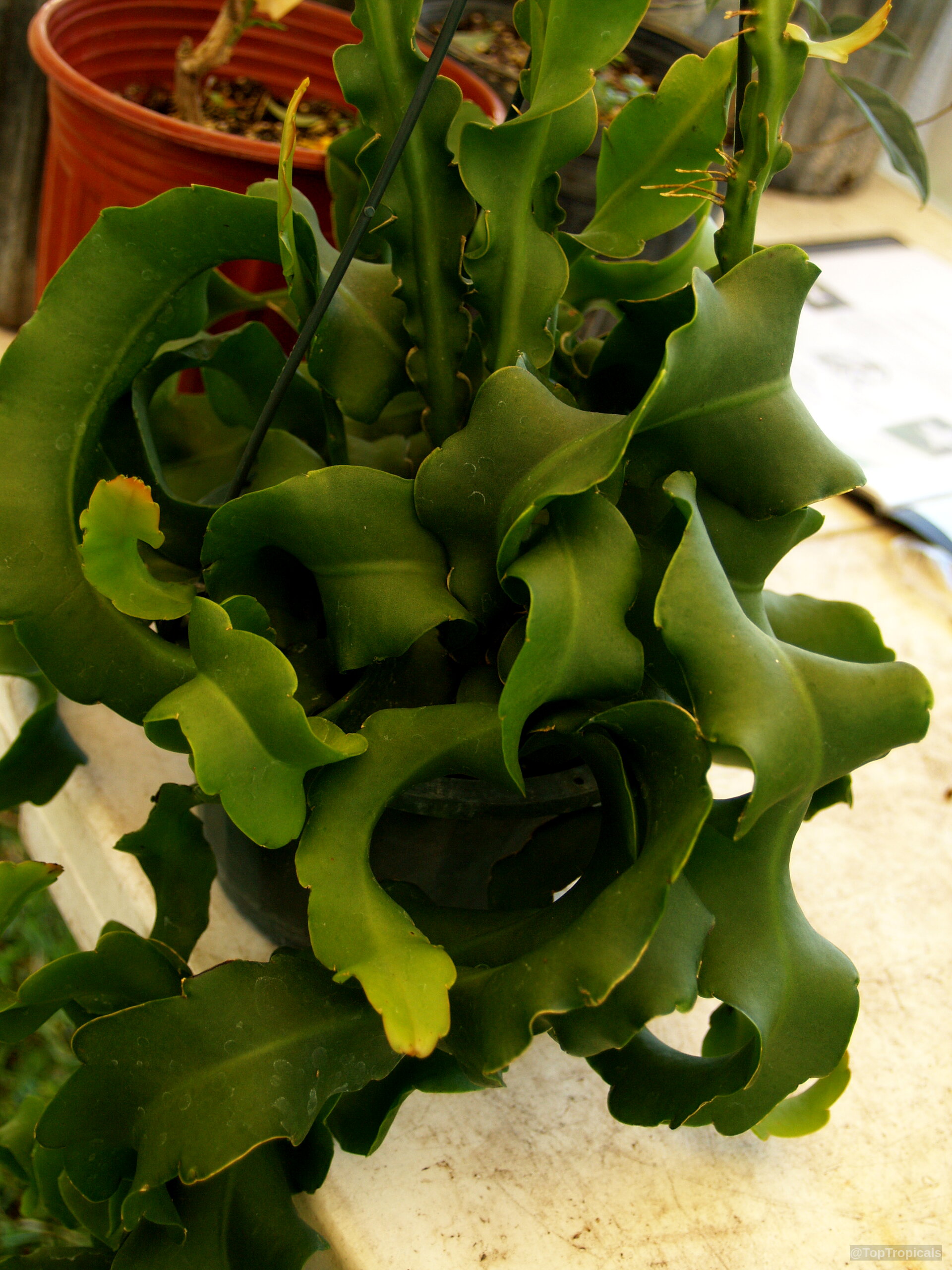
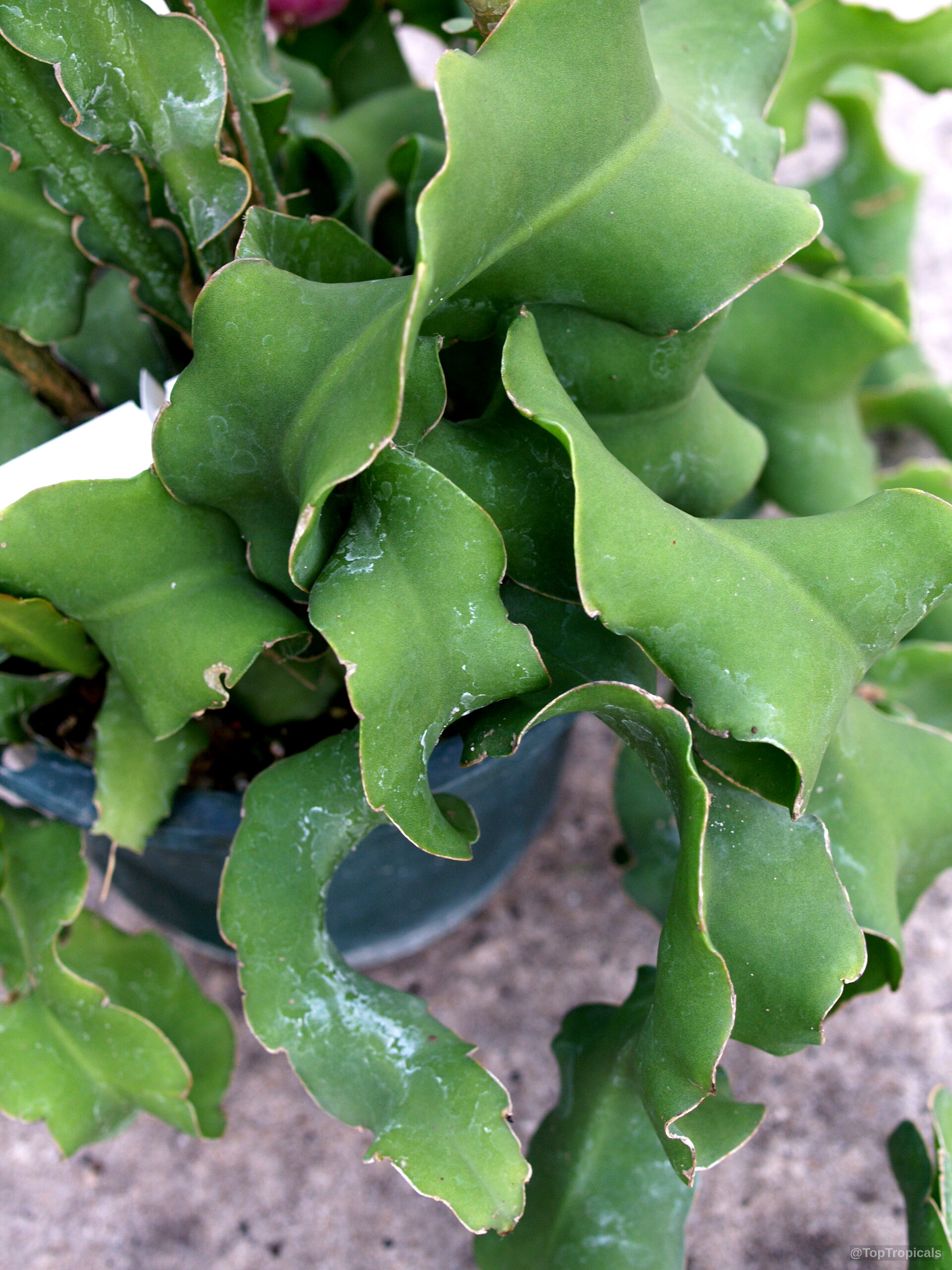
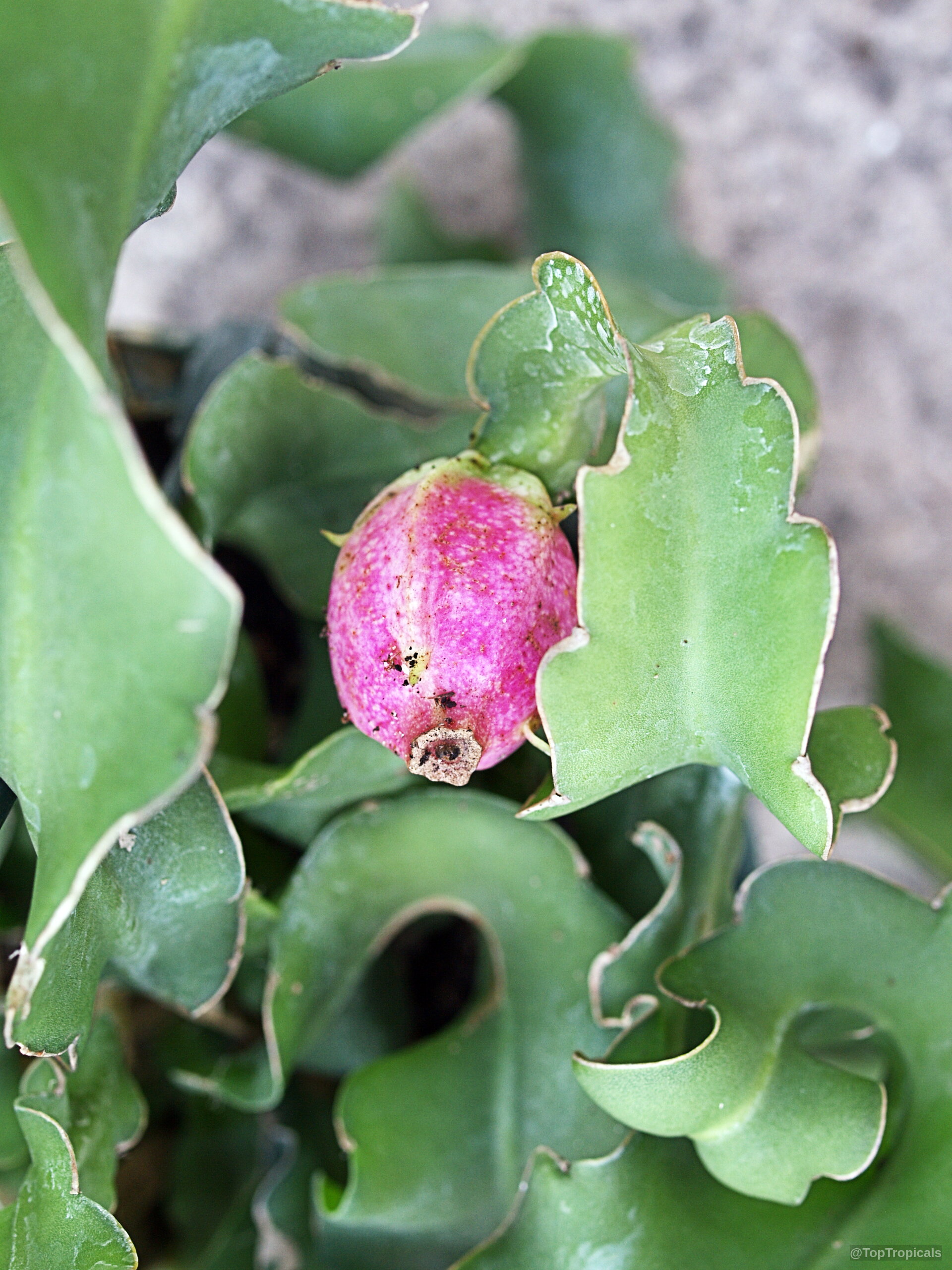
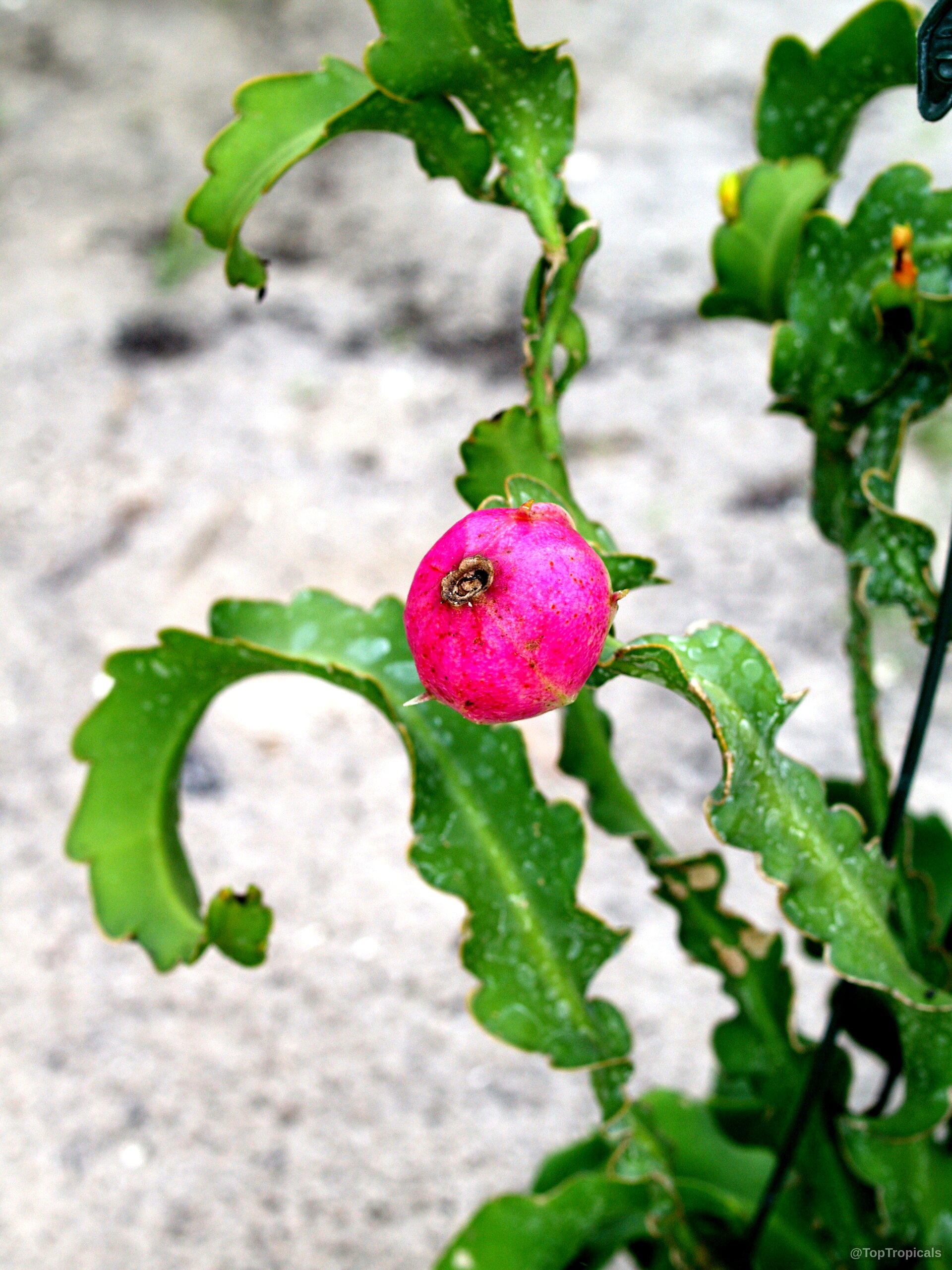
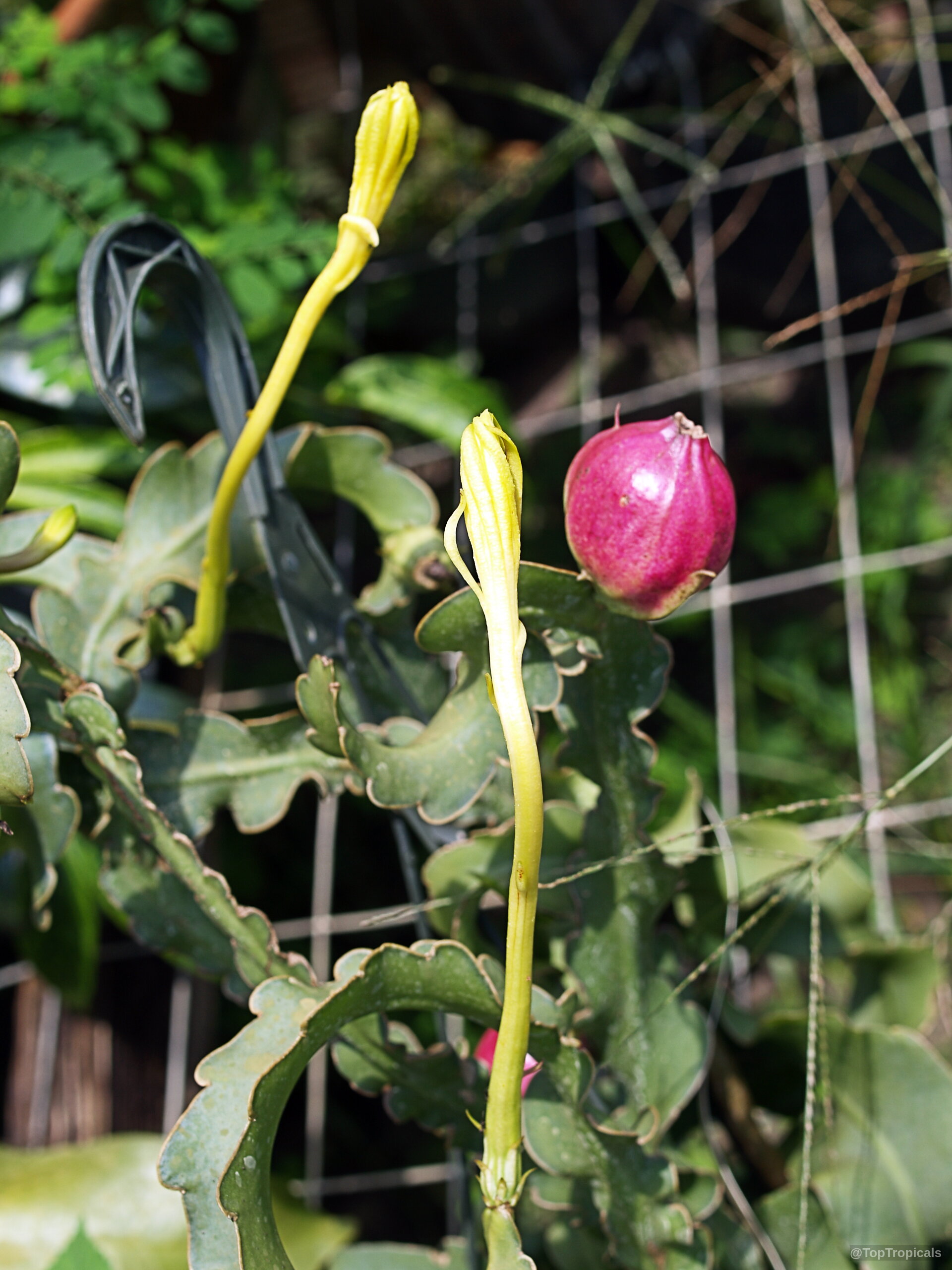
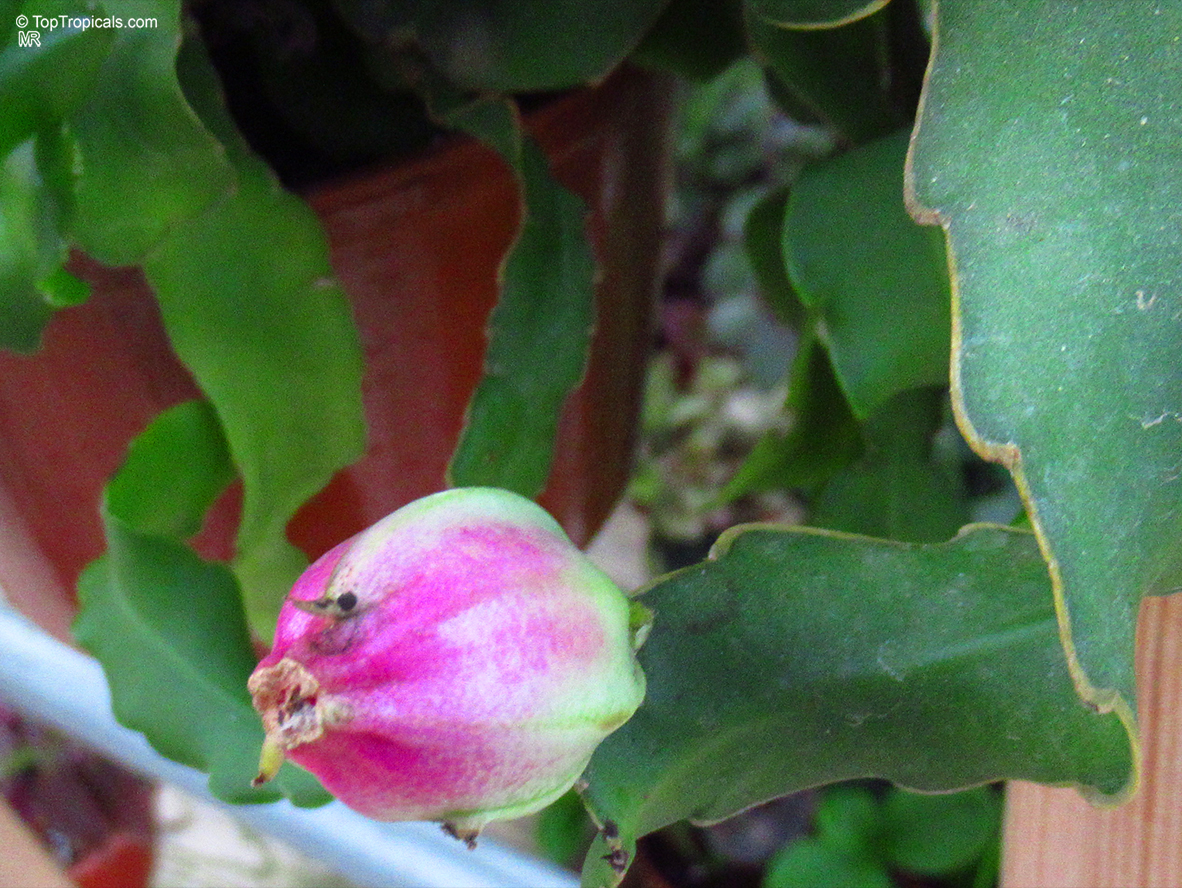
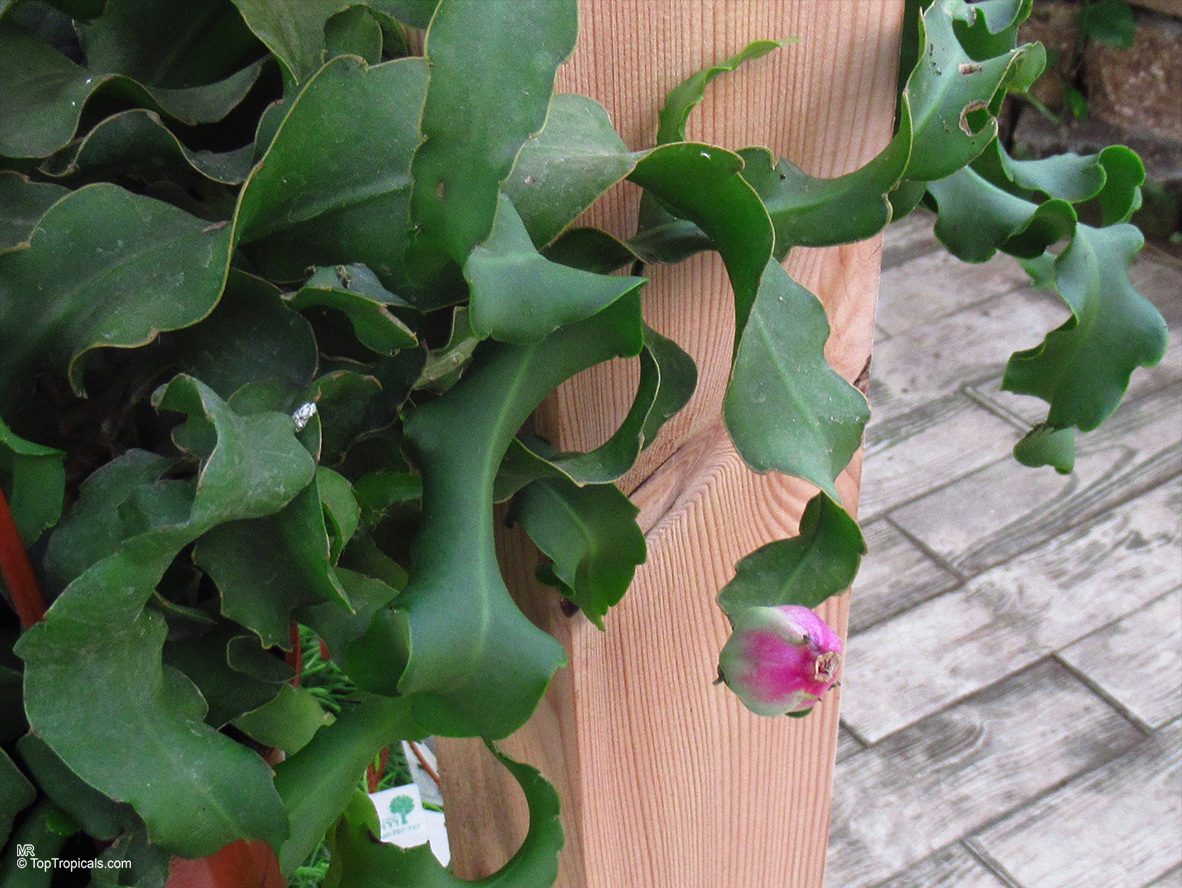
Botanical name: Epiphyllum guatemalense var. monstrosa
Common name: Orchid Cactus
Cultivar: Monstrosa
Family: Cactaceae
Origin: Guatemala
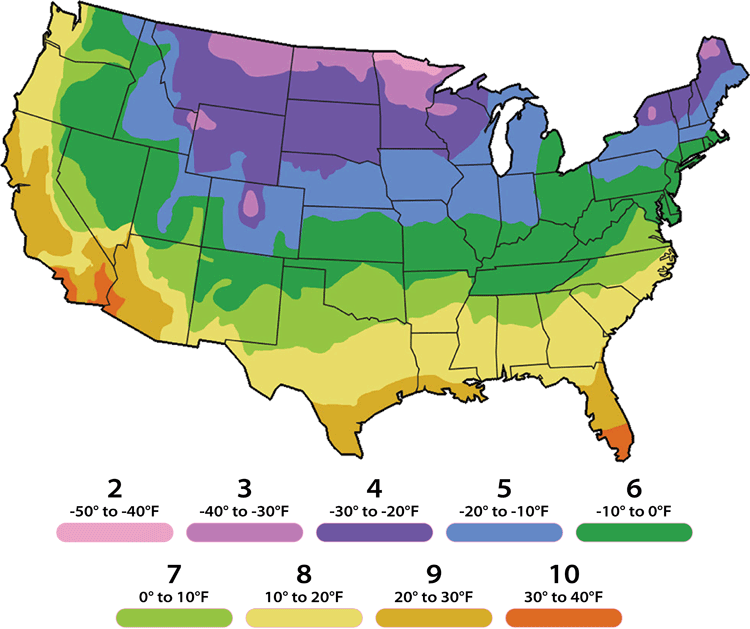
USDA Zone: 9-11


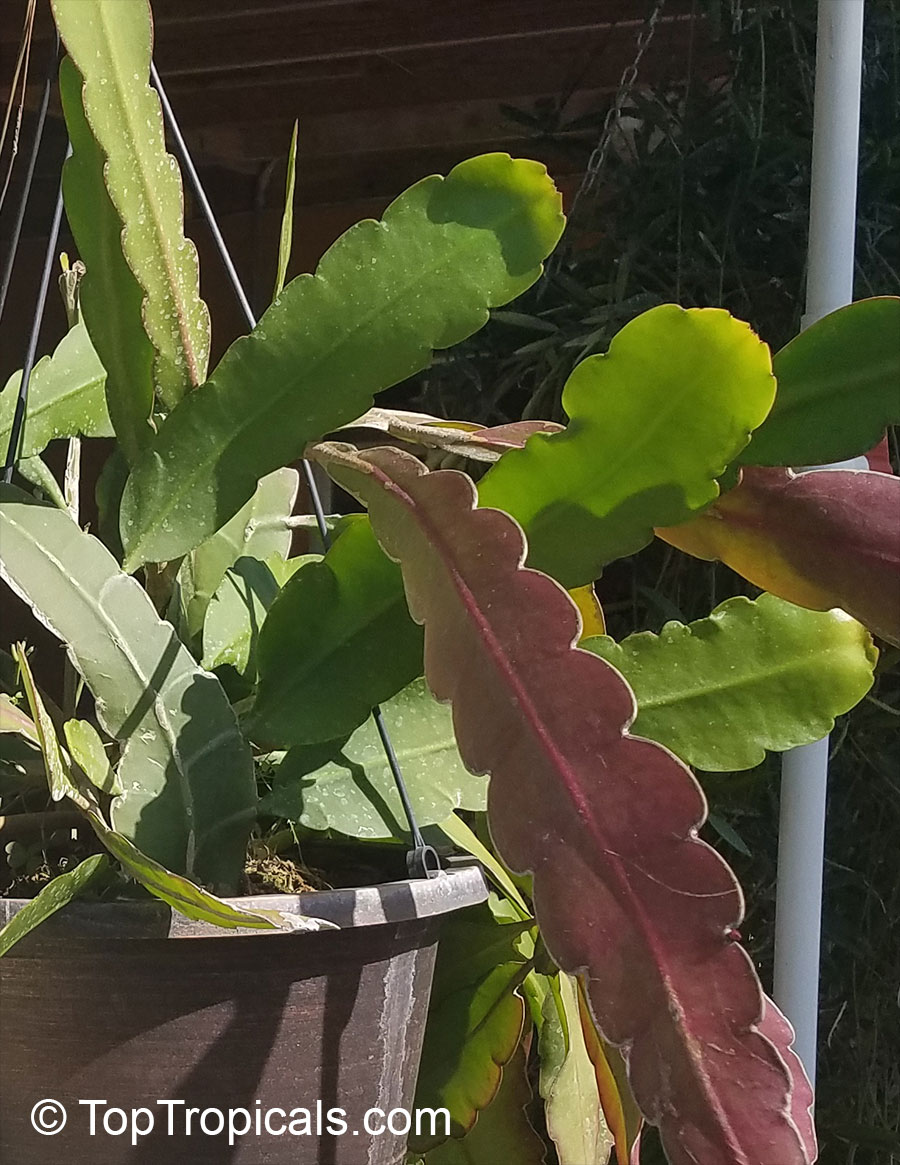
This small shrub, growing only 2-5 ft, does best in semi-shade and requires regular water. Moderate water from spring to autumn, being careful to avoid over-watering during the winter months. This cuckoo cactus will put out off-white, showy flowers and add colorful, ornamental foliage all year long.Grown in USDA Zone 9-11, Epiphyllum guatemalense Monstrosa Orchid Cactus is a great choice for adding horizontal interest to baskets and trellis, and even as a novelty plant in any garden or patio. However, if in colder regions and preferring to grow in a pot, precautions must be taken, such as bringing the pot indoors or insulating it in a shed or greenhouse. Growers must also take care with overwintering and observe the minimum cold hardiness to have successful blooms. When these criteria are met, Epiphyllum guatemalense Monstrosa will be a unique addition to any garden, patio, basket or wall.





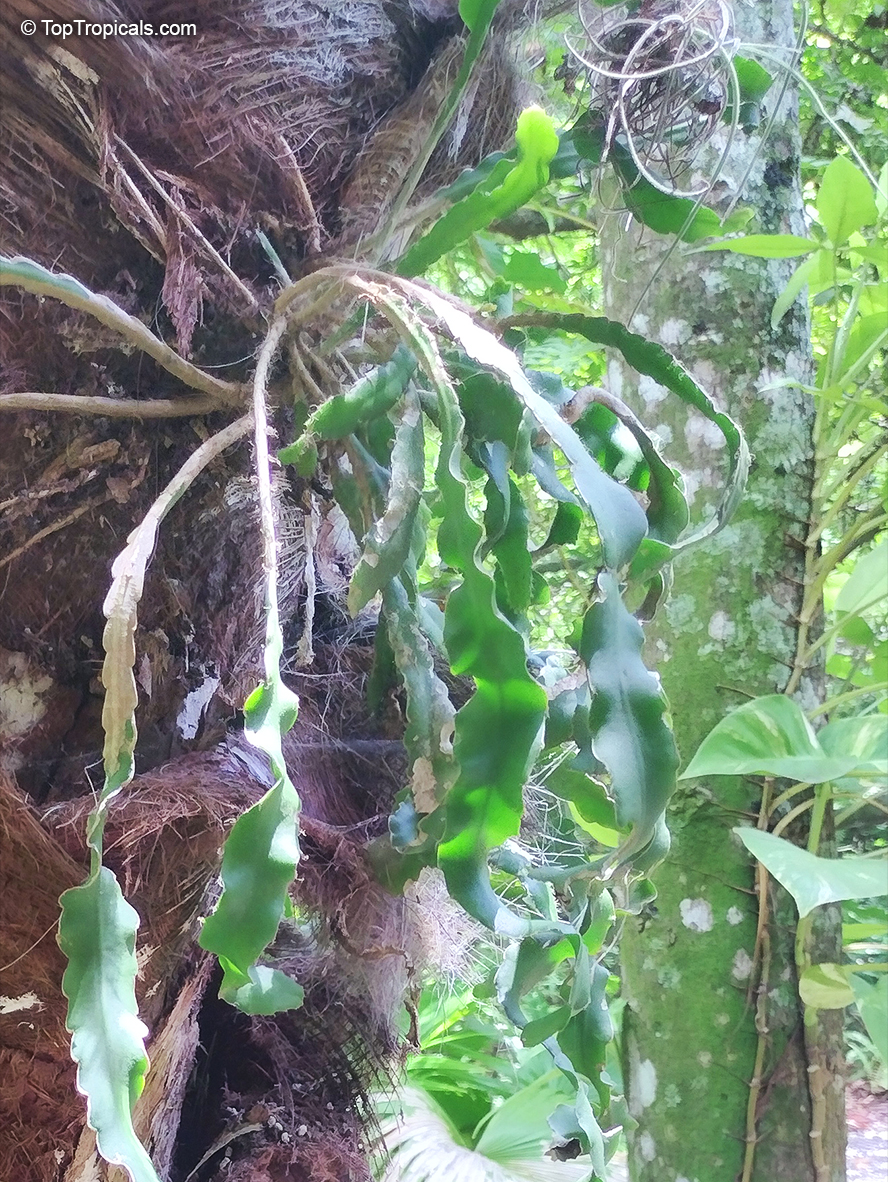
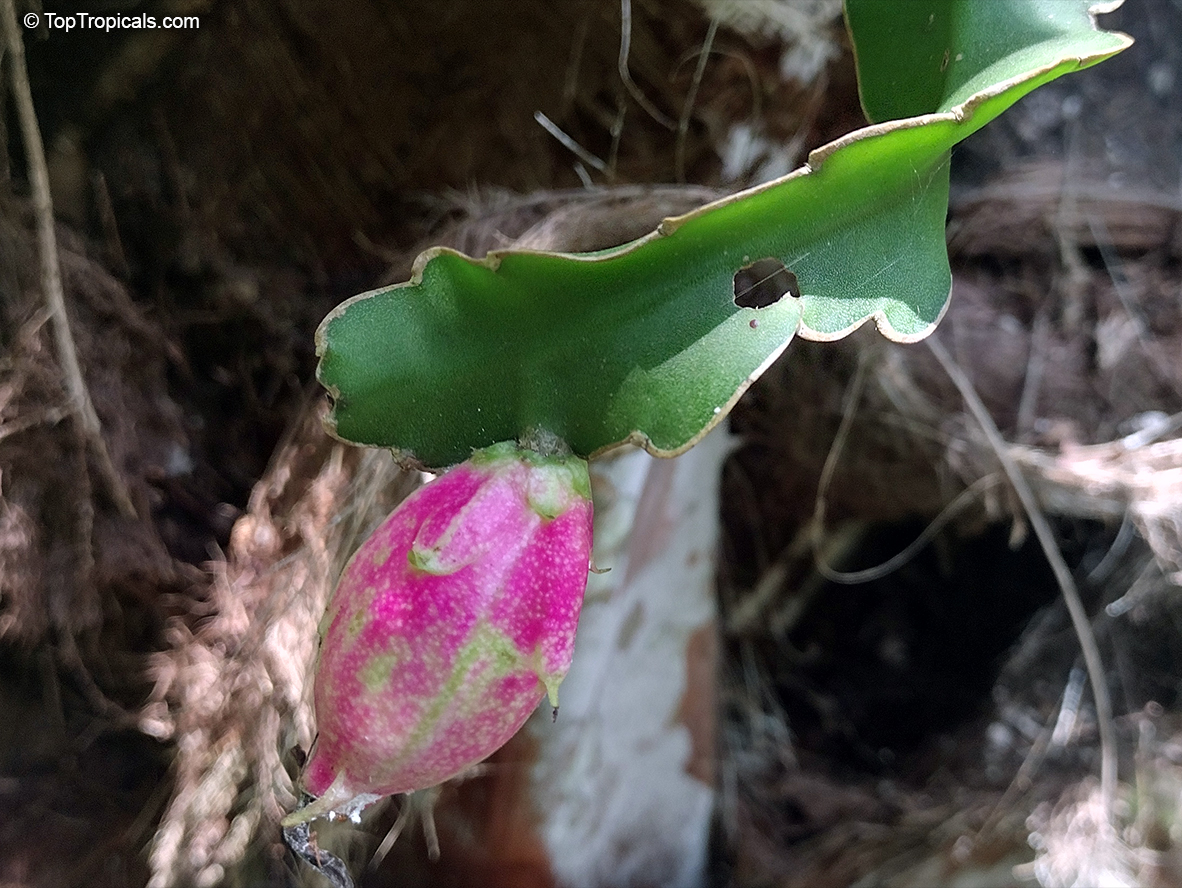
Epiphyllum are sensitive to being moved so choosing spot in bright, indirect light would work best. Epiphyllum will also only bloom when root bound, so take this into consideration when repotting.
Recommended Fertilizer: SUNSHINE Robusta - Rapid Growth Booster
Botanical names: Epiphyllum hookeri, Epiphyllum strictum, Epiphyllum stenopetalum, Epiphyllum phyllanthus
Common names: Climbing Cactus, Hooker's Orchid Cactus
Family: Cactaceae
Origin: Central America
USDA Zone: 9-11
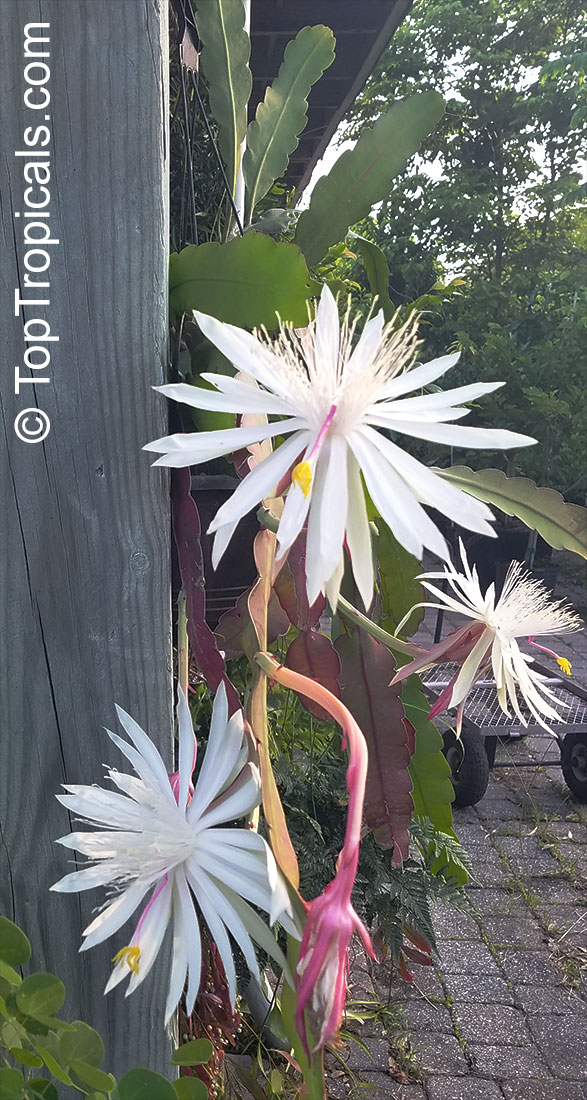
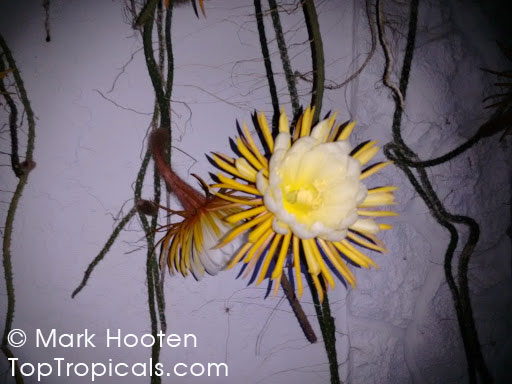
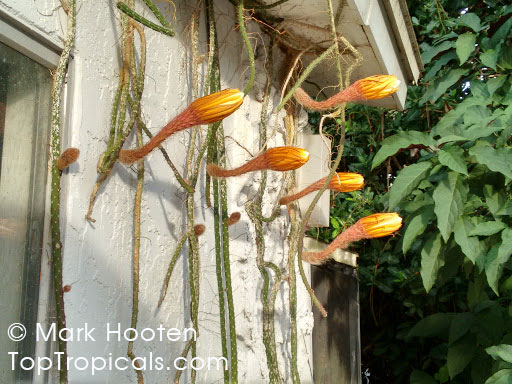
Epiphyllum hookeri is a small shrub native to Central America. It is an epiphytic cactus, meaning its stems cling to other plants for support and can grow as tall as 20 feet. The plant produces large, white or off-white flowers that measure about 8 inches wide and open at night. Additionally, the stigma of the flower has a bright red color with a yellow, star-shaped tip.
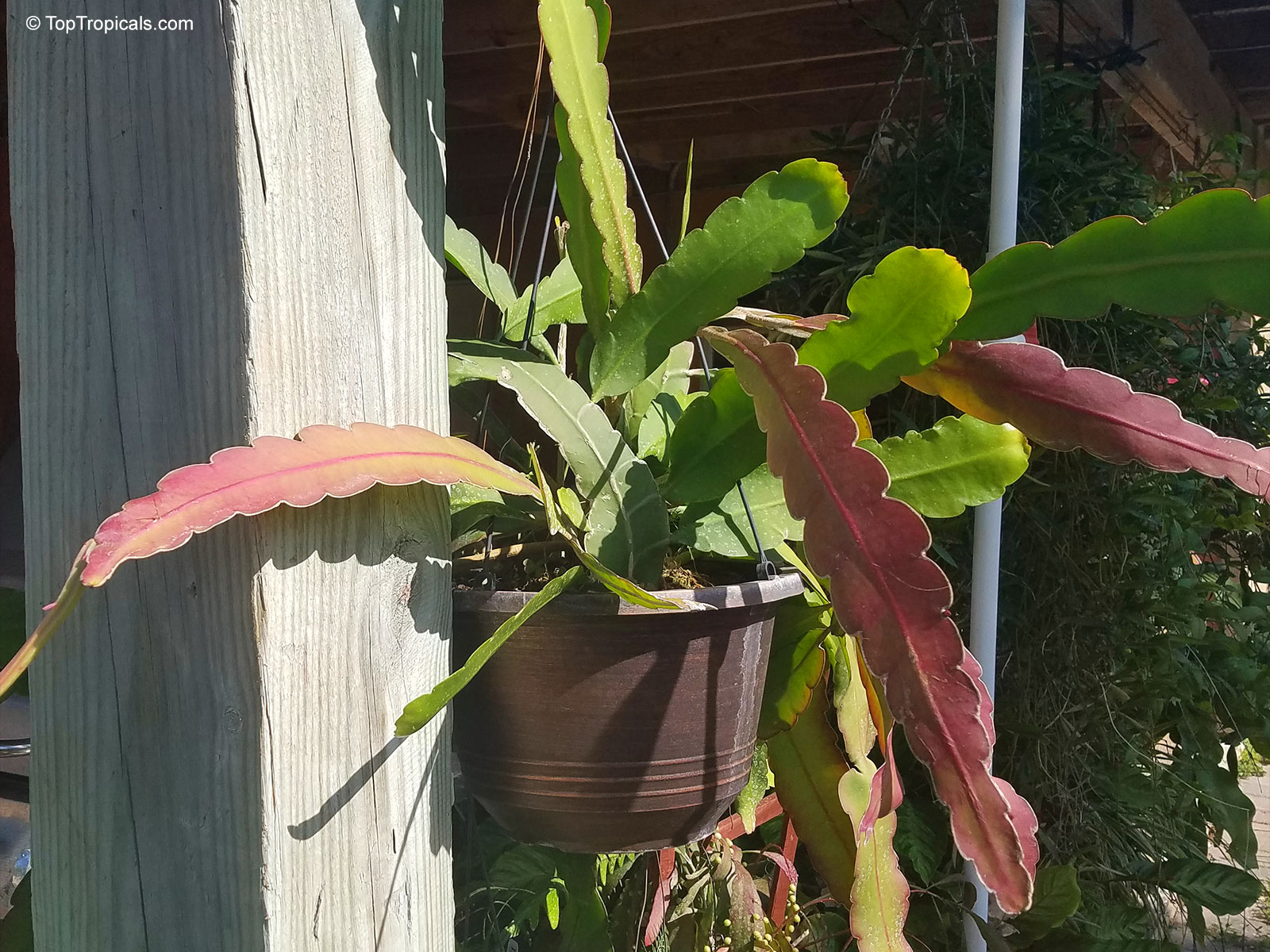
Epiphyllum hookeri can be grown in USDA Zone 9-11, given the right treatment and conditions. The ideal location is in semi-shade and with moist, not overly wet soil. During the growing season, some additional water may be necessary. For indoor care, the plant should be placed in a bright, light spot but kept away from direct sunlight. The soil should be watered regularly, but not allowed to dry out completely.
In regions with colder winters, Epiphyllum hookeri should be protected from frosty temperatures. Outdoor plants can be moved into an area such as a greenhouse or protected with an insulating layer of mulch. When grown in a container, the pot should be placed in an area with indirect sunlight and protected from temperatures below 50F. Water the plant whenever the soil begins to dry, and apply a balanced, slow-release fertilizer in the springtime. During its dormant period in winter, reduce watering, misting and fertilizing.
Epiphyllum hookeri is also well-suited for terrariums, as long as it receives semi-shady, humid conditions and regularly misted, mimicking its natural habitat. With proper winter protection, the plant can survive for many years in colder climates.
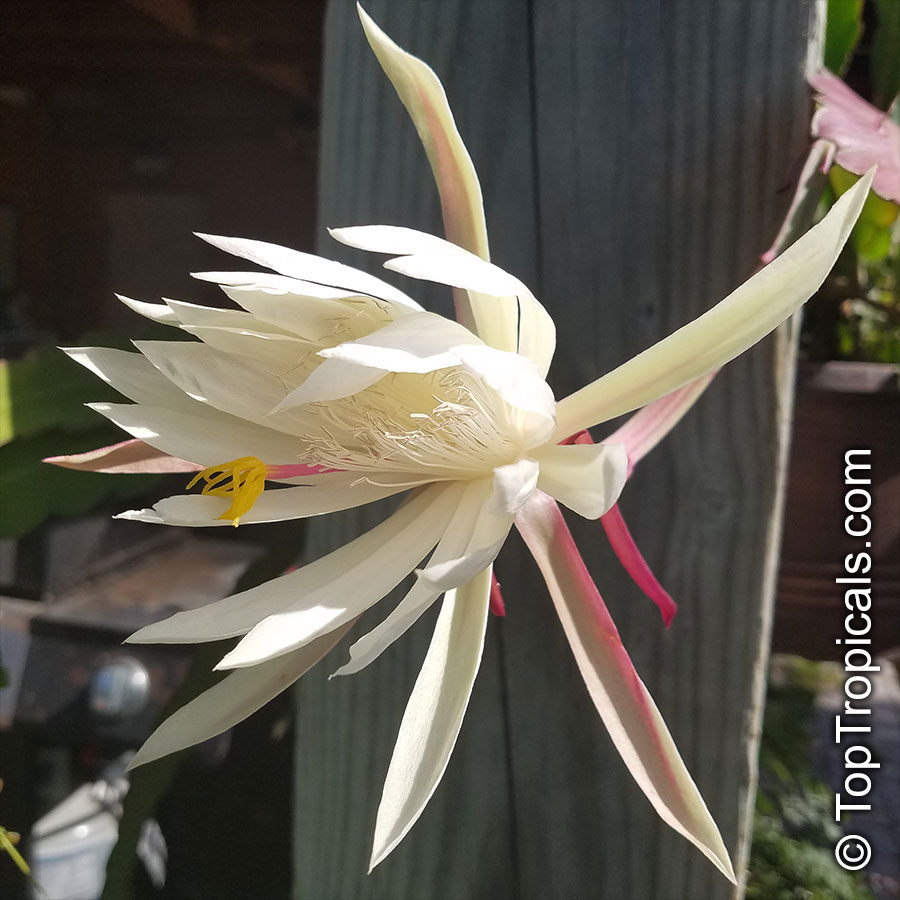
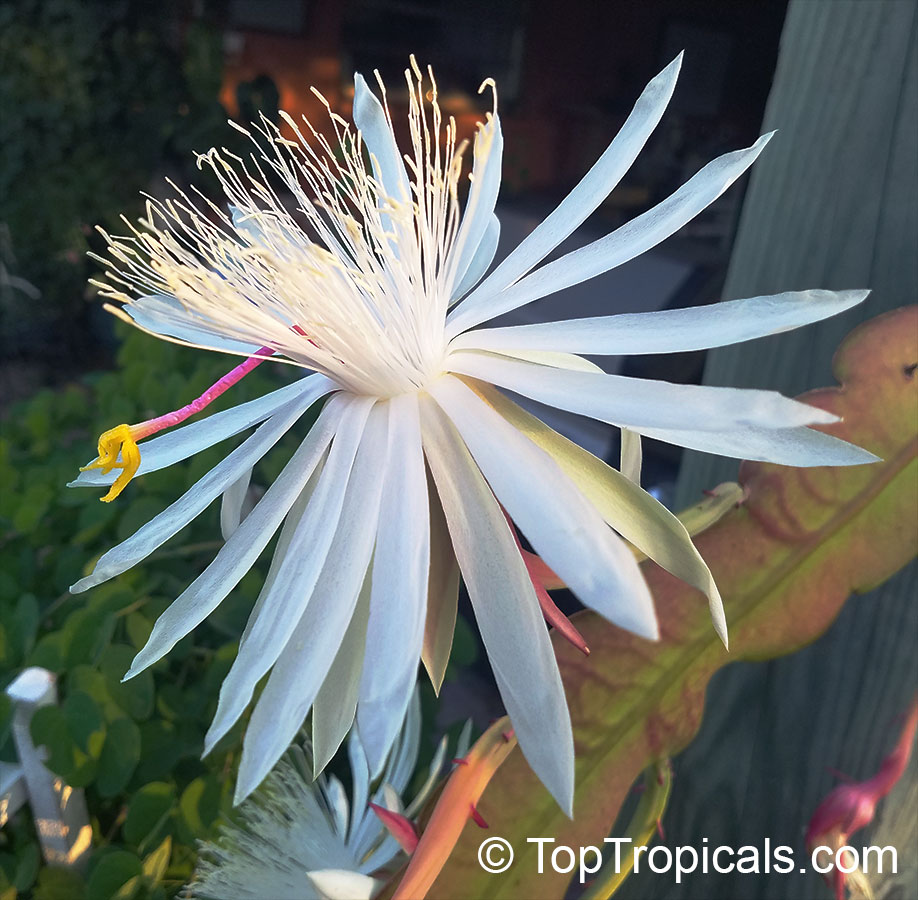
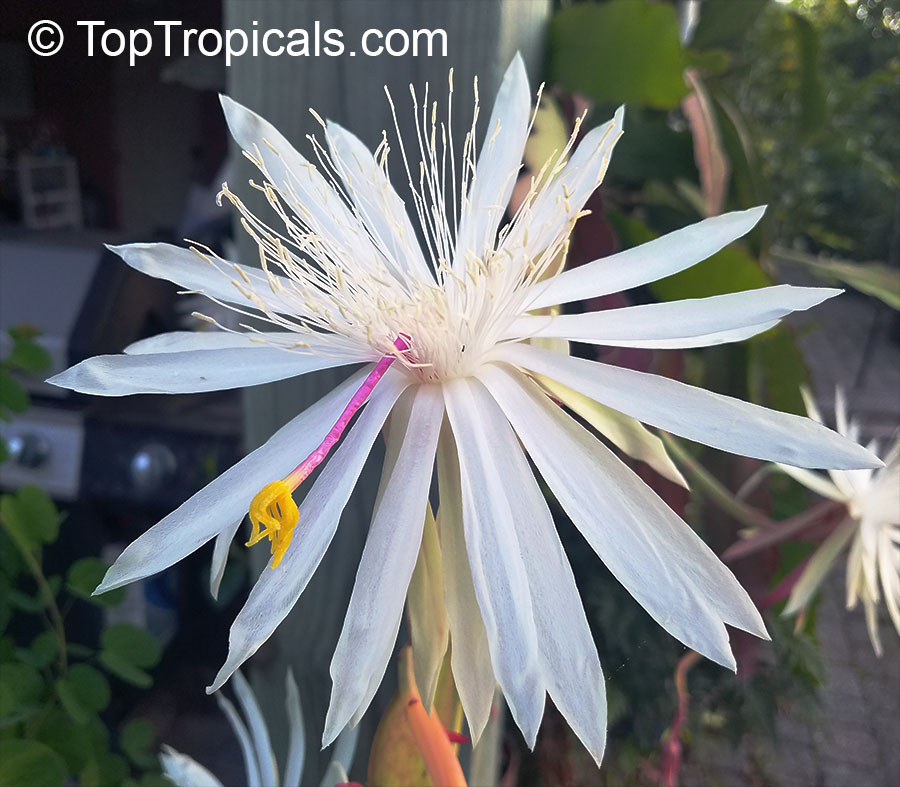
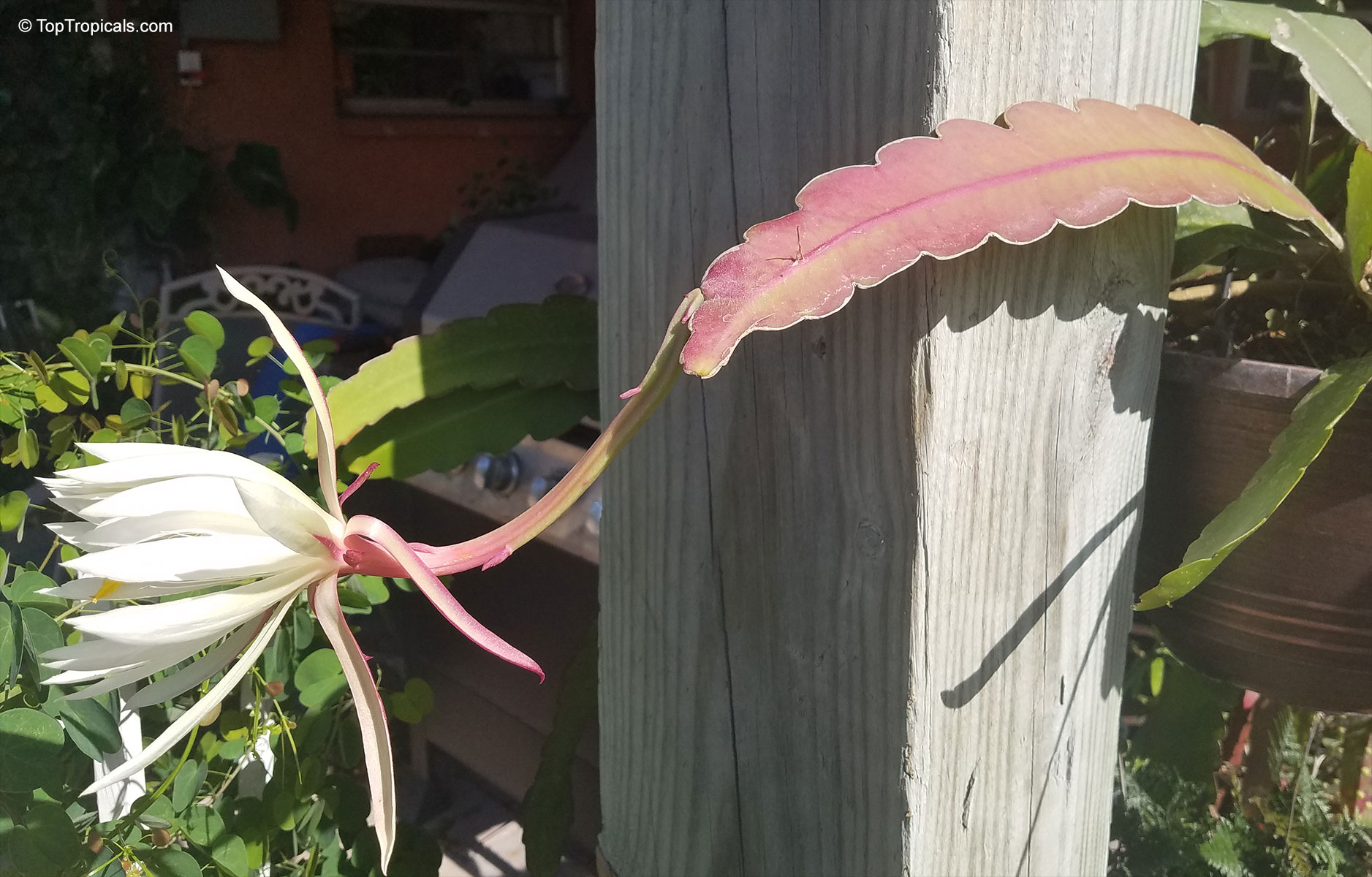
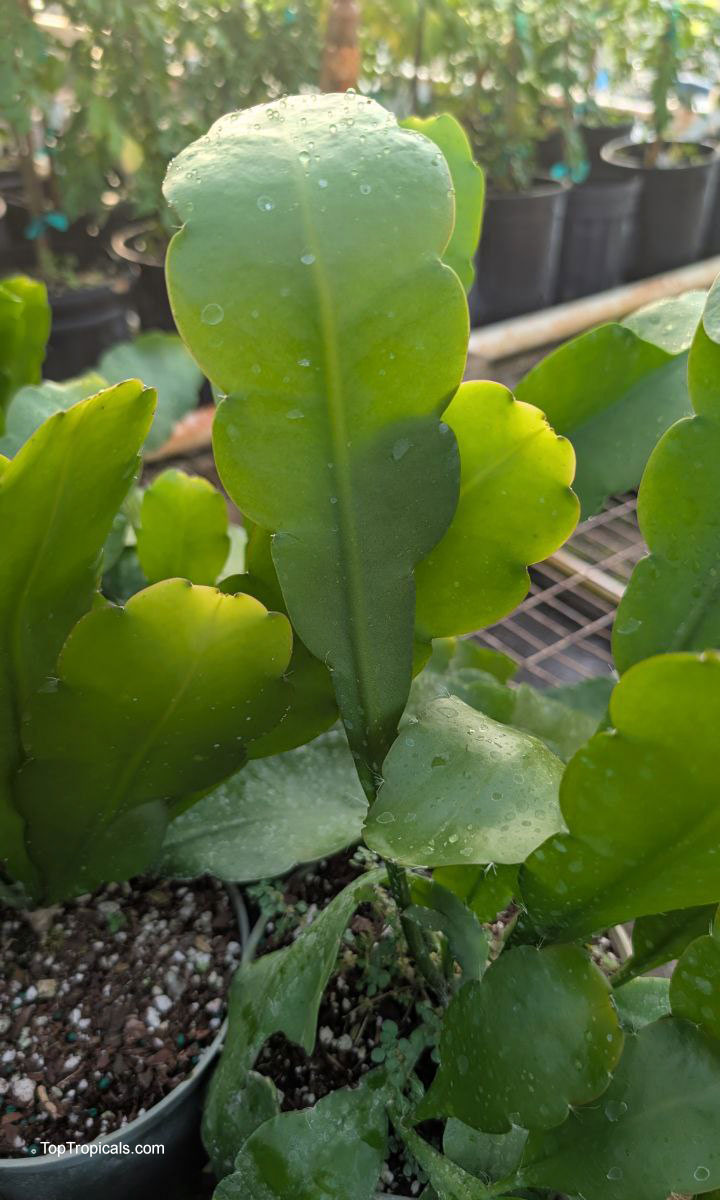
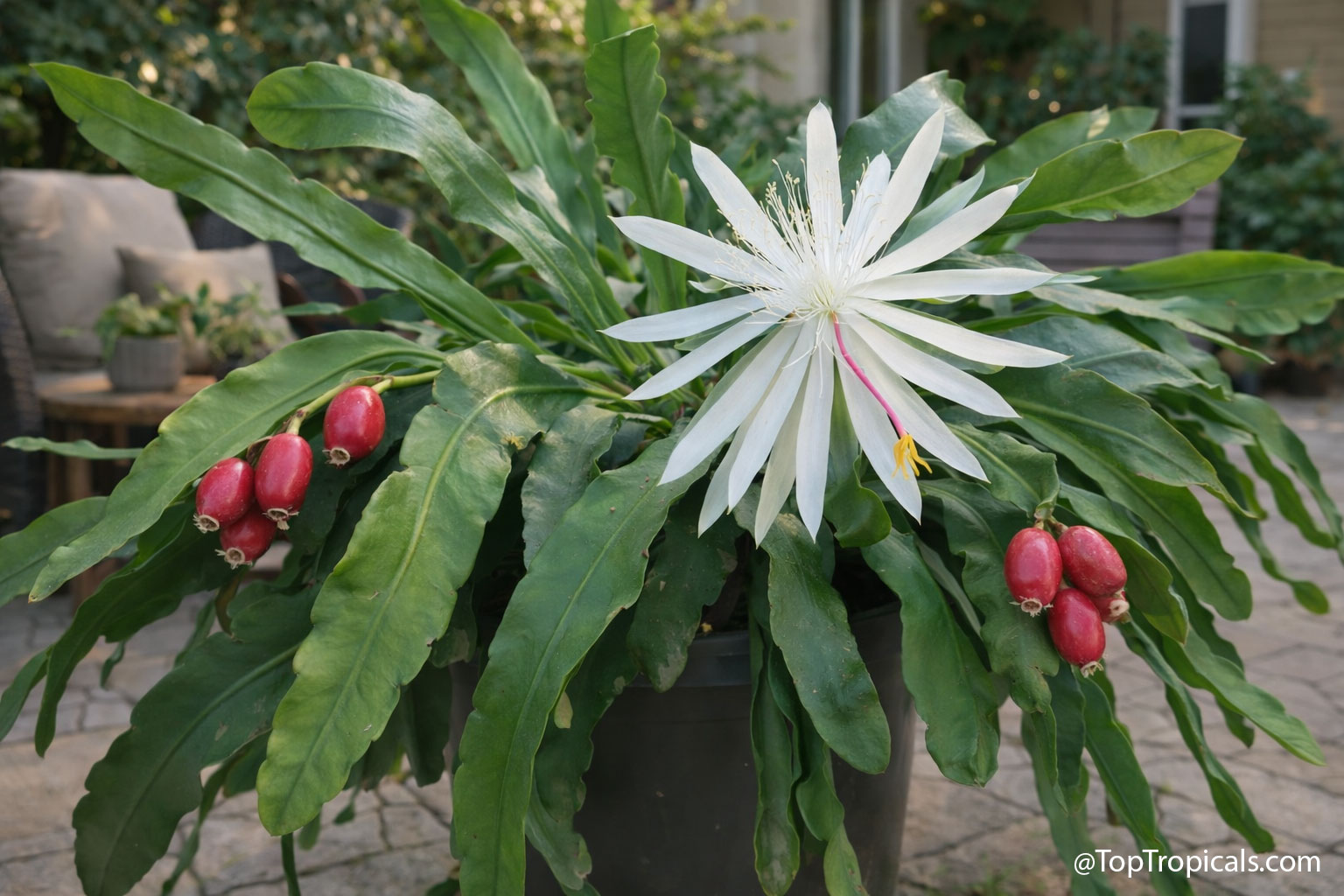
The real highlight comes at night - when mature, it produces huge, fragrant white flowers that open after sunset and last just one night. The blooms are dramatic and elegant, often reaching impressive size, with a soft glow that almost looks unreal in the dark.
After flowering, the plant can set smooth, elongated fruit with mild, slightly sweet flesh. While flavor can vary from seed-grown plants, some turn out to be surprisingly good and larger than typical epiphyllum fruit.
Easy to grow and rewarding:
- Thrives in bright shade or filtered sun
- Prefers well-drained soil and regular watering
- Ideal for hanging baskets or containers where stems can cascade naturally
A unique addition to your garden - combining striking night blooms with the bonus of edible fruit.
Other names: E. strictum, E. stenopetalum, E. phyllanthus, Hookers Orchid Cactus
Recommended Fertilizer: SUNSHINE Robusta - Rapid Growth Booster
 SUNSHINE Pikake (NPK 2-2-4) - eco-friendly concentrated nutrition booster for fragrant flowers. Improves quantity and quality of flowers. Encourages profuse blooming. Increases flower fragrance intensity. Can be used with every watering. For best results, use in combination with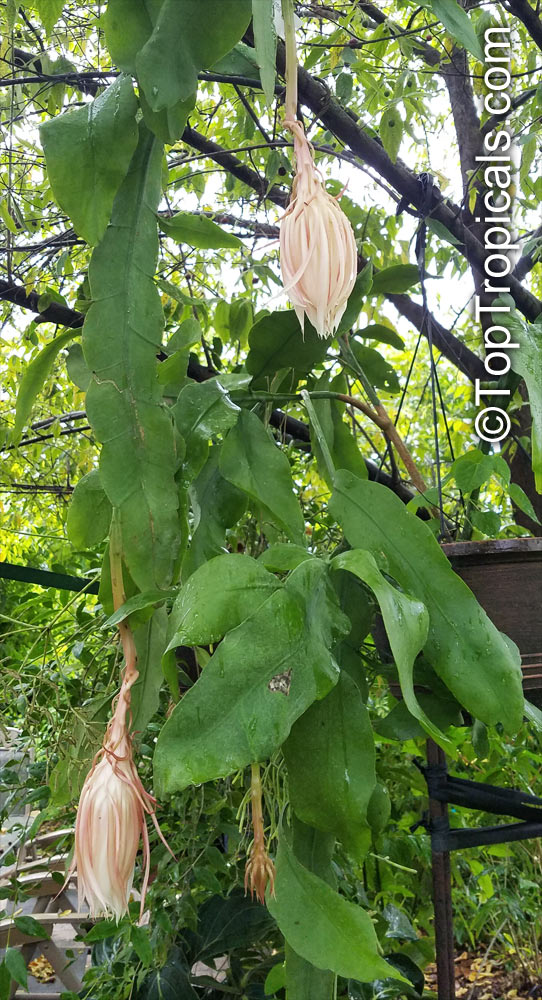
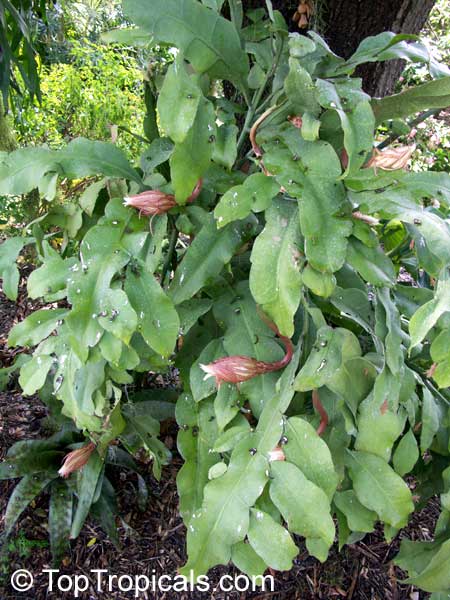
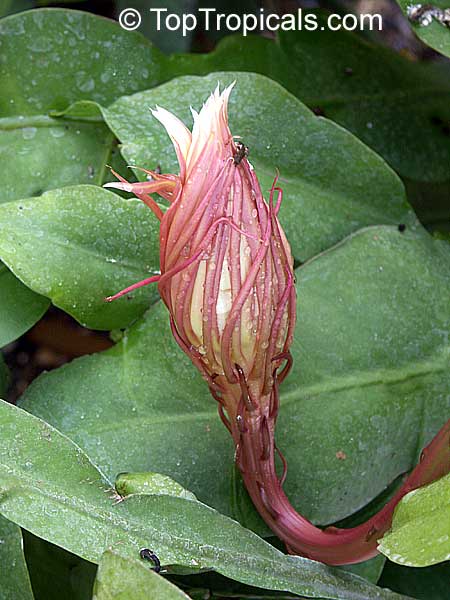
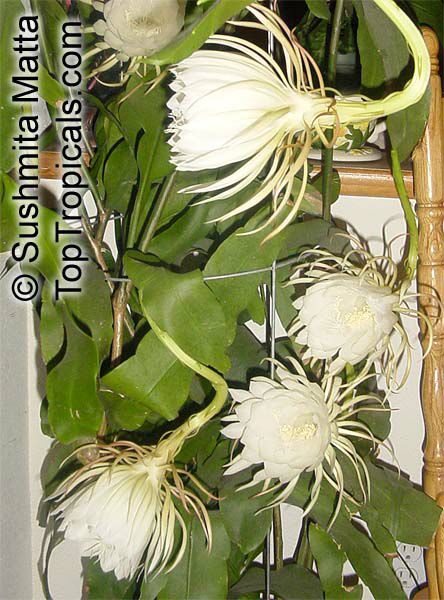
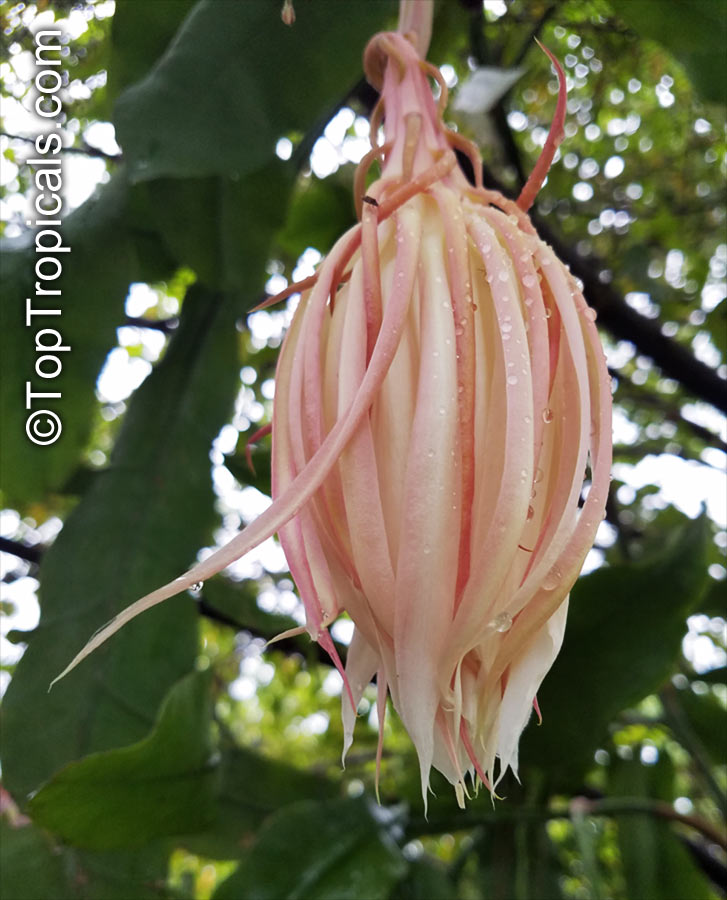
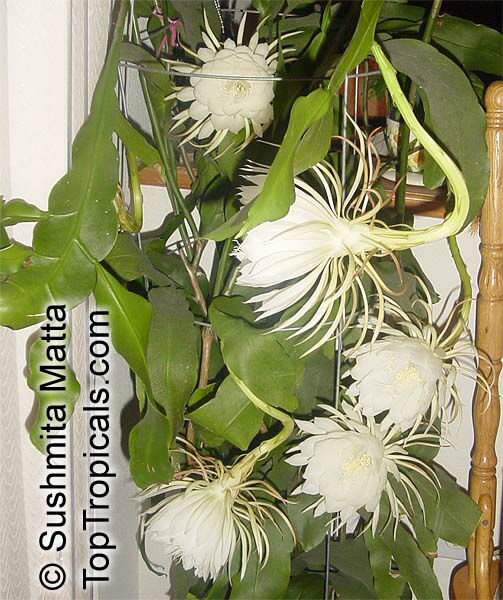
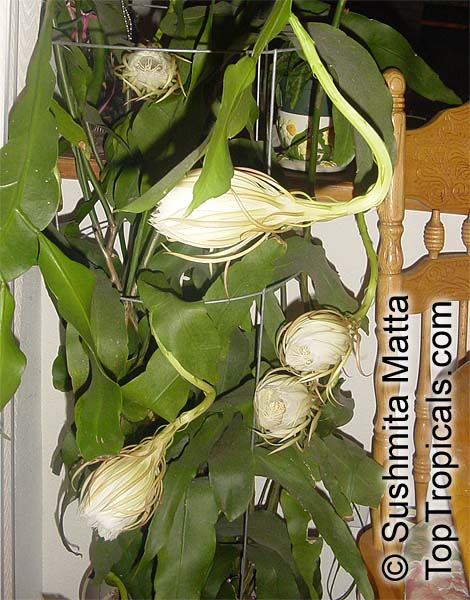
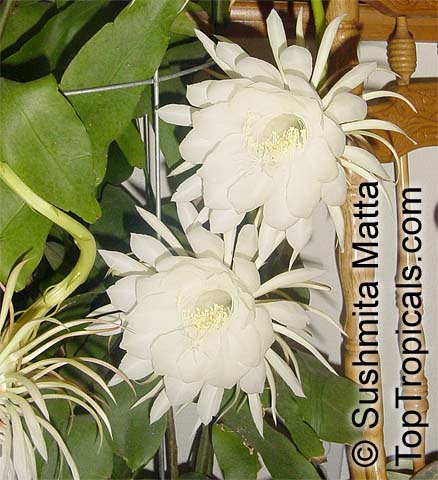
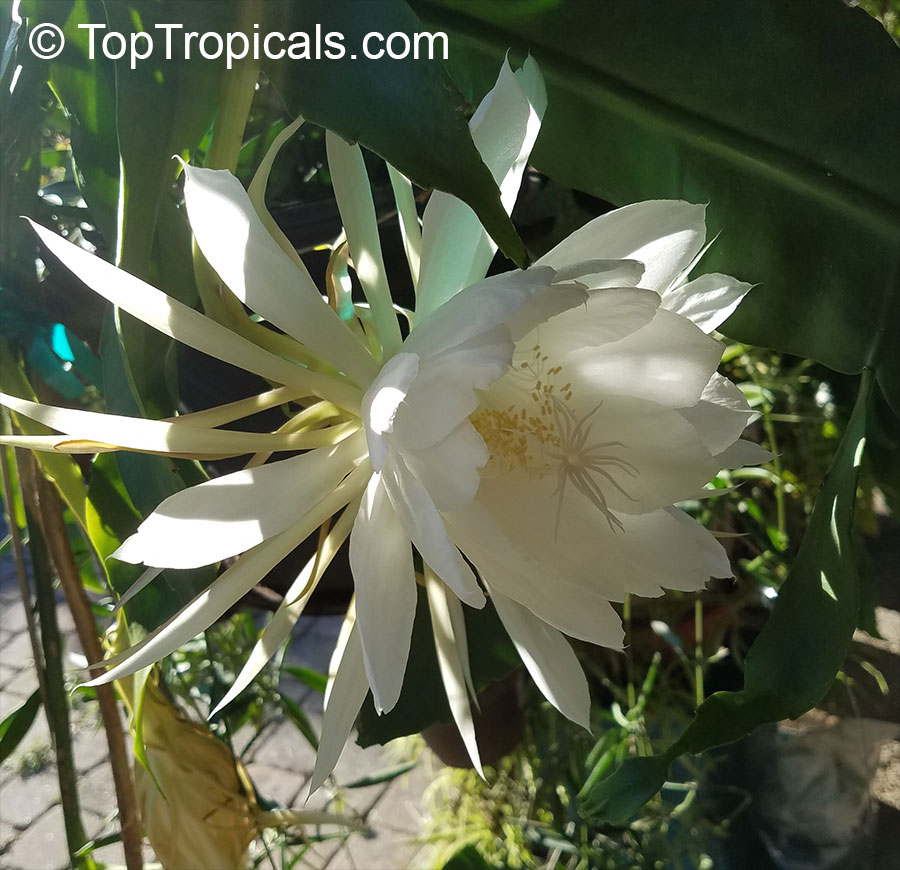
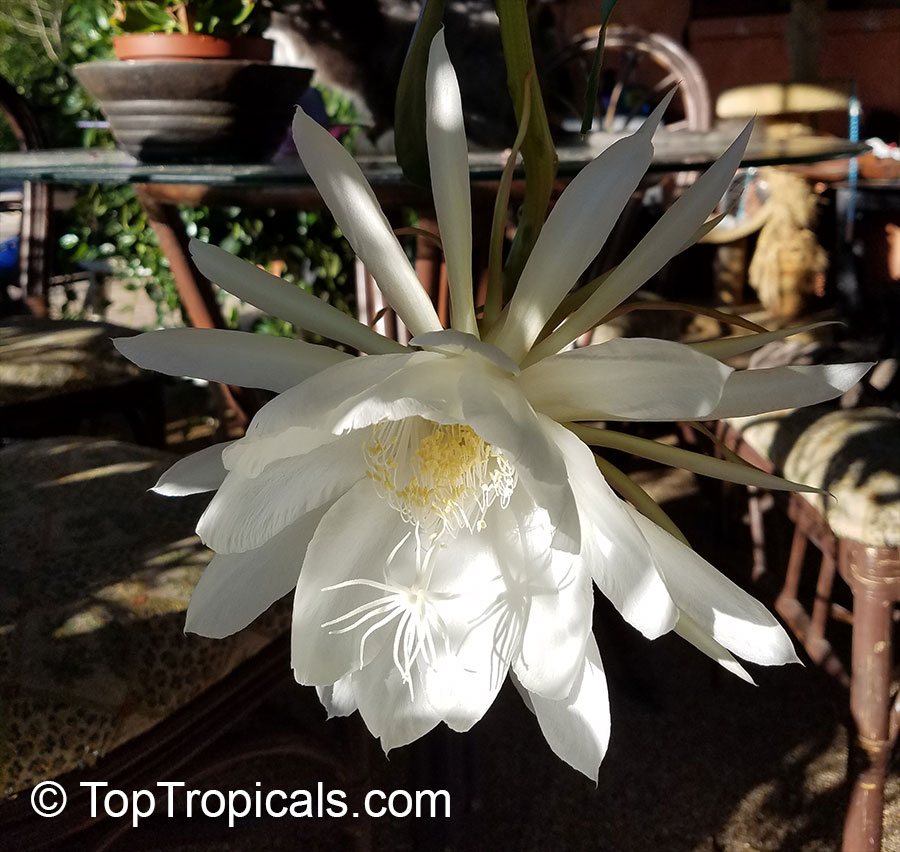
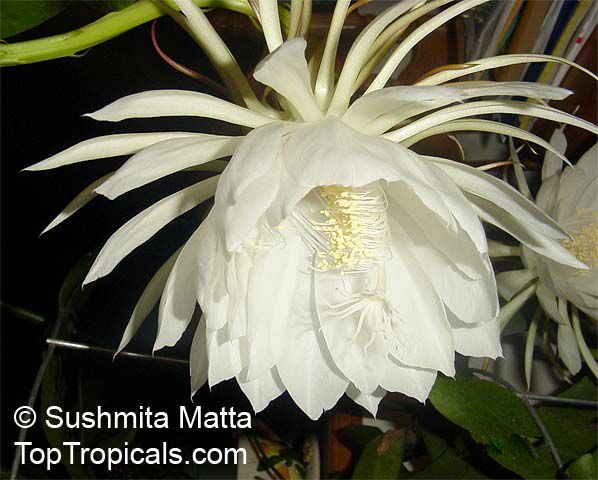
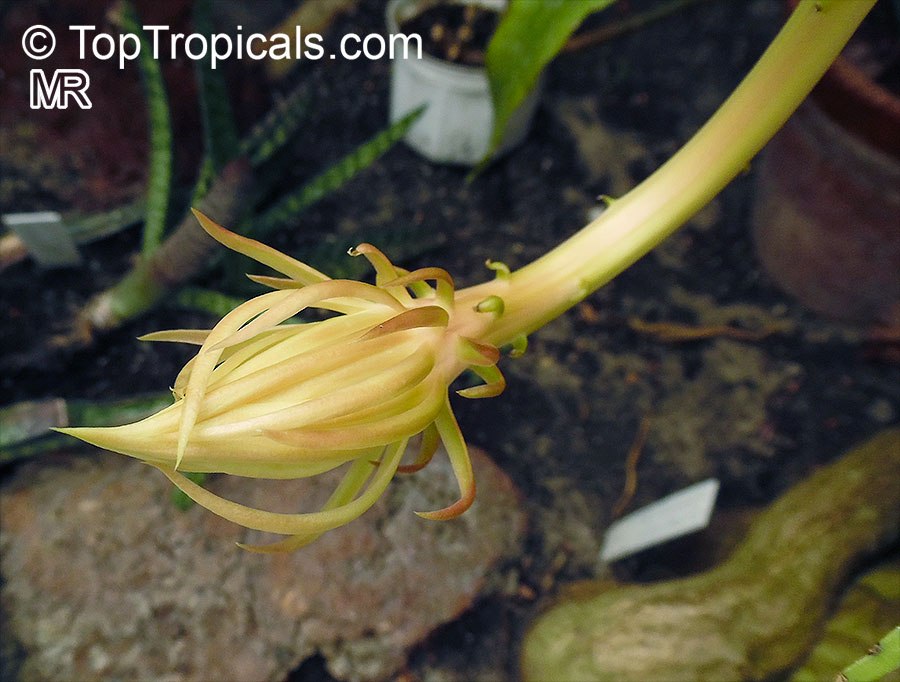
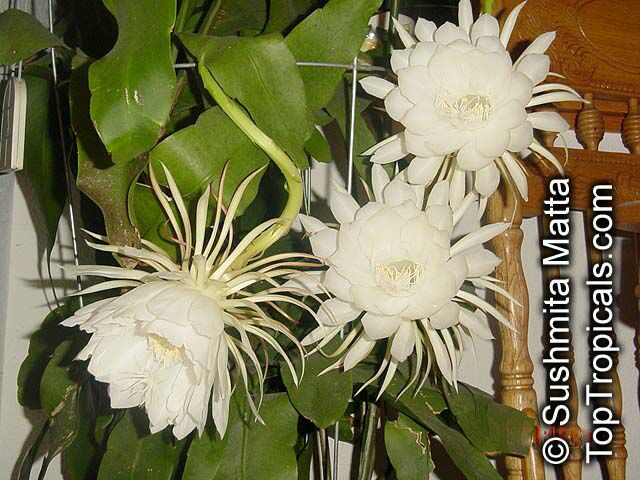
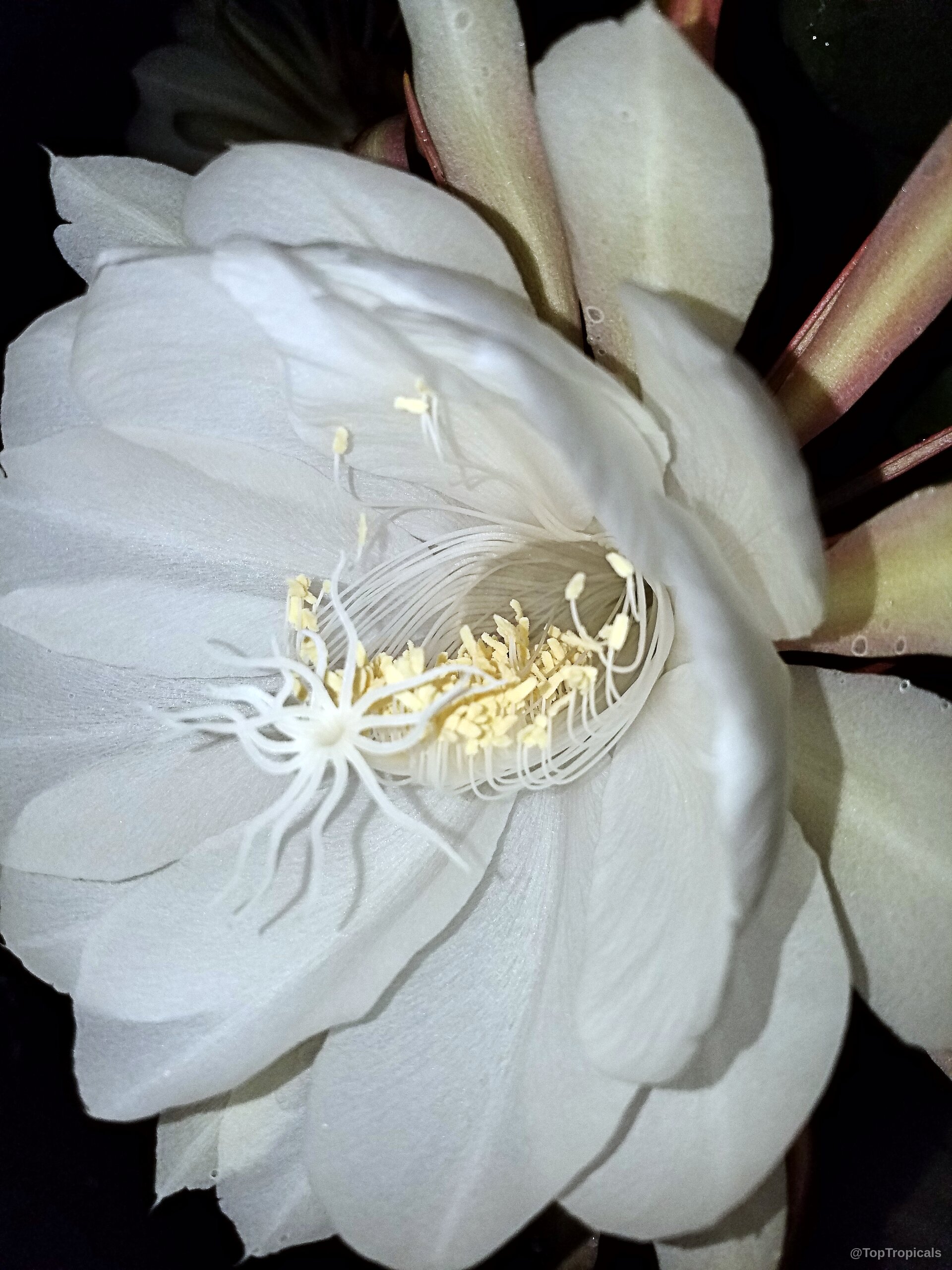
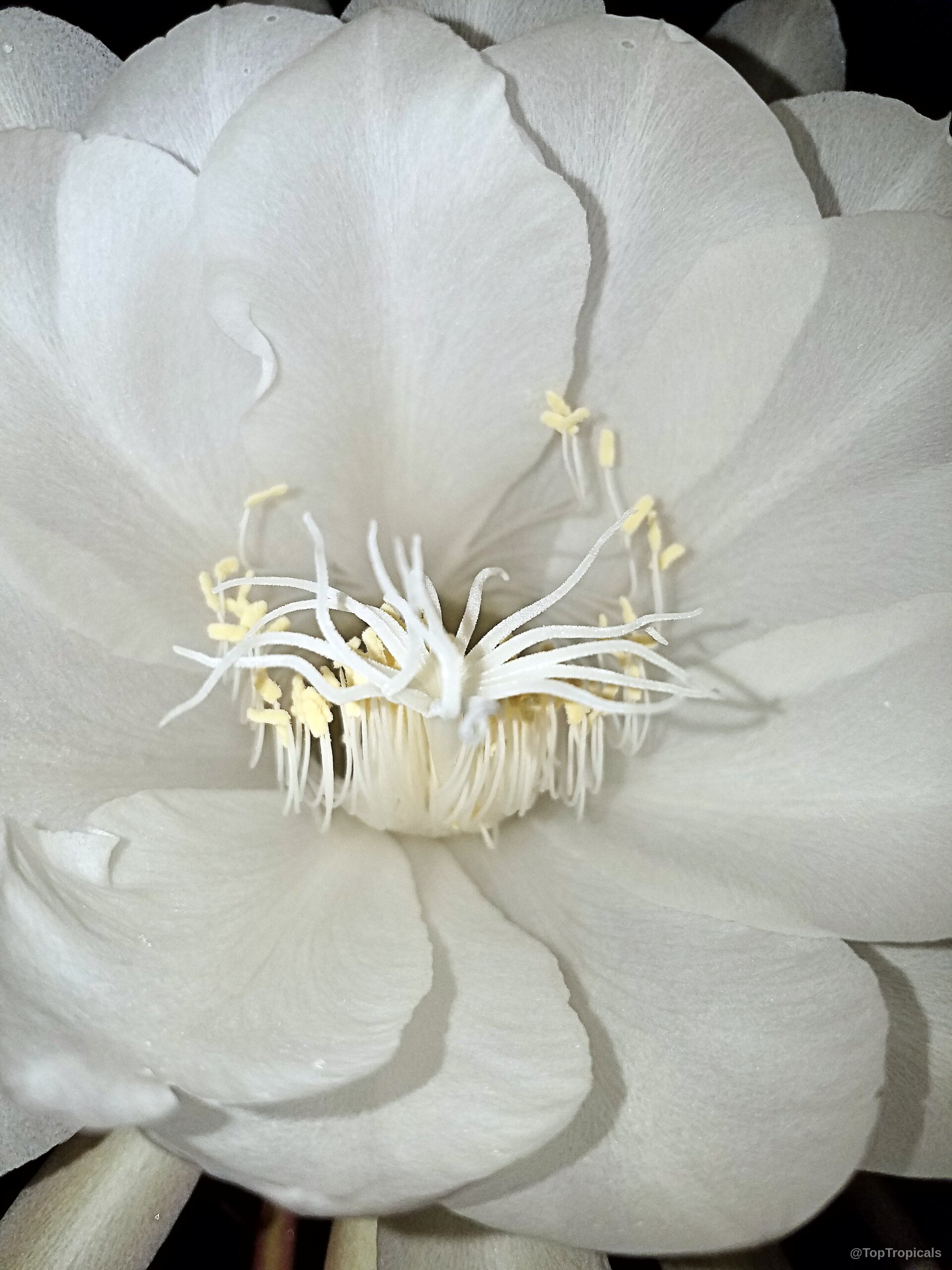
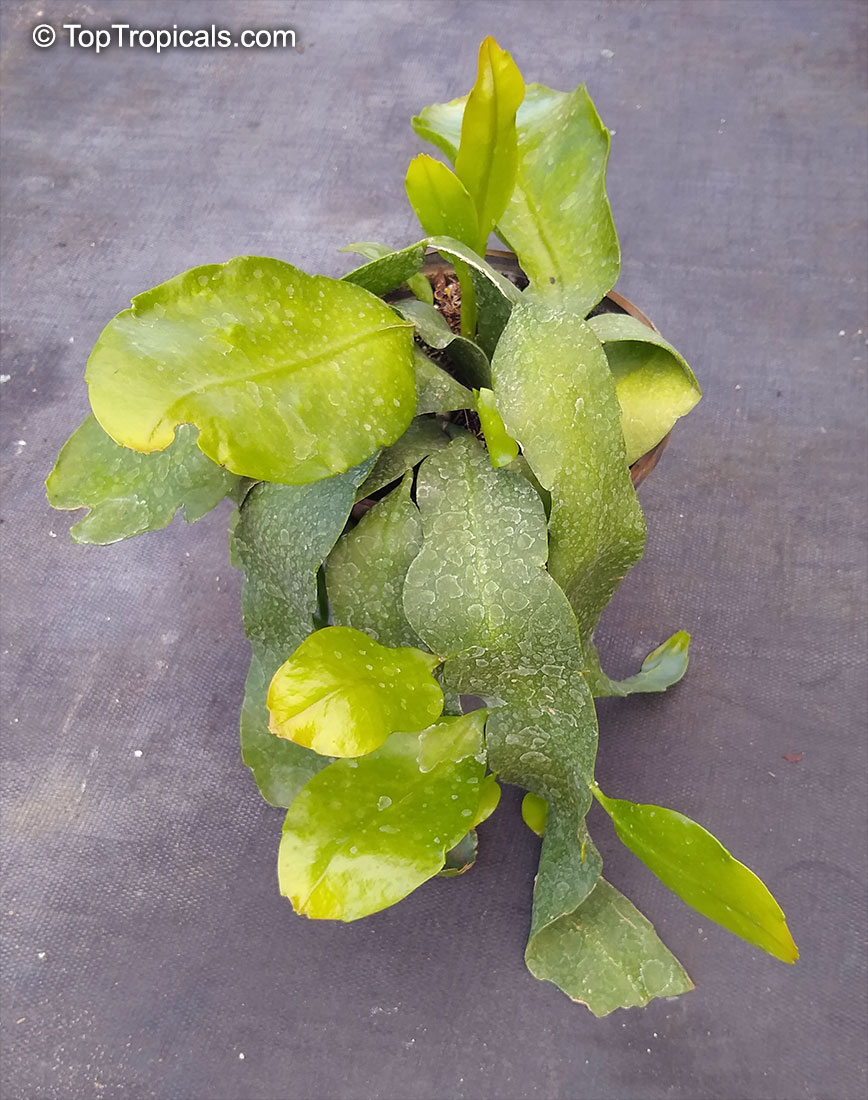
Botanical name: Epiphyllum oxypetalum
Common names: Belle de Nuit, Lady of the Night, Queen of the Night, Night blooming Cereus, Dutchman's Pipe
Family: Cactaceae
Origin: Central America
USDA Zone: 9-11


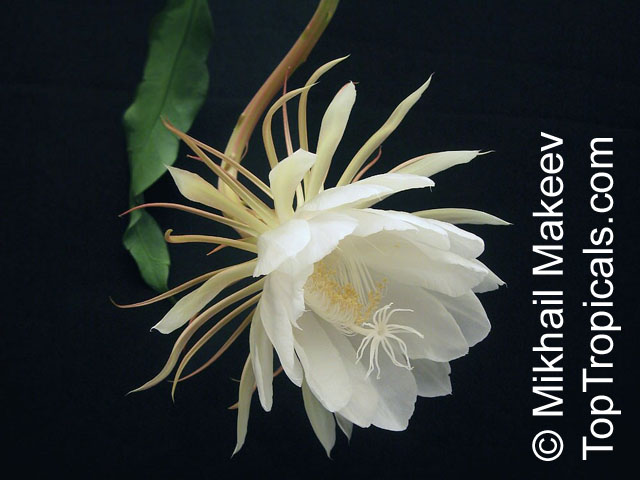
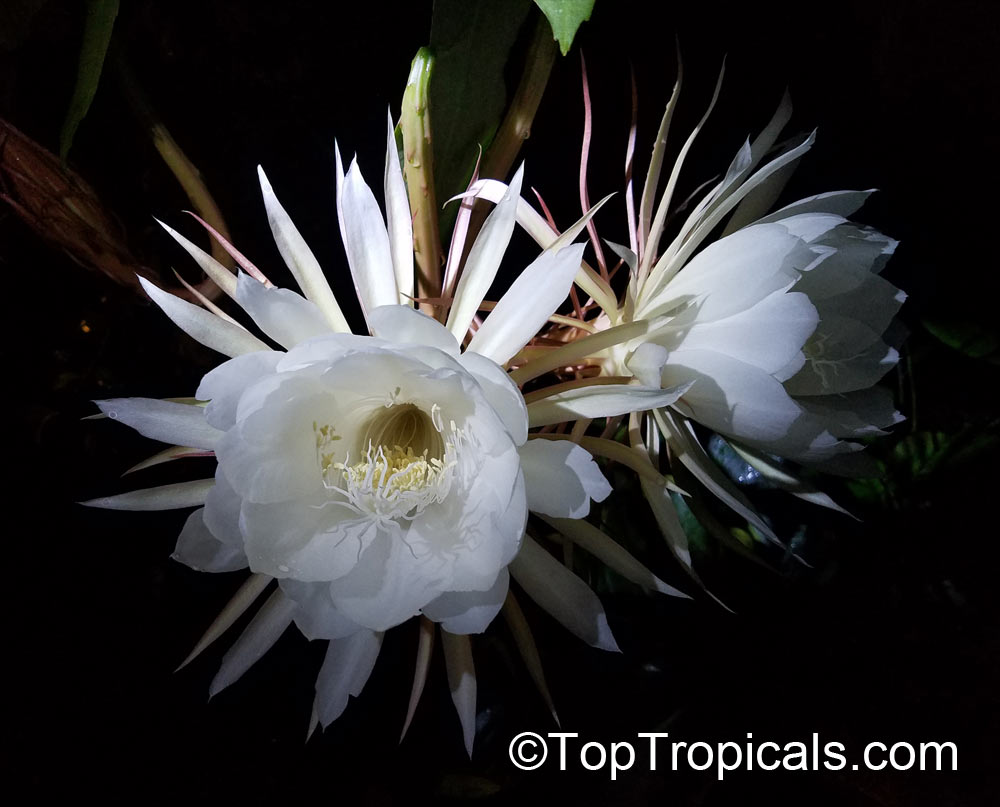
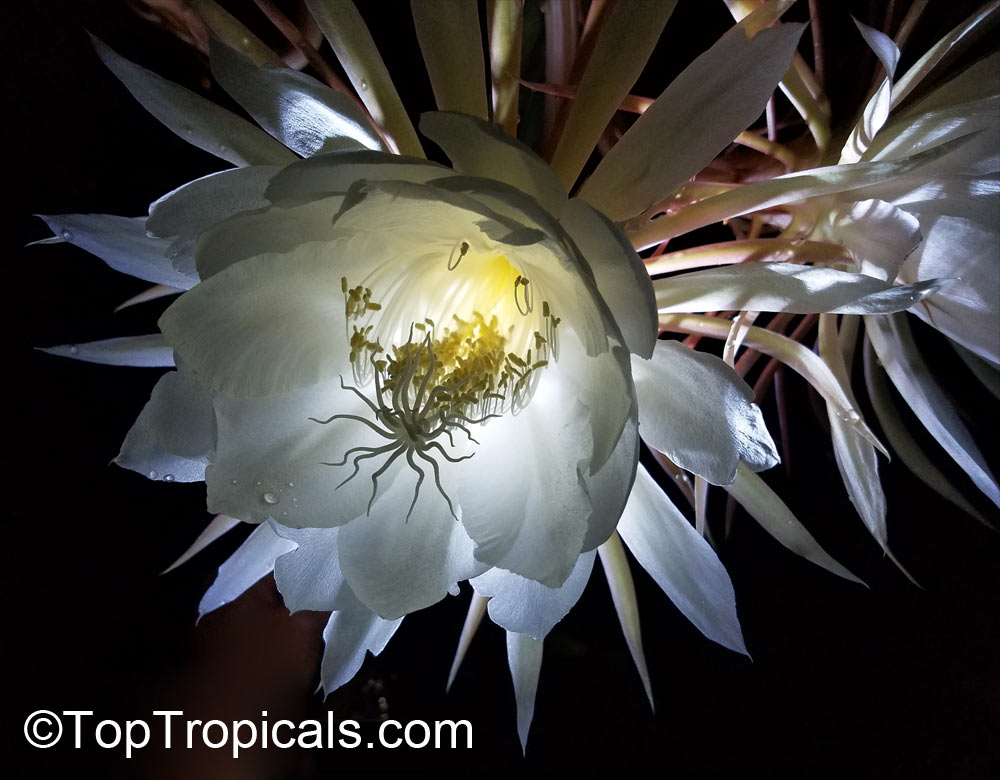
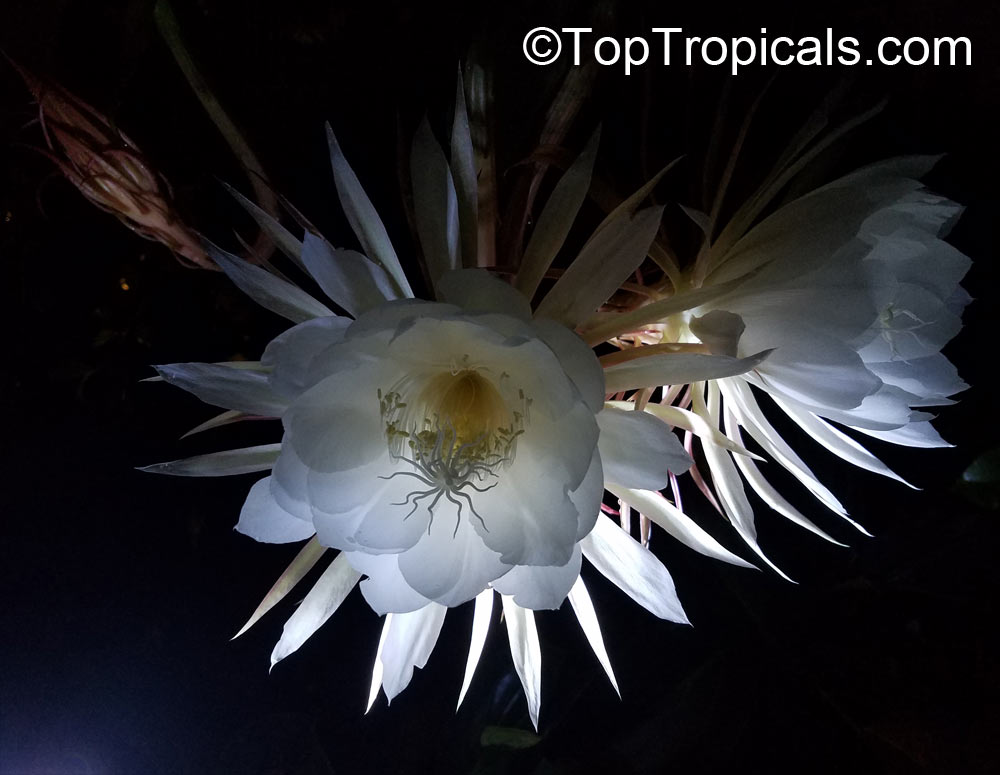
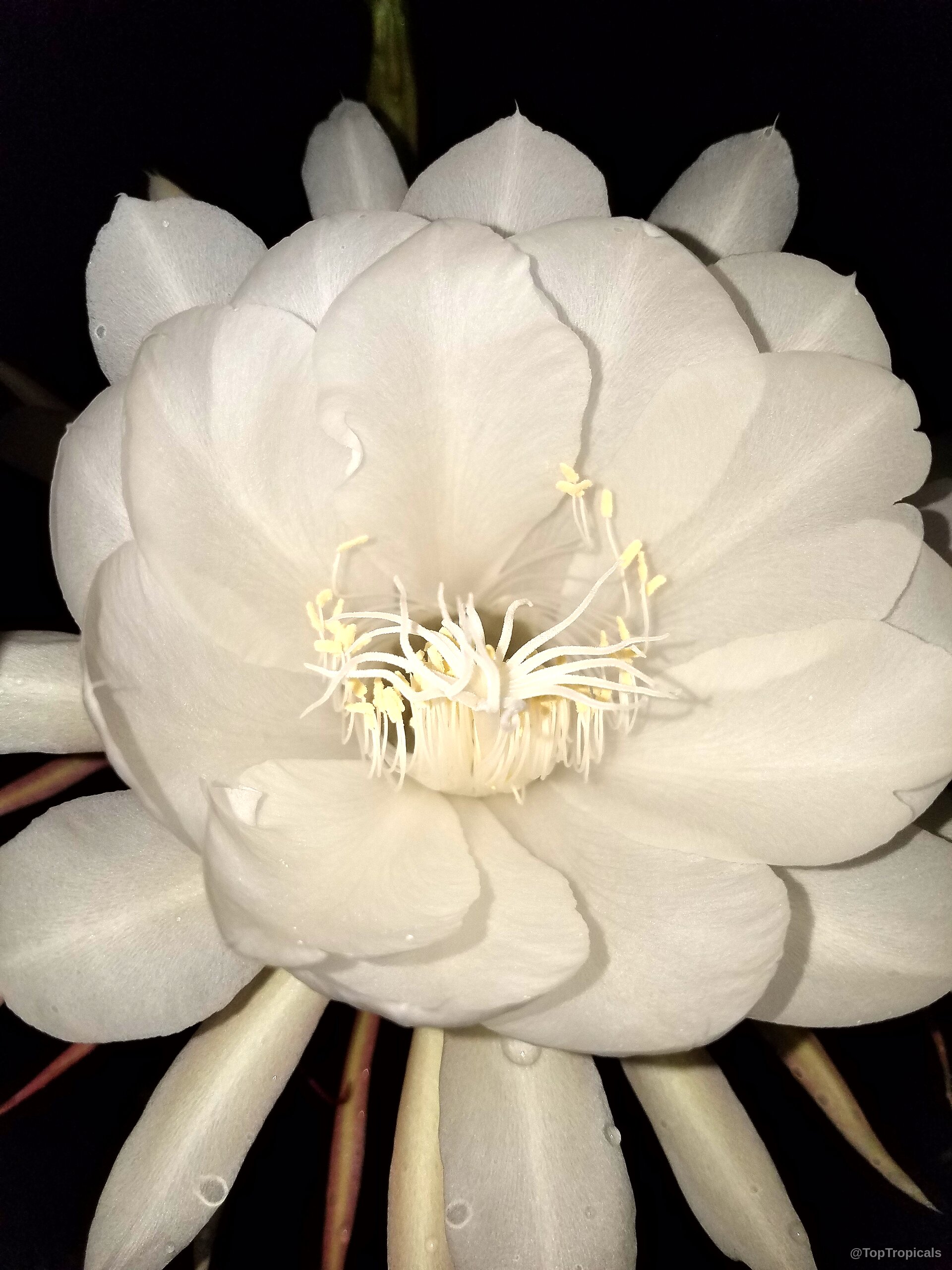
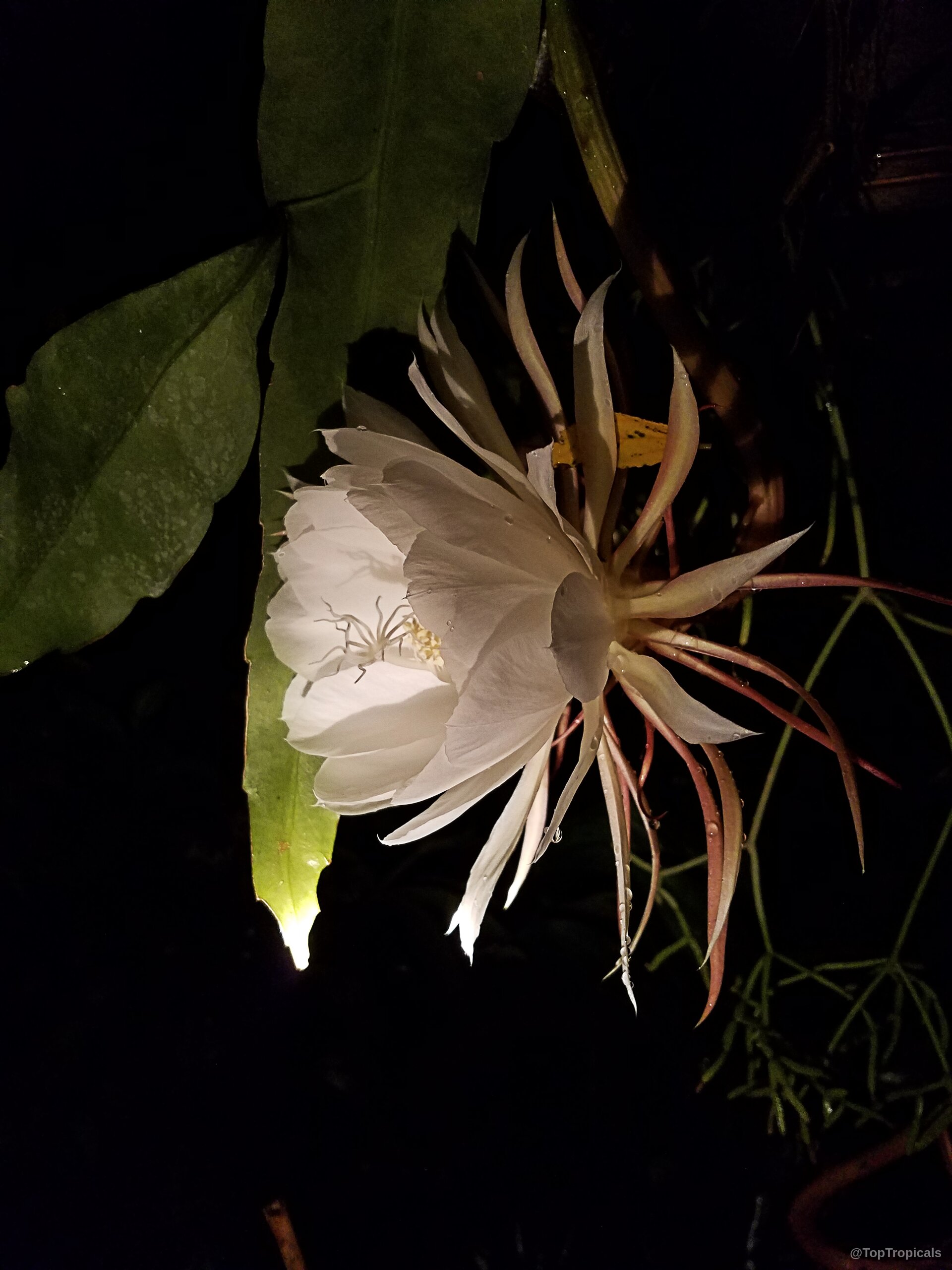
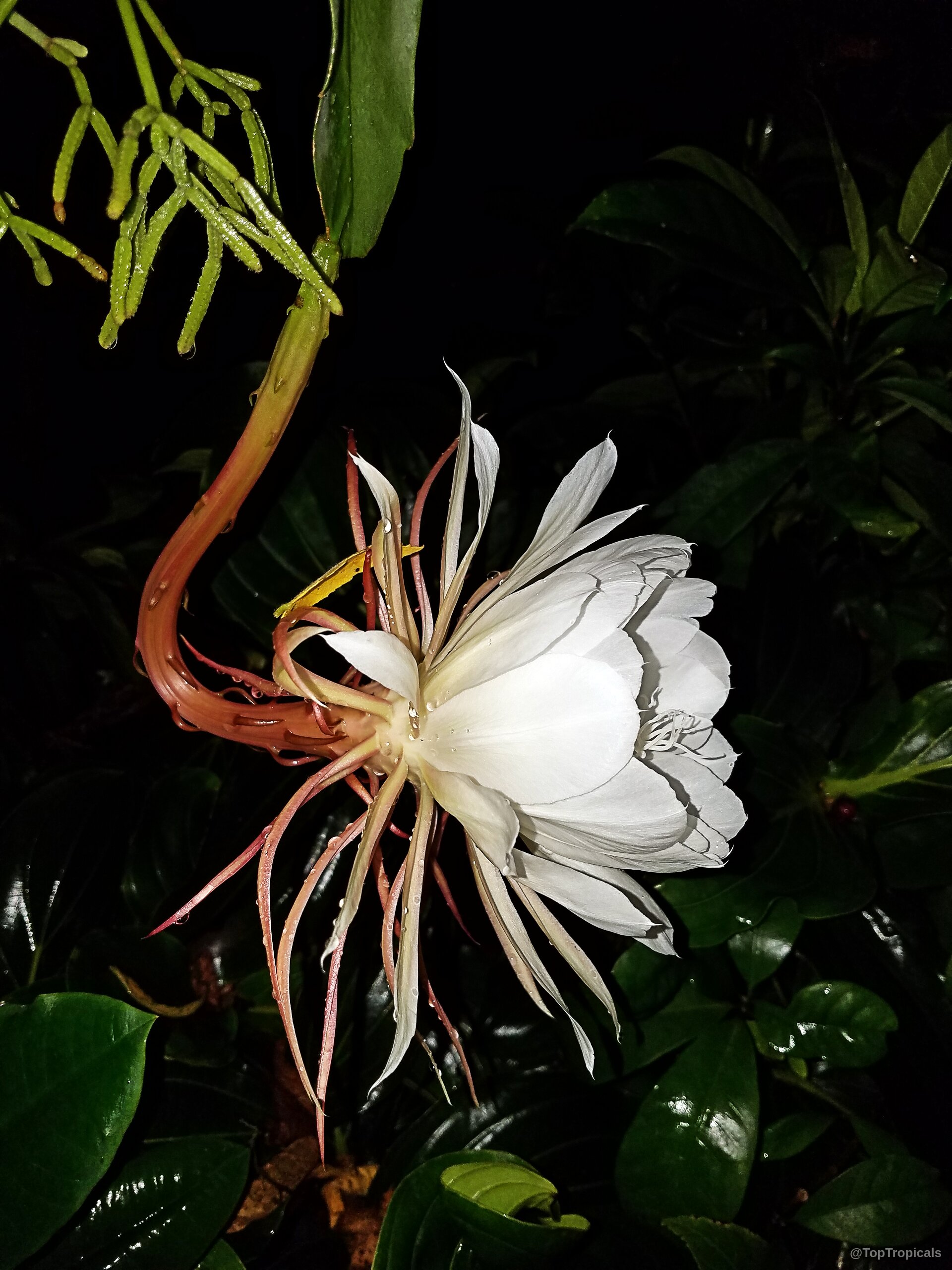
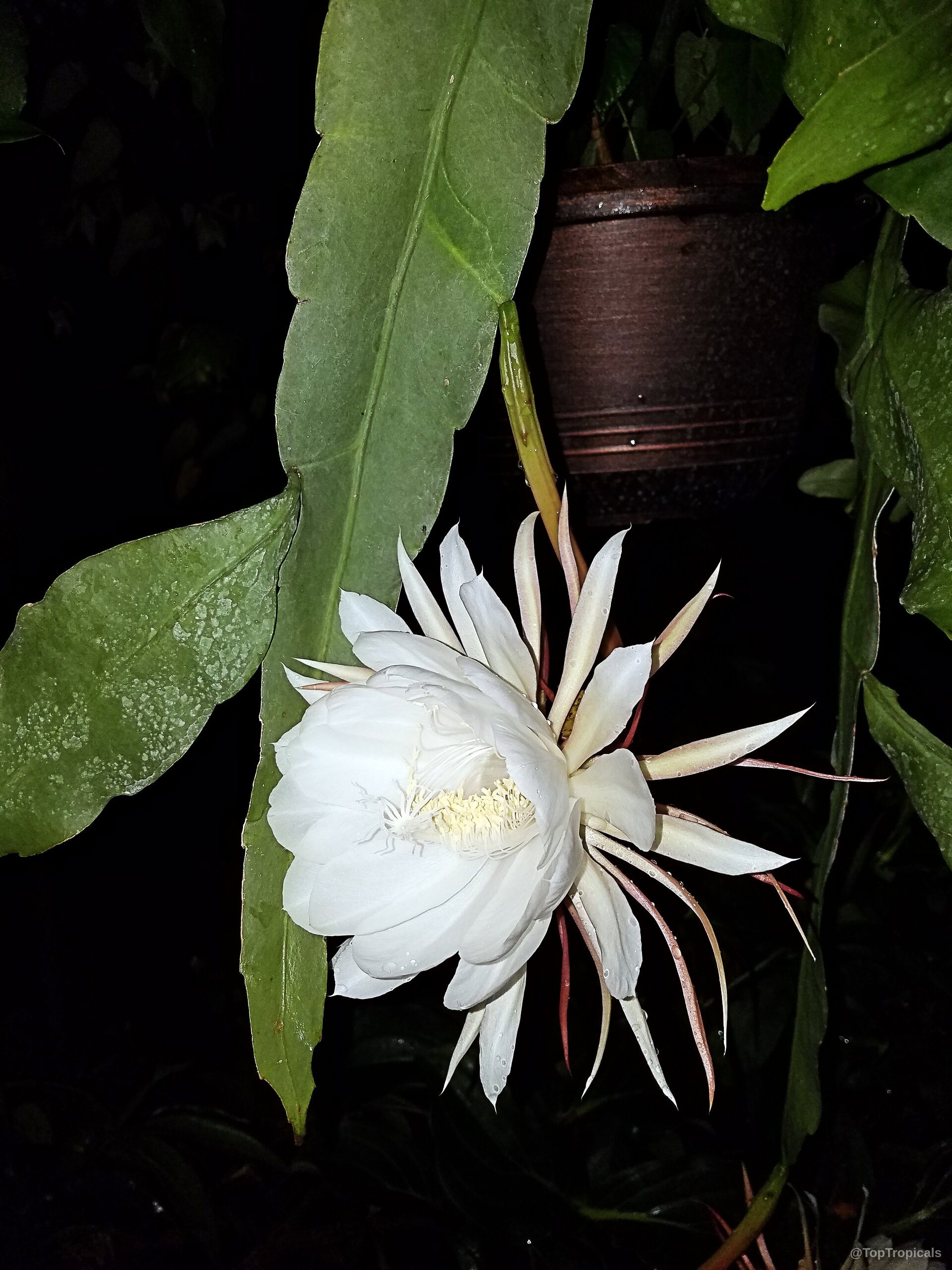
This special cactus grows in tropical rainforests and has large wide meaty leaves. The flower is huge, white, fragrant, and nocturnal. Blooms at night hours, hence the name. One of the most exotic indoor plants. The plant is common around Veracruz, Mexico, a coastal area that borders the Gulf of Mexico. In this area, the weather is extremely humid, and the temperatures vary quite broadly, from 60 to 120 F, with a rainy season that lasts from May to October.
Queen of the Night is a very popular and yet mysterious plant. The flowers open once a year after sunset for one night. However the flowering period can last a month or two during the warm season. So each flower lasts only one night, but there will be more flowers to come! In the Nature, Queen of the Night grows on trees in the jungles of Central and South America. It is very easy to grow as an indoor plant in colder climates. In tropical and subtropical areas, grown outside in hanging baskets.
If grown from cutting, it may take 2-3 years until the plant starts blooming.
Propagation Methods: by dividing rhizomes, tubers, corms or bulbs (including offsets); leaf cuttings, herbaceous stem cuttings.
Synonyms: Epiphyllum latifrons, Phyllocactus acuminatus, Epiphyllum acuminatum, Epiphyllum grande, Phyllocactus latifrons, Cereus latifrons, Phyllocactus oxypetalus, Cereus oxypetalus, Phyllocactus grandis.











Recommended Fertilizer: SUNSHINE Robusta - Rapid Growth Booster
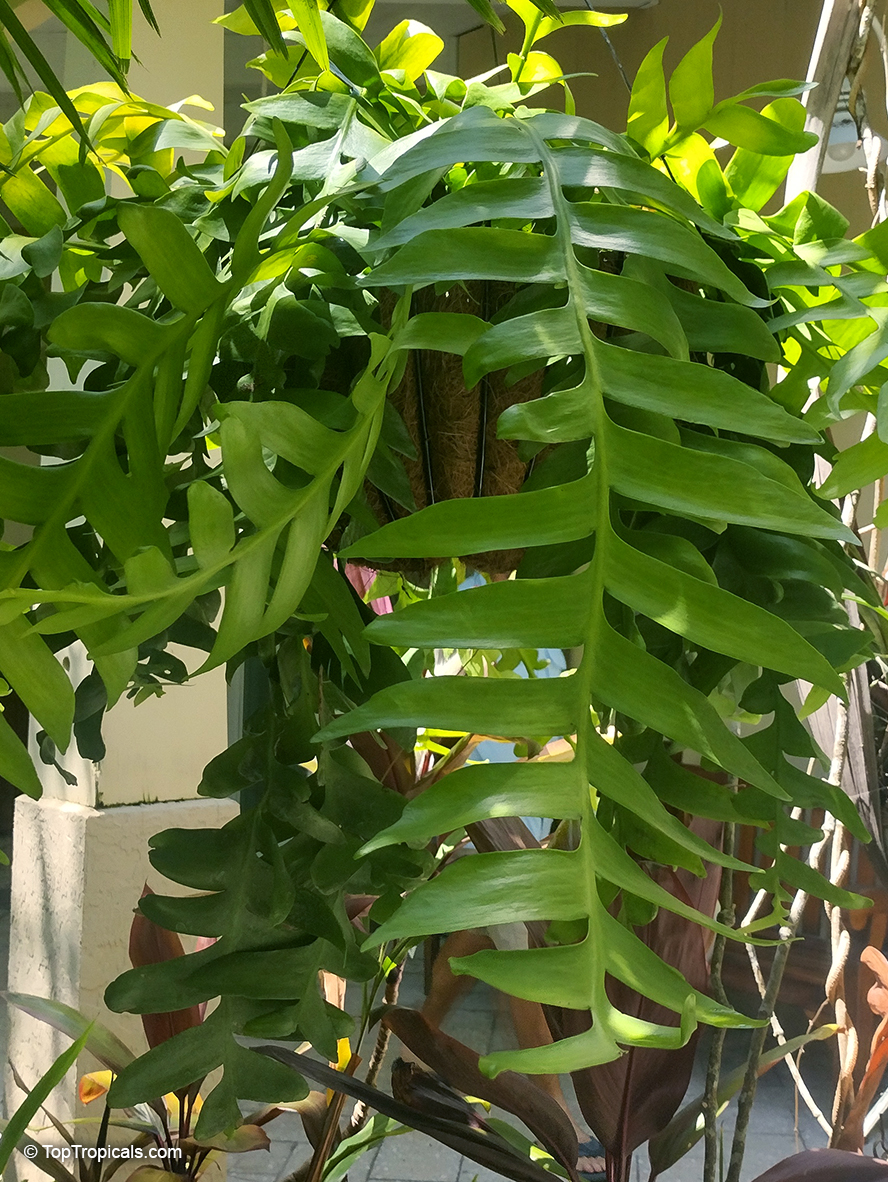
Botanical names: Selenicereus chrysocardium, Epiphyllum chrysocardium, Marniera chrysocardium
Common names: Marniera, Fern Leaf
Family: Cactaceae
Origin: Mexico
USDA Zone: 10-11
Very interesting plant. It is in the epiphyllum group and is easy to propagate and grow. It has angled stems, producing aerial roots, and white, beautiful flowers but is great to have just for its striking leaves. Flowers are large and nocturnal, pollinated by moths or rarely bats. The receptacle bears small bracts, hairs and usually spines. Fruits bear numerous spines. Flowers are generally produced in abundance with mature plants and are white and are very fragrant and usually last a single night.
Epiphytic in wet forests, keep the soil moist and well drained.
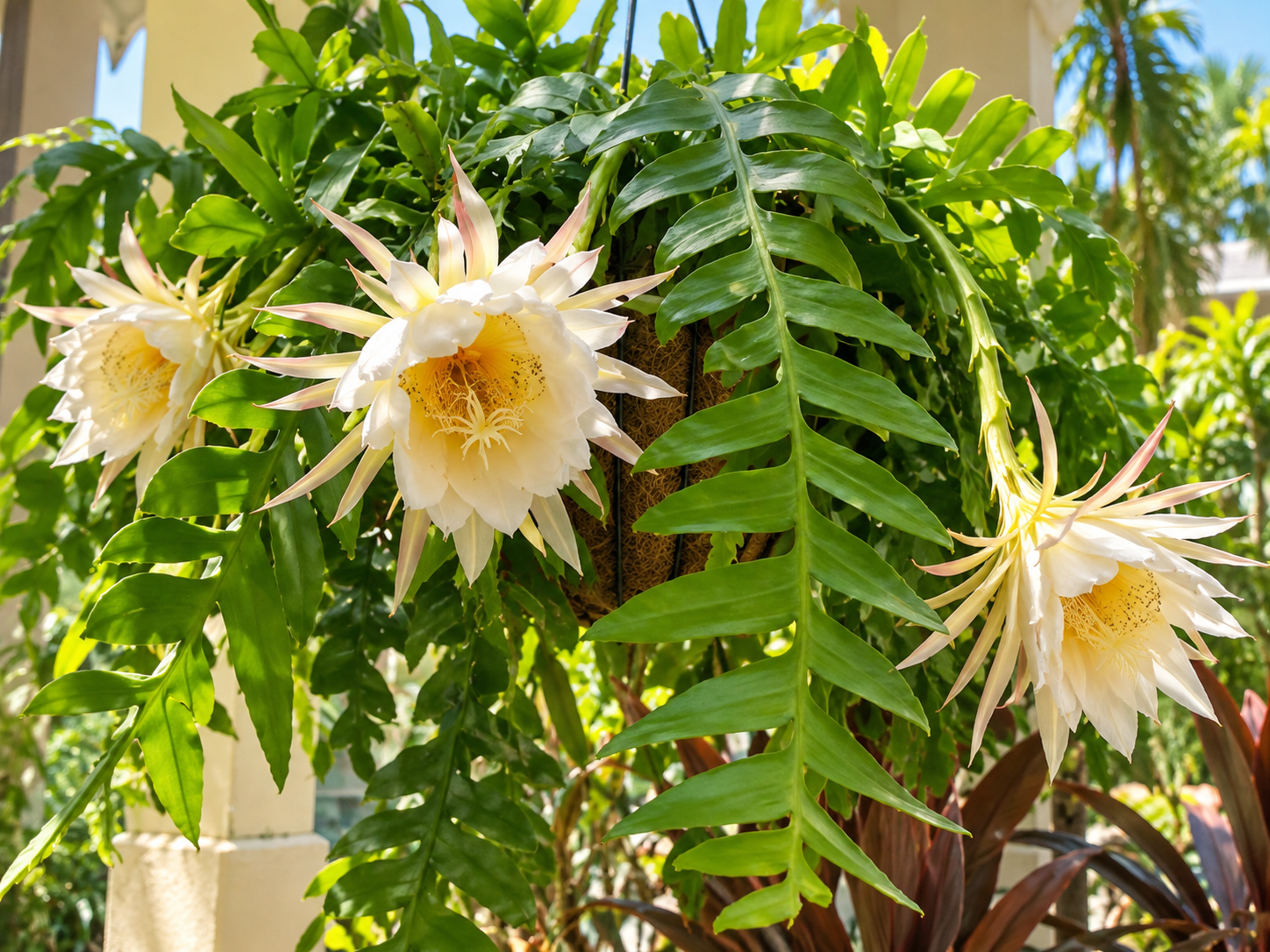
And then come the flowers! Mature plants can produce enormous, fragrant white blooms with long, delicate outer petals, opening at night and lasting only until the next day. The flowers alone are worth waiting for - but with foliage this striking, you really don't have to. A fantastic collector's epiphytic cactus that makes a statement year-round.
Recommended Fertilizer: SUNSHINE Robusta - Rapid Growth Booster

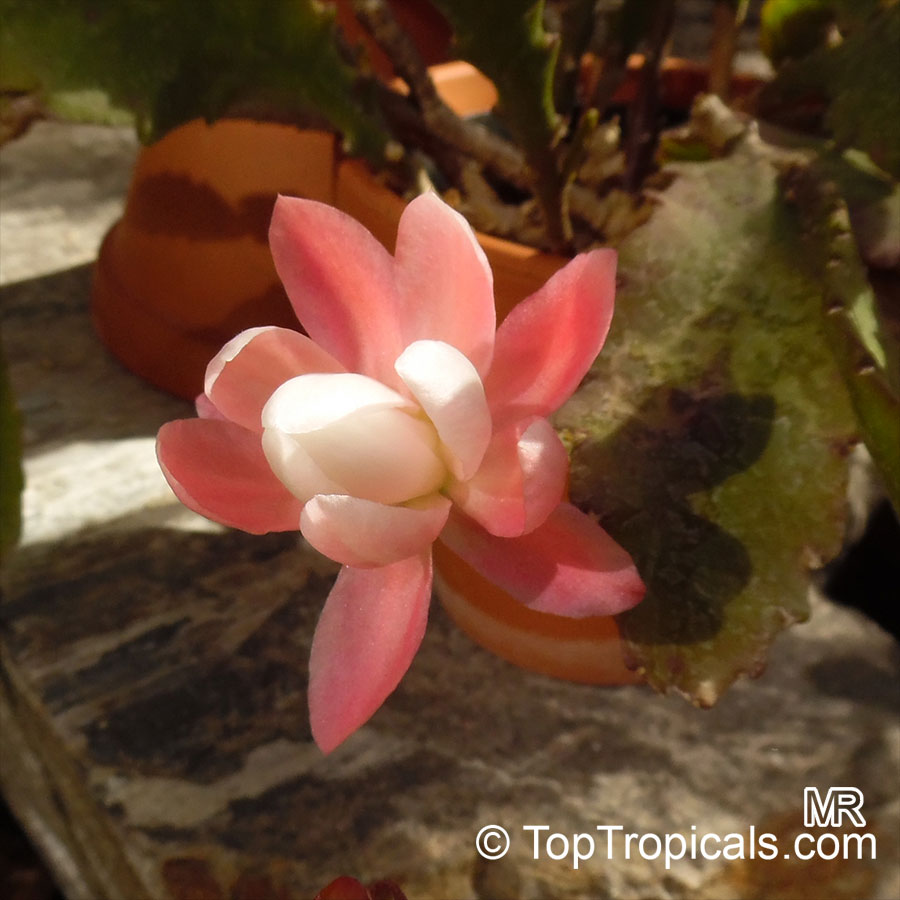
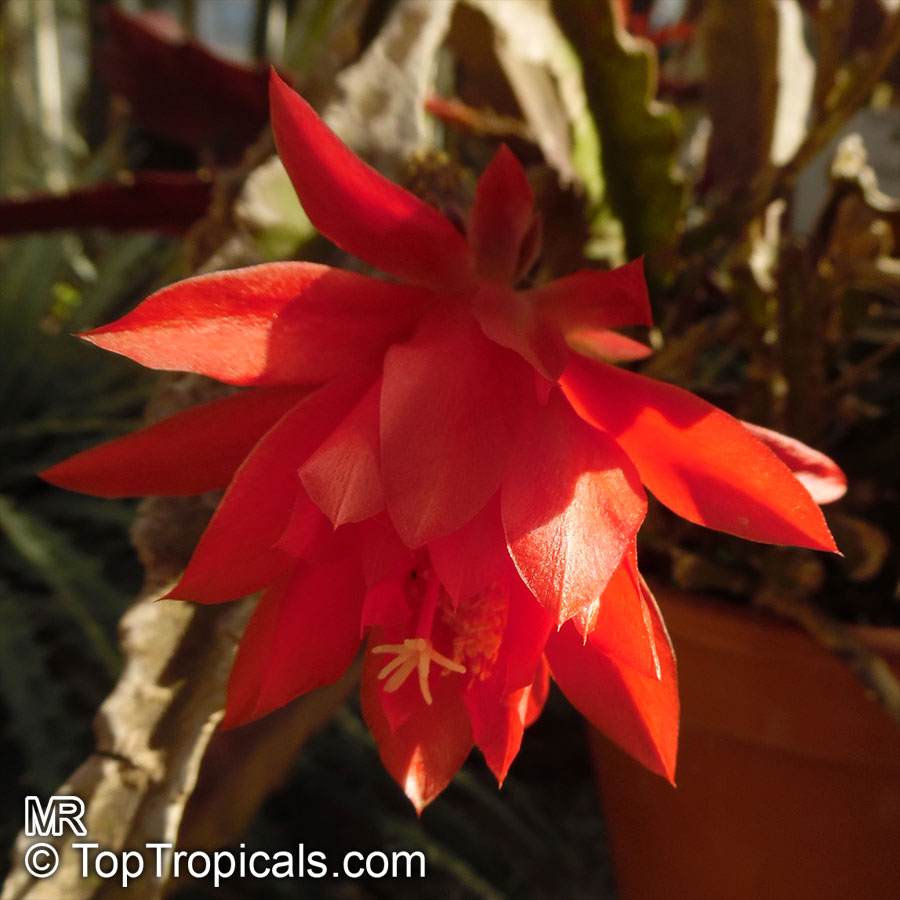
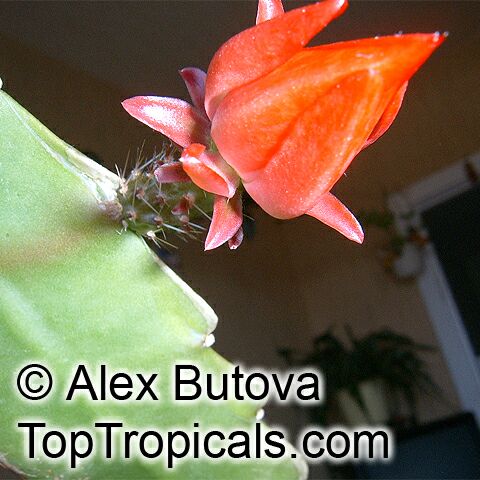
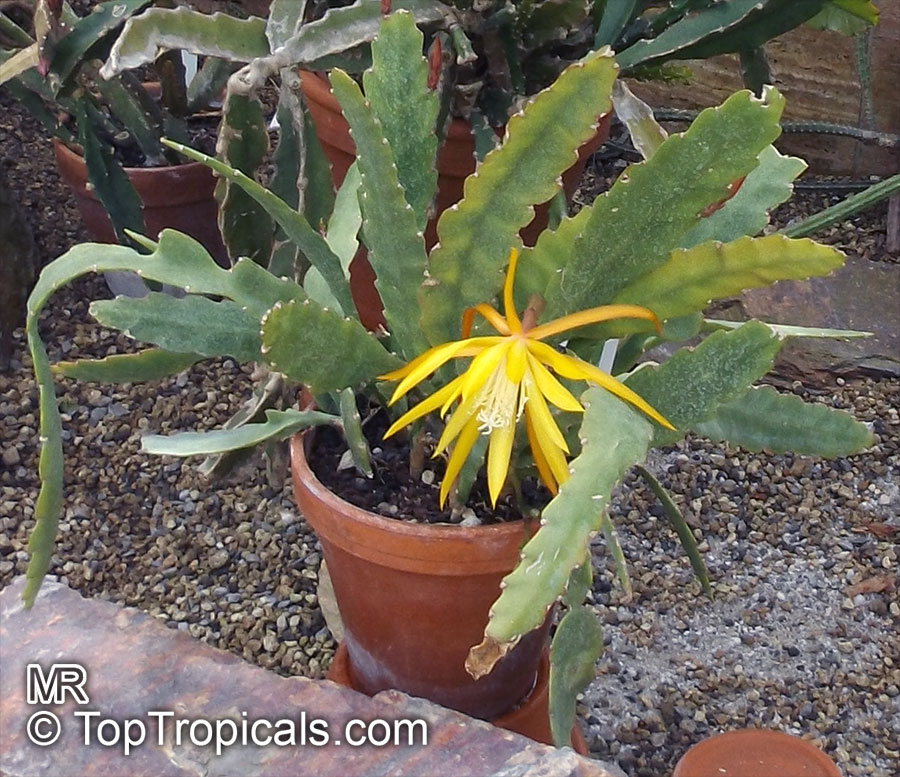
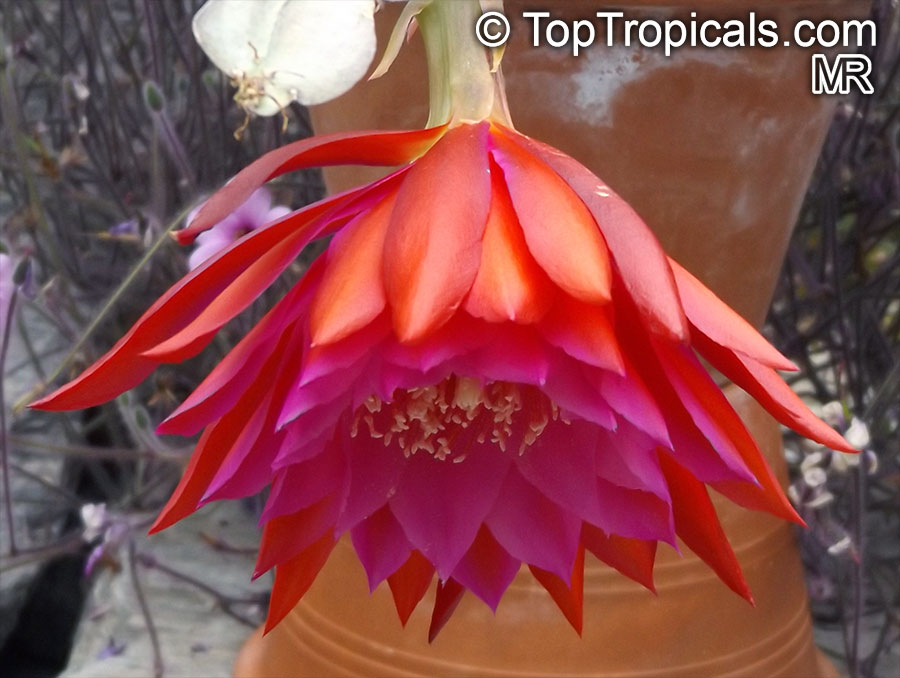
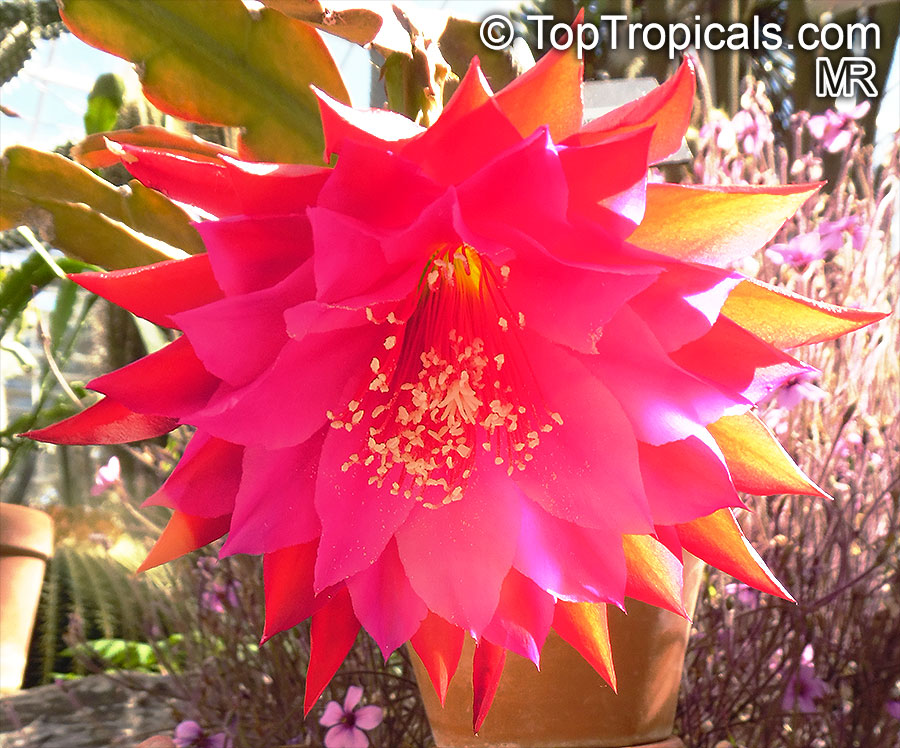
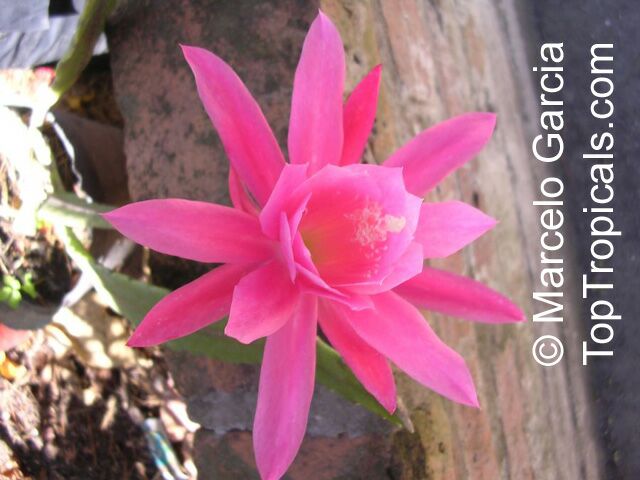
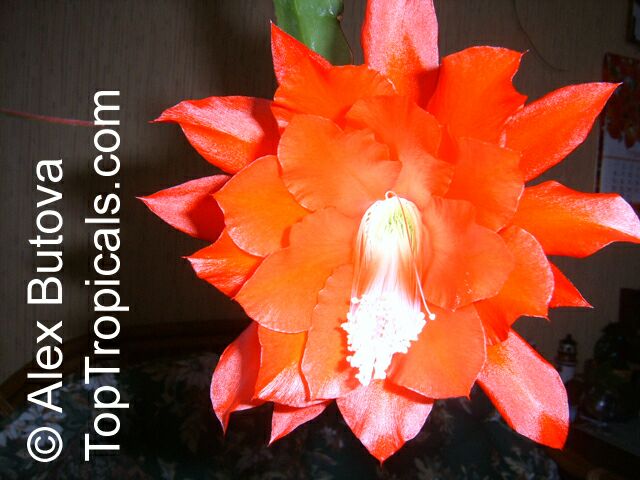
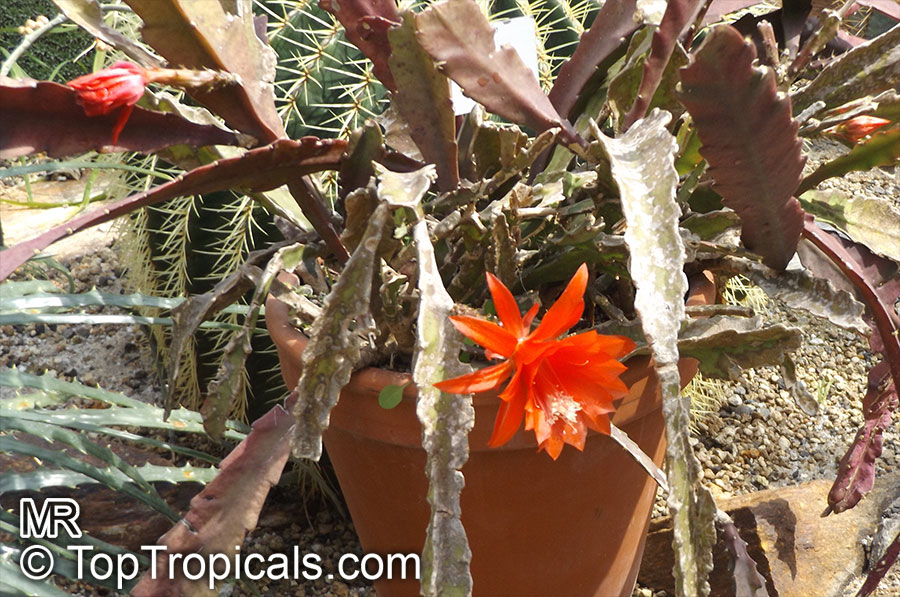
Botanical name: Epiphyllum sp.
Common names: Orchid Cactus, Leaf Cactus
Family: Cactaceae
Origin: Central America
USDA Zone: 9-10

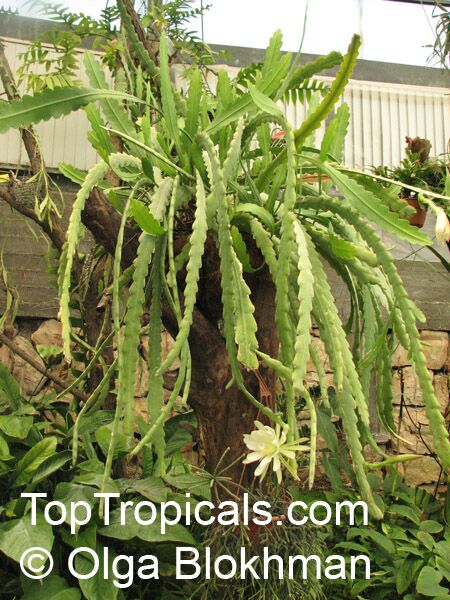
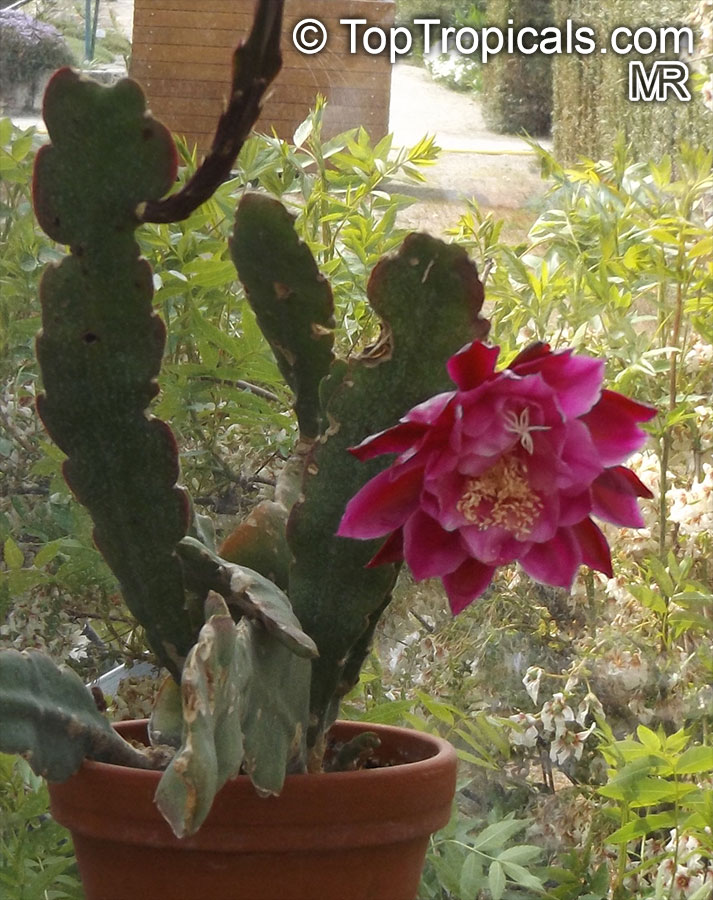
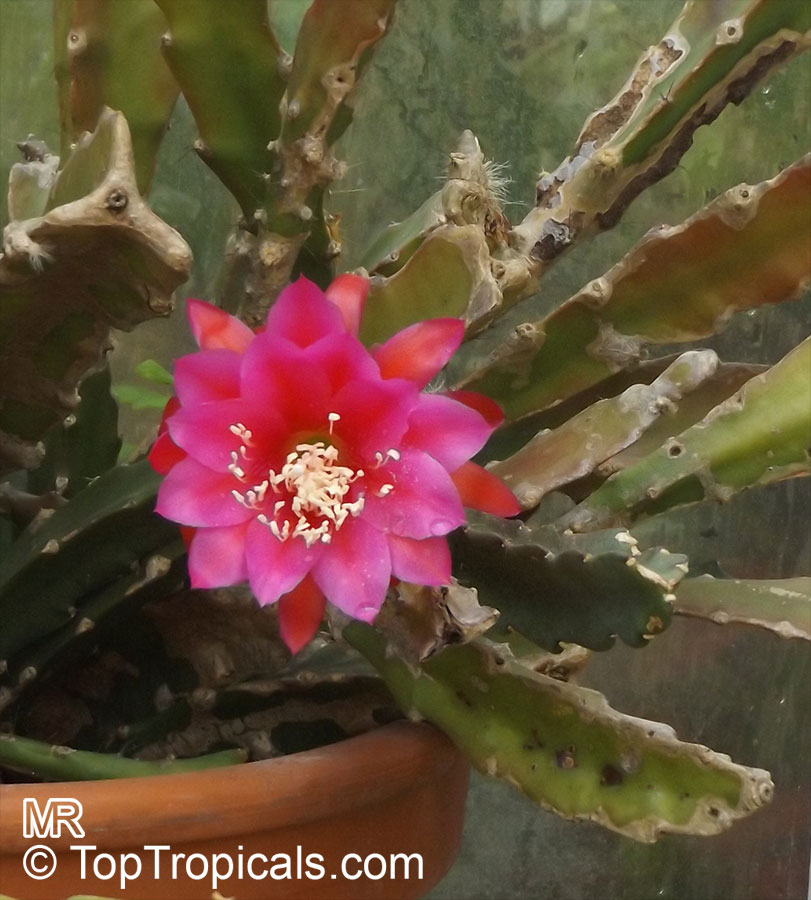
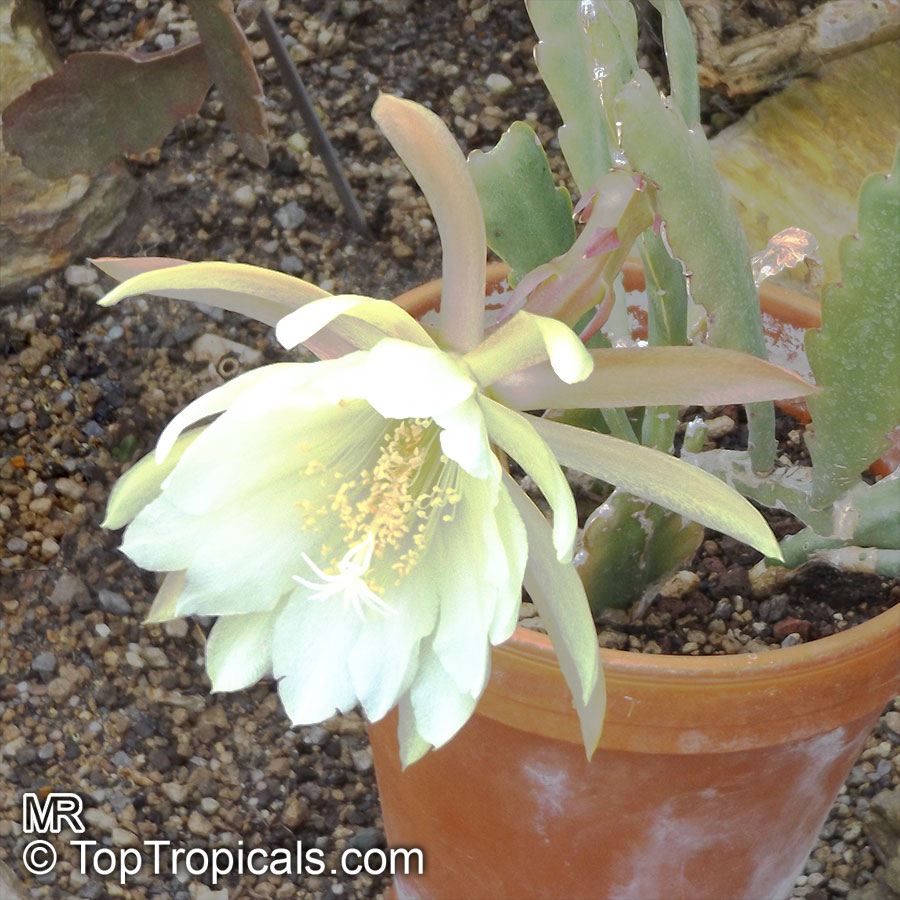
Epiphyllums are very popular house plants, with numerous hybrids and cultivars produced.
The flowers are large, 8-16 cm diameter, white to red, with numerous petals.
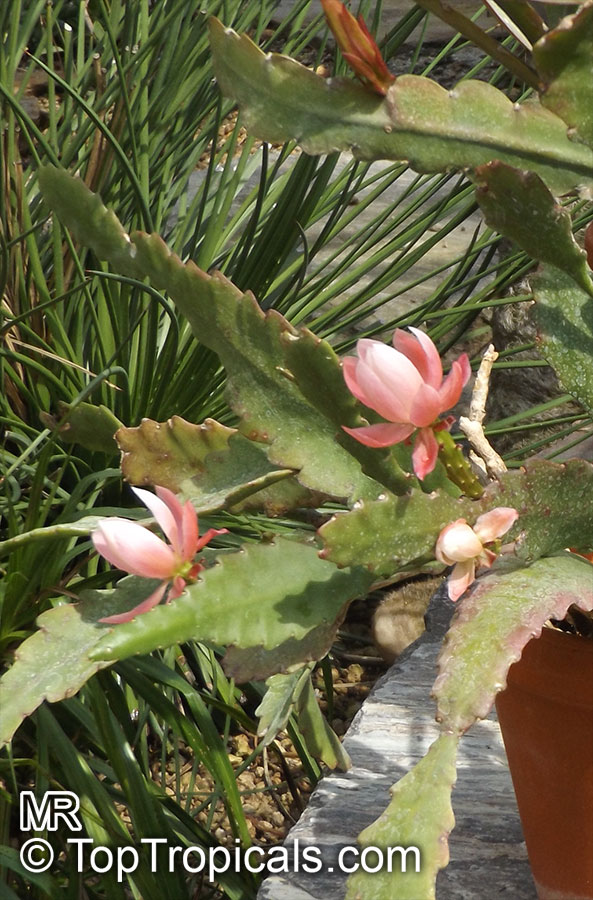
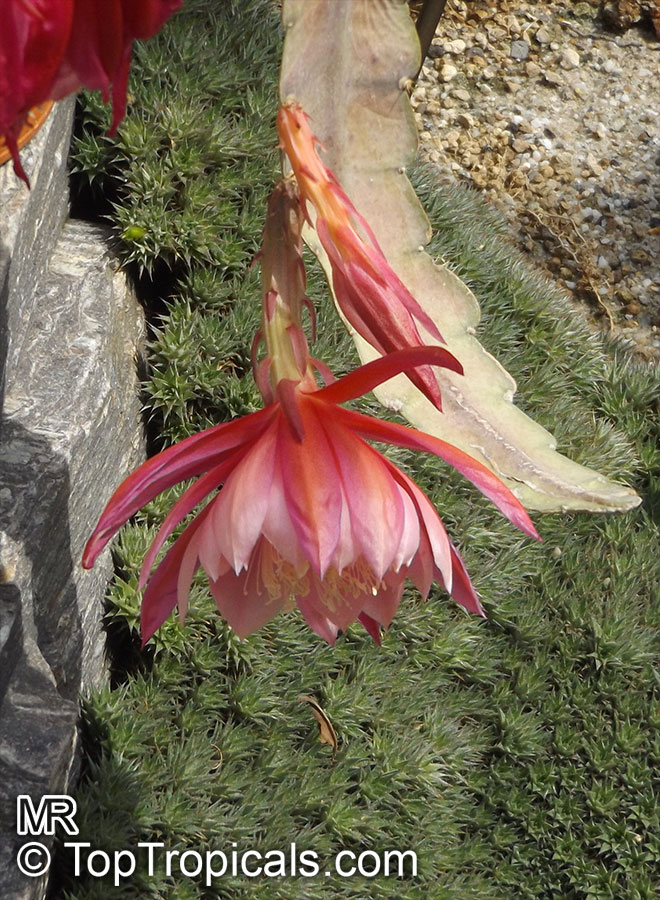
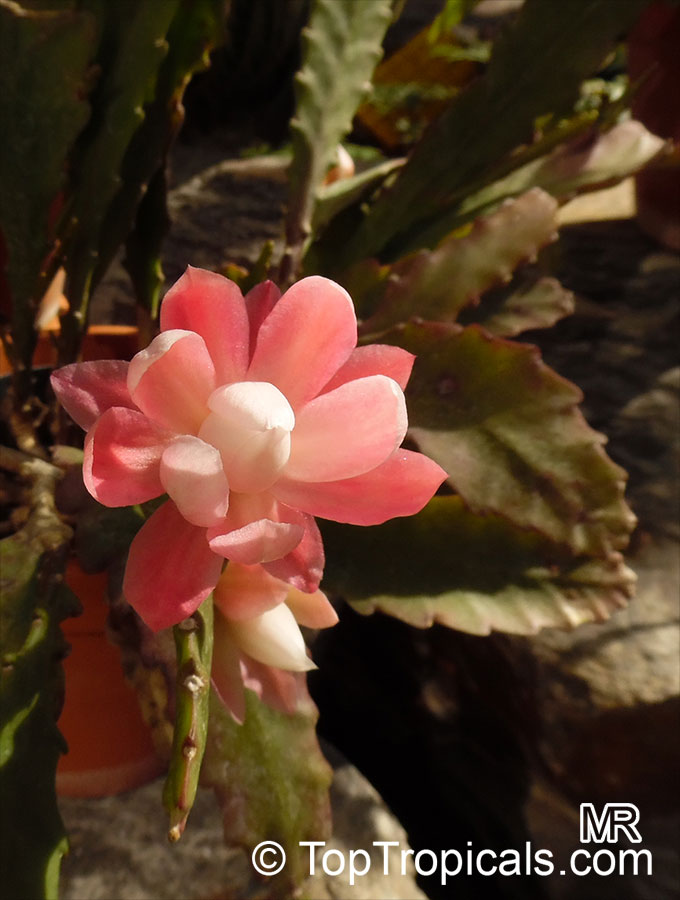


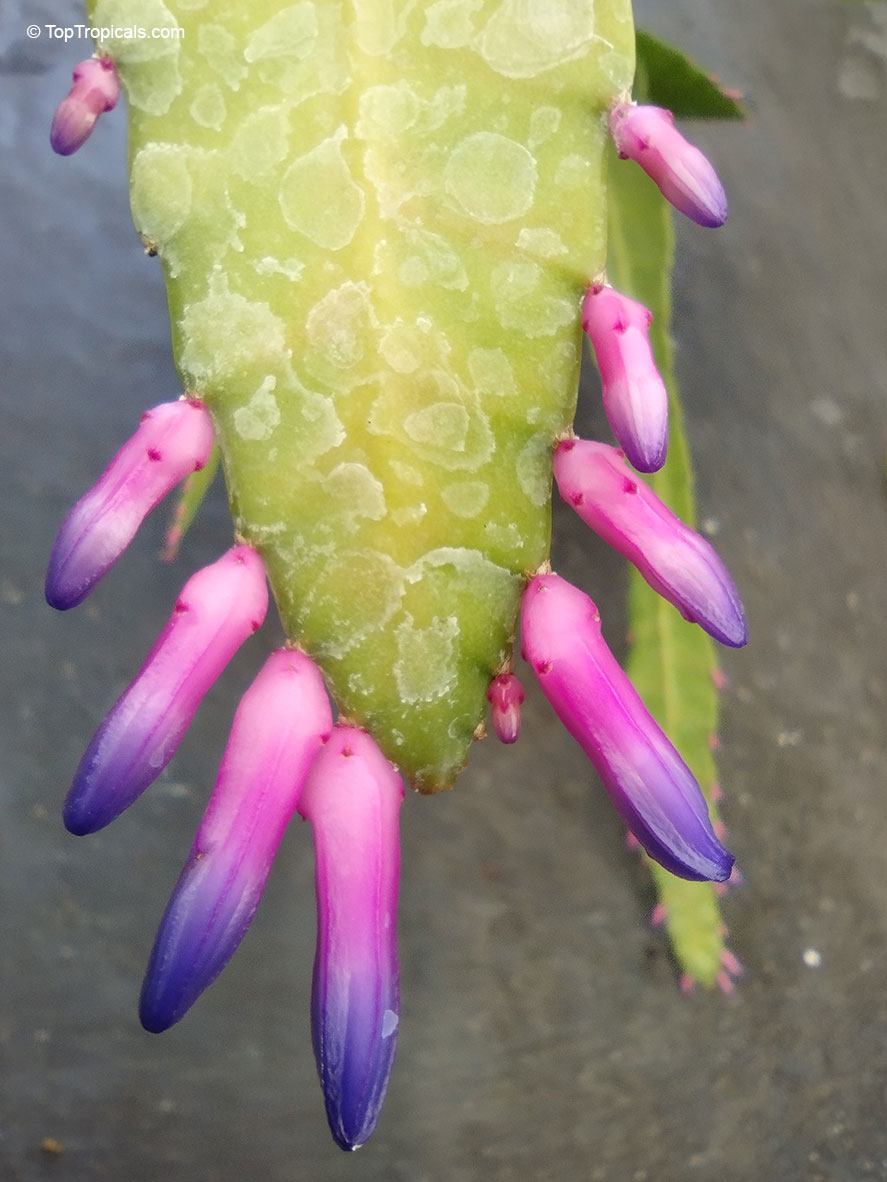
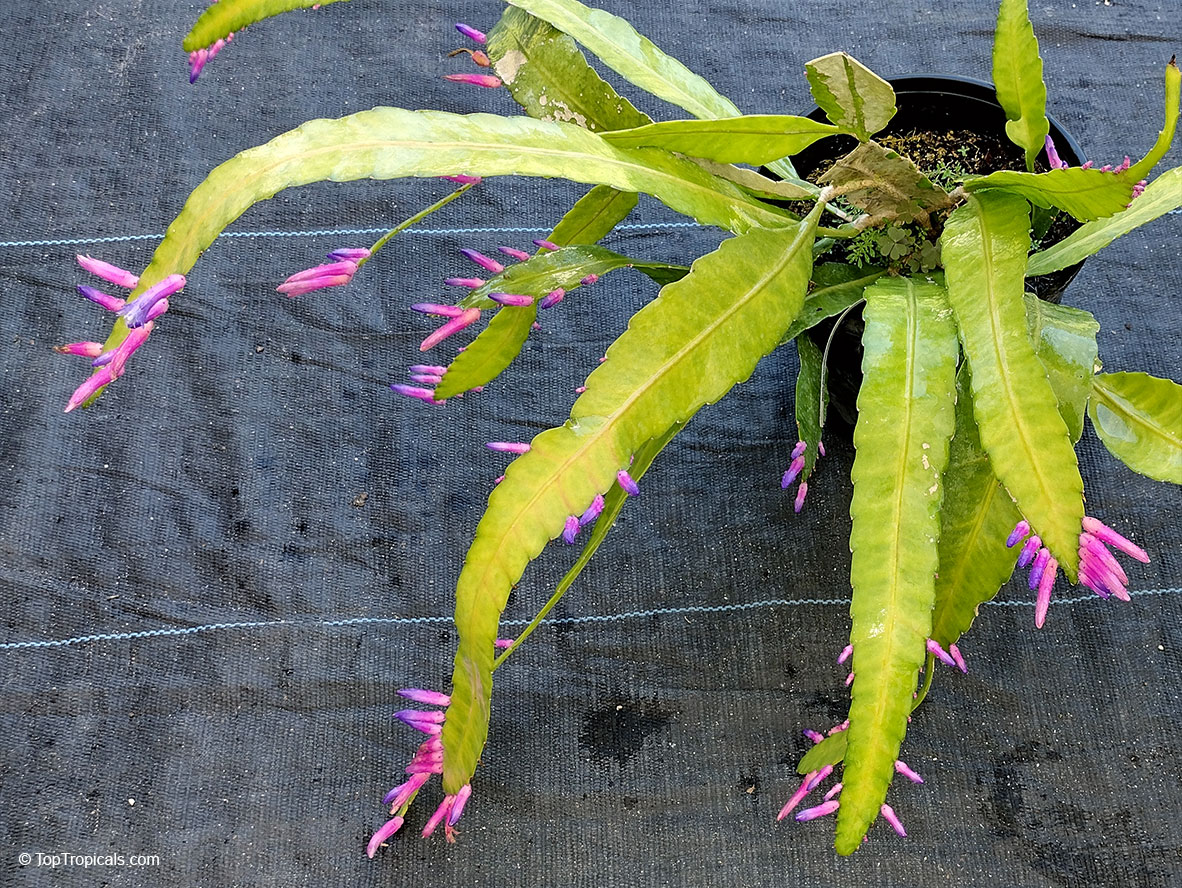
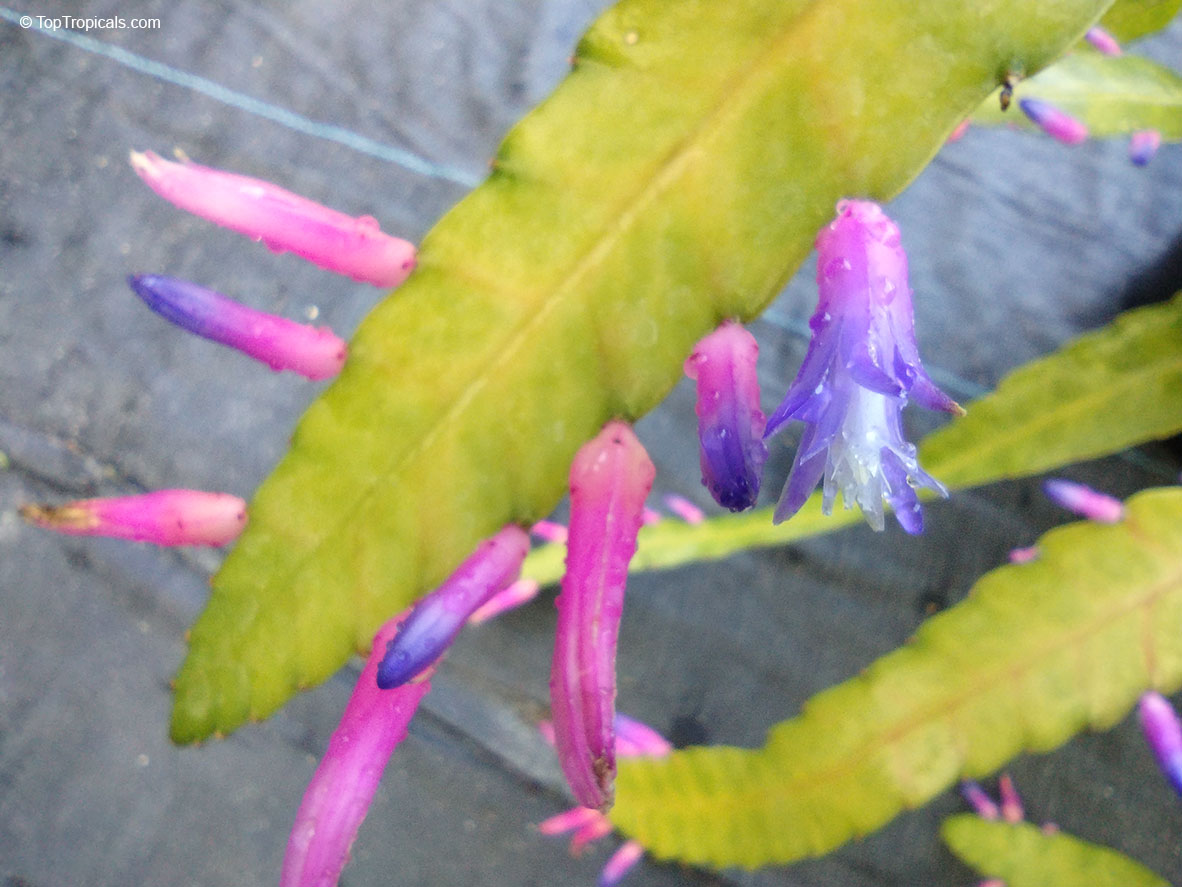
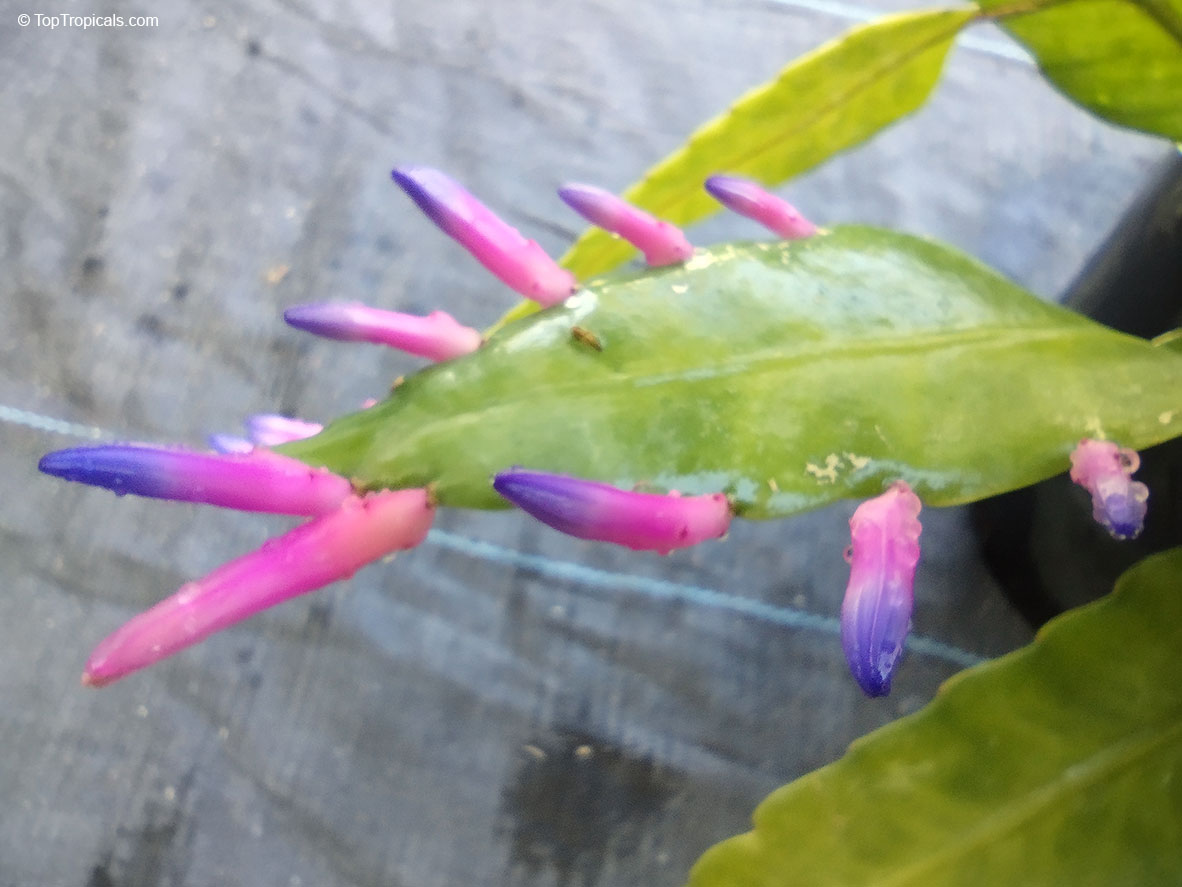
Botanical names: Pseudorhipsalis amazonica, Wittia Amazonica, Disocactus amazonicus, Wittiocactus amazonicus
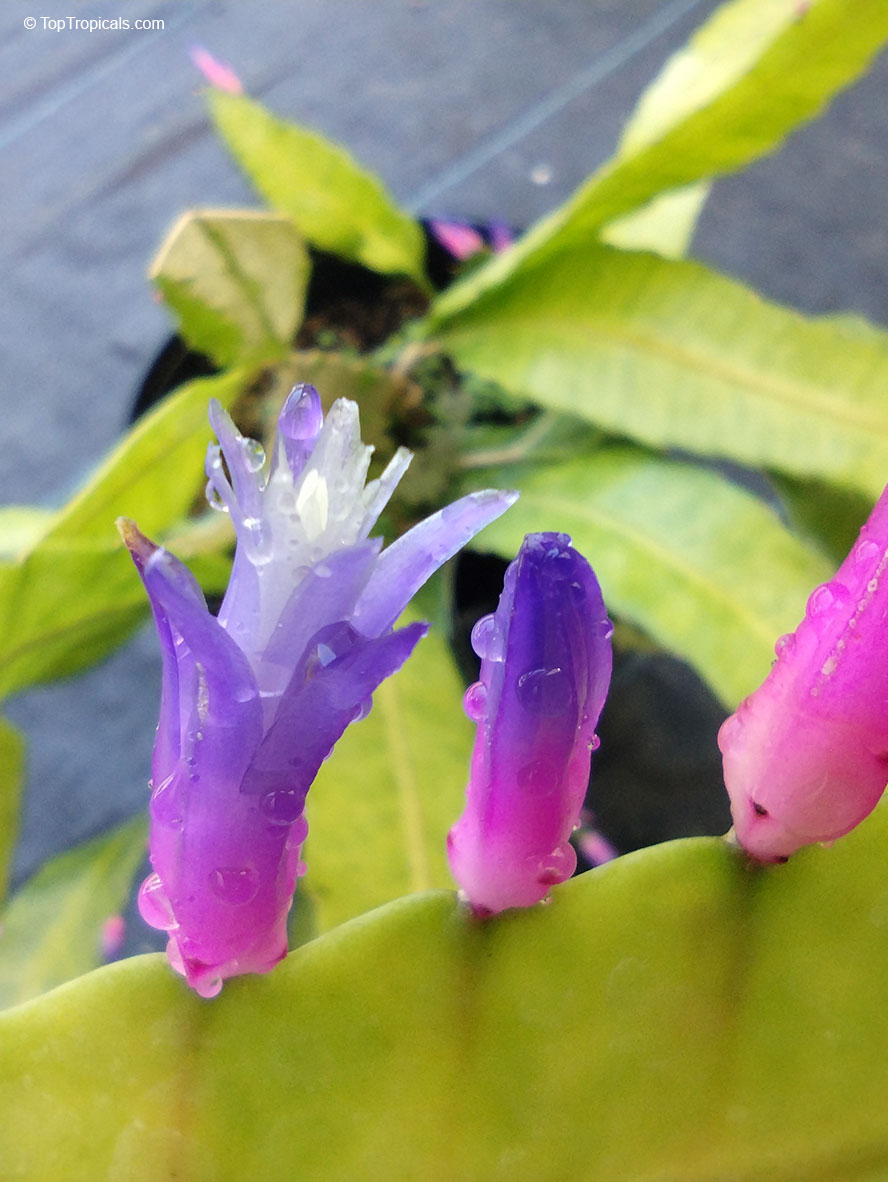
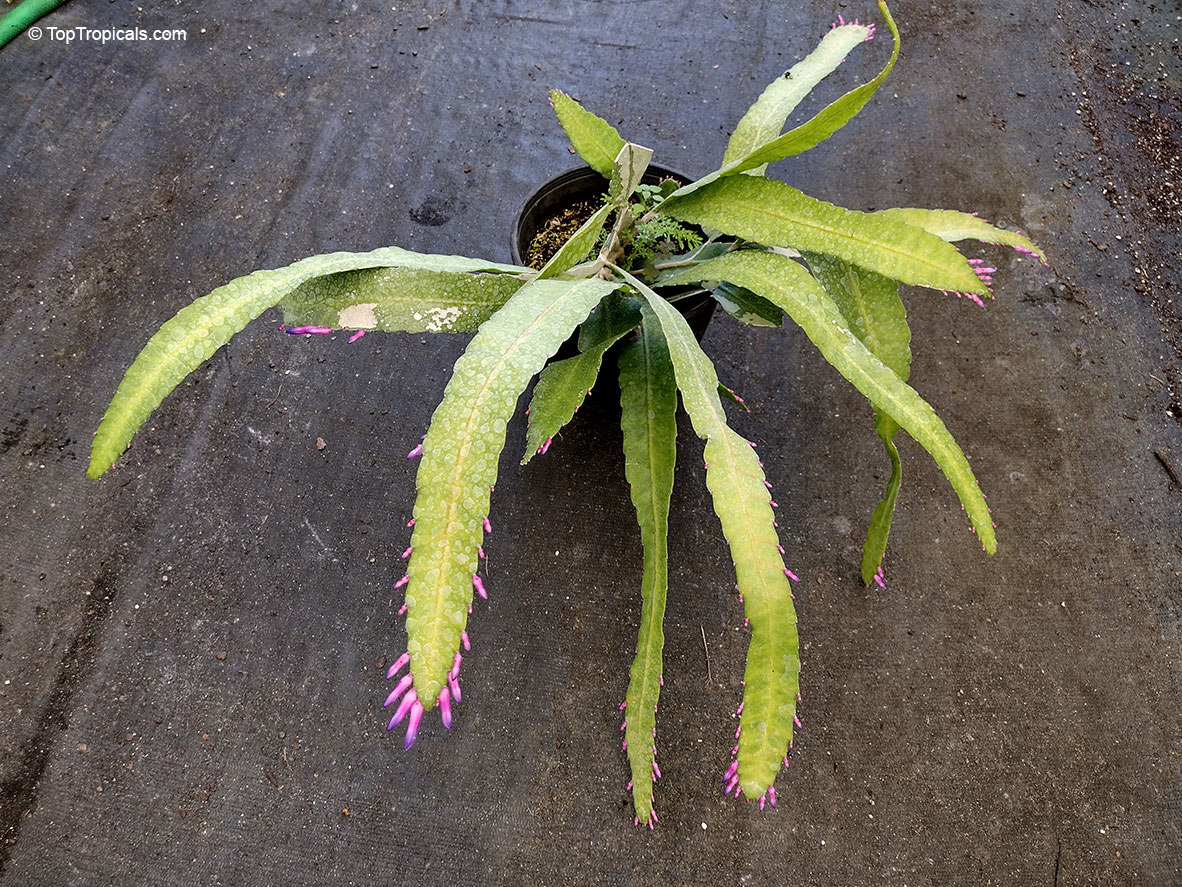
Common names: Purple Rhipsalis, Blue Flame
Family: Cactacea
Origin: South America
USDA Zone: 9-11
Cold tolerance: 25°F

Spectacular bloomer! With foliage resembling an Orchid Cactus (Epiphyllum), Blue Flame is a rare epiphyte from the rainforests of the Amazon jungle. This is a spineless tropical cactus that blooms bright purple flowers. Flowers emerge along the leaf edges from late spring through early summer, and blooms for a couple of weeks. Early sWittia Amazonica, pringtime flowers are magenta, but summer flowers have the distinctive blue tip on the magenta flower. Mature leaves are about 12" long. Blue Flame prefers a hot, humid environment similar to its jungle habitat. Grow in porous cactus soil or Adenium Mix in partial sun to bright, indirect light.
Recommended Fertilizer: SUNSHINE Robusta - Rapid Growth Booster

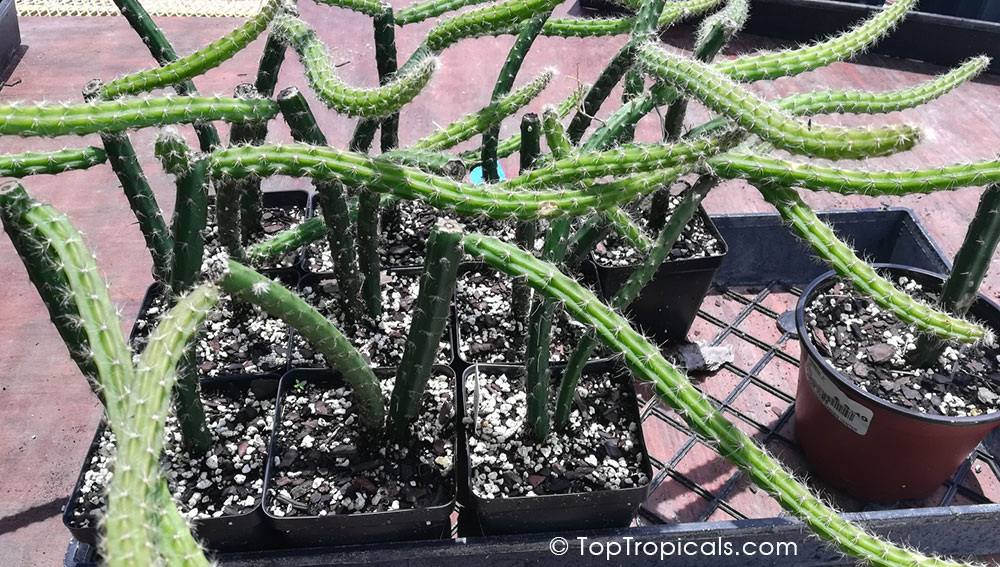
Botanical name: Selenicereus hondurensis
Common names: Honduran Moon-Torch Cactus, Queen of the Night, Night Blooming Cereus
Family: Cactaceae
Origin: Hunduras
USDA Zone: 10-11


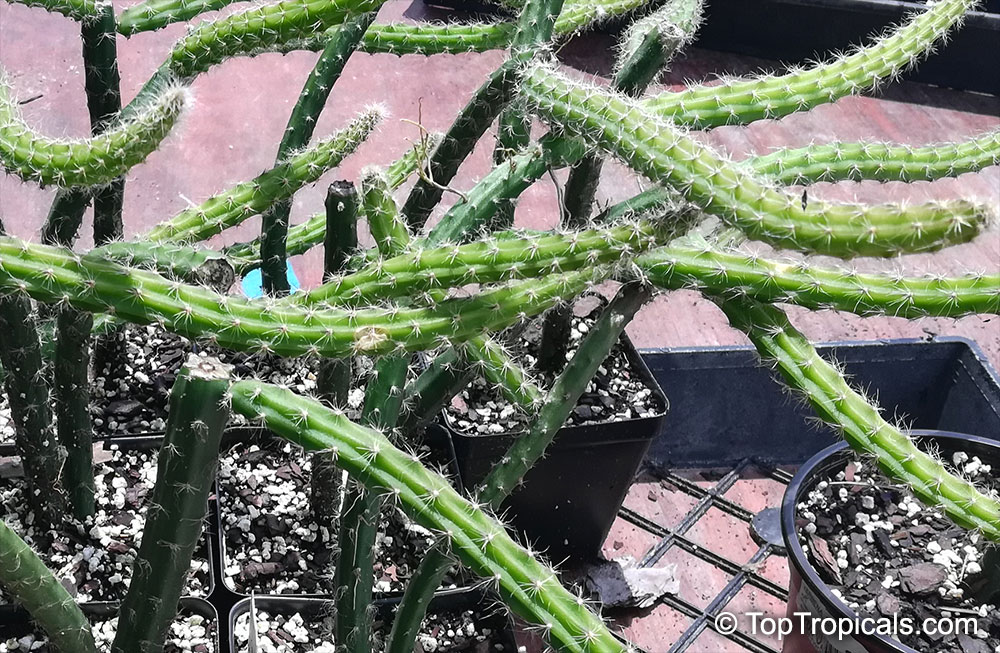
Very rare epiphytic cactus that was first collected in 1900s but hardly traded since then. It has Large off white/yellow blooms with gold/bronze accents and back petals. They are very large and 8"+ when fully opened. The growth is spiny and most unusual of this species compared to other Selenicereus in that it has brownish colored stems, small diameter stem growth compared to the blooms they average 1/4" to 3/4" in diameter. Like many species this variety is nocturnal blooming, blooms will stay open till late morning. The flowering period is late June to fall. It can bloom off season if weather is warm enough. Very easy to grow, takes similar growing culture as Epiphyllums but brighter light.
Use link to repeat this search:
https://toptropicals.com/cgi-bin/garden_catalog/cat.cgi?find=epiphyllum&search_op=and&keyword_op=and&language=e&number=10
&no_change_lang=1&user=tt&sale=1&first=0