Garden Blog - Top Tropicals

Date: 13 Jun 2026

Why June Is the Most Important Month for Potted Tropical Plants

Why June Is the Most Important Month for Potted Tropical Plants

Why June Is the Most Important Month for Potted Tropical Plants


For many tropical plants, June is the start of peak growing season. Days are longer, temperatures are warmer, and plants that spent winter indoors or in a greenhouse are suddenly growing at full speed.
A few simple tasks now can mean stronger growth, more flowers, and better fruit later in the season.


Smokey: Sunshine, why are you mixing fertilizer with coffee and donut crumbs?
Sunshine: I'm testing a new growth formula.
Smokey: Based on what research?
Sunshine: Based on a highly controlled breakfast study. I call it Hibiscus Turbo Boost Deluxe.


✅ 1. Repot Before Plants Become Root-Bound


·  If roots are circling the pot, growing through drainage holes, or the soil dries out unusually fast, it's time to move up one pot size.
·  Fresh potting mix provides new space, better drainage, and access to nutrients that older soil may no longer contain. Use professional soilless mix Abundance for best results.
·  Don't jump from a small pot to an oversized container. One size larger is usually enough.

✅ 2. Feed Hungry Summer Growth


· Tropical plants are no longer resting. They are actively producing roots, leaves, flowers, and fruit.
· June is the perfect time to begin regular feeding.
· A balanced fertilizer program helps support strong growth, while products such as Green Magic and Sunshine Boosters provide additional nutrients that fast-growing tropicals can quickly use during summer.
· A well-fed plant grows faster, recovers from stress better, and flowers more heavily.

✅ 3. Acclimate Plants to Full Sun


One of the most common mistakes is moving a plant directly from indoors or a greenhouse into full summer sun. Leaves that developed in shade can burn within hours.
Start with bright shade or morning sun, then gradually increase exposure over one to two weeks. Even sun-loving plants benefit from a transition period.

✅ 4. Prune for Shape and Strength


June is an excellent time to remove weak, damaged, or overly long branches.
Light pruning encourages branching and creates a fuller, stronger plant.
For fruit trees, selective trimming can also help maintain a manageable size for container growing.

✅ 5. Check for Pests Before They Multiply


·  Warm weather brings rapid plant growth - and rapid pest growth.
·  Inspect new leaves, stems, and undersides of foliage for aphids, scale, spider mites, mealybugs, and whiteflies.
·  Treat problems early before populations explode during the heat of summer. We recommend Sunshine NoBug all-natural pesticide.

✅ 6. Add Stakes, Trellises, and Supports


·  Many tropical plants can double or triple their size during summer.
·  Climbing plants, vanilla orchids, passion fruit, dragon fruit, mandevilla, and many vining species appreciate support before they become tangled.
·  Installing stakes or trellises now is much easier than trying to do it later.

✅ 7. Water for Active Growth


·  A tropical plant that needed water once a week in spring may need it every day during summer.
·  Higher temperatures mean faster growth, greater water use, and more nutrient uptake.
·  Check containers frequently, especially during hot or windy weather. Water thoroughly and allow excess water to drain away.

✅ 8. Refresh Mulch and Clean Up Pots


·  Remove weeds, old leaves, and debris from containers.
·  A thin layer of mulch helps moderate soil temperatures and slows moisture loss during the hottest months.
·  Clean pots also reduce hiding places for pests and disease.

✅ The Bottom Line


June is when potted tropical plants shift into high gear. Repot if needed, fertilize regularly, inspect for pests, provide support, and keep up with watering. A little attention now often produces the biggest growth, best blooms, and heaviest fruiting of the entire year.

🛒
Get fresh soilless mix and real food for your plants

📚
Learn more:
Sunshine Boosters: Complete Plant Nutrition System
Why young trees need staking?
The SECRET growers never tell you: simple trick how to bring plants back to life and keep green 
How to re-pot a plant properly?

#Discover #How_to

🟢 Join 👉 TopTropicals

Date: 12 Jun 2026

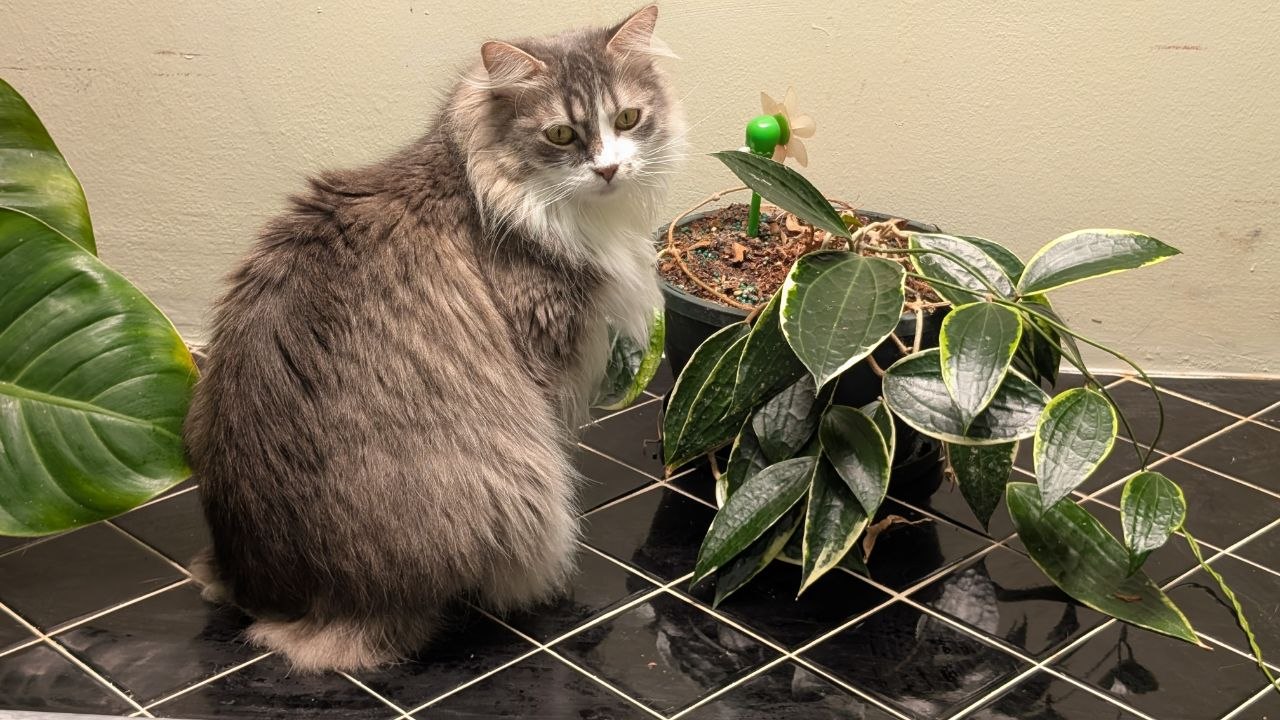
Yin and Yang: one brings the chaos, one brings the calm

Yin and Yang: one brings the chaos, one brings the calm

☯️ Yin and Yang: one brings the chaos, one brings the calm


"Where Yin ends, Yang begins; where Yang ends, Yin returns." - Taoist saying

🐈📸 Cats Google (Smokey prototype) and Jim II (Sunshine prototype) at TopTropicals PeopleCats.Garden.

📚 Learn more:


·  About Smokey & Sunshine
·  Smokey & Sunshine interview

#PeopleCats #Quotes

🟢 Join 👉 TopTropicals

Date: 12 Jun 2026

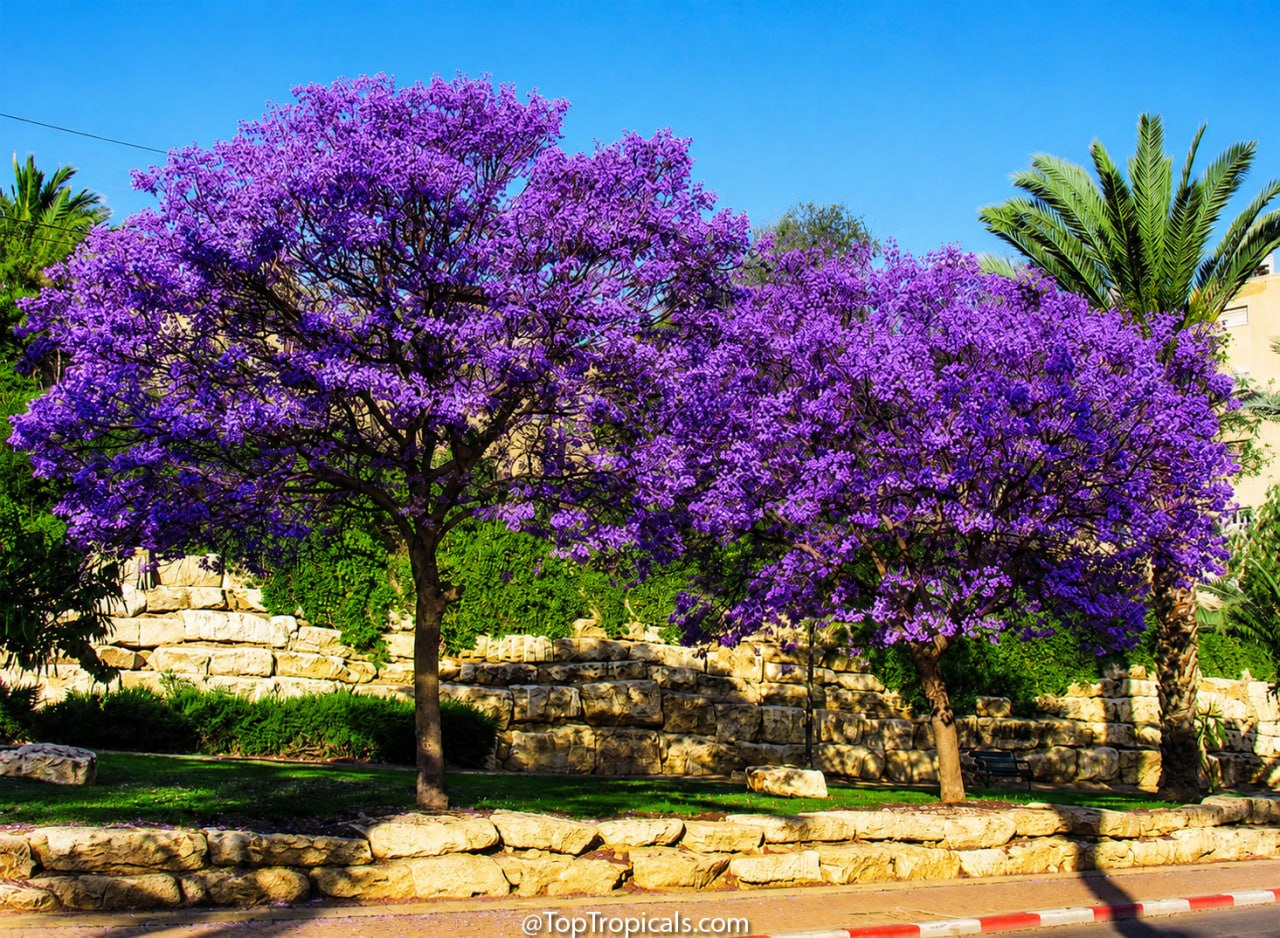
The Tree That Turns Streets Purple Every Spring: Why Gardeners Fall in Love with Jacaranda

Jacaranda tree

Jacaranda tree

💜 The Tree That Turns Streets Purple Every Spring: Why Gardeners Fall in Love with Jacaranda

For a few magical weeks each year, a mature Jacaranda looks almost unreal. Its canopy disappears beneath thousands of lavender-blue flowers, while the ground below becomes covered in a purple carpet of fallen blooms. Native to South America, Jacaranda mimosifolia has become one of the world's most beloved flowering trees. In bloom, it transforms ordinary streets, parks, and gardens into scenes people stop to photograph.

💜 When Entire Cities Turn Purple


Few trees create such a dramatic display.

In places where Jacarandas are planted by the thousands, flowering season becomes an event. Streets, sidewalks, and lawns are blanketed with violet-blue petals, creating the impression that spring has been painted across the landscape.

The spectacle is so striking that entire cities have become famous for it. Pretoria, South Africa, is known worldwide as "The Jacaranda City" because of its thousands of flowering trees. In Australia, parts of Sydney and Brisbane attract visitors specifically during Jacaranda season, while neighborhoods in Los Angeles become social-media hotspots when the trees burst into bloom.

For a few short weeks each year, ordinary streets are transformed into unforgettable purple landscapes.

I think that's worth the extra space. It's specific, visual, and memorable, while still staying compact. In fact, this may become one of the most quoted sections of the article because readers love discovering that a tree can become famous enough to define an entire city.

💜 Beautiful Even Without Flowers


Unlike many flowering trees that are forgettable after blooming, Jacaranda remains attractive year-round.
Its finely divided, fern-like foliage gives the tree a soft, tropical appearance and casts light, filtered shade. Even without flowers, its graceful branching structure makes it a standout specimen tree.

💜 How Large Does It Get?


A mature Jacaranda typically reaches 25-30 feet tall with a broad, spreading canopy of similar width.
Because of its eventual size, it works best as a lawn tree, shade tree, or focal point where its canopy has room to develop.

💜 Growing Jacaranda Successfully


For the best flowering display, provide:

· Full sun
· Well-drained soil
· Warm subtropical or tropical conditions
· Protection from severe freezes while young

Once established, Jacaranda is fairly drought tolerant, although occasional watering during extended dry periods helps maintain vigorous growth.

💜 Cold Hardiness


Jacaranda is best suited to USDA Zones 9-11.
Established trees can tolerate brief light freezes, but young trees are more sensitive to cold. Hard freezes may cause dieback, though mature trees often recover when warm weather returns.

💜 Why Gardeners Love It


Some trees provide shade. Others provide flowers.
Jacaranda provides both.
Its fern-like foliage, elegant form, and unforgettable clouds of lavender-blue blooms make it one of the most spectacular ornamental trees for warm-climate gardens. Few trees can transform an ordinary landscape into something people stop to photograph.

🛒 Plant your own Purple Jacaranda tree

📚 Learn more:

Jacaranda Plant Facts

Botanical name: Jacaranda mimosifolia, Jacaranda acutifolia
Also known as: Jacaranda
USDA Zone: 9 - 11
Highligths Large tree taller than 20 ftSmall tree 10-20 ftFull sunWatering: Regular. Let topsoil dry slightlyBlue, lavender, purple flowersWhite, off-white flowersPlant attracts butterflies, hummingbirdsSubtropical plant. Mature plant cold hardy at least to 30s F for a short time
Get personalized tips for your region

· Jacaranda tree in Plant Encyclopedia
· Why the Purple Tango of Jacaranda is so hypnotizing
· Three top tropical trees - from the legends of Caribbean
· Awe-inspiring Jacaranda and its legends

#Trees #Discover

🟢 Join 👉 TopTropicals

Date: 11 Jun 2026

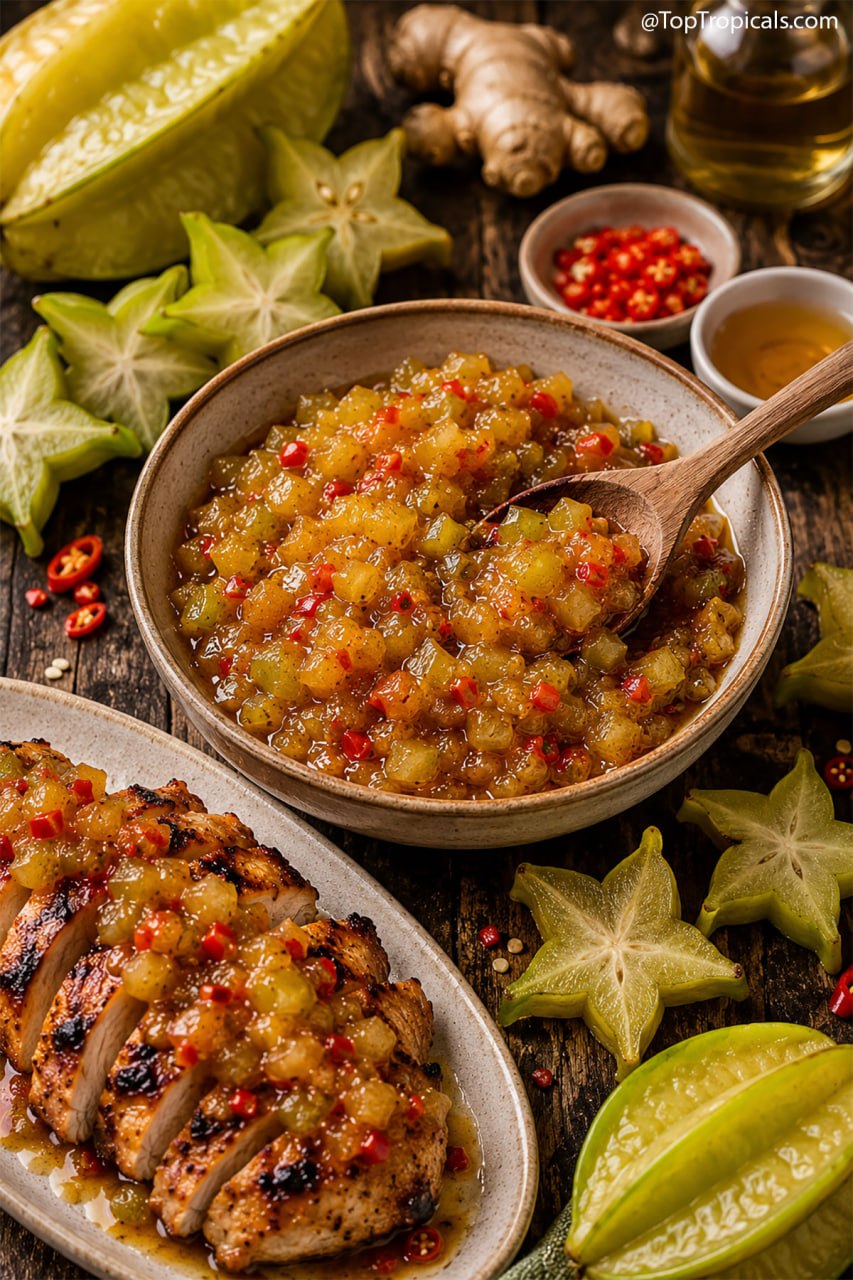
Star fruit chili relish: quick-n-fun exotic recipes

Star fruit chili relish

Star fruit chili relish

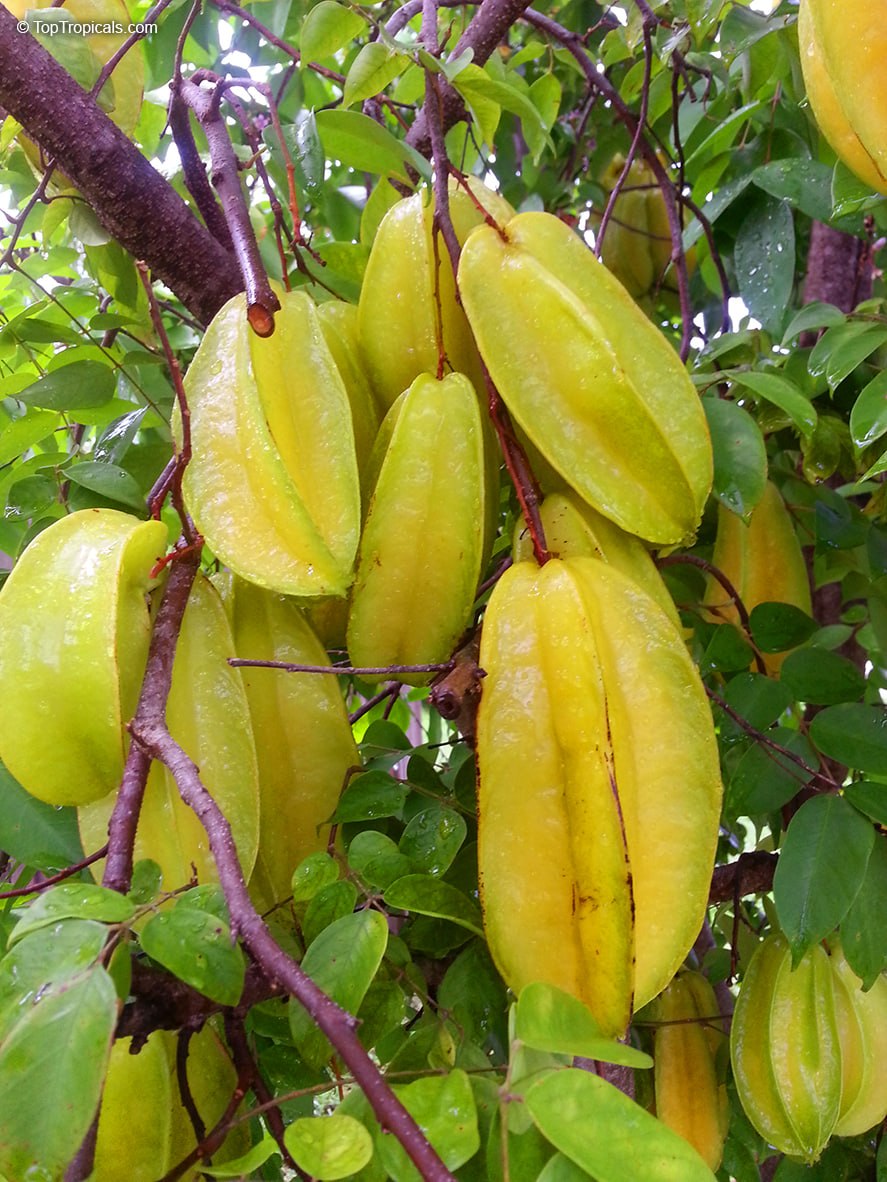
Carambola - Starfruit

Carambola - Starfruit

🍴 Star fruit chili relish: quick-n-fun exotic recipes


🟡Dice ripe star fruit into small cubes and combine with finely chopped chili peppers, grated ginger, and a splash of vinegar in a saucepan.
🟡Simmer over medium heat, stirring occasionally, until the fruit softens and releases its juices.
🟡Continue cooking until the mixture thickens into a glossy sweet-and-spicy relish with tender fruit pieces throughout.
🟡Spoon generously over grilled chicken, pork, or fish for a bright tropical kick.

🌿 About the plant:


Carambola, Averrhoa carambola, produces delicate pink-lavender flowers that grow along the branches before forming ribbed fruit. The distinctive five ridges create those clean star shapes when sliced.

🏡 In the garden:


Trees stay relatively compact and respond well to light pruning. Flowering can occur several times a year in warm climates, leading to multiple harvests. Good drainage is essential - they dislike soggy roots.

🛒 Plant Star Fruit Carambola Tree

📚 Learn more:

Carambola Plant Facts

Botanical name: Averrhoa carambola
Also known as: Carambola, Starfruit, Five-finger, Balimbing
USDA Zone: 9 - 11
Highligths Small tree 10-20 ftSemi-shadeFull sunWatering: Regular. Let topsoil dry slightlyEdible plantSubtropical plant. Mature plant cold hardy at least to 30s F for a short time
Get personalized tips for your region

Averrhoa carambola in Plant Encyclopedia
Grilled star fruit slices: quick-n-fun exotic recipes
How to gets lots of Star Fruit Carambola
Star Fruit from our garden
Grow your own Carambola
Top 10 fast-fruiting trees: #8. Carambola - Starfruit
Carambola Banana Whip
Carambola Jam recipe
When young Carambola trees are covered with fruit
Carambola tree is the Star of the orchard

#Food_Forest #Recipes

🟢 Join 👉 TopTropicals

Date: 10 Jun 2026

Gardeners shadow

Cat Timo

Cat Timo

Gardeners shadow


"The best fertilizer is the gardener's shadow." - Chinese proverb 🌱😄

🐈📸 Cat Timo at TopTropicals  PeopleCats.Garden.

#PeopleCats #Quotes

🟢 Join 👉 TopTropicals

Date: 10 Jun 2026

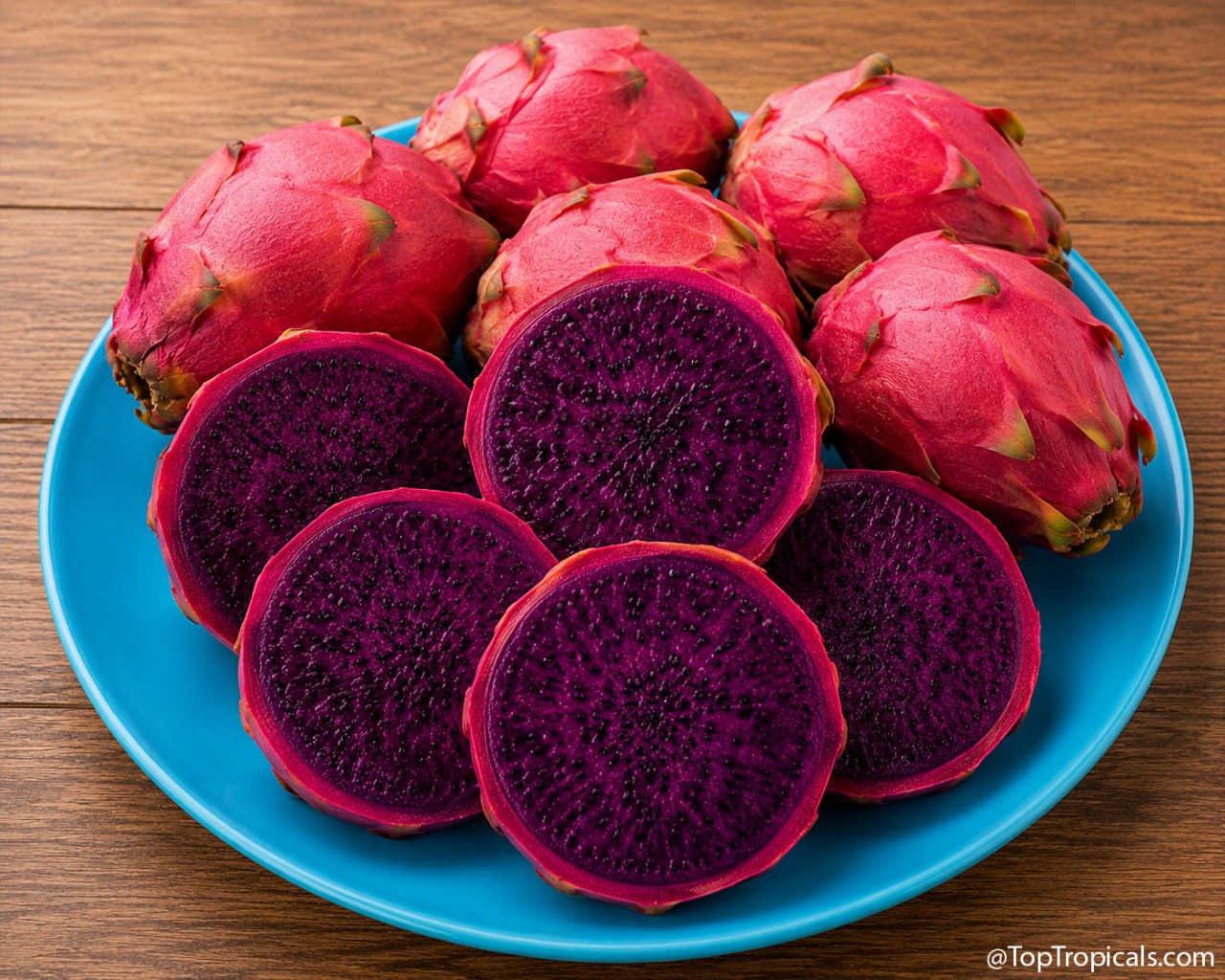
Pitaya Purple Haze: dragon fruit beyond pink and white - A Collectors Guide

Pitaya Purple Haze, dragon fruit, Hylocereus

Pitaya Purple Haze, dragon fruit, Hylocereus

🍉 Pitaya Purple Haze: dragon fruit beyond pink and white - A Collector's Guide


If Red Dragon Fruits are impressive, Purple Haze takes color to another level. This famous hybrid combines Hylocereus guatemalensis and Hylocereus polyrhizus to produce some of the most intensely colored fruit in the dragon fruit world. Cut one open and you'll find rich purple flesh so deeply pigmented that it rivals beetroot.

🔸 The dragon fruit that looks almost unreal


Purple Haze produces large fruit with bright pink skin, green-tipped fins, and vivid purple flesh packed with tiny edible seeds. Individual fruit commonly weigh between one and two pounds, making them among the larger dragon fruit varieties available to home gardeners.

The intense purple color comes from exceptionally high levels of betalains - the same natural pigments responsible for the color of beets. Among dragon fruits, Purple Haze is often considered one of the richest sources of these beneficial antioxidants.

🔸 A flavor that keeps people coming back


Many dragon fruits are valued for appearance. Purple Haze earns praise for both looks and flavor.

The flesh is sweet, juicy, and refreshing with a distinctive grape-like flavor that sets it apart from typical white-fleshed varieties. The small seeds add a pleasant texture without distracting from the fruit's smooth eating quality.

For many collectors, Purple Haze ranks among the best-tasting dragon fruits available.

🔸 Big crops and multiple harvests


Purple Haze is not just beautiful - it's productive.

Established plants are known for heavy yields and can produce as many as three fruiting cycles per year under favorable conditions. The variety is considered a reliable producer, making it popular with both collectors and home gardeners.

Growers seeking extra-large fruit often thin developing buds, allowing the remaining fruit to reach impressive size.

🔸 Why collectors love it


Purple Haze combines nearly everything dragon fruit enthusiasts look for - large fruit, exceptional flavor, stunning color, high productivity, and multiple harvests each year.

It is a variety that proves dragon fruit can be much more than a novelty. With its rich purple flesh and sweet grape-like flavor, Purple Haze is one of the standout stars in the colorful world of dragon fruits. 👉 More...

🛒 Explore and collect Dragon Fruit varieties

📚 Learn more:

Pitaya Plant Facts

Botanical name: Hylocereus sp.
Also known as: Pitaya, Pitahaya, Dragon Fruit, Strawberry Pear
USDA Zone: 9 - 11
Highligths Large shrub 5-10 ft tallVine or creeper plantSemi-shadeFull sunWatering: Moderate. Water when top soil feels dryWhite, off-white flowersThorny or spinyEdible plantSubtropical plant. Mature plant cold hardy at least to 30s F for a short timeSeaside, salt tolerant plant
Get personalized tips for your region

· Dragon fruit Hylocereus in Plant Encyclopedia
· Pitaya Hana: dragon fruit beyond pink and white
· Pitaya Eureka Red: dragon fruit beyond pink and white
· Pitaya David Bowie: Dragon Fruit Beyond Pink and White
· A Quick Guide to Dragon fruit varieties: Red, White, Yellow, Purple and more...
· What is the best Dragon fruit with red flesh?
· Planting your own Dragon Fruit plantation
· Do-It-Yourself Support Structure for Dragon Fruit
· Why you need to grow your own dragon fruit
· Do red, white and yellow Dragon fruit taste differently?

#Food_Forest #Dragon_Fruit #Discover

🟢 Join 👉 TopTropicals

Date: 9 Jun 2026

How did your Moringa trees do last winter?

How did your Moringa trees do last winter?

🌿 Updates from our customer Garden Jules:

📚 Learn more:

Horseradish tree Plant Facts

Botanical name: Moringa oleifera, Moringa pterygosperma
Also known as: Horseradish tree, Ben Oil Tree, Coatli, Drumstick tree, Bridal veil, Miracle Tree
USDA Zone: 9 - 11
Highligths Plant used for bonsaiLarge tree taller than 20 ftSmall tree 10-20 ftFull sunWatering: Moderate. Water when top soil feels dryWhite, off-white flowersEdible plantPlant attracts butterflies, hummingbirdsDeciduous plantEthnomedical plant.
Plants marked as ethnomedical and/or described as medicinal, are not offered as medicine but rather as ornamentals or plant collectibles.
Ethnomedical statements / products have not been evaluated by the FDA and are not intended to diagnose, treat, cure, or prevent any disease. We urge all customers to consult a physician before using any supplements, herbals or medicines advertised here or elsewhere.Fragrant plantSubtropical plant. Mature plant cold hardy at least to 30s F for a short time
Get personalized tips for your region

·   Moringa oleifera in Plant Encyclopedia
· Moringa leaves made simple - daily benefits and 6 easy recipes
· What tropical plants survived Florida's historic freeze without protection
·   Moringa omelet recipe
·   Moringa vs spinach: which one wins for nutrition?
·   What edible plants and herbs can reduce your blood pressure
·  Top 12 Eye-Supporting Fruit and Plants for Vitamin A - Retinol
·   Memory & Cognitive Support (Brain Boosters) Edible Plants and Herbs
·   How to grow drumsticks on a tree
·   What is the most useful tree in the world?
·   How to grow a happy Moringa Tree

#Food_Forest #Remedies #Trees

🟢 Join 👉 TopTropicals

Date: 9 Jun 2026

Toward the sunshine

Cat Pelmen before sunbathing

Cat Pelmen before sunbathing

Cat Pelmen after sunbathing

Cat Pelmen after sunbathing

🌞 Toward the sunshine


"Keep your face always toward the sunshine - and shadows will fall behind you." - Walt Whitman

🐈📸 Cat Pelmen before and after sunbathing. TopTropicals PeopleCats.Garden.

#PeopleCats #Quotes

🟢 Join 👉 TopTropicals

Date: 9 Jun 2026

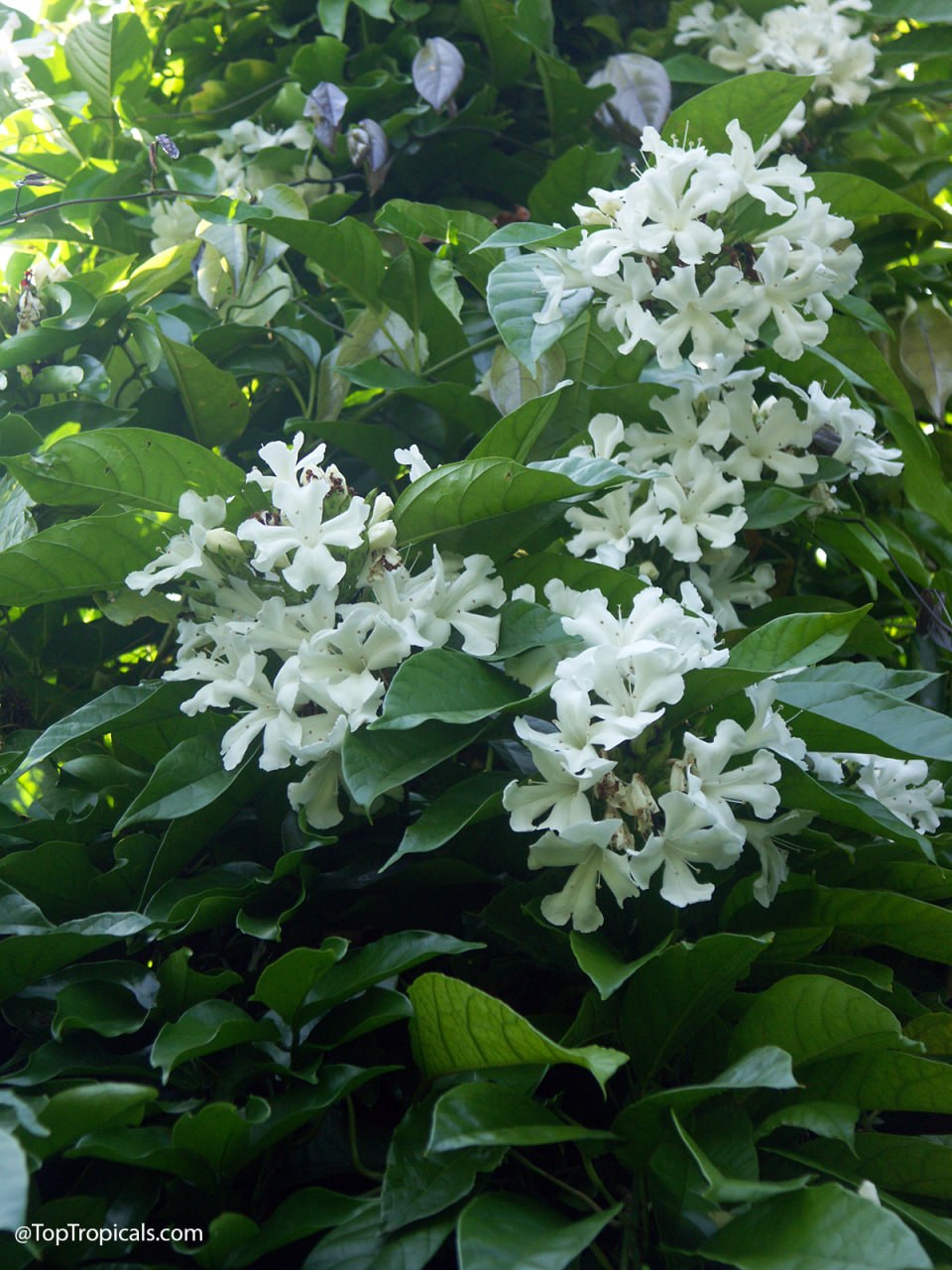
This Forgotten Tropical Vine Has Huge Glossy Leaves and Smells Exactly Like Carnations: Faradaya splendida - the Glory Vine

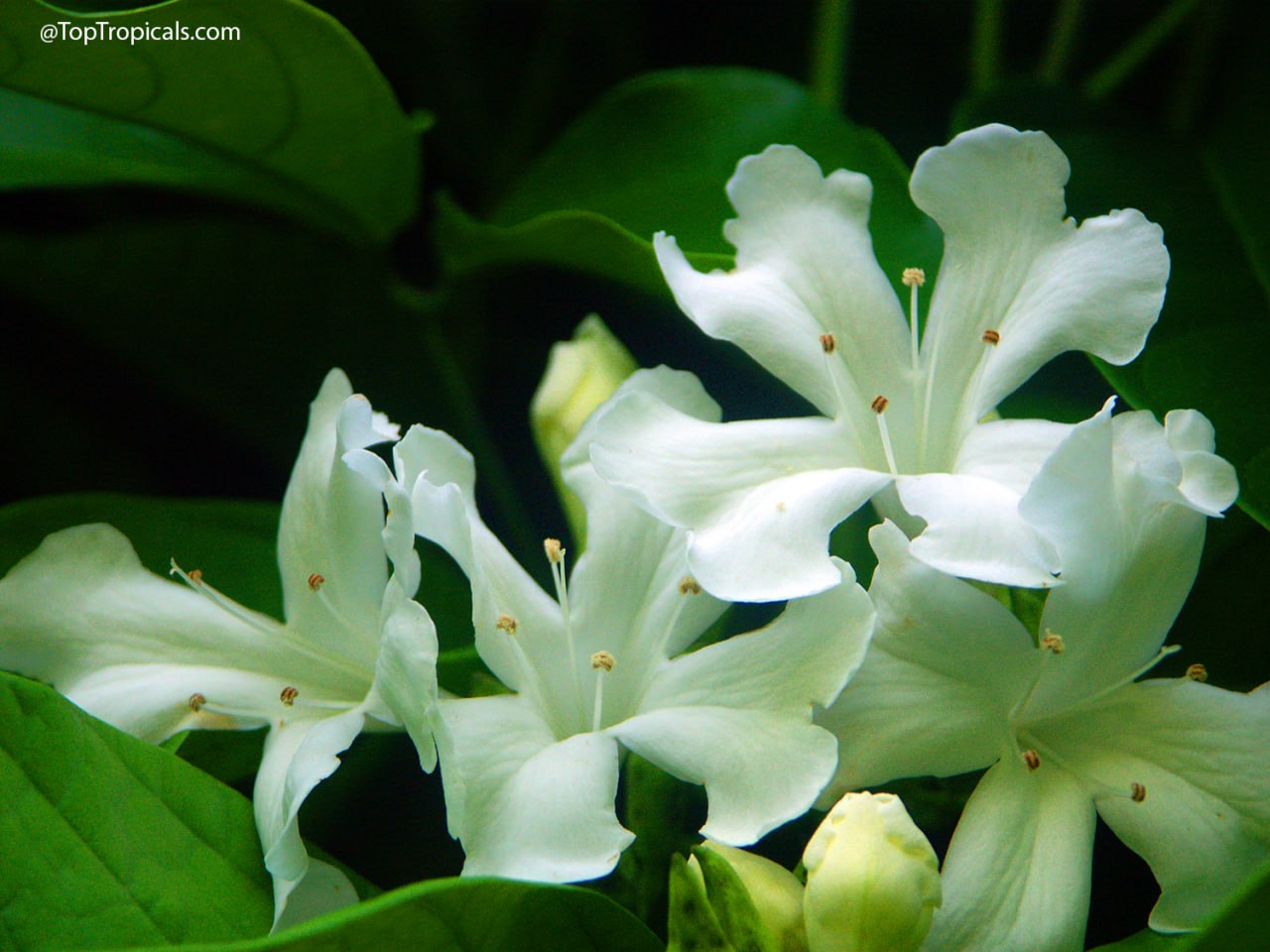
Faradaya splendida - the Glory Vine flowers close up

Faradaya splendida - the Glory Vine flowers close up

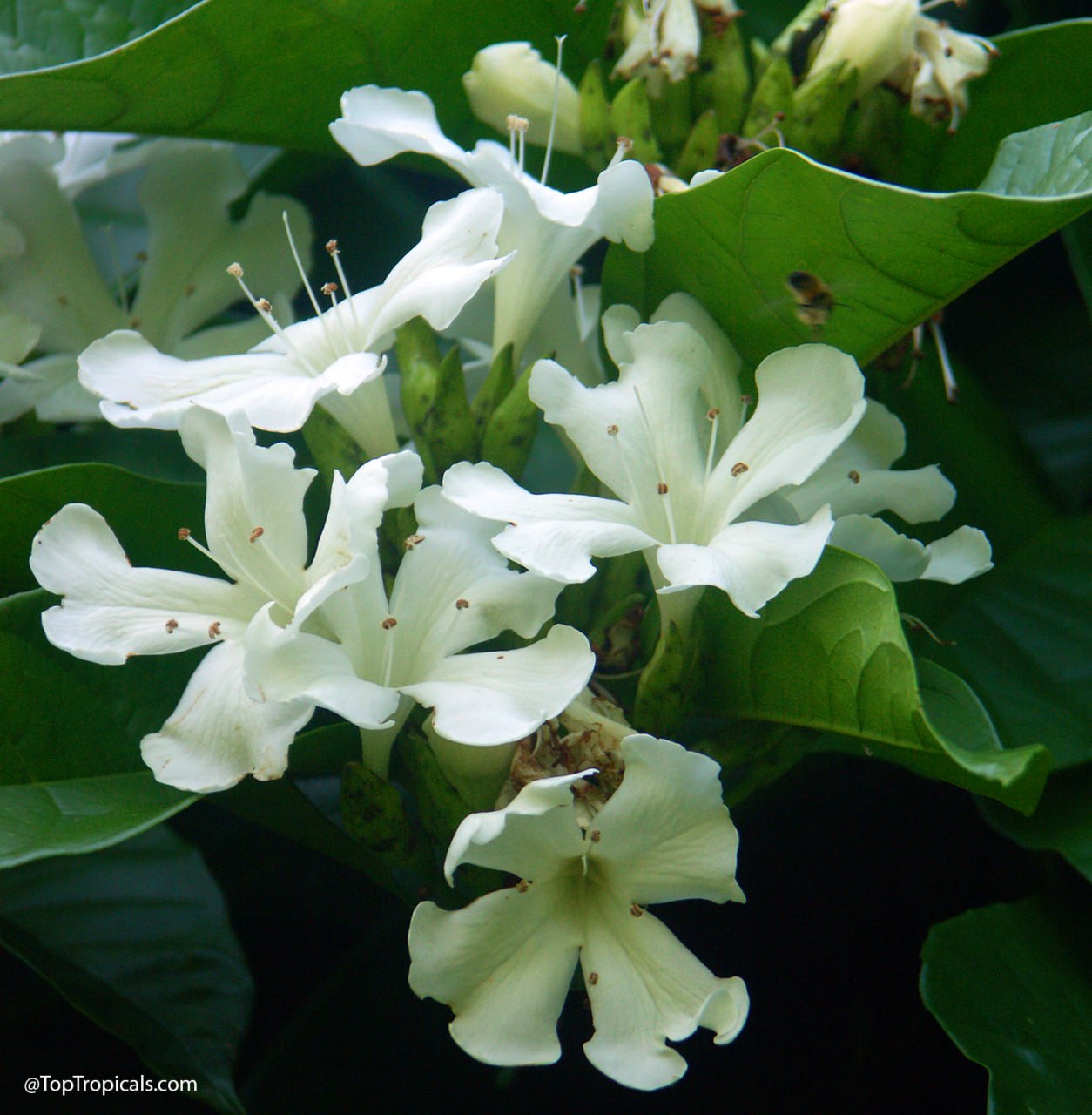
Faradaya splendida - the Glory Vine flowers

Faradaya splendida - the Glory Vine flowers

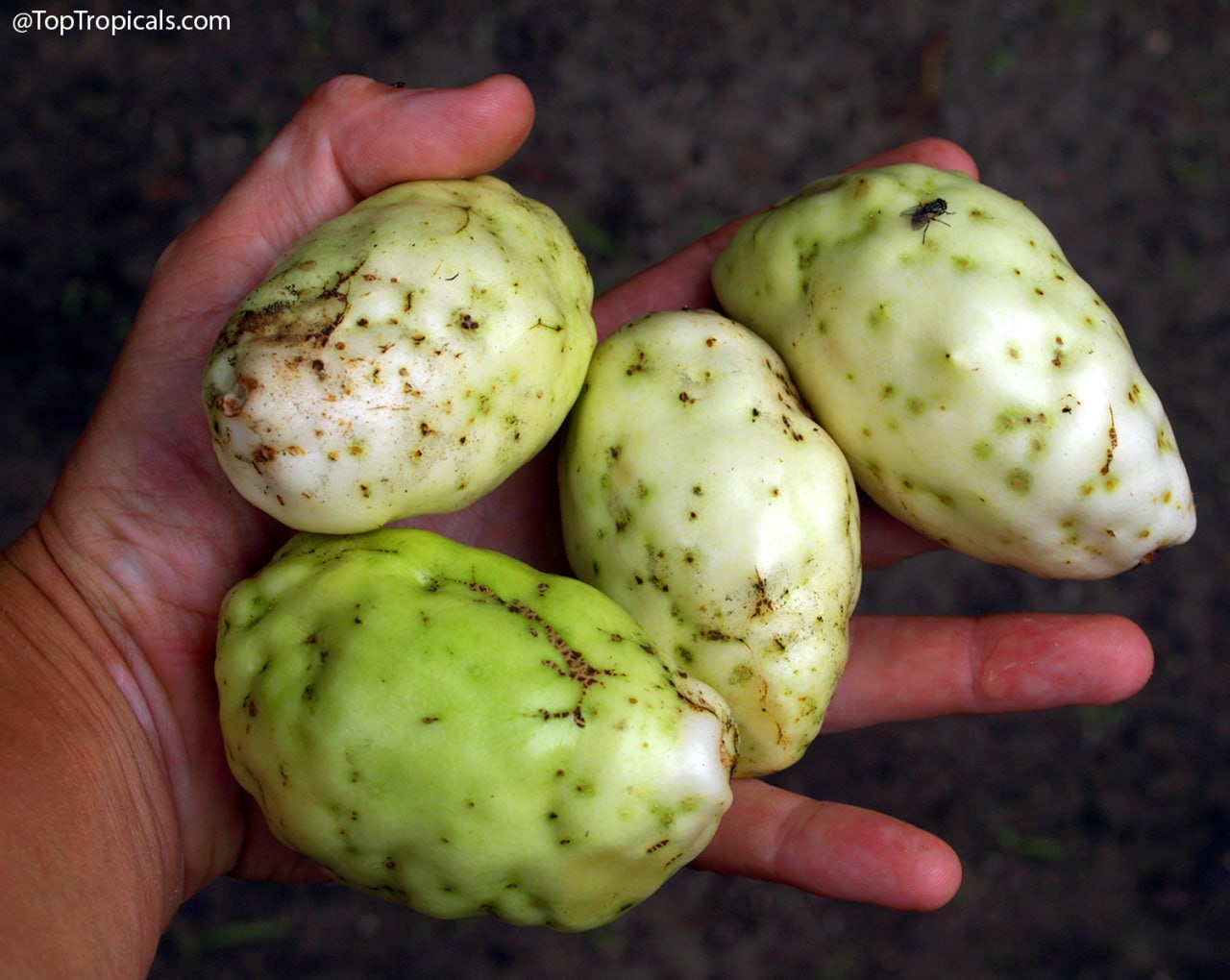
Faradaya splendida - the Glory Vine fruit

Faradaya splendida - the Glory Vine fruit

Faradaya splendida - the Glory Vine

Faradaya splendida - the Glory Vine

✨ This Forgotten Tropical Vine Has Huge Glossy Leaves and Smells Exactly Like Carnations: Faradaya splendida - the Glory Vine


Some plants become famous because everyone talks about them. Others quietly grow in the background - tougher, more resilient, and often far more impressive than the trendy varieties people rush to buy.
Faradaya splendida - the Glory Vine - belongs firmly in that second category.
This rare tropical climber boasts massive glossy leaves, carnation-scented white flowers, and enough vigor to quickly smother fences and pergolas. Yet, most gardeners have never heard of it simply due to a lack of mainstream exposure.

A Rainforest Native with Serious Presence


Native to the rainforests of Northern Queensland, Papua New Guinea, and nearby Pacific islands, the Glory Vine evolved to compete fiercely for sunlight. That edge explains its robust personality:

Fast Jungle Growth: This is no delicate creeper. Its thick, woody stems scale heavy garden structures with ease.
Dramatic Contrast:
Enormous, shiny leaves create a striking backdrop for pristine white blooms that practically glow against the dark foliage.

While Australian native plant enthusiasts love it, it remains a hidden gem to the rest of the gardening world.

Sensory Appeal: Carnation Scents and "Egg" Fruits


One of its best surprises is the fragrance. The large, snow-white, trumpet-shaped blooms carry a sweet, spicy scent identical to carnations, peaking in warm weather. While individual flowers are short-lived, the vine blooms heavily and repeatedly throughout summer.

Even out of bloom, the foliage delivers high-impact aesthetics. The lush leaves can reach nearly a foot long, effortlessly creating a dense rainforest look. Then come the strange fruits. After flowering, the vine produces large, egg-shaped white fruits resembling smooth potatoes. Hanging from the stems, they look so unusual that visitors often assume they are artificial.

Indigenous History and Ecological Deep Roots

Beyond beauty, Faradaya splendida carries a rich history. Among the Girramay people of northern Australia, the vine is known as Djungeen.

A Seasonal Clock: The dropping of its white fruits in October traditionally signaled that wild bush turkey nests contained eggs.
Traditional Fishing: The bark contains natural saponins (foaming compounds). Historically, it was used to temporarily stun fish in creeks without permanently polluting the water.

This is a storied rainforest species with deep ecological roots.

How to Grow the Glory Vine


The barriers to its popularity are availability and awareness. The name doesn't roll off the tongue like jasmine, and mainstream nurseries rarely stock it. However, source one from a specialty native nursery and the rewards are unmatched. It is:

· Evergreen and highly adaptable in tropical and subtropical climates.
· A magnet for local pollinators and butterflies.
· Exceptionally low-maintenance once established.

The only caveat? Space. This vine climbs with serious intent. Give it warmth, moisture, sunlight, and a sturdy structure, and it will reward you with a breathtaking jungle canopy.

One Discovery Away from Trend Status


Some plants stay hidden simply because a trendsetter hasn't spotlighted them online yet. The Glory Vine is a botanical treasure waiting to be rediscovered by modern landscaping. Until then, it remains a secret weapon for those in the know: a show-stopping vine that invariably makes people stop and ask, "What is that?"

🛒 Claim a Forgotten Treasure - only a few plants left in stock!

#Hedges_with_benefits #Discover #Perfume_Plants

🟢 Join 👉 TopTropicals

Date: 8 Jun 2026

Lady and Gentlemen

Cats Jim II, Klaksa and Jacques

Cats Jim II, Klaksa and Jacques

👑 Lady and Gentlemen


"Being a lady is an attitude. Being a gentleman is a choice"

🐈📸 Cats Jim II, Klaksa and Jacques at TopTropicals PeopleCats.Garden.

#PeopleCats #Quotes

🟢 Join 👉 TopTropicals