Garden Blog - Top Tropicals

Date: 10 Jan 2026

No fixed plans!

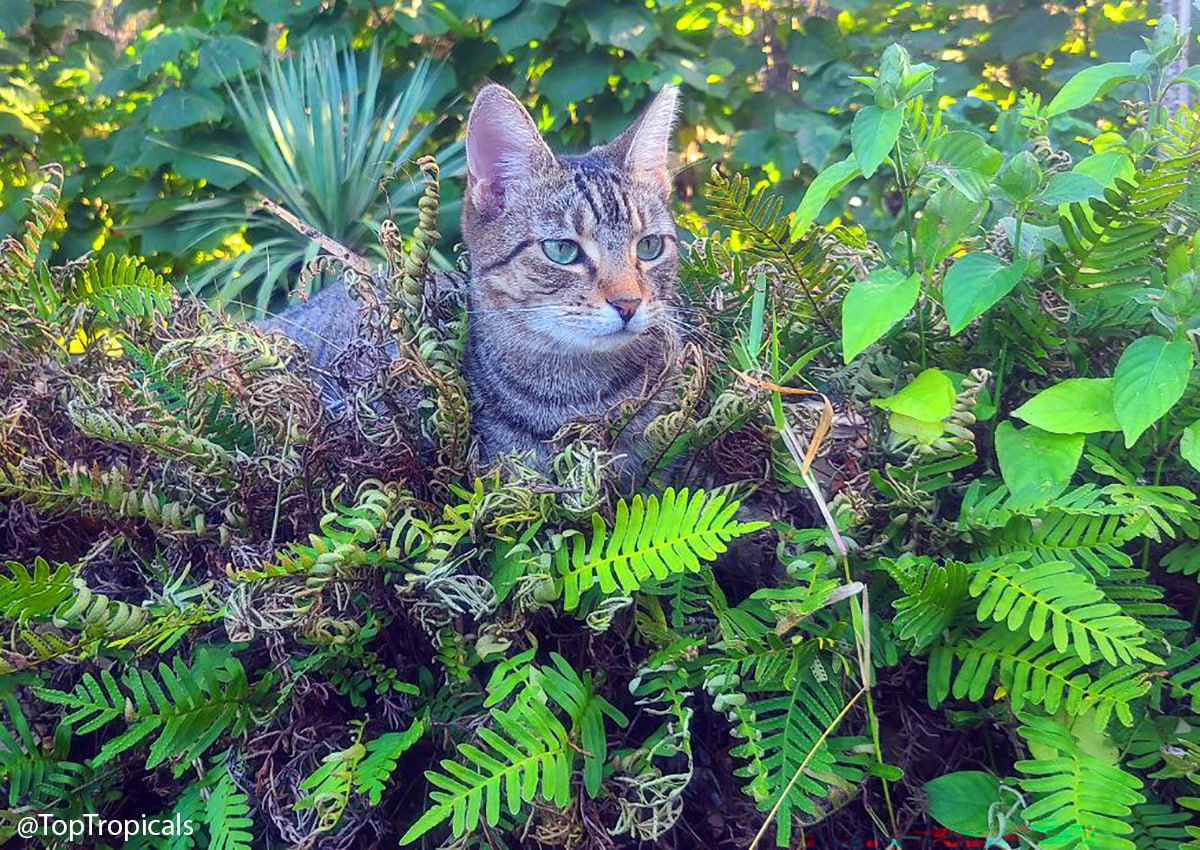
Cat Philemon in a bag

Cat Philemon in a bag

😰 No fixed plans!


"A good traveler has no fixed plans and is not intent on arriving." - Lao Tzu

🐈📸 Cat Philemon always has his travel bag ready - TopTropicals PeopleCats.Garden

#PeopleCats #Quotes

🟢 Join 👉 TopTropicals

Date: 10 Jan 2026

How to grow Patchouli indoors

Patchouli - Pogostemon cablin

How to grow Patchouli indoors

Patchouli - Pogostemon cablin is easy to grow indoors if you give it what it likes. It is one of those plants that does double duty - it looks great and makes your home smell amazing. Those big, soft leaves release that deep, earthy scent just by being there.

☘️ Light and temperature


Patchouli loves bright shade. Think filtered light near a window, not harsh direct sun. Too much sun can burn the leaves, especially indoors. In lower light, it still grows well and keeps its fragrance. It is a tropical herb, so keep in warm - at room temperature.

☘️ Water and soil


This plant loves water. Use a well-draining soil mix and a pot with drainage holes, but do not let it dry out. Daily watering is usually fine in warm conditions. Good air circulation is important.
Growing patchouli is similar to growing herbs in containers - just be more generous with water than you would be with basil or oregano.

☘️ Containers and growth


Patchouli grows fast. Start in a 1-gallon pot, but plan to move it up to a 3-gallon container fairly quickly. More room means bigger leaves and a stronger scent.

☘️ Feeding


Feed regularly. You can use Sunshine Boosters Robusta with every watering, or apply Green Magic controlled-release fertilizer every 6 months and at each transplant. Patchouli responds quickly to feeding with lush growth.

☘️ Pruning and uses


Prune as the plant gets bigger to keep it full and bushy. Do not throw the leaves away - dry them for sachets or use fresh/dry leaves for tea.

☘️ Propagation


Patchouli roots very easily from cuttings. Snip a healthy stem, place it in water or moist soil, and it will root fast. It is one of the easiest plants to share with friends.

If you want a plant that grows fast, smells incredible, and actually does something useful indoors, patchouli is hard to beat.

🛒 Grow calming Patchouli Scent at home

📚 Learn more:

Patchouli Plant Facts

Botanical name: Pogostemon cablin, Pogostemon patchouli, Pogostemon heyneanous
Also known as: Patchouli, Pucha-pat
USDA Zone: 9 - 11
Highligths Groundcover and low-growing 2ft plantSmall plant 2-5 ftSemi-shadeFull sunWatering: Moderate. Water when top soil feels dryWatering: Regular. Let topsoil dry slightlyOrnamental foliageSpice or herb plantEthnomedical plant.
Plants marked as ethnomedical and/or described as medicinal, are not offered as medicine but rather as ornamentals or plant collectibles.
Ethnomedical statements / products have not been evaluated by the FDA and are not intended to diagnose, treat, cure, or prevent any disease. We urge all customers to consult a physician before using any supplements, herbals or medicines advertised here or elsewhere.Fragrant plant
Get personalized tips for your region

Patchouli - Pogostemon cablin in Plant Encyclopedia
Health Benefits of Pogostemon cablin (Patchouli, Pucha-Pat)
Patchouli: more than just a pretty scent
Archeologists found Patchouli perfume from Ancient Rome
Patchouli tea recipe

#Perfume_Plants #Remedies #Food_Forest #How_to

🟢 Join 👉 TopTropicals

Date: 10 Jan 2026

Long pepper curry: quick-n-fun exotic recipes

Long pepper curry

Long pepper curry

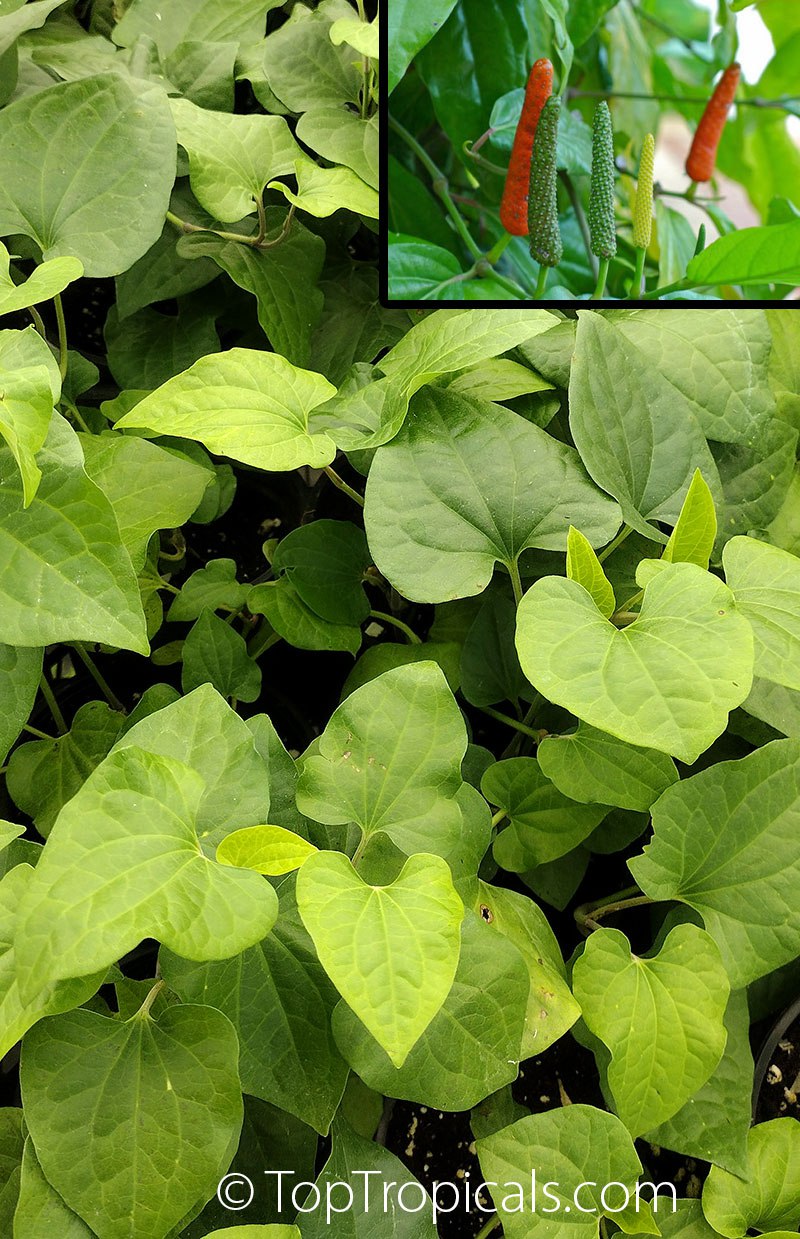
Piper longum - Indian Long Pepper, Bengal Pepper or Pippali

Piper longum - Indian Long Pepper, Bengal Pepper or Pippali

🍴 Long Pepper Curry (Quick-n-Fun Exotic Recipe)

Ingredients

  • 1 can (13.5 oz) coconut milk
  • 1/2 tsp crushed dried long pepper (Piper longum)
  • 1 tbsp vegetable or coconut oil
  • 1 small onion, finely chopped
  • 2 cloves garlic, minced
  • 1 tsp fresh grated ginger
  • 1/2 tsp turmeric
  • Salt to taste
  • Fresh cilantro for garnish (optional)

Instructions

  1. Heat oil in a pan over medium heat.
  2. Add onion and saute until soft and translucent.
  3. Add garlic, ginger, turmeric, and crushed long pepper. Stir for 30 seconds.
  4. Pour in coconut milk and bring to a gentle simmer.
  5. Cook for 8 to 10 minutes, stirring occasionally.
  6. Season with salt and garnish with cilantro before serving.

🌿 About the plant:


Indian long pepper, also known as Pippali or Bengal pepper (Piper longum), is an ancient spice and medicinal plant from South Asia. Closely related to black pepper, it has a warmer, slightly sweeter heat and a complex aroma. Long pepper has been used for centuries in traditional medicine for respiratory and digestive support, including coughs, congestion, and stomach discomfort.

🌱 In the garden:


Piper longum grows as a climbing vine or shrubby climber that can be trained on a trellis, fence, or tree. It prefers warm conditions, regular moisture, and shade to partial shade. The plant starts with heart-shaped leaves that become more elongated as it matures, making it both useful and ornamental in tropical and subtropical gardens.

🛒 Add an easy plant - Indian Long Pepper - to your garden

📚 Learn more:

Bengal Pepper Plant Facts

Botanical name: Piper longum
Also known as: Bengal Pepper, Indian Long Pepper, Pippali, Piplamul
USDA Zone: 9 - 11
Highligths Large shrub 5-10 ft tallVine or creeper plantFull sunWatering: Regular. Let topsoil dry slightlySpice or herb plantEthnomedical plant.
Plants marked as ethnomedical and/or described as medicinal, are not offered as medicine but rather as ornamentals or plant collectibles.
Ethnomedical statements / products have not been evaluated by the FDA and are not intended to diagnose, treat, cure, or prevent any disease. We urge all customers to consult a physician before using any supplements, herbals or medicines advertised here or elsewhere.
Get personalized tips for your region

Piper longum - Indian Long Pepper, Bengal Pepper or Pippali - in Plant Encyclopedia
How to grow your own Pepper plants. Five most valuable 'Pipers'

#Food_Forest #Recipes #Remedies

🟢 Join 👉 TopTropicals

Date: 9 Jan 2026

Expended effort

Cat Persephone

Cat Persephone

🌳 Expended effort


"A garden requires patient labor and attention. Plants do not grow merely to satisfy ambitions or to fulfill good intentions. They thrive because someone expended effort on them." - Liberty Hyde Bailey

🐈📸 Cat Persephone, one of the garden watchers at PeopleCats.Garden 

#PeopleCats #Quotes

🟢 Join 👉 TopTropicals

Date: 9 Jan 2026

Mango Tree for Zone 5: top 15 Condo Mango for growing in cold areas

Mango Tree for Zone 5

🥭 Mango Tree for Zone 5: top 15 Condo Mango for growing in cold areas


🥭 Can you grow a mango tree in Zone 5? Short answer - yes! The trick is - containers!
Mango trees are tropical plants but they do great in pots when you choose the right varieties.

🥭 Compact types stay short, respond well to pruning, and produce in containers.
You can grow them on a patio, balcony, even move them indoors in your condo for winter. That is why they are called condo mangoes!
During warm months, they live outside.
When cold weather hits, they come inside.

🥭 With good light, proper watering, fertilizing, and some patience, these trees can reward you with real mangoes. Not a farm harvest, but enough to enjoy and share.

🏆 Most popular Condo Mango varieties:


Baptiste
Carrie
Cogshall
Diamond
Fairchild
Ice Cream
Julie
Keitt
Lancetilla
Lemon Meringue
Mallika
Nam Doc Mai
Okrung
Pickering
Venus

🛒 Discover Condo Mango

📚 Learn more:
What are the Condo Mangos - a practical guide
Top 10 Dwarf "Condo" Mango, great for container culture
Best tropical fruit and edibles to grow in Zone 5 and anywhere outside the Tropics

#Food_Forest #How_to #Discover #Mango

🟢 Join 👉 TopTropicals

Date: 9 Jan 2026

Moringa leaves made simple - daily benefits and 6 easy recipes

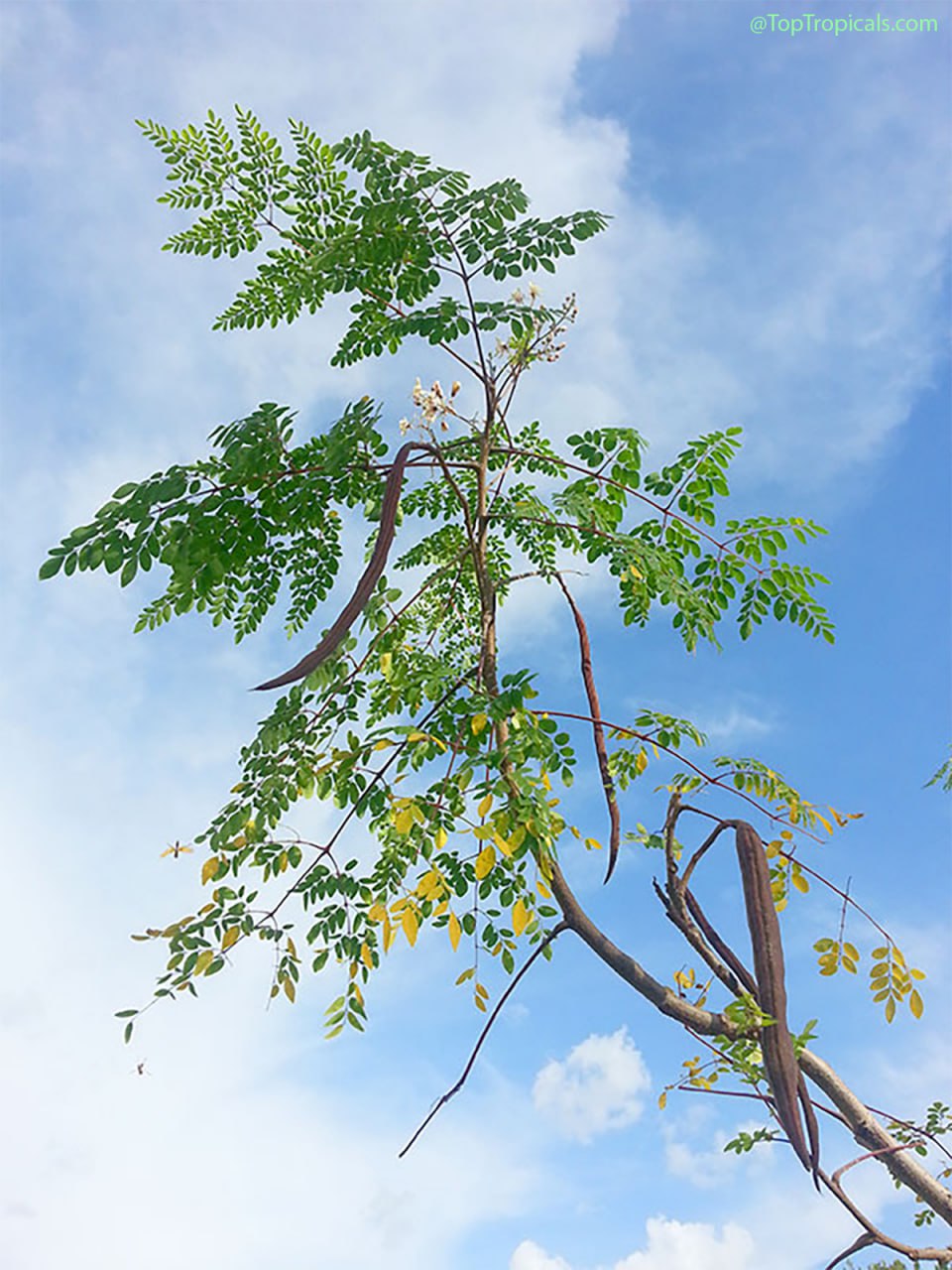
Moringa oleifera leaves and flowers

Moringa oleifera leaves and flowers

Moringa oleifera leaves on a branch

Moringa oleifera leaves on a branch

🌳 Moringa leaves made simple - daily benefits and 6 easy recipes


Moringa tree is called the Tree of Life for a reason. Moringa leaves, often called miracle greens, are packed with vitamins A, C, and E, calcium, iron, potassium, and plant protein. Regular use supports immunity, digestion, skin health, energy levels, and overall vitality. Traditionally, moringa has also been used to support blood sugar balance, heart health, and inflammation control thanks to its rich supply of antioxidants and bioactive compounds like flavonoids and polyphenols.

❤️ Key benefits of eating moringa leaves daily:


🌿 Supports blood sugar balance


Moringa may improve insulin sensitivity and help stabilize blood sugar, reducing sudden energy crashes. Regular intake has been linked to better glycemic control and reduced inflammation.

🌿 Improves digestion


High fiber supports gut health, while natural detoxifying compounds help liver function. Moringa may also promote healthy gut bacteria and improve digestion regularity.

🌿 Fights inflammation


Moringa leaves contain compounds that help reduce inflammatory markers in the body, supporting joint, heart, and overall cellular health.

6 easy moringa recipes to try


🌿 Moringa laddoo


Roast whole wheat flour in ghee, add fresh moringa leaves, jaggery, nuts, sesame seeds, and cardamom. Shape into laddoos and store airtight.

🌿 Moringa smoothie


Blend fresh moringa leaves, banana, curd, honey, and water. Top with soaked chia seeds and drink fresh.

🌿 Moringa dal


Cook toor dal with turmeric. Saute moringa leaves, onion, tomato, garlic, and chilies in ghee, mix into dal, and finish with cumin and asafoetida tempering.

🌿 Moringa paratha


Knead wheat flour with moringa leaves, onion, spices, and salt. Roll and cook on a hot tawa with oil or ghee.

🌿 Moringa chutney


Grind moringa leaves with coconut, green chilies, ginger, lemon juice, and salt. Serve fresh.

🌿 Moringa tea


Simmer fresh or dried moringa leaves in water for a few minutes, strain, and enjoy warm with honey or lemon if desired.

🛒 Grow your own Tree of Life - Moringa

📚 Learn more:

Horseradish tree Plant Facts

Botanical name: Moringa oleifera, Moringa pterygosperma
Also known as: Horseradish tree, Ben Oil Tree, Coatli, Drumstick tree, Bridal veil, Miracle Tree
USDA Zone: 9 - 11
Highligths Plant used for bonsaiLarge tree taller than 20 ftSmall tree 10-20 ftFull sunWatering: Moderate. Water when top soil feels dryWhite, off-white flowersEdible plantPlant attracts butterflies, hummingbirdsDeciduous plantEthnomedical plant.
Plants marked as ethnomedical and/or described as medicinal, are not offered as medicine but rather as ornamentals or plant collectibles.
Ethnomedical statements / products have not been evaluated by the FDA and are not intended to diagnose, treat, cure, or prevent any disease. We urge all customers to consult a physician before using any supplements, herbals or medicines advertised here or elsewhere.Fragrant plantSubtropical plant. Mature plant cold hardy at least to 30s F for a short time
Get personalized tips for your region

· Moringa oleifera in Plant Encyclopedia
· Moringa omelet recipe
· Moringa vs spinach: which one wins for nutrition?
· What edible plants and herbs can reduce your blood pressure
· Top 12 Eye-Supporting Fruit and Plants for Vitamin A - Retinol
· Memory & Cognitive Support (Brain Boosters) Edible Plants and Herbs
· How to grow drumsticks on a tree
· What is the most useful tree in the world?
· How to grow a happy Moringa Tree

#Food_Forest #Remedies #Discover #Trees #Recipes

🟢 Join 👉 TopTropicals

Date: 8 Jan 2026

Is winter killing your mango flowers? 33 winter-proof mid-season mango varieties in 90-sec tour

33 winter-proof mid-season mango varieties

❄️ Is winter killing your mango flowers? 33 winter-proof mid-season mango varieties in 90-sec tour


🥭 Mid-season mango varieties make up the heart of the mango harvest. They are not as early as the first winter bloomers and not as late as the extended-season types, but they fill out most of the season.

🥭 Mango trees are winter bloomers, but freezing temperatures can damage them, especially when the trees are still young.

🥭 Right now it is January, and many mid-season mango trees are in bloom or just starting to bloom. While a winter cold snap can damage flowers, mango trees are resilient and often re-bloom once warmer weather returns.

🥭 A list of winter-proof mid-season mango varieties in Top Tropicals garden - Winter 2026


Blooming time: late December - January, may re-bloom February-March

· All Summer
· Alphonso
· Angie
· Baptiste
· Carrie
· Cogshall
· Creme Brulee
· Cushman
· East Indian
· Edward
· Florigon
· Fralan
· Fruit Cocktail
· Fruit Punch
· Gary
· Glenn
· Gold Nugget
· Harvest Moon
· Julie
· Juliette
· Lemon Zest
· Madame Fransis
· Maha Chinook
· O-15 (OMG)
· Pim Seng Mun
· Pineapple Pleasure
· Rapoza (Dwarf Hawaiian)
· Super Julie
· Suvarnarekha (Sundari)
· Triplesec (Seacrest, 40-36)
· Ugly Betty
· Venus
· Venus
· Wise

🛒 Explore Mango varieties

📚 Learn more:


· #Mango_Rainbow - varieties you should try
· How to take care of a mango tree in winter
· Mango winter tips

#Food_Forest #Mango #How_to

🟢 Join 👉 TopTropicals

Date: 8 Jan 2026

Root beer leaf wraps: quick-n-fun exotic recipes

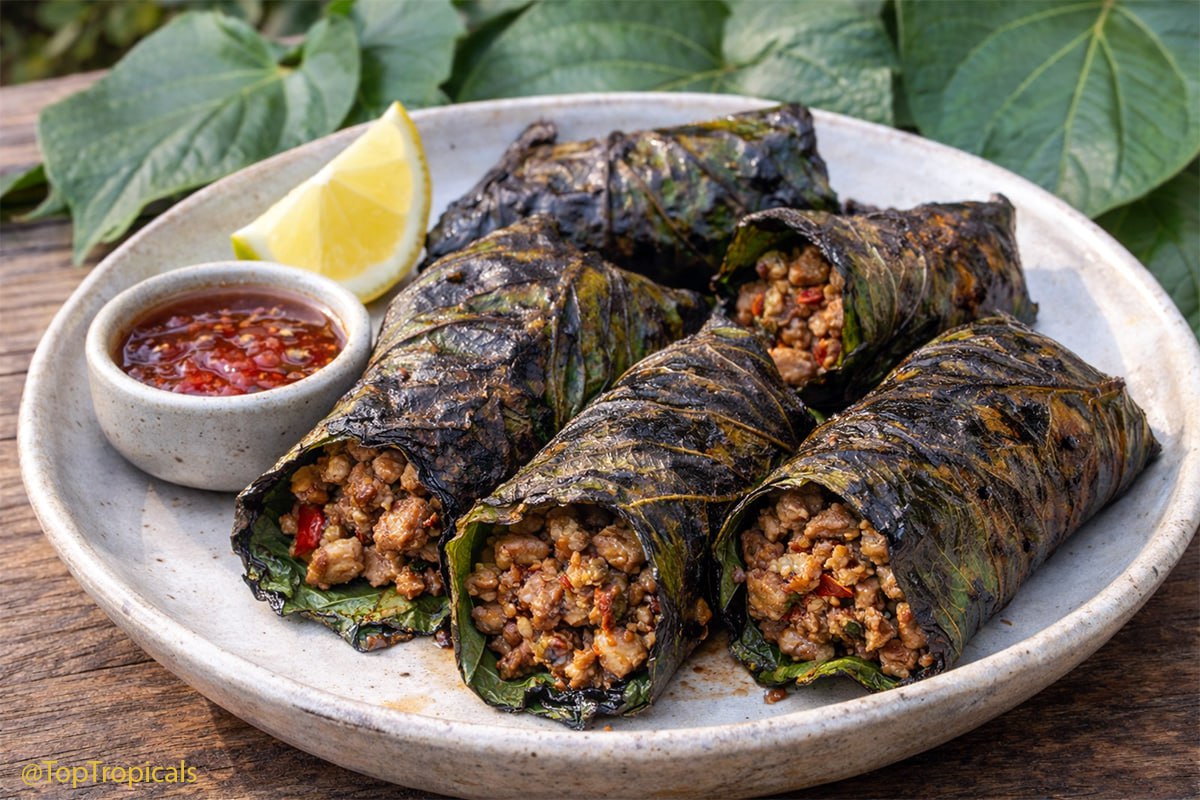
Root beer leaf wraps

Root beer leaf wraps

Piper auritum - Root Beer Plant

Piper auritum - Root Beer Plant

🍴 Root Beer Leaf Wraps

Ingredients

  • 6 to 8 large fresh Root Beer leaves (Piper auritum)
  • 1 lb ground meat or firm tofu
  • 1 small onion, finely chopped
  • 2 cloves garlic, minced
  • 1 tbsp vegetable oil
  • Salt and pepper to taste
  • Optional: chili flakes, paprika, or cumin
  • Lemon wedges, for serving

Instructions

  1. Rinse the Root Beer leaves and pat dry. Trim thick stems if needed.
  2. In a bowl, mix ground meat or tofu with onion, garlic, oil, salt, pepper, and spices.
  3. Place a portion of filling onto each leaf and roll tightly into wraps.
  4. Grill over medium heat until the leaves are lightly charred and the filling is cooked through.
  5. Serve warm with lemon wedges or dipping sauce.

☘️ About the plant:


Piper auritum - Root beer plant, also known as Acuyo or false Kava-Kava, is a large-leaved tropical herb native to Central and South America and also grown in the South Pacific. It belongs to the same family as Kava-Kava and black pepper. The leaves are prized for their bold, aromatic flavor, often described as root beer, anise, or clove-like. Traditionally, the leaves are chopped for seasoning or used whole as natural wrappers for meats, fish, and tamales.

🌱 In the garden:


Piper auritum is easy to grow in warm climates and forms a lush, fast-growing perennial. Its huge, soft leaves - often over a foot long - make it both edible and ornamental. It prefers warmth, moisture, and partial shade and is often mistaken for Kava-Kava due to its similar appearance and close relation.

🛒 Plant the beautiful Root Beer Plant - it always will be with you

📚 Learn more:

Root Beer Plant Facts

Botanical name: Piper auritum
Also known as: Root Beer Plant, Mexican Pepperleaf, Hoja Santa , Veracruz Pepper, False Kava-Kava, Sacred Pepper
USDA Zone: 8 - 11
Highligths Large shrub 5-10 ft tallSmall plant 2-5 ftSemi-shadeShadeFull sunWatering: Regular. Let topsoil dry slightlyKeep soil moistInvasive plantSpice or herb plantEthnomedical plant.
Plants marked as ethnomedical and/or described as medicinal, are not offered as medicine but rather as ornamentals or plant collectibles.
Ethnomedical statements / products have not been evaluated by the FDA and are not intended to diagnose, treat, cure, or prevent any disease. We urge all customers to consult a physician before using any supplements, herbals or medicines advertised here or elsewhere.Irritating plantSubtropical plant. Mature plant cold hardy at least to 30s F for a short time
Get personalized tips for your region

Piper auritum - Root Beer Plant in Plant Encyclopedia
How to always have your own Root Beer
How to grow your own Pepper plants. Five most valuable 'Pipers'

#Food_Forest #Recipes

🟢 Join 👉 TopTropicals

Date: 7 Jan 2026

Do you know why its a Papaya time?

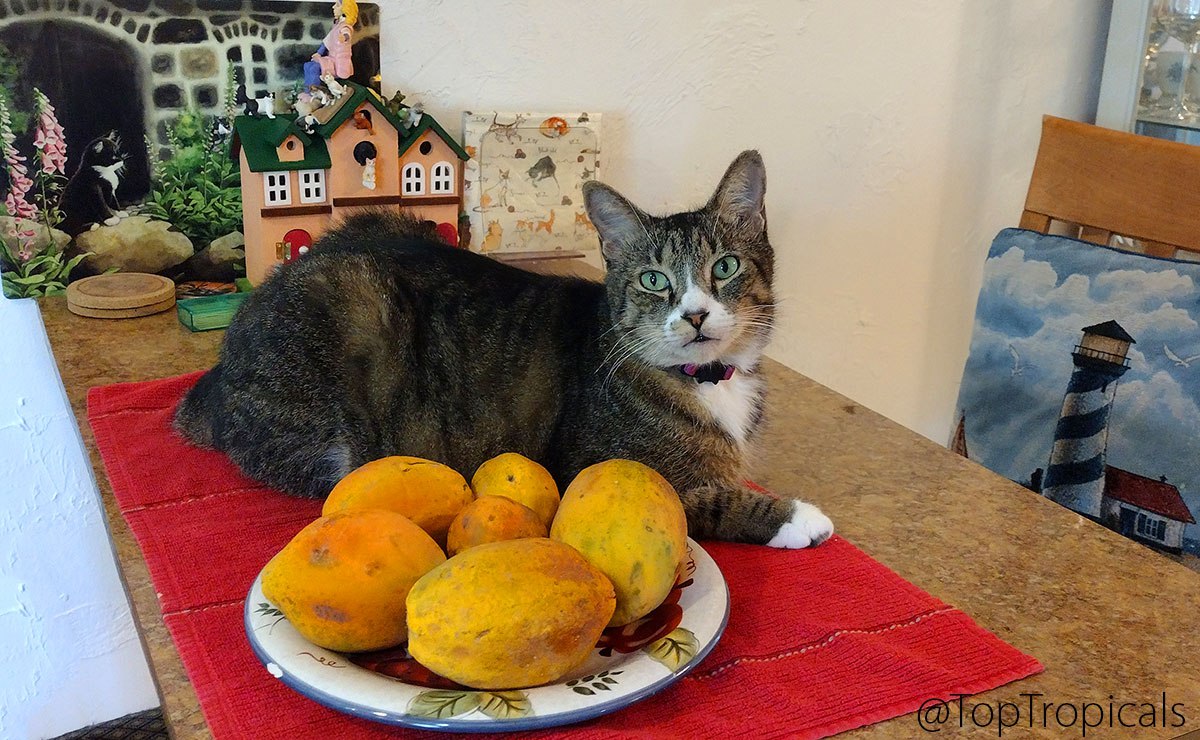
Cat James Coconuts with his papayas

Cat James Coconuts with his papayas

🍊 Do you know why it's a Papaya time?


Because Papaya Trees fruit year around! James Coconuts just harvested a big crop from his papaya trees. Varieties in fruit right now, in January: Wan Deng, Lady Red, Waimanalo, Sunrise, TR Hovey.

🛒 Explore Papaya varieties

📚 Learn more:


🟡about #Papaya

🐈📸 Cat James Coconuts with his papayas at TopTropicals PeopleCats.Garden

#PeopleCats #Papaya

🟢 Join 👉 TopTropicals

Date: 7 Jan 2026

How to grow papaya from seed without killing it, Part 3: containers, sunlight, and 11 common mistakes

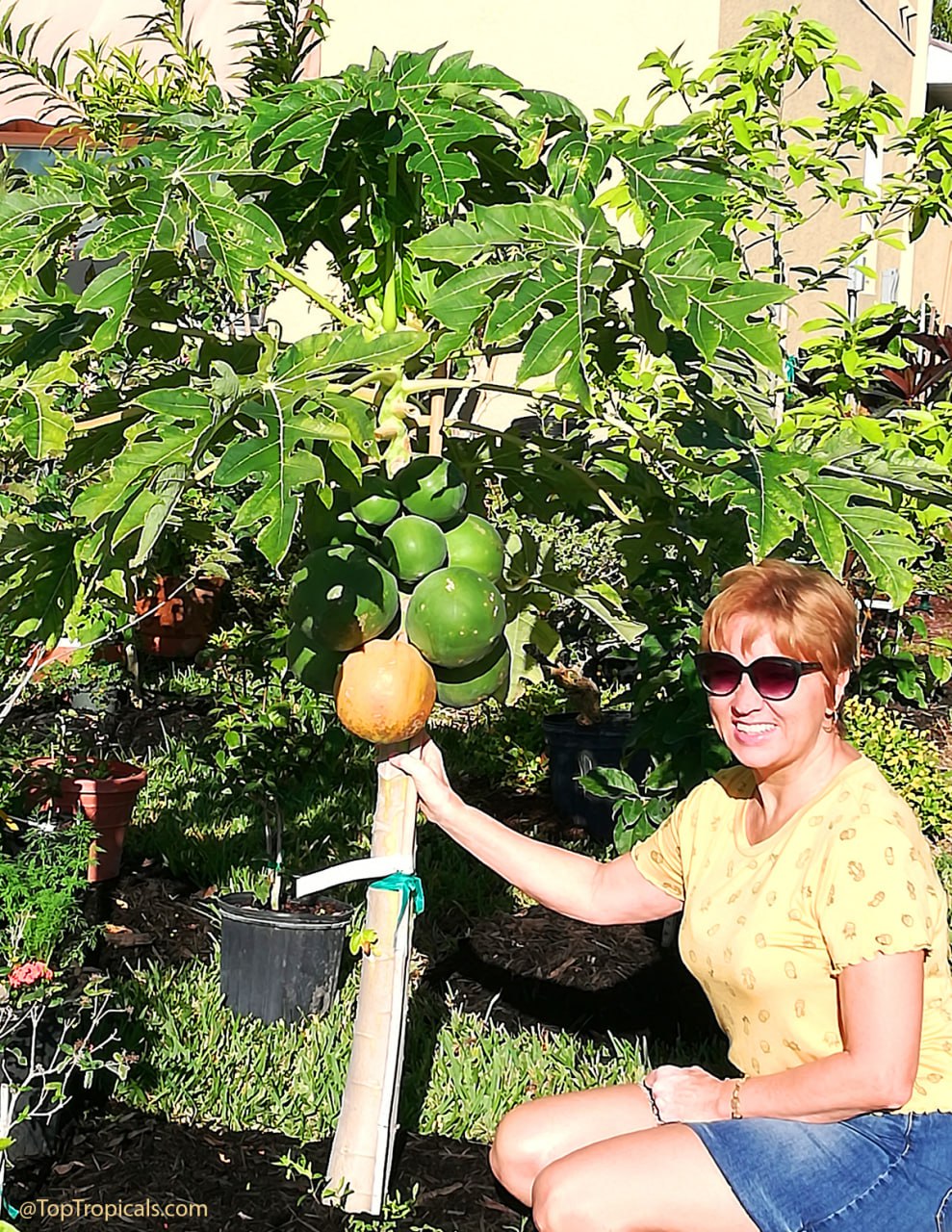
Dwarf Papaya tree

Dwarf Papaya tree

🍊 How to grow papaya from seed without killing it, Part 3: containers, sunlight, and 11 common mistakes


Getting papaya to sprout (see part 1 and part 2) is only half the battle. How you handle containers, sun, water, and root disturbance determines whether your plant reaches fruiting size or slowly declines. In this final part, we cover practical container growing, light requirements, and the mistakes that stop papaya from ever producing fruit.

🍊 Transplanting papaya - what most people get wrong


The one thing papaya roots hate (and most growers ignore)

Choosing the right container is critical.
Rule of thumb: papayas hate transplanting. Their roots do not like to be disturbed.

Because of this:
🟡Reduce transplanting as much as possible
🟡Choose a container that will last longer once seedlings leave starter pots
🟡Avoid stepping up pot sizes too frequently

Watering matters just as much:
🟡Larger pots stay wet longer
🟡Papaya roots dislike constant moisture
🟡Always reduce watering when moving into a bigger container

🍊 Container growing guide for papaya


Grow papaya anywhere - but only if you do this right

🟡Start seeds in small cells (1–2 seeds per cell) or small pots (4–8 seeds per pot, spaced far apart)
🟡Transplant carefully when seedlings reach about 2 inches
🟡Once a 4-inch pot is outgrown, move directly to 1-gallon or even 3-gallon containers
🟡Reduce watering when containers are much larger than the root system
🟡Protect young plants from heavy rain until roots fill the pot
🟡Stake plants with bamboo
🟡Papayas grow fast, and the stem often outpaces root development. Even light wind can knock them over

🍊 Sunlight requirements for papaya


Papaya grows fast, but one mistake stops it cold

Papayas need full sun and prefer to stay on the drier side once established.

In shade:
🟡Plants become leggy and overly tall
🟡Flowering may stop completely
🟡Fruit production may be reduced or zero

Shade also keeps soil wet longer:
🟡Soil dries slowly
🟡Excess moisture can kill roots, even on mature plants

🍊 11 most common mistakes when growing papaya from seed


From seed to fruit in under a year - if you avoid these papaya mistakes

· 1. Leaving pulp or slime on seeds - prevents germination and causes rot
· 2. Soil too wet during germination - keep damp, not soggy
· 3. Overwatering seedlings - young plants rot easily
· 4. Disturbing roots during transplanting - papayas hate it
· 5. Not enough sun - papaya hates shade and will not produce in low light
· 6. Too much water once established - prefers drier conditions
· 7. Planting in low spots in the ground - poor drainage leads to root rot
· 8. Using heavy soil - waterlogging kills roots
· 9. Giving up too early - seeds can take weeks to sprout
· 10. Not fertilizing - papaya is a heavy feeder. Poor soil means no fruit. Remember, it is a giant grass.
· 11. Do not trim papaya. Trimming may cause side shoots, but it ruins the natural tropical form. If you need a ladder to harvest fruit, the solution is not pruning - it is growing a dwarf variety.

Papaya rewards growers who understand its quirks. Treat it like the fast-growing, shallow-rooted plant it is, and it will produce quickly and generously. Ignore those basics, and it will struggle no matter how much care you give it.

If you found this helpful, bookmark all 3 parts - papaya grows fast, and timing matters
:

How to grow papaya from seed without killing it:
Part 1: Papaya basics
Part 2: Seeds germination
Part 3: Containers, sunlight, and common mistakes

🛒 Explore Papaya varieties

📚 Learn more:

Papaya Plant Facts

Botanical name: Carica papaya
Also known as: Papaya
USDA Zone: 9 - 11
Highligths Small tree 10-20 ftFull sunWater Requirement: Low. Allow soil to dry out between wateringsWatering: Moderate. Water when top soil feels dryYellow, orange flowersWhite, off-white flowersEdible plantEthnomedical plant.
Plants marked as ethnomedical and/or described as medicinal, are not offered as medicine but rather as ornamentals or plant collectibles.
Ethnomedical statements / products have not been evaluated by the FDA and are not intended to diagnose, treat, cure, or prevent any disease. We urge all customers to consult a physician before using any supplements, herbals or medicines advertised here or elsewhere.Subtropical plant. Mature plant cold hardy at least to 30s F for a short time
Get personalized tips for your region

· Carica papaya in Plant Encyclopedia

#Food_Forest #How_to #Papaya

🟢 Join 👉 TopTropicals