Garden Blog - Top Tropicals

Date: 28 Dec 2023

Cats in the Garden.
Cat Breed: The Norwegian Forest Cat - Skogkatt

Norwegian  Forest  Cat  -  Skogkatt  on  a  cat  tree

By Alex Butova, the Witch of Herbs and Cats

Meet the cats around us - they're our friends, protectors, and magical mascots. They keep us healthy and can even save us in emergencies...
Winter brings a special time called the Solstice. It's when the earth pauses its yearly cycle and starts a new one. This magical moment marks the beginning of something enchanting...
Let's begin with the Norwegian Forest Cat. It's a mysterious and northern feline friend, also called Skogkatt. It's like the wildcats in Scandinavian fairy tales...

Norwegian  Forest  Cat  -  Skogkatt  with  flowers

Skogkatt's favorite flower

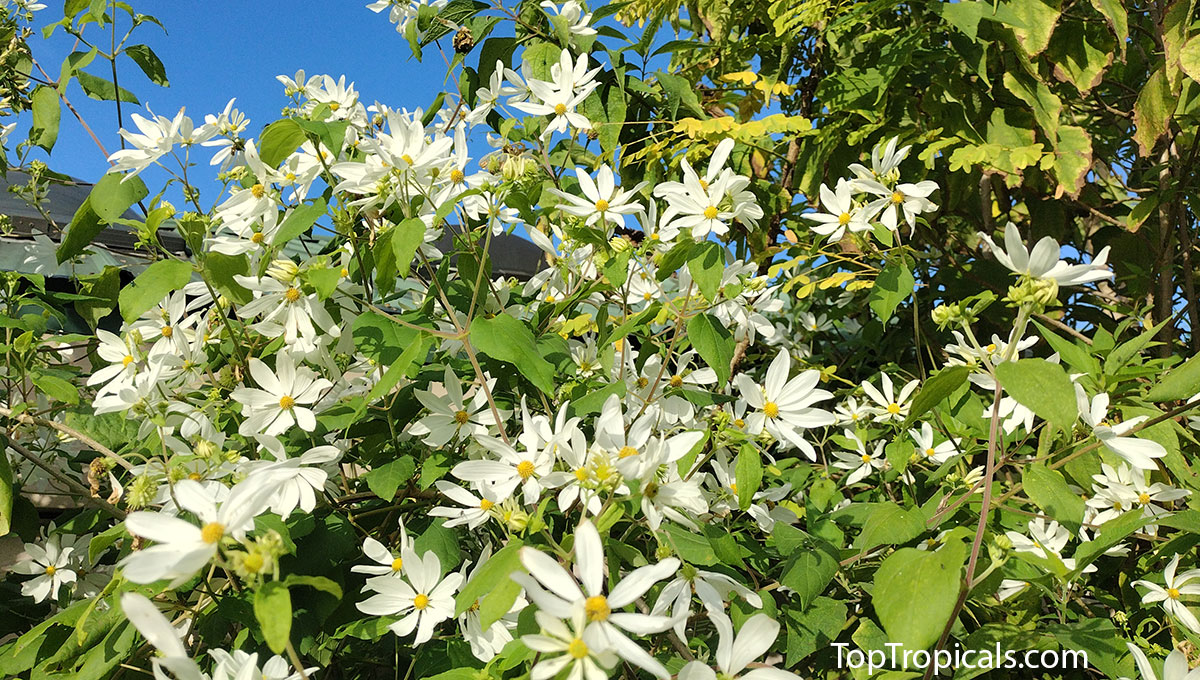
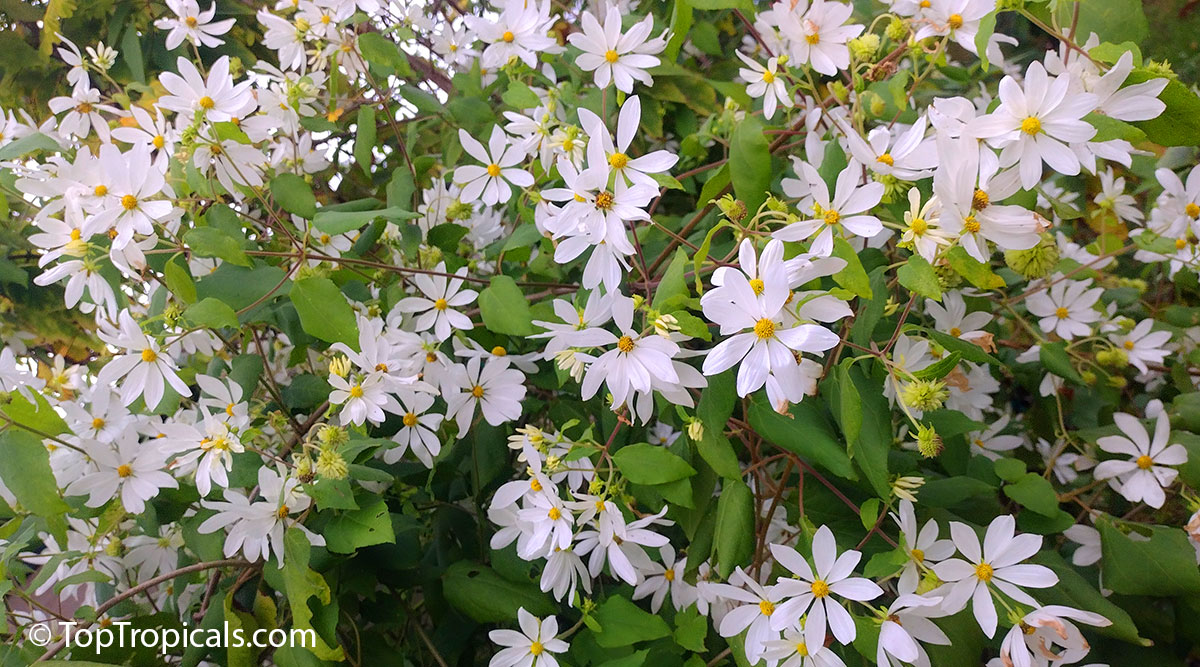
What's Skogkatt's favorite flower in their homeland? Viking Poms, small yellow daisies. But in more southern regions, Daisy Trees - Montanoa - serve as substitutes, reminding them of their distant Northern homeland.

Montanoa  atriplicifolia  -  Tree  Chrysanthemum,  Tree  Daisy

Montanoa atriplicifolia - Tree Chrysanthemum, Tree Daisy - one of the most impressive winter bloomers.

Montanoa  atriplicifolia  -  Tree  Chrysanthemum,  Tree  Daisy,  flowers

Date: 2 Mar 2026

😼😺 The Story Behind Smokey and Sunshine 🐾

Smokey  and  Sunshine  in  office  presentation  about  Cherry  of  the  Rio 


Grande  freeze  survival,  with  Sunshine  pointing  at  polar  bear  and  penguin 


marketing  poster,  coffee  and  donuts  on  table,  tropical  plants  on  shelves  in 


background.
Sunshine: You know, February 27 was International Polar Bear Day. I just learned about it and got a brilliant marketing idea. Cherry of the Rio Grande survived 25F. With wind. Real wind. That means we go north. Let them taste this magic. I even have a donut recipe with the fruit. It’s a bomb, Smokey. We expand. Trust me. Finally you can afford that new watering timer.

Smokey: Not so fast, genius. Twenty five degrees is not the North Pole. And polar bears and penguins do not share zip codes.

Sunshine: You always pour cold water on my brilliance. Fine. Where do we start?

Smokey: Well, first you go talk to Tatiana. She graduated from the Geography Department. She can explain climate zones. Cherry of the Rio Grande can grow in North Florida, Texas, and similar climates. Let’s master that before we conquer Arctic.

Sunshine: So… Phase One: Geography?

Smokey: Exactly.

Some stories are easier to tell with a little humor. Smokey and Sunshine were never just mascots. They represent the two forces behind every decision we make here: bold ideas and careful reality. One dreams big. The other checks the climate zone map. Together, they remind us that growing plants is part science, part optimism, and always personal. If you have ever wondered why they keep appearing in our newsletters, you can read their full story on the Smokey and Sunshine page. They have been with us longer than most people realize.

🐾 Learn the Story of Smoky and Sunshine

Freeze Testing of Grumichama and Cherry of Rio Grande 🍒❄️
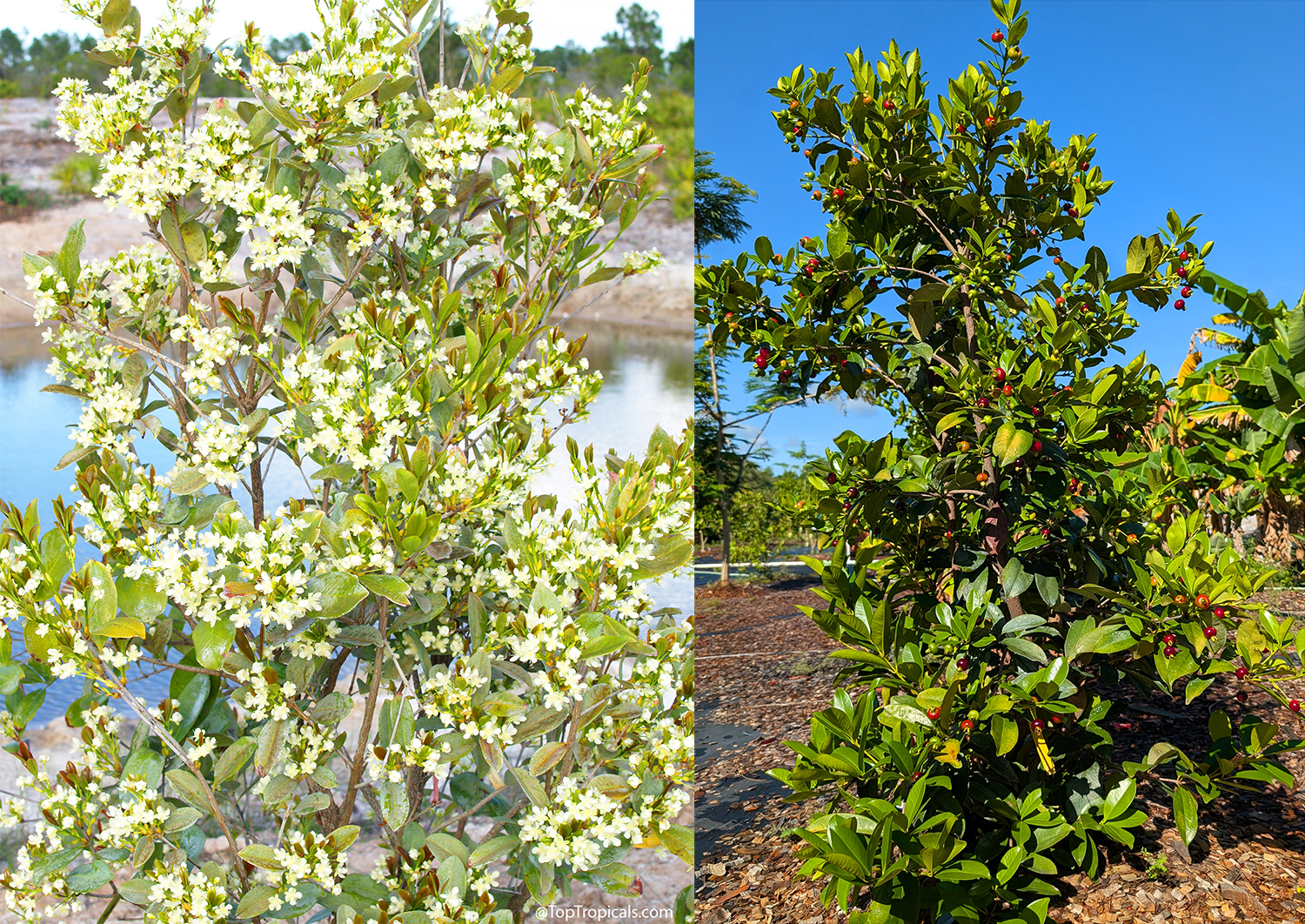
Grumichama  tree  (Eugenia  brasiliensis)  showing  white  flowers  and  ripe 


red  fruits  in  tropical  garden 


conditions

Eugenia brasiliensis - Grumichama tree flowering and fruiting

When temperatures dropped to 25F, with wind chill near 14F, winter made it clear which tropical trees were truly resilient. Some plants burned back. Tender growth collapsed. But our established Eugenia cherries stood steady. Leaves held. Branches stayed flexible. The canopy remained intact.

Cherry of the Rio Grande (Eugenia aggregata) and Grumichama (Eugenia brasiliensis) are among the most cold-hardy tropical cherries for Southern gardens. Both are native to Brazil and thrive in USDA Zones 9b–11, and even protected 9a sites.

Cherry of the Rio Grande produces dark ruby fruit that ripens almost black, with a rich, full cherry flavor. It flowers early in spring and can fruit well into summer. Mature trees can tolerate brief drops into the low 20s once established. Trees typically grow 8 to 15 feet tall, remain naturally compact, and often begin fruiting within 2 to 3 years.

Grumichama is an evergreen tree known for both beauty and productivity. In spring, it covers itself in white starburst flowers that attract pollinators. Within about four weeks, glossy purple-black fruit develops. Established trees tolerate temperatures into the upper 20s and grow well in the ground or in 5–10 gallon containers. Mature trees can produce hundreds of fruits per season.

Across the Eugenia group, strengths are consistent: early bearing, compact growth, heat tolerance, light freeze endurance, and low pest pressure. They are adaptable to different soils, need modest water once established, and perform in full sun or partial shade. Birds enjoy the fruit, but there is usually plenty to share.

Nutritionally, Eugenia cherries provide Vitamin C, fiber, antioxidants, and notable Vitamin A that supports eye health. They offer sweetness with real dietary value.

In the kitchen, they are simple and rewarding. Cherry of the Rio Grande makes an easy compote. Simmer the fruit with a small amount of water until soft, mash lightly, and spoon over pancakes or warm bread. Grumichama turns into a deep red jam with sugar and lime, or can be blended into a bright spoon drizzle over vanilla ice cream.

Even when not fruiting, both trees remain attractive year-round with glossy evergreen foliage and clean structure. They fit well into edible landscapes, small yards, and container gardens.

Winter will return. The difference lies in planting fruit trees that can handle heat, humidity, and the occasional cold snap. If you are building a food forest for lasting harvests, cold-hardy tropical cherries like Cherry of the Rio Grande and Grumichama deserve a place in your garden.
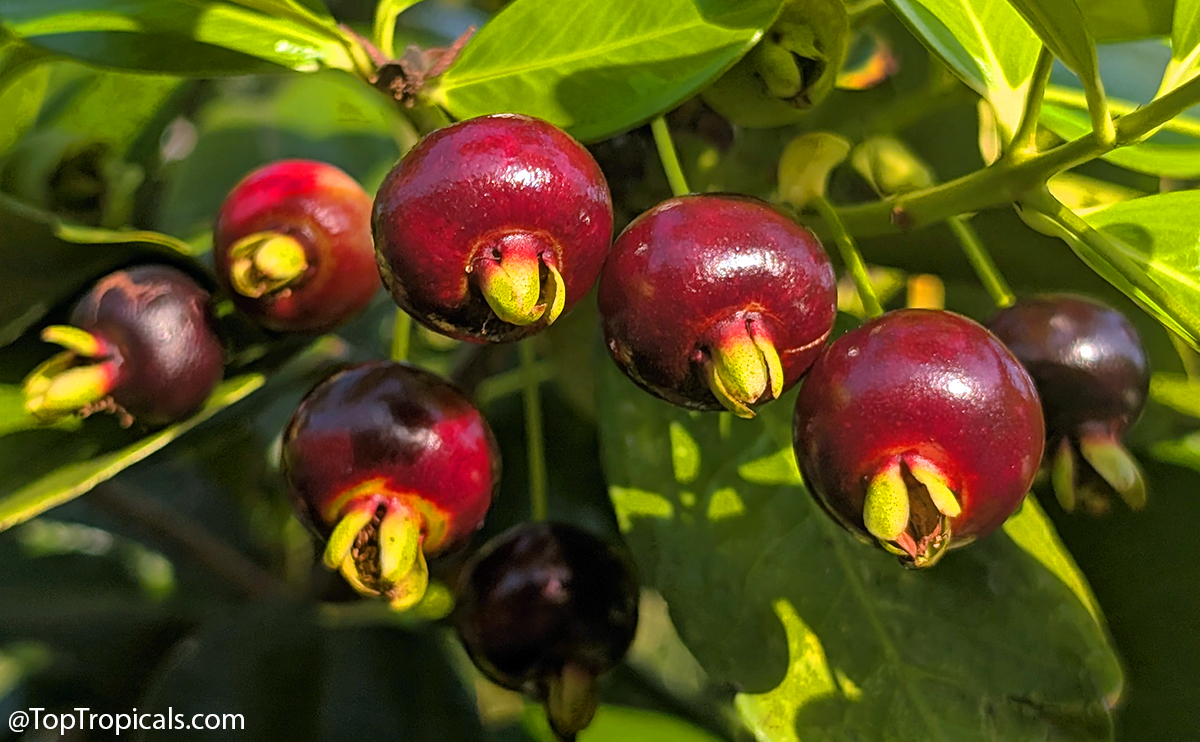
Ripe  Grumichama  fruits  (Eugenia  brasiliensis)  hanging  on  a  branch  with 


glossy 


leaves

Ripe Grumichama (Eugenia brasiliensis) fruits developing on the tree, turning deep red to nearly black when fully mature.
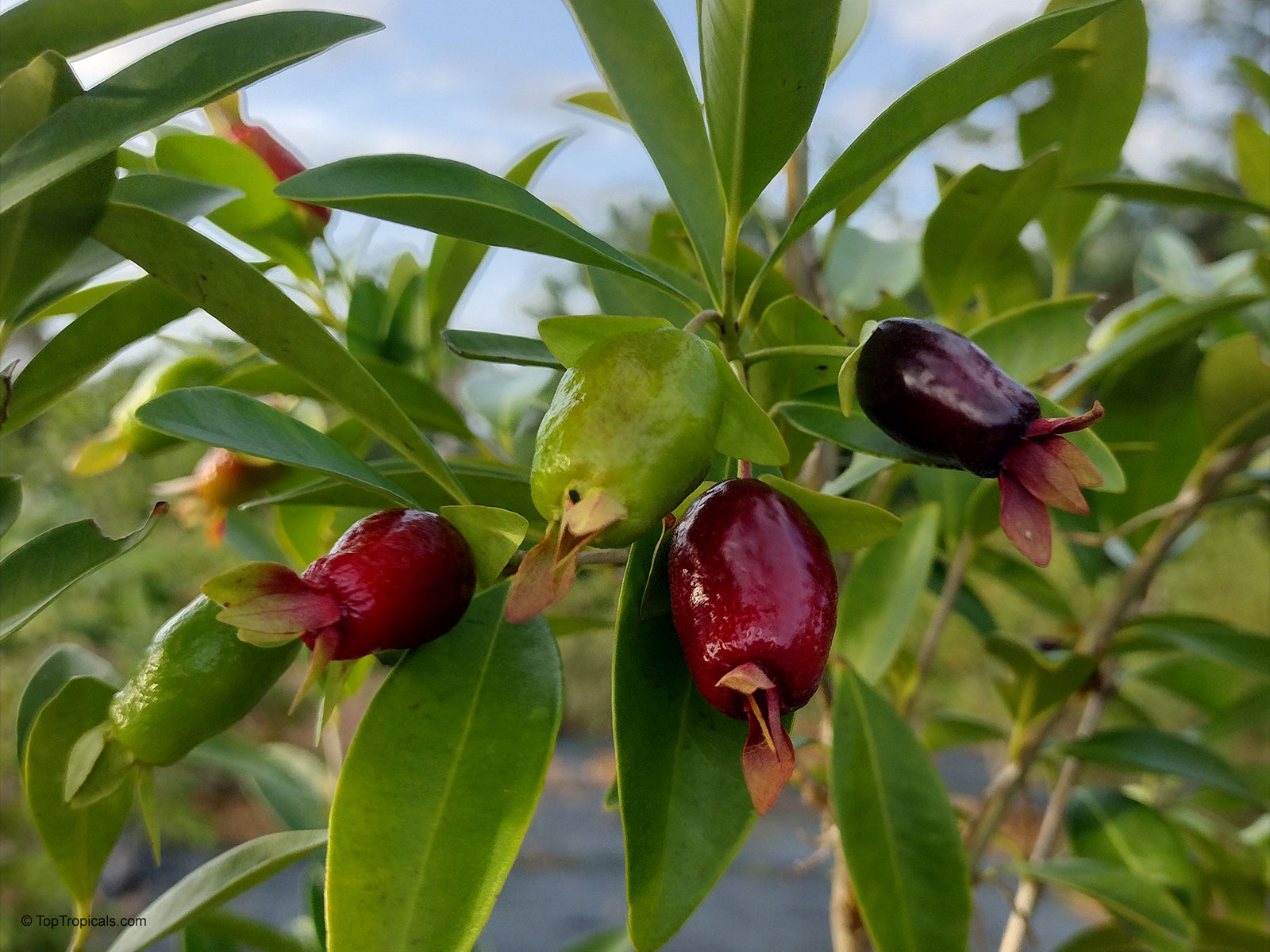
Cherry  of  the  Rio  Grande  (Eugenia  aggregata  cv.  Calycina)  fruits 


ripening  from  green  to  dark  purple  on  the 


branch

Eugenia aggregata (cv. Calycina), Cherry of the Rio Grande

🛒 Plant hardy Eugenia cherries

Date: 2 Mar 2026

Beyond fruit: how this African tree supports wildlife and garden health

Vangueria infausta - Spanish Tamarind

Vangueria infausta - Spanish Tamarind

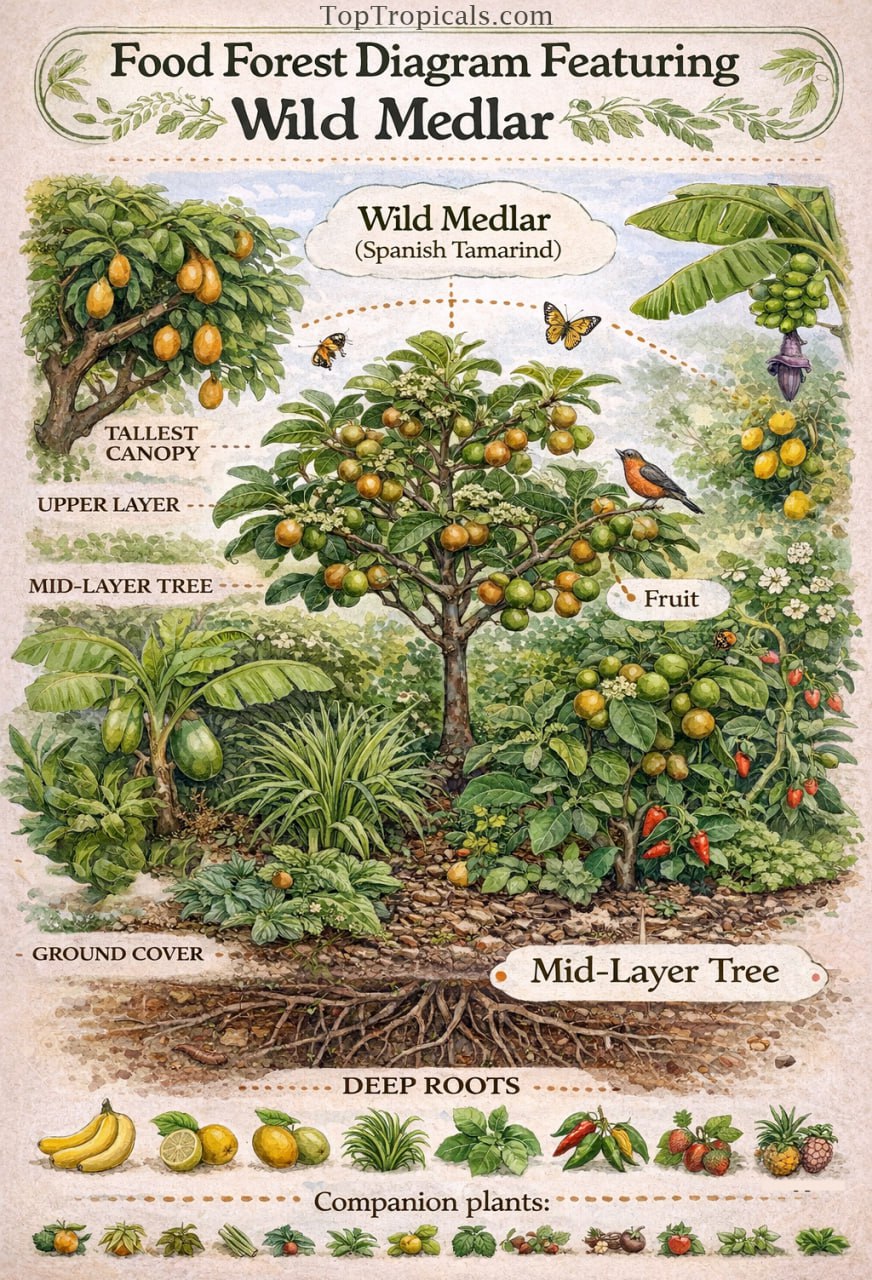
Beyond fruit: how this African tree supports wildlife and garden health: Wild Medlar in the ecological food forest 🍊

Vangueria infausta (Spanish Tamarind, Wild Medlar) might win your heart for its sweet-tart fruit and folk medicine magic - but did you know it’s also a quiet hero in the ecosystem? Whether you’re planting a full-blown food forest or just a mixed backyard garden, Vangueria infausta brings more than fruit to the table. It brings balance, beauty, and biodiversity.

🐝 Pollinator power


When in bloom, this tree produces nectar-rich flowers that attract bees, butterflies, and other pollinators. These beneficial insects don’t just help the Wild Medlar fruit - they boost productivity in your entire garden.
If you grow mangos, citrus, guava, or veggies nearby, Spanish Tamarind helps keep the pollinator traffic moving.

🐦 Bird magnet


Birds are big fans of this tree. They nest in its dense branching, snack on overripe fruit, and help spread seeds. In return, they’ll help keep down pests like caterpillars and beetles.
Even in a small garden, one Wild Medlar can be a micro-habitat for birds, insects, and other helpful wildlife.

🌱 Soil stabilizer


With its deep roots and drought-hardy nature, Wild Medlar helps hold soil in place, especially on slopes or rocky patches. It improves drainage and reduces erosion, which makes it a great addition to food forests in challenging spots.

🍂 Natural mulch & green cleanup


The tree drops a modest amount of leaf litter, which breaks down into soft, rich mulch. In a diverse planting, that means fewer weeds, better soil structure, and less watering needed.

🌿 Companion planting & food forest stacking
  • · Works great as a mid-layer tree in multi-tiered systems
  • · Provides light shade for herbs or smaller fruiting plants
  • · Plays well with bananas, papaya, guava, lemongrass, and ground covers
In zones 9-11, it can live happily in a mixed border or permaculture guild. In colder zones, just keep it potted and move it around as needed - it still offers many of the same benefits.

🛡 Pest and disease resistant


One more bonus: Spanish Tamarind is incredibly low-maintenance. It resists most common pests and doesn’t suffer from fungal issues like many tropical fruit trees do. That means fewer chemicals and more harmony in your garden ecosystem.

✍️ Ready to plant something that gives back?


Think you need more than just another fruit tree? More life. More movement. More meaning in your garden?
Grow Wild Medlar for the fruit - but keep it for everything else it brings. The pollinators. The shade. The quiet medicine. The steady presence that makes your space feel alive.
If you’re building a food forest - or simply want a tree that earns its place every single season - this one doesn’t just sit there. It contributes.

🛒 Plant Spanish Tamarind in your Food Forest for a happy wildlife

📚 Learn more:


#Food_Forest #Discover

🟢 Join 👉 TopTropicals

Date: 12 Jan 2026

Cherry of the Rio Grande quick compote: quick-n-fun exotic recipes

Cherry of the Rio Grande quick compote over pancakes

Cherry of the Rio Grande quick compote over pancakes

Eugenia aggregata - Cherry of the Rio Grande fruit

Eugenia aggregata - Cherry of the Rio Grande fruit

🍴 Cherry of the Rio Grande Quick Compote

This fast cherry compote is made from Cherry of the Rio Grande (Eugenia aggregata). It is tart, rich, and perfect over pancakes, waffles, toast, or warm bread.

Ingredients

  • 1 cup Cherry of the Rio Grande fruit, pitted
  • 2 to 4 tablespoons water

Instructions

  1. Place cherries and water in a small saucepan.
  2. Simmer over medium heat until the cherries soften and release juice.
  3. Mash lightly with a spoon for a chunky texture.
  4. Spoon warm compote over pancakes or bread and serve immediately.

🛒 Plant Cherry of the Rio Grande

📚 Learn more:


#Food_Forest #Recipes

🟢 Join 👉 TopTropicals

Date: 15 Jul 2024

Five most useful edibles for your Food Forest

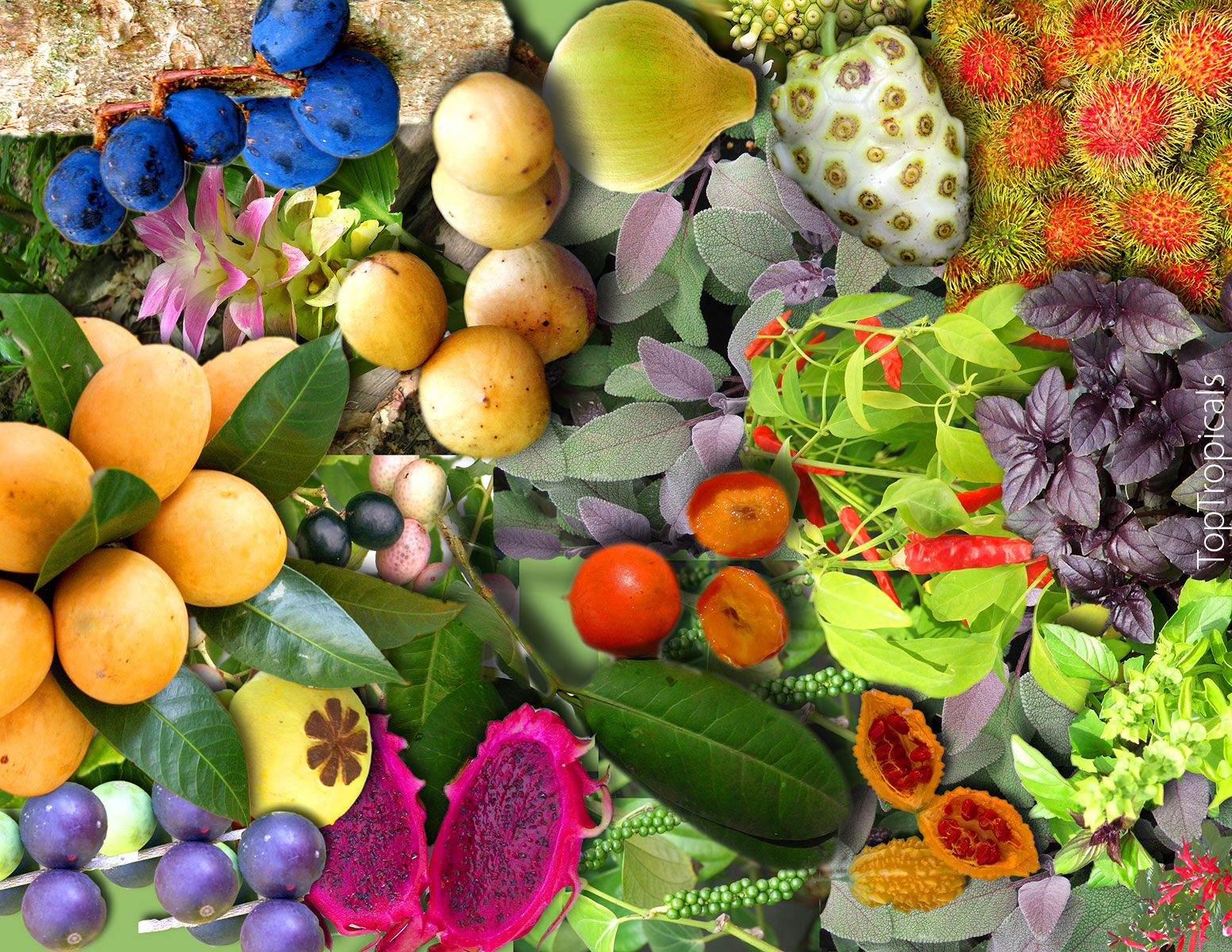
Tropical  Food  Forest  collage

Tired of mowing a boring lawn? Use your yard instead of being used by your yard - grow edible landscape! Below are several plants that made our life happier and meals healthier. Besides, these are fun to grow! Try them out:

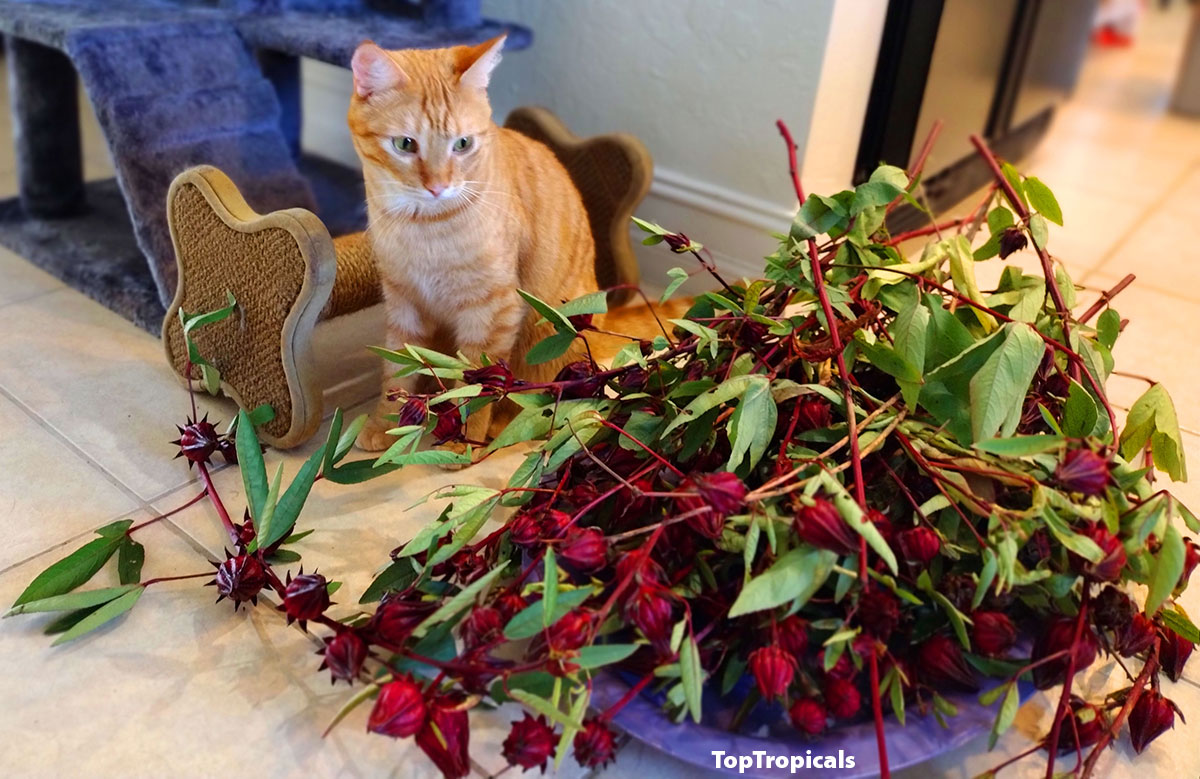
Hibiscus  sabdariffa  -  Flor  de  Jamaica,  Karkade  Sorrel

1. Hibiscus sabdariffa - Flor de Jamaica, Karkade Sorrel - Flowers are used to make a tea "Agua de Flor de Jamaica". Medical studies show that it lowers blood pressure and has diuretic effects. The pleasant flavor is on the tart side similar to a cranberry juice. We make this cold tea every day - perfect for hot summer. Full sun.

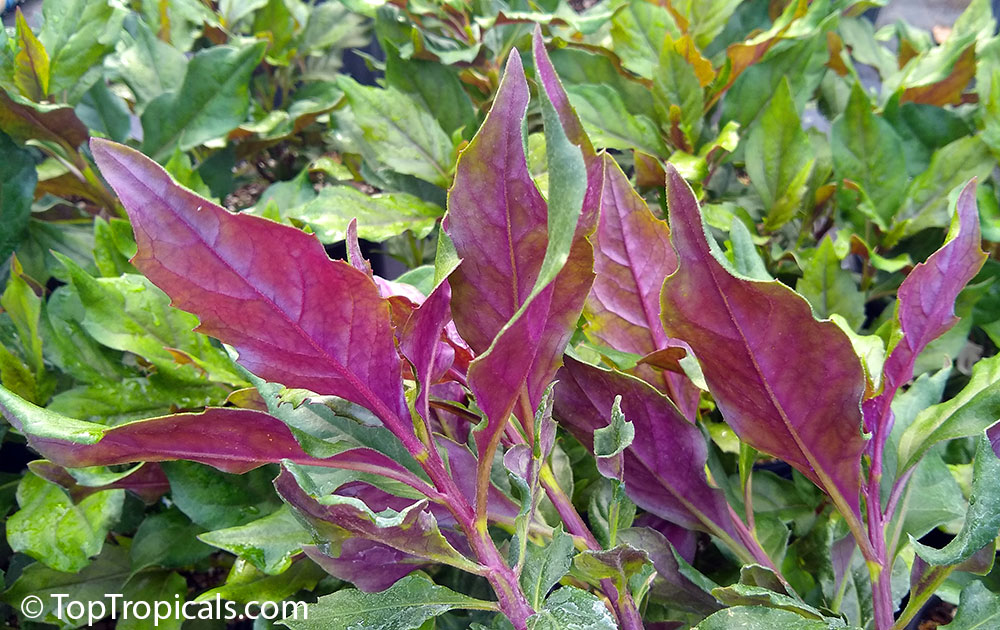
Gynura  procubens  -  Longevity  Spinach,  Cholesterol  spinach

2. Gynura procubens - Longevity Spinach, Cholesterol spinach - one of the Superfoods, and there are many claims that it lowers cholesterol. We use it in our cooking all the time and so far we are all alive! Full sun.
See recipe >>

Cymbopogon  citratus  -  Lemon  grass

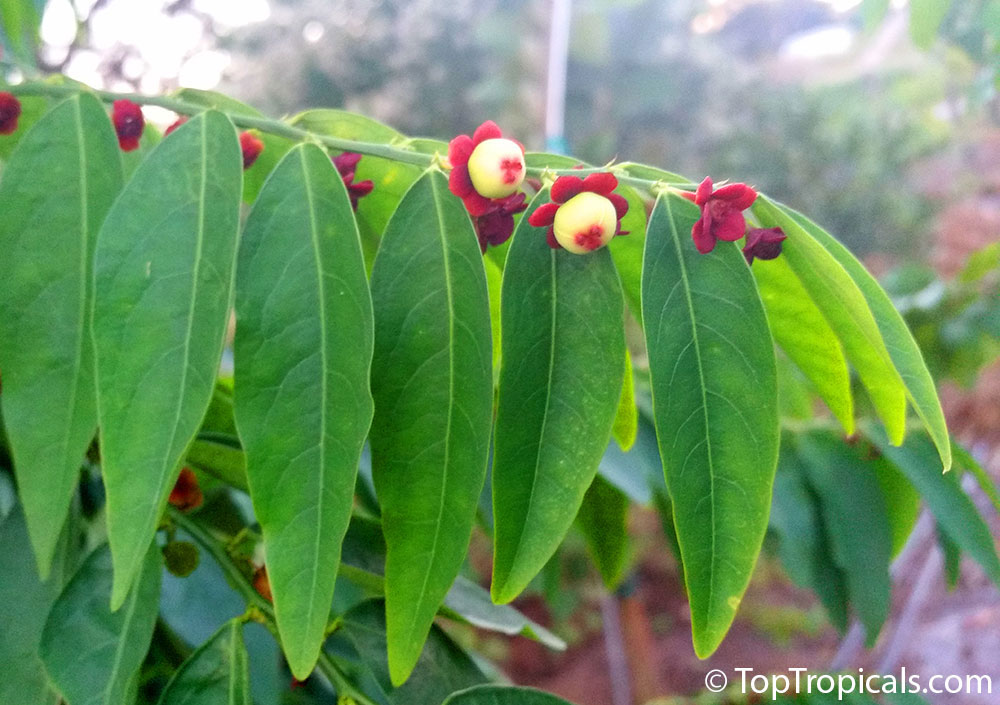
3. Sauropus androgynus - Katuk, Tropical Asparagus. Delicious young shoots, one of the most popular leaf vegetables in Southeast Asia. In Vietnam, people cook it in stews and soups. It is among only a few flora containing vitamin K. Full sun or semi-shade.
Learn more >>

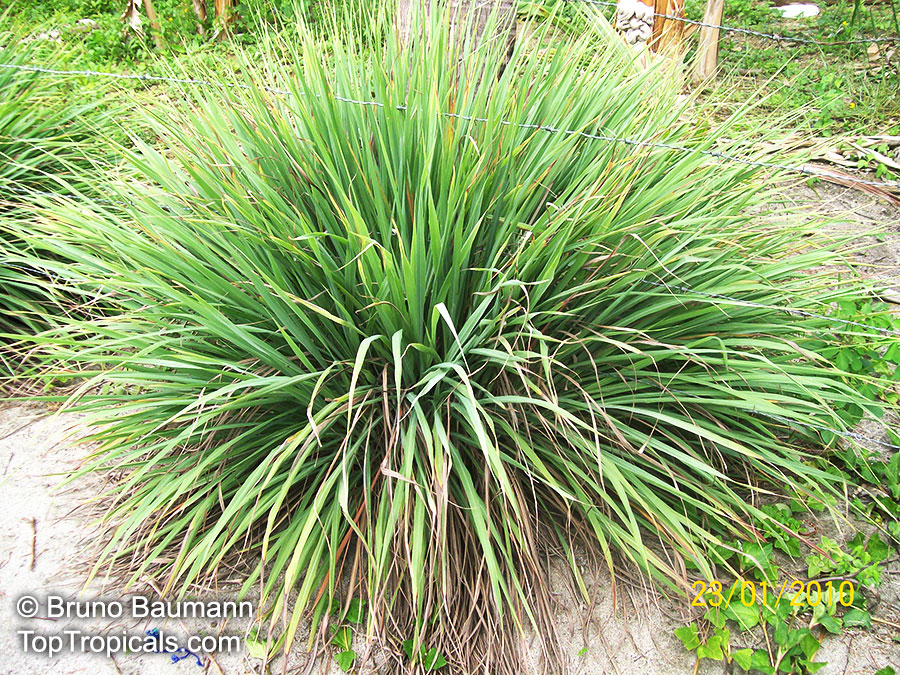
Cymbopogon  citratus  -  Lemon  grass

4. Cymbopogon citratus - Lemon grass: Versatile performer in the kitchen where it can be used in teas, beverages, herbal medicines, Eastern inspired soups and other dishes. Full sun or semi-shade.

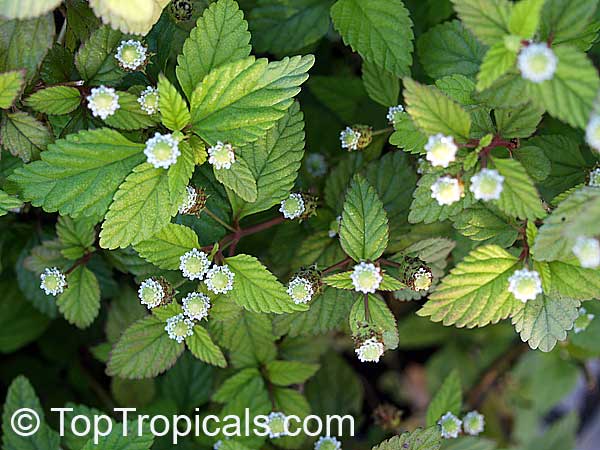
Lippia  dulcis  -  Aztec  Sweet  Herb,  Sweetleaf

5. Lippia dulcis - Aztec Sweet Herb, Sweetleaf: Mexican herb with incredibly sweet leaves that can be eaten from the plant like candy or tossed into fruit salads for an unusual addition. It has been used since the time of the Aztecs for coughs and colds. Tastes great, can be used by diabetic patients. We add this herb to Karkade or Mint tea as a sweetener. Shade or semi-shade.