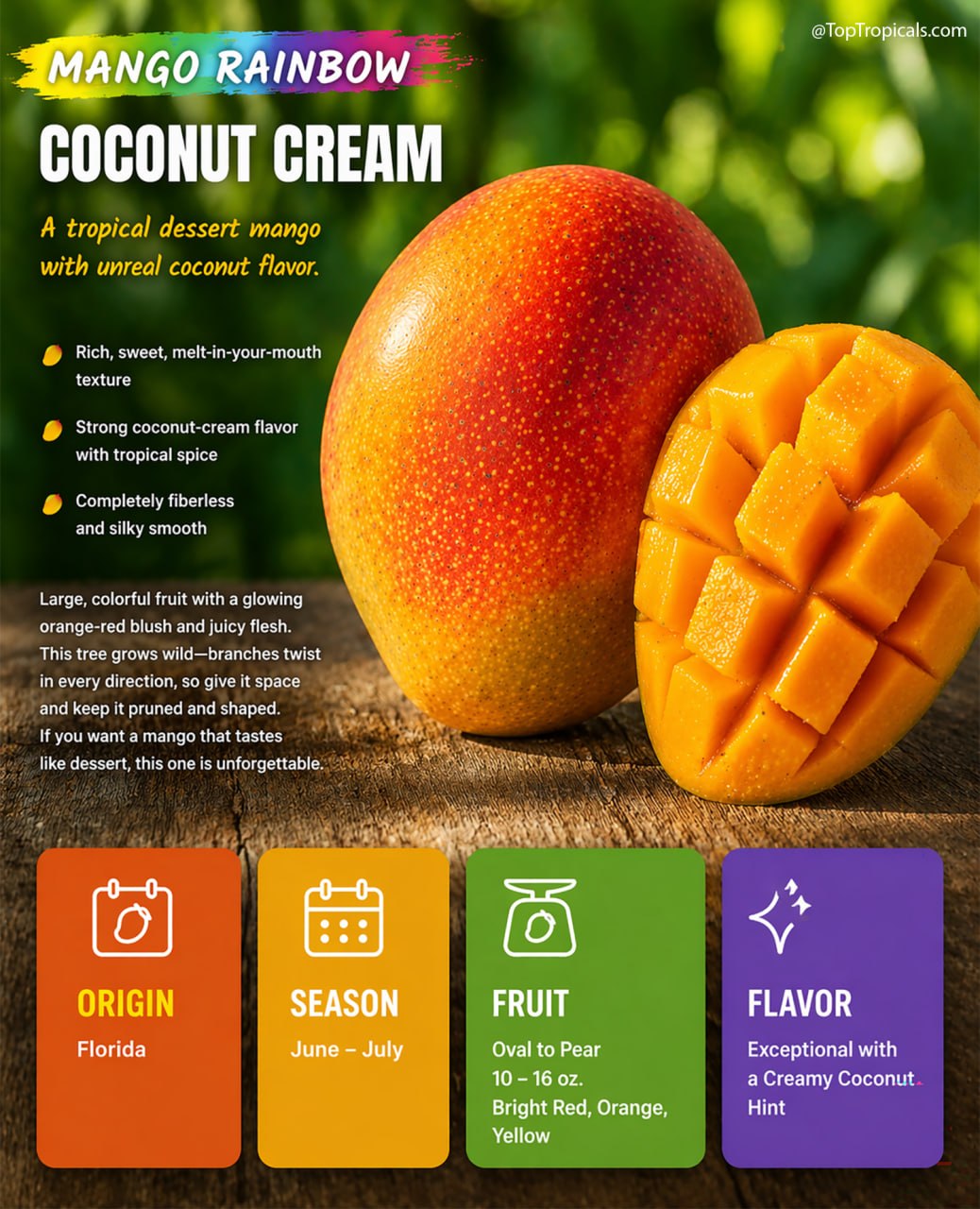
🥭 Coconut Cream - a tropical dessert mango with unreal coconut flavor.
Mango Plant Facts
Botanical name: Mangifera indica Also known as: Mango
USDA Zone: 9 - 11
Highligths
🔸Rich, sweet, melt-in-your-mouth texture 🔸Strong coconut-cream flavor with tropical spice 🔸Completely fiberless and silky smooth
🥭 Large, colorful fruit with a glowing orange-red blush and juicy flesh.
This tree grows wild - branches twist in every direction, so give it space and keep it pruned and shaped.
If you want a mango that tastes like dessert, this one is unforgettable. More 👉
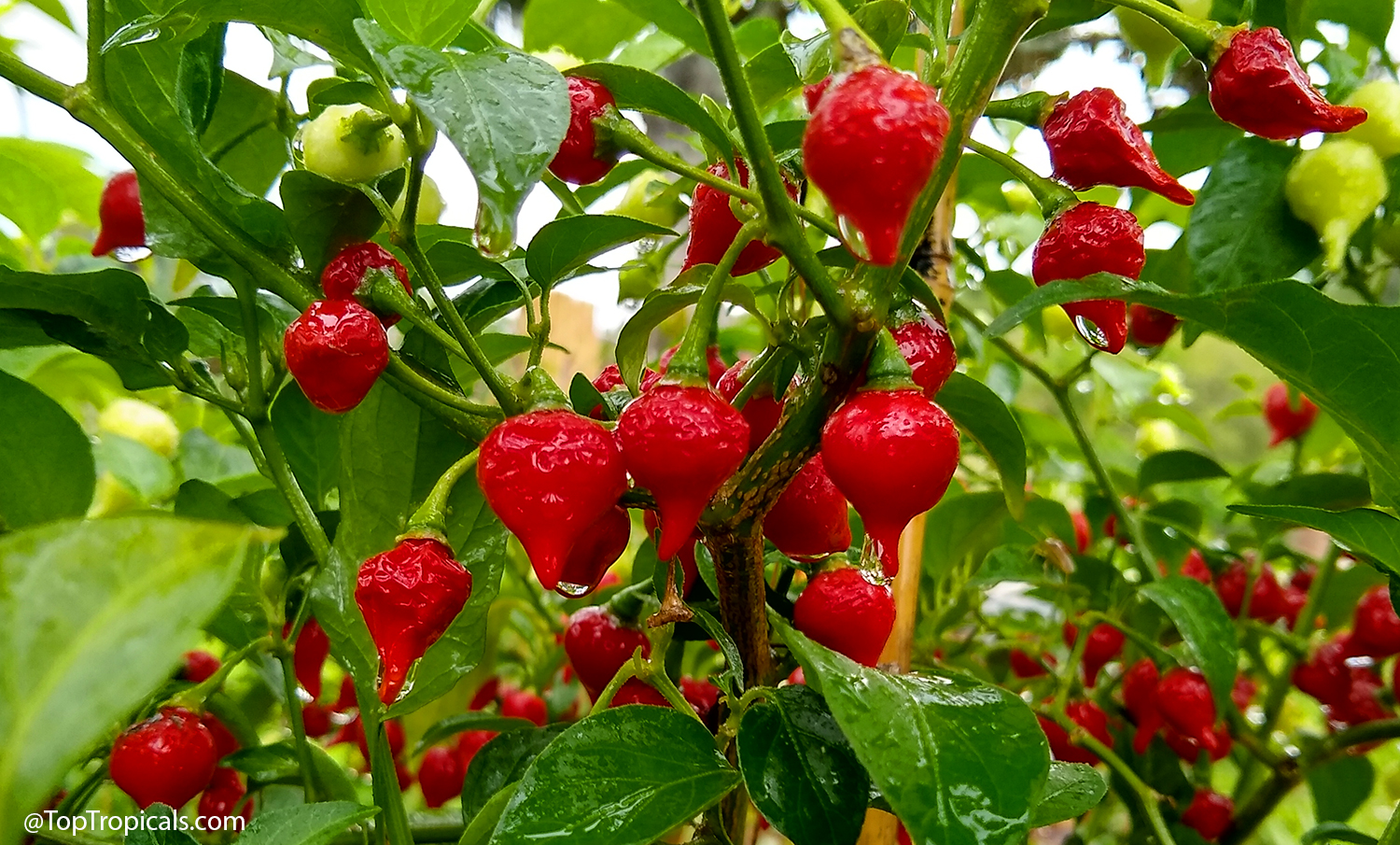
Biquinho
pepper loaded with fruit - small, beak-shaped peppers ripen
from green to bright red, offering intense fruity habanero flavor with
little to no heat on a compact, heavy-producing plant.
Sweet Pepper Plant Facts
Botanical name: Capsicum annuum Also known as: Sweet Pepper, Chilli Pepper, Cayenne Pepper, Paprika, Ornamental pepper
USDA Zone: 4 - 10
Highligths
A lot of plants that thrive in Florida heat have deep roots in Mexico, and
not just as ornamentals. Think coral vine or flame vine climbing a fence in
summer, or bird of paradise
sitting at the edge of a patio like it owns the place. These are not plants
that need coaxing. They grow fast, full, and unapologetically.
Then there are the plants you actually eat: peppers,
prickly
pear, sweetleaf,
and fruit trees like avocado, guava,
and sapodilla.
They do not just decorate the yard. They change how the yard works, and how
the kitchen feels all year.
Avocado Plant Facts
Botanical name: Persea americana, Persea gratissima Also known as: Avocado, Alligator Pear, Aguacate, Abacate
USDA Zone: 9 - 11
Highligths
That is the part that sneaks up on you. Gardening stops being about having a
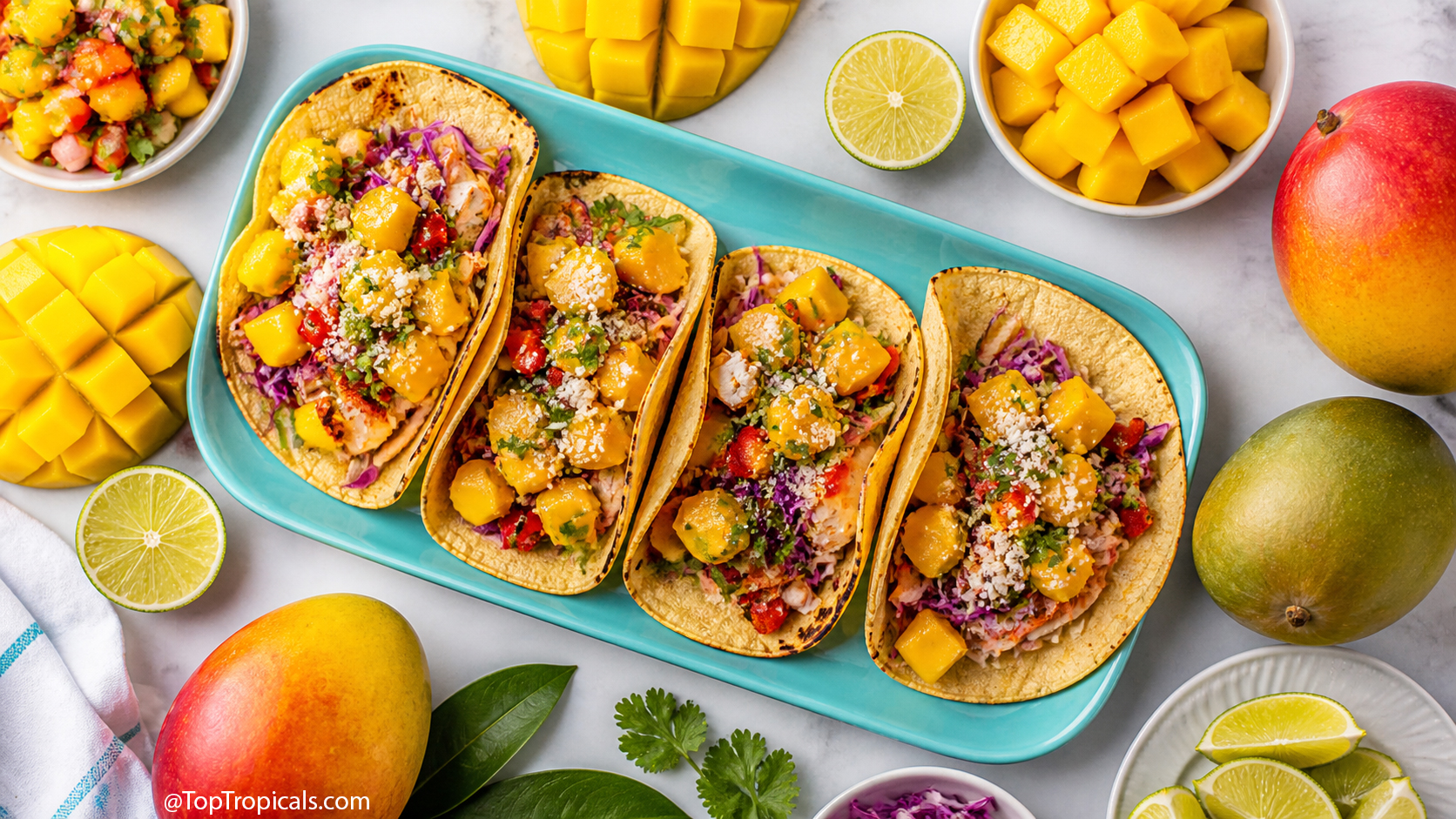
pretty yard and starts becoming a way of living. Mango tacos taste
different when you picked the mango yourself. Everything does.
Mango Plant Facts
Botanical name: Mangifera indica Also known as: Mango
USDA Zone: 9 - 11
Highligths
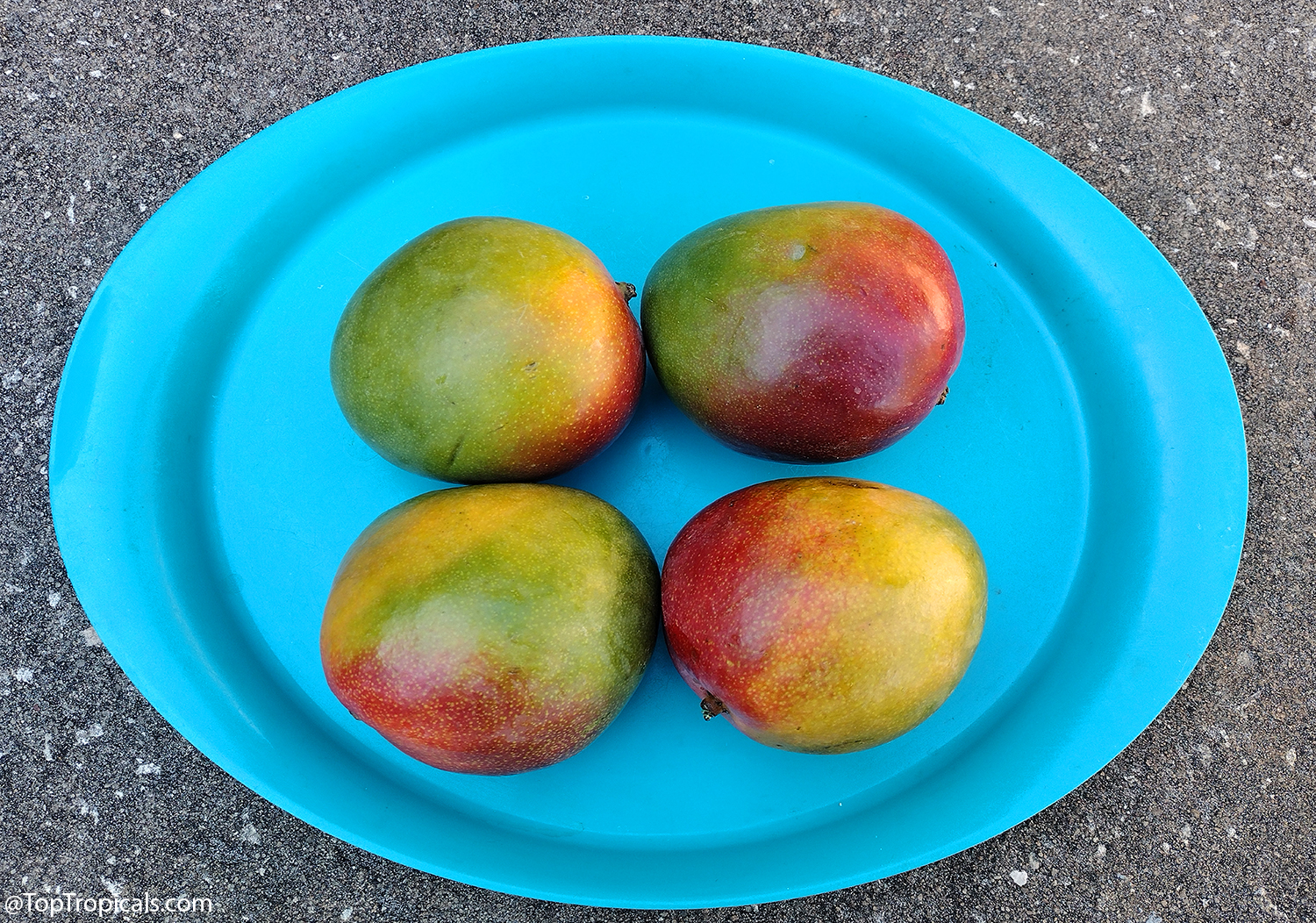
Kent mango - classic late-season variety with smooth,
fiberless flesh and rich, sweet flavor.
🍀Mexican
Plants That Thrive With Minimal Effort
by Tatiana Anderson, Top Tropicals Garden
Expert
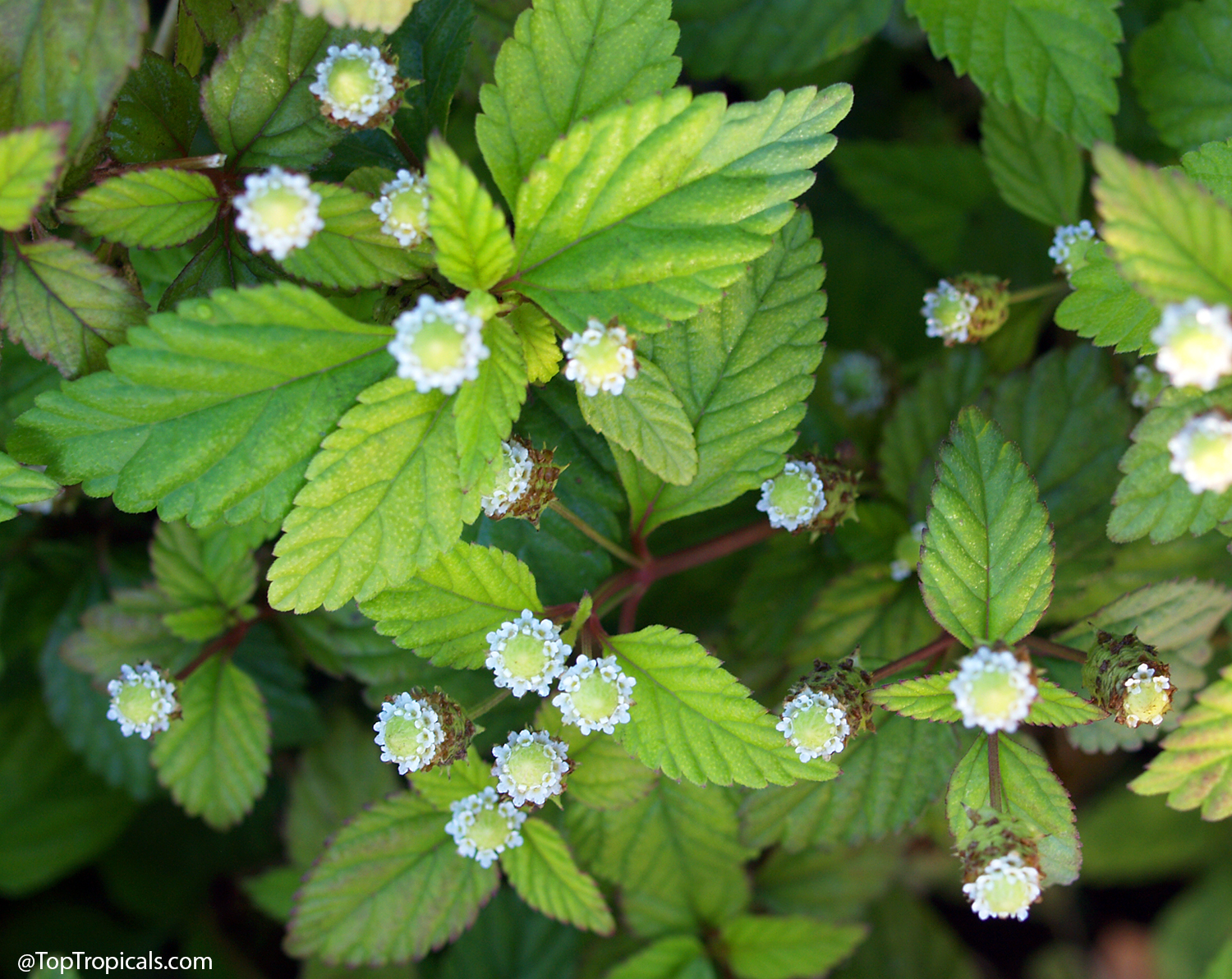
Lippia
dulcis - Aztec Sweet Herb in bloom - a low-growing Mexican herb
with tiny white flowers and remarkably sweet leaves that can be eaten fresh
or added to fruit dishes, traditionally used since Aztec times for coughs
and colds.
Aztec Sweet Herb Plant Facts
Botanical name: Phyla dulcis, Lippia dulcis, Phyla scaberrima, Lippia mexicana Also known as: Aztec Sweet Herb, Sweetleaf
USDA Zone: 9 - 11
Highligths
These Mexican plants are surprisingly easy to grow if you give them what
they expect: sun, heat, and good drainage. Most of them are built for tough
conditions and will grow fast with minimal care once established.
The one rule that matters: fill the planting hole with water. If it does
not drain in 5-10 seconds, plant on a mound or use a container.
Flowering
vines will take off quickly, edibles like peppers and sweetleaf
lippia
are very forgiving, and cactus types prefer to be left alone rather than
overwatered.
For full, step-by-step growing tips and plant-specific advice, read our blog
- we break everything down in practical, real-world terms.
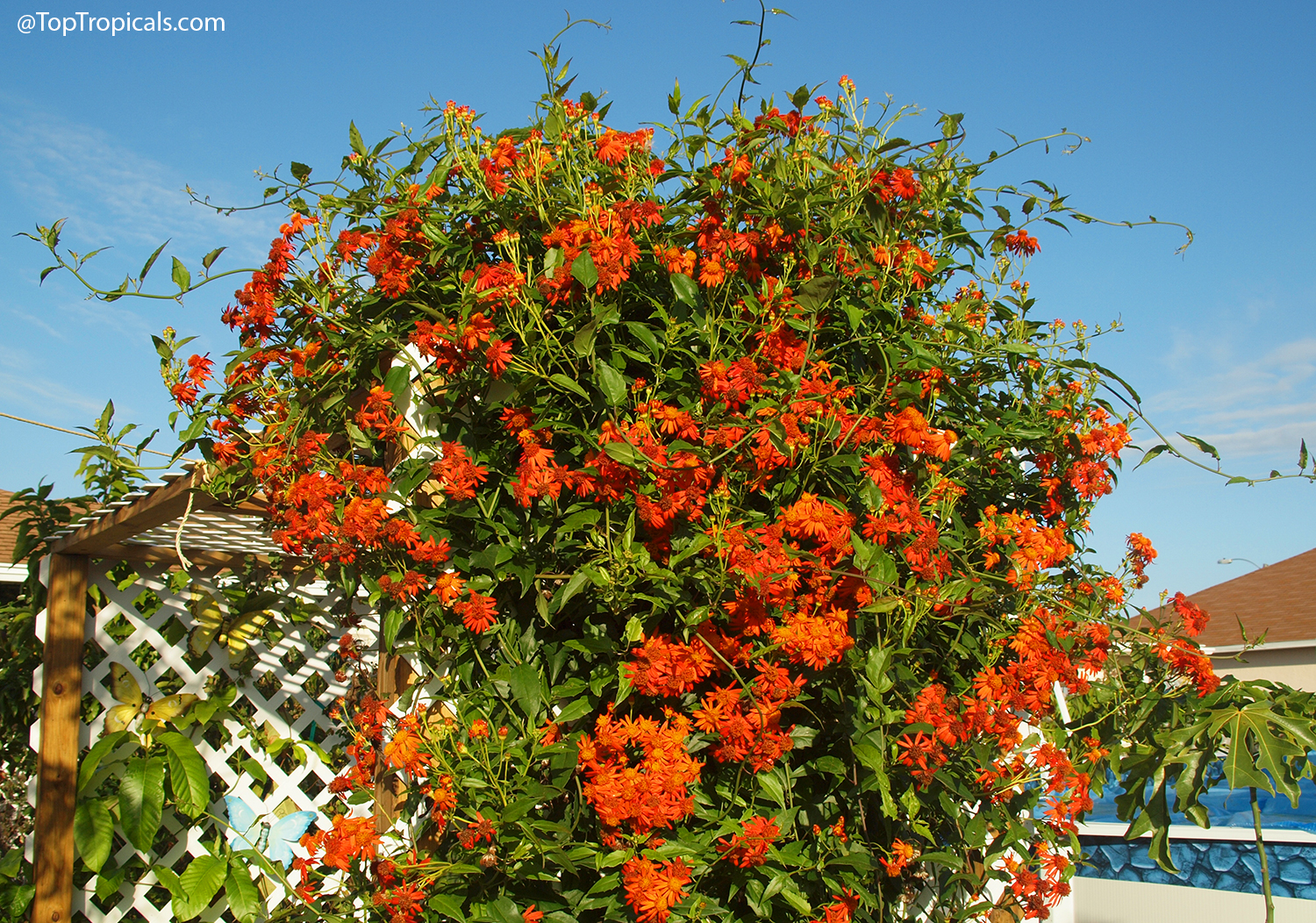
Mexican Flame Vine in full bloom - a fast-growing,
drought-tolerant climber that quickly covers fences with vivid red flowers,
attracting
pollinators and adding bold color with minimal care.
Mexican Flame Vine Plant Facts
Botanical name: Pseudogynoxys chenopodioides, Senecio confusus Also known as: Mexican Flame Vine, Orangeglow Vine
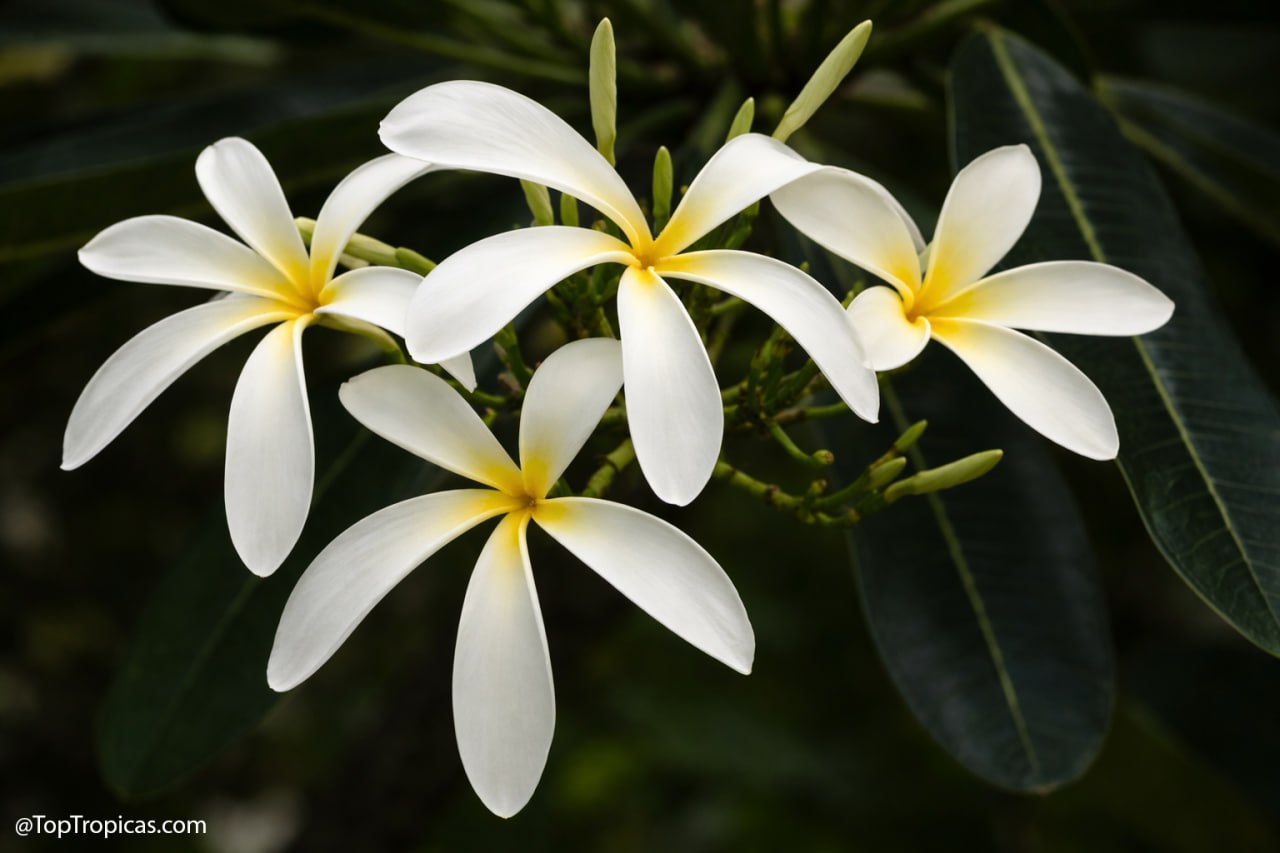
Dwarf plumerias - big blooms in small spaces. Sun tip 🌈
Not every plumeria needs to grow into a large tree. These dwarf varieties stay compact, branch well, and bloom generously - making them perfect for pots, patios, and even indoor growing in cooler climates. Small size, same tropical feel.
Plumeria Plant Facts
Botanical name: Plumeria sp. Also known as: Plumeria, Frangipani
USDA Zone: 9 - 11
Highligths
🌸 Today's featured plumerias:
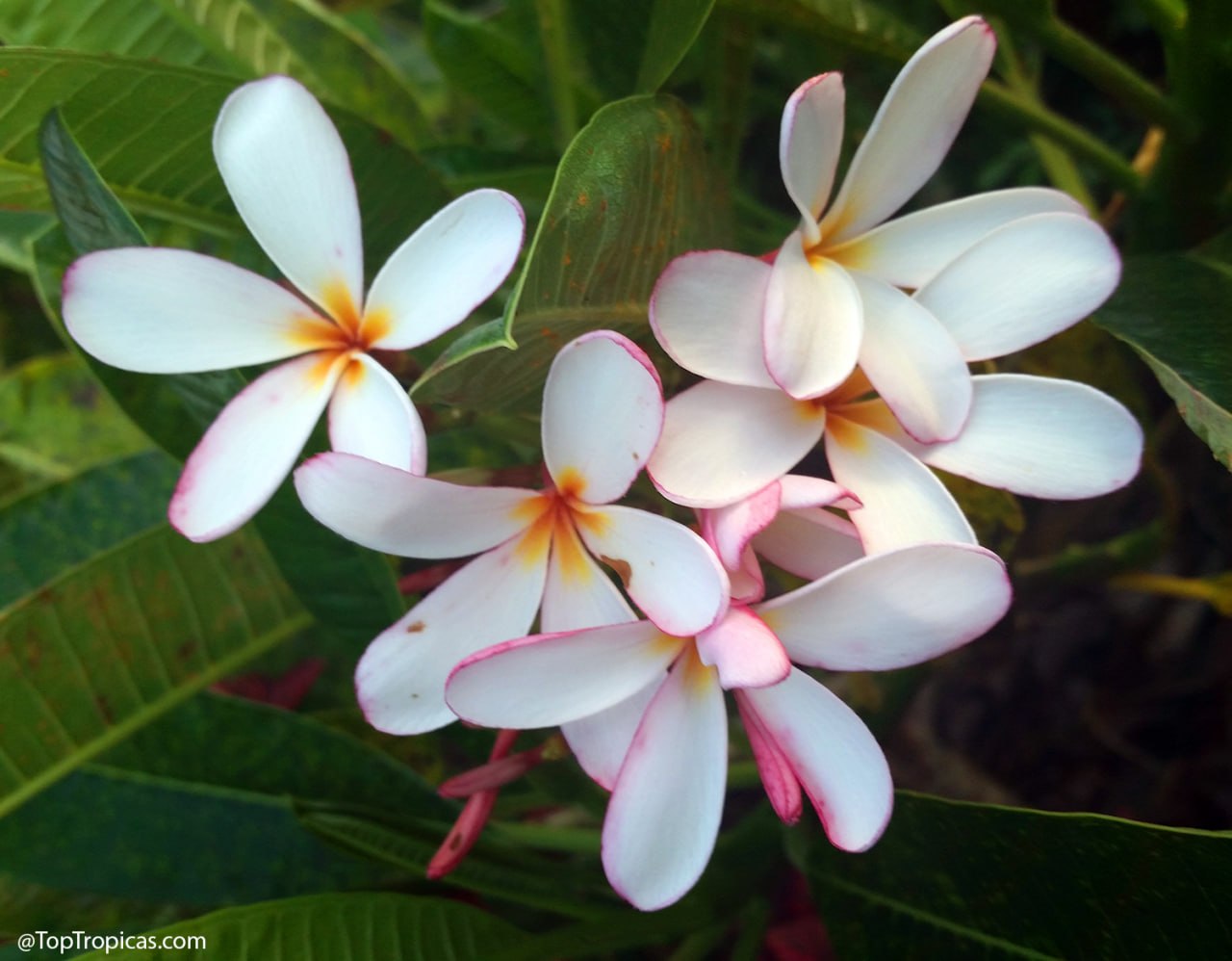
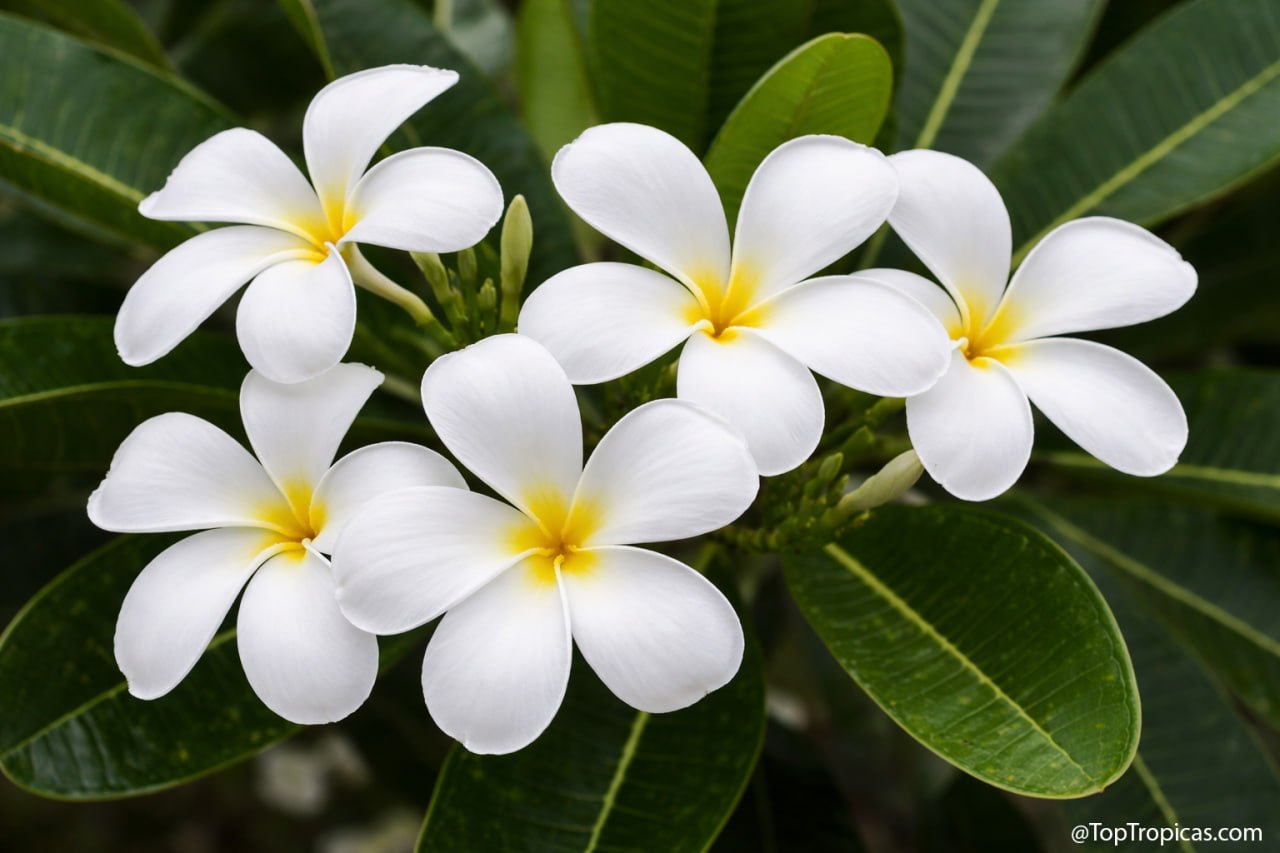
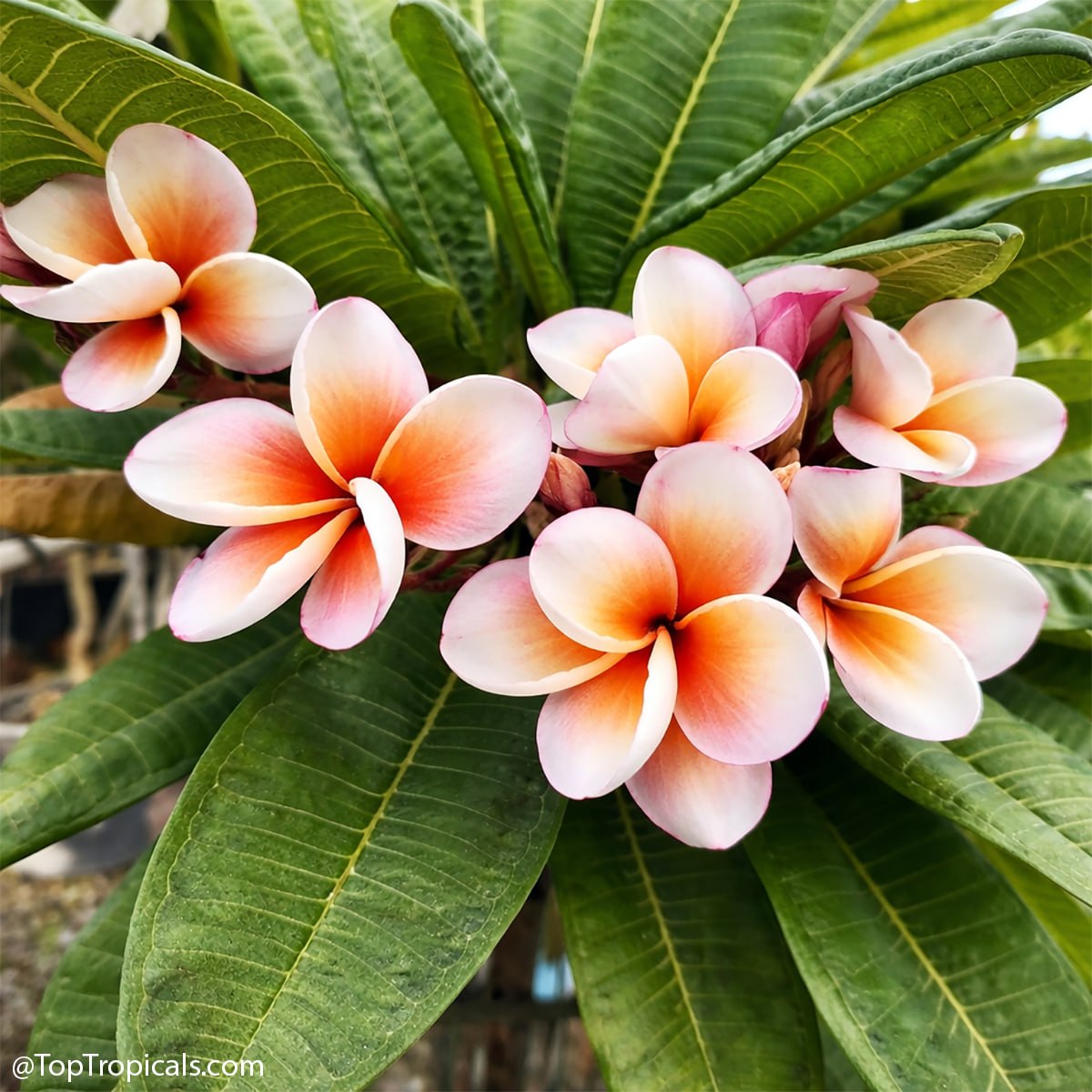
✦ Plumeria obtusa Singapore Yellow Dwarf - creamy white flowers with a soft yellow center and long, slender petals that create a light, star-like shape. Compact, glossy, and very refined. ✦ Plumeria obtusa Singapore Pink Dwarf - creamy white blooms with a warm yellow center and a soft pink edge. Naturally compact, branching well and flowering heavily, ideal for containers. ✦ Plumeria obtusa Alba, Singapore White, Dwarf - classic pure white flowers with a gentle yellow center and thick, smooth petals. Clean, polished look on a compact plant that blooms generously. ✦ Plumeria Doung Suree Dwarf - glowing orange blooms blending from golden apricot to deeper sunset tones. Compact and very floriferous, bringing strong tropical color in a small form.
💡 Plumeria tip: sun is everything
Full sun is the secret to strong growth and blooms. Outdoors is best.
If indoors, give the brightest spot you have and move it outside whenever possible. More sun = more flowers.
Stop Fixing Your Soil: 15 Bulletproof Fruit Trees for Tough Ground
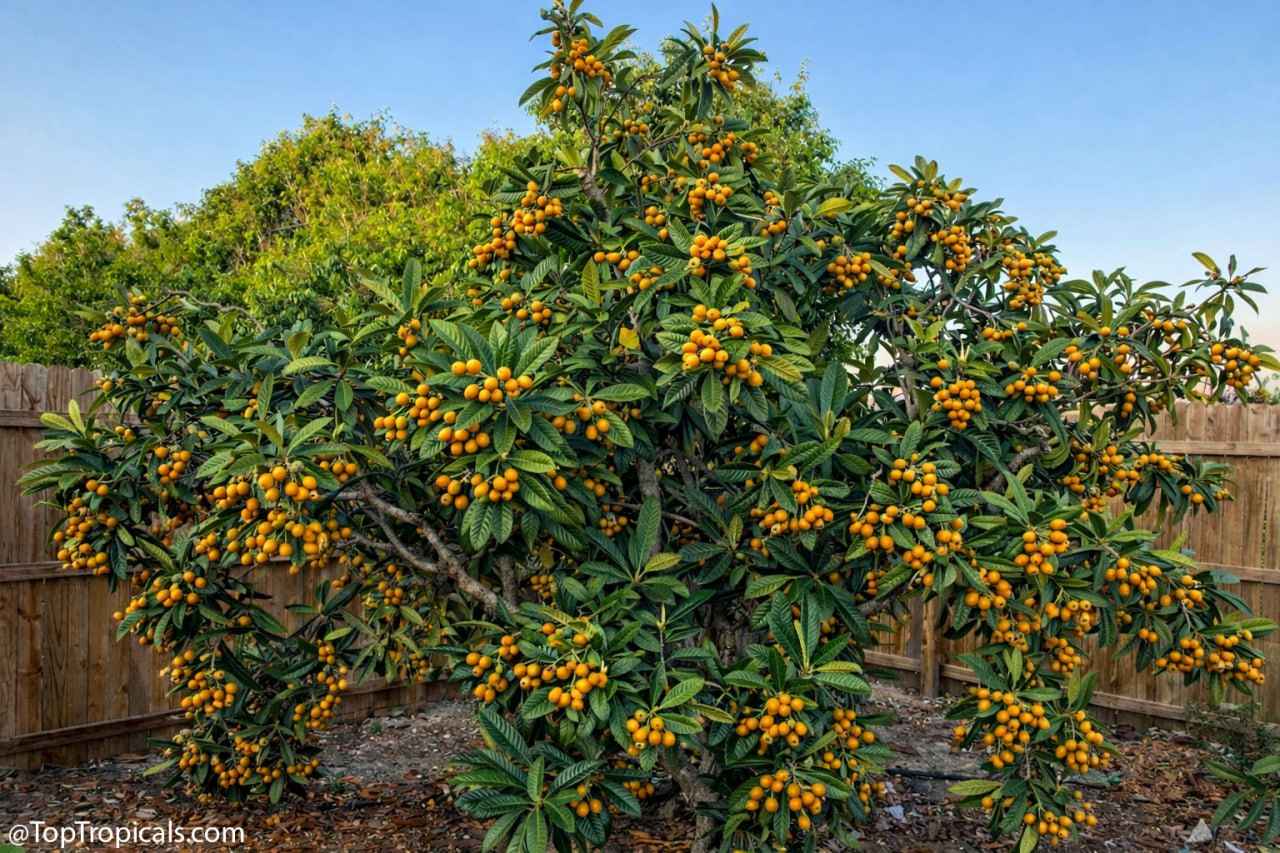
Loquat (Eriobotrya japonica) fruiting
Stop Fixing Your Soil: 15 "Bulletproof" Fruit Trees for Tough Ground 💩
Not everyone starts with a lush, loamy paradise. In many parts of Florida and the South, "soil" is just a polite word for sand, limestone rock, or depleted clay.
The biggest mistake new gardeners make? Spending hundreds of dollars on soil amendments before they ever put a tree in the ground.
The secret the pros know: You don't need to change your land to fit your plants; you need to choose plants that love your land. Some of the most delicious fruits actually thrive on neglect - and a few even produce better fruit when the soil is "poor."
🌳 The "Big 5" Toughest Fruit Trees
If your yard is a dry, sandy lot or a rocky outcrop, start with these. They are the ultimate "survivors."
Jujube, Chinese Date (Ziziphus jujuba): Arguably the toughest fruit tree on earth. It laughs at drought, poor soil, and neglect. The fruit is crisp like an apple when fresh and sweet like a date when dried.
Loquat (Eriobotrya japonica): A Southern staple. It’s evergreen, beautiful, and produces honey-sweet fruit in early spring when nothing else is ripe.
Mulberry (Morus alba): If you can’t grow a Mulberry, you might be gardening on the moon. It grows in sand, clay, or sidewalk cracks with equal enthusiasm.
Fig (Ficus carica): Figs actually prefer not to be pampered. In overly rich soil, they grow lots of leaves but little fruit. Give them well-drained, mediocre soil and they’ll thrive.
Pomegranate (Punica granatum): These trees are "stress-lovers." Rocky, alkaline soil is no problem, and a bit of soil stress often results in a higher sugar content in the fruit.
Pomegranate Plant Facts
Botanical name: Punica granatum Also known as: Pomegranate, Granada, Grenade, Pomegranate, Granada, Anar, Granaatappel, Pomo Granato, Romeira, Melo Grano
USDA Zone: 8 - 11
Highligths
🌳 Tropical Flavors That Don't Need "Perfect" Dirt
You don’t need a rainforest to grow tropical treats. These species are surprisingly resilient once they get their roots established.
🌟 The Sand-Lovers:
Mango (Mangifera indica): While young trees need a little babying, a mature Mango is incredibly drought-tolerant and handles Florida’s sandy "sugar sand" like a champ.
Mango Plant Facts
Botanical name: Mangifera indica Also known as: Mango
USDA Zone: 9 - 11
Highligths
Sapodilla (Manilkara sapota): A rugged, wind-resistant tree that produces fruit tasting like brown sugar and pear. It is a top-tier choice for coastal or sandy areas.
Tamarind (Tamarindus indica): It’s slow-growing but patient. Once it’s in, it’s there for a century, regardless of soil quality.
🌟 The Low-Maintenance Stars
Longan (Euphoria longana): If you’ve struggled with finicky Lychee trees, try Longan. It’s more cold-hardy and much less picky about its soil.
Citrus: While they need regular feeding (fertilizer), Citrus trees are naturally adapted to the sandy ridges of the South.
🌟 The "Quick-Win" Berry & Shrub Layer
If you want fruit this year, don’t wait for a tree to mature. Add these hardy producers to your edges. And here is why it works:
Dragon Fruit (Hylocereus undatus). It’s a cactus! It literally prefers poor, fast-draining soil over rich potting mixes.
Barbados Cherry (Malpighia glabra). A vitamin C powerhouse that handles low-nutrient soil with ease.
Grumichama (Eugenia brasiliensis). Slower grower, but steady and tolerant once established.
Surinam Cherry (Eugenia uniflora). Virtually indestructible. Often used as a hedge because it grows so vigorously in poor soil.
Pineapple Guava (Feijoa sellowiana). A beautiful silver-leafed shrub that is salt-tolerant and drought-resistant.
Pineapple Plant Facts
Botanical name: Ananas comosus Also known as: Pineapple, Pina
USDA Zone: 9 - 11
Highligths
🌳 The Strategy: "Plant First, Improve Later"
In the South, the "dig a $100 hole for a $10 tree" rule doesn't always apply. Trying to completely re-engineer your soil often leads to drainage issues (the "bathtub effect").
Try this instead:
1. Select a species naturally adapted to your pH and texture.
2. Plant it at the correct height (never too deep!).
3. Mulch heavily with wood chips. This improves the soil from the top down over time, mimicking a natural forest floor.
Botanical name: Mangifera indica Also known as: Mango
USDA Zone: 9 - 11
Highligths
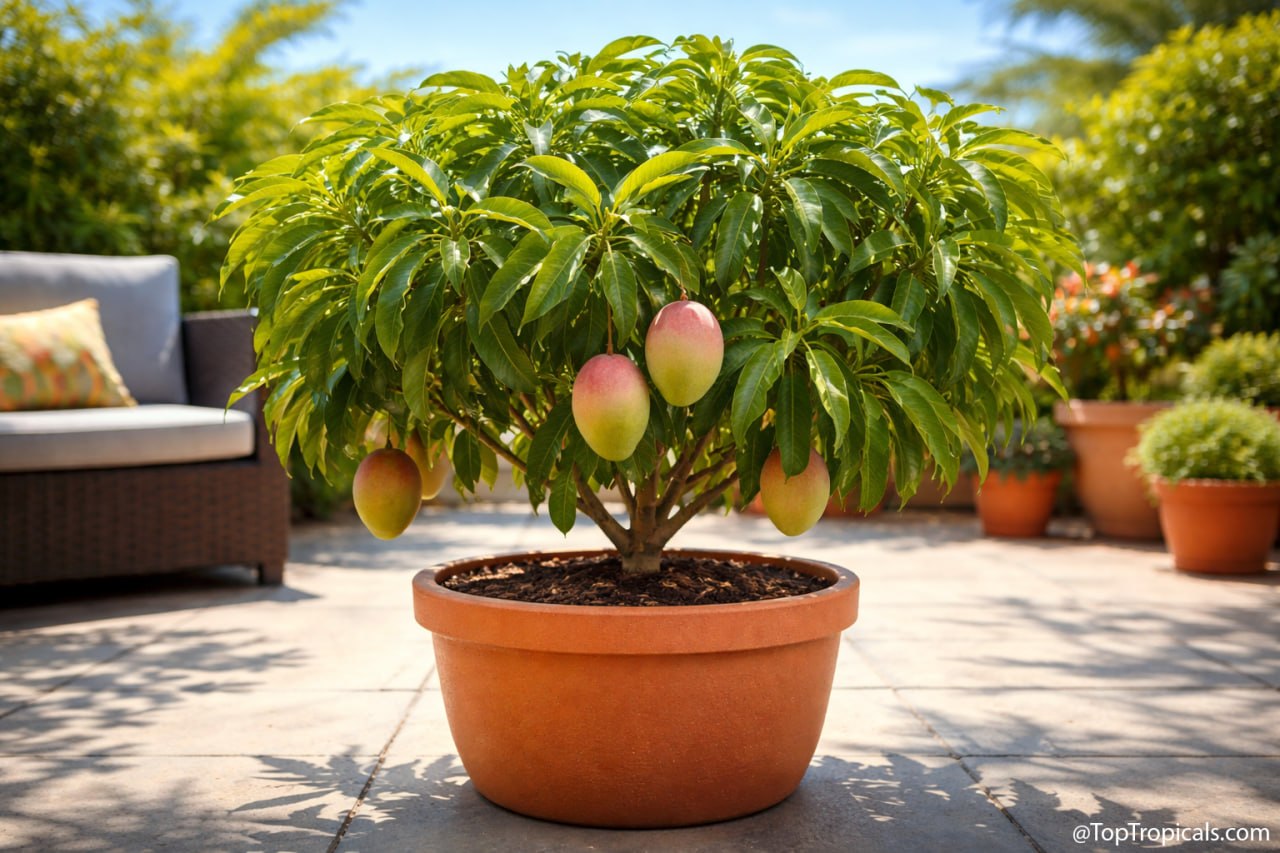
All mango trees are naturally vigorous and, if planted in the ground, they all can grow into full-size trees reaching 15-20 ft or more. The term "Condo Mango" refers to varieties with a more compact growth habit that can be kept small in containers with light pruning. In a pot, their size is controlled by root space and regular trimming, allowing them to stay manageable and productive for many years. Here is how:
🥭 Condo mango = mango trees that stay compact in containers with light pruning.
✔️ In ground: 15–20+ ft ✔️ In pots: keep them 6–8 ft
🥭 Best pot sizes
· 3-7 gal - starter (3–6 months) · 7-5 gal - young tree (1–2 years) · 15-25 gal - ideal long-term · 25-40 gal - faster growth, more pruning
👉 Smaller pot = easier care 👉 Bigger pot = more growth + more work
🥭 Best mango types for containers
True dwarf (easiest)
Minimal pruning, perfect patio trees
· Keep tree 6–8 ft with pruning · Use fast-draining soil (critical) · Full sun = fruit · Feed regularly - Green Magic + Mango Tango · Repot or root-prune every few years