Garden Blog - Top Tropicals

Date: 18 Apr 2016

Seeds germination in summer
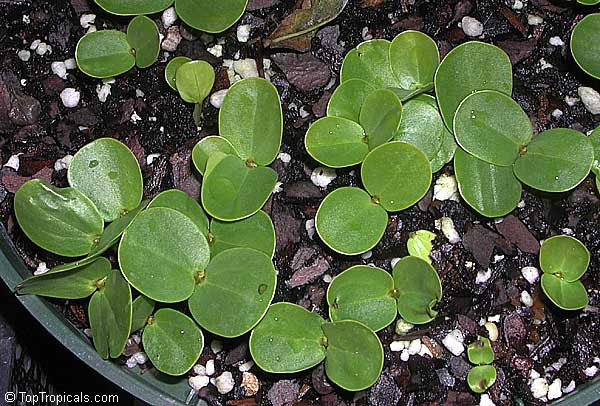
Q: What is the best way to germinate seeds in summer? Should I keep trays indoors or put them outside?

A: Summer is the best growing season for plants, and for their propagation. Seed germination process of tropical plants usually benefits from warm, and even hot temperatures, so keeping pots with seeds outside in full or partial sun can be the best way. However some seeds may be more sensitive than others, or require slightly cooler or higher temperature for germination. These are a few tips that may help:

- For seed germination, use only well drained mixes, containing either peat moss or coconut fiber to retain moisture. Some succulents may require adding sand to the germination mix. You may also try our Professional Formula Seed Germination Mix.

- Large tropical seeds, like palms, or seeds of Fabaceae (Bean) family, can be grown in full sun. Their germination will benefit from higher temperatures (up to 90-95F). Make sure to keep soil moist. Cover them well, with 3/4 to 1 inch of soil.

- Fruit seeds (large size) should be germinated either in individual cells or small pots (3-4"diameter).

- Small to medium size seeds can be grown in so-called community pots. Seedlings can be separated after they establish their first roots.

- Tiny seeds should be planted closer to the surface, covered with only 1/4-1/8 inch of soil; some seeds require bright light for germination, so full sun will be a plus. Some small seeds like Ficus for example, prefer to be broadcasted on the surface, uncovered. Put containers with such seeds in bright shade, as you don't want the surface of the soil to dry out.

- Once your seeds sprouted, move them in filtered light - bright to medium shade depending on tenderness of the species. (Gingers prefer shade, while succulent sprouts can stay in brighter light). Regardless of water/sun needs of the species, all young sprouts and first leaves are sensitive to hot sun and may get burned or even killed. Once a baby plant has a few leaves and well-branched root system, you may start moving trays into a brighter light.

- Do not overwater young seedlings, keep soil slightly moist but not soggy.
See full list of available seeds.

Date: 2 Apr 2026

Stop Fixing Your Soil: 15 Bulletproof Fruit Trees for Tough Ground

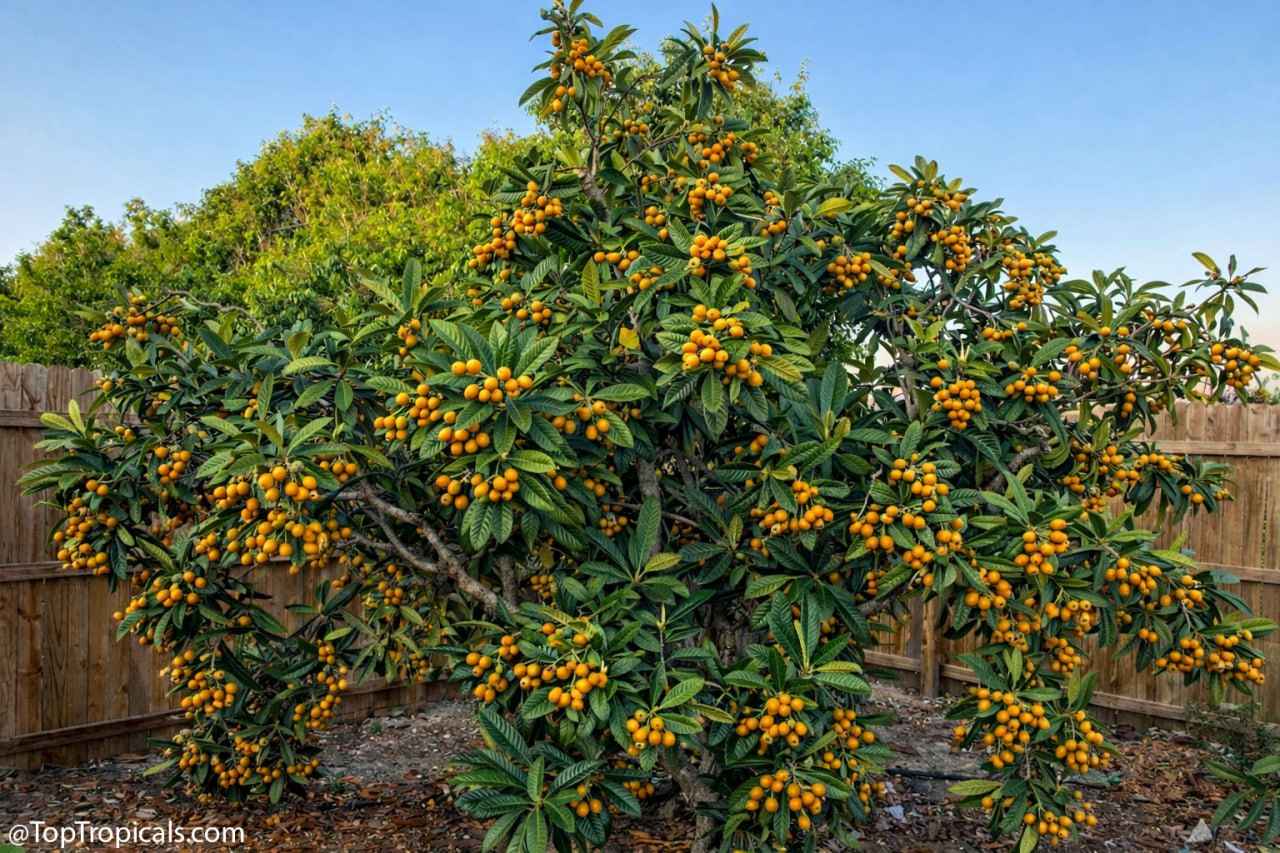
Loquat (Eriobotrya japonica) fruiting

Loquat (Eriobotrya japonica) fruiting

Stop Fixing Your Soil: 15 "Bulletproof" Fruit Trees for Tough Ground 💩

Not everyone starts with a lush, loamy paradise. In many parts of Florida and the South, "soil" is just a polite word for sand, limestone rock, or depleted clay.
The biggest mistake new gardeners make? Spending hundreds of dollars on soil amendments before they ever put a tree in the ground.
The secret the pros know: You don't need to change your land to fit your plants; you need to choose plants that love your land. Some of the most delicious fruits actually thrive on neglect - and a few even produce better fruit when the soil is "poor."
  • 🌳 The "Big 5" Toughest Fruit Trees


    If your yard is a dry, sandy lot or a rocky outcrop, start with these. They are the ultimate "survivors."

    Jujube, Chinese Date (Ziziphus jujuba): Arguably the toughest fruit tree on earth. It laughs at drought, poor soil, and neglect. The fruit is crisp like an apple when fresh and sweet like a date when dried.

    Loquat (Eriobotrya japonica): A Southern staple. It’s evergreen, beautiful, and produces honey-sweet fruit in early spring when nothing else is ripe.

    Mulberry (Morus alba): If you can’t grow a Mulberry, you might be gardening on the moon. It grows in sand, clay, or sidewalk cracks with equal enthusiasm.

    Fig (Ficus carica): Figs actually prefer not to be pampered. In overly rich soil, they grow lots of leaves but little fruit. Give them well-drained, mediocre soil and they’ll thrive.

    Pomegranate (Punica granatum): These trees are "stress-lovers." Rocky, alkaline soil is no problem, and a bit of soil stress often results in a higher sugar content in the fruit.
  • 🌳 Tropical Flavors That Don't Need "Perfect" Dirt


    You don’t need a rainforest to grow tropical treats. These species are surprisingly resilient once they get their roots established.

  • 🌟 The Sand-Lovers:

Mango (Mangifera indica): While young trees need a little babying, a mature Mango is incredibly drought-tolerant and handles Florida’s sandy "sugar sand" like a champ.

Sapodilla (Manilkara sapota): A rugged, wind-resistant tree that produces fruit tasting like brown sugar and pear. It is a top-tier choice for coastal or sandy areas.

Tamarind (Tamarindus indica): It’s slow-growing but patient. Once it’s in, it’s there for a century, regardless of soil quality.
  • 🌟 The Low-Maintenance Stars


    Longan (Euphoria longana): If you’ve struggled with finicky Lychee trees, try Longan. It’s more cold-hardy and much less picky about its soil.

    Citrus: While they need regular feeding (fertilizer), Citrus trees are naturally adapted to the sandy ridges of the South.
  • 🌟 The "Quick-Win" Berry & Shrub Layer


    If you want fruit this year, don’t wait for a tree to mature. Add these hardy producers to your edges. And here is why it works:

    Dragon Fruit (Hylocereus undatus). It’s a cactus! It literally prefers poor, fast-draining soil over rich potting mixes.

    Barbados Cherry (Malpighia glabra). A vitamin C powerhouse that handles low-nutrient soil with ease.

    Grumichama (Eugenia brasiliensis). Slower grower, but steady and tolerant once established.

    Surinam Cherry (Eugenia uniflora). Virtually indestructible. Often used as a hedge because it grows so vigorously in poor soil.

    Pineapple Guava (Feijoa sellowiana). A beautiful silver-leafed shrub that is salt-tolerant and drought-resistant.


🌳 The Strategy: "Plant First, Improve Later"


In the South, the "dig a $100 hole for a $10 tree" rule doesn't always apply. Trying to completely re-engineer your soil often leads to drainage issues (the "bathtub effect").

Try this instead:
1. Select a species naturally adapted to your pH and texture.
2. Plant it at the correct height (never too deep!).
3. Mulch heavily with wood chips. This improves the soil from the top down over time, mimicking a natural forest floor.

🛒 Shop Fruit Trees and Mango

📚 Learn more:


#Food_Forest #How_to #Discover

🟢 Join 👉 TopTropicals

Date: 30 Mar 2026

How big does the Condo Mango grow?

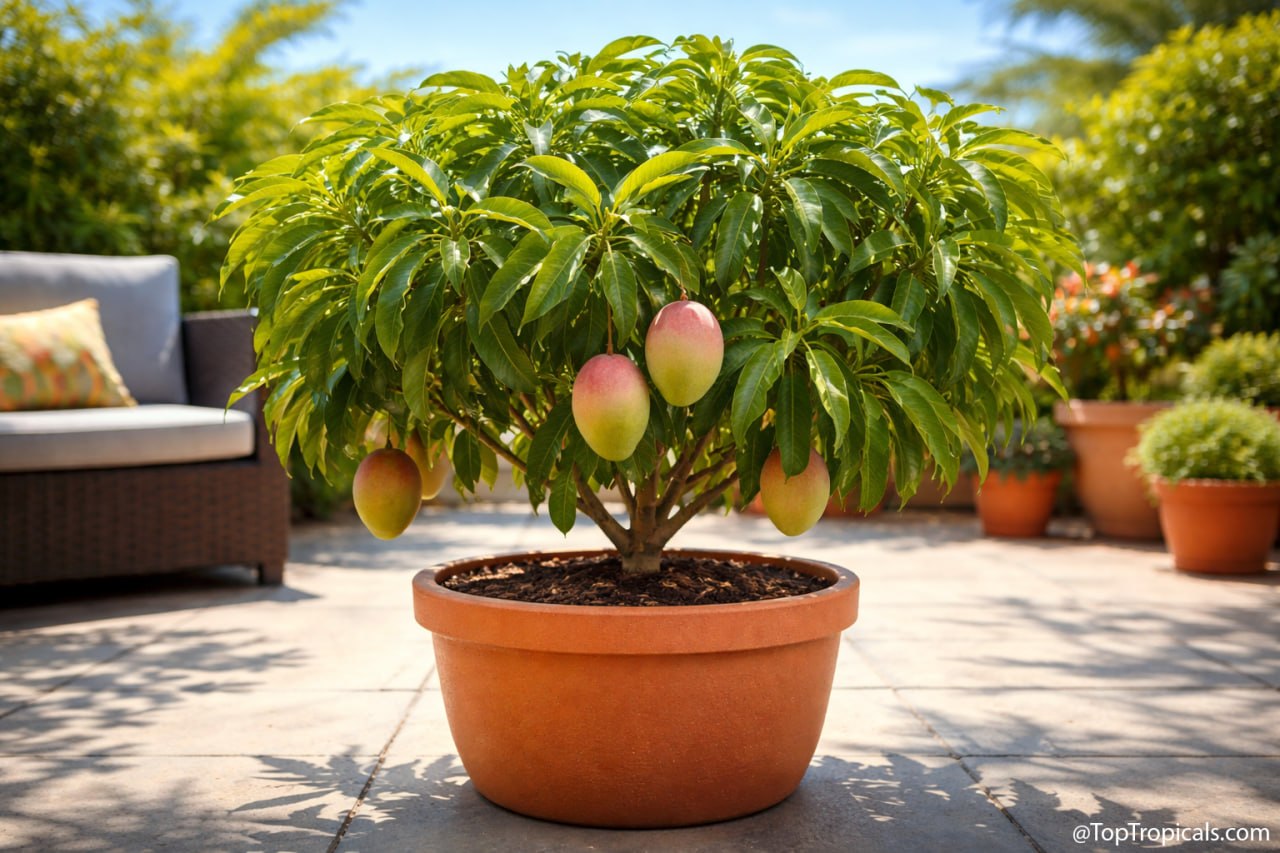
Mango tree fruiting in container

Mango tree fruiting in container

How big does the Condo Mango grow? 🥭

All mango trees are naturally vigorous and, if planted in the ground, they all can grow into full-size trees reaching 15-20 ft or more. The term "Condo Mango" refers to varieties with a more compact growth habit that can be kept small in containers with light pruning. In a pot, their size is controlled by root space and regular trimming, allowing them to stay manageable and productive for many years. Here is how:
  • 🥭 Condo mango = mango trees that stay compact in containers with light pruning.

  • ✔️ In ground: 15–20+ ft
  • ✔️ In pots: keep them 6–8 ft


🥭 Best pot sizes

  • · 3-7 gal - starter (3–6 months)
  • · 7-5 gal - young tree (1–2 years)
  • · 15-25 gal - ideal long-term
  • · 25-40 gal - faster growth, more pruning

  • 👉 Smaller pot = easier care
  • 👉 Bigger pot = more growth + more work


🥭 Best mango types for containers


True dwarf (easiest)
Minimal pruning, perfect patio trees

Baptiste
Carrie
Cogshall
Diamond
Ice Cream
Julie
Little Gem
Mallika
Manilita
Nam Doc Mai
Pickering
Rapoza (Dwarf Hawaiian)

Semi-dwarf (manageable)
More growth, bigger harvest, need more pruning

Cushman
Fairchild
Florigon
Fralan
Glenn
Graham
Irwin
Ivory
Keitt
Lancetilla
Lemon Meringue
Maha Chinook
Mun Kun Si
Neelum
Okrung
Philippine (Manila)
Val Carrie
Van Dyke
Venus

✂️ Simple rules that matter

  • · Keep tree 6–8 ft with pruning
  • · Use fast-draining soil (critical)
  • · Full sun = fruit
  • · Feed regularly - Green Magic + Mango Tango
  • · Repot or root-prune every few years


🛒 Select from Condo Mango varieties

📚 Learn more:
#Food_Forest #How_to #Discover #Mango

Plant Facts

Mangifera indica
Mango
USDA Zone: 9-11
Large tree taller than 20 ftSmall tree 10-20 ftFull sunModerate waterYellow, orange flowersPink flowersEdible plantSeaside, salt tolerant plant
🟢 Join 👉 TopTropicals

Date: 28 Sep 2025

Guava Tree Plant Care

Tips from Top Tropicals Plant Expert - Tatiana Anderson

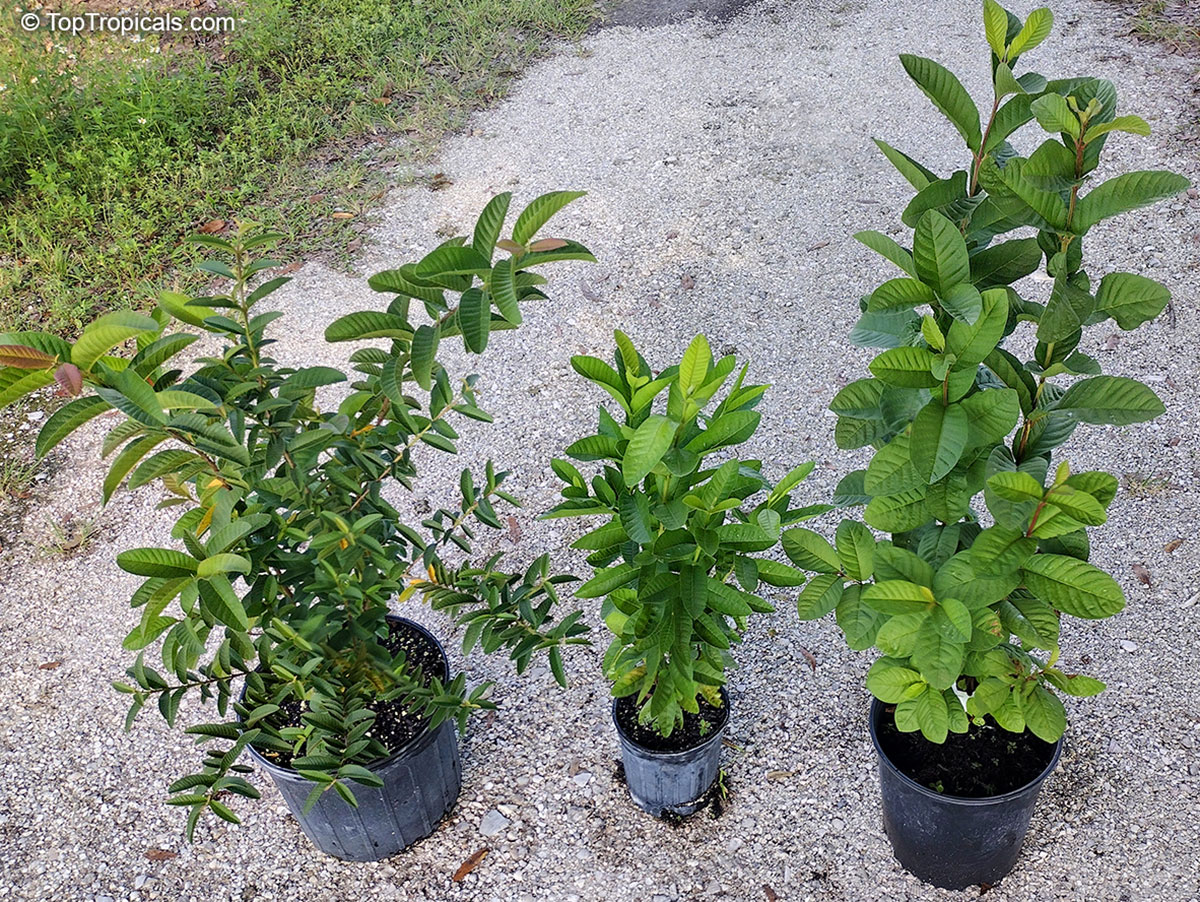
Guava  trees  for  sale  in  3-gallon  nursery  pots,  healthy  young  plants 
 with  green 
 foliage.

Where to Plant Outdoors

Guavas love full sun — aim for 6–8 hours of direct light. They’re adaptable to many soils but do best in well-drained, organic-enriched mixes. Plant them in a spot where you can water easily; guavas are thirsty trees during fruiting.

Container & Indoor Growing

Don’t have space or live in a cooler climate? Guavas thrive in large pots. Use well-drained potting mix. LINK TO OUR SOIL Keep them on a sunny patio during warm months and bring them indoors when nights dip below freezing. Compact varieties like Dwarf Hawaiian Rainbow or Tikal are especially good for pots.

Winter Care

Mature guavas can handle a light frost (down into the high 20s F), but young plants need protection. If planted outdoors, cover them with frost cloth on cold nights. Container guavas can be wheeled into a garage, greenhouse, or bright indoor window until the weather warms.

Watering and Fertilizing

Water deeply once or twice a week, more often in hot weather or when fruit is developing. They don’t like soggy soil, but they won’t complain about short floods either. Fertilize 3–4 times a year during the growing season with a balanced fruit tree fertilizer. Guavas especially love potassium and phosphorus for strong flowering and heavy crops. We recommend liquid crop booster Sunshine C-Cibus and balanced controlled release fertilizer Green Magic.

Pruning

Prune after fruiting to keep them compact and open up airflow. Remove crossing or dead branches. In containers, trim back vigorous shoots regularly to manage size and encourage more fruiting wood.

Pests and Problems

Guavas are generally tough and pest-resistant. The main thing to watch for in humid or rainy climates is mealybugs - those cottony white clusters on leaves or stems. They're easy to manage with neem oil or a quick spray of horticultural soap.

Fruit time

Guavas fruit young - often within a year or two.

Pollination

Guavas are self-pollinating, so you'll get fruit even with a single tree. Planting more than one tree, however, often boosts harvests and gives you a longer fruiting season.

If you've ever wanted instant gratification from a fruit tree, guava is it.

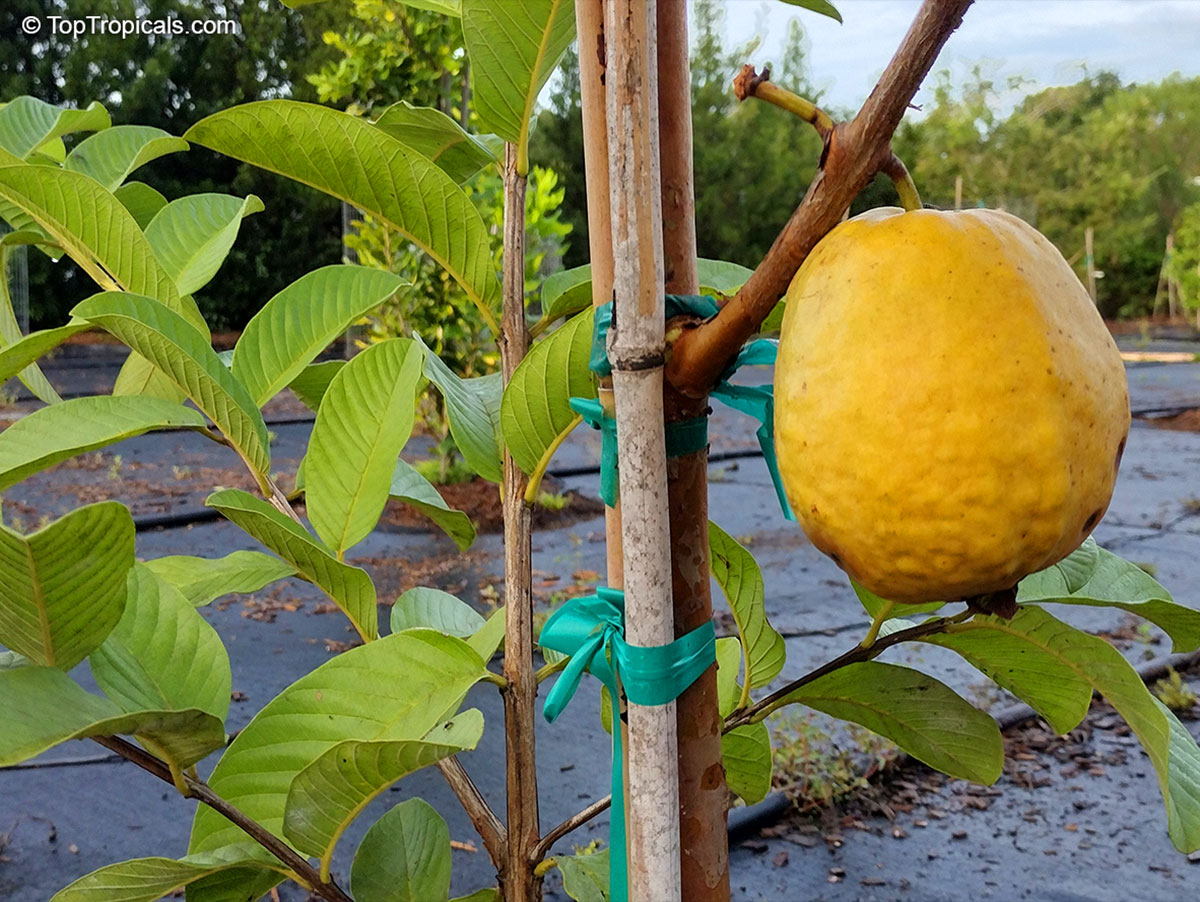
Ruby  Supreme  Guava  tree  with  a  large  ripe  yellow  fruit,  variety  known 
 for  sweet  pink  flesh  and  reliable 
 harvests.

🍴 Guava Recipes

With all that fruit, the next question is always: "What do I do with it?" Here are our favorites:

  • Cas Guava: Make Agua de Cas

    Boil halved Cas Guava fruits with sugar, simmer, strain, and bottle. Dilute with water when serving. The concentrate keeps for months in the fridge.
    Check out the recipe.

  • Hawaiian Gold: Make Drinks

    Perfect for Mojitos or Margaritas. Sweet, tangy juice pairs beautifully with lime and mint. Learn more

  • Araca Pera: Guava Wine

    Famous in Brazil, where the fruit is turned into a vibrant rosу wine. Locals say it’s the taste of summer in a glass — and yes, you can make it at home too. Learn more...

  • Quick snack: Guava Grilled Cheese

    Spread guava paste or fresh mashed fruit with cheese, grill until golden. Sweet and savory heaven. Learn more...

  • Simple Guava Juice

    Blend ripe guavas with water, ice, and a little sugar if you like. Instant refreshment.

✅Ready to Grow? Whether you want fresh juice, sweet fruit, or even your own guava wine, we’ve got the best varieties in stock right now. Your future self, sipping guava juice on a hot summer afternoon, will thank you.

👉 Order your guava tree today

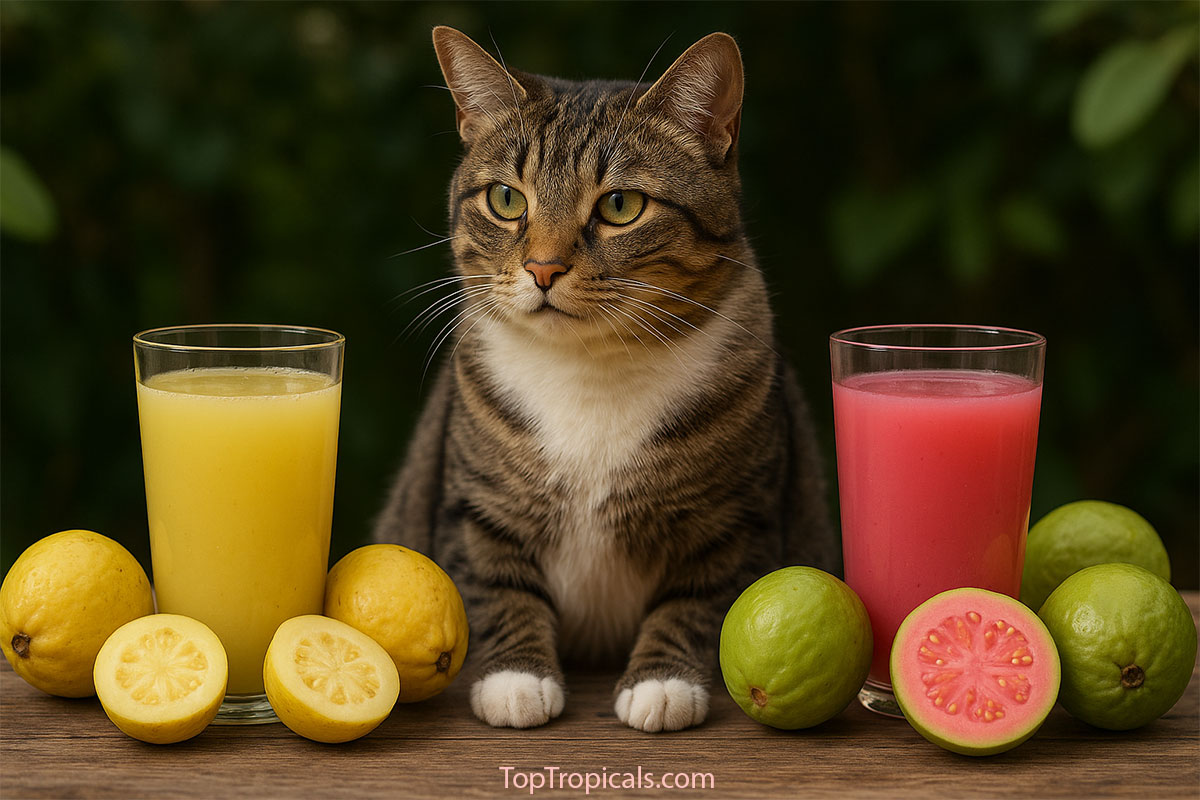
Tabby  cat  sitting  between  a  glass  of  yellow  guava  juice  with  white 
 guavas  and  a  glass  of  pink  guava  juice  with  green  guavas  and  cut  pink  guava 
 fruit.

Date: 20 Dec 2025

☃️ Winter is choosing season

Smokey  the  tuxedo  cat  plans  spring  planting  on  a  laptop  plant 
 encyclopedia  while  Sunshine  the  ginger  cat  relaxes  by  a  fireplace  in  a  cozy 
 Christmas  living  room  with  tropical 
 plants.

Smokey: "December is for planning, not planting."
Sunshine: "Gift card now. Perfect plants later."
Smokey: "You surprise me sometimes. Must be the donuts."

This time of year always feels special to us. The days are shorter, the garden slows down, and we finally have a moment to pause, look at our wish lists, and dream a little about spring.

As gardeners, we know winter is not really planting season. It is choosing season.

It is when ideas take shape. When we think about what we want to grow next, what we want to add, and what we want to do differently when warm days return. That is why, in winter, the best plant gift is not a plant itself. It is the promise of one.

Cold weather and holiday shipping can make winter plant deliveries stressful, especially for tropical plants traveling north. A gift card lets plants wait for the right moment, and lets the gardener enjoy the fun part now: planning, choosing, and imagining.

It also solves something we all know too well. Every gardener is wonderfully different. Some dream of fruit trees, others of flowers, rare collectors, or easy growers. Some plant in containers, some in the ground. Guessing is hard. A gift card lets them choose exactly what fits their garden and their vision.

🎁 Holiday Gift Card Bonus

To make the season a little brighter, we are offering a holiday gift card bonus through 12/31/2025.

When you purchase a gift card, we add 15% extra value. Just add Christmas greeting in gift card message field. For example, a $100 gift card becomes $115 to spend.

The bonus value is not valid with other promotions or discounts. Gift cards cannot be used to purchase other gift cards. Bonus value is added at the time of purchase.

🎁 Get a gift card