Garden Blog - Top Tropicals

Date: 8 Jun 2016

How to get Clerodendrum to bloom?
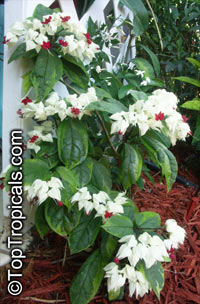
Q: My Clerodendrum thomsoniae is not blooming. Actually it is not doing much of anything except putting out weak growth and small leaves. I purchased this plant May 26. 2015. Over the winter it was in a heated sunroom, at night 60 degrees, where it received some direct sun from the skylights. I reduced the water to prevent excessive leggy growth. I don't see how this plant can take full sun or even part sun. Temps here in Raleigh NC are 80-85 degrees and 65-70 at night, at the moment. I figured I would gradually expose it to more direct sun after being in a sunroom but the leaves burn. I had this plant in San Jose many years ago where it did quite well, blooming with no special treatment. So thought I'd give it a try again. Any advice?

A: Clerodendrums are all time favorites, appreciated by both gardeners and house plant collectors, for their showy, fragrant flowers and very easy culture. When growing Bleeding Heart (Clerodendrum thomsoniae), a few things should be taken in consideration:

1) Temperature.Like most clerodendrums, this plant is semi-decidious outside of tropics and goes dormant in winter. It may lose some or all leaves if temperatures drop below 60-65F. It is not too cold sensitive, the plant can even take some light freeze. However when it is not hot and humid, it slows down metabolism. This means, water should be reduced during cooler months.

2) Light. This plant can grow in both sun and shade like most clerodendrums - this is the beauty of this genus. However like with all flowering plants, more sun promotes more bloom. In shade, it will grow beautiful dark green foliage (leaves will be bigger than in the sun) on the account of flowering; in full sun leaves turn lighter color and sometimes may even get unattractive "faded" look, but flowering will be profuse. Also remember that Arizona full sun is different than New York full sun. Here in Florida, Bleeding Heart can take some full sun, but if exposed to sun all day long, leaves often get sun burn.

3) Acclimation. Also called acclimatization - this is a process when a living organism adjusts to environment changes. Acclimation is always the case when growing plants indoors, even in a sun room. When Spring comes, and especially when we start taking outdoors those plants that have spent a few months indoors, light level increases dramatically, and this may cause leaf loss, and leaf burn. It is not necessarily a bad thing, it is just a mechanism of acclimation. Example: imagine yourself after living in a warm tropical climate, moving to a cold country. For a while your body will feel discomfort from "too much cold", while native residents may feel comfortable. We call it "My blood has thinned after living in Florida" - and this is a physiological fact. And vice versa, if you are a Northerner, moving to hot climate may be a challenge; it will take a while until you get used to hot and humid tropical summers. Same thing with plants: during cooler and darker period, their body (leaves and stems) becomes "winter type", with some serious chemical restructuring. Immediate environment change, like bright light and high temperature, causes a shock to those "winter cells", and as a defense mechanism, the plant gets rid of those useless "winter" leaves, replacing them with new "summer" leaves with completely new chemistry and metabolism.

From what you described, you know your plants, and you know what you are doing. You did everything right by reducing watering in winter and gradually moving the plant into brighter light. You still may see some stress, and this is normal. If you patiently keep changing environment slowly, eventually your plant will generate new healthy "summer" growth, it will also improve more vigorous root grown which will help the plant to establish better and to be stronger. You will see larger, thicker leaves, and definitely some flowers.
Date: 6 May 2016

Taking care of Soursop after shipping

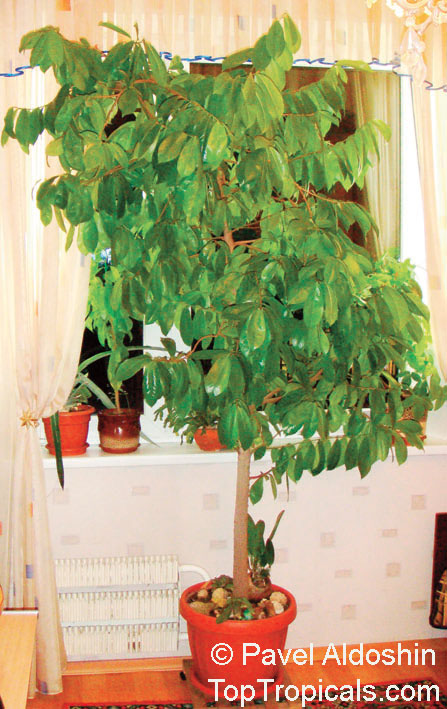
Q: Since I have never grown a soursop tree before I need some pro help. My tree was delivered absolutely beautiful, leaves were a pretty green. I potted it and gave it a good drink of water and put it in a shaded area outside. Then the weather here became cool so I brought it in for a few days until the weather warmed, and it lost all the leaves. Is it in shock and will come around eventually? Will I be able to grow this tree indoors during winter?

A: Soursop - Annona muricata trees are very sensitive to temperature drops. This always causes leaf loss. You seem to be doing everything right. Do not water until soil gets slightly dry; keep it in bright shade. The weather should be good now with high temperatures and humidity rising. No fertilizer until the plant shows active new growth. Be patient with your plant, it should recover soon.

Soursop is an ultra-tropical tree and doesn't take any freeze. If you live in cooler climate, keep the plant in a pot (the good news is, Annonas in general have compact nature and are perfect for container culture). Bring the tree indoors during cold period, providing bright light.

We have very interesting article about growing and fruiting Soursop in apartment. Check out 4534 Tropical Treasures Magazine # 7.

Date: 18 Apr 2016

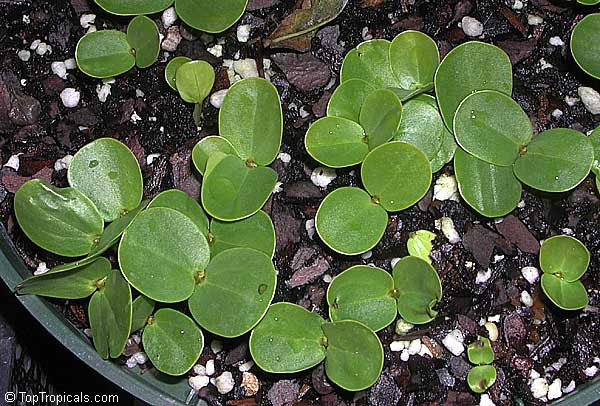
Seeds germination in summer

Q: What is the best way to germinate seeds in summer? Should I keep trays indoors or put them outside?

A: Summer is the best growing season for plants, and for their propagation. Seed germination process of tropical plants usually benefits from warm, and even hot temperatures, so keeping pots with seeds outside in full or partial sun can be the best way. However some seeds may be more sensitive than others, or require slightly cooler or higher temperature for germination. These are a few tips that may help:

- For seed germination, use only well drained mixes, containing either peat moss or coconut fiber to retain moisture. Some succulents may require adding sand to the germination mix. You may also try our Professional Formula Seed Germination Mix.

- Large tropical seeds, like palms, or seeds of Fabaceae (Bean) family, can be grown in full sun. Their germination will benefit from higher temperatures (up to 90-95F). Make sure to keep soil moist. Cover them well, with 3/4 to 1 inch of soil.

- Fruit seeds (large size) should be germinated either in individual cells or small pots (3-4"diameter).

- Small to medium size seeds can be grown in so-called community pots. Seedlings can be separated after they establish their first roots.

- Tiny seeds should be planted closer to the surface, covered with only 1/4-1/8 inch of soil; some seeds require bright light for germination, so full sun will be a plus. Some small seeds like Ficus for example, prefer to be broadcasted on the surface, uncovered. Put containers with such seeds in bright shade, as you don't want the surface of the soil to dry out.

- Once your seeds sprouted, move them in filtered light - bright to medium shade depending on tenderness of the species. (Gingers prefer shade, while succulent sprouts can stay in brighter light). Regardless of water/sun needs of the species, all young sprouts and first leaves are sensitive to hot sun and may get burned or even killed. Once a baby plant has a few leaves and well-branched root system, you may start moving trays into a brighter light.

- Do not overwater young seedlings, keep soil slightly moist but not soggy.

See full list of available seeds.

Date: 2 Apr 2026

Stop Fixing Your Soil: 15 Bulletproof Fruit Trees for Tough Ground

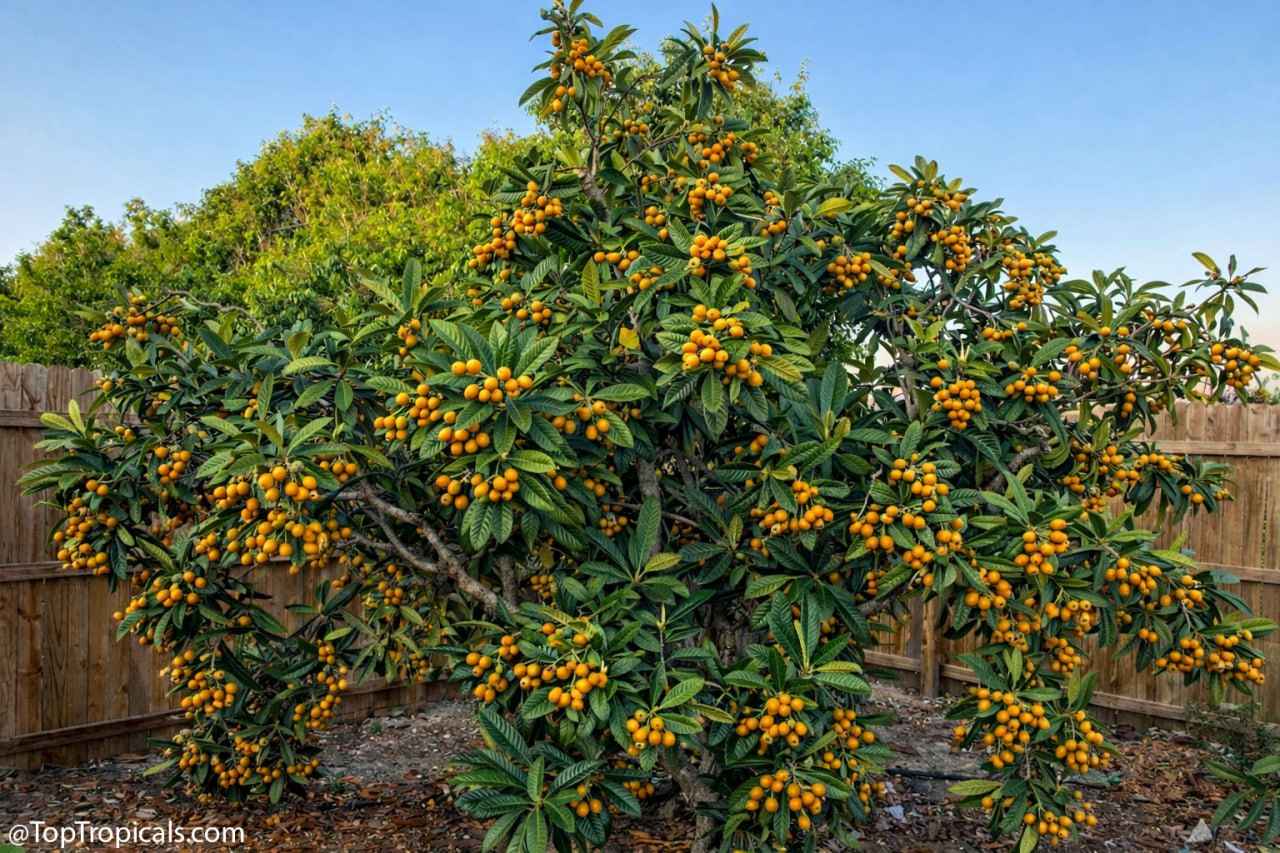
Loquat (Eriobotrya japonica) fruiting

Loquat (Eriobotrya japonica) fruiting

Stop Fixing Your Soil: 15 "Bulletproof" Fruit Trees for Tough Ground 💩

Not everyone starts with a lush, loamy paradise. In many parts of Florida and the South, "soil" is just a polite word for sand, limestone rock, or depleted clay.
The biggest mistake new gardeners make? Spending hundreds of dollars on soil amendments before they ever put a tree in the ground.
The secret the pros know: You don't need to change your land to fit your plants; you need to choose plants that love your land. Some of the most delicious fruits actually thrive on neglect - and a few even produce better fruit when the soil is "poor."
  • 🌳 The "Big 5" Toughest Fruit Trees


    If your yard is a dry, sandy lot or a rocky outcrop, start with these. They are the ultimate "survivors."

    Jujube, Chinese Date (Ziziphus jujuba): Arguably the toughest fruit tree on earth. It laughs at drought, poor soil, and neglect. The fruit is crisp like an apple when fresh and sweet like a date when dried.

    Loquat (Eriobotrya japonica): A Southern staple. It’s evergreen, beautiful, and produces honey-sweet fruit in early spring when nothing else is ripe.

    Mulberry (Morus alba): If you can’t grow a Mulberry, you might be gardening on the moon. It grows in sand, clay, or sidewalk cracks with equal enthusiasm.

    Fig (Ficus carica): Figs actually prefer not to be pampered. In overly rich soil, they grow lots of leaves but little fruit. Give them well-drained, mediocre soil and they’ll thrive.

    Pomegranate (Punica granatum): These trees are "stress-lovers." Rocky, alkaline soil is no problem, and a bit of soil stress often results in a higher sugar content in the fruit.
  • 🌳 Tropical Flavors That Don't Need "Perfect" Dirt


    You don’t need a rainforest to grow tropical treats. These species are surprisingly resilient once they get their roots established.

  • 🌟 The Sand-Lovers:

Mango (Mangifera indica): While young trees need a little babying, a mature Mango is incredibly drought-tolerant and handles Florida’s sandy "sugar sand" like a champ.

Sapodilla (Manilkara sapota): A rugged, wind-resistant tree that produces fruit tasting like brown sugar and pear. It is a top-tier choice for coastal or sandy areas.

Tamarind (Tamarindus indica): It’s slow-growing but patient. Once it’s in, it’s there for a century, regardless of soil quality.
  • 🌟 The Low-Maintenance Stars


    Longan (Euphoria longana): If you’ve struggled with finicky Lychee trees, try Longan. It’s more cold-hardy and much less picky about its soil.

    Citrus: While they need regular feeding (fertilizer), Citrus trees are naturally adapted to the sandy ridges of the South.
  • 🌟 The "Quick-Win" Berry & Shrub Layer


    If you want fruit this year, don’t wait for a tree to mature. Add these hardy producers to your edges. And here is why it works:

    Dragon Fruit (Hylocereus undatus). It’s a cactus! It literally prefers poor, fast-draining soil over rich potting mixes.

    Barbados Cherry (Malpighia glabra). A vitamin C powerhouse that handles low-nutrient soil with ease.

    Grumichama (Eugenia brasiliensis). Slower grower, but steady and tolerant once established.

    Surinam Cherry (Eugenia uniflora). Virtually indestructible. Often used as a hedge because it grows so vigorously in poor soil.

    Pineapple Guava (Feijoa sellowiana). A beautiful silver-leafed shrub that is salt-tolerant and drought-resistant.


🌳 The Strategy: "Plant First, Improve Later"


In the South, the "dig a $100 hole for a $10 tree" rule doesn't always apply. Trying to completely re-engineer your soil often leads to drainage issues (the "bathtub effect").

Try this instead:
1. Select a species naturally adapted to your pH and texture.
2. Plant it at the correct height (never too deep!).
3. Mulch heavily with wood chips. This improves the soil from the top down over time, mimicking a natural forest floor.

🛒 Shop Fruit Trees and Mango

📚 Learn more:


#Food_Forest #How_to #Discover

🟢 Join 👉 TopTropicals

Date: 30 Mar 2026

How big does the Condo Mango grow?

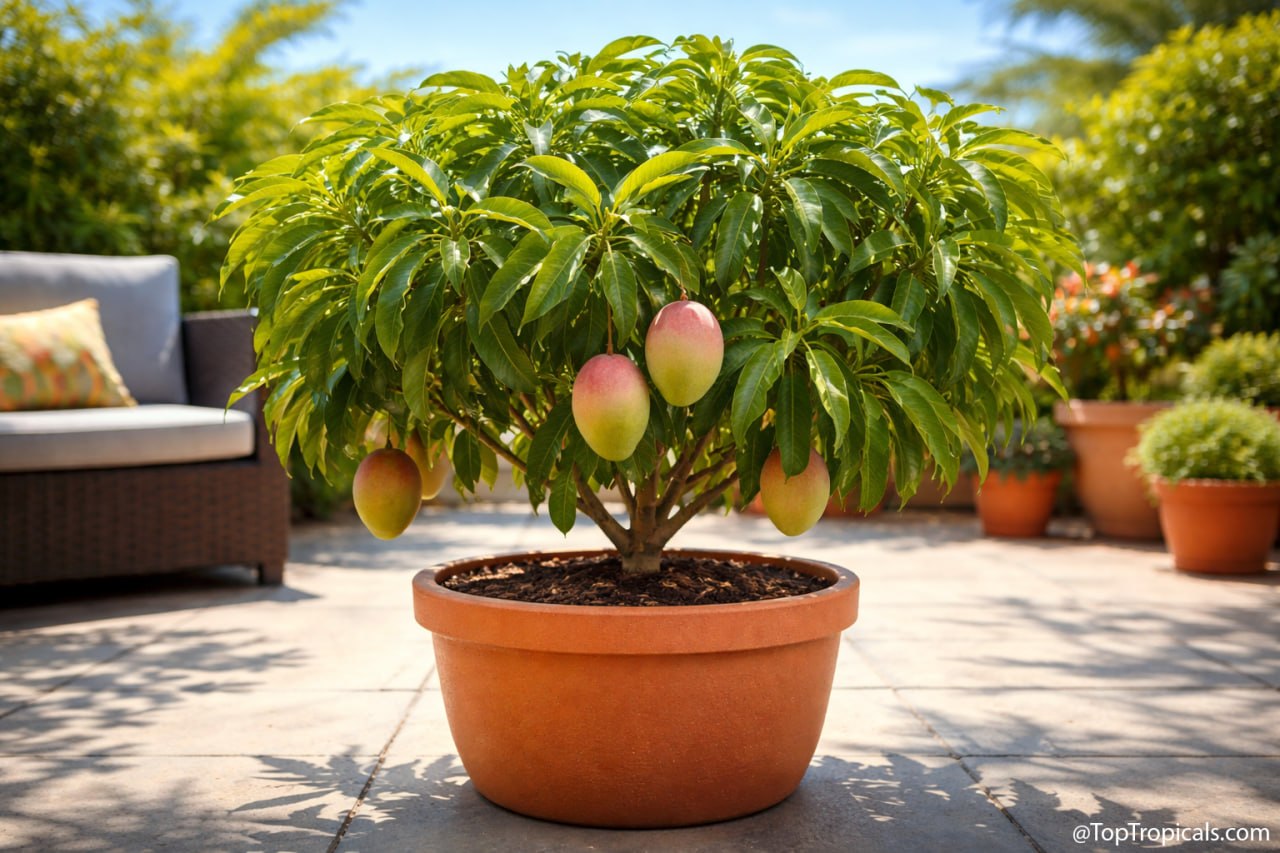
Mango tree fruiting in container

Mango tree fruiting in container

How big does the Condo Mango grow? 🥭

All mango trees are naturally vigorous and, if planted in the ground, they all can grow into full-size trees reaching 15-20 ft or more. The term "Condo Mango" refers to varieties with a more compact growth habit that can be kept small in containers with light pruning. In a pot, their size is controlled by root space and regular trimming, allowing them to stay manageable and productive for many years. Here is how:
  • 🥭 Condo mango = mango trees that stay compact in containers with light pruning.

  • ✔️ In ground: 15–20+ ft
  • ✔️ In pots: keep them 6–8 ft


🥭 Best pot sizes

  • · 3-7 gal - starter (3–6 months)
  • · 7-5 gal - young tree (1–2 years)
  • · 15-25 gal - ideal long-term
  • · 25-40 gal - faster growth, more pruning

  • 👉 Smaller pot = easier care
  • 👉 Bigger pot = more growth + more work


🥭 Best mango types for containers


True dwarf (easiest)
Minimal pruning, perfect patio trees

Baptiste
Carrie
Cogshall
Diamond
Ice Cream
Julie
Little Gem
Mallika
Manilita
Nam Doc Mai
Pickering
Rapoza (Dwarf Hawaiian)

Semi-dwarf (manageable)
More growth, bigger harvest, need more pruning

Cushman
Fairchild
Florigon
Fralan
Glenn
Graham
Irwin
Ivory
Keitt
Lancetilla
Lemon Meringue
Maha Chinook
Mun Kun Si
Neelum
Okrung
Philippine (Manila)
Val Carrie
Van Dyke
Venus

✂️ Simple rules that matter

  • · Keep tree 6–8 ft with pruning
  • · Use fast-draining soil (critical)
  • · Full sun = fruit
  • · Feed regularly - Green Magic + Mango Tango
  • · Repot or root-prune every few years


🛒 Select from Condo Mango varieties

📚 Learn more:
#Food_Forest #How_to #Discover #Mango

Plant Facts

Mangifera indica
Mango
USDA Zone: 9-11
Large tree taller than 20 ftSmall tree 10-20 ftFull sunModerate waterYellow, orange flowersPink flowersEdible plantSeaside, salt tolerant plant
🟢 Join 👉 TopTropicals