Date: 2 Jan 2025
New Year with New Plants:
Choose from 17 Tropical Paradise Resolutions!
"A garden is never so good as it will be next year..." - Thomas Cooper.
Happy New Year, dear fellow gardeners! As we step into a fresh new year, it's the perfect time to think about what exciting, special, and life-changing plants we can add to our gardens. The days are getting longer, and spring is just around the corner, so now's the time to make a plan and prepare for the season ahead. Let's take small steps each year to create the garden of our dreams. This winter, consider these fun resolutions:
- Hang a bird feeder and install a rain barrel
- Order some tropical plant seeds for an early start
- Ask your grandparents about their favorite garden plants
- Build a raised bed for succulents
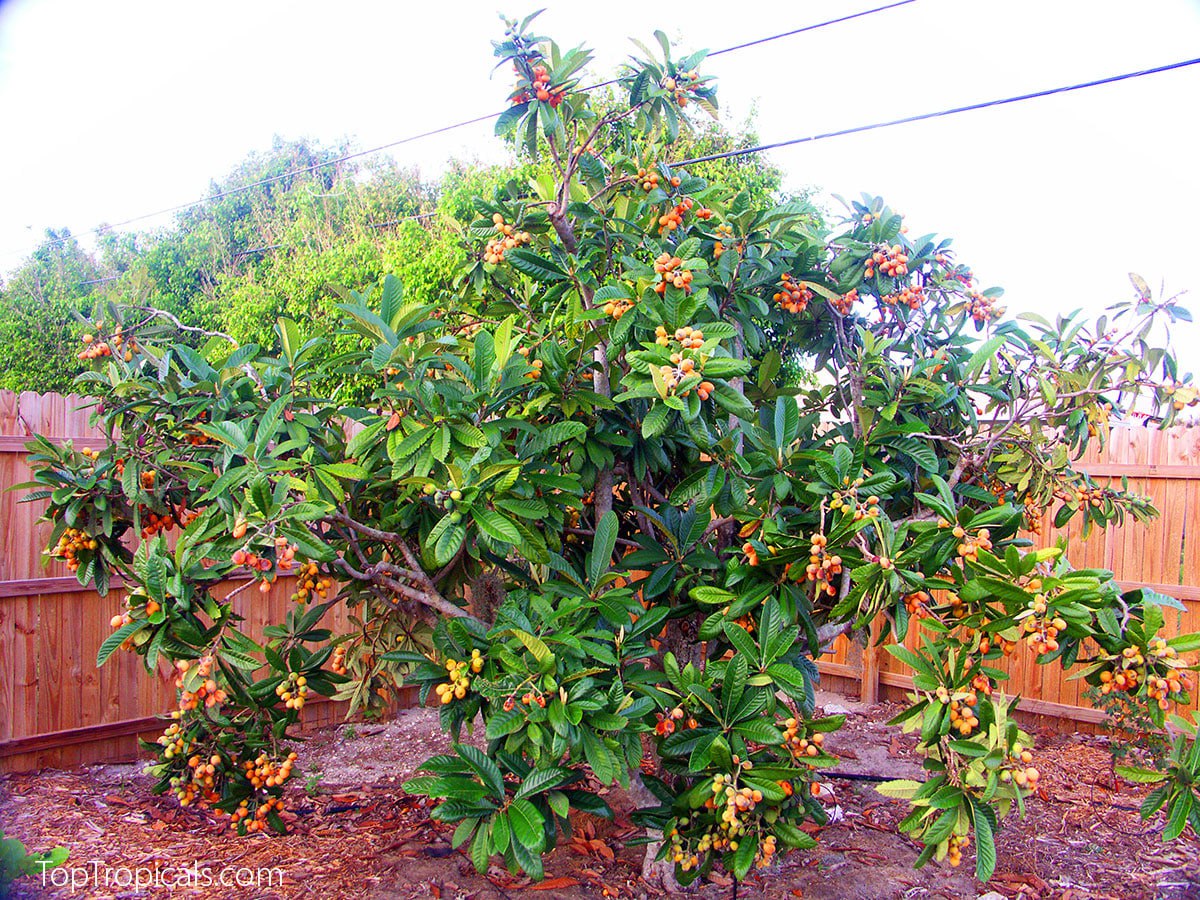
- Plant a fruit tree or two to have some crop this year
- Start a compost pile
- Switch to organic fertilizers and plant boosters
- Fill empty spaces with flowering trees, shrubs, and vines
- Add butterfly attractors to your garden
- Provide water for bees and butterflies to help them thrive and pollinate your fruit trees
- Get a bonsai starter to try bonsai art
- Enjoy meals outside as often as you can
- Teach a child how to plant a tree
- Plant berry-bearing shrubs like Tropical Cherries to feed the birds
- Rake up leaves for winter mulch
- Add a few exotic plants to your indoor collection or container garden
- Share plants as gifts all year long
Happy gardening in 2025!
Date: 1 Jan 2019
Top Tropicals New Year Resolutions
We take this opportunity to extend our grateful thanks to all visitors and friends of our garden and website. The entire Top Tropicals team wishing you a Happy New Year with Happy New Plants!
In 2019, Top Tropicals plans include (but are not limited to):
- improved design of the website, online store and shopping cart
- many new introductions of rare flowering plants including Red Jade
Vine, lots of new Adeniums
- rare fruit trees, including Mangosteen, Nutmeg, Clove and more
- extended selection of rare tropical seeds
- many new videos of rare tropical plants
- free and discounted shipping
Stay informed with our Newsletter updates!
New Year Resolutions for Gardeners in 2019
January is the month to plan and dream about your yard and garden. Grow
your garden a few steps at a time each year: pick a few resolutions for 2019
and plan accordingly. Next year, a few more, and so on until you build the
garden of your dreams.
This winter, resolve to:
- Hang a bird feeder.
- Order seeds of some rare plants so you can have an early start.
- Prune a tree into an espalier - it's a perfect time before Spring.
- Ask your grandparents what they grew in their gardens.
- Build a raised bed for succulents.
- If you live in a warm climate, plant a fruit tree or two.
- Start a compost pile.
- Plant a palm tree.
- Try some plant boosters to improve your plants hardiness.
- Chose Flowering trees, shrubs and vines suitable for areas in your garden that still have room...
- Install a rain barrel.
- Eat outside as often as possible.
- Show a child how to plant a tree.
- Provide a water source for bees and butterflies. They are not only
cool, but also pollinators that will help to set fruit and seeds!
- Call TopTropicals for garden advise - what to plant, where to plant,
and how not to kill it!
- Plant a berry-bearing tree or shrubs to feed the birds. Mulberry, Blackberry, Tropicals Cherries - are always good choices. They are 15% OFF now
Date: 6 Nov 2018
Elephant Foot Yam seed production
Q: Very interesting information about Amorphophallus in your recent newsletter! (which I always enjoy BTW). I would like to purchase those fresh seeds, and I have a couple of questions. Did you have to hand pollinate that flower? I've heard it is not easy to set a fruit. Also, is this an edible variety?
A: From
Mark Hooten, the Garden Whiz. These Elephant Yam seeds were produced as
a result of hand pollination between two different Amorphophallus
paeoniifolius plants grown from entirely different sources. Both plants over ten years
old. One corm originated from a traditional Chinese market here in Ft. Myers,
while the other came from a Hindu market in Naples. As both were being sold
for eating (the prepared corms of the sweet types are a popular Asian
vegetable), we know they are of the "sweet" type, not the acrid type which is the
commonest in cultivation. The flowering occurred this last April, with the fruit
spike maturing in October which is very fast considering it may take up to a
year to mature this fruit!
The flowering image shows three different flowers all emerging from a
single clump of the Chinese plant which has developed over the years, each
flower being a couple of days apart. This is the plant which made the
fruit-spike, one of its flowers having been hand pollinated by the Hindu store plant on
the other side of the property. Notice all of the large blue flies swarming
the fully mature and very stinky flower!
Check out Fresh seeds of Amorphophallus paeoniifolius. Only a few packs left!
Date: 3 Aug 2018
Featured Plant. Monstera deliciosa - Swiss cheese plant
Monstera deliciosa - Swiss cheese plant
Swiss cheese plant is a jungle climbing relative of the philodendron from Mexico and Guatemala. It is seen in gardens in tropical and subtropical areas, growing well in partial sun or shade. The plant begins bearing fruit after three years. The large deep green, cone-like fruit is actually an unripened flower spike, covered with hexagonal scales that dry out and separate as the fruit ripens from the base upwards, revealing the white pulp. It takes a little longer than a year to mature to an edible stage. The fruit tastes kind of like a cross between a sugar apple and a pineapple. Very perfuming smell and taste! It's so amazing, can't figure the consistency, but totally a pineapple sugar apple cross... But wash the black specks off before eating - they will sting your tongue.
Date: 24 Jun 2018
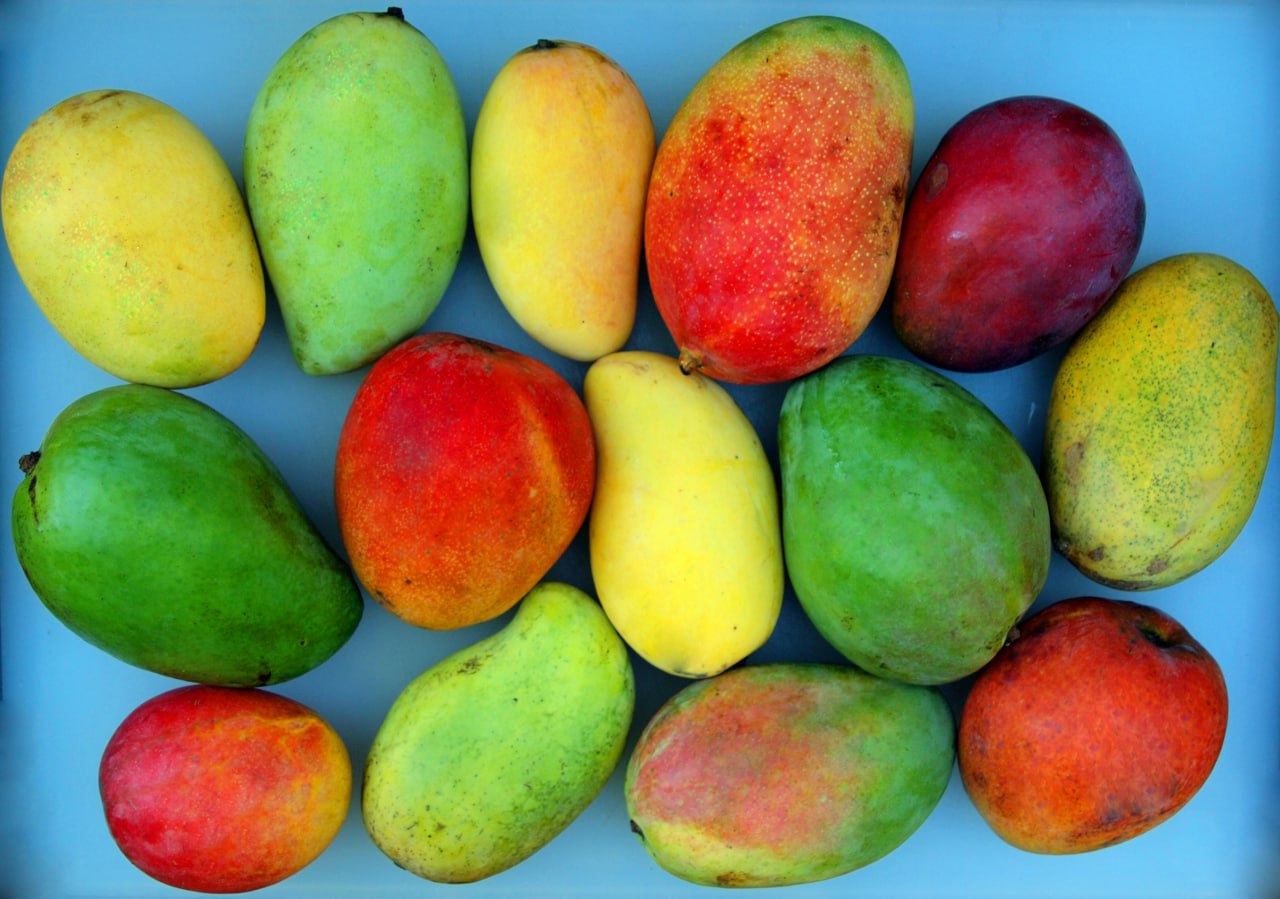
How to make a Mango tree bloom and fruit
Mango trees are especially beautiful during spring time when they flush out multi-color new leaves! But you want your mango be not only beautiful but fruitful as well. Here are some tips:
1) Fertilize Mango tree with a balanced slow release fertilizer starting March. Use 1 tsp of granulated fertilizer per 1 gal of soil, or a handful or two for an in-ground tree. You may add one application of foliar spray of a water-soluble bloom booster fertilizer (the one for Roses or Azaleas will work). This will give your tree a good macro-nutrient kick-start.
2) Spray entire tree with SUNSHINE-Superfood solution. This will provide all necessary micro-elements and keep the plant healthy and strong throughout the season. Repeat treatment once a month until harvest time.
3) For sweeter fruit, apply SUNSHINE-Honey