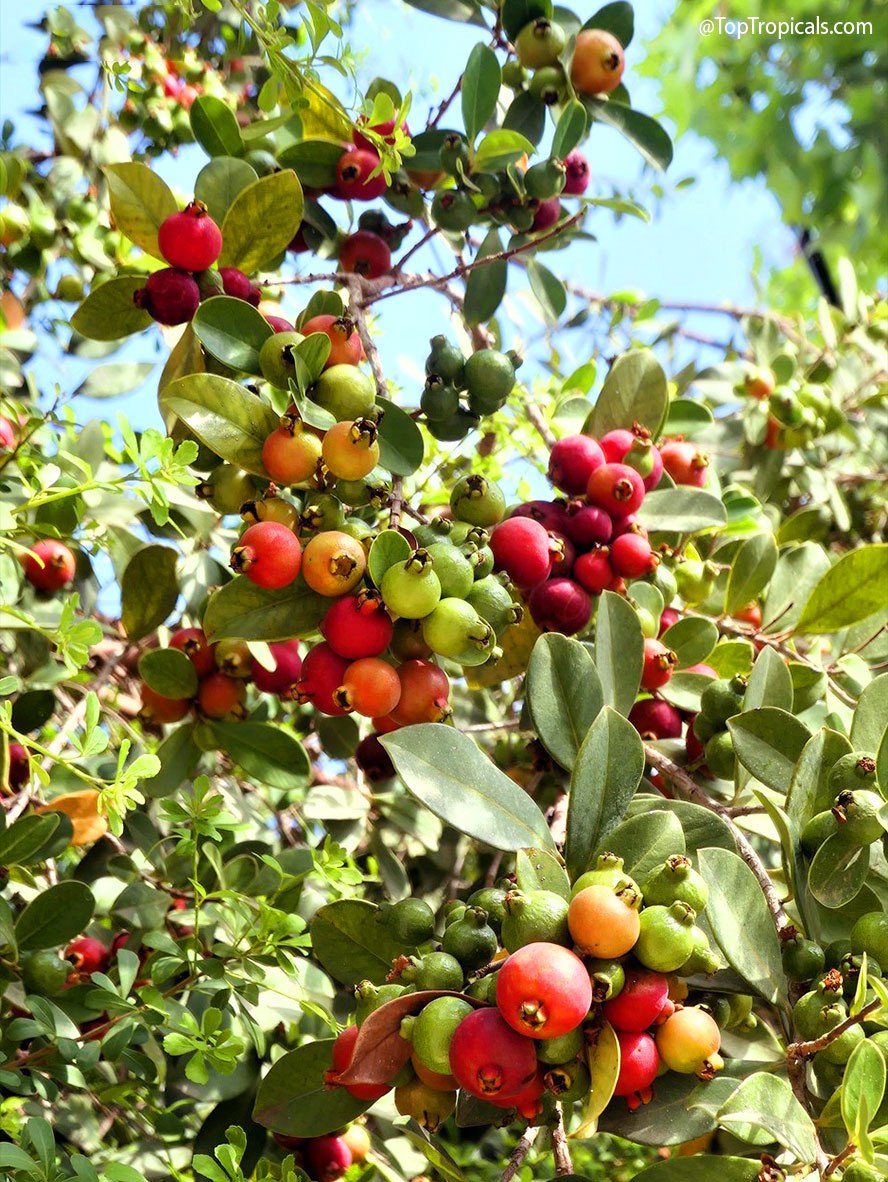
Garden Blog - Top Tropicals

Date: 20 Jan 2026

7 steps for a care-free Spanish Tamarind - the easiest rare fruit to grow
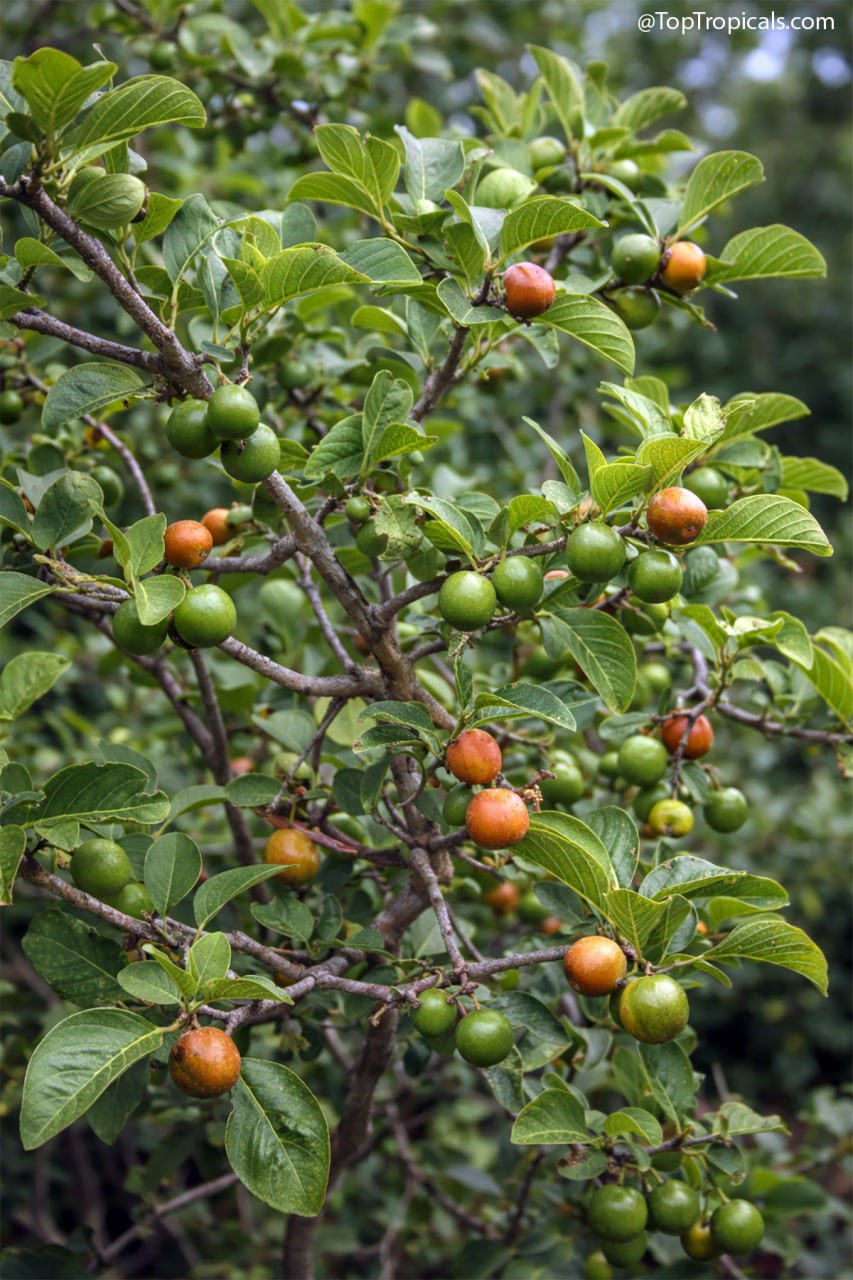
Vangueria infausta (Spanish Tamarind, Wild Medlar)

Vangueria infausta (Spanish Tamarind, Wild Medlar)

🍊 7 steps for a care-free Spanish Tamarind - the easiest rare fruit to grow


Yes, it can handle light frost - Vangueria infausta (Spanish Tamarind, Wild Medlar) - we just discovered it can handle cold snaps! After a few cold nights in January, our young tree planted just a few months ago, still looks happy and strong!
If you are looking for a tough little fruit tree that thrives on neglect but gives you something truly special in return - try this rare, compact fruit tree. Spanish Tamarind is native to southern Africa, it is drought-tolerant, pest-resistant, and surprisingly cold-hardy once established - making it a great choice even for gardeners in borderline zones.

Here’s how to grow this resilient gem:

🌞 Sun and soil


Spanish Tamarind loves full sun, but will tolerate light shade. It isn’t picky about soil as long as it drains well - sandy, rocky, or loamy, it will grow just fine. No special amendments needed.

💧 Watering


Once established, it's very drought tolerant, but young trees need regular watering to develop a deep root system. In containers, water when the top inch of soil is dry. In the ground, water deeply but infrequently.

❄️ Cold tolerance


Now for the surprise: while it’s considered a tropical fruit, Wild Medlar can handle brief dips into the mid-30s F without damage, especially when mature and dormant. In Sebring, FL, we’ve seen this tree shrug off light frosts with no protection!
And what makes this even more impressive? The tree has beautiful, lush velvet leaves - soft to the touch and tropical in appearance - yet surprisingly hardy for such large, tender-looking foliage.
  • · Young plants should be protected the first couple winters
  • · Grow in containers if you’re in USDA zone 8 or lower
  • · A little mulch around the base helps stabilize soil temps in winter


Growing in pots


This tree is very compact and does well in containers. Use a large, well-drained pot and a loose soil mix. Keep it outside in spring through fall, then bring it indoors before a hard frost. It grows slowly and stays compact for years, making it a great fit for patios or balconies.

🍊 When to expect fruit


With enough sun and time, your tree can start fruiting in 2-3 years. Mature trees can bear 20-40 small round fruits per season, ripening to a golden-brown with a tangy-sweet flavor. The fruiting season may vary depending on your local climate, but typically occurs in late summer to fall.

🛠 Maintenance? Almost none.

  • · No special pruning needed (except to shape)
  • · No major pests or diseases reported
  • · Tough and low-maintenance in the landscape


🏆 Final thought: grow it for the surprise


Spanish Tamarind - Wild Medlar - is a tree that rewards patience. It's unusual, beautiful in its own scruffy way, and packs a punch with cold tolerance, drought resistance, and tasty fruit. Spanish Tamarind belongs in every experimental garden or food forest - especially if you love growing things no one else in the neighborhood has.

🛒 Add rare Spanish Tamarind to your rare fruit collection

📚 Learn more:

Plant Facts

Vangueria infausta
Wild Medlar, Spanish Tamarind
USDA Zone: 9-11
Small tree 10-20 ftFull sunModerate waterEdible plantDeciduous plantEthnomedical plant.
Plants marked as ethnomedical and/or described as medicinal, are not offered as medicine but rather as ornamentals or plant collectibles.
Ethnomedical statements / products have not been evaluated by the FDA and are not intended to diagnose, treat, cure, or prevent any disease. We urge all customers to consult a physician before using any supplements, herbals or medicines advertised here or elsewhere.Subtropical plant. Mature plant cold hardy at least to 30s F for a short time

#Food_Forest #Remedies #Discover

🟢 Join 👉 TopTropicals

Date: 28 Jan 2026

Moonlight Cactus, the Night Blooming Wonder with a mystical twist: Epiphyllum oxypetalum FAQ

Epiphyllum oxypetalum, Queen of the Night

Epiphyllum oxypetalum, Queen of the Night

Epiphyllum oxypetalum, Queen of the Night, Night-Blooming Cereus, flower close up

Epiphyllum oxypetalum, Queen of the Night, Night-Blooming Cereus, flower close up

Epiphyllum oxypetalum, Queen of the Night, Night-Blooming Cereus, flower

Epiphyllum oxypetalum, Queen of the Night, Night-Blooming Cereus, flower

Epiphyllum oxypetalum, Queen of the Night flower center

Epiphyllum oxypetalum, Queen of the Night flower center

Epiphyllum oxypetalum, Queen of the Night flower with highlight

Epiphyllum oxypetalum, Queen of the Night flower with highlight

Epiphyllum oxypetalum, Queen of the Night flower with highlight

Epiphyllum oxypetalum, Queen of the Night flower with highlight

🔮 Moonlight Cactus, the Night Blooming Wonder with a mystical twist: Epiphyllum oxypetalum FAQ


🌙 Epiphyllum oxypetalum, also known as Queen of the Night or Night-Blooming Cereus, is a tropical epiphytic cactus famous for its huge, fragrant white flowers that open only at night. The blooms usually last just one night, often opening after sunset and closing by morning, which is why it has such a mystical reputation. The plant itself has long, flat, leaf-like stems and is often grown in hanging baskets or trained to climb. It is easy to grow, prefers bright filtered light, and rewards patience with one of the most dramatic blooms in the plant world.
  • 🎆 Why is it called Queen of the Night?


    Because it produces large, fragrant white flowers that open only at night. The blooms usually open after sunset and close by morning.
  • 🎆 How often does it bloom?


    Usually once or a few times a year, often in late spring or summer. Blooms are short-lived but unforgettable.
  • 🎆 Is it really a cactus?


    Yes, but it is a tropical epiphytic cactus. It grows more like an orchid or jungle plant than a desert cactus.
  • 🎆 Does it need full sun?


    No. It prefers bright, filtered light or partial shade. Direct hot sun can scorch the stems.
  • 🎆 Can it be grown indoors?


    Yes. It does very well indoors near a bright window or outdoors in warm, shaded areas.
  • 🎆 Does it need a lot of water?


    More than desert cacti, but not soggy soil. Water when the top layer of soil dries out.
  • 🎆 Can it grow in a pot or hanging basket?


    Yes. It is commonly grown in containers, hanging baskets, or trained to climb on a support.
  • 🎆 Is it rare?


    Mature blooming plants are highly valued because flowering takes patience and good care.


🛒 Add Moonlight Queen of the Night to your exotic plant collection

Collect epiphytic jungle cacti:

📚 Learn more:

Plant Facts

Epiphyllum oxypetalum
Belle de Nuit, Lady of the Night, Queen of the Night, Night blooming Cereus, Dutchman's Pipe
USDA Zone: 9-11
Large shrub 5-10 ft tallSemi-shadeShadeModerate waterRegular waterEpiphyte plantWhite, off-white flowersPink flowersPlant attracts butterflies, hummingbirdsFragrant plantSubtropical plant. Mature plant cold hardy at least to 30s F for a short time

#Container_Garden #Shade_Garden #Nature_Wonders

🟢 Join 👉 TopTropicals
Date: 9 Jan 2026

Mango Tree for Zone 5: top 15 Condo Mango for growing in cold areas

Mango Tree for Zone 5

🥭 Mango Tree for Zone 5: top 15 Condo Mango for growing in cold areas

  • 🥭 Can you grow a mango tree in Zone 5? Short answer - yes! The trick is - containers!
  • Mango trees are tropical plants but they do great in pots when you choose the right varieties.
  • 🥭 Compact types stay short, respond well to pruning, and produce in containers.
  • You can grow them on a patio, balcony, even move them indoors in your condo for winter. That is why they are called condo mangoes!
    During warm months, they live outside.
    When cold weather hits, they come inside.
  • 🥭 With good light, proper watering, fertilizing, and some patience, these trees can reward you with real mangoes. Not a farm harvest, but enough to enjoy and share.


🏆 Most popular Condo Mango varieties:


Baptiste
Carrie
Cogshall
Diamond
Fairchild
Ice Cream
Julie
Keitt
Lancetilla
Lemon Meringue
Mallika
Nam Doc Mai
Okrung
Pickering
Venus

🛒 Discover Condo Mango

📚 Learn more:
#Food_Forest #How_to #Discover #Mango

🟢 Join 👉 TopTropicals
Date: 20 Feb 2026

Top Ten Flowering Tree Winners of Florida 2026 Record Freeze

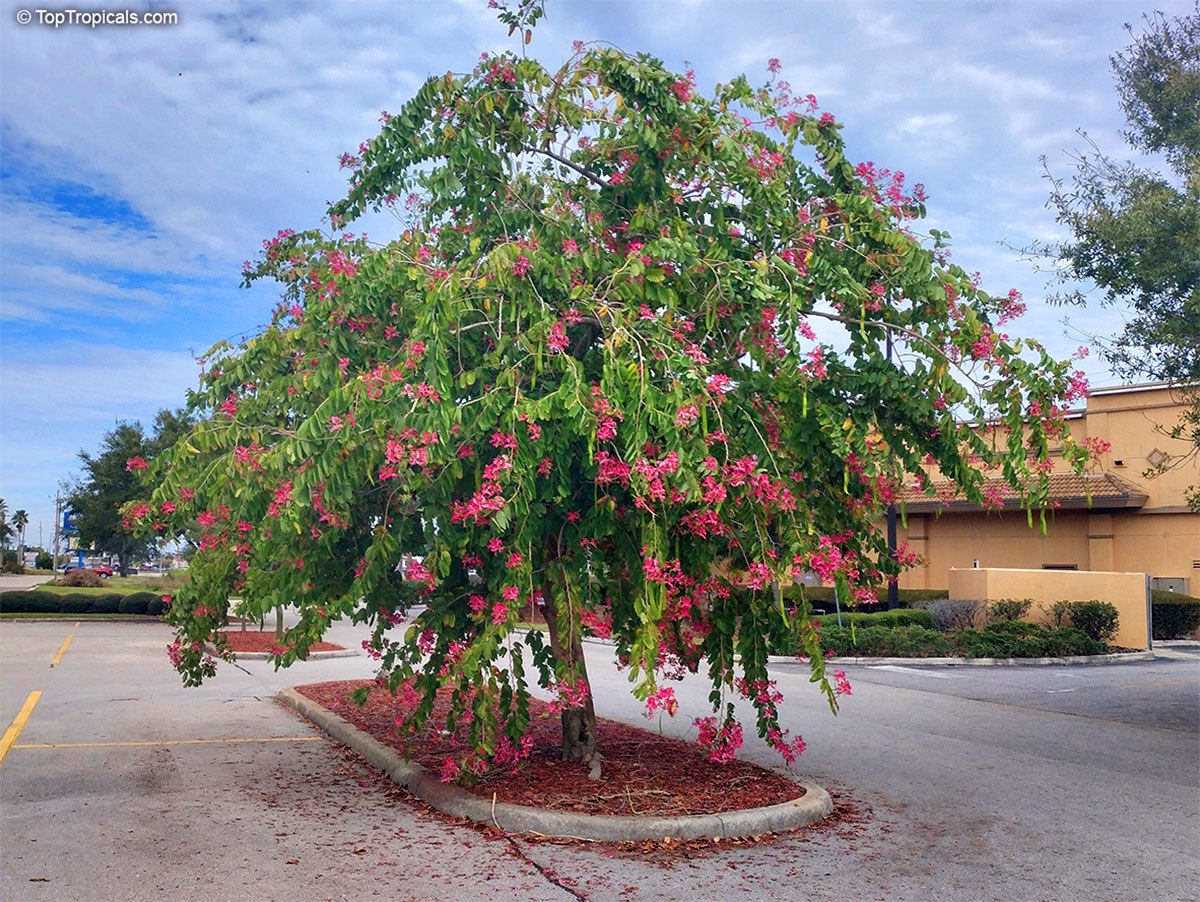
Bauhinia Orchid Tree

Bauhinia Orchid Tree

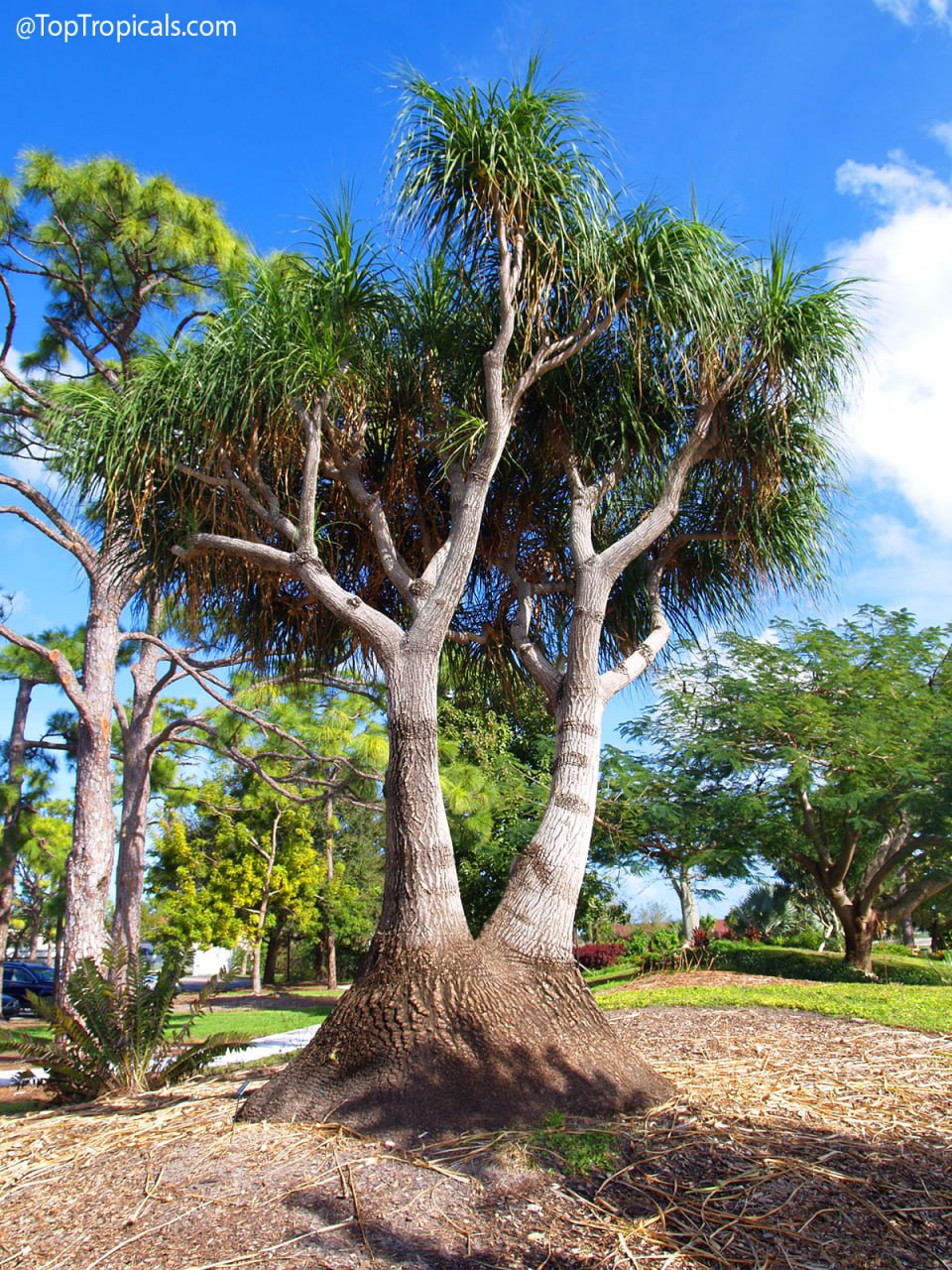
Beaucarnea recurvata - Pony Tail

Beaucarnea recurvata - Pony Tail

Caesalpinia mexicana, Mexican Bird of Paradise

Caesalpinia mexicana, Mexican Bird of Paradise

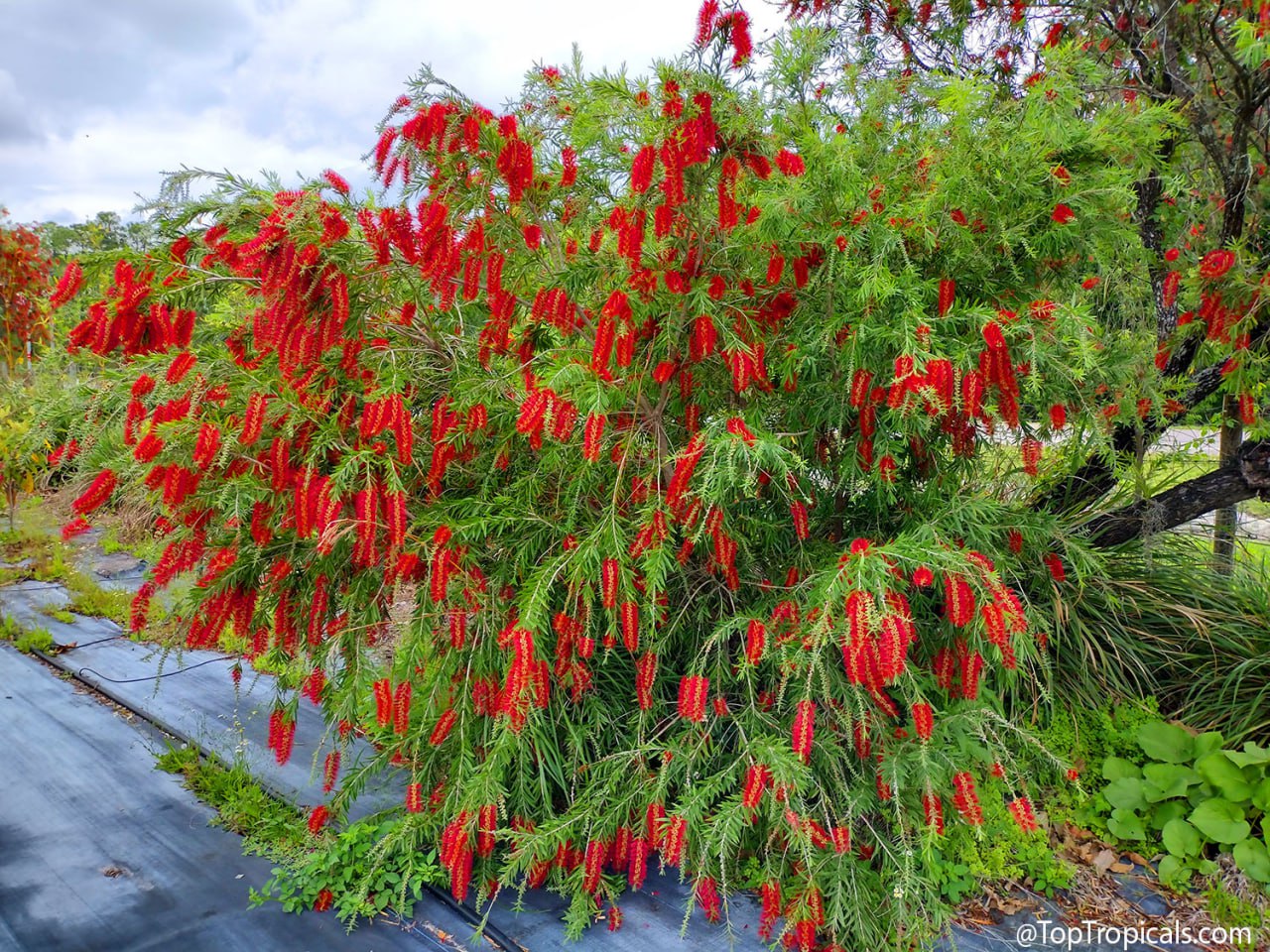
Callistemon - Bottlebrush

Callistemon - Bottlebrush

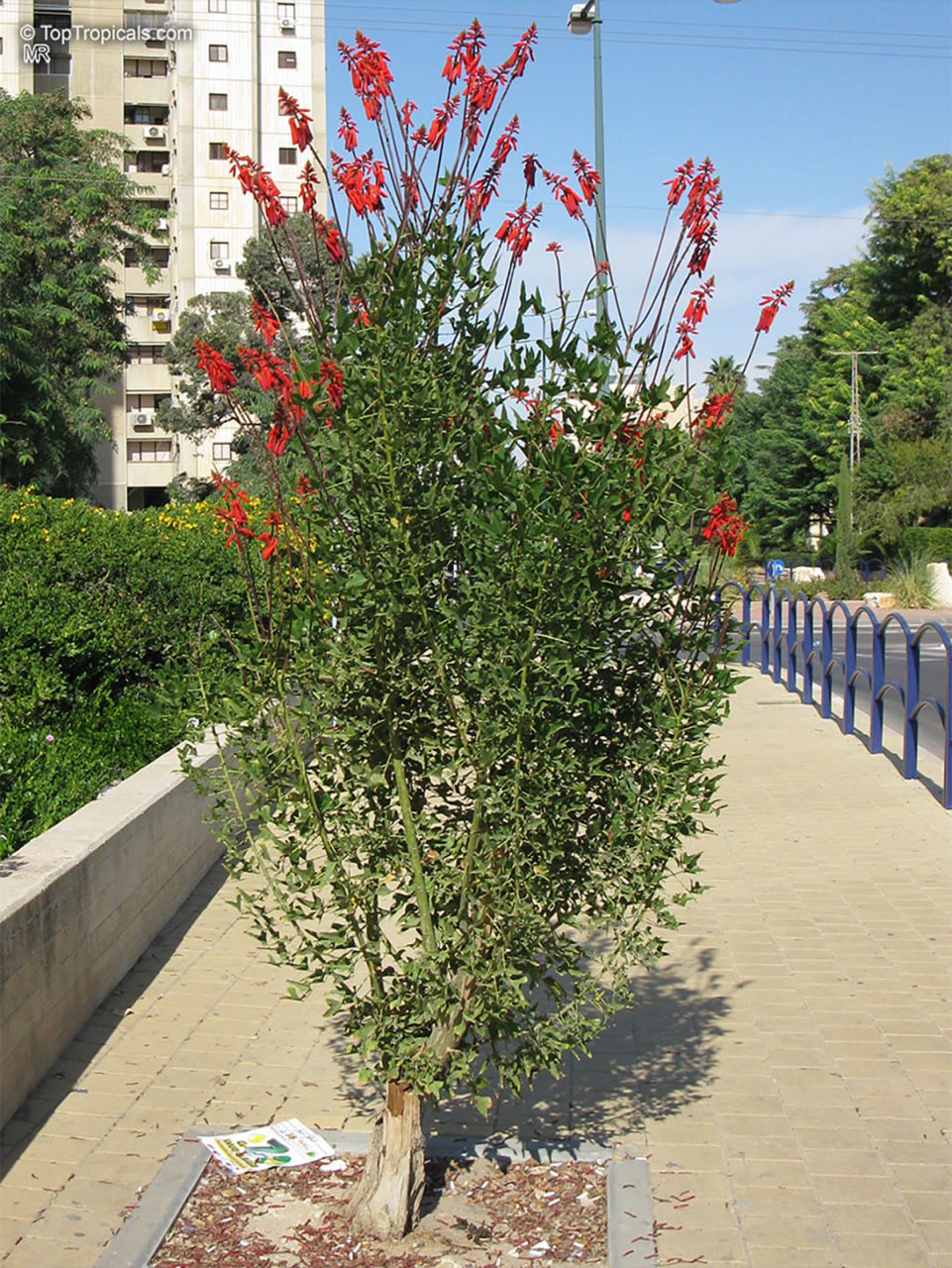
Erythrina

Erythrina

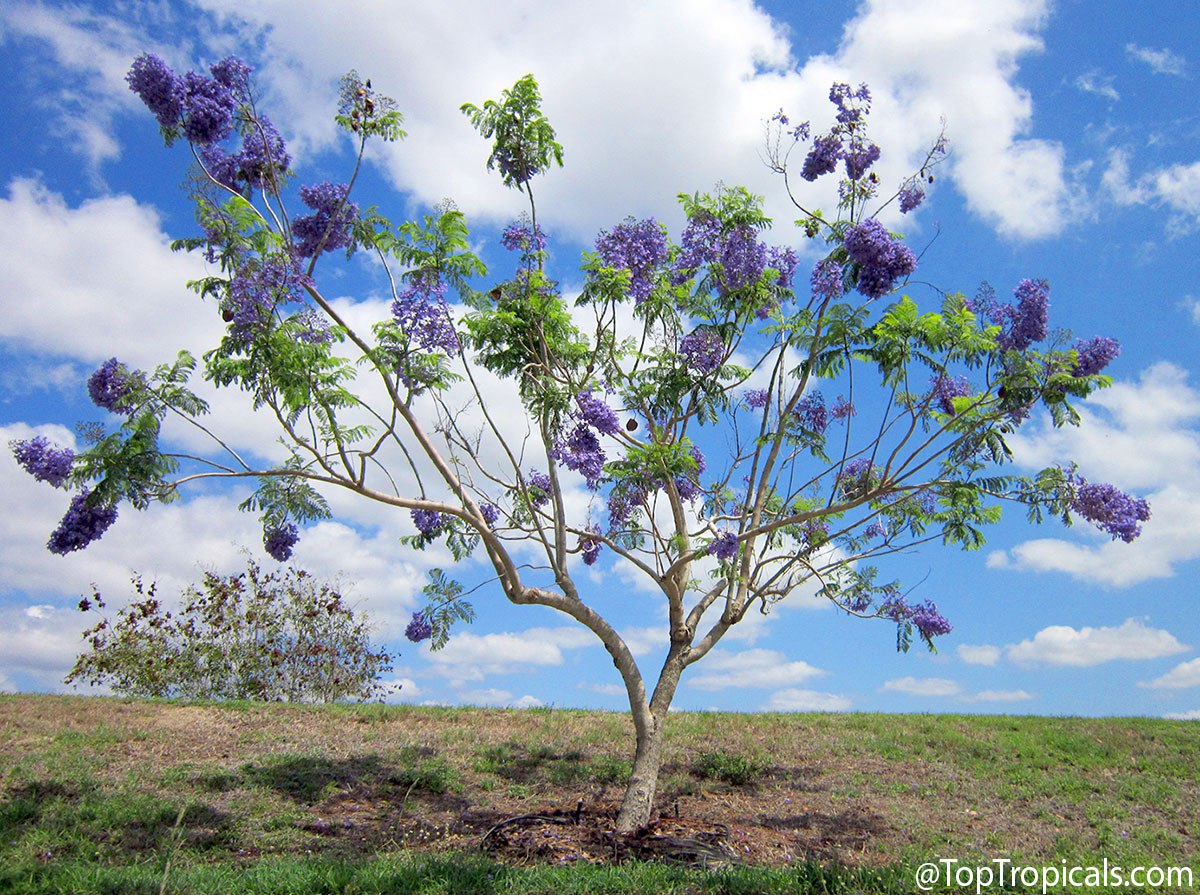
Jacaranda tree

Jacaranda tree

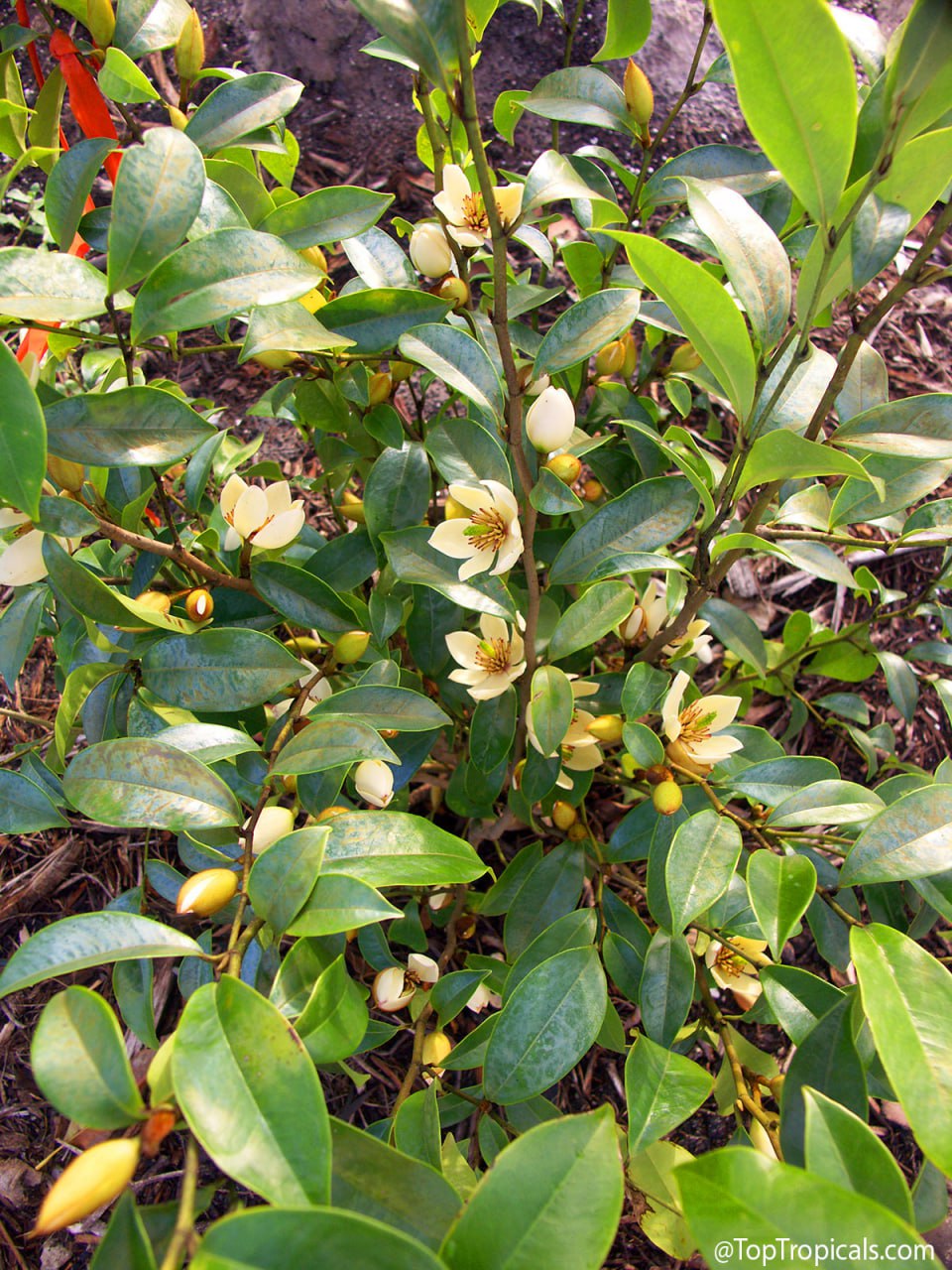
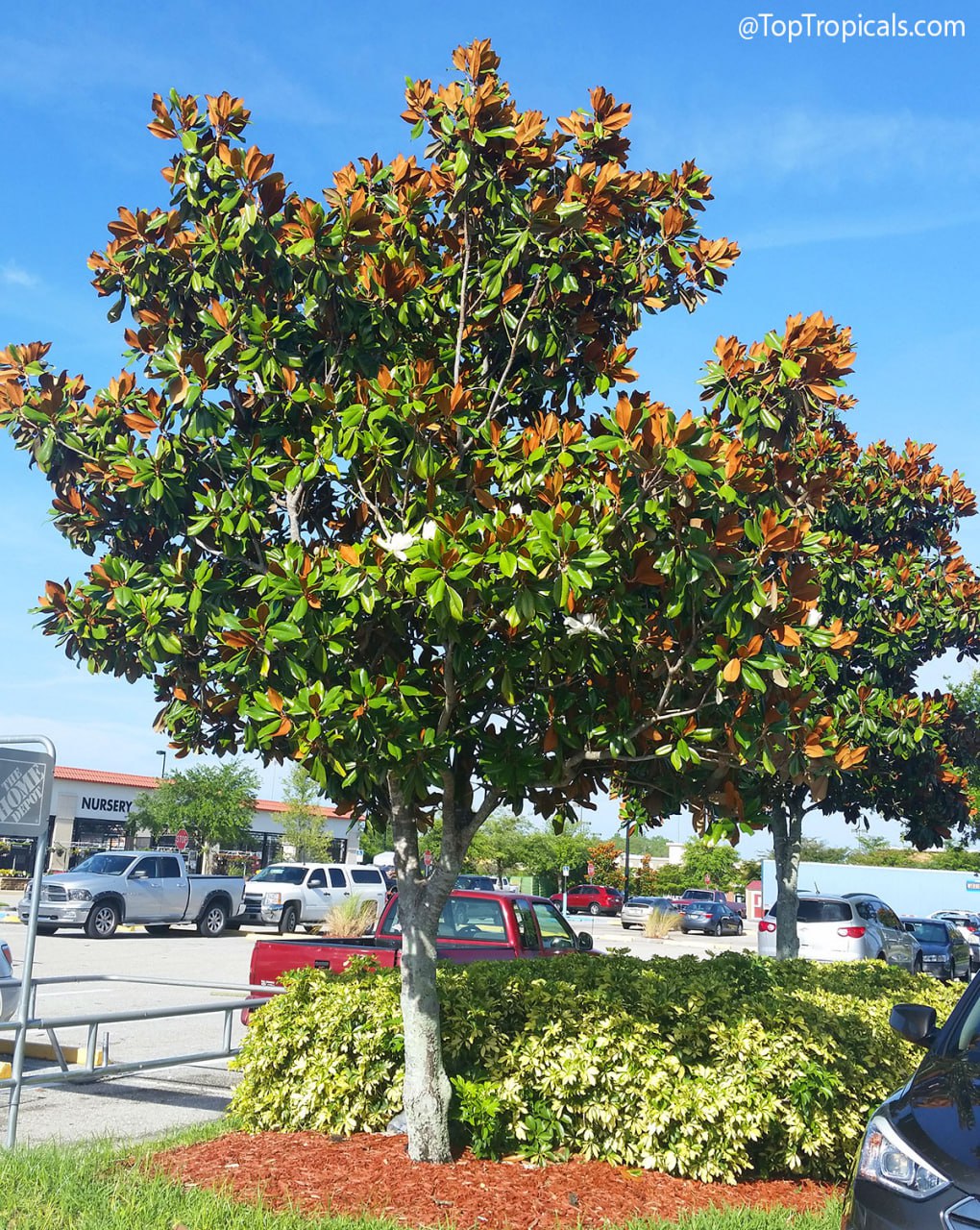
Magnolia figo

Magnolia figo

Magnolia Little Gem

Magnolia Little Gem

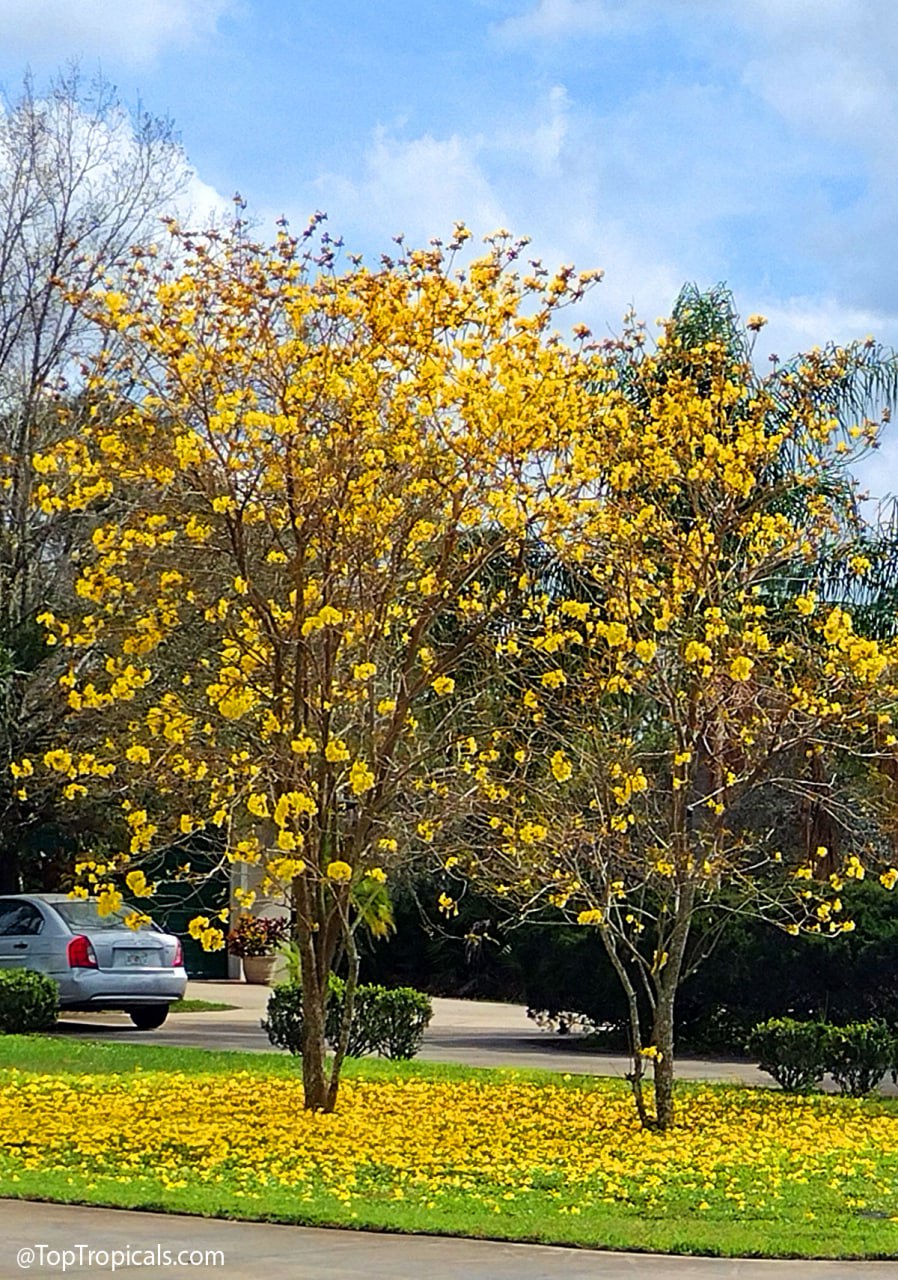
Tabebuia chrysotricha

Tabebuia chrysotricha

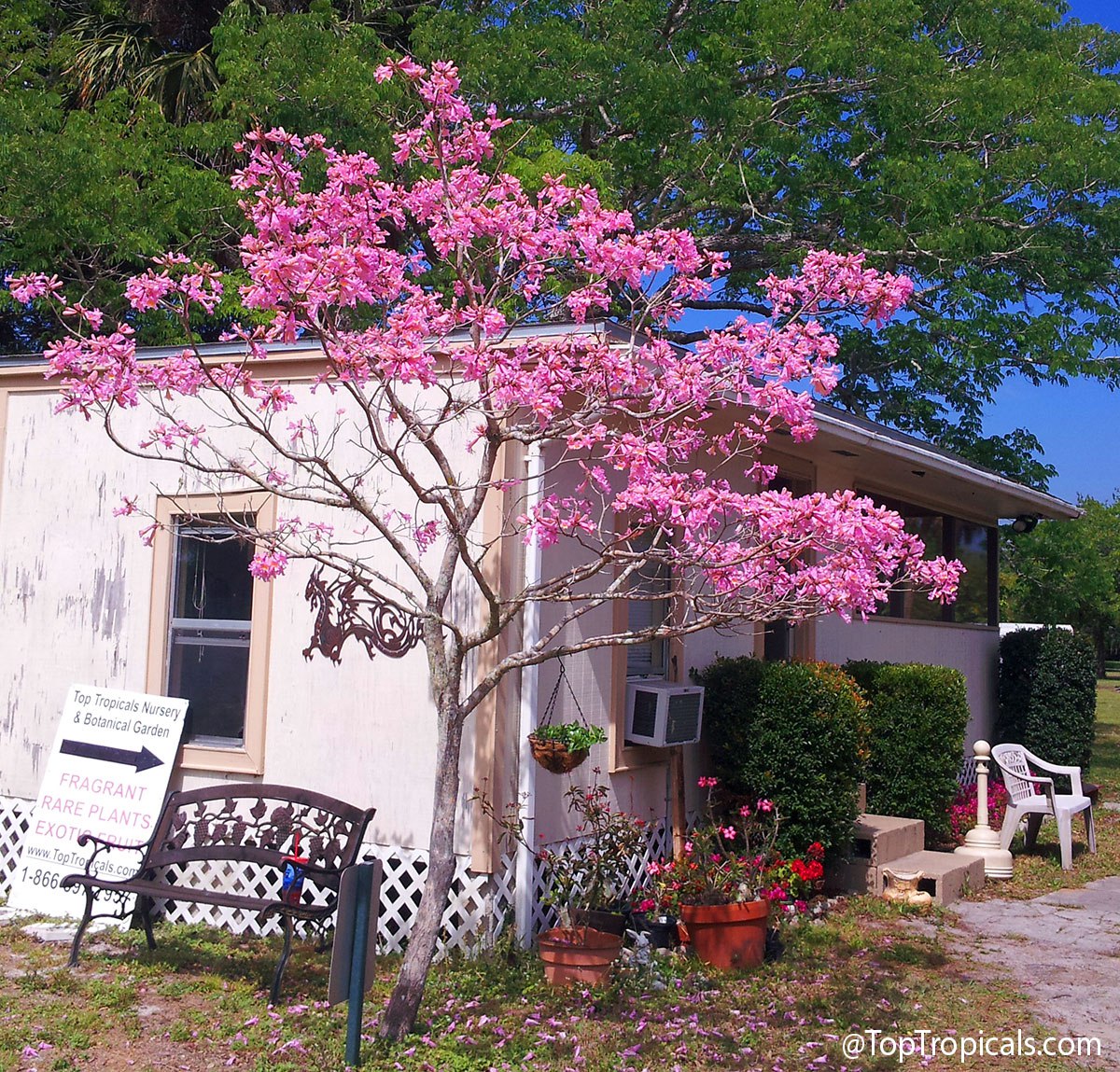
Tabebuia impetiginosa

Tabebuia impetiginosa

🏆 Top Ten Flowering Tree Winners of Florida 2026 Record Freeze


These flowering trees had no damage after 3 nights of hard freeze (25F) with NO PROTECTION:
🛒 Explore cold tolerant tropical plants

📚 Learn more:


#Discover #How_to #Trees

🟢 Join 👉 TopTropicals
Date: 20 Feb 2026

Top Ten Fruit Tree Winners of Florida 2026 Record Freeze

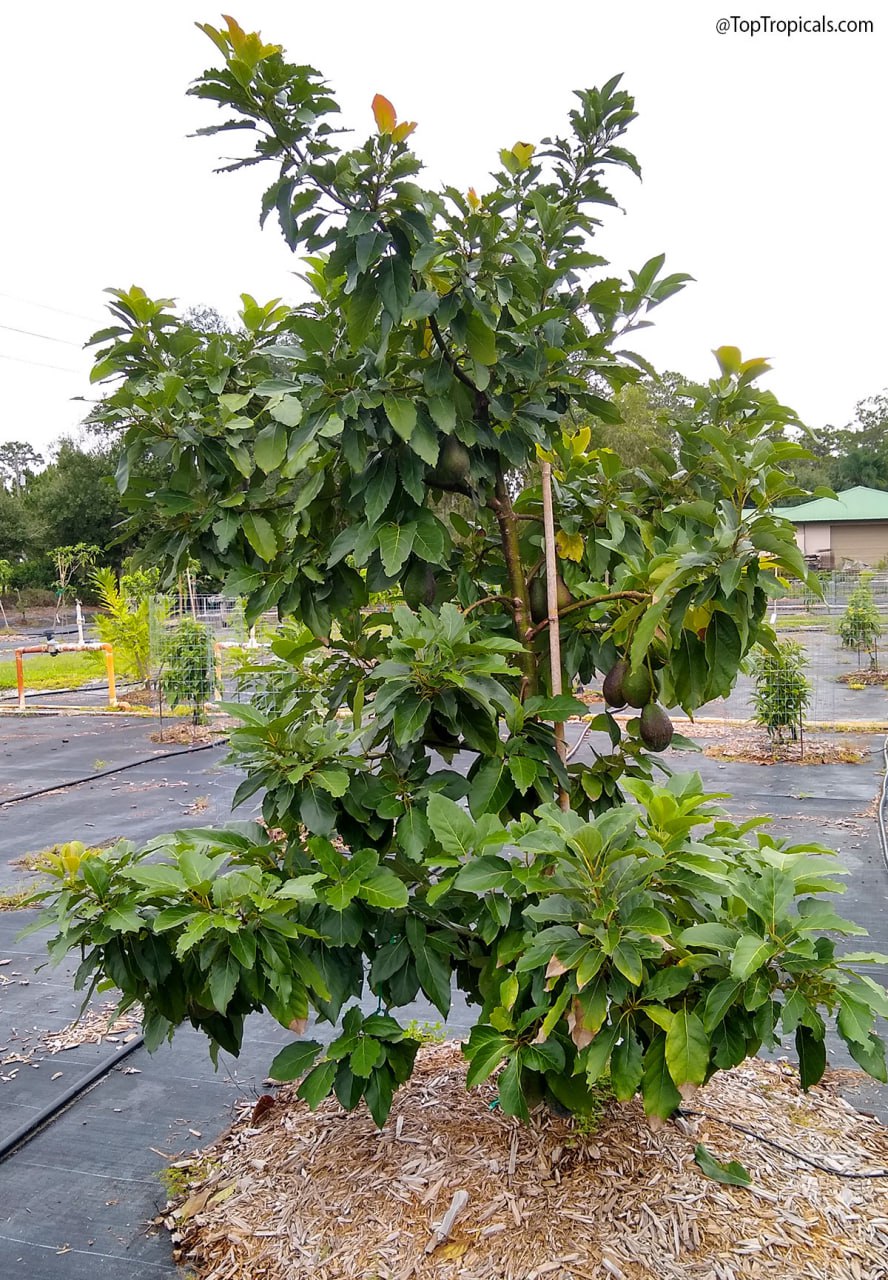
Avocado tree with fruit

Avocado tree with fruit

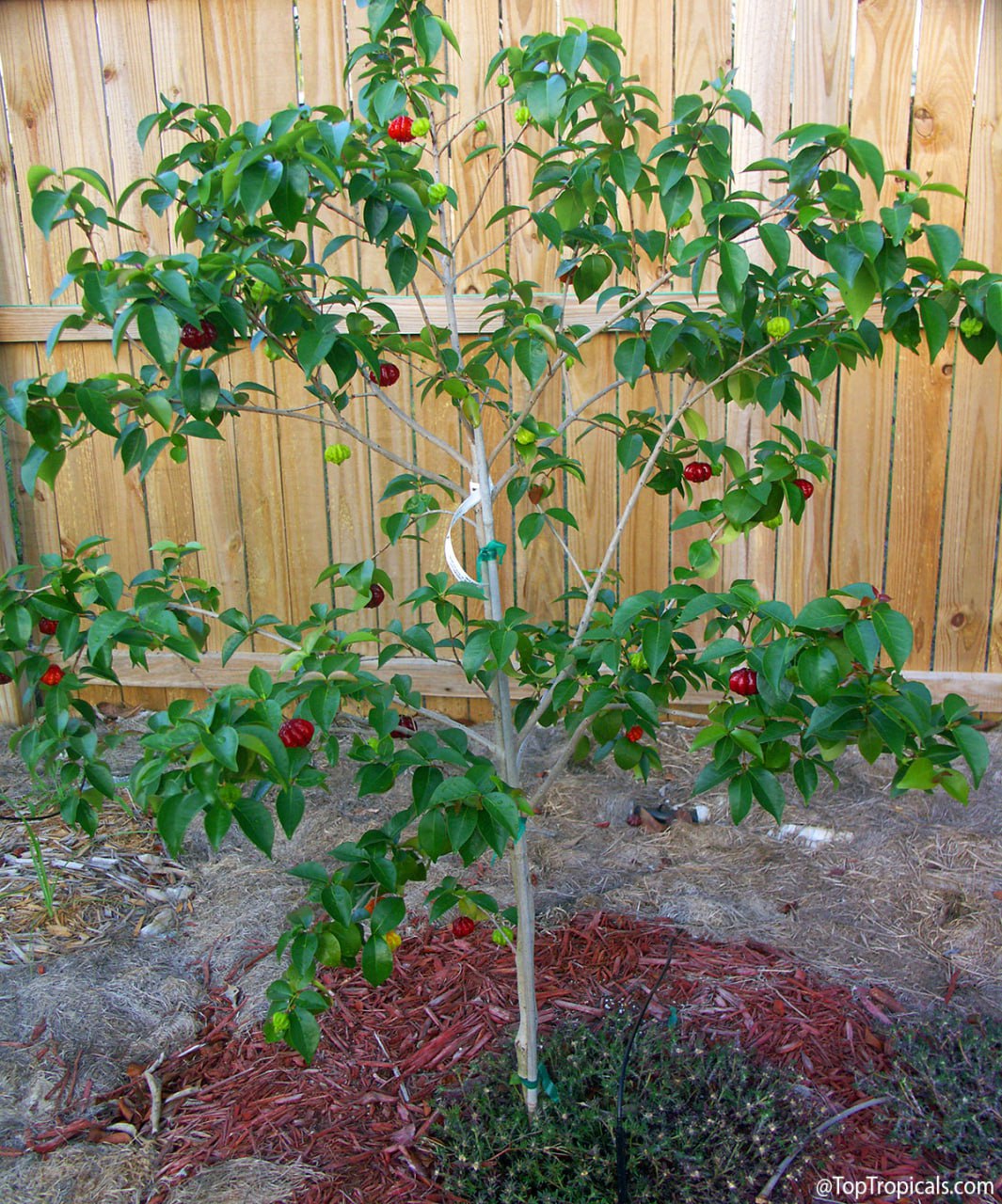
Eugenia

Eugenia

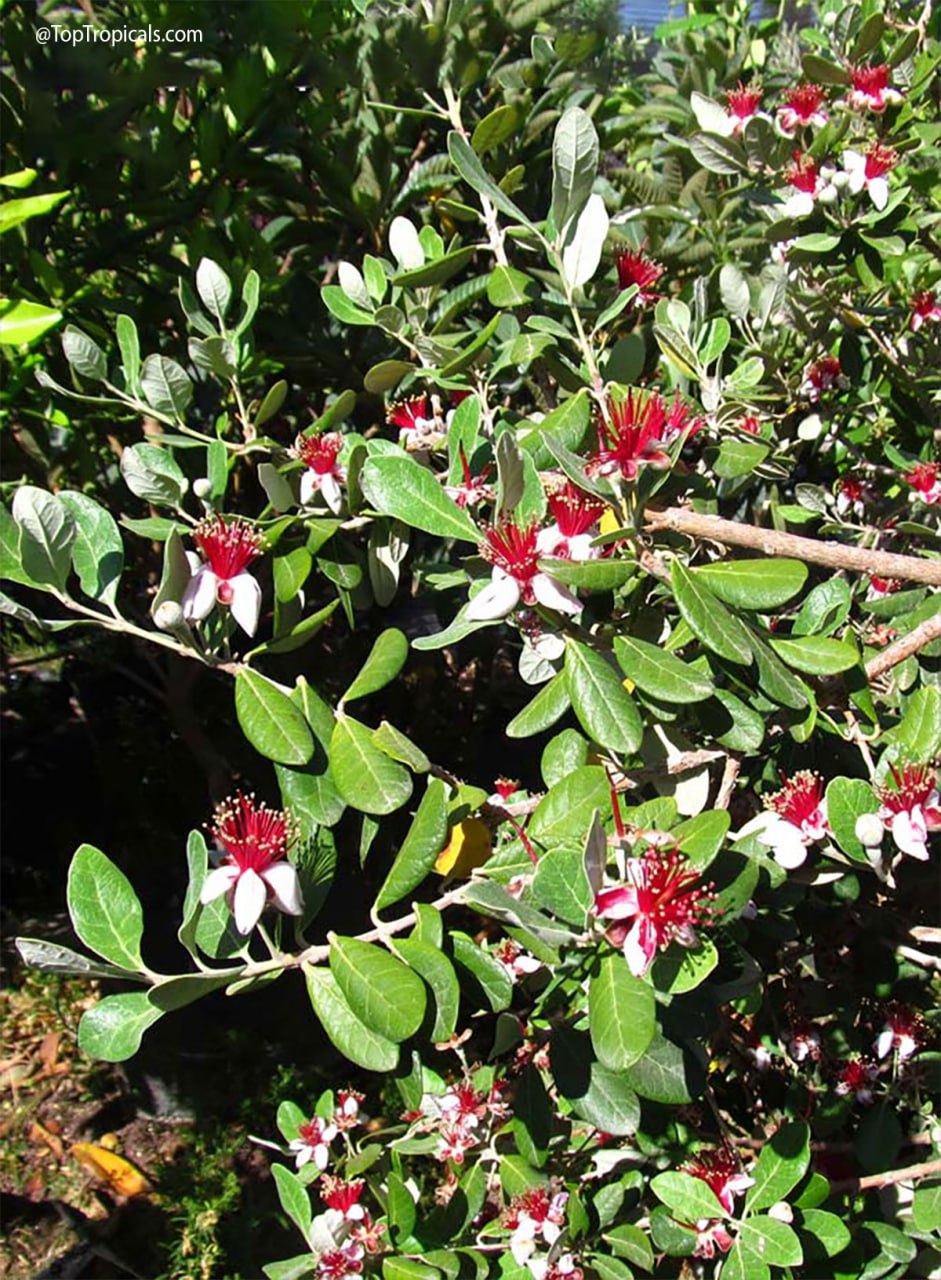
Feijoa - Pineapple Guava

Feijoa - Pineapple Guava

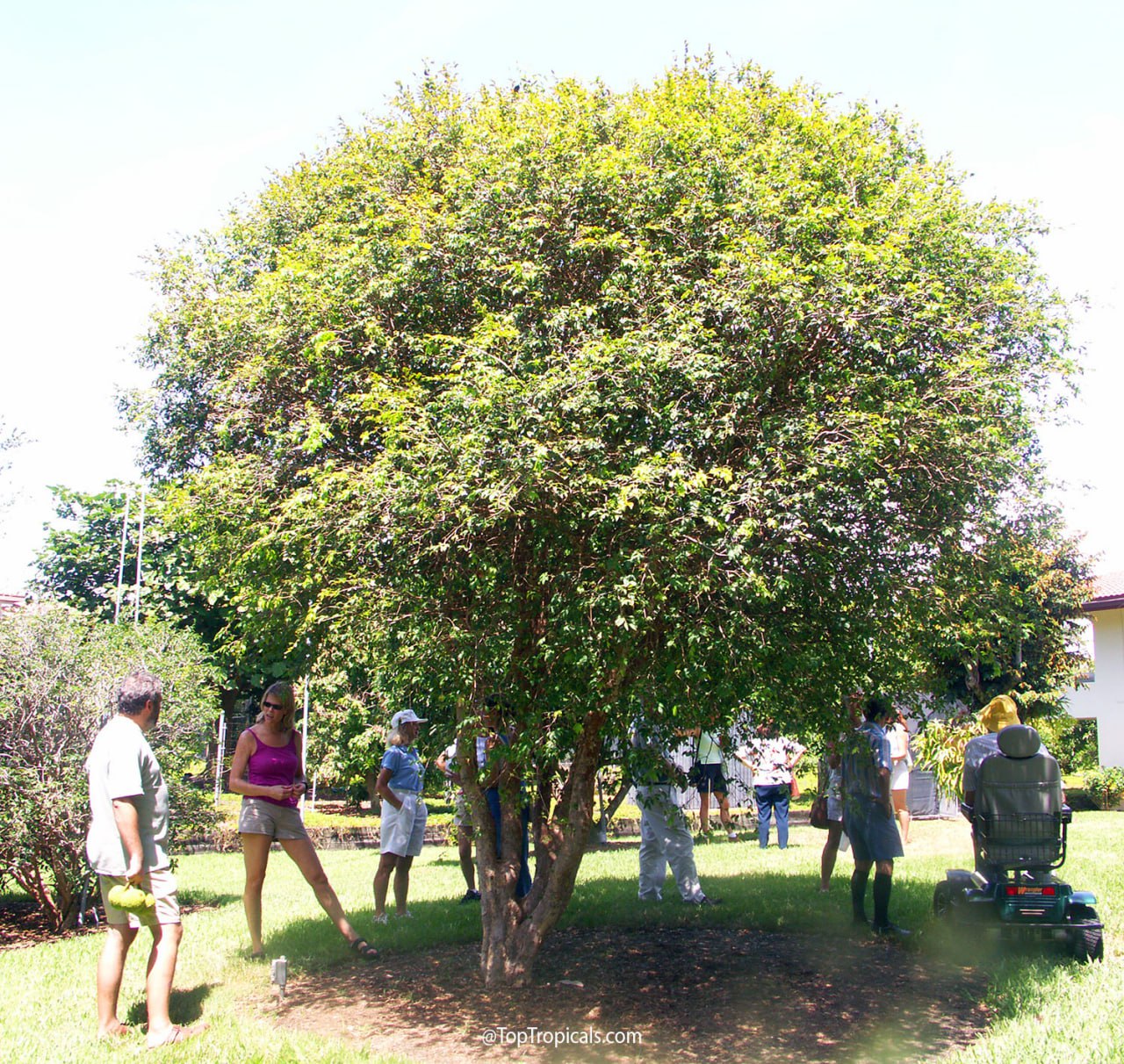
Jaboticaba tree

Jaboticaba tree

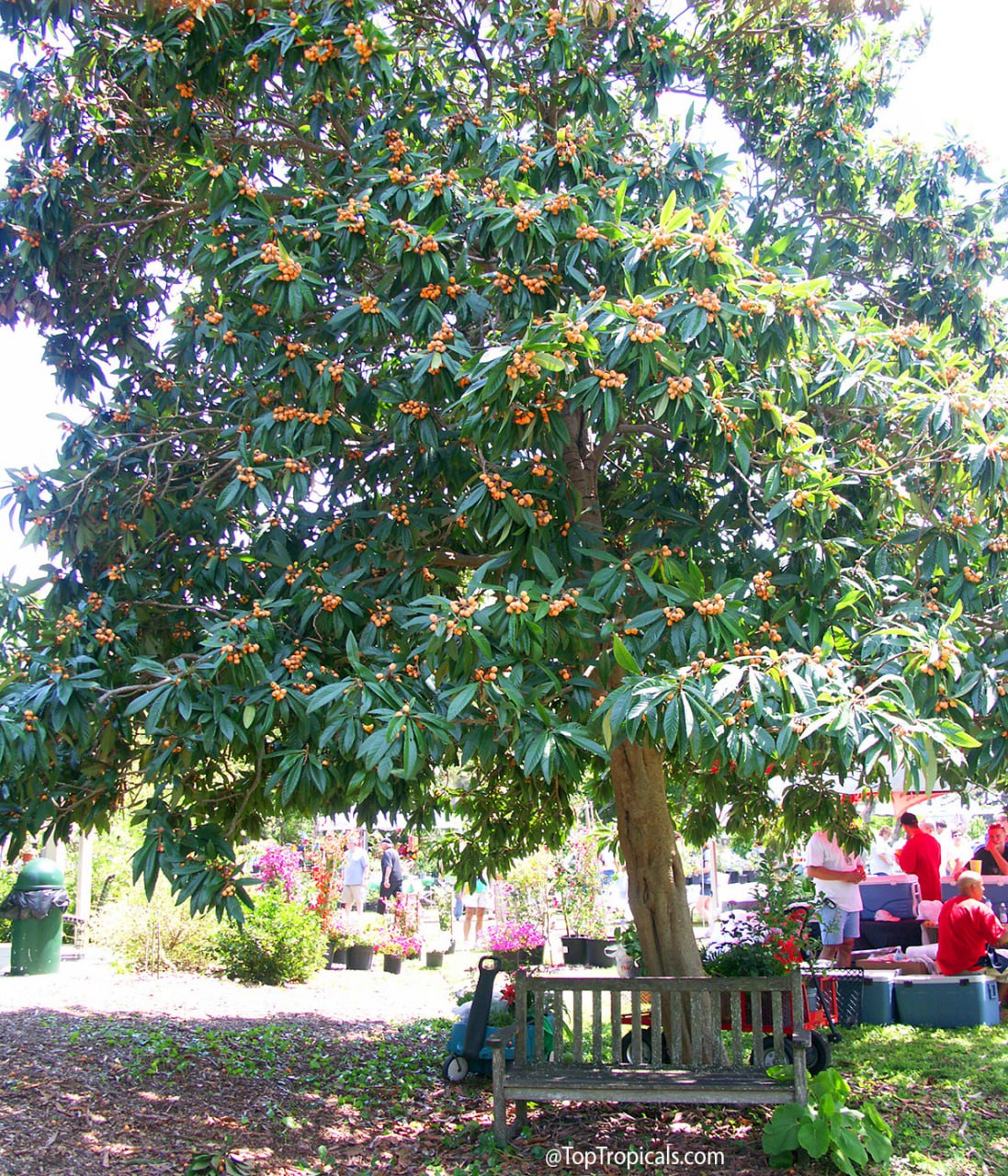
Loquat tree

Loquat tree

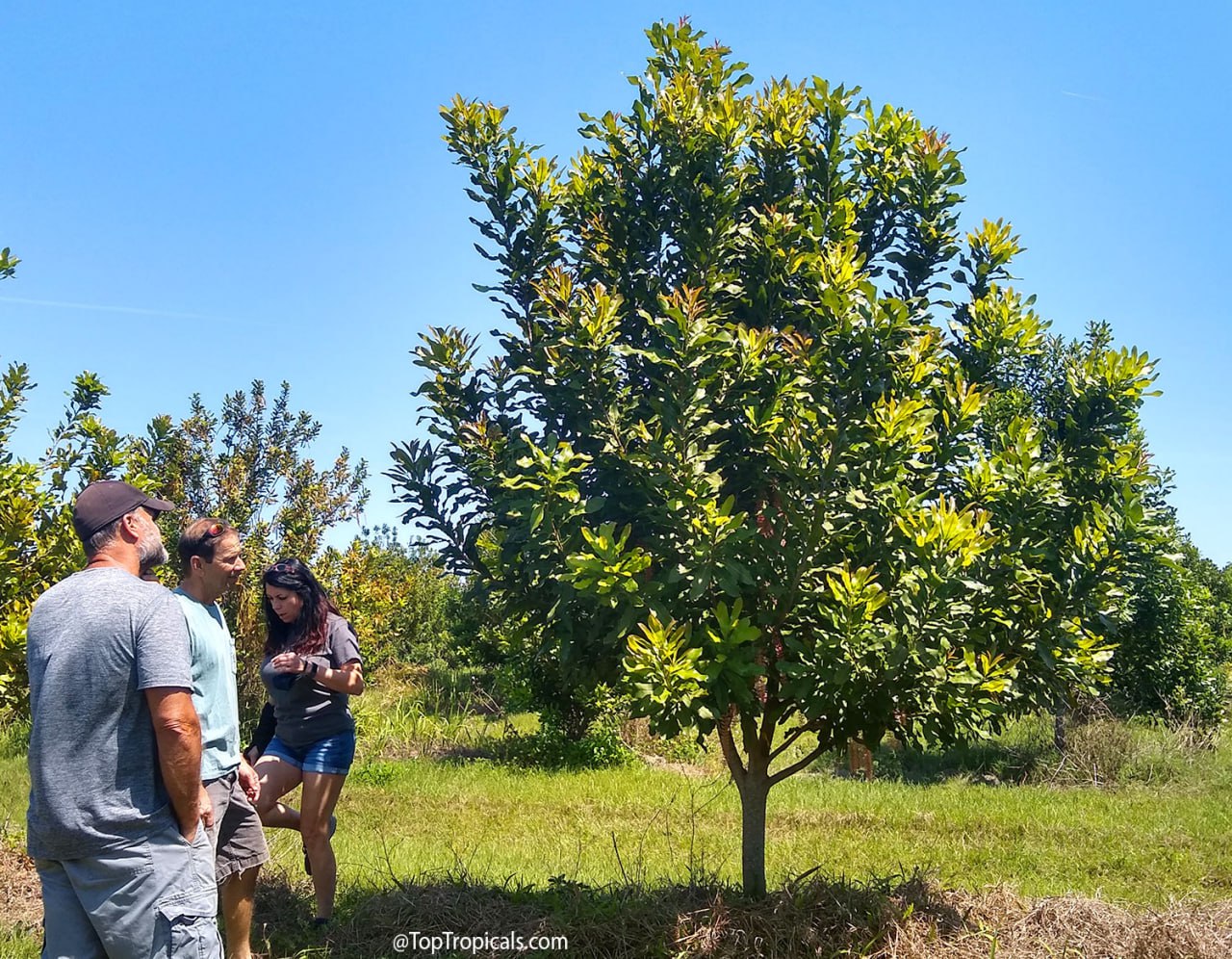
Macadamia Nut tree

Macadamia Nut tree

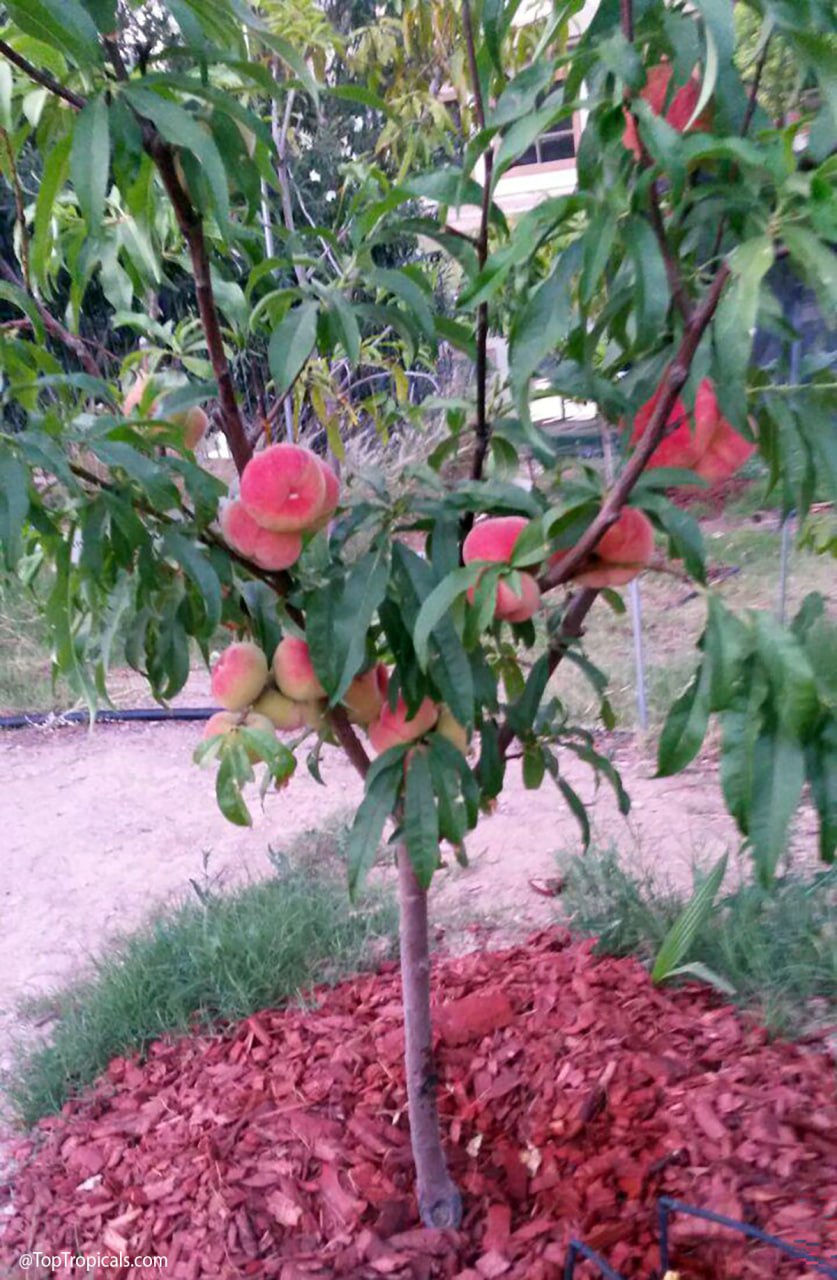
Prunus sp - Peach

Prunus sp - Peach

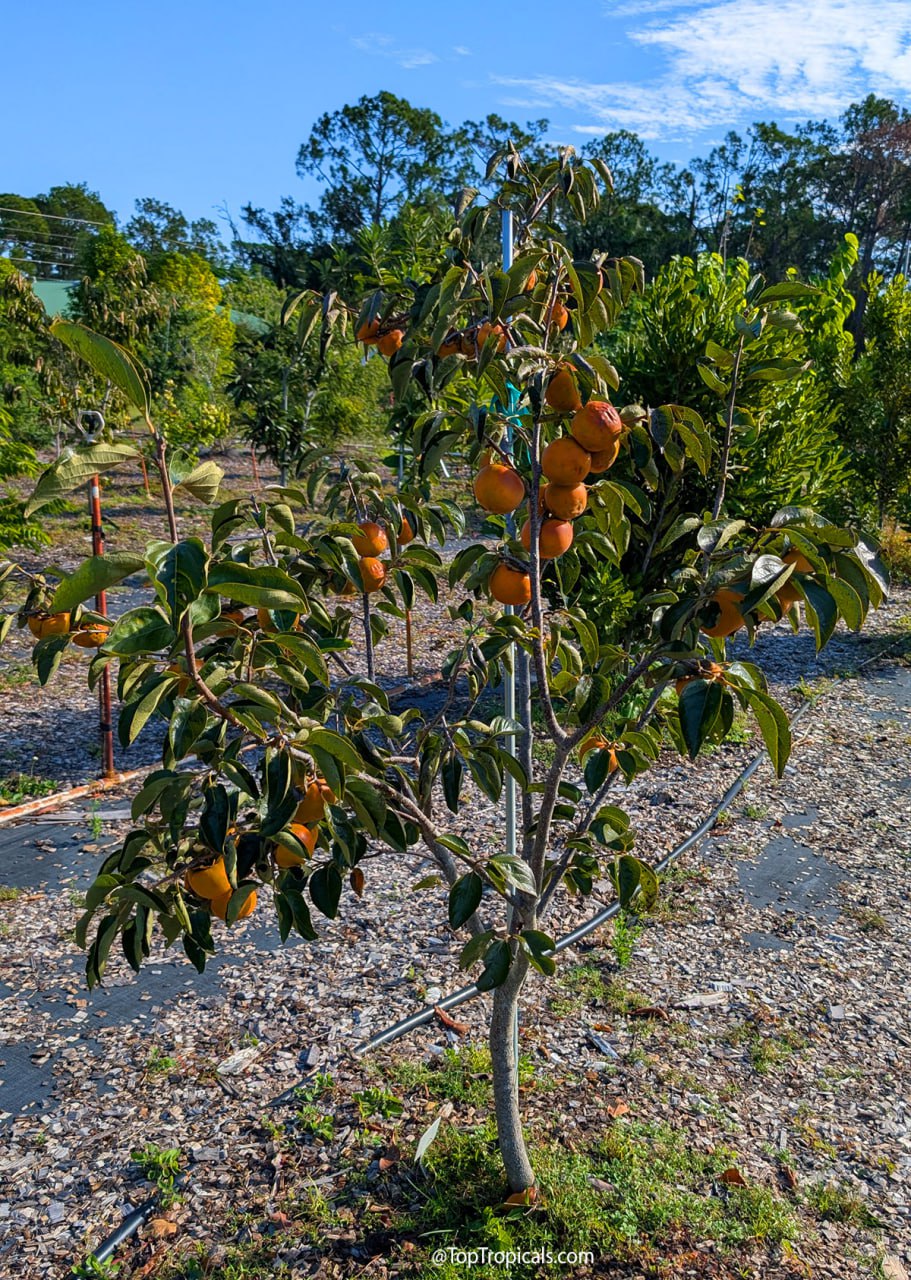
Persimmon tree

Persimmon tree

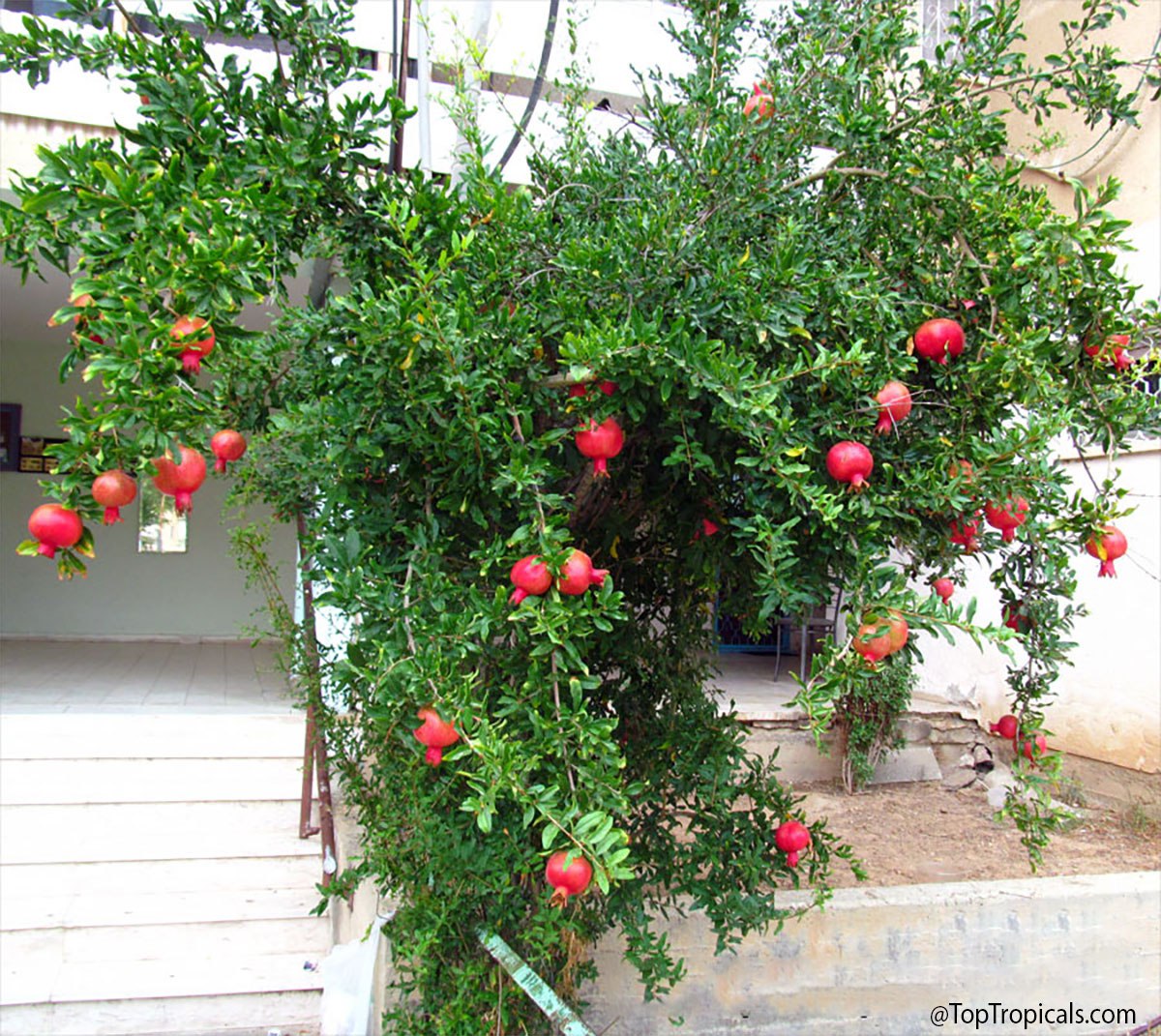
Pomegranate tree with fruit

Pomegranate tree with fruit

Psidium littorale - Cattley Guava tree with fruit

Psidium littorale - Cattley Guava tree with fruit

🏆 Top Ten Fruit Tree Winners of Florida 2026 Record Freeze


These fruit trees had no damage after 3 nights of hard freeze (25F) with NO PROTECTION:

🛒 Explore cold tolerant tropical plants and cold hardy Avocados

📚 Learn more:


#Discover #How_to #Food_Forest

🟢 Join 👉 TopTropicals