Garden Blog - Top Tropicals

Date: 8 Apr 2025

What makes Lolita so special and different from regular Surinam Cherry?
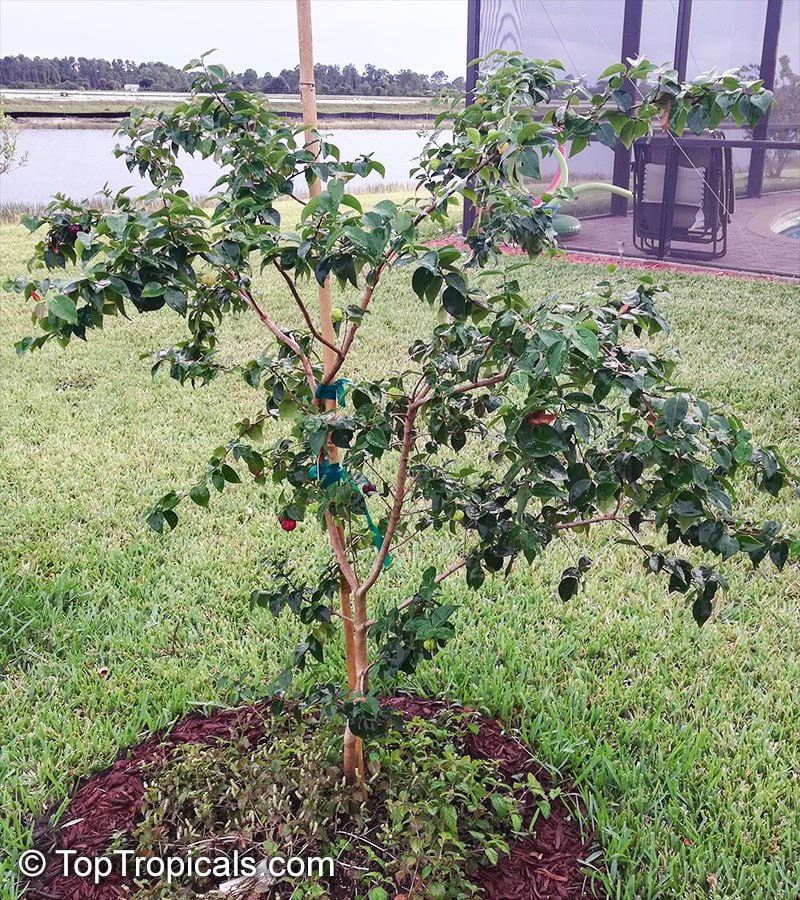
Black Surinam Cherry cv. Lolita (Eugenia uniflora)
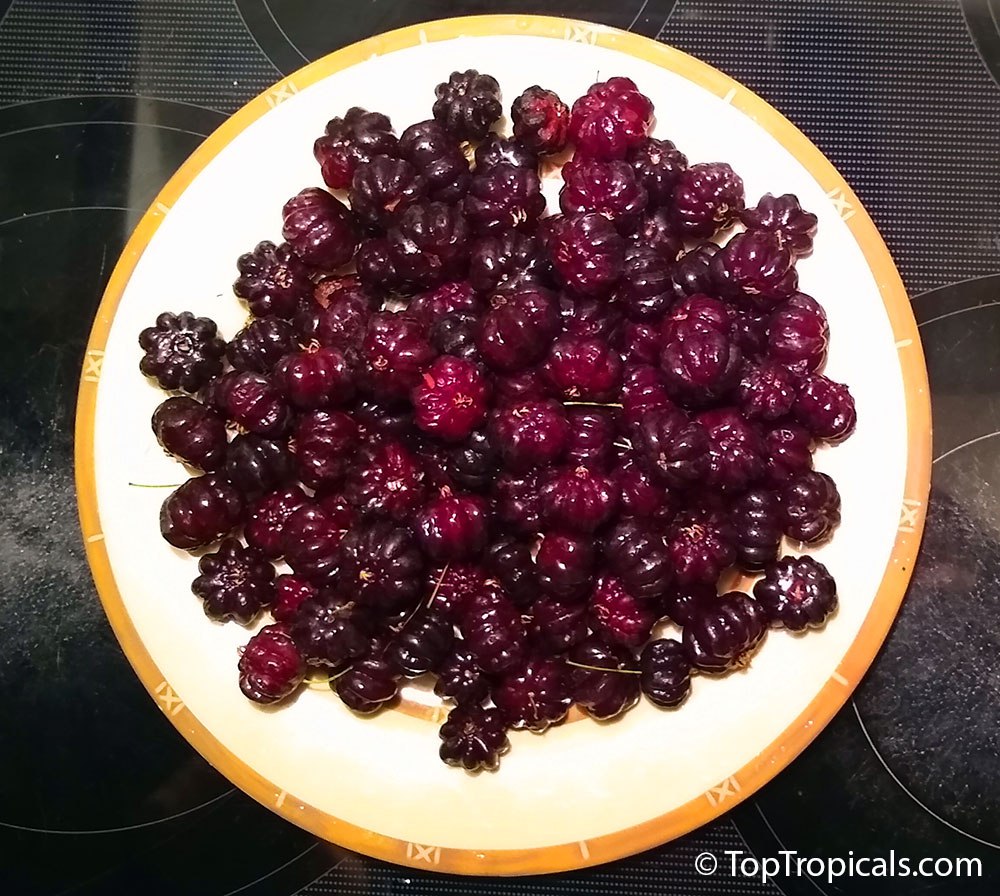
Black Surinam Cherry cv. Lolita (Eugenia uniflora)

Black Surinam Cherry cv. Lolita (Eugenia uniflora) fruit
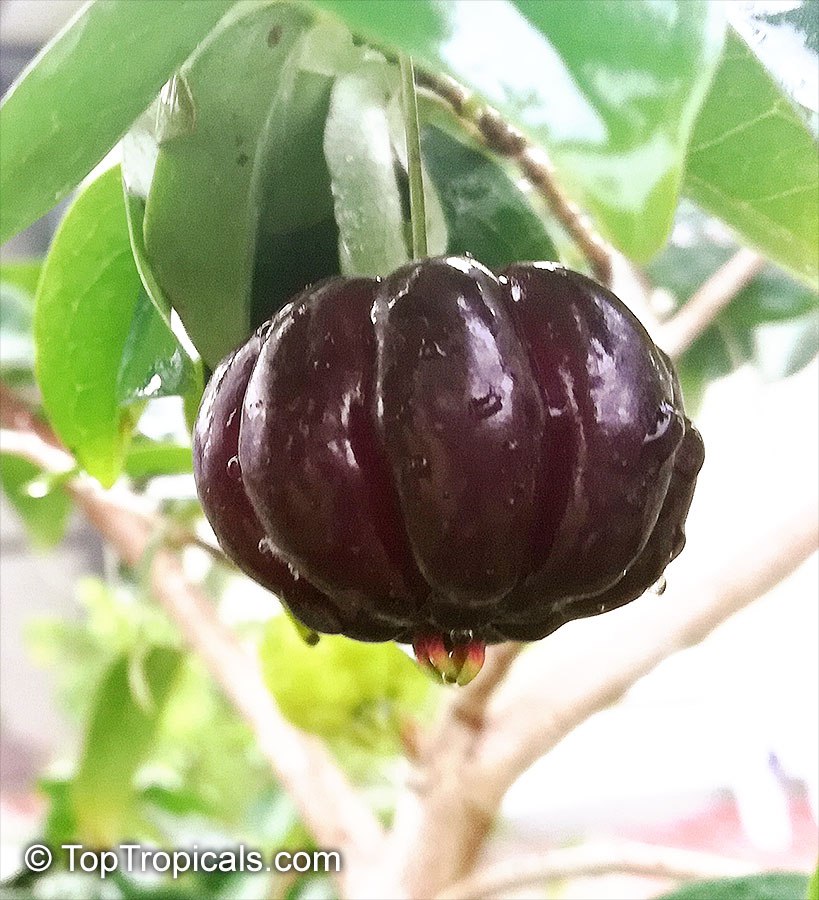
Black Surinam Cherry cv. Lolita (Eugenia uniflora) fruit
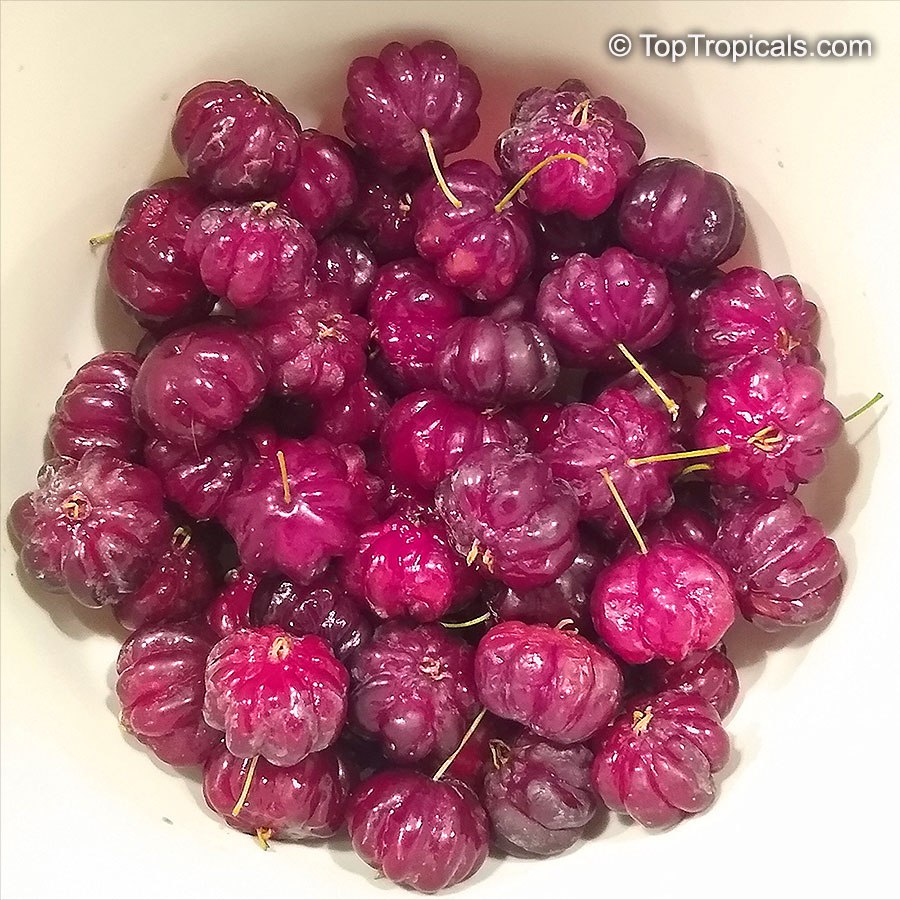
Black Surinam Cherry cv. Lolita (Eugenia uniflora) fruit

Black Surinam Cherry cv. Lolita (Eugenia uniflora) fruit

Black Surinam Cherry cv. Lolita (Eugenia uniflora) fruit

Black Surinam Cherry cv. Lolita (Eugenia uniflora) fruit

What makes Lolita so special and different from regular Surinam Cherry? 💋
  • ❣️ Black Surinam Cherry cv. Lolita (Eugenia uniflora) is Sweet, Juicy, and Cold-Hardy!
  • ❣️ Lolita Cherry is the cultivar you've been waiting for - also known as Black Star or Pitanga var. Black. This rare variety starts red and ripens to a rich black color, with a flavor tha'’s incredibly sweet, juicy, and free of the typical aftertaste found in regular Surinam cherries.
  • ❣️ The fruit is large (1-1.2 inches), packed with juice, and produced by a vigorous, upright, freely branching plant that often fruits in its first year. A reliable and heavy producer, this cherry tree is both ornamental and productive.
  • ❣️ Why grow Lolita?


💋 Delicious, black-colored cherries with exceptional sweetness
  • 💋 Fast to fruit, even in the first year. Seedlings grow true to type - a rare trait!
  • 💋 Cold hardy to the upper 20s F once established. Thrives in USDA zones 9–11 or in containers with winter protection
  • 💋 Upright, bushy habit makes it perfect for edible hedge or small garden spaces
  • 💋 Hard to find and easy to love, Lolita Black Surinam Cherry is a must-have for tropical fruit collectors.


🛒 Plant a Lolita Cherry and have lots of delicious fruit and juice

📚 More about Lolita Cherry from previous posts:


#Food_Forest #Remedies #Discover

🔴 Join 👉 TopTropicals
Date: 16 Nov 2024

Why black flowers are so charming

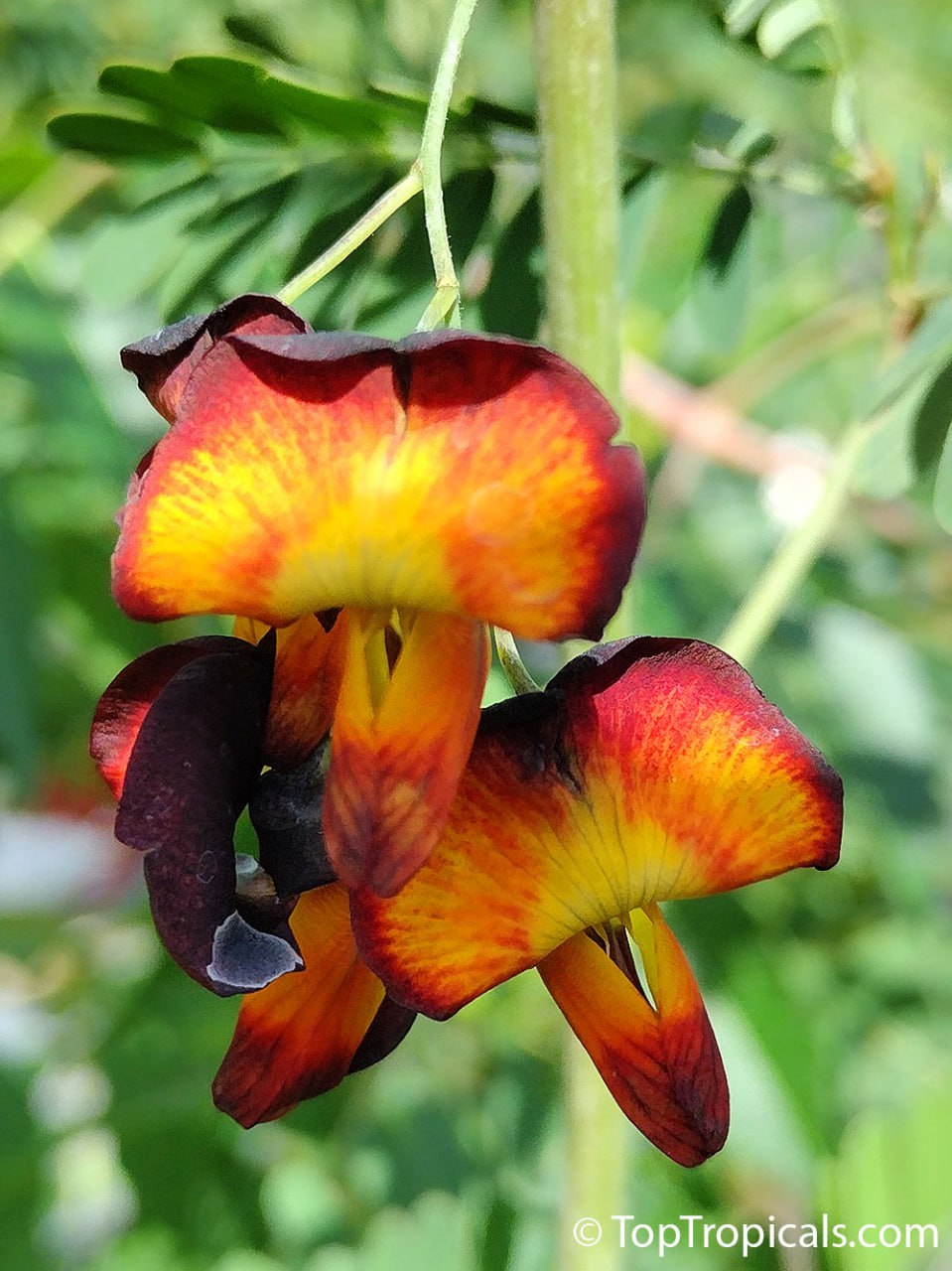
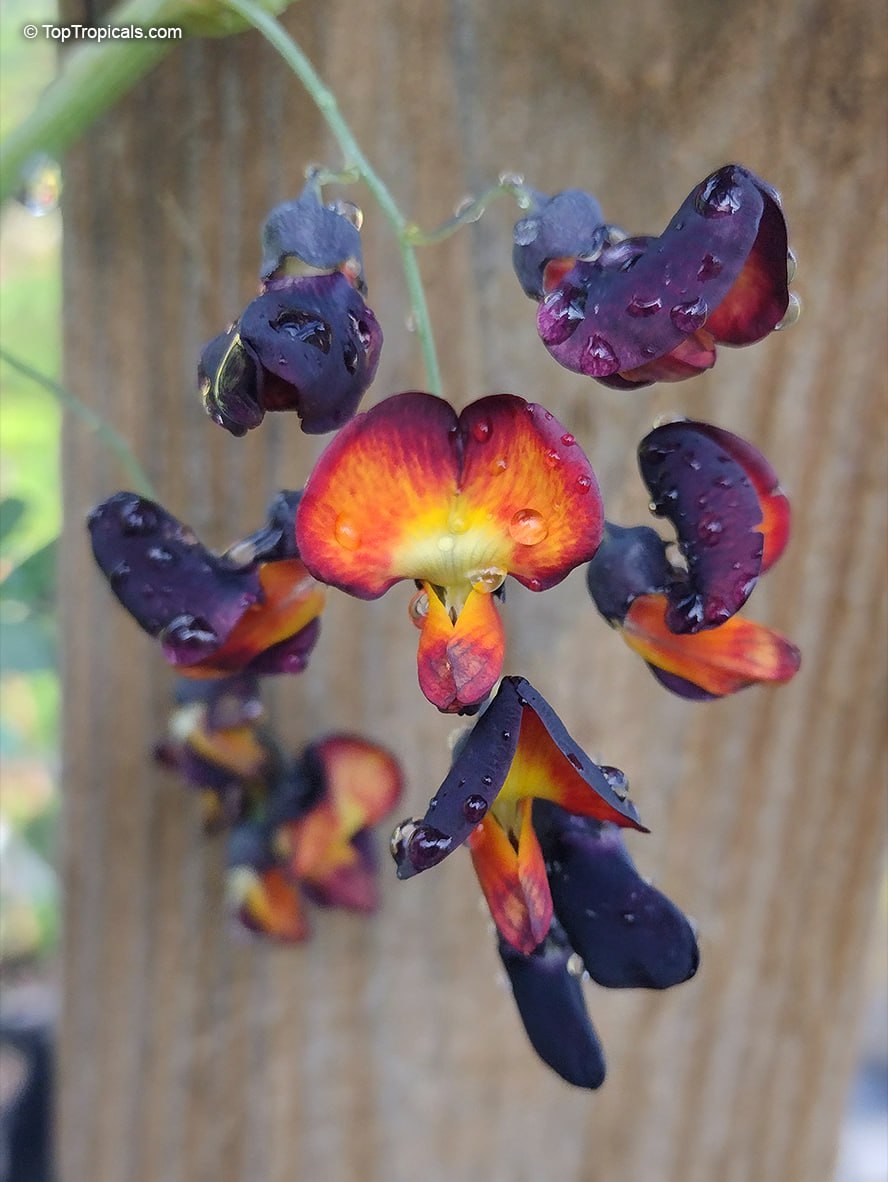
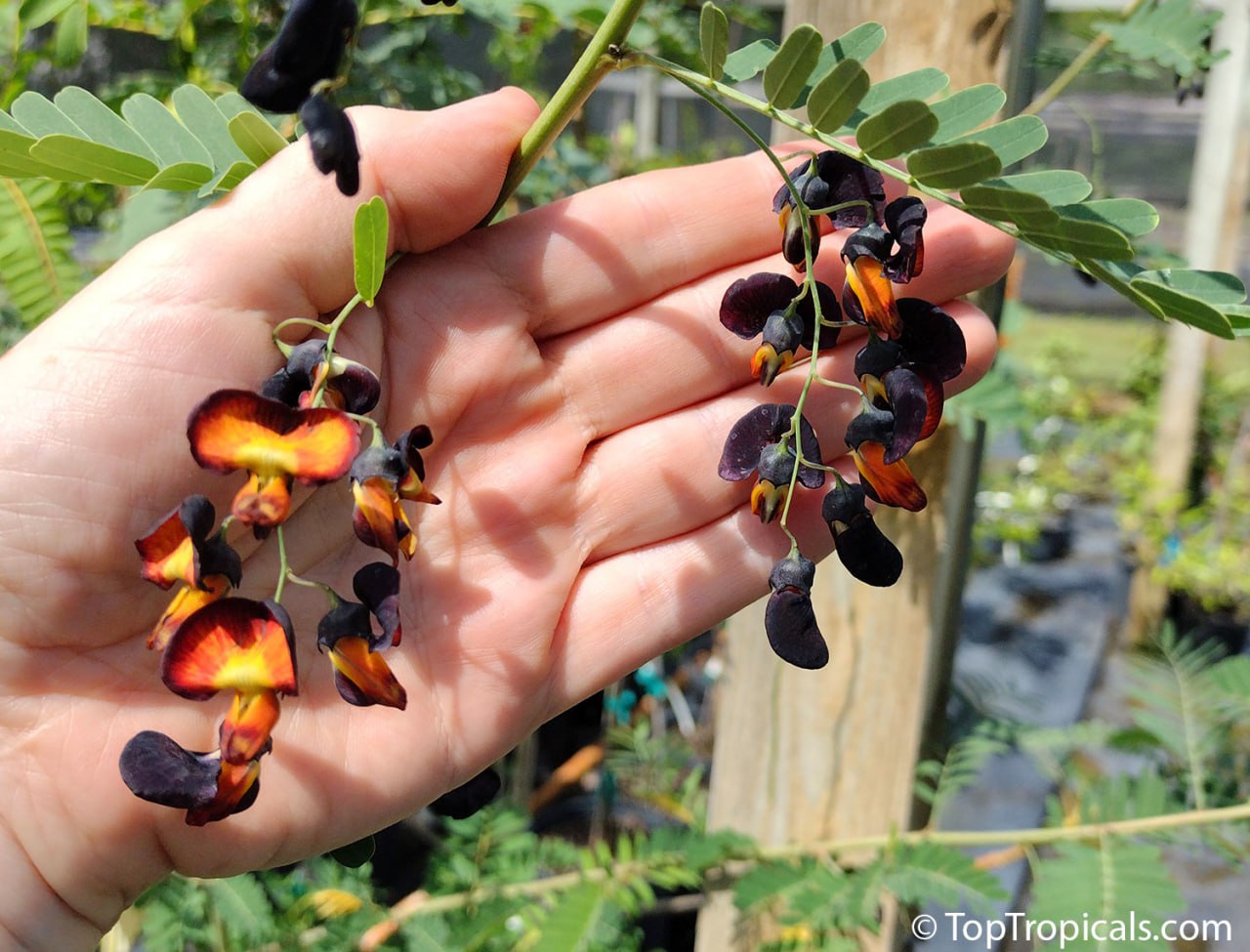
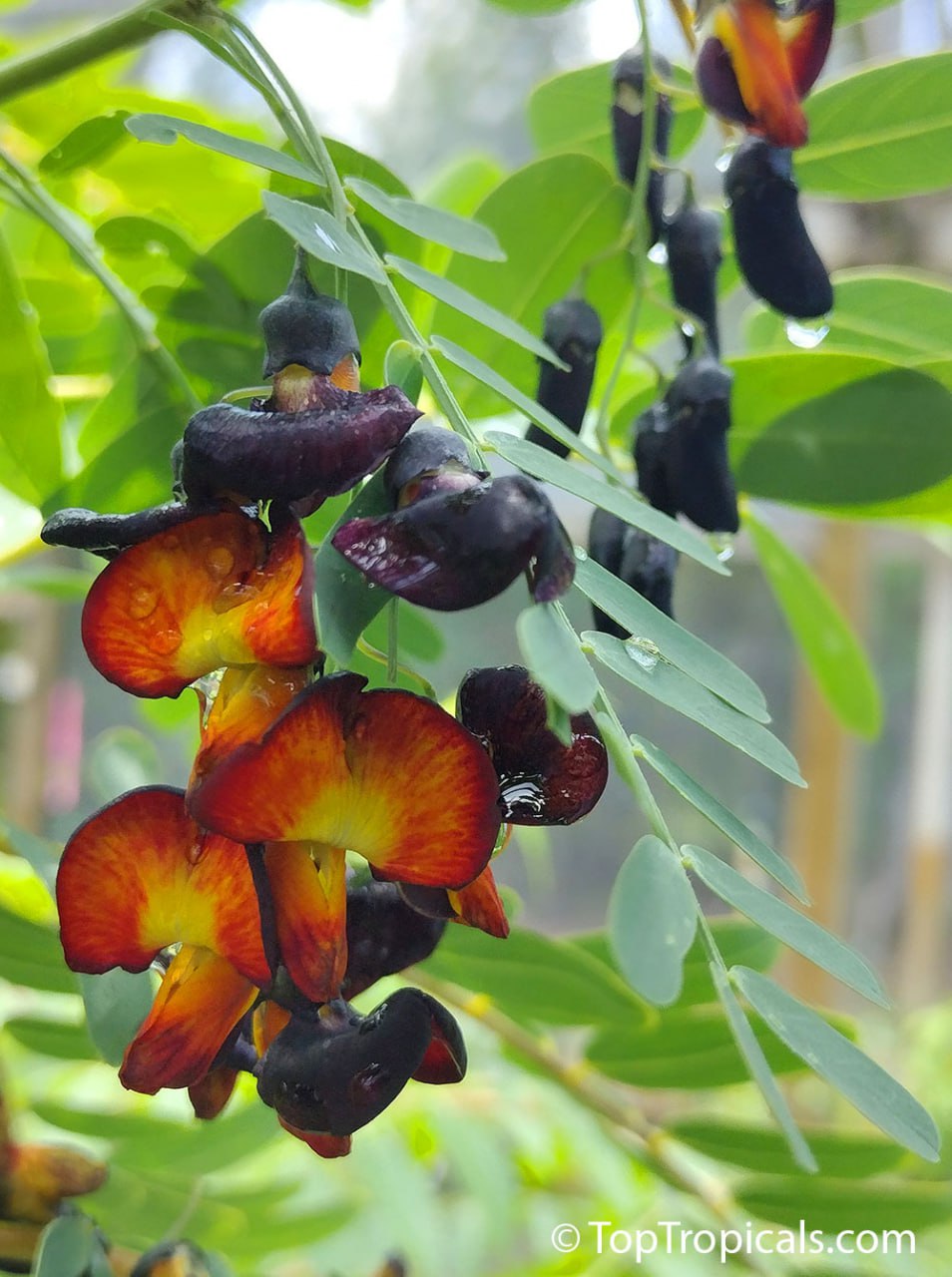
Sesbania aegyptiaca Bicolor - Egyptian Pea, Black Bud

Sesbania aegyptiaca Bicolor - Egyptian Pea, Black Bud

Sesbania aegyptiaca Bicolor - Egyptian Pea, Black Bud

Sesbania aegyptiaca Bicolor - Egyptian Pea, Black Bud

Sesbania aegyptiaca Bicolor - Egyptian Pea, Black Bud

Sesbania aegyptiaca Bicolor - Egyptian Pea, Black Bud

Sesbania aegyptiaca Bicolor - Egyptian Pea, Black Bud

Sesbania aegyptiaca Bicolor - Egyptian Pea, Black Bud

Why black flowers are so charming

  • ❣️ Sesbania aegyptiaca Bicolor - Egyptian Pea, Black Bud - is a breathtaking tree that adds mystery and drama to your garden.
  • ❣️ Native to Africa, this enchanting small tree produces unbelievable blooms that start as pure black buds, then gradually reveal an exotic palette of black, red, and orange as they open. These multicolored flowers form in clusters of 2-20 on elegant racemes, creating a striking contrast with the tree's lush green foliage.
  • ❣️ Growing to around 12-15 feet, Egyptian Pea is often multi-stemmed. Its delicate, pinnately compound leaves give it a fine-textured appearance.
  • ❣️ This rare beauty is more than just ornamental - it's a conversation starter! If you're looking for something truly extraordinary, Sesbania aegyptiaca Bicolor brings an alluring charm that's hard to find.


🎥 Video in the next post ⬇️⬇️⬇️

🛒 Plant Egyptian Pea Tree

#Trees #Nature_Wonders

🔴 Join 👉 TopTropicals

Date: 19 Jun 2025

One look and youre hooked: Macaranga!

Macaranga grandifolia - Elephant Ear Tree

One look and you're hooked: Macaranga!

🐸

  • 🐘 These leaves are bigger than your head!
  • Macaranga grandifolia – the Elephant Ear Tree - came from Hawaii. It has leaves so huge, they look like elephant ears or jungle umbrellas! Each one can grow over a foot wide, with a glossy, rounded shape that's pure eye candy.
  • 🐘 Macaranga is easy to grow - perfect for a frost-free garden or in a big pot.
  • 🐘 Macaranga is a real conversation starter. It looks like something straight out of a rainforest dream. Big, bold, and totally tropical! Fast-growing, it brings that lush, exotic vibe instantly to your garden.
  • 🐘 Hard to find, super cool, and ridiculously showy - you’ll want this beauty front and center. Once you see it, you have to have it!


🛒 Get your giant leaves - Elephant Ear from Hawaii

#Nature_Wonders #Trees

🟢 Join 👉 TopTropicals

Date: 10 Aug 2025

Why every garden needs a banana tree (or three!)

Bananas

🍌 Why every garden needs a banana tree (or three!)

  • 🍌 Peel this: Banana secrets revealed.
  • The truth about bananas is - Bananas are everyone's favorite snack. Sweet, nutritious, and loaded with potassium. They're great for muscle cramps, post-workout recovery, and quick energy. But did you know you can grow your own bananas, even in a small backyard or container?
  • 🍌Banana Trees (Musa x acuminata) are:

  • 🟡Super easy to grow
  • 🟡Fast-growing and low maintenance
  • 🟡Clumping and self-reproducing
  • 🟡Beautiful and tropical-looking with their big, tropical leaves and showy, exotic flowers

  • 🍌Dwarf varieties fit in tight spaces, and rare types like Red Bananas or the creamy Banana Ice Cream bring flavors you’ll never find at the grocery store. Plus, your own bananas are organic, fresh, and way tastier.
  • 🍌 Start your banana patch today - and enjoy your own homegrown fruit all year long!


🛒 Explore Banana Varieties

📚 Learn more about Banana varieties:


📱Red Leaves, Red Fruit, Real Wow Banana

#Food_Forest #Bananas

🟢 Join 👉 TopTropicals

Date: 26 Apr 2023

The Benefits of Companion Planting

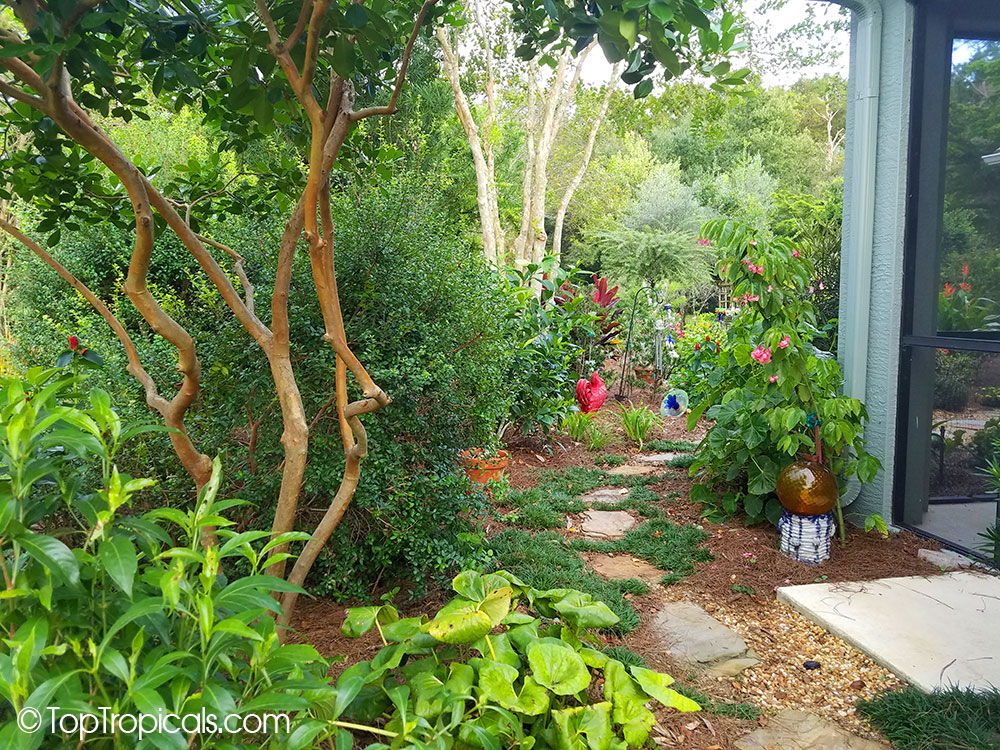
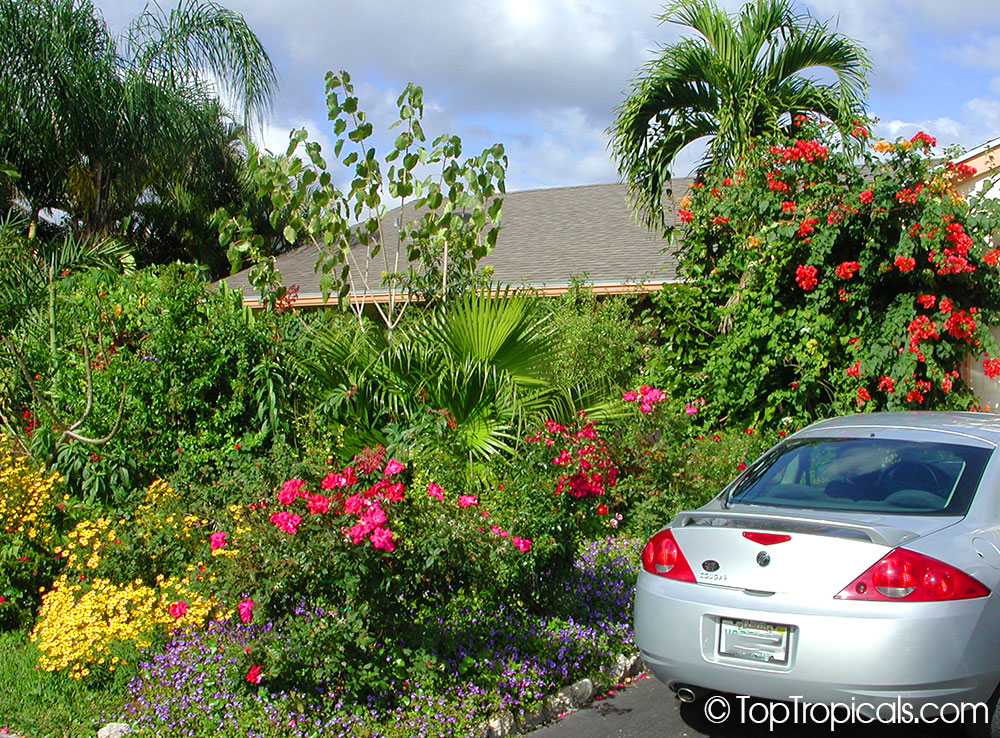
Landscaped  garden  with  companion  planting

Q: What is companion planting?

A: Companion planting is a gardening technique that involves planting different crops or types of plants together in a way that benefits all plants. This practice has been used for centuries, and it can be especially useful in tropical gardens where there is a diversity of plant life: trees, shrubs, vines and climbers, ground covers, fruit and edibles, and different flowering ornamentals. It is a great way to improve the health and yield of fruit tree crops while reducing the need for fertilizers and pesticides. By choosing the right companion plants and planning your garden layout carefully, you can create a vibrant and diverse ecosystem that will benefit both your plants and the environment.

Companion planting involves:

Planting different crops together to repel insects: adding such plants as Lemon grass, Patchouli leaf, or Moujean Tea near your vegetables can deter aphids and other pests.

Attracting pollinators - Butterfly plants. Many tropical crops, such as passion fruit, papaya, mango, and avocado, rely on pollinators to produce fruit. Companion planting can help to attract pollinators such as bees, butterflies, and hummingbirds to your garden.

Providing nutrients to the soil, adding mulch and low growing plants (ground covers) to preserve moisture.

Planting a variety of different types of plants together in order to create a more resilient ecosystem that is less susceptible to pests and diseases.

To get started, plan your garden layout and choose companion plants with similar water and light requirements.
For example, plant in the same group lush foliage plants, gingers, and flowering brunfelsias in shady areas; plant jasmines and gardenias in full sun and very well-drained spots.
Rotate annual crops regularly and experiment with combinations to find what works best. By doing this, you can create a thriving ecosystem that benefits both your plants and the environment, reducing the need for harmful chemicals.

Landscaped  front  yard  with  companion  planting

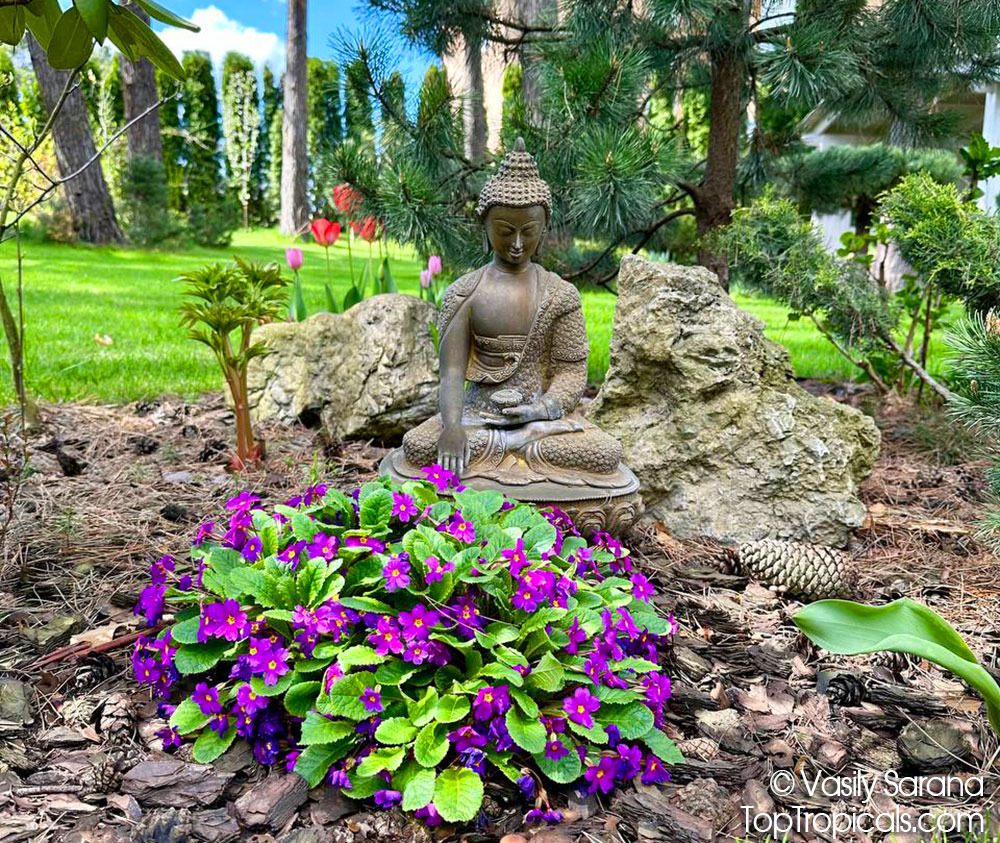
Buddah  and  flowers