Garden Blog - Top Tropicals

Date: 3 Jun 2025

Top 20 plants for a Butterfly Haven

Best plants for a Butterfly Haven Garden

Best plants for a Butterfly Haven Garden

Date: 19 Aug 2025

Paws off my flowers

Paws off my flowers

🐸 Paws off my flowers... And yes, the frog's mine too!


"Watching closely... flowers are off-limits. Frog’s off-limits too." - Ricki the Cat

🐈📸 Cat Ricki watching out the window and guarding his Cashmere bouquet - Clerodendrum bungei ... and frogs. At Top Tropicals PeopleCats.Garden

#PeopleCats

🟢 Join 👉 TopTropicals

Date: 20 Apr 2016

5 secrets of propagation

How to propagate rare plants? It is exciting and fascinating process - to be a Creator of a rare plant collection. Sometimes when you have a rare plant, you baby it and wish you could have at least two of the kind, just in case you lose one to weather conditions or an accident... If you lose one, it hurts! Plant collectors know the feeling - it is always a good idea to propagate a few more of the rare kind. Here at Top Tropicals we know that feeling too, and we want you to keep your baby plants alive and thriving, multiply them, share with others, and make our planet better - one plant at a time! Know your different plants, and different ways of their propagation. Ready for the secrets revealed?

1. Seeds. The most popular way and in most cases the most reliable. Also, a seedling has a strong, vertical root system (cuttings or air layers have shallow roots). However growing from seed is the only sexual method of propagation (vs other methods - asexual, or cloning), which means, some varieties don't come true from seed. Similar to a baby born from two parents, blonde mother and brunette father, can have either light or dark hair... or even red, genetically provided by the great-grand father! The most important factors of success when growing from seed are - well-drained germination mix (check out our Seed Germination Mix #3), and a combination of perfect temperature (high temperature 80-90F induces germination, but some species like it cooler!) and mix moisture level (can't stay soggy).

2. Cuttings. In most cases, works great as long as you know the secret for this method: clean (sterile) soil mix (check out our Propagation Mix #2), warm temperatures and very high air humidity (not moist soil, but humid air!). Mist house works well (see picture) with periodically controlled foggers (5-20 sec of fog every 5 to 20 min during light time - depending on species, and temperature), but simple clear plastic bag over a pot or tray works as well! Large leaves should be trimmed in half, or more, to eliminate extra evaporation, and soil should be only slightly moist, not soggy. Remember to use rooting hormone that not only improves rooting but keeps away fungus problems. You are welcomed to visit mist house in our facility, we will be happy to share experience.

3. Air Layers. From our experience, key to success with this method is patience. Most air layers take a few months to set root. Keep sphagnum moss moist, and create air layers only during active growth season - Sprint through Summer. Use rooting hormone.

4. Grafting. This method requires the most skills and experience but is not as difficult as it sounds. Plants can be grafted withing the same genus (e.g. one Gardenia sp. on another Gardenia sp.). There are many grafting manuals on internet. Try once, and you will get addicted to grafting! In many cases it is the most effective method. Especially when seeds not available and cuttings don't work with the species, while grafting works much faster than air-layering. The main secret in grafting is using the right type of graft, which comes with experience. Another important thing is keeping grafting parts and tools clean/sterile. Treat/clean surfaces with anti-fungicides horticultural soap (Example: Abound anti-fungal, Green Shield soap) and use rooting hormone.

5. Root divisions. All gardeners know that some plants are best to propagate by rhizome/root divisions, like Gingers, Heliconias, or Iris. And not everyone knows that some fruiting and flowering trees don't mind to reproduce by root divisions. For example, Jujube - Ziziphus jujuba, and Strawberry tree - Muntingia calabura, readily produce root suckers. Watch out for them and don't let them go to waist when spraying weeds. All time favorites, fragrant Clerodendrums also like this easy method of reproduction, especially C. bungei, C. philippinum, and many others.

Check out our Growing supplies section for professional soil mixes and drainage components that are so important in your propagation success. At Top Tropicals, we often use Coconut Coir for propagation. Good luck in your growing, and remember - if you propagated a few extra collectibles, Top Tropicals may trade or buy from you!

Date: 22 Jan 2023

1-22-2023: New Lunar Year

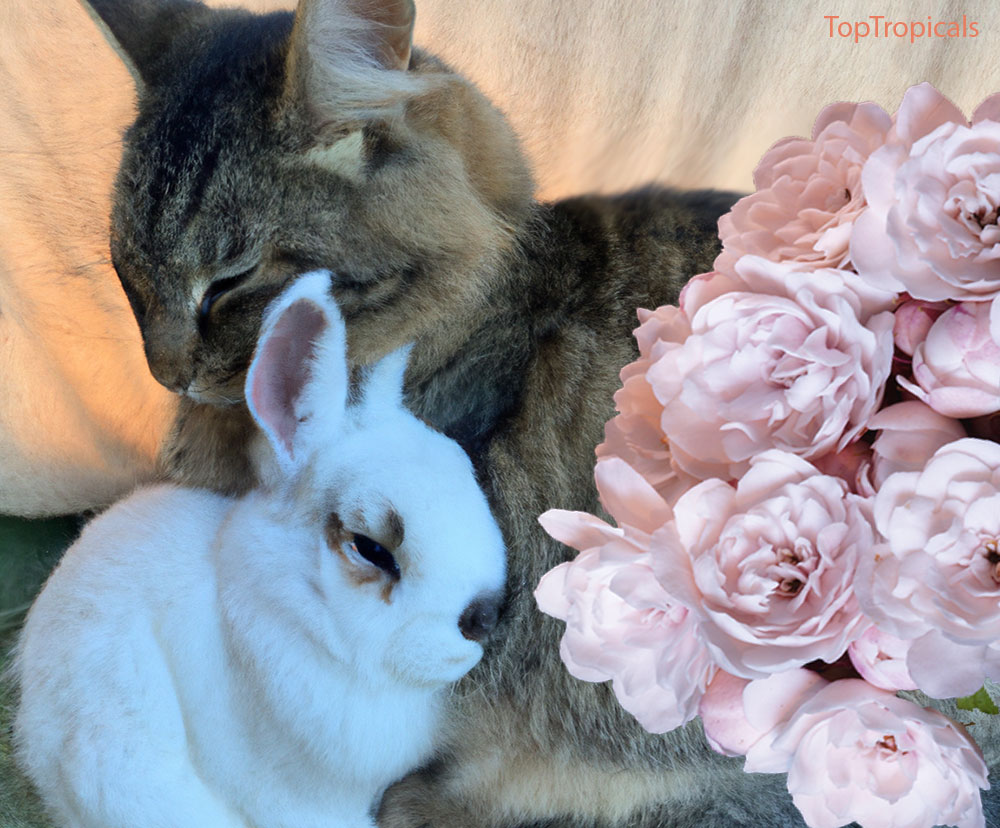
Happy  New  Lunar  2023  Year  Cat  Rabbit

Customer message: Happy new year! My family is Chinese and we celebrate the lunar new year this weekend… the year of the rabbit. Wasn't sure if this email was sent in error (maybe your founder is Vietnamese? I think they celebrate the year of the cat...

Answer: You are right, it is a Year of the Rabbit in Chinese calendar, and it is also a Year of the Cat in Vietnamese, both starting from January 22nd, 2023. While in Chinese culture it is called a Year of the Rabbit, the Cat was seen as more relevant to the daily lives of Vietnamese farmers, who valued the cat's ability to protect their crops from rats, squirrels... Here at Top Tropicals we have a multi-national team, and although we don't have a Vietnamese person yet, but we have lots of cats - all kinds!

Happy New Year of the two furry friends:
RABBIT and CAT!

Cat,  Rabbit  and  Flowers

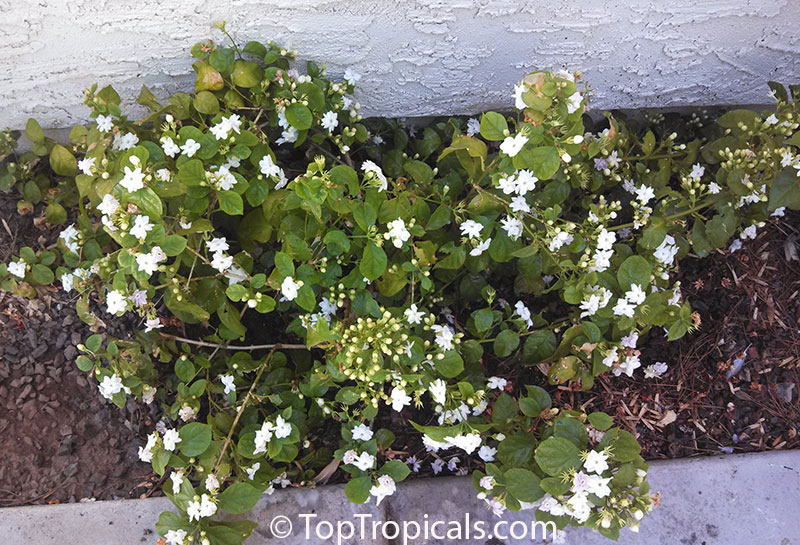
Flowers in the photo above: Clerodendrum philippinum - Cashmere Bouquet, Scent Malli. Very fragrant off-white flowers, carnation-like, coming in big clusters. Shade tolerant shrub, great for shade gardens as well as indoor culture to enjoy tropical fragrance year around.