Botanical name: Mangifera indica Also known as: Mango
USDA Zone: 9 - 11
Highligths
Groundhog said long winter… and it sure felt like it. But now it is
finally over, and balconies and patios are waking up again.
Easter is here, and with it comes that fresh start feeling - time to open
the doors, bring plants back out, and start growing.
We made it through the cold. For northern gardeners, that is every year;
for borderline zones, it is a reminder that freezes happen. That is exactly
why
growing in pots makes sense - you stay flexible.
Container growing is not just about pots - it is about choosing the right
plants. The best options stay manageable, produce well, and handle being
moved.
Let's look at what works. Start with plants that naturally stay compact and
adapt well to containers. These are the ones that won’t outgrow your
space and will reward you quickly. These are proven performers in containers
-
compact, productive, and easy to manage:
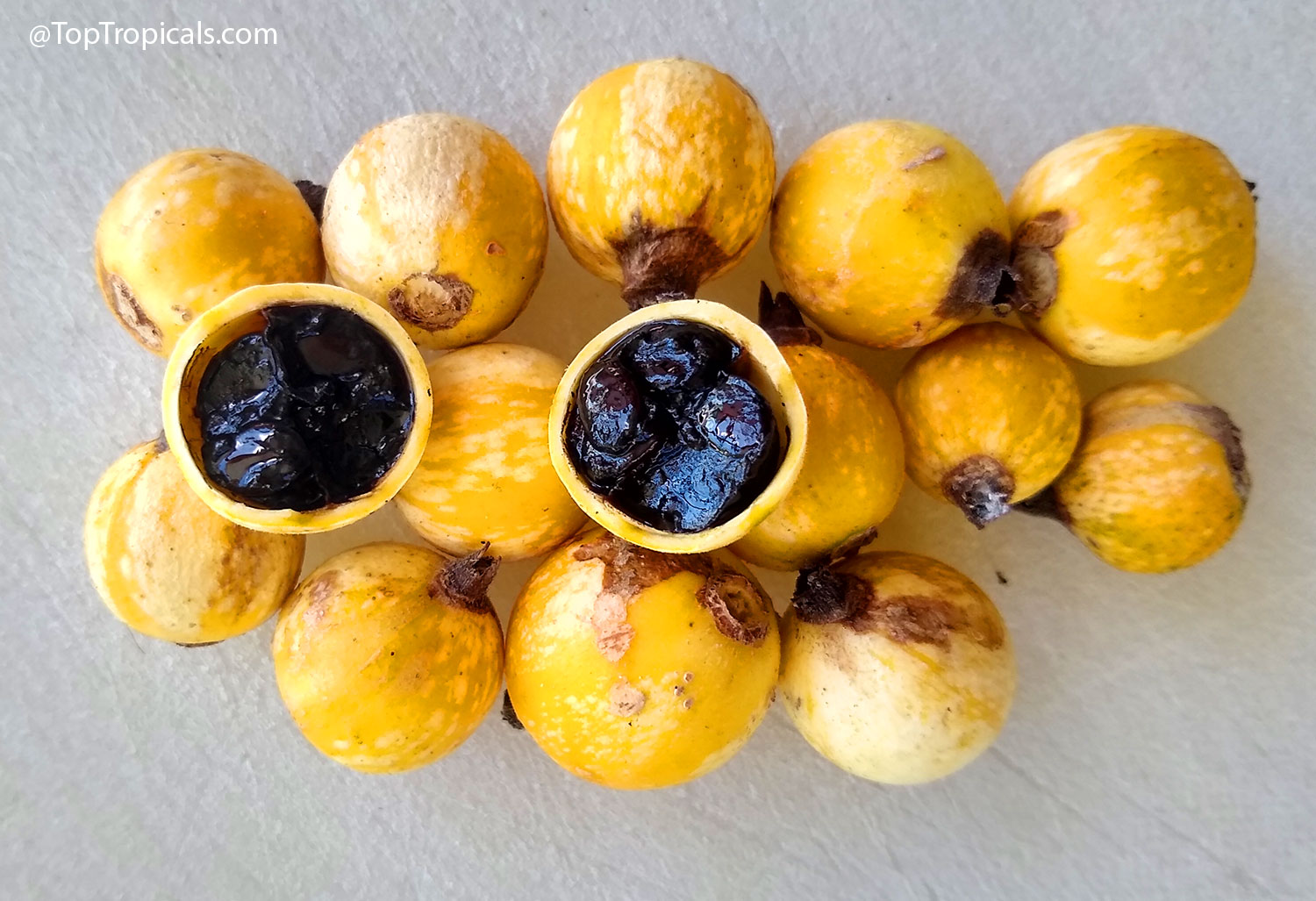
Botanical name: Randia formosa, Mussaenda formosa, Randia mussaenda, Rosenbergiodendron formosum Also known as: Blackberry Jam Fruit, Jasmin de rosa
USDA Zone: 9 - 11
Highligths
Fig Tree Plant Facts
Botanical name: Ficus carica Also known as: Fig Tree, Brevo
USDA Zone: 7 - 10
Highligths
Simple rule: if it stays compact and handles pruning, it
works in a container.
Skip the egg hunt this year - go on a plant hunt instead.
Start with one or two plants this Easter - not ten. Get them established,
learn how they grow, and then expand.
Container basics (keep it simple):
Pot size: start with 3–7 gallon, upgrade as
plant grows
Soil: fast-draining mix (never heavy garden soil)
Water: soak well, then let top inch dry
Feeding: consistent light feeding works better than
heavy doses
Sun: most tropicals want full sun (6+ hours)
🐣 Browse our Easter Container Collection
Randia formosa - Blackberry Jam Fruit
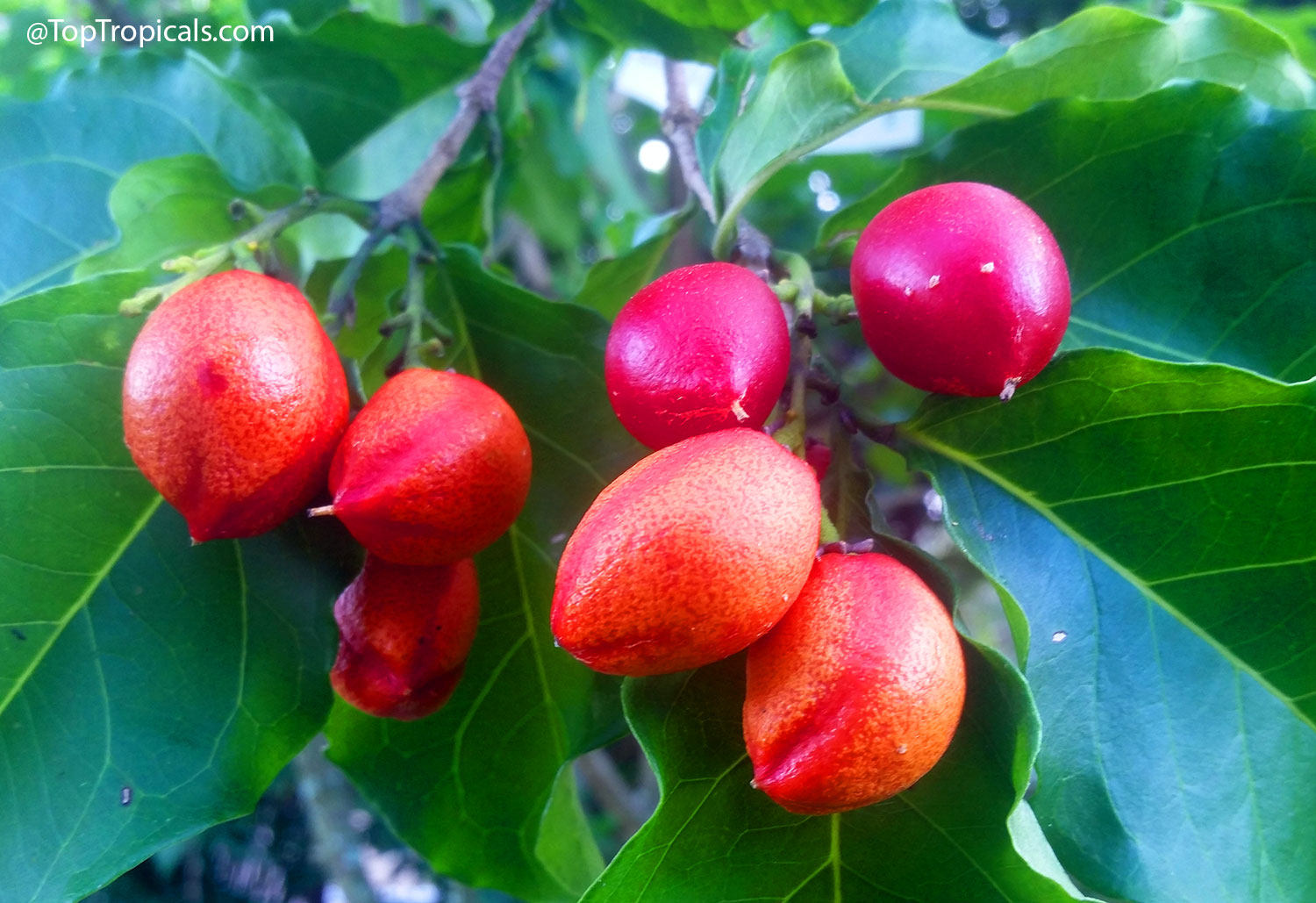
Bunchosia argentea - Peanut Butter Fruit
Peanut Butter Fruit Tree Plant Facts
Botanical name: Bunchosia argentea, Bunchosia armeniaca Also known as: Peanut Butter Fruit Tree, Ciruela Del Monte
USDA Zone: 9 - 11
Highligths
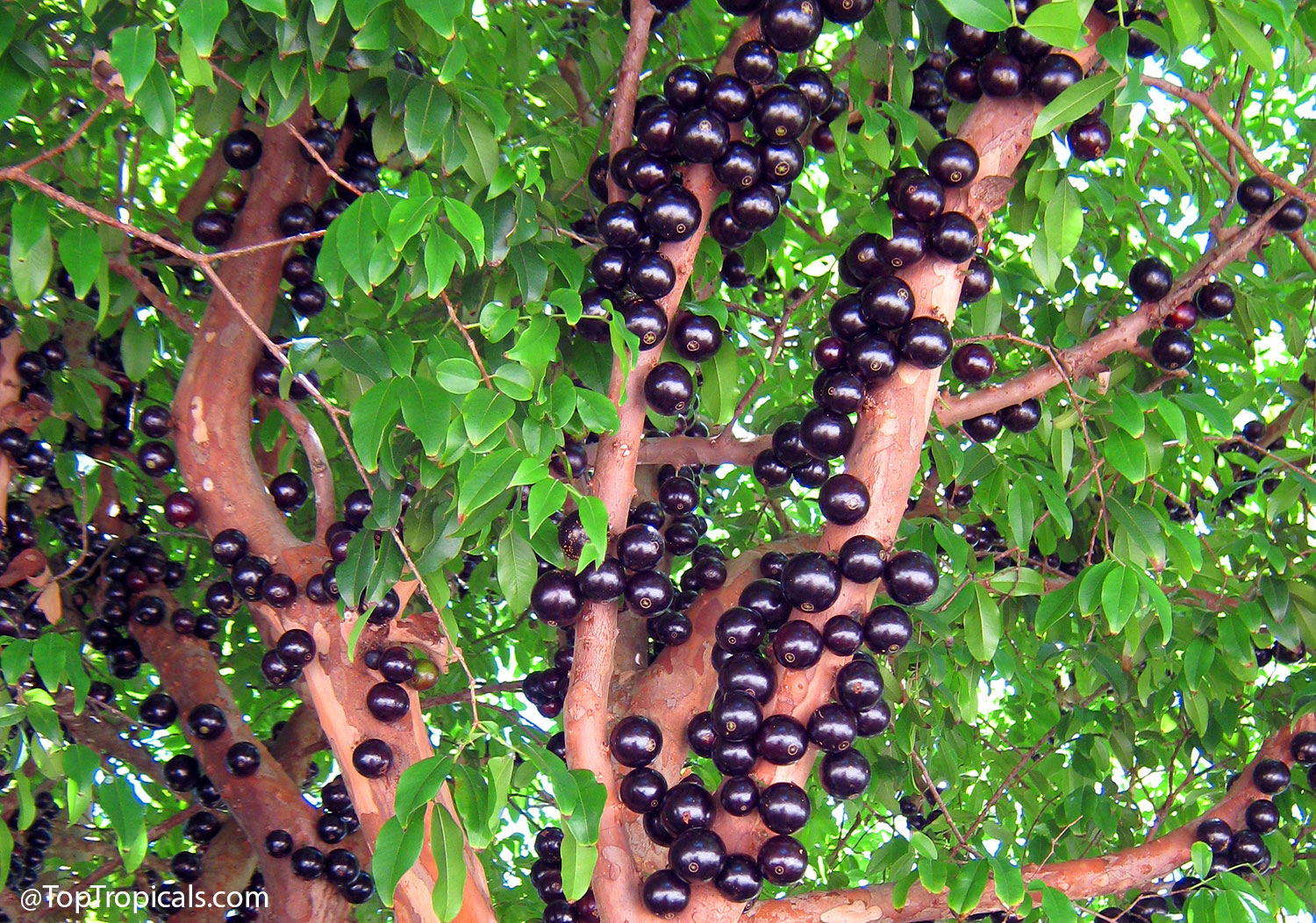
Myrciaria cauliflora - Jaboticaba
Jaboticaba Plant Facts
Botanical name: Myrciaria cauliflora, Plinia cauliflora, Eugenia cauliflora Also known as: Jaboticaba, Duhat
Botanical name: Eugenia brasiliensis, Eugenia dombeyi Also known as: Grumichama, Brazilian Cherry
USDA Zone: 9 - 11
Highligths
Date: 2 Mar 2026
😼😺 The Story Behind Smokey and
Sunshine 🐾
Sunshine: You know, February 27 was International Polar Bear Day. I
just learned about it and got a brilliant marketing idea. Cherry of the Rio
Grande survived 25F. With wind. Real wind. That means we go north. Let them
taste this magic. I even have a donut recipe with the fruit. It’s a
bomb,
Smokey. We expand. Trust me. Finally you can afford that new watering
timer.
Smokey: Not so fast, genius. Twenty five degrees is not the North
Pole. And polar bears and penguins do not share zip codes.
Sunshine: You always pour cold water on my brilliance. Fine. Where
do we start?
Smokey: Well, first you go talk to Tatiana. She graduated from the
Geography Department. She can explain climate zones. Cherry of the Rio
Grande
can grow in North Florida, Texas, and similar climates. Let’s master
that before we conquer Arctic.
Sunshine: So… Phase One: Geography?
Smokey: Exactly.
Some stories are easier to tell with a little humor. Smokey and Sunshine
were never just mascots. They represent the two forces behind every decision
we make here: bold ideas and careful reality. One dreams big. The other
checks
the climate zone map. Together, they remind us that growing plants is part
science, part optimism, and always personal. If you have ever wondered why
they keep appearing in our newsletters, you can read their full story on the
Smokey and Sunshine page. They have been with us longer than most people
realize.
Freeze Testing of Grumichama and Cherry of Rio Grande
🍒❄️
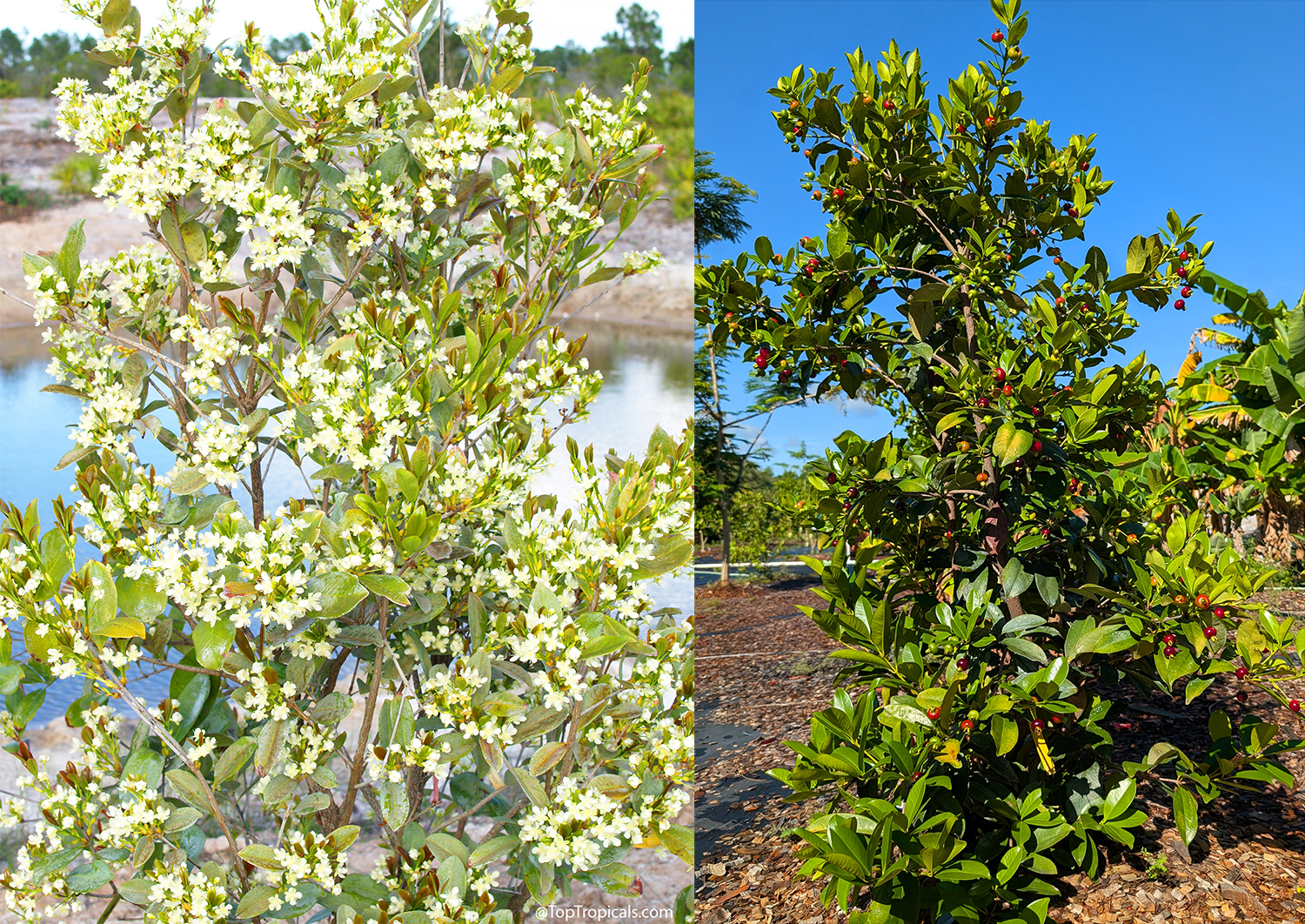
Eugenia brasiliensis - Grumichama tree flowering and fruiting
When temperatures dropped to 25F, with wind chill near 14F, winter made
it clear which tropical trees were truly resilient. Some plants burned back.
Tender growth collapsed. But our established Eugenia cherries stood
steady. Leaves held. Branches stayed flexible. The canopy remained intact.
Cherry of the Rio Grande (Eugenia aggregata) and Grumichama (Eugenia brasiliensis) are among the most cold-hardy tropical
cherries for Southern gardens. Both are native to Brazil and thrive in USDA
Zones 9b–11, and even protected 9a sites.
Cherry of the Rio Grande Plant Facts
Botanical name: Eugenia involucrata, Eugenia aggregata Also known as: Cherry of the Rio Grande, Cere Jodo Rio Grande
USDA Zone: 9 - 11
Highligths
Grumichama Plant Facts
Botanical name: Eugenia brasiliensis, Eugenia dombeyi Also known as: Grumichama, Brazilian Cherry
USDA Zone: 9 - 11
Highligths
Cherry of the Rio Grande produces dark ruby fruit that ripens
almost black, with a rich, full cherry flavor. It flowers early in spring
and
can fruit well into summer. Mature trees can tolerate brief drops into the
low
20s once established. Trees typically grow 8 to 15 feet tall, remain
naturally compact, and often begin fruiting within 2 to 3 years.
Grumichama is an evergreen tree known for both beauty and
productivity. In spring, it covers itself in white starburst flowers that
attract
pollinators. Within about four weeks, glossy purple-black fruit develops.
Established trees tolerate temperatures into the upper 20s and grow well in
the
ground or in 5–10 gallon containers. Mature trees can produce hundreds
of
fruits per season.
Across the Eugenia group, strengths are consistent: early
bearing, compact growth, heat tolerance, light freeze endurance, and low
pest
pressure. They are adaptable to different soils, need modest water once
established, and perform in full sun or partial shade. Birds enjoy the
fruit, but there
is usually plenty to share.
Nutritionally, Eugenia cherries provide Vitamin C, fiber,
antioxidants, and notable Vitamin A that supports eye health. They offer
sweetness
with real dietary value.
In the kitchen, they are simple and rewarding. Cherry of the Rio Grande
makes an easy
compote. Simmer the fruit with a small amount of water until soft, mash
lightly, and spoon over pancakes or warm bread. Grumichama turns into a deep
red
jam with sugar and lime, or can be blended into a bright spoon drizzle over
vanilla ice cream.
Even when not fruiting, both trees remain attractive year-round with
glossy evergreen foliage and clean structure. They fit well into edible
landscapes, small yards, and container gardens.
Winter will return. The difference lies in planting fruit trees that can
handle heat, humidity, and the occasional cold snap. If you are building a
food forest for lasting harvests, cold-hardy tropical cherries like Cherry
of
the Rio Grande and Grumichama deserve a place in your garden.
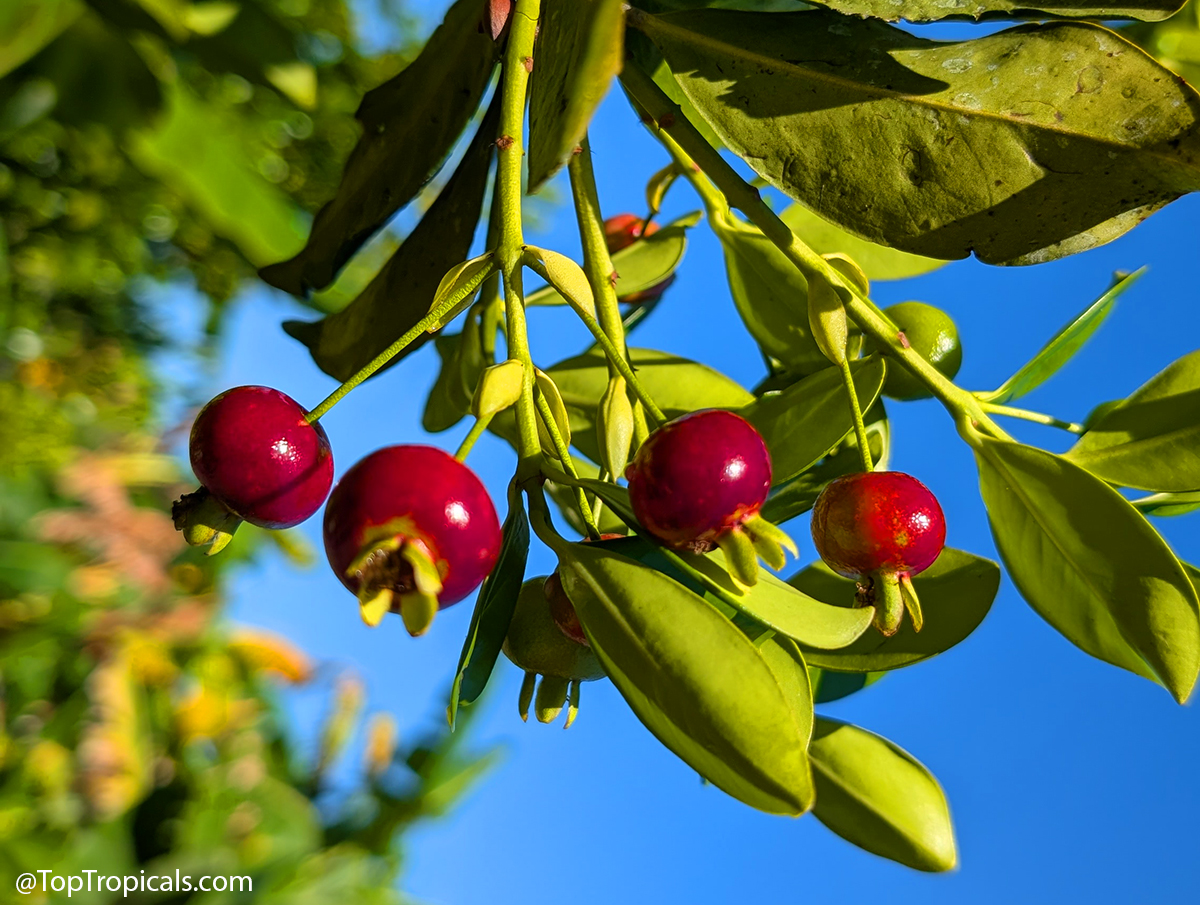
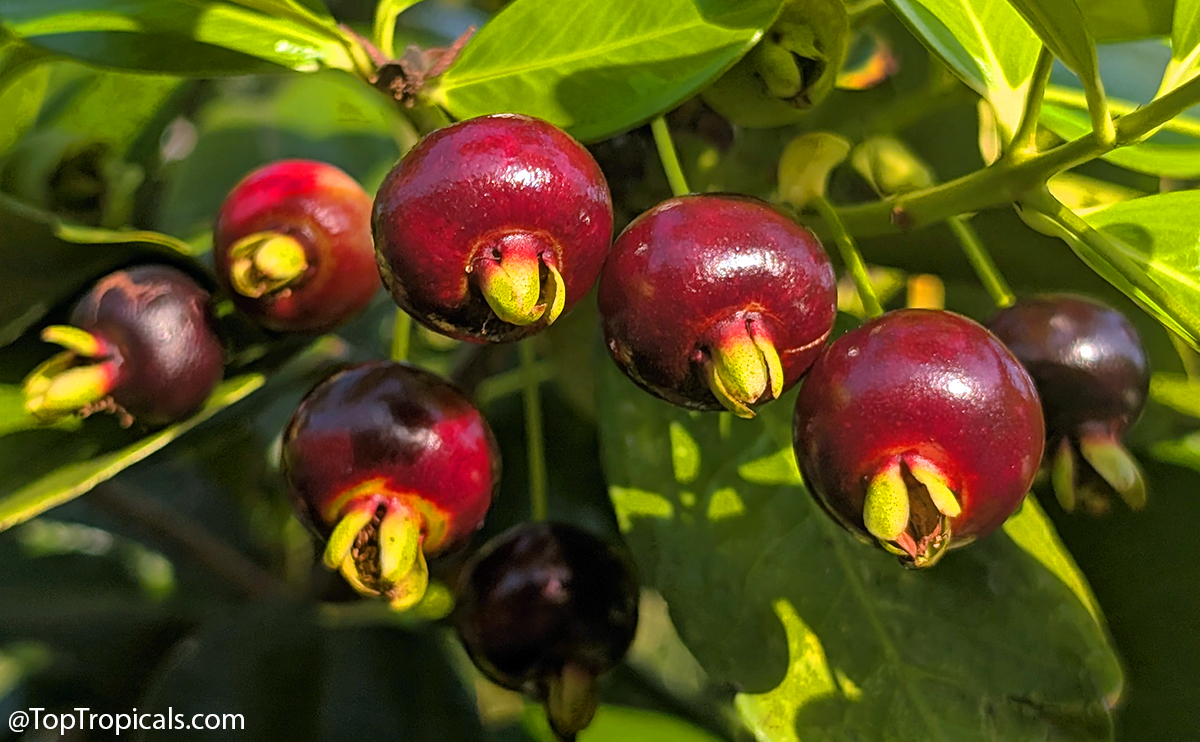
Ripe Grumichama (Eugenia brasiliensis) fruits developing on the
tree, turning deep red to nearly black when fully mature.
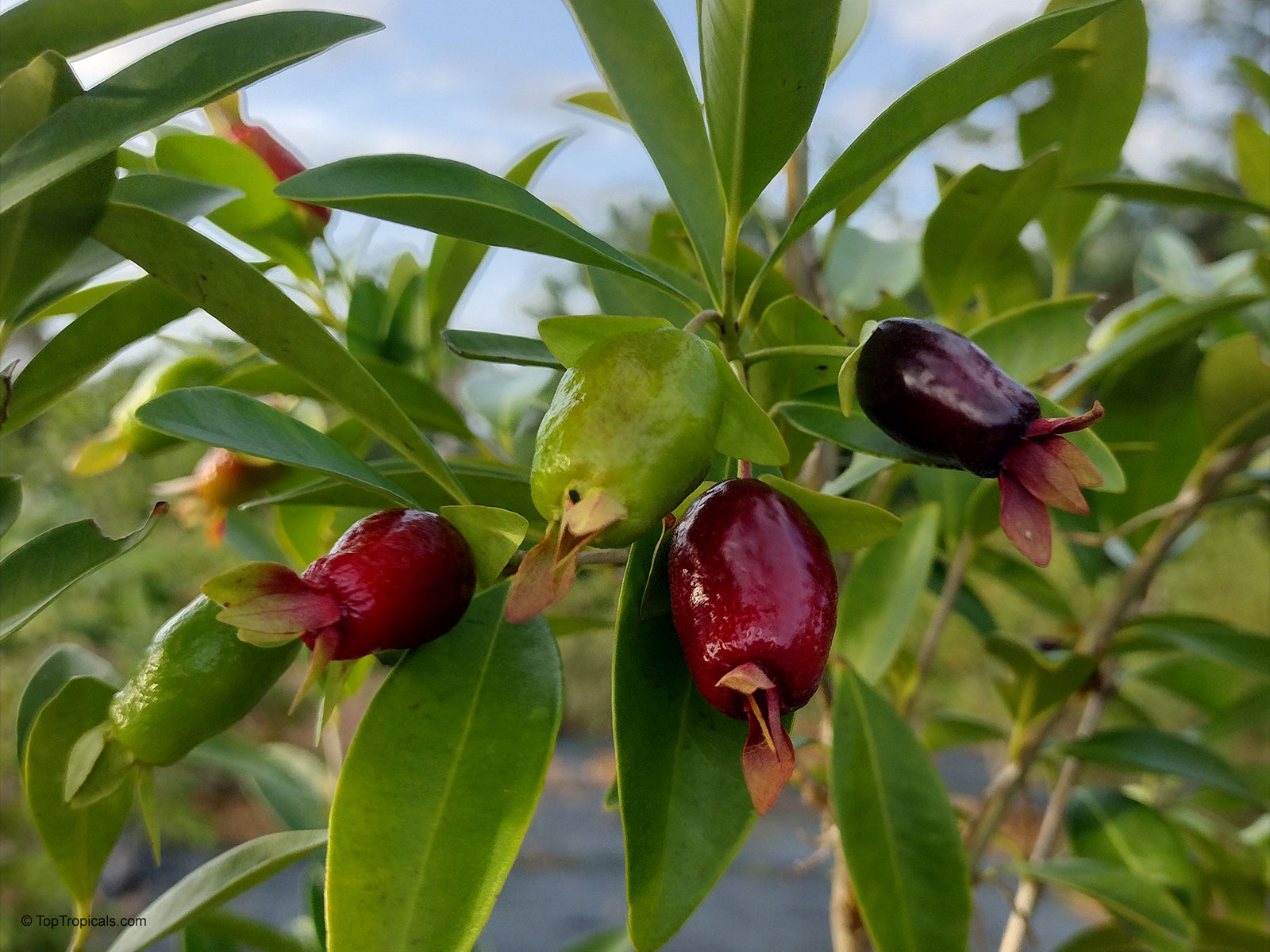
Eugenia aggregata (cv. Calycina), Cherry of the Rio Grande
🐾 Smokey & Sunshine’s real-world survival data from our
Sebring, Florida Research Gardens.
Smokey analyzed the data. Sunshine just stayed happy. Here is what they
found.
Sunshine: Twenty five degrees. Wind chill fourteen. And it is still
standing... like nothing happened? Smokey: This is macadamia strength. Sunshine: I should put a macadamia nut in my coffee and borrow some
of that strength. Smokey: Do not get too nutty yet. It still needs curing and
cracking.
📊 Weather Data – February 1–6,
2026
Sebring, Florida – 132 years of recorded observations
This was not a light frost. It was a prolonged, windy, penetrating hard
freeze.
🌡 Minimum temperature: 25F
❄️ Wind chill: 14F
⏳ Duration: 3 nights of 8–10 hour hard
freeze
☀️ Daytime temperatures: around 50F for 7 days
🌀 Wind: sustained 20 mph, gusts 40–50 mph
While all our plants in pots were protected in greenhouses, our in-ground
plantings faced the freeze outdoors. We covered what we could. Even so, some
plants were damaged, some died, and some surprised us by surviving.
In the next few newsletters, we will share the real survivors - the plants
that proved themselves in the ground, under real conditions. Smokey and
Sunshine have been out in the fields assessing the damage from the February
1–6 freeze. While many plants struggled, the Macadamia proved to
be a true standout. This is how we grow them to handle the tough years.
Why does this matter? Because we have gotten used to warm winters, and this
freeze was a rude awakening. Not everyone lives in Miami. If you garden in
places where a real cold event can happen, you have to be prepared - and you
have to plant what can take it.
🌰 Macadamia: Freeze
Tested and Standing
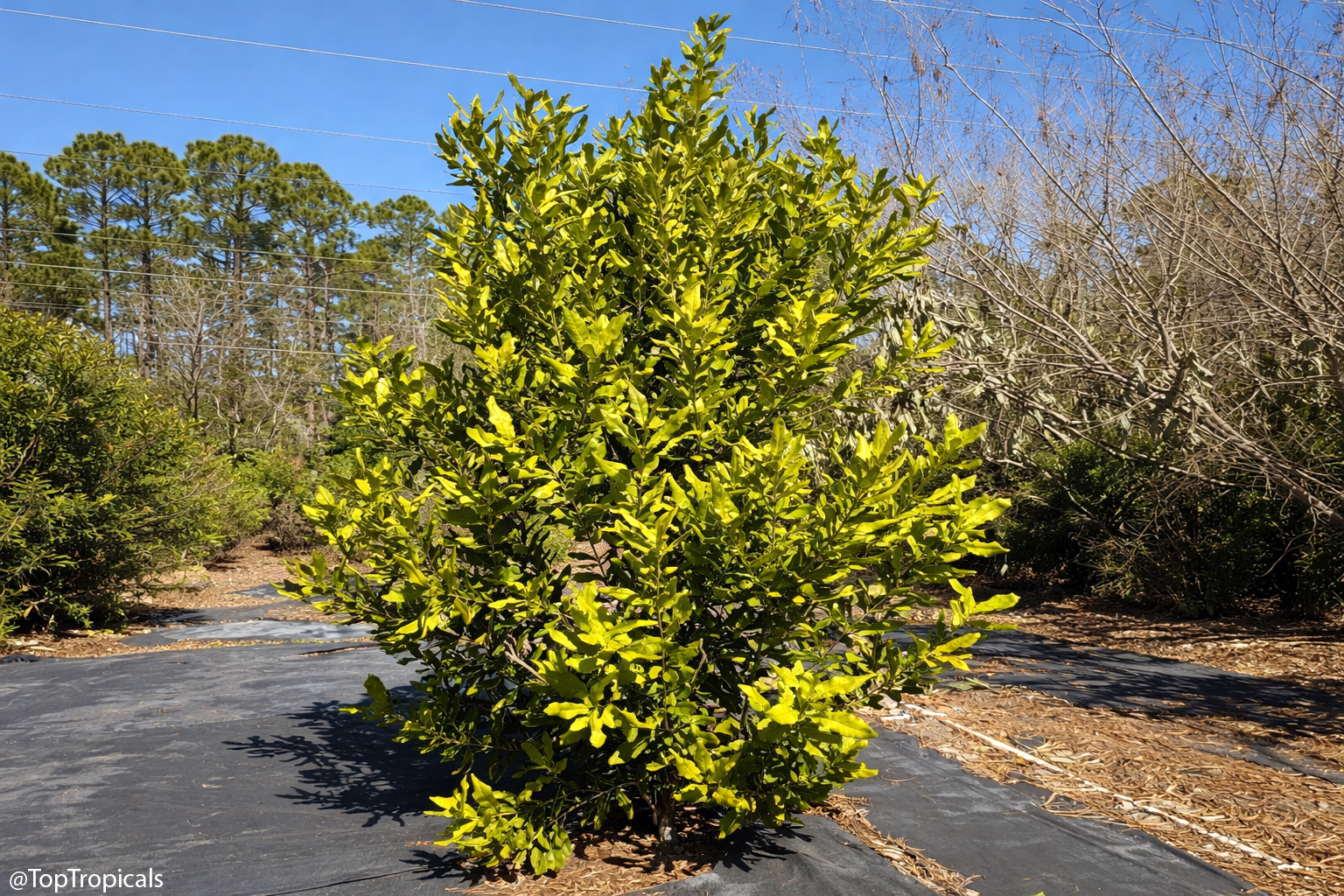
3 year old macadamia tree after 3 nights of hard
freeze in February 2026 - standing strong.
When temperatures dropped to 25F with wind chill near 14F, our established
macadamia trees remained upright, green, and structurally intact. Leaves
held. Branches stayed firm. No collapse, no panic.
That is not luck. That is macadamia hardiness.
Often considered a "tropical luxury nut," macadamia proved it can handle
more than many gardeners expect. In USDA Zones 9b-11, with proper drainage
and site selection, it is not just ornamental - it is a long-term food tree
with real resilience.
In a winter that reminded us not to take warmth for granted, macadamia
earned its place on the survivor list.
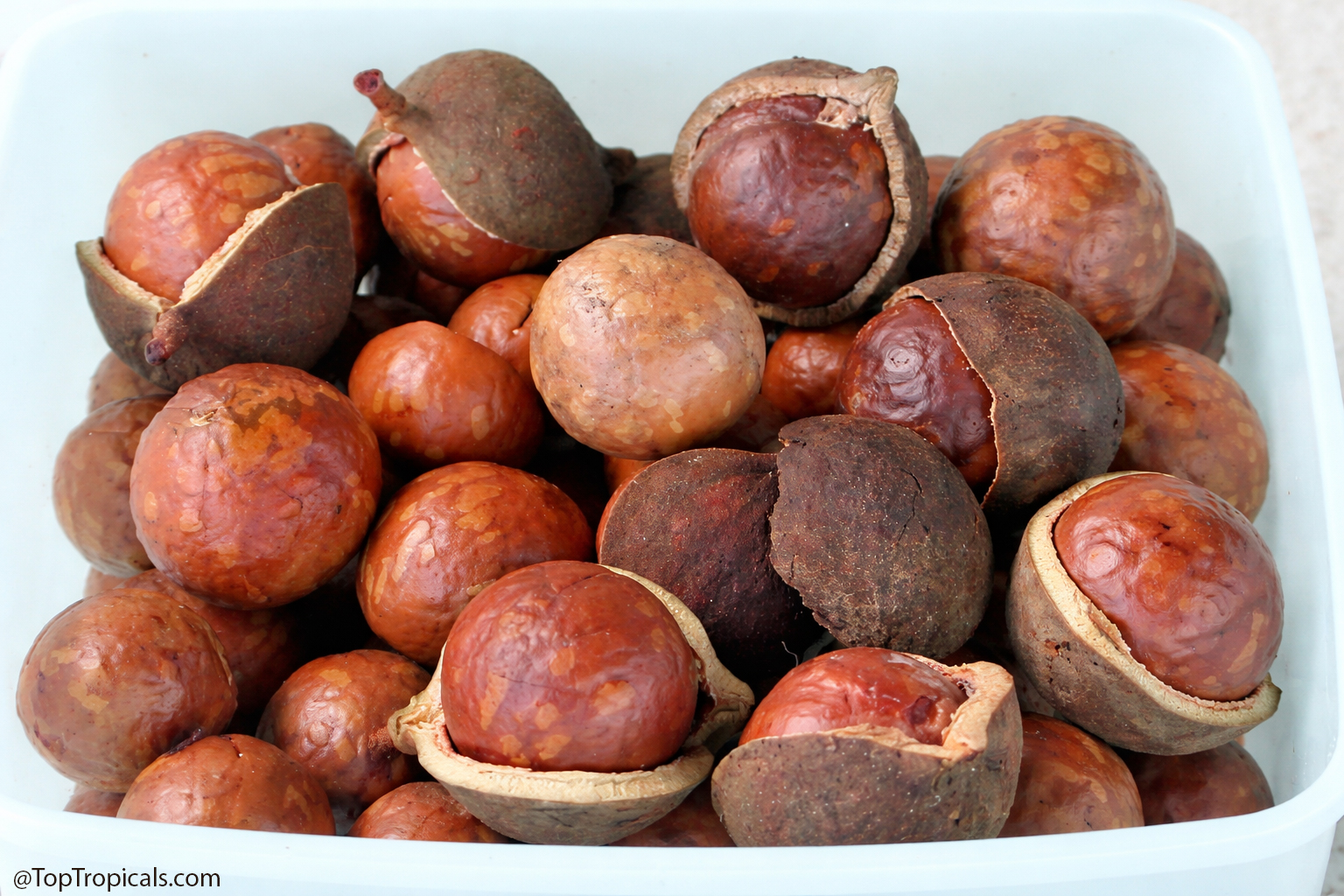
The nut itself is famous for its strength. The shell is among the hardest
in the nut world, requiring serious pressure to crack. Inside, the kernel
is creamy, buttery, rich, and deeply satisfying. High in monounsaturated
fats and naturally low in sugar, macadamias have long been valued both for
flavor and for nutrition.
The tree is equally impressive. An evergreen with tough leaves and elegant
spring flowers, it matures into a productive, manageable canopy. Nuts
develop slowly over six to seven months. Production begins in a few years
and increases steadily as the tree matures. Plant it once, and it can reward
you for decades.
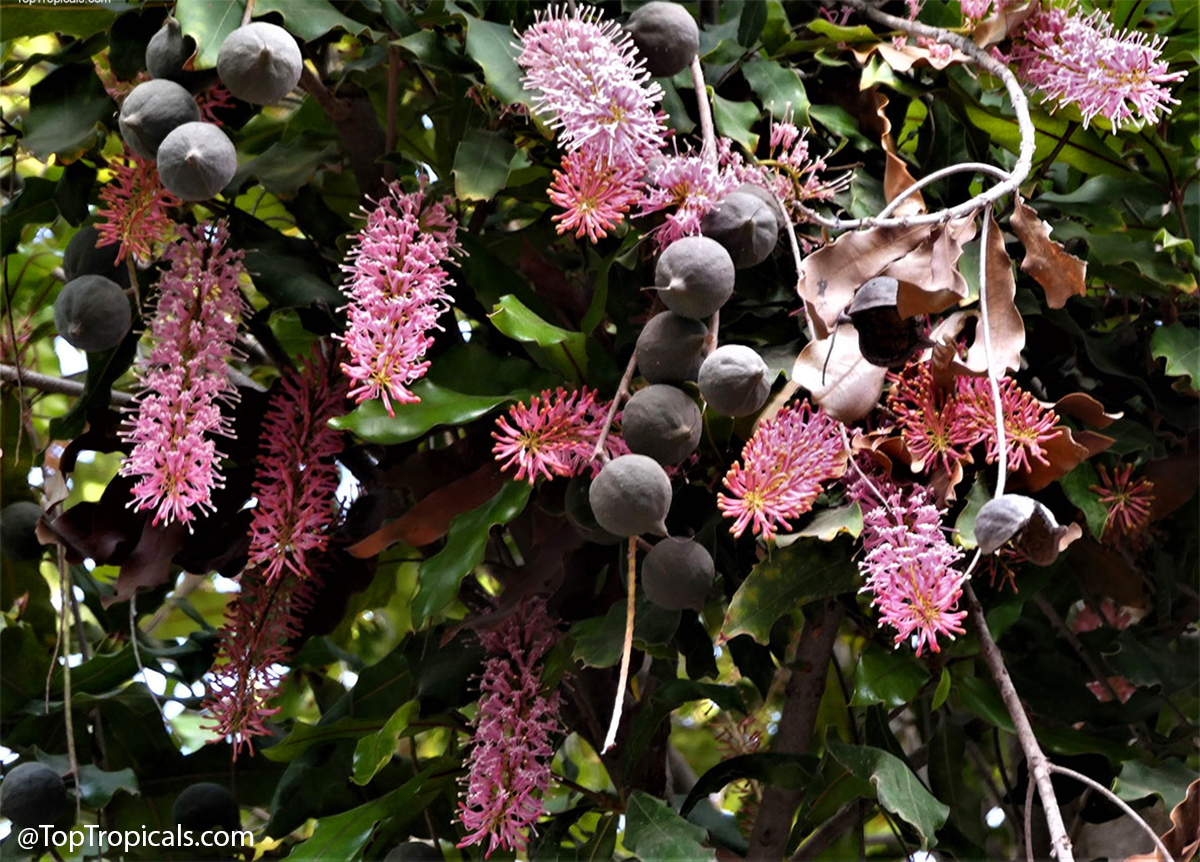
Macadamia flowers and developing nuts on the
tree.
Cold will come again. It always does.
The question is not whether winter will test your garden. The question is
whether your trees are ready.
Macadamia proved it is.
If you are building a garden that feeds you for decades, this is a tree
worth planting.
Coffee is shade-loving and easy to grow with regular water
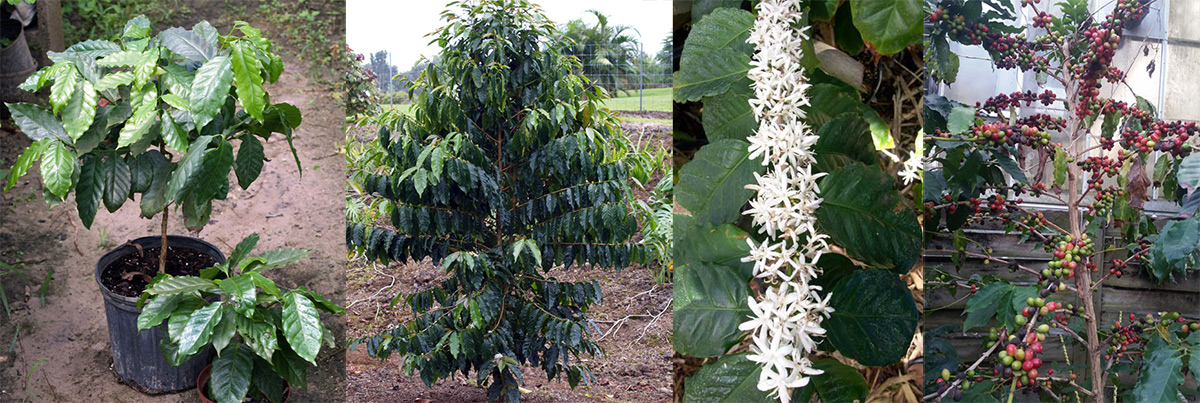
It grows into a dark green shrub or small tree (about 3 to 5 feet tall
in a pot)
Its fragrant, star-shaped flowers resemble gardenias
The whole fruit is edible and turns green to yellow to red
The seeds are real "coffee beans" that can be dried, roasted, and ground at home.
Five Reasons to Grow a Coffee Plant
Perfect Indoor Fruit Tree: Thrives in filtered light and stays compact
Low Maintenance: Forgiving, adaptable, and ideal for new
gardeners
Aesthetic Appeal: Glossy green leaves and clusters of white blooms
Homegrown Coffee: Yes, you can roast your own beans.
Year-Round Beauty: Evergreen with seasonal fragrance
Coffee Plant Care Tips
Light: Bright, indirect light is best. Avoid harsh afternoon
sun.
Water: Keep soil lightly moist but not soggy. Let the top inch dry out before watering again.
Humidity: Loves higher humidity. Mist regularly or place on a pebble tray.
Fertilizer: Use a balanced, gentle fertilizer like Sunshine Boosters C-Cibus every few weeks during growing season.
Soil: Loose, rich, and well-drained. High in organic matter and slightly acidic. For potted plants, use a quality indoor tropical mix, such as Top Tropicals Abundance mix
Repotting: Refresh soil and size up the pot every 1–2 years to keep roots healthy.
Can I grow it outdoors?:
Yes - bring it outside in warm months and back indoors before frost. It's best suited for USDA zones 10-11, but container growing gives you flexibility in cooler climates.
How long until I get beans?:
Expect flowers and fruit within 3 to 4 years from seedling stage - often sooner if you start with a young tree.
What does the fruit taste like?:
Mild and sweet-tart, like a mix between a cherry and a cranberry. You can eat it fresh.
How to Make Coffee from Your Own Tree
Harvest: Pick the ripe red cherries
Pop and Soak: Squeeze out the beans and ferment 1-2 days to remove pulp
Dry: Spread out to dry for 1-2 weeks until hard and papery
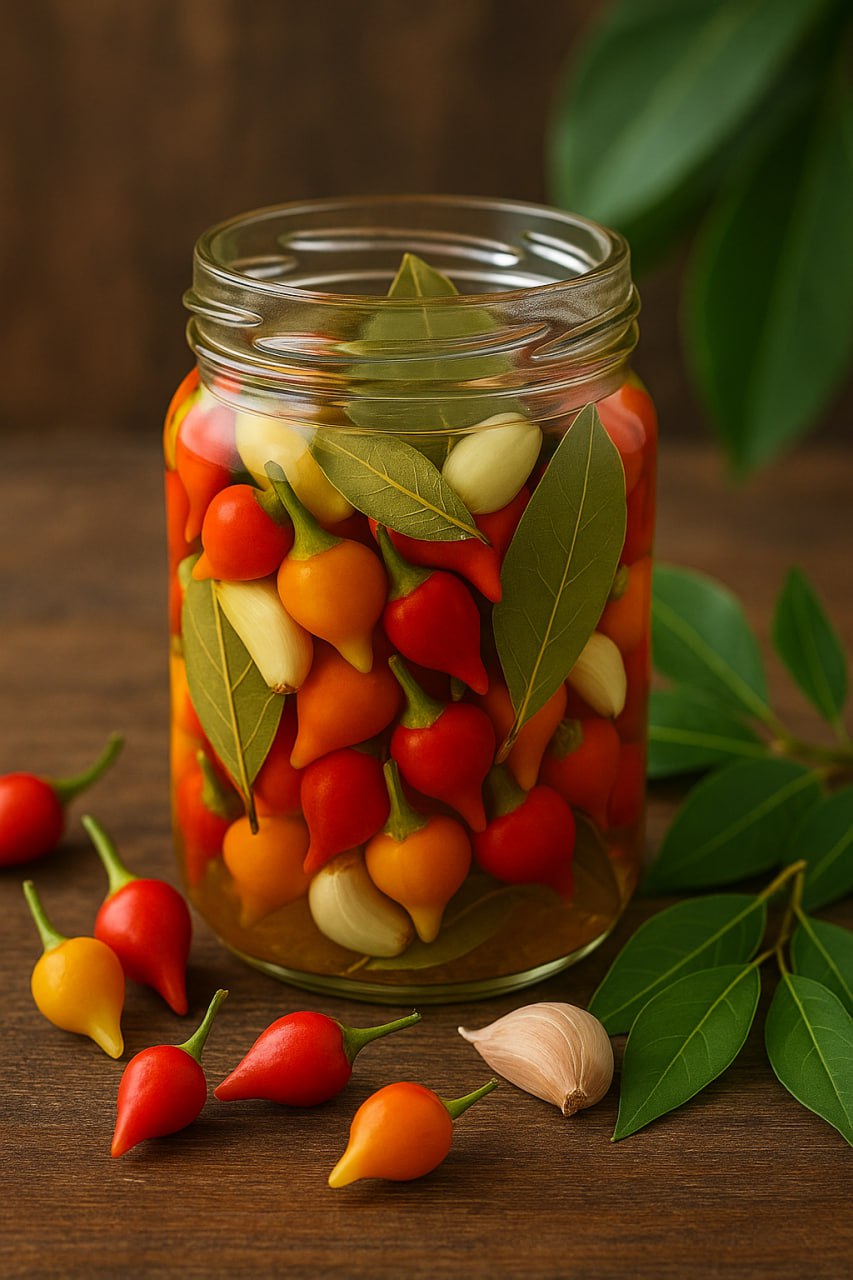
Hot Pepper pickles with hot and spicy pickles - Biquinho and Wiri Wiri peppers
🍴 Hot Pepper pickles: quick-n-fun exotic recipes
🔴If you like hot and spicy pickles - Biquinho and Wiri Wiri peppers (Capsicum) are perfect for new experiments! 🔴Pickle whole little peppers in vinegar, garlic, Bay leaves (Laurus nobilis) and sugar. 🔴Sweet, tangy, and spicy little bites! Perfect as appetizers, chasers and hot parties! 🔥





 Coffee Plant Care Tips