Garden Blog - Top Tropicals

Date: 20 Feb 2026

Top Ten Fruit Tree Winners of Florida 2026 Record Freeze

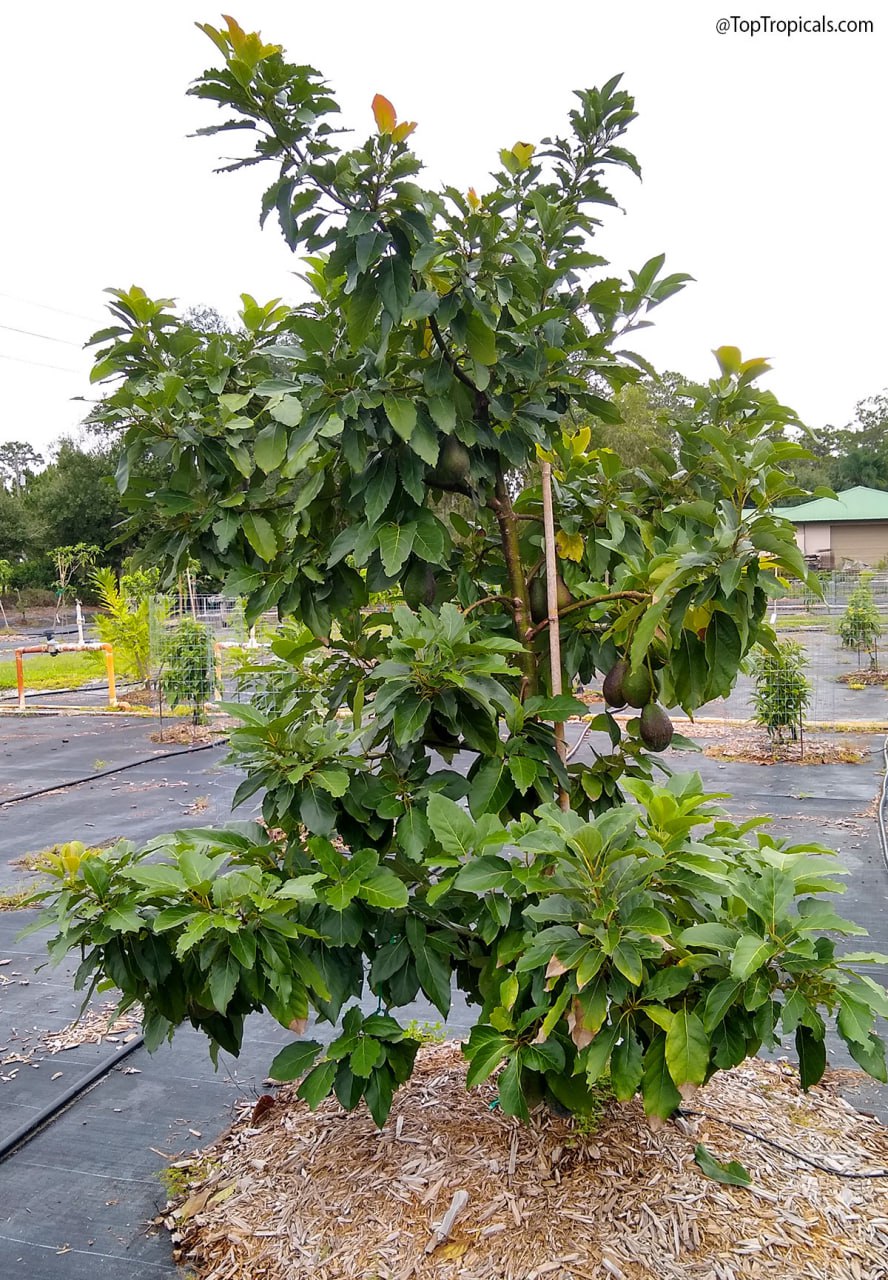
Avocado tree with fruit

Avocado tree with fruit

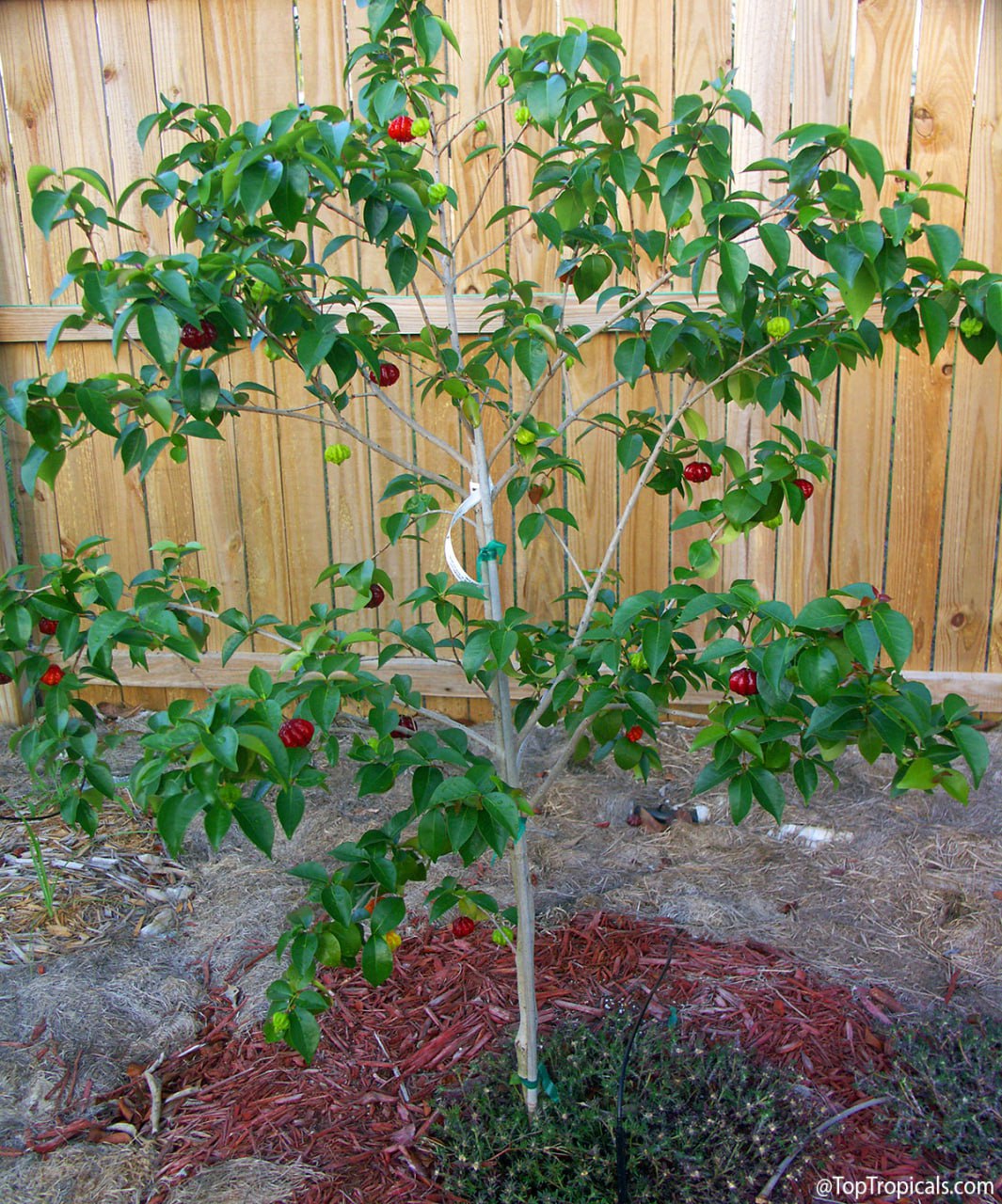
Eugenia

Eugenia

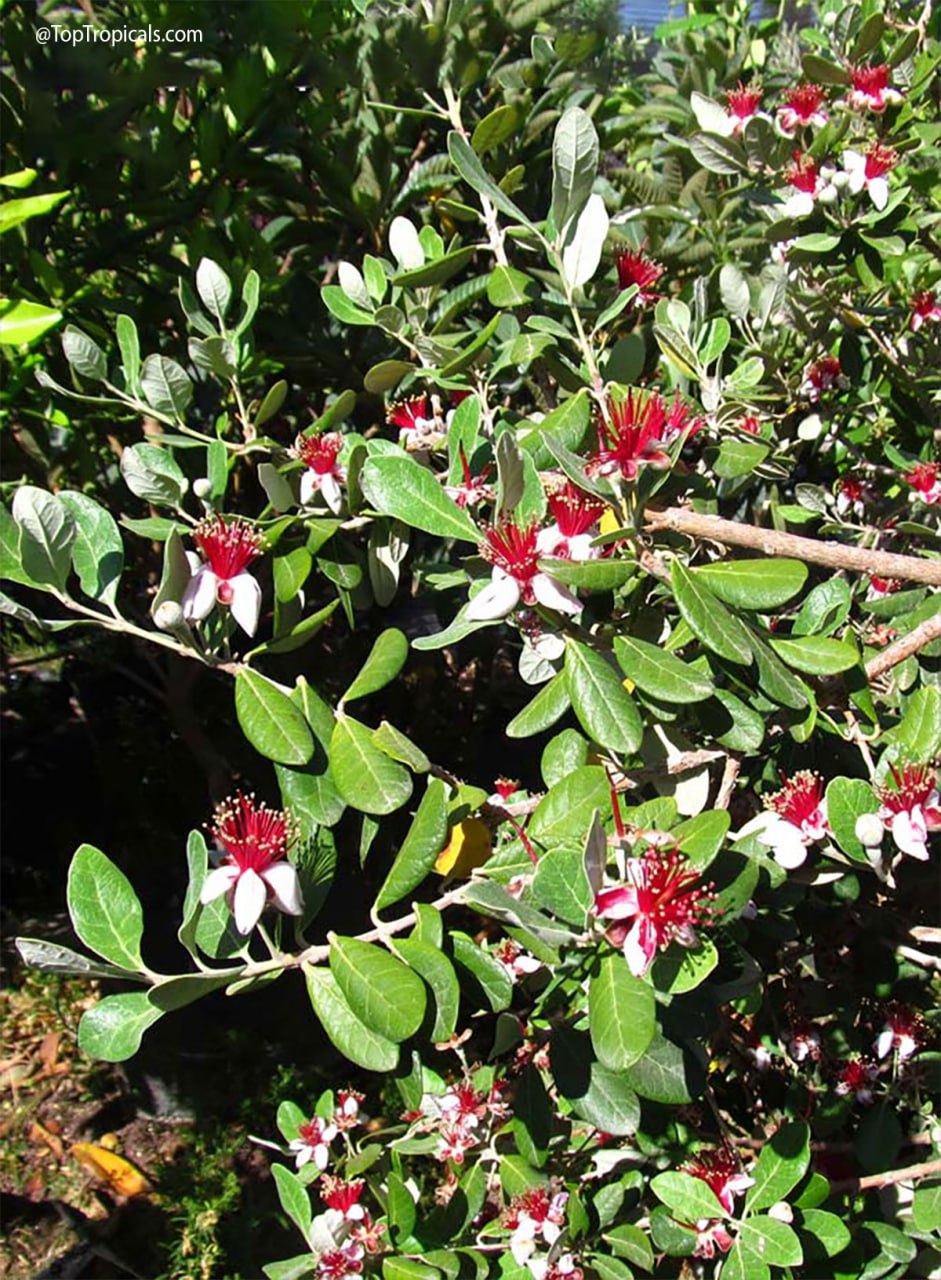
Feijoa - Pineapple Guava

Feijoa - Pineapple Guava

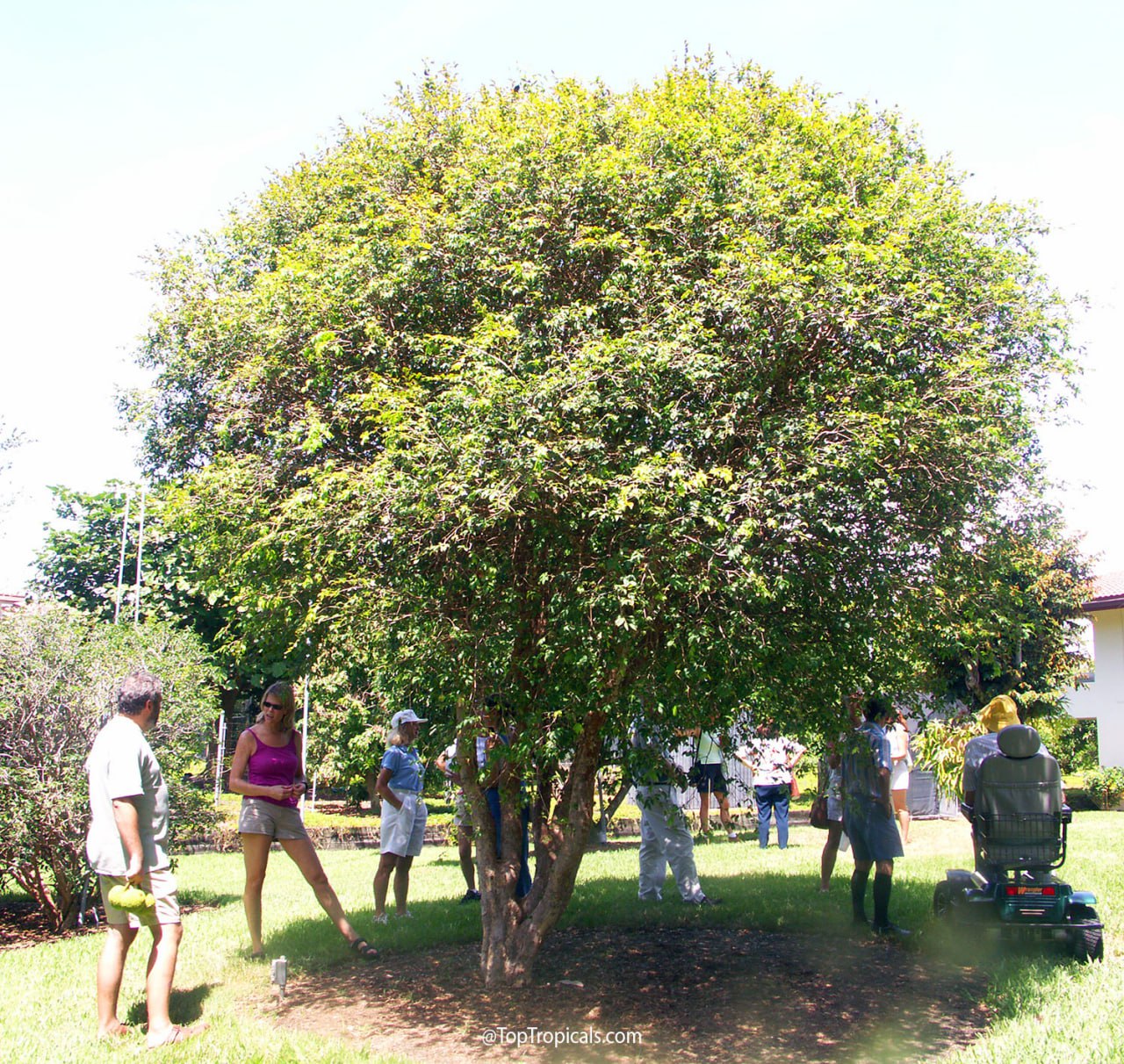
Jaboticaba tree

Jaboticaba tree

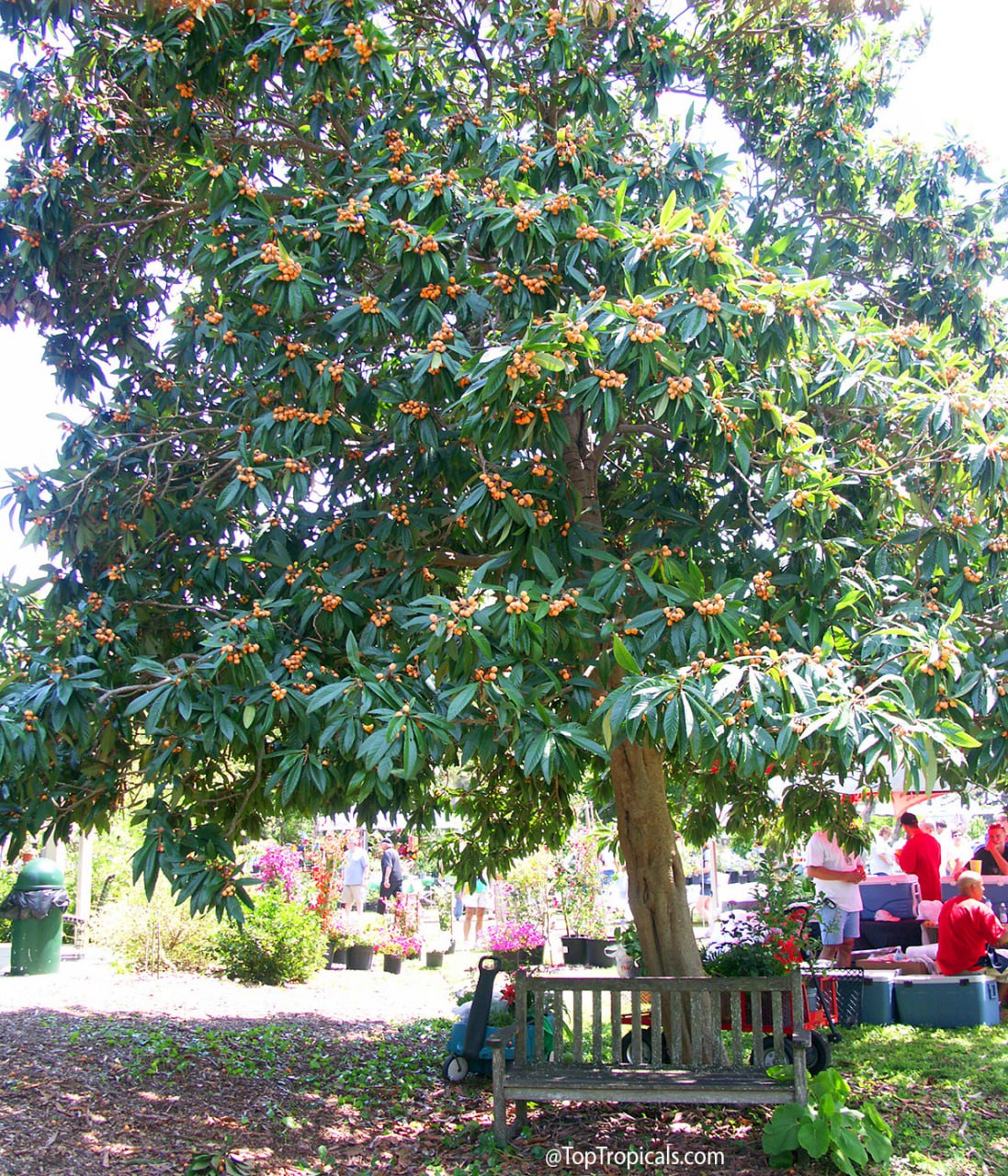
Loquat tree

Loquat tree

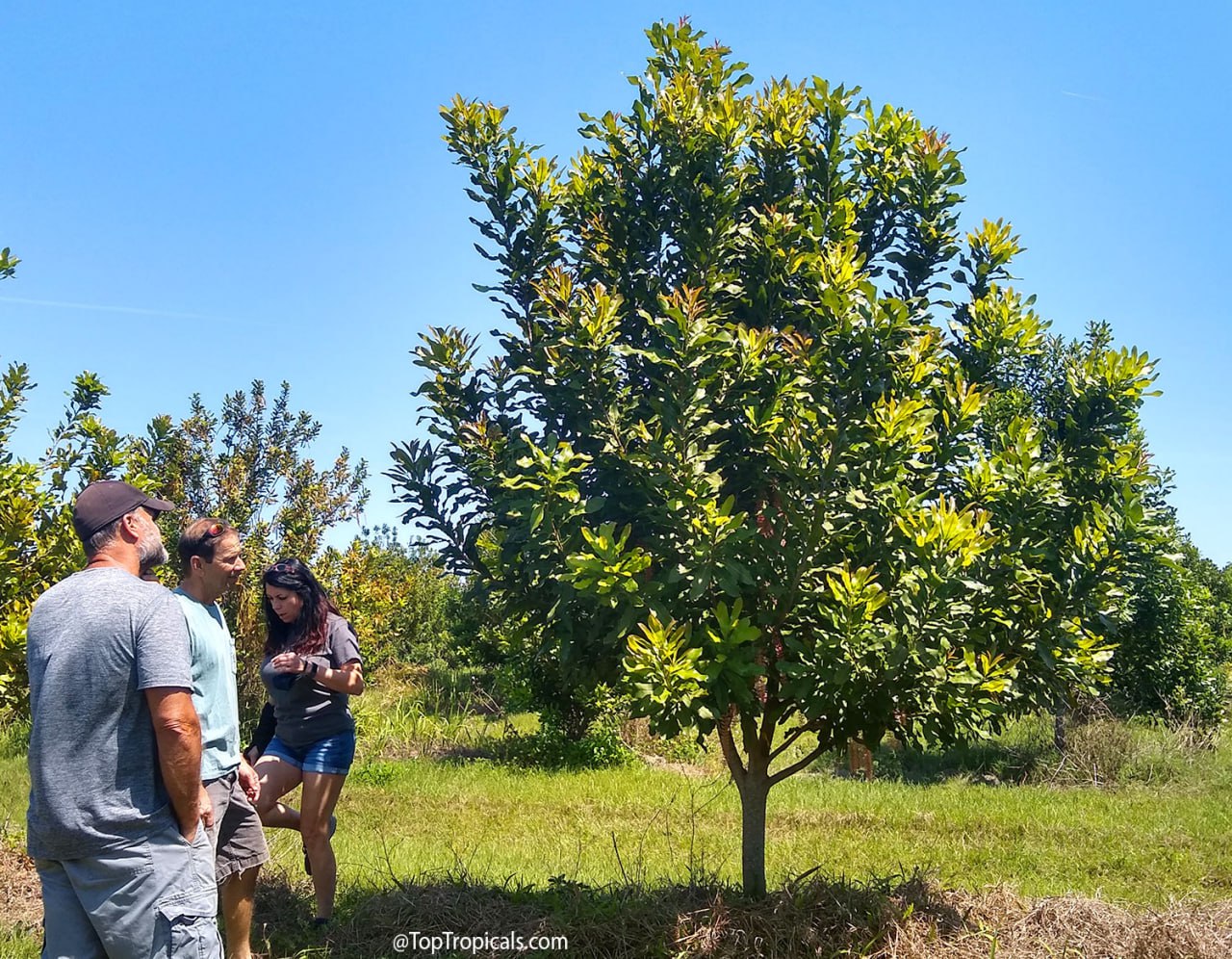
Macadamia Nut tree

Macadamia Nut tree

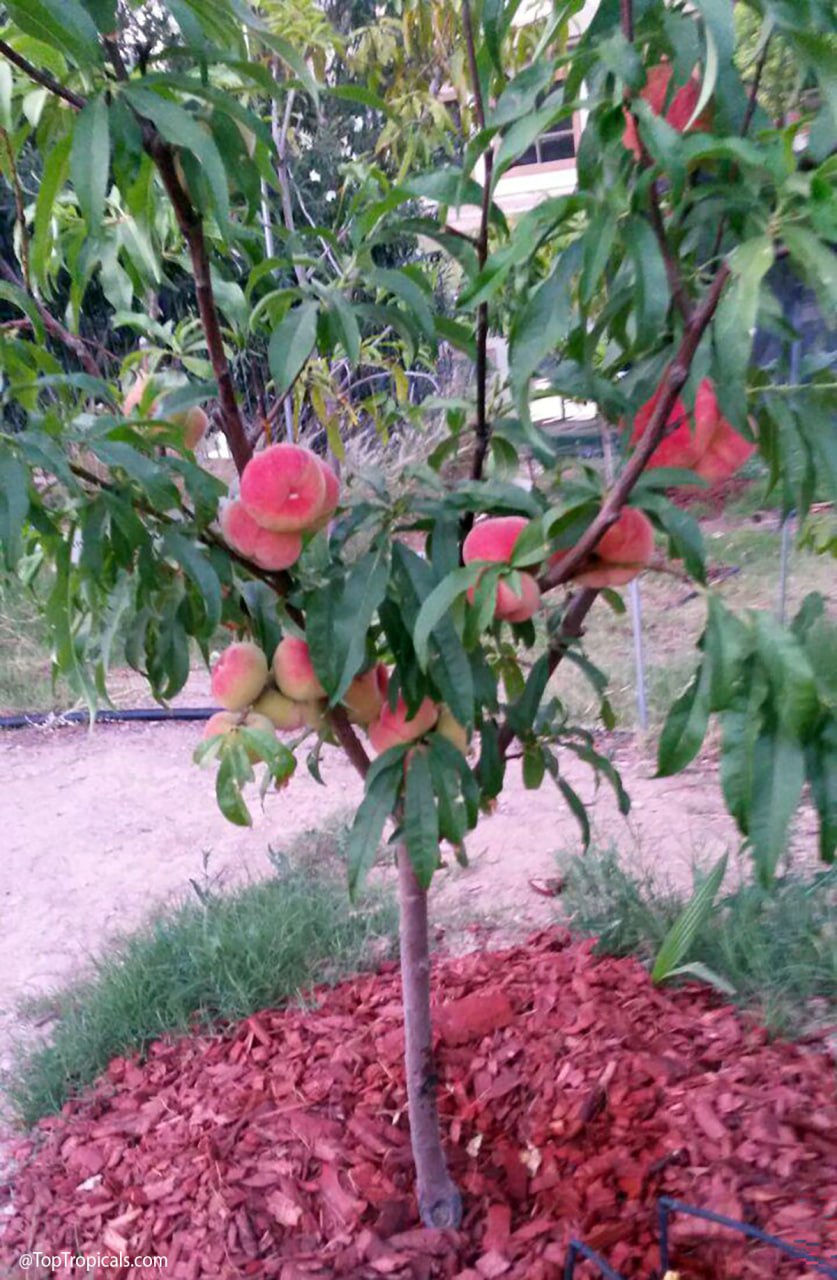
Prunus sp - Peach

Prunus sp - Peach

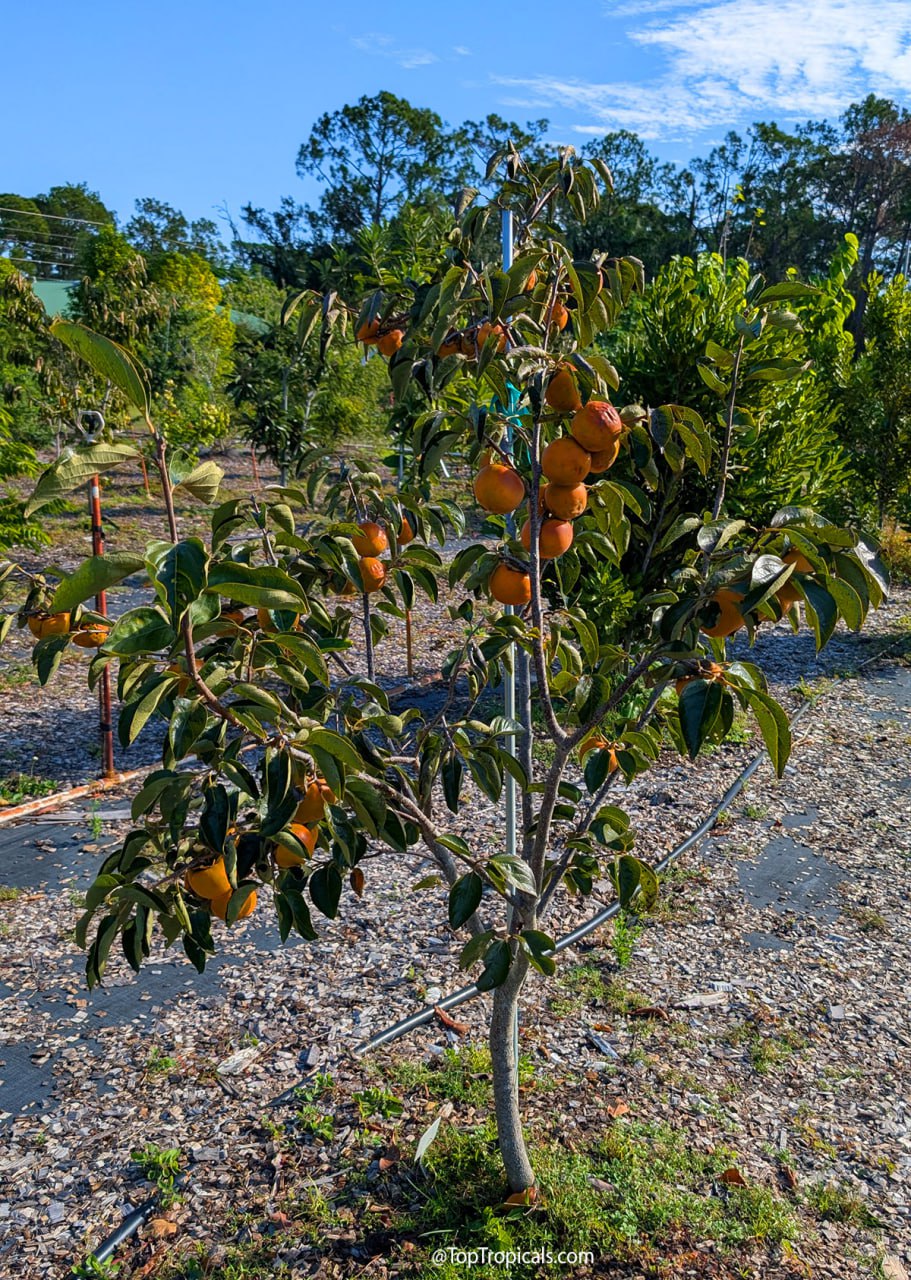
Persimmon tree

Persimmon tree

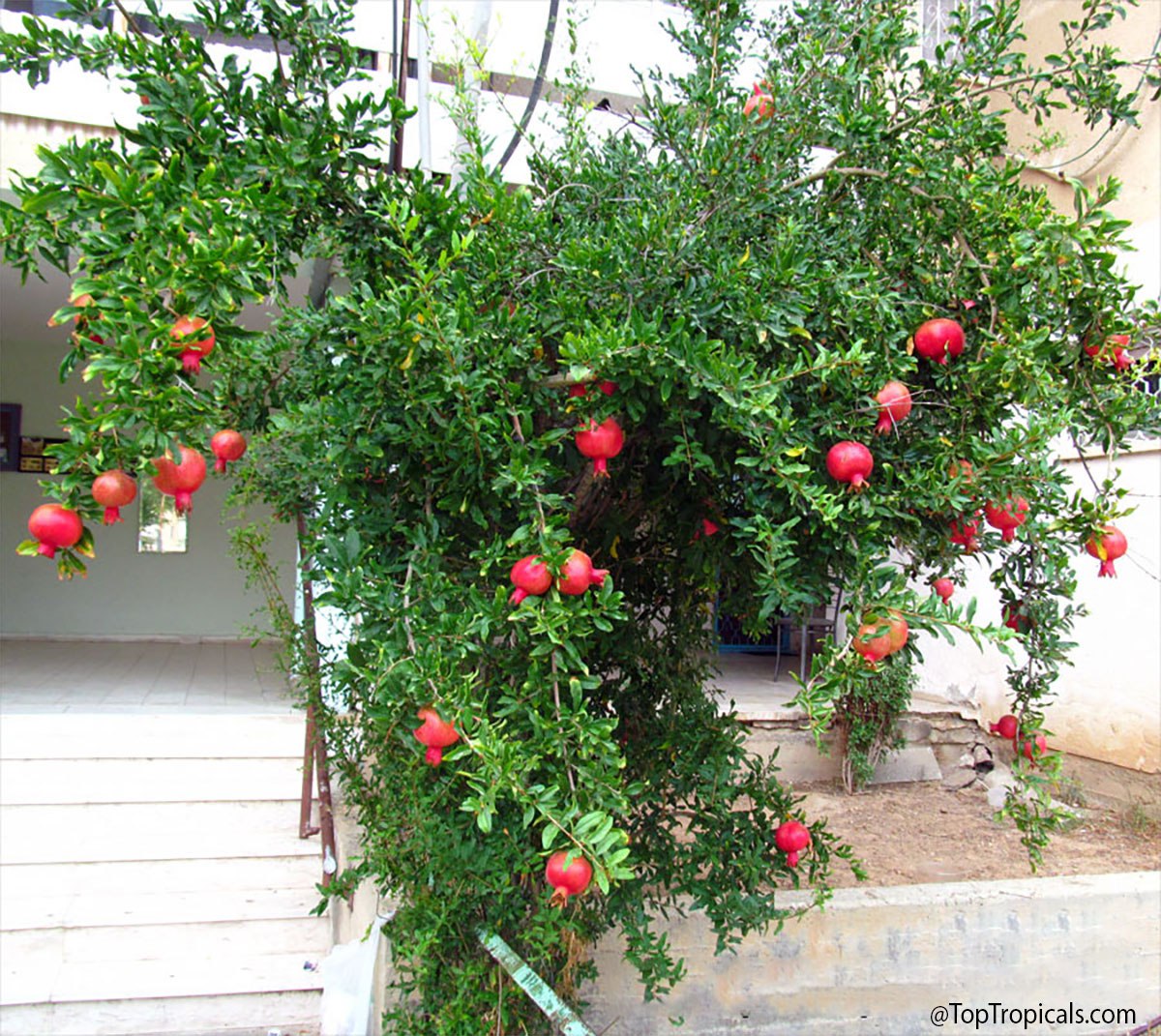
Pomegranate tree with fruit

Pomegranate tree with fruit

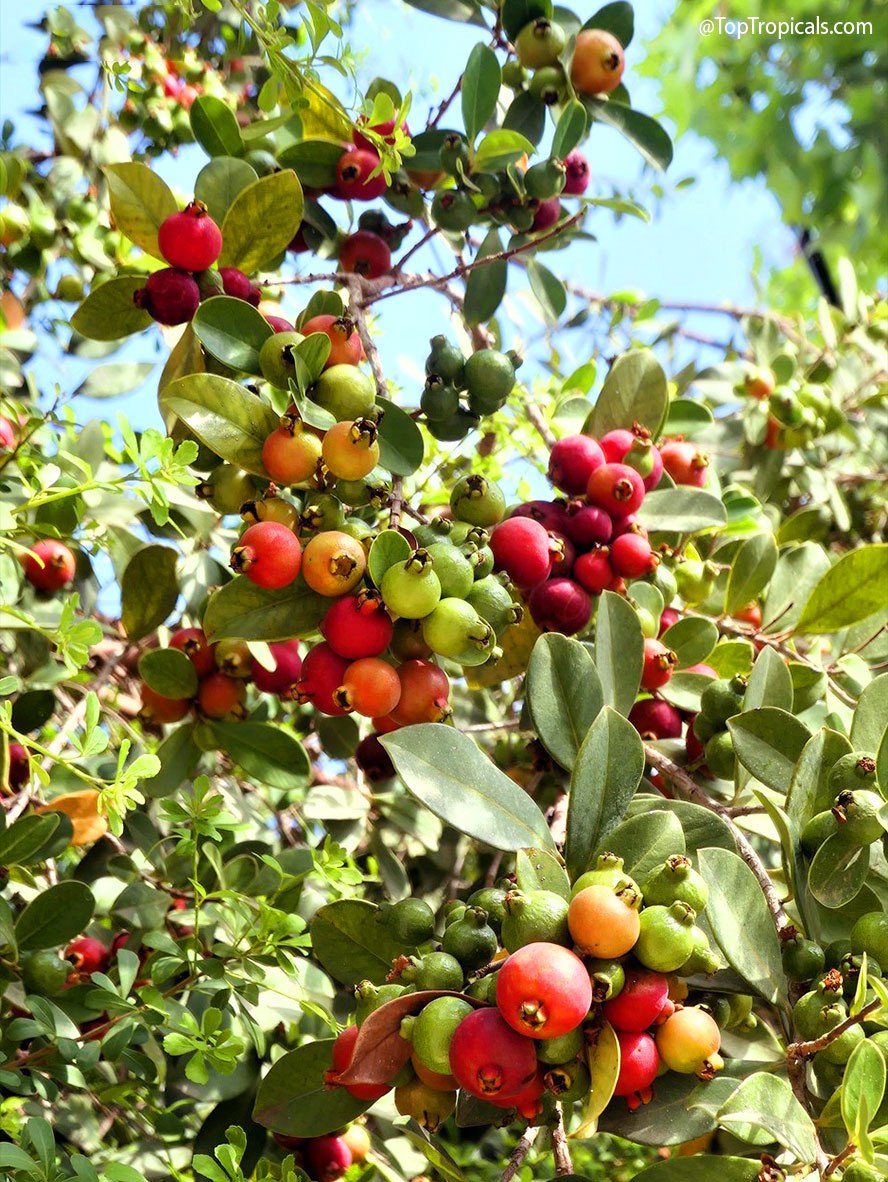
Psidium littorale - Cattley Guava tree with fruit

Psidium littorale - Cattley Guava tree with fruit

🏆 Top Ten Fruit Tree Winners of Florida 2026 Record Freeze


These fruit trees had no damage after 3 nights of hard freeze (25F) with NO PROTECTION:

🛒 Explore cold tolerant tropical plants and cold hardy Avocados

📚 Learn more:


#Discover #How_to #Food_Forest

🟢 Join 👉 TopTropicals

Date: 1 Mar 2026

Skip the lemon - 5 better fruits for a cough

Best fruits for a cough

Best fruits for a cough

Skip the lemon - 5 better fruits for a cough 😰

5 fruits to eat when you have a cough or cold - backed by research

When you are fighting a cough or cold, your immune system works overtime. While no fruit can cure a viral infection, certain fruits contain nutrients and bioactive compounds that may help reduce inflammation, support immune defenses, and ease respiratory discomfort.
Here are five fruits supported by nutrition research that may help during cold season.

1. Pomegranate 🍅

Pomegranate is rich in polyphenols, especially punicalagin, known for antiviral activity.
According to a study published in PubMed, pomegranate polyphenol extract suppressed replication of influenza A virus in cultured cells and showed direct virucidal effects. Researchers identified punicalagin as a key compound involved in blocking viral RNA replication. These findings suggest pomegranate extracts may help reduce viral load during respiratory infections.

2. Kiwi

Kiwi is exceptionally high in vitamin C, a nutrient closely linked to immune function and respiratory health.
A study published in Antioxidants (MDPI) found that consuming two SunGold kiwifruit daily for six weeks restored adequate plasma vitamin C levels in adults with a history of severe respiratory infections. Researchers concluded that kiwi consumption can directly support antioxidant defenses during respiratory illness.

3. Tropical cherries 🍒

Instead of traditional lemon, consider tropical cherries such as Malpighia (acerola cherry) and Eugenia (Surinam cherry).
Acerola (Malpighia glabra - Barbados Cherry) is one of the richest natural sources of vitamin C. Clinical research shows that adequate vitamin C intake is associated with reduced duration and severity of common cold symptoms. Vitamin C supports immune cell function and helps maintain the respiratory tract's protective barrier.
Eugenia species (Tropical Cherries) contain anthocyanins and phenolic compounds with antioxidant and anti-inflammatory properties, which may help reduce oxidative stress during illness.

4. Pineapple🍍

Pineapple contains bromelain, a group of proteolytic enzymes known for anti-inflammatory effects.
According to a study published in PubMed, bromelain significantly reduced inflammatory cell infiltration in the lungs in a mouse model of airway inflammation. These findings suggest bromelain may help ease airway inflammation and congestion.

5. Berries and including mulberries

Strawberries, blueberries, raspberries, blackberries and mulberries are rich in flavonoids and vitamin C.
Although direct clinical trials on berries for colds are limited, nutrition reviews highlight their immunomodulatory potential. Flavonoids such as quercetin, anthocyanins, and catechins have demonstrated antioxidant effects and possible antiviral activity in laboratory studies.
Mulberries provide additional anthocyanins and resveratrol-like compounds, offering strong antioxidant support during illness.

Practical tips when you are unwell ❤️‍�
  • 🔻Choose room-temperature or lightly warmed fruit to avoid throat irritation.
  • 🔻Prefer whole fruit over juice to retain fiber and stabilize blood sugar.
  • 🔻Pair fruit with warm herbal tea or honey if appropriate.
  • 🔻Rotate fruits to benefit from diverse phytonutrients.
  • 🔻If symptoms persist, worsen, or include high fever or breathing difficulty, seek medical care.


🛒 Grow your own vitamin-rich fruit

📚 Learn more:


#Food_Forest #Remedies #Discover

🟢 Join 👉 TopTropicals

Date: 5 Mar 2026

Passion fruit butter glaze: quick-n-fun exotic recipes

Passion fruit butter glaze

Passion fruit butter glaze

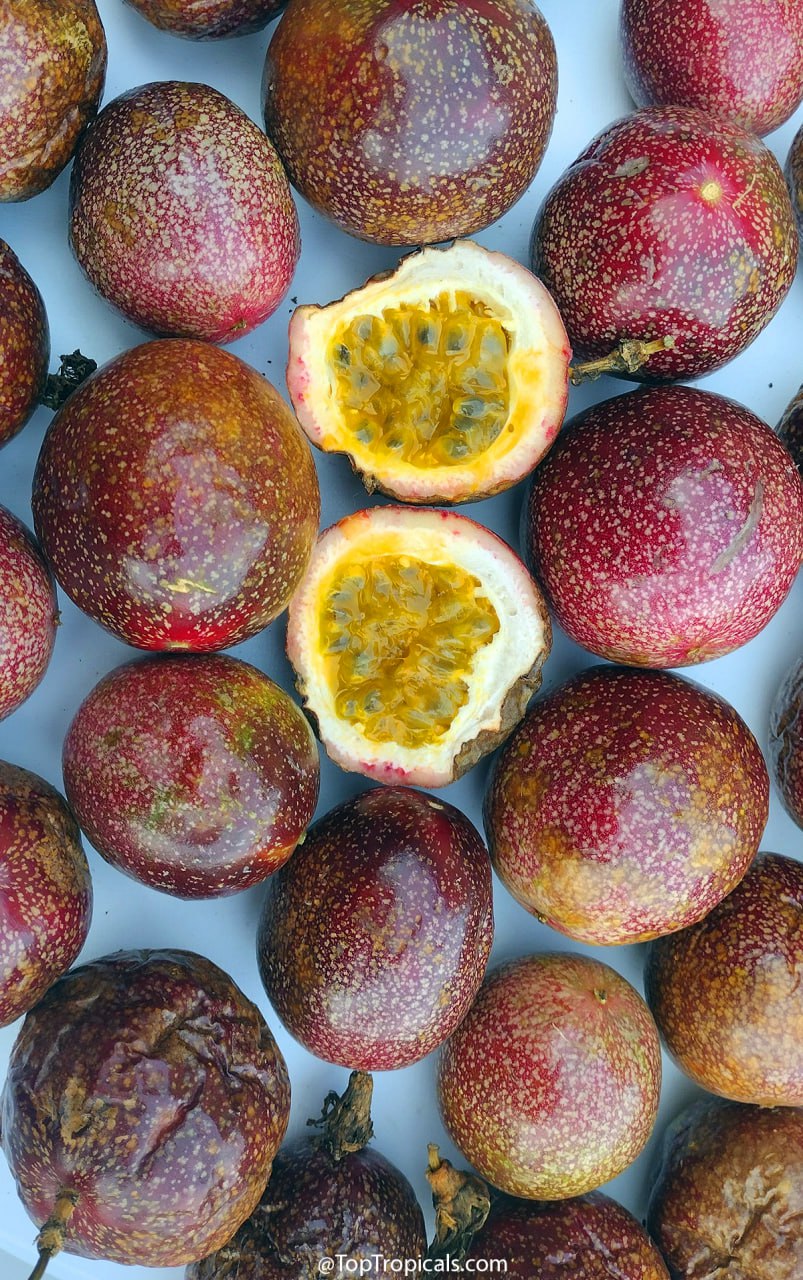
Passion fruit - Passiflora edulis

Passion fruit - Passiflora edulis

🍴 Passion fruit butter glaze: quick-n-fun exotic recipes

Passion Fruit Butter Glaze

Ingredients

  • 2 passion fruits
  • 1 tablespoon butter
  • 1 teaspoon sugar

Instructions

  1. Scoop the pulp from the passion fruits into a small saucepan.
  2. Add butter and a small amount of sugar.
  3. Simmer gently while stirring until the mixture thickens.
  4. Spoon the warm glaze over pancakes, toast, or grilled pineapple.


🌿 About the plant:


A fast-growing vine with exotic flowers and intensely aromatic fruit filled with juicy seeds.

🏡 In the garden:


Needs strong support, full sun, and warmth. Very fast growth in zones 9-11. Prune to keep productive.

🛒 Plant Passionfruit Vine - fast growing and rewarding

📚 Learn more:

Plant Facts

Passiflora edulis
Passion Fruit, Parcha, Maracuya, Granadilla
USDA Zone: 9-11
Vine or creeper plantFull sunModerate waterBlue, lavender, purple flowersWhite, off-white flowersEdible plantSubtropical plant. Mature plant cold hardy at least to 30s F for a short time

#Food_Forest #Recipes

🟢 Join 👉 TopTropicals

Date: 29 Mar 2026

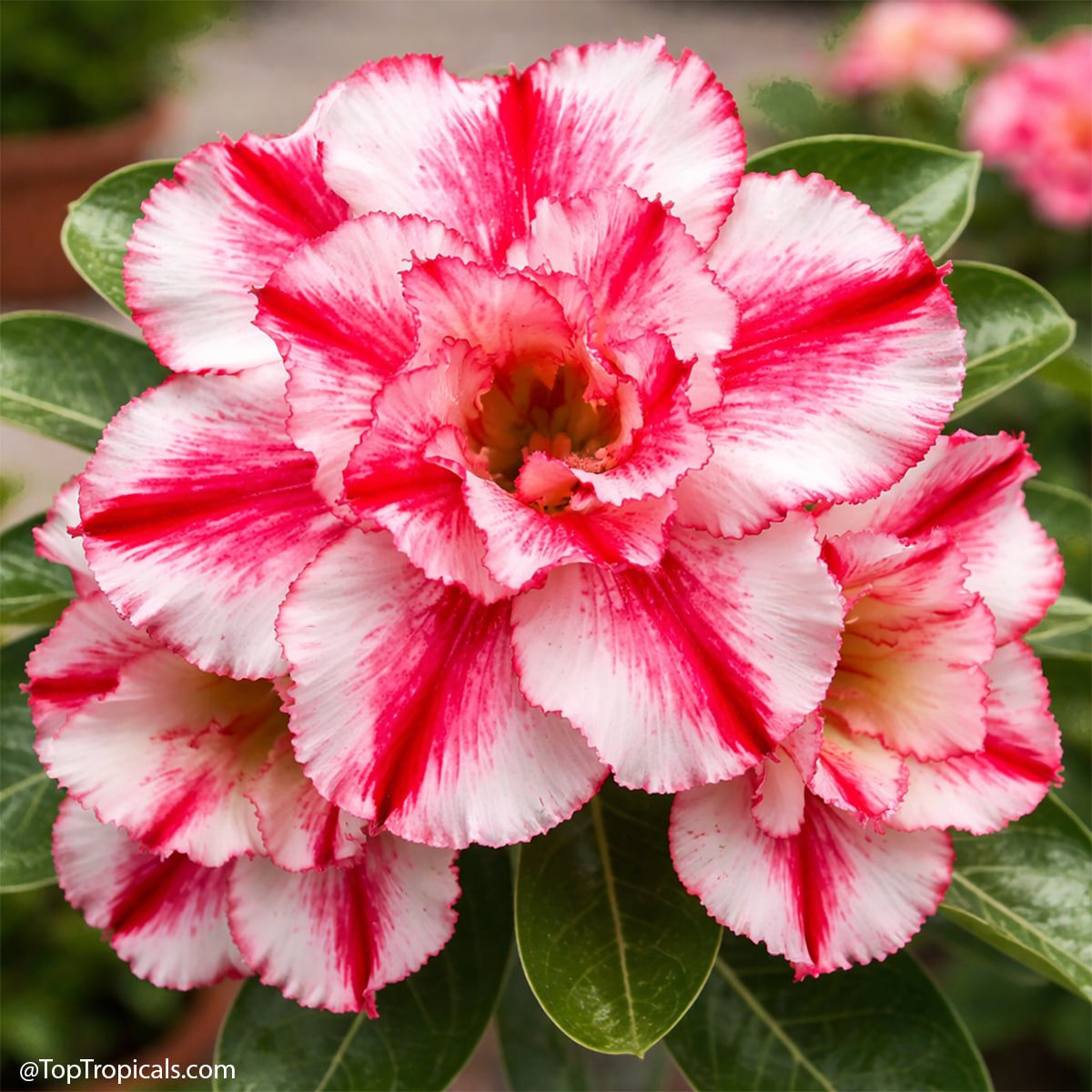
We picked 6 adeniums - youll probably want all 6: Adenium rainbow

Adenium Caramel

Adenium Caramel

Adenium Bumblebee

Adenium Bumblebee

Adenium Purple Plum

Adenium Purple Plum

Adenium Pineapple

Adenium Pineapple

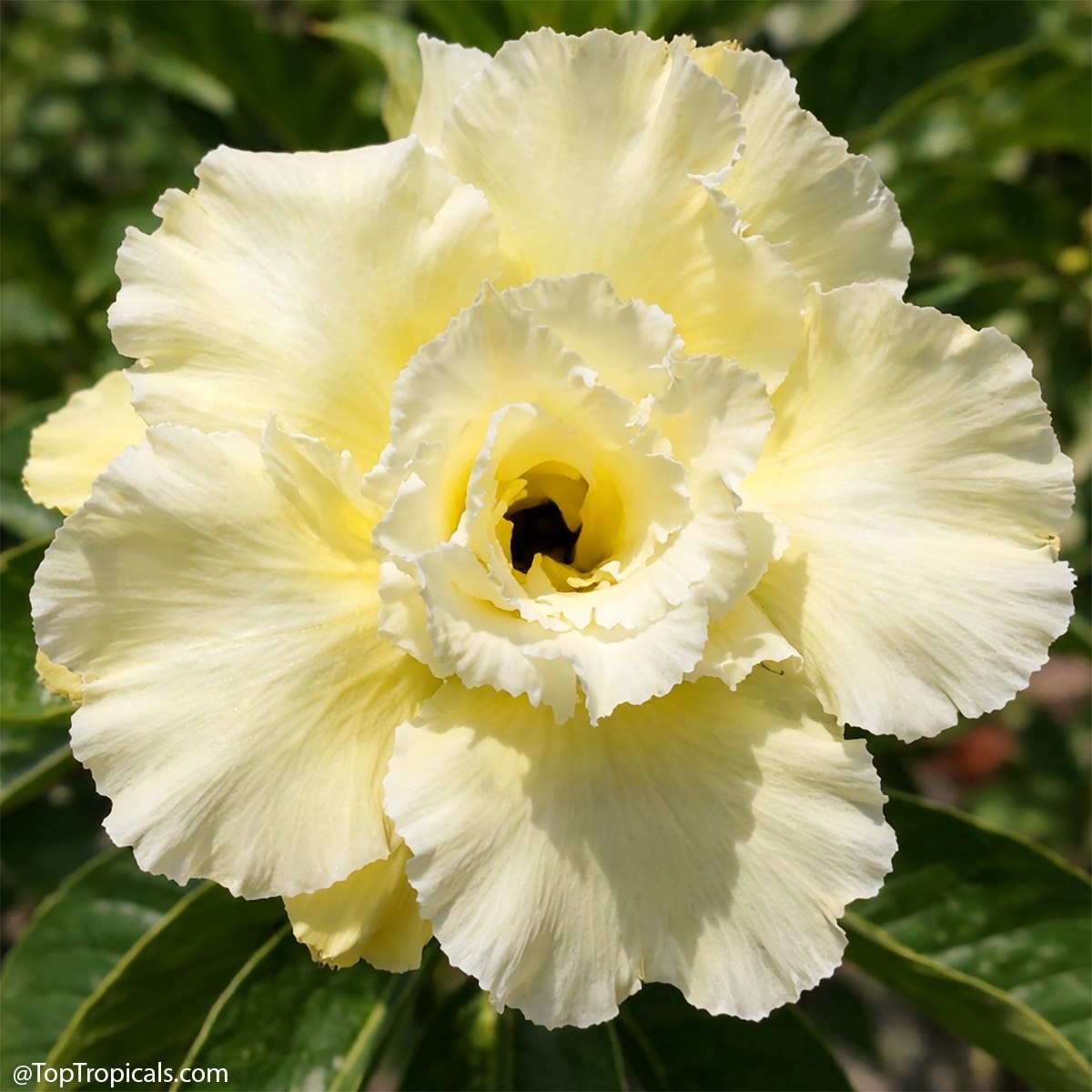
Adenium Vanilla Gold

Adenium Vanilla Gold

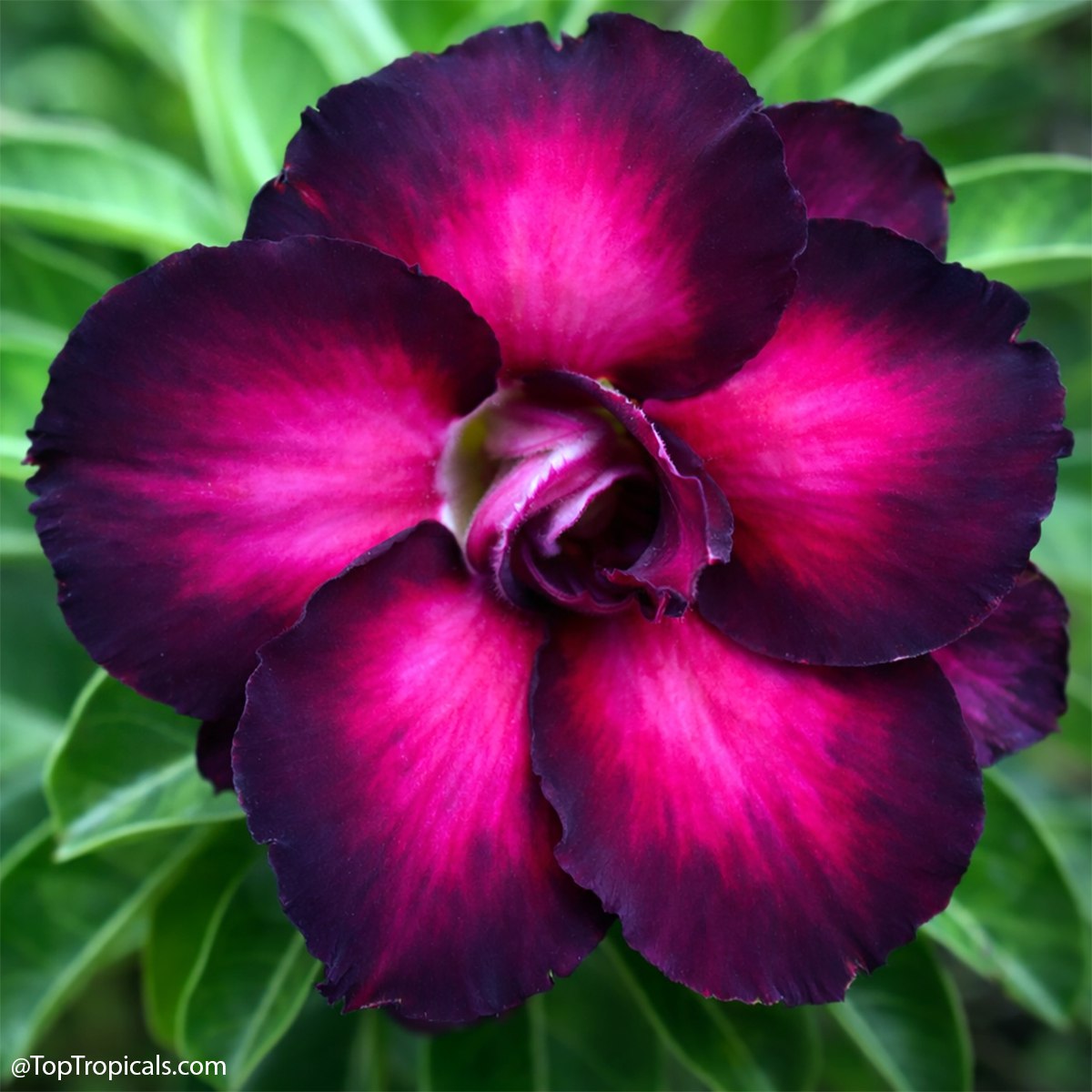
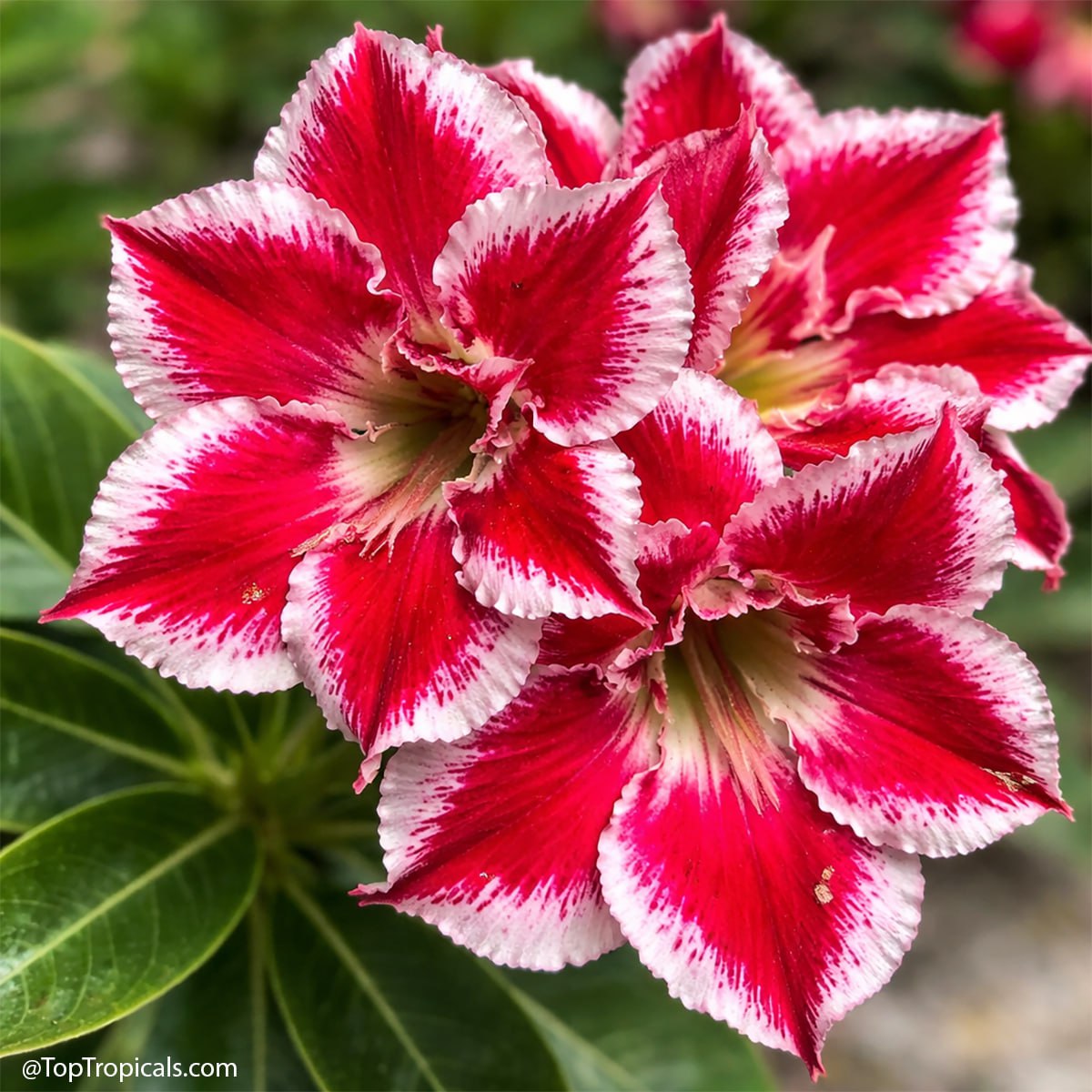
Adenium Multi Berry

Adenium Multi Berry

We picked 6 adeniums - you’ll probably want all 6: Adenium rainbow 🌈

Some adeniums go bright. Some go deep.
And some land right in that rich, warm middle.
This set leans into those “dessert” colors - creamy, golden, purple, and everything in between.
And yes, some varieties even come with fruity or “tasty” names
!

💡 Soil and watering tip


Adeniums are succulents, so they need excellent drainage and prefer to stay on the dry side.
Water deeply, then let the soil dry out before watering again.
No constant moisture.
The potting mix is just as important. It should be very рыхлый and fast-draining, with plenty of conditioners like perlite, bark, or vermiculite.
We recommend using a Adenium Soilless Mix for best results.

🌸 Today's featured adeniums

  •  ✦ Caramel: Warm, rich tones with a smooth, creamy look.
  •  ✦ Bumblebee: Bold contrast with bright yellow and dark patterning - very eye-catching.
  •  ✦ Purple Plum: Deep purple shades with a deep, velvety feel.
  •  ✦ Pineapple: Fresh yellow tones that feel light and tropical.
  •  ✦ Vanilla Gold: Soft golden color with a clean, balanced form.
  •  ✦ Multi Berry: Blend of pinks and reds that gives it a layered, mixed-fruit look.

This kind of mix makes a collection feel warm and inviting - not just colorful, but full of depth.
And once you dial in soil and watering - everything else gets a lot easier.

🛒 Explore Exotic Thai Adeniums

📚 Learn more:

Plant Facts

Adenium sp.
Adenium, Desert Rose, Impala Lily
USDA Zone: 9-11
Plant with caudexLarge shrub 5-10 ft tallSmall tree 10-20 ftFull sunDry conditionsModerate waterYellow, orange flowersRed, crimson, vinous flowersUnusual colorBlue, lavender, purple flowersWhite, off-white flowersPink flowersToxic or Poisonous

#Container_Garden #Adeniums #How_to #Discover

🟢 Join 👉 TopTropicals

Date: 22 Sep 2025

Dragon Fruit Plant Care – Tips from the Garden Expert
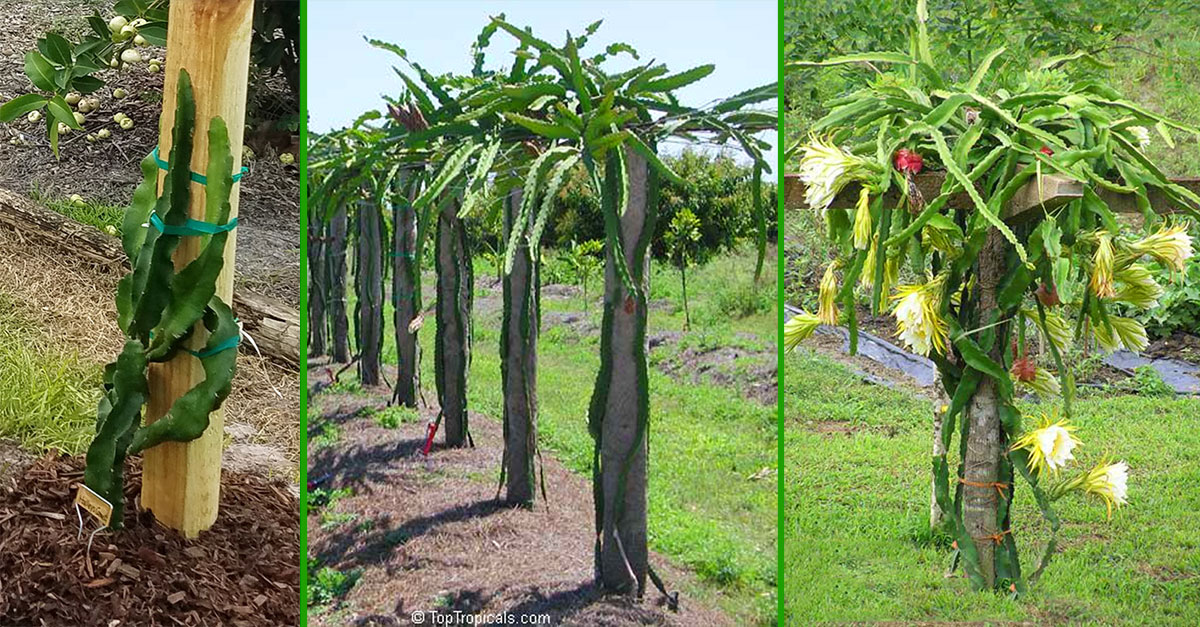
Stages  of  dragon  fruit  pitaya  plant  growth  and  trellis  support 
 system

Dragon fruit is one of those plants that look exotic but are surprisingly easy once you know the basics. Here is what works best in the garden:

  • Soil: They hate wet feet. A sandy, fast-draining soilless-mix is your friend. If water sits around the roots, rot comes fast.
  • Watering: Deep watering is better than frequent sips. Let the soil dry between waterings. In rainy season they cope well, but in pots you need to be careful.
  • Sunlight: Full sun is great, but in very hot places a touch of afternoon shade keeps them happy.
  • Support: They are natural climbers. A wooden post, concrete pole, or trellis will give them something to grab and makes harvest easier.
  • Fertilizer: Feed lightly but often. A gentle liquid like Sunshine C-Cibus liquid booster with every watering, or Green Magic controlled release fertilizer every 5-6 months. It encourages strong roots, lush growth, and lots of flowers.
  • Pruning: Trim off tangled or weak stems. This guides energy into strong branches that will flower and fruit.

Think of it as training a cactus vine into a small tree. Once it settles in, it almost takes care of itself — and pays back with fruit you can’t buy in stores.

🌱 Dragon Fruit Plant Care – Outdoors and Indoors

Outdoors: Dragon fruit thrives in USDA Zones 10–11 year-round. In warm regions like Florida, Texas, California, and Hawaii, you can grow it outside in the ground. Give it fast-draining soil, full sun with a little afternoon shade in the hottest months, and a sturdy trellis or post to climb. Deep watering with drying periods in between keeps roots healthy. A yearly pruning shapes the plant and boosts flowering.

Indoors or Patio Pots: Gardeners in cooler zones can still enjoy dragon fruit in containers. Use a large pot with sandy, well-draining mix or soilless-mix and a pole for support. Place the pot in the brightest spot — a greenhouse, sunroom, or patio that gets 6+ hours of light daily. Move pots inside when temperatures drop below 40F. Even indoors, a healthy plant can bloom and fruit if it has enough light and warmth.

❓ Dragon Fruit FAQ


How soon will a dragon fruit start producing?

Cuttings can flower and fruit in as little as 2–3 years. Seed-grown plants take longer, often 4–6 years. Large developed specimens can start flowering and fruiting within a year or even the same season.

Do I need more than one plant for pollination?

Some varieties are self-fertile, others need a second plant for cross-pollination. Even self-fertile types usually set more fruit with a partner nearby.

How big do they get?

In the ground, dragon fruit can climb 15–20 ft if you let it. With pruning and a trellis, you can keep it shaped like a small tree, 6–8 ft tall.

Can I grow it in a pot?

Yes. A large container with sandy mix or soilless-mix and a pole for climbing works well. Indoors it will need bright light or a grow lamp.

What does a dragon fruit taste like?

Sweet and juicy, like a blend of blackberry and raspberry. Varieties differ: flesh can be white, pink, deep red, or purple, wrapped in skins of red, pink, or yellow. White flesh is mild and refreshing, red flesh is sweeter, and yellow flesh is the sweetest with a honey-pineapple flavor.

What zones can I grow dragon fruit outside?

USDA Zones 10–11 are best for year-round outdoor planting. In cooler areas, grow it in containers and bring inside for winter.

How often should I water?

Deep water, then let the soil dry. Too much water causes root rot. Think “desert cactus with a taste for rain.”

Is dragon fruit easy to grow?

Yes. Pitayas grow like cactus trees on strong supports, but they are easy to care for — little water, sun or semi-shade, and they thrive.

How long do they live?

A healthy dragon fruit cactus can produce for 10 years or more with proper care.

What are the health benefits?

Dragon fruit is high in fiber, supports digestion, and is low in calories. It is rich in antioxidants and vitamin C, making it good for immunity and overall wellness. Many gardeners enjoy it as a healthy snack or in smoothies.

Explore Dragon Fruit varieties