Garden Blog - Top Tropicals

Date: 24 Nov 2025

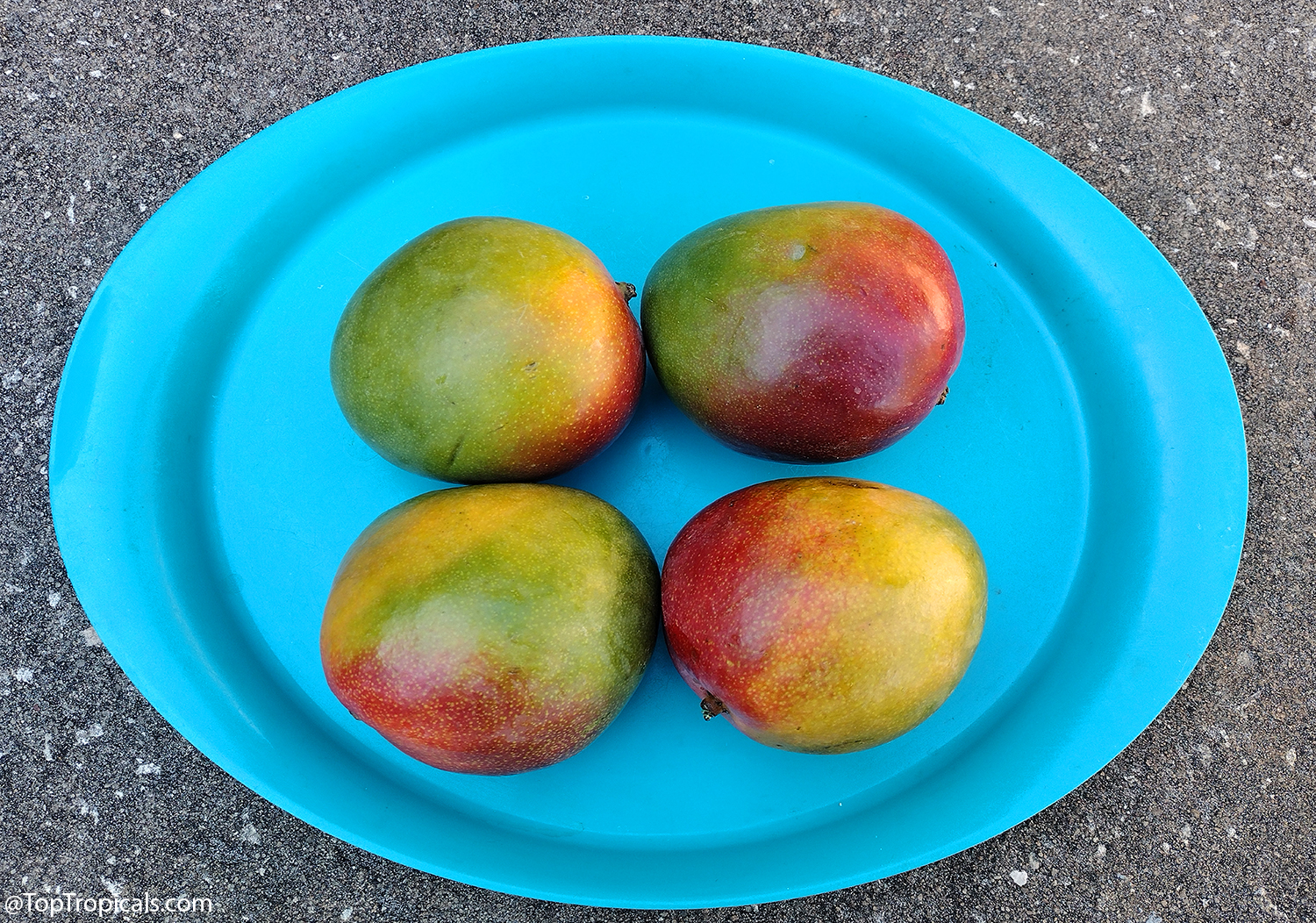
One fruit on this tray always stumps people

Tropical fruit on a tray

One fruit on this tray always stumps people

  • 🍉 Another day, another fruit tray from the garden! Even at the end of November, something is always ripening here in Florida. This tray turned out especially fun - a mix of familiar fruits and a couple that always make people guess twice!
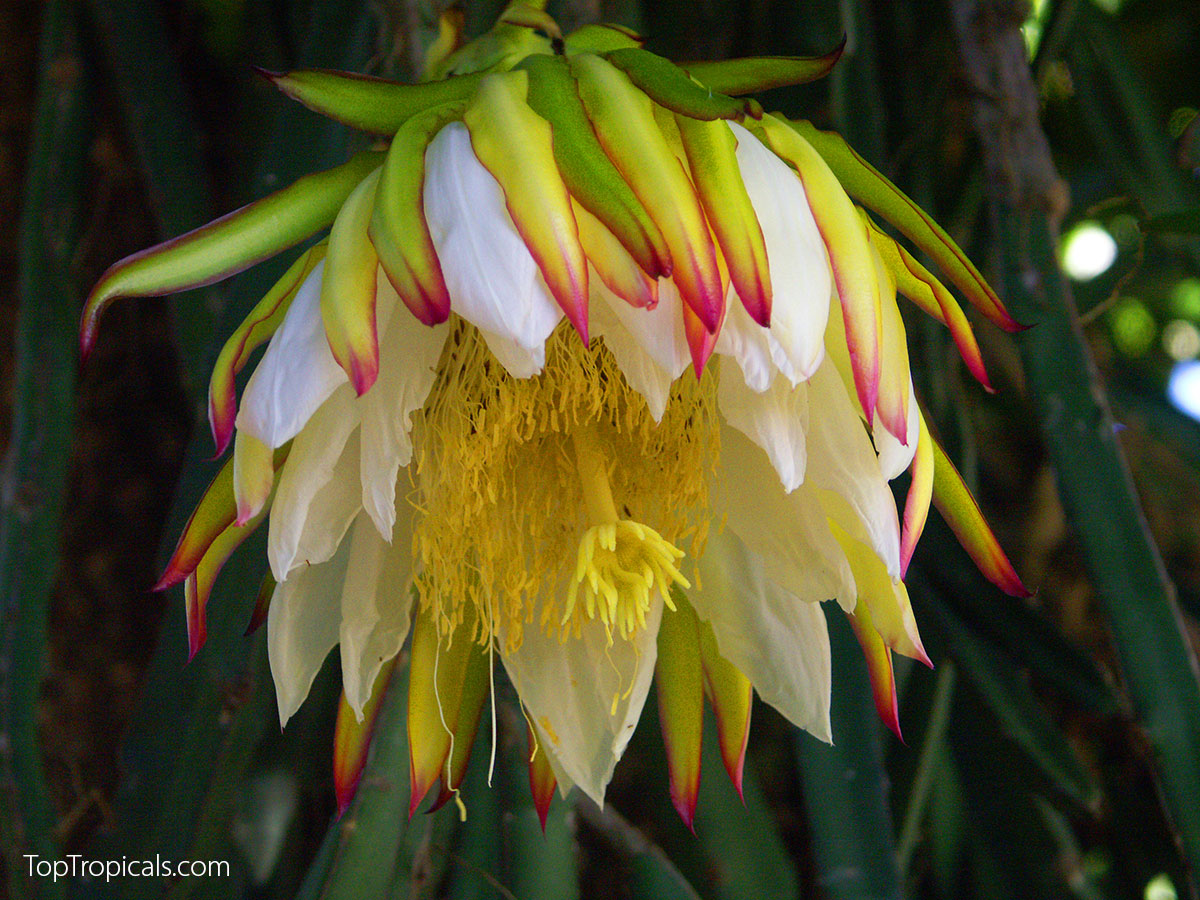
  • 🍉 Today’s harvest includes: sweet Persimmons, Star fruit, a few different dragon fruits: yellow Palora and white with red skin - this is Seoul Kitchen. There's also Cocoplum, which makes great drinks. And - ta-da! - the little showstopper of the day: Curly Locks Orchid Cactus fruit (Epiphyllum guatemalense Monstrosa). It looks wild, but it's edible and tastes like a tiny dragon fruit.
  • 🍉 If you live in Florida or any warm climate, growing your own fruit is one of the best gifts you can give yourself. Tropical fruit trees are generous plants - they don’t wait for a season, they give you something month after month. Some days it’s a handful, some days it’s a whole tray, but there’s always a fresh treat waiting. Once you start growing your own food, you realize how easy and rewarding it is to fill your garden with flavor.
  • 🍉 Every tray has a new surprise. Come along and see what the garden gives us next!


🛒 Explore rare tropical fruit

📚 Learn more:
#Food_Forest #Discover

🟢 Join 👉 TopTropicals

Date: 10 Mar 2024

Growing Adeniums: A Beginners Guide

Cat  with  adenium  flowers

Q: How to you keep Adenium happy and blooming like on the pictures?

A: Adeniums, also known as Desert Roses, are exotic and striking plants that can bring beauty to any indoor or outdoor garden. Despite their desert origins, they require a bit of care to thrive. Here's a simple guide to help you grow healthy and vibrant adeniums:

Light and Location: Adeniums prefer filtered light, although they can tolerate full sun. In hot climates, they thrive in bright, indirect light. Position your plant accordingly to ensure optimal growth.

Potting and Soil: Use a small pot with excellent drainage to prevent waterlogging. Opt for a well-draining soil mix specifically designed for adeniums or create your own mix using cactus mix with added limestone for slightly alkaline conditions.

Watering: Water sparingly, allowing the soil to dry out between waterings. Avoid overwatering, which can lead to caudex rot. Water in the early morning and ensure the plant drinks up throughout the day.

Fertilization: Use a liquid fertilizer with high phosphate content to encourage both caudex growth and flowering. Apply according to label instructions, avoiding direct contact with the caudex. We recommend Sunshine Megaflor.

Caring for the Caudex: To promote a large swollen caudex, gradually raise the plant each time you repot it, exposing the upper roots. This encourages the formation of additional roots.

Maintenance and Blooming: Adeniums typically bloom from spring through fall. Ensure they receive ample light for heavy flowering. Avoid wetting the leaves and apply fertilizer to support overall plant health.

By following these simple steps, you can enjoy the beauty of adeniums in your own garden or home. With proper care and attention, your Desert Roses will flourish and delight you with their stunning blooms.

Adenium  field

Date: 25 Feb 2021

Healthy Plants: Q&A from Mr Booster

Dragon Fruit Magic Tricks

Q: I purchased two sweet red pitayas, that arrived and were planted on May 28, 2020, they were damaged but not serious. my question is this one pitaya is a beautiful green, and has grown 6or 8 " already, the other is bigger and is a grayish green and has not shown any sign of growth at all in six weeks, how long do I wait before I throw it out and buy another?

A: Being a cactus, sometimes Pitaya slows down its growth waiting for more favorable conditions. If one of your plants doesn't show any new growth, just give a it some more time and make sure the plant stays happy. To make pitaya happy, provide the following:
- Water. Unlike most cacti, Pitaya prefers regular watering (but not a wet soil). Make sure it is planted in well-drained media. Do not water again if soil remains moist, wait until it dries out on the surface. During hot weather, Pitaya enjoys light daily watering.
- Light. Unlike most cacti, Pitaya benefits from a filtered light especially while establishing. Try to create a temporary shade over the plant until it starts active growth (if grown in the ground), or move the pot in filtered light. Dull color or dry spots are signs of sun burn. Once the plant shows new growth, you may remove sun protection, or move the pot gradually into the full sun.
- Food. Pitayas are heavy feeders. Use the following fertilizer:
SUNSHINE C-Cibus - Crop Nutrition Booster

Q: I've been growing dragon fruit cuttings from Okinawa, Thailand and Vietnam for several years in pots and cannot get them to fruit. Any fertilizer suggestions? I live in Northern Virginia so I bring the massive pots in the garage under lights and a heater for the winter but back outside once the temperature warms up.

A: There is a little trick to get Dragon fruit to flowering and fruiting. This plant likes flowering when it is attached to a strong support. In commercial plantations, they use special trellises/frames made out of logs, but you can make one yourself using simple materials.
See article: Do-It-Yourself Support Structure for Dragon Fruit.
And of course, don't forget a special plant food for tropical fruit - Sunshine C-Cibus.
You can successfully get your Dragon fruits to fruit in pots, providing bright light in Summer. In Winter, keep the plants on a dry side to give them some rest and a chance to hibernate before the next fruiting season.

Date: 1 Dec 2024

Does Queen of the Night bloom only one night out of the year?

Epiphyllum oxypetalum - Queen of the Night

Epiphyllum oxypetalum - Queen of the Night

Epiphyllum oxypetalum - Queen of the Night

Epiphyllum oxypetalum - Queen of the Night

Epiphyllum oxypetalum - Queen of the Night

Epiphyllum oxypetalum - Queen of the Night

Epiphyllum oxypetalum - Queen of the Night

Epiphyllum oxypetalum - Queen of the Night

Does Queen of the Night bloom only one night out of the year?

  • 💎 Epiphyllum oxypetalum - Queen of the Night, is a captivating cactus famous for its nocturnal, powerfully fragrant blooms!
  • 💎 Native to tropical rainforests, it thrives as an exotic houseplant with its wide, fleshy leaves.
  • 💎 This plant earns its royal title by producing stunning, large white fragrant flowers that open only at night, creating a spectacular and fleeting display of beauty.
  • 💎 Each flower lasts only one night, but if you missed it - no worries! New blooms will follow from multiple buds. So you actually will have several nights to enjoy it!

  • 💎 A must-have for those who love unique and fragrant indoor plants.


🛒 Order Queen of the Night

#Container_Garden #Shade_Garden #Fun_facts

🔴 Join 👉 TopTropicals
Date: 20 Apr 2024

What is the most bizarre flower? Starfish Flower

Starfish Flower (Stapelia gigantea), Carrion plant, Zulu Giant.

🌟 What is the most bizarre flower? Starfish Flower (Stapelia gigantea), Carrion plant, or Zulu Giant.
  • ✴️ Large, up to 12" wide flowers in shape of Star Fish.
  • ✴️ Another name Carrion refers to its unique scent, similar to rotting meat. Oddly enough, pollinating flies can't resist it
  • ✴️ The plant looks like a cactus, but it's really not, belonging to Milkweed family.
  • ✴️ Makes a stunning container plant and a conversation piece!


🛒 Order Starfish Flower online

🎥 Full video

#Nature_Wonders #Container_Garden

🏵 TopTropicals