Garden Blog - Top Tropicals

Date: 26 May 2026

♊ Gemini Season Starts. We Are Five Days Late. Very Gemini.
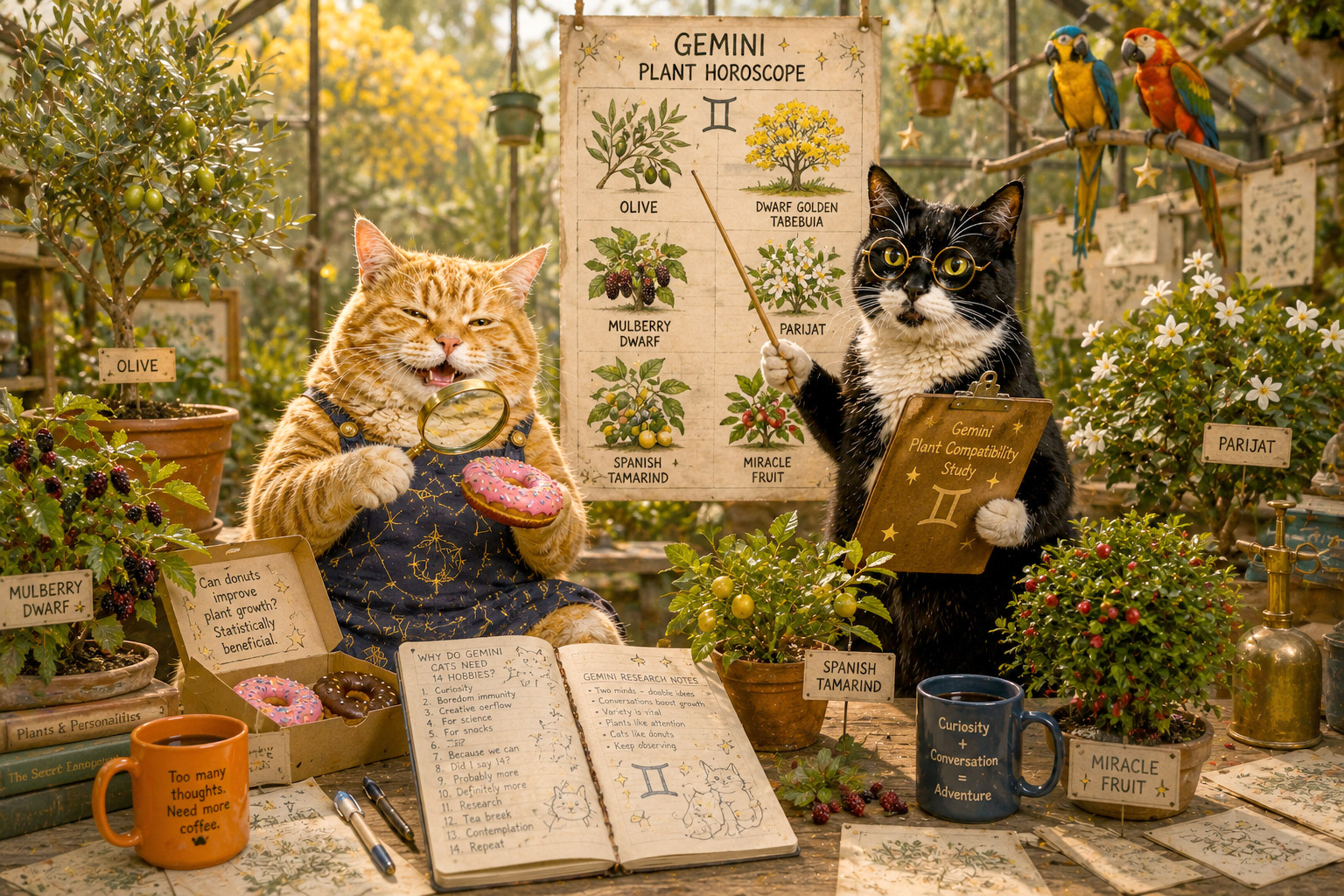
Smokey  and  Sunshine  with  Gemini  tropical  plants  in  a  whimsical 
 greenhouse
Sunshine: I once met a girl and asked what she does. She said she assembles gyroscopes. I told her I don't believe in gyroscopes.
Smokey: You meant horoscopes.
Sunshine: That is what I said.
Smokey: You said gyroscopes.
Sunshine: Same thing.
Smokey: One predicts your future. The other stabilizes aircraft.
Sunshine: I don't believe in aircraft either.
Smokey: She left, didn't she.
Sunshine: She said she had to go assemble something.

♊ Gemini season started on May 21. Today is May 26 But honestly? That is not a problem. That is actually very Gemini. Gemini probably got distracted, opened three browser tabs, started a new hobby, forgot what it was doing, and came back five days later with a notebook full of ideas and zero apologies. So here we are.

Why these plants and not others

No, there is no scientific proof that olive trees belong to Gemini. We checked. The olives refused to comment. But if you are going to assign plants to zodiac signs — and we are — then Gemini deserves plants with intelligence, motion, surprise, fragrance, and a little chaos. Gemini is the sign of curiosity, conversation, and dual natures. It gets bored easily and talks to everyone at the party. These plants were picked because they fit that energy. And also because they are genuinely good plants worth growing, which Smokey insisted we mention.

Olive (Olea europaea)
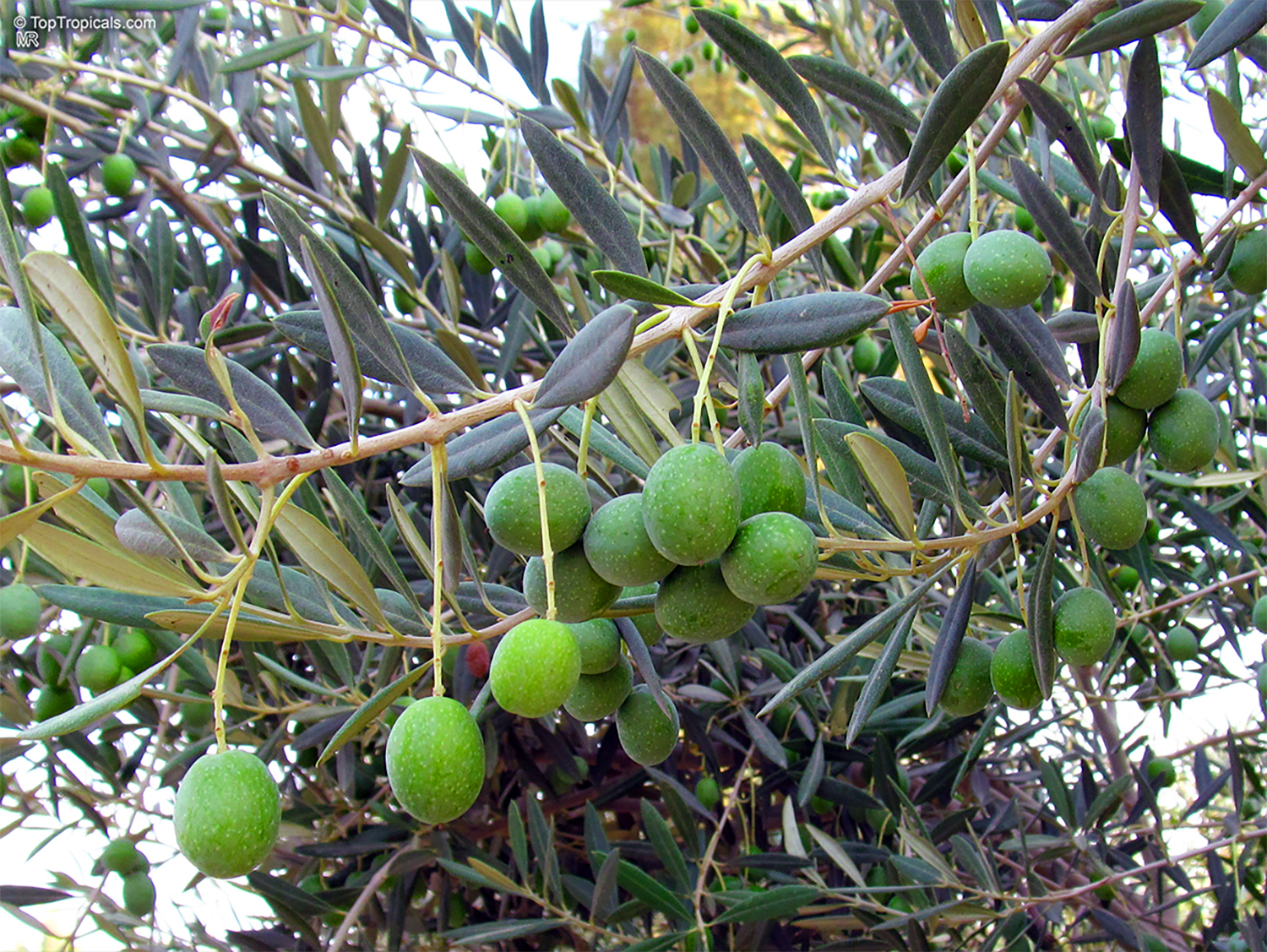
Close-up  of  an  olive  tree  branch  laden  with  clusters  of  green  olives 
 among  narrow  silvery-green  leaves.  The  fruit  is  ripening  on  the  tree  and 
 hanging  from  slender 
 stems.

Clusters of green olives developing on an olive tree branch. Olive trees are evergreen, drought-tolerant, and have been cultivated for thousands of years for both their fruit and the oil produced from it.

Olive is the thinking plant of this group. Ancient, silver-leaved, and quietly dramatic, it belongs to Gemini because Gemini loves history, long conversations, and plants that look like they know something you don't.

If you are growing olive in a container — which works very well — give it full sun, fast-draining soil, and a firm commitment to not overwatering it. Olive does not want wet feet. It wants to think in dry conditions, like a philosopher in a warm courtyard.

Smokey: Olive represents thousands of years of cultivation and human civilization.
Sunshine: And snacks with much better branding than they get credit for.

📚 More from garden blog

🛒 Shop olive trees

Dwarf Mulberry (Morus sp.)

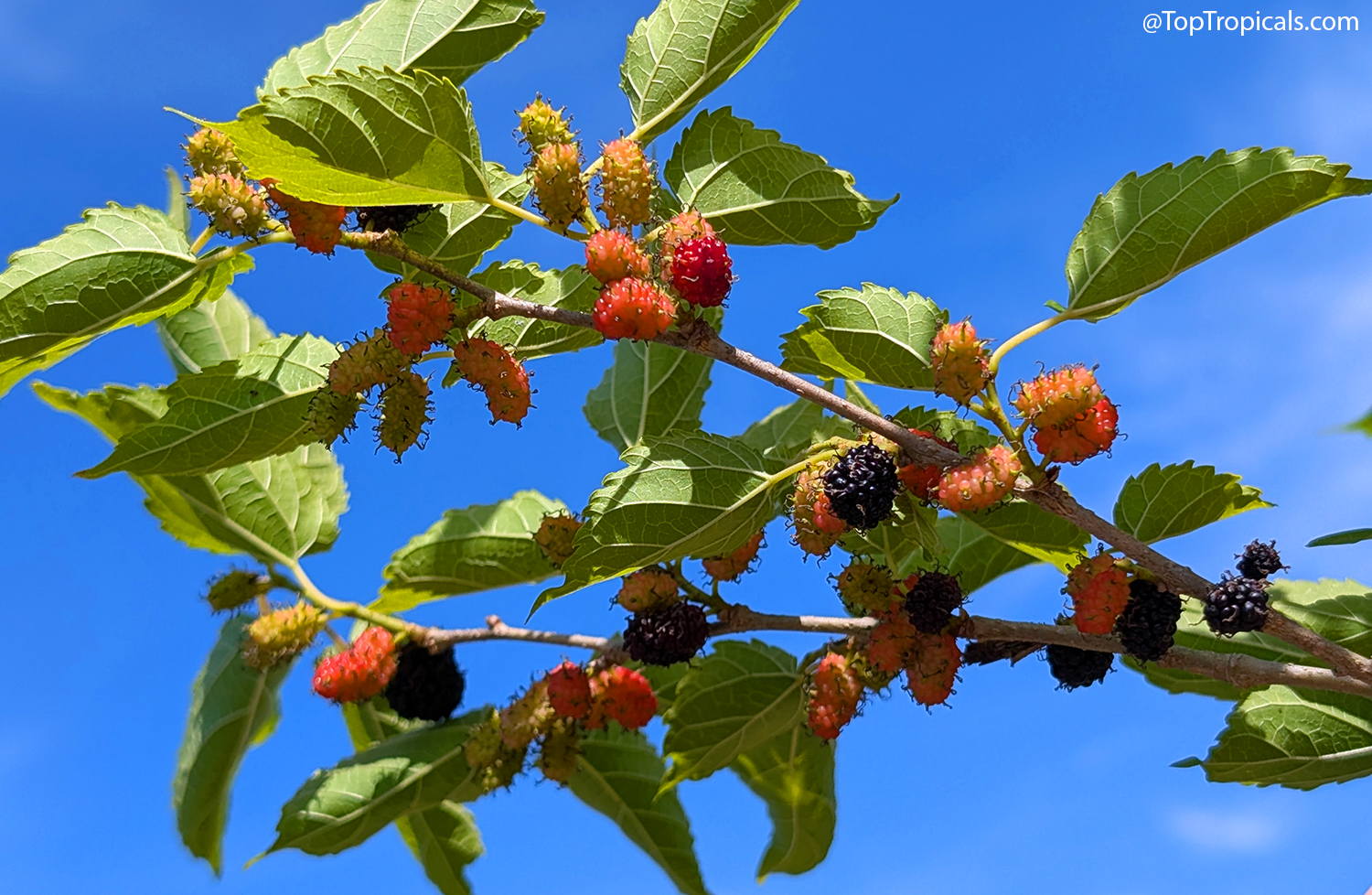
Branch  of  a  Dwarf  Everbearing  Mulberry  tree  displaying  fruit  in  various
    stages  of  ripening,  from  pale  green  and  pink  to  deep  purple-black,  against 
 a  bright  blue 
 sky.

Dwarf Everbearing Mulberry produces fruit over an extended season, often carrying berries in multiple stages of ripeness at the same time. The sweet, blackberry-like fruit is a favorite of both gardeners and wildlife.

Mulberry is Gemini in motion. It grows fast, produces generously, and absolutely refuses to be boring. A standard mulberry will take over your yard before you finish reading this sentence. A dwarf mulberry, however, is patio-friendly, container-happy, and still delivers fruit, birds, and mild garden chaos on schedule.

Prune after fruiting to keep the shape. Full sun. Large pot if you're growing in a container. This is the plant for people who want results and do not enjoy waiting.

Smokey: Efficient growth rate. Edible output. Compact habit. Reasonable choice.
Sunshine: Finally, a tree with a snack schedule.

📚 More from garden blog

🛒 Shop mulberry trees

Parijat (Nyctanthes arbor-tristis)

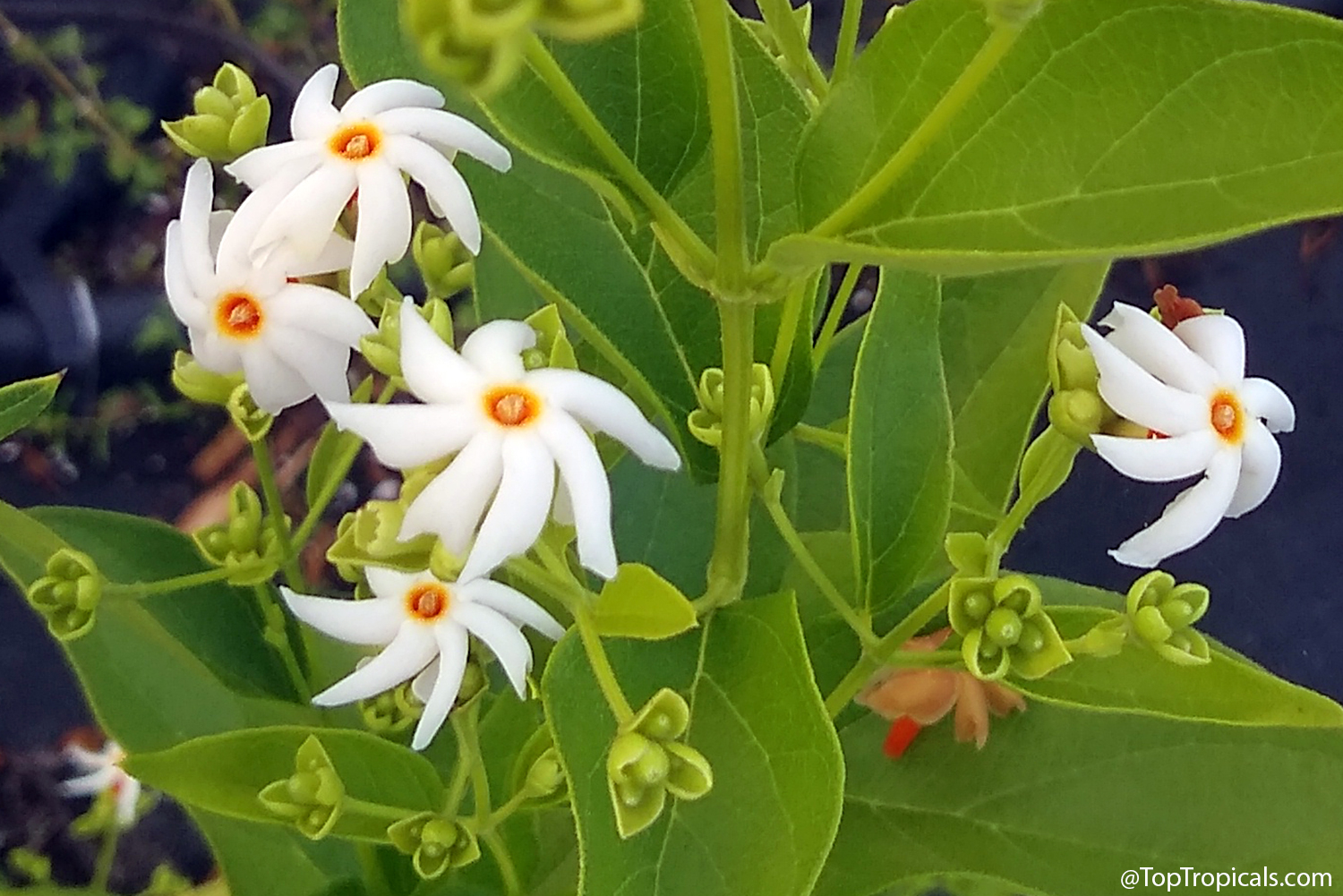
Close-up  of  Parijat  flowers  (Nyctanthes  arbor-tristis)  with  white 
 pinwheel-shaped  petals  and  bright  orange  centers  surrounded  by  fresh  green 
 leaves  and  unopened  flower 
 buds.

Parijat, also known as Night-Flowering Jasmine, produces fragrant white flowers with vivid orange centers that open at night and often carpet the ground beneath the tree by morning.

Parijat belongs to Gemini's quieter, more poetic side. It blooms with small fragrant white flowers — orange centers, delicate petals — often at night. By morning, the flowers have fallen. They drop like little messages from the universe, which Sunshine finds meaningful and Smokey finds botanically interesting.

This one is for the gardener who wants something to actually stop and look at. Good in containers, good on a warm patio, needs decent light and warmth to do its best work.

Smokey: Night-blooming pattern. Fragrant ornamental. Grows well in warm climates.
Sunshine: It's a tree that leaves notes.

📚 More from garden blog

🛒 Shop parijat

Dwarf Golden Tabebuia (Tabebuia chrysotricha)
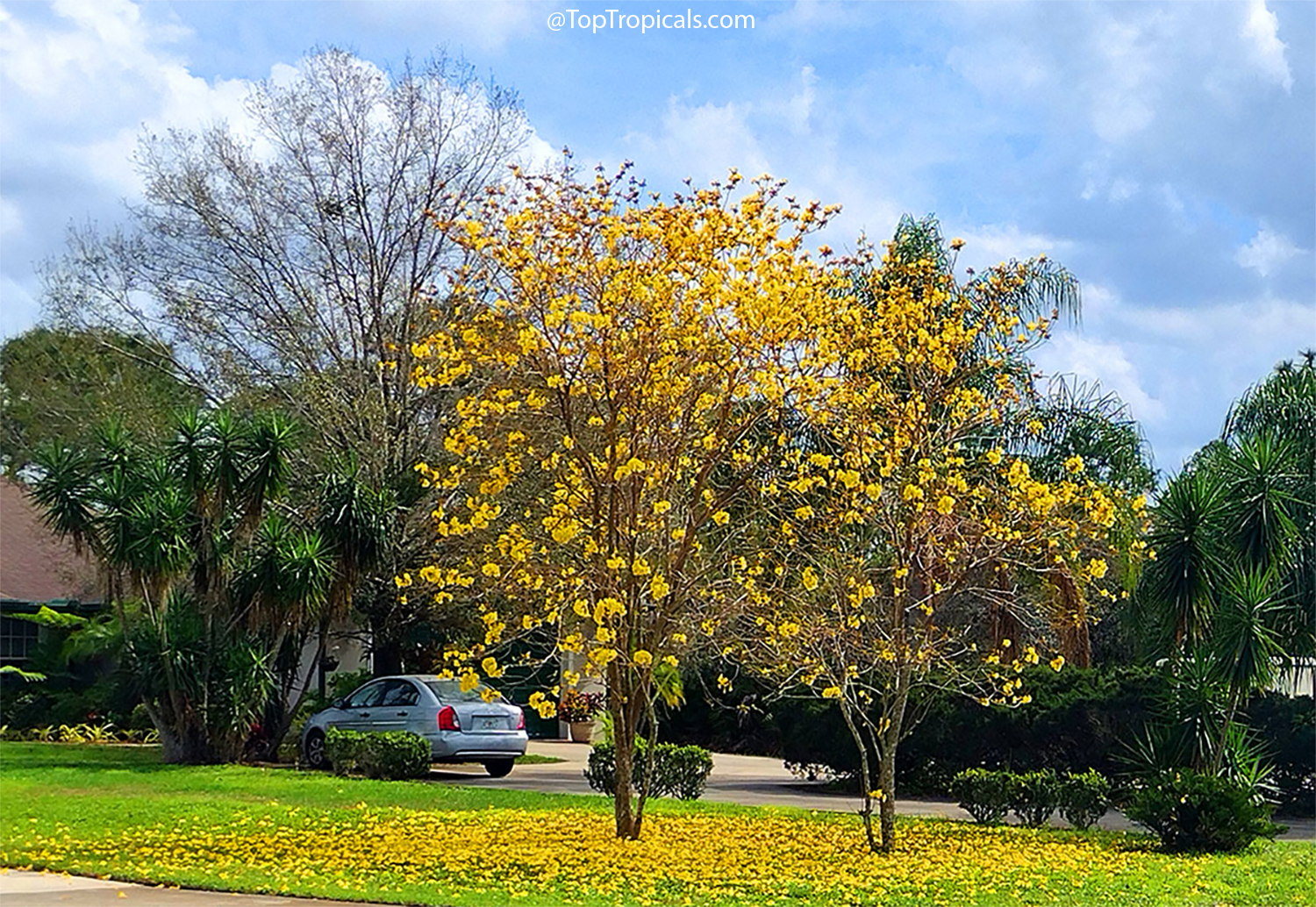
Dwarf  Golden  Tabebuia  tree  covered  in  bright  golden-yellow  flowers, 
 standing  in  a  lawn  beneath  a  blue  sky,  with  a  carpet  of  fallen  blossoms 
 surrounding  the 
 trunk.

Dwarf Golden Tabebuia puts on one of the most spectacular spring displays, covering its branches with brilliant golden flowers before the leaves emerge. The fallen blooms create a striking yellow carpet beneath the tree.

This is the Gemini show-off. Quiet for most of the year, then suddenly covered in golden yellow flowers like it just remembered it has an announcement to make.

Dwarf Golden Tabebuia is compact enough for a large container or a sunny entrance, but it needs strong light to bloom well. Give it sun. Give it room. Then step back and let it perform.

Smokey: Seasonal flowering response triggered by environmental conditions.
Sunshine: Botanical applause.

📚 More from garden blog

🛒 Shop Dwarf Tabebuia

Miracle Fruit (Synsepalum dulcificum)

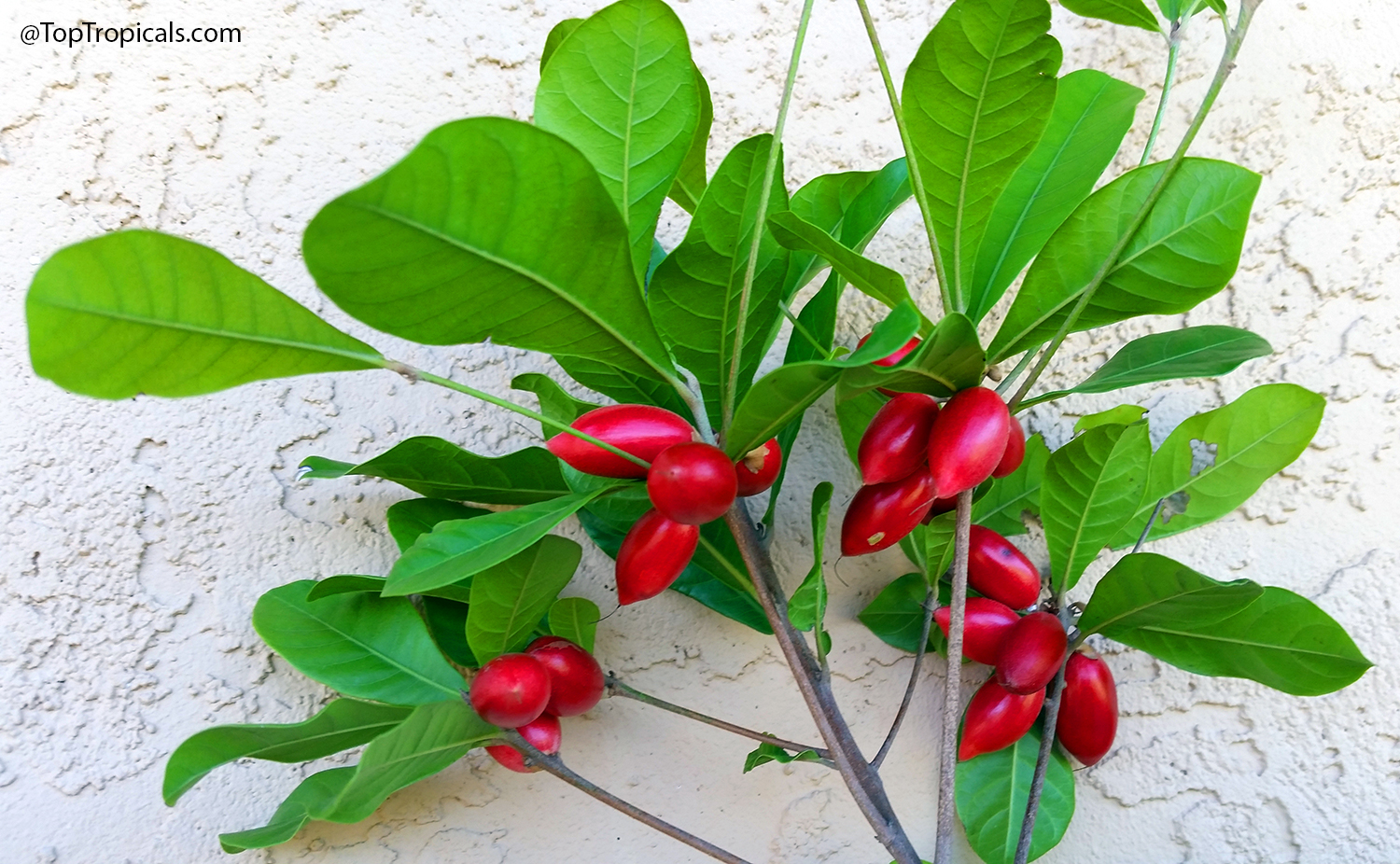
Clusters  of  bright  red  Miracle  Fruit  berries  growing  among  glossy  green
    leaves  on  a  compact  shrub.  The  elongated  fruits  stand  out  against  the  lush 
 foliage.

Miracle Fruit is famous for its unique berries, which contain miraculin - a natural compound that temporarily makes sour foods taste sweet. The attractive evergreen shrub produces bright red fruit and is well suited to containers and small gardens.

Miracle Fruit belongs on this list because it is, without argument, the most Gemini plant in existence. It does not taste like much on its own. But eat one berry and everything sour suddenly tastes sweet. Lemons taste like lemonade. Lime juice tastes like candy. A plain piece of sourdough becomes something you would pay extra for. The fruit literally changes how you experience everything that comes after it.

If that is not Gemini energy — dual nature, transformation, making you see the same thing two completely different ways — nothing is.

Miracle Fruit is a slow grower that likes warmth, humidity, acidic soil, and protection from cold. It does well in containers, which is good news because it genuinely hates frost. Keep it in a pot, bring it in when temperatures drop, and give it filtered light or morning sun rather than harsh afternoon exposure.

Smokey: The active compound is miraculin. It binds to taste receptors and distorts sour perception at low pH. Temporary effect, roughly thirty minutes to an hour.
Sunshine: It's a fruit that lies. Beautifully.

📚 More from garden blog

🛒 Shop Miracle Fruit

Spanish Tamarind (Wild Medlar, Vangueria infausta)
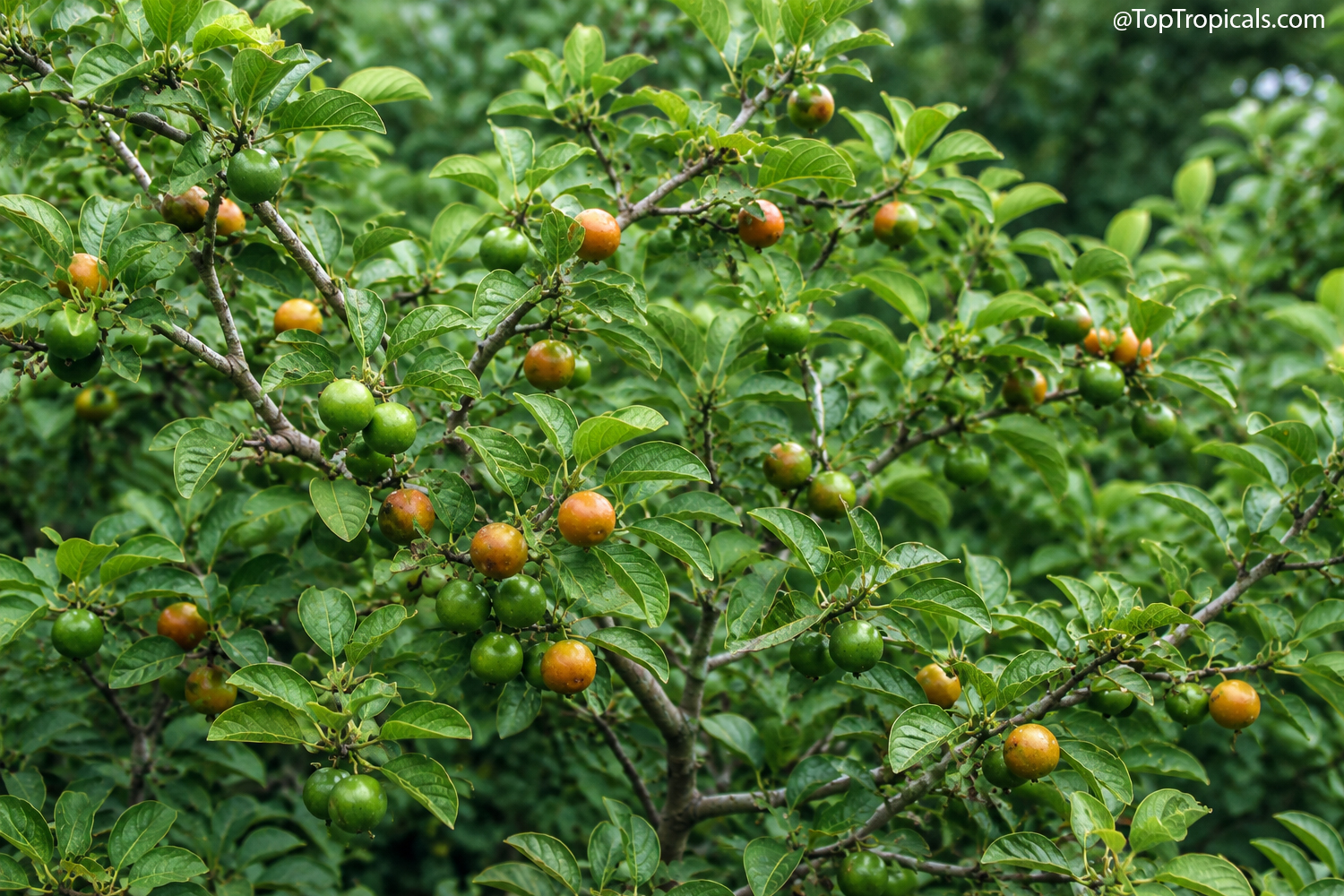
Spanish  Tamarind  (Vangueria  infausta)  tree  with  glossy  green  leaves  and
    clusters  of  round  fruit  in  various  stages  of  ripening,  from  green  to 
 golden-brown,  growing  on  branching  stems  in  a  lush  tropical  garden  setting.

Spanish Tamarind (Vangueria infausta) may be grown for its unusual fruit, but it also brings beauty to the garden with its lush foliage and heavy crops of ripening fruit. Green and golden-brown fruits often appear together on the tree, creating a colorful display.

Spanish Tamarind belongs to Gemini because it is unusual enough to start a conversation before anyone even knows what it is. The name alone does it. People will ask. You will explain. The fruit changes color as it ripens, the plant has collector appeal, and the whole thing feels like something you found in a book about plants that don't get enough attention.

This one needs warmth, sun, good drainage, and patience. It can live in a container with pruning. It rewards the gardener who is genuinely interested in something a little different.

Smokey: Tropical fruiting curiosity. Suitable for collectors.
Sunshine: Sounds like something I would order at a restaurant without reading the description.
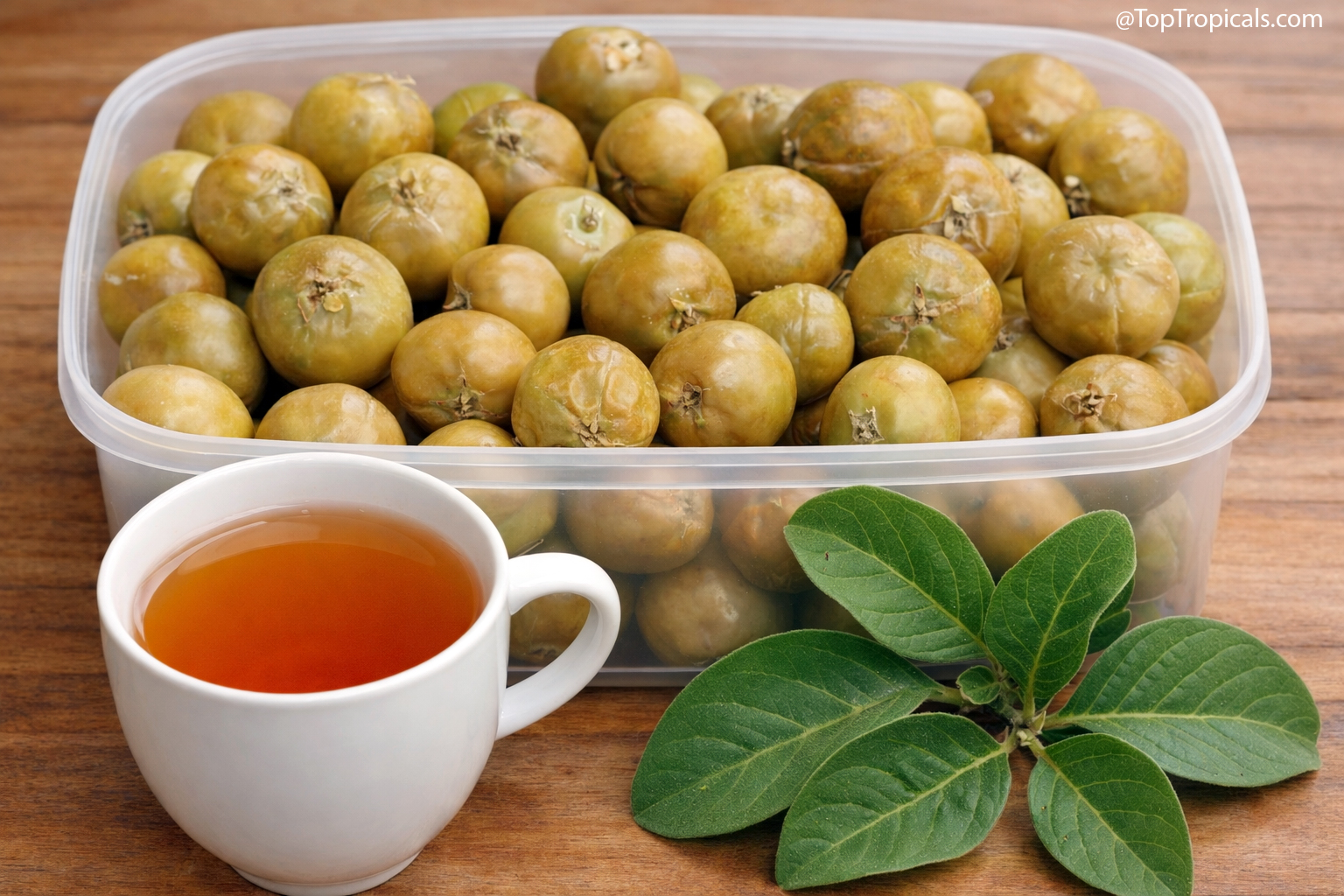
Container  filled  with  ripe  Spanish  Tamarind  (Vangueria  infausta)  fruit 
 on  a  wooden  table  beside  a  white  cup  of  amber-colored  fruit  tea  and  a  sprig 
 of  velvety  green  leaves.

One of the traditional uses of Spanish Tamarind (Vangueria infausta) is fruit tea. The ripe fruit can be dried and steeped to make a mild, refreshing drink rich in natural flavor, while the soft, velvety leaves have long been used in traditional herbal infusions.

📚 More from garden blog

🛒 Shop Spanish Tamarind

Horoscope aside — why these plants are actually worth growing

Even if Gemini energy has nothing to do with your garden, these plants offer real value: fruit, fragrance, flowers, container growing, and something interesting to look at or talk about.

  • Olive — full sun, excellent drainage, don't overwater, thrives in containers. Tropical varieties: USDA Zone: 8-10. Cold hardy to 15-20°F.
  • Dwarf Mulberry — full sun, large pot, prune after fruiting, fast results. USDA Zone: 8-11. Cold hardy to 20-25°F. Most mulberry varieties can be grown in USDA Zone 5-6 to 10 and cold hardy to 5°F.
  • Parijat — warmth, good light, patio or container, fragrant and ornamental. USDA Zone 9-11. Tolerates light freezing to about 30°F for short periods (mature plants). Young plants must be protected.
  • Dwarf Golden Tabebuia — strong sun, large container or sunny ground spot, compact but dramatic when it blooms. USDA Zone 9-11. Protect young plants from frost. Best flowering in full sun.
  • Spanish Tamarind — warmth, sun, drainage, patience, collector interest. USDA Zone 9-11. USDA Zone 10-11, possibly warm Zone 9b in protected microclimates. Protect from frost, especially young plants.
  • Miracle Fruit — warmth, humidity, acidic soil, filtered light, protect from frost. Best in containers. USDA Zone 10-11. Cold hardy only to about 40°F — bring it in well before first frost, not after.

Can you grow them in pots?

Yes. With the standard warning: a pot is not magic. Use a large container, fast-draining soil, full sun where the plant wants it, regular feeding with Green Magic conrolled-release fertilizer every 6 months and Sunshine Boosters - safe to use with every watering. Apply a bit of pruning when things get out of hand.

Smokey: A pot is just a smaller universe.
Sunshine: A pot is a drainage system with ambitions.

📅June gardening reality check

June is a good time to establish tropical and subtropical plants. The soil is warm, the days are long, and actively growing plants will take root faster than they would in cooler months.

👉 A few things to keep in mind:

  • Containers dry out fast even when rain increases. Check them. Don't assume rain did the job.
  • Don't let pots sit in standing water. Root rot is quiet until it isn't.
  • Feed actively growing plants. They are working hard and they need the input. We recommend Green Magic controlled release fertilizer during active growth (twice a year) and Sunshine Boosters for spray and daily watering year around.

    📚 More about fertilizers from our garden Blog

  • Watch new growth for pests. Tender leaves are the first target.
  • Prune lightly to shape if needed, but don't do heavy cutting in peak heat. Save that for after flowering or early in the season.
  • Mulch around in-ground plants to hold moisture, but keep mulch away from the trunk.

🌠 The stars don't care? Grow anyway!

Maybe the stars do not care whether your garden is a Gemini garden. Maybe olive trees are not receiving transmissions from Mercury. But a garden full of fruit, fragrance, flowers, and strange little stories is still a very good idea.

Smokey: That is the first reasonable conclusion in this entire article.
Sunshine: Second. The donut research was also important.

Happy Gemini gardening season from all of us!

🛒 Shop tropical fruit and flowers

🎤 NEW: Interview With Smokey & Sunshine

Date: 24 Nov 2020

Fall Garden Festival @ TopTropicals

- Amazing Momentos -

The biggest Garden Event in TopTropicals history just happened! (and bigger event yet to come!)
Fall Garden Festival on Saturday 11/21/20 was a blast! We had so many amazing vendors with cool, sunny, happy products.
We would like to thank everyone who brought their arts, crafts, and their LOVE to our gardens, and to all the guests who really enjoyed the show! As always, Pros and Congas live jazz set a tropical tune to the day. Please come again to our future events and share your talents with the World!

Special thanks to our vendors:

Izzy Baquerizo - Graphic Artist (Fort Myers)
Tony Campo Gallery
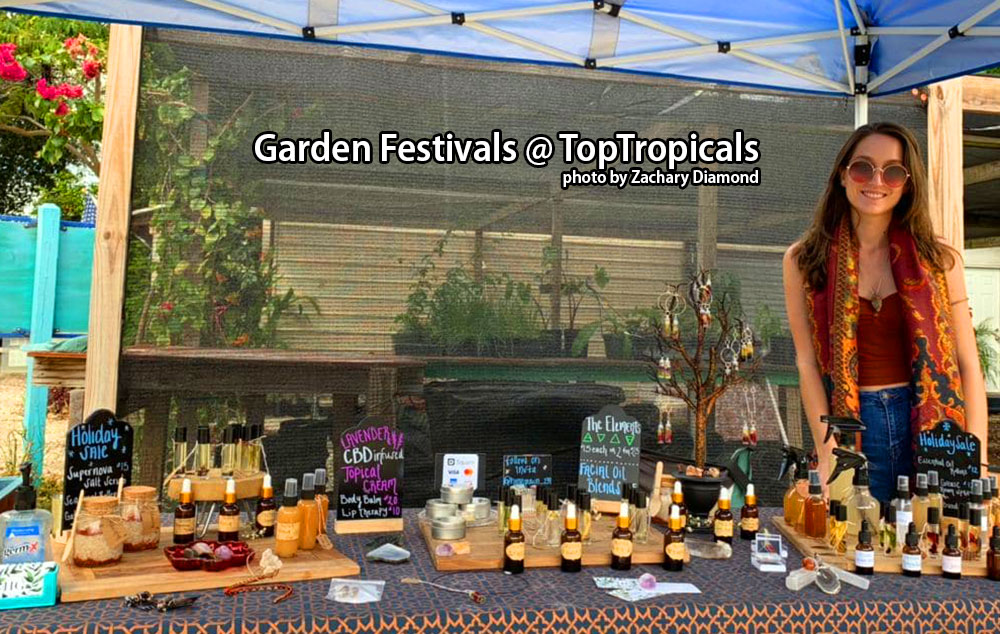
Homegrown - tropical oils, creams and blends by Rebekah Bunting
Sara's Stowers Jewelry - Resin and Clay Jewelry (Naples)
Kelsey's Treasure - Macrame & Wire Jewelry (Fort Myers)
Cinthya Celeste - with her Moonlight Gypsy Tarot Card Readings
Twain's Tye Dye @asmrdotcommunity @twains.tyedye (Spark Twain)
Elijam Adams - Hoop Flow (St. Petersburg, FL)
Someuglyrugs
See all participants with links to their businesses

See more photos of the event >>

Moonlight Gypsy Tarot Card Readings

Sara's Stowers Jewelry - Resin and Clay Jewelry (Naples)

Rebekah Bunting with Homegrown - tropical oils, creams and blends

Kelsey's Treasure - Macrame & Wire Jewelry (Fort Myers)

King - the Star of the Show

Date: 4 Apr 2020

You are safe in your garden!

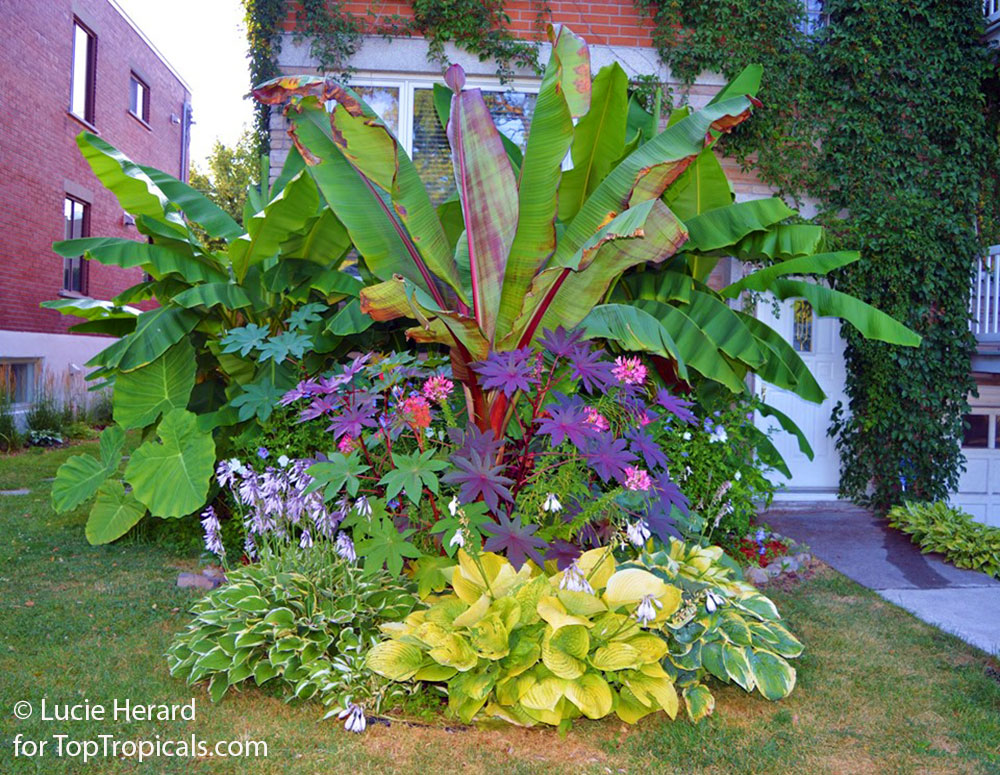
"In front of my house, banana Musa basjoo in ground since more than 12 years!"
Lucie Herard, Montreal Tropical.

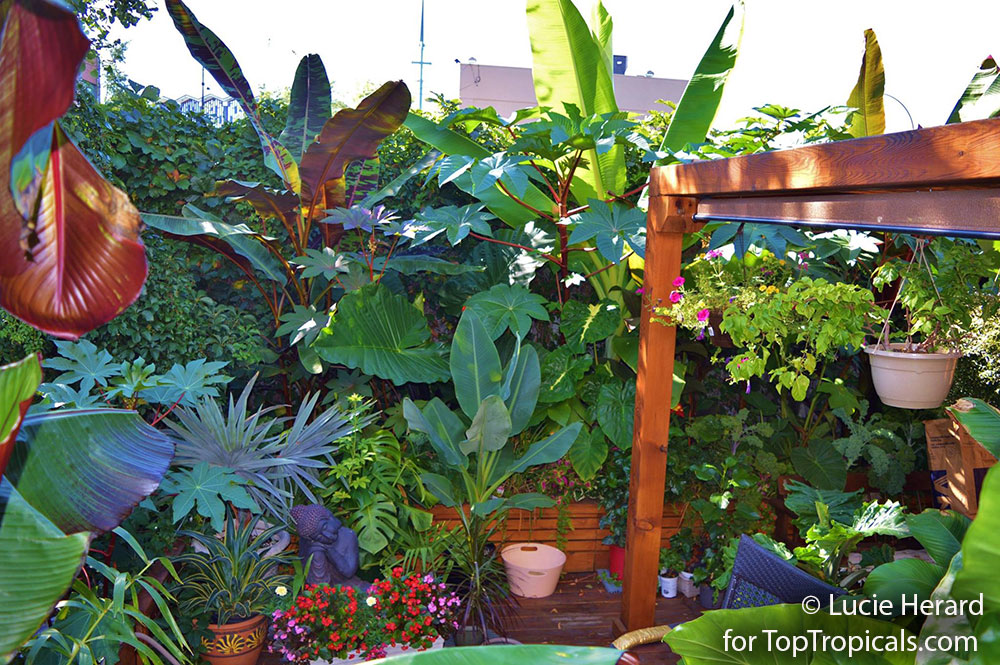
Lucie's tropical garden in Montreal, Canada:
"The movement of plants fascinates me!"

Our customer Lucie Herard shared pictures of her tropical garden with us... Many of you have beautiful gardens that you are proud of... but this one is... in Canada! Believe it or not, before winter she digs everything up and brings it inside! Then in Spring, she starts again every year. Dedication? Determination? Heroism! Lucie won the Planet Bananiers photo contest for the third time.
Look at these pictures and visit Lucie's Facebook page for more photos and videos of her amazing garden. Ask yourself: and what can I do? Is my life really that hard with mowing a lawn once a week and blowing the leaves? You don't have to be a hero to make something worthwhile in your life. Just take a shovel and start... one plant a day. And you will end up living in Paradise.
Lucie reminds you: "Ornamental horticulture production activities are now considered an essential service! Add soil in a pot, water very slightly for the first two weeks and put closer to the window. That's all, the leaves will start growing again!"

Tropical Paradise Contest 2020

Share with us photos of your garden. The winner of this contest will get plants $200 worth, with FREE shipping!

Submit your photos before April 15, 2020
and win $200 in tropical plants!

Date: 23 Sep 2024

Ten top fruiting plants you'll ever need
for your health benefits

Top  Tropicals  Fruit

Q: I planted Mango and Avocado trees, and I still have room for more trees but want to use the space wisely. What other trees should I plant to get the most benefits out of the fruit?

A: Everyone loves planting Mango or Avocado trees for their well-known benefits. But did you know that adding a variety of other fruit trees to your garden can expand those benefits even more? If you plant just one of each of these 10 trees, you'll have a complete spectrum of nutrients and health-boosting ingredients you ever need. With a diverse range of healthy fruits, you'll boost your diet, improve your health, and elevate your lifestyle. Let's check out the TOP TEN most rewarding and useful fruit...

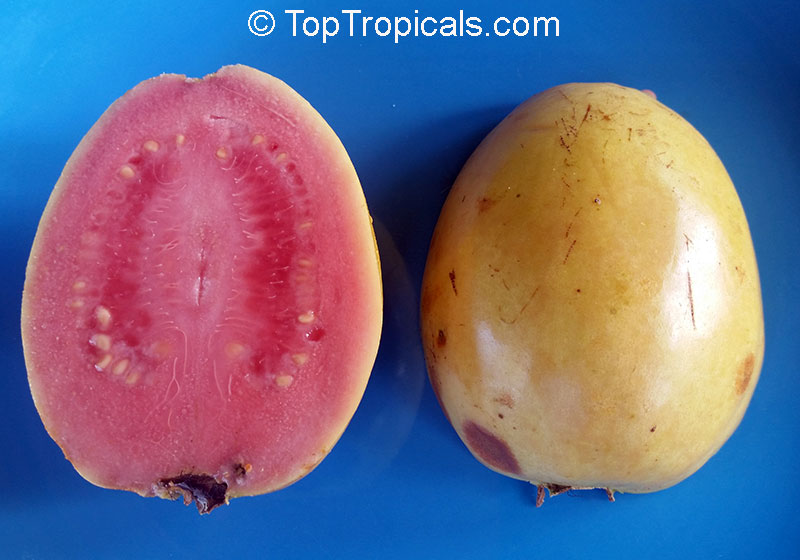
1. Guava

Guava  fruit

Guava is rich in vitamin C, which boosts the immune system and helps protect against colds and infections.
Guava helps regulate blood sugar levels, making it a good option for people with diabetes.
Its potassium content helps maintain healthy blood pressure.
Guava's antioxidants, like lycopene and vitamin C, contribute to glowing skin and may reduce the risk of cancer.
Guava is eaten fresh, made into juices, jams, and jellies, or added to desserts and smoothies.

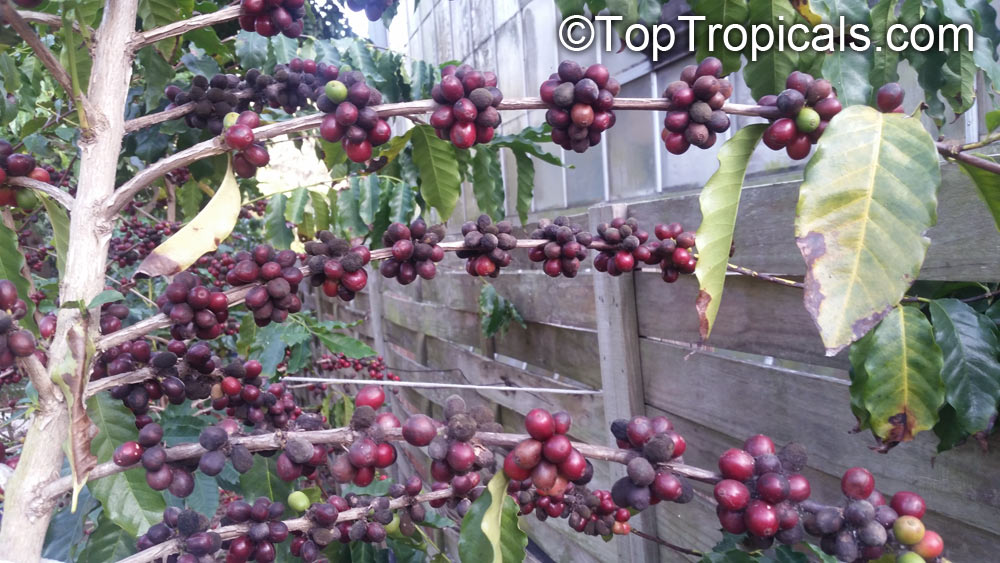
2. Coffee

Coffee  fruit

Coffee is widely enjoyed as a beverage and is used in various desserts and drinks.
It is rich in antioxidants, which may reduce inflammation and lower the risk of chronic diseases.
It improves focus and mental alertness due to its caffeine content.
Coffee boosts metabolism and aid in fat burning, supporting weight management.

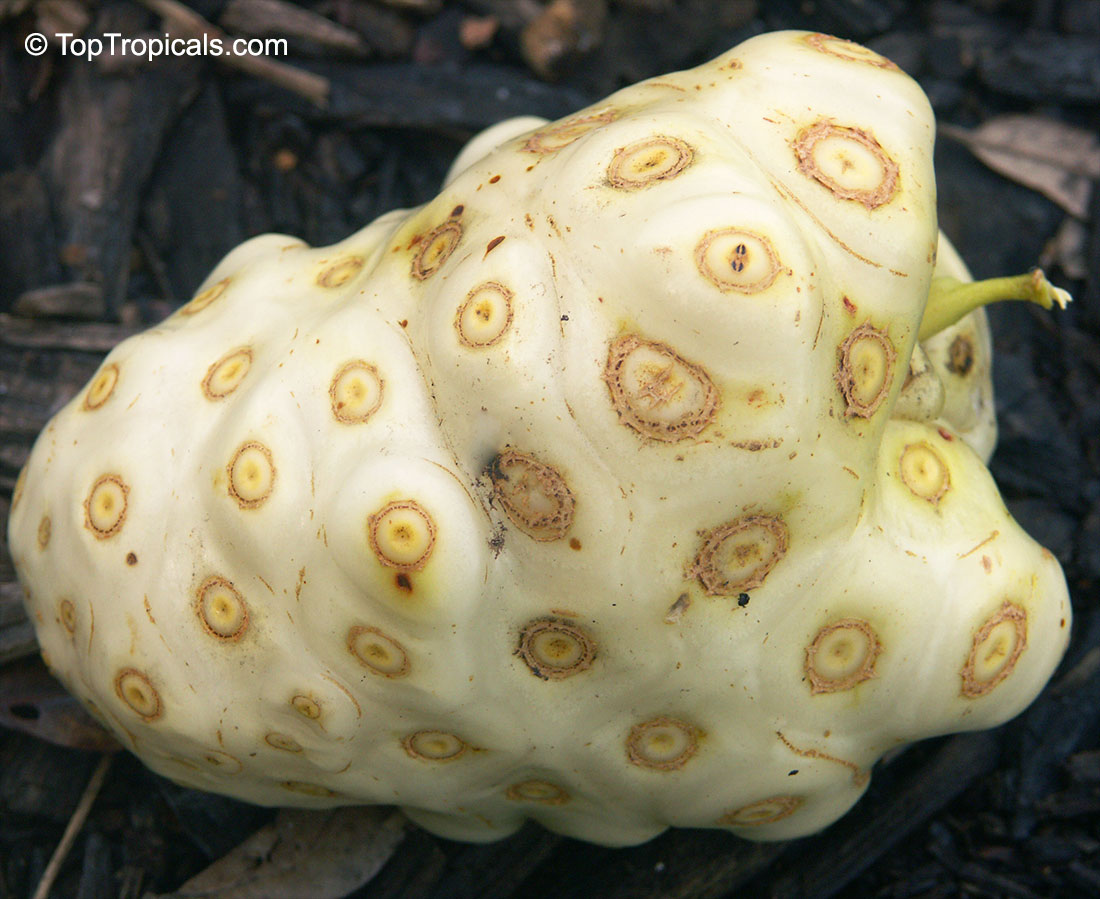
3. Noni

Noni  fruit

Noni is known for its anti-inflammatory properties and may help reduce joint pain and arthritis symptoms.
Fresh noni fruit and juice are popular in traditional herbal medicine and drinks.
It boosts the immune system due to its rich vitamin C content.
Noni juice is used traditionally to improve digestion and fight infections.

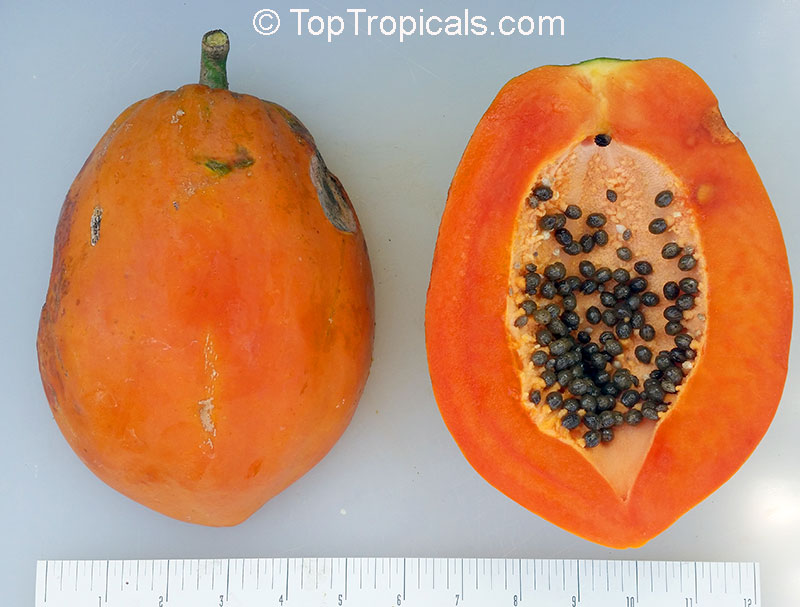
4. Papaya

Papaya  fruit

Papaya is a popular ingredient in salads, smoothies, and tropical desserts.
It contains enzymes like papain that aid digestion and reduce bloating.
It is high in vitamin C and vitamin A, the antioxidants in papaya may protect against heart disease and reduce cancer risk.

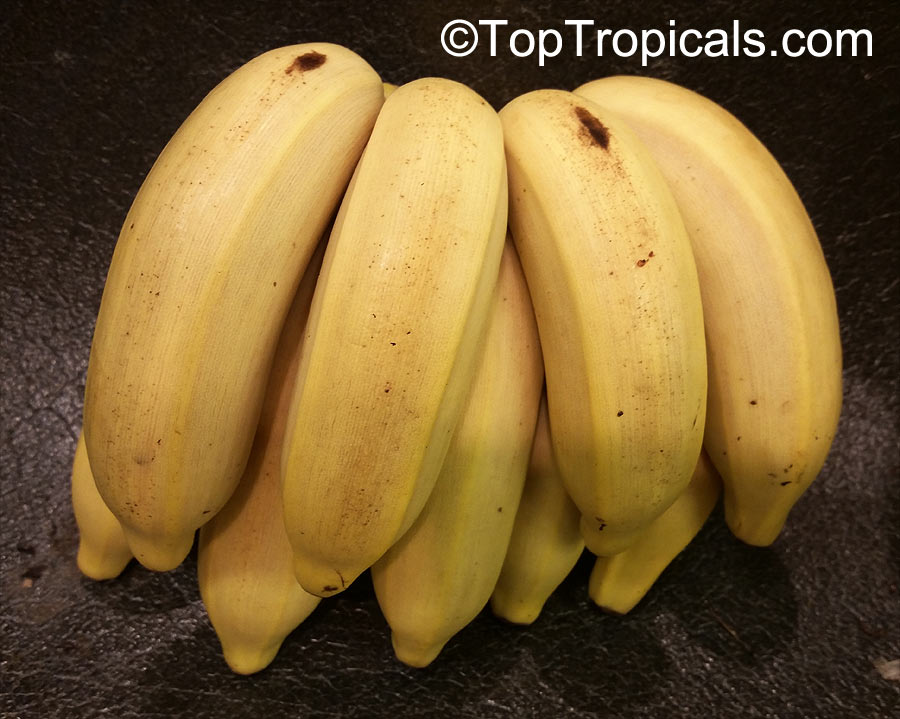
5. Banana

Persimmon  fruit

Bananas are rich in potassium, which helps regulate blood pressure and supports heart health.
They provide a quick source of energy and are great for post-workout recovery.
The fiber in bananas aids digestion and promotes gut health.
East them fresh, add to smoothies, bake into breads and desserts, or use in various savory dishes.

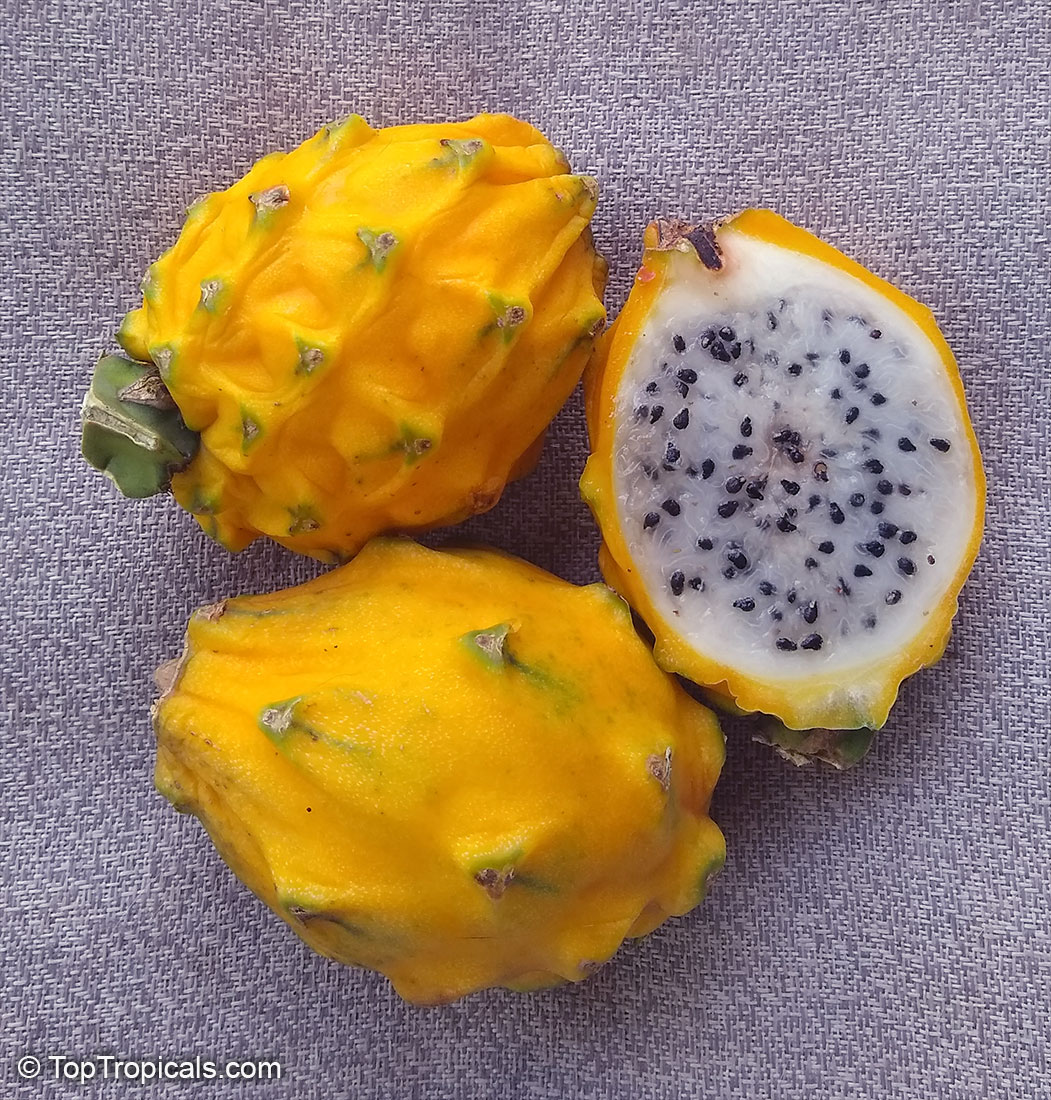
6. Dragon fruit

Dragon  fruit

Dragon fruit is often used in smoothies, fruit salads, and refreshing drinks.
It is high in fiber, aiding digestion and promoting gut health. Low in calories and packed with nutrients, it's great for weight management.

7. Tamarind

Tamarind  fruit

Tamarind is a common ingredient in sauces, chutneys, and beverages.
Rich in antioxidants, it protects the liver and reduces inflammation.
It contains natural compounds that help lower cholesterol and improve heart health. Tamarind has a mild laxative effect, aiding digestion and relieving constipation.

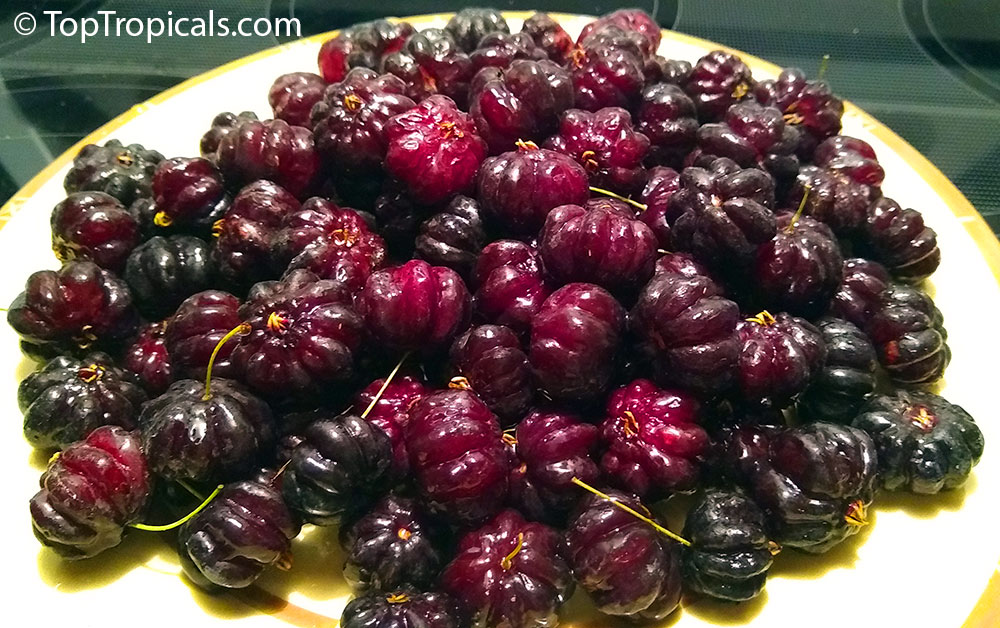
8. Loilita (Surinam) Cherry

Surinam  cherry  fruit

Surinam cherry is rich in vitamin C, boosting the immune system and skin health.
Its antioxidants reduce inflammation and protect against free radical damage. It contains fiber, which supports healthy digestion.
Surinam cherries are used in jams, sauces, and desserts or eaten fresh.

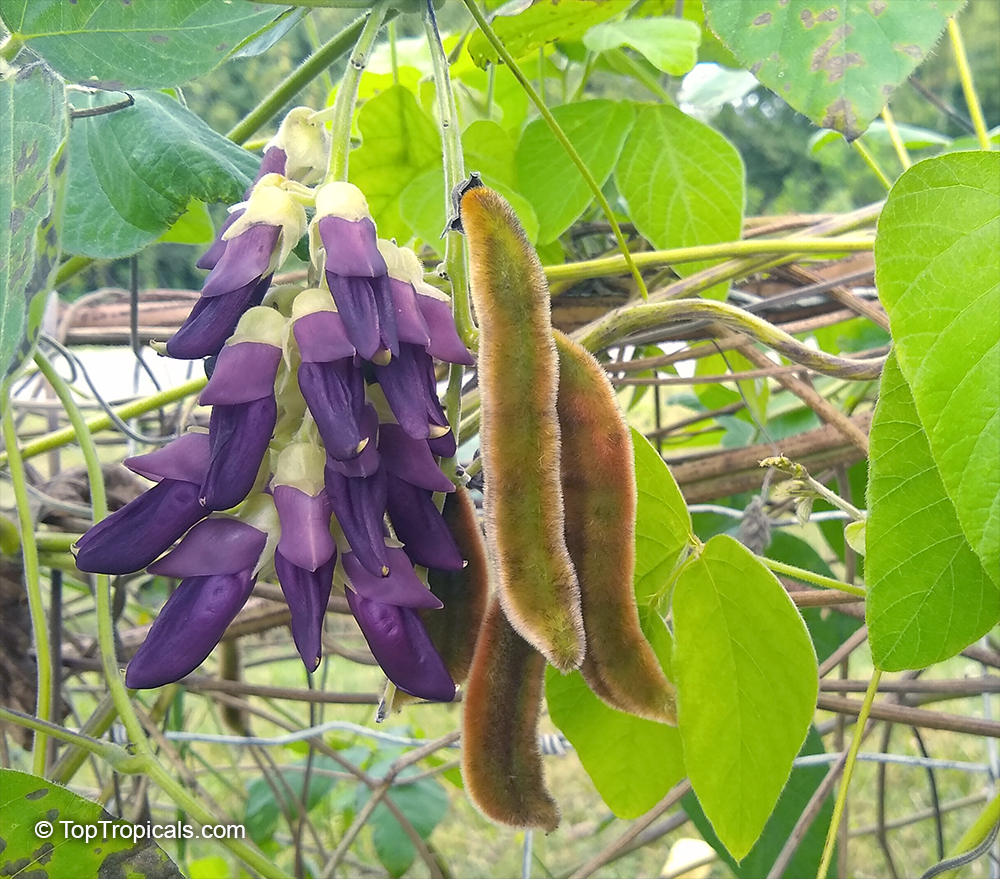
9. Nescafe

Nescafe

Nescafe - Mucuna pruriens - is used in herbal supplements or ground into powder for teas and health drinks.
It is known for its potential to boost dopamine levels, improving mood and reducing stress.
It supports cognitive function, muscle growth and increases energy levels.

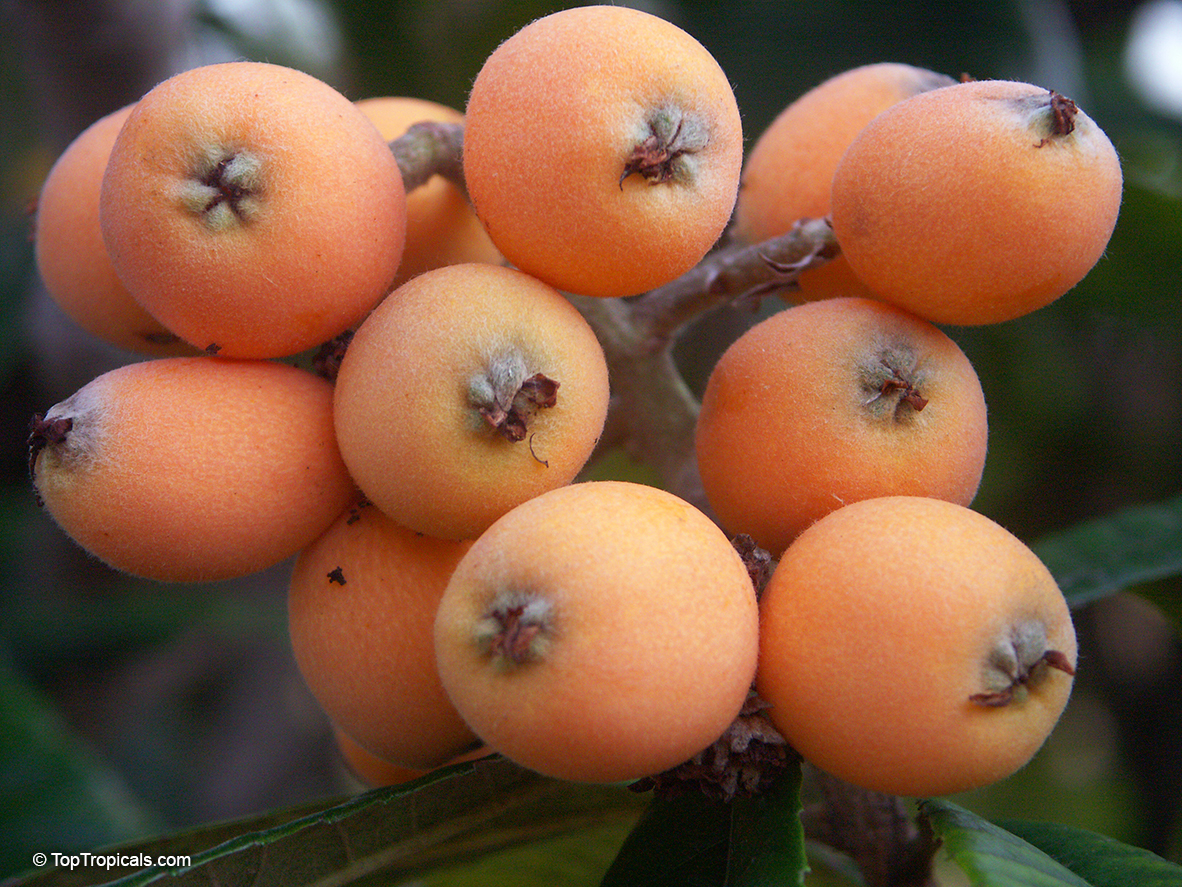
10. Loquat

Loquat  fruit

Loquat are very popular and are eaten fresh or used in making jams, jellies, pies, and fruit salads.
Loquat is rich in vitamin A, supporting eye health. It contains antioxidants that help fight inflammation and reduce the risk of chronic diseases. The fiber in loquats aids digestion and helps maintain healthy blood sugar levels.

By planting these 10 diverse fruit trees, you'll not only enjoy a delicious and abundant harvest but also ensure your garden provides all the nutrients needed for a healthier, more vibrant life.

Date: 23 Mar 2020

Garden Sustainability Tips: Live your Life. Dig your Garden.

You can grow herbs and vegetables that can be easy incorporated into your home landscape. You don't need a raised bed for a few little things that will come really handy for your kitchen.

1. Parsley. Get a small 4"pot parsley plant from a local garden center. It grows super fast and just one plant can provide great healthy addition for your cooking for a few months. Plant in in full sun, under a tree or shrub, where it gets hit by a sprinkler.
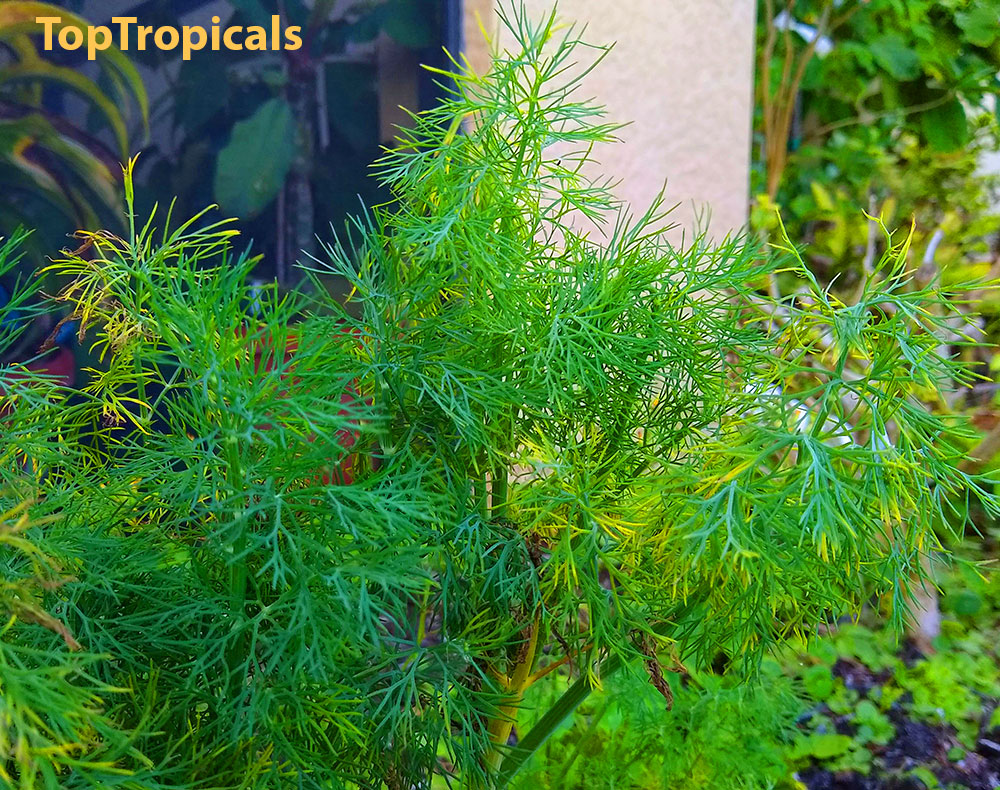
2. Dill. This one grows from seeds quickly and easily. It also needs full sun and regular water.
3. Chives, or Green Onion. Don't through away"bulbs"from chives you got from the store. Stick them in the ground, pretty much anywhere in your garden. You will have supply of fresh chives loaded with vitamins right away (withing a few days!) and for many months. You can also plant an onion bulb (root-end down... duh) - this one will produce greens even faster!
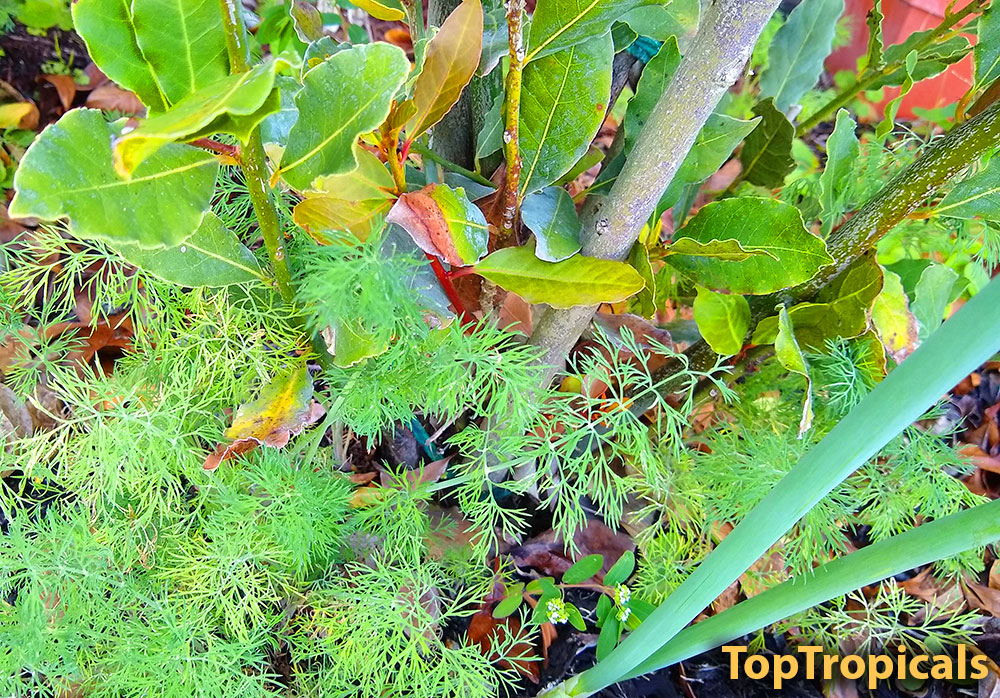
4. Bay Leaf. If you live in a mild climate, plant a Bay Leaf in your yard (closer to the door - closer to the kitchen!). It is a wonderful healthy spice for soups and stews that makes them super flavorful. If your winters are cold, keep the plant in a pot. Bay Leaf makes a great undemanding houseplant that needs bright light, but very little water.
5. Cherry tomatoes are easy to grow, heat tolerant and even grow in lower light, so they are easy to incorporate into any existing landscape. Get Sunshine Boosters to double your crop: see how it works.
6. More herbs and spices. Check out our large selection of herbs and spices - they are on sale today!
7. Garden work is a great exercise. While the gym is closed - get to gardening. Read about Fun workout and Calories Burning Gardening.
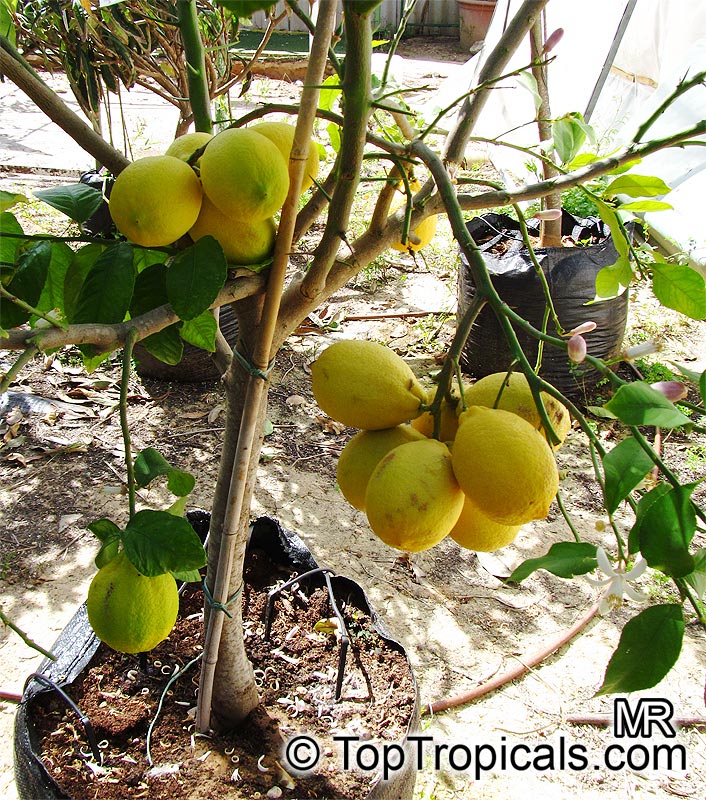
8. Lemons. Vitamin C is your best friend for boosting immune system, and Lemons have tons of it! In areas where citrus can grow outside, Lemon tree is a must-have for your garden, or at least find a friend who has one! Citrus also makes a great house plant, so you can keep it in a pot, too. Just make sure to have a grafted tree that will produce right away.

Lemon Juice Health Booster Recipe

1. Squeeze juice from 1 lemon and mix it with 1 cup of water.
2. Add ice cubes and 1-2 tbsp of any flavored syrup (optional). You may add some fresh mint for Mojito flavor.
3. Enjoy this drink at least once a day.
4. Get a bunch of lemons, squeeze fresh juice into ice cube trays and freeze. 1 lemon = makes 1 ice cube. Store in freezer and use 1-2 cubes to make the above drink, daily.

Besides being rich in vitamin C that will boost your immune system, Lemon juice is a Natural medicine that helps to treat:
- cold and flu
- headaches and high blood pressure
- stomach problems
- insomnia
- and much more
Drinking lemon juice on regular basis will make your body stronger and more resistant to infections and many illnesses.

Please take good care of yourself and your loved ones. Stay healthy.