Date: 19 Jan 2022
Avocado Q & A
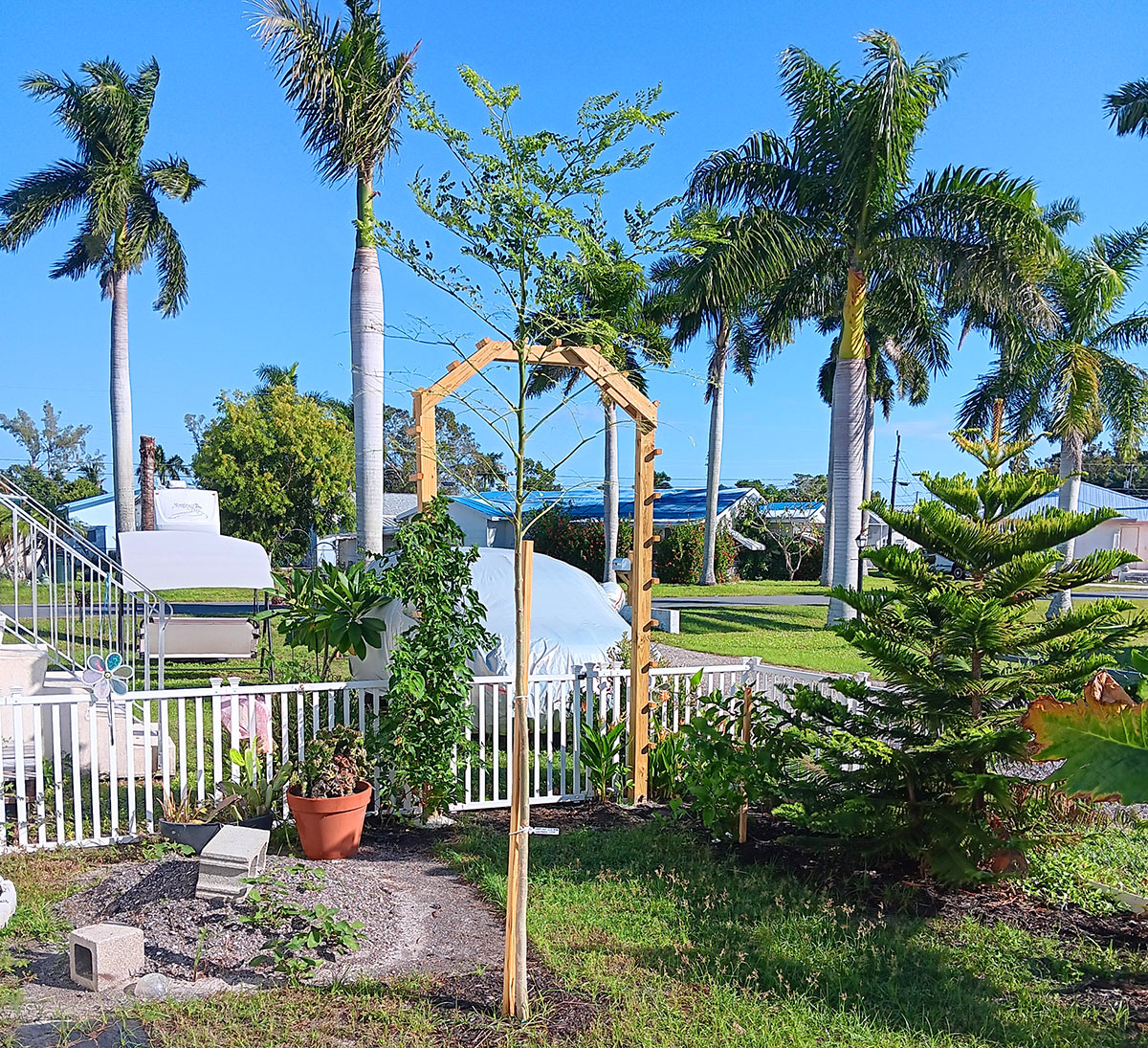
Sensation: Avocado 2.5 y.o seedling just bloomed!
Ed's Avocado seedling blooming at age 2.5 years old... Go figure!
Q: Can I plant a seed from a store bought avocado and expect it to bear fruit?
A: Avocados grown from seed do not always come true, meaning being the same as the avocado that produced the seed being planted. Also, avocados grown from
seed will take upwards of 8 years to flower and bear fruit unless grown by Ed Jones and his witchcraft. Ed Jones, the Avocado Guy... Yes,
he is also the Mango Guy, and the Booster Guy... We don't know how he does it. He grows the most beautiful fruit trees, many of them from seed and they all
seem to flower within two years! (See his blogs about his Star Fruit, Olive trees, and video about Shaping Mango Trees). All we know for sure, he uses
Sunshine Boosters for all his plant experiments.
As far as Avocado
, we recommend a grafted variety, where a scion, or branch tip, of a known cultivar is grafted to good rootstock. These trees will usually flower right away and bear good amount of fruit within a couple
of years of being planted in the ground.
It's a good chance now to get a good grafted Avocado on our special Happy Value Sale
Date: 20 Oct 2025
11 tropical fruits to eat instead of taking a fiber supplement
🍑 11 tropical fruits to eat instead of taking a fiber supplement
- When we think of tropical fruit, we picture sweetness, sunshine, and exotic flavors packed with vitamin C. But beneath all that juicy goodness lies another gift: dietary fiber - quietly working to support digestion, feed the gut microbiome, and help keep blood sugar steady.
- Avocado leads the pack among tropical fruits for fiber content. One creamy, ripe fruit can provide around 10 grams of fiber, roughly a third of an adult’s daily need. And there’s more to avocado than fiber - it’s also rich in healthy fats, micronutrients, and that silky texture everyone loves.
- Other tropical fruits bring their own kind of fiber strength. Guava delivers up to 9 grams per cup, plus a burst of vitamin C.
- Mango offers about 3 grams in half a fruit, especially when eaten with some of the skin.
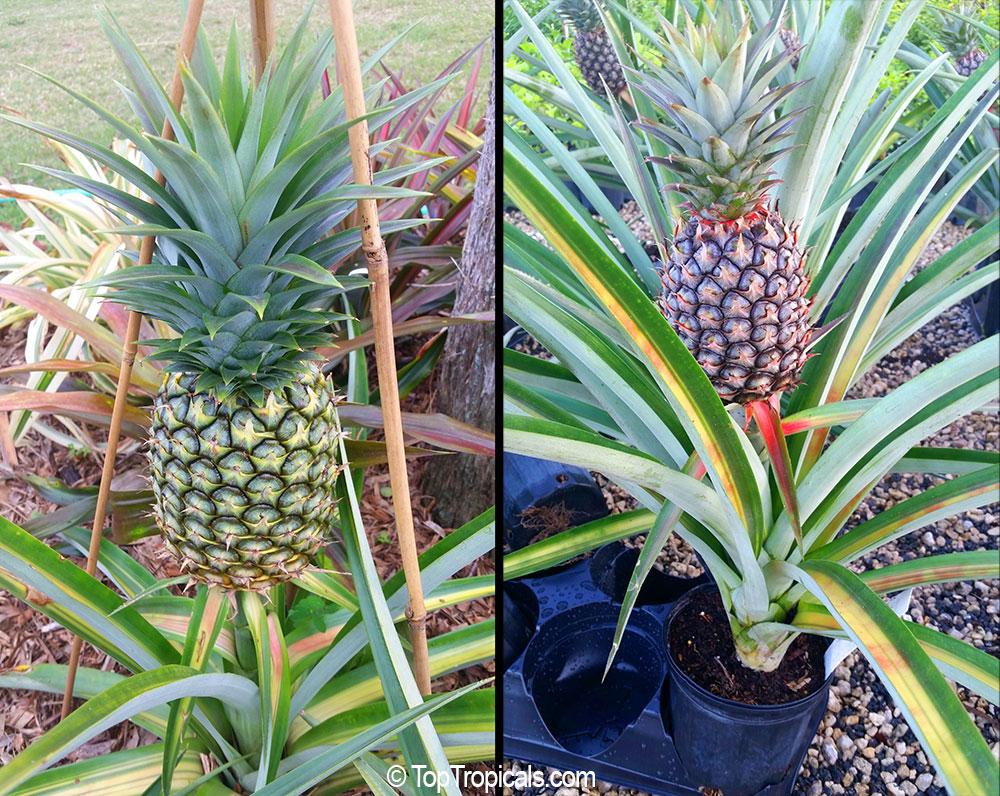
- Pineapple, though not always seen as a fiber powerhouse, still contributes around 2 grams per cup, along with bromelain, the enzyme that helps digestion.
- Jackfruit’s fibrous pulp makes it another standout - it’s so meaty, it’s even used as a plant-based substitute in savory dishes.
- Sapote fruit (Mamey, Canistel) and Sapodilla add fiber with a smooth, custard-like texture.
- Adventurous tropical varieties like Annona (custard apple, soursop) may not top the charts in fiber numbers, but their soft, fibrous flesh still adds value: about 1.3 grams of fiber per 100 grams of fruit.
- Bananas contain both soluble and insoluble fiber; the soluble part (mainly pectin) helps control blood sugar and appetite, while the insoluble fiber aids regularity.
- Mulberries are rich in insoluble fiber, especially in their skin, supporting digestion and promoting healthy bowel movements.
- Dragon fruit offers a mix of soluble fiber in its juicy flesh and insoluble fiber from its tiny edible seeds, which help support gut health and feed good bacteria.
These fruits aren’t just delicious - they help you meet your daily fiber needs in ways that are far more enjoyable (and sustainable) than taking supplements. And when home gardeners, farmers, or tropical communities grow and share them, it’s a double win: nutrition and tradition hand in hand.
✔️ Tropical fiber power: tips for getting more fiber from tropical fruits
- ⏺Eat whole, not juiced. Most of the fiber is in the pulp, skin, and seeds. Juicing removes much of that goodness.
- ⏺Mix it up. Tropical fruits are great, but balance them with legumes, whole grains, nuts, and veggies for a full fiber range.
- ⏺Take it slow. If your diet is low in fiber, increase gradually to avoid bloating or discomfort.
- ⏺Drink plenty of water. Fiber works best when paired with hydration.
- ⏺Mind the ripeness. Unripe fruits can have more resistant starch, another form of fiber.
- ⏺Get creative. Toss tropical fruits into smoothies, salsas, breakfast bowls, or even desserts - a tasty stealth-fiber strategy.
🛒 Plant a fruit tree to harvest your fruit tomorrow
📚 Learn more:
Tropical fruit health benefits guide - what fruit and edibles can help with health issues and vitamin deficiencies, Part 1 and Part 2.
#Food_Forest #Remedies #Discover #How_to
🟢 Join 👉 TopTropicals
Date: 5 Nov 2025
How to protect Avocado from cold and how hardy is it?
❄️ How to protect Avocado from cold and how hardy is it?
Growing Avocado trees in cooler regions is possible with the right variety and care. By choosing Cold Hardy types and protecting them during cold spells, you can successfully grow avocados outside tropical climates. The more mature your tree, the better it handles the cold.
❄️ What is Avocado cold hardiness?
Most Avocados are sensitive to frost, but some Mexican varieties can survive lows around 15°F once established, and brief dips near 10°F with good care.
👉 Cold tolerance depends on:
- ✦ Duration of cold: Short freezes are easier to survive.
- ✦ Sun exposure: More sun means better cold resistance.
- ✦ Wind protection: Wind can do more harm than temperature alone.
- ✦ Tree health: Regular fertilization, such as Sunshine Boosters, helps strengthen plants.
❄️ How to protect avocados from cold
- ✦ Bigger is better: Mature trees resist cold better than young ones.
- ✦ Wind protection: Plant on the south or southeast side of a building for warmth.
- ✦ Good fertilization: Healthy trees are stronger and more resilient.
- ✦ Watering: Water less in winter; overwatering in cold weather can cause root rot.
❄️ Protection for young plants
- ✦ Cover and mulch: Before a freeze, mound mulch around the base and cover with a blanket. Add Christmas lights or a small heater for extra warmth (use caution).
- ✦ Use microclimates: Plant near walls or buildings where it’s warmer and wind is reduced.
With a little planning and protection, you can enjoy fresh avocados even in cooler climates!
✔️ Check outAvocado Variety Guide interactive chart. Sort them by flower type A or B, tree habit, fruit shape and quality, cold hardiness, origin, season and more!
🛒 Shop Cold Hardy Avocados
📖 Our Book: Avocado Variety Guide, Snack or Guacamole?
- ·
📚 Learn more:
- · Can I Grow Avocado Outside the Tropics?
- · Avocado Variety Guide
- · How to grow cold-hardy avocados and how cold-hardy are they?
- · Avocado that laughs at frost: Mexicola Grande for cooler climates
- · Cold hardy Avocado Joey: you can eat with the skin
- · Posts about #Avocado
#Food_Forest #Avocado #How_to
🟢 Join 👉 TopTropicals
Date: 7 Nov 2025
The vine with square stems that heals bones and turns heads
Cissus quadrangularis - Veld Grape, hanging basket
Cissus quadrangularis - Veld Grape, stems
Cissus quadrangularis - Veld Grape plant
Cissus quadrangularis - Veld Grape, fruit
The vine with square stems that heals bones and turns heads
- Cissus quadrangularis - Veld Grape. This plant is anything but ordinary! It has four-winged stems – square, chunky, and unlike anything else in your garden. Each stem looks like a little green sculpture, with ribs running down the sides. It’s technically a vine, but behaves like a succulent, with thick, juicy stems and tiny tendrils that climb or spill from a pot.
- Native to Africa and India, veld grape thrives on sunshine, heat, and a bit of neglect. Perfect for hanging baskets or as a quirky groundcover. Just give it some light and occasional water, and it’ll keep growing strong.
- It’s also famous as a traditional "bone-healing" herb, earning it the nickname Bone setter plant. But even if you don’t use it for that, it’s a total show-stopper for anyone who loves plants with personality.
- A true show-stopper for collectors and anyone who loves the strange and beautiful side of nature.
🛒 Get your own Veld Grape show stopper
#Container_Garden #Remedies #Fun_Facts
🟢 Join 👉 TopTropicals
Date: 7 Aug 2025
Blackberry Jam Fruit - the sweetest surprise
Tea and Jam with the PeopleCats – A Tropical Afternoon Beneath the Randia
Meet the cats behind the jam! The tuxedo cat is none other than Google-the-cat - our beloved elder and one of the original cat-fathers of Top Tropicals PeopleCats.garden. At 18 years old, he’s still sharp, curious, and very much in charge. The orange fluffball? He represents the universal image of cat joy - and we’ve got a few real-life orange sunshine residents just like him.
Why do you include cats in a plant newsletter?
Because they’re part of the garden. Our rescued PeopleCats live among the plants, nap under the mango trees, inspect new arrivals, and occasionally steal a sunspot meant for seedlings. They’re not mascots — they’re part of our team. Sharing their presence is like showing a part of the soul of our space.🐈
Are the cat images real or AI-generated?
All our cats are real! We take lots of pictures and videos. And a few images are AI-generated illustrations inspired by our real PeopleCats.garden residents. While not literal photographs, they are creative interpretations that capture the spirit of our tropical home and its furry citizens.🐾
Are the stories about the cats true?
Mostly! The jam-making, tea-drinking, and greenhouse meetings are creative interpretations - but inspired by real personalities. We use AI scenes to bring their spirit to life. Real cats. Real plants. Imagined adventures.🐱