Garden Blog - Top Tropicals

Date: 20 Feb 2026

Florida freeze damage - what to replant after a record cold winter
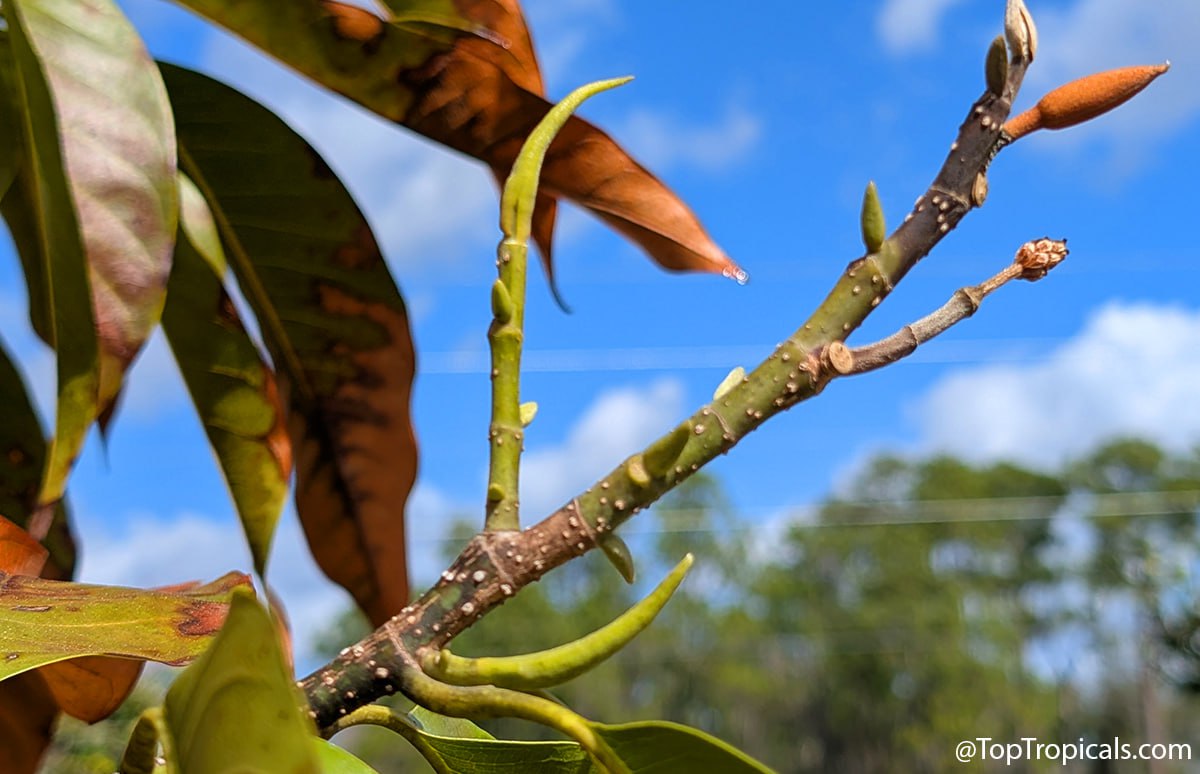
Magnolia champaka new shoots
Magnolia champaka new shoots

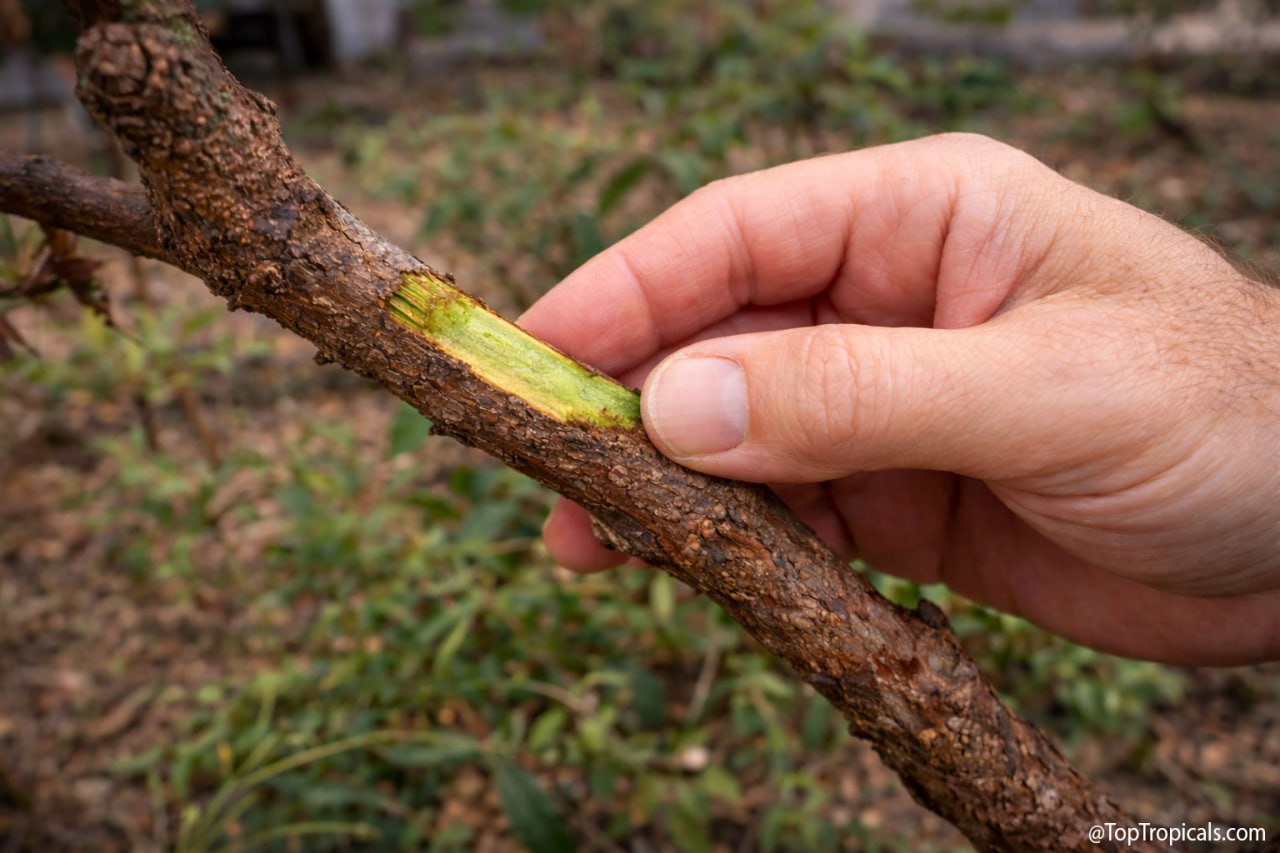
Scratch test on a bark

Scratch test on a bark

❄️ Florida freeze damage - what to replant after a record cold winter


🌱 A record freeze changed Florida gardens


After the recent record cold across Florida, many gardeners are now seeing the real damage - browned leaves, split stems, collapsed shrubs, and fruit trees that may not recover.
Some plants surprised us with new growth. Others are clearly gone.
The practical question is simple: what should you replant so it does not happen again next winter?
The good news - you can build a more frost-resilient garden without giving up beauty or fruit.

🌱 First - do not rush to rip everything out


Before replacing anything, check carefully:
Scratch the bark lightly - green underneath means the branch is alive.
Wait for consistent warm weather - some plants re-sprout weeks or even months later.
Look for growth higher on the stem, not just at the base.
After freezes, many tropicals look worse than they are. Patience often saves money.

🌱 Why some plants survived and others did not


Freeze survival depends on several factors:
Duration of cold - 2 hours vs 8 hours makes a major difference
Microclimate - south-facing walls, wind protection, canopy cover
Plant maturity - established roots handle stress better
Pre-freeze health - overfertilized, soft growth freezes faster
This explains why two identical plants in the same yard can perform very differently.

🌱 What to replant for a frost-resilient garden


Instead of replacing losses with the same tender species, consider:
Cold-hardy fruit trees
Proven freeze survivors from this winter
Shrubs that tolerate brief dips below freezing
Layered planting for wind protection

When redesigning:
Plant tender species closer to structures.
Use hardy trees as windbreaks.
Avoid low frost pockets.
Improve drainage - wet roots freeze faster.
You do not have to remove tropical character. You just have to plant smarter.

✍️ Check the list of freeze survivors:


What tropical plants survived Florida's historic freeze without protection

🌱 Rebuild with strategy, not emotion


After freeze damage, many gardeners replant quickly - only to repeat the same losses.
A better approach:
Identify what truly died.
Learn which species survived locally.
Choose varieties proven in your climate zone.
Design with cold in mind.
One freeze can become a turning point. Many Florida gardens become stronger after a hard winter because the plant list gets refined.

🌱 Spring Equinox - a natural reset


The Spring equinox marks equal day and night and the astronomical start of spring. From this point forward, daylight increases and active growth accelerates.
For Florida gardeners, it is a natural reset.
New growth begins. Roots wake up. Replacement planting becomes safer.
This is the right time to rebuild.

🛒 Explore cold tolerant tropical plants and cold hardy Avocados

🎥 What tropical plants survived Florida's historic freeze without protection
🎥 These Avocados survived 3 nights of 25F hard freeze, Florida Record Freeze

📚 Learn more:


· Top Ten Fruit Tree Winners of Florida 2026 Record Freeze
· Top Ten Flowering Tree Winners of Florida 2026 Record Freeze
· To trim or not to trim? When and how to trim damaged plants after winter
· Cold-hardy avocado varieties - what freezing they really survive

Avocado Plant Facts

Botanical name: Persea americana, Persea gratissima
Also known as: Avocado, Alligator Pear, Aguacate, Abacate
USDA Zone: 9 - 11
Highligths Large tree taller than 20 ftSmall tree 10-20 ftFull sunWatering: Regular. Let topsoil dry slightlyEdible plantSubtropical plant. Mature plant cold hardy at least to 30s F for a short time
Get personalized tips for your region

· Cold-hardy avocado survival groups - what the numbers really mean

#Discover #How_to

🟢 Join 👉 TopTropicals

Date: 27 Jan 2026

Jackfruit golden hash: quick-n-fun exotic recipes

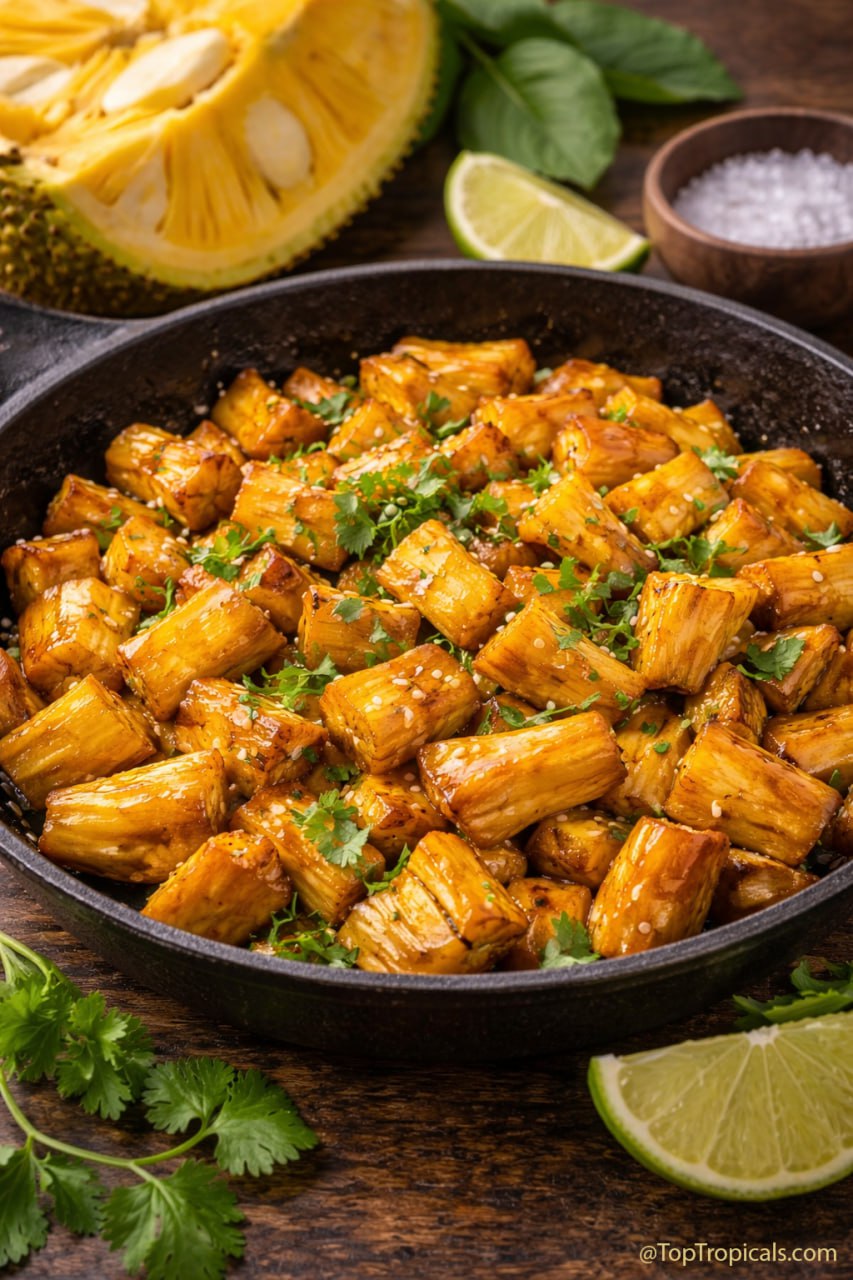
Jackfruit golden hash in frying pan

Jackfruit golden hash in frying pan

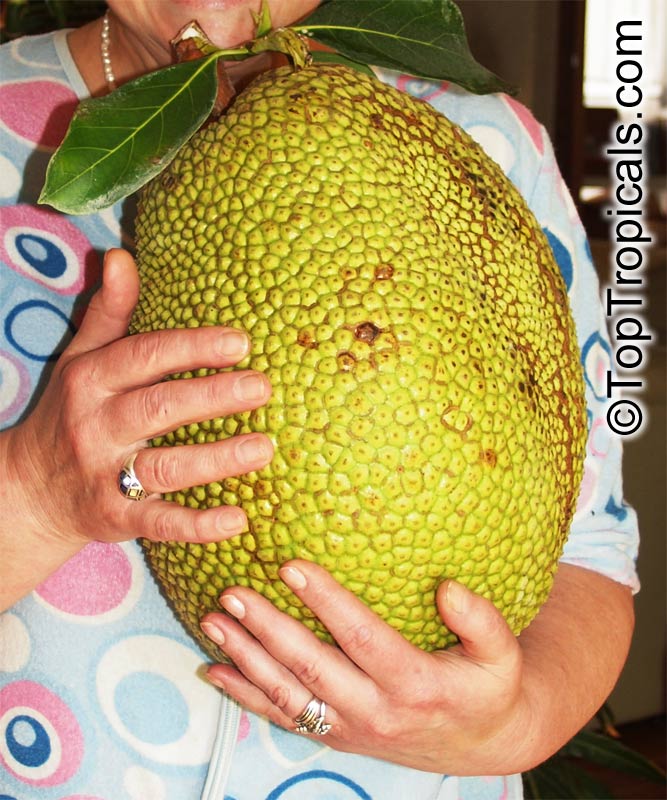
Jackfruit tree (Artocarpus heterophyllus) fruit

Jackfruit tree (Artocarpus heterophyllus) fruit

🍴 Jackfruit golden hash: quick-n-fun exotic recipes


Jackfruit Golden Hash

Ingredients

  • 1 cup ripe jackfruit pods, chopped
  • 1 teaspoon coconut oil or butter
  • 1 pinch salt
  • Fresh lime juice (optional)

Instructions

  1. Chop ripe jackfruit pods into small pieces.
  2. Heat coconut oil or butter in a frying pan over medium heat.
  3. Add the chopped jackfruit and pan-sear until the edges begin to caramelize.
  4. Toss with a tiny pinch of salt.
  5. Finish with a squeeze of lime juice and serve warm.


🌿 About the plant:


Jackfruit is the world’s largest tree-borne fruit, native to South and Southeast Asia. When ripe, its golden pods are sweet, fragrant, and naturally caramelize when cooked. It has been a staple food for centuries, used both ripe and unripe in desserts and savory dishes.

🌱 In the garden:


Jackfruit is a fast-growing tropical tree that thrives in warm climates with full sun and good drainage. It loves regular water and fertile soil, it's a heavy feeder. Best suited for USDA zones 9b-11, it can be grown in large containers when young and makes a bold, architectural fruit tree in the landscape. The fruit forms at the base of the tree, so trimming it under 7-8 ft makes it easier for cold protection.

🛒 Plant your own Jackfruit tree

📚 Learn more:

Jackfruit Plant Facts

Botanical name: Artocarpus heterophyllus, Artocarpus integrifolius
Also known as: Jackfruit, Jakfruit, Langka, Nangka, Jaca
USDA Zone: 9 - 11
Highligths Large tree taller than 20 ftFull sunWatering: Regular. Let topsoil dry slightlyEdible plantSubtropical plant. Mature plant cold hardy at least to 30s F for a short time
Get personalized tips for your region

Jackfruit tree (Artocarpus heterophyllus) in Plant Encyclopedia
Ten best fruit trees to grow in Florida and Southern landscapes. Jackfruit Tree.
How to Grow Jackfruit: Practical Guide

🎥 We Cut Open a 37 lb Jackfruit - You Won't Believe What's Inside!

#Food_Forest #Recipes

🟢 Join 👉 TopTropicals

Date: 24 Jan 2026

Guava Cas cloud drink: quick-n-fun exotic recipes

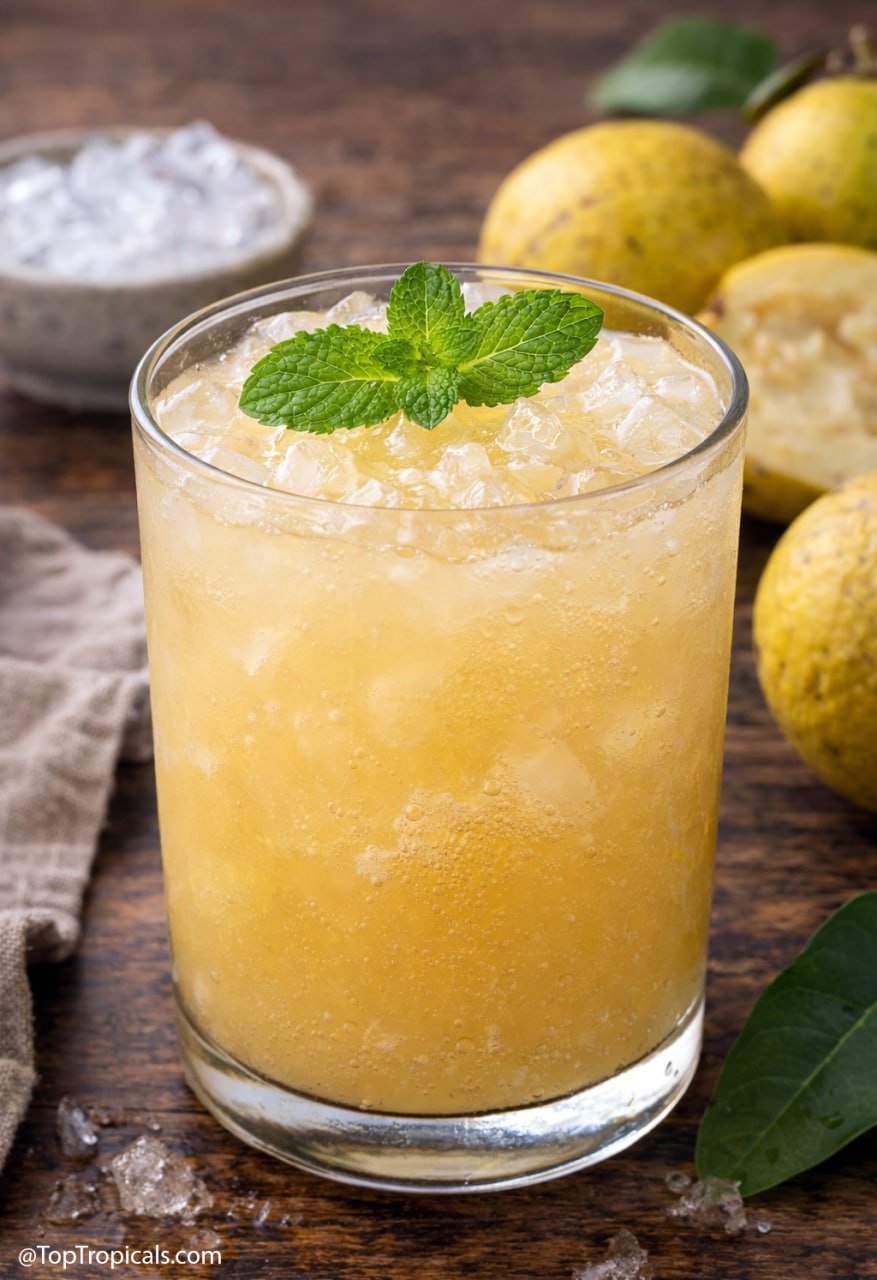
Guava Cas cloud drink

Guava Cas cloud drink

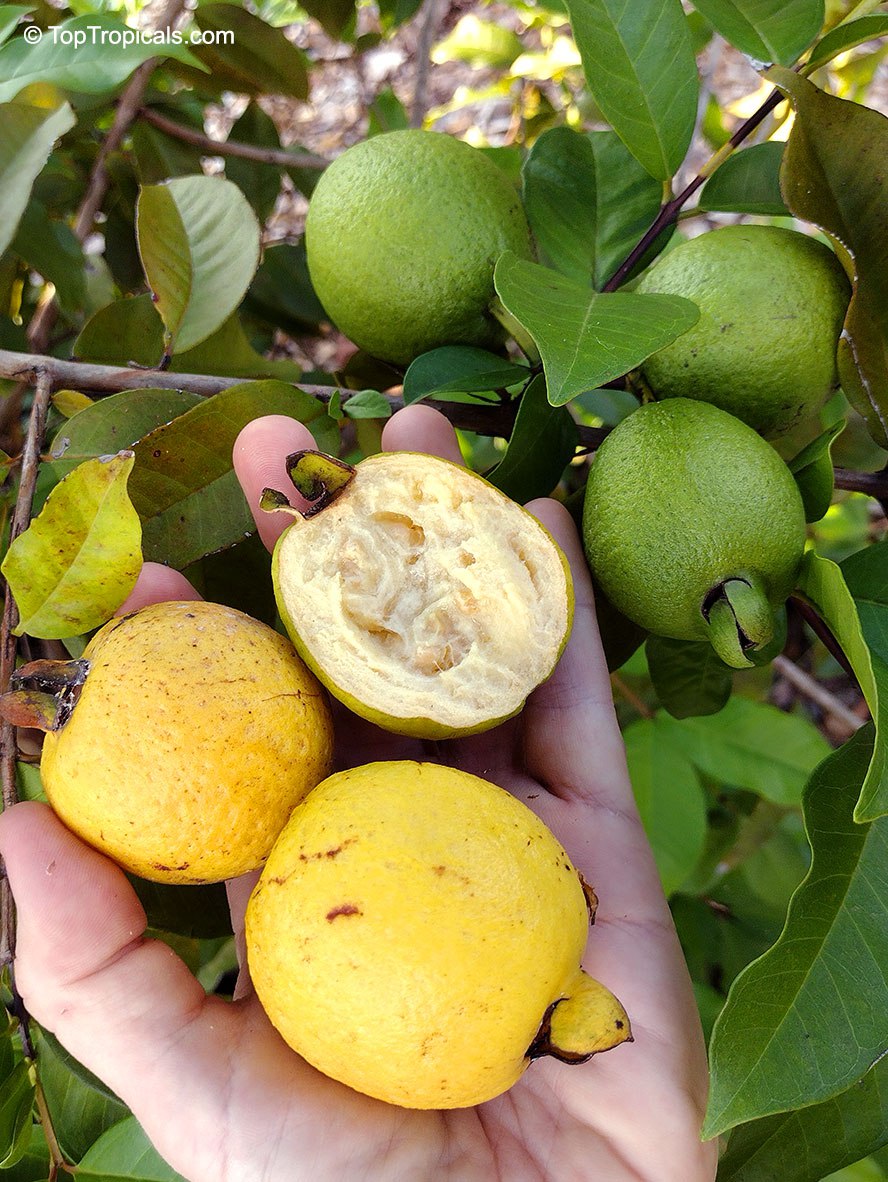
Cas guava (Psidium friedrichsthalianum)

Cas guava (Psidium friedrichsthalianum)

🍴 Guava Cas Cloud Drink (Quick and Fun Exotic Recipe)

Ingredients

  • 1 cup ripe Cas guava pulp (Psidium friedrichsthalianum)
  • 1.5 cups cold water
  • 1 tablespoon sugar (adjust to taste)
  • Ice cubes
  • Fresh mint (optional garnish)

Instructions

  1. Add Cas guava pulp, cold water, and sugar to a blender.
  2. Blend until smooth and evenly mixed.
  3. Strain the liquid to remove seeds and coarse pulp.
  4. Serve over ice for a cloudy, tangy refresher.
  5. Garnish with mint if desired.

Cas guava (Psidium friedrichsthalianum) is a Central American guava known for its bold, tangy flavor and high vitamin C content and Low sugar content. Unlike common guava, the pulp is sharp and refreshing, making it especially popular for drinks, juices, and traditional beverages.

🌱 In the garden:


Cas guava is a small, productive tree suited for warm climates. It prefers full sun, regular watering, and good drainage. The tree is adaptable, fairly fast-growing, and fruits reliably, making it a great choice for home gardens and containers.

🛒 Plant easy and productive Cas Guava

📚 Learn more:

Costa Rica Cas Fruit Plant Facts

Botanical name: Psidium friedrichsthalianum
Also known as: Costa Rica Cas Fruit, Cas Guava
USDA Zone: 8 - 11
Highligths Large shrub 5-10 ft tallSmall tree 10-20 ftFull sunWhite, off-white flowersEdible plantSubtropical plant. Mature plant cold hardy at least to 30s F for a short time
Get personalized tips for your region

Guava tree Cas (Psidium friedrichsthalianum) in Plant Encyclopedia
Zero Sugar fruit: forget lemonade - new perfect summer drink discovered!
What is the best fruit for summer drinks and wine?
•  What fruit is more sour and has more vitamin C than a lemon
•  What fruit can you drink? Costa Rican Cas is the Guava for Drinking
•  Costa Rican Guava

#Food_Forest #Recipes

🟢 Join 👉 TopTropicals

Date: 20 Feb 2026

Top Ten Fruit Tree Winners of Florida 2026 Record Freeze

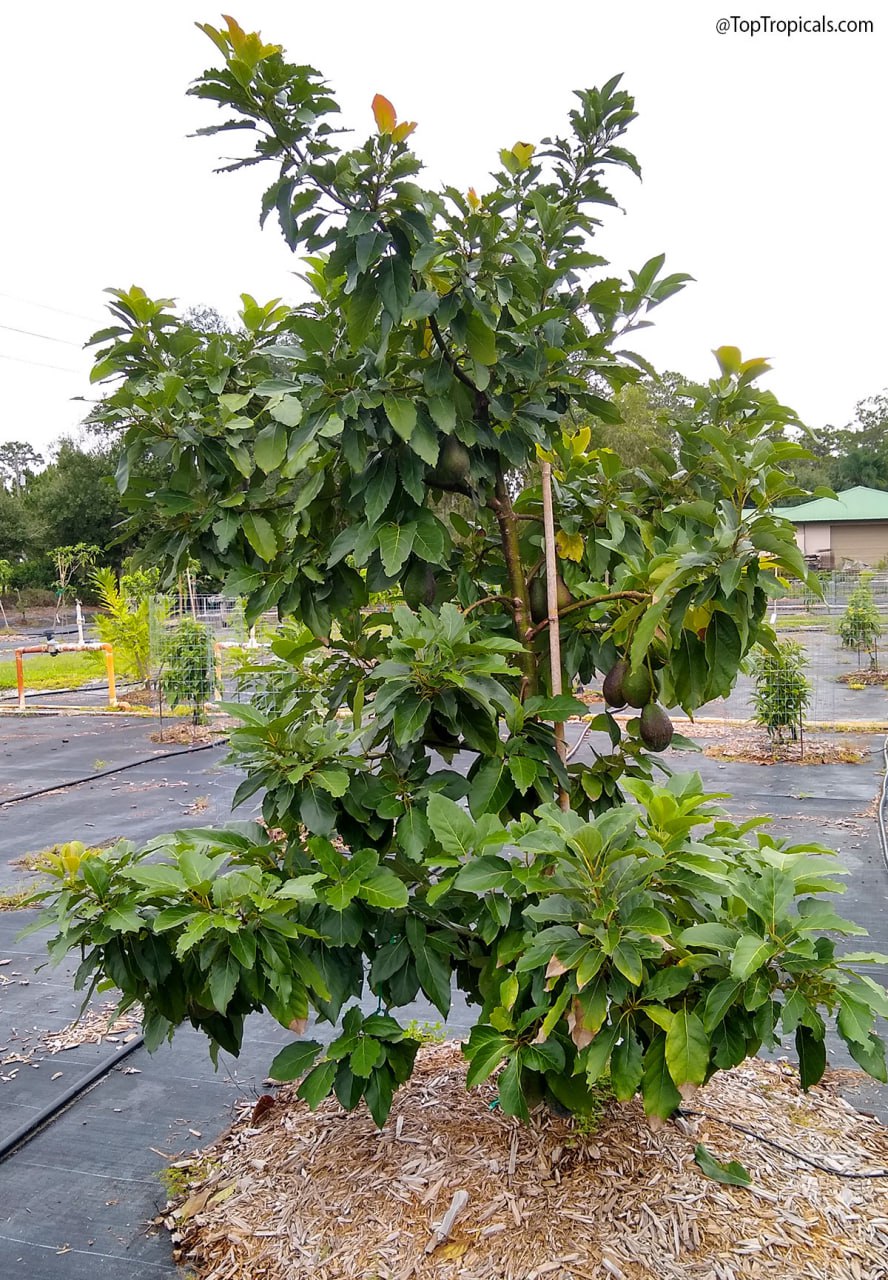
Avocado tree with fruit

Avocado tree with fruit

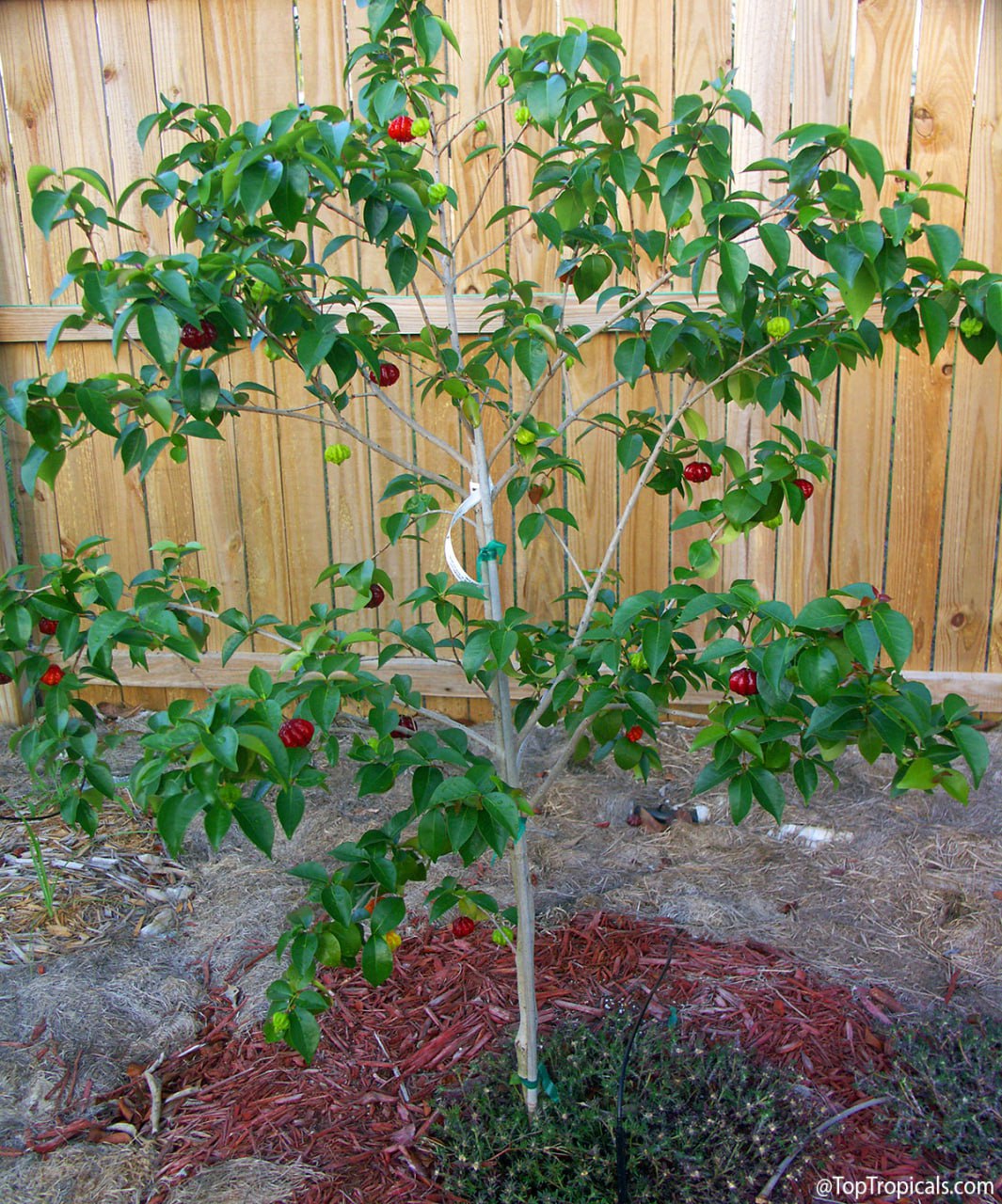
Eugenia

Eugenia

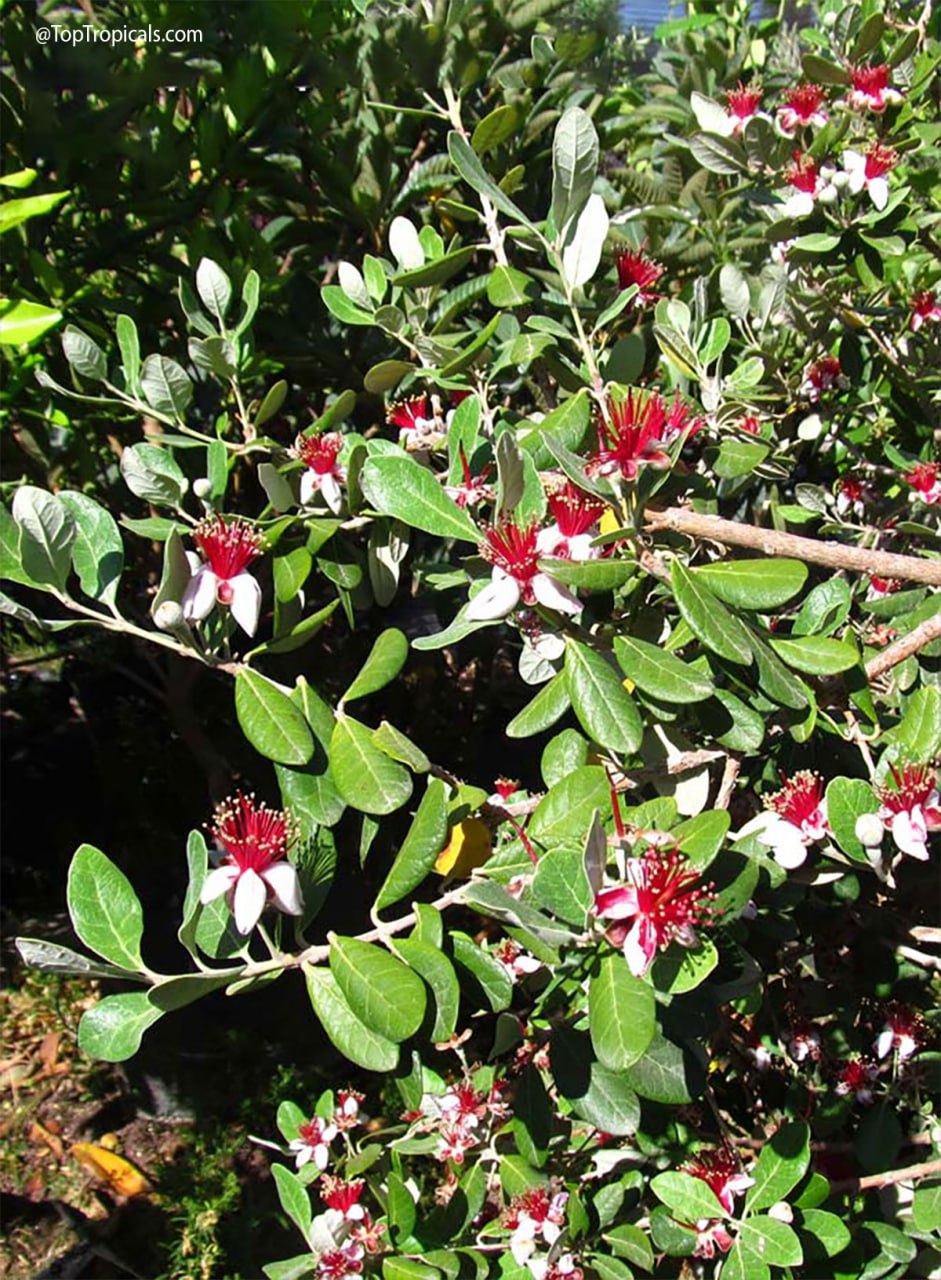
Feijoa - Pineapple Guava

Feijoa - Pineapple Guava

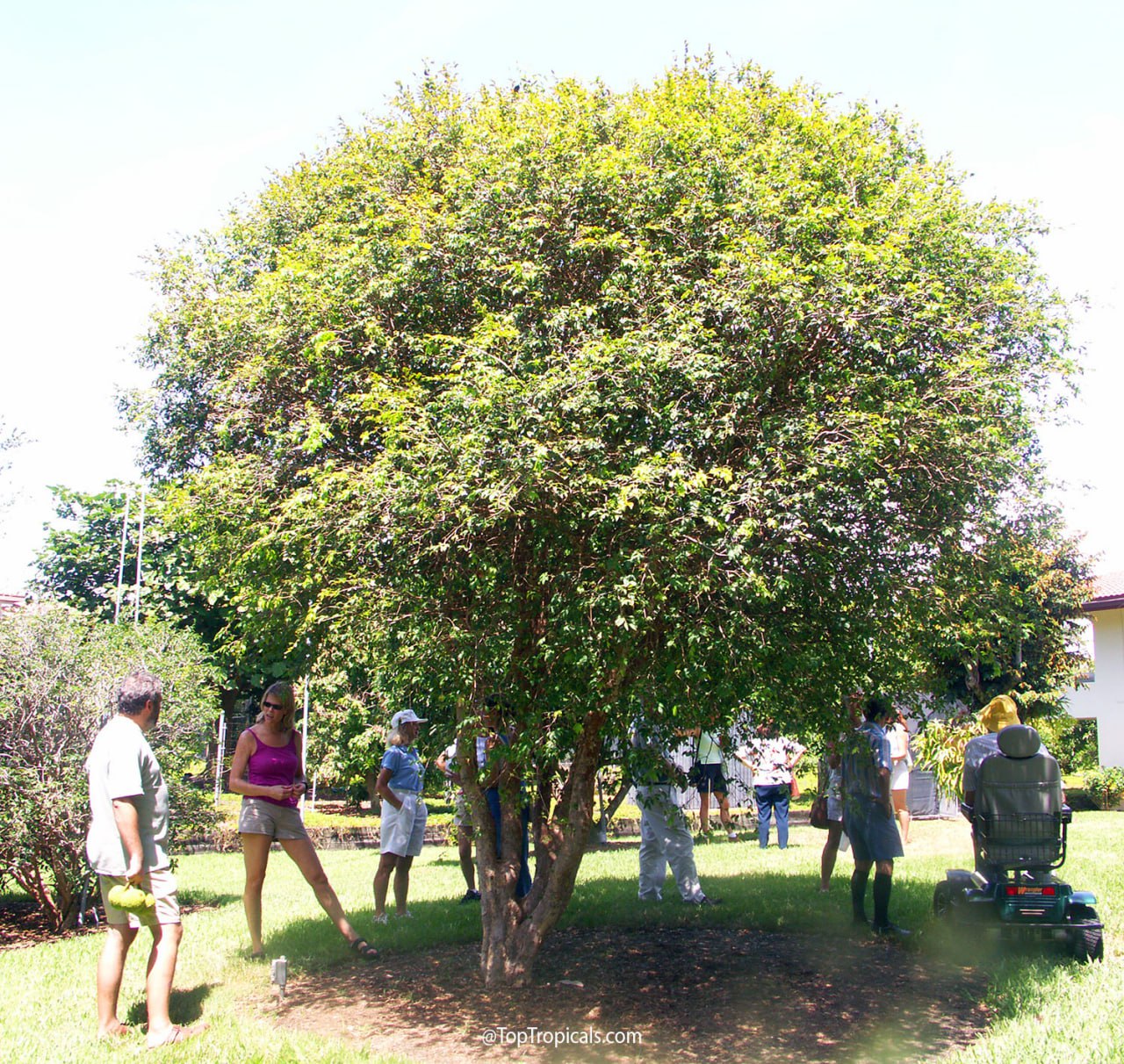
Jaboticaba tree

Jaboticaba tree

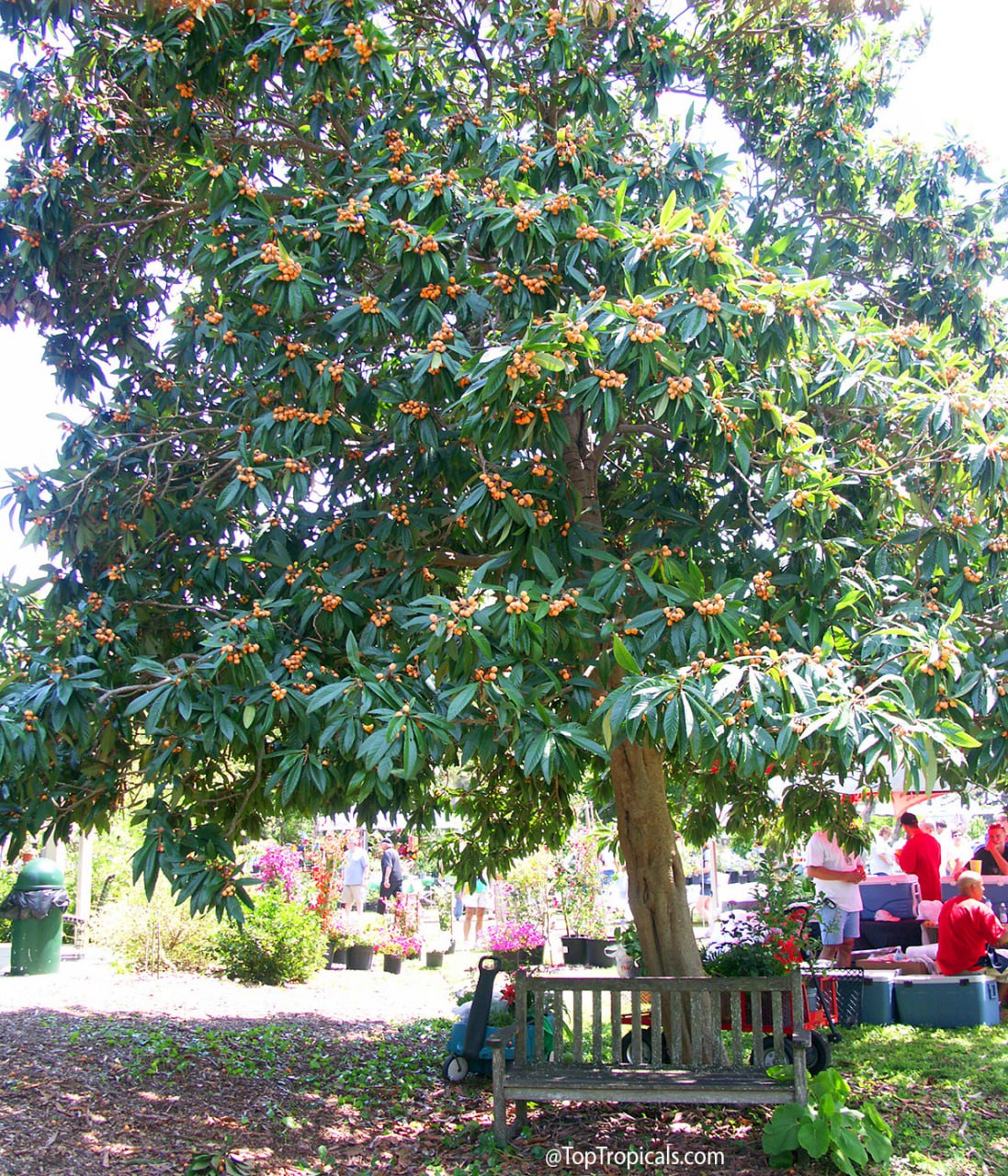
Loquat tree

Loquat tree

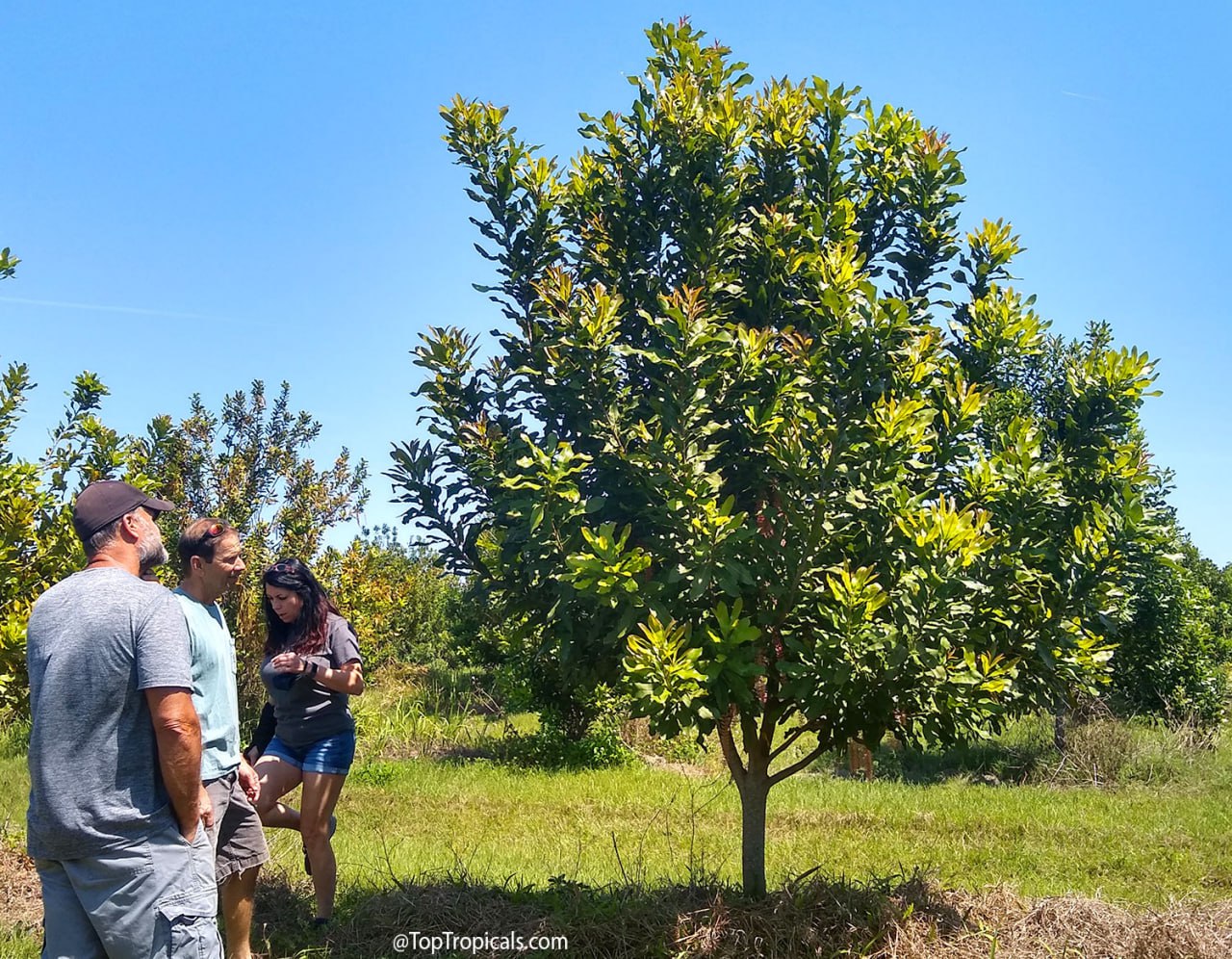
Macadamia Nut tree

Macadamia Nut tree

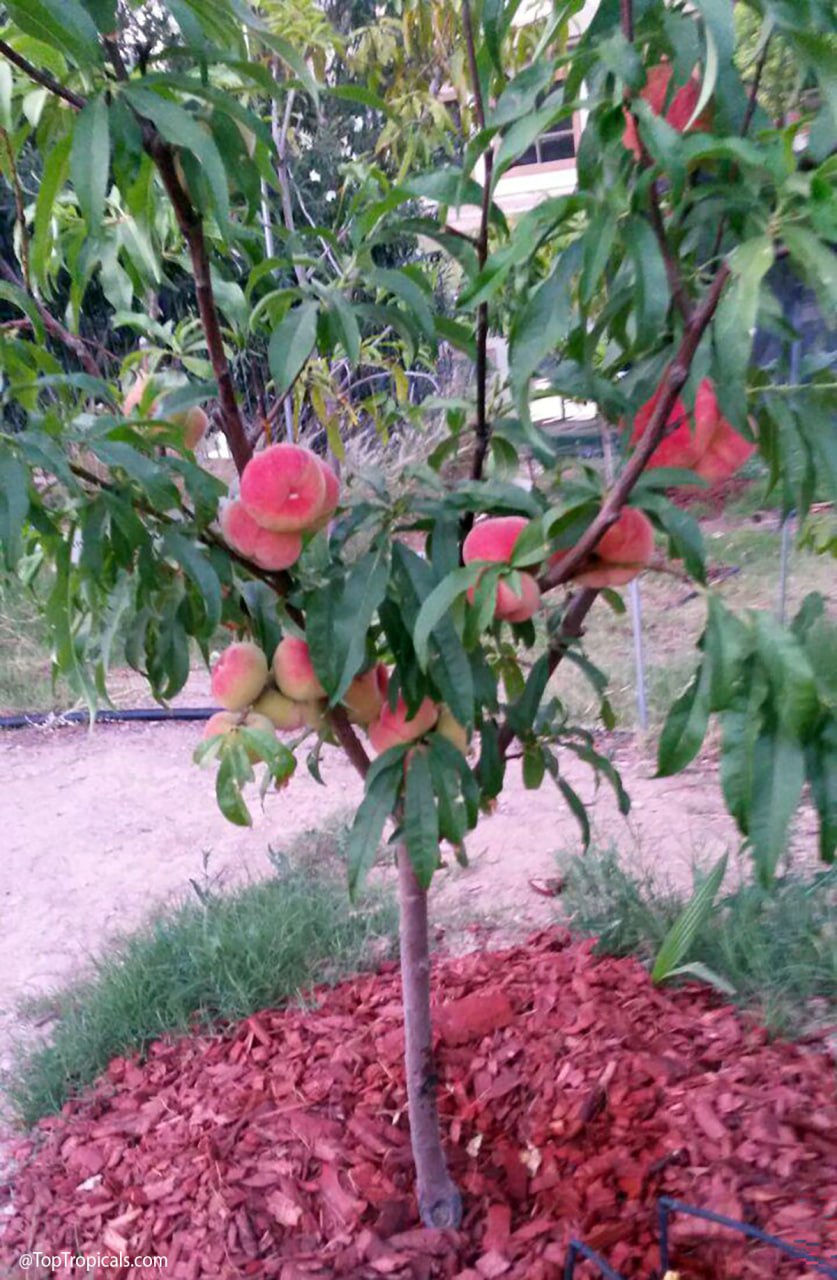
Prunus sp - Peach

Prunus sp - Peach

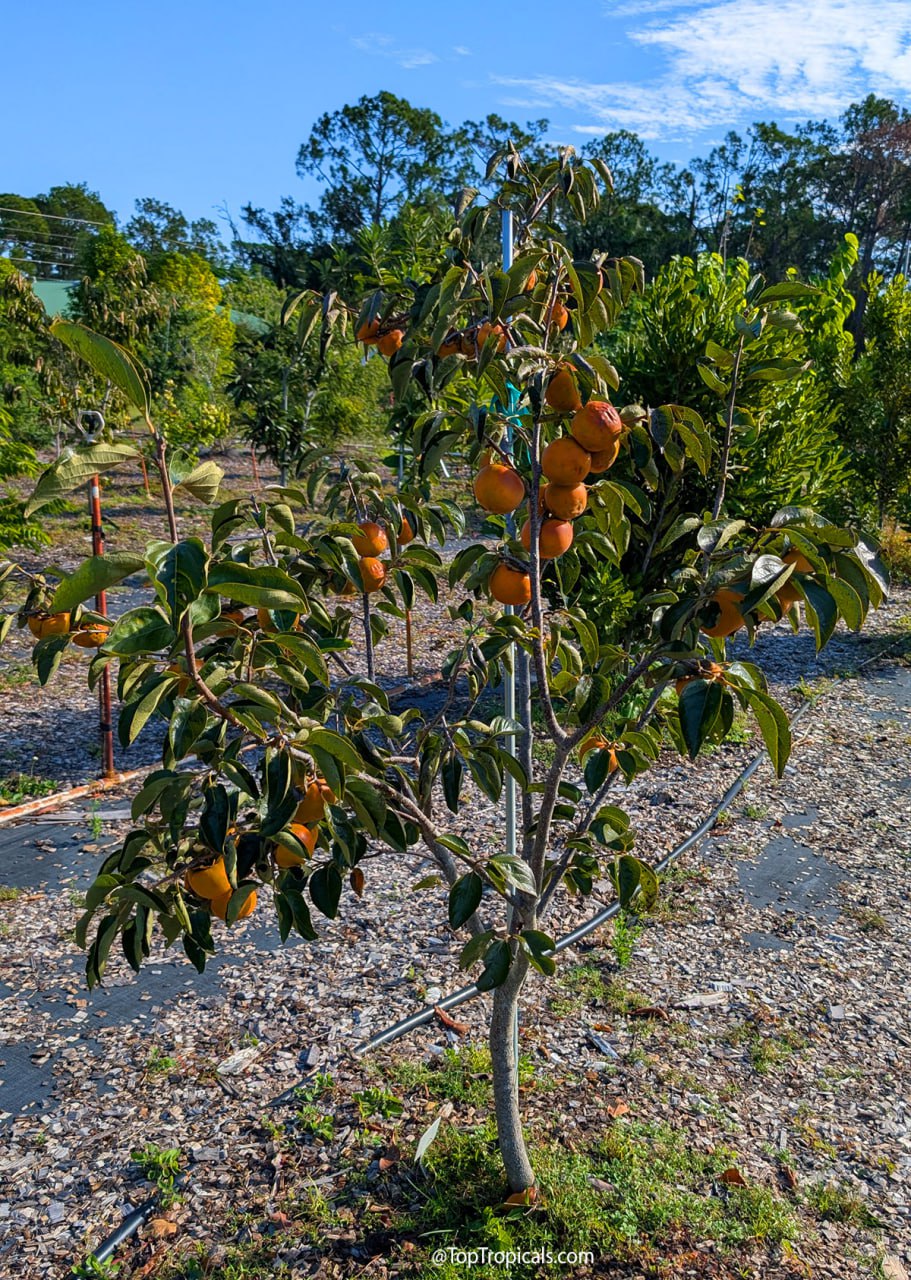
Persimmon tree

Persimmon tree

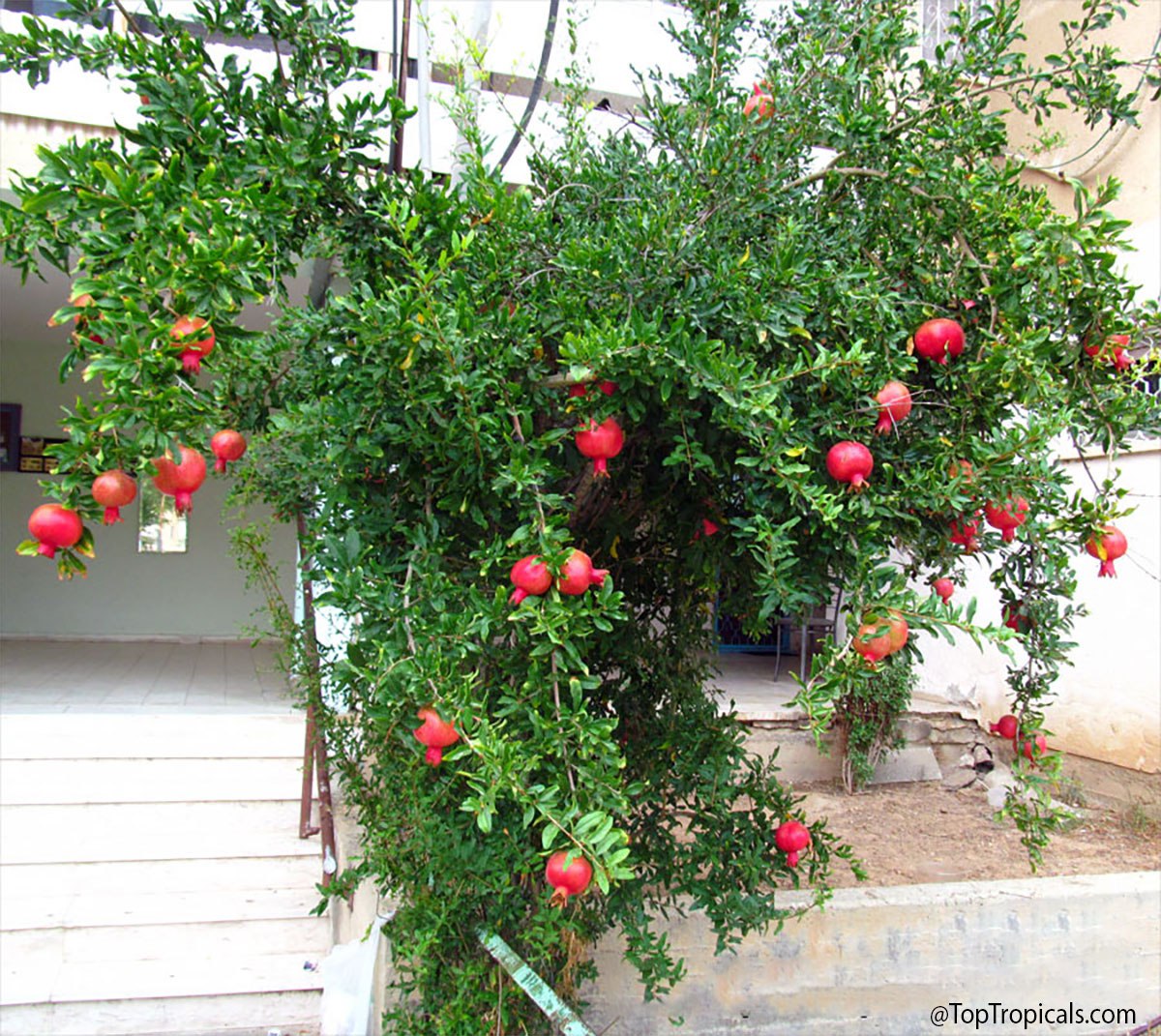
Pomegranate tree with fruit

Pomegranate tree with fruit

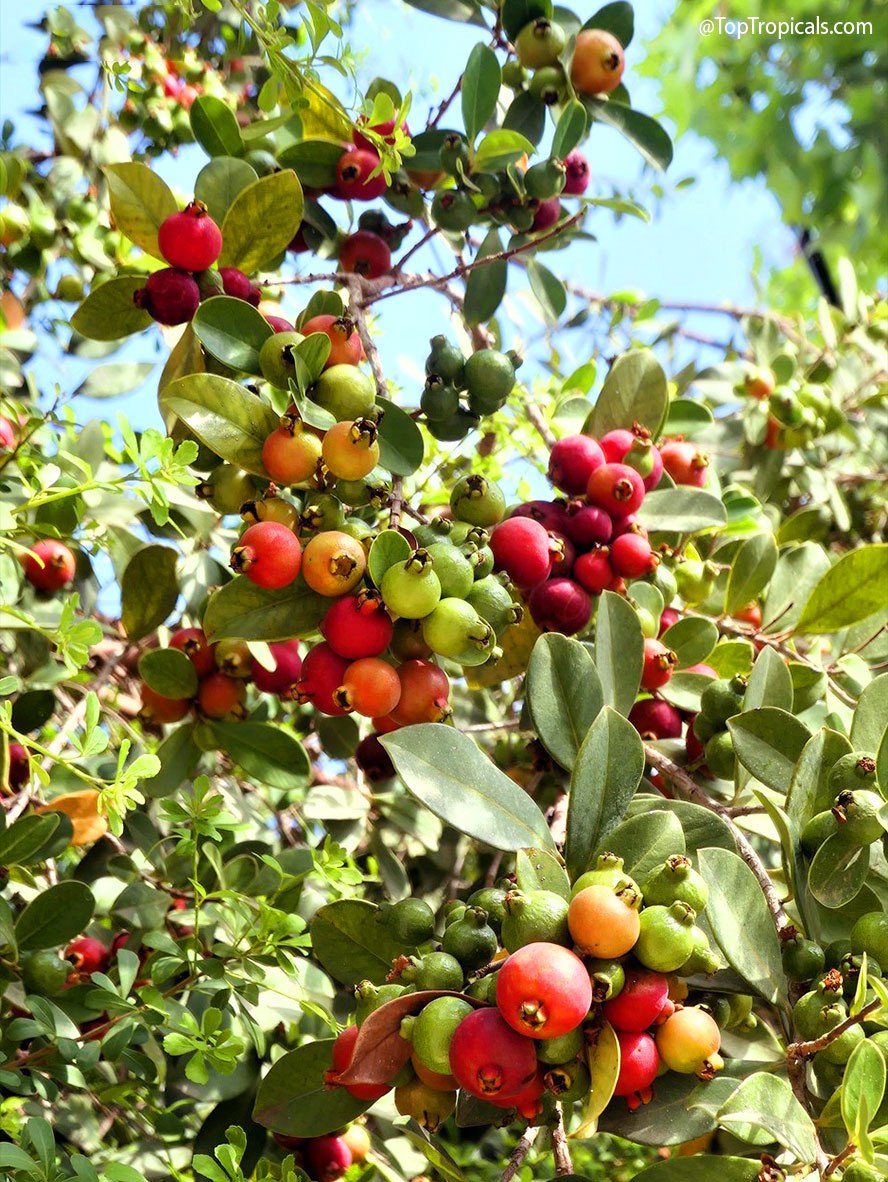
Psidium littorale - Cattley Guava tree with fruit

Psidium littorale - Cattley Guava tree with fruit

🏆 Top Ten Fruit Tree Winners of Florida 2026 Record Freeze


These fruit trees had no damage after 3 nights of hard freeze (25F) with NO PROTECTION:

Avocado Plant Facts

Botanical name: Persea americana, Persea gratissima
Also known as: Avocado, Alligator Pear, Aguacate, Abacate
USDA Zone: 9 - 11
Highligths Large tree taller than 20 ftSmall tree 10-20 ftFull sunWatering: Regular. Let topsoil dry slightlyEdible plantSubtropical plant. Mature plant cold hardy at least to 30s F for a short time
Get personalized tips for your region

Pineapple Plant Facts

Botanical name: Ananas comosus
Also known as: Pineapple, Pina
USDA Zone: 9 - 11
Highligths Small plant 2-5 ftSemi-shadeFull sunWatering: Moderate. Water when top soil feels dryOrnamental foliageThorny or spinyEdible plantSubtropical plant. Mature plant cold hardy at least to 30s F for a short time
Get personalized tips for your region

Pomegranate Plant Facts

Botanical name: Punica granatum
Also known as: Pomegranate, Granada, Grenade, Pomegranate, Granada, Anar, Granaatappel, Pomo Granato, Romeira, Melo Grano
USDA Zone: 8 - 11
Highligths Large shrub 5-10 ft tallSmall tree 10-20 ftFull sunWatering: Moderate. Water when top soil feels dryRed, crimson, vinous flowersThorny or spinyEdible plantDeciduous plantEthnomedical plant.
Plants marked as ethnomedical and/or described as medicinal, are not offered as medicine but rather as ornamentals or plant collectibles.
Ethnomedical statements / products have not been evaluated by the FDA and are not intended to diagnose, treat, cure, or prevent any disease. We urge all customers to consult a physician before using any supplements, herbals or medicines advertised here or elsewhere.Subtropical plant. Mature plant cold hardy at least to 30s F for a short timeSeaside, salt tolerant plant
Get personalized tips for your region

Cattley Guava Plant Facts

Botanical name: Psidium cattleyanum, Psidium littorale
Also known as: Cattley Guava, Sand Plum, Strawberry Guava
USDA Zone: 9 - 11
Highligths Large shrub 5-10 ft tallSmall tree 10-20 ftSemi-shadeFull sunWatering: Moderate. Water when top soil feels dryWatering: Regular. Let topsoil dry slightlyWhite, off-white flowersEdible plantFlood tolerant plantSeaside, salt tolerant plant
Get personalized tips for your region


✔️ Avocado - cold hardy varieties
✔️ Eugenias (Grumichama, Rio Grande, Surinam and more)
✔️ Feijoa - Pineapple Guava
✔️ Jaboticaba
✔️ Loquat
✔️ Macadamia Nut
✔️ Prunus sp - Peaches, Plums, Nectarines
✔️ Persimmons
✔️ Pomegranate
✔️ Psidium littorale - Cattley Guavas

🛒 Explore cold tolerant tropical plants and cold hardy Avocados

🎥 What tropical plants survived Florida's historic freeze without protection
🎥 These Avocados survived 3 nights of 25F hard freeze, Florida Record Freeze

📚 Learn more:


· To trim or not to trim? When and how to trim damaged plants after winter
· Cold-hardy avocado varieties - what freezing they really survive
· Cold-hardy avocado survival groups - what the numbers really mean

#Discover #How_to #Food_Forest

🟢 Join 👉 TopTropicals

Date: 12 Jan 2026

Cherry of the Rio Grande quick compote: quick-n-fun exotic recipes

Cherry of the Rio Grande quick compote over pancakes

Cherry of the Rio Grande quick compote over pancakes

Eugenia aggregata - Cherry of the Rio Grande fruit

Eugenia aggregata - Cherry of the Rio Grande fruit

🍴 Cherry of the Rio Grande Quick Compote

This fast cherry compote is made from Cherry of the Rio Grande (Eugenia aggregata). It is tart, rich, and perfect over pancakes, waffles, toast, or warm bread.

Cherry of the Rio Grande Plant Facts

Botanical name: Eugenia involucrata, Eugenia aggregata
Also known as: Cherry of the Rio Grande, Cere Jodo Rio Grande
USDA Zone: 9 - 11
Highligths Small tree 10-20 ftSemi-shadeFull sunWatering: Moderate. Water when top soil feels dryWatering: Regular. Let topsoil dry slightlyEdible plantSubtropical plant. Mature plant cold hardy at least to 30s F for a short time
Get personalized tips for your region

Ingredients

  • 1 cup Cherry of the Rio Grande fruit, pitted
  • 2 to 4 tablespoons water

Instructions

  1. Place cherries and water in a small saucepan.
  2. Simmer over medium heat until the cherries soften and release juice.
  3. Mash lightly with a spoon for a chunky texture.
  4. Spoon warm compote over pancakes or bread and serve immediately.

🛒 Plant Cherry of the Rio Grande

📚 Learn more:


Eugenia aggregata - Cherry of the Rio Grande in Plant Encyclopedia
Don't plant cherries until you see this one!
Ten best fruit trees to grow in Florida and Southern landscapes. Tropical Cherries: Eugenias

#Food_Forest #Recipes

🟢 Join 👉 TopTropicals