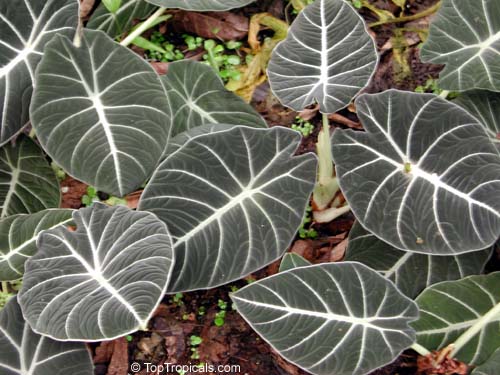
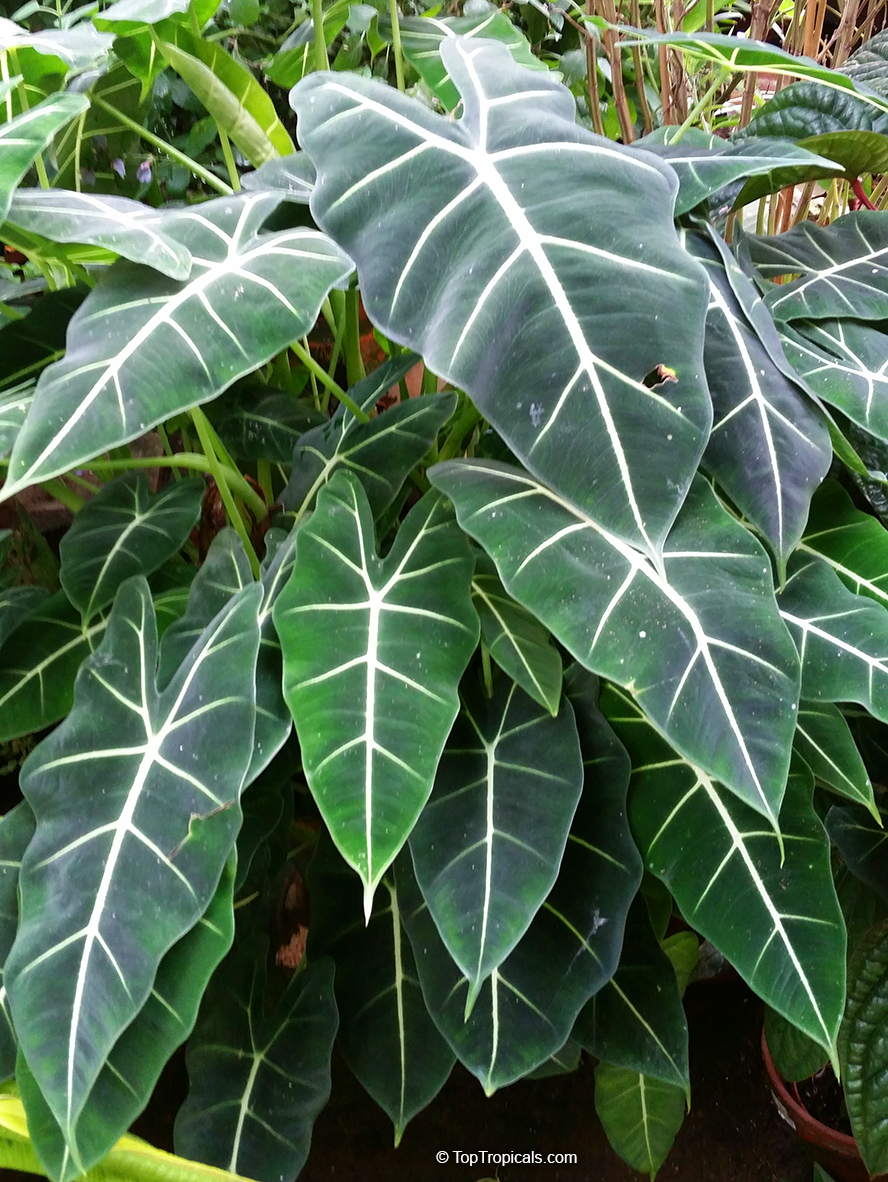
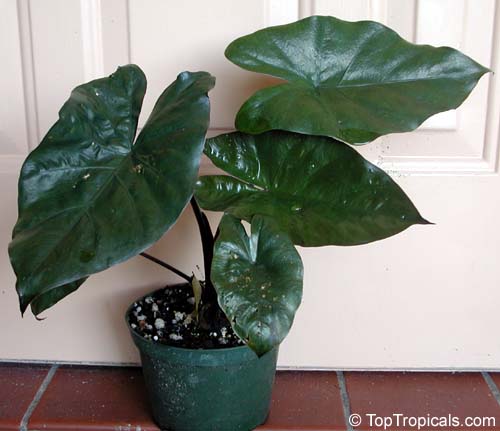
Alocasias and
Colocasias, commonly known as Elephant Ears, are both remarkable and popular
plants that can bring a touch of tropical elegance to any garden. Here's why
they are often considered great additions:
1. Striking Foliage: One of the most captivating features of
colocasias and alocasias is their large, lush foliage. The leaves can be
enormous, resembling the shape of elephant ears, hence the common name. The foliage
is usually rich green, but there are also varieties with hues of purple,
black, or variegated patterns. These vibrant leaves create a dramatic focal point
in any garden setting.
2. Tropical Aesthetic: Colocasias and alocasias have a distinct
tropical vibe that can transform your garden into a lush oasis. Their exotic
appearance lends itself well to creating a tropical-themed garden or adding a
bold accent to other styles of landscaping. Their large, architectural leaves
add a sense of drama and create a stunning backdrop for other plants.
3. Versatility: These plants can be grown in various garden
settings. They work well in containers, making them suitable for patio gardens or
balcony displays. In larger landscapes, colocasias and alocasias can be
planted directly in the ground, either as standalone specimens or as part of mixed
border plantings. They can also be utilized around water features or in bog
gardens since they enjoy moist conditions.
4. Low Maintenance: Once established, colocasias and alocasias
are generally low maintenance plants. They thrive in full to partial shade,
preferring a consistently moist soil. Regular watering and occasional
fertilization will help them grow vigorously. While they are generally hardy, some
varieties may require protection during colder months or overwintering in
frost-prone regions.
5. Impressive Size: With proper care and favorable growing
conditions, colocasias and alocasias can reach impressive sizes. Some varieties can
grow several feet tall, creating a stunning vertical element in the garden.
Their size and presence make them ideal for adding structure and height to
planting arrangements.
6. Unique Varieties: Colocasias and alocasias offer a wide range
of cultivars and species, each with its own distinct characteristics. From
the classic Colocasia esculenta to the more exotic Alocasia macrorrhizos, there
are numerous options to choose from. You can select plants with different
leaf shapes, colors, and patterns to suit your taste and garden design.
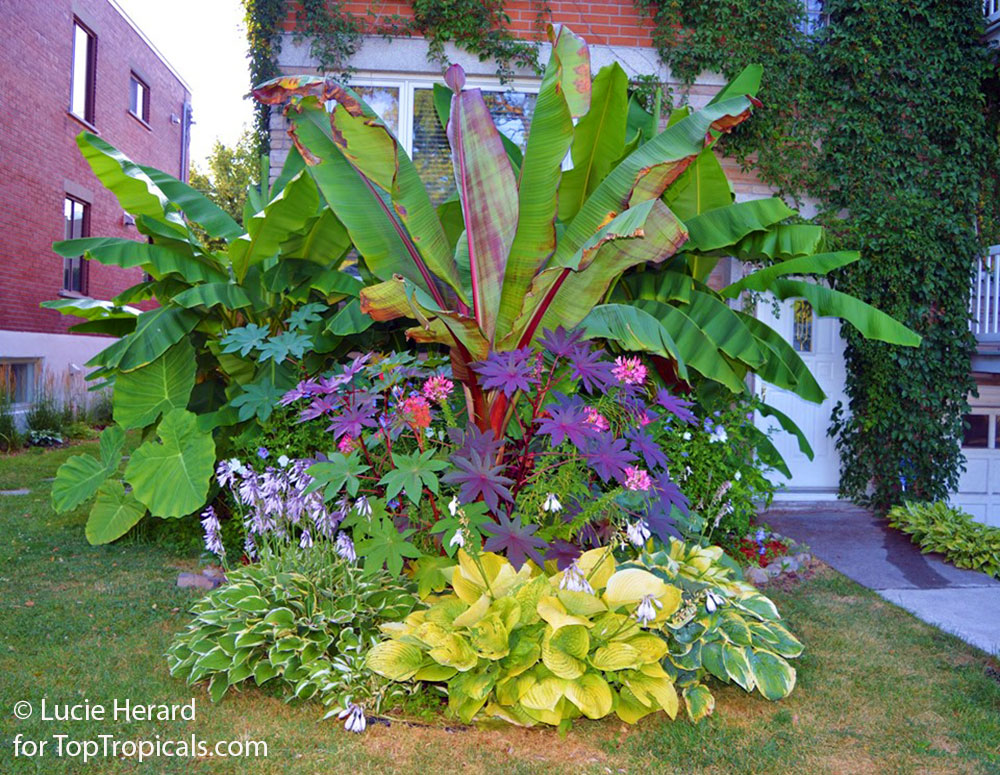
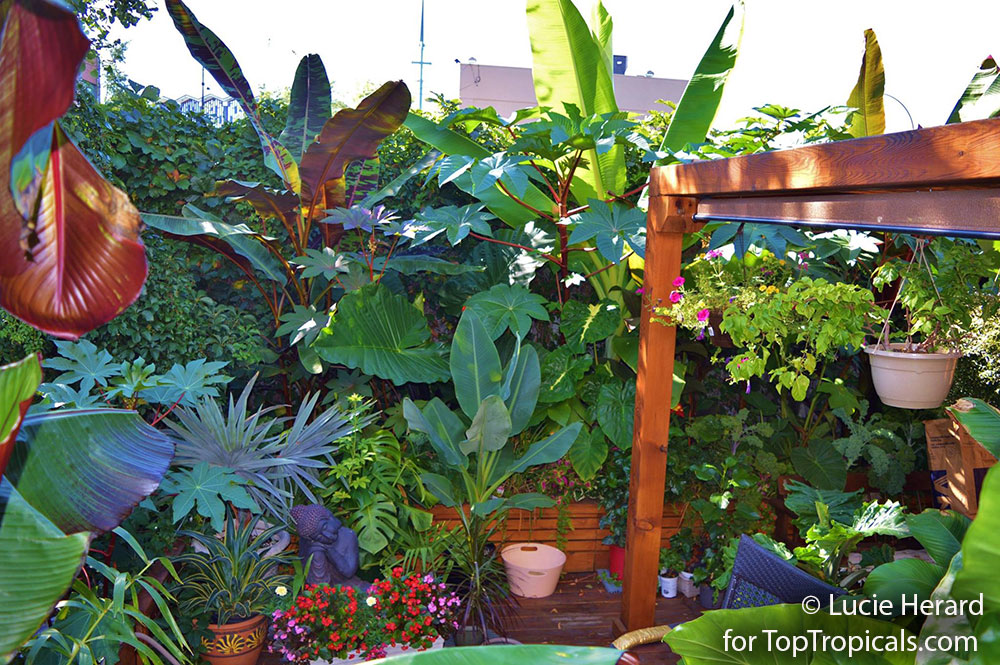
Lucie's tropical garden in Montreal, Canada:
"The movement of plants fascinates me!"
Our customer Lucie
Herard shared pictures of her tropical garden with us... Many of you have
beautiful gardens that you are proud of... but this one is... in Canada! Believe it
or not, before winter she digs everything up and brings it inside! Then in
Spring, she starts again every year. Dedication? Determination? Heroism! Lucie
won the Planet Bananiers photo contest for the third time.
Look at these pictures and visit Lucie's Facebook page for more photos and videos of her amazing garden.
Ask yourself: and what can I do? Is my life really that hard with mowing a
lawn once a week and blowing the leaves? You don't have to be a hero to make
something worthwhile in your life. Just take a shovel and start... one plant a
day. And you will end up living in Paradise.
Lucie reminds you: "Ornamental horticulture production activities are
now considered an essential service! Add soil in a pot, water very slightly for
the first two weeks and put closer to the window. That's all, the leaves
will start growing again!"
Tropical Paradise Contest 2020
Share with us photos of your garden. The winner of this contest will get
plants $200 worth, with FREE shipping!
Ten
top fruiting plants you'll ever need
for your health benefits
Q: I planted Mango and Avocado trees, and I still
have room for more trees but want to use the space wisely. What other trees
should I plant to get the most benefits out of the fruit?
A: Everyone loves planting Mango or
Avocado trees for their well-known benefits. But did you know that adding
a variety of other fruit trees to your garden can expand those benefits even
more? If you plant just one of each of these 10 trees, you'll have a
complete spectrum of nutrients and health-boosting ingredients you ever need. With a
diverse range of healthy fruits, you'll boost your diet, improve your
health, and elevate your lifestyle. Let's check out the TOP TEN most rewarding and
useful fruit...
1. Guava
Guava is rich in vitamin C, which boosts the immune system and helps protect
against colds and infections.
Guava helps regulate blood sugar levels, making it a good option for people
with diabetes.
Its potassium content helps maintain healthy blood pressure.
Guava's antioxidants, like lycopene and vitamin C, contribute to glowing
skin and may reduce the risk of cancer.
Guava is eaten fresh, made into juices, jams, and jellies, or added to
desserts and smoothies.
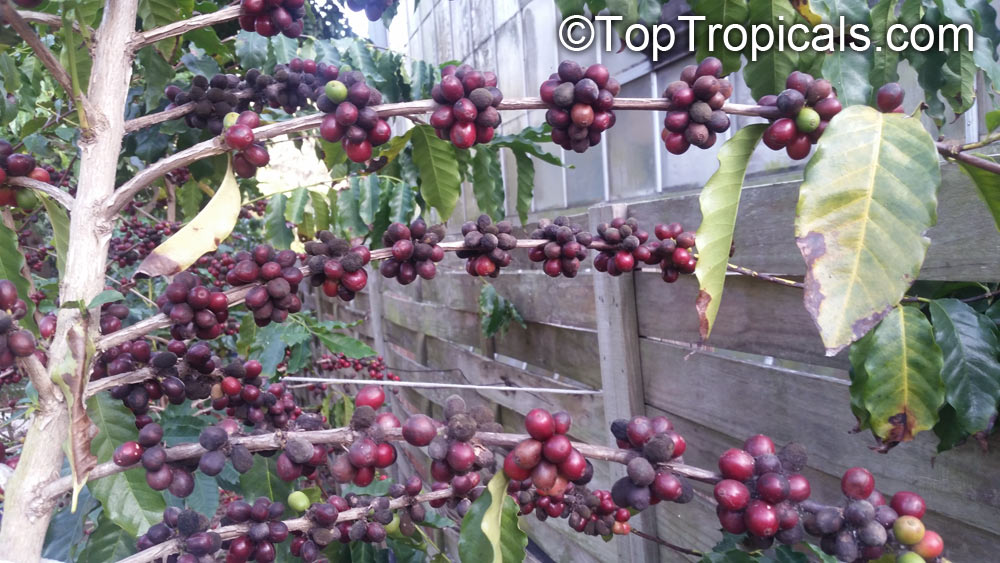
Coffeeis widely enjoyed as a beverage and is used in various desserts and
drinks.
It is rich in antioxidants, which may reduce inflammation and lower the
risk of chronic diseases.
It improves focus and mental alertness due to its caffeine content.
Coffee boosts metabolism and aid in fat burning, supporting weight
management.
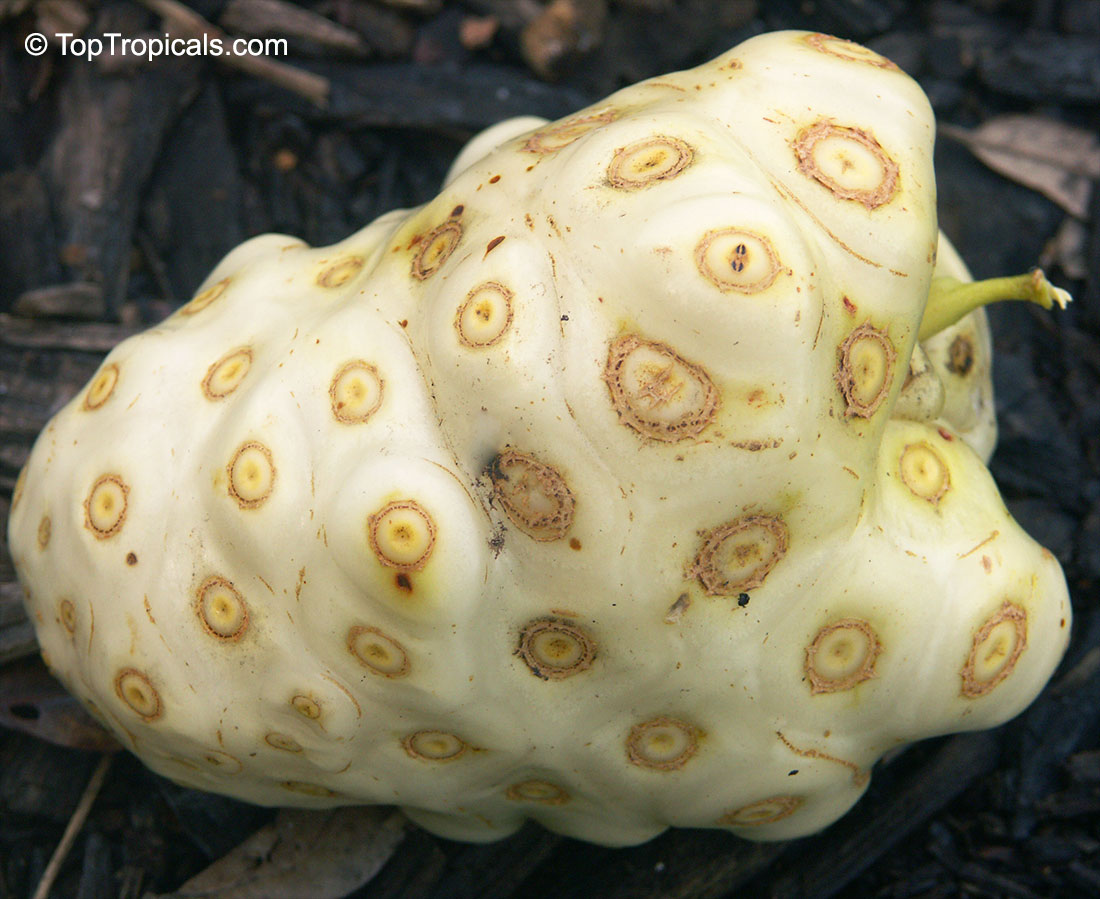
Noni is known for its anti-inflammatory properties and may help reduce joint
pain and arthritis symptoms.
Fresh noni fruit and juice are popular in traditional herbal medicine and
drinks.
It boosts the immune system due to its rich vitamin C content.
Noni juice is used traditionally to improve digestion and fight infections.
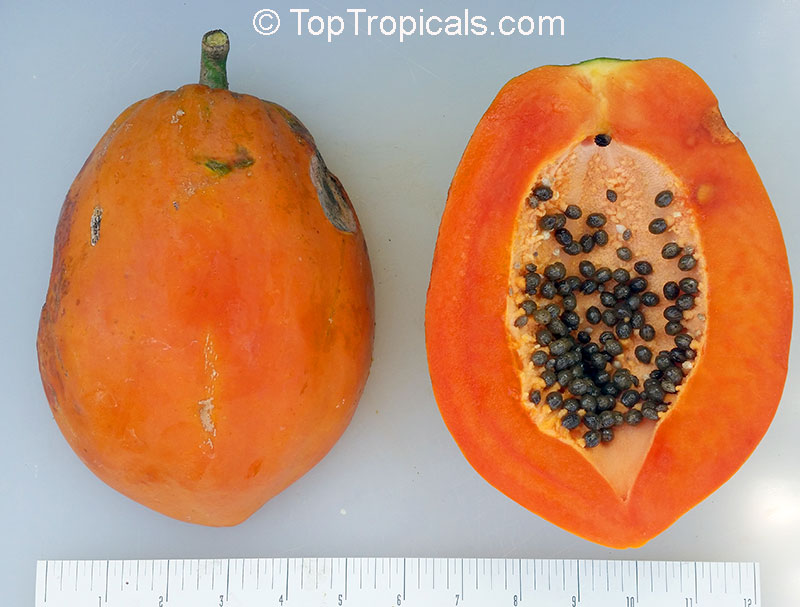
Papaya is a popular ingredient in salads, smoothies, and tropical desserts.
It contains enzymes like papain that aid digestion and reduce bloating.
It is high in vitamin C and vitamin A, the antioxidants in papaya may
protect against heart disease and reduce cancer risk.
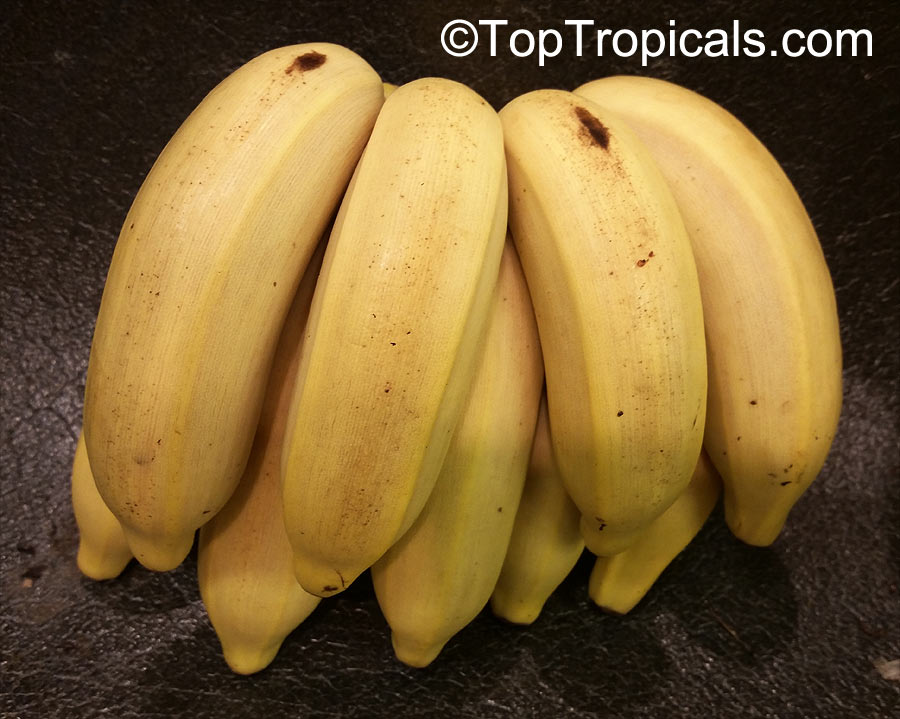
Bananas are rich in potassium, which helps regulate blood pressure and supports
heart health.
They provide a quick source of energy and are great for post-workout
recovery.
The fiber in bananas aids digestion and promotes gut health.
East them fresh, add to smoothies, bake into breads and desserts, or use in
various savory dishes.
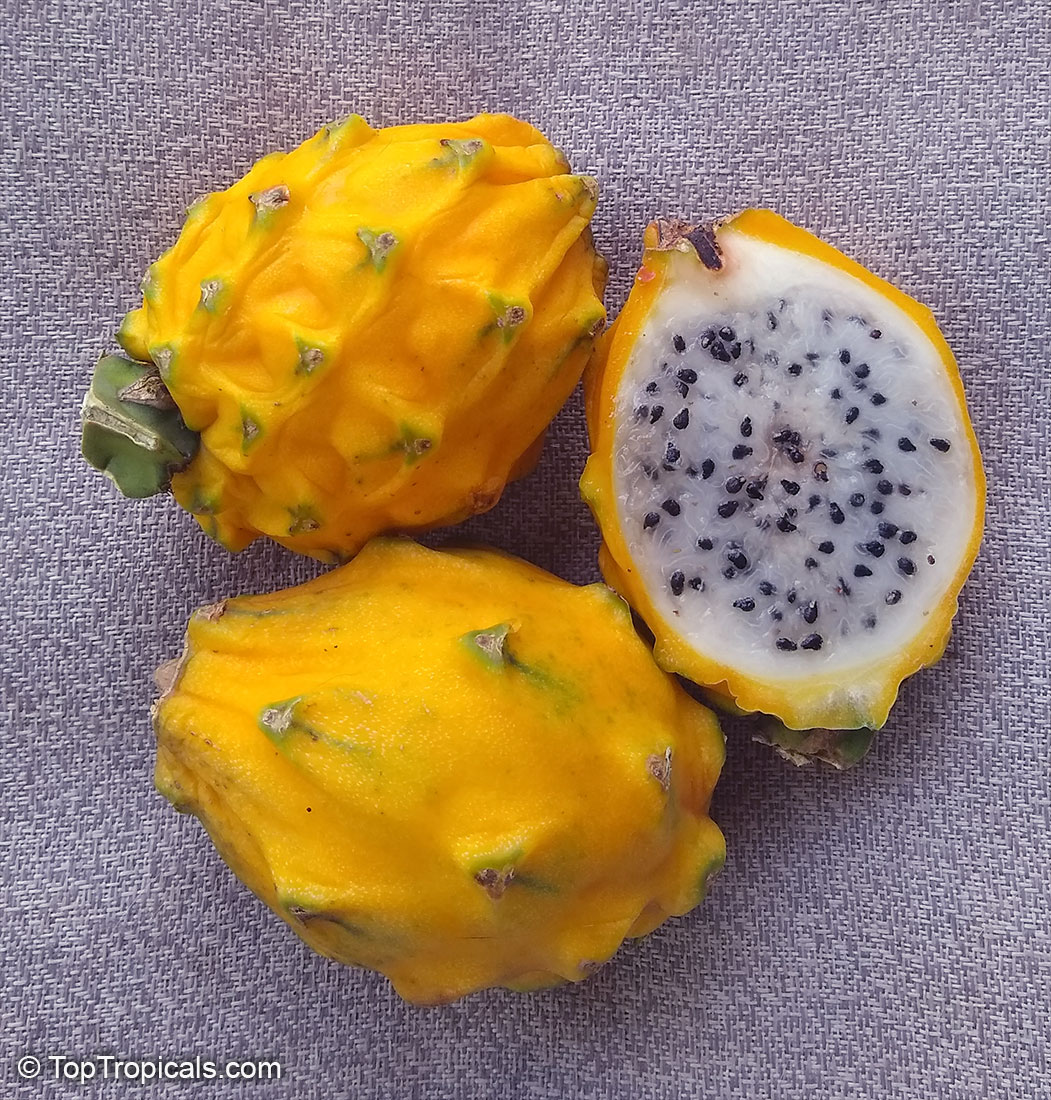
Dragon
fruit is often used in smoothies, fruit salads, and refreshing drinks.
It is high in fiber, aiding digestion and promoting gut health.
Low in calories and packed with nutrients, it's great for weight
management.
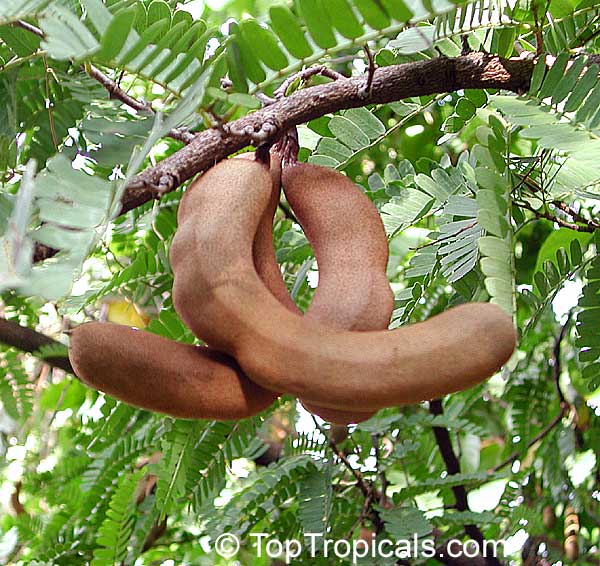
Tamarind is a common ingredient in sauces, chutneys, and beverages.
Rich in antioxidants, it protects the liver and reduces inflammation.
It contains natural compounds that help lower cholesterol and improve heart
health.
Tamarind has a mild laxative effect, aiding digestion and relieving
constipation.
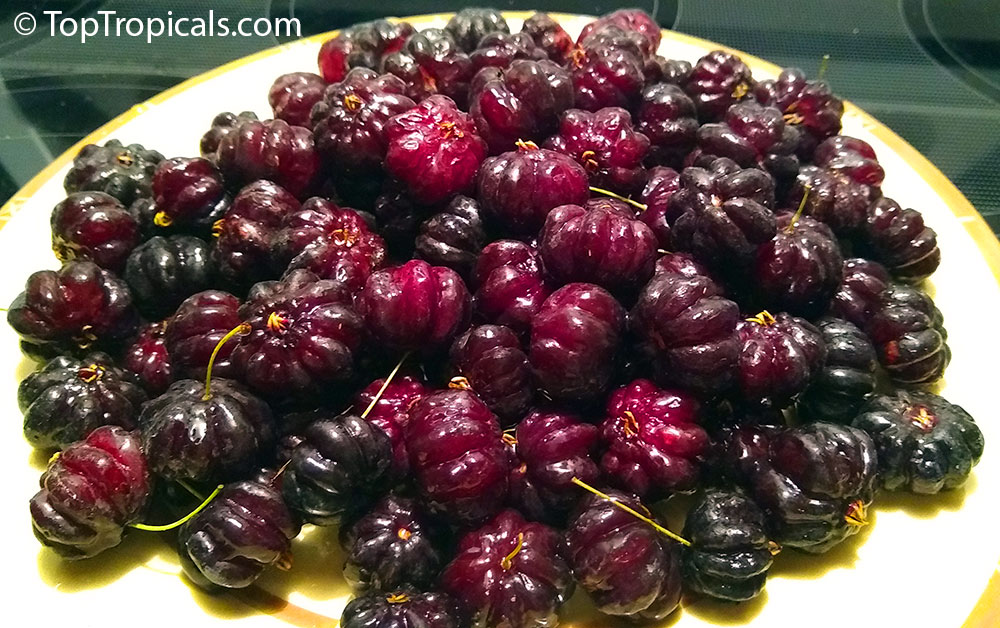
Surinam cherry is rich
in vitamin C, boosting the immune system and skin health.
Its antioxidants reduce inflammation and protect against free radical
damage.
It contains fiber, which supports healthy digestion.
Surinam cherries are used in jams, sauces, and desserts or eaten fresh.
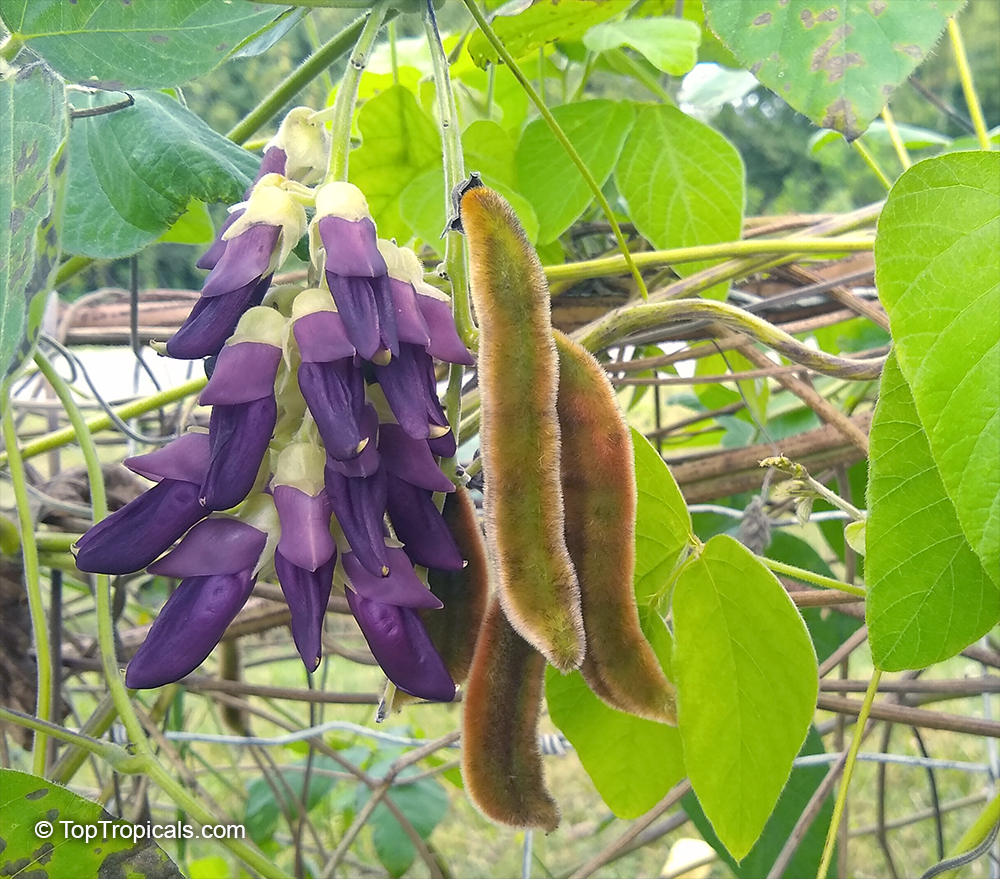
Nescafe - Mucuna pruriens - is used in herbal supplements or ground into powder for teas and health drinks.
It is known for its potential to boost dopamine levels, improving mood and reducing stress.
It supports cognitive function, muscle growth and increases energy levels.
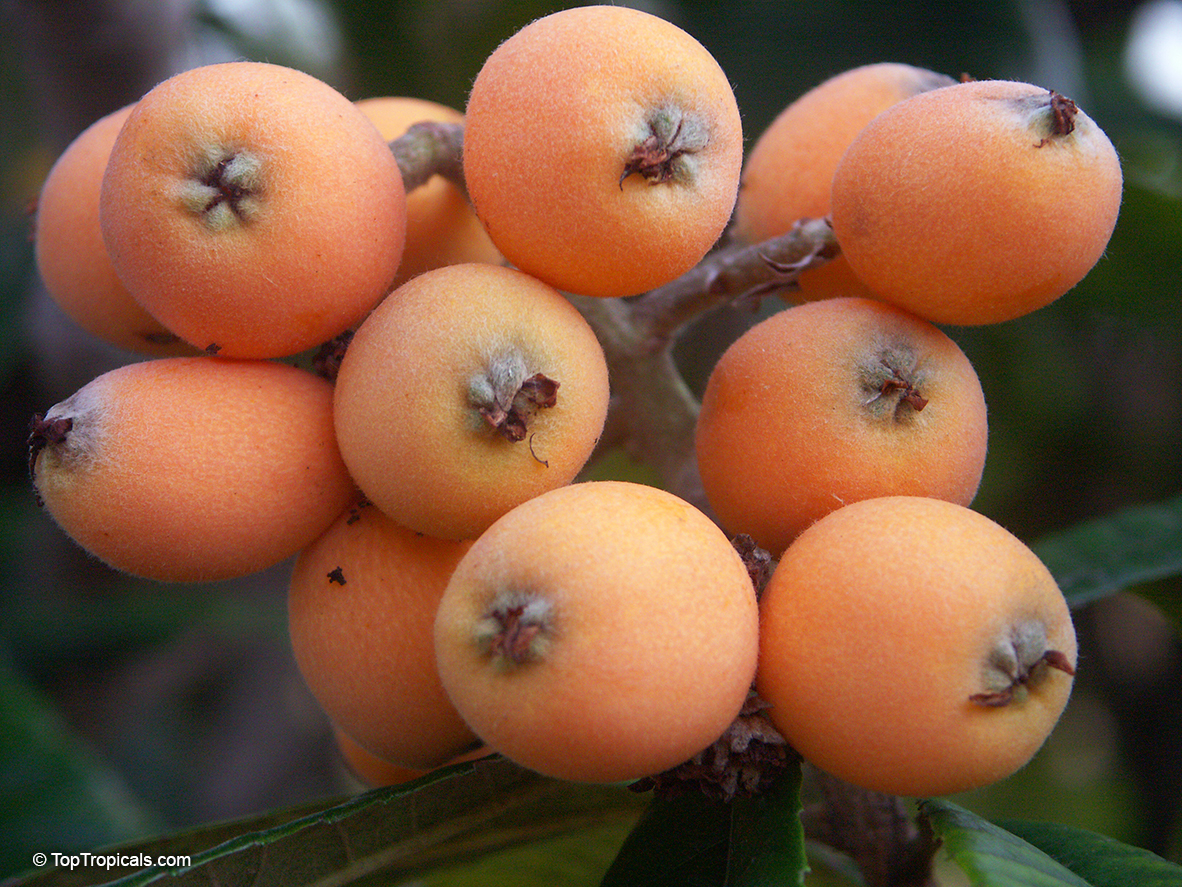
Loquat are very popular and are eaten fresh or used in making jams, jellies, pies, and fruit salads.
Loquat is rich in vitamin A, supporting eye health.
It contains antioxidants that help fight inflammation and reduce the risk of chronic diseases.
The fiber in loquats aids digestion and helps maintain healthy blood sugar levels.
By planting these 10 diverse fruit trees, you'll not only enjoy a delicious and abundant harvest but also ensure your garden provides all the nutrients needed for a healthier, more vibrant life.
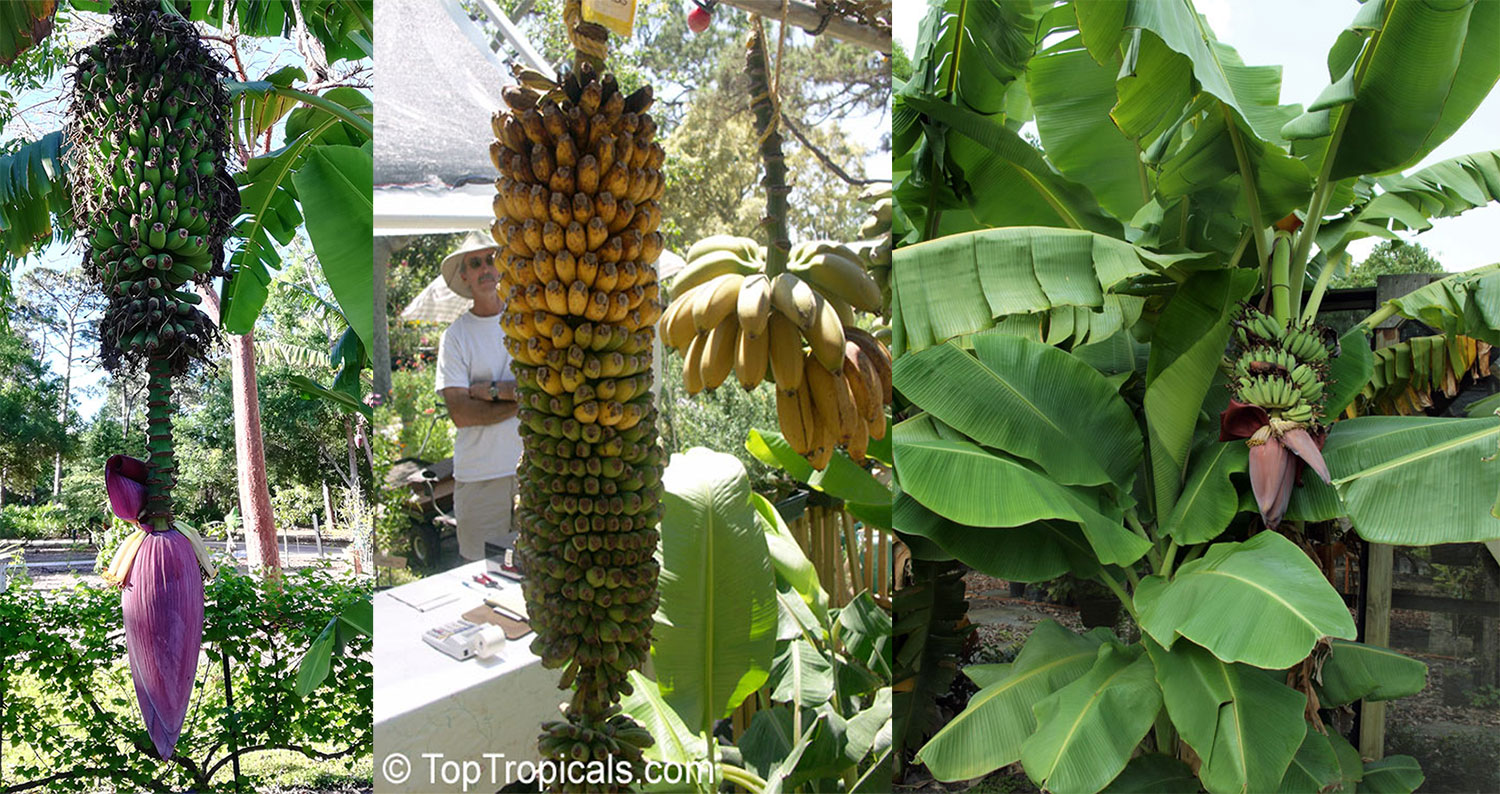
Go Bananas!
10 good reasons to plant bananas in your garden
Adding banana plants to your subtropical garden or plant
collection can enhance the aesthetics of your outdoor and indoor space, provide fresh and nutritious fruits, and offer a fun gardening experience with
relatively low maintenance requirements. It's a delightful way to connect with nature and enjoy the benefits of homegrown
produce.
1. Tropical Ambiance: Banana plants bring a touch of the tropics
to your subtropical garden. Their large, lush leaves create a lush and exotic atmosphere that can transform your garden into a
tropical paradise.
2. Homegrown Flavor: Growing your own banana trees allows you to
enjoy the freshest, most flavorful bananas right from your garden. Homegrown bananas often have a superior
taste compared to store-bought varieties.
3. Nutritional Benefits: Bananas are packed with essential vitamins, minerals, and dietary fiber. By
cultivating your own banana trees, you gain access to a nutritious and healthy snack option right in your backyard.
4. Quick Results: Banana plants are known for their fast growth. In subtropical climates, they can produce fruit in as little as one to two years. This means you don't have to wait long to savor the fruits of your labor!
5. Low Maintenance: Banana trees are relatively low-maintenance
once established. They require regular watering, but their hardy nature makes
them a relatively easy addition to your garden. They are not messy in a
landscape.
6. Versatility: Bananas offer versatility in your garden. You can choose from dessert bananas for snacking, cooking bananas like plantains for culinary experiments,
or even ornamental banana varieties to enhance your garden's aesthetics.
There are so many varieties to enjoy! You can't find this big selection in a
grocery store.
7. Sustainable Living: Growing your own bananas reduces your reliance on
store-bought produce, contributing to a more sustainable lifestyle. It also
minimizes the carbon footprint associated with transporting fruits to market.
8. Educational Value: Cultivating banana plants can be an
educational experience for both adults and children. It offers insights into
tropical horticulture and can foster an appreciation for gardening and botany.
9. Landscaping Appeal: Beyond their fruit-bearing potential, banana plants add visual
interest to your garden. Their unique form and striking leaves make them an excellent choice for
landscaping and providing shade in your outdoor space.
10. Resilience: While bananas thrive in tropical conditions, many banana varieties are hardy enough to withstand cooler
climates, making them a durable addition to your garden.
🍓The Strawberry Moon Rises: A Gardener's
Excuse to Go Outside
Sunshine: Look at my strawberry-glazed donut. Same as the
Strawberry Moon. I have been waiting for this all month. They say moon
gardening is useful. Let's go planting! Smokey: Science hasn't found much evidence for it. Sunshine: Then what's the point? Smokey: If the moon gets people into the garden, that's
good enough for me.
On the evening of Monday, June 29, 2026, the full Strawberry Moon will rise
low in the southeastern sky. Whether you follow a lunar calendar or not,
it's a good excuse to spend a little time outside on a summer evening.
🌛 What Is the Strawberry Moon, Exactly?
Many of the familiar full moon names come from Native American
traditions and reflect seasonal events in nature. June's full moon was named
for the
season when wild strawberries ripen across much of North America, not for
any
color in the sky. Despite the name, the moon won't glow pink or red. If it
looks warm or golden, that's simply because any full moon takes on an amber
tint when it hangs low near the horizon, the same atmospheric effect that
paints
sunsets orange. The "strawberry" is about the harvest, not the hue.
This year, the Strawberry Moon rises on the evening of June 29 and will
appear low in the southeastern sky, making it a particularly beautiful moon
to watch as dusk settles in.
🌓 Moon Gardening, an Old and Honest Tradition
For generations, gardeners across Europe and beyond timed their
planting, pruning, and harvesting to the phases of the moon. Plant root
crops during
a waning moon, some traditions say, and leafy crops during a waxing one.
Prune during certain phases to slow regrowth, harvest herbs at others for
better
potency. These calendars were passed down through generations of careful
observers who paid close attention to their land and their results, and many
still follow them today.
Modern science has found little evidence that lunar gravity or moonlight
significantly affects plant growth. Yet the tradition persists, and plenty
of growers still find real value in the rhythm it brings to the gardening
year.
💡What We Know For Sure
Here's the practical truth, and it's the same one Smokey arrived at
after thinking it over. Whether or not the moon influences your plants, the
act
of walking through your garden definitely does. A moon-phase calendar that
gets you outside to check on your plants, pull a few weeds, prune back
something
leggy, top off the mulch, or water a thirsty pot is helping your garden,
regardless of what's happening overhead.
The benefit isn't necessarily lunar. It's attention.
A garden rarely thrives because of a single grand effort. It thrives
because of dozens of small ones: a little pruning, a little watering, a few
weeds pulled before they become many.
Gardens reward the gardeners who show up, and if a full moon is your
reminder to show up, that's a perfectly good reason to keep watching the
sky.
📅 Beyond the Harvest
Not everything in a garden needs to produce a yield to be worthwhile.
Marking the seasons the way our ancestors did, a strawberry moon in June, a
harvest moon in fall, a snow moon in February, gives us small, recurring
reasons
to notice what's changing around us. It's a rhythm, not a requirement.
Think of the Strawberry Moon as a good excuse to take a walk through the
garden.
The Strawberry Moon doesn't have to improve anything to be worth
celebrating. It only needs to get you outside on a warm June evening, which,
honestly, isn't a high bar to clear.
A Strawberry Moon Collection, Just for
Fun
Sunshine immediately concluded that any moon named after strawberries
deserved a few strawberry-themed plants. We couldn't argue with that logic,
so
we pulled together a few Top Tropicals favorites that fit the theme.
🍓 Strawberry Tree
The Strawberry Tree (Muntingia calabura) often carries flowers and
fruit at the same time. Sweet red berries, delicate white blossoms, and lush
foliage make this fast-growing tropical tree both ornamental and productive
throughout much of the year.
A rare yellow-fruited
form of Muntingia calabura (Strawberry Tree), displaying
sweet golden berries, delicate white flowers, and immature green fruit all
at the same time. This unusual selection offers the same fast growth and
continuous fruiting as the red type, but with attractive yellow fruit that
is
seldom seen in cultivation.
Strawberry Tree (Muntingia calabura), also known as Jamaican
Cherry, grows quickly and produces dainty white flowers resembling
strawberry
flowers, followed by an abundance of small cotton-candy-sweet berries that
birds, wildlife, gardeners and their kids all appreciate.
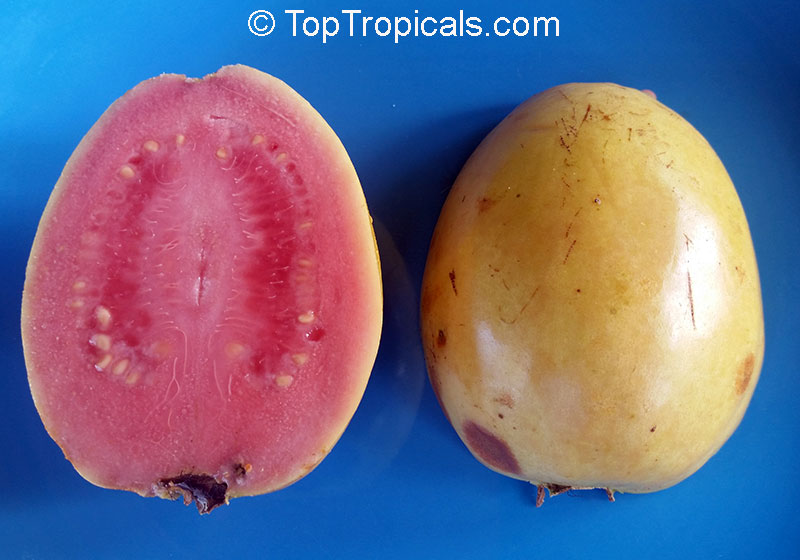
Strawberry Guava (Psidium littorale) brings glossy foliage and
sweet, perfumed fruit that tastes something like its namesake crossed with a
guava.
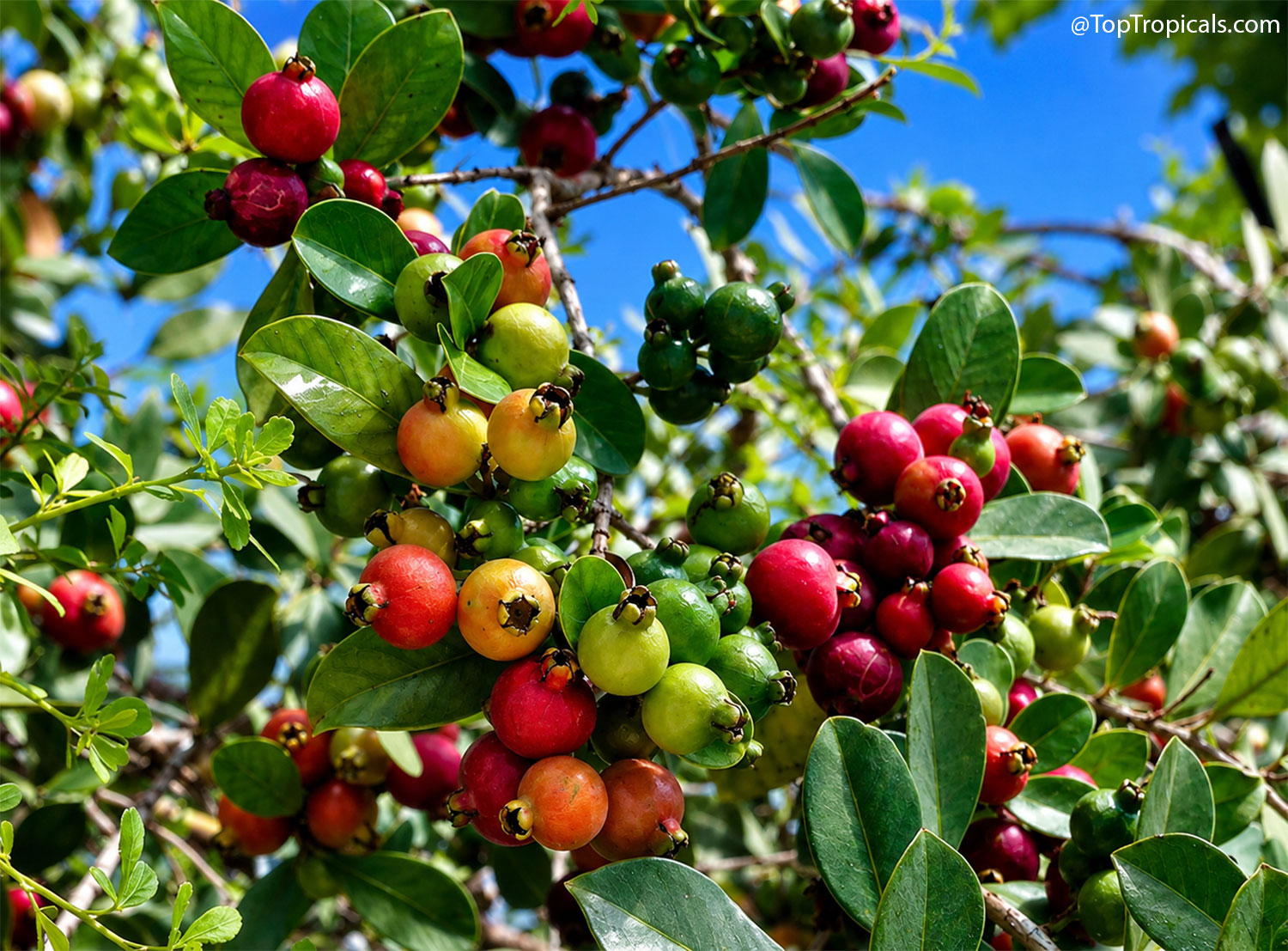
Strawberry Guava (Psidium littorale, or cattleianum) often
carries fruit in multiple stages of ripening at once, creating a colorful
display
of green, golden, and ruby-red berries. The sweet, aromatic fruit is prized
for fresh eating and attracts birds and wildlife to the garden.
🍓 Strawberry Dragon Fruit
Dragon Fruit Vietnamese Jaina Strawberry White (Hylocereus
undatus
) produces bright pink fruit with refreshing white flesh and a flavor often
described as a blend of strawberry, melon, and kiwi. Its enormous
night-blooming flowers are every bit as impressive as the fruit, turning
this vigorous
climbing cactus into a spectacular summer showpiece.
Vietnamese Jaina Strawberry White Dragon Fruit is prized for its
refreshing
white flesh and mild sweet flavor with hints of strawberry, melon, and kiwi.
The vivid pink skin and striking black-speckled interior make it as
beautiful
on the table as it is delicious to eat.
🍓 Strawberry Ginger
Coral Ginger Borneo Strawberry Pink (Riedelia coralina) is one of
the rarest gingers in cultivation, producing unusual strawberry-pink flower
spikes that seem almost too exotic to be real. The edible blooms have a
pleasant spicy fragrance and flavor, making this New Guinea treasure as
interesting
to taste as it is to admire.
Whether you came for the moon or the plants, we hope you discovered
something interesting.
They just happen to share a name with the moon overhead this June, and that
felt like reason enough to give them a little spotlight.
Riedelia coralina, known as Coral
Ginger or Borneo Strawberry Pink, produces one of the most
unusual flower displays in the ginger family. Its striking strawberry-pink
blooms
rise above lush foliage, creating a tropical focal point rarely seen outside
specialized collections.
🍓🌱 How to Grow Them
If you live in a frost-free climate (USDA Zones 10+), simply plant these
strawberry gems in the ground and enjoy. Strawberry Guava can tolerate
occasional frosts down to about 28F once established.
Not so lucky? Many gardeners successfully grow Strawberry Guava, Strawberry
Dragon Fruit, and Strawberry Tree in containers, moving them indoors or to a
protected location during winter. You don't need a tropical climate to enjoy
tropical fruit.
🏡 See You Outside
Whether you believe in moon gardening or not, June 29 is a good night to
step outside, find an open view of the southeastern sky, and watch the
Strawberry Moon rise. Bring a cup of tea, walk the garden beds while there's
still
light, pull a few weeds, and let the evening settle in around you.
And that may be the real lesson of the Strawberry Moon.
Sunshine: The Strawberry Moon is out. Time for
gardening. Smokey: What does the moon calendar recommend? Sunshine: I have no idea. I left it on the kitchen table.
Both hands are full. Smokey: Of course they are. Coffee and donuts. Let's start
with the weeds.





 A Strawberry Moon Collection, Just for
Fun
A Strawberry Moon Collection, Just for
Fun