Garden Blog - Top Tropicals

Date: 5 Jun 2026

Pitaya Eureka Red: dragon fruit beyond pink and white - A Collectors Guide
Pitaya Eureka Red: dragon fruit beyond pink and white - A Collectors Guide

🍉 Pitaya Eureka Red: dragon fruit beyond pink and white - A Collector's Guide


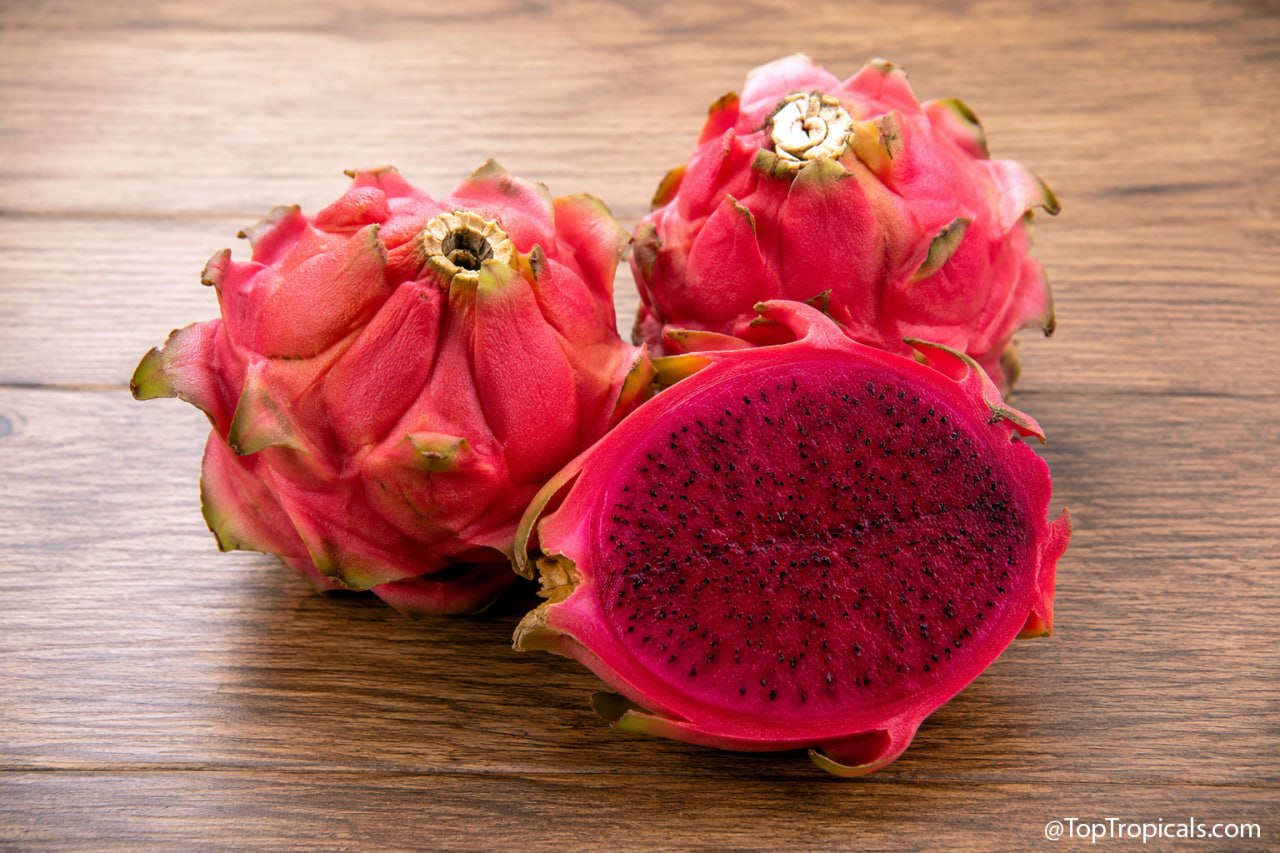
Most people think dragon fruit is a mild, white-fleshed fruit with bright pink skin; then they discover Eureka Red - the highly sought-after, red-fleshed dragon fruit variet, a hybrid of Hylocereus polyrhizus and Hylocereus costaricensis. It is prized for its bold tropical flavor, intense sweetness, and vibrant, antioxidant-rich dark red juice. Originally selected in Nicaragua, Eureka Red is a self-pollinating variety that produces large fruit with deep red flesh and a flavor that is noticeably richer than many common white-fleshed dragon fruits. It belongs to a group of dragon fruits prized not only for their beauty but also for their intense color and higher antioxidant content.

🔸 A fruit that stands out


The first thing you'll notice is the flesh. Slice open a ripe Eureka Red and you'll find a vivid ruby-red interior packed with tiny black seeds. The contrast between the bright pink skin and dark red flesh makes it one of the most striking dragon fruits you can grow.

The fruit are typically large, often larger than many standard white-fleshed varieties, making them especially rewarding for home gardeners.

🔸More flavor than you might expect


Many people describe white-fleshed dragon fruits as refreshing and mildly sweet. Eureka Red takes things a step further.

The flavor is richer and more complex, with berry-like notes and a deeper sweetness balanced by a pleasant tang. The texture remains smooth and juicy, making it excellent for eating fresh, blending into smoothies, or adding dramatic color to fruit salads and desserts.

🔸 Easy to grow and productive


One reason Eureka Red has become popular among collectors is that it is self-pollinating. A single plant can produce fruit without requiring a second variety for cross-pollination.

Like other dragon fruits, it is a climbing cactus that thrives in warm climates, appreciates good drainage, and rewards growers with enormous fragrant white flowers that open after sunset. Once established, the plants can be remarkably productive.

🔸 Why collectors love it


Dragon fruit enthusiasts are always searching for varieties that combine beauty, flavor, and reliability. Eureka Red checks all three boxes. Its large fruit, deep red flesh, self-pollinating nature, and excellent flavor have earned it a place among the most desirable dragon fruit varieties for home gardens.

If you've only tasted the typical supermarket dragon fruit, Eureka Red is a reminder that the world of dragon fruits is far more colorful - and flavorful - than most people realize. 👉 More...

🛒 Explore and collect Dragon Fruit varieties

📚 Learn more:

Pitaya Plant Facts

Botanical name: Hylocereus sp.
Also known as: Pitaya, Pitahaya, Dragon Fruit, Strawberry Pear
USDA Zone: 9 - 11
Highligths Large shrub 5-10 ft tallVine or creeper plantSemi-shadeFull sunWatering: Moderate. Water when top soil feels dryWhite, off-white flowersThorny or spinyEdible plantSubtropical plant. Mature plant cold hardy at least to 30s F for a short timeSeaside, salt tolerant plant
Get personalized tips for your region

· Dragon fruit Hylocereus in Plant Encyclopedia
· Pitaya David Bowie: Dragon Fruit Beyond Pink and White
· A Quick Guide to Dragon fruit varieties: Red, White, Yellow, Purple and more...
· What is the best Dragon fruit with red flesh?
· Planting your own Dragon Fruit plantation
· Do-It-Yourself Support Structure for Dragon Fruit
· Why you need to grow your own dragon fruit
· Do red, white and yellow Dragon fruit taste differently?

#Food_Forest #Dragon_Fruit #Discover

🟢 Join 👉 TopTropicals
Date: 5 Jun 2026

The Heart-Shaped Houseplant People Keep Giving as a Living Love Note

The Heart-Shaped Houseplant People Keep Giving as a Living Love Note

💞 The Heart-Shaped Houseplant People Keep Giving as a Living Love Note


Most houseplants are just greenery, but Hoya kerrii is different. One look at its perfectly heart-shaped leaves and you immediately understand why it’s called the Sweetheart Plant or Valentine Hoya. It looks almost unreal - thick green hearts climbing along twisting vines, as if designed specifically for a Love Gift. But unlike flowers that fade in a week, this gift keeps growing, quietly reminding someone every day that they are loved. For plant collectors, it has become one of the most charming and recognizable indoor plants in the world.

💖 Three Stunning Varieties to Obsess Over


The famous heart shape is only part of the story. Mature plants grow long, twining stems covered in succulent-like leaves that look like little green valentines hanging in every direction. It comes in three beautiful forms:

🟢 Classic Jade Green: Deep green foliage and the fastest grower of the family.
🟡 Sunshine Variegated: Bright, creamy-yellow margins that light up a room.
⚪️ Moonlight Variegated: Softer, silvery-cream internal patterns for an elegant look.

Many people first discover Hoya kerrii as a single rooted leaf sold in a tiny pot. While those cute novelty hearts make popular gifts, mature trailing plants are far more impressive.
👉 Pro-Tip: If you want cascading vines, buy a plant with a visible stem and multiple leaves. Those single novelty leaves look adorable on a desk, but without a piece of stem tissue, they never grow any larger.

💖 Surprisingly Low-Maintenance


One reason the Sweetheart Hoya exploded in popularity is simple: it is extremely forgiving and tolerates neglect better than too much attention. Because the thick leaves store water like a succulent, it easily survives weeks between waterings.

It adapts beautifully to standard home or office life:

💧Water: Low to moderate. Let the soil dry out completely between waterings.
☀️Light: Bright, indirect light is best, though it tolerates lower-light spots.
📊Environment: Thrives in average household humidity and indoor temperatures.

The single biggest mistake you can make is overwatering. When in doubt, leave it dry.

💖 The Fragrant, Wax Flowers


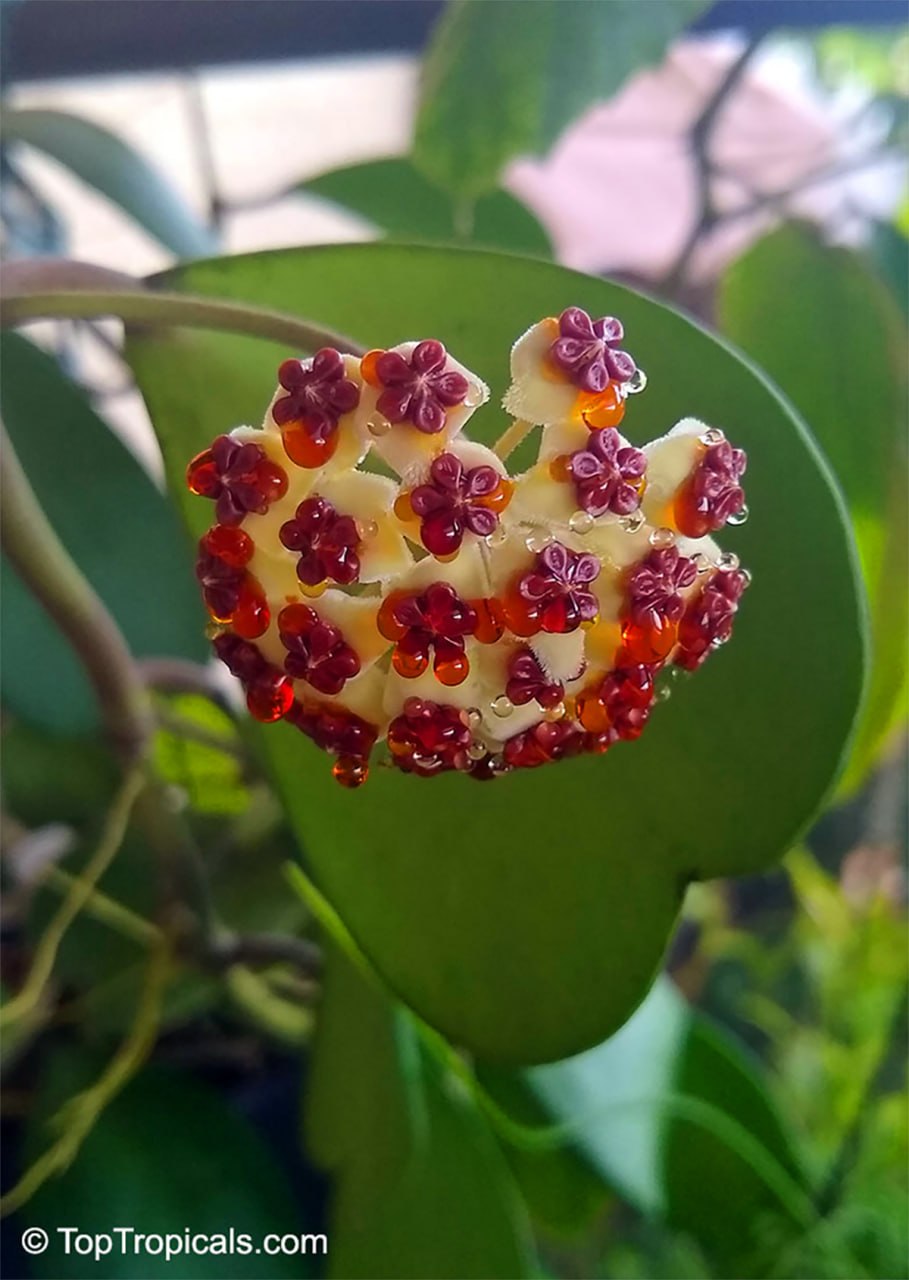
Many owners don't even realize Hoya kerrii blooms until it suddenly produces clusters of strange, waxy flowers that look almost artificial.

The blooms form in rounded, umbrella-like clusters of tiny, double-layered stars - a pale outer star topped with a rich, reddish center crown. Like most Hoyas (affectionately called "wax plants"), the blooms are remarkably long-lasting and release a sweet, rich fragrance, especially in the evening.

💖 A Plant That Tells a Story


There is something deeply thoughtful about giving a living, heart-shaped plant. Cut flowers are a temporary gesture, but a Sweetheart Hoya becomes a permanent fixture on a windowsill, a kitchen corner, or an office desk.

That is why this quirky tropical vine remains a favorite for birthdays, anniversaries, and "thinking of you" surprises. Some plants simply decorate a room; a Sweetheart Hoya quietly tells a story every time you walk past it.

🛒 Collect Sweetheart Hoyas

📚 Learn more:

Wax Hearts Plant Facts

Botanical name: Hoya kerrii
Also known as: Wax Hearts, Sweetheart Hoya, Valentine Hoya, Heart leaf
USDA Zone: 9 - 11
Highligths Groundcover and low-growing 2ft plantSemi-shadeShadeFull sunWatering: Moderate. Water when top soil feels dryOrnamental foliageWhite, off-white flowersPlant attracts butterflies, hummingbirdsFragrant plant
Get personalized tips for your region

Hoya kerrii, Sweetheart Hoya in Plant Encyclopedia
What is the best gift plant that actually lasts?
The best gift for Valentines Day
Valentines day Gift Plant Ideas
Valentine’s plants from around the world that symbolize love, connection, and appreciation
Eight favorite plants of romance, affection, and emotional connection

#Shade_Garden #Container_Garden #Discover

🟢 Join 👉 TopTropicals

Date: 20 Sep 2025

How to make lots of Insulin Ginger plants quickly and get more health benefits

Costus igneus (Chamaecostus cuspidatus) - Fiery Costus or Spiral Flag

💚 How to make lots of Insulin Ginger plants quickly and get more health benefits


Costus igneus (Chamaecostus cuspidatus) - Fiery Costus or Spiral Flag is believed to help lower blood glucose levels naturally and managing diabetes.

Have you heard of Insulin Ginger? Everyone wants to have it in the garden!

Gardeners in India grow it not just for its pretty spiral leaves, but for what those leaves do. People with diabetes often chew them fresh or brew them into tea, saying it helps keep their blood sugar under control.

Researchers have found something interesting: the leaves contain an insulin-like compound, along with antioxidants and anti-inflammatory properties. In animal studies, extracts from the plant lowered blood sugar, protected the liver and kidneys, and even made the body more sensitive to insulin.

The way folks use it is simple. You can chew a leaf right off the plant, steep dried leaves for tea, or find it in powders and capsules. It's one of those plants that shows how tradition and science sometimes meet in the garden.

Its lush, turmeric-like leaves spiral around upright stems, with a glossy dark green top and a striking light purple underside. In warm months, it produces bright orange, cone-like flowers that stand out beautifully in the garden.

Beyond its beauty and natural insulin effects, the insulin plant is credited with aiding digestion, reducing cholesterol, boosting energy, improving skin health, supporting weight loss, relieving stress, and promoting heart wellness. A real botanical multitasker!

🎥 In this video, we’ll show you how to multiply Insulin Ginger fast, so you’ll have plenty of plants for yourself and even extras to share with friends and family.

✅ Don’t forget to use Green Magic fertilizer for the best results. Gingers absolutely love this plant food - they thrive on it and respond better than any other plant, with vigorous growth, lush foliage and loads of leaves you’ll need for all the benefits.

🛒 Grow your own sugar-fighter - the Insulin Ginger

📚 Learn more:


🟡The fiery plant that fights sugar: Nature secret insulin?
🟡Most interesting edible gingers

#Food_Forest #Remedies #Shade_Garden #Discover

🟢 Join 👉 TopTropicals

Date: 23 Sep 2025

8 best flowering trees that will bloom for you in Winter

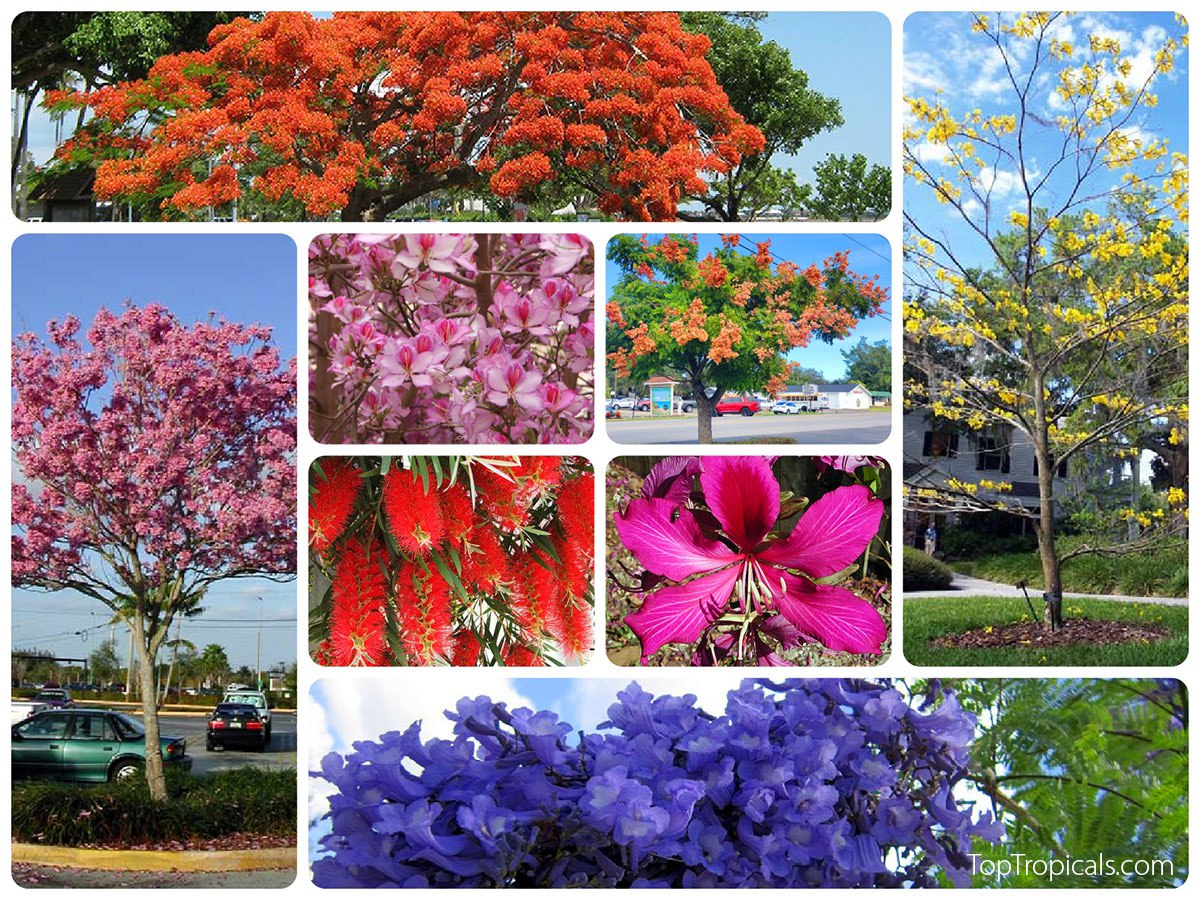
Royal poinciana - Flamboyant tree, Delonix regia (top)
Tabebuia impetiginosa - Dwarf Pink Tabebuia (left)
Tabebuia chrysotricha - Dwarf Golden Tabebuia (right)
Bauhinia variegata - Pink Butterfly Orchid Tree (center top left)
Koelreuteria paniculata

Royal poinciana - Flamboyant tree, Delonix regia (top) Tabebuia impetiginosa - Dwarf Pink Tabebuia (left) Tabebuia chrysotricha - Dwarf Golden Tabebuia (right) Bauhinia variegata - Pink Butterfly Orchid Tree (center top left) Koelreuteria paniculata - Golden Rain Tree (center top right) Callistemon citrinus - Weeping Red Bottlebrush (center bottom left) Bauhinia blakeana - Hong Kong Orchid Tree (center bottom right) Jacaranda mimosifolia (acutifolia) (bottom)

💐 8 best flowering trees that will bloom for you in Winter


📸 Pictures for the previous post:


Royal poinciana - Flamboyant tree, Delonix regia (top)
Tabebuia impetiginosa - Dwarf Pink Tabebuia (left)
Tabebuia chrysotricha - Dwarf Golden Tabebuia (right)
Bauhinia variegata - Pink Butterfly Orchid Tree (center top left)
Koelreuteria paniculata - Golden Rain Tree (center top right)
Callistemon citrinus - Weeping Red Bottlebrush (center bottom left)
Bauhinia blakeana - Hong Kong Orchid Tree (center bottom right)
Jacaranda mimosifolia (acutifolia) (bottom)

🛒 Plant a tree now for winter flowers

#Trees #Discover

🟢 Join 👉 TopTropicals

Date: 23 Sep 2025

Eight most spectacular winter blooming trees

Eight most spectacular winter blooming trees

💐 Eight most spectacular winter blooming trees


🍁 Fall is the right time to get winter bloomers in the ground. Plant them now, and by the time the cool season settles in, you’ll have flowers to enjoy. We get a lot of snowbirds asking us what to plant when they’re here for just the season, and the answer is simple: pick trees and shrubs that show off in winter!

🏆 8 best flowering trees that will bloom for you in Winter


💐 1. Royal poinciana - Flamboyant tree, Delonix regia


Known for fiery red-orange blooms, the flamboyant tree creates a spectacular canopy. Even in the cooler season, mature specimens may flower heavily in warm climates.
👉 Learn more

💐 2. Tabebuia chrysotricha - Dwarf Golden Tabebuia


One of the brightest winter bloomers, this small tree bursts into golden-yellow flowers on bare branches, turning the whole crown into a glowing dome.
👉 Learn more

💐 3. Tabebuia impetiginosa - Dwarf Pink Tabebuia


A smaller tabebuia with trumpet-shaped pink to lavender blooms. Its leafless winter display is striking and well-suited for compact gardens.
👉 Learn more

💐 4. Jacaranda mimosifolia (acutifolia)


Famous for its lavender-blue clouds of trumpet flowers, Jacaranda puts on a dramatic show even when most trees are bare. Perfect for lining streets or as a specimen tree.
👉 Learn more

💐 5. Koelreuteria paniculata (bipinnata) - Golden Rain Tree


This tree stands out in winter with clusters of golden flowers followed by papery lantern-like seed pods. It’s ornamental in every stage, even when not in full bloom.
👉 Learn more

💐 6. Callistemon citrinus - Weeping Red Bottlebrush


Its crimson brush-like flowers appear in flushes during the cooler months. This tree is tough, drought-tolerant, and attracts pollinators while keeping color in the winter garden.
👉 Learn more

💐 7. Bauhinia variegata - Pink Butterfly Orchid Tree


Soft pink to lavender blooms open on leafless branches in the cool season. The butterfly-shaped petals make this tree both graceful and eye-catching.
👉 Learn more

💐 8. Bauhinia blakeana - Hong Kong Orchid Tree


A sterile hybrid that doesn’t produce seed, this tree is prized for its huge magenta flowers that cover bare branches in winter. Rare and highly ornamental, it’s a true collector’s tree.
👉 Learn more

🛒 Plant a tree now for winter flowers

#Trees #Discover

🟢 Join 👉 TopTropicals