Garden Blog - Top Tropicals

Date: 10 Feb 2026

Cold-hardy avocado survival groups - what the numbers really mean
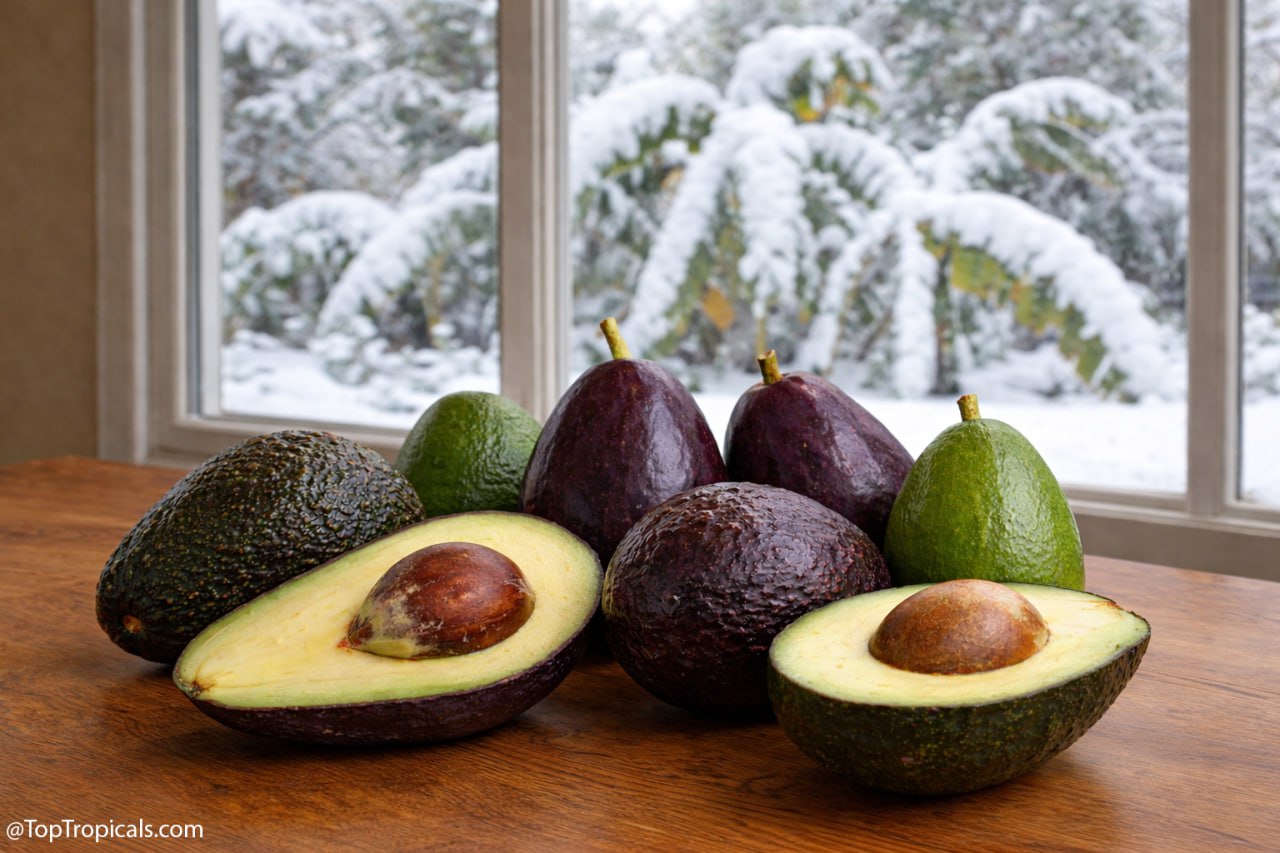
Different varieties of Avocado fruit on a table

Different varieties of Avocado fruit on a table

Cold-hardy avocado survival groups - what the numbers really mean


Avocado cold hardiness is often misunderstood. Temperature numbers do not mean a tree stays untouched - they describe survival, not appearance. Leaf burn, twig dieback, and temporary setbacks are normal even on hardy varieties. The difference is whether the tree recovers.
Below are cold-hardy avocado varieties grouped by minimum reported survival temperatures, along with what growers typically observe after a freeze.

🌡 Hardy to 15F:


Brazos Belle (Wilma), Fantastic, Joey, Lila (Opal), Day.
Best freeze survivors. Minor leaf burn possible, but trees usually recover quickly with little structural damage. These are among the most cold-tolerant avocado varieties when fully established and exposed to short-duration freezes.
What to expect: Trees in this group often survive temperatures near 15F with little to moderate leaf damage. Some tip dieback is possible, but major limb loss is uncommon. Recovery is usually strong once warm weather returns, especially in dry winter conditions.
  • 🌡 Hardy to 20F:
  • Bacon, Brogdon (Brogden), Fuerte (Dwarf), Mexicola, Miguel, Ulala (Super Hass), and Waldin.
    Reliable survivors in cold-prone areas. Expect leaf damage and some setback, but established trees typically rebound.
    These varieties perform well in marginal climates and are commonly grown where freezes are expected but not extreme.
    What to expect:
    Leaf burn is common at or below 20F, and young shoots may be damaged. Trees typically survive, but may need a full growing season to regain canopy density. Established trees usually rebound well with good drainage and protection from wind.
  • 🌡 Hardy to 25F:
  • Black Prince, Choquette, Hall, Hardee Red, Lula, Marcus Pumpkin, Mexicola Grande, Nishikawa, Oro Negro, Poncho (Pancho), Tonnage, Winter Mexican, Wurtz (Dwarf) and Yamagata.
    Moderate cold tolerance. Leaf drop and branch dieback are common after freezes, though trees usually survive.
    This group includes moderately cold-tolerant avocados that handle light freezes but are more easily damaged during prolonged cold.
    What to expect:
    Expect noticeable leaf drop and some branch dieback when temperatures fall near 25F. Trees usually survive but may look rough for weeks or months. Proper placement and drainage greatly influence recovery speed.
  • 🌡 Hardy to 30F:
Bernecker, Catalina, and Florida Hass (Haas).
Frost-tolerant only. Damage occurs quickly, and repeated freezes can cause serious stress without protection.
Actual results depend on tree age, freeze duration, wind, moisture, and microclimate. Lower numbers do not mean damage-free - they mean the tree lived to grow again.
These avocados are best suited to areas with only occasional frost and minimal freeze exposure.
What to expect:
Leaf damage occurs quickly near 30F, and unprotected trees may suffer significant canopy loss. Survival is possible during brief cold events, but repeated freezes can cause lasting damage. These varieties benefit most from proactive protection.

❗️ Important reminder


All temperature figures are approximate and experience-based, not guarantees. Survival depends on tree age, duration of cold, wind, moisture, and microclimate. Cold tolerance improves significantly as trees mature, while young trees remain vulnerable across all groups.
Understanding the difference between survival and damage is the key to choosing the right avocado for colder climates.

🛒 Explore cold hardy Avocado varieties

📖 Our Book: Avocado Variety Guide, Snack or Guacamole?

📚 Learn more:


🎥 These Avocados survived 25F hard freeze 3 nights of Florida Record Freeze

#Food_Forest #Avocado #Discover #How_to

🟢 Join 👉 TopTropicals
Date: 12 Sep 2019

Helping Citrus and other fruit trees with Nutritional Supplements

Q: Can you recommended a product to help with my citrus? Combating greening and chlorosis.

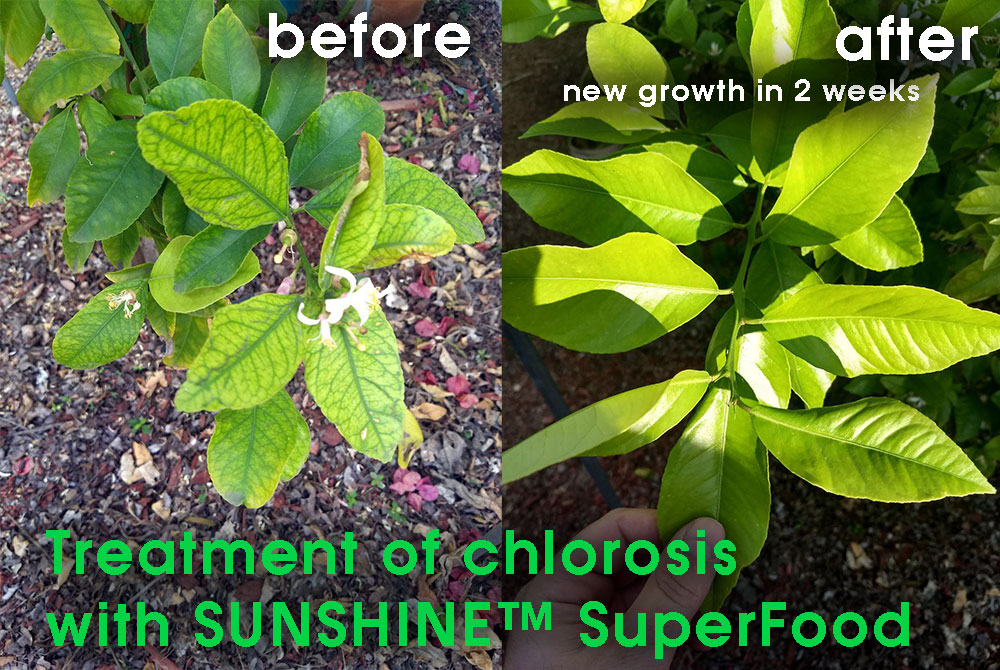
A: Citrus greening is spread by an insect called the Asian citrus psyllid. The psyllid feeds on the stems and leaves of the trees, infecting the trees with the bacteria that causes citrus greening. Florida Citrus growers dedicated the last decade to researching citrus greening. Officially, currently there is still no cure, however, some Nutritional solutions have shown promising results. To slow the progression of citrus greening in infected trees, nutrients are applied to the leaves and to the roots. Providing better nutrition helps trees fight against citrus greening and enables them to continue to produce quality fruit.

We recommend the following products for use on regular basis:

SUNSHINE Epi is a natural Brassinosteroid plant hormone and a bio-stimulant that may be very effective as citrus greening treatment. It works through plant's immune system and shows amazing results of recovery of weak and sick plants.

SUNSHINE Superfood, a complex micro-element supplement, maintains plant's health and provides vigorous growth.

SUNSHINE-Honey is a basic nutritional complement, it contains essential plant micronutrients Boron (B) and Molybdenum (Mo). These elements are essential to vegetative and reproductive growth, cell expansion, tissue growth, and fertility. A very common problem for most unimproved garden soils is lack of Molybdenum and Boron as soil micro-component. This results in underdeveloped / low quality fruit and/or premature fruit drop. Applying SUNSHINE Honey on your fruit trees will fill that gap and help a fruit tree to form a healthy fruit.

Macro-nutrients should be applied in combination with micro-nutrients on regular basis:

Mango-Food - Smart Release Fruit Tree Booster (works great for all tropical fruit trees)
Fruit Festival Plant Food - Ideal blend designed to improve fruit trees health and vigor, and increase crop yield.

See SUNSHINE Boosters page for the complete list of plant boosters.

Date: 9 Mar 2025

How to grow tons of fruit in limited space - its incredible!

100 Papaya trees in 6"x100" strip

💥 How to grow tons of fruit in limited space - it's incredible!

  • 🍊 Yesterday we planted 100 Papaya trees in 6"x100" strip of the garden. That’s right - 100! This year, we’ll have BILLIONS and BILLIONS of fruit. Unbelievable! You should do it too. And here's how.
  • 🍊 Want to grow more fruit trees? Different varieties? But look at your space - it's never enough! What can you do? Most people have no clue. But we do.
  • 🍊 "Fruit cocktail trees" - great idea, right? Different varieties grafted onto one tree. Used to be very popular, especially citrus. But guess what? Doesn’t work well. The strongest variety takes over, dominates - very unfair.
  • 🍊 The best solution? It's called "One Hole Planting." Genius! Just plant several varieties in the SAME hole. Each variety gets its own root system - no fighting, no losers. Just winners.
  • 🍊 The absolute best candidates? Papaya Trees! (Carica papaya). They grow tall, straight, strong - just like a palm tree!
  • 🍊 Here’s the trick: plant several varieties together. Both male and female trees (you thought male papaya was useless? Plant it in, and watch what happens!). It's the best way! Saves space, supercharges pollination, maximizes fruit production. You get different flavors, non-stop harvests.
  • 🍊 Watch the video - 14 huge holes, 100 trees! It’s going to be HUGE! And guess what? We'll be back in just a few weeks - showing off the harvest! Stay tuned!


📚 Learn more from previous posts:


🛒 Shop Papaya Trees

#Food_Forest #Papaya #How_to

🔴 Join 👉 TopTropicals

Date: 14 Apr 2025

How to Plant a Perfume Hedge
And What Does a Champaka Tree Look Like?
Practical Growing Guide

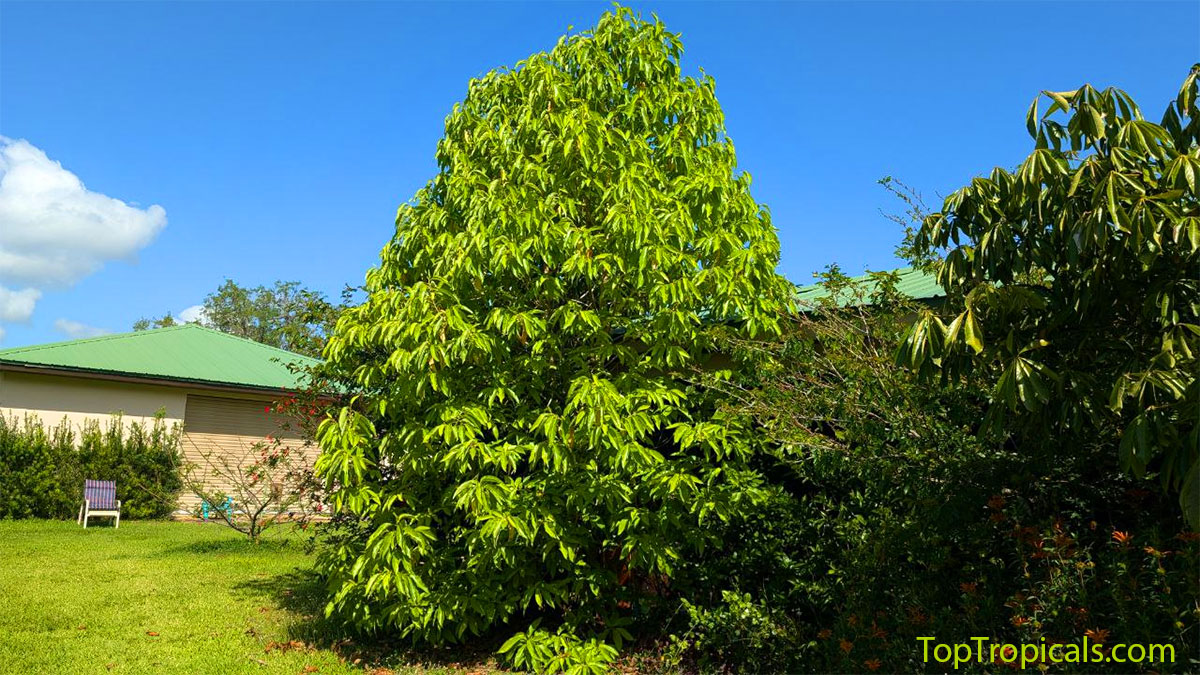
Champaka  tree  in  landscape

Photo above: Magnolia champaka (Joy Perfume tree) in landscape. This tree was planted 3 years ago from a 7-gal pot. The tree is now 5 years old from seed and has been covered with flowers for two seasons in a row. Check out short video.

Q: How big does the Champaka tree grow, tall and wide? And what is the growth habit? I'm thinking of planting a perfume hedge along my property with several of these beautiful trees (8-10 trees). How far apart should I plant them and what container size should I start with? And how soon will they start blooming?

A: Magnolia champaka, or Joy Perfume tree is the most desirable perfume tree for Southern landscapes - and a Signature Plant of Top Tropicals! You can see several of these stunning trees around our B-Farm in Sebring, including the one right by the office front door.

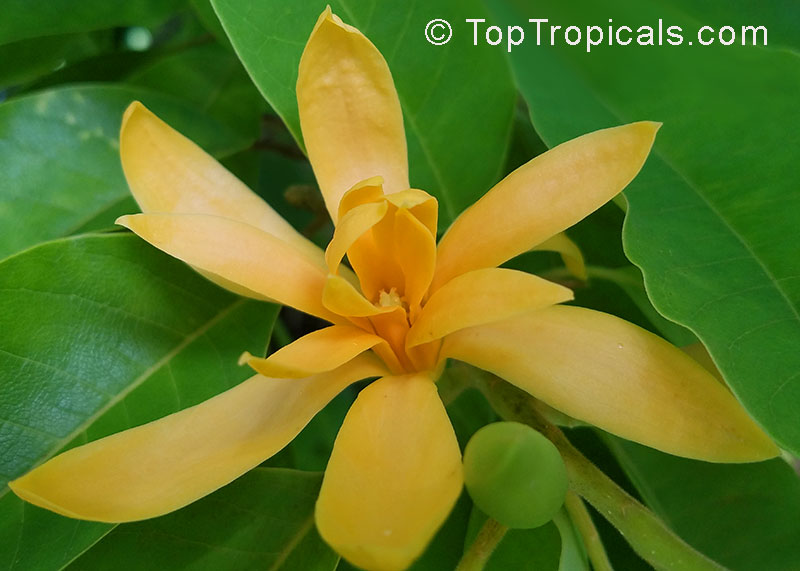
The flowers are used to make the world's most expensive perfume, Joy - and they smell like fruity bubble gum... you won't be able to stop sticking your nose in this flower! The Joy Perfume Tree blooms on and off year-round.

The lemon-lime, light green leaves are lush, soft, and tropical-looking, with a unique and beautiful color.

The Champaka tree has a striking columnar shape and becomes very bushy and full when established - whether in a pot with a proper fertilizer program or in the ground. In Florida, mature trees can reach 20-25 ft tall, although in true tropical environments they may grow much taller. Check out short video of a mature tree. It doesn't get very wide, and if you are planning to plant several trees as a perfume hedge, you can space them as close as 10 ft apart. This tree - light green, fragrant, evergreen, fast-growing, bushy, and dense - makes the perfect perfume hedge!

Champaka trees begin flowering within 2-3 years from seed. Singing birds love this tree and often build nests in its bushy crown during spring. The tree is relatively cold-hardy and can withstand light freeze for short periods once established. Just make sure to provide regular watering.

We have beautiful Champaka trees in all sizes:

3 gal pot: 3-4 ft tall - ready to bloom within a year, can be shipped
7 gal pot: 5-6 ft tall - ready to bloom, can be shipped
15 gal pot: 7-8 ft tall - have already bloomed, pick up or delivery*
25 gal pot: 10 ft tall - have already bloomed, pick up or delivery*
* Free delivery for qualified orders - contact us for estimate

Plant Your Perfume Hedge Today!

Imagine walking along a path lined with Champaka trees - Joy -fragrant blossoms drifting through the air, lush green leaves swaying gently, and birds singing above. With just a few trees, you can create your own heavenly hedge of joy and fragrance. Let your garden bloom with elegance, beauty, and the world's most luxurious scent!

Champaka  flower

Date: 9 Apr 2024

How to start a tropical garden?

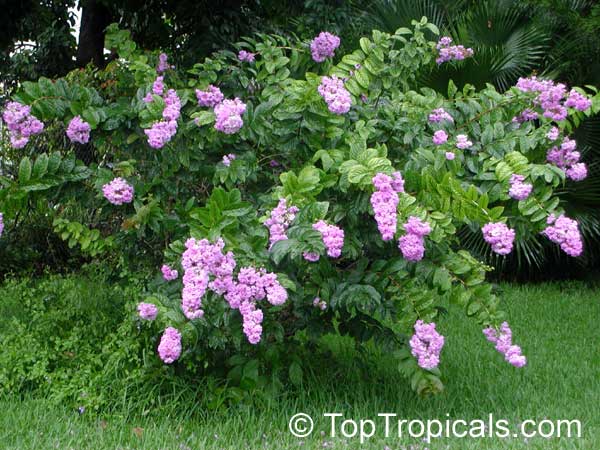
Lagerstroemia

Photo above: Lagerstroemia speciosa - Queen Crape Myrtle. Gorgeous flowering tree with cascades of lilac flowers. One of the most popular trees in Southern gardens.

Q: It's spring, finally! I can't wait to plant my paradise garden with lots of tropical flowers. We moved into a nice new house but the yard has nothing but grass. Where do I start?

A: When you start your garden from scratch, you need to plant your trees first. It's a perfect timing!
Getting tropical flowering trees now is really important for making your garden strong and beautiful. Trees are like the bones of your garden, giving it shape and shade. If you plant them in spring, they have enough time to grow strong roots before winter. This helps them survive better.
Trees also give shade to other plants so they can grow well too. It's like building a house - you need to start with the frame before adding other parts. So, it's a good idea to get those trees now before moving on to shrubs and vines.
Remember to provide regular fertilizing program which is the most important during season of active growth. The more food your tree gets, the stronger and faster it grows! For flowering trees, we recommend Sunshine Boosters Megaflor formula.

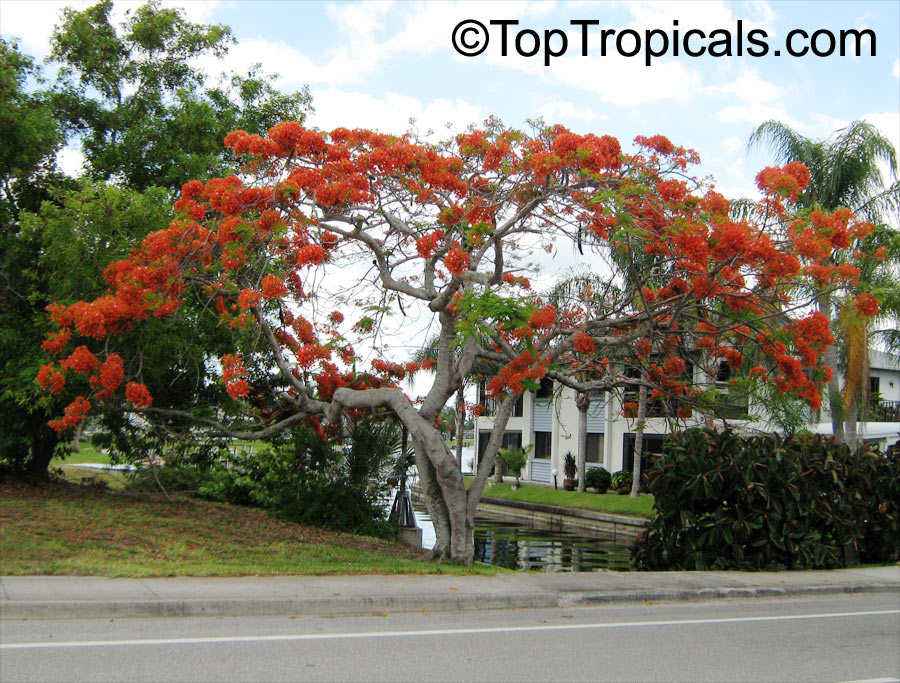
Royal  poinciana,  Flamboyant  tree,  Delonix  regia

Photo above: Royal poinciana, Flamboyant tree - Delonix regia. "The Royal Poinciana is one of the most spectacular flowering trees in the USA, and probably among the top 10 on this planet. In full bloom, it is like a regal elephant caparisoned in red and yellow brilliance." (Larry M. Schokman, The Kampong, National Tropical Botanic Garden)