Garden Blog - Top Tropicals

Date: 20 Jan 2025

How to Grow Jackfruit: Practical Guide
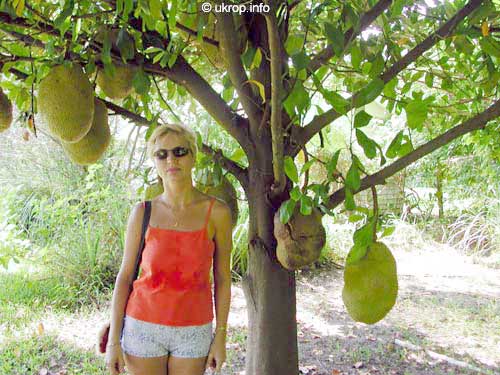
Jackfruit (Artocarpus heterophyllus) tree
Jackfruit (Artocarpus heterophyllus) tree

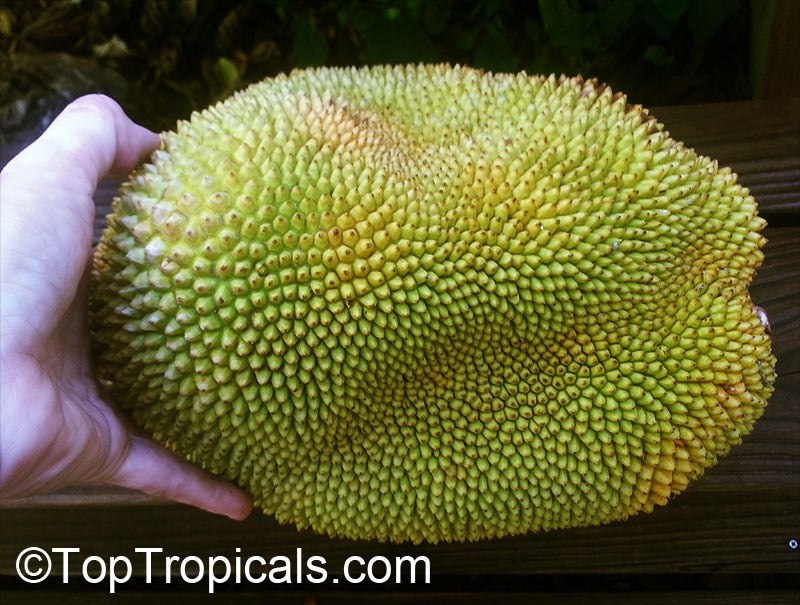
Jackfruit (Artocarpus heterophyllus) fruit
Jackfruit (Artocarpus heterophyllus) fruit

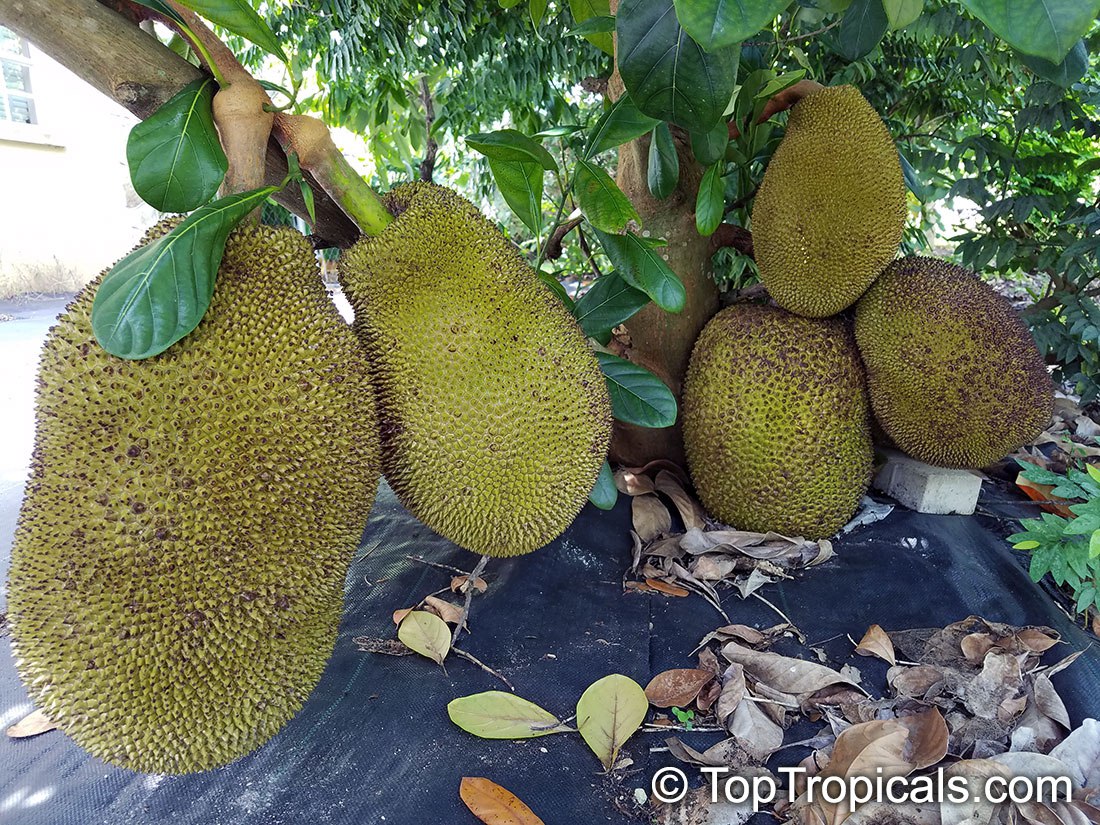
Jackfruit (Artocarpus heterophyllus) fruit at the base of the tree
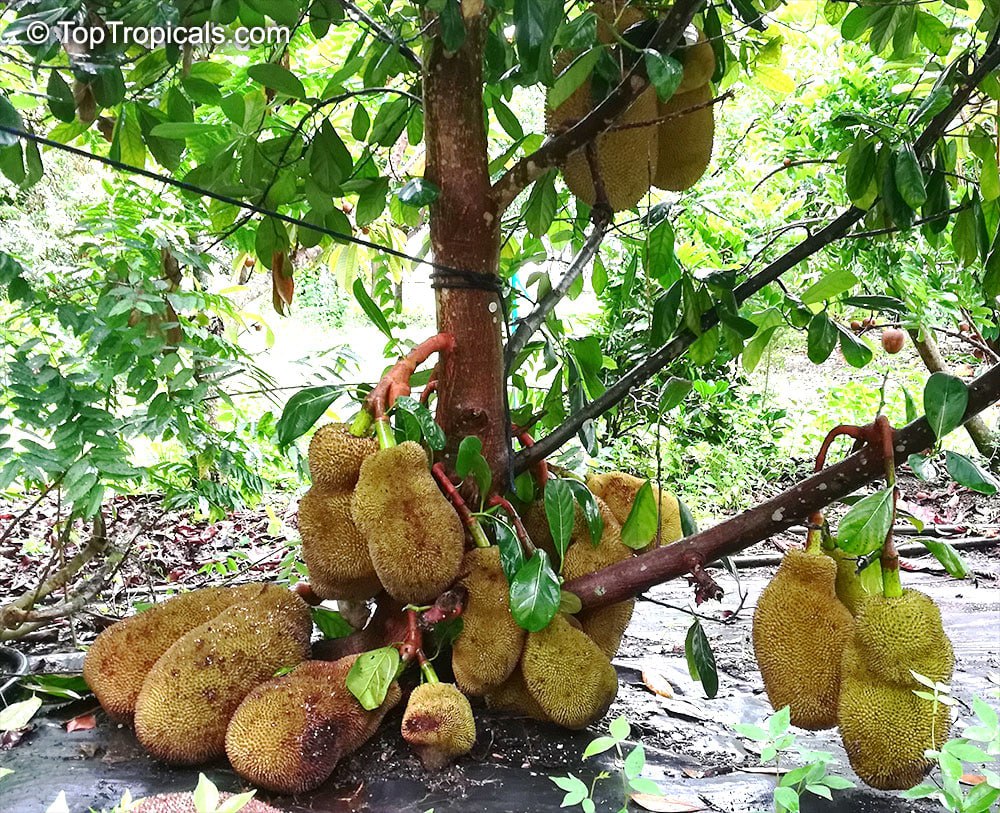
Jackfruit (Artocarpus heterophyllus) fruit at the base of the tree

Jackfruit (Artocarpus heterophyllus) fruit at the base of the tree

Jackfruit (Artocarpus heterophyllus) fruit at the base of the tree

How to Grow Jackfruit: Practical Guide

  • 🍈 Jackfruit (Artocarpus heterophyllus) is a tropical tree that produces the largest fruit in the world, weighing up to 80 pounds and reaching 36 inches in length. The trees thrive in frost-free, humid climates with plenty of sunlight. They require well-draining soil rich in organic matter and regular watering to flourish. Despite their reputation as ultra-tropical, mature Jackfruit trees can tolerate light frost for a few hours without significant damage. Additionally, they can be grown in containers in colder areas with proper care and pruning.
  • 🍈 What Climate is Essential for Growing Jackfruit Trees?


    Jackfruit trees require a tropical or subtropical climate, with temperatures ideally between 60-95°F. While young trees are frost-sensitive, mature trees can withstand light frost for short periods. However, cold winters can reduce fruit production. Frost-free temperatures are crucial for optimal growth and fruiting.
  • 🍈 How Often Do Trees Need Fertilizing, and What is the Best Type of Feed?


    Jackfruit trees are heavy feeders. Fertilizing them regularly is key to their health and productivity. During the active growing season (spring to fall), apply a balanced dry fertilizer once a month. Liquid amino-acid-based fertilizers, such as Sunshine Boosters, can be used year-round with every watering. These fertilizers help maintain healthy growth and encourage abundant fruiting. Supplement with organic matter like compost, manure, or peat moss to enrich the soil.
  • 🍈 How Important is Pruning, and When is the Right Time to Prune?


    Pruning is essential for maintaining a manageable tree size and promoting healthy fruit production. Jackfruit trees produce fruit at the base of the trunk, allowing them to be pruned annually to a height of 7-12 feet. This practice not only makes harvesting easier but also encourages more fruiting. Prune after the fruiting season or in late fall to remove excess growth and shape the tree. Regular pruning also improves air circulation and reduces the risk of disease.
  • 🍈 Key Tips for Successful Jackfruit Production


  • · Climate: Ensure frost-free temperatures and adequate humidity.
  • · Soil: Use well-draining soil enriched with organic matter.
  • · Watering: Maintain consistent soil moisture without waterlogging.
  • · Pruning: Keep the tree under 7-10 feet for easier management and better yield.
  • · Fertilizing: Apply balanced fertilizers and supplements regularly.


🍈 Jackfruit facts

  • · The fruit consists of large, edible bulbs of yellow, sweet, banana-pineapple-flavored aromatic flesh.
  • · Seedlings start fruiting within 3-4 years, with fruit ripening 4-6 months after flowering.
  • · A mature tree can produce up to 200 pounds of fruit annually.
  • · For colder regions, growing Jackfruit in containers is an option, provided the tree is regularly pruned and topped.


👍 Jackfruit trees grow fast and fruit abundantly with proper care, making them an exotic addition to tropical fruit collections.

📚 From previous posts:


The largest tree-borne fruit in the world
How to grow the biggest fruit on Earth

🛒 Plant your own Jackfruit

#Food_Forest #How_to

🔴 Join 👉 TopTropicals
Date: 24 Jan 2025

Ten best fruit trees to grow in Florida and Southern landscapes

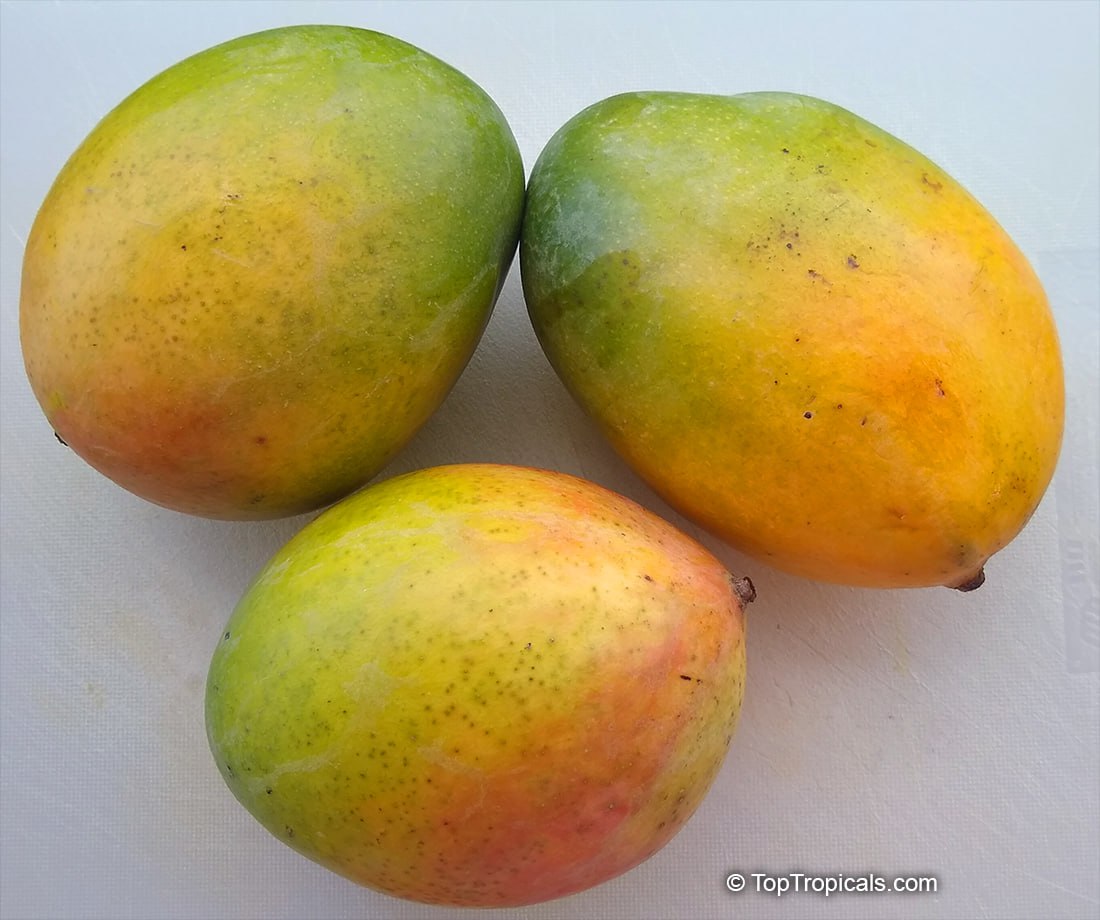
Mango Keitt (Mangifera indica)

Mango Keitt (Mangifera indica)

🏆 Ten best fruit trees to grow in Florida and Southern landscapes.
# 1: Mango Tree.
  • 🥭 Mango trees (Mangifera indica) are a Florida garden essential, and if you own one, you're truly embracing the Sunshine State's spirit!
  • 🥭 Delicious, Nutritious Fruit: Known as the "King of Fruits," packed with vitamins and fiber.
  • 🥭 Fast-Growing & Low-Maintenance: Thrives with minimal water once established, and is heat-tolerant.
  • 🥭 Quick Fruit Production: Grafted trees produce right away and you can expect large crops in just 2-3 years.
  • 🥭 Cold Protection: Young trees need protection from frost, but mature trees handle cold better.
  • 🥭 Compact Varieties Available: Dwarf "condo" mangoes are perfect for containers and smaller spaces.
  • 🥭 Grafted Varieties for the Best Taste: When selecting a mango tree, be sure to choose a grafted variety for an immediate payoff of high-quality, fiberless fruit. Grafted trees will produce sweet and flavorful mangos right away, unlike seedling trees, which can take up to 7-8 years to bear fruit. Grafted mangoes are known for their rich taste, which you can find only in home gardens. Commercially grown mangos, while more durable for shipping, tend to be fibrous and less flavorful. Opting for a grafted variety ensures that you enjoy the full, vibrant sweetness of mangoes.


📚 Learn more from previous posts:
  • 🟡about #Mango trees
  • 🟡10 best fruit trees to grow in Florida and Southern landscapes


🛒 Shop Mango varieties

#Food_Forest #Mango

🔴 Join 👉 TopTropicals

Date: 12 Feb 2025

How to grow a Guava Tree: Practical Guide to Growing Guava

Guava (Psidium sp.)

🍉 How to grow a Guava Tree: Practical Guide to Growing Guava

  • 🍑 Guava Trees (Psidium sp.) are beloved for their flavorful fruit and easy-growing nature. These fast-growing trees are reliable producers and can thrive in a variety of climates, making them a favorite among home gardeners. Guavas are compact and can be grown in containers, making them suitable for small spaces and urban gardens.
  • 🍑 Light and Soil


    Guava trees thrive in full sun, requiring at least 6-8 hours of direct sunlight daily to produce the best fruit. They prefer well-draining soils rich in organic matter but are adaptable to a range of soil types, including sandy or loamy soils. Slightly acidic to neutral soil is ideal. While guavas tolerate poor soils, enriching the soil with compost or manure will improve growth and yield.
  • 🍑 Pruning tips


    Pruning is essential for maintaining the shape, size, and productivity of guava trees.

· Frequency: Prune guavas annually, ideally after the fruiting season, to encourage new growth and improve airflow.
  • · Remove dead, diseased, or crossing branches to maintain tree health.
  • · Shape the tree to allow sunlight to penetrate the canopy, which enhances fruit production.
  • · For container-grown guavas, keep the tree compact by trimming back vigorous shoots regularly.


🍑 Guava in containers


Guavas are well-suited to container growing. Compact varieties like the "Nana" guava are ideal for pots. Use a large container (at least 15-20 gallons) with good drainage. Fill it with a high-quality potting mix enriched with organic matter. Place the container in a sunny location and water consistently. Regular pruning helps maintain a manageable size and promotes fruiting in container-grown guavas.
  • 🍑 Watering


· Guava trees require consistent watering, especially during dry periods and the fruiting season. While they can tolerate short periods of flooding, ensure the soil is not waterlogged. Water deeply once or twice a week, depending on your climate.
  • · Fertilize guavas 3-4 times a year during the growing season with a balanced fertilizer rich in potassium and phosphorus to promote flowering and fruiting. Adding organic matter like compost or manure annually boosts soil fertility and improves yields.


🍑 Harvesting

  • · Guava trees are quick to fruit, often producing their first harvest within a year of planting. For container-grown trees, fruiting can start in even smaller pots, such as 1-gallon containers.
  • · Signs of ripe guava fruit include:
  • - A change in color from green to yellow (depending on the variety).
    - A sweet, fruity aroma.
    - Slight softness when gently pressed.
  • · Harvest ripe guavas by hand or with pruning shears. Consume fresh or use them to make juices, jams, or desserts.


🍑 Health Benefits of Guava

  • · Guava is a nutrient powerhouse, offering numerous health benefits:
  • · Vitamin C: Boosts the immune system and helps protect against colds and infections.
  • · Potassium: Supports healthy blood pressure levels.
  • · Antioxidants: Contribute to glowing skin and may reduce the risk of cancer.
  • · Fiber: Aids digestion and helps regulate blood sugar levels.


🍑 Popular Varieties of Guava

  • · Tropical Guava (Psidium guajava): Sweet and aromatic, suitable for warmer climates.
  • · Cattley Guava (Psidium littorale): Cold-hardy with a slightly tart flavor.
  • · Cas Guava (Psidium friedrichsthalianum): Known for its sour taste, perfect for juices like Costa Rica’s traditional "Agua de Cas." Cold hardy, disease resistant and vigorous, productive variety.
  • · Pineapple Guava (Feijoa sellowiana): Fruity and floral, thriving in cooler climates.


🍑 Additional Tips

  • · Guava trees are relatively pest-resistant but may require monitoring in humid climates for mealybugs. Use neem oil if needed.
  • · Planting multiple guava varieties ensures a continuous supply of fruit.
  • · With their fast growth, compact size, and delicious fruit, guava trees are a fantastic addition to tropical garden, greenhouse or patio.


📚 More from previous posts about #Guava

🛒 Shop Guava Trees

#Food_Forest #Guava

🔴 Join 👉 TopTropicals

Date: 19 Feb 2019

Australia Planting 1 Billion Trees To Fight Climate Change

TopTropicals.com

Australia plans to plant 1 billion new trees to fight climate change, by the year 2050. That is a lot of trees and is the first real effort the country has made toward combating climate change. The only real problem is finding enough space to plant that many trees...
A billion trees is a billion trees, and even with a team of 30,000 people planting a tree per day for the next 31 years, the final tally would still only be 339,450,000 trees. Australia will need a tree army to get that many trees planted by 2050... Read the whole story...

How about planting just one tree today and save the World one step at a time?

On the photo: Callistemon, Australian native tree.

Date: 29 Jan 2026

How to make Sapodilla fruit profusely?

Sapodilla - Manilkara or Achras zapota, the Brown Sugar Fruit

🍊 How to make Sapodilla fruit profusely?


Sapodilla - Manilkara or Achras zapota), the Brown Sugar Fruit is a warm-climate evergreen fruit tree that can produce a lot of fruit once conditions are right. So why do so many sapodilla trees grow beautifully, flower heavily, and still refuse to set fruit?

Sapodilla Fruit Production - What Really Matters

1. 🌳 Choose the Right Tree
Grafted or air-layered trees fruit much sooner - typically in 1-2 years - and more reliably than seedlings, which may take 6–8+ years.
Some varieties are more profuse producers than others. For example, Silas Woods is virtually everbearing, Hasya is commercial prolific producer, Oxkutzcab (or Ox) -is also heavily productive (learn more about varieties).

2. ☀️ Environment: Heat, Sun & Water Balance

Temperature and Humidity
Excessive heat above 90F and low humidity can cause flowers to dry up and fall before setting fruit.
Solution: Provide filtered light or shade during the hottest part of the day to reduce heat stress on blossoms.

Water
Sapodillas are drought tolerant, but consistent moisture during flowering and fruit set improves fruit retention.
Avoid waterlogged conditions - soggy soil can stress roots and reduce yield.

Sun Exposure
Full sun is best for growth and flowering - but for hot climates, protection during peak afternoon heat helps reduce flower drop.
Young trees can also suffer sunburn.

3. Fertilization: Feed for Fruit, Not Just Foliage
Good nutrition is critical for flowers to turn into fruit. Apply a routine feed through the growing/flowering season - contolled-release (Green Magic) or liquid (Sunshine C-Cibus) both work.
Balanced fertilizer with trace elements like Boron (B), Molybdenum (Mo), Iron (Fe), and Copper (Cu) is essential for fruit set and development. Boron & Molybdenum deficiency as a frequent cause of flower/fruit drop in container-grown trees (nutrients get depleted quickly in pots).
Micro-nutrient sprays 2-3 times per year help improve fruit retention and quality. Some growers use sugar boosters (Sunshine Honey) or micronutrient blends that include Mo & B to help fruit set (Sunshine Superfood).

4. 🐝 Pollination - Often Overlooked
Sapodilla flowers are small and often require pollinators for best fruit set.
In some regions, small insects like thrips are key pollinators.
In places with low insect activity, hand pollination dramatically increases fruit set - brushing pollen from one flower to another with a small paintbrush during peak bloom times can help.
Placing fruit scraps (apple peels/banana peels) under the tree to attract beetles is an inexpensive way to boost insect activity.

5. ✂️ Pruning and Tree Structure
Moderate pruning can help open the canopy for better light penetration and air circulation, which supports flowering and reduces stress. Training young trees promotes a strong branch structure that can carry more fruit later. Sapodilla flowers on young growth (tips of the branches).

6. Pot vs Ground: Size Matters
If your sapodilla is in a container, root bound trees struggle with fruit set because roots run out of space and nutrients - stepping up to a larger container or planting in the ground can help.
Root-bound trees often bloom but fail to develop fruit.

7.

📅 Patience & Timing


Even healthy trees can take years to start fruiting well.
Trees often flower repeatedly but only set fruit when environmental conditions and pollination align - especially important for young or newly planted trees.

📌 Summary Checklist for Better Sapodilla Fruiting

  • ✔️ Choose a grafted variety (faster, more reliable fruit).
  • ✔️ Manage heat & humidity - shade during hot hours.
  • ✔️ Water consistently but avoid waterlogging.
  • ✔️ Fertilize balanced NPK + micronutrients (include B & Mo).
  • ✔️ Encourage pollination


🛒 Grow your own Sugar Fruit

📚 Learn more:


#Food_Forest

🟢 Join 👉 TopTropicals