Date: 6 Dec 2025
🌿 Bring the Jungle Inside: Winter Survival Guide Part 2.Temperature. ❄️
Smokey: Too cold. We need more heaters so the plants feel comfortable.
Sunshine: I feel comfortable.
Smokey: You are not part of my plant collection, but I am glad you are comfortable.
🌡️ TEMPERATURE: THE TROPICAL DORMANCY LINE
In Part 1 (Winter Survival Guide: Temperature) we covered the foundation: light, placement, and acclimation. That is the survival layer.
Most tropicals stop growing below 70 to 75 F. They stay green, but their engine shuts down.
Below 70F:
- Water intake drops.
- Roots slow down.
- Fertilizing becomes risky.
- Root root becomes easy.
If you WANT your plants to grow in winter, you must take care of everything: Warmth, light, humidity, water. It all works together.
- Aim for 75 F with bright light. Water lightly. No fertilizer.
- Watch out for drafts. Cold windows. Door blasts. Garage entryways. Even one gust can trigger leaf drop.
- Vents are the opposite problem: hot, dry, dusty air. That gives you crispy edges and mites. Root zone temperature matters just as much as room air. Your thermostat may say 72 F, but your pot on a tile floor may be sitting at 55 F. Fix this by elevating pots on boards or stands. Use Styrofoam. Never keep pots directly on cold tile o windowsill
- Extra winter heat: Space heaters are fine if used smartly. Do not blow hot air directly on plants. Keep heaters away from cords, trays, and water. Oil filled radiators are the safest option for plant rooms.
- Use a humidifier if you want growth or want to prevent spider mites. But do not blow mist directly onto leaves. Always place the unit lower than the plant canopy.
- Grouping helps. Put tropical plants close together to share humidity. Do not mix succulents with humidity lovers.
- Cats and dogs love to knock over lights and stands. Secure your fixtures. Trust us.
- Airflow: Light airflow is healthy. Direct fan blast is not. Still, dry corners invite mites.
- A mild night drop is OK. A big one below 55 F will stop growth completely.

A mandevilla thriving indoors with bright pink blooms and glossy green leaves.
☂️ PLACEMENT: MICROCLIMATES RULE EVERYTHING
Indoors is one big tradeoff: light but cold near windows, warm but dim away from them. The winning combo is a warm room with supplemental light.
Best zones to keep plants in winter:
- South or east windows with additional light
- Warm living spaces
- Bright bathrooms for natural humidity
Worst zones to keep plants in winter:
- Behind curtains
- Directly on windowsills
- Near heaters or vents
- Against cold exterior walls
- Dark corners without supplemental lighting

A vigorous indoor philodendron stretching across the window.
💨 ACCLIMATION
Moving a plant from outdoors to indoors is a shock. Light drops. Humidity drops. Airflow stops. Soil cools. Even healthy plants may drop some leaves for a few weeks. That is normal.
Before you bring them inside:
- Rinse foliage to remove dust and pests. We recommend Sunshine NoBug - and organic, safe solution.
- Check for ants.
- Trim weak branches.
- Treat soil if fungus gnats are present.
Try to bring plants inside before the first cold front, not after. If you are reading this too late, do the prep now and expect a little leaf drop.
If you nail light and temperature, winter becomes simple. In the next mail-list we will cover watering, fertilizer timing, humidity, and other indoor tricks that keep tropicals happy till spring. Stay tuned.

Cat Bob is inspecting his indoor garden around the tub with a bright skylight
✔️ WINTER INDOOR FAQ: TEMPERATURE AND PLACEMENT
Q: Why are leaves dropping only on the window side?
A: Cold glass. The room may be warm, but the glass surface can be much colder.
Q: Is a cold room OK for tropicals?
A: They may survive, but they will not grow below about 65F to 75F. When nights stay below 65F for a week, many plants enter dormancy.
Q: My room feels warm. Why is my plant still not growing?
A: Check the soil temperature. Pots on cold tile can be 10 to 20F colder than the air.
Q: Can plants sit directly on the floor?
A: Not on cold tile. Always elevate them on boards, stands, or trays.
Q: Is it OK to keep plants near a heater or vent?
A: No. Vents and heaters blast hot, dry air and cause crispy leaves and mites.
Q: My plant is dropping leaves after coming indoors. Why?
A: Normal acclimation to reduced light and humidity right after the move.
Q: Can I keep plants in a bright bathroom?
A: Yes. Bathrooms can have good humidity. Just keep pots off cold tile.
Q: Do I need a humidifier?
A: Not for survival. Yes if you want better growth and fewer pests like spider mites.
Q: Do I need a grow tent?
A: No. A bright LED plus a warm room is enough for winter holding.
Q: Should I fertilize in winter?
A: Not now. Winter fertilizer rules will be covered in the next mail-list.
Q: Should I water the same as in summer?
A: No. Indoor plants need much less water in winter. Watering rules also coming soon.
📚 Learn more:
- Bring the Jungle Inside: Winter Survival Guide Part 1: Lighting
- SUNSHINE NoBug - Natural Plant Protector
- How to overwinter tropical plants indoors
- Feeding indoor plants
- Overwintering Adeniums outside of tropics
Date: 11 Mar 2026
📅 Do Not Miss: March 21 - Spring Equinox Plant Market
🍩 Saturday, March 21, 2026: 9 am - 4 pm

Smokey: You'd be perfect for a Gulf beach cafe. But gardeners don't come here for donuts.
Sunshine: Really? Then why do they come?
Smokey: Some gardeners lost plants to the freeze. Others want trees that will handle winter better. Cold-hardy avocados. Macadamia. Grumichama. And some just come for fun - to see the PeopleCats.
Sunshine: And my charm... and my donuts will make it more fun.
Read more about Smokey & Sunshine
Ft Myers Garden Center: 13890 Orange River, Ft Myers,
FL
Sebring B-Farm
: 9100 McRoy Rd, Sebring, FL
More Spring Equinox Plant Market details
🌞 Welcome to our Spring Equinox Plant Market, proudly hosted by the PeopleCats of Top Tropicals.
This one feels different.
After Florida’s record freeze, many gardens are brown, trimmed back, or missing a few old friends. We felt it too. And now - we rebuild.
The equinox marks equal day and night. More light ahead. New growth beginning.
And the PeopleCats are ready🐾.
- 🐱King is back on gate duty - inspecting every vehicle for proper plant-hauling capacity.
- 😺Paisley is rearranging freeze survivors and new arrivals like a design consultant.
- 😼Snitch is supervising recovery efforts from a comfortable chair.
- 😸Persephone is checking under tables for "hidden spring energy."
- 😻Sushi and Loki are preparing for guided garden tours - recovery edition.
This is not just a plant market. This is the spring reset.
👍 Why You Should Come
It is finally warm in Florida. After several nights of hard freeze, some plants survived - and some didn’t. This event is your chance to see real freeze champions in person.
If you lost plants, you are not alone. If you are ready to plant smarter, this is your moment.
Walk the gardens. See proven winter survivors. Discover cold-hardy fruit trees and resilient ornamentals. Get practical advice about replanting after freeze. This is rebuilding - Florida style.
♥️ What Makes This Event Special
We are featuring:
- Verified freeze survivors
- Cold-hardy fruit trees
- Tough flowering trees and shrubs
- Replacement plants for damaged landscapes
- Smart layering ideas for frost-resilient gardens
- You will see which species handled 25F with wind and multiple nights of freeze - with no protection.
Real-world test. Real results.
Cold hardy fruit favorites include:
- Cold-hardy Avocado varieties, including varieties, which are cold hardy to 15-20°F: Joey, Fantastic, Mexicola, Poncho, Brogdon and more.
- Macadamia Nut Trees
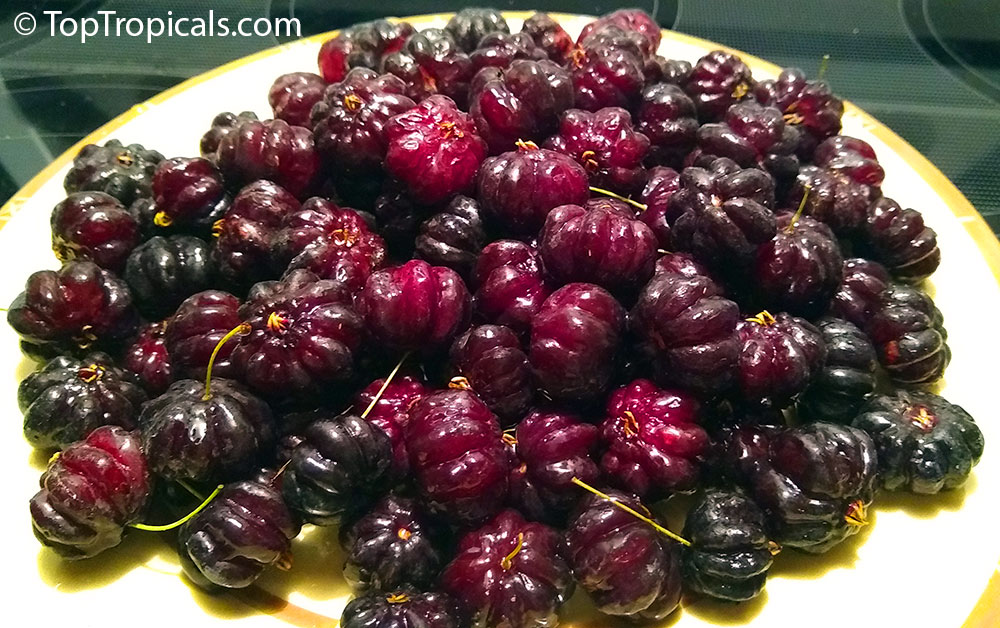
- Eugenia Cherries, including Rio Grande and Grumichama
- Gin Berry and Jaboticaba
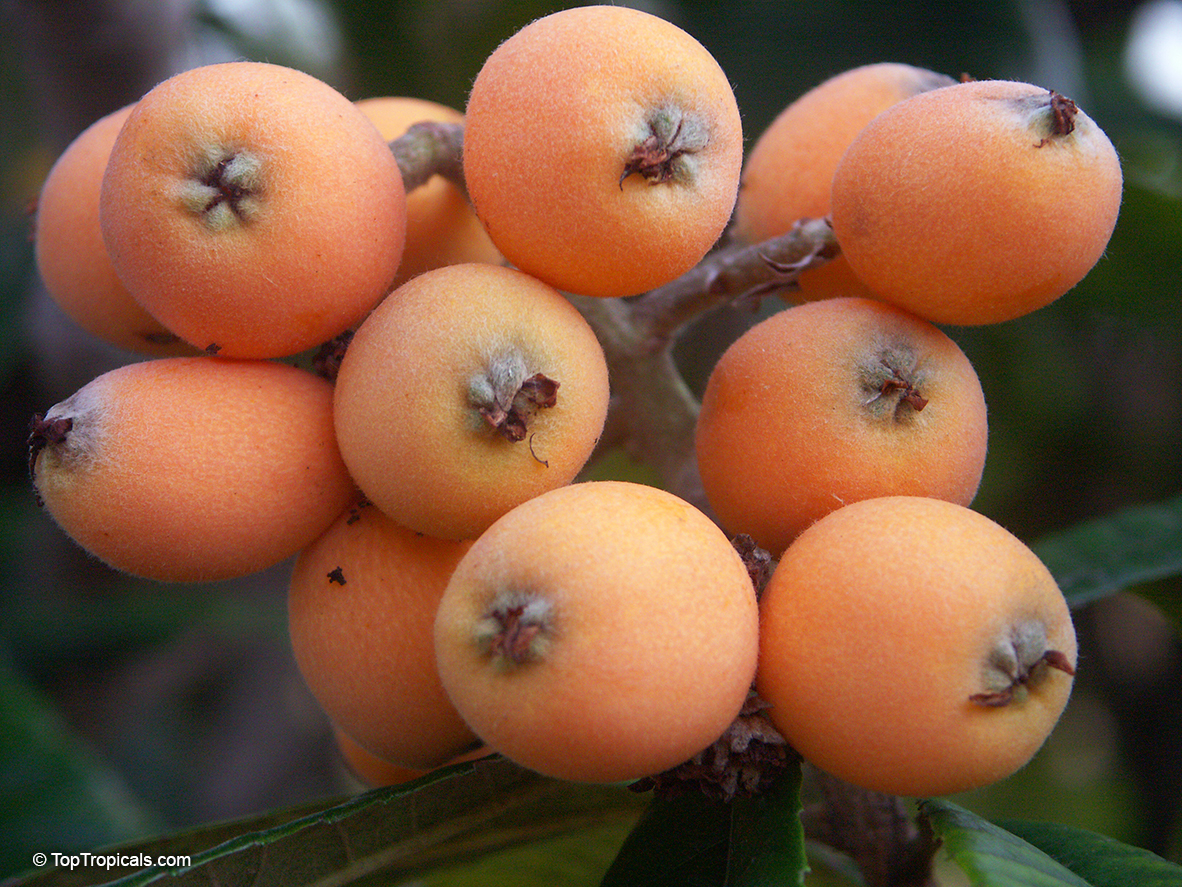
- Loquat and Cattley Guava
- Peaches and Pomegranates
🌸 Cold hardy subtropical flowering trees including:
- Bauhinias and Tabebuias
- Mexican Bird of Paradise - Caesalpinia mexicana
- Jacaranda and Magnolia
🎉Event Highlights
- 30% OFF online prices
- FREE plants with purchase
- $5-10 specials
- Exciting raffle prizes
🌳Don't just mow - grow!
Start your food forest, beat rising prices, and plant a future your family will thank you for.
Date: 20 Dec 2024
Paws, Claws, and Garden Flaws: How Cats Help in the Garden
🌳 Paws, Claws, and Garden Flaws: How Cats Help in the Garden
😨 Pest Control (Sort of): Cats love to chase bugs, mice, and lizards, though they rarely catch them. Mostly, they just keep pests entertained until they die of laughter or exhaustion.
😎 Quality Control Inspectors: Every freshly dug hole, bag of soil, or new plant needs a thorough inspection. Expect your cat to sit on it, sniff it, or bat at it like a professional.
💩 Fertilizer Experts: Got a sandy patch? Your cat will "fertilize" it for free - just don't ask what they're burying.
🚽 Weed Prevention: Cats help stop weed growth by rolling around and flattening anything remotely green and edible. Who needs grass when you have a furry steamroller?
🐈 Scarecrows on Demand: No bird or squirrel will dare stick around when your cat strikes their ultimate "hunting pose". Bonus: the pose is 90% napping 😴
Mood Boosters: Cats are pros at reminding you to take a break. Just try to resist when they flop dramatically onto your tools or demand belly rubs mid-planting.
🐈 Your garden may not be more productive, but it'll definitely be more entertaining with a cat around!
Share your cats in comments!
📸 🐈🐈🐈👇
🔠 More #PeopleCats in our Garden:
PeopleCats.Garden
🔴 Join 👉 TopTropicals
Date: 20 May 2017
Forget the gym and get to gardening?
Fun workout? We never have enough time to go to the
gym or do an exercise so it's good to know that just doing something that you
love can give you a workout. We all know that when we are out in the garden
it gives us a bit of exercise but we do not realize how much exactly.
Research says that three hours of gardening can have the same effect as an intense
1-hour gym session. The study was carried out with a group of 100 gardeners who
were asked to monitor the amount of time spent doing a series of common
gardening tasks over a four week period. Gardening tasks that were monitored included weeding, digging, mowing the lawn, hedge trimming, trimming shrubs and trees,
raking, planting shrubs, and moving garden waste using a wheel barrow. Here are some facts and numbers:
- Just doing half an hour weeding can burn up to 150 calories and tasks that handle heavy electrical equipment such as hedge trimming will give you a good workout burning 400 calories per hour.
- Spending a day or five hours each week in the garden will burn up to around 700 calories
- Over a gardening season that works out at 20,000 calories per year, equivalent to running seven marathons
- The gardening hobby could help burn a million calories over a lifetime.
Calories burned with only
1 hour of:
340 cal - Chopping wood, splitting logs, gardening with heavy power tools, tilling a garden, chain saw. Mowing lawn, walk, hand mower. Shoveling by hand.
272 cal - Carrying, loading or stacking wood, loading/unloading or carrying lumber, digging, spading, filling garden, composting, laying crushed rock or sod. Clearing land, hauling branches, wheelbarrow chores.
238 cal - Operating blower, walking. Planting seedlings, shrubs, trees, trimming shrubs or trees, manual cutter. Weeding, cultivating garden.
224 cal - Raking lawn, sacking grass and leaves
136 cal - Picking fruit off trees, picking up yard, picking flowers or vegetables. Walking, gathering gardening tools.
102 cal - Walking, applying fertilizer or seeding a lawn
34 cal - Watering lawn or garden, standing or walking
Radio Top Tropicals Live
Webcast upcoming event: Saturday May 20, at 11 am EST.
Topic: Come Ride My Peninsula! Discusses the REAL Florida. Our plants, the Everglades, how all of the wonderful plants Top Tropicals has to offer are grown in South Florida.
Our Host Robert Riefer - Internationally Certified Crop Adviser and Weed Scientist - answering all your gardening questions.
Listen to Radio Top Tropicals, every
Saturday, at 11 am EST! You may use our website radio player DURING AIR TIME. To ask questions using live chat, you need to log in
at Mixlr.com or simply
call our office 239-887-3323 during air time!
If you missed a live webcast, you may listen to recording by following Showreel item link.
Check out our upcoming radio shows
Date: 6 Jan 2024
Ten
New Year Resolutions:
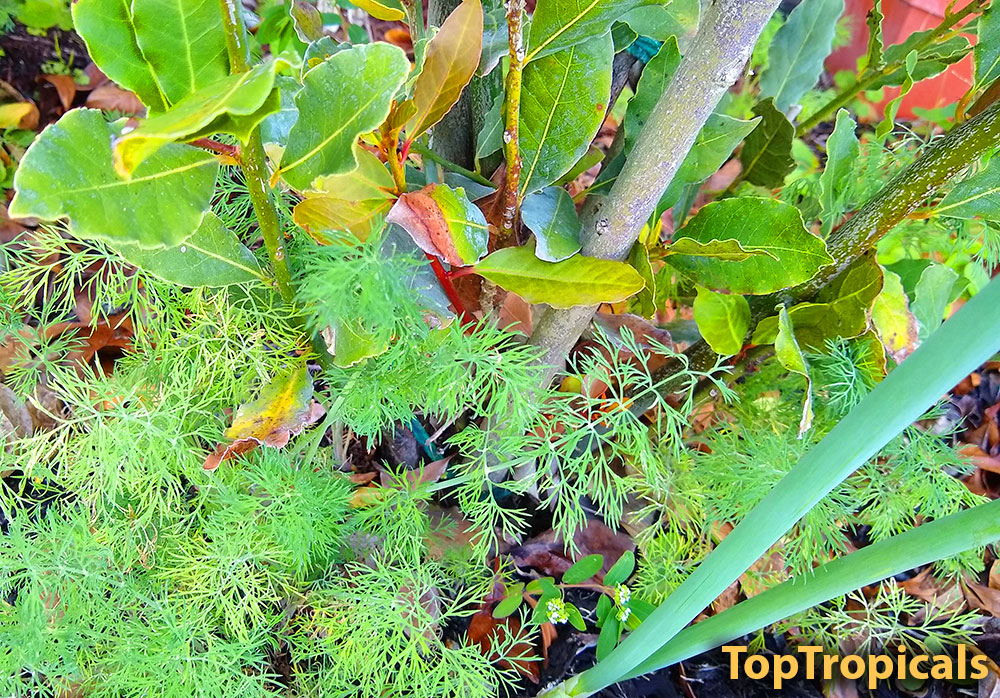
Diversity in Tropical Garden
1. Diversity. Grow different plants. Add more types of tropical plants to your garden for a colorful and diverse look.
2. Save Water. Use water wisely by installing drip systems, collecting rainwater, and using mulch to keep the soil moist.
3. Improve Soil. Make your soil healthier by adding compost or manure regularly. Healthy soil promotes robust plant growth and enhances overall garden resilience.
4. Deal with Pests Smartly. Keep pests in check with a plan - use natural solutions and check your plants often. Preventing program is easier than dealing with infestations.
5. Right Fertilizing. Feed your plants with Eco-frintdly fertilizer such as Sunshine Boosters (safe to use year around). If you use slow-release fertilizers - apply in right amounts, from March to November.
6. Trim Regularly. Keep your garden tidy and healthy by pruning and removing dead or sick parts of the plants.
7. Companion Planting. Explore which plants work well together to enhance nutrient uptake, fight pests and provide shade for those species that need it.
8. Right Climate and Zone Pushing. Pick plants that love your climate, considering sunlight, temperature, and humidity. For more sensitive tropical plants, work on a plan for cold protection: grow them in pots or set up temporary covers.
9. Teach Others. Share your gardening knowledge with the community. Propagate your plants from seeds, cuttings, divisions - and share them with friends and neighbors. Remember: live plant is the best gift, and love is sharing!
10. Make a Relaxation Spot. Create a cozy corner in your garden with comfy seating or hammock, shade, and maybe a water feature for a peaceful retreat.