Garden Blog - Top Tropicals

Date: 5 May 2023

Severe weather:
How to help your plants survive

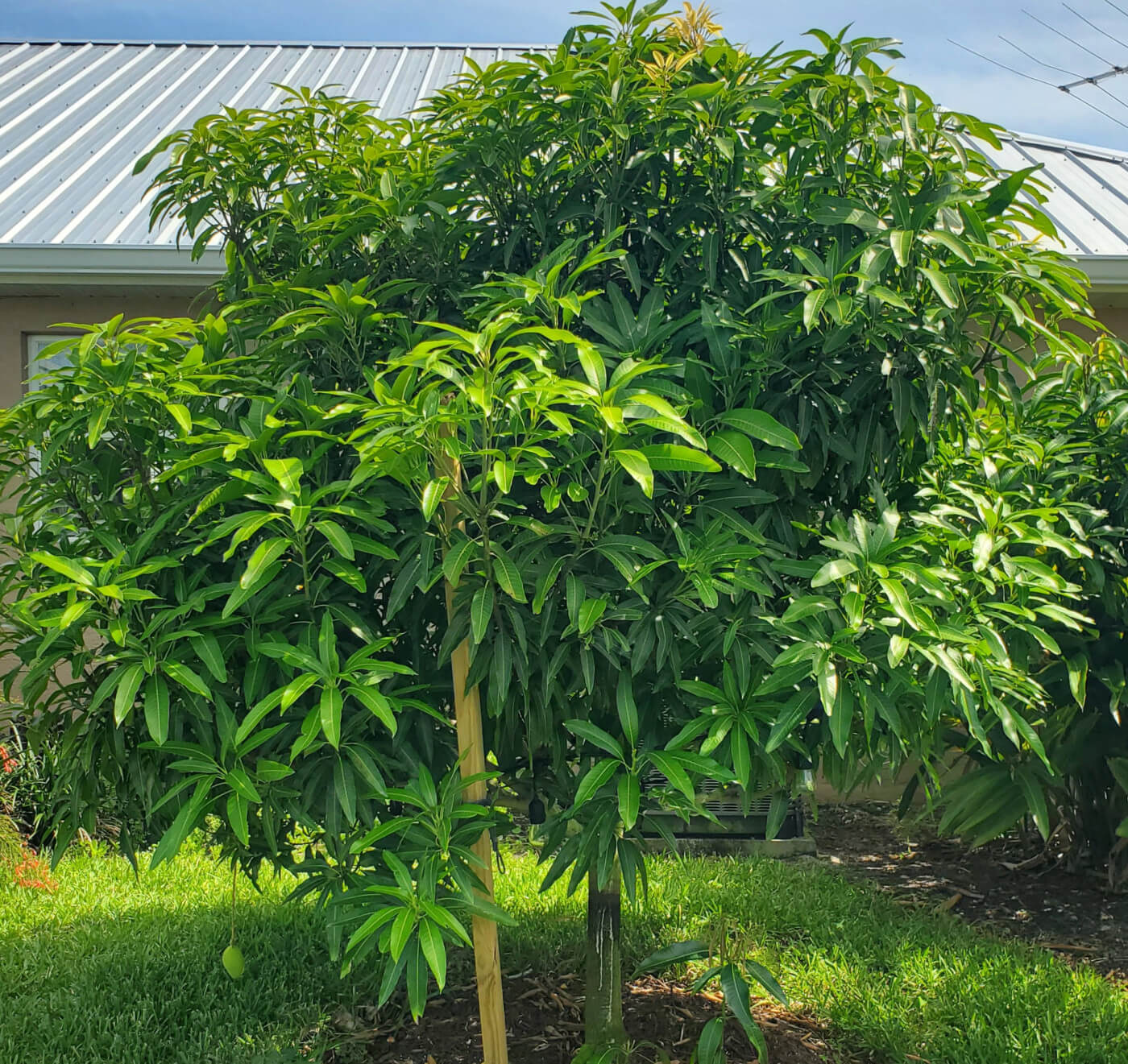
Beautiful  mango  tree

By Ed Jones, the Booster Guy

Q: A horrible hailstorm hit last night, damaging the majority of plants and trees on my property (piles of hail left like snow - crazy!). Do you have any advice on how to give plants some extra TLC while they recover? Any tips are appreciated.

A: Spring is here and in some areas of the country, so is severe weather season. So what can you do to give your plants a fighting chance when Mother Nature shows her ugly side? Here in Florida, spring and summer thunderstorms are a normal occurance. Unfortunately, those storms often come with small tornados, high winds and sometimes hail.

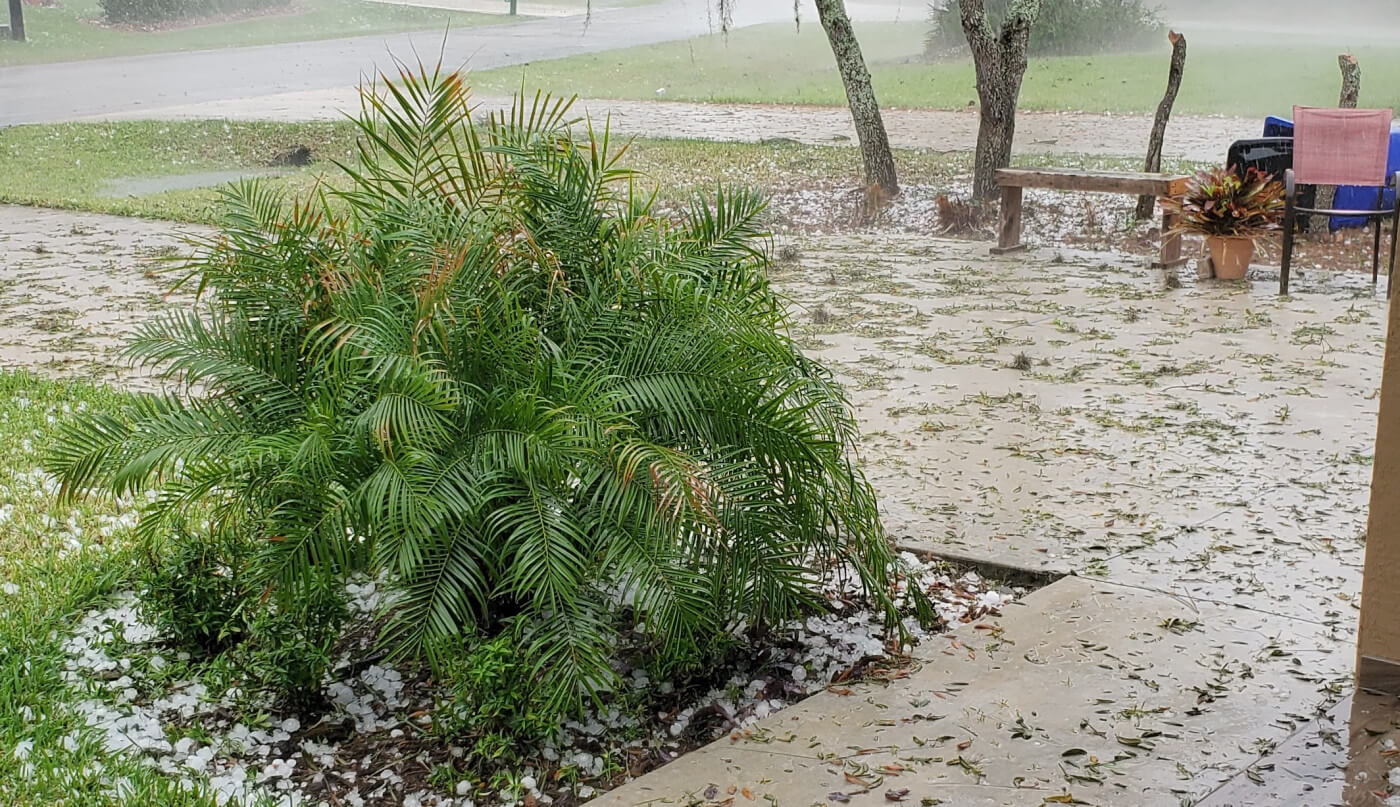
The photo below was from a hail storm that came through the north side of Sebring, Florida in April of 2022.

Hail  storm  in  Florida

So the question remains. What can we do to help our plants when this type of weather strikes? Well the short answer is that there is not much we can do to prevent it from happening. These storms usually strike pretty quickly and most of us, given some warning, will chose to make sure vehicles are in the garage if possible and that loose items in the yard are brought in to a safe place. If you have time to move potted plants, that would be great, but it is not worth risking your own safety to do so.

The good news is that most plants will recover on their own. Even though they may look ugly for a while, patience is the best cure for most of them. Of course, the healthier the plant, the better chance it will have when it suffers damage due to severe weather. A good fertilizer plan along with regular doses of micronutrients will help your plants to be at their best so that they can recover quickly. And here is what you can do... CONTINUE READING >>

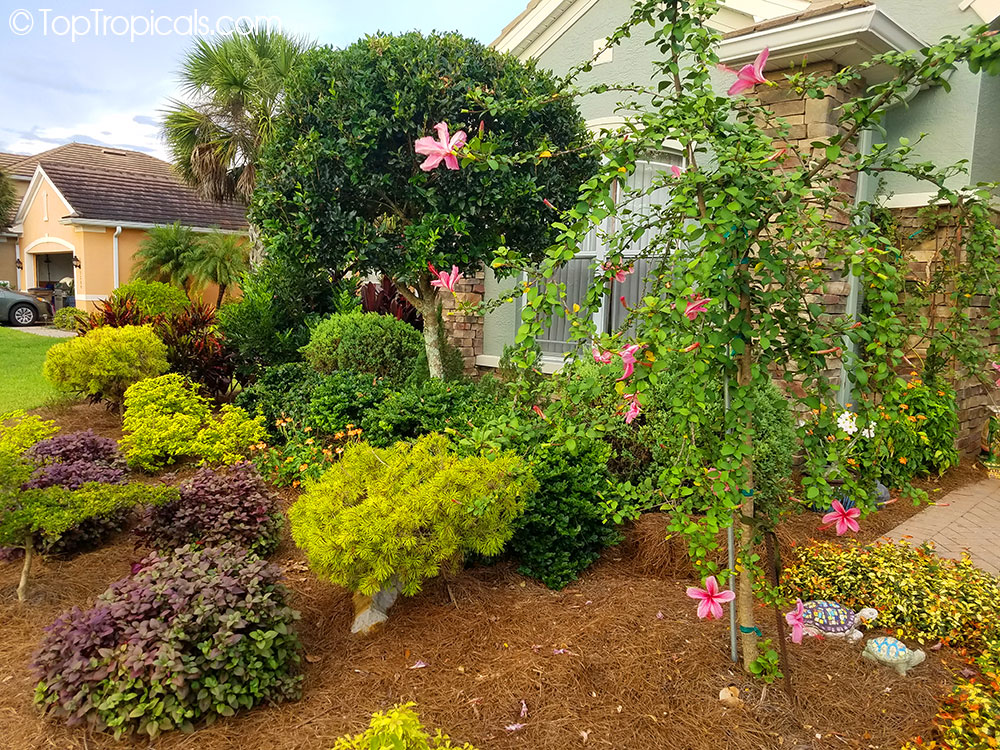
tropical  plants  landscape

Date: 6 May 2020

The best Aquarium fish food ever - stikiStik

Everyone knows that Top Tropicals is good at unique, special novelties. And it is not a secret that most plant people also are pet people - cat people (with PeopleCats), dog people (with PeopleDogs) or at least fish people, right?
Today we are excited to introduce our new revolutionary Fish Food developed by our business partners at Floritin Aquarium Labs

Floritin stikiStikâ„¢ - Ultimate Aquarium fish food

StikiStik is a dry powder that you just mixed with water to create a sticky paste. The paste can be attached to any surface inside your aquarium.

Watch a cool video of fish having a stikiStik meal!

StikiStik is a patent pending fish food that does things which conventional fish food does not. It introduces picky eaters to a more natural feeding environment, does not pollute the fish tank, is easy to mix from its powder format and provides gradual feeding. It is easy to apply to any surface in the aquarium, such as interior glass wall, rocks or coral skeleton.

stikiStik advantages

- Easy to use. Just mix with a few drops of water and stik it in! Self adhesive paste can be applied to any surface. Stays intact for hours in aquarium. Does not pollute water
- Scientifically designed and proven for all types of aquarium fish, invertebrates, and corals
- Optimal and balanced nutrition. Contains vitamins and amino acids
- Natural. No hormones, no artificial colors
- Stimulates fish appetite and enhances fish color
- Promotes natural feeding habits. Helps training hard to feed fish. The perfect food to acclimate newly introduced fish, including Moorish Idol, finicky butterfly fish, such as Copperband Butterfly, Pearscale Butterfly, Mandarinfish, and many oithers
- Easy to store. Can be used immediately or frozen for future use
- Add any frozen fish food or medications to mix

See element contents / instructions and more information with videos on stikiStik website

"The stikiStik is the best Aquarium fish food ever - hands down!"
- Mr Booster -

Date: 13 Sep 2025

Ground Orchid FAQ – Your Questions Answered

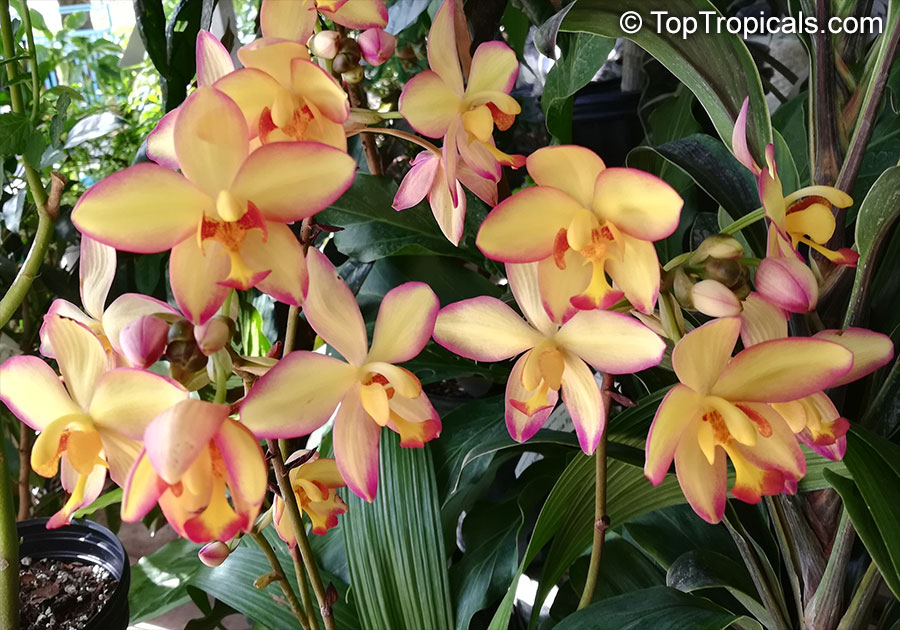
Spathoglottis  ground  orchid  growing  in  the  ground

Why should I buy them?

Because they give you more bloom for less effort. They flower on and off almost all year, they’re tough, and they come in colors you can actually plan a garden around.

Will they survive winter in my area?

In frost-free zones, yes, they come back bigger every year. If you’re farther north, just keep them in pots and bring them inside for the cold months.

Do they really bloom in shade?

They do. We’ve got a clump under a big oak and it still puts on a show. Not as heavy as full sun, but enough to brighten the spot.

How big do they get?

Depends which one. Spathoglottis stays neat, about knee-high. Nun Orchid shoots up tall spikes that can hit 4 ft. So you can go small or dramatic.

Are they hard to care for like other orchids?

Not at all. Forget the bark mix and misting bottles. Just plant them in soil, keep the water steady, and feed once in a while. That’s it.

Can I grow them in pots?

Absolutely. They do great in containers. Makes it easy if you’ve only got a patio or you want to move them in for winter. Use well-drained soilless mix like Abundance Potting Mix.

Do they attract pollinators?

Yep. Bees love them, butterflies too, and every so often a hummingbird will check them out.

What is the best fertilizer?

For extra blooms, we use Sunshine Orchidasm – Orchid TotalFeed Booster. Works like a charm!

Shop ground orchids

Date: 28 May 2026

The white-fleshed, low-acid pineapple disrupting tropical gardens

Sugar Loaf Pineapple, Kona Sugarloaf Ananas

Sugar Loaf Pineapple, Kona Sugarloaf Ananas

🍍 The white-fleshed, low-acid pineapple disrupting tropical gardens


Most people think all pineapples taste roughly the same - sweet, tangy, yellow, and a little acidic. Then they try a Sugar Loaf pineapple and suddenly understand why rare fruit collectors are obsessed with this variety.
Sugar Loaf - also known as Kona Sugarloaf - completely changes expectations of what a pineapple can taste like. If regular pineapples leave your mouth burning after a few bites, this variety may change your mind about growing tropical fruit at home.

🍍 Why Kona Sugarloaf is completely different from store-bought pineapples


Originally associated with West Africa and later popularized in Hawaii, Sugar Loaf stands out for several unusual characteristics:

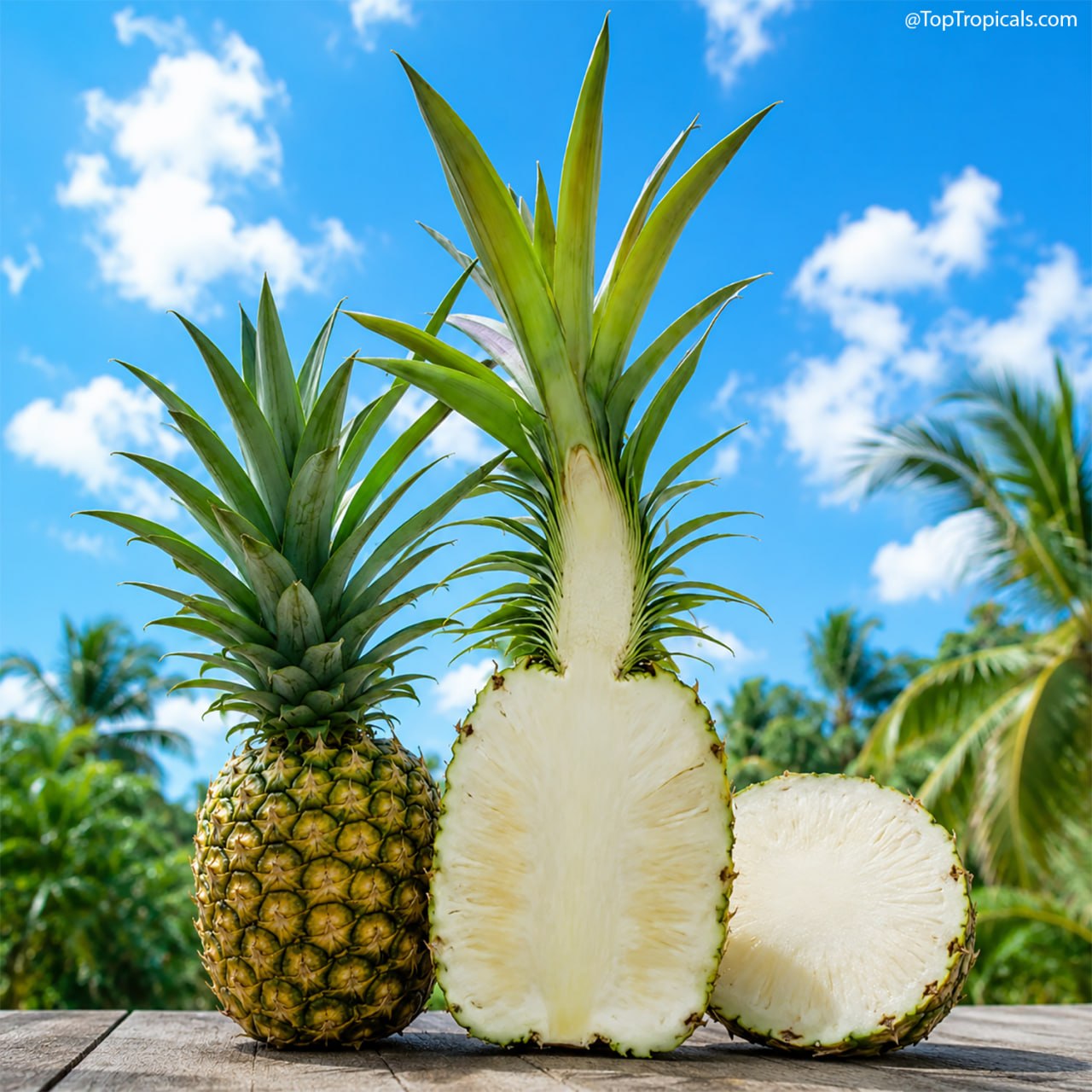
Creamy white flesh - Instead of the typical golden-yellow interior, Sugar Loaf produces soft, juicy, creamy-white fruit.
Very low acidity - The flavor is smooth, mild, and intensely sweet, with many growers describing notes of vanilla, honey, and coconut.
An edible core - Unlike regular pineapples with tough woody centers, the core of Sugar Loaf is tender and fully edible.
The green deception - One of the strangest things about this pineapple is that it often stays dark green even when fully ripe. Many first-time growers wait too long expecting it to turn gold.

Standard Pineapple:
Golden Skin ✦ Yellow Flesh ✦ High Acid ✦ Woody Core
Sugar Loaf Pineapple:
Green Skin ✦ White Flesh ✦ Low Acid ✦ Edible Core

🍍 A heavyweight performer in the garden


The fruit itself has a unique shape - taller, slimmer, and noticeably heavier for its size than standard pineapples. Under ideal tropical conditions, a single Sugar Loaf fruit can approach 10 pounds.

Beyond the fruit, gardeners love the plant for its ornamental appeal. It produces a dramatic pointed crown and arching tropical foliage, making it attractive even before fruit appears.

🍍 Kona Sugar Loaf at a glance

Pineapple Plant Facts

Botanical name: Ananas comosus
Also known as: Pineapple, Pina
USDA Zone: 9 - 11
Highligths Small plant 2-5 ftSemi-shadeFull sunWatering: Moderate. Water when top soil feels dryOrnamental foliageThorny or spinyEdible plantSubtropical plant. Mature plant cold hardy at least to 30s F for a short time
Get personalized tips for your region


Plant Type: Compact, self-fruitful bromeliad
Fruit Size: Up to 10 lbs under ideal conditions
Skin Color at Ripeness: Deep green
Flesh Color: Creamy white
Cold Tolerance: Tropical; protect from frost

🍍 Container-friendly for northern growers


You do not need a Hawaiian orchard to grow this collector favorite. Because Sugar Loaf grows as a compact bromeliad, it adapts well to patios, containers, and small gardens.

In tropical climates, it can be planted directly in the ground. In colder regions, gardeners often grow it in large pots outdoors during warm weather and move it indoors near a bright window for winter.

👉 Grower's Tip: Pineapples and bromeliads respond especially well to regular feeding during warm weather. SUNSHINE Ananas - Pineapple and Bromeliad Booster was designed specifically for bromeliads and fruiting pineapples to support vigorous growth and sweeter fruit production.

For tropical fruit enthusiasts, Sugar Loaf has quietly become one of those varieties that makes ordinary grocery-store pineapples feel surprisingly boring afterward.

🛒 Try the pineapple with the edible core and more pineapple varieties

📚 Learn more:


Ananas varieties (Pineapples) in Plant Encyclopedia
What are the best varieties of Pineapples?
What is the best pineapple to grow at home
How we ate all pineapples from that ugly corner
The most luscious Hospitality Fruit: Pineapple
Three must-have fruit for every tropical garden
Rare Pineapple that looks like a sunset and thrives on neglect
🎥 King of Fruits that makes you healthy and happy

#Food_Forest #Container_Garden #Discover

🟢 Join 👉 TopTropicals

Date: 23 Jan 2025

Discover 10 best fruit trees to grow
in Florida and Southern landscapes

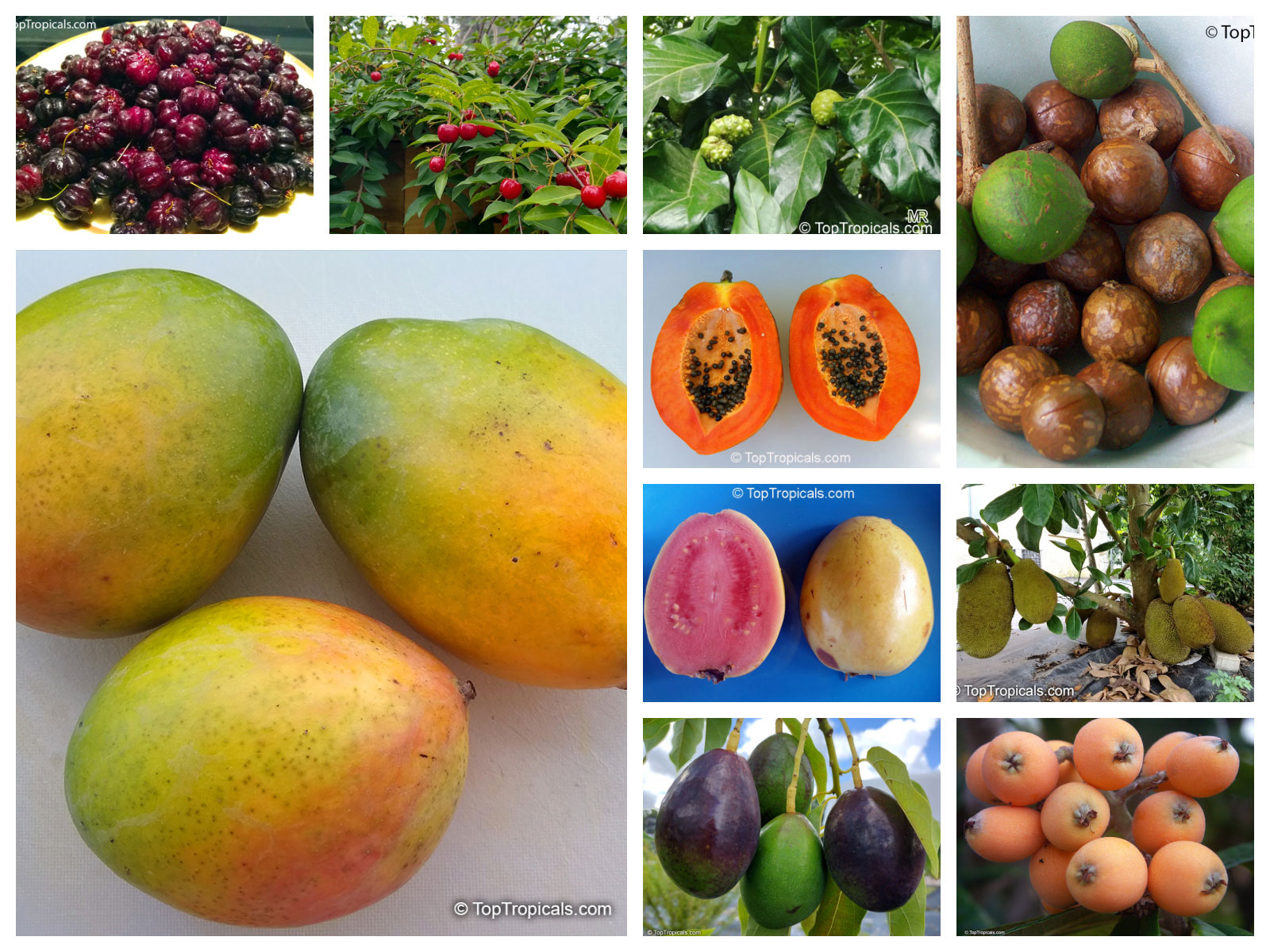
10  best  fruit  trees  to  grow  in  Florida,  collage

Q: We recently moved into our new home in Florida, and the property is a great size - 5 acres - but it currently has no trees, just a few palms. I'm looking to plant some productive fruit trees to start building our own Food Forest. What fruit trees would you recommend as a good starting point?

A: With five acres of space, you have a fantastic opportunity to create a fruitful garden that can provide for your family for many years to come. Below are our top recommendations for must-have, easy-to-grow fruit trees that thrive in Florida's climate, grow quickly, and start producing right away.

1. Mango Tree
Mango  fruit

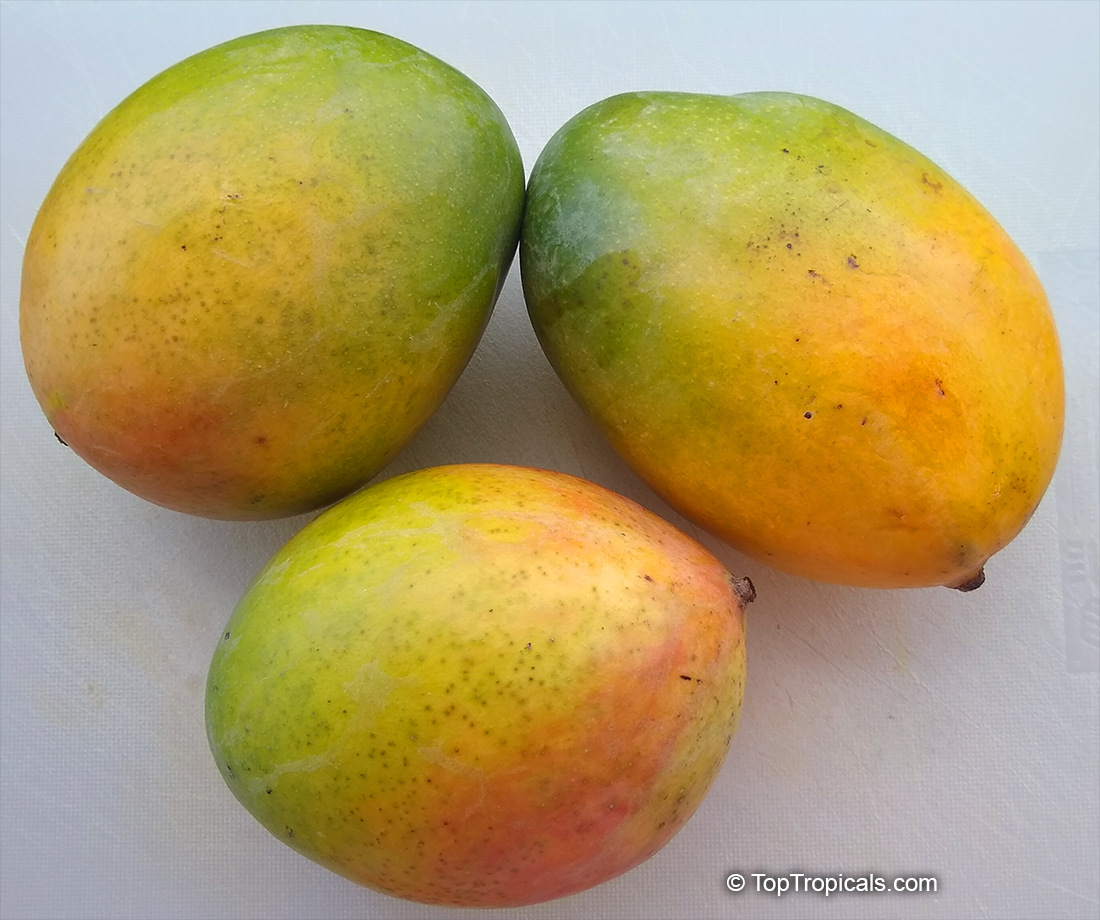
Mango trees (Mangifera indica) are a must-have for any Florida garden, embodying the essence of the Sunshine State with their delicious and nutritious fruit packed with vitamins and fiber. These fast-growing, low-maintenance trees thrive with minimal water and are heat-tolerant. Grafted varieties produce high-quality, fiberless fruit in just 2-3 years, while dwarf "condo" mangoes are perfect for smaller spaces or containers. While young trees need frost protection, mature trees handle cold better. Grafted mangoes offer rich taste that you won't find in commercially grown, fibrous varieties, ensuring a sweet and vibrant harvest from your own garden.

2. Avocado Tree
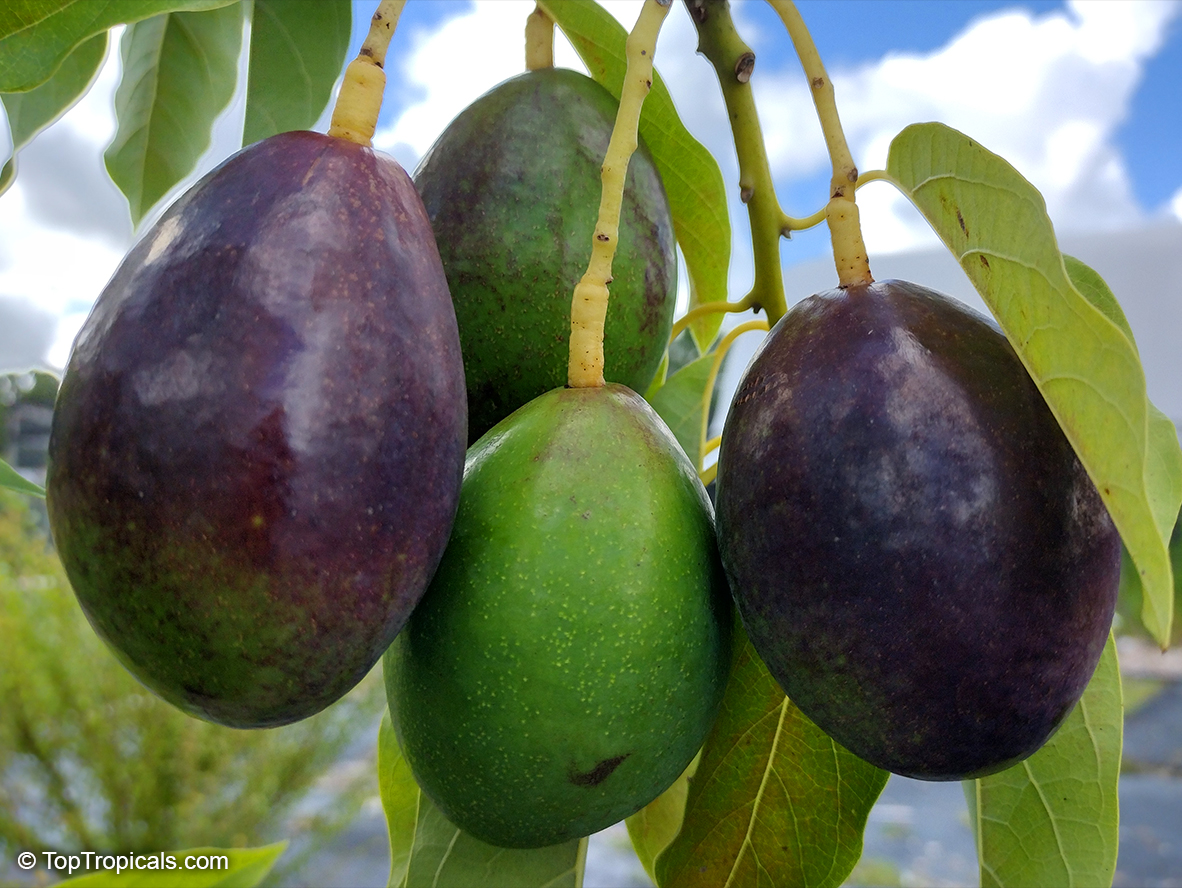
Avocado  fruit

The Avocado tree (Persea americana) is an essential addition to any tropical or subtropical garden. Known for its health benefits and superfood status, it's a favorite fruit that's not only productive but also a beautiful ornamental tree. Some avocado varieties are more cold-tolerant than mango trees, with the ability to survive temperatures below 25F. While many enjoy growing avocado from seed, only grafted trees guarantee quality fruit and immediate production, as seedlings can take 7-8 years to bear fruit. To successfully grow avocado, ensure good drainage by planting on a raised mound (4-6 inches) and keep the soil consistently moist. There are also compact varieties like Wurtz and Fuerte that thrive in containers or small spaces, making them ideal for patios and small gardens.

3. Tropical Cherries
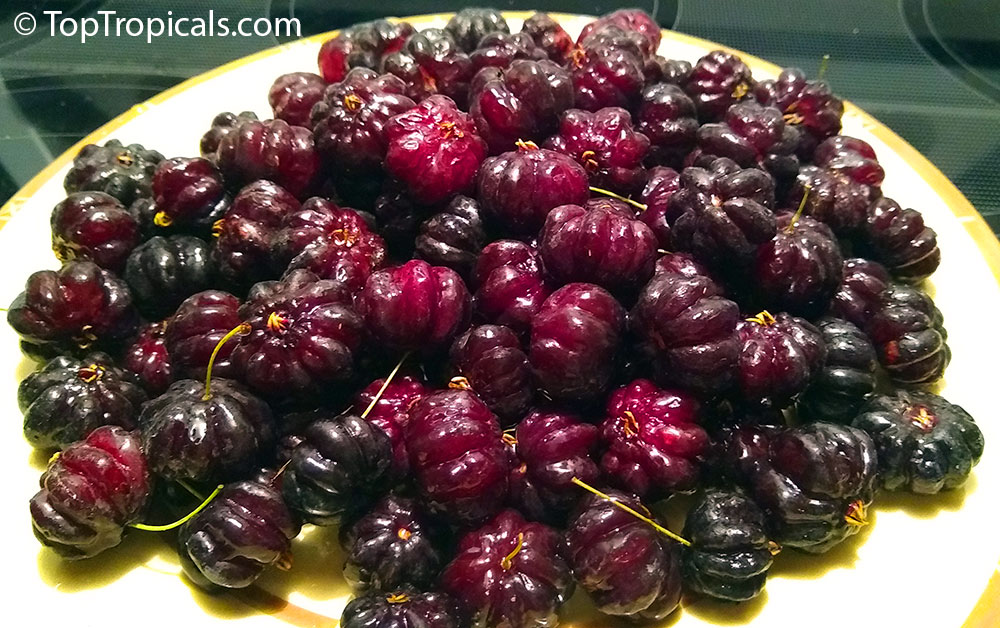
Eugenia  Lolita  cherry  fruit

Tropical cherries, such as Cherry of the Rio Grande (Eugenia aggregata), Grumichama (Eugenia brazilensis), Pitomba (Eugenia luschnathiana), and Black Surinam Cherry (Eugenia uniflora var. Lolita), are popular and easy-to-grow fruit trees that offer fast growth and excellent fruit production. These compact, versatile trees thrive in both the ground and containers, starting to produce fruit almost immediately. Eugenias are low-maintenance, requiring minimal water, thriving in various soil types, and being pest-free. They are heat-tolerant and can endure cool winters, surviving light frosts. Birds love the fruit, but don't worry - there will always be plenty for everyone.

4. Barbados Cherry Tree
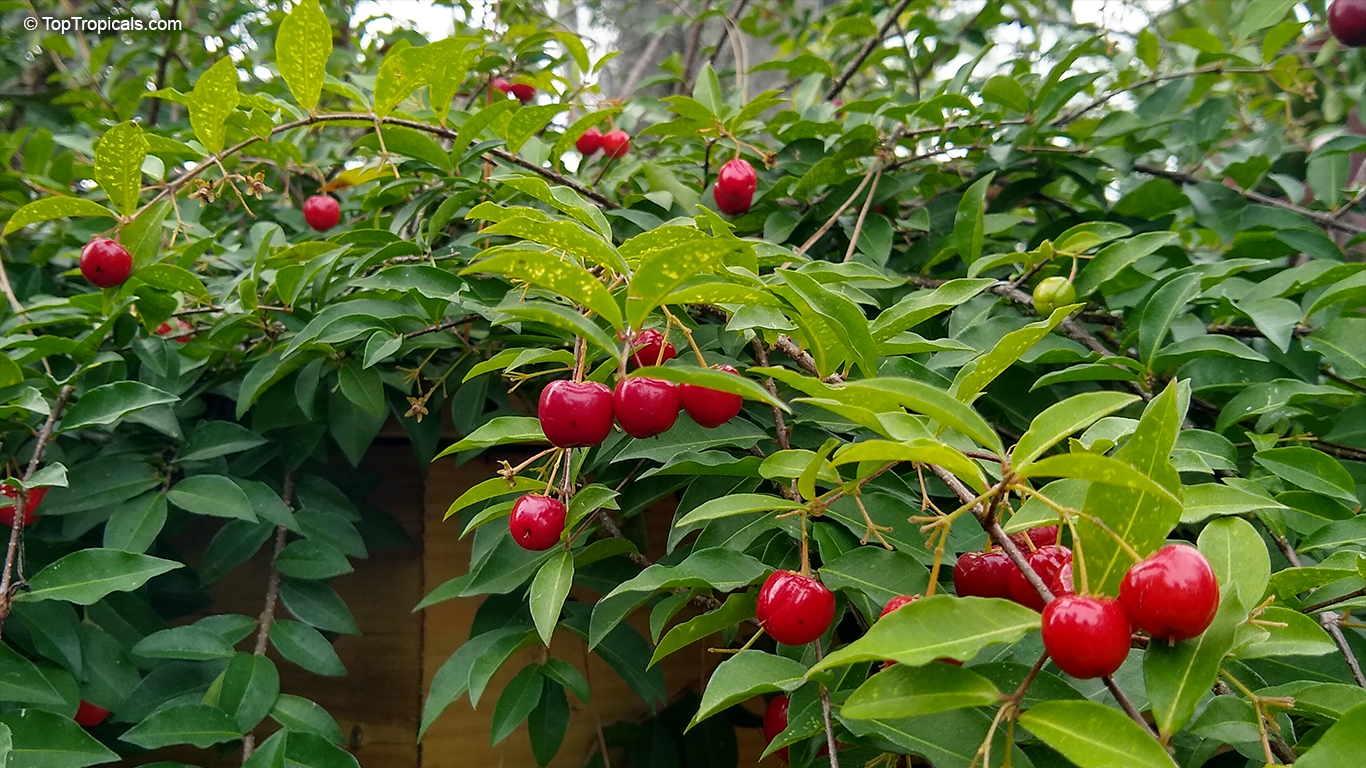
Malpighia  Barbados  cherry  fruit  on  a  branch

Barbados Cherry (Malpighia glabra), also known as Acerola, is a tropical cherry renowned for having the highest vitamin C content of any fruit. This nutrient-packed fruit is perfect for jellies, jams, and freezing without losing its vitamin C. The Barbados Cherry is a fast-growing, dense shrub that fruits multiple times a year, providing abundant harvests for gardeners seeking quick results. It thrives in alkaline soil, tolerates drought, and is relatively cold-hardy, withstanding light freezes. Birds love the fruit, making it a great addition to wildlife-friendly gardens. The dwarf variety, Nana, with its small leaves and fruit, is perfect for containers, borders, or even bonsai, adding ornamental value to any space.

5. Noni Tree
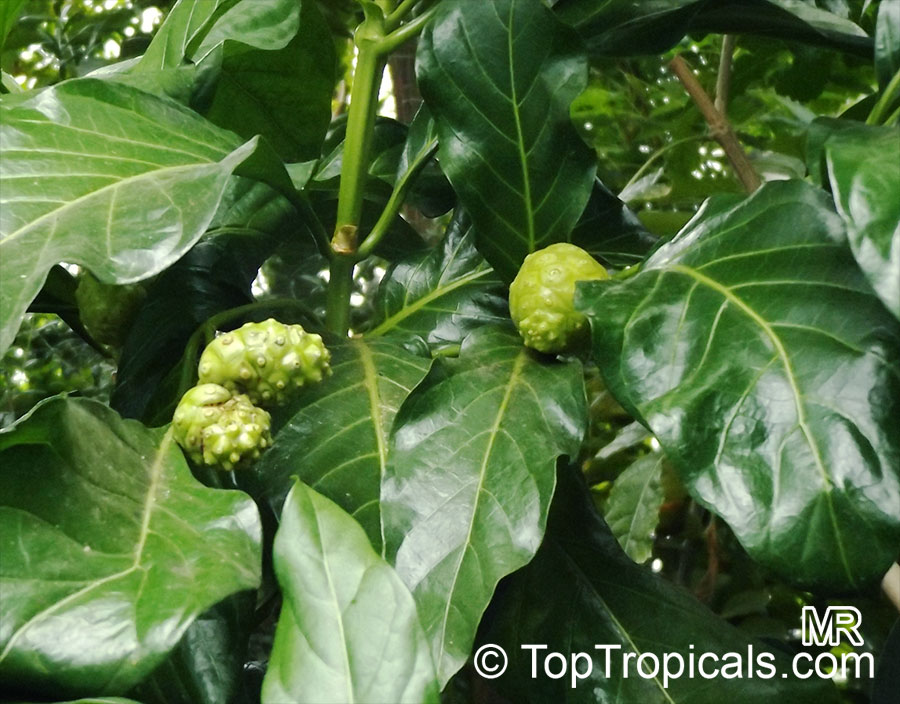
Morinda  Noni  fruit  on  a 
 branch

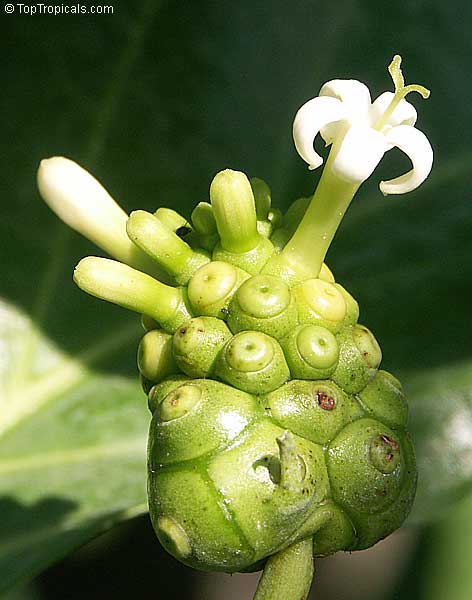
The Noni Tree (Morinda citrifolia) is a top superfood plant that makes a fantastic addition to any Southern garden. Known for its numerous medicinal benefits, Noni fruit offers anti-inflammatory properties, relief from arthritis, and support for conditions like diabetes, metabolism, and weight loss. It's even believed to help fight cancer. Noni trees grow quickly and begin producing fruit within 2 years from seed. This tough, resilient plant thrives in poor soil, endures summer heat, and withstands drought conditions. Despite its tropical appearance, Noni is surprisingly cold-hardy, recovering well after leaf damage in cooler weather. In addition to its health benefits, the Noni tree has ornamental value, with large, waxy leaves and unique fruit, where the flower appears to grow directly on the fruit!

6. Macadamia Nut Tree
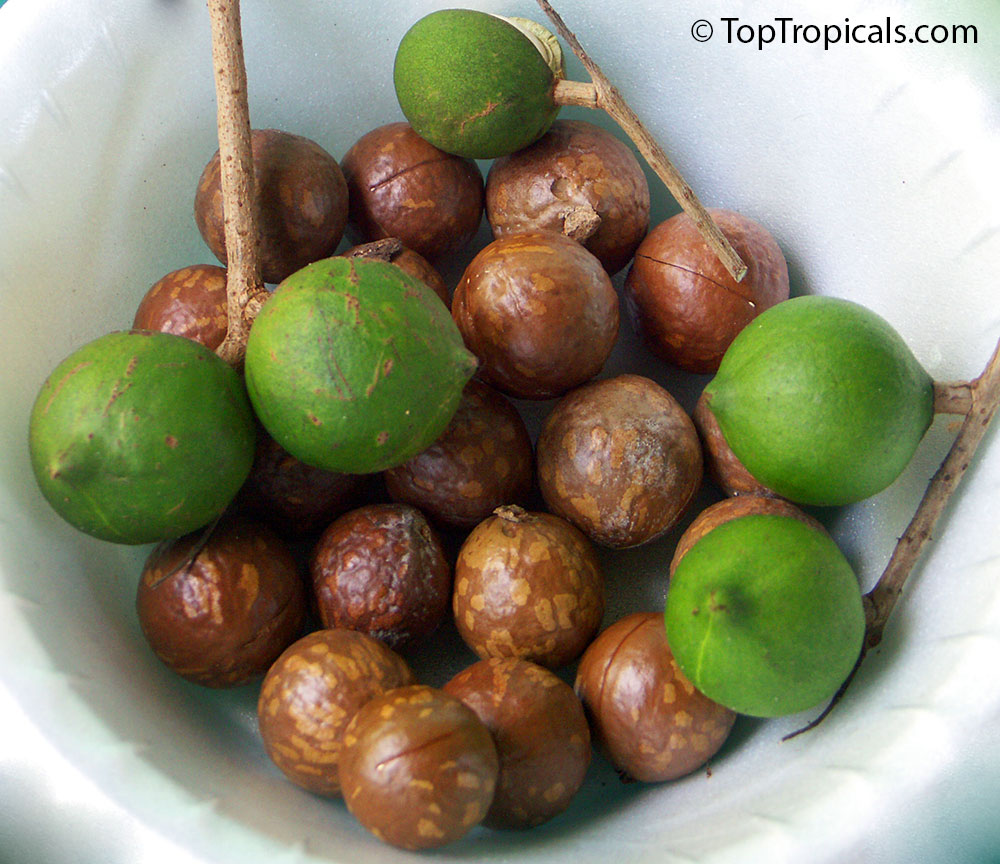
Macadamia  nuts  on  a  plate

The Macadamia Nut Tree (Macadamia integrifolia) is a fantastic addition to any garden, allowing you to grow these delicious, high price tag, nutrient-rich nuts right at home. These trees are cold-hardy, grow quickly, and thrive in all Florida soil types. Once established, they are productive and can tolerate both flooding and drought. Older trees can survive colder winters, while young trees need protection from temperatures below 25-26F. Macadamia trees like plenty of water and a special fertilizer program, including liquid fertilizers and microelements, to ensure healthy root development and optimal production. Aside from being rich in healthy fats, vitamins, and minerals, macadamia nuts offer numerous health benefits, such as improved digestion, heart health, weight management, and blood sugar control. They are also packed with tocotrienols - antioxidants which may protect against cancer and brain diseases.

7. Papaya Tree
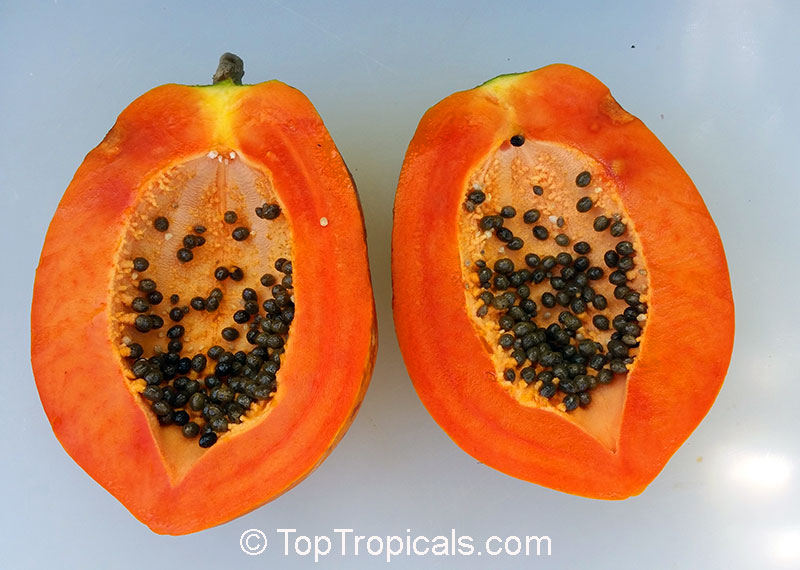
Papaya  fruit  with  seeds

Papaya trees (Carica papaya) are resilient, easy to grow, and produce fruit year-round. Rich in papain, a digestive enzyme, papayas are a superfood that promotes gut health. These fast-growing trees often begin producing fruit within the same year they're planted, providing quick rewards for gardeners. Many varieties, especially dwarf papayas, are space-efficient, reaching only 6-8 feet tall while still yielding large crops, making them perfect for small gardens. Surprisingly hardy for a tropical plant, papayas can withstand light freezes and strong winds (tested in hurricanes!). While they are self-fertile, planting 2-3 different cultivars improves pollination and increases yields. "Solo" cultivars, with their smaller, round or oval fruits, are sweet and less susceptible to fruit flies.

8. Guava Tree
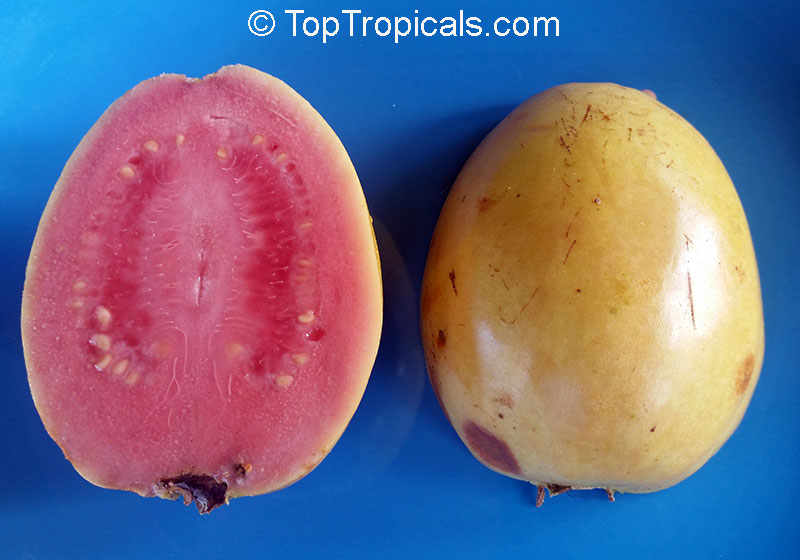
Pink  Guava  fruit

Guava trees are beloved for their flavorful fruit, commonly used in juices, drinks, and desserts. Popular varieties include Tropical Guava (Psidium guajava), Cattley Guava (Psidium littorale), Cas Guava (Psidium friedrichsthalianum), and Pineapple Guava (Feijoa sellowiana). Despite their tropical nature, guavas are surprisingly cold-hardy, suitable for cooler climates and occasional frost. These trees thrive in moist conditions and can tolerate some flooding, while their compact growth makes them easy to maintain at any height or shape. Guavas are fast-fruiting, often producing fruit within a year of planting, and even some varieties in 1 gal containers. The dwarf Nana variety is perfect for container culture, producing full-sized fruit in a compact form. Guava trees are mostly pest-resistant, though mealybugs may require occasional treatment with neem oil in humid, rainy areas. Planting multiple guava trees ensures a continuous supply of fresh, juicy fruit and delicious guava juice for everyone to enjoy.

9. Jackfruit Tree
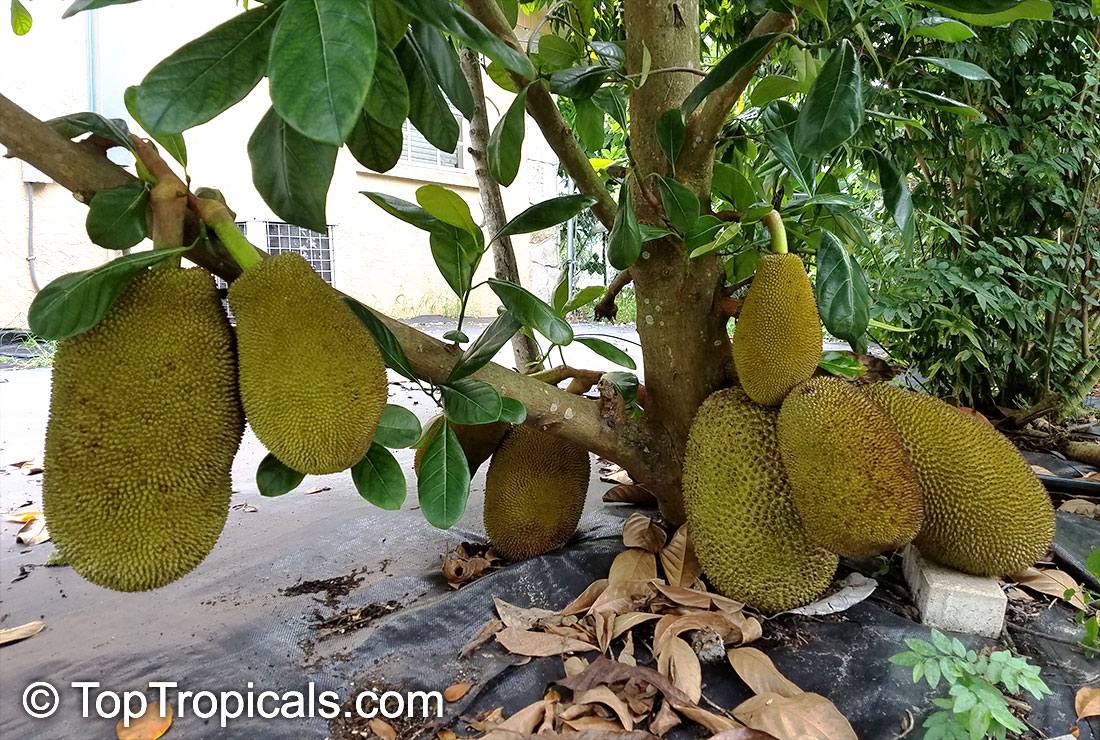
Jackfruit  fruit  at  the  base  of  the  tree

The Jackfruit tree (Artocarpus heterophyllus) is a striking, fast-growing tree known for producing the largest fruit grown on a tree, making it a showstopper in any garden. Nutrient-packed and often used as a meat substitute in South Asian cuisine, Jackfruit is also delicious in curries, chutneys, and as dehydrated chips. These trees grow quickly, have large waxy leaves, and can be maintained at a compact height of 7-8 feet, making them ideal for smaller spaces and easier cold protection. Despite being a tropical species, Jackfruit trees are relatively cold-tolerant and can survive light frost (although on the account of production volume), with established trees being more hardy than seedlings. Jackfruit trees begin producing fruit within 3-4 years from seed, and varieties come true to seed, eliminating the need for grafting, though it can be done for specific varieties.

10. Loquat Tree
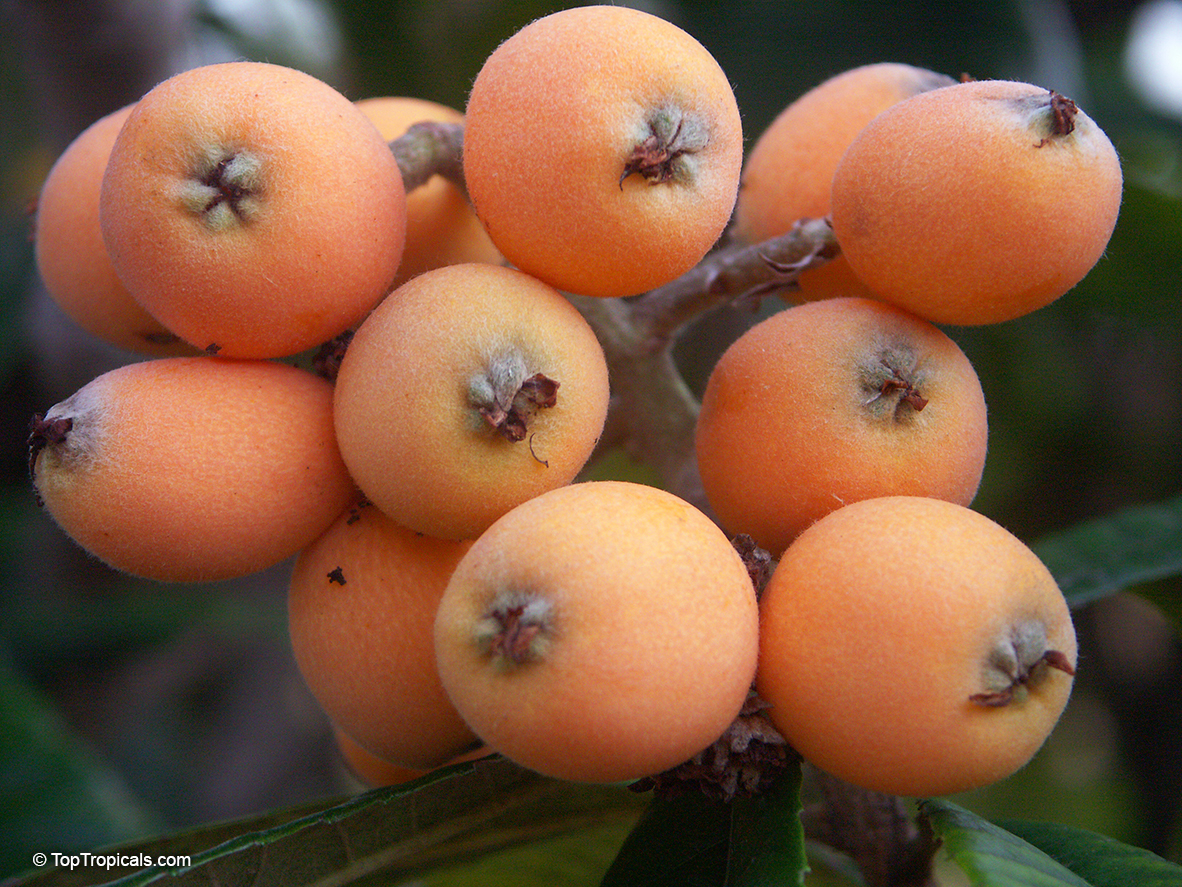
Loquat  fruit  on  a  branch

The Loquat tree (Eriobotrya japonica) is a fast-growing, drought-tolerant, and highly cold-hardy tropical fruit tree that thrives in Florida gardens. Loquats are heavy producers, with juicy, aromatic fruit that ripens from early spring to early summer, offering a delicious apricot-like flavor. This compact tree is perfect for small gardens, beginners, and those with limited space. Loquats are undemanding, thriving in any soil and withstanding summer heat, winter cold, heavy rains, and occasional flooding. Nutrient-rich, they are high in sugar, acids, vitamins B and C, minerals, and pectin. Loquats are versatile, enjoyed fresh or used in fruit salads, jams, jellies, chutneys, pies, sauces, and even wine-making, and they are often used as a natural sweetener.