Garden Blog - Top Tropicals

Date: 3 Aug 2025

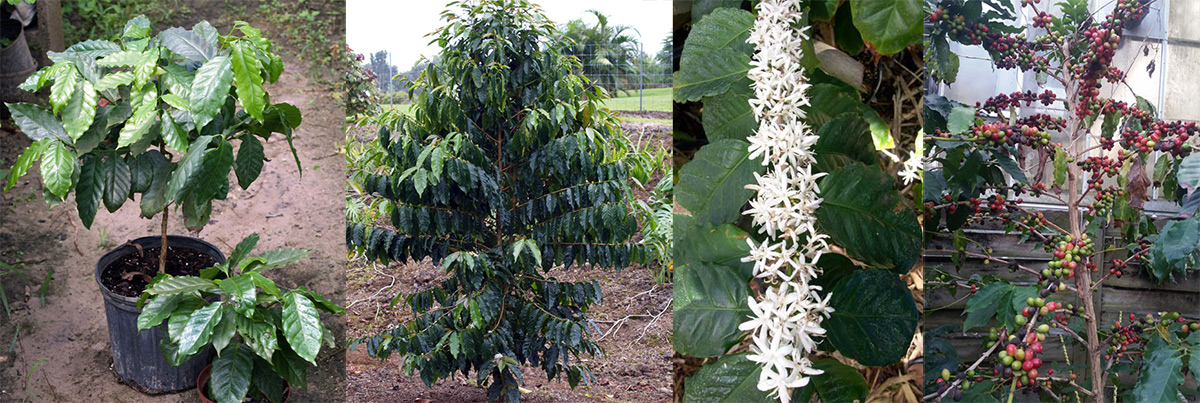
Four  stages  of  Coffee  Tree  growth:  a  young  potted  plant,  a  mature  tree  in  the  ground,  white  star-shaped  blooms,  and  a  branch  full  of  ripening  red  and  green  coffee  cherries.

What is the most popular and easiest tropical fruit tree to grow indoors?

No doubt about it - it's the Coffee Tree.

  • Coffee is shade-loving and easy to grow with regular water
  • It grows into a dark green shrub or small tree (about 3 to 5 feet tall in a pot)
  • Its fragrant, star-shaped flowers resemble gardenias
  • The whole fruit is edible and turns green to yellow to red
  • The seeds are real "coffee beans" that can be dried, roasted, and ground at home.

Five Reasons to Grow a Coffee Plant

  • Perfect Indoor Fruit Tree: Thrives in filtered light and stays compact
  • Low Maintenance: Forgiving, adaptable, and ideal for new gardeners
  • Aesthetic Appeal: Glossy green leaves and clusters of white blooms
  • Homegrown Coffee: Yes, you can roast your own beans.
  • Year-Round Beauty: Evergreen with seasonal fragrance

Coffee Plant Care Tips

  • Light: Bright, indirect light is best. Avoid harsh afternoon sun.
  • Water: Keep soil lightly moist but not soggy. Let the top inch dry out before watering again.
  • Humidity: Loves higher humidity. Mist regularly or place on a pebble tray.
  • Fertilizer: Use a balanced, gentle fertilizer like Sunshine Boosters C-Cibus every few weeks during growing season.
  • Soil: Loose, rich, and well-drained. High in organic matter and slightly acidic. For potted plants, use a quality indoor tropical mix, such as Top Tropicals Abundance mix
  • Repotting: Refresh soil and size up the pot every 1–2 years to keep roots healthy.
  • Can I grow it outdoors?: Yes - bring it outside in warm months and back indoors before frost. It's best suited for USDA zones 10-11, but container growing gives you flexibility in cooler climates.
  • How long until I get beans?: Expect flowers and fruit within 3 to 4 years from seedling stage - often sooner if you start with a young tree.
  • What does the fruit taste like?: Mild and sweet-tart, like a mix between a cherry and a cranberry. You can eat it fresh.

How to Make Coffee from Your Own Tree

  • Harvest: Pick the ripe red cherries
  • Pop and Soak: Squeeze out the beans and ferment 1-2 days to remove pulp
  • Dry: Spread out to dry for 1-2 weeks until hard and papery
  • Husk: Remove the thin shell to reveal green beans
  • Roast: Use a dry skillet or oven until fragrant
  • Grind and Brew: Cool, grind, and enjoy the freshest coffee you've ever had.
    Learn more: How to make your own coffee from homegrown beans

Coffee Health Benefits

  • Rich in antioxidants - supports heart and brain health
  • Boosts focus and mental alertness
  • Supports metabolism and fat-burning

Why Coffee Makes the Perfect Gift Plant

  • Long-living and beautiful
  • Symbolic, useful, and personal
  • Great for coffee lovers, gardeners, and the "person who has everything"
Read Garden Blog about Coffee

Shop Coffee Plants

Date: 27 Jul 2023

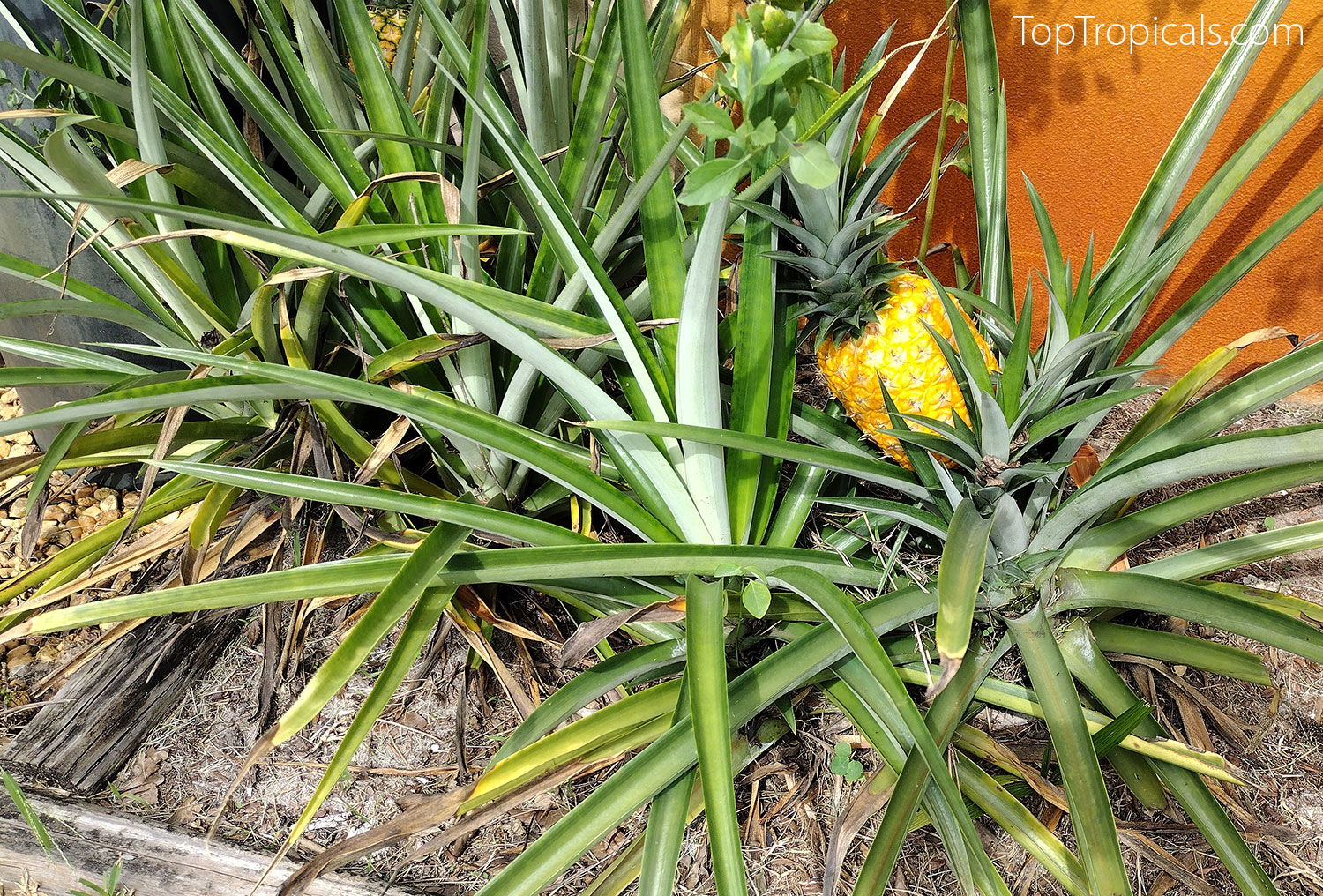
Top varieties of pineapples

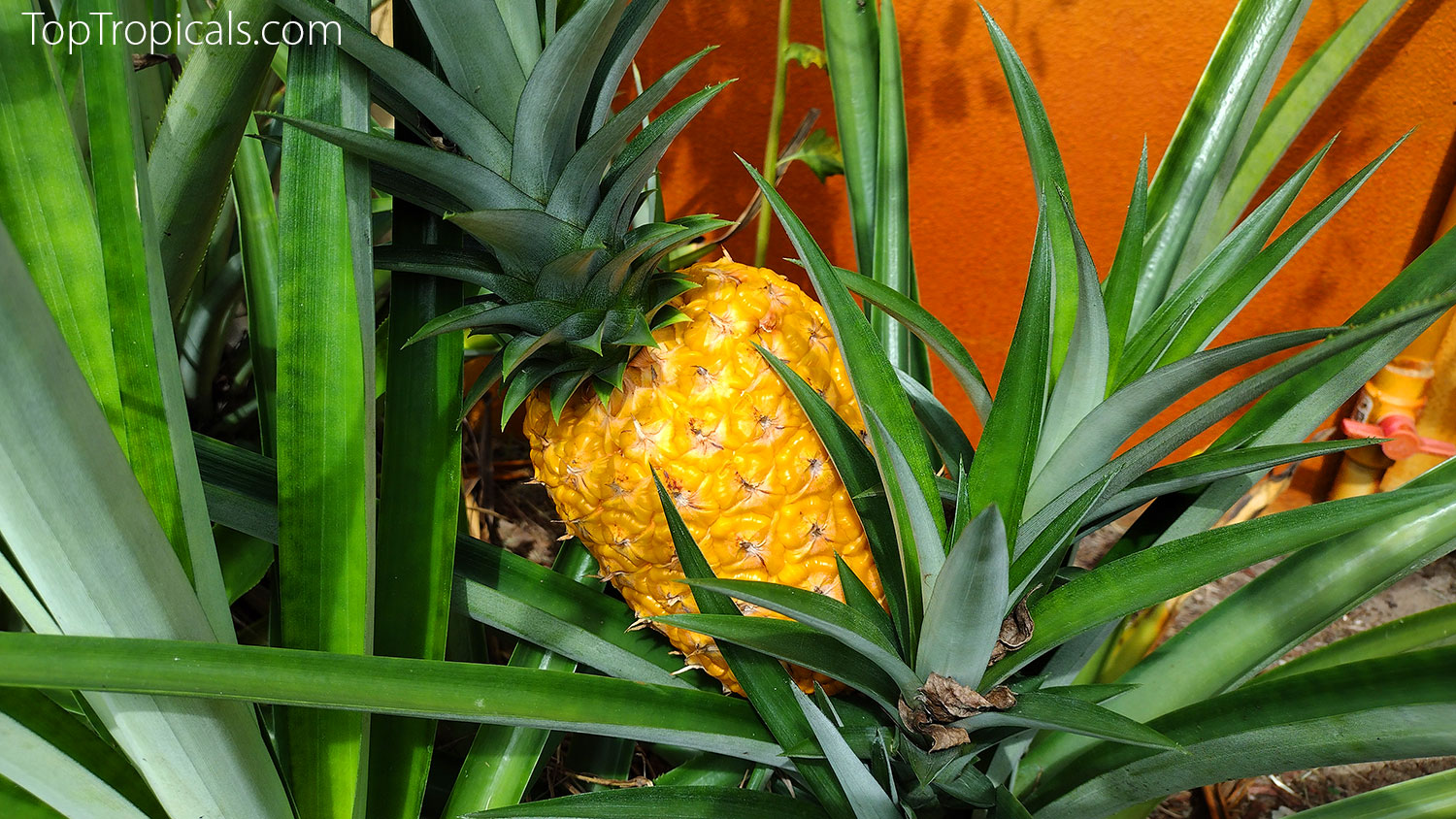
Pineapple

Q: I want to grow my own pineapples, which varieties do you recommend for the best production? Do I need any special organic fertilizer?

A: Growing your own pineapple is pure bliss. Watching the transformation from a small crown into a luscious fruit is immensely rewarding. Every tropical gardener should experience the joy of growing this tropical gem and relishing its sun-kissed sweetness straight from the garden. Pineapples are easy to grow and can fruit in containers too, so if you live in a colder climate, no problem! They will take very little space in your greenhouse or sunroom. Just remember to feed your pineapple plants with Sunshine Boosters so they will feed you the biggest and the sweetest fruit! Sunshine Boosters are natural, organic-amino-acid based plant nutrients that are perfect for any edibles.
There are several varieties of pineapples in commercial cultivation. Below are the most interesting cultivars. Discover the pineapple paradise!

Elite Gold: Bursting with tropical flavor and vibrant gold flesh, Elite Gold dazzles with its unique taste and ornamental beauty.

Florida Special: Perfectly balanced sweetness and acidity, this variety thrives in warmer climates, gifting you a taste of Florida's sunshine.

Sugar Loaf: Irresistibly sweet with a hint of citrus, Sugar Loaf's compact size makes it an ideal choice for container gardening.

White Jade (Spineless Sweet): Exceptionally sweet and without spines, White Jade pampers you with a delectable, thorn-free harvest.

Lava Burst (Burgundy Variegated Rainbow): This visually stunning ornamental pineapple variety boasts striking burgundy and green leaves, resembling a rainbow of colors. Its fruit edible but small; its exceptional beauty adds a touch of exotic elegance to any garden or indoor space. Lava Burst is a delightful conversation starter and a captivating addition to your plant collection, making it a favorite among pineapple enthusiasts for its aesthetic appeal.

Embrace the sense of accomplishment and the satisfaction of savoring homegrown, mouthwatering pineapples - nature's sweetest gift!

Read more about Pineapples: The most luscious Hospitality Fruit.

Pineapple

Date: 14 Apr 2022

Our Ukrainian team update:
Happy Birthday Dasha!
Born amid the war...

Anatoly  and  Dasha

A happy update from our Sunshine Boosters team member in Ukraine, Anatoly Bychko: a baby girl is born!
"...We expected our baby when the war started... So my wife and I left the basement and drove hundreds of miles trying to get away from deadly missiles and find a working hospital... We left everything we had, lost our home, only took our Cat Belyash ("dumpling"). Now we started our new life in a new city... with a newborn little person - our Angel. Her name is Dasha!.."

Dasha

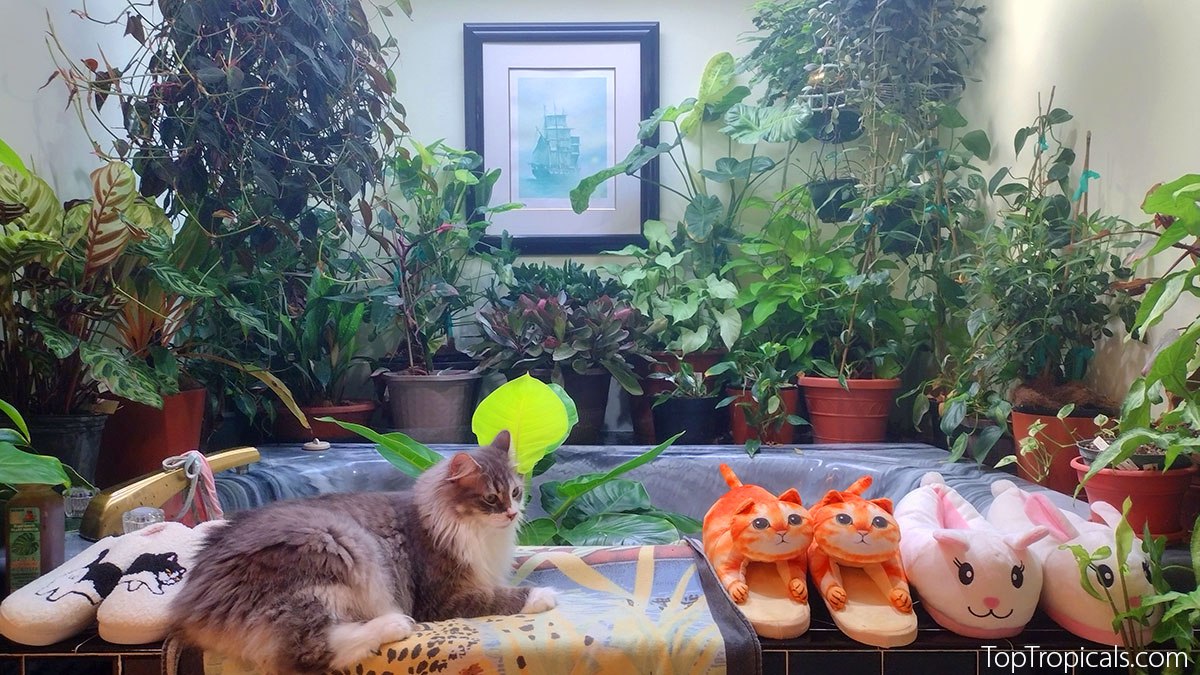
Belyash  Cat

All profits from Sunshine Boosters sales are used to help families of our Ukrainian Team

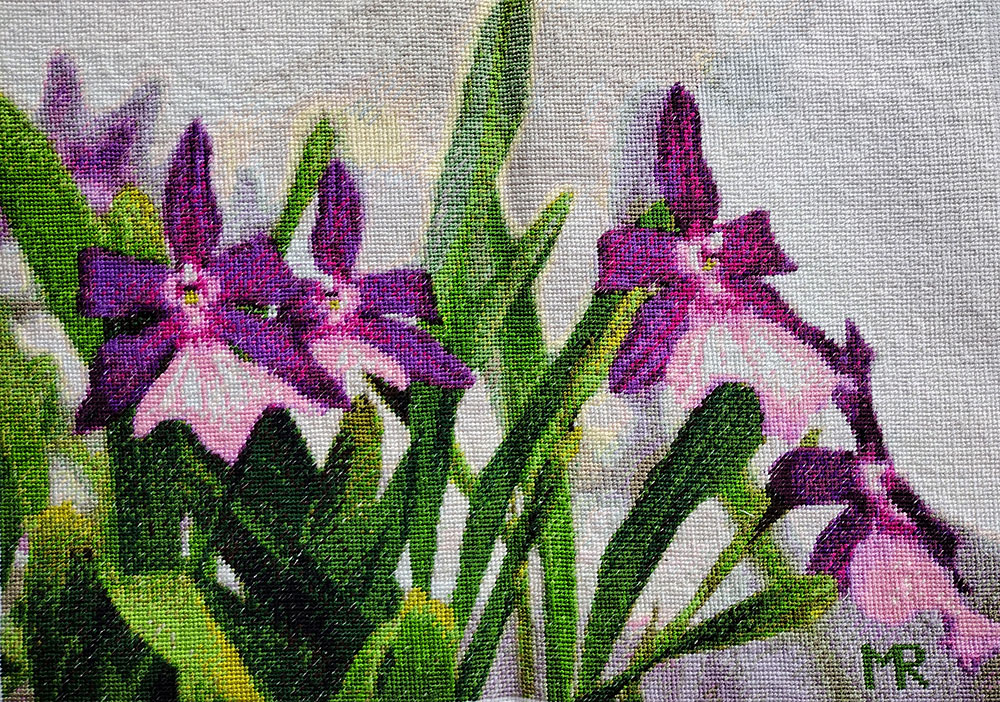
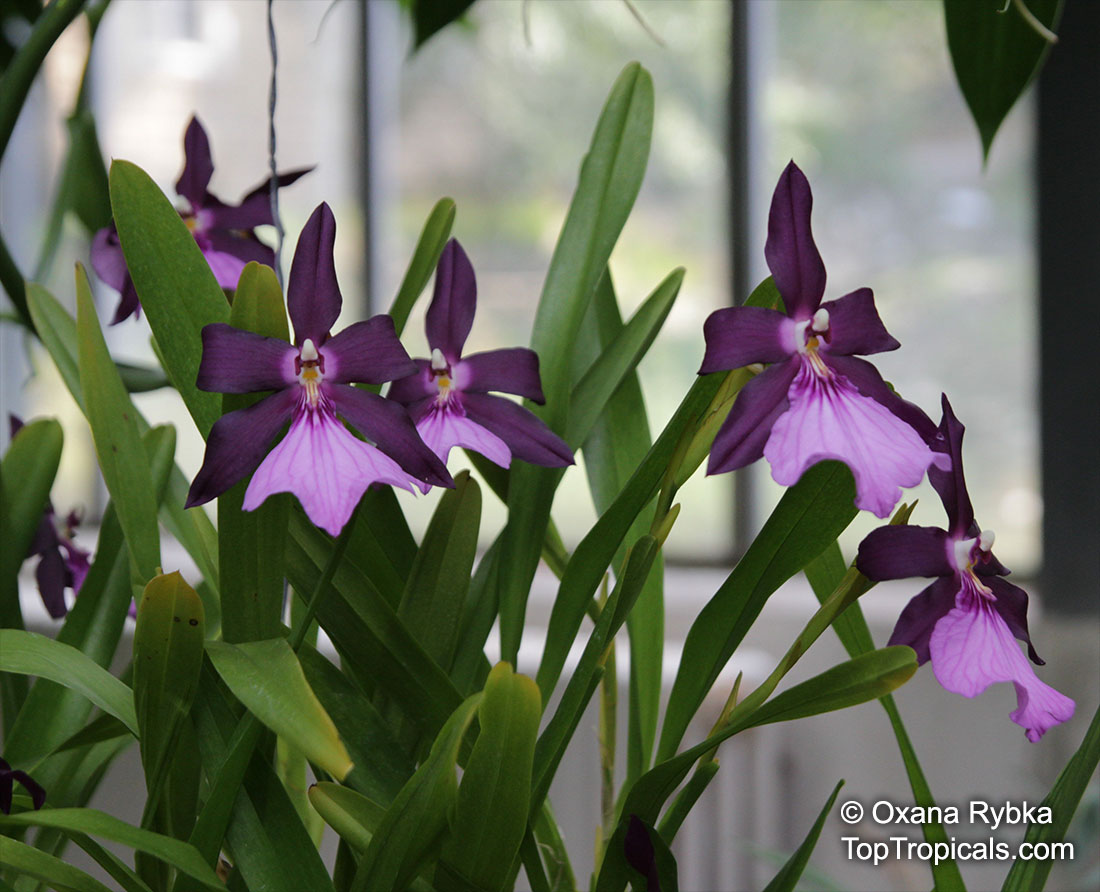
Miltonia  spectabilis

Photo above: Easter present for Top Tropicals, Miltonia spectabilis var. moreliana, hand-crafted cross-stitch embroidery by our Editor Marina Rybka, the original photo by Oksana Rybka (Ukraine) taken in Prague Botanical Garden.

Date: 4 Nov 2024

10 key tips for successful overwintering of tropical plants indoors

10 key tips for successful overwintering of tropical plants indoors

10 key tips for successful overwintering of tropical plants indoors


1. Maximize Light:
The more light, the better. There's no such thing as too much indoor light. If windows aren't enough, use LED grow lights, which stay cool and won't dry the air. Rotate plants every few days to prevent uneven leaf loss.

2. Reduce Watering: Less light and cooler temperatures mean plants need less water. Allow the soil to dry between waterings, and avoid overwatering - combination of cold + wet is especially harmful.

3. Maintain Moderate Temperatures: Most tropicals are happy with daytime temperatures around 75F and nights at 50-60F. In sunrooms or greenhouses, some can handle 45F if watering is kept to a minimum.

4. Boost Humidity: Avoid placing plants near heaters or vents that dry the air. Misting daily helps, or place pots on trays filled with water and pebbles to raise humidity around them.

5. Monitor for Pests: Check leaves weekly to catch insect problems early, as pests can cause serious damage or even kill the plant indoors.

6. Fertilize Smart: Use ONLY liquid, amino-acid-based fertilizers like Sunshine Boosters throughout winter; they won't burn roots since their dosage adjusts with reduced watering. Avoid dry, granulated, and EDTA-based fertilizers during winter and dormancy.

7. Use Micro-Nutrients: Along with macro-elements (fertilizers), supplement with micro-elements like Sunshine Superfood and bio-stimulants such as Sunshine Epi to build strong plants with robust immune systems, better able to withstand unfavorable conditions and resist diseases.

8. Hold Off on Pruning: Leaf drop and leggy growth are normal responses to winter. Wait until spring to prune, when new growth starts, to encourage branching and healthy foliage.

9. Don't Repot Yet: During dormancy, roots slow their growth. Repotting too soon risks root rot. Wait until spring when new growth appears to transplant into a larger container. Typically, roots grow in proportion to the above-ground parts.

10. Let Them Rest: Winter is a natural resting period. Avoid forcing growth - your plants will reward your patience with vibrant leaves and flowers when spring returns.

🛒 Shop Indoor plants

#How_to

🔴 Join 👉 TopTropicals

Date: 12 Jan 2025

How to protect tropical plants in Winter

Winter tips and podcast

Photo above: wrapping plants with frost cloth

Winter can be tough on plants, especially on tropical varieties. But with a little preparation, you can protect your garden and keep your plants safe from the cold. Here's how:

Winter Care Tips for Tropical Plants

Cut watering: Reduce watering to prevent root rot. Cold + wet = dead roots.
Water before frost: Thirsty plants are more vulnerable. Water them before a cold night to prevent damage.
Wind protection: Wind is more harmful than temperature drops. Plant near structures like houses or trees for shelter.
Prepare for long cold periods: If cold weather lasts for hours, use all available protection, including Christmas lights and propane heaters.
Don't use dry fertilizer in winter: Heavy fertilizing encourages tender growth, which is more susceptible to cold damage. Sunshine Boosters liquid fertilizers are safe to use year around as their intake is controlled by reduced watering.
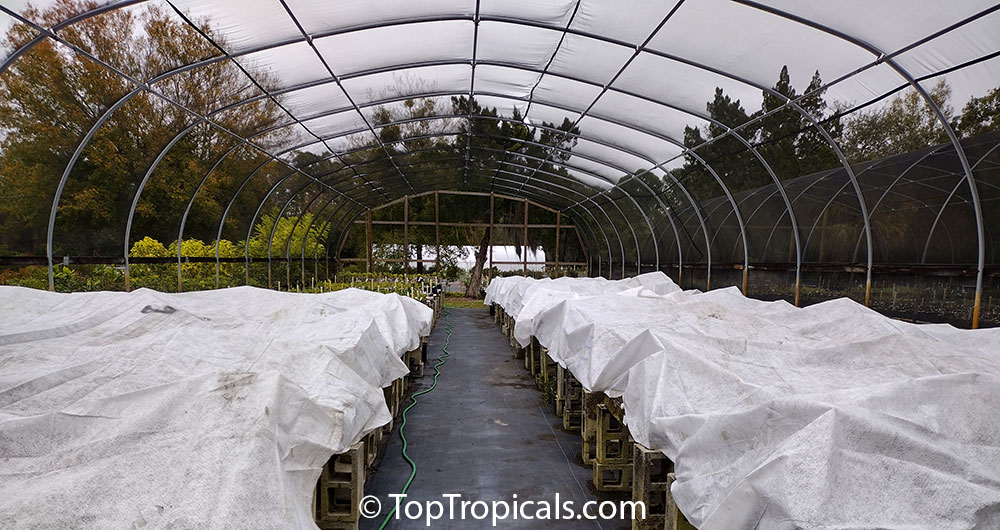
Use fabric covers, not plastic: Plastic can cook plants in the sun, while fabric allows better ventilation.

Protecting  tropical  plants  in  winter  with  covers

Photo above: we cover our plants in the nursery with a thin synthetic fabric (sintepon) called "frost cloth" or "strawberry cloth". It is light, breathable and allows light and water to go through unlike plastic that creates heavy water pockets.

Prepare for Cold Nights

Wrap plants: On cold nights, cover individual plants or trees with sheets or blankets to shield them from wind chill.
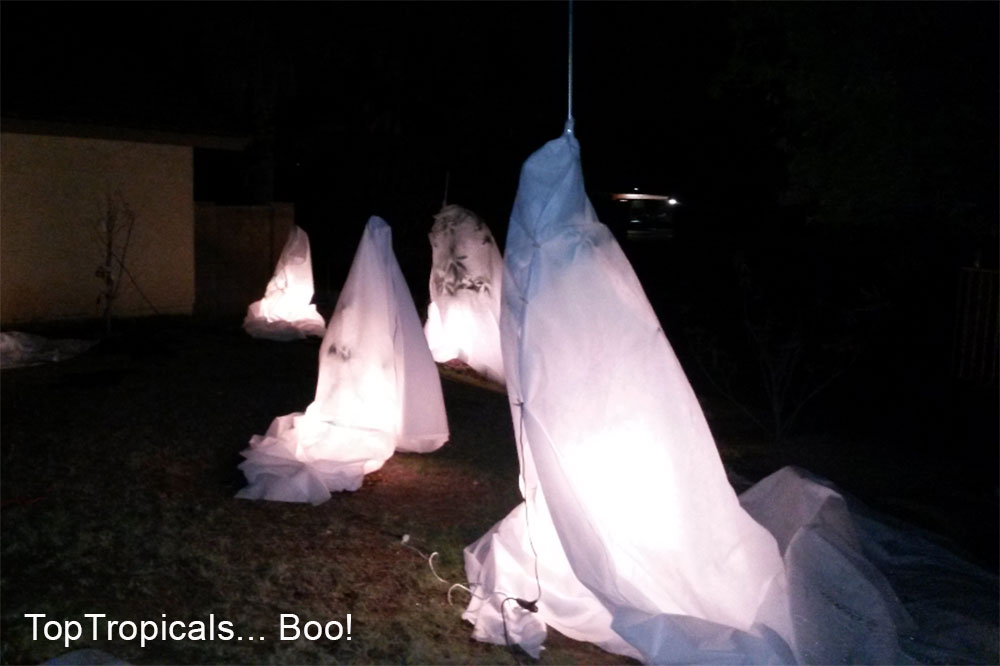
Use Christmas lights: A simple string of lights can add extra warmth, protecting your plants during frosty nights.
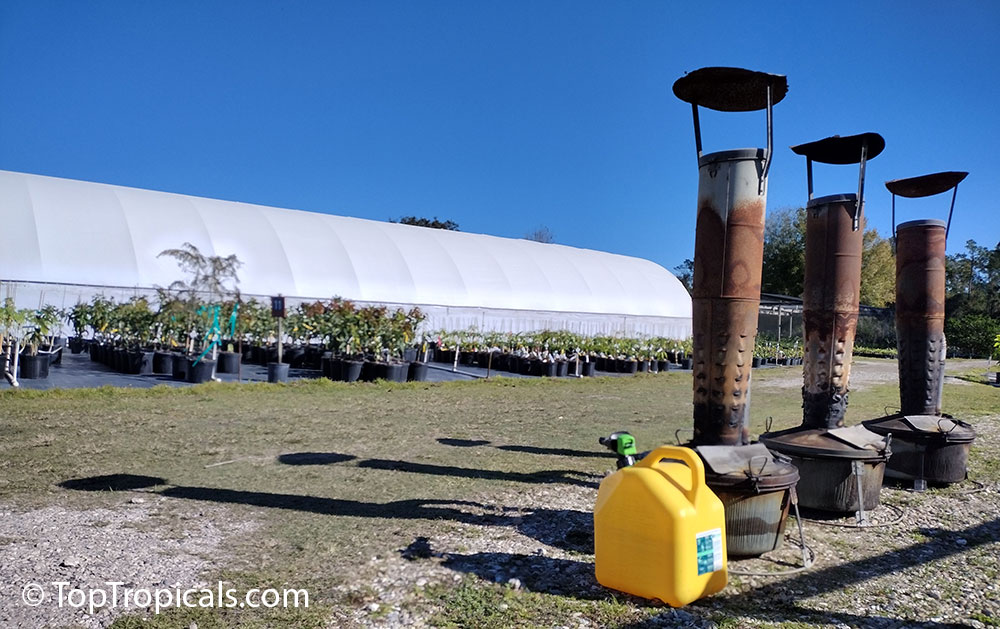
Use propane heaters: For added warmth in a larger area, place a propane heater near your plants. Make sure to follow safety guidelines and keep the heater at a safe distance from flammable materials. This can help maintain a few extra degrees of warmth, especially in more open garden spaces or temporary greenhouses. Always ensure proper ventilation to avoid harmful gas buildup.

Protecting  tropical  plants  in  winter  with  heaters

Photo above: we use both propane and kerosene heaters at the nursery

Large Collections? Build a Temporary Greenhouse

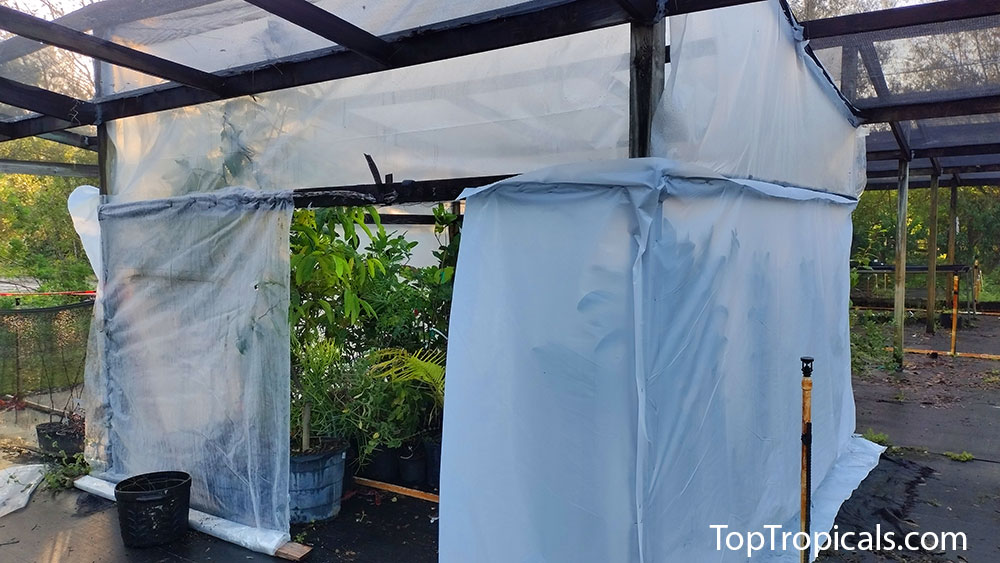
Affordable winter greenhouse: For large plant collections, you don't need an expensive greenhouse. A mobile carport with plastic or fabric covering, costing around $200, can house up to 100 plants!

Protecting  tropical  plants  with  temporary  greenhouse

Photo above: Temporary wrapping around plant collection with a plastic or frost cloth protects from a windchill. It may also win you a few degrees even without a heater. In this particular case, according to our temp sensors, with 30F outside, it was 41F inside this "dome", no heaters used.

Southern Exposure and Garage Storage

Southern windowsills: Compact tropicals can thrive on southern-facing windowsills, getting plenty of sunlight during the day.
Move plants inside: If you have larger collections, move them into a well-lit garage for the colder nights or longer periods.

Protecting  tropical  plants  in  winter  with  Christmas  lights

Photo above: using Christmas lights around plants while wrapping with frost cloth.

Key Factors for Survival

Cold duration: Tropical plants can survive brief cold spells but long durations, even above freezing, can be deadly.
Wind-chill: Wind chill can be harsher than the temperature itself.
Exposure: Southern-facing slopes hold heat longer, making them ideal for your plants.
Humidity: Proximity to lakes or oceans can create a milder micro-climate.
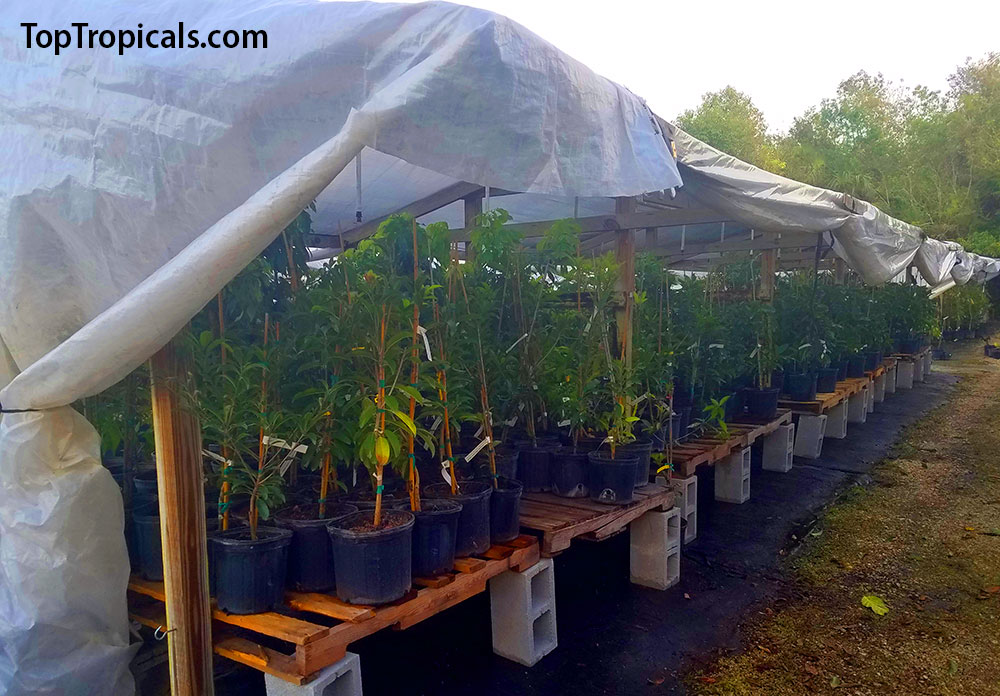
Gradual temperature Drops are safer. Plants adjust better to slow temperature changes than sudden cold blasts. Gradual cooling allows plants to prepare, reducing the risk of damage.

Protecting  tropical  plants  in  winter  with  plastic  greenhouse

Strengthen Plant Hardiness

Health and maturity: Well-established, healthy plants are more cold-hardy.
Boost plant immunity: Use products like SUNSHINE-Epi to improve cold resistance. Apply it before and during cold snaps to protect your plants.
Healthy plant is hardy. Make sure to fertilize your plants on regular basis - healthier and stronger plants are more cold hardy.

With these steps, you can protect your plants and help them survive the winter months. Stay warm and keep your garden thriving!

Podcast with Horticulturist Mark Hooten:
How to Protect Tropical Plants in Winter

Protect  plants  in  winter  podcast