Garden Blog - Top Tropicals

Date: 10 Jan 2026

Long pepper curry: quick-n-fun exotic recipes

Long pepper curry

Long pepper curry

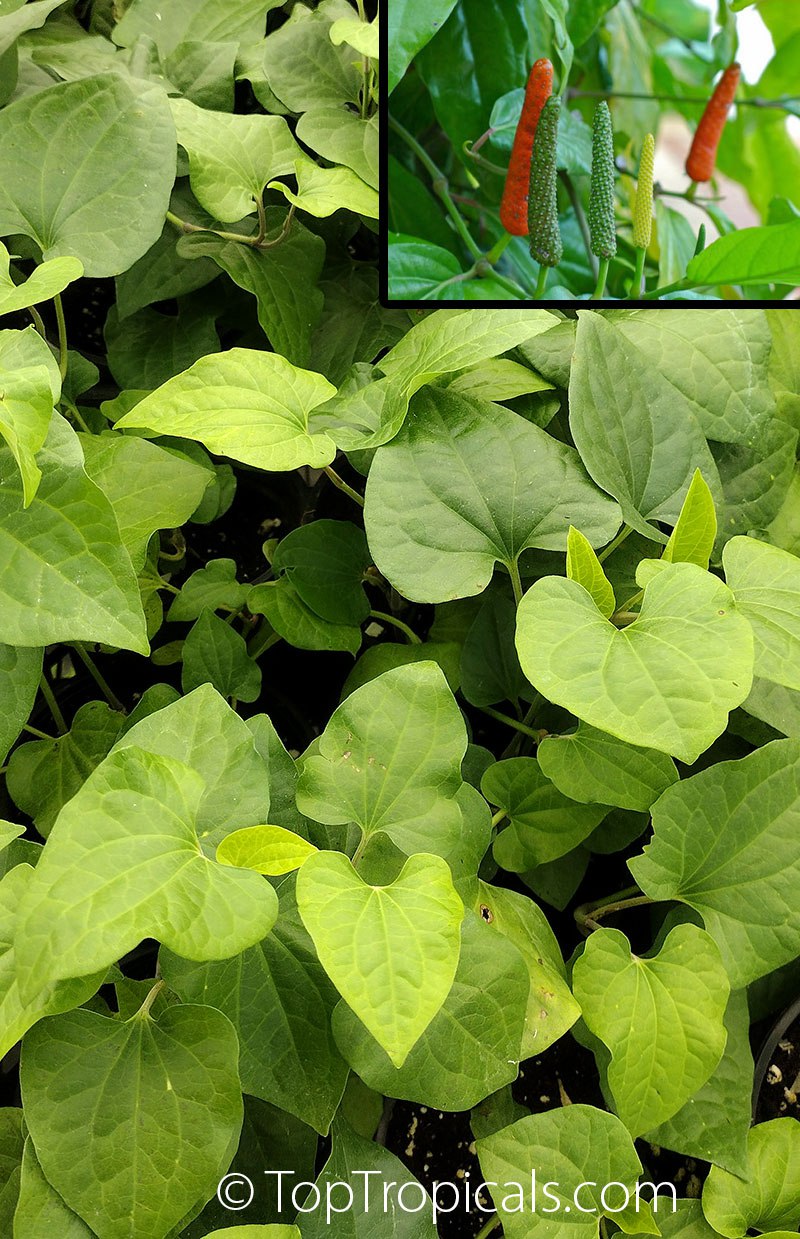
Piper longum - Indian Long Pepper, Bengal Pepper or Pippali

Piper longum - Indian Long Pepper, Bengal Pepper or Pippali

🍴 Long Pepper Curry (Quick-n-Fun Exotic Recipe)

Ingredients

  • 1 can (13.5 oz) coconut milk
  • 1/2 tsp crushed dried long pepper (Piper longum)
  • 1 tbsp vegetable or coconut oil
  • 1 small onion, finely chopped
  • 2 cloves garlic, minced
  • 1 tsp fresh grated ginger
  • 1/2 tsp turmeric
  • Salt to taste
  • Fresh cilantro for garnish (optional)

Instructions

  1. Heat oil in a pan over medium heat.
  2. Add onion and saute until soft and translucent.
  3. Add garlic, ginger, turmeric, and crushed long pepper. Stir for 30 seconds.
  4. Pour in coconut milk and bring to a gentle simmer.
  5. Cook for 8 to 10 minutes, stirring occasionally.
  6. Season with salt and garnish with cilantro before serving.

🌿 About the plant:


Indian long pepper, also known as Pippali or Bengal pepper (Piper longum), is an ancient spice and medicinal plant from South Asia. Closely related to black pepper, it has a warmer, slightly sweeter heat and a complex aroma. Long pepper has been used for centuries in traditional medicine for respiratory and digestive support, including coughs, congestion, and stomach discomfort.

🌱 In the garden:


Piper longum grows as a climbing vine or shrubby climber that can be trained on a trellis, fence, or tree. It prefers warm conditions, regular moisture, and shade to partial shade. The plant starts with heart-shaped leaves that become more elongated as it matures, making it both useful and ornamental in tropical and subtropical gardens.

🛒 Add an easy plant - Indian Long Pepper - to your garden

📚 Learn more:

Bengal Pepper Plant Facts

Botanical name: Piper longum
Also known as: Bengal Pepper, Indian Long Pepper, Pippali, Piplamul
USDA Zone: 9 - 11
Highligths Large shrub 5-10 ft tallVine or creeper plantFull sunWatering: Regular. Let topsoil dry slightlySpice or herb plantEthnomedical plant.
Plants marked as ethnomedical and/or described as medicinal, are not offered as medicine but rather as ornamentals or plant collectibles.
Ethnomedical statements / products have not been evaluated by the FDA and are not intended to diagnose, treat, cure, or prevent any disease. We urge all customers to consult a physician before using any supplements, herbals or medicines advertised here or elsewhere.
Get personalized tips for your region

Piper longum - Indian Long Pepper, Bengal Pepper or Pippali - in Plant Encyclopedia
How to grow your own Pepper plants. Five most valuable 'Pipers'

#Food_Forest #Recipes #Remedies

🟢 Join 👉 TopTropicals

Date: 26 Jan 2017

Aquarius Zodiac lucky plants

Aquarius - 1/22 - 2/18. Aquarius is an AIR sign ruled by odd-ball Uranus.
The water-bearer's plants will often grow in unusual places and may vary in appearance. They often have purple or blue flowers, or may have unusual colors.
The most healing and beneficial plants for Aquarius are the ones that help circulation, relax the nervous system, or promote inspiration. When Uranus was discovered, it replaced Mercury as ruler of Aquarius. Physiologically, Uranus rules the bioelectrical impulses that power the body's nervous system (nervous tension and nervous exhaustion brought on by powerful changes in the environment are related to both Mercury and Uranus). Physically, Aquarius rules the lower legs, the calves, and the ankles, and the electrical impulses that travel through the body's nervous system. The nervous system itself is ruled by Mercury, and Uranus is said to be a "higher octave" of Mercury. Since Uranus was discovered after the correspondences with plants had been established, the herbs used in Aquarius are Mercury herbs. Always difficult to pinpoint, quirky Aquarius appreciates the unusual and complex flavor of star anise. Use this star-shaped spice when you wish to bring happy surprises into your life.

Aquarius Zodiac lucky plants: Anise, Orchid, Golden rain - Koelreuteria paniculata, Bird of Paradise, Heliconia, Petrea, Mandevilla, Jasminum, Kiwi, Persimmon, Loquat, Olive, Alocasia, Colocasia, Citrus, Apple, Peppers, Gingers, Carambola, herbs spicy with an unusual flavor, White Pothos, Ivy, Shami - Prosopis cineraria, Neem, Medinilla, Sheesham Tree, Catnip, Passion fruit, Valerian, Aloe, Myrrh, Kava-kava, Cinnamon, Clove, Eucalyptus, Coffee, Cola nut, Nepenthes, Vanilla Orchid, Strongylodon - Jade vine, Tacca - Bat Lily, Eranthemums, Agapanthus, Orchid trees, Bolusanthus, Chamaedorea metallica, Clerodendrum ugandense, Clitoria, Duranta, Guaiacum, Jacaranda, Lavanda.

For other signs information, see full Plant Horoscope.

New Video: TopTropicals at TPIE show in Ft Lauderdale. Last week, your friends at Top Tropicals attended the 2017 Tropical Plant International Expo in sunny Ft. Lauderdale Florida. The Expo was an opportunity for Top Tropicals to introduce our SUNSHINE in a Bottle plant boosters as well as to bring a very rare plant Enchanted Incense to the tropical plant market!

Check out this video: TopTropicals at TPIE.

Stay updated with TopTropicals Videos by subscribing to our channel at YouTube.com/TopTropicals and get our latest video news of what's fruiting and blooming!

Date: 31 Mar 2026

6 variegated, impossible to ignore adeniums that change your collection: Adenium rainbow

Adenium Superbar

Adenium Superbar

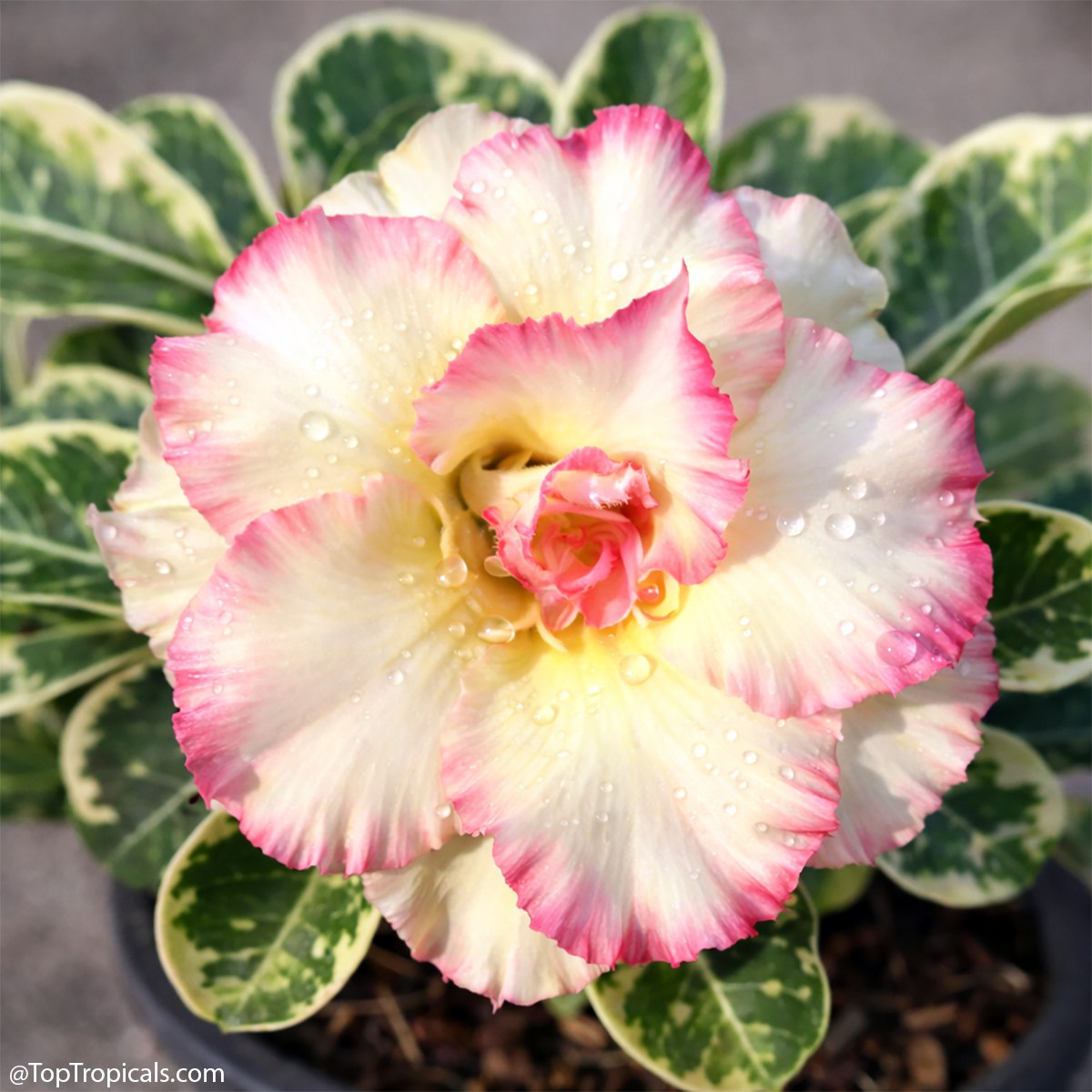
Adenium Wonderful Candy variegated

Adenium Wonderful Candy variegated

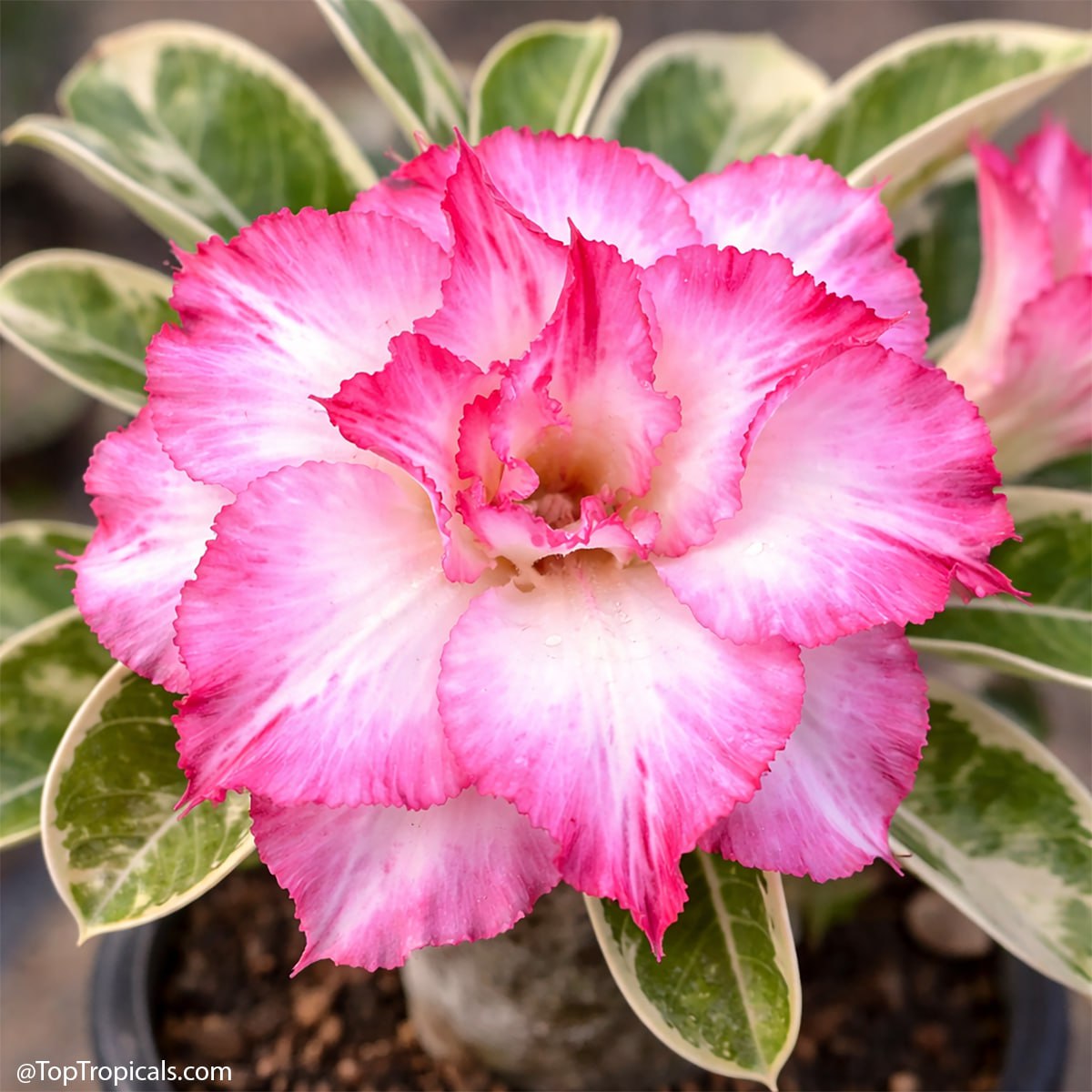
Adenium Wonderful Pink variegated

Adenium Wonderful Pink variegated

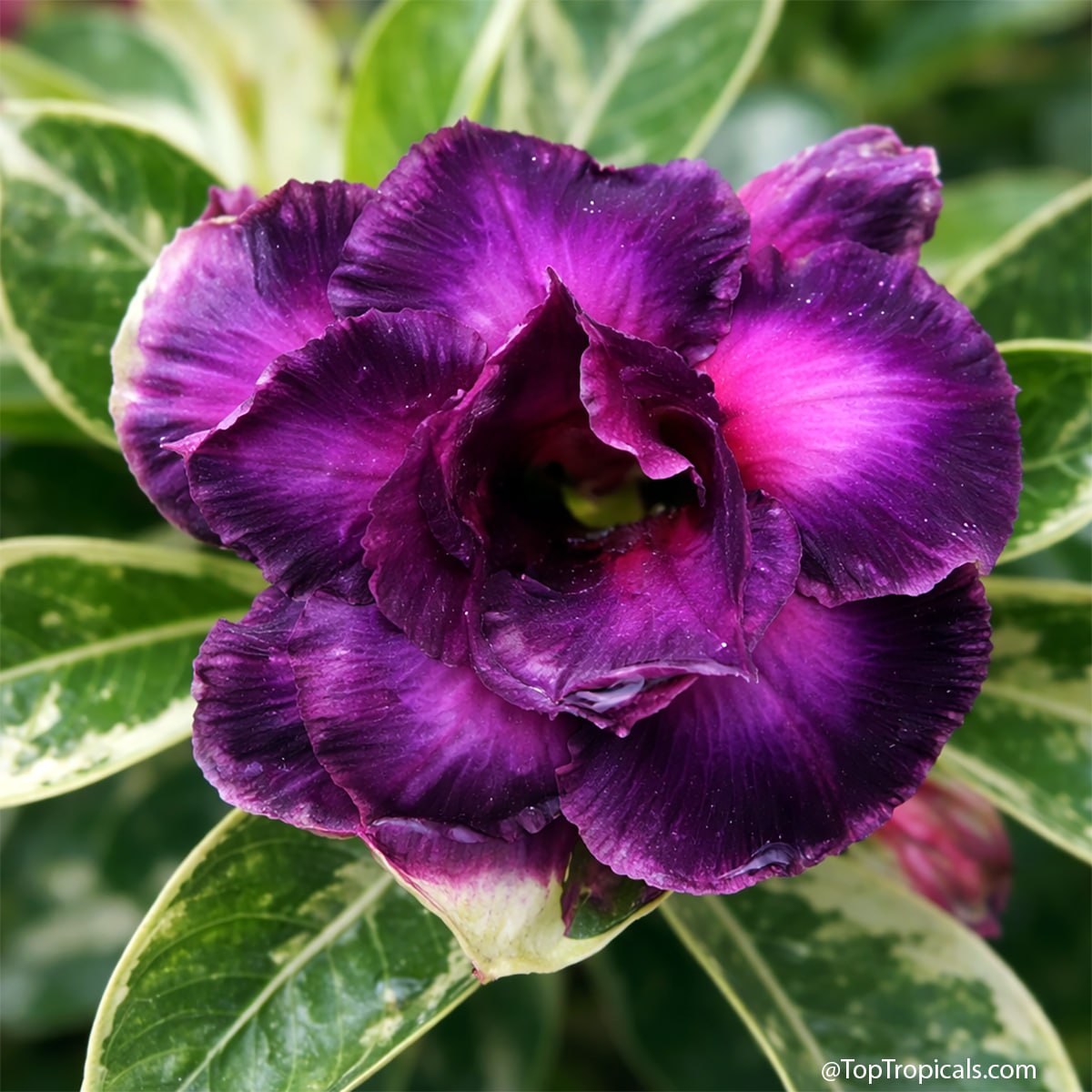
Adenium Wonderful Purple variegated

Adenium Wonderful Purple variegated

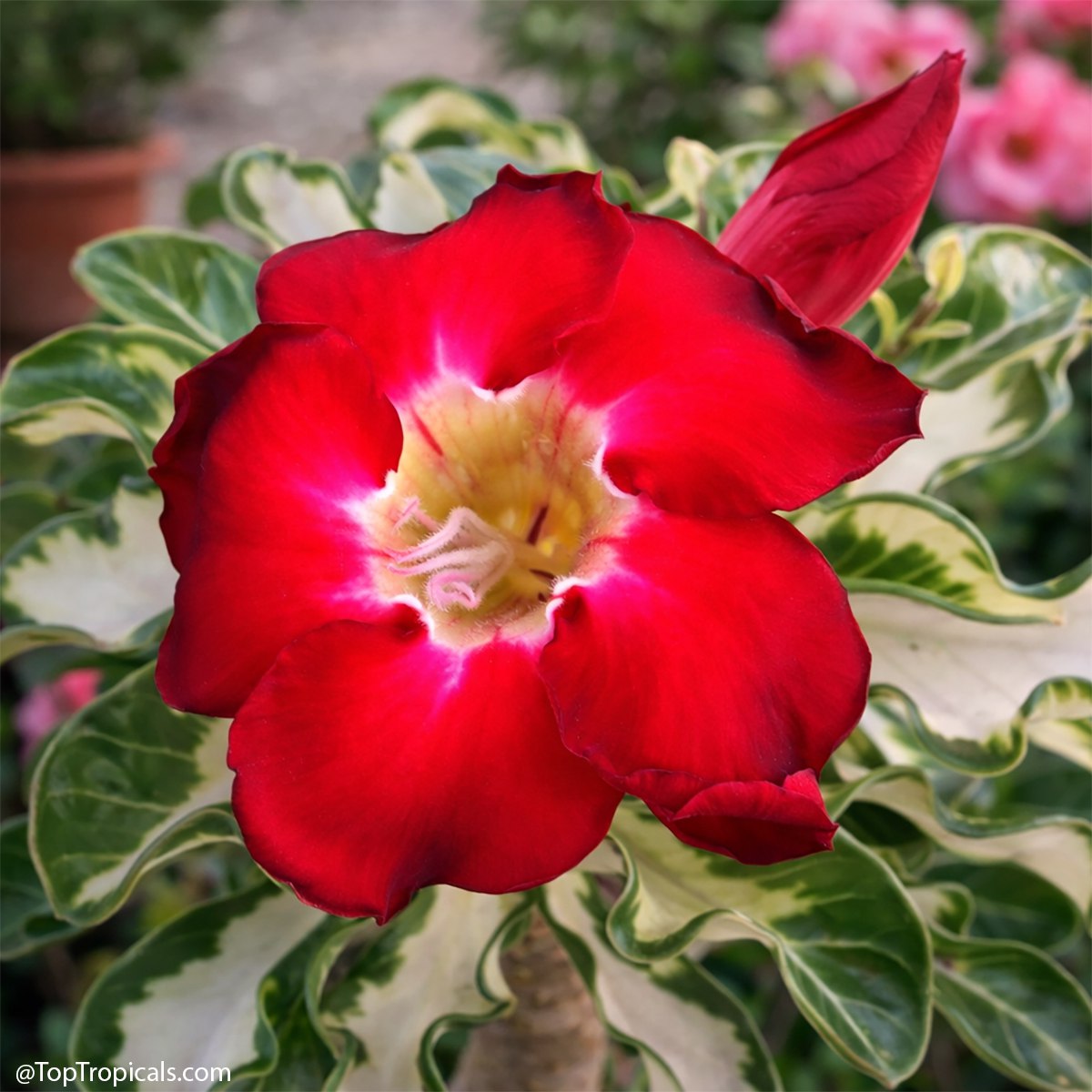
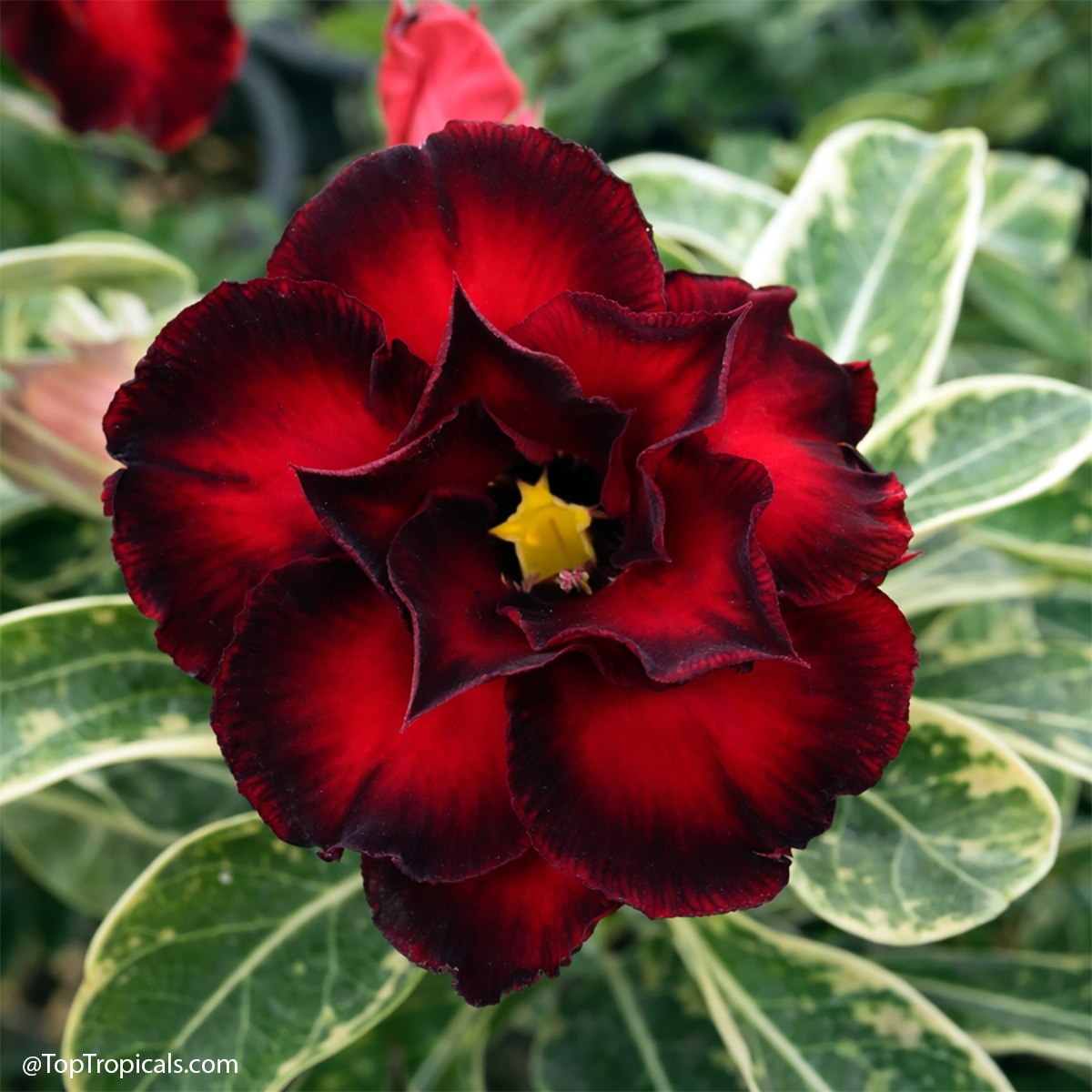
Adenium Wonderful Red variegated

Adenium Wonderful Red variegated

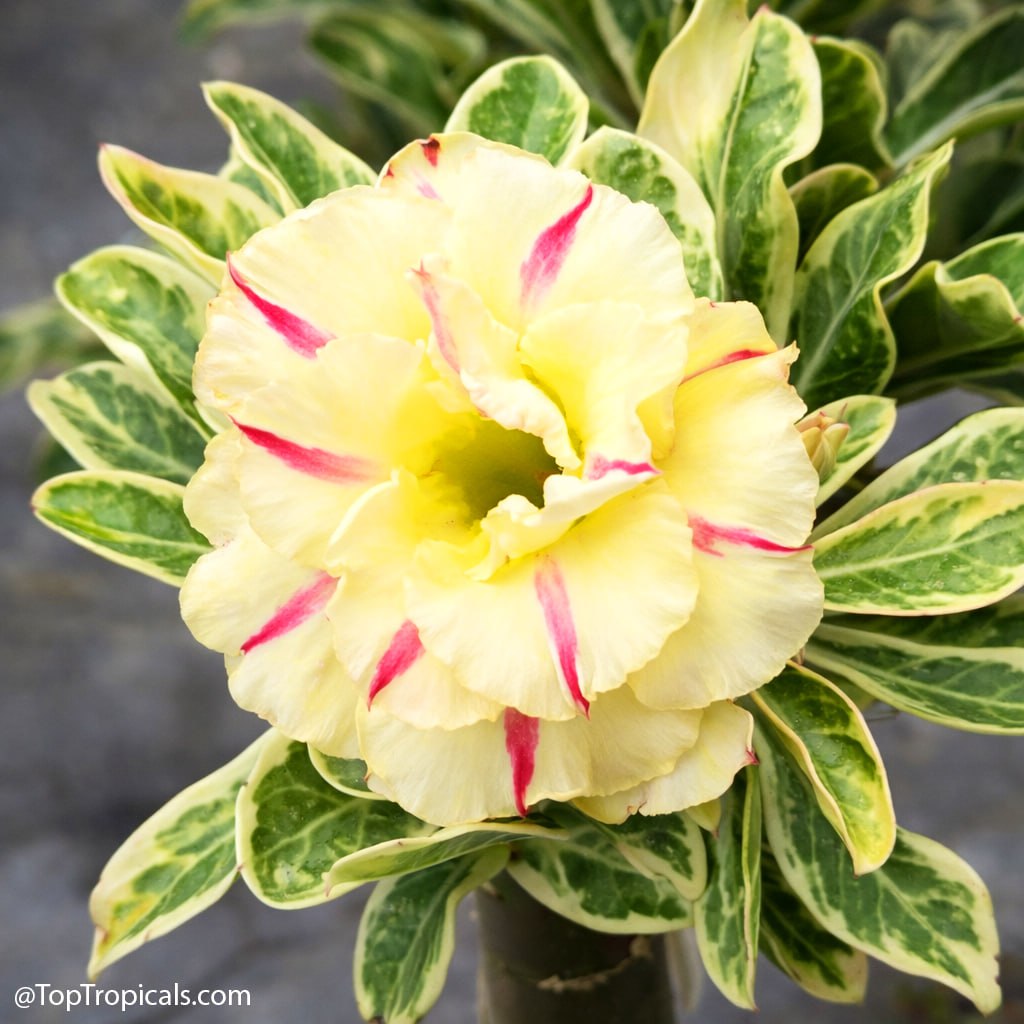
Adenium Wonderful Yellow variegated

Adenium Wonderful Yellow variegated

6 variegated, impossible to ignore adeniums that change your collection: Adenium rainbow 🌈

Adenium Plant Facts

Botanical name: Adenium sp.
Also known as: Adenium, Desert Rose, Impala Lily
USDA Zone: 9 - 10
Highligths Plant with caudexLarge shrub 5-10 ft tallSmall tree 10-20 ftFull sunWater Requirement: Low. Allow soil to dry out between wateringsWatering: Moderate. Water when top soil feels dryYellow, orange flowersRed, crimson, vinous flowersUnusual colorBlue, lavender, purple flowersWhite, off-white flowersPink flowersToxic or Poisonous
Get personalized tips for your region


Some adeniums stand out for their flowers, and some for their leaves
Variegated types bring both - unique foliage and colorful blooms, so even when they’re not flowering, they still look interesting.
These are the ones that always get a second look.


💡 Soil tip - a little alkaline helps


Unlike most tropical plants that prefer acidic soil, adeniums actually do better on the slightly alkaline side.
Too much peat-based mix can make the soil too acidic and increase the risk of rot.
A simple trick we use:
Add a few shells on top of the soil. With each watering, they slowly raise the pH a bit.
No need to overdo it - just a small adjustment makes a difference.

🌸 Today's featured adeniums


 ✦ Superbar: Strong, bold blooms paired with eye-catching foliage - a real standout.
 ✦ Wonderful Candy variegated: Soft pink tones with variegated leaves that add extra contrast.
 ✦ Wonderful Pink variegated: Classic pink bloom combined with patterned foliage.
 ✦ Wonderful Purple variegated: Richer tones with a deeper, more dramatic feel.
 ✦ Wonderful Red variegated: Bright red blooms with a clean, strong presence.
 ✦ Wonderful Yellow variegated: Fresh yellow flowers with variegation that keeps it interesting year-round.

Variegated adeniums bring something extra to a collection - not just flowers, but foliage that keeps working for you all season.
And once you notice them - it’s hard not to want more.

🛒 Explore Exotic Thai Adeniums

📚 Learn more:


· Adenium varieties in Plant Encyclopedia
· About #Adenium Rainbow - fantastic varieties
· We picked 6 adeniums - you’ll probably want all 6. Soil and Watering tip.
· A few adeniums you don’t want to miss. Trimming tip.
· The adenium colors everyone is talking about right now. Light tips for hot climates.
· Adenium rainbow: these 6 will pull you in. Fertilizing tips.
· How to start your dream collection: before you start
· How to grow a happy Adenium

#Container_Garden #Adeniums #How_to #Discover

🟢 Join 👉 TopTropicals

Date: 16 May 2026

🔮 When the World Around Becomes Too Gray: Plant a Tree. Eat a Donut. Keep going.

When  the  world  feels  gray,  plant  another  tree.  Smokey  brings  the 
 jaboticaba.  Sunshine  brings  donuts  and 
 encouragement.
Sunshine: Smokey, what do we do when the world around becomes too gray?
Smokey: Plant a tree.
Sunshine: And if that does not help?
Smokey: Plant another one.
Sunshine: And eat a donut.
Smokey: Not strictly necessary, but statistically beneficial.

If you have been feeling a little worn down lately, you are not alone.

You already know about the headlines. We do not need to list them. You have probably seen them today before breakfast.

We are not here to pretend that is not happening. It is happening. And it is a lot. But here is the thing we keep coming back to, the thing that has been true for as long as people have had hands and a patch of ground: when the world feels out of control, you can still plant something.

Gardening is not an escape. It is an answer. When you put a tree in the ground, you are making a quiet statement. You are saying that you expect there to be a future. That you intend to be in it. That shade and fruit and flowers still matter, and you are going to make sure they exist in your corner of the world.

That is not naive. That is courageous in the most ordinary and underrated way.

One tree, planted this season, might give you fruit in a few years. It might give butterflies somewhere to stop. It might give a bird a place to nest. It will almost certainly give you something to look at on a hard day that reminds you the world still contains beauty, and that you put some of it there. And if one tree does not quite do it? Plant another one.

Dostoevsky said beauty will save the world. We think a mango fruiting in your backyard counts. So does a Magnolia opening on a quiet morning.

Do not skip the donut.

A donut is a small, simple, completely unnecessary thing. That is exactly the point. It is not productive. It does not solve anything. It is just good, and sometimes that is the whole reason. In a world that constantly demands you be useful and informed and concerned, eating a donut is a quiet act of being human. You are allowed to enjoy a small thing on a hard day. You do not have to earn it.

Rest a little. Then go put something in the ground. Anything that will grow and flower and remind you that beautiful things are still happening whether the headlines mention them or not.

We have the plants. You bring the donuts.

🛒 Plant a sweeter world: grow color and flavor

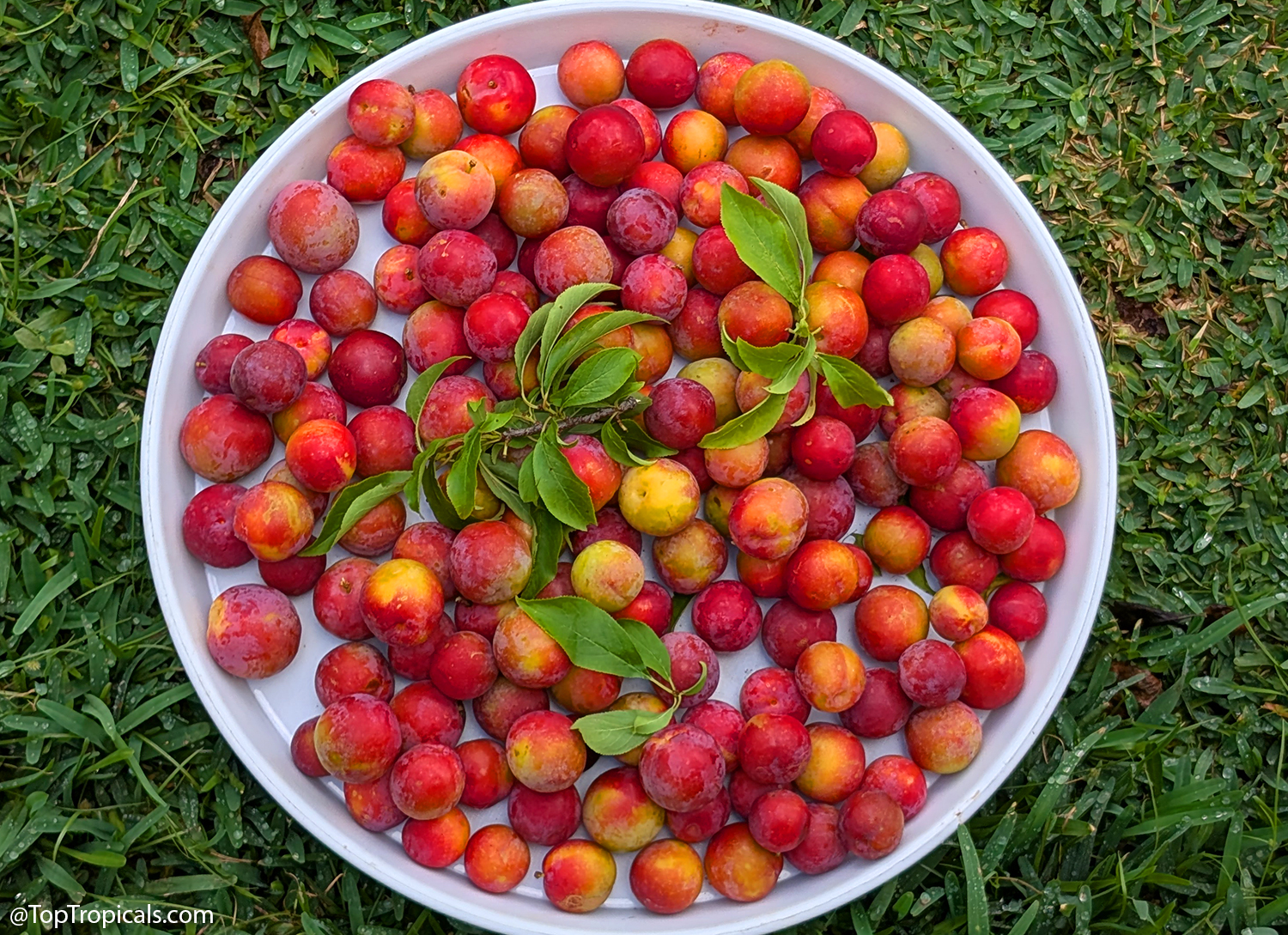
Tray  filled  with  freshly  harvested  tropical  plums  in  shades  of  red, 
 orange,  and  yellow  resting  on  green  grass,  with  a  few  leafy  branches  placed 
 on  top  of  the 
 fruit.

We just finished harvesting loquats and mulberries, and now another wave is coming in - low chill plums, peaches, and nectarines fresh from the garden. This is one of the most rewarding times of the year, when every season brings the fruit of your labor and all that work finally turns into something sweet.

📚 Learn more from our garden Blog

Date: 26 May 2026

♊ Gemini Season Starts. We Are Five Days Late. Very Gemini.

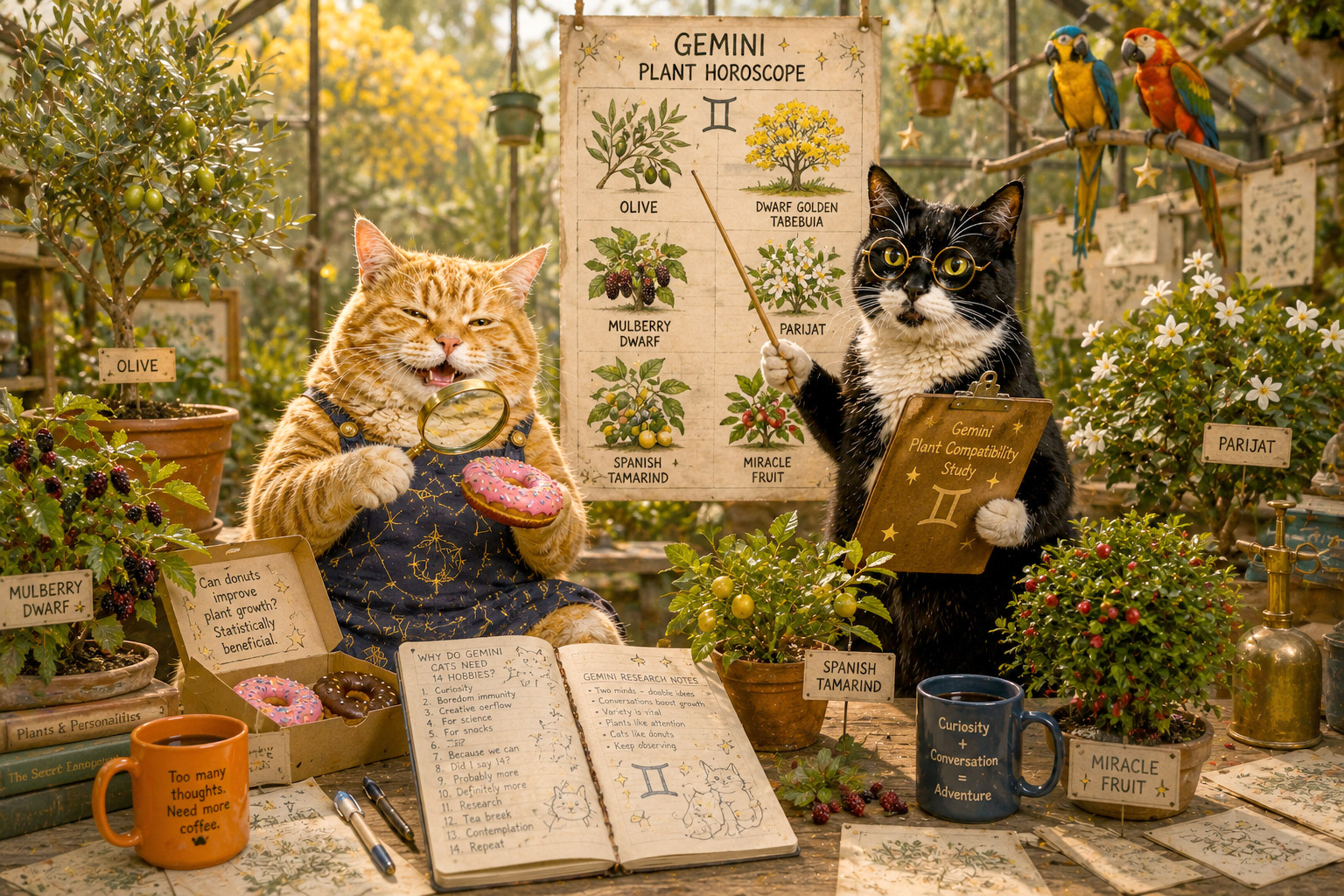
Smokey  and  Sunshine  with  Gemini  tropical  plants  in  a  whimsical 
 greenhouse
Sunshine: I once met a girl and asked what she does. She said she assembles gyroscopes. I told her I don't believe in gyroscopes.
Smokey: You meant horoscopes.
Sunshine: That is what I said.
Smokey: You said gyroscopes.
Sunshine: Same thing.
Smokey: One predicts your future. The other stabilizes aircraft.
Sunshine: I don't believe in aircraft either.
Smokey: She left, didn't she.
Sunshine: She said she had to go assemble something.

♊ Gemini season started on May 21. Today is May 26 But honestly? That is not a problem. That is actually very Gemini. Gemini probably got distracted, opened three browser tabs, started a new hobby, forgot what it was doing, and came back five days later with a notebook full of ideas and zero apologies. So here we are.

Why these plants and not others

No, there is no scientific proof that olive trees belong to Gemini. We checked. The olives refused to comment. But if you are going to assign plants to zodiac signs — and we are — then Gemini deserves plants with intelligence, motion, surprise, fragrance, and a little chaos. Gemini is the sign of curiosity, conversation, and dual natures. It gets bored easily and talks to everyone at the party. These plants were picked because they fit that energy. And also because they are genuinely good plants worth growing, which Smokey insisted we mention.

Olive (Olea europaea)
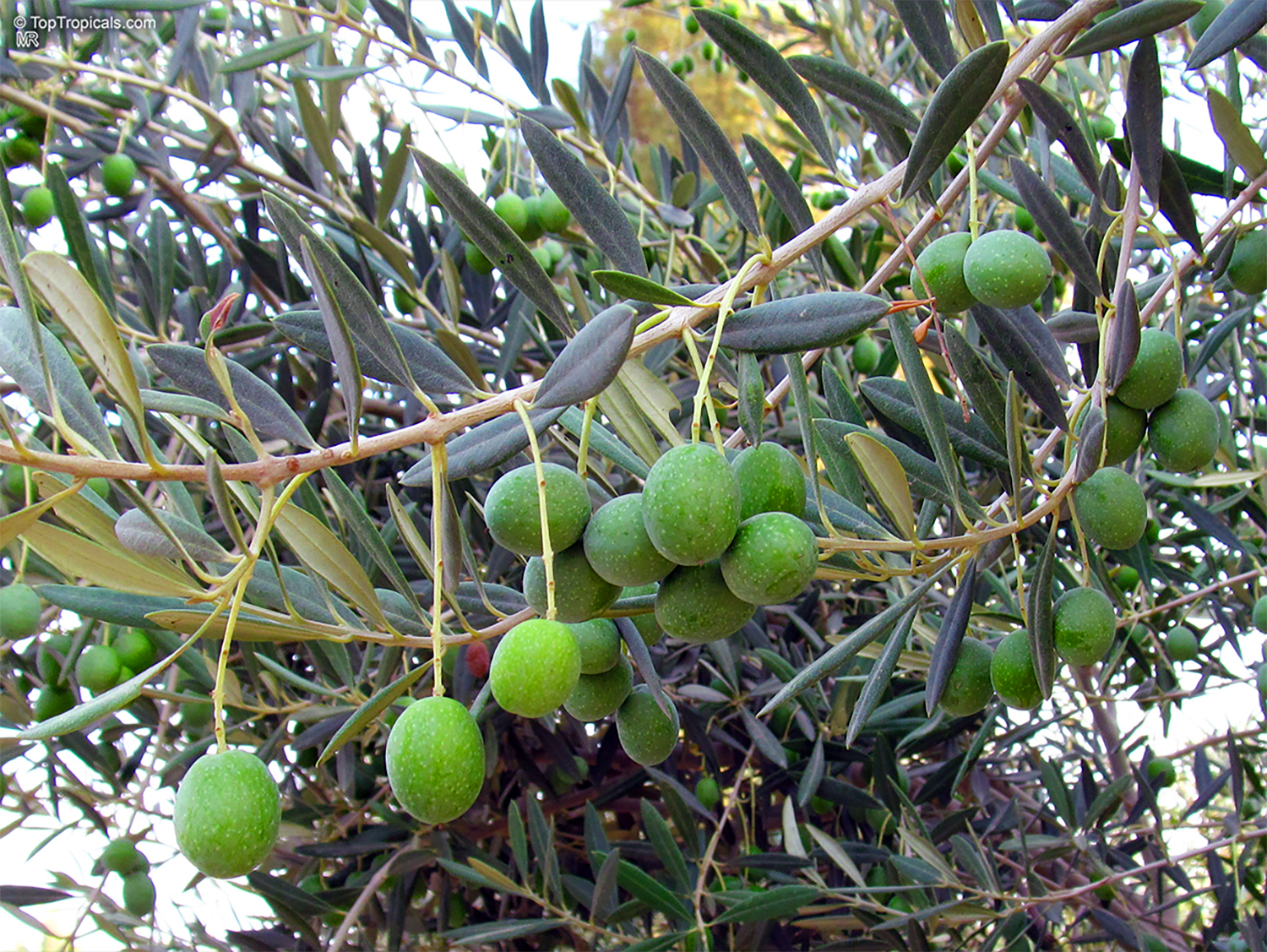
Close-up  of  an  olive  tree  branch  laden  with  clusters  of  green  olives 
 among  narrow  silvery-green  leaves.  The  fruit  is  ripening  on  the  tree  and 
 hanging  from  slender 
 stems.

Clusters of green olives developing on an olive tree branch. Olive trees are evergreen, drought-tolerant, and have been cultivated for thousands of years for both their fruit and the oil produced from it.

Olive is the thinking plant of this group. Ancient, silver-leaved, and quietly dramatic, it belongs to Gemini because Gemini loves history, long conversations, and plants that look like they know something you don't.

If you are growing olive in a container — which works very well — give it full sun, fast-draining soil, and a firm commitment to not overwatering it. Olive does not want wet feet. It wants to think in dry conditions, like a philosopher in a warm courtyard.

Smokey: Olive represents thousands of years of cultivation and human civilization.
Sunshine: And snacks with much better branding than they get credit for.

📚 More from garden blog

🛒 Shop olive trees

Dwarf Mulberry (Morus sp.)
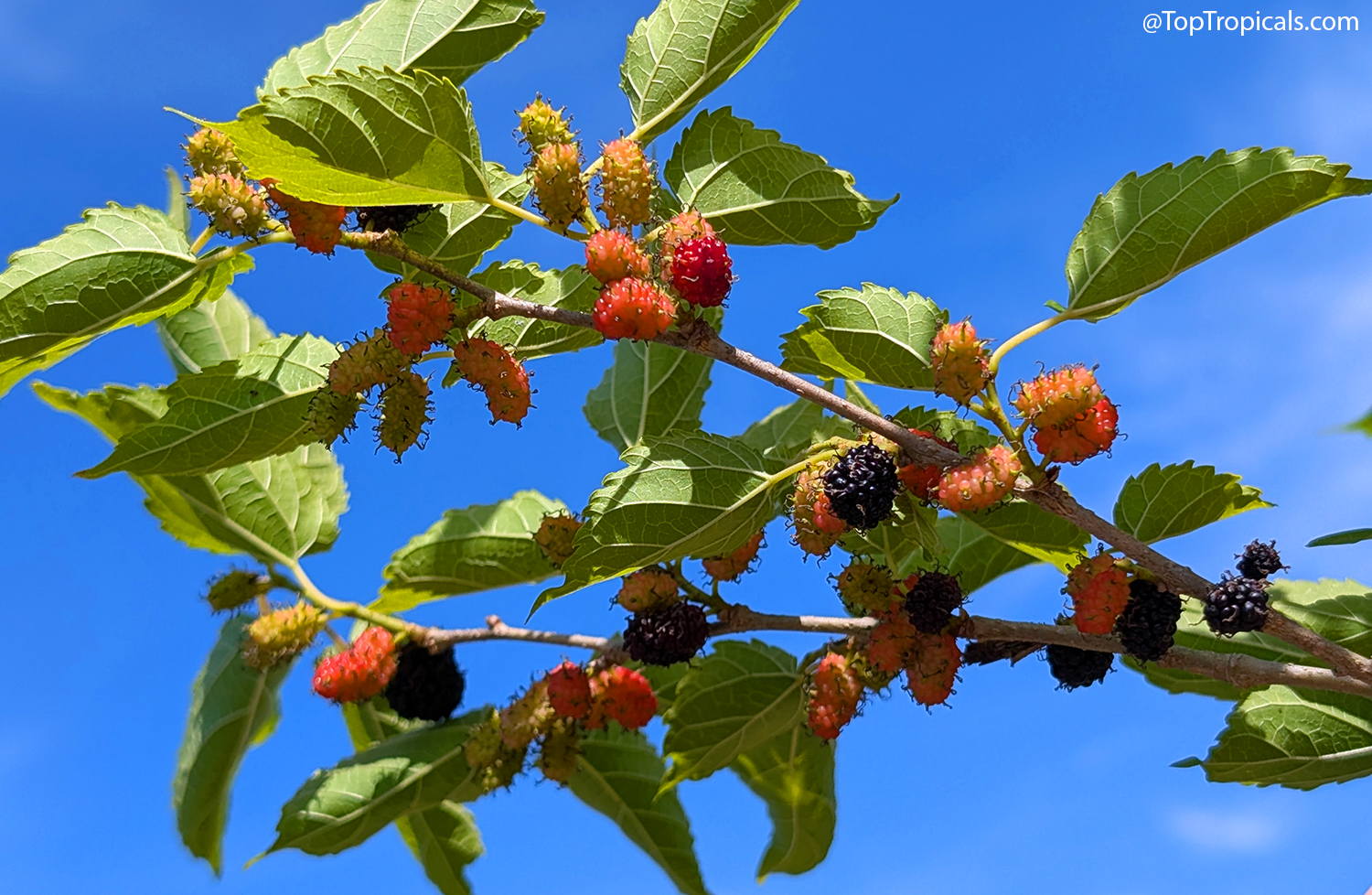
Branch  of  a  Dwarf  Everbearing  Mulberry  tree  displaying  fruit  in  various
    stages  of  ripening,  from  pale  green  and  pink  to  deep  purple-black,  against 
 a  bright  blue 
 sky.

Dwarf Everbearing Mulberry produces fruit over an extended season, often carrying berries in multiple stages of ripeness at the same time. The sweet, blackberry-like fruit is a favorite of both gardeners and wildlife.

Mulberry is Gemini in motion. It grows fast, produces generously, and absolutely refuses to be boring. A standard mulberry will take over your yard before you finish reading this sentence. A dwarf mulberry, however, is patio-friendly, container-happy, and still delivers fruit, birds, and mild garden chaos on schedule.

Prune after fruiting to keep the shape. Full sun. Large pot if you're growing in a container. This is the plant for people who want results and do not enjoy waiting.

Smokey: Efficient growth rate. Edible output. Compact habit. Reasonable choice.
Sunshine: Finally, a tree with a snack schedule.

📚 More from garden blog

🛒 Shop mulberry trees

Parijat (Nyctanthes arbor-tristis)
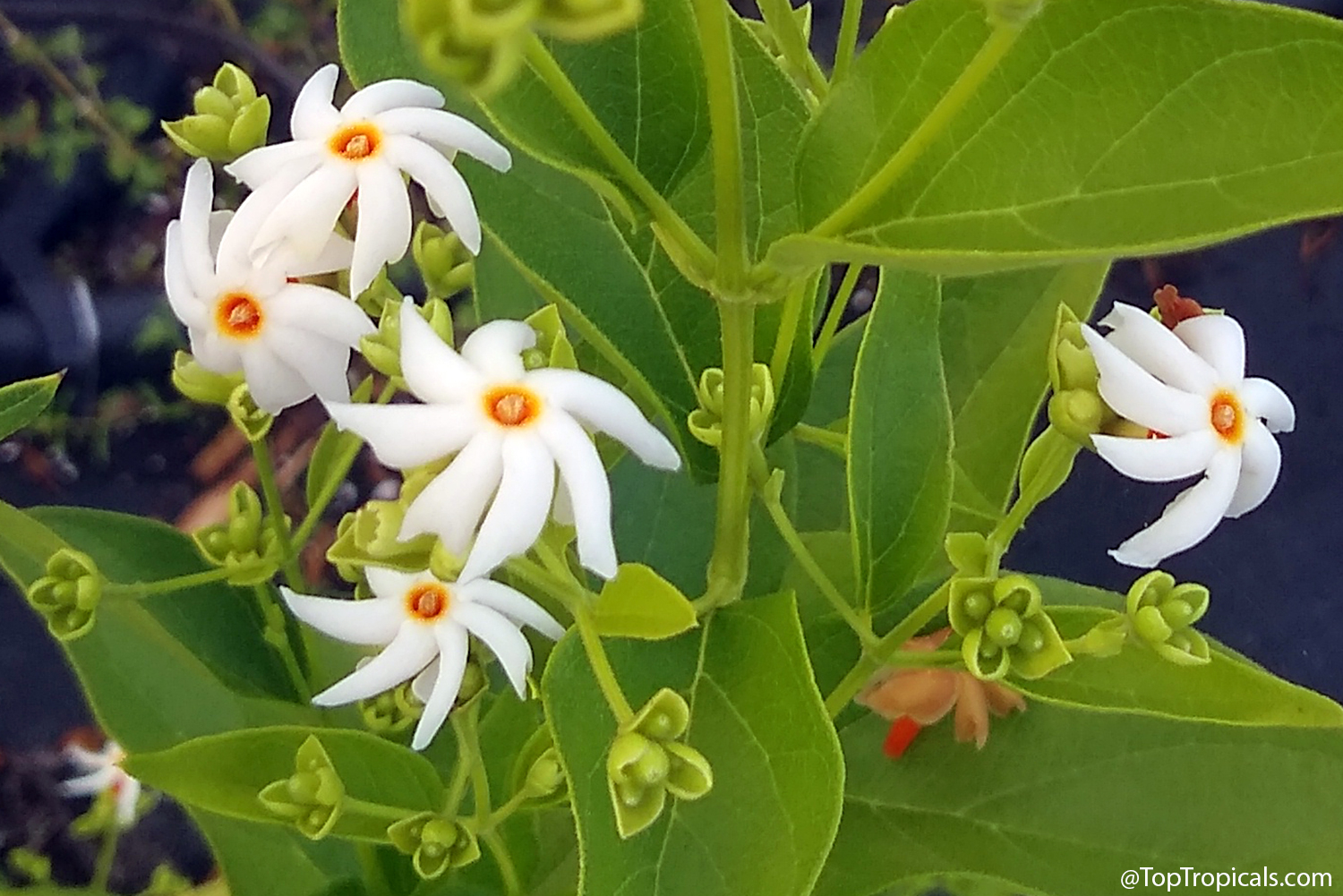
Close-up  of  Parijat  flowers  (Nyctanthes  arbor-tristis)  with  white 
 pinwheel-shaped  petals  and  bright  orange  centers  surrounded  by  fresh  green 
 leaves  and  unopened  flower 
 buds.

Parijat, also known as Night-Flowering Jasmine, produces fragrant white flowers with vivid orange centers that open at night and often carpet the ground beneath the tree by morning.

Parijat belongs to Gemini's quieter, more poetic side. It blooms with small fragrant white flowers — orange centers, delicate petals — often at night. By morning, the flowers have fallen. They drop like little messages from the universe, which Sunshine finds meaningful and Smokey finds botanically interesting.

This one is for the gardener who wants something to actually stop and look at. Good in containers, good on a warm patio, needs decent light and warmth to do its best work.

Smokey: Night-blooming pattern. Fragrant ornamental. Grows well in warm climates.
Sunshine: It's a tree that leaves notes.

📚 More from garden blog

🛒 Shop parijat

Dwarf Golden Tabebuia (Tabebuia chrysotricha)
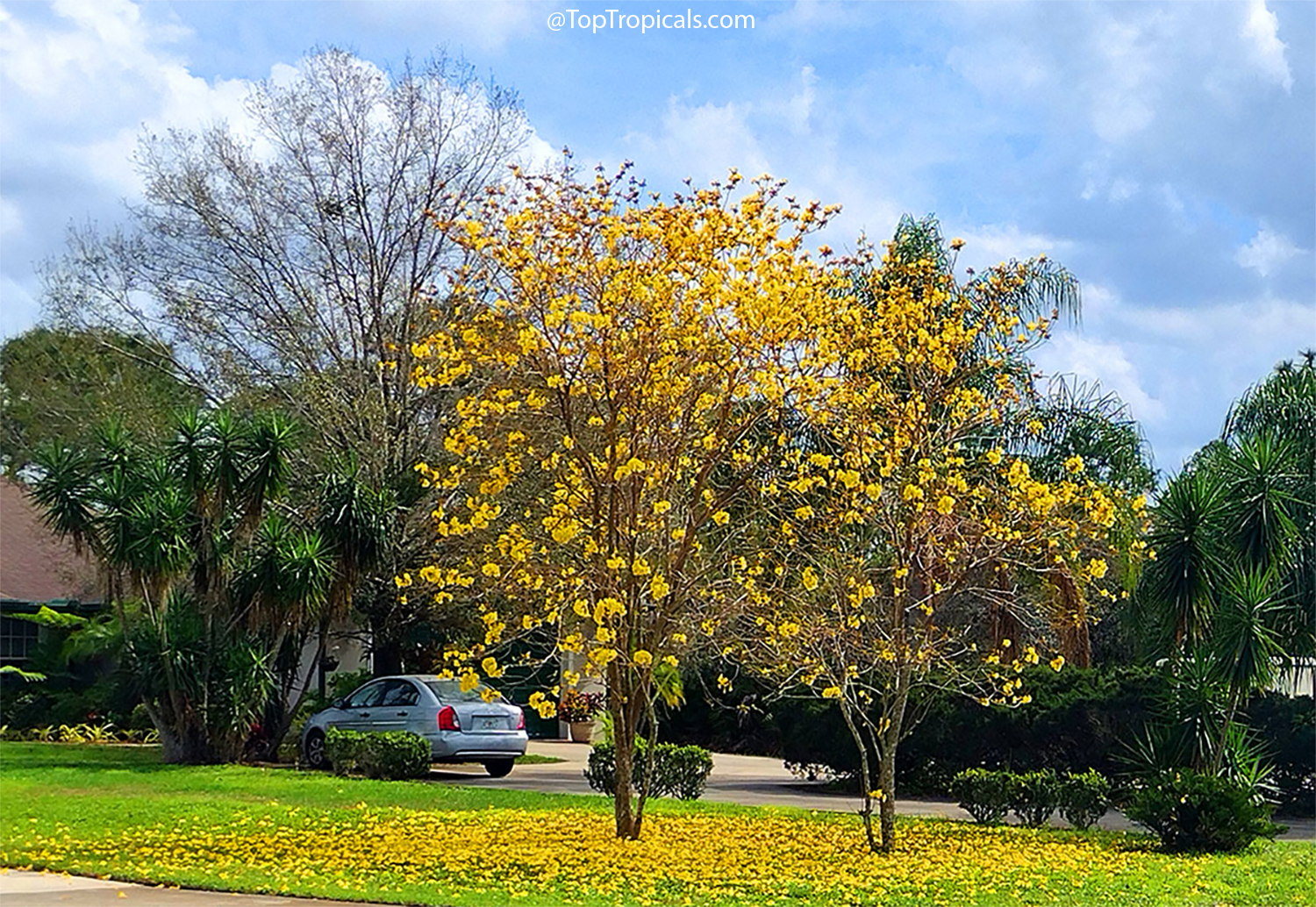
Dwarf  Golden  Tabebuia  tree  covered  in  bright  golden-yellow  flowers, 
 standing  in  a  lawn  beneath  a  blue  sky,  with  a  carpet  of  fallen  blossoms 
 surrounding  the 
 trunk.

Dwarf Golden Tabebuia puts on one of the most spectacular spring displays, covering its branches with brilliant golden flowers before the leaves emerge. The fallen blooms create a striking yellow carpet beneath the tree.

This is the Gemini show-off. Quiet for most of the year, then suddenly covered in golden yellow flowers like it just remembered it has an announcement to make.

Dwarf Golden Tabebuia is compact enough for a large container or a sunny entrance, but it needs strong light to bloom well. Give it sun. Give it room. Then step back and let it perform.

Smokey: Seasonal flowering response triggered by environmental conditions.
Sunshine: Botanical applause.

📚 More from garden blog

🛒 Shop Dwarf Tabebuia

Miracle Fruit (Synsepalum dulcificum)
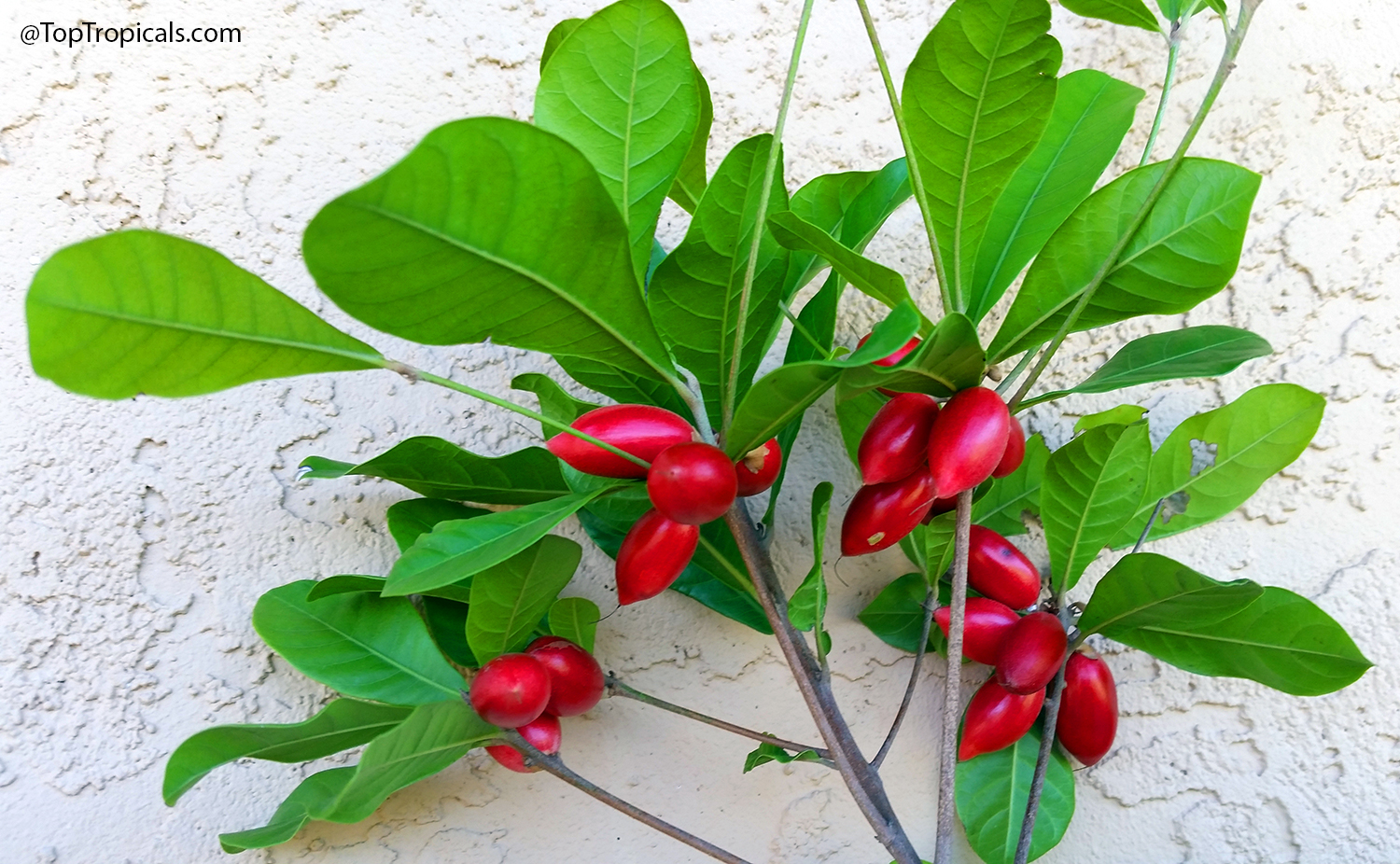
Clusters  of  bright  red  Miracle  Fruit  berries  growing  among  glossy  green
    leaves  on  a  compact  shrub.  The  elongated  fruits  stand  out  against  the  lush 
 foliage.

Miracle Fruit is famous for its unique berries, which contain miraculin - a natural compound that temporarily makes sour foods taste sweet. The attractive evergreen shrub produces bright red fruit and is well suited to containers and small gardens.

Miracle Fruit belongs on this list because it is, without argument, the most Gemini plant in existence. It does not taste like much on its own. But eat one berry and everything sour suddenly tastes sweet. Lemons taste like lemonade. Lime juice tastes like candy. A plain piece of sourdough becomes something you would pay extra for. The fruit literally changes how you experience everything that comes after it.

If that is not Gemini energy — dual nature, transformation, making you see the same thing two completely different ways — nothing is.

Miracle Fruit is a slow grower that likes warmth, humidity, acidic soil, and protection from cold. It does well in containers, which is good news because it genuinely hates frost. Keep it in a pot, bring it in when temperatures drop, and give it filtered light or morning sun rather than harsh afternoon exposure.

Smokey: The active compound is miraculin. It binds to taste receptors and distorts sour perception at low pH. Temporary effect, roughly thirty minutes to an hour.
Sunshine: It's a fruit that lies. Beautifully.

📚 More from garden blog

🛒 Shop Miracle Fruit

Spanish Tamarind (Wild Medlar, Vangueria infausta)
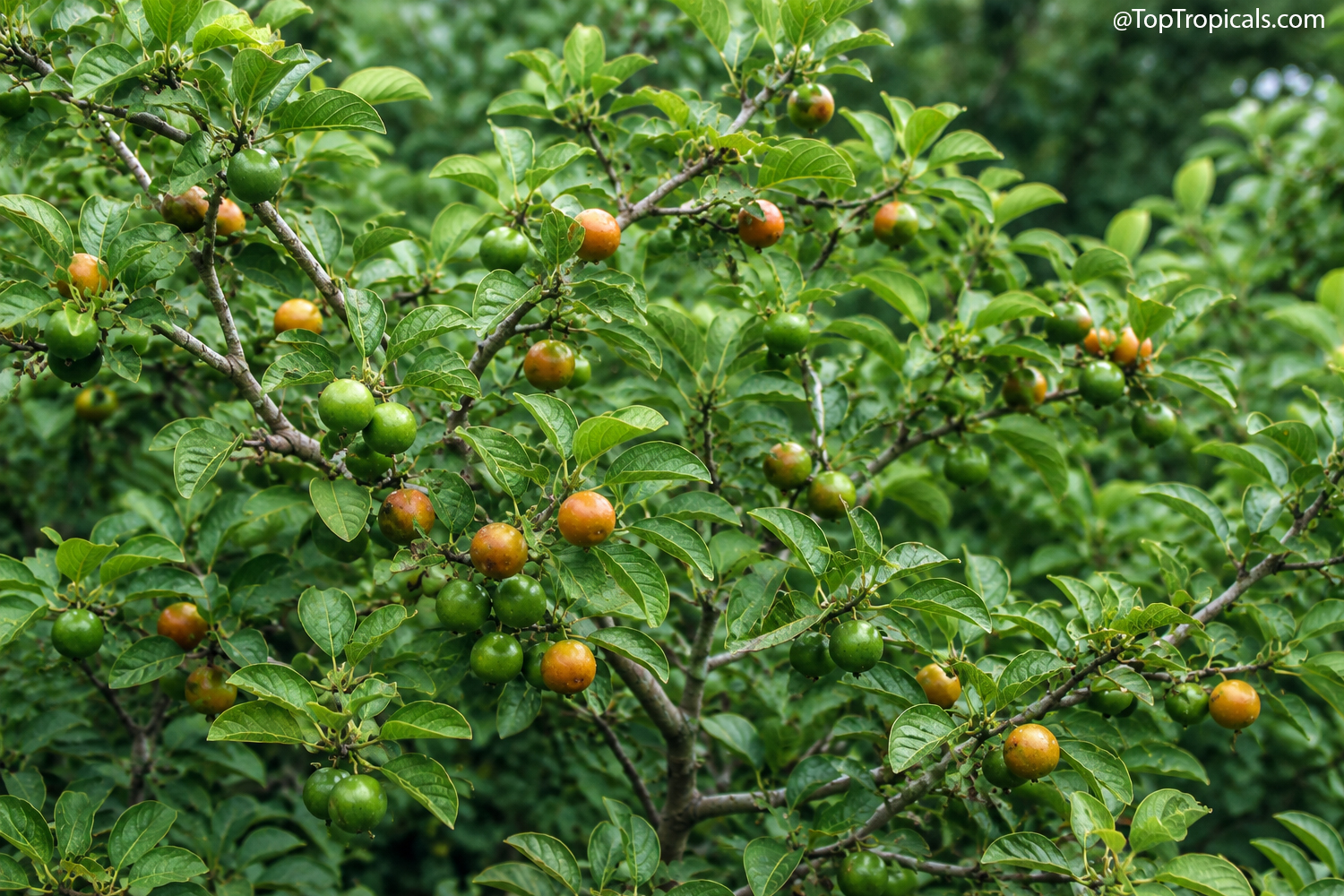
Spanish  Tamarind  (Vangueria  infausta)  tree  with  glossy  green  leaves  and
    clusters  of  round  fruit  in  various  stages  of  ripening,  from  green  to 
 golden-brown,  growing  on  branching  stems  in  a  lush  tropical  garden  setting.

Spanish Tamarind (Vangueria infausta) may be grown for its unusual fruit, but it also brings beauty to the garden with its lush foliage and heavy crops of ripening fruit. Green and golden-brown fruits often appear together on the tree, creating a colorful display.

Spanish Tamarind belongs to Gemini because it is unusual enough to start a conversation before anyone even knows what it is. The name alone does it. People will ask. You will explain. The fruit changes color as it ripens, the plant has collector appeal, and the whole thing feels like something you found in a book about plants that don't get enough attention.

This one needs warmth, sun, good drainage, and patience. It can live in a container with pruning. It rewards the gardener who is genuinely interested in something a little different.

Smokey: Tropical fruiting curiosity. Suitable for collectors.
Sunshine: Sounds like something I would order at a restaurant without reading the description.
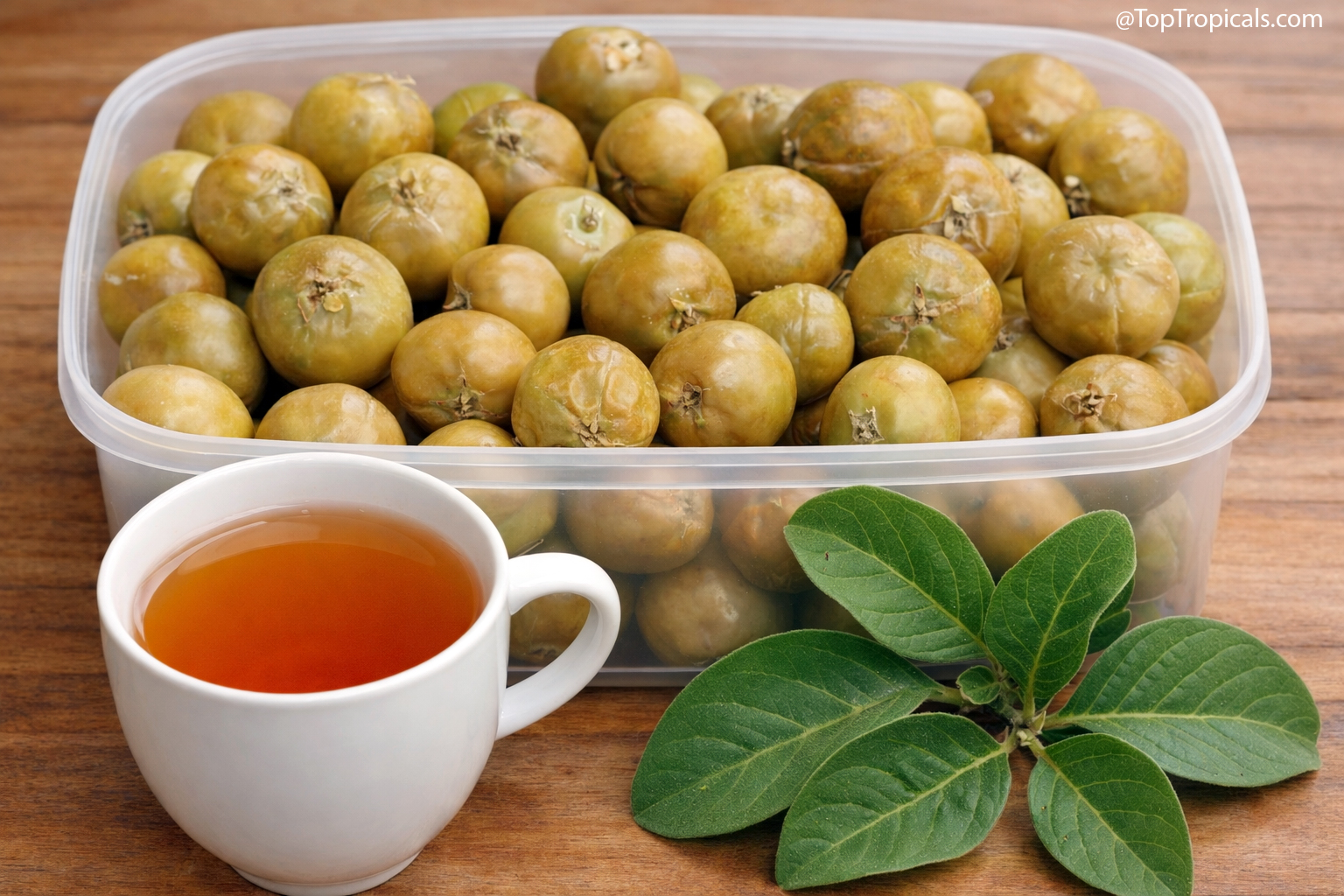
Container  filled  with  ripe  Spanish  Tamarind  (Vangueria  infausta)  fruit 
 on  a  wooden  table  beside  a  white  cup  of  amber-colored  fruit  tea  and  a  sprig 
 of  velvety  green  leaves.

One of the traditional uses of Spanish Tamarind (Vangueria infausta) is fruit tea. The ripe fruit can be dried and steeped to make a mild, refreshing drink rich in natural flavor, while the soft, velvety leaves have long been used in traditional herbal infusions.

📚 More from garden blog

🛒 Shop Spanish Tamarind

Horoscope aside — why these plants are actually worth growing

Even if Gemini energy has nothing to do with your garden, these plants offer real value: fruit, fragrance, flowers, container growing, and something interesting to look at or talk about.

  • Olive — full sun, excellent drainage, don't overwater, thrives in containers. Tropical varieties: USDA Zone: 8-10. Cold hardy to 15-20°F.
  • Dwarf Mulberry — full sun, large pot, prune after fruiting, fast results. USDA Zone: 8-11. Cold hardy to 20-25°F. Most mulberry varieties can be grown in USDA Zone 5-6 to 10 and cold hardy to 5°F.
  • Parijat — warmth, good light, patio or container, fragrant and ornamental. USDA Zone 9-11. Tolerates light freezing to about 30°F for short periods (mature plants). Young plants must be protected.
  • Dwarf Golden Tabebuia — strong sun, large container or sunny ground spot, compact but dramatic when it blooms. USDA Zone 9-11. Protect young plants from frost. Best flowering in full sun.
  • Spanish Tamarind — warmth, sun, drainage, patience, collector interest. USDA Zone 9-11. USDA Zone 10-11, possibly warm Zone 9b in protected microclimates. Protect from frost, especially young plants.
  • Miracle Fruit — warmth, humidity, acidic soil, filtered light, protect from frost. Best in containers. USDA Zone 10-11. Cold hardy only to about 40°F — bring it in well before first frost, not after.

Can you grow them in pots?

Yes. With the standard warning: a pot is not magic. Use a large container, fast-draining soil, full sun where the plant wants it, regular feeding with Green Magic conrolled-release fertilizer every 6 months and Sunshine Boosters - safe to use with every watering. Apply a bit of pruning when things get out of hand.

Smokey: A pot is just a smaller universe.
Sunshine: A pot is a drainage system with ambitions.

📅June gardening reality check

June is a good time to establish tropical and subtropical plants. The soil is warm, the days are long, and actively growing plants will take root faster than they would in cooler months.

👉 A few things to keep in mind:

  • Containers dry out fast even when rain increases. Check them. Don't assume rain did the job.
  • Don't let pots sit in standing water. Root rot is quiet until it isn't.
  • Feed actively growing plants. They are working hard and they need the input. We recommend Green Magic controlled release fertilizer during active growth (twice a year) and Sunshine Boosters for spray and daily watering year around.

    📚 More about fertilizers from our garden Blog

  • Watch new growth for pests. Tender leaves are the first target.
  • Prune lightly to shape if needed, but don't do heavy cutting in peak heat. Save that for after flowering or early in the season.
  • Mulch around in-ground plants to hold moisture, but keep mulch away from the trunk.

🌠 The stars don't care? Grow anyway!

Maybe the stars do not care whether your garden is a Gemini garden. Maybe olive trees are not receiving transmissions from Mercury. But a garden full of fruit, fragrance, flowers, and strange little stories is still a very good idea.

Smokey: That is the first reasonable conclusion in this entire article.
Sunshine: Second. The donut research was also important.

Happy Gemini gardening season from all of us!

🛒 Shop tropical fruit and flowers

🎤 NEW: Interview With Smokey & Sunshine