Garden Blog - Top Tropicals

Date: 26 Oct 2025

Plant a fruit tree - and breathe easier: fruit might be the surprising key to healthier lungs

Plant a fruit tree - and breathe easier: fruit might be the surprising key to healthier lungs

🍒 Plant a fruit tree - and breathe easier: fruit might be the surprising key to healthier lungs


  • 🥭 Fresh fruit doesn’t just taste good - it can literally help you breathe better!

  • 🥭 A new study presented at the European Respiratory Society Congress found that women who ate at least four portions of fruit a day had slower declines in lung function compared to those who ate less. Researchers believe antioxidants in fruit may help protect the lungs from the damaging effects of air pollution.

  • 🥭 Air pollution is everywhere, and more than 90% of people worldwide are exposed to levels above safe limits. But the good news is, your diet can make a difference. Fruits are packed with antioxidants and anti-inflammatory compounds that help your body fight off the oxidative stress caused by tiny airborne particles.

  • 🥭 The study showed that women who ate plenty of fruit had stronger lungs despite being exposed to fine particulate pollution (PM2.5) from cars and industry. The difference wasn’t small either - their lung capacity dropped significantly less over time than in those with low fruit intake.

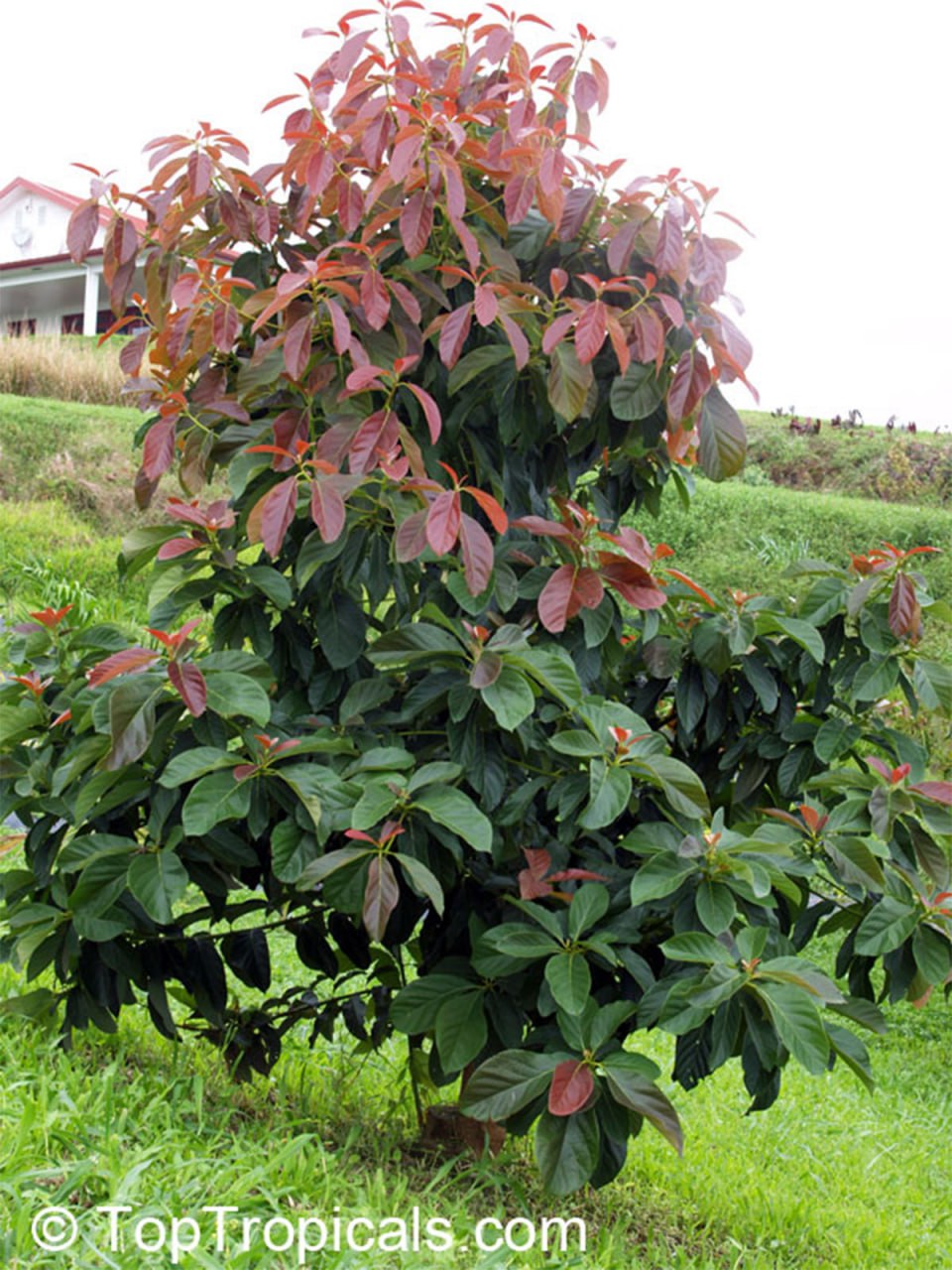
  • 🥭 So planting fruit trees isn’t just about homegrown flavor or saving a trip to the store. It’s about protecting your health in a polluted world. Whether it’s mangoes, avocados, guavas, or starfruit, every harvest brings you cleaner nutrition and a cleaner breath of life.


🛒 Grow fruit - grow your health

📚 Learn more:
#Food_Forest #Remedies #Discover

🟢 Join 👉 TopTropicals
Date: 20 Oct 2025

11 tropical fruits to eat instead of taking a fiber supplement

Tropical fruits to eat instead of taking a fiber supplement

Tropical fruits to eat instead of taking a fiber supplement

🍑 11 tropical fruits to eat instead of taking a fiber supplement

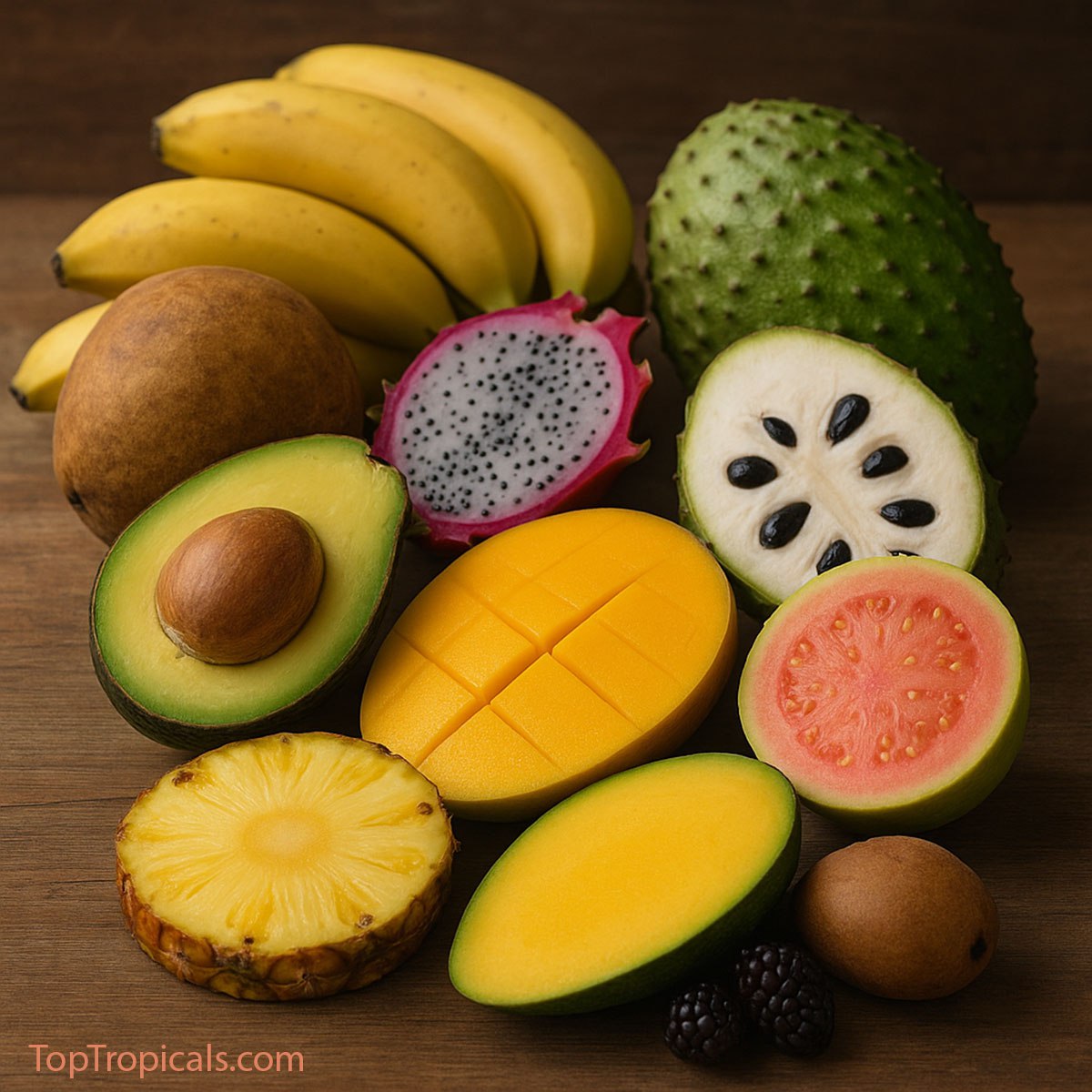
  • When we think of tropical fruit, we picture sweetness, sunshine, and exotic flavors packed with vitamin C. But beneath all that juicy goodness lies another gift: dietary fiber - quietly working to support digestion, feed the gut microbiome, and help keep blood sugar steady.
  • Avocado leads the pack among tropical fruits for fiber content. One creamy, ripe fruit can provide around 10 grams of fiber, roughly a third of an adult’s daily need. And there’s more to avocado than fiber - it’s also rich in healthy fats, micronutrients, and that silky texture everyone loves.
  • Other tropical fruits bring their own kind of fiber strength. Guava delivers up to 9 grams per cup, plus a burst of vitamin C.
  • Mango offers about 3 grams in half a fruit, especially when eaten with some of the skin.
  • Pineapple, though not always seen as a fiber powerhouse, still contributes around 2 grams per cup, along with bromelain, the enzyme that helps digestion.
  • Jackfruit’s fibrous pulp makes it another standout - it’s so meaty, it’s even used as a plant-based substitute in savory dishes.
  • Sapote fruit (Mamey, Canistel) and Sapodilla add fiber with a smooth, custard-like texture.
  • Adventurous tropical varieties like Annona (custard apple, soursop) may not top the charts in fiber numbers, but their soft, fibrous flesh still adds value: about 1.3 grams of fiber per 100 grams of fruit.
  • Bananas contain both soluble and insoluble fiber; the soluble part (mainly pectin) helps control blood sugar and appetite, while the insoluble fiber aids regularity.
  • Mulberries are rich in insoluble fiber, especially in their skin, supporting digestion and promoting healthy bowel movements.
  • Dragon fruit offers a mix of soluble fiber in its juicy flesh and insoluble fiber from its tiny edible seeds, which help support gut health and feed good bacteria.

These fruits aren’t just delicious - they help you meet your daily fiber needs in ways that are far more enjoyable (and sustainable) than taking supplements. And when home gardeners, farmers, or tropical communities grow and share them, it’s a double win: nutrition and tradition hand in hand.

✔️ Tropical fiber power: tips for getting more fiber from tropical fruits

  • ⏺Eat whole, not juiced. Most of the fiber is in the pulp, skin, and seeds. Juicing removes much of that goodness.
  • ⏺Mix it up. Tropical fruits are great, but balance them with legumes, whole grains, nuts, and veggies for a full fiber range.
  • ⏺Take it slow. If your diet is low in fiber, increase gradually to avoid bloating or discomfort.
  • ⏺Drink plenty of water. Fiber works best when paired with hydration.
  • ⏺Mind the ripeness. Unripe fruits can have more resistant starch, another form of fiber.
  • ⏺Get creative. Toss tropical fruits into smoothies, salsas, breakfast bowls, or even desserts - a tasty stealth-fiber strategy.


🛒 Plant a fruit tree to harvest your fruit tomorrow

📚 Learn more:


Tropical fruit health benefits guide - what fruit and edibles can help with health issues and vitamin deficiencies, Part 1 and Part 2.

#Food_Forest #Remedies #Discover #How_to

🟢 Join 👉 TopTropicals

Date: 18 Oct 2025

Avocado leaf tea: island secret for a calm heart and blood pressure

Avocado leaf tea: island secret for a calm heart and blood pressure Avocado leaf tea: island secret for a calm heart and blood pressure

Avocado leaf tea: island secret for a calm heart and blood pressure


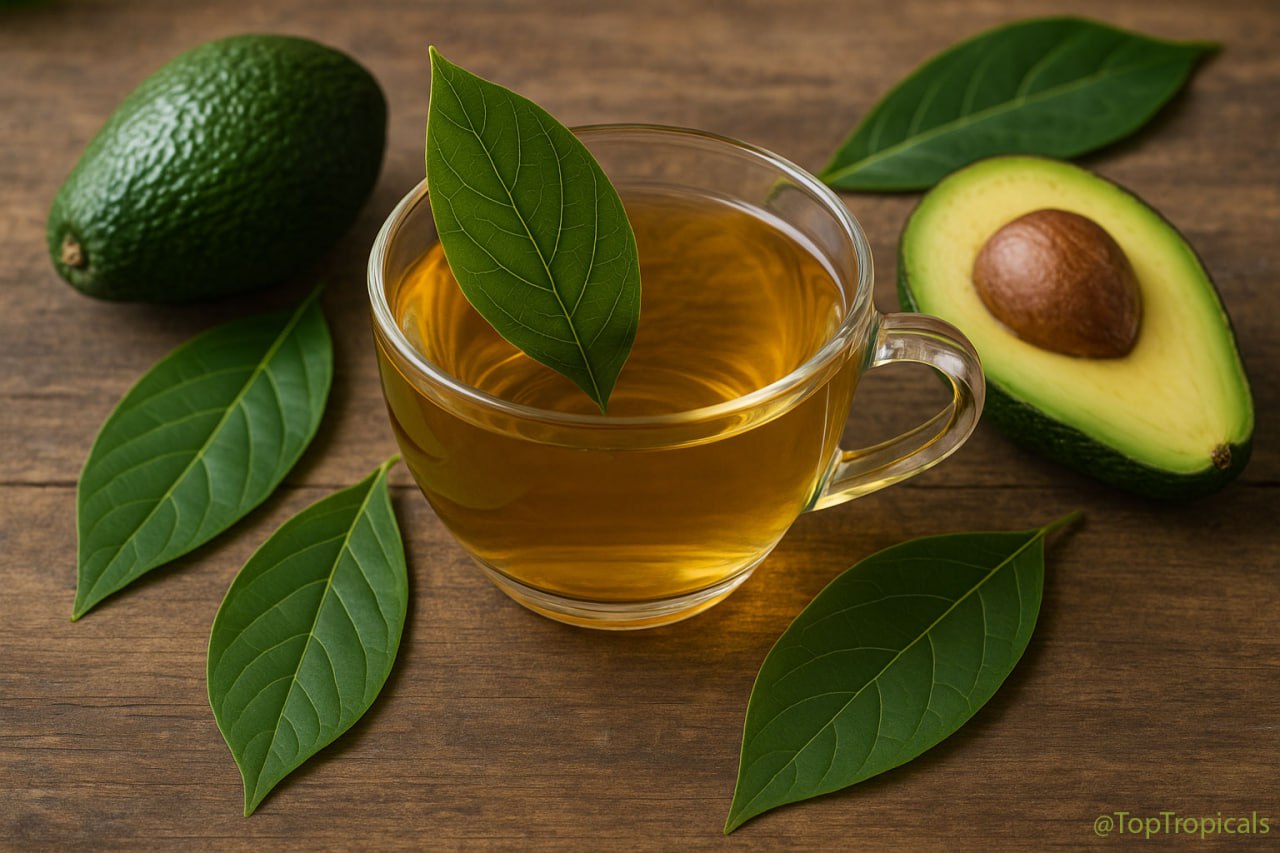
  • 🍃 You see that Avocado tree in your yard? Don't just love it for the fruit - the leaves carry magic too! Old folks in the tropics will tell you - never throw away the avocado leaves. They’ve been used for generations to brew a tea that helps steady the heart and ease high blood pressure.

  • 🍃 When life gets busy and your heart starts beating too fast, this tea helps it find its rhythm again. The leaf holds flavonoids and quercetin - fancy words for what nature been doing all along: keeping the blood flowing smooth and the body at peace. Folks say it also helps with digestion and keeps the liver happy.

  • 🍃 Avocado leaf tea

    Ingredients

    • 3 to 4 fresh avocado leaves
    • 2 cups water
    • Optional: honey, lemon, or cinnamon stick

    Instructions

    1. Rinse the avocado leaves well.
    2. Place them in a small pot with 2 cups of water.
    3. Bring to a gentle simmer and let it cook for about 10 minutes.
    4. Strain the tea and add honey, lemon, or cinnamon if desired.
    5. Sip slowly and enjoy the calm, earthy flavor.

  • 🍃 They say it helps the belly, calms the mind, and keeps the liver strong. Maybe that’s science, maybe it’s just island truth - but it surely does the body good! Some call it bush medicine, others just call it good sense. Either way, it’s a simple garden remedy that’s been soothing hearts long before pills and prescriptions came around.


🛒 Plant an Avocado tree and help your body stay healthy

📚 Learn more:


Tropical fruit and plants that help keep blood pressure in balance, Part 1, and Part 2.

#Food_Forest #Remedies #Discover #How_to

🟢 Join 👉 TopTropicals

Date: 20 Sep 2025

How to make lots of Insulin Ginger plants quickly and get more health benefits

Costus igneus (Chamaecostus cuspidatus) - Fiery Costus or Spiral Flag

💚 How to make lots of Insulin Ginger plants quickly and get more health benefits

  • Costus igneus (Chamaecostus cuspidatus) - Fiery Costus or Spiral Flag is believed to help lower blood glucose levels naturally and managing diabetes.
  • Have you heard of Insulin Ginger? Everyone wants to have it in the garden!
  • Gardeners in India grow it not just for its pretty spiral leaves, but for what those leaves do. People with diabetes often chew them fresh or brew them into tea, saying it helps keep their blood sugar under control.
  • Researchers have found something interesting: the leaves contain an insulin-like compound, along with antioxidants and anti-inflammatory properties. In animal studies, extracts from the plant lowered blood sugar, protected the liver and kidneys, and even made the body more sensitive to insulin.
  • The way folks use it is simple. You can chew a leaf right off the plant, steep dried leaves for tea, or find it in powders and capsules. It's one of those plants that shows how tradition and science sometimes meet in the garden.
  • Its lush, turmeric-like leaves spiral around upright stems, with a glossy dark green top and a striking light purple underside. In warm months, it produces bright orange, cone-like flowers that stand out beautifully in the garden.
  • Beyond its beauty and natural insulin effects, the insulin plant is credited with aiding digestion, reducing cholesterol, boosting energy, improving skin health, supporting weight loss, relieving stress, and promoting heart wellness. A real botanical multitasker!


🎥 In this video, we’ll show you how to multiply Insulin Ginger fast, so you’ll have plenty of plants for yourself and even extras to share with friends and family.

✅ Don’t forget to use Green Magic fertilizer for the best results. Gingers absolutely love this plant food - they thrive on it and respond better than any other plant, with vigorous growth, lush foliage and loads of leaves you’ll need for all the benefits.

🛒 Grow your own sugar-fighter - the Insulin Ginger

📚 Learn more:


#Food_Forest #Remedies #Shade_Garden #Discover

🟢 Join 👉 TopTropicals

Date: 19 Sep 2025

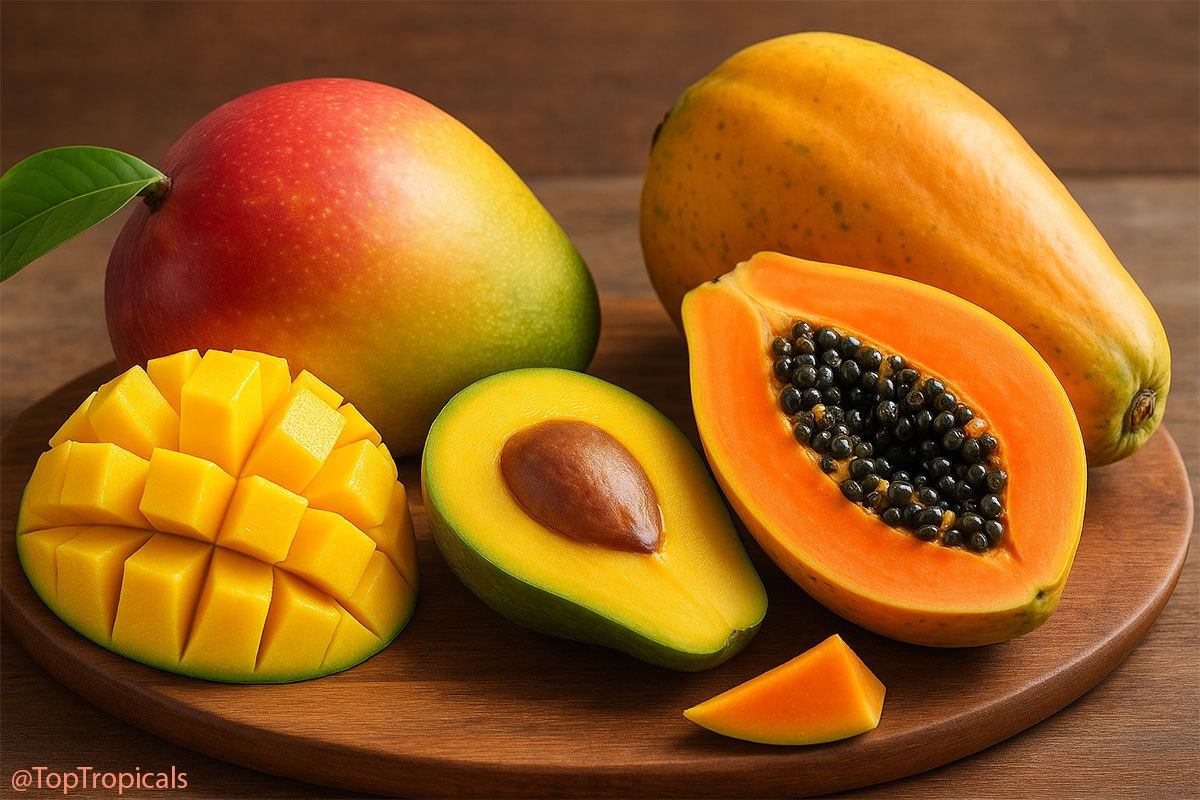
Truth about which fruit helps you lose weight faster: Mango or Papaya?

Truth about which fruit helps you lose weight faster: Mango or Papaya?

🥭 Truth about which fruit helps you lose weight faster: Mango or Papaya?


❓ Mango vs. Papaya: what's best for you?


  • ✔️ Nutritional comparison

Mango is rich in vitamins A and C, boosting immune health and skin.
Papaya brings more folate and contains papain, an enzyme that aids digestion.

  • ✔️ Health perks

Mango may help lower inflammation and support blood sugar balance.
Papaya is known to ease digestion, reduce bloating, and support gut health.

  • ✔️ Calories and sugars

Both are low in calories, but mango has slightly more natural sugar.
If you’re sugar-sensitive, papaya might be the better option.

  • ✔️ Weight loss support

Mango and papaya both contain fiber and natural compounds that slow digestion.
This helps you feel fuller longer, which can reduce snacking and support weight management.

✔️ Which to pick when


Choose mango for a skin and immune boost.
Go with papaya if you want a gentler fruit that supports digestion and gut comfort.

Don't forget about Avocado when planting your fruit garden!
Avocado deserves a spot at the table too. While not sweet like mango or papaya, it's packed with heart-healthy monounsaturated fats, fiber, potassium, and B vitamins. Avocado supports brain and heart health, keeps you full longer, and provides a creamy balance to any tropical fruit plate.

All three fruits are also great for weight management. They're high in fiber and water content, which slows digestion, helps you feel fuller longer, and may reduce overall calorie intake naturally.

🛒Explore Mango, Papaya, and Avocado varieties

#Food_Forest #Mango #Papaya #Remedies #Discover

🟢 Join 👉 TopTropicals