Date: 5 Apr 2016
Jungle on Windowsill 101
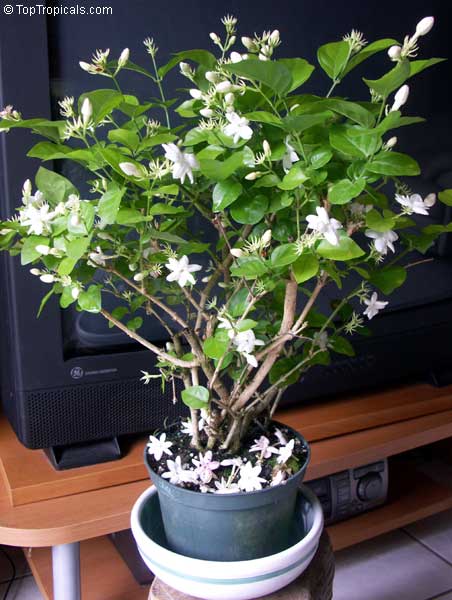
Q: I got a Jasmine Sambac and a Tahitian gardenia as presents, they are very cute plants with flowers and flower buds. I would like to be able to keep them alive and hopefully happy for a long time, but I don't know much about growing tropical plants, and I am not sure if my thumb is green enough to make everything right. What do they need? How much sun? How much water? What kind of soil? Sorry for all these (maybe silly) questions, but I want to keep them alive, please help! I live in Wisconsin and we had some snow again last week.
A: Growing tropicals is not a hard work, it is a lot of fun! These plants are actually a good starters for a beginner who wants to try growing tropical plants, no matter if you live in a mild frost-free climate, or up North where you can have these beauties as houseplants. Below are a few simple steps for you:
1. Read. Follow planting instructions included with your plants. Check plant names on the tags and learn more about them from our online catalog.
2. Soil. Plant in quality potting mix - it must be porous and well-drained, never use heavy soils (top soil or garden soil are no-no), in a pot exactly the size of the root system. You can step up your plants in the next size container once you notice vigorous new growth. Next size means: 4"pot can go into 6" pot, 6"pot into 10" pot, etc. Too big of a pot may create rotting environment, root system must fill the entire container to use all the moisture from the soil. Container must have good hole(s) for excess water to drain through. Put the pot in a saucer and get rid of excess water every time after watering.
3. Light. Most tropical plants require lots of light in order to produce flowers. If you ever visited Florida, remember the bright sun? - these are ideal light conditions for tropicals. Up North, provide as much light as possible: a bright spot on a windowsill of Southern or Western exposure would work the best. If the sun gets too hot in summer afternoon, you may shade the window a little bit with a sheet of white paper to avoid leaf burn.
4. Water. Keep soil slightly moist but not soggy. The best way is to wait until the top of the soil feels dry to touch - this is time to water again. Jasmines prefer to stay on a dry side; gardenias do not like soil to dry out - keep them slightly moist as long as soil is very porous and well-drained.
The main reason of most problems with potted indoor plants is over watering. With experience, you will feel the right balance of moisture in the soil: the brighter the light, the more water is consumed by a plant; the less light, the less frequent you should water.
5. Trimming. In low light conditions, plants tend to become leggy. Trim branches as they become too long: the more you trim, the busier the plant gets. New growth promotes more profuse blooming in many species.
6. Fertilizing. Fertilize indoor plants with slow-release granulated fertilizer from march to November.
7. Insects. Check for insects at least once a month, especially underneath the leaf. If notice any problems (deformed leaves, residue, holes, or tiny insects) - clean the leaves/stems with a solution of warm water (1 cup), vegetable oil (2 table spoons), and a few drops of a dish soap.
8. Fresh air and air humidity. As soon as air temperature gets above 65F, bring your tropicals outside in the sun and fresh air: porch, balcony, outside in the yard. Air circulation is essential for your plant health. Bright light and high air humidity will promote vigorous growth, and lots of flowers for you to enjoy!
For more information on growing Tropical Plants 101, see Problem solving with potted plants - how can we help them?
Date: 23 May 2024
Index of TopTropicals Telegram Channel
🗂 Index of TopTropicals Telegram Channel
Follow these tags to find your interests:
#Butterfly_Plants - Butterfly attracting plants.
#Container_Garden - Plants suitable for container garden and indoor culture.
#Fertilizers - All the truth about fertilizers, plant food supplements, and our recommendations for different types of plants.
🥭 #Food_Forest - Fruit trees, Spice plants, and Edibles.
Including: #Avocado, #Mango, #Papaya, #Guava, #Jackfruit, #Loquat
📖 #Fun_Facts - interesting plant facts and legends.
🌳 #Hedges_with_benefits - Practical approach to your landscape and how to properly select showy and useful plants for your yard.
♍️ #Horoscope - Plant Horoscopes and Cat Horoscopes. Did you know that cats also have their Zodiac signs?
🛠 #How_to - Q&A about growing plants, tropical garden lifehacks.
👀 #Nature_Wonders - Unusual, amusing, outrageous, bizarre plants...
🐈 #PeopleCats - our Favorite PeopleCats (and some PeopleDogs, too).
🌸 #Perfume_Plants - Fragrant plants and perfume trees.
✍️ #Quotes - Interesting quotes.
#Recipes - Exotic recipes for tropical fruit and edibles.
💊 #Remedies - Medicinal plants.
☁️ #Shade_Garden - Plants suitable for low light conditions.
🌼 #Trees - Spectacular flowering tropical trees.
🏆 #Win - Contests, Sweepstakes, and other specials.
Join an
Date: 30 Sep 2023
Avocado Variety Guide: Snack or Guacamole?
Collector's inspiration
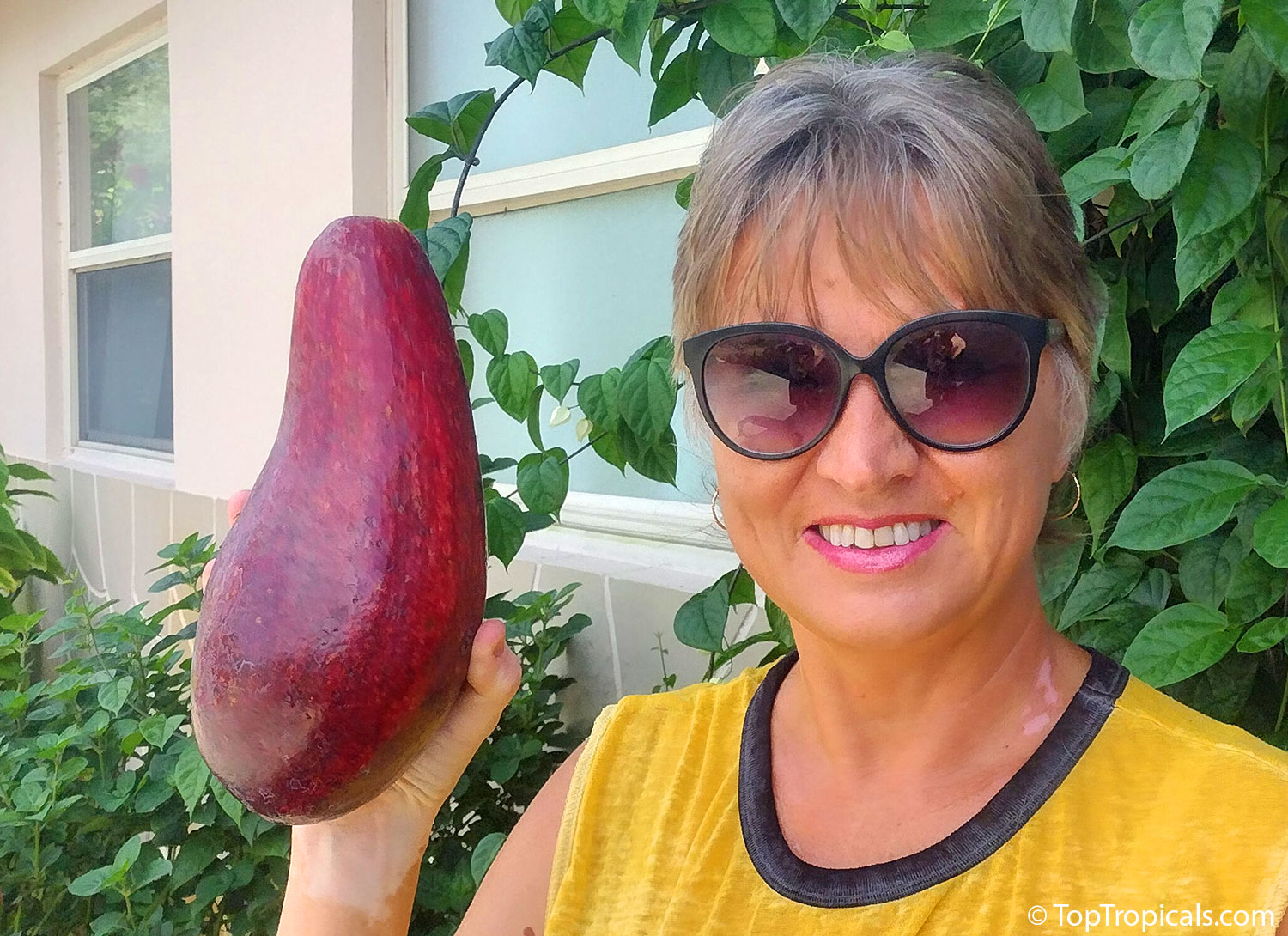
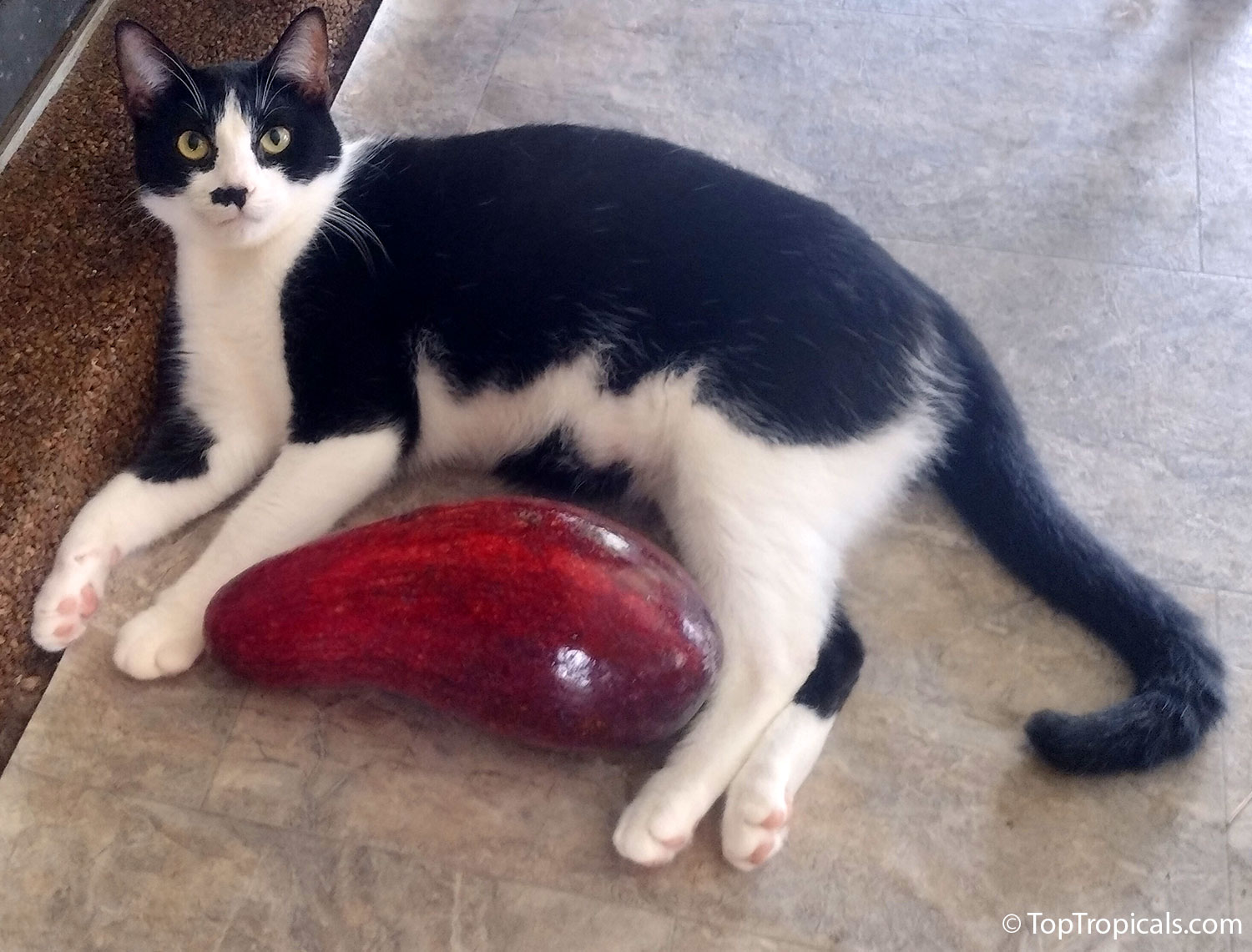
Photo above: It's NOT an egg plant! It's a Red Russell :)
A comprehensive guide to Avocado varieties by: flower type A or B, tree habit, fruit shape and quality, cold hardiness, origin, season and more!
Many gardeners who are eager to purchase their first avocado tree often wonder which variety to choose. Most people are familiar with two primary classifications commonly found in grocery stores: Small & Black or Large & Green.
Frequently, we hear customers ask, "Do you have the one I like, the smaller fruit with bumpy skin? Not that big, tasteless, and watery one!" What they may not realize is that this basic (but practical!) classification doesn't encompass all the wonderful qualities avocados have to offer. There are numerous hybrids in cultivation, and once you plant your first tree and taste the REAL fruit (not from the grocery store), you'll be eager to explore other varieties. It's a guarantee! While it's true that avocado fruit can vary in "butter" content and how "watery" or "buttery" it is, most superior varieties are equally delicious. Or perhaps we should say they are so versatile and distinct in taste that you'll start building your collection of these trees, much like fruit enthusiasts do with mango varieties.
Every garden has unique requirements based on climate, temperature, and property size. These factors must be considered before planning your avocado garden. Additionally, many gardeners may wonder about Type A vs. Type B classifications and whether they need more than one tree to yield fruit. You'll find all this valuable information in our Avocado Variety Guide.
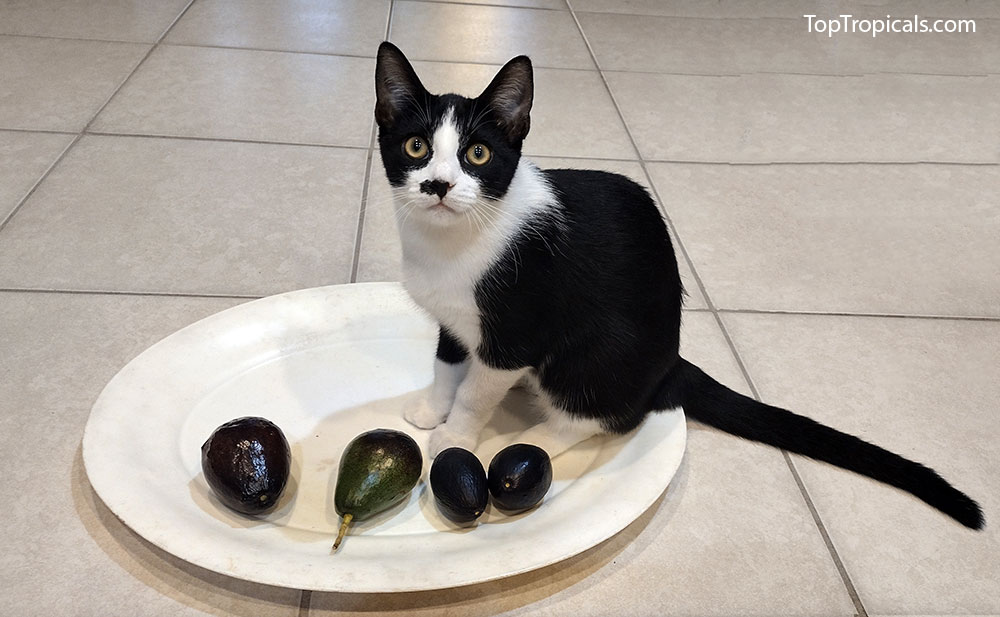
Basic classifications of avocados
1) By flowering pattern and pollination behavior: Type A and Type B
2) By origin: Mexican, Guatemalan, and West Indian (along with many hybrids)
3) By fruit appearance, texture and taste: Guacamole Avocado ("Smooth skin") and Snack Avocado ("California" or "Hass" type)
4) By growth habit: full size trees, free branching or upright, semi-dwarf low growing, and dwarf ("condo avocados")
5) By cold hardiness: Cold sensitive (requiring frost-free conditions), cold tolerant (able to withstand light frost), and cold hardy (capable of enduring some hard freezes once established)
6) By ripening season: Early or Spring (March-June), Mid or Summer (July-September), and Late or Fall-Winter (October-February).
Date: 16 Jun 2023
NEW VIDEO:
ABC7 Fort Myers News:
Avocado Varieties at Top Tropicals
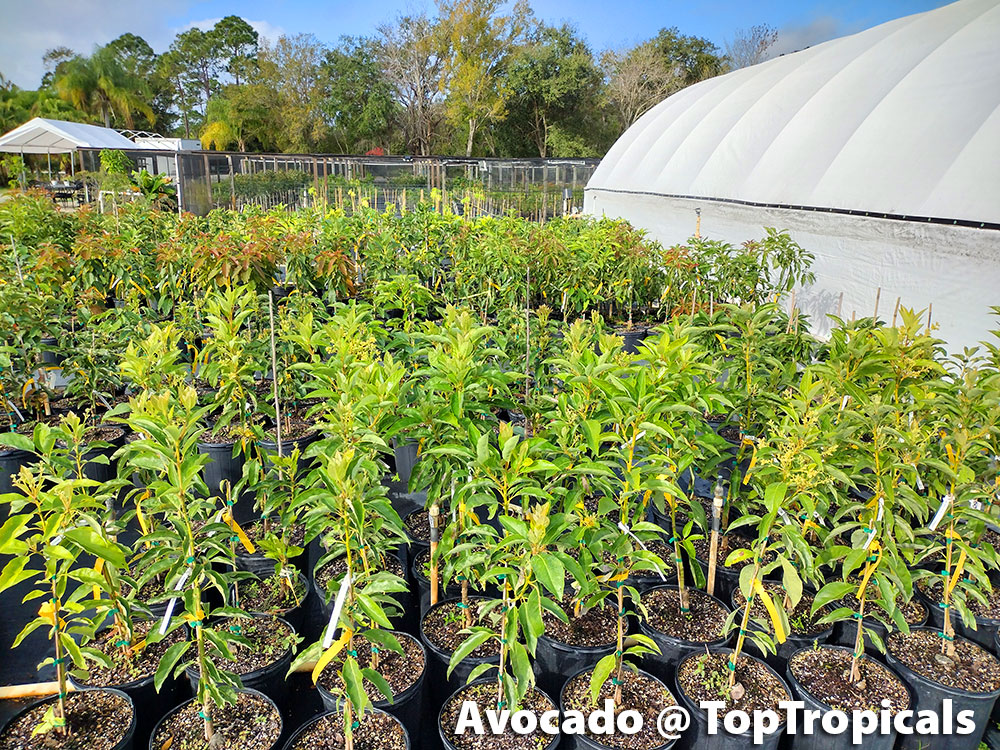
We continue the series of ABC-7 News on Top Tropicals selections. Previously, we showed you segments about Butterfly Plants, Rare Fruit Trees, and Mango varieties. Today's video is about growing an Avocado tree in your home garden.
Growing your own avocado tree has many benefits. You can enjoy fresh, delicious avocados right from your garden. Avocado trees are attractive, provide shade, and enhance your landscape. There are many avocado varieties to choose from, offering unique flavors, sizes, and ripening times. You will find Avocado trees for sale online right here at TopTropicals.com. Our trees can be shipped to you!
Watch the news segment by Rachel Anderson for ABC-7:
Avocado Varieties at Top Tropicals.
Subscribe to our Channel:
Stay updated with TopTropicals Videos by subscribing to our channel at YouTube.com/TopTropicals and get our latest video news of what is fruiting and blooming!
Date: 17 Mar 2021
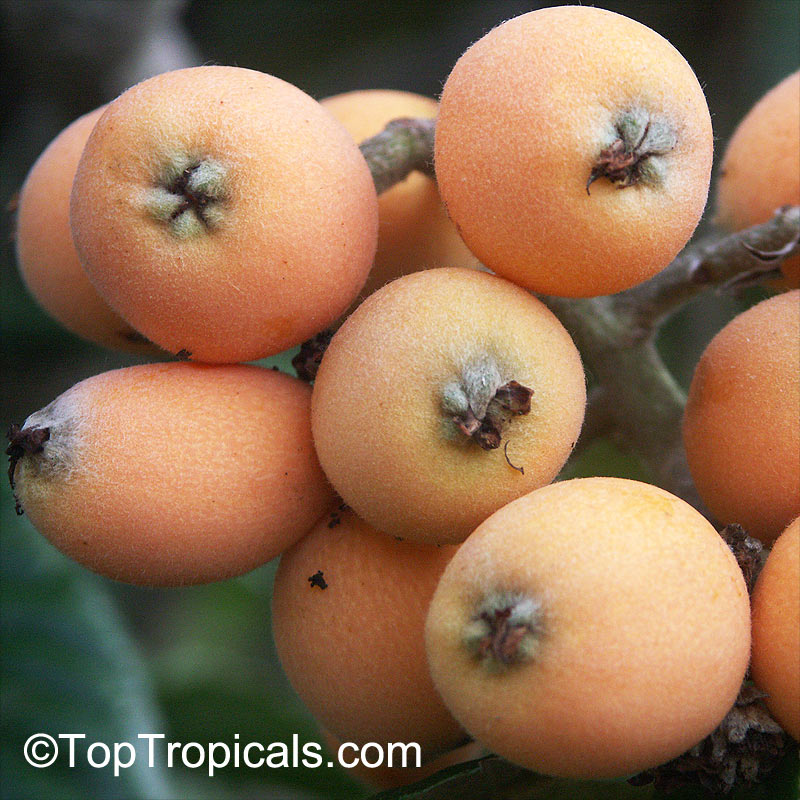
Golden Loquat - the symbol of Prosperity
by Alex Butova, the Witch of Herbs and Cats
...The Loquat is a wonderful tree, ideally suited to small gardens
thanks to its compact growth habit. The plant is very fast growing, drought
tolarant, and cold-tolerant to mild frost. It is an ideal fruit tree for the
beginner...
...The flavor is a mixture of peach, citrus and a mild mango...
...In China, the Loquat because of its golden color, represents gold and wealth. It is often one in a bowl or composite of fruits and
vegetables to represent auspicious wishes or the "Five Prosperities" or
wurui...
CONTINUE READING >>


Chinese believe that planting a Golden Loquat Tree will bring you prosperity and wealth. Growing a Loquat is like growing your own Money tree!
