Garden Blog - Top Tropicals

Date: 24 Jun 2018

TopTropicals

Mysterious Night Blooming Cactus - Epiphyllum. How to grow it?

Q: My friend has a huge Queen of the Night Cactus, and the blooms are so gorgeeous! She gave me a cutting but I am not sure how do I plant it? How long will it take till it starts blooming? Is it true that it has only one flower once a year and only at night?

A: Queen of the Night is a very popular and yet mysterious plant. The flowers open once a year after sunset for one night. However the flowering period can last a month or two during the warm season. So each flower lasts only one night, but there will be more flowers to come! In the Nature, Epiphyllum oxypetalum - Queen of the Night - grows on trees in the jungles of Central and South America. It is actually very easy to grow as an indoor plant in colder climates. Here is South Florida we grow them outside in hanging baskets. This is how to start Queen of the Night from a cutting:
1) Put the cutting in a dim, dry place for three days, with no soil and its base exposed to the air, so it will form a callus.
2) Fill a 4-6-inch pot with slightly damp potting soil or succulent mix. Insert the cutting 1 or 2 inches into the soil and tamp the soil around its base.
3) Place the pot where the cutting will get bright light, but no direct sun. Spritz it occasionally with a spray bottle of water to keep the soil only slightly moist. It should root in couple weeks.
4) Keep the plant on an east- or west-facing windowsill where it will receive direct sunlight only in early morning or late afternoon. Water the cactus until water runs out of the pot's drainage holes. Dump the excess out of the pot's saucer immediately, and wait until the surface of the soil is dry to the touch before watering your cactus again.
5) Fertilize once a month from March through October with a balanced plant food, and apply micro-elements once a month for a healthy vigorous growth. Refrain from feeding the plant in December and January.
6) Position the cactus in partial shade under a porch roof or tree, if you decide to move it outdoors during the summer. This plant likes summer humidity!
7) Repot the cactus only once every two years or so, to keep it slightly root bound. Wait until after it flowers in summer, and repot it after it blooms. Prune off any damaged growth at that time as well.
8) Move the plant to a cooler room over the winter months, one that remains dark during the evening hours with temperatures above 45 degrees. Reduce the frequency of watering, waiting until its soil is dry. Resume regular watering in March.

If grown from cutting, it may take 2-3 years until the plant starts blooming, so if you don't want to wait that long - just get a blooming size plant from our store!

We only have a few plants... if sold out, add to wish list and we will have more soon!

Date: 23 May 2024

Index of TopTropicals Telegram Channel

Index of TopTropicals Telegram Channel

🗂 Index of TopTropicals Telegram Channel


Follow these tags to find your interests:

#Butterfly_Plants - Butterfly attracting plants.

#Container_Garden - Plants suitable for container garden and indoor culture.

#Fertilizers - All the truth about fertilizers, plant food supplements, and our recommendations for different types of plants.

🥭 #Food_Forest - Fruit trees, Spice plants, and Edibles.
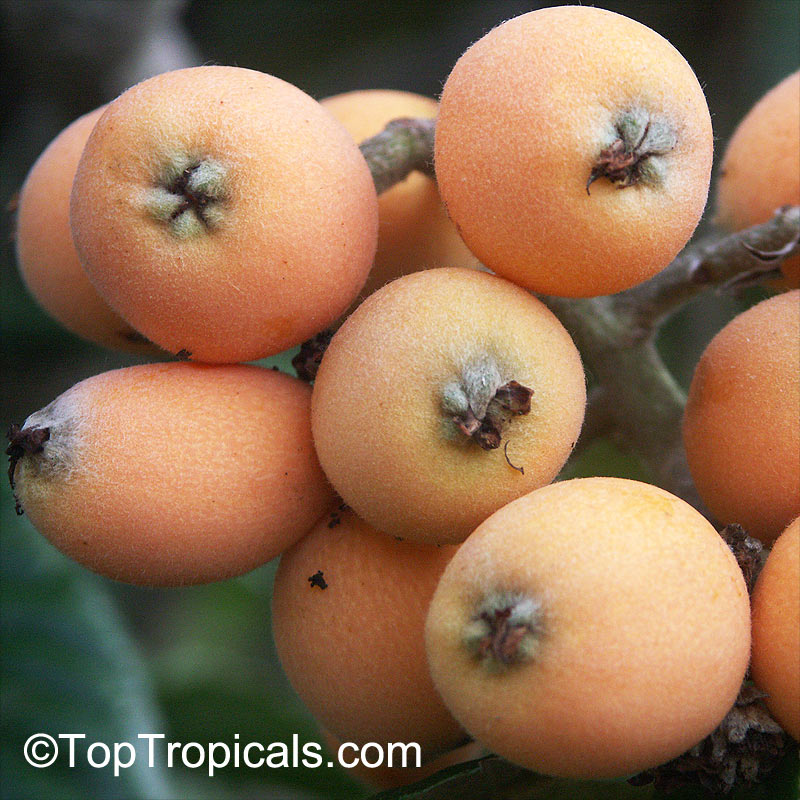
Including: #Avocado, #Mango, #Papaya, #Guava, #Jackfruit, #Loquat

📖 #Fun_Facts - interesting plant facts and legends.

🌳 #Hedges_with_benefits - Practical approach to your landscape and how to properly select showy and useful plants for your yard.

♍️ #Horoscope - Plant Horoscopes and Cat Horoscopes. Did you know that cats also have their Zodiac signs?

🛠 #How_to - Q&A about growing plants, tropical garden lifehacks.

👀 #Nature_Wonders - Unusual, amusing, outrageous, bizarre plants...

🐈
#PeopleCats - our Favorite PeopleCats (and some PeopleDogs, too).

🌸 #Perfume_Plants - Fragrant plants and perfume trees.

✍️ #Quotes - Interesting quotes.

#Recipes - Exotic recipes for tropical fruit and edibles.

💊
#Remedies - Medicinal plants.

☁️ #Shade_Garden - Plants suitable for low light conditions.

🌼 #Tree
s - Spectacular flowering tropical trees.

🏆 #Win - Contests, Sweepstakes, and other specials.

Join and share with friends👇🏵
TopTropicals

Date: 23 Nov 2016

Growing tropical fruit trees in containers in winter

Q: Please give me your advice. The winter is here. I bought mango tree, jackfruit tree, sugar apple tree and planned them for spring. What can I do to keep them no frost bite? My home in Bonifay FL.

A: In subtropical areas with occasional hard freeze in winter, we recommend you to keep tropical plants in pots. The plants you purchase are tender to frost. For cold protection, container growing has several advantages:
1) easy to move into wind-protected and sun-exposed locations as needed: for example, on a different side of the house. In many areas, seasonal prevailing winds have opposite directions in Summer and Winter.
2) easy to cover with frost cloth, sheets, or blankets in case of immediate cold spells. Container plants' growth is easier to control and trim, and those plants naturally stay more compact.
3) easy to move indoors, inside garage, or in covered lanai/patio.
We also recommend to keep these trees in their original pots until Spring, in containers size of the rootball. Step them up in Spring, when plants start active growth of root system. This will help you to avoid root rot due to possible overwatering in Winter. Reduce watering in any case, and keep your plants in bright, wind-protected spot. Do not fertilize until Spring. Protect from cold when night temperature drops below 35-40F.

Use SUNSHINE plant boosters to provide additional cold tolerance.

Cold protection is a lengthy subject. You may also use propane heaters during cold nights. Here is some more information on cold protection.

Black Friday starts Wednesday! Use this discount code in your shopping cart from Wednesday through end of Friday. Enter THANKS2016 in your shopping cart for 20% off on all plants and seeds from our store - no minimum order! Offer is not valid for previous purchases

Date: 30 Sep 2023

Avocado Variety Guide: Snack or Guacamole?
Collector's inspiration

Avocado  Red  Russel

Photo above: It's NOT an egg plant! It's a Red Russell :)

A comprehensive guide to Avocado varieties by: flower type A or B, tree habit, fruit shape and quality, cold hardiness, origin, season and more!

Many gardeners who are eager to purchase their first avocado tree often wonder which variety to choose. Most people are familiar with two primary classifications commonly found in grocery stores: Small & Black or Large & Green.

Frequently, we hear customers ask, "Do you have the one I like, the smaller fruit with bumpy skin? Not that big, tasteless, and watery one!" What they may not realize is that this basic (but practical!) classification doesn't encompass all the wonderful qualities avocados have to offer. There are numerous hybrids in cultivation, and once you plant your first tree and taste the REAL fruit (not from the grocery store), you'll be eager to explore other varieties. It's a guarantee! While it's true that avocado fruit can vary in "butter" content and how "watery" or "buttery" it is, most superior varieties are equally delicious. Or perhaps we should say they are so versatile and distinct in taste that you'll start building your collection of these trees, much like fruit enthusiasts do with mango varieties.

Every garden has unique requirements based on climate, temperature, and property size. These factors must be considered before planning your avocado garden. Additionally, many gardeners may wonder about Type A vs. Type B classifications and whether they need more than one tree to yield fruit. You'll find all this valuable information in our Avocado Variety Guide.

Cat  with  avocados

Basic classifications of avocados

1) By flowering pattern and pollination behavior: Type A and Type B

2) By origin: Mexican, Guatemalan, and West Indian (along with many hybrids)

3) By fruit appearance, texture and taste: Guacamole Avocado ("Smooth skin") and Snack Avocado ("California" or "Hass" type)

4) By growth habit: full size trees, free branching or upright, semi-dwarf low growing, and dwarf ("condo avocados")

5) By cold hardiness: Cold sensitive (requiring frost-free conditions), cold tolerant (able to withstand light frost), and cold hardy (capable of enduring some hard freezes once established)

6) By ripening season: Early or Spring (March-June), Mid or Summer (July-September), and Late or Fall-Winter (October-February).

Cat  with  Red  Russel  Avocado

Date: 16 Jun 2023

NEW VIDEO:
ABC7 Fort Myers News:
Avocado Varieties at Top Tropicals

We continue the series of ABC-7 News on Top Tropicals selections. Previously, we showed you segments about Butterfly Plants, Rare Fruit Trees, and Mango varieties. Today's video is about growing an Avocado tree in your home garden.

Growing your own avocado tree has many benefits. You can enjoy fresh, delicious avocados right from your garden. Avocado trees are attractive, provide shade, and enhance your landscape. There are many avocado varieties to choose from, offering unique flavors, sizes, and ripening times. You will find Avocado trees for sale online right here at TopTropicals.com. Our trees can be shipped to you!

Watch the news segment by Rachel Anderson for ABC-7:
Avocado Varieties at Top Tropicals.

Subscribe to our Channel:

Stay updated with TopTropicals Videos by subscribing to our channel at YouTube.com/TopTropicals and get our latest video news of what is fruiting and blooming!

Avocado  trees  in  3  gal  pots