Garden Blog - Top Tropicals

Date: 17 Jun 2026

Pitaya Vietnamese Jaina White: dragon fruit beyond pink and white - A Collectors Guide
Pitaya Vietnamese Jaina White

Pitaya Vietnamese Jaina White

🍉 Pitaya Vietnamese Jaina White: dragon fruit beyond pink and white - A Collector's Guide


When most people picture a dragon fruit, they're probably imagining Vietnamese Jaina White.
With its bright pink skin, snow-white flesh, and spectacular night-blooming flowers, this variety has helped introduce dragon fruit to gardeners and fruit lovers around the world. While newer varieties often compete for attention with bold colors and unusual flavors, Vietnamese Jaina remains one of the most reliable and widely grown dragon fruits available.


🔸 The classic dragon fruit


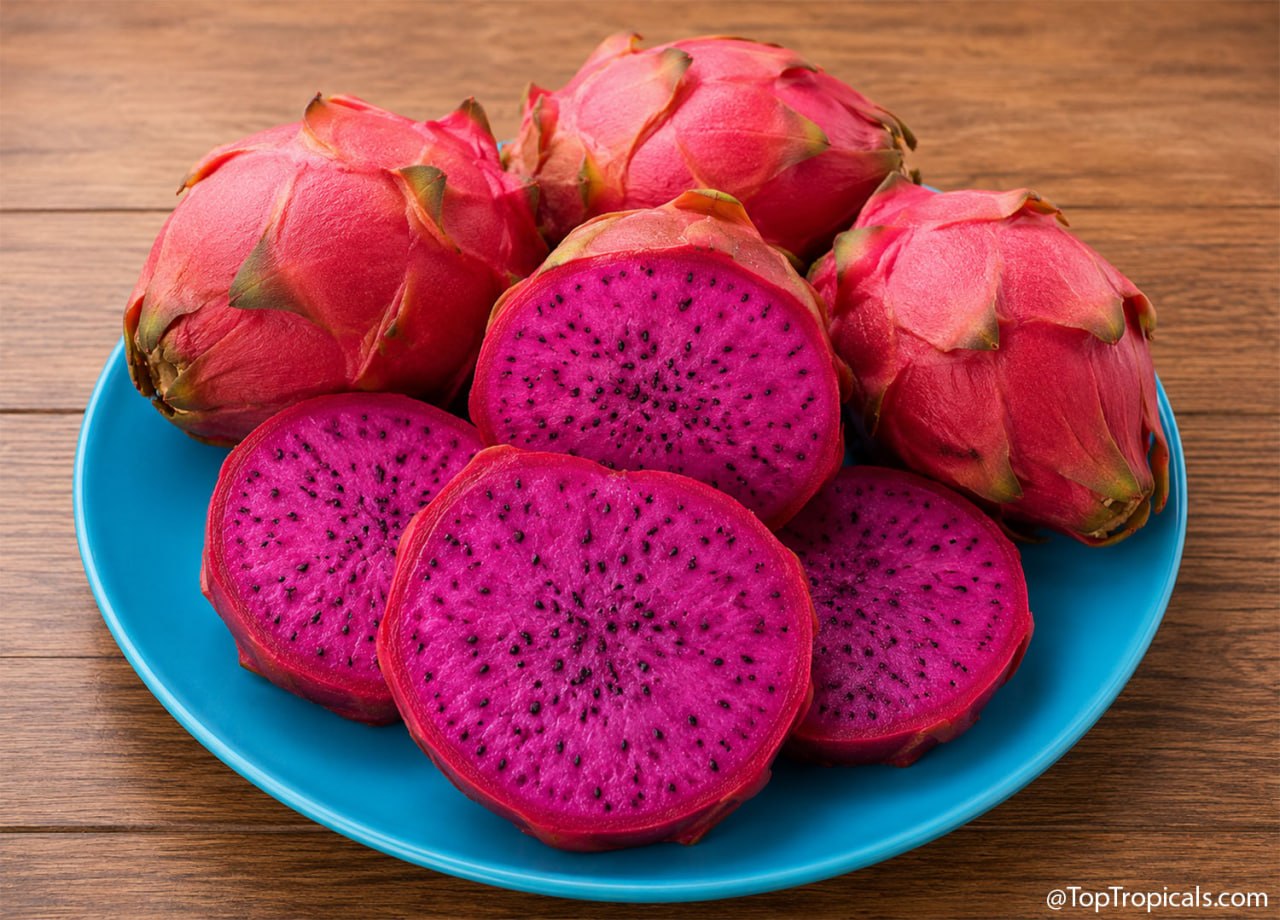
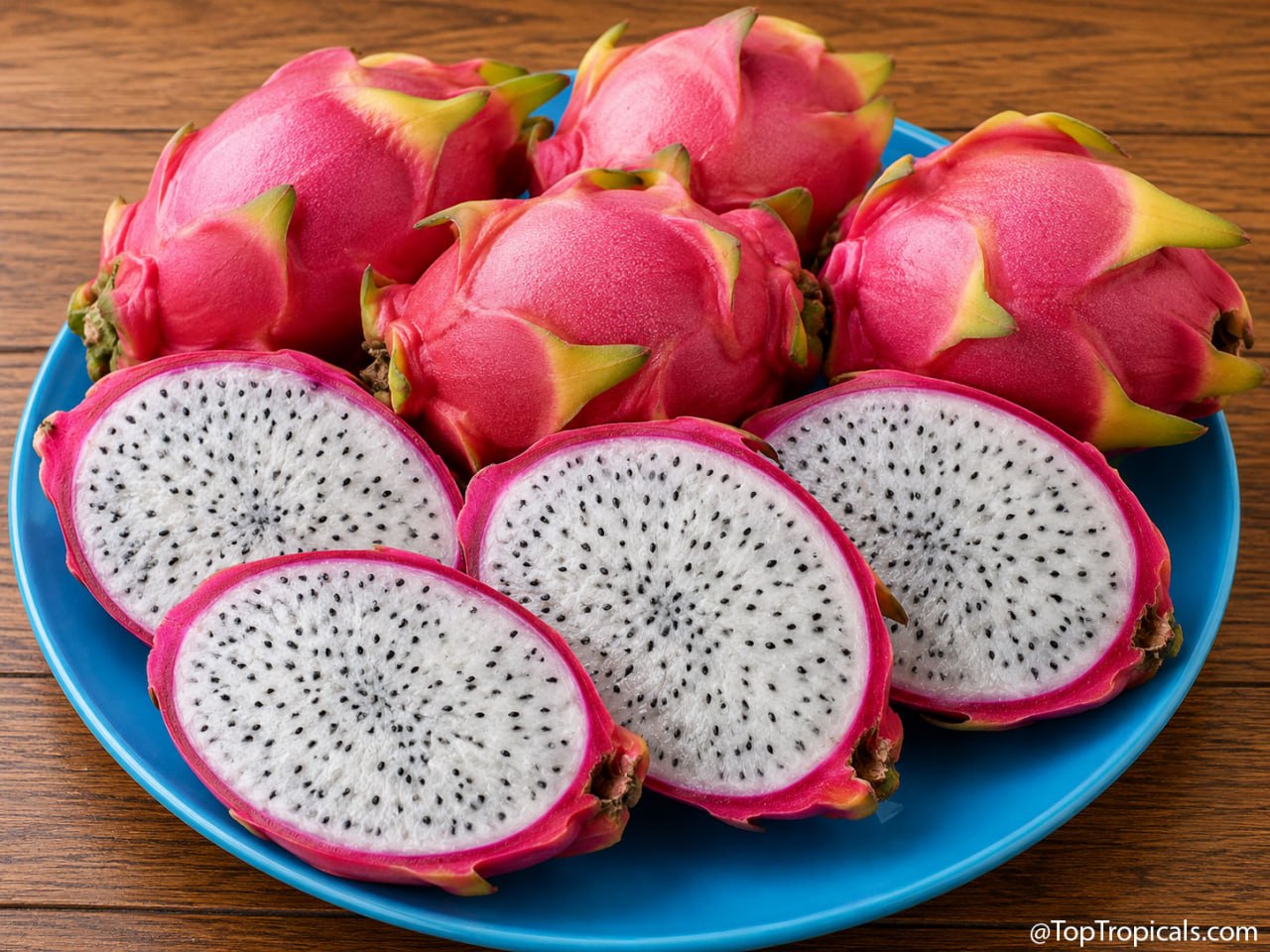
Vietnamese Jaina White (Hylocereus undatus) produces the iconic dragon fruit appearance - vibrant pink skin surrounding crisp white flesh dotted with tiny black seeds.

The fruit is refreshing, mildly sweet, and easy to enjoy. Many growers describe the flavor as a blend of melon, kiwi, and pear with a subtle hint of strawberry.

Its clean, refreshing taste makes it especially popular served chilled on hot summer days.

🔸 An extraordinary cactus


Despite its tropical appearance, dragon fruit is actually a climbing cactus. Vietnamese Jaina produces vigorous fleshy stems that can reach 30 feet or more, attaching themselves to supports with aerial roots as they climb.

Given a sturdy trellis, fence, or post, the plant quickly becomes an impressive landscape feature.

🔸 Flowers that steal the show


Before the fruit arrive, the flowers put on an unforgettable display.

The enormous white blooms can reach 14 inches in length and open only at night. Their brief appearance transforms the plant into a living sculpture, attracting pollinators and delighting anyone lucky enough to see them.

Many gardeners grow dragon fruit as much for the flowers as for the harvest.

🔸 Why gardeners still love it


In a world filled with exotic hybrids and colorful new introductions, Vietnamese Jaina White remains a favorite because it does everything well. It grows vigorously, produces beautiful fruit, flowers dramatically, and offers a refreshing flavor that appeals to almost everyone.

Sometimes the most popular dragon fruit variety becomes popular for a reason - it simply works.

For gardeners looking to start their dragon fruit journey, Vietnamese Jaina White remains one of the best places to begin. 👉 More...

🛒 Explore and collect Dragon Fruit varieties

📚 Learn more:

Pitaya Plant Facts

Botanical name: Hylocereus sp.
Also known as: Pitaya, Pitahaya, Dragon Fruit, Strawberry Pear
USDA Zone: 9 - 11
Highligths Large shrub 5-10 ft tallVine or creeper plantSemi-shadeFull sunWatering: Moderate. Water when top soil feels dryWhite, off-white flowersThorny or spinyEdible plantSubtropical plant. Mature plant cold hardy at least to 30s F for a short timeSeaside, salt tolerant plant
Get personalized tips for your region

· Dragon fruit Hylocereus in Plant Encyclopedia
· Pitaya Tricia: dragon fruit beyond pink and white
· Pitaya "Sweet Red": dragon fruit beyond pink and white
· Pitaya Purple Haze: dragon fruit beyond pink and white
· Pitaya Hana: dragon fruit beyond pink and white
· Pitaya Eureka Red: dragon fruit beyond pink and white
· Pitaya David Bowie: Dragon Fruit Beyond Pink and White
· A Quick Guide to Dragon fruit varieties: Red, White, Yellow, Purple and more...
· What is the best Dragon fruit with red flesh?
· Planting your own Dragon Fruit plantation
· Do-It-Yourself Support Structure for Dragon Fruit
· Why you need to grow your own dragon fruit
· Do red, white and yellow Dragon fruit taste differently?

#Food_Forest #Dragon_Fruit #Discover

🟢 Join 👉 TopTropicals

Date: 16 Jun 2026

This Hibiscus is called President for a reason

Hibiscus President

Hibiscus President

🌺 This Hibiscus is called President for a reason


By Tatiana Anderson, Top Tropicals plant expert

Almost 30 years ago, I arrived in Hawaii from a very non-tropical part of the world. Everything seemed exotic - fragrant plumerias, colorful bougainvilleas, palms swaying in the trade winds. But one plant captured my attention more than any other: Hibiscus President Red.

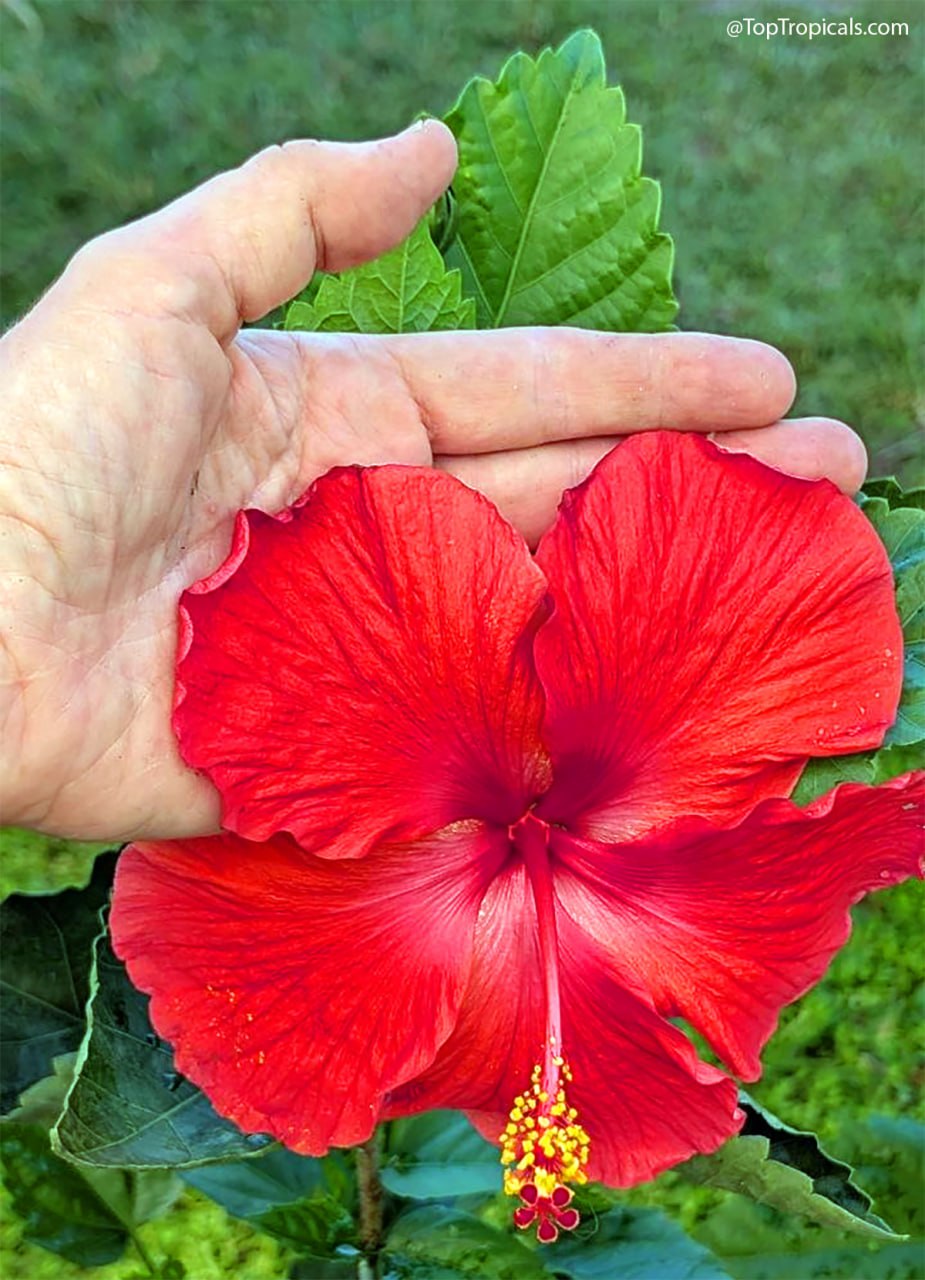
The flowers were enormous - literally the size of a hand. Bold, brilliant red. Impossible to ignore. It made such an impression that it became the very first tropical plant I ever bought from a nursery on Oahu.

Fast forward nearly three decades, and President Red surprised me again.

During Florida's historic February 2026 freeze, temperatures at our farm dropped to 25F for two nights, followed by nearly two weeks of unusually cold weather with temperatures lingering in the 40s. Many tropical hibiscus varieties were killed back to the ground. Some eventually returned from the roots, but looked rough for months.

President Red? It didn't blink an eye. No dieback. No visible damage. As soon as spring sunshine returned, it was growing and flowering as if nothing had happened.

I wouldn't call any tropical hibiscus "cold hardy," but President Red is clearly tougher than most. If you garden in a subtropical area where winter surprises occasionally happen, this variety has earned my respect.

And those giant, hand-sized red flowers are just as spectacular today as they were when I first saw them in Hawaii all those years ago.
👉 More...


Exciting Tropical Hibiscus varieties:
☄️ Hibiscus President Red - Giant Red Tropical Hibiscus
☄️ Hibiscus Apricot Brandy - Double Rose of Sharon
☄️ Hibiscus Double Red - Double Rose of Sharon
☄️ Hibiscus El Capitolio Tequila Sunrise
☄️ Hibiscus El Capitolio Bloody Mary
☄️ Hibiscus schizopetalus, Coral Hibiscus

🛒 Explore Hibiscus species and varieties

📚 Learn more:

Hibiscus Plant Facts

Botanical name: Hibiscus rosa-sinensis
Also known as: Hibiscus, Chinese Rose, Japanese Rose, Tropical Hibiscus, Shoe Flower
USDA Zone: 9 - 11
Highligths Large shrub 5-10 ft tallSemi-shadeFull sunKeep soil moistYellow, orange flowersRed, crimson, vinous flowersBlue, lavender, purple flowersWhite, off-white flowersPink flowersPlant attracts butterflies, hummingbirdsSeaside, salt tolerant plant
Get personalized tips for your region

· Hibiscus in Plant Encyclopedia
· Many faces of hibiscus
· Much more than fancy flowers: discover the many faces of hibiscus
· Tequila Sunrise Hibiscus breaks the rules
· Hibiscus El Capitolio Bloody Mary
· How to get rid of pests on Hibiscus?
· Skeleton Hibiscus with "crazy petals" - flower will blow your mind
· How to make your Hibiscus plants thrive and bloom
· How hibiscus plant acts like a chameleon
· Why this Hibiscus is changing color?
· You need this Cotton Candy
· The Tips of Hibiscus Flowers

#Hedges_with_benefits

🟢 Join 👉 TopTropicals

Date: 15 Jun 2026

Pitaya Tricia: dragon fruit beyond pink and white - A Collectors Guide

Pitaya Tricia dragon fruit

Pitaya Tricia dragon fruit

🍉 Pitaya Tricia: dragon fruit beyond pink and white - A Collector's Guide


Some dragon fruit varieties are known for their flavor. Others are prized for their appearance. Tricia manages to stand out for both.
Developed by California dragon fruit breeder Edgar Valdivia and named after one of his daughters, Tricia is a unique hybrid between Hylocereus polyrhizus and Hylocereus ocamponis. It combines striking ornamental qualities with excellent fruit and has become a favorite among serious dragon fruit collectors.


🔸 A plant that looks different from the start


Even before it flowers or fruits, Tricia catches attention.

The vigorous plant produces long, thick, three-sided stems with a distinctive grayish-green color. This natural gray coating helps protect the stems from intense summer sun and winter cold, giving the plant a rugged appearance unlike most dragon fruits.

The stems are heavily armed with large spines, a reminder of its wild ancestry.

🔸 Some of the most impressive flowers in the dragon fruit world


When Tricia reaches maturity, it produces spectacular summer blooms that can reach an astonishing 15 inches across.

The flowers are not only huge but also brightly colored and highly ornamental. From flower bud to bloom takes about 30 days, followed by another 30 days from flower to ripe fruit.

For many growers, the flowers alone make Tricia worth growing.

🔸 Large fruit with sweet magenta flesh

Once pollinated, Tricia produces attractive egg-shaped fruit averaging about one pound each. The fruit have numerous small fins that give them a distinctive appearance.

Inside is rich red flesh with a flavor that sets it apart from many dragon fruits. The fruit is sweet and flavorful, with little to no acidic aftertaste. The result is a smooth, pleasant flavor that many growers find easy to enjoy fresh out of hand.

🔸 A variety for collectors


Unlike self-fertile varieties, Tricia requires pollen from another dragon fruit variety and usually benefits from hand pollination. While this adds an extra step for growers, the reward is a unique plant with extraordinary flowers, unusual stems, and delicious fruit.

For collectors looking beyond ordinary dragon fruit varieties, Tricia offers something special at every stage of growth - from its distinctive gray stems to its giant blooms and sweet magenta-fleshed fruit. 👉 More...

🛒 Explore and collect Dragon Fruit varieties

📚 Learn more:

Pitaya Plant Facts

Botanical name: Hylocereus sp.
Also known as: Pitaya, Pitahaya, Dragon Fruit, Strawberry Pear
USDA Zone: 9 - 11
Highligths Large shrub 5-10 ft tallVine or creeper plantSemi-shadeFull sunWatering: Moderate. Water when top soil feels dryWhite, off-white flowersThorny or spinyEdible plantSubtropical plant. Mature plant cold hardy at least to 30s F for a short timeSeaside, salt tolerant plant
Get personalized tips for your region

· Dragon fruit Hylocereus in Plant Encyclopedia
· Pitaya "Sweet Red": dragon fruit beyond pink and white
· Pitaya Purple Haze: dragon fruit beyond pink and white
· Pitaya Hana: dragon fruit beyond pink and white
· Pitaya Eureka Red: dragon fruit beyond pink and white
· Pitaya David Bowie: Dragon Fruit Beyond Pink and White
· A Quick Guide to Dragon fruit varieties: Red, White, Yellow, Purple and more...
· What is the best Dragon fruit with red flesh?
· Planting your own Dragon Fruit plantation
· Do-It-Yourself Support Structure for Dragon Fruit
· Why you need to grow your own dragon fruit
· Do red, white and yellow Dragon fruit taste differently?

#Food_Forest #Dragon_Fruit #Discover

🟢 Join 👉 TopTropicals
Date: 13 Jun 2026

Why June Is the Most Important Month for Potted Tropical Plants

Cats Smokey and Sunshine planting tropical plants

Cats Smokey and Sunshine planting tropical plants

Why June Is the Most Important Month for Potted Tropical Plants


For many tropical plants, June is the start of peak growing season. Days are longer, temperatures are warmer, and plants that spent winter indoors or in a greenhouse are suddenly growing at full speed.
A few simple tasks now can mean stronger growth, more flowers, and better fruit later in the season.


Smokey: Sunshine, why are you mixing fertilizer with coffee and donut crumbs?
Sunshine: I'm testing a new growth formula.
Smokey: Based on what research?
Sunshine: Based on a highly controlled breakfast study. I call it Hibiscus Turbo Boost Deluxe.


✅ 1. Repot Before Plants Become Root-Bound


·  If roots are circling the pot, growing through drainage holes, or the soil dries out unusually fast, it's time to move up one pot size.
·  Fresh potting mix provides new space, better drainage, and access to nutrients that older soil may no longer contain. Use professional soilless mix Abundance for best results.
·  Don't jump from a small pot to an oversized container. One size larger is usually enough.

✅ 2. Feed Hungry Summer Growth


· Tropical plants are no longer resting. They are actively producing roots, leaves, flowers, and fruit.
· June is the perfect time to begin regular feeding.
· A balanced fertilizer program helps support strong growth, while products such as Green Magic and Sunshine Boosters provide additional nutrients that fast-growing tropicals can quickly use during summer.
· A well-fed plant grows faster, recovers from stress better, and flowers more heavily.

✅ 3. Acclimate Plants to Full Sun


One of the most common mistakes is moving a plant directly from indoors or a greenhouse into full summer sun. Leaves that developed in shade can burn within hours.
Start with bright shade or morning sun, then gradually increase exposure over one to two weeks. Even sun-loving plants benefit from a transition period.

✅ 4. Prune for Shape and Strength


June is an excellent time to remove weak, damaged, or overly long branches.
Light pruning encourages branching and creates a fuller, stronger plant.
For fruit trees, selective trimming can also help maintain a manageable size for container growing.

✅ 5. Check for Pests Before They Multiply


·  Warm weather brings rapid plant growth - and rapid pest growth.
·  Inspect new leaves, stems, and undersides of foliage for aphids, scale, spider mites, mealybugs, and whiteflies.
·  Treat problems early before populations explode during the heat of summer. We recommend Sunshine NoBug all-natural pesticide.

✅ 6. Add Stakes, Trellises, and Supports


·  Many tropical plants can double or triple their size during summer.
·  Climbing plants, vanilla orchids, passion fruit, dragon fruit, mandevilla, and many vining species appreciate support before they become tangled.
·  Installing stakes or trellises now is much easier than trying to do it later.

✅ 7. Water for Active Growth


·  A tropical plant that needed water once a week in spring may need it every day during summer.
·  Higher temperatures mean faster growth, greater water use, and more nutrient uptake.
·  Check containers frequently, especially during hot or windy weather. Water thoroughly and allow excess water to drain away.

✅ 8. Refresh Mulch and Clean Up Pots


·  Remove weeds, old leaves, and debris from containers.
·  A thin layer of mulch helps moderate soil temperatures and slows moisture loss during the hottest months.
·  Clean pots also reduce hiding places for pests and disease.

✅ The Bottom Line


June is when potted tropical plants shift into high gear. Repot if needed, fertilize regularly, inspect for pests, provide support, and keep up with watering. A little attention now often produces the biggest growth, best blooms, and heaviest fruiting of the entire year.

🛒
Get fresh soilless mix and real food for your plants

📚
Learn more:
Sunshine Boosters: Complete Plant Nutrition System
Why young trees need staking?
The SECRET growers never tell you: simple trick how to bring plants back to life and keep green 
How to re-pot a plant properly?

#Discover #How_to #Smokey_Sunshine

🟢 Join 👉 TopTropicals