Date: 15 Jul 2025
🌱 Bigger Trees, Bigger Benefits
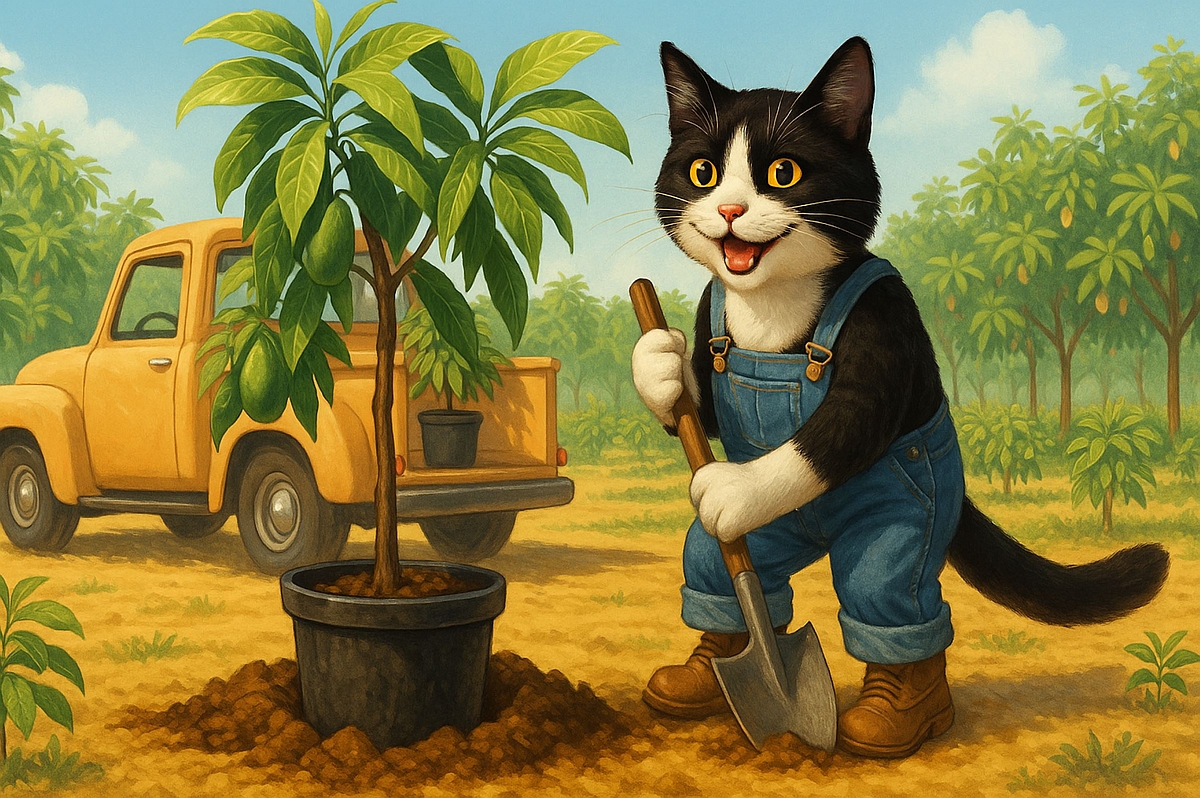
Why Choose a 15 or 25-Gal Tree?
These are not starter trees — they’re mature, fruiting specimens that give you a head start in your garden or orchard. You’ll enjoy faster harvests, fuller canopies, and a more immediate impact on your landscape.
Top Reasons to Choose a Bigger Tree:
- Already fruiting – enjoy your own mangos or avocados right away
- Pre-trained and shaped for strong structure and balanced growth
- Instant results in the yard – no years of waiting
- Thicker trunks and stronger roots make transplanting easier
We make it easy for Florida gardeners:
- Pickup available at two South Florida locations
- Local delivery and installation services offered – just ask!
Read More Garden Tips
Date: 24 Jun 2018

Date: 24 Jun 2018
Spring is coming, plants need food! Time to fertilize...
Last winter was long and snowy in the most part of our
country. Hold on fellow gardeners up North, it is almost
over!
Here in Florida we have been blessed again with a mild
winter without serious cold snaps. Early Spring that is
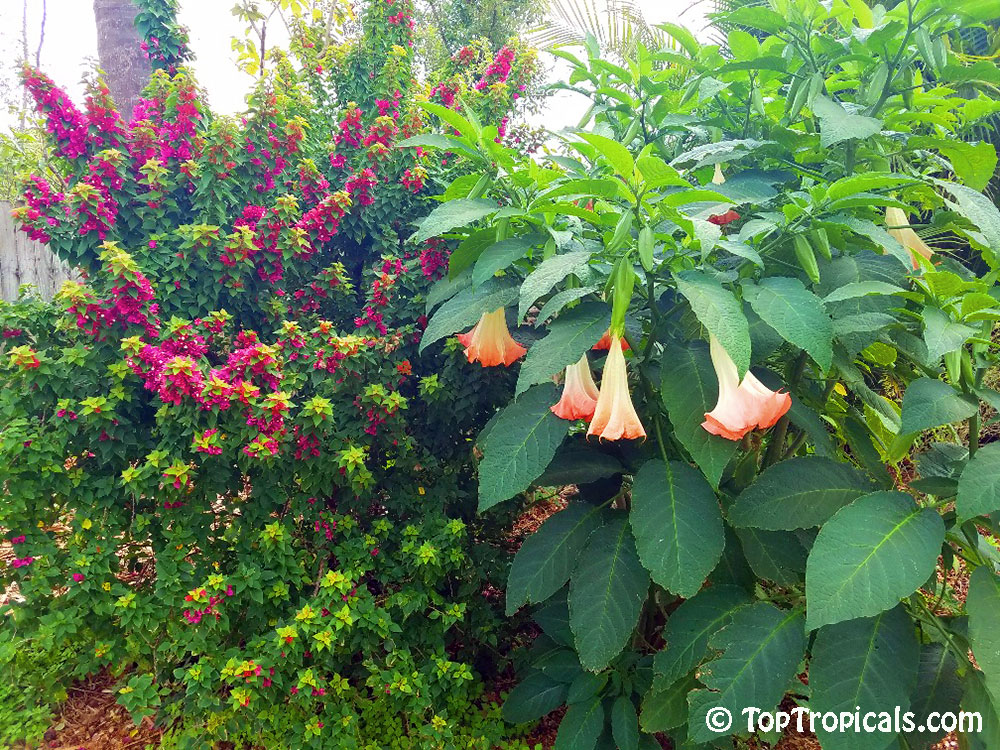
already in the air. Look at this picture of flowers in our
front yard now.
If the weather is already warm in your area (low
temperatures above 55), it is time to start fertilizing.
We are sending our love and support to tropical Puerto
Rico suffered from hurricane last year, and will be happy
to help you guys to restore your lost gardens!
CHECK LIST
what
to do to give your garden a good kick start:
1. Slow release granulated food. Apply Slow Release Fertilizer and
continue once a month. 1 tsp per gallon of pot, or a
handful for in-ground plants. This will provide essential
macro elements (NPK) required for a plant growth.
2. Water soluble micro-elements. Besides
macro-elements, plants need many other elements that most
of the time missing in soil. A lack of micro-elements
causes different deficiencies, resulting in weak root
systems, slow growth, deformed leaves, leaves yellowing,
lack or no flowers/fruit. Apply these supplements as a
foliar spray once a month to induce healthy growth and
flower/fruit development. We recommend the following
micro-element products to keep your plants healthy and
vigorous year round:
a) SUNSHINE SuperFood - plant
health booster. This revolutionary new liquid complex
contains ALL microelements needed and can fix all possible
problems occuring to your tropical plants - from roots to
flowers and fruit. We have convenient dropper bottles of 5 ml for small plant
collections, 50 ml for larger gardens, and
100 ml for professional
landscape applications.
b) SUNSHINE-Micro - Microelement
booster - for common iron deficiency (pale leaves)
c) SUNSHINE-Super-Iron -
Microelement booster - for severe iron deficiency
(severe yellowing leaves)
3. SUNSHINE plant boosters -
SUNSHINE-E, -BC (caudex plants and bonsai), -H (house
plants). Apply these natural plant stimulants to
help plants recover from cold, dormancy, increase plant's
metabolism and make a plant more readily absorb both
Macro- and Micro-elements. SUNSHINE boosters also will
help plants grow vigorously, withstand Summer heat and
drought, and produce bigger and better flowers and fruit.
4. Kickstart a sweeter fruit. To get a better and
sweeter crop in Summer and Fall, you need to start first
application now. SUNSHINE Honey - is natural,
Amber-colored, honey-like liquid microelement product for
fruiting and edible plants that will make them sweeter,
tastier and more flavorful! Very effective for tropical
fruits, tubers, vegetables. Great for tropical fruit
trees: Mango, June Plum, Annonas, Tropical Cherries,
Carambola, Citrus; subtropical fruit trees: Peaches,
Apricots, Loquat and berry plants (blackberry, mulberry,
etc.)
5. SUNSHINE-S. Don't
forget to plant seeds! It's a perfect timing
now to start your tropical garden indoors even if it is
still cold outside. Soak them in SUNSHINE-S solution to
increase germination rate.
See full list of SUNSHINE boosters
Date: 24 Jun 2018

Cleanest fruit?
"Dirty" fruit: According to the Environmental Working Group research, Strawberries are top the list of the 12 "dirtiest" fruits and vegetables grown commercially. Spinach is the second, followed by (in order of contamination) nectarines, apples, grapes, peaches, cherries, pears, tomatoes, celery, potatoes and sweet bell peppers. Each of these foods tested positive for pesticide residues and contained higher concentrations of pesticides than other produce. This causes of course chronic health implications. Children are of special concern as younger bodies have greater susceptibility to pesticides than adult bodies, the report emphasizes. Pesticides may induce chronic health complications in children, including neuro- and behavioral problems, birth defects, allergies, asthma, and even cancer...
"Clean
15": Avocados lead 2018's clean fruits and
veggies list, that also includes: mangoes, papayas, pineapples, kiwi, sweet corn, cabbage,
onions, frozen sweet peas, asparagus, eggplant, honeydew
melon, cantaloupe, cauliflower and broccoli.
Obviously, home grown fruit and vegetables are even
better. Such fruit as Custard Apples, Sapodilla, Sapote, Jackfruit, Dragon Fruit, Passion Fruit and other rare
varieties of tropical fruit, are even better for you
because they are not grown commercially, and the choice
from your own organic garden is the healthiest for
yourself and your family!
Plant them today and get your cleanest fruit tomorrow!
Check out all tropical fruit trees and all tropical spice plants
Date: 26 Oct 2025
Plant a fruit tree - and breathe easier: fruit might be the surprising key to healthier lungs

🍒 Plant a fruit tree - and breathe easier: fruit might be the surprising key to healthier lungs
🥭 Fresh fruit doesn’t just taste good - it can literally help you breathe better!
🥭 A new study presented at the European Respiratory Society Congress found that women who ate at least four portions of fruit a day had slower declines in lung function compared to those who ate less. Researchers believe antioxidants in fruit may help protect the lungs from the damaging effects of air pollution.
🥭 Air pollution is everywhere, and more than 90% of people worldwide are exposed to levels above safe limits. But the good news is, your diet can make a difference. Fruits are packed with antioxidants and anti-inflammatory compounds that help your body fight off the oxidative stress caused by tiny airborne particles.
🥭 The study showed that women who ate plenty of fruit had stronger lungs despite being exposed to fine particulate pollution (PM2.5) from cars and industry. The difference wasn’t small either - their lung capacity dropped significantly less over time than in those with low fruit intake.
🥭 So planting fruit trees isn’t just about homegrown flavor or saving a trip to the store. It’s about protecting your health in a polluted world. Whether it’s mangoes, avocados, guavas, or starfruit, every harvest brings you cleaner nutrition and a cleaner breath of life.
🛒 Grow fruit - grow your health
📚 Learn more:
- 11 tropical fruits to eat instead of taking a fiber supplement
- Tropical fruit health benefits guide - what fruit and edibles can help with health issues and vitamin deficiencies, Part 1 and Part 2.
- Five best fruit trees to plant in Summer
- 10 best fruit trees to grow in Florida and Southern landscapes
- Top 10 fruiting plants you'll ever need for your health benefits
#Food_Forest #Remedies #Discover
🟢 Join 👉 TopTropicals