The Secret to a Sharper Mind Might Be Growing in Your Backyard
Harvesting tropical fruits
The Secret to a Sharper Mind Might Be Growing in Your Backyard
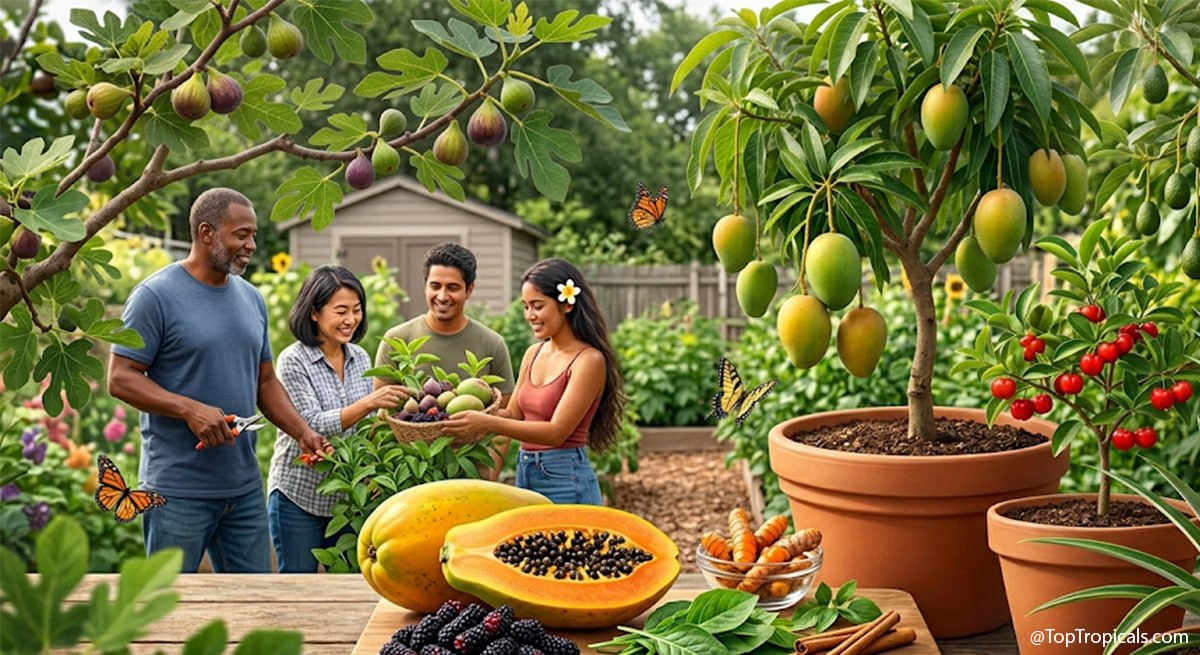
Your garden shed might hold a more powerful tool for brain health than your medicine cabinet. What if the best defense against cognitive decline isn’t found in a pill bottle - but right outside your door? While we often think of gardening as just a hobby, new research suggests that the combination of physical "zone-pushing" and harvesting your own nutrient-dense tropical fruit could be a literal life-saver for your brain.
🍒 What the Research Actually Says
A massive study recently published in the journal Neurology followed more than 92,000 people to see how diet impacts the mind. The findings were clear: the quality of the plant-based foods you eat plays a massive role in your risk of dementia. It isn't just about "eating your veggies" - it's about which ones you choose.
(The full study: Plant-Based Dietary Patterns and Risk of Alzheimer Disease and Related Dementias in the Multiethnic Cohort Study)
🍒 Why Growing Your Own Fruit Changes the Game
If you grow your own fruit, you quietly solve two problems at once. It turns a "diet plan" into a natural part of your day.
1. Effortless Nutrition
When a ripe mango, a handful of mulberries, or a fresh guava is hanging within arm's reach, you eat it. It replaces processed, sugary snacks without any "willpower" required. You are naturally moving toward the high-quality, whole-food diet the research supports.
Mango Plant Facts
Botanical name: Mangifera indica Also known as: Mango
USDA Zone: 9 - 11
Highligths
2. Functional Fitness
Gardening doesn't feel like a workout, but it is. Bending, pruning, carrying pots, and digging are all forms of functional movement. It’s steady, useful physical activity that supports your heart and brain while you’re focused on your plants.
3. The "Outdoor" Effect
Sunlight and fresh air are natural mood boosters. The mental focus required to manage tropical plants - especially when you’re protecting them from a surprise freeze - provides a level of mental engagement and stress relief that you just can't get from a treadmill.
🍒 What to plant if you are just starting
You don’t need a massive orchard to start investing in your brain health. One or two plants can shift your habits immediately.
Botanical name: Carica papaya Also known as: Papaya
USDA Zone: 9 - 11
Highligths
For Small Spaces:Dwarf Mango varieties and Cherries (Eugenias or Acerola), Pineapples thrive in containers and provide massive doses of antioxidants.
Pineapple Plant Facts
Botanical name: Ananas comosus Also known as: Pineapple, Pina
USDA Zone: 9 - 11
Highligths
For the "Zone Pusher":Figs and cold-hardy Avocados offer healthy fats and fiber that are essential for long-term health.
Fig Tree Plant Facts
Botanical name: Ficus carica Also known as: Fig Tree, Brevo
USDA Zone: 7 - 10
Highligths
Avocado Plant Facts
Botanical name: Persea americana, Persea gratissima Also known as: Avocado, Alligator Pear, Aguacate, Abacate
USDA Zone: 9 - 11
Highligths
🍒 Start Small, Start Now
The research makes one thing clear: improving your food quality matters, and you can see results no matter your age. Planting a fruit tree changes what you eat, how you move, and how often you step outside.
That’s more than just gardening - that’s a lifestyle shift your brain will thank you for.
🍒 FAQ
Does fruit really support brain health?
Yes. Diets rich in whole, high-quality plant foods are linked to a lower risk of dementia, especially when they replace processed snacks and added sugars.
Is gardening enough to count as exercise?
Absolutely. Regular gardening provides steady, functional movement that improves circulation and supports overall physical health.
Is it too late for me to start?
No. The study showed that even participants who improved their diet quality in their 60s and 70s saw a measurable reduction in dementia risk.
Avocado Fantastic: the hidden world beyond green and black
Avocado Fantastic fruit
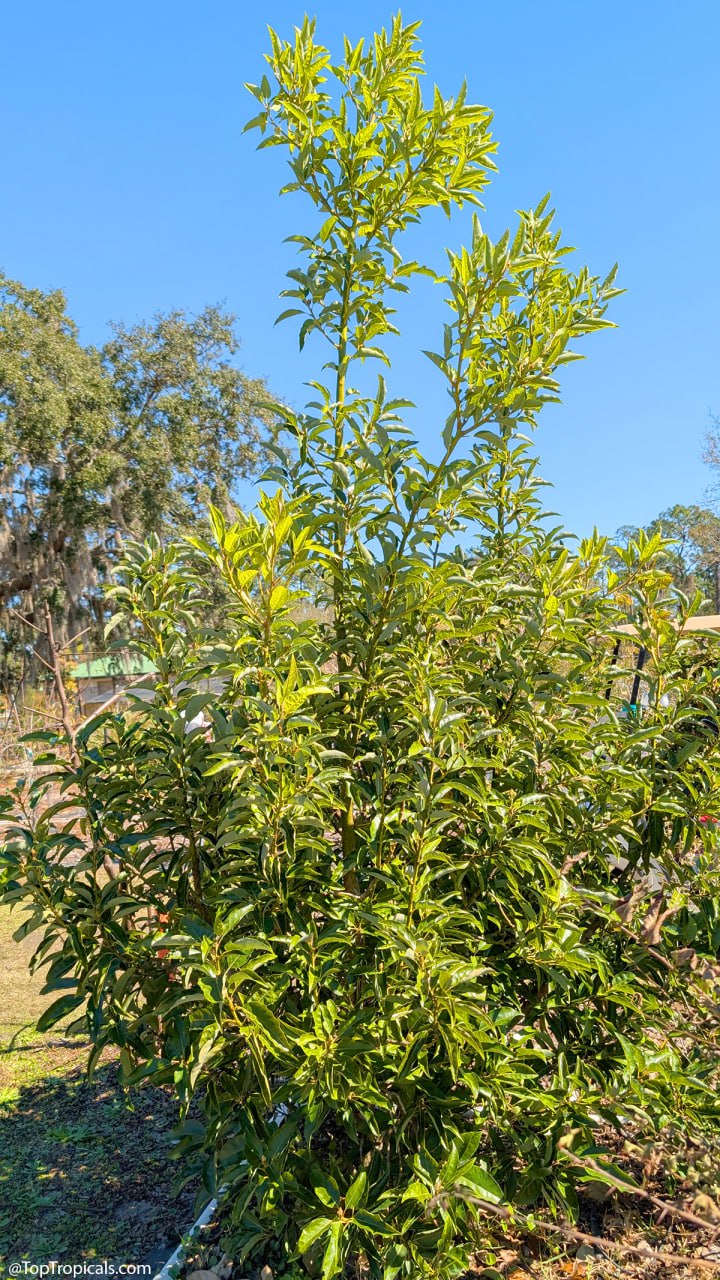
Avocado Fantastic tree
Avocado Fantastic: the hidden world beyond green and black
Most people think avocados come in two colors - green and black. Maybe they've heard of Hass. But the hidden world of avocados is far more diverse, filled with giant fruits, unusual shapes, red-skinned varieties, and even trees that can handle surprising cold.
One of the most remarkable is Fantastic.
💚 The avocado that wasn't supposed to survive
Avocados are often considered tropical and tender. Fantastic challenges that idea. This unusual variety gained a following in Texas, where it reportedly survived temperatures near 10F around San Antonio. Mature trees can tolerate temperatures around 15F for short periods, making it one of the most cold-hardy avocados available.
For gardeners in cooler regions, Fantastic has become something of a legend - proof that growing avocados is not limited to the tropics.
💚 A survivor of Florida's historic freeze
During Florida's historic February 2026 freeze, temperatures at our Sebring nursery dropped to 25F with several nights of prolonged freezing. While many tropical plants suffered damage, Fantastic came through without noticeable injury - remarkable performance for a tropical fruit tree.
💚 More than just a tough tree
Fantastic would not be worth growing if cold hardiness were its only claim to fame. Fortunately, it also produces excellent fruit.
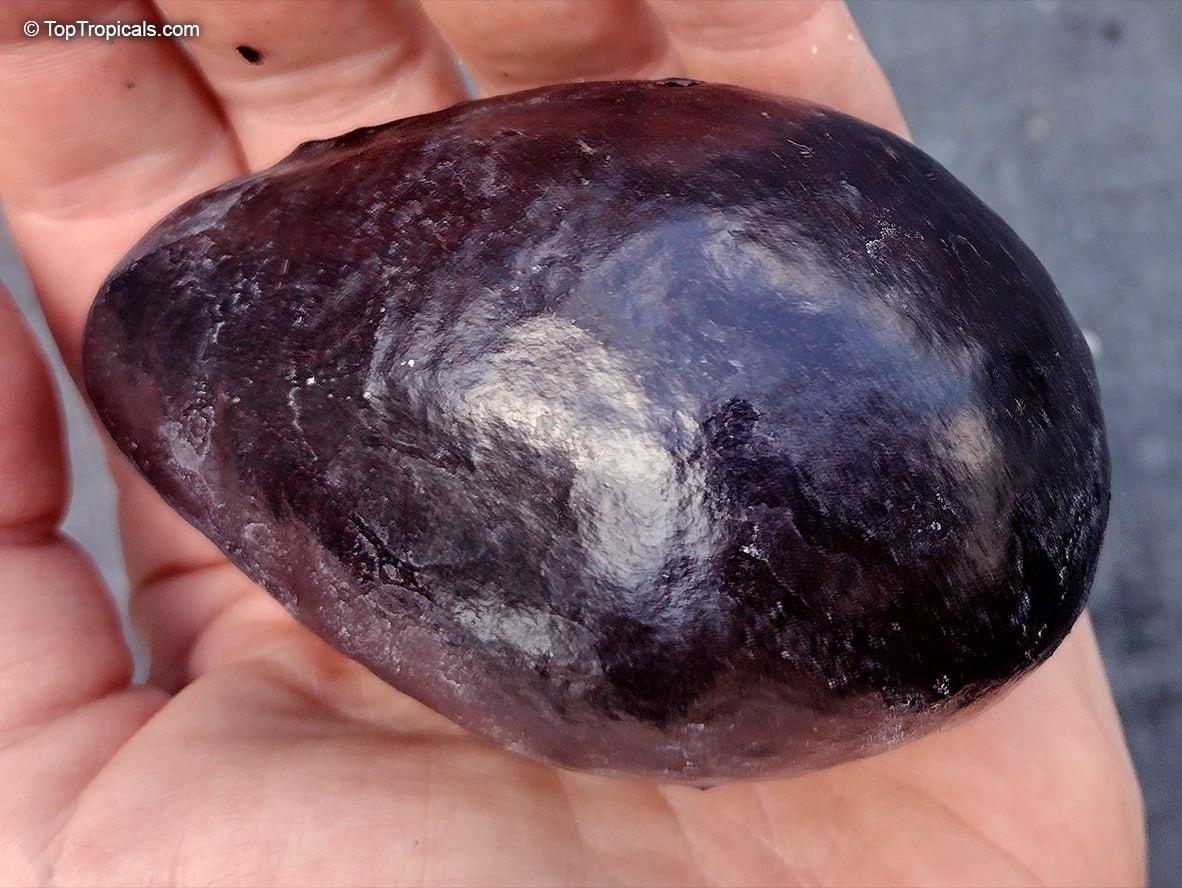
The avocados are relatively small, typically weighing 6 to 8 ounces, with very thin green skin that darkens as the fruit matures. Inside is smooth, creamy flesh with a rich, buttery texture and pleasant nutty flavor.
The skin is so thin that many people simply cut the fruit in half and scoop it out with a spoon, or even it it with the skin. This is the kind of avocado often enjoyed fresh rather than turned into guacamole.
💚 A handsome, manageable tree
Fantastic is a Mexican-type avocado, and it shows many of the characteristics that make this race so appealing.
The tree has an attractive upright growth habit and tends to remain more compact than many large Florida avocado varieties. Rather than becoming an enormous shade tree, it often develops into a narrower, more manageable specimen that fits comfortably into a home landscape.
The foliage is elegant and refined, giving the tree a lighter appearance than many broad-leaved avocados. Like other Mexican-type varieties, the leaves release a pleasant anise-like fragrance when crushed - a surprising feature that many gardeners discover by accident.
💚 Why Fantastic deserves more attention
Many avocado collectors spend years searching for unusual varieties. Some are chasing flavor. Others want larger fruit or longer harvest seasons.
Fantastic offers something different: confidence.
It gives gardeners in cooler climates a chance to grow a fruit that many people assume is impossible outside the tropics. Even in warmer regions, its remarkable cold tolerance provides peace of mind when winter weather turns unpredictable.
In a world where most shoppers only see green avocados and black avocados at the grocery store, Fantastic is a reminder that the hidden world of avocados is far richer, more diverse, and far more interesting than most people realize.
And for many growers, that discovery is simply Fantastic. 👉 More
🔮 When the World Around Becomes Too
Gray: Plant a Tree. Eat a Donut. Keep going.
Sunshine: Smokey, what do we do when the world around
becomes too gray? Smokey: Plant a tree. Sunshine: And if that does not help? Smokey: Plant another one. Sunshine: And eat a donut. Smokey: Not strictly necessary, but statistically
beneficial.
If you have been feeling a little worn down lately, you are not
alone.
You already know about the headlines. We do not need to list them. You
have probably seen them today before breakfast.
We are not here to pretend that is not happening. It is happening. And
it is a lot.
But here is the thing we keep coming back to, the thing that has been true
for as long as people have had hands and a patch of ground: when the world
feels out of control, you can still plant something.
Gardening is not an escape. It is an answer. When you put a tree in the
ground, you are making a quiet statement. You are saying that you expect
there to be a future. That you intend to be in it. That shade and fruit and
flowers still matter, and you are going to make sure they exist in your
corner of
the world.
That is not naive. That is courageous in the most ordinary and
underrated way.
One tree, planted this season, might give you fruit in a few years. It
might give butterflies somewhere to stop. It might give a bird a place to
nest. It will almost certainly give you something to look at on a hard day
that
reminds you the world still contains beauty, and that you put some of it
there.
And if one tree does not quite do it? Plant another one.
Dostoevsky said beauty will save the world. We think a mango fruiting in
your backyard counts. So does a Magnolia opening on a quiet morning.
Do not skip the donut.
A donut is a small, simple, completely unnecessary thing. That is
exactly the point. It is not productive. It does not solve anything. It is
just
good, and sometimes that is the whole reason. In a world that constantly
demands
you be useful and informed and concerned, eating a donut is a quiet act of
being human. You are allowed to enjoy a small thing on a hard day. You do
not
have to earn it.
Rest a little. Then go put something in the ground. Anything that will
grow and flower and remind you that beautiful things are still happening
whether the headlines mention them or not.
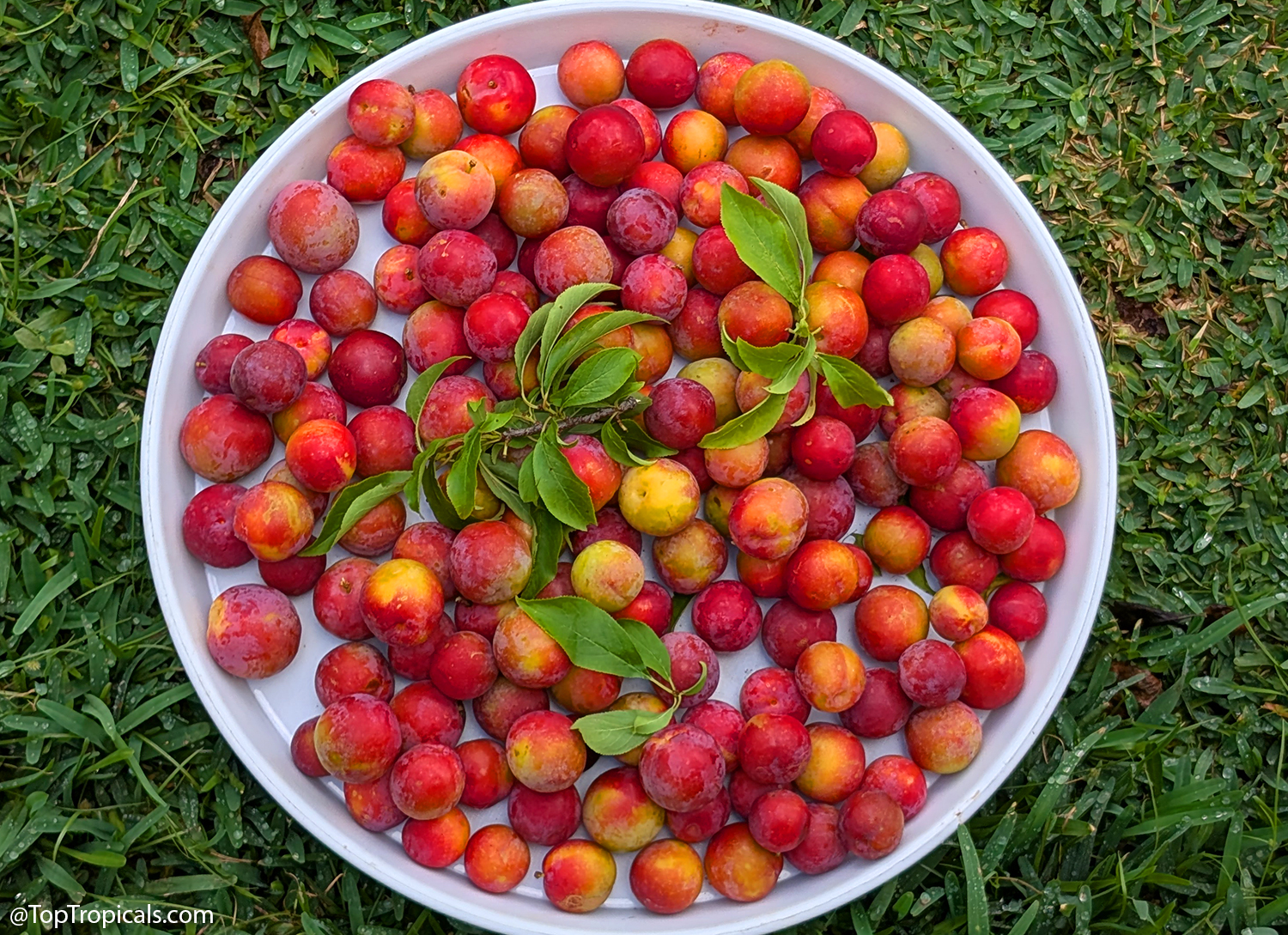
We just finished harvesting loquats
and mulberries,
and now another wave is coming in - low chill plums,
peaches, and nectarines fresh from the garden. This is one of
the most rewarding times of the year, when every season brings the fruit of
your labor and all that work finally turns into something sweet.
Avocado Brogdon: the hidden world beyond green and black
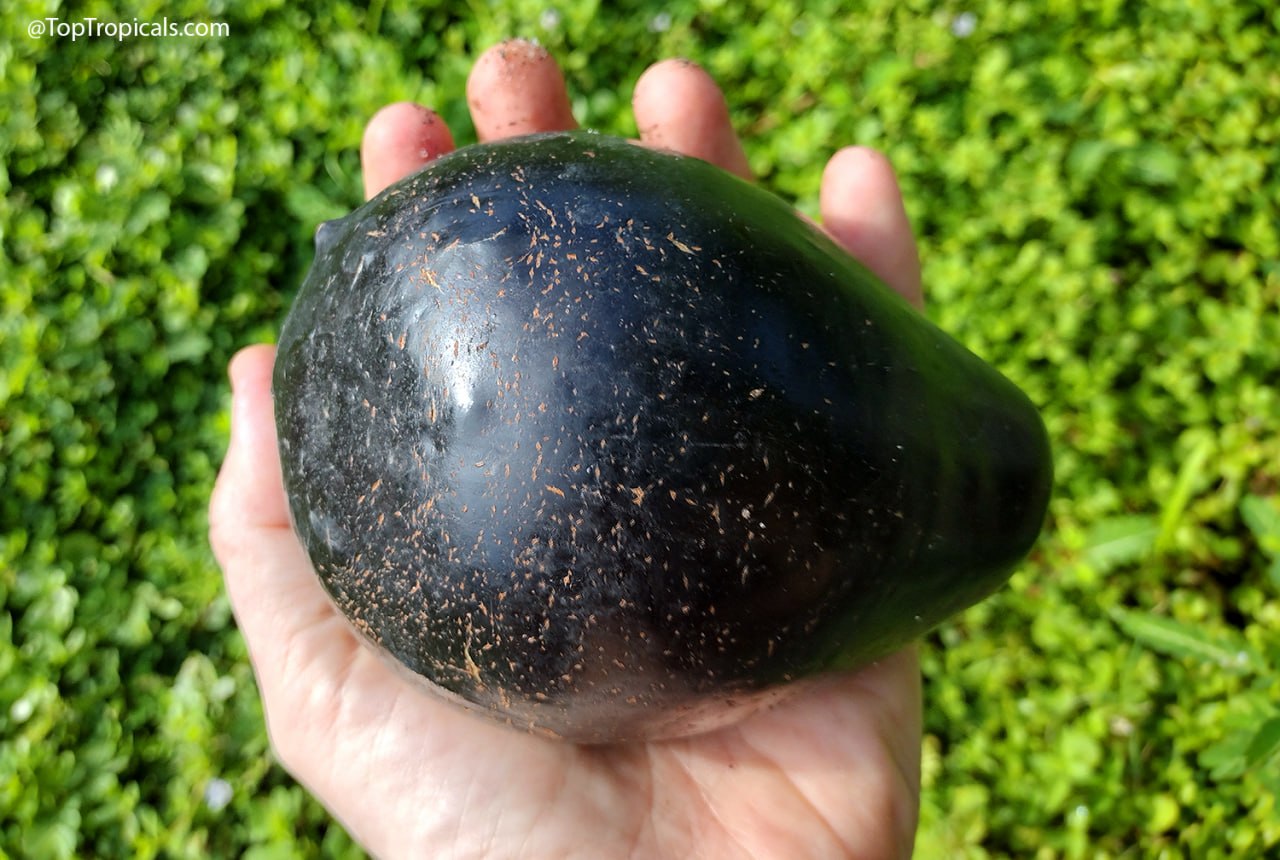
Avocado Brogdon fruit
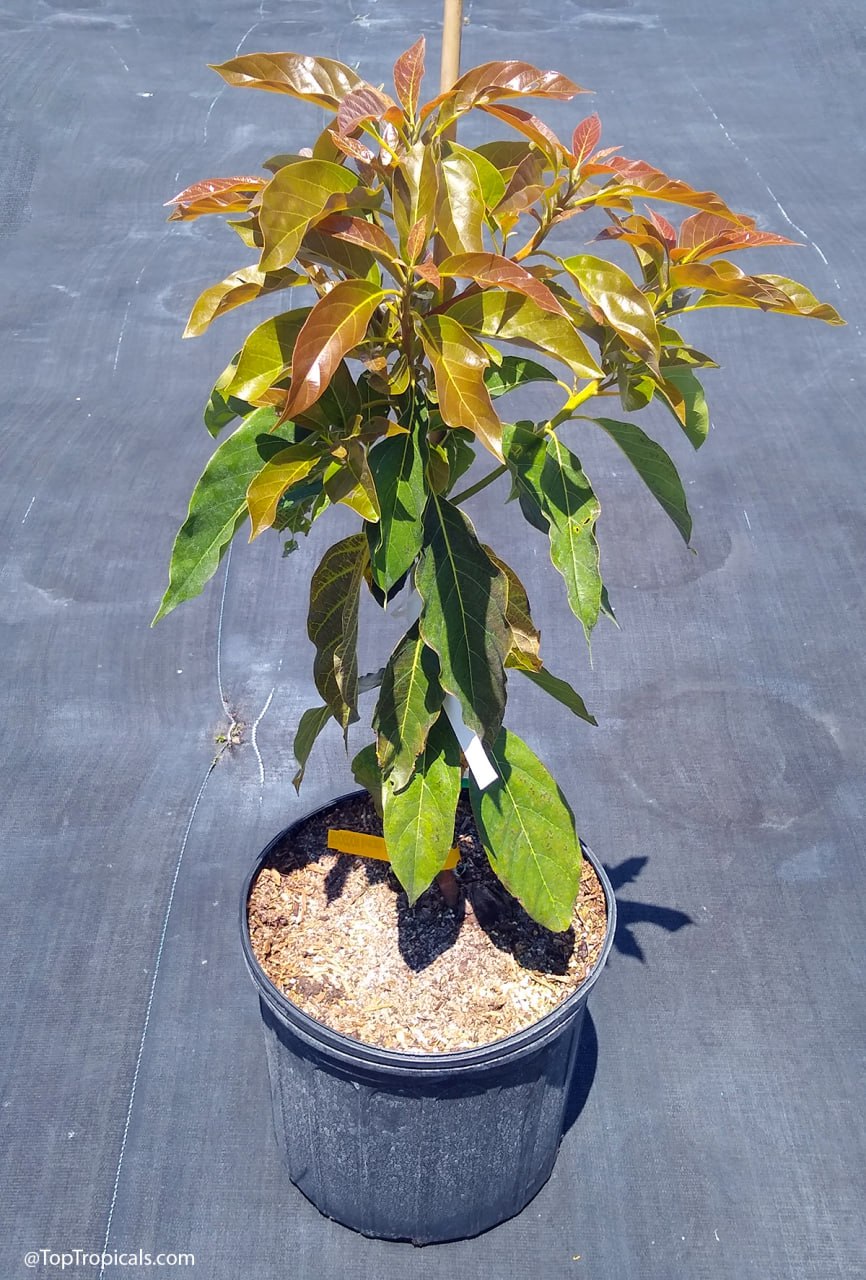
Avocado Brogdon in a pot
Avocado Brogdon: the hidden world beyond green and black
Brogdon is one of Florida's most popular cold-hardy avocados. The fruit develops attractive purple-black skin and contains exceptionally rich, buttery flesh with a high oil content. The tree is vigorous, productive, and capable of tolerating temperatures around 20°F, making it a favorite for gardeners who want excellent flavor without sacrificing cold tolerance.
· Botanical name: Persea americana 'Brogdon' · Origin: Mexican hybrid (Florida selection) · Cold hardiness: Tolerates temperatures around 20°F and is considered one of the most cold-hardy avocados for Florida · USDA zones: 9a-11 · Flower type: B · Tree size: Approximately 30 ft x 20 ft · Growth habit: Vigorous, upright, and productive with a dense canopy · Foliage: Glossy green leaves with the characteristic fragrance of Mexican-type avocados when crushed · Fruit size: 7-20 oz · Fruit shape: Pear-shaped · Fruit color: Purple-black when ripe · Skin: Thin, smooth, and easy to peel · Flesh: Deep yellow, creamy, buttery, and high in oil · Flavor: Rich, nutty, and often considered among the best-tasting cold-hardy avocados · Season: September-October · Best use: Fresh eating, slicing, guacamole, and gourmet dishes · Special feature: Combines excellent cold hardiness with premium fruit quality and attractive dark skin · Why growers love it: Brogdon is often considered the avocado that proves cold-hardy varieties do not have to sacrifice flavor. Its rich buttery flesh, beautiful purple-black fruit, and dependable performance have made it one of the most popular avocados for home gardeners in the Southeast. 👉 More
💡 Avocado tip: Don't overwater
More avocado trees die from too much water than too little. Water deeply, then allow the soil to partially dry before watering again.