Garden Blog - Top Tropicals

Date: 28 Jul 2025

What is the best pineapple to grow at home

White Jade Pineapple - Eleuthera

🍍 What is the best pineapple to grow at home

  • 🍍 Pineapple plants (Ananas comosus) are easy to grow, virtually carefree plants. You you plant a few - you will always have the benefit of fresh and delicious fruit on the table, full of health benefits.
  • 🍍 White Jade Pineapple, also known as Eleuthera, is one of the most prized pineapple varieties you can grow at home - and for good reason. If you're only growing one pineapple, make it this one. And here is why:


✔️ Six reasons why you want to grow White Jade Pineapple

  • 🟡Super sweet and low acid: White Jade has tender white flesh that's ultra-sweet with almost no acidity. The flavor is smooth and rich, far better than anything you'll find in a grocery store.
  • 🟡Edible core: The core is soft, juicy, and 100% edible - no waste and no tough center.
  • 🟡Spineless leaves: Unlike most pineapples, White Jade has soft, spineless leaves, making it much easier and safer to handle.
  • 🟡Compact and container-friendly: It stays small, perfect for pots, patios, or tight garden spaces.
  • 🟡Backyard hero, not for shipping: This variety bruises easily, so it's rarely seen in stores - but perfect for home gardeners who want top-tier taste.
  • 🟡Tropical beauty + fast fruiting: With its blue-green foliage and striking fruit, it's ornamental as well as productive. Expect fruit in as little as 18-24 months with good care.

  • 🍍 Although often mistaken as a Hawaiian variety, White Jade actually originated in Eleuthera, Bahamas. It thrives in warm climates and rewards gardeners with a sweet, low-acid treat unlike any commercial pineapple. It is grown in Hawaii now, especially by backyard gardeners and small farms, because it does so well there.
  • 🍍 Make sure to feed your pineapple plants what they crave - sunshine and nutrients! Boost their growth with - SUNSHINE Ananas - Pineapple and Bromeliad Booster. This special formula gives your plants the energy they need to thrive and produce tons of sweet, juicy fruit just for you!


🛒 Plant the pineapple that grocery stores can’t sell

📚 Learn more:


#Food_Forest #Container_Garden #Discover
🟢 Join 👉 TopTropicals
Date: 24 Aug 2025

Before eating ice cream, try this fruit from a house plant

Swiss Cheese Plant - Monstera deliciosa

🍨 Before eating ice cream, try this fruit growing on a house plant!
  • 🍨 Most people know Swiss Cheese Plant - Monstera deliciosa - for its big holey leaves, but here’s the wild part: this jungle climber also makes fruit. Real fruit. And it tastes like pineapple mixed with ice cream.
  • 🍨 Have you tried Monstera fruit? Will you eat it again?
  • 🍨 This plant grows in the rainforests of Mexico and Guatemala, where young seedlings crawl toward the shade until they find a tree to climb. Yes, they grow in the direction of the darkest area, not just merely away from light. Interesting, ah?
  • 🍨 In time, it sends out a green, cone-like fruit nearly a foot long. It takes a while to ripen - about a year - and only when the scales start to lift can you peel them back and find the creamy pulp inside. Ice-cream sweet and tropical.
  • 🍨 One catch though: never eat the fruit unripe. The pulp contains oxalic acid that is generally harmless but will burn your mouth. Best trick is to let it wrinkle a little, wrap it up, and wait until the scales loosen on their own. Then it's ready.
  • 🍨 And for collectors? The Thai Constellation, with its cream-splashed leaves, is the crown jewel. Some specimens sell for thousands. Not bad for a "Swiss Cheese Plant"!


🛒 Shop Monstera plants

📚 Learn more:


How to harvest and eat Monstera Ice Cream

#Food_Forest #Container_Garden #Shade_Garden

🟢 Join 👉 TopTropicals

Date: 30 Sep 2025

Can you name all the fruits on this tray? One of them will stump you!

Papaya, Avocado, Egyptian guava and Cas guava, Barbados cherry, Peanut butter fruit

Can you name all the fruits on this tray? One of them will stump you!

  • 🥭 This morning I walked the garden and came back with a tray of fruits! That’s the joy of living in Florida with your own tropical garden: something new is always in season.
  • 🥭 On today’s tray: Papaya, Avocado, Egyptian guava and Cas guava, Barbados cherry… And this little red one? Peanut butter fruit!
  • 🥭 At Top Tropicals, you’ll find every tropical fruit tree you can imagine. What fruits are you harvesting from your garden right now?


🛒 Explore rare tropical fruit

📚 Learn more:
#Food_Forest #Discover

🟢 Join 👉 TopTropicals

Date: 13 Oct 2025

How long does it take for a mango tree to bear fruit?

How long does it take for a mango tree to bear fruit? How long does it take for a mango tree to bear fruit? How long does it take for a mango tree to bear fruit? How long does it take for a mango tree to bear fruit?
🥭 How long does it take for a mango tree to bear fruit?

  • 🥭 A Mango tree (Mangifera indica) grown from seed can take anywhere from 7 to 10 years to start fruiting, depending on conditions. Doesn’t sound too exciting, ah? Besides such a long wait, you never know how good the fruit will be – most likely it'll taste fibrous and not very sweet. Unless your cross-pollination was perfectly set between some top-notch parent cultivars, it's a gamble. Seedling results are always hit or miss.

  • 🥭 That's why you need a grafted tree – it fruits soon (in the ground or in a large container) and guarantees the quality of the fruit. There are hundreds of cultivated varieties to choose from: juicy, sweet, and flavorful. Some taste like pina colada, pineapple, or lemon meringue pie, others like peach sherbet or even guava! The mango flavor spectrum is broader than that of apples!

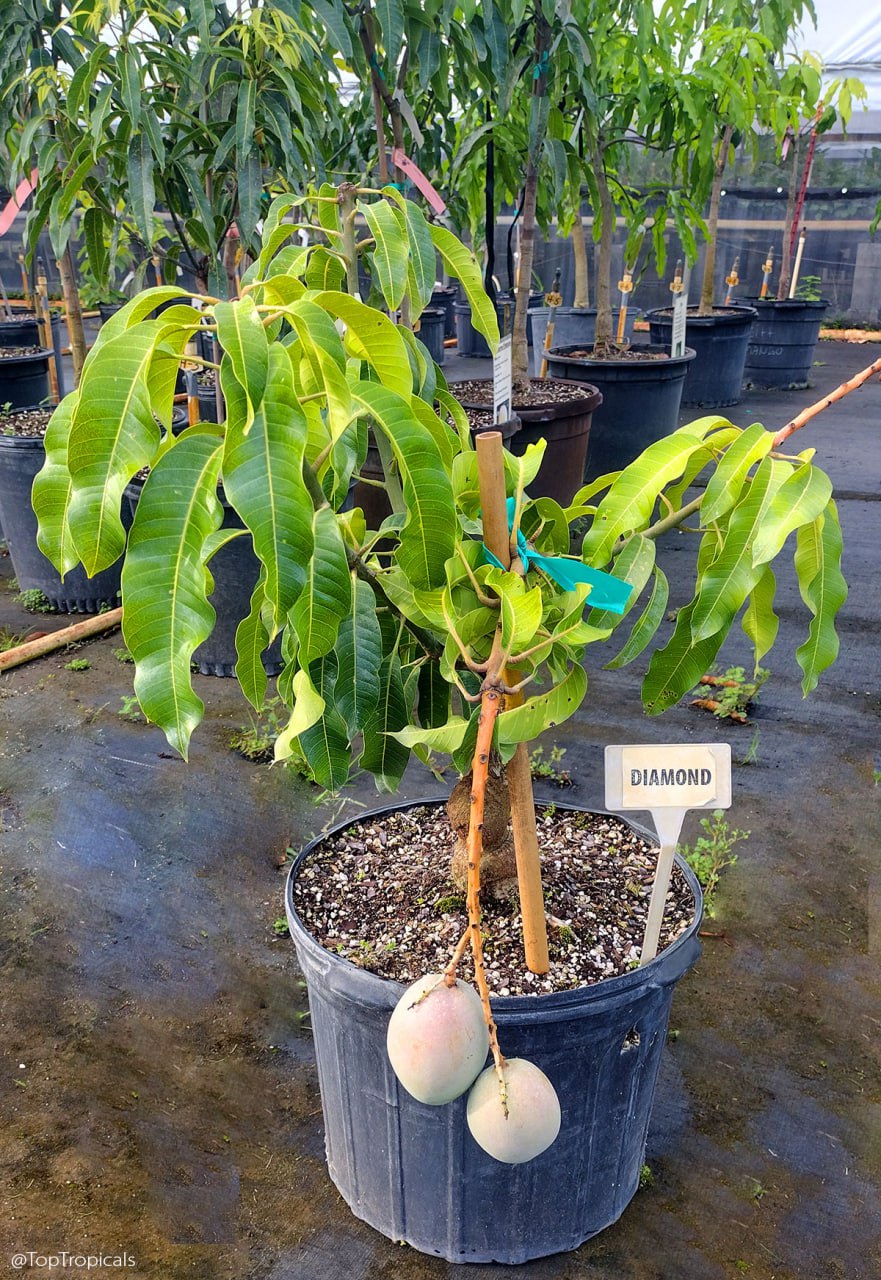
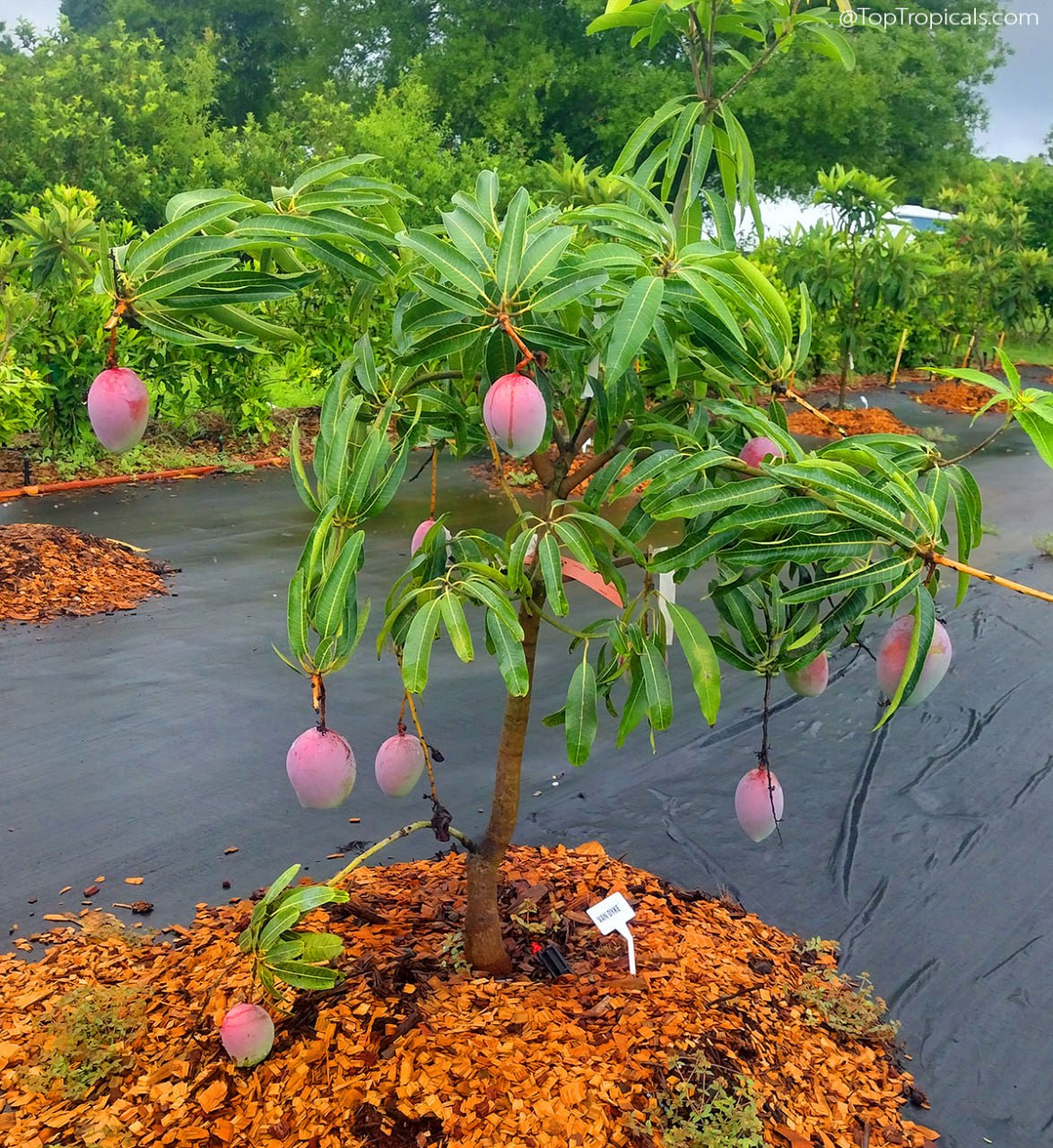
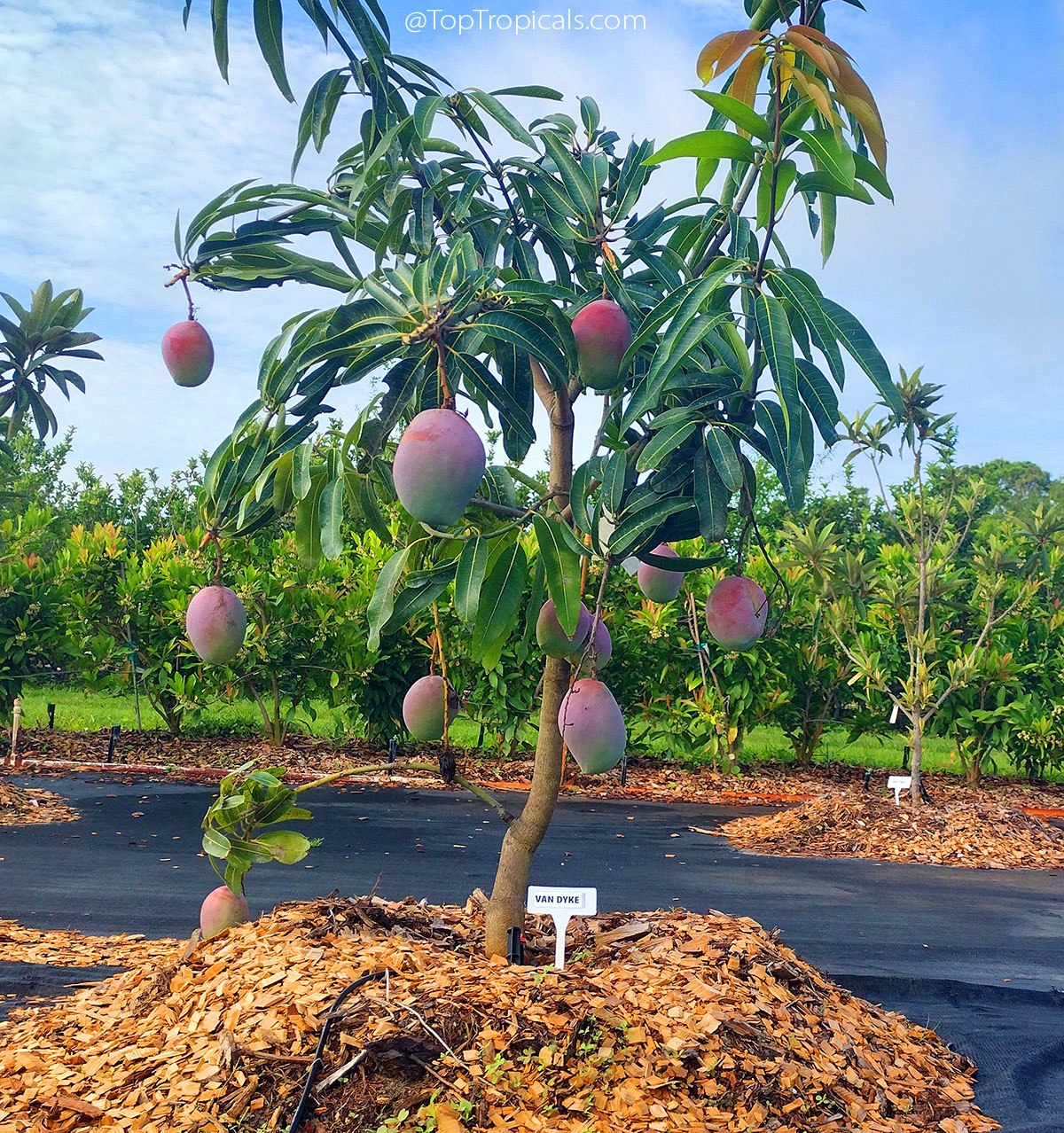
  • 🥭 So, you’ve got yourself a nice mango tree in a container and can’t wait for your first harvest. How soon?
  • Mango trees start flowering from early winter (early cultivars like Nam Doc Mai) to early spring (late cultivars like Keitt). One little tree can produce hundreds, even thousands of tiny flowers, but not all will set fruit. The younger the tree, the fewer fruits it can hold. Expect just a few the first year. Even if your mango sets a lot, don’t keep them all - let the young tree focus on establishing roots and strong growth. Leave 1-2 fruits and remove the rest. Your tree will thank you and grow fast and sturdy.

  • 🥭 By the second year, you can let your tree keep a bit more fruit. Young trees usually know their limits and will naturally drop any extra fruit they can’t support. Within 2–3 years, you’ll be harvesting good crops – enough to enjoy yourself and share with friends!

  • 🥭 Remember, a strong, healthy tree produces sooner and more. Feed it with Sunshine Mango Tango liquid booster or Green Magic controlled-release fertilizer, and protect it from frost, especially while young. Once established, your mango will reward you with reliable, abundant harvests year after year.


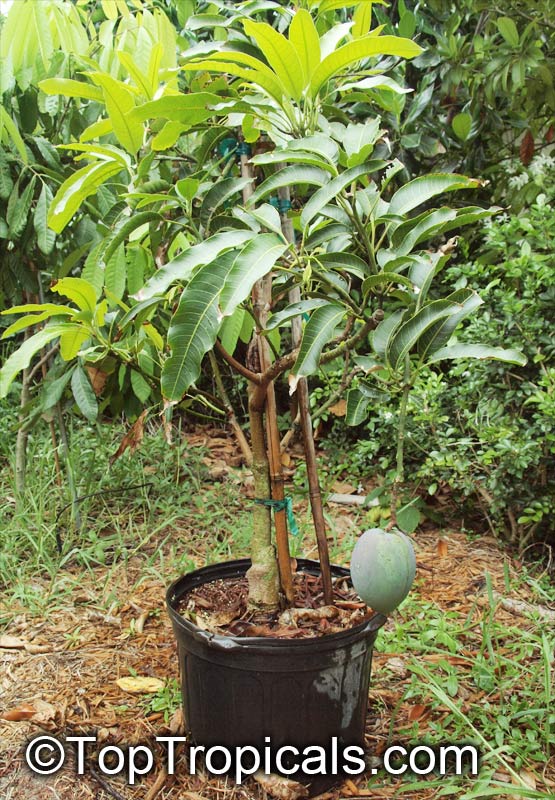
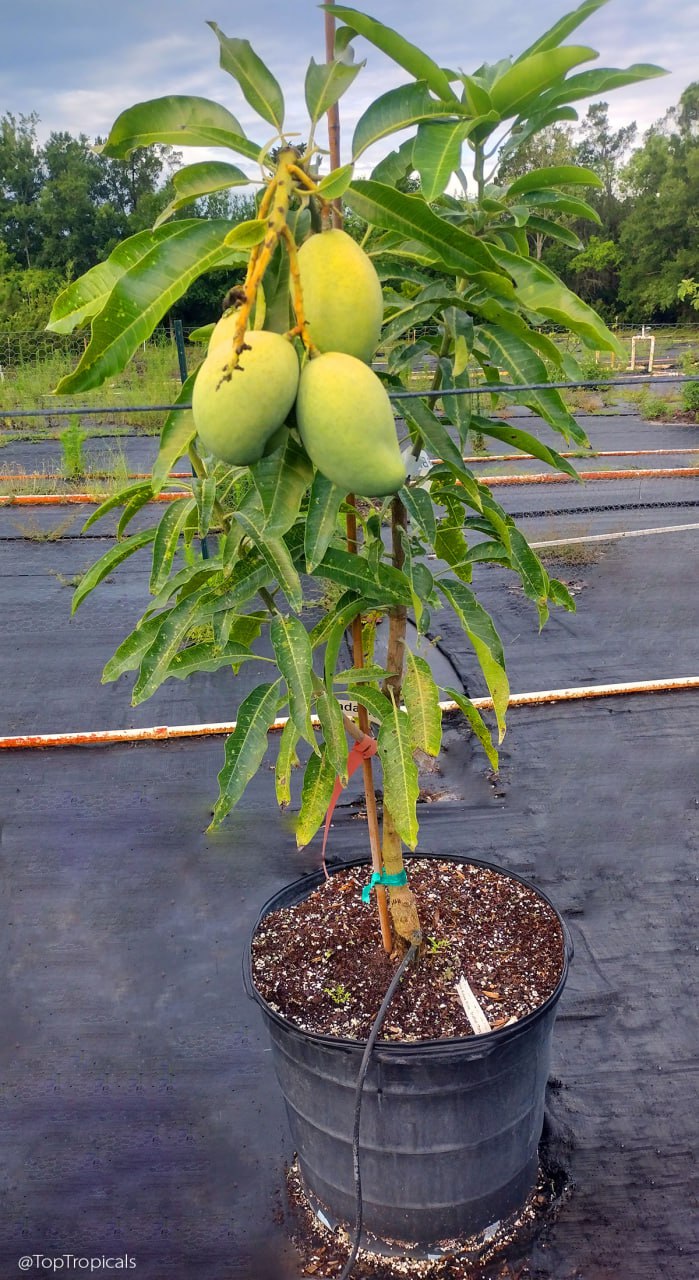
📸 In the photos: the trees in 7 gal pots are 2 years from grafting, and the trees in the ground are 1 year from the time of planting and 3 years from grafting.

🛒 Shop Mango varieties

📚 Learn more about #Mango and different varieties: #Mango_Rainbow

#Food_Forest #Mango

🟢 Join 👉 TopTropicals

Date: 22 Mar 2017

Condo Mango

Q: I was curious about indoor fruiting mango trees. I live in upstate New York and was thinking about trying to grow an indoor tree for fruit. I have a small heated greenhouse. Is there a variety that can be grown from seed that would suit my purposes and if not what is the most economical way I could obtain a cutting or small grafted plant? I keep my greenhouse around 60F in the winter and have no supplemental lighting. Are there any varieties that may work in a sunroom or other well lit indoor location?

A: There are many dwarf varieties of mango suitable for container culture. They are called "condo mangoes".
The most popular condo varieties are: Carrie, Cogshall, Cushman, Fairchild, Graham, Ice Cream, Julie , Mallika, Nam Doc Mai, Pickering. You may read more about them in our online catalog. You may also look into variety Lancetilla which is also a compact tree, and produces one of the biggest size fruit, up to 5 pounds. If you want some rare variety that hardly anyone else has - try Baptiste, an exotic Haitian dessert mango.

Your greenhouse should work for the winter time. Mango trees can take as low as mid 40s during winter and even lower as long as that cold is occasional. If you keep the temperature around 60, this should work well for over wintering. Just make sure to reduce watering to a minimum, because cool temperatures, low light and wet soil - is a bad combination for tropical plants, especially for mango trees which prefer to be kept on a dry side.

Many indoor gardeners have fruiting mango trees in their collection. However, keep in mind that the most important requirement for a mango is full sun. While you may over winter the plant for a few months in a low light conditions, in order for it to flower and produce fruit it needs lots of light. If moving the tree into full sun your yard during the summer is possible, this would be the best solution.

We always recommend SUNSHINE boosters for both over wintering tropical plants in colder climates, and for indoor gardening. SUNSHINE applications will help your tree to cope with cool temperatures and low light conditions. This will also dramatically increase flowering and fruiting performance. Another important factor for keeping your container plant healthy is quality of your potting soil. We offer a special professional mix that contains lots of good stuff: coconut fiber, peat moss, pine bark, and perlite. Fertilizing potted plants is also very important during the warm season, because this is the only way for them to get nutrients (which in the ground can be reached by spreading root system).

As far as seedlings vs. grafting - the only way to have a nicely fruiting mango tree is to plant a grafted variety. Seedlings start producing only after 8-15 years, and the quality of such fruit may be questionable. Only grafted plants can guarantee the desired taste of a variety. Besides, grafted mangoes start producing immediately - you may see fruit forming on plants as small as 3 ft, in 3 gal containers. However, during the first 1-2 years you will need to remove extra fruit and leave only 1-2 fruit so the plant doesn't get exhausted and has enough energy to establish strong root system.

For fun stories about growing mango, check out our Radio Show recording YO Tango Mango!