Botanical name: Mangifera indica Also known as: Mango
USDA Zone: 9 - 11
Highligths
Groundhog said long winter… and it sure felt like it. But now it is
finally over, and balconies and patios are waking up again.
Easter is here, and with it comes that fresh start feeling - time to open
the doors, bring plants back out, and start growing.
We made it through the cold. For northern gardeners, that is every year;
for borderline zones, it is a reminder that freezes happen. That is exactly
why
growing in pots makes sense - you stay flexible.
Container growing is not just about pots - it is about choosing the right
plants. The best options stay manageable, produce well, and handle being
moved.
Let's look at what works. Start with plants that naturally stay compact and
adapt well to containers. These are the ones that won’t outgrow your
space and will reward you quickly. These are proven performers in containers
-
compact, productive, and easy to manage:
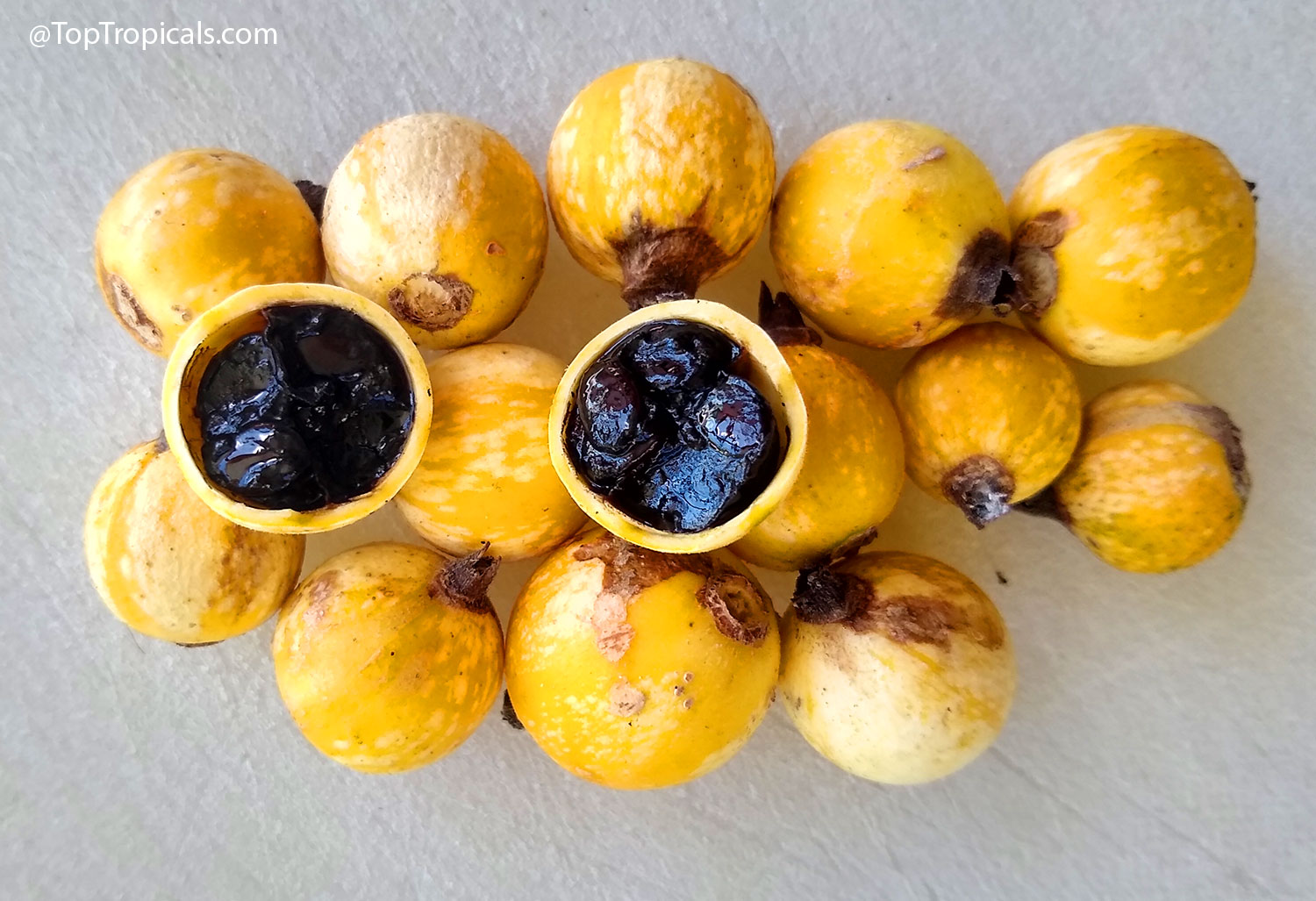
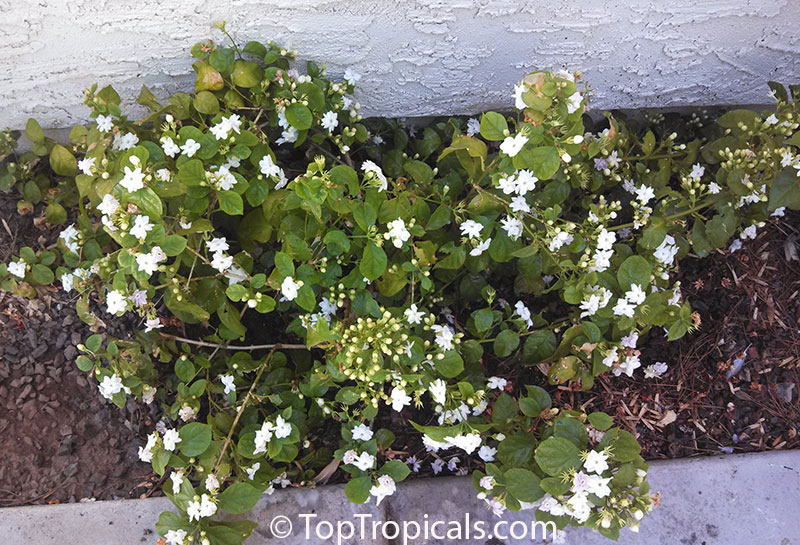
Botanical name: Randia formosa, Mussaenda formosa, Randia mussaenda, Rosenbergiodendron formosum Also known as: Blackberry Jam Fruit, Jasmin de rosa
USDA Zone: 9 - 11
Highligths
Fig Tree Plant Facts
Botanical name: Ficus carica Also known as: Fig Tree, Brevo
USDA Zone: 7 - 10
Highligths
Simple rule: if it stays compact and handles pruning, it
works in a container.
Skip the egg hunt this year - go on a plant hunt instead.
Start with one or two plants this Easter - not ten. Get them established,
learn how they grow, and then expand.
Container basics (keep it simple):
Pot size: start with 3–7 gallon, upgrade as
plant grows
Soil: fast-draining mix (never heavy garden soil)
Water: soak well, then let top inch dry
Feeding: consistent light feeding works better than
heavy doses
Sun: most tropicals want full sun (6+ hours)
🐣 Browse our Easter Container Collection
Randia formosa - Blackberry Jam Fruit
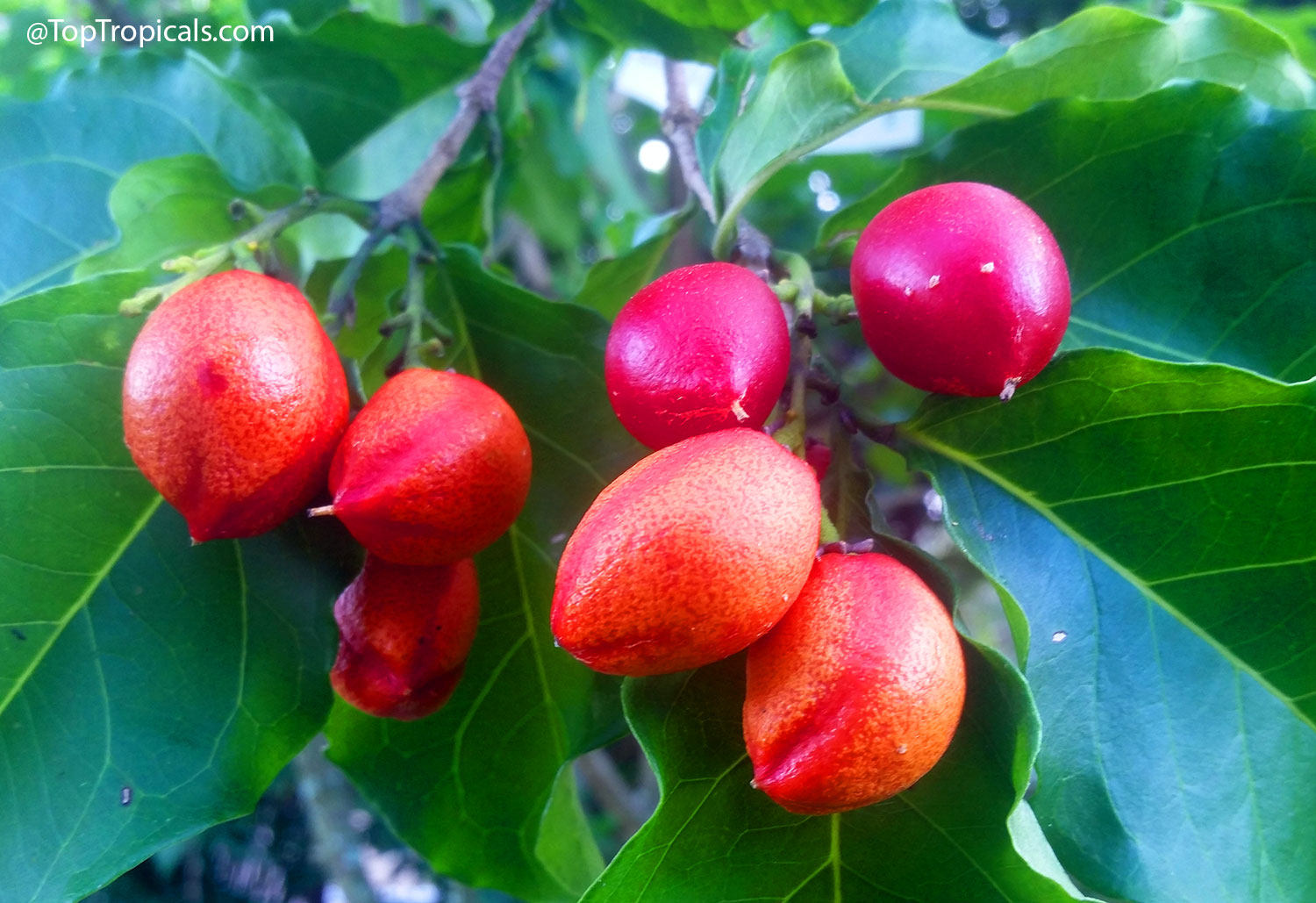
Bunchosia argentea - Peanut Butter Fruit
Peanut Butter Fruit Tree Plant Facts
Botanical name: Bunchosia argentea, Bunchosia armeniaca Also known as: Peanut Butter Fruit Tree, Ciruela Del Monte
USDA Zone: 9 - 11
Highligths
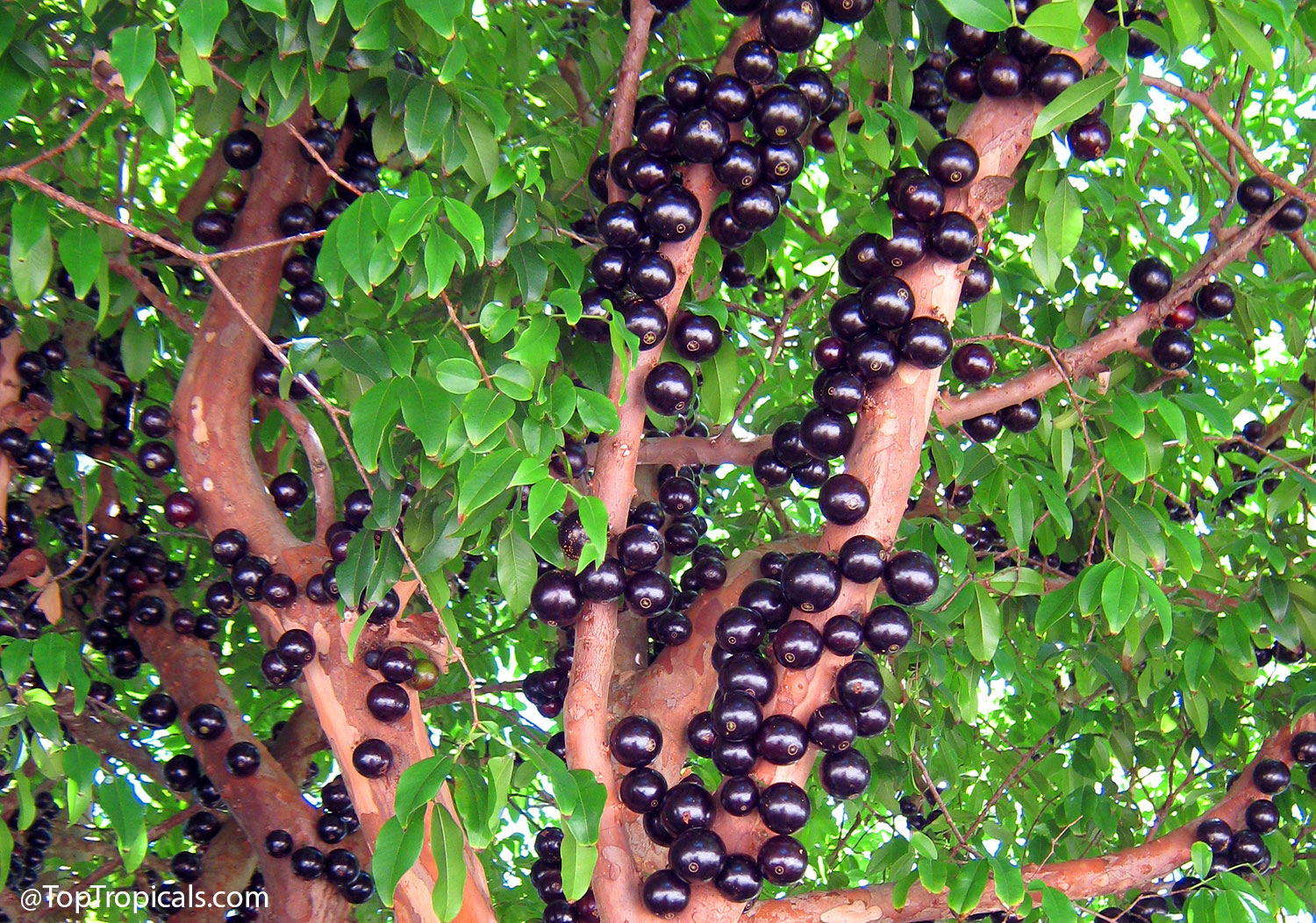
Myrciaria cauliflora - Jaboticaba
Jaboticaba Plant Facts
Botanical name: Myrciaria cauliflora, Plinia cauliflora, Eugenia cauliflora Also known as: Jaboticaba, Duhat
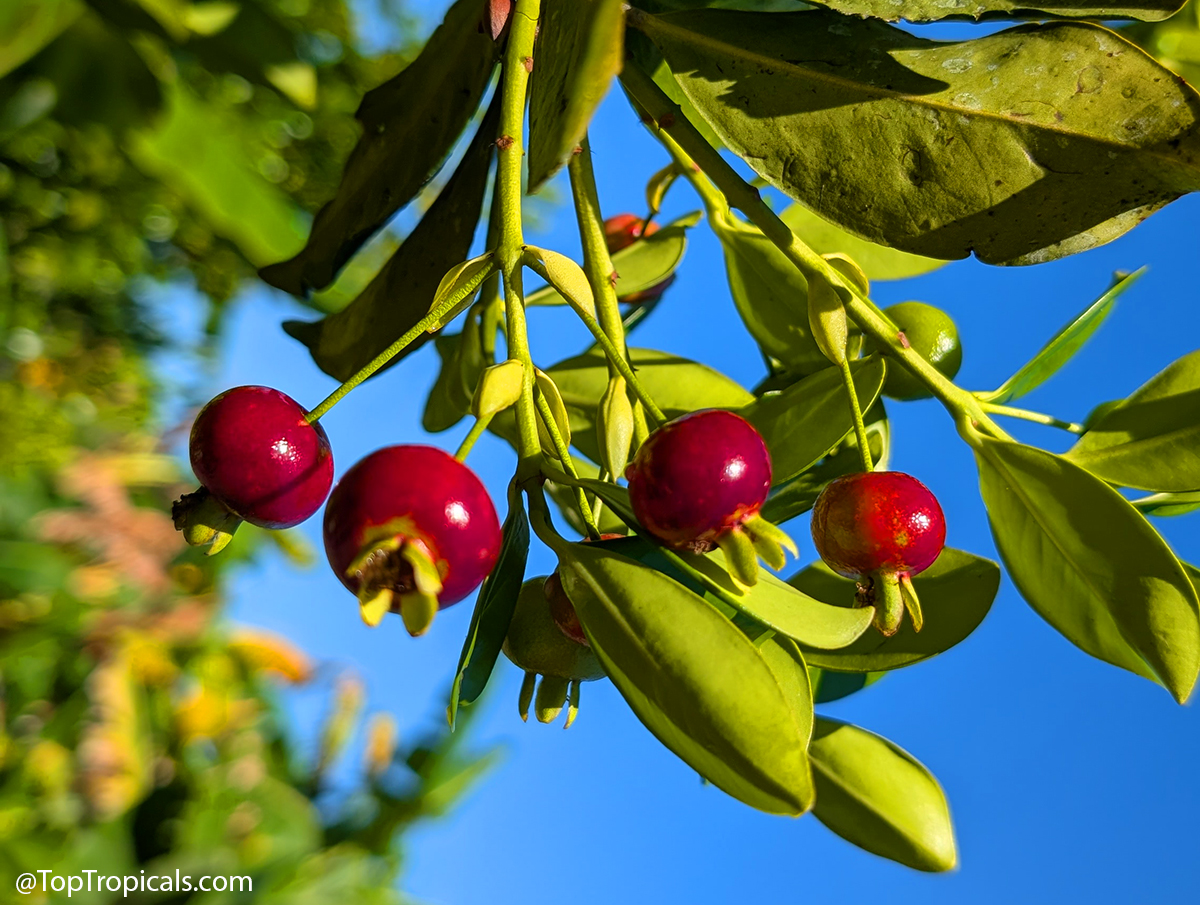
Botanical name: Eugenia brasiliensis, Eugenia dombeyi Also known as: Grumichama, Brazilian Cherry
USDA Zone: 9 - 11
Highligths
Date: 24 Jul 2023
Easy,
stress-free plants
for Summer planting
Q: With the rising temperatures, I'm concerned
about shipping my plants safely. Can they withstand the heat during transit? Also, is it okay to plant them in the ground now, or should I wait for
cooler Fall weather?
A: Your concern about shipping plants in hot weather is valid. For sensitive plants,
we'll delay shipping until conditions are more favorable in your area. However, there are plenty of heat-tolerant tropical plants that handle shipping well with minimal stress. These plants adapt
easily when planted during the hot summer months. Simply follow the included planting
instructions, gradually acclimate them to full sun, and they should thrive.
Feel free to check with us about the specific plant you plan to order for its suitability in
summer shipping. We're here to take care of your green babies and address your
year-round planting needs!
How to protect fruit in your garden from greedy competitors
Mango Orange Essence fruiting
Fruit bags
Squirrel
🐰🐁🐿 How to protect fruit in your garden from greedy competitors
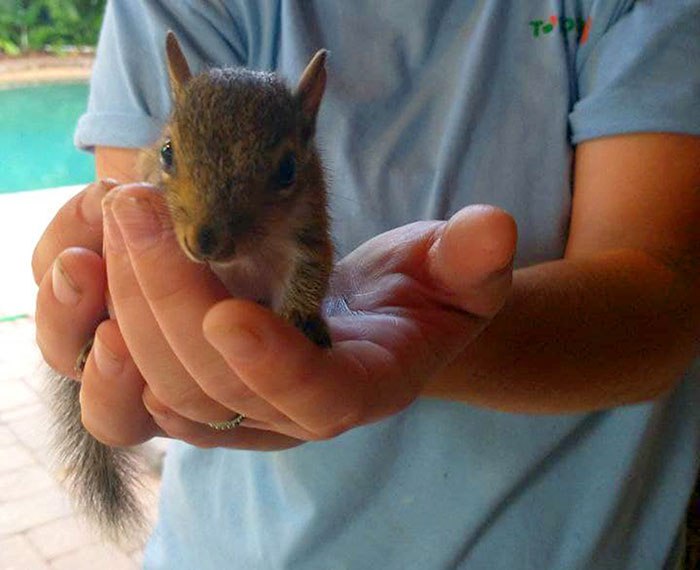
🥭Mango season is here, and so are squirrels, bunnies, birds, rats, and raccoons... They also love the delicious fruit but don't like to share. So you may end up getting their leftovers if anything!
Here is how we protect our mango and avocado fruit - so far it works great:
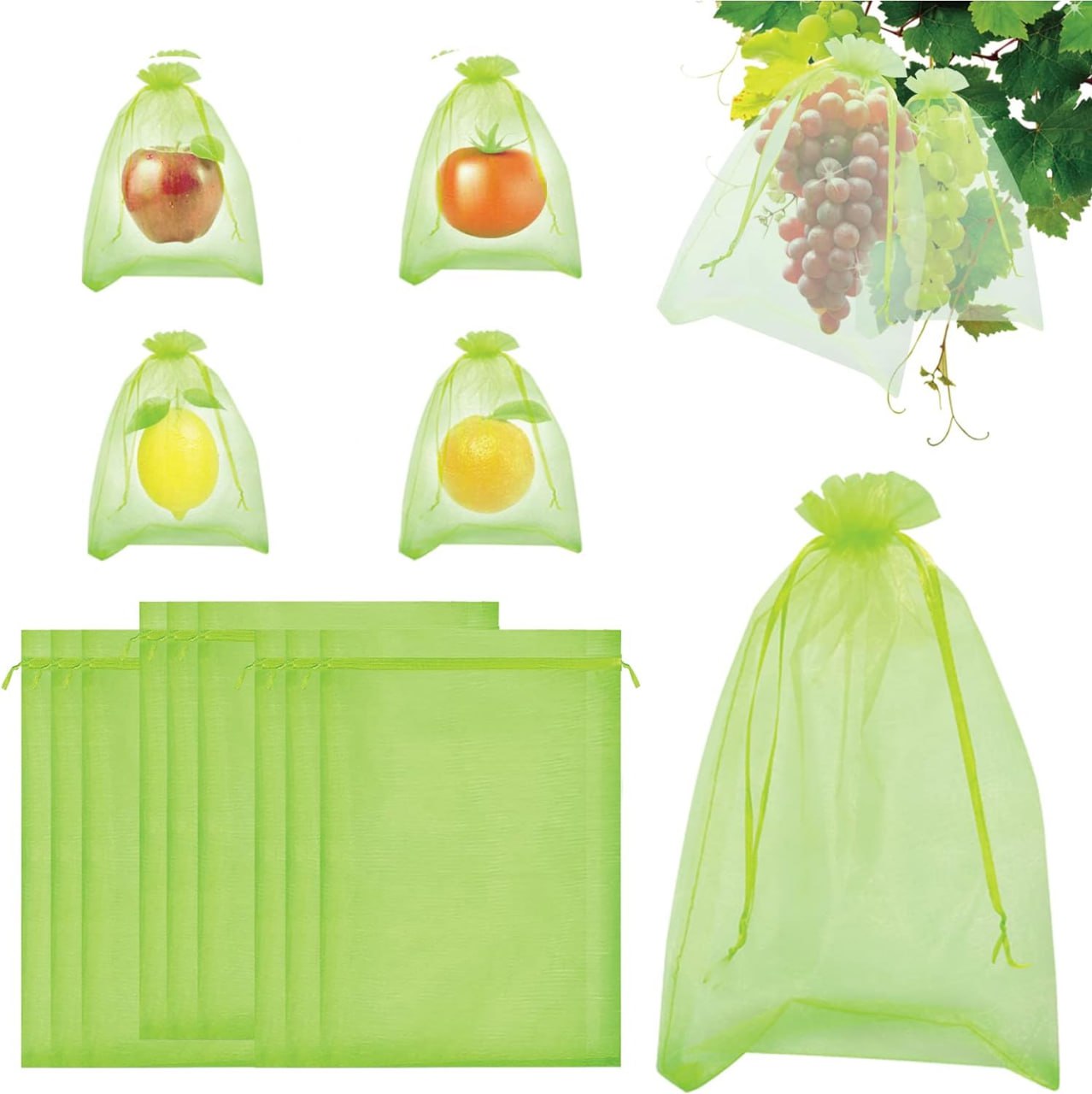
💰💰💰 Fruit Protection Bags
These mesh netting bags/covers are made of strong nylon and have an easy drawstring, helping to protect developing fruit on a tree from insects, birds, and rodents. With drawstring closures on both ends, you can easily tighten bag around the fruit. Available from Amazon for only 15 cents a piece.