Garden Blog - Top Tropicals

Date: 3 Mar 2026

Jaboticaba reduction sauce: quick-n-fun exotic recipes

Jaboticaba reduction sauce
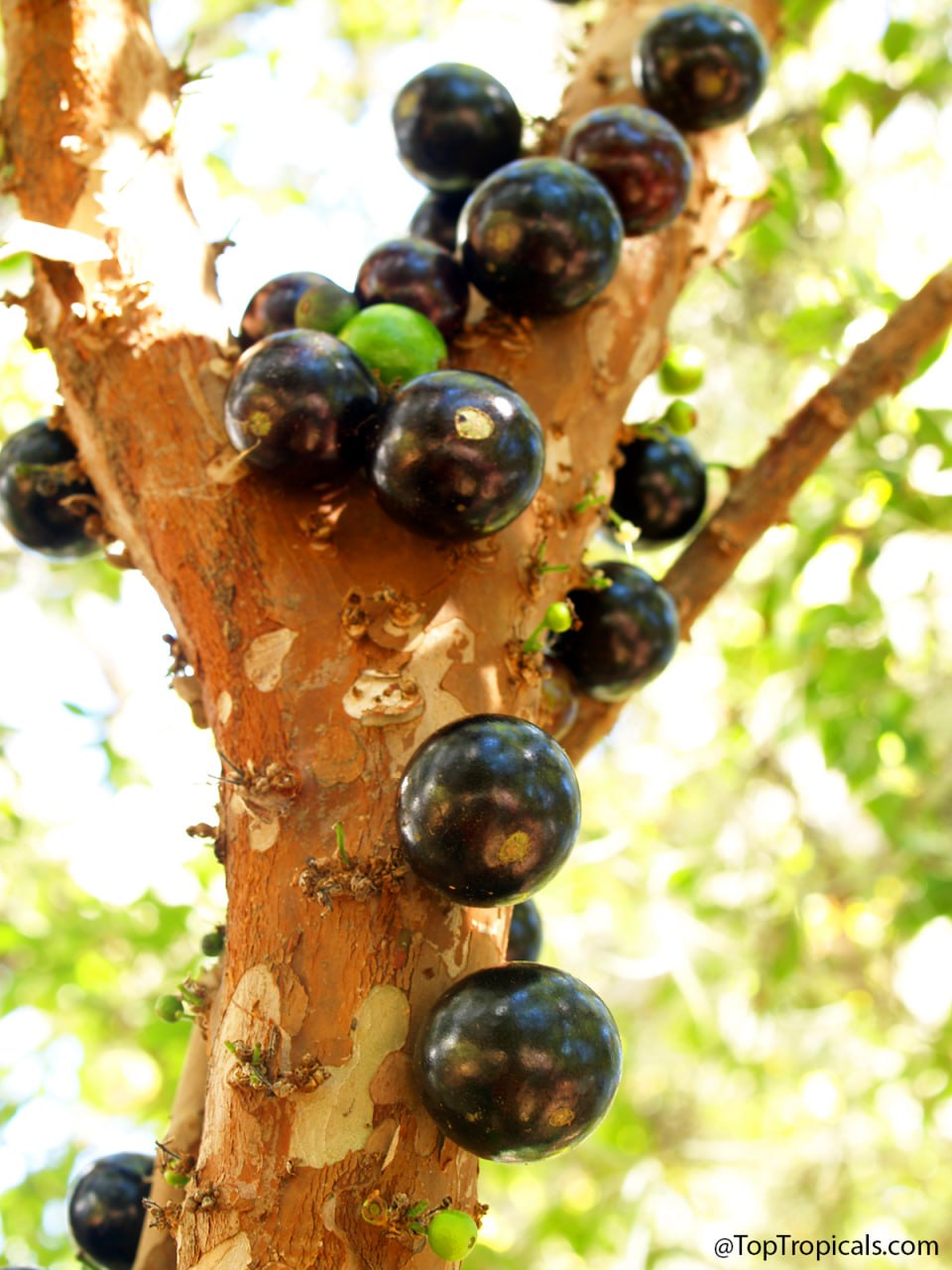
Jaboticaba reduction sauce

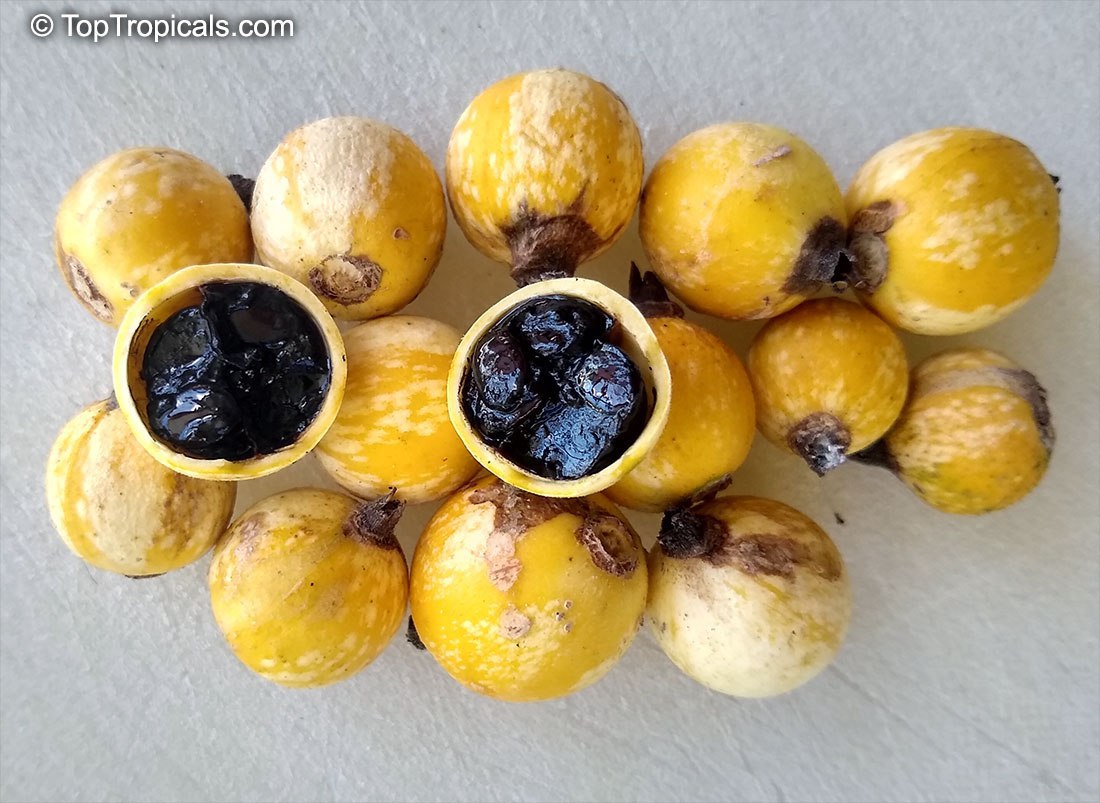
Myrciaria cauliflora - Jaboticaba fruit

Myrciaria cauliflora - Jaboticaba fruit

🍴 Jaboticaba reduction sauce: quick-n-fun exotic recipes

Jaboticaba Reduction Sauce

Ingredients

  • 1 cup ripe jaboticaba fruit
  • 1 tablespoon sugar
  • 1 tablespoon water

Instructions

  1. Crush the jaboticaba fruit in a small saucepan.
  2. Add sugar and a little water.
  3. Simmer gently until the mixture thickens and becomes glossy.
  4. Strain the sauce to remove skins.
  5. Drizzle over roasted pork, chicken, or grilled vegetables.


🌿 About the plant:


A Brazilian tree that fruits directly on the trunk. The grape-like fruit has a thick skin and juicy pulp inside.

🏡 In the garden:


Grows well in warm, humid climates. Slow growing but very ornamental. Can be grown in large pots when young.

🛒 Plant Jaboticaba tree now, don't wait - it's slow growing!

📚 Learn more:

Plant Facts

Myrciaria cauliflora, Plinia cauliflora, Eugenia cauliflora
Jaboticaba, Duhat
USDA Zone: 9-11
Plant used for bonsaiSmall tree 10-20 ftFull sunKeep soil moistEdible plantSubtropical plant. Mature plant cold hardy at least to 30s F for a short timeFlood tolerant plant


#Food_Forest #Recipes

🟢 Join 👉 TopTropicals
Date: 24 Jun 2018

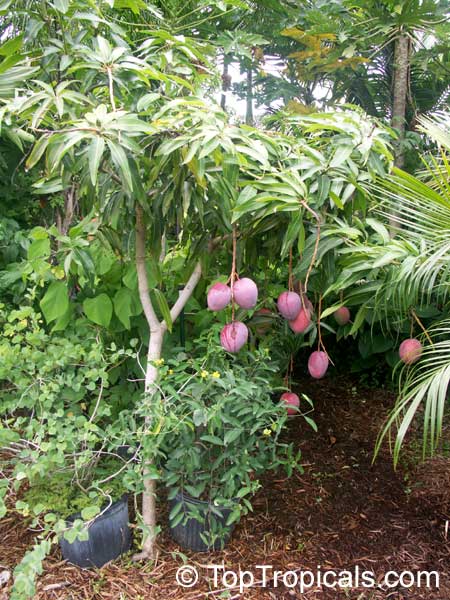
Choosing the right Mango for your garden

Q: Do the mango trees you sell already have fruit? Or how long does it take to get fruit? Are they tricky to keep up? I live locally and have been interested in getting a few!

A: Some of our mangos in both 3 gal and 7 gal pots have fruit on them. All our mango trees are grafted which means they are ready to produce fruit. So if not the same year, you should get fruit the next year.
Mangoes in general are easy to grow plants. They are not picky about soil and water, however they need full sun for fruiting. When you are lucky to live in tropical or subtropical climate, your mango will thrive in a ground, and within 2-3 years you will have a mature tree, and a crop every year (those who have cold winters, still can grow a mango tree in a pot, and move it indoors for colder period). Visit our garden center for a tour of our Mango Gardenthat is only 3 years old and is full of fruit! Tasting table available :) We offer over 100 varieties, and our experts can help you to make the right choice for your garden. To start your own mango tree collection, depending on space available, you may begin with the following varieties:
Nam Doc Mai - one of the most popular and delicious Asian mango
Carrie - very compact grower, reliable producer with great taste
Cogshall and Ice Cream - dwarf varieties for small yards, excellent taste
Alphonso - considered one of the best tasting

See full list of our mango varieties, all fiberless and great sweet flavors.

Date: 9 Jul 2024

Where does Blackberry Jam come from? It comes from Gardenia!

Randia formosa - Blackberry Jam Fruit, flower

Randia formosa - Blackberry Jam Fruit, fruit

Randia formosa - Blackberry Jam Fruit, fruit

Where does Blackberry Jam come from? It comes from Gardenia!

Randia formosa - Blackberry Jam Fruit, Jasmin de Rosa is a curious small evergreen tree from South America that combines features of a fragrant flower and delicious dessert fruit which tastes like fresh Blackberry jam. Fragrant white flowers are similar to Gardenia.

This relatively hardy tropical can be grown in a container as well as in the ground. It's very сompact (4-5 ft), perfect for container culture, will fruit in a container.

Kids love the fruit! Many claim that it is even better than Blackberry preserves.

Large tubular white flowers attract nocturnal moths. Since the plant is closely related to the gardenia (Rubiaceae plant family), its flowers are sweetly fragrant.

Produces as many as 25-30 fruits at a time. Since it blooms for a few months from Summer through Winter, fruiting and flowering can be enjoyed even when other plants are dormant.

Article about Blackberry Jam Fruit formosa

Order Blackberry Jam tree

#Food_Forest #Container_Garden

🏵 TopTropicals

Date: 18 Apr 2026

The Secret to a Sharper Mind Might Be Growing in Your Backyard

The Secret to a Sharper Mind Might Be Growing in Your Backyard

The Secret to a Sharper Mind Might Be Growing in Your Backyard


Your garden shed might hold a more powerful tool for brain health than your medicine cabinet. What if the best defense against cognitive decline isn’t found in a pill bottle - but right outside your door? While we often think of gardening as just a hobby, new research suggests that the combination of physical "zone-pushing" and harvesting your own nutrient-dense tropical fruit could be a literal life-saver for your brain.

  • 🍒 What the Research Actually Says


A massive study recently published in the journal Neurology followed more than 92,000 people to see how diet impacts the mind. The findings were clear: the quality of the plant-based foods you eat plays a massive role in your risk of dementia. It isn't just about "eating your veggies" - it's about which ones you choose.
(The full study: Plant-Based Dietary Patterns and Risk of Alzheimer Disease and Related Dementias in the Multiethnic Cohort Study)

  • 🍒 Why Growing Your Own Fruit Changes the Game


If you grow your own fruit, you quietly solve two problems at once. It turns a "diet plan" into a natural part of your day.

1. Effortless Nutrition
When a ripe mango, a handful of mulberries, or a fresh guava is hanging within arm's reach, you eat it. It replaces processed, sugary snacks without any "willpower" required. You are naturally moving toward the high-quality, whole-food diet the research supports.

2. Functional Fitness
Gardening doesn't feel like a workout, but it is. Bending, pruning, carrying pots, and digging are all forms of functional movement. It’s steady, useful physical activity that supports your heart and brain while you’re focused on your plants.

3. The "Outdoor" Effect
Sunlight and fresh air are natural mood boosters. The mental focus required to manage tropical plants - especially when you’re protecting them from a surprise freeze - provides a level of mental engagement and stress relief that you just can't get from a treadmill.

  • 🍒 What to plant if you are just starting


You don’t need a massive orchard to start investing in your brain health. One or two plants can shift your habits immediately.

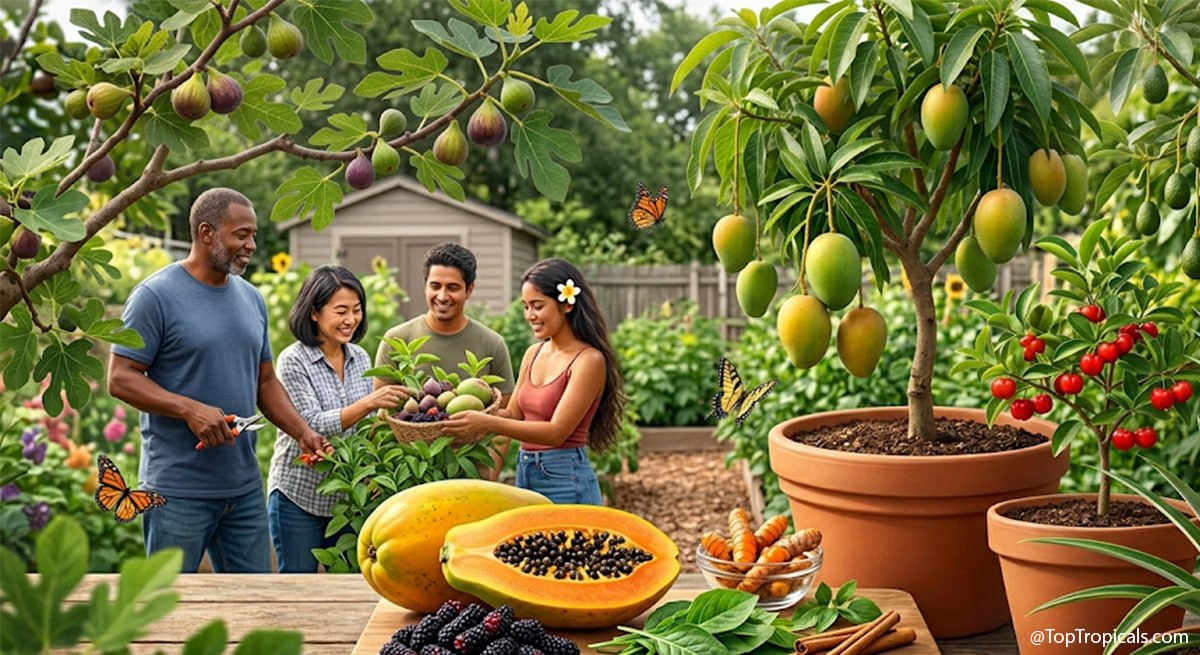
For Fast Results: Papaya and Mulberries produce fruit quickly and are incredibly easy to manage. Turmeric (curcuma), leafy greens (Longevity spinach, Katuk) and Cinnamon proved instant harvest.
For Small Spaces: Dwarf Mango varieties and Cherries (Eugenias or Acerola), Pineapples thrive in containers and provide massive doses of antioxidants.
For the "Zone Pusher": Figs and cold-hardy Avocados offer healthy fats and fiber that are essential for long-term health.

  • 🍒 Start Small, Start Now


The research makes one thing clear: improving your food quality matters, and you can see results no matter your age. Planting a fruit tree changes what you eat, how you move, and how often you step outside.
That’s more than just gardening - that’s a lifestyle shift your brain will thank you for.

🍒 FAQ


Does fruit really support brain health?
Yes. Diets rich in whole, high-quality plant foods are linked to a lower risk of dementia, especially when they replace processed snacks and added sugars.

Is gardening enough to count as exercise?
Absolutely. Regular gardening provides steady, functional movement that improves circulation and supports overall physical health.

Is it too late for me to start?
No. The study showed that even participants who improved their diet quality in their 60s and 70s saw a measurable reduction in dementia risk.

🛒 Start your tropical fruit journey

Guava · Mango · Mulberry · Papaya · Pineapple · Avocado · Cherries · Figs

📚 Learn more:


#Food_Forest #Remedies #Discover

🟢 Join 👉 TopTropicals

Date: 25 Jun 2021

Kristi's Loquat Tropical BBQ sauce

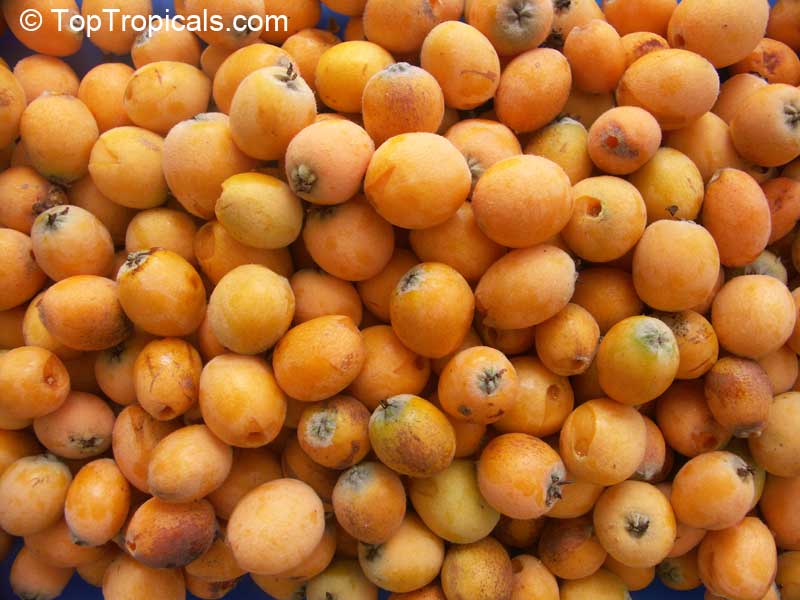
Loquat trees are famous for their abundant fruit production. Many customers who purchased this tree from us, soon end up with some serious crops and start asking if we have any special recipes for loquat fruit - because you can only eat so much out of hand! Here is our manager Kristi's favorite Loquat recipe - not only delicious and tropically-aromatic, but also good for you. Happy Tropical Meal!

Ingredients

2 lbs loquat fruit

  1. cup soft brown sugar
  2. cups malt vinegar
    1 onion chopped
  3. cloves garlic


1/2 tsp salt
1/2 tsp black pepper
1/4 tsp cayenne pepper
6 cloves whole or 1/2 tsp ground cloves

Instructions

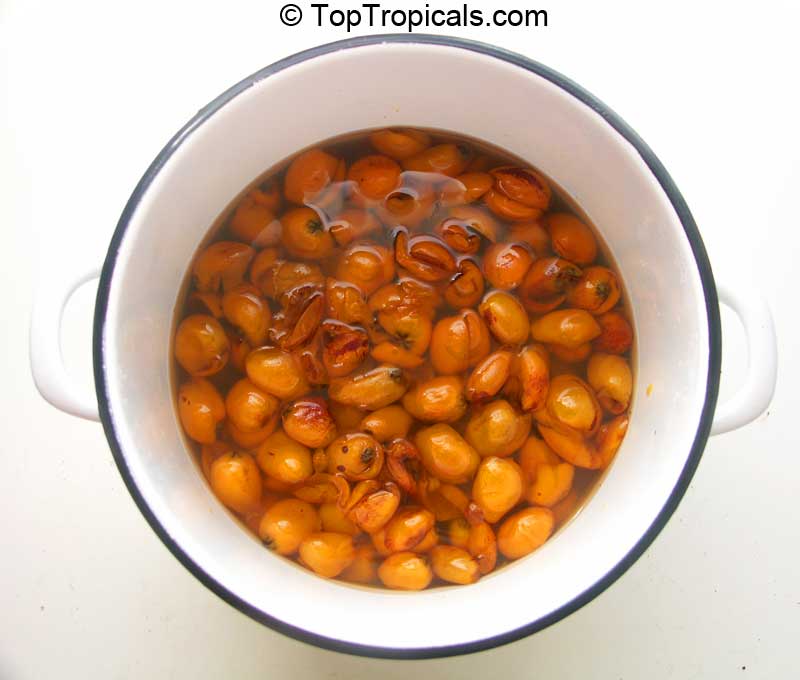
Wash the fruit, cut them in half and remove stones. The loquats will lose about a third of their weight once stoned (3 lbs of whole fruit = 2 lbs of fruit, stones removed). Add loquats and all remaining ingredients to a large saucepan. Bring to a low boil, then simmer for about an hour, stirring occasionally. The liquid will have reduced quite a bit and the fruit will be collapsed and very soft. Allow to cool slightly, then liquidize the sauce in a blender or a food processor. Be careful, hot sauce really burns!
This delicious tropical sauce is great for any BBQ - with meats or fish. Enjoy!