Date: 31 May 2026
🔮 The Search for Enchanted Incense
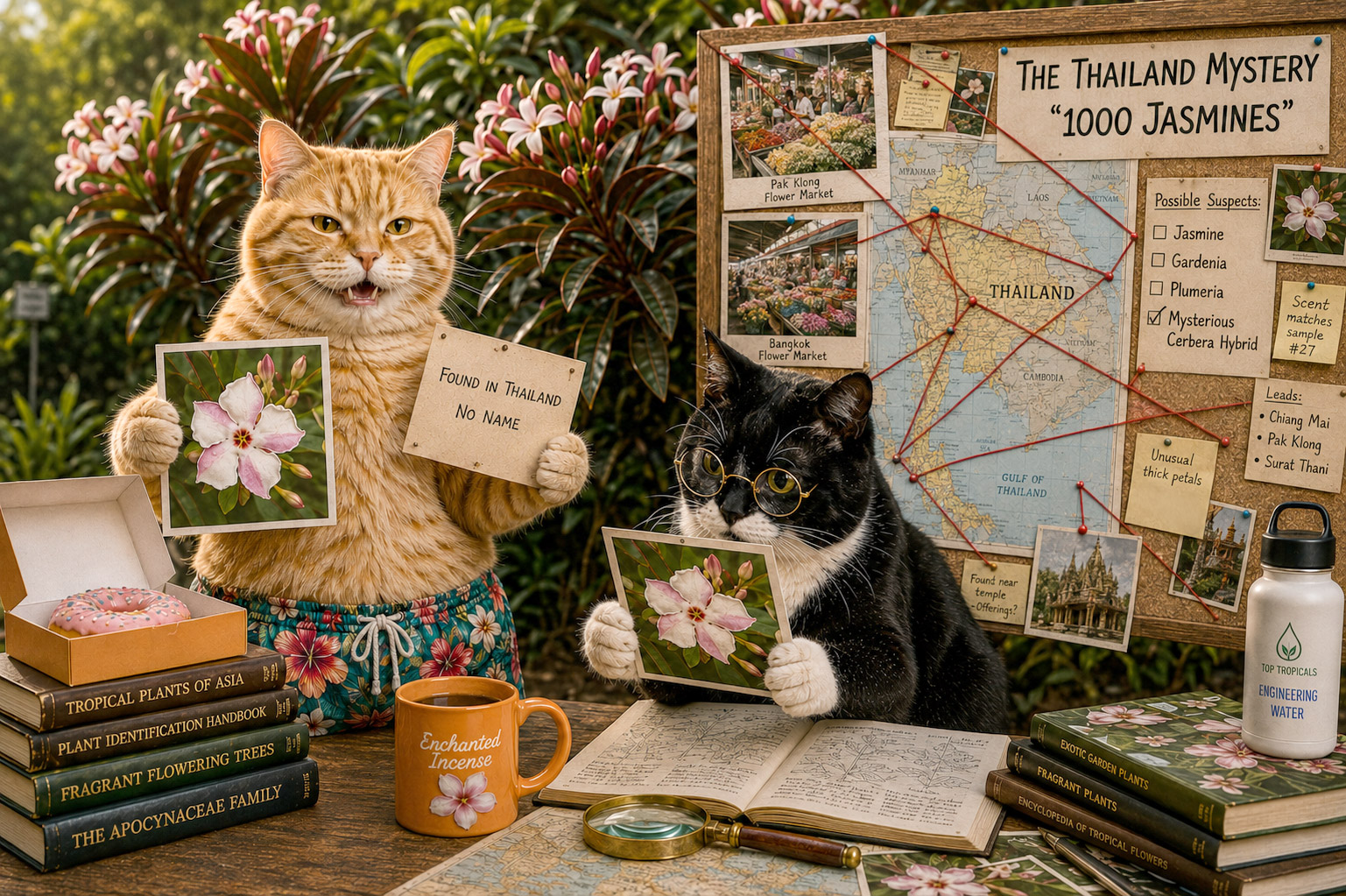
Smokey: And somehow that's all the information he brought back from Thailand.
Sunshine: He brought a photo, too.
Smokey: Excellent. We can begin our international manhunt.

Well, Smokey and Sunshine have closed the case and found the mystery plant. The cork board is coming down, the magnifying glass is back in the drawer, and the "Enchanted Incense" mug is finally empty. Now let's talk about the plant itself.
🌸 Some plants arrive with a label. Some arrive with a story.
When our good friend John Mood returned from a plant conference in Thailand, he did not bring us a plant. He brought us a mystery.
John had spent decades growing and collecting rare tropical plants. When he said he had found something special, we paid attention.
On a visit to Chatuchak Market, one of the most famous plant markets in Asia, something stopped him. Not the flowers. The fragrance.
That one sentence stayed with us for years.
He had photographs. He had his memory of that scent. What he did not have was a name. No tag. No seller information. Just the photos and the certainty that he had smelled something genuinely unusual.
So we started looking.
We showed the photographs around. We asked collectors. We compared flowers. Every lead turned into another question. But eventually, after years of searching on and off, we found it.
The mystery plant turned out to be an unusual Cerbera unlike anything we had grown before. Today we call it Enchanted Incense. Fragrance lovers recognized immediately what John had recognized in that Bangkok market. This was not just another pretty tropical flower.
🌸 The Plant
Visitors at our nursery still walk past it and stop. Not because they noticed the plant. Because they noticed something in the air and could not figure out where it was coming from.
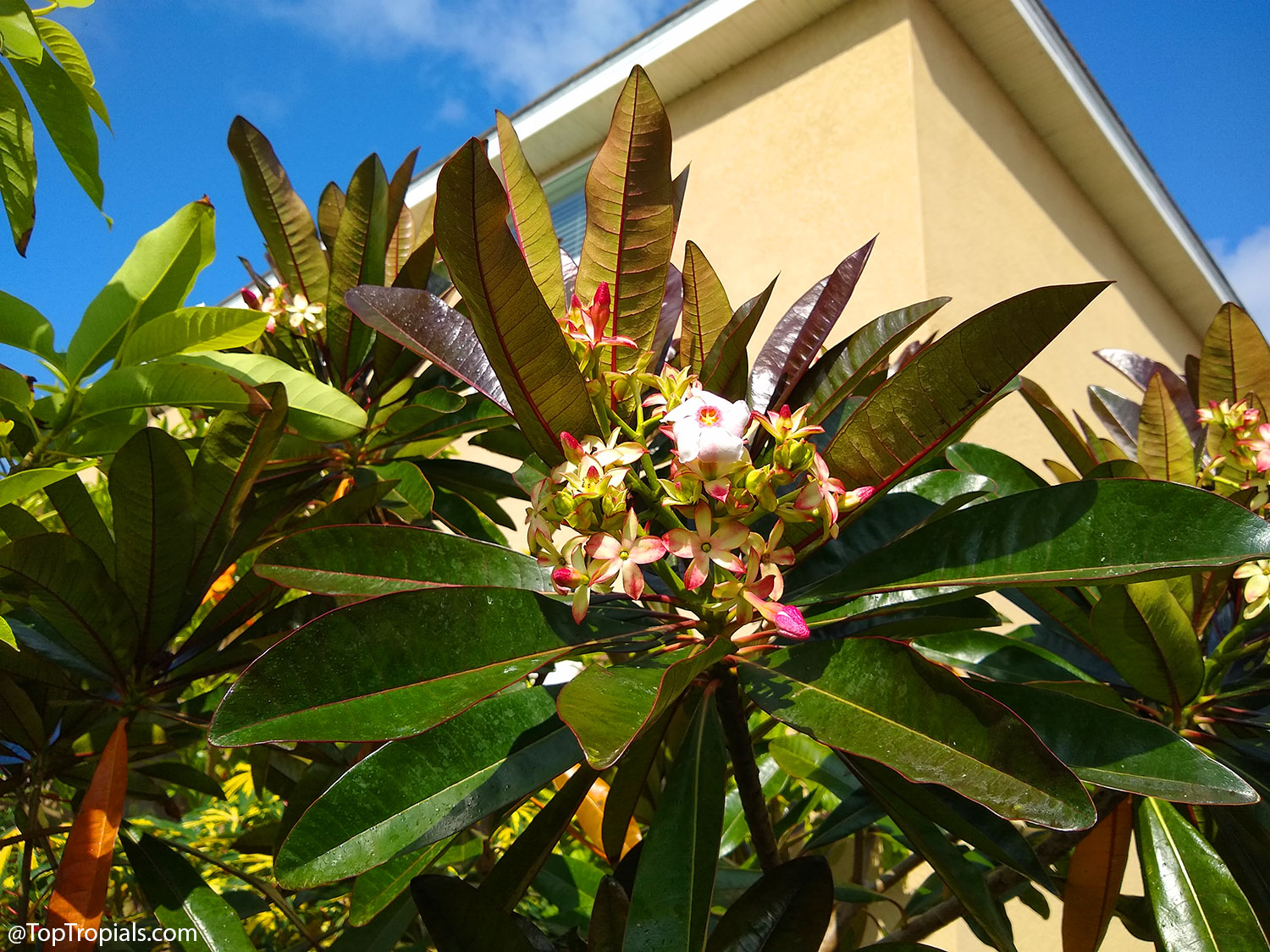
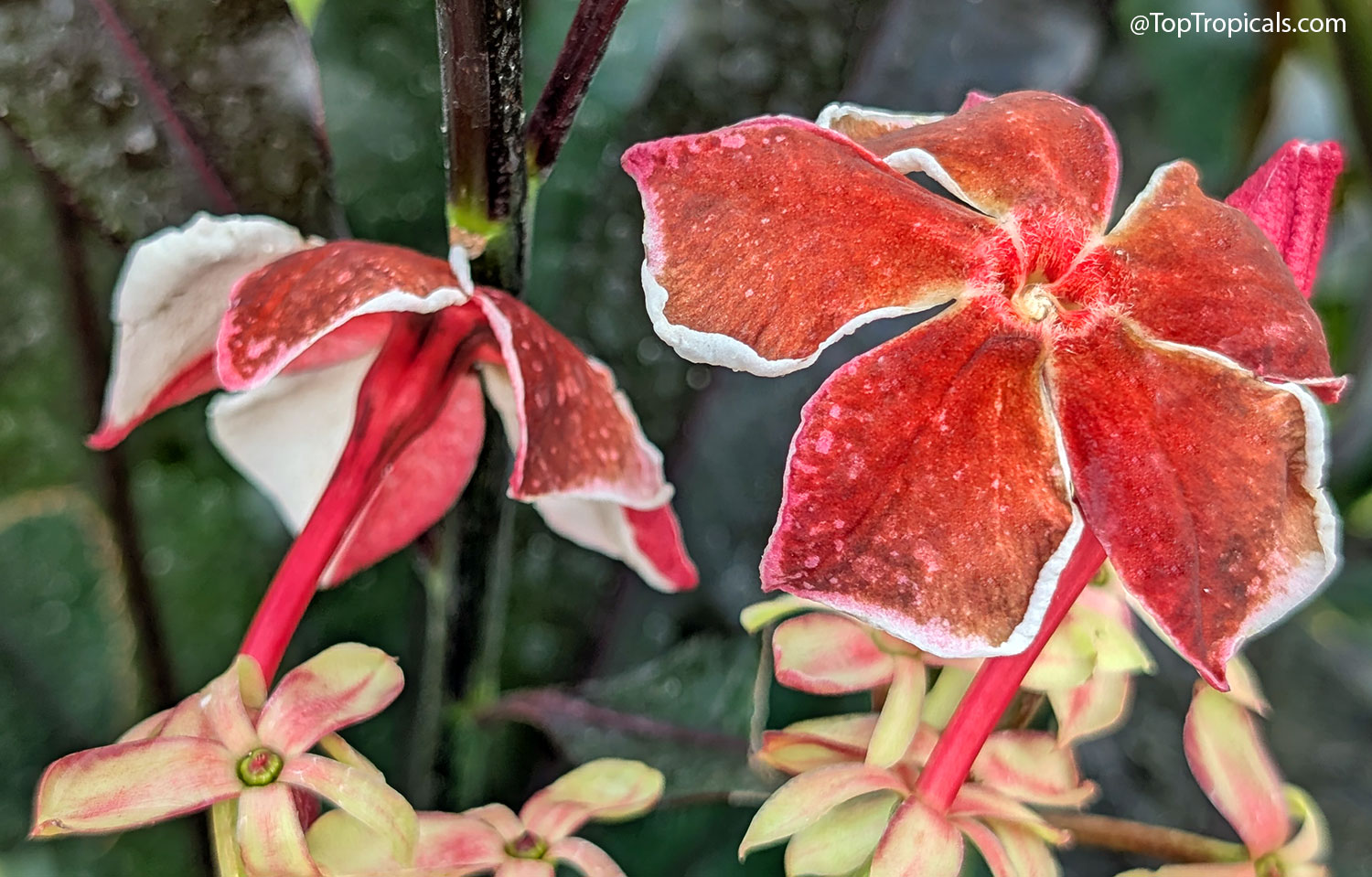
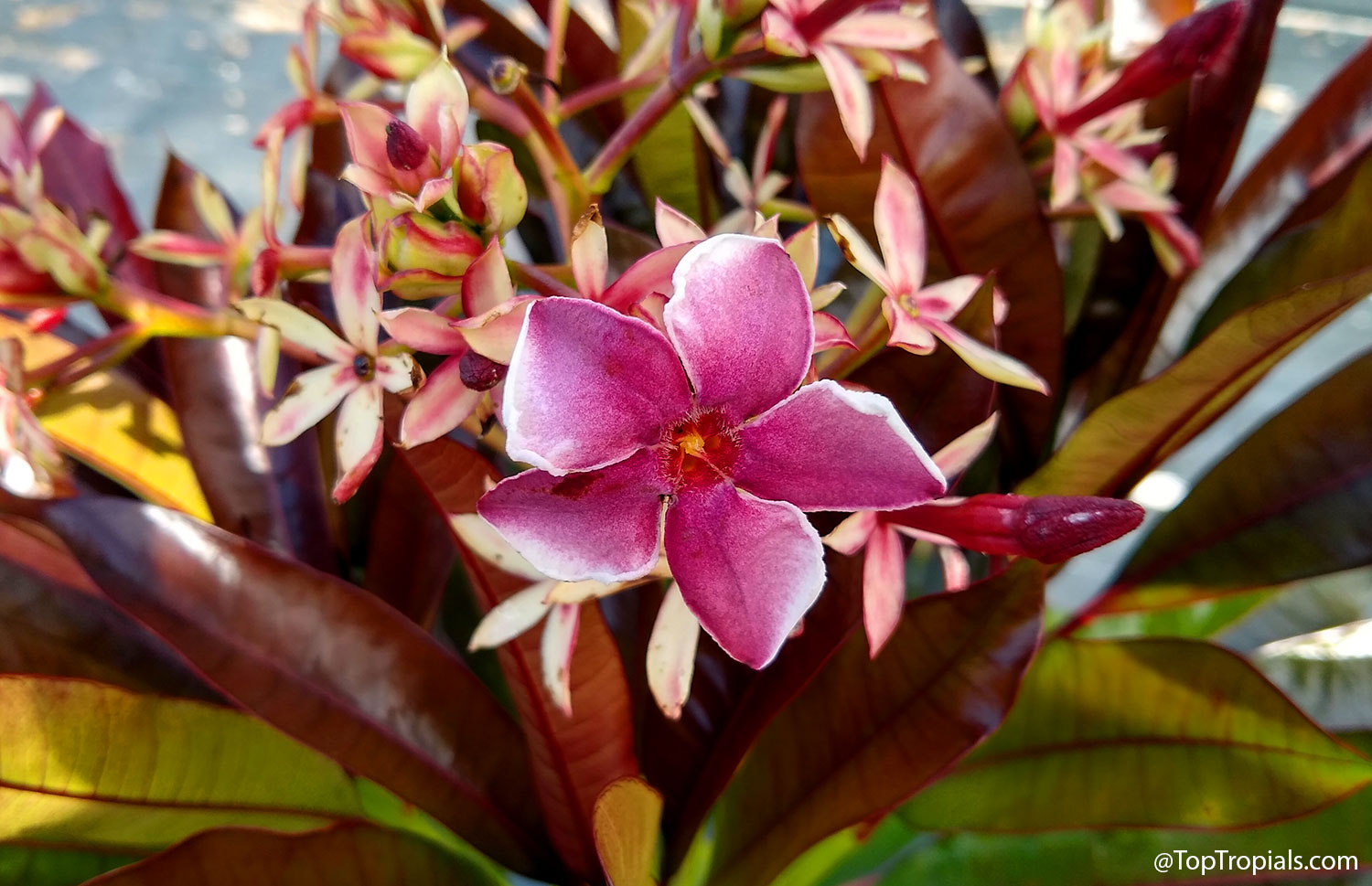
The flowers start soft pink and white, then deepen to rich red and auve as they mature. They come in clusters, four to five inches across, and the fragrance they produce does not stay close to the flower. It moves. It fills the space around the plant. On a warm morning it can perfume an entire patio.
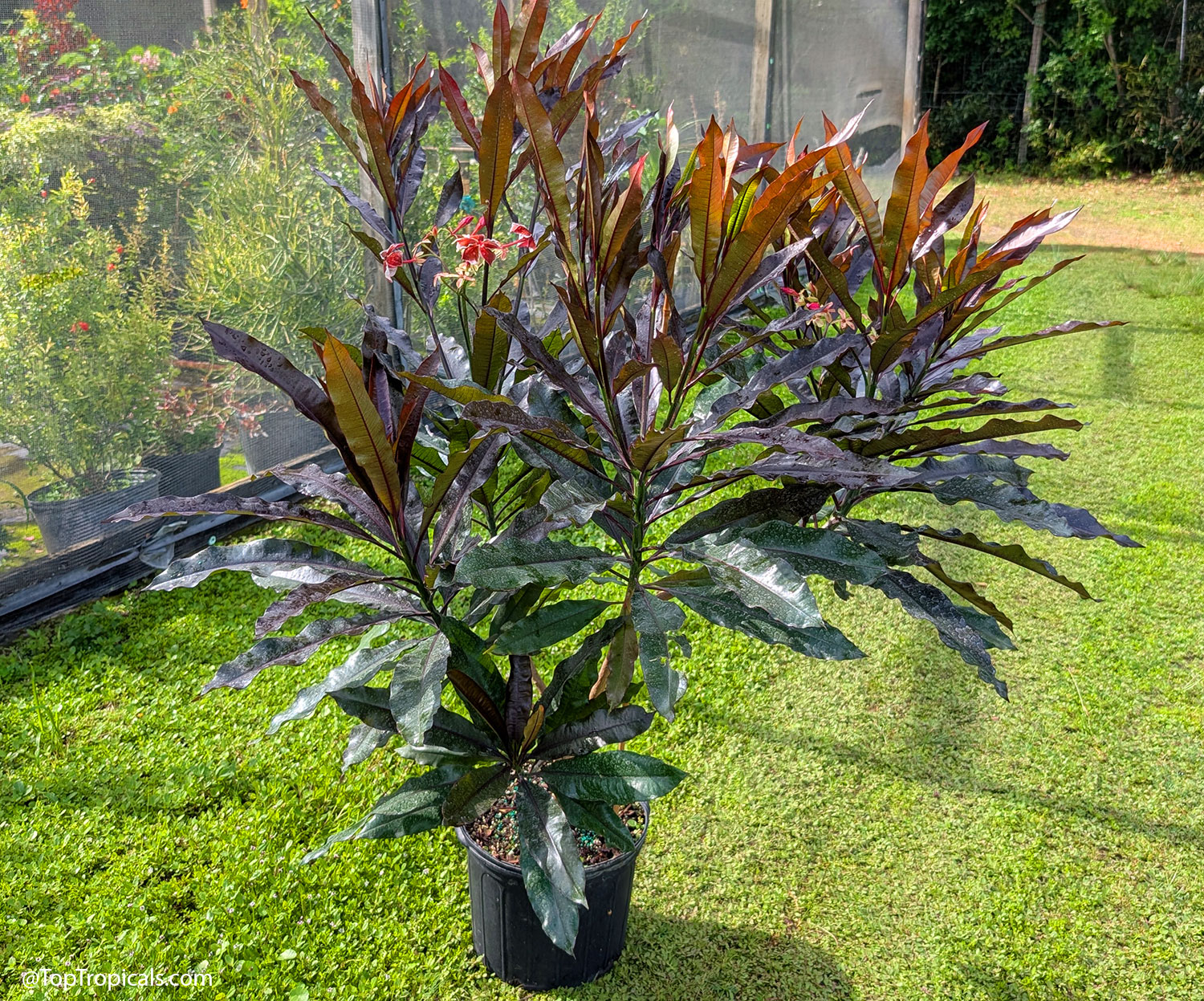
The foliage is worth mentioning too. Deep green leaves with burgundy and mauve tones that make it attractive even when it is not blooming. The growth habit is slow and slightly weeping, similar to plumeria, which is no coincidence since they are close relatives. Unlike plumeria, Enchanted Incense stays evergreen in warm climates.
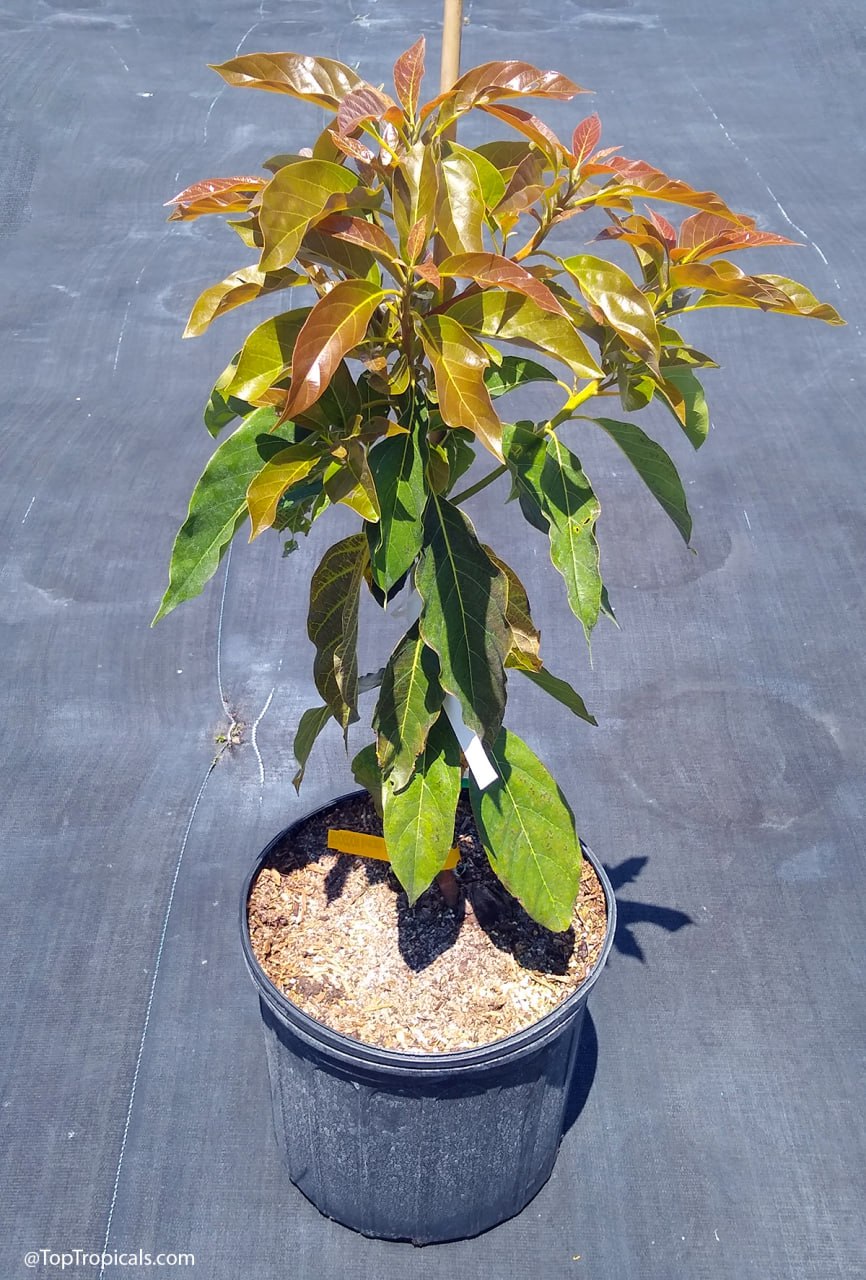
It is a compact, slow-growing small tree that is happy in a container. That makes it practical for gardeners in colder climates who need to bring it in for winter, and for anyone who wants a fragrant plant near a seating area rather than somewhere across the yard.
🌸 Why We Grow It
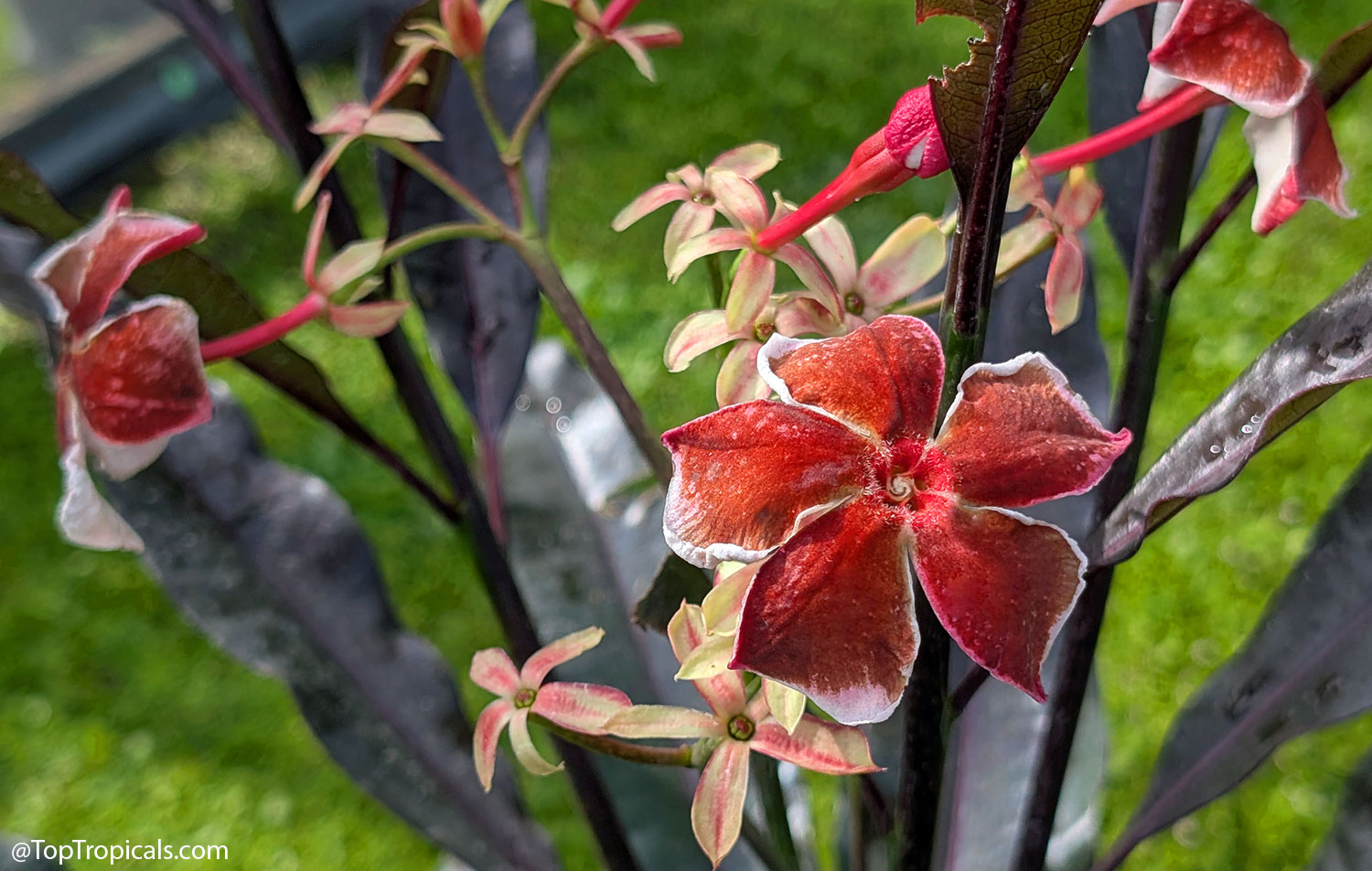
We grow thousands of plants, and most can be described in a sentence or two.
This one cannot.
A large Enchanted Incense grows right outside our office. Every year it reminds us why we spent so much time searching for it.
Visitors stop beside it and ask the same question: "What is that smell?"
They usually notice the fragrance before they notice the plant.
Some follow the scent across the nursery. Others stop in the middle of a conversation and start looking around. Nearly everyone ends up standing next to the tree trying to figure out where that incredible fragrance is coming from.
In a world full of beautiful tropical plants, Enchanted Incense remains one of the few that announces itself before you even see it.
That is why we love growing it.
| Feature | Description |
|---|---|
| Common Name | Enchanted Incense |
| Botanical Name | Cerbera x manghas |
| Origin | Thailand |
| Flowers | White to soft pink, deepening to red and pink |
| Fragrance | Exceptional, far-reaching |
| Container Friendly | Yes |
| Cold Tolerance | USDA Zones 9-11 (Low 30s°F with caution) |
| Growth Habit | Slow, compact, slightly weeping |
🛒 Add Enchanted Incense to your collection
 Growing Tips
- Light: Full sun is best (at least six hours daily). It will tolerate partial shade but blooms much more generously in good light.
- Watering: Water regularly during warm weather. In cool weather and winter, keep the soil on the drier side. Overwatering when temperatures are low is the most common mistake.
- Soil: Use a well-draining mix. This plant absolutely does not want wet feet.
-
Fertilizer: Feed with a
- Winter Care: Bring it indoors when temperatures approach the mid-30s°F. The rootstock is fairly tough, but the foliage is not. Cold and wet conditions combined are the real risk.
One Last Thing
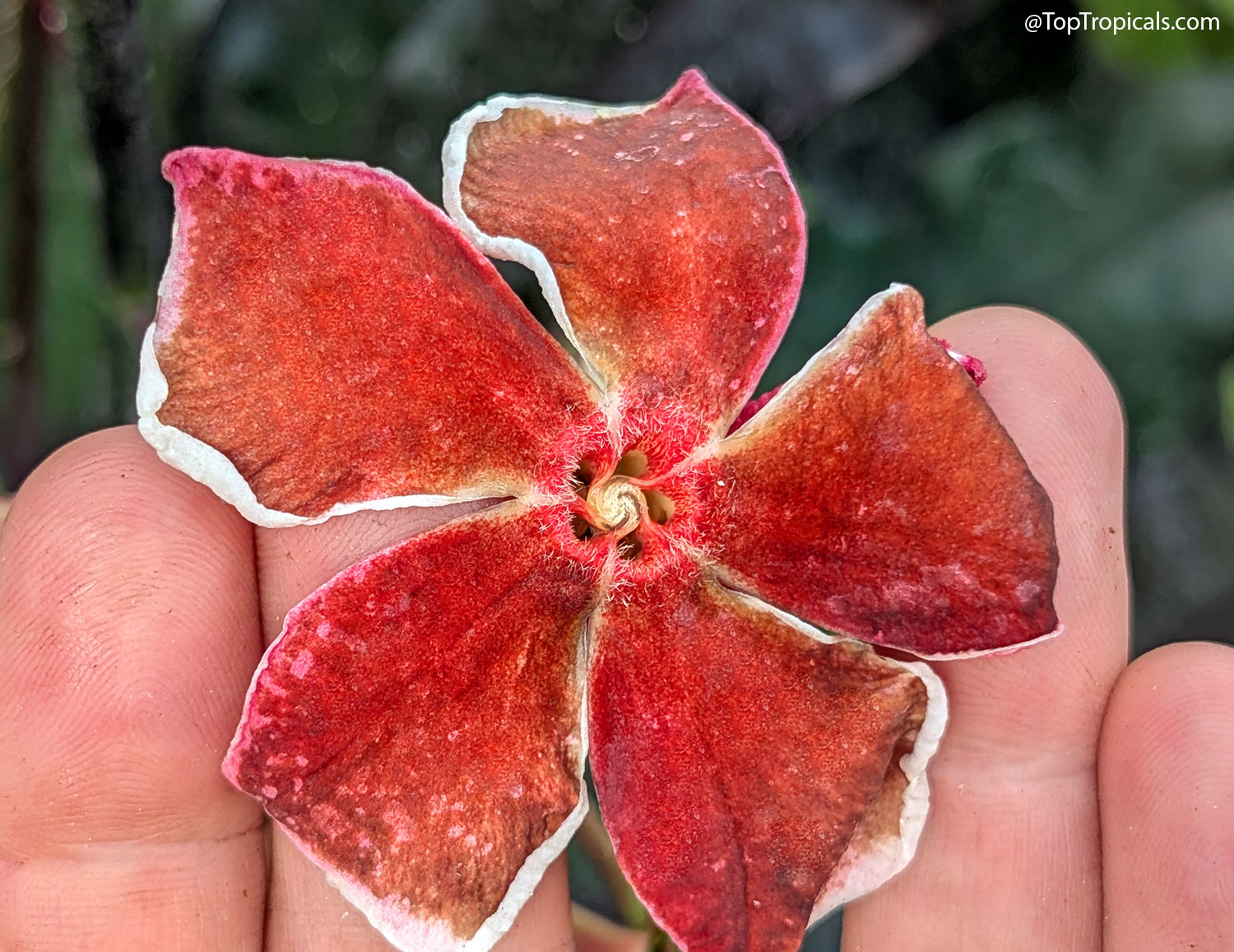
John came back from Bangkok with a few photographs and a fragrance he could not forget. It took us years to track down the plant behind that memory. We have never regretted a single minute of the search.
Smokey: Stand next to the plant.
Sunshine: That's it?
Smokey: The fragrance explains the rest.