Beyond fruit: how this African tree supports wildlife and garden health
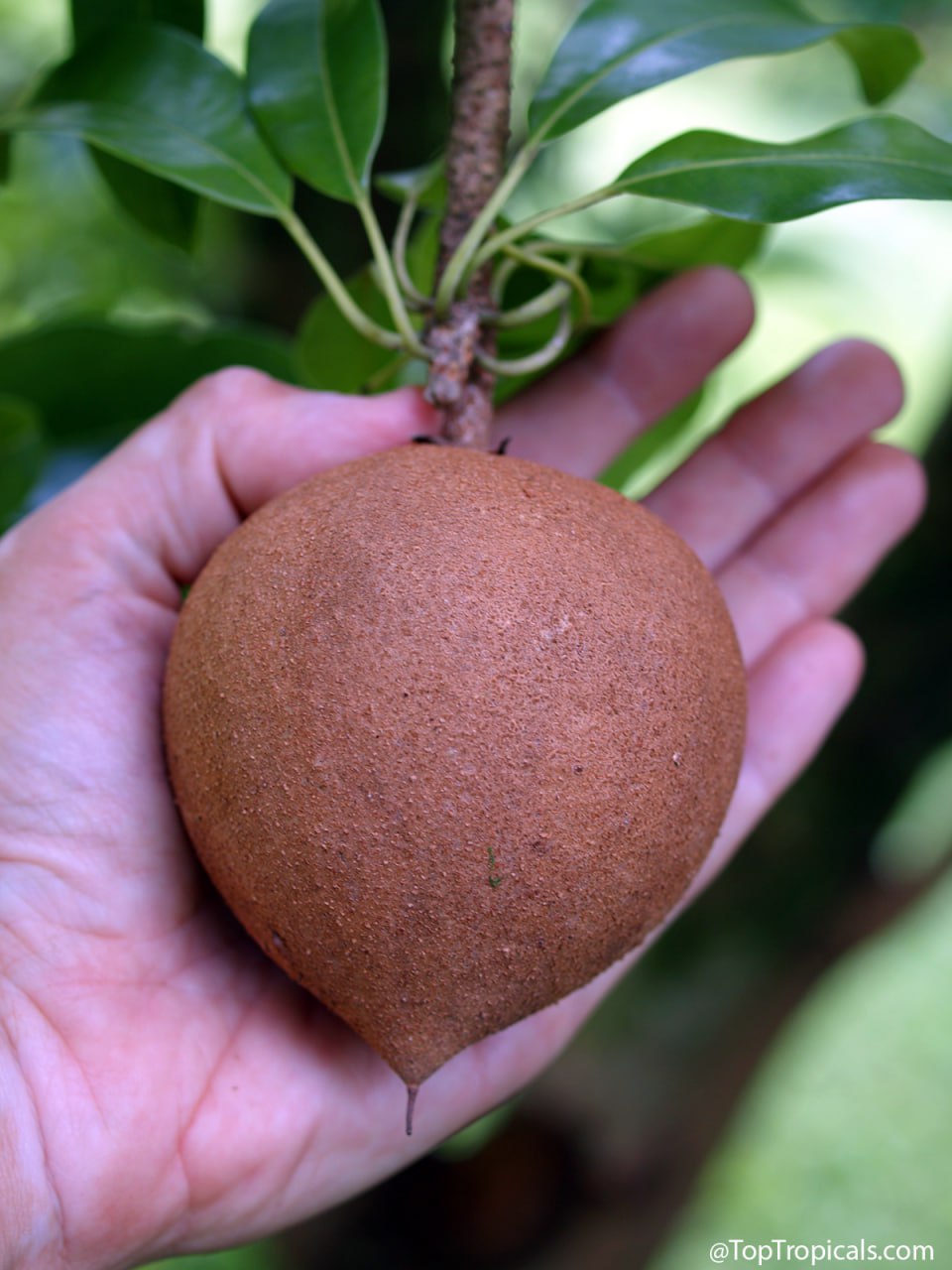
Vangueria infausta - Spanish Tamarind
Beyond fruit: how this African tree supports wildlife and garden health: Wild Medlar in the ecological food forest 🍊
Vangueria infausta (Spanish Tamarind, Wild Medlar) might win your heart for its sweet-tart fruit and folk medicine magic - but did you know it’s also a quiet hero in the ecosystem? Whether you’re planting a full-blown food forest or just a mixed backyard garden, Vangueria infausta brings more than fruit to the table. It brings balance, beauty, and biodiversity.
Wild Medlar Plant Facts
Botanical name: Vangueria infausta Also known as: Wild Medlar, Spanish Tamarind
USDA Zone: 9 - 11
Highligths
🐝 Pollinator power
When in bloom, this tree produces nectar-rich flowers that attract bees, butterflies, and other pollinators. These beneficial insects don’t just help the Wild Medlar fruit - they boost productivity in your entire garden.
If you grow mangos, citrus, guava, or veggies nearby, Spanish Tamarind helps keep the pollinator traffic moving.
🐦 Bird magnet
Birds are big fans of this tree. They nest in its dense branching, snack on overripe fruit, and help spread seeds. In return, they’ll help keep down pests like caterpillars and beetles.
Even in a small garden, one Wild Medlar can be a micro-habitat for birds, insects, and other helpful wildlife.
🌱 Soil stabilizer
With its deep roots and drought-hardy nature, Wild Medlar helps hold soil in place, especially on slopes or rocky patches. It improves drainage and reduces erosion, which makes it a great addition to food forests in challenging spots.
🍂 Natural mulch & green cleanup
The tree drops a modest amount of leaf litter, which breaks down into soft, rich mulch. In a diverse planting, that means fewer weeds, better soil structure, and less watering needed.
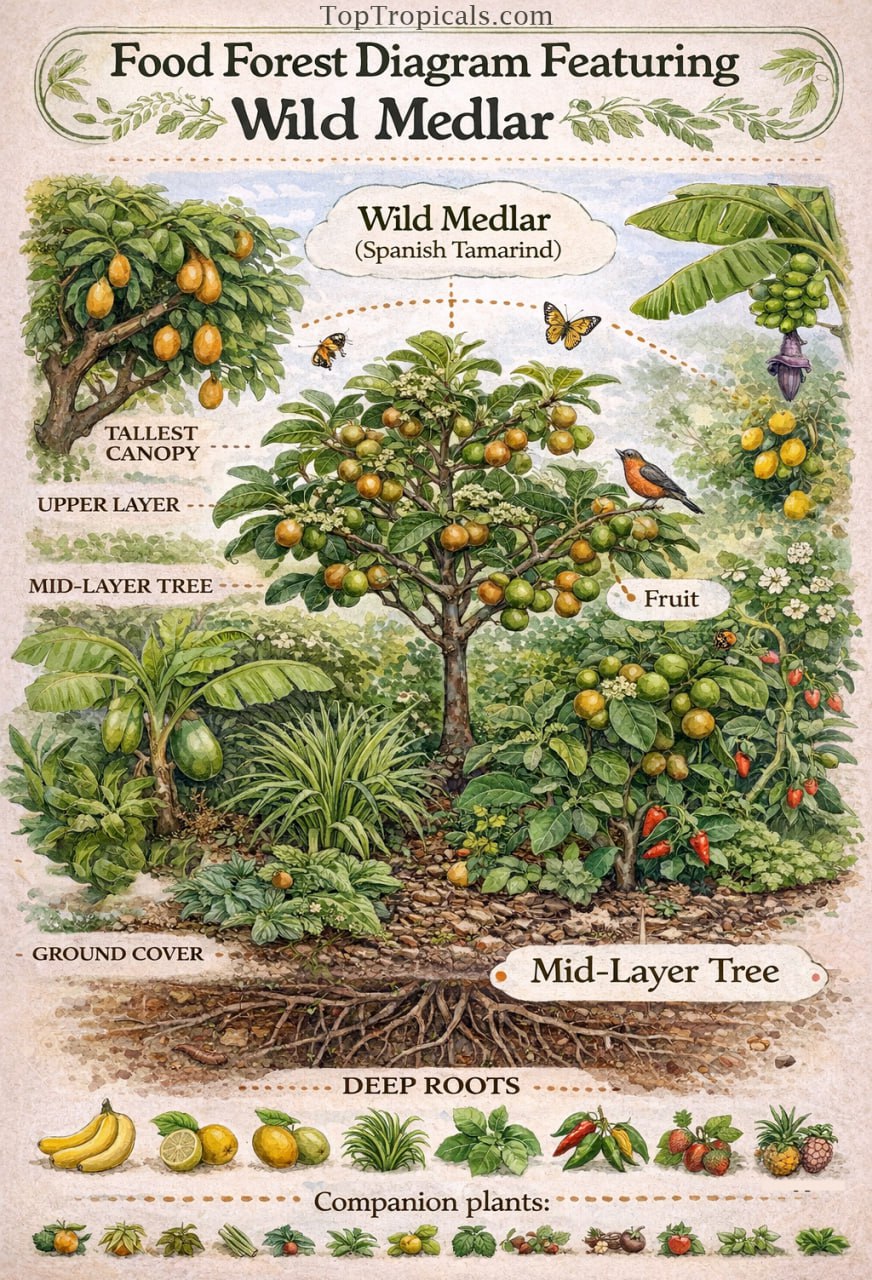
🌿 Companion planting & food forest stacking · Works great as a mid-layer tree in multi-tiered systems · Provides light shade for herbs or smaller fruiting plants · Plays well with bananas, papaya, guava, lemongrass, and ground covers
In zones 9-11, it can live happily in a mixed border or permaculture guild. In colder zones, just keep it potted and move it around as needed - it still offers many of the same benefits.
🛡 Pest and disease resistant
One more bonus: Spanish Tamarind is incredibly low-maintenance. It resists most common pests and doesn’t suffer from fungal issues like many tropical fruit trees do. That means fewer chemicals and more harmony in your garden ecosystem.
✍️ Ready to plant something that gives back?
Think you need more than just another fruit tree? More life. More movement. More meaning in your garden?
Grow Wild Medlar for the fruit - but keep it for everything else it brings. The pollinators. The shade. The quiet medicine. The steady presence that makes your space feel alive.
If you’re building a food forest - or simply want a tree that earns its place every single season - this one doesn’t just sit there. It contributes.
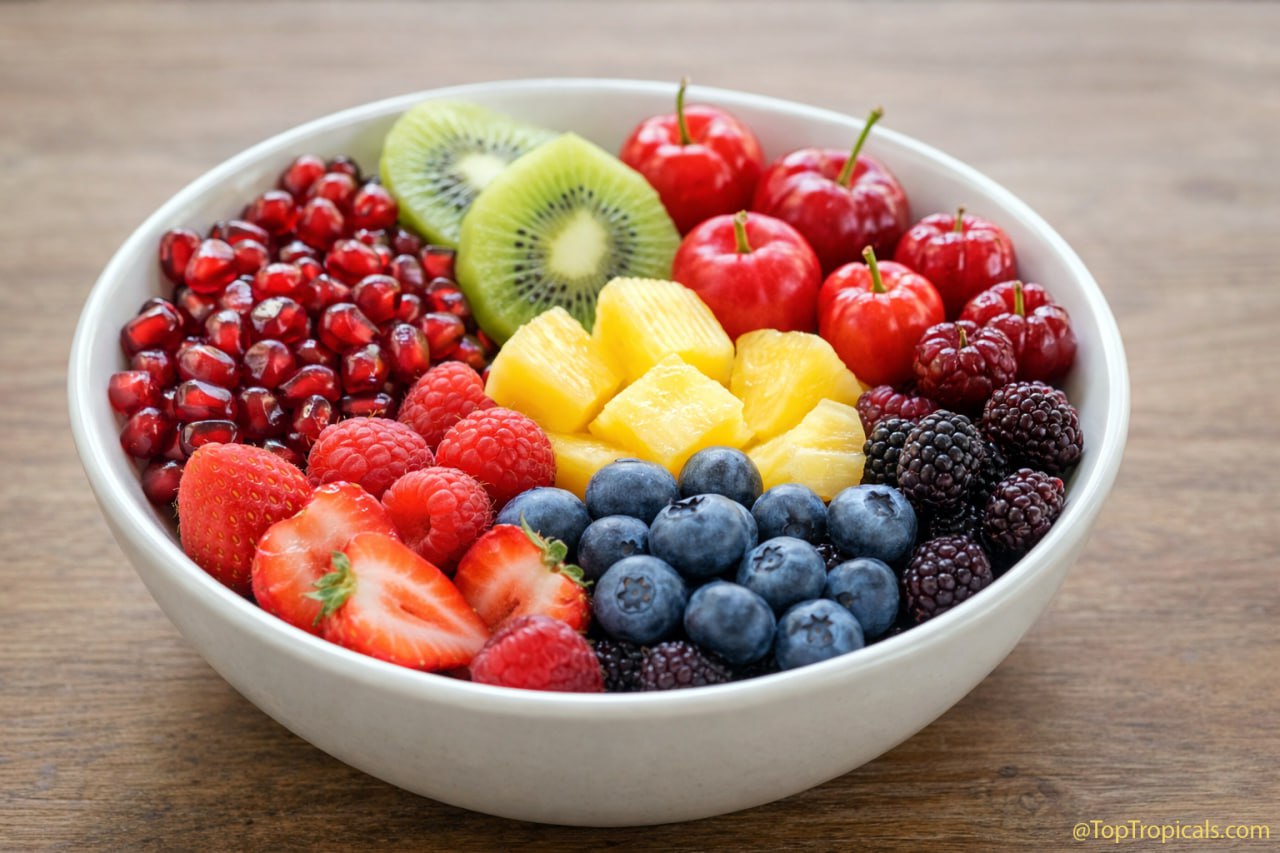
5 fruits to eat when you have a cough or cold - backed by research
When you are fighting a cough or cold, your immune system works overtime. While no fruit can cure a viral infection, certain fruits contain nutrients and bioactive compounds that may help reduce inflammation, support immune defenses, and ease respiratory discomfort.
Here are five fruits supported by nutrition research that may help during cold season.
1. Pomegranate 🍅
Pomegranate is rich in polyphenols, especially punicalagin, known for antiviral activity.
Pomegranate Plant Facts
Botanical name: Punica granatum Also known as: Pomegranate, Granada, Grenade, Pomegranate, Granada, Anar, Granaatappel, Pomo Granato, Romeira, Melo Grano
USDA Zone: 8 - 11
Highligths
According to a study published in PubMed, pomegranate polyphenol extract suppressed replication of influenza A virus in cultured cells and showed direct virucidal effects. Researchers identified punicalagin as a key compound involved in blocking viral RNA replication. These findings suggest pomegranate extracts may help reduce viral load during respiratory infections.
2. Kiwi
Kiwi is exceptionally high in vitamin C, a nutrient closely linked to immune function and respiratory health. A study published in Antioxidants (MDPI) found that consuming two SunGold kiwifruit daily for six weeks restored adequate plasma vitamin C levels in adults with a history of severe respiratory infections. Researchers concluded that kiwi consumption can directly support antioxidant defenses during respiratory illness.
3. Tropical cherries 🍒
Instead of traditional lemon, consider tropical cherries such as Malpighia (acerola cherry) and Eugenia (Surinam cherry). Acerola (Malpighia glabra - Barbados Cherry) is one of the richest natural sources of vitamin C. Clinical research shows that adequate vitamin C intake is associated with reduced duration and severity of common cold symptoms. Vitamin C supports immune cell function and helps maintain the respiratory tract's protective barrier.
Barbados Cherry Plant Facts
Botanical name: Malpighia glabra Also known as: Barbados Cherry, Acerola, Malphigia, Cerejeira
USDA Zone: 9 - 11
Highligths
Eugenia species (Tropical Cherries) contain anthocyanins and phenolic compounds with antioxidant and anti-inflammatory properties, which may help reduce oxidative stress during illness.
4. Pineapple🍍
Pineapple contains bromelain, a group of proteolytic enzymes known for anti-inflammatory effects.
According to a study published in PubMed, bromelain significantly reduced inflammatory cell infiltration in the lungs in a mouse model of airway inflammation. These findings suggest bromelain may help ease airway inflammation and congestion.
5. Berries and including mulberries
Strawberries, blueberries, raspberries, blackberries and mulberries are rich in flavonoids and vitamin C.
Although direct clinical trials on berries for colds are limited, nutrition reviews highlight their immunomodulatory potential. Flavonoids such as quercetin, anthocyanins, and catechins have demonstrated antioxidant effects and possible antiviral activity in laboratory studies. Mulberries provide additional anthocyanins and resveratrol-like compounds, offering strong antioxidant support during illness.
Practical tips when you are unwell ❤️�
🔻Choose room-temperature or lightly warmed fruit to avoid throat irritation. 🔻Prefer whole fruit over juice to retain fiber and stabilize blood sugar. 🔻Pair fruit with warm herbal tea or honey if appropriate. 🔻Rotate fruits to benefit from diverse phytonutrients. 🔻If symptoms persist, worsen, or include high fever or breathing difficulty, seek medical care.