Garden Blog - Top Tropicals

Date: 21 Feb 2026

The best time to plant a fruit tree was 20 years ago - here is why you need to plant it now

Litchi chinensis - Smiles under the Lychee tree

Litchi chinensis - Smiles under the Lychee tree

🍑 The best time to plant a fruit tree was 20 years ago - here is why you need to plant it now


They say the best time to plant a fruit tree was 20 years ago.
The second best time is today.

A fruit tree is not a seasonal purchase. It is not a decoration. It is a decision that stretches far beyond you.

When you plant a mango, an avocado, a loquat, a lychee tree - you are not just planting for this summer. You are planting for children who will climb that tree. For neighbors who will ask for a basket of fruit. For someone who may live in your house long after you are gone.

Fruit trees are quiet investments in the future.
Unlike annual crops that come and go, a tree deepens its roots every year. Many fruit trees - especially mangoes - can live for decades, even a century. They outlive trends, owners, renovations, even mortgages. They stand there, steady, producing.

Even if you sell the house, the tree remains.
The next family will walk into the yard and discover fruit hanging overhead. Imagine buying a home and realizing someone before you planted abundance!

That is a gift.

In many parts of the world, mango trees are called generational crops. One farmer plants them. His children harvest them. His grandchildren sell the fruit. A single decision continues to feed and support a family long after the planter is gone.
There is something deeply grounding about that.

We live in a fast world. Quick returns. Quick moves. Quick upgrades.
A fruit tree moves at a different pace. It asks for patience. It rewards consistency. It teaches you to think long term.

Planting a fruit tree says:
I believe in tomorrow.
I believe this land will matter.
I believe someone will stand here after me.

And even if you never taste the fullest harvest, someone will.
Passing fruit trees through generations is more than horticulture - it is legacy. It is continuity. It is resilience. It is saying that this space, this soil, this home will keep giving.

So plant it now.
Plant it for your children.
Plant it for the next homeowner.
Plant it for shade you may never sit under.
Plant it for fruit you may never pick.
Because one day, someone will walk into that yard, look up, and thank the person who thought ahead.
Let that person be you.

🛒 Explore fruit trees for your orchard
  • 👉 Tropical Fruit favorites:


🥭 Mango
Avocado
🍒 Cherry
🍊 Loquat
🍈 Jackfruit
🍑 Peach tree
🍉 Guava
🍏 Sugar apple
🍇 Mulberry
🍐 Sapodilla

#Food_Forest #Discover

🟢 Join 👉 TopTropicals

Date: 20 Feb 2026

Top Ten Fruit Tree Winners of Florida 2026 Record Freeze

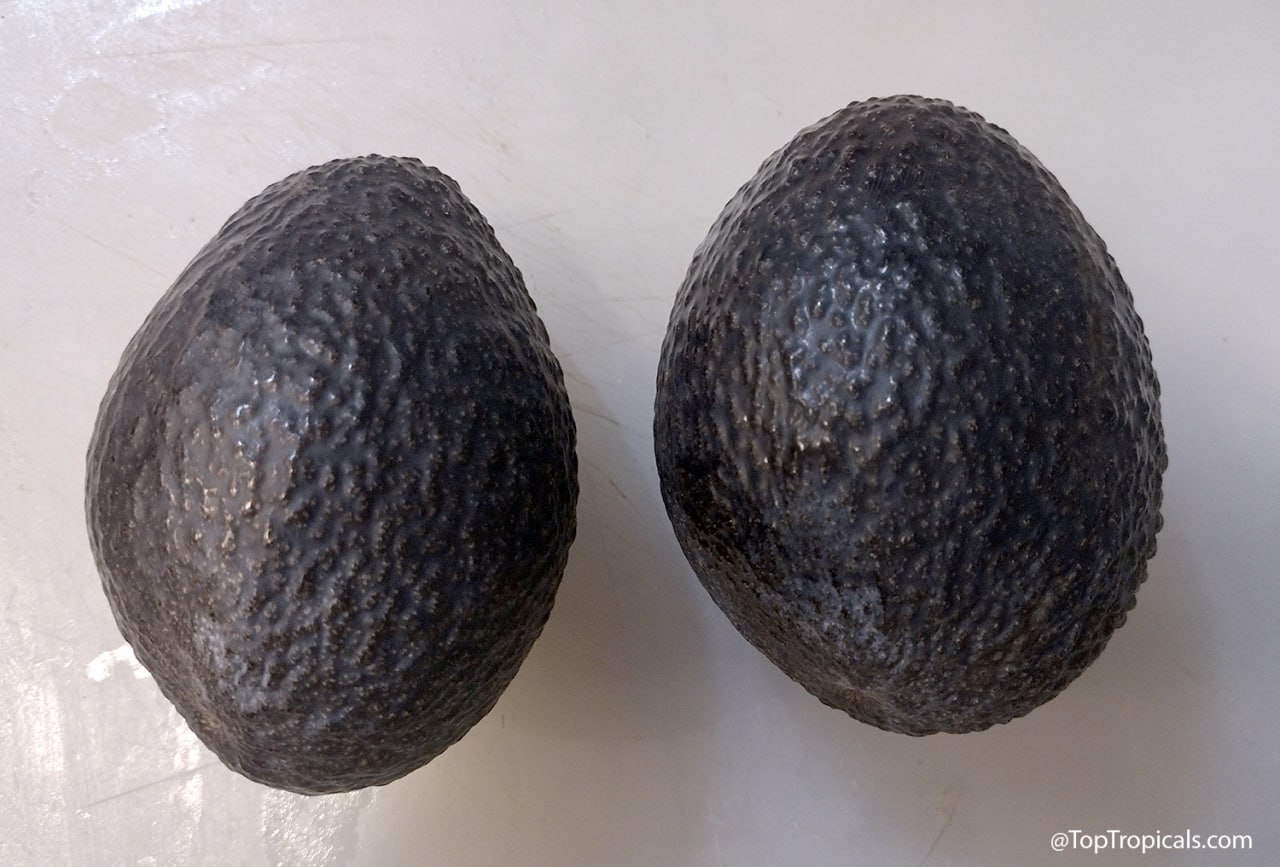
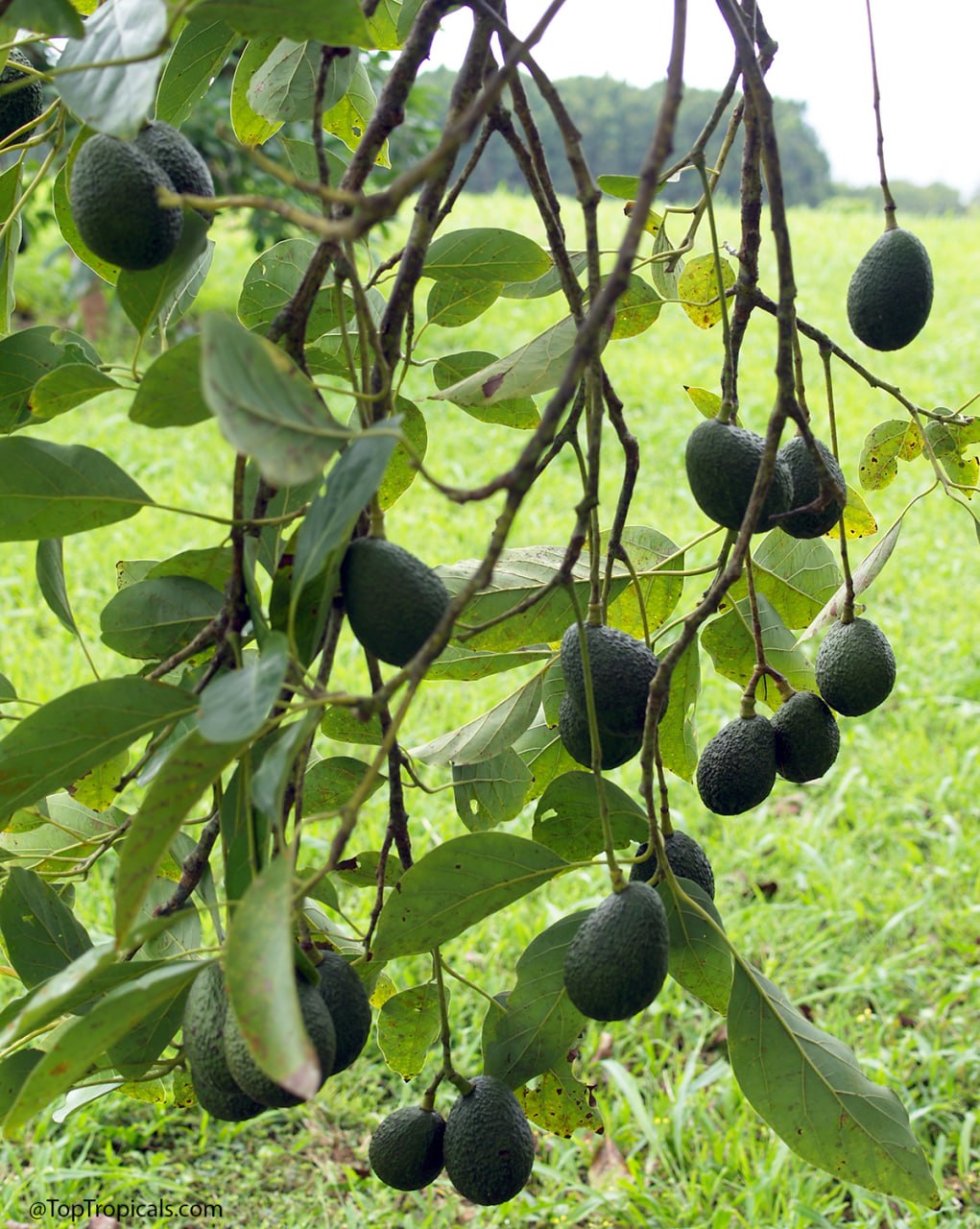
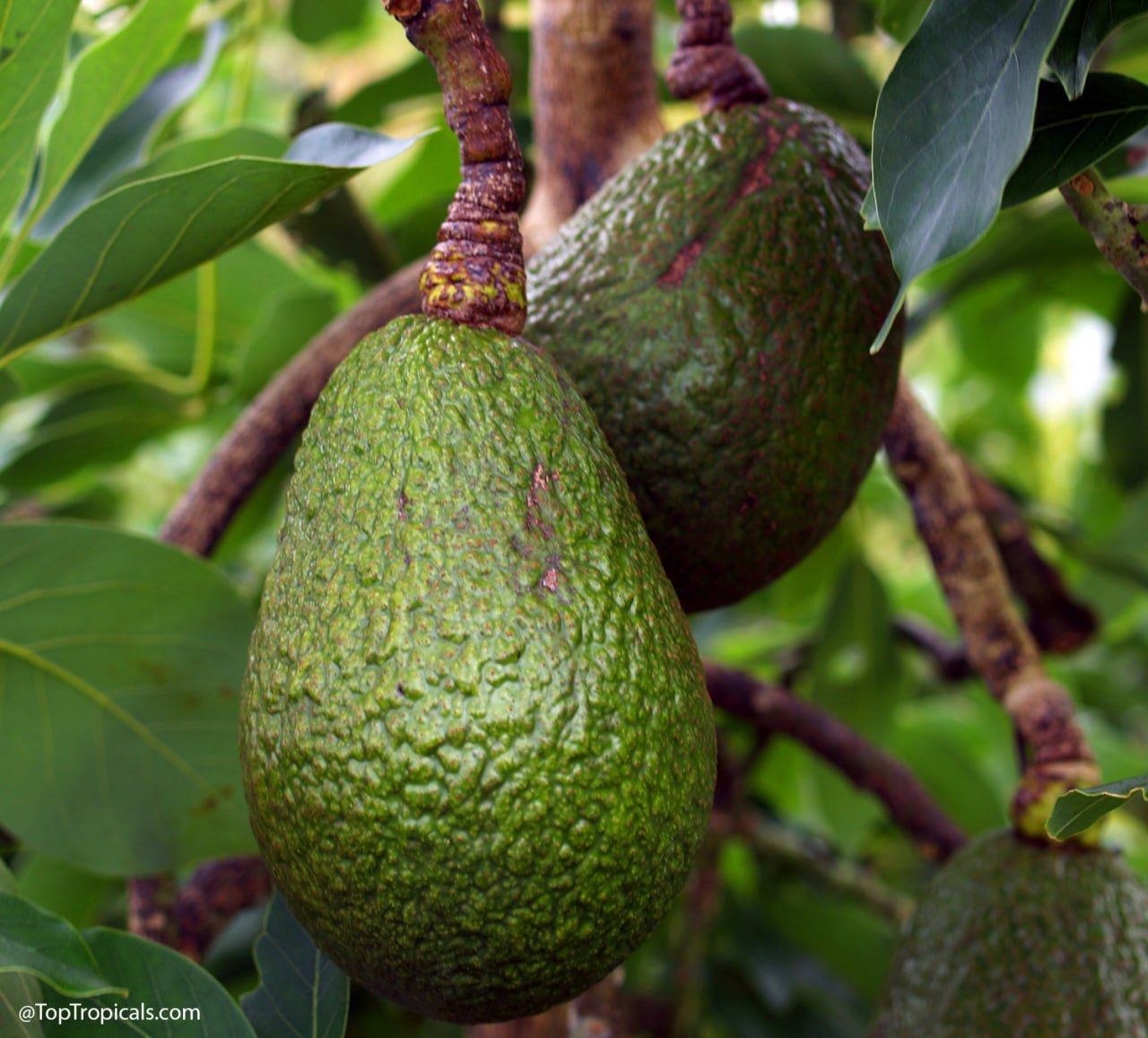
Avocado tree with fruit

Avocado tree with fruit

Eugenia

Eugenia

Feijoa - Pineapple Guava

Feijoa - Pineapple Guava

Jaboticaba tree

Jaboticaba tree

Loquat tree

Loquat tree

Macadamia Nut tree

Macadamia Nut tree

Prunus sp - Peach

Prunus sp - Peach

Persimmon tree

Persimmon tree

Pomegranate tree with fruit

Pomegranate tree with fruit

Psidium littorale - Cattley Guava tree with fruit

Psidium littorale - Cattley Guava tree with fruit

🏆 Top Ten Fruit Tree Winners of Florida 2026 Record Freeze


These fruit trees had no damage after 3 nights of hard freeze (25F) with NO PROTECTION:

🛒 Explore cold tolerant tropical plants and cold hardy Avocados

📚 Learn more:


#Discover #How_to #Food_Forest

🟢 Join 👉 TopTropicals

Date: 19 Feb 2026

10 ways to enjoy Wild Medlar - Spanish Tamarind

Vangueria infausta (Spanish Tamarind, Wild Medlar)

Vangueria infausta (Spanish Tamarind, Wild Medlar)

🍊 10 ways to enjoy Wild Medlar - Spanish Tamarind


Vangueria infausta (Spanish Tamarind, Wild Medlar) from Africa to your backyard: the fruit, the medicine, the tradition.

Spanish Tamarind may look like a small, unassuming fruit - but don’t let it fool you. In its native Africa, this tree is a food staple, a home remedy, and a cultural favorite, all wrapped into one. And now, it’s ready to bring that same magic into your garden and kitchen. People have used this fruit for generations - and how you can too.

🍊 1. Eat it fresh, off the tree


When ripe, the fruit turns golden brown and softens slightly. Its flavor is sweet-tart, almost like a tangy apple or tamarind with a hint of citrus. Just peel and eat!

🍬 2. Dry it for snacks


In many African regions, the fruit is sun-dried and enjoyed like natural fruit leather. It keeps well, travels well, and makes a great healthy snack.

🍵 3. Brew it into a fruit tea


Dried fruit can be steeped into a tart, refreshing tea that’s packed with vitamin C and antioxidants. Add honey or ginger for a soothing drink.

🍷 4. Ferment it into traditional beer or wine


In some local cultures, the fruit is fermented into a mild alcoholic drink, similar to fruit wine or beer. This is one of the tree’s oldest known traditional uses.

🍧 5. Make jams and preserves


Boil the pulp with sugar and lemon juice to make tangy medlar jam. Spread it on toast, stir into yogurt, or use it in baking.

6. Add to porridge or smoothies


Crushed or juiced medlar fruit is added to traditional maize porridge for a nutrient boost. You can do the same with oatmeal or smoothies.

7. Try traditional fruit pudding


A simple medlar mash with a little sweetener makes a rich, apple-like pudding with hints of spice. Great as a chilled dessert.

🌿 8. Use the leaves and bark medicinally


In folk medicine, leaves are brewed into a tea for treating fever, colds, and stomach aches. Bark is used for chest congestion and coughs. Roots are sometimes used for even stronger remedies like malaria treatment.

9. Clean your teeth the traditional way


Believe it or not, people use medlar leaves to clean their teeth! The leaves are antimicrobial and have a slight astringent taste that leaves your mouth feeling fresh.

🎨 10. Dye fabric naturally
Crush the bark or boil the leaves to create natural dyes in yellow, green, and even purple tones. This use is still practiced in rural areas of southern Africa.

✍️ Why this tree belongs in your life


Wild Medlar is more than just a fruit. It’s a versatile, resilient, and deeply cultural plant that connects generations. It’s food, it’s healing, it’s art—and now it can be part of your garden story.
Grow it for the fruit, the medicine, the tradition… or just for the joy of growing something wild and wonderful.

🛒 Plant Spanish Tamarind and enjoy exotic fruit benefits

📚 Learn more:

Plant Facts

Vangueria infausta
Wild Medlar, Spanish Tamarind
USDA Zone: 9-11
Small tree 10-20 ftFull sunModerate waterEdible plantDeciduous plantEthnomedical plant.
Plants marked as ethnomedical and/or described as medicinal, are not offered as medicine but rather as ornamentals or plant collectibles.
Ethnomedical statements / products have not been evaluated by the FDA and are not intended to diagnose, treat, cure, or prevent any disease. We urge all customers to consult a physician before using any supplements, herbals or medicines advertised here or elsewhere.Subtropical plant. Mature plant cold hardy at least to 30s F for a short time
  • Vangueria infausta - Spanish Tamarind in Plant Encyclopedia
  • 7 steps for a care-free Spanish Tamarind - the easiest rare fruit to grow
  • The wild fruit with a secret: health benefits of rare Spanish Tamarind - the exotic fruit you've never heard of

  • #Food_Forest #Remedies #Recipes #Discover

    🟢 Join 👉 TopTropicals

    Date: 16 Feb 2026

    Yes, you can grow a mango tree on your patio - here is how to do it right

    Mango fruiting in container

    Mango fruiting in container

    🥭 Yes, you can grow a container mango tree on your patio - here is how to do it right


    Think you need a backyard orchard to grow mangoes? You don't. Mango trees grow very well in containers. Compact varieties, often called condo mangoes, stay naturally smaller and are well suited for pots, patios, and small yards. We grow and ship mango trees nationwide and have seen which varieties perform best in containers.

    Growing mangoes in pots is also practical in cooler climates. The tree can be moved to protection during cold weather while still producing real fruit. Here is how to do it right.

    🥭 Pick the right condo mango tree variety


    Choose condo or semi-dwarf mango varieties that stay smaller and respond well to pruning. These mango trees usually stay 6 to 10 feet tall in containers with light pruning. Fruit size is full-size, just fewer than on large trees.

    Good mango choices for pots include:
    • · Cogshall - compact and productive
    • · Pickering - naturally small and reliable
    • · Carrie - manageable size, great flavor
    • · Ice Cream - slow growing, narrow canopy
    • · Julie - classic Caribbean type
    • · more condo varieties...


    🥭 Choose the right pot


    Start small. Young mango trees do best in a 5- to 7-gallon pot. Oversized containers too early often cause overwatering and root issues.

    Increase size gradually:
    First pot: 5-7 gallons
    Next size: 10-15 gallons
    Mature container: 20-25 gallons

    The pot must drain well. Mango roots dislike wet soil. Add holes if needed. Plastic, ceramic, and fabric pots all work.
    • 🥭 Use fast-draining soil


      Mango trees need air around their roots.
      Use a loose, fast-draining mix, such as Abundance Professional Soilless Mix. Improve drainage with perlite, pine bark, or coarse sand. Avoid heavy or water-holding soils. Drainage matters more than fancy ingredients.
    • 🥭 Water carefully


      Mango trees prefer a wet-dry cycle.
      Water deeply, then allow the top few inches of soil to dry before watering again. Always check with your finger first.
      In warm weather, water once or twice a week. In winter, much less. Overwatering is the most common container mistake.
    • 🥭 Give plenty of sun


      Mango trees love sun and heat.
      Place the pot in full sun with at least 8 hours daily. More sun improves growth and flowering.
      If overwintered indoors, use the brightest window possible. Grow lights help, but outdoor sun is best when weather allows.
    • 🥭 Fertilize lightly but consistently


      Potted mango trees benefit from regular feeding during active growth.
      Use a balanced mango or fruit tree fertilizer such as Sunshine Mango Tango (safe to use with every watering, year-around). Controlled-release fertilizer Green Magic (every 6 months) work well too. Avoid excess feeding, which promotes leaves over flowers.
      If leaves pale, check watering first, then nutrition.
    • 🥭 Prune to stay compact


      Pruning is essential for mangoes in pots.
      Light tipping and trimming control size, encourage branching, and increase flowering points. Keep the canopy open and balanced. Watch how simple tipping works in real life: .
      Avoid heavy pruning before flowering. Most pruning is best right after harvest.
    • 🥭 Protect from cold


      Mango trees are tropical and cold-sensitive.
      When temperatures drop below 40F, move the pot to protection or indoors. Young trees are especially vulnerable.
      During winter, reduce watering and stop fertilizing. Growth slows and the tree rests.
      When warm weather returns, reintroduce the tree to sun gradually to prevent leaf burn.
    • 🥭 Final thoughts


      Growing a mango tree in a pot is practical and rewarding. With the right variety, good drainage, full sun, and careful watering, a potted mango can thrive and fruit for years, even in small spaces. Ready to start? Choose a compact mango variety.


    🛒 Discover Condo Mango

    📚 Learn more:
    #Food_Forest #How_to #Discover #Mango

    Plant Facts

    Mangifera indica
    Mango
    USDA Zone: 9-11
    Large tree taller than 20 ftSmall tree 10-20 ftFull sunModerate waterYellow, orange flowersPink flowersEdible plantSeaside, salt tolerant plant
    🟢 Join 👉 TopTropicals
    Date: 15 Feb 2026

    Tamarind date dipping sauce, quick-n-fun exotic recipes

    Tamarind date dipping sauce

    Tamarind date dipping sauce

    Tamarind - Tamarindus indica - flowers

    Tamarind - Tamarindus indica - flowers

    🍴 Tamarind date dipping sauce: quick-n-fun exotic recipes


    Tamarind Date Dipping Sauce

    Ingredients

    • 3 soft dates
    • 1 tablespoon tamarind pulp
    • 1 pinch salt
    • 2–3 tablespoons warm water

    Instructions

    1. Soak the dates briefly in warm water if they are firm.
    2. Add the dates, tamarind pulp, and salt to a blender.
    3. Blend until smooth.
    4. Add warm water gradually until the sauce reaches dipping consistency.
    5. Serve with snacks, roasted vegetables, or grilled foods.


    🌿 About the plant:


    When combined with dates, tamarind transforms into a sweet-sour chutney common in Indian street food.

    🏡 In the garden:


    Tamarind (Tamarindus indica) flowering occurs in warm months with small yellowish blooms. Pollination leads to the familiar curved pods.

    🛒 Add Tamarind tree to your garden

    📚 Learn more:

    Plant Facts

    Tamarindus indica
    Tamarind, Sampalok
    USDA Zone: 9-11
    Large tree taller than 20 ftFull sunModerate waterEdible plantSubtropical plant. Mature plant cold hardy at least to 30s F for a short timeFlood tolerant plantSeaside, salt tolerant plant

    Tamarindus indica in Plant Encyclopedia

    #Food_Forest #Recipes

    🟢 Join 👉 TopTropicals