Q:
I was curious about indoor fruiting mango trees.
I live in upstate New York and was thinking about trying to grow an indoor
tree for fruit. I have a small heated greenhouse. Is there a variety that can
be grown from seed that would suit my purposes and if not what is the most
economical way I could obtain a cutting or small grafted plant? I keep my
greenhouse around 60F in the winter and have no supplemental lighting. Are there
any varieties that may work in a sunroom or other well lit indoor
location?
A:
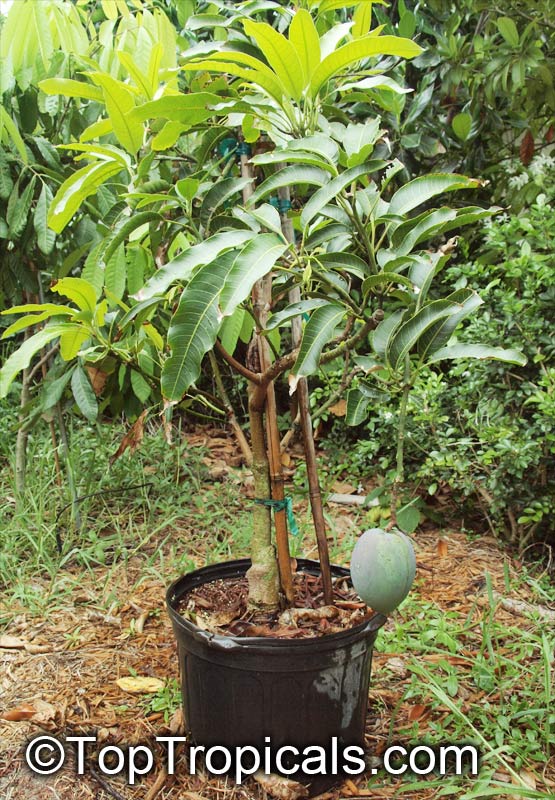
There are many dwarf varieties of mango suitable for container culture. They
are called "condo mangoes".
The most popular condo varieties are: Carrie, Cogshall, Cushman, Fairchild,
Graham, Ice Cream, Julie
, Mallika, Nam Doc Mai,
Pickering. You may read more about them in our online
catalog. You may also look into variety
Lancetilla which is also a compact tree, and produces one of the biggest size
fruit, up to 5 pounds. If you want some rare variety that hardly anyone else has -
try Baptiste, an exotic Haitian dessert
mango.
Your greenhouse should work for the winter time. Mango trees can take
as low as mid 40s during winter and even lower as long as that cold is
occasional. If you keep the temperature around 60, this should work well for over
wintering. Just make sure to reduce watering to a minimum, because cool
temperatures, low light and wet soil - is a bad combination for tropical plants,
especially for mango trees which prefer to be kept on a dry side.
Many indoor gardeners have fruiting mango trees in their collection. However,
keep in mind that the most important requirement for a mango is full sun.
While you may over winter the plant for a few months in a low light conditions,
in order for it to flower and produce fruit it needs lots of light. If moving
the tree into full sun your yard during the summer is possible, this would
be the best solution.
We always recommend
SUNSHINE boosters for both over wintering tropical plants in colder
climates, and for indoor gardening. SUNSHINE applications will help your tree to
cope with cool temperatures and low light conditions. This will also
dramatically increase flowering and fruiting performance. Another important factor for
keeping your container plant healthy is quality of your potting soil. We
offer a special
professional mix that contains lots of good stuff: coconut fiber, peat moss, pine
bark, and perlite. Fertilizing potted plants
is also very important during the warm season, because this is the only way
for them to get nutrients (which in the ground can be reached by spreading
root system).
As far as seedlings vs. grafting - the only way to
have a nicely fruiting mango tree is to plant a grafted variety. Seedlings start
producing only after 8-15 years, and the quality of such fruit may be
questionable. Only grafted plants can guarantee the desired taste of a variety.
Besides, grafted mangoes start producing immediately - you may see fruit forming
on plants as small as 3 ft, in 3 gal containers. However, during the first
1-2 years you will need to remove extra fruit and leave only 1-2 fruit so the
plant doesn't get exhausted and has enough energy to establish strong root
system.
For fun stories about growing mango, check out our Radio
Show recording YO Tango Mango!
Date: 23 Sep 2025
Dragon fruit coconut parfait: quick-n-fun exotic recipes
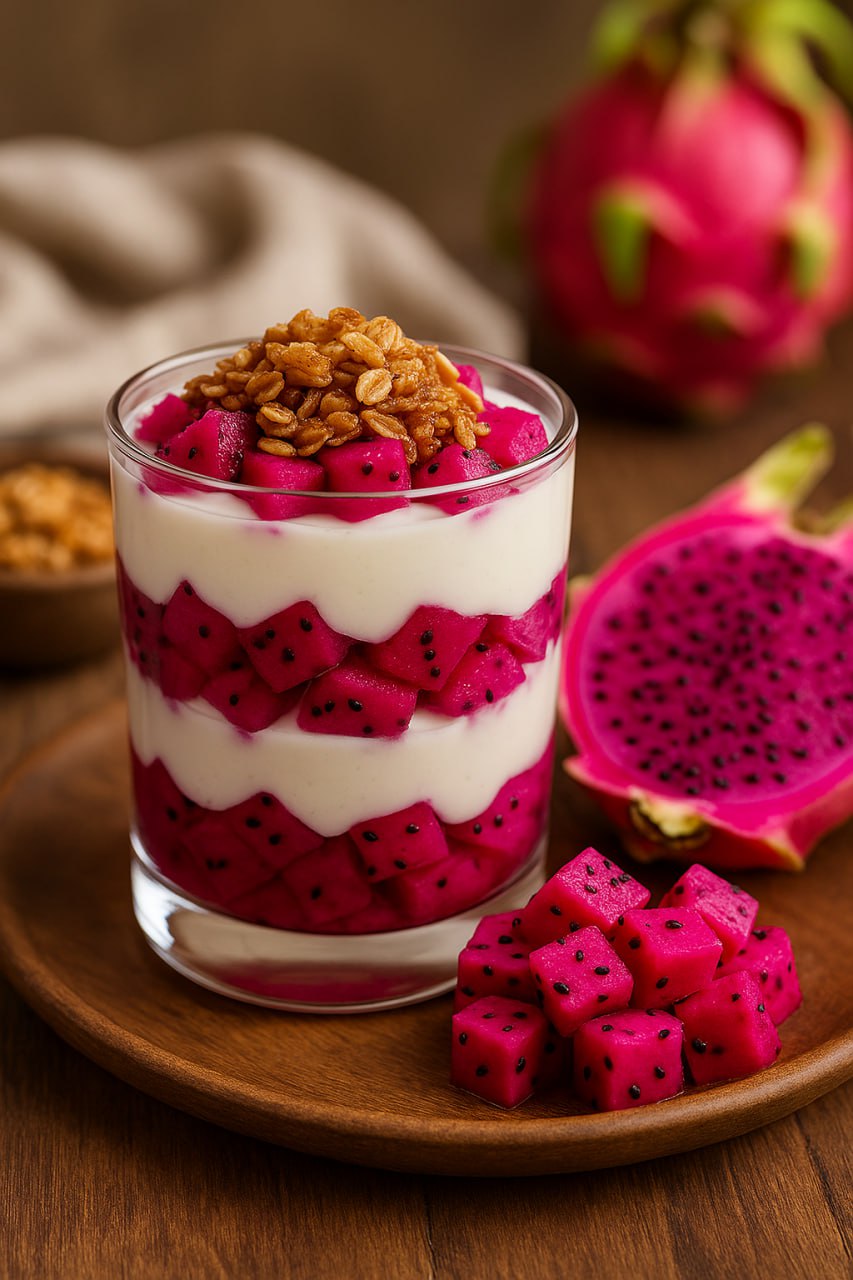
Dragon fruit coconut parfait
🍴 Dragon fruit coconut parfait: quick-n-fun exotic recipes
🔵Layer Dragon Fruit cubes with coconut cream and toasted granola.
🔵A tropical breakfast that looks neon and tastes fresh!
Dragon fruit coconut parfait recipe
Ingredients
1 fresh Dragon Fruit, diced into cubes
1 cup coconut cream
1/2 cup toasted granola
Optional: honey or maple syrup for drizzle
Instructions
Layer Dragon Fruit cubes in a glass or bowl.
Add a layer of coconut cream, then sprinkle toasted granola.
Repeat layers until glass is full, finishing with granola on top.
Serve immediately for a refreshing tropical breakfast or snack.
How to make healthy food taste delicious? Longevity Spinach Super-food Recipes.
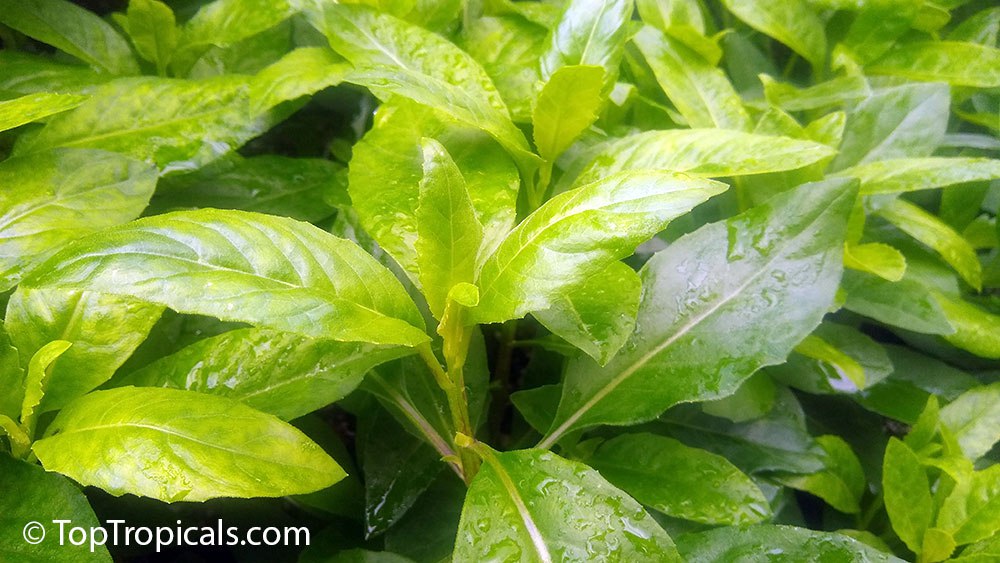
☘️ Gynura procubens (Longevity Spinach, Okinawa Spinach) is one of the Superfoods, known for its longevity-promoting properties in traditional medicine.
☘️ Native to Indonesia, commercially grown in China. It is a relatively hardy perennial that once planted, you will have these healthy greens for many years!
☘️ Both the stems and the leaves are edible and nutritious, can be eaten raw or cooked. They have a unique flavor with a faint hint of pine, and will add a beautiful aesthetic element to cuisine.
☘️ This green is also known as cholesterol spinach, and there are many claims that it lowers can cholesterol.
☘️ Perfect for hot and humid climates unlike traditional Spinach that only grown in cooler areas. It will thrive in any type of soil, any type of light other than dark shade, and is pest-free.
☘️ Very adaptable to container gardening and even grows well on a windowsill.
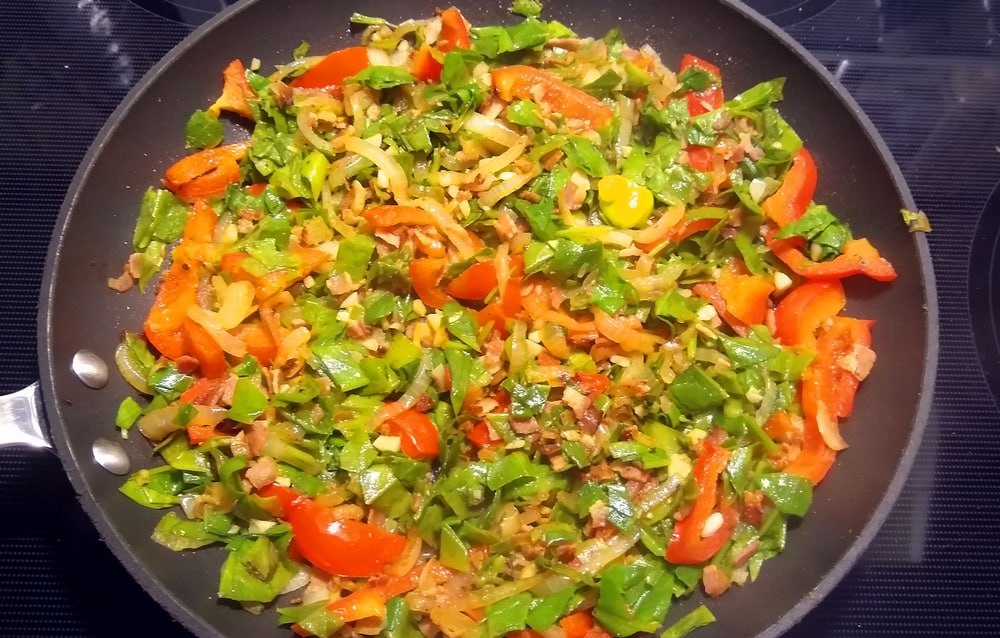
☘️ The leaves and young shoot tips can be steamed, used in stir fry, tempura, stews, and soups. Just add them at the very end.