Date: 5 Apr 2016
Jungle on Windowsill 101
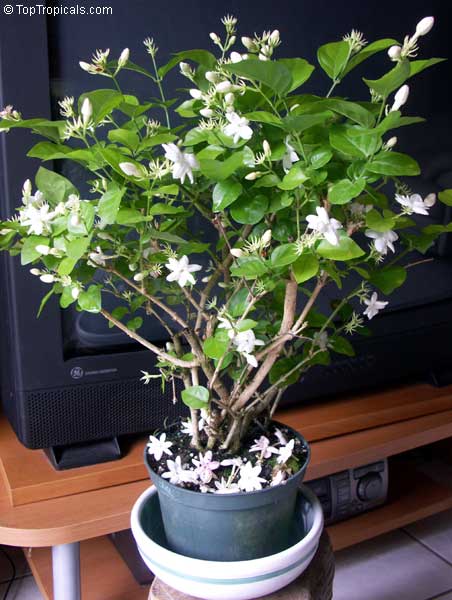
Q: I got a Jasmine Sambac and a Tahitian gardenia as presents, they are very cute plants with flowers and flower buds. I would like to be able to keep them alive and hopefully happy for a long time, but I don't know much about growing tropical plants, and I am not sure if my thumb is green enough to make everything right. What do they need? How much sun? How much water? What kind of soil? Sorry for all these (maybe silly) questions, but I want to keep them alive, please help! I live in Wisconsin and we had some snow again last week.
A: Growing tropicals is not a hard work, it is a lot of fun! These plants are actually a good starters for a beginner who wants to try growing tropical plants, no matter if you live in a mild frost-free climate, or up North where you can have these beauties as houseplants. Below are a few simple steps for you:
1. Read. Follow planting instructions included with your plants. Check plant names on the tags and learn more about them from our online catalog.
2. Soil. Plant in quality potting mix - it must be porous and well-drained, never use heavy soils (top soil or garden soil are no-no), in a pot exactly the size of the root system. You can step up your plants in the next size container once you notice vigorous new growth. Next size means: 4"pot can go into 6" pot, 6"pot into 10" pot, etc. Too big of a pot may create rotting environment, root system must fill the entire container to use all the moisture from the soil. Container must have good hole(s) for excess water to drain through. Put the pot in a saucer and get rid of excess water every time after watering.
3. Light. Most tropical plants require lots of light in order to produce flowers. If you ever visited Florida, remember the bright sun? - these are ideal light conditions for tropicals. Up North, provide as much light as possible: a bright spot on a windowsill of Southern or Western exposure would work the best. If the sun gets too hot in summer afternoon, you may shade the window a little bit with a sheet of white paper to avoid leaf burn.
4. Water. Keep soil slightly moist but not soggy. The best way is to wait until the top of the soil feels dry to touch - this is time to water again. Jasmines prefer to stay on a dry side; gardenias do not like soil to dry out - keep them slightly moist as long as soil is very porous and well-drained.
The main reason of most problems with potted indoor plants is over watering. With experience, you will feel the right balance of moisture in the soil: the brighter the light, the more water is consumed by a plant; the less light, the less frequent you should water.
5. Trimming. In low light conditions, plants tend to become leggy. Trim branches as they become too long: the more you trim, the busier the plant gets. New growth promotes more profuse blooming in many species.
6. Fertilizing. Fertilize indoor plants with slow-release granulated fertilizer from march to November.
7. Insects. Check for insects at least once a month, especially underneath the leaf. If notice any problems (deformed leaves, residue, holes, or tiny insects) - clean the leaves/stems with a solution of warm water (1 cup), vegetable oil (2 table spoons), and a few drops of a dish soap.
8. Fresh air and air humidity. As soon as air temperature gets above 65F, bring your tropicals outside in the sun and fresh air: porch, balcony, outside in the yard. Air circulation is essential for your plant health. Bright light and high air humidity will promote vigorous growth, and lots of flowers for you to enjoy!
For more information on growing Tropical Plants 101, see Problem solving with potted plants - how can we help them?
Date: 24 Jul 2023
Easy,
stress-free plants
for Summer planting
Q: With the rising temperatures, I'm concerned about shipping my plants safely. Can they withstand the heat during transit? Also, is it okay to plant them in the ground now, or should I wait for cooler Fall weather?
A: Your concern about shipping plants in hot weather is valid. For sensitive plants, we'll delay shipping until conditions are more favorable in your area. However, there are plenty of heat-tolerant tropical plants that handle shipping well with minimal stress. These plants adapt easily when planted during the hot summer months. Simply follow the included planting instructions, gradually acclimate them to full sun, and they should thrive.
Certain flowering tropical plants, such as Allamandas, Calliandras, Caesalpinias, Adeniums, and Clerodendrums, are excellent options for shipping and establishing during the summer. Flowering vines like Jasmines also adapt well. Consider using Sunshine Booster fertilizers to promote robust growth, they are safe to use right after planting.
Additionally, many fruit trees flourish in heat. Mangoes, Avocados, Pomegranates, Pineapples, Loquats, Eugenias - Tropical cherries, Bananas, Jackfruits, Dragon Fruit, and Olive trees are great choices for summer planting. Noni trees are hardy survivors and usually ship and grow well during the summer, in spite of their lush tropical leaves.
Feel free to check with us about the specific plant you plan to order for its suitability in summer shipping. We're here to take care of your green babies and address your year-round planting needs!
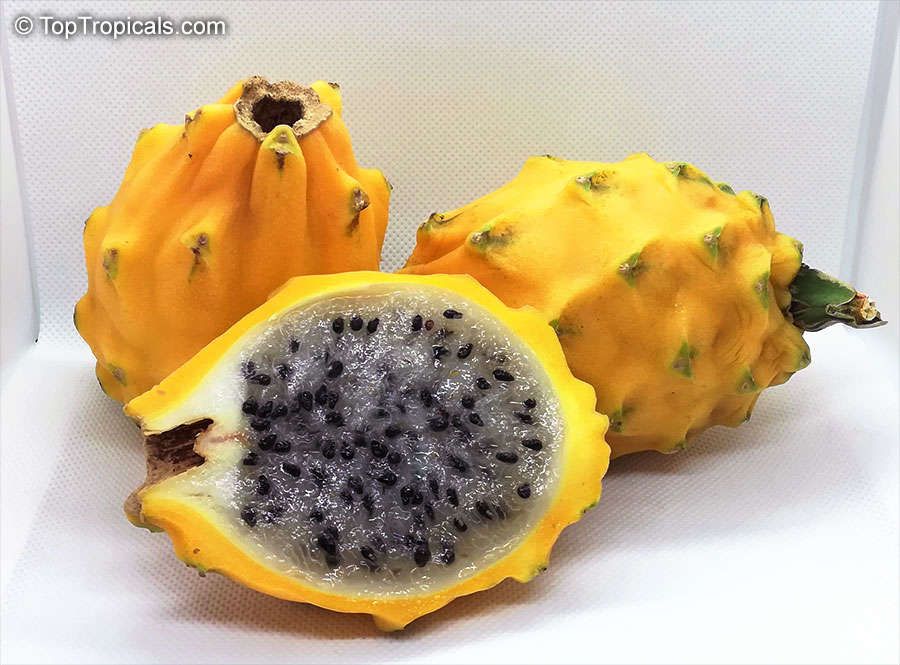
Pitaya, Yellow Dragon Fruit, Selenicereus megalanthus
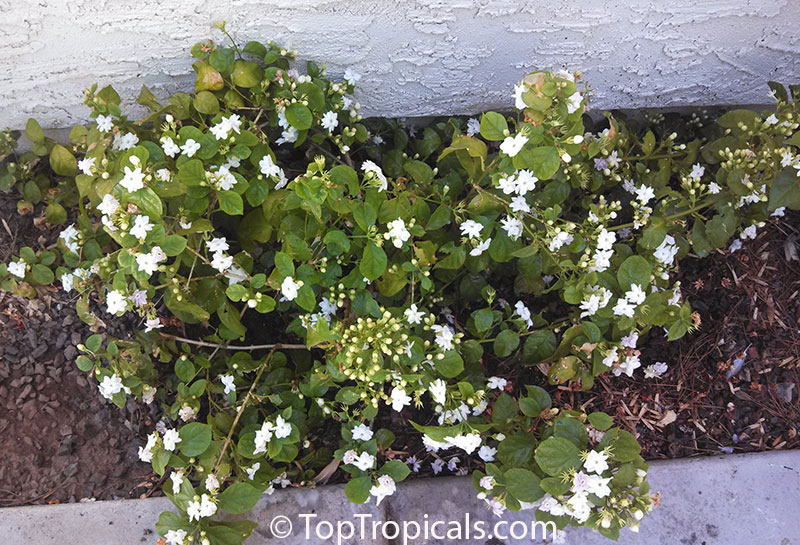
Jasminum sambac Maid of Orleans thrives and blooms in hot sun
Date: 22 May 2024
What was not on cats diet
Philemon loves Avocado, and Bob loves corn 🌽
Tastes differ. Good night.🌜
📸 😺 👇 Share your cats in comments!
🐾 #PeopleCats in our Garden:
PeopleCats.Garden
🏵 TopTropicals
Date: 2 Jul 2024
Say Cheese! Bob is eating his favorite shredded cheese and purring - sound on!
🍿 Say Cheese! Bob is eating his favorite shredded cheese and purring - sound on! 🎤
He has extended healthy diet beyond his Corn and Philemon's Avocado.
🕯 Good night...
What special treats do your cats like? Share your cats in comments!
📸 🐈🐈🐈👇
🐾 More #PeopleCats in our Garden:
PeopleCats.Garden
🏵 TopTropicals
Date: 12 Jul 2024
How to protect fruit in your garden from greedy competitors
Mango Orange Essence fruiting
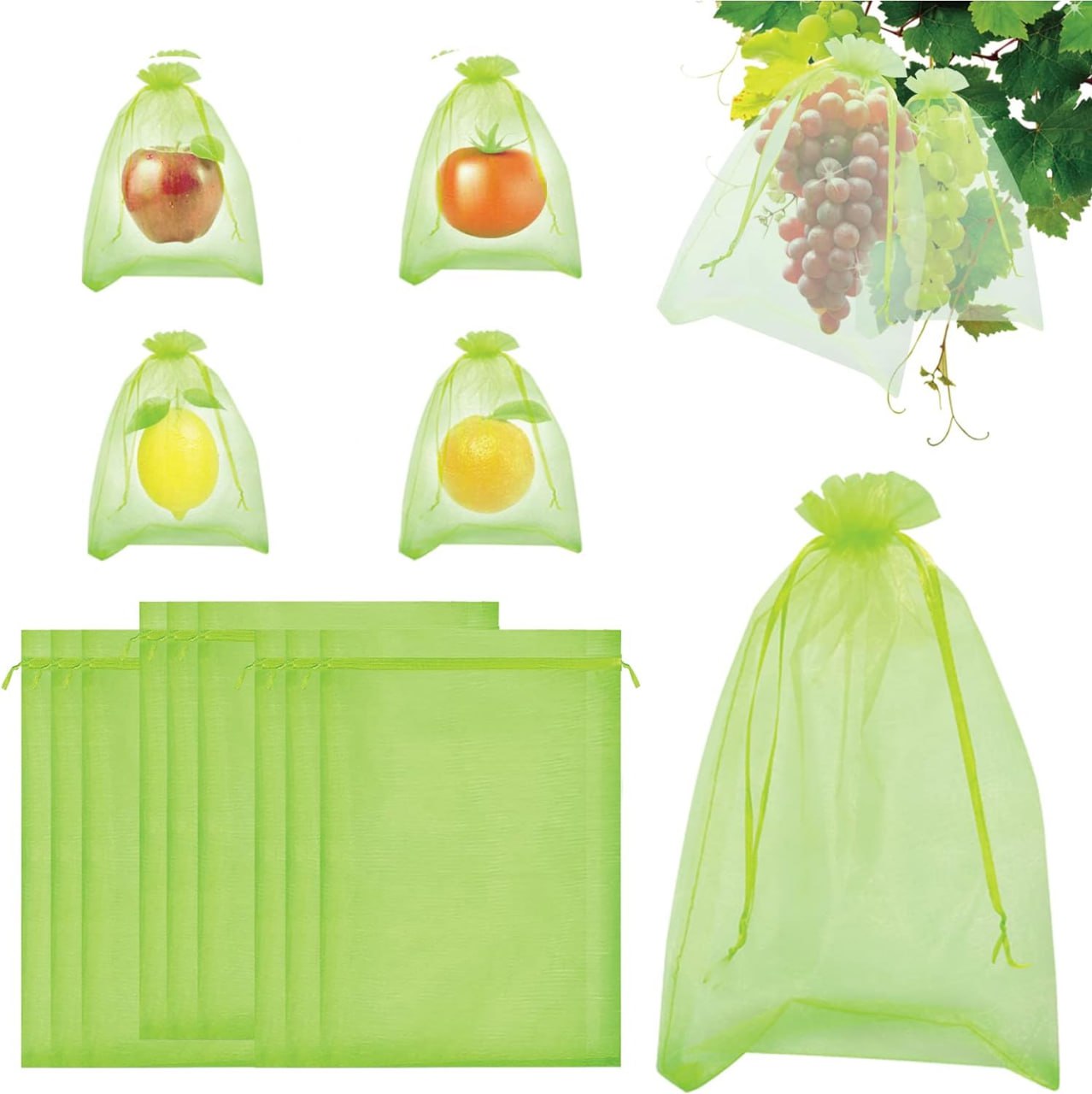
Fruit bags
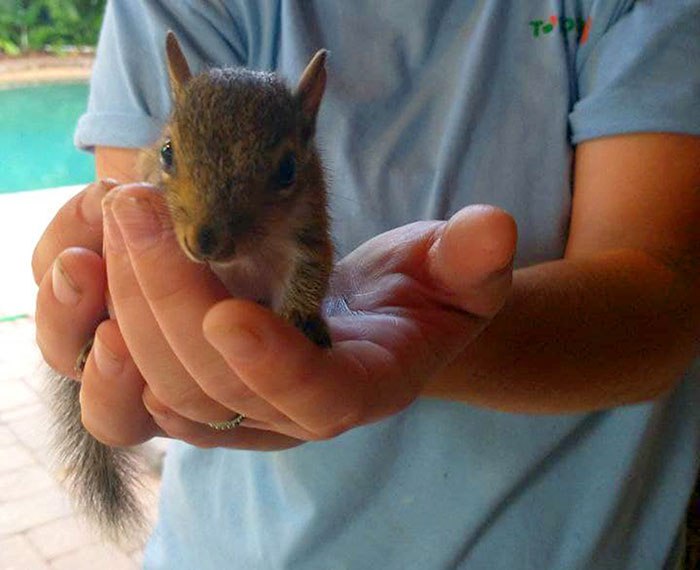
Squirrel
- 🥭
Here is how we protect our mango and avocado fruit - so far it works great:
💰💰💰 Fruit Protection Bags
These mesh netting bags/covers are made of strong nylon and have an easy drawstring, helping to protect developing fruit on a tree from insects, birds, and rodents. With drawstring closures on both ends, you can easily tighten bag around the fruit. Available from Amazon for only 15 cents a piece.
🥭🍒 Enjoy your fruit!
🛒 Dont's have your own mango tree? Plant one now to enjoy fruit tomorrow.
📚 Fun reading: Penelope, the Squirrel Cat
#How_to #Food_Forest
🏵 TopTropicals