Garden Blog - Top Tropicals

Date: 20 Oct 2025

11 tropical fruits to eat instead of taking a fiber supplement
Tropical fruits to eat instead of taking a fiber supplement

Tropical fruits to eat instead of taking a fiber supplement

🍑 11 tropical fruits to eat instead of taking a fiber supplement

  • When we think of tropical fruit, we picture sweetness, sunshine, and exotic flavors packed with vitamin C. But beneath all that juicy goodness lies another gift: dietary fiber - quietly working to support digestion, feed the gut microbiome, and help keep blood sugar steady.
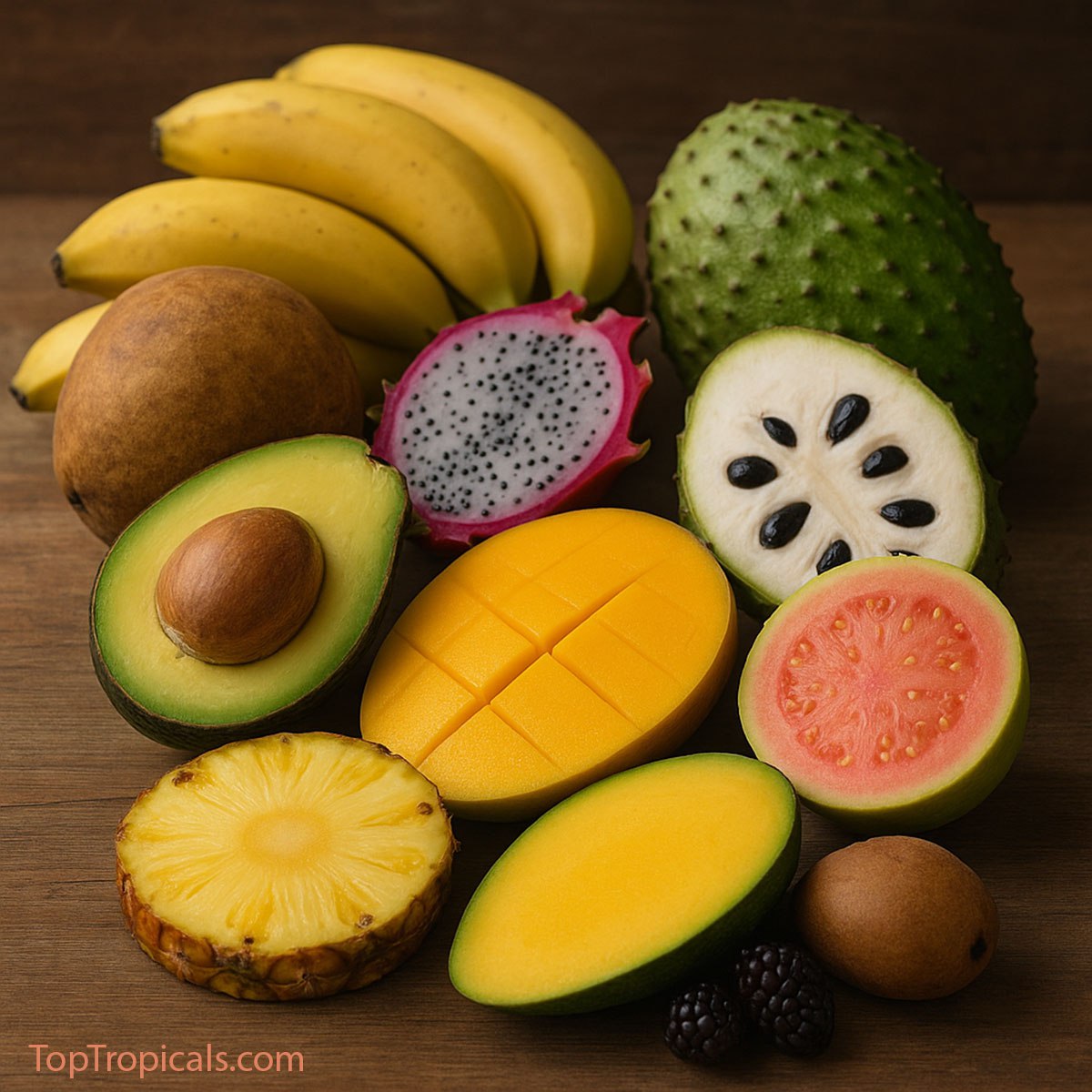
  • Avocado leads the pack among tropical fruits for fiber content. One creamy, ripe fruit can provide around 10 grams of fiber, roughly a third of an adult’s daily need. And there’s more to avocado than fiber - it’s also rich in healthy fats, micronutrients, and that silky texture everyone loves.
  • Other tropical fruits bring their own kind of fiber strength. Guava delivers up to 9 grams per cup, plus a burst of vitamin C.
  • Mango offers about 3 grams in half a fruit, especially when eaten with some of the skin.
  • Pineapple, though not always seen as a fiber powerhouse, still contributes around 2 grams per cup, along with bromelain, the enzyme that helps digestion.
  • Jackfruit’s fibrous pulp makes it another standout - it’s so meaty, it’s even used as a plant-based substitute in savory dishes.
  • Sapote fruit (Mamey, Canistel) and Sapodilla add fiber with a smooth, custard-like texture.
  • Adventurous tropical varieties like Annona (custard apple, soursop) may not top the charts in fiber numbers, but their soft, fibrous flesh still adds value: about 1.3 grams of fiber per 100 grams of fruit.
  • Bananas contain both soluble and insoluble fiber; the soluble part (mainly pectin) helps control blood sugar and appetite, while the insoluble fiber aids regularity.
  • Mulberries are rich in insoluble fiber, especially in their skin, supporting digestion and promoting healthy bowel movements.
  • Dragon fruit offers a mix of soluble fiber in its juicy flesh and insoluble fiber from its tiny edible seeds, which help support gut health and feed good bacteria.

These fruits aren’t just delicious - they help you meet your daily fiber needs in ways that are far more enjoyable (and sustainable) than taking supplements. And when home gardeners, farmers, or tropical communities grow and share them, it’s a double win: nutrition and tradition hand in hand.

✔️ Tropical fiber power: tips for getting more fiber from tropical fruits

  • ⏺Eat whole, not juiced. Most of the fiber is in the pulp, skin, and seeds. Juicing removes much of that goodness.
  • ⏺Mix it up. Tropical fruits are great, but balance them with legumes, whole grains, nuts, and veggies for a full fiber range.
  • ⏺Take it slow. If your diet is low in fiber, increase gradually to avoid bloating or discomfort.
  • ⏺Drink plenty of water. Fiber works best when paired with hydration.
  • ⏺Mind the ripeness. Unripe fruits can have more resistant starch, another form of fiber.
  • ⏺Get creative. Toss tropical fruits into smoothies, salsas, breakfast bowls, or even desserts - a tasty stealth-fiber strategy.


🛒 Plant a fruit tree to harvest your fruit tomorrow

📚 Learn more:


Tropical fruit health benefits guide - what fruit and edibles can help with health issues and vitamin deficiencies, Part 1 and Part 2.

#Food_Forest #Remedies #Discover #How_to

🟢 Join 👉 TopTropicals
Date: 16 Oct 2025

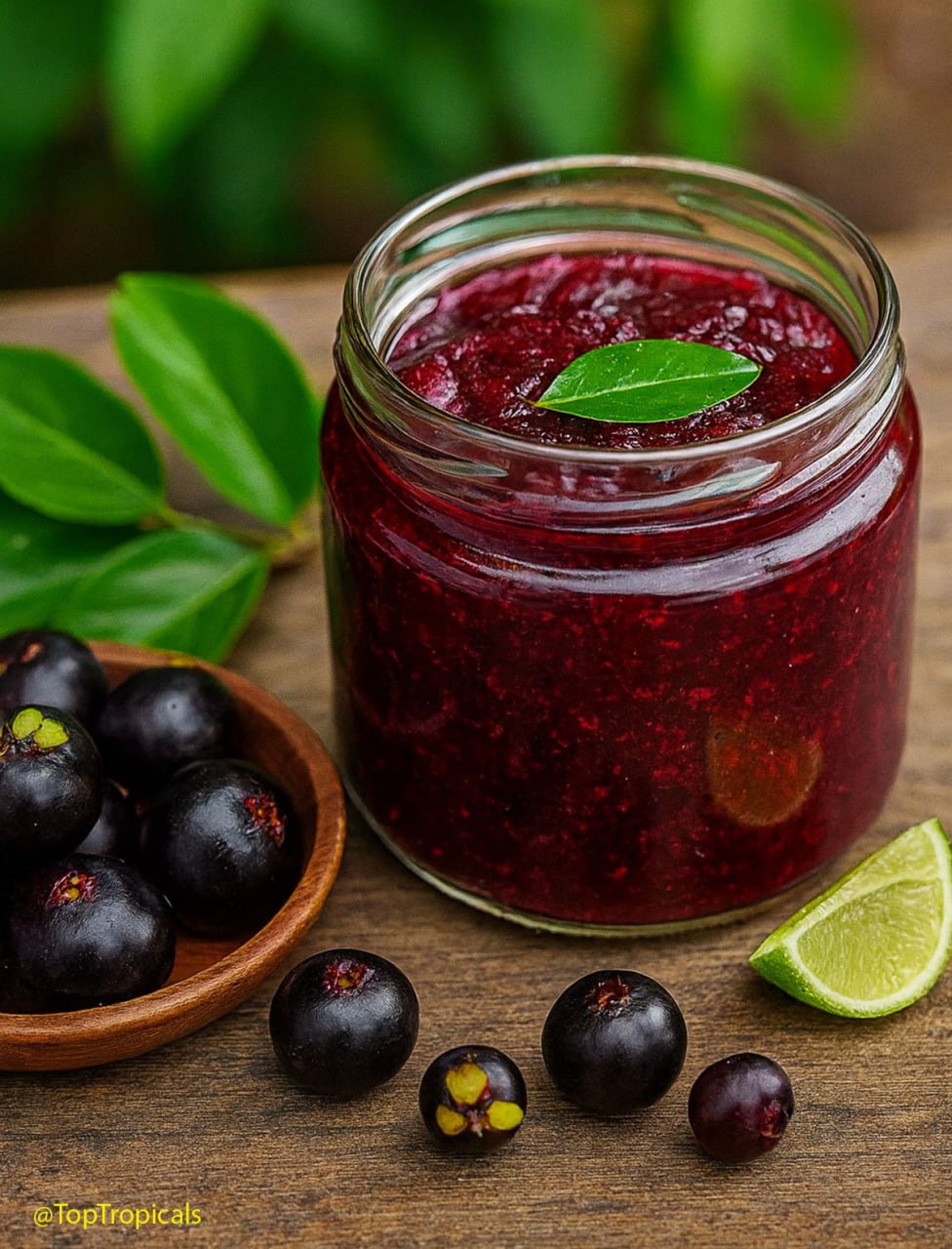
Grumichama jam: quick-n-fun exotic recipes

Grumichama jam: quick-n-fun exotic recipes Grumichama jam: quick-n-fun exotic recipes

🍴 Grumichama jam: quick-n-fun exotic recipes


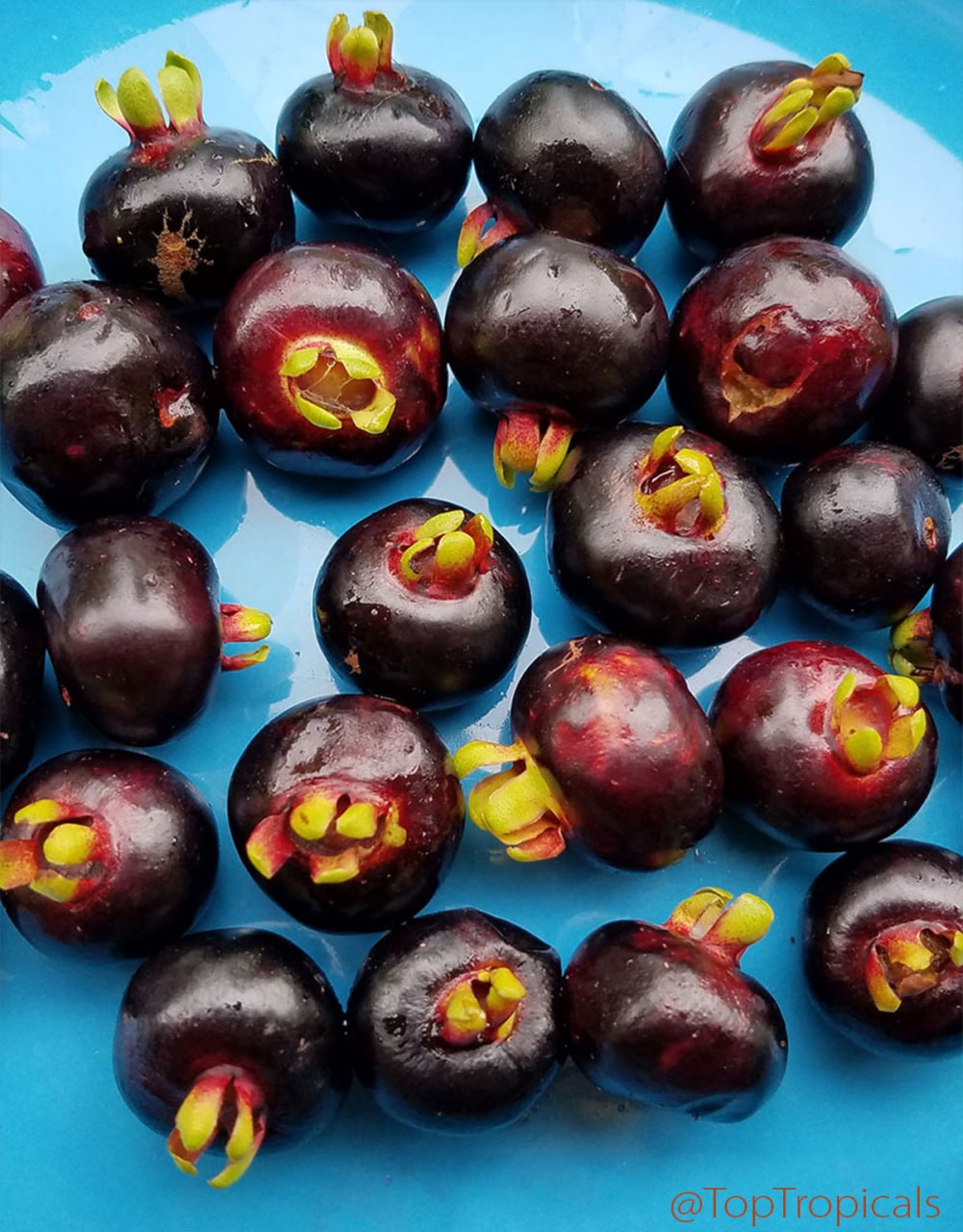
  • 🔴Cook Grumichama cherries with sugar and lime juice.
  • 🔴A deep red jam with a cherry-meets-blackberry flavor.

Grumichama Jam: Quick-n-Fun Exotic Recipes

Ingredients

  • 2 cups fresh Grumichama cherries (Eugenia brasiliensis)
  • 1 cup sugar
  • 1 tbsp lime juice

Instructions

  1. Remove seeds from Grumichama cherries.
  2. Place fruit in a saucepan with sugar and lime juice.
  3. Simmer over low heat until thick and glossy, stirring often.
  4. Pour into sterilized jars and let cool before sealing.


🛒 Plant Grumichama tree (Eugenia brasiliensis)

📚 Learn more:


#Food_Forest #Recipes

🟢 Join 👉 TopTropicals

Date: 22 Oct 2025

Chaya stir-fry: quick-n-fun exotic recipes

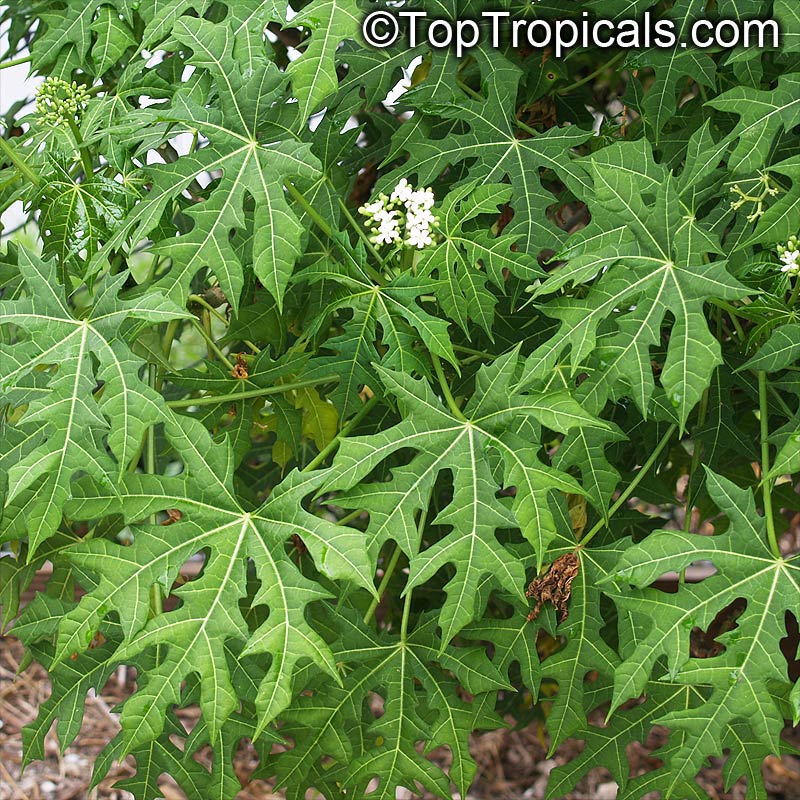
Cnidoscolus aconitifolius - Maya Spinach Tree, Chaya

Cnidoscolus aconitifolius - Maya Spinach Tree, Chaya

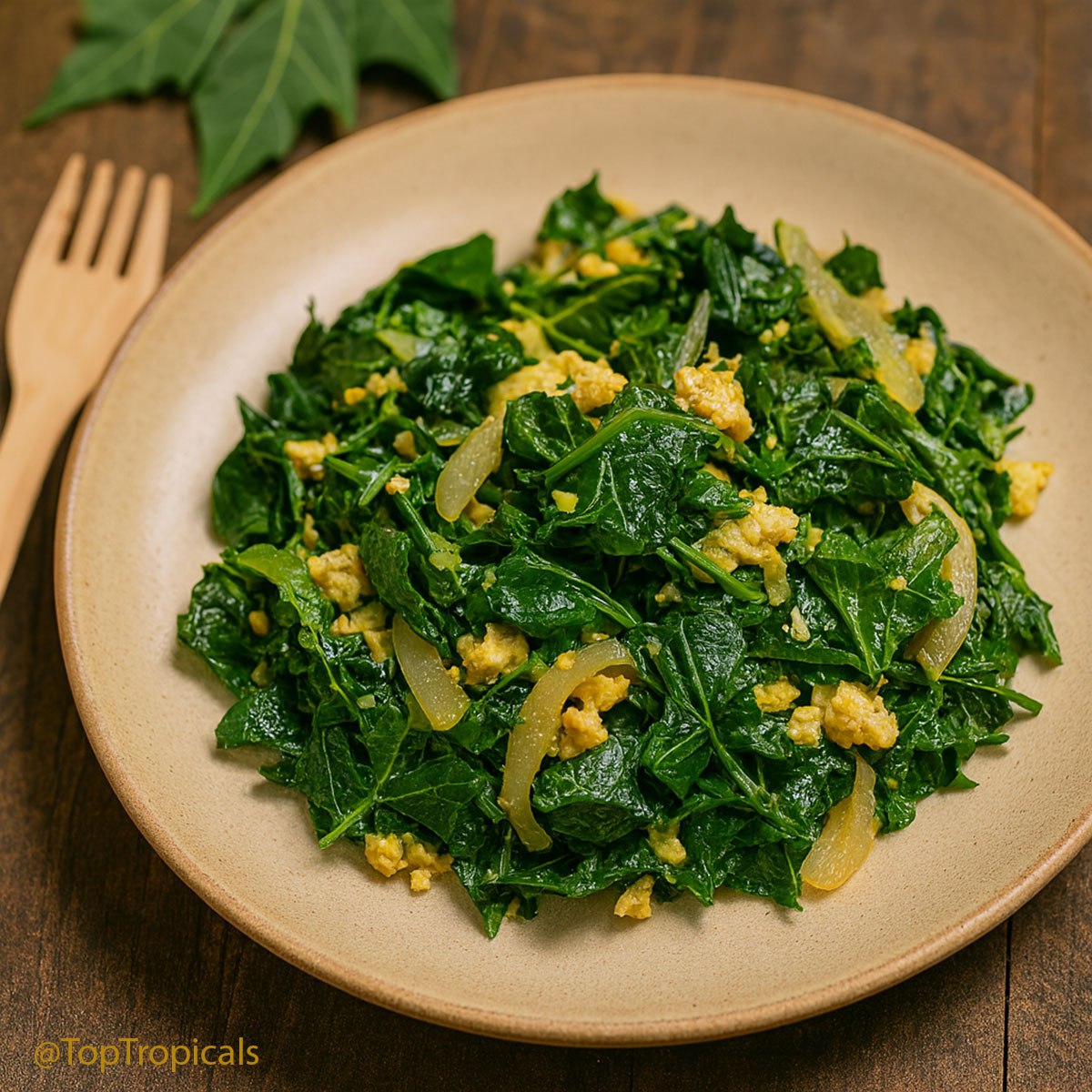
Chaya stir-fry

Chaya stir-fry

🍴 Chaya stir-fry: quick-n-fun exotic recipes
  • 🟢Boil chaya leaves first (to remove toxins), then stir-fry with onions and eggs.
  • 🟢Nutritious and earthy with a spinach-like taste.

    Chaya Stir-Fry (Maya Spinach)

    Ingredients

    • 2 cups Chaya leaves, boiled first to remove toxins
    • 1 small onion, sliced
    • 2 eggs, lightly beaten
    • 1 tbsp cooking oil or butter
    • Salt to taste

    Instructions

    1. Boil Chaya leaves for 15-20 minutes before eating. This is essential to destroy natural toxins. Never eat raw Chaya leaves.
    2. Drain and chop the boiled leaves.
    3. Heat oil in a pan and saut onions until soft.
    4. Add the boiled Chaya leaves and stir-fry for 2-3 minutes.
    5. Push leaves to one side, pour in the eggs, and scramble.
    6. Mix everything together and season with salt. Serve warm.


🛒 Add nutritious Chaya to your garden and kitchen

📚 Learn more:


#Food_Forest #Recipes

🟢 Join 👉 TopTropicals

Date: 24 Jun 2024

How to grow your own Carambola

How to grow your own Carambola How to grow your own Carambola
⭐️ How to grow your own Carambola

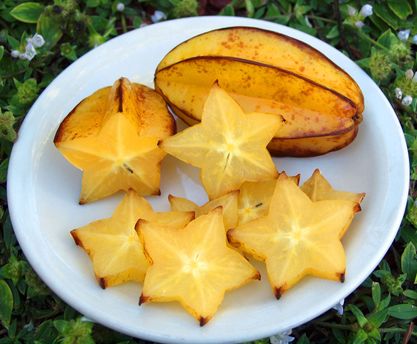
Star Fruit
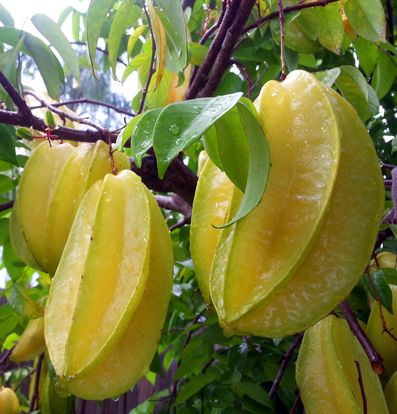
- Carambola Tree (Averrhoa carambola). Growing this tree is a fun and rewarding way to enjoy this unique and delicious fruit right at home.

  • 🌟 Star power: slice it, and you get perfect star-shaped pieces for impressing guests or adding some sparkle to your fruit salad. Bright yellow and shiny, the fruit adds a pop of color to any dish. Great in salads, smoothies, desserts, or even as a garnish. Endless possibilities!

  • 🌟 Nature's candy and low-calorie treat: a delightful mix of sweet and tangy flavors packed with juicy goodness, a refreshing way to stay hydrated. Guilt-free snacking with hardly any calories. Snack away!

  • 🌟 Health benefits: Star fruit is loaded with Vitamin C. Good source of dietary fiber, keeps things moving smoothly. Packed with antioxidants to help fight off those pesky free radicals.

  • 🌟 Cultivation of the tree is easy:


  • ▪️ Loves full sun. Plant it in a sunny spot for the best fruit.
  • ▪️Keep warm and protect from winds. Thrives in warm, tropical climates, but can take some light frost winters as long as protected from winds, wind-free is the key!
  • ▪️Prefers well-drained soil. Keep it happy with good drainage.
  • ▪️Regular watering but doesn't like soggy feet.
  • ▪️Space saver: compact tree that doesn't take up much space. Perfect for smaller gardens. Dwarf varieties available, good for containers.
  • ▪️Fast grower: grows quickly. You'll be harvesting star fruit in no time!
  • ▪️Pretty blooms: produces lovely pink flowers. Adds beauty to your garden even before the fruit comes.
  • ▪️Home harvest: enjoy fresh, home-grown star fruit. Pick them right off the tree!
  • ▪️Fast-fruiting: seedlings start fruiting within 3 years from seed. Grafted or air-layered trees fruit right away.


📚 Learn more: Carambola tree is the Star of the orchard

🛒 Shop Start Fruit varieties

#Food_Forest

🏵 TopTropicals

Date: 4 Nov 2025

The secret Brain Food growing in my backyard (and it tastes like green peas!)

Tropical Asparagus (Sauropus androgynus)

🏆 The secret Brain Food growing in my backyard (and it tastes like green peas!)

  • 🌿 Katuk, or Tropical Asparagus (Sauropus androgynus), is one of the most underrated edible plants you can grow. This leafy tropical shrub is a superfood in disguise. It grows fast, looks lush, and its tender young shoots taste just like green peas.
  • 🌿 Native to Southeast Asia, Katuk is a kitchen staple in places like Vietnam, Malaysia, and Thailand. The leaves and shoots are used in soups, stews, and stir-fries with egg or seafood. It’s not only delicious but also incredibly nutritious - rich in nutrients linked to improved memory and reduced cognitive aging: folate, lutein, and especially vitamin K, which is rare in plants.
  • 🌿 Katuk thrives in sun or partial shade, needs little care, and grows into a dense, bushy plant that gives you edible greens all year round. If you want something that feeds both your garden and your health, this one’s a winner!


🛒 Add Katuk Superfood to your Food Forest

Lean more:
🍴 Katuk egg stir-fry: Quick-n-Fun exotic recipes
✔️ Discover the health benefits of Katuk: a Superfood for your mind and body
📚 Tropical Asparagus, Katuk: Grow your own food
📱 How to cook with Katuk

#Food_Forest #Remedies #Discover

🟢 Join 👉 TopTropicals