Date: 28 Sep 2025
Guava: The Healthiest Fruit You Can Grow
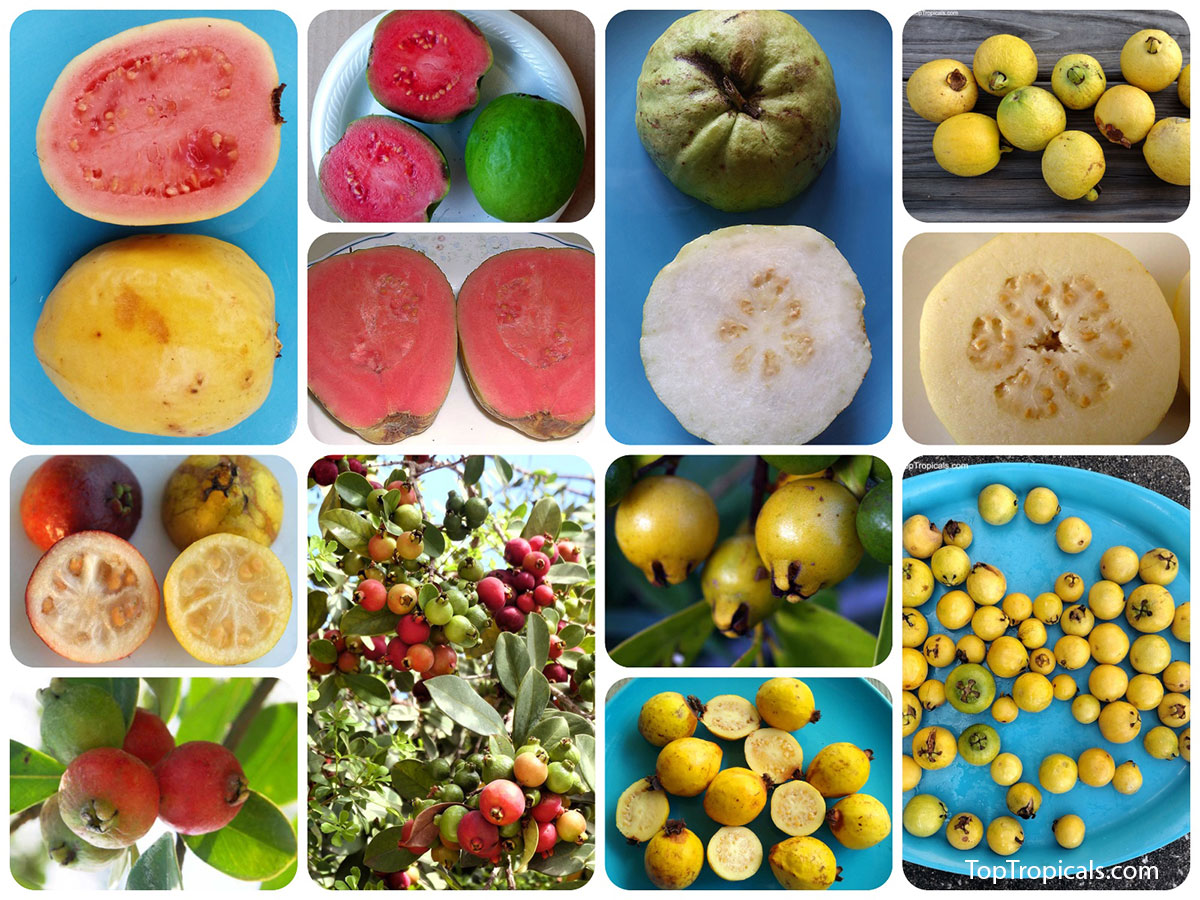
Guava varieties: Pink flesh (upper left quarter), White flesh and Cas (upper right quarter), Red Cattley Guava (bottom left quarter) and Golden Cattley (bottom right quarter).
Let’s talk Guava. Few fruits check as many boxes: flavor, productivity, health, and adaptability. We’ve grown guava trees at Top Tropicals for years here in Florida, and it never fails to surprise people with how easy it is — and how quickly it rewards you.
🌿 Health Benefits
We know the first question:"Why guava in addition to all the other fruit trees I could plant?"Because guava is one of the healthiest tropical fruits you can eat and grow — and it produces faster than almost anything else.
- Vitamin C powerhouse — guava has four times more vitamin C than oranges. One fruit covers your daily needs and then some.
- Potassium and fiber — good for balancing blood pressure and keeping your heart strong.
- Antioxidants like lycopene and vitamin C — these keep your skin glowing and help protect your cells from damage.
- Dietary fiber — aids digestion and helps keep blood sugar steady.
- Guava is a true"food as medicine"tree you can plant right in your backyard or in pot.
♥️ Our Favorite Varieties are Available Now
We currently have a DOZEN excellent guava varieties in stock selected by our plant expert Tatiana Anderson — something special for every garden. Our top picks are:
Pink Guavas
- Barbie Pink – Yellow pear-shaped fruit with thick pink flesh, sweet and juicy. Cold hardy for a tropical fruit. The best seller.
- Hong Kong – Large, round, smooth pink fruit. Sweet flavor, very few seeds, and very productive.
- Tikal – Our top pick. Fast-growing, disease-resistant, and produces the sweetest pink guavas with very few seeds.
White Guavas
- Indonesian White – Aromatic, classic white-fleshed guava with an excellent tropical flavor.
- Kilo White – Giant fruit up to 2 lbs (1 kilo) each! Few seeds, creamy white flesh, and fruits even in containers.
Compact/Dwarf
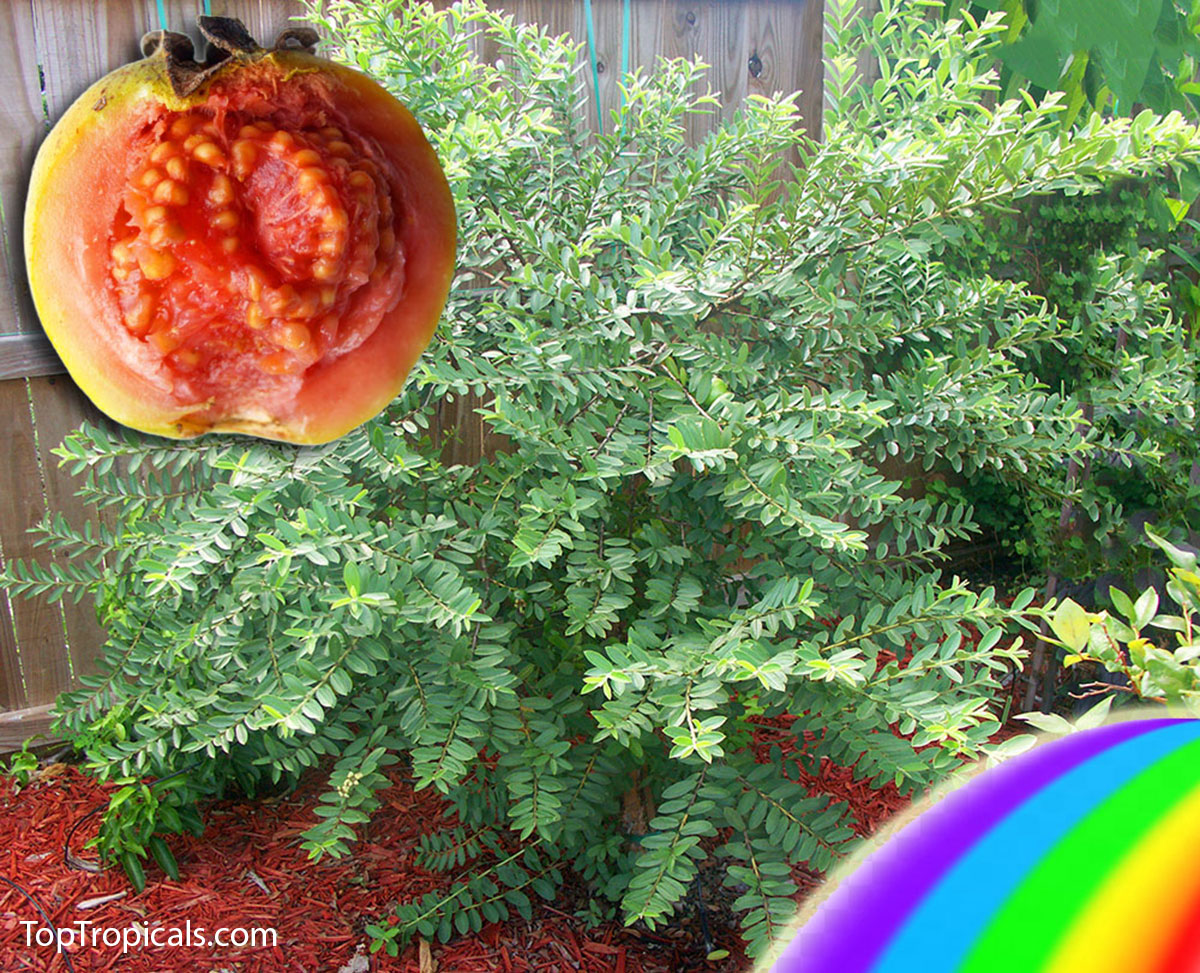
Dwarf Guava Hawaiian Rainbow
- Dwarf Hawaiian Rainbow – Stays under 6 ft, perfect for patios and pots, yet produces full-sized fruit.
Specialty Varieties
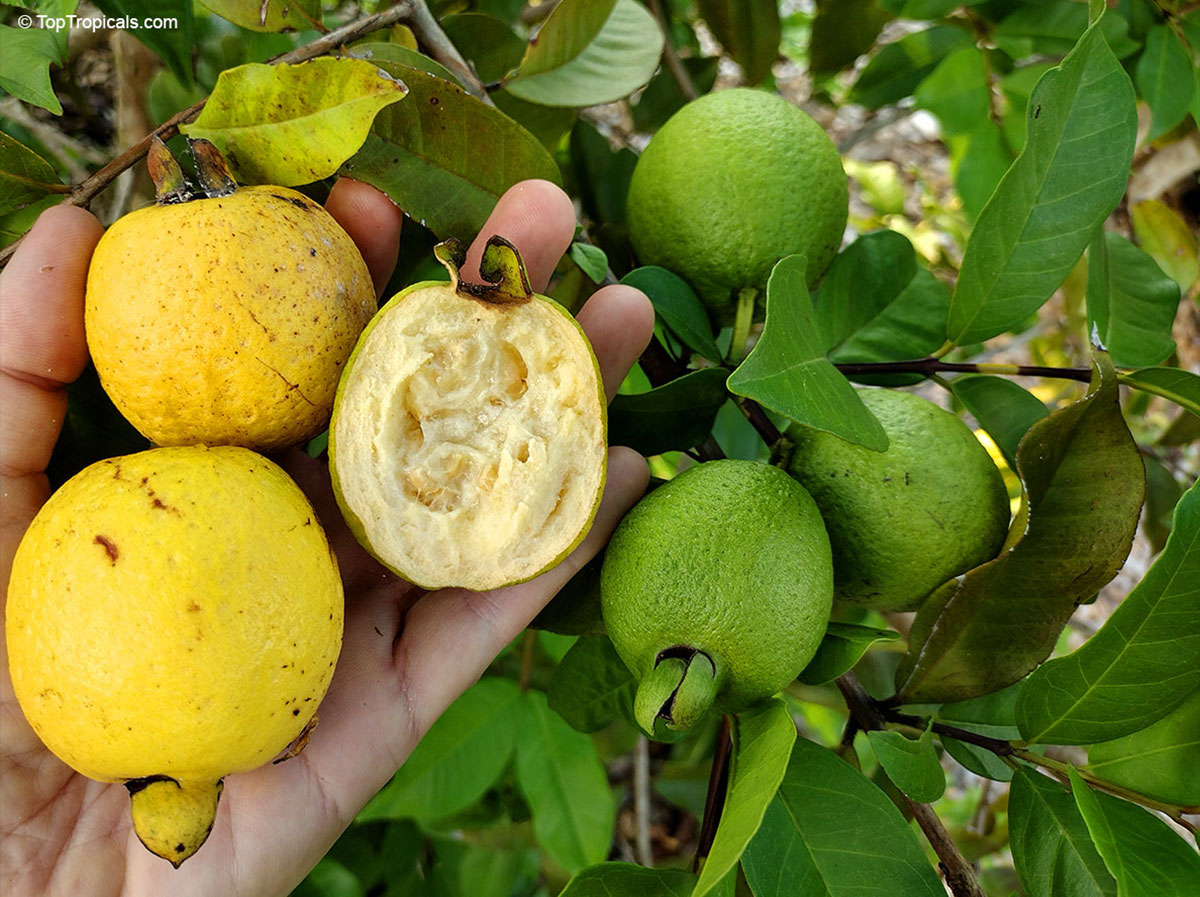
Cas Guava with zero sugar for Costa Rican Agua de Cas drink
- Cas Guava – Bold, tangy, almost zero sugar. The traditional Costa Rican Agua de Cas drink comes from this fruit. Cold hardy.
- Hawaiian Gold, Yellow Strawberry Guava – The sweetest Strawberry Guava, golden fruit, great for fresh eating and drinks.
- Brazilian Araca Pera – Rare hybrid used for Guava Wine in Brazil. Tart, concentrated juice makes excellent wine, sorbet, or jelly. Learn more...
- Pineapple Guava, Guavasteen – Feijoa sellowiana. Strongly perfumed fruit, best enjoyed when the pulp is mixed with sugar – like forest strawberries. Cold-hardy, tolerates freeze, and doubles as a great windbreak. Learn more...
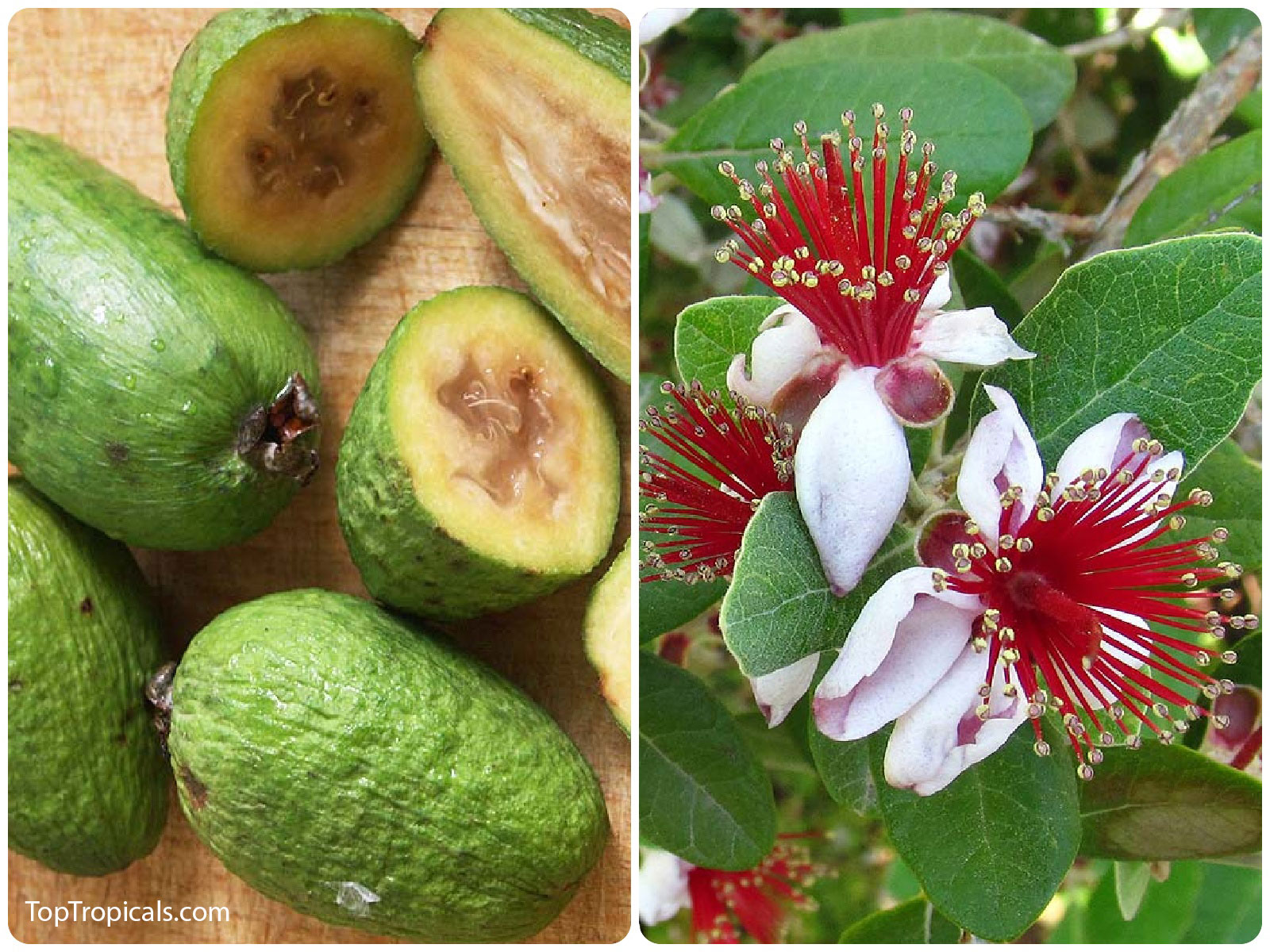
Pineapple Guava, Guavasteen – Feijoa sellowiana
Every one of these thrives here in Florida or in warm climate. Some are better in pots, some as landscape trees, but all produce generously.
🎥 Watch short videos about Guava:
💲 Special Offer – 20% off Guava Fruit Plants!
Get 20% OFF already discounted Guava plants with code
GUAVA2025
Min order $100. Excluding S/H, valid online only, cannot be combined with other offers.
Hurry, offer expires October 02, 2025!
Date: 24 Jun 2018
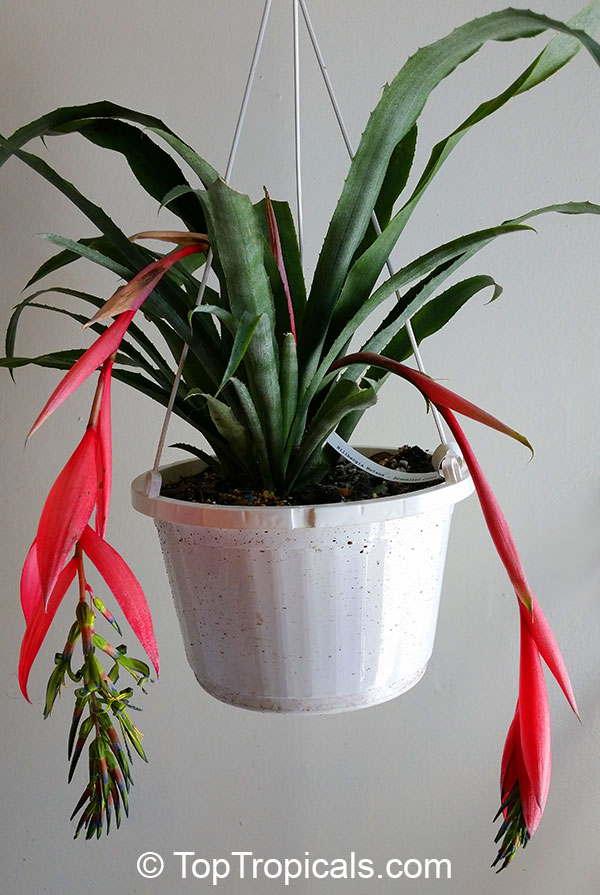
Plants that make you feel better
Researchers are claiming that gardening can be much more
than just a hobby, and that honing those green-finger
skills could actually have many benefits, including making
us healthier! The presence of plants has been found to be
helpful in many different settings, according to results
of several experimental studies:
At school and work:
1. Improve your learning abilities
2. Improve reaction times, attentiveness, and attendance
3. Increase energy and your performance, purpose and
motivation
4. Raise productivity and job satisfaction
At home
1. Relax and feel closer to nature while indoors
2. Make you feel needed
3. Have a clean air
4. Improve relationships and increase compassion.
In recovery:
1. Lower blood pressure (systolic)
2. Improve well-being
3. Lower levels of anxiety during recovery from surgery
4. Accelerate healing process
Date: 24 Jun 2018
Date: 24 Jun 2018

Date: 20 Oct 2025
11 tropical fruits to eat instead of taking a fiber supplement
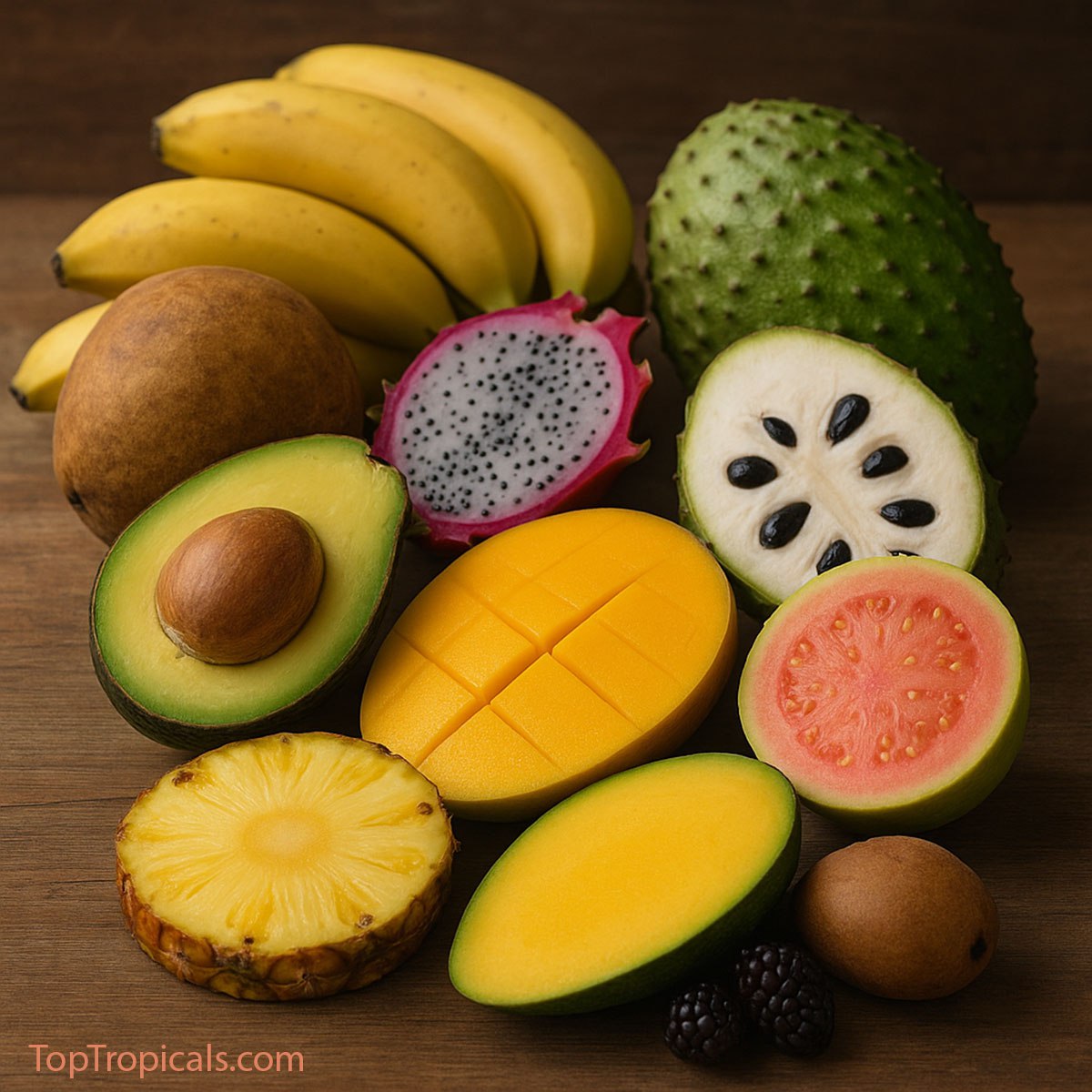
Tropical fruits to eat instead of taking a fiber supplement
🍑 11 tropical fruits to eat instead of taking a fiber supplement
- When we think of tropical fruit, we picture sweetness, sunshine, and exotic flavors packed with vitamin C. But beneath all that juicy goodness lies another gift: dietary fiber - quietly working to support digestion, feed the gut microbiome, and help keep blood sugar steady.
- Avocado leads the pack among tropical fruits for fiber content. One creamy, ripe fruit can provide around 10 grams of fiber, roughly a third of an adult’s daily need. And there’s more to avocado than fiber - it’s also rich in healthy fats, micronutrients, and that silky texture everyone loves.
- Other tropical fruits bring their own kind of fiber strength. Guava delivers up to 9 grams per cup, plus a burst of vitamin C.
- Mango offers about 3 grams in half a fruit, especially when eaten with some of the skin.
- Pineapple, though not always seen as a fiber powerhouse, still contributes around 2 grams per cup, along with bromelain, the enzyme that helps digestion.
- Jackfruit’s fibrous pulp makes it another standout - it’s so meaty, it’s even used as a plant-based substitute in savory dishes.
- Sapote fruit (Mamey, Canistel) and Sapodilla add fiber with a smooth, custard-like texture.
- Adventurous tropical varieties like Annona (custard apple, soursop) may not top the charts in fiber numbers, but their soft, fibrous flesh still adds value: about 1.3 grams of fiber per 100 grams of fruit.
- Bananas contain both soluble and insoluble fiber; the soluble part (mainly pectin) helps control blood sugar and appetite, while the insoluble fiber aids regularity.
- Mulberries are rich in insoluble fiber, especially in their skin, supporting digestion and promoting healthy bowel movements.
- Dragon fruit offers a mix of soluble fiber in its juicy flesh and insoluble fiber from its tiny edible seeds, which help support gut health and feed good bacteria.
These fruits aren’t just delicious - they help you meet your daily fiber needs in ways that are far more enjoyable (and sustainable) than taking supplements. And when home gardeners, farmers, or tropical communities grow and share them, it’s a double win: nutrition and tradition hand in hand.
✔️ Tropical fiber power: tips for getting more fiber from tropical fruits
- ⏺Eat whole, not juiced. Most of the fiber is in the pulp, skin, and seeds. Juicing removes much of that goodness.
- ⏺Mix it up. Tropical fruits are great, but balance them with legumes, whole grains, nuts, and veggies for a full fiber range.
- ⏺Take it slow. If your diet is low in fiber, increase gradually to avoid bloating or discomfort.
- ⏺Drink plenty of water. Fiber works best when paired with hydration.
- ⏺Mind the ripeness. Unripe fruits can have more resistant starch, another form of fiber.
- ⏺Get creative. Toss tropical fruits into smoothies, salsas, breakfast bowls, or even desserts - a tasty stealth-fiber strategy.
🛒 Plant a fruit tree to harvest your fruit tomorrow
📚 Learn more:
Tropical fruit health benefits guide - what fruit and edibles can help with health issues and vitamin deficiencies, Part 1 and Part 2.
#Food_Forest #Remedies #Discover #How_to
🟢 Join 👉 TopTropicals