Garden Blog - Top Tropicals

Date: 18 Jun 2026

Container Gardening in Hot Climate: Your Pot May Be Hotter Than You Think
Container Gardening in Hot Climate

Container Gardening in Hot Climate

Container Gardening in Hot Climate: Your Pot May Be Hotter Than You Think


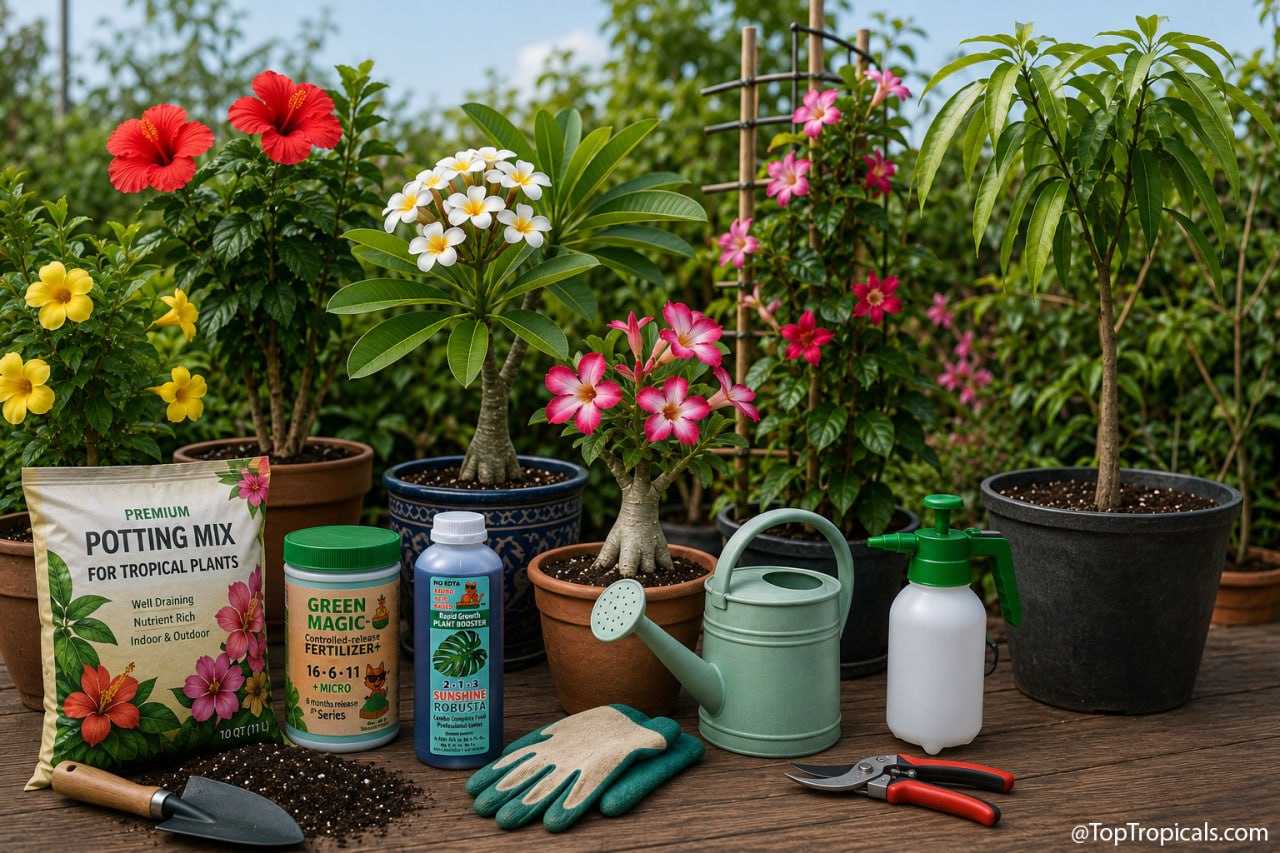
Container gardening lets you grow almost anything - tropical flowers, fruit trees, herbs, even small edible gardens. But in hot climates, pots create challenges that plants growing in the ground never face.
The biggest problem? Heat. A container sitting in full sun can become surprisingly hot. The potting mix dries much faster than garden soil, and roots can literally bake against the sides of the container during summer.
On a sunny summer day, the soil inside a container can heat up much faster than garden soil. While the leaves may look fine, roots trapped inside a hot pot can dry out, overheat, and become stressed long before gardeners notice a problem. That's why growing plants in containers during hot weather often requires a different approach than growing them in the ground.


Bigger Pots Stay Cooler🌡

• Large containers hold more soil, which means they stay moist longer and protect roots from temperature swings.
• Small pots may need watering daily - sometimes twice a day during extreme heat.
• Choose the largest container practical for your space and the plant's size. Avoid oversized pots, which can stay wet too long and promote root rot.

Protect the Pot, Not Just the Plant ☂️

Many gardeners focus on protecting the foliage from heat, but roots often suffer first.
Grouping containers together allows plants to shade each other's pots, helping keep the root zone cooler throughout the day. This is especially helpful for black nursery pots exposed to afternoon sun.
If a container sits in full sun all day, consider wrapping the pot with shade cloth or placing it inside a larger decorative planter. The goal is simple: keep the roots cooler while allowing the plant itself to receive the sunlight it needs.
The plant wants sun. The roots want shade.

Choose Containers Wisely

• Many gardeners love the look of clay pots, but in hot climates they can dry out very quickly because moisture evaporates through the porous sides.
• For most tropical plants, plastic nursery pots often perform better because they retain moisture longer and keep roots from drying out as fast.
• If appearance matters, simply place the nursery pot inside a decorative planter with good drainage.

Water Deeply, Not Constantly 💧

Frequent shallow watering encourages weak roots near the soil surface.
Instead, water thoroughly and allow excess water to drain away. A layer of mulch on top of the potting mix can also help slow moisture loss.

Feed Regularly

Container plants depend entirely on you for nutrition. Regular fertilizing during the warm growing season helps support stronger growth, flowering, and fruit production.

Check for Pests Often 🐛

Plants under heat and drought stress are more vulnerable to insects. Inspect leaves regularly for spider mites, scale, mealybugs, and other common pests before small problems become big ones.

Hot Climate Container Garden Checklist ✍️

• Use large containers whenever possible
• Make sure every pot has drainage holes
• Use quality potting mix, not garden soil
• Mulch the soil surface
• Fertilize regularly during active growth
• Inspect for pests weekly
• Watch for root-bound plants and repot as needed
• Be cautious with clay pots in hot weather

A healthy container garden is really a balance between moisture and drainage. Keep roots cool, provide consistent water and nutrition, and even tropical plants can thrive through the hottest months of summer.

🛒 Get real food and fresh soilless mix for your plants

📚
Learn more:
Sunshine Boosters: Complete Plant Nutrition System
Why June Is the Most Important Month for Potted Tropical Plants
Why young trees need staking?
The SECRET growers never tell you: simple trick how to bring plants back to life and keep green 
How to re-pot a plant properly?

#Discover #How_to

🟢 Join 👉 TopTropicals
Date: 13 Jun 2026

Pitaya Sweet Red: dragon fruit beyond pink and white - A Collectors Guide

Pitaya "Sweet Red"

Pitaya "Sweet Red"

🍉 Pitaya "Sweet Red": dragon fruit beyond pink and white - A Collector's Guide


Many people discover dragon fruit through white-fleshed varieties. Then they cut open a Sweet Red and realize they're looking at something completely different.
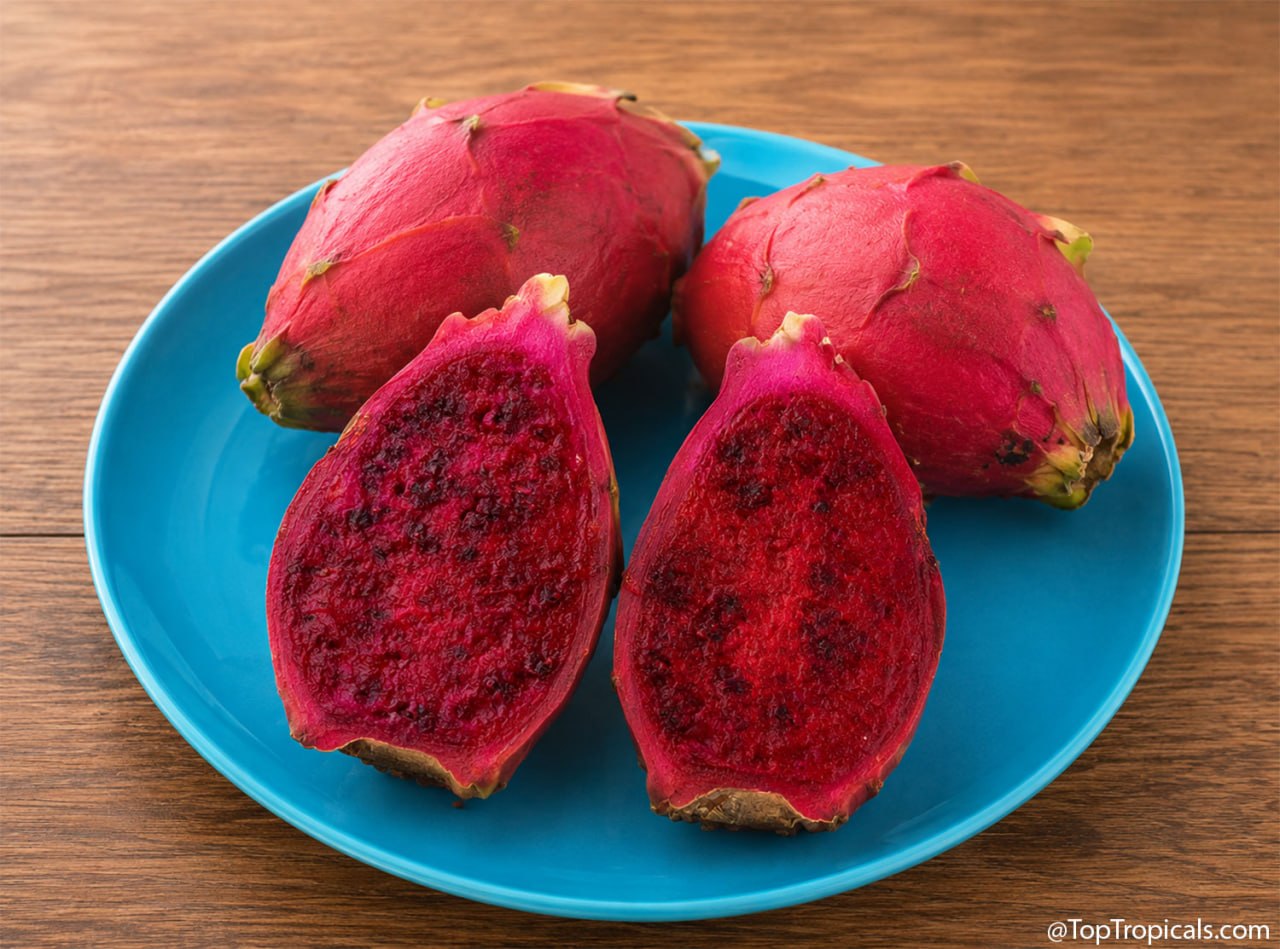
With brilliant red skin and deep red flesh, Sweet Red is one of the most colorful dragon fruits you can grow. It is also considered by many collectors to be among the best-tasting varieties available.


🔸 A dragon fruit that lives up to its name


Sweet Red (Hylocereus costaricensis) produces striking fruit with bright red to magenta skin and rich crimson flesh filled with tiny black seeds. The color is so intense that the fruit almost looks artificial, but it's completely natural.

Unlike some dragon fruits that can be bland when picked too early, Sweet Red is known for delivering consistently rich flavor when fully ripe.

🔸 Why growers love it


This variety is self-fruiting, meaning a single plant can produce fruit without requiring another dragon fruit nearby. It is also an exceptionally vigorous grower, quickly climbing trellises and producing long stems once established.

Like other dragon fruits, Sweet Red rewards growers with spectacular night-blooming flowers followed by colorful fruit that seem almost tropical enough to belong in a rainforest.

🔸 Sweet, juicy, and packed with color


The flavor is often described as sweeter and more intense than many white-fleshed dragon fruits, with hints of kiwi and pear balanced by subtle earthy notes.

The flesh is juicy with a pleasantly crunchy texture from the tiny edible seeds, making it refreshing to eat fresh and excellent for smoothies, fruit bowls, and desserts.

🔸 Why collectors seek it out


Dragon fruit enthusiasts are always searching for varieties that combine beauty, flavor, and reliable production. Sweet Red checks all three boxes. Its self-fruiting habit, rapid growth, stunning red flesh, and exceptional sweetness have made it a favorite among home gardeners and collectors alike.

If you're looking for a dragon fruit that delivers both eye-catching color and outstanding flavor, Sweet Red is one of the easiest varieties to recommend. 👉 More...

🛒 Explore and collect Dragon Fruit varieties

📚 Learn more:

Pitaya Plant Facts

Botanical name: Hylocereus sp.
Also known as: Pitaya, Pitahaya, Dragon Fruit, Strawberry Pear
USDA Zone: 9 - 11
Highligths Large shrub 5-10 ft tallVine or creeper plantSemi-shadeFull sunWatering: Moderate. Water when top soil feels dryWhite, off-white flowersThorny or spinyEdible plantSubtropical plant. Mature plant cold hardy at least to 30s F for a short timeSeaside, salt tolerant plant
Get personalized tips for your region

· Dragon fruit Hylocereus in Plant Encyclopedia
· Pitaya Purple Haze: dragon fruit beyond pink and white
· Pitaya Hana: dragon fruit beyond pink and white
· Pitaya Eureka Red: dragon fruit beyond pink and white
· Pitaya David Bowie: Dragon Fruit Beyond Pink and White
· A Quick Guide to Dragon fruit varieties: Red, White, Yellow, Purple and more...
· What is the best Dragon fruit with red flesh?
· Planting your own Dragon Fruit plantation
· Do-It-Yourself Support Structure for Dragon Fruit
· Why you need to grow your own dragon fruit
· Do red, white and yellow Dragon fruit taste differently?

#Food_Forest #Dragon_Fruit #Discover

🟢 Join 👉 TopTropicals
Date: 28 Jun 2026

Which Pomegranate Is Right for You - Top 5 Amazing Varieties

Which Pomegranate Is Right for You - Top 5 Amazing Varieties Which Pomegranate Is Right for You - Top 5 Amazing Varieties

🍎 Which Pomegranate Is Right for You - Top 5 Amazing Varieties


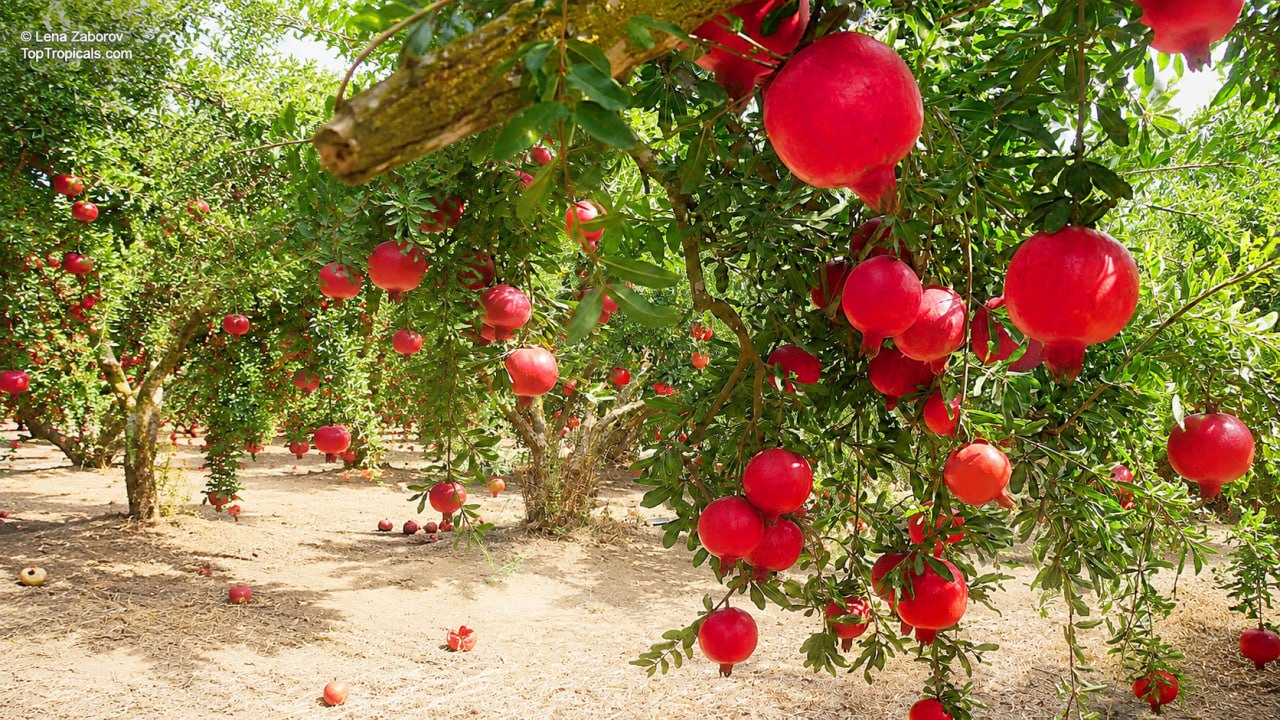
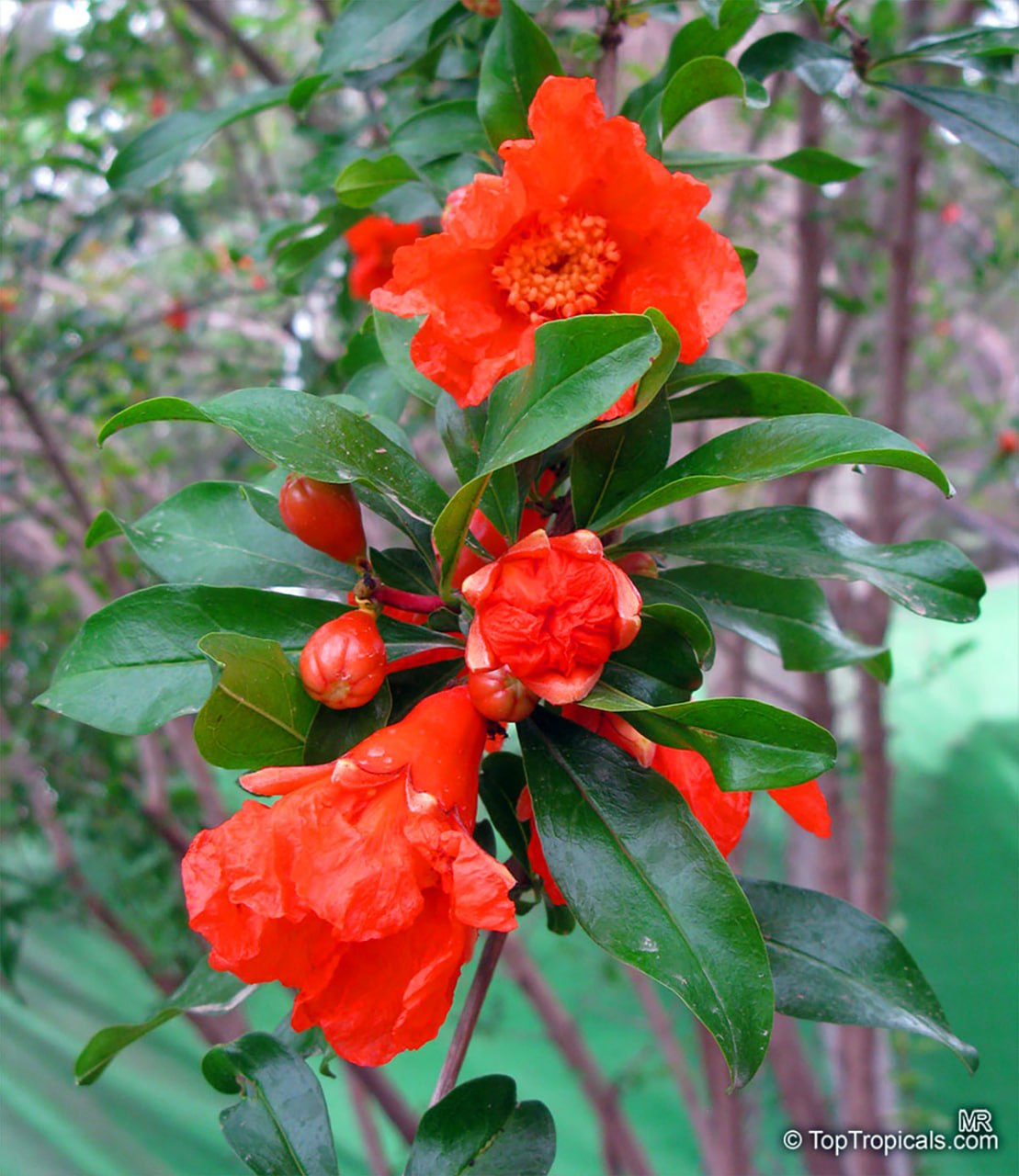
Pomegranate trees (Punica granatum) deserve a place in almost every garden. They are among the easiest fruit trees to grow, rewarding you with months of brilliant orange-red flowers followed by jewel-like fruit packed with sweet, refreshing arils. Beautiful enough to use as an ornamental and productive enough to fill your kitchen with fresh fruit, they have been cultivated for thousands of years and are still one of the healthiest fruits you can grow.
Which variety should you choose? They all produce delicious fruit, but each has its own personality.

  • ❣️ Angel Red: the biggest fruit and the juicing champion
    Large fruit with tender, edible seeds and exceptionally juicy ruby-red arils. Ripens earlier than Wonderful and is one of the best varieties for fresh juice.
  • ❣️ Eversweet: sweet before it's even ripe
    A unique variety with clear, non-staining juice and very soft seeds. Even slightly immature fruit is sweet, making it an excellent choice for cooler climates.


❣️ Eves: did Eve eat an apple, or was it a pomegranate? Rich flavor for fresh eating
Very large fruit with deep red arils and an outstanding sweet, cherry-like flavor. A favorite for eating fresh right off the tree.

❣️ Vietnam: evergreen and everbearing tropical producer


An evergreen, everbearing variety that flowers and fruits repeatedly in warm climates. Produces very large fruit with soft seeds and long harvest seasons.

❣️ Wonderful: the world's most famous classic favorite
The world's best-known pomegranate and the leading commercial variety. Famous for its rich, sweet-tart, wine-like flavor and outstanding juice quality.

🏡 Easy to grow, hard to beat


No matter which variety you choose, pomegranates are remarkably easy to grow.
· They are self-fertile, highly productive, drought tolerant once established, and thrive in full sun.
· They tolerate poor soils, salt, and heat, are cold hardy to about 15F, and grow beautifully as shrubs, small trees, or large container plants.
· Their long blooming season attracts pollinators, while the colorful fruit adds beauty to the landscape for months.

✨ A fruit treasured for thousands of years


According to Asian legend, the pomegranate was the "Tree of Life" in the Garden of Eden. Some historians even believe the famous forbidden fruit may have been a pomegranate rather than an apple.

The ruby-red arils have been treasured since ancient times, and an old Hindi saying reminds us: "One pomegranate can serve one hundred sick people." Rich in antioxidants, vitamins, and beneficial plant compounds, pomegranates remain one of the healthiest and most rewarding fruits you can grow in your own backyard.

🛒 Ready to grow One... or five?

📚 Learn more:

Pomegranate Plant Facts

Botanical name: Punica granatum
Also known as: Pomegranate, Granada, Grenade, Pomegranate, Granada, Anar, Granaatappel, Pomo Granato, Romeira, Melo Grano
USDA Zone: 8 - 11
Highligths Large shrub 5-10 ft tallSmall tree 10-20 ftFull sunWatering: Moderate. Water when top soil feels dryRed, crimson, vinous flowersThorny or spinyEdible plantDeciduous plantEthnomedical plant.
Plants marked as ethnomedical and/or described as medicinal, are not offered as medicine but rather as ornamentals or plant collectibles.
Ethnomedical statements / products have not been evaluated by the FDA and are not intended to diagnose, treat, cure, or prevent any disease. We urge all customers to consult a physician before using any supplements, herbals or medicines advertised here or elsewhere.Subtropical plant. Mature plant cold hardy at least to 30s F for a short timeSeaside, salt tolerant plant
Get personalized tips for your region

Punica granatum in Plant Encyclopedia
Healing drops of blood: why Pomegranate is a superfood
15 "Bulletproof" Fruit Trees for Tough Ground
Skip the lemon - 5 better fruits for a cough
Top Ten Fruit Tree Winners of Florida 2026 Record Freeze
Top nine plants of love, desire, and the senses: aphrodisiacs and sensory connections
Why you should grow your own Pomegranate Tree

#Food_Forest #Discover

🟢 Join 👉 TopTropicals

Date: 29 Jun 2026

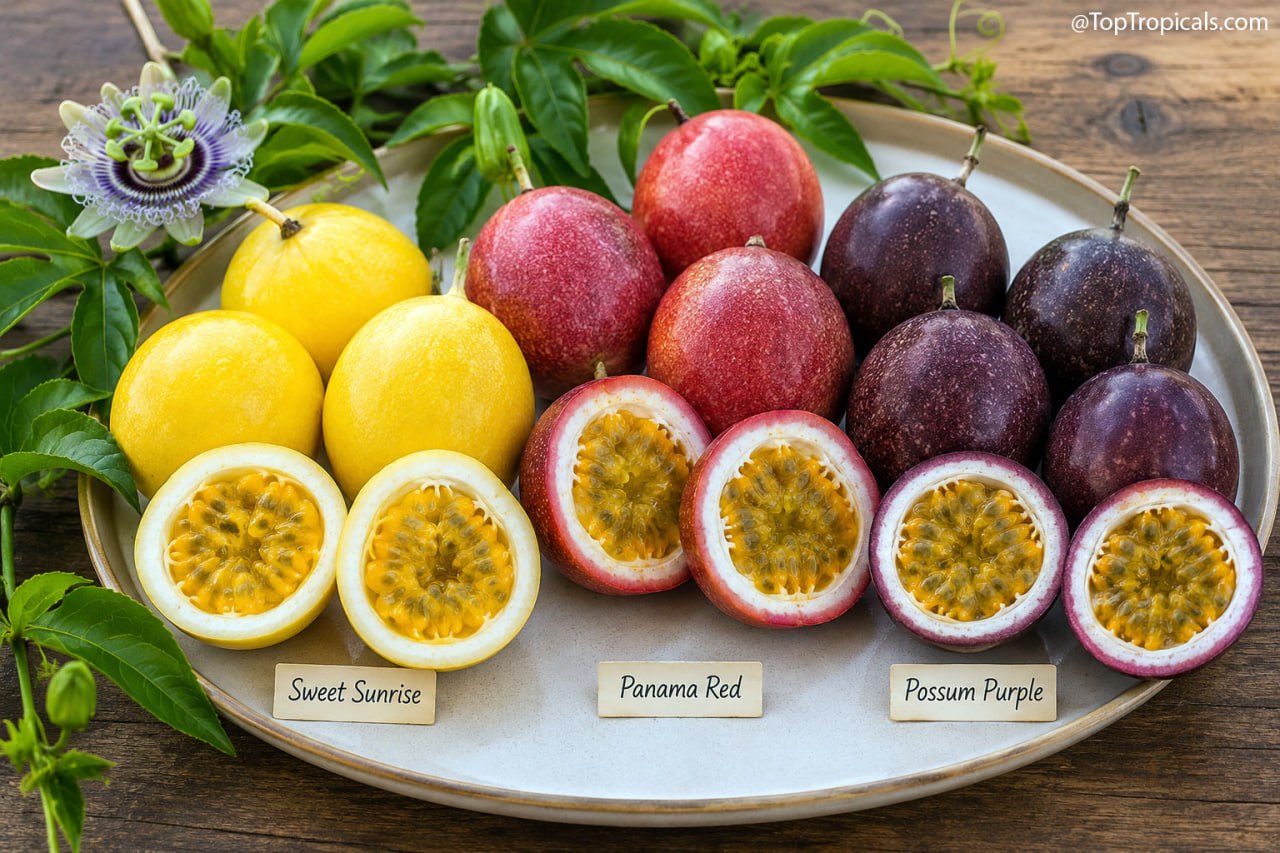
Which Passion Fruit Vine should you grow - 3 top varieties

Which Passion Fruit Vine should you grow - 3 top varieties

🍊 Which Passion Fruit Vine should you grow - 3 top varieties


There are few plants that reward gardeners as quickly as a Passion Fruit Vine (Passiflora edulis). In just a season or two, a single vine can transform a fence, arbor, or trellis into a lush green wall covered with spectacular flowers, followed by dozens of delicious tropical fruits.
Passion fruit combines beauty and productivity like few other plants. The flowers look almost too exotic to be real, attracting butterflies and pollinators, while the aromatic fruit is perfect for fresh eating, smoothies, desserts, juices, and jams.

3 top varieties of Passion Fruit

🟡 Sweet Sunrise: the sweetest choice


Large golden-yellow fruit with bright orange pulp and a smooth, sweet tropical flavor. Lower acidity makes it especially enjoyable fresh, right out of the shell.
Perfect for: Fresh eating, smoothies, desserts, and juice.

🟣 Possum Purple: the classic purple passion fruit


Medium-sized deep purple fruit with the traditional sweet-tart flavor and intense tropical aroma that passion fruit lovers expect. The most cold hardy variety.
Perfect for: Fresh eating, juices, desserts, jams, and all-around garden performance.

🔴 Panama Red: go big with giant fruit


Produces impressive burgundy-red fruits that are much larger than standard passion fruits. A vigorous vine known for heavy crops and bold tropical flavor.
Perfect for: Gardeners who want oversized fruit and abundant harvests.

🏡 Why gardeners love passion fruit


📌 No matter which variety you choose, all three are vigorous tropical vines that quickly cover fences, pergolas, arches, and trellises with attractive glossy foliage and some of the most unusual flowers in the plant world.
📌 Once established, passion fruit vines can produce generous harvests over a long season. The fragrant orange pulp is packed with sweet-tart tropical flavor and can be eaten fresh, scooped into yogurt, blended into drinks, or used in countless desserts and preserves.
📌 They thrive in full sun with fertile, well-drained soil and regular watering during active growth. In frost-free climates they can fruit for many years, while gardeners in cooler regions often enjoy growing them in large containers that can be protected during winter.

✅ Which one is right for you?


Choose Sweet Sunrise if you love sweeter, less acidic fruit.
Choose Possum Purple if you want the classic passion fruit experience with outstanding balance of sweetness and tang.
Choose Panama Red if your goal is giant, show-stopping fruit and heavy harvests.

Whichever you plant, you'll enjoy one of the fastest-growing and most rewarding edible vines you can add to your garden.

🛒 Plant Passionfruit - fast growing and rewarding

📚 Learn more:

Passion Fruit Plant Facts

Botanical name: Passiflora edulis
Also known as: Passion Fruit, Parcha, Maracuya, Granadilla
USDA Zone: 8 - 11
Highligths Vine or creeper plantFull sunWatering: Moderate. Water when top soil feels dryBlue, lavender, purple flowersWhite, off-white flowersEdible plantSubtropical plant. Mature plant cold hardy at least to 30s F for a short time
Get personalized tips for your region

Passiflora edulis in Plant Encyclopedia
Passion fruit butter glaze: quick-n-fun exotic recipes
The truth about Passion flower and Passion fruit.

#Food_Forest #Recipes

🟢 Join 👉 TopTropicals