Garden Blog - Top Tropicals

Date: 15 May 2026

The Tropical Survivor: Why This Pink Plume Defied a 25F Freeze
Justicia carnea - the Pink Brazilian Plume
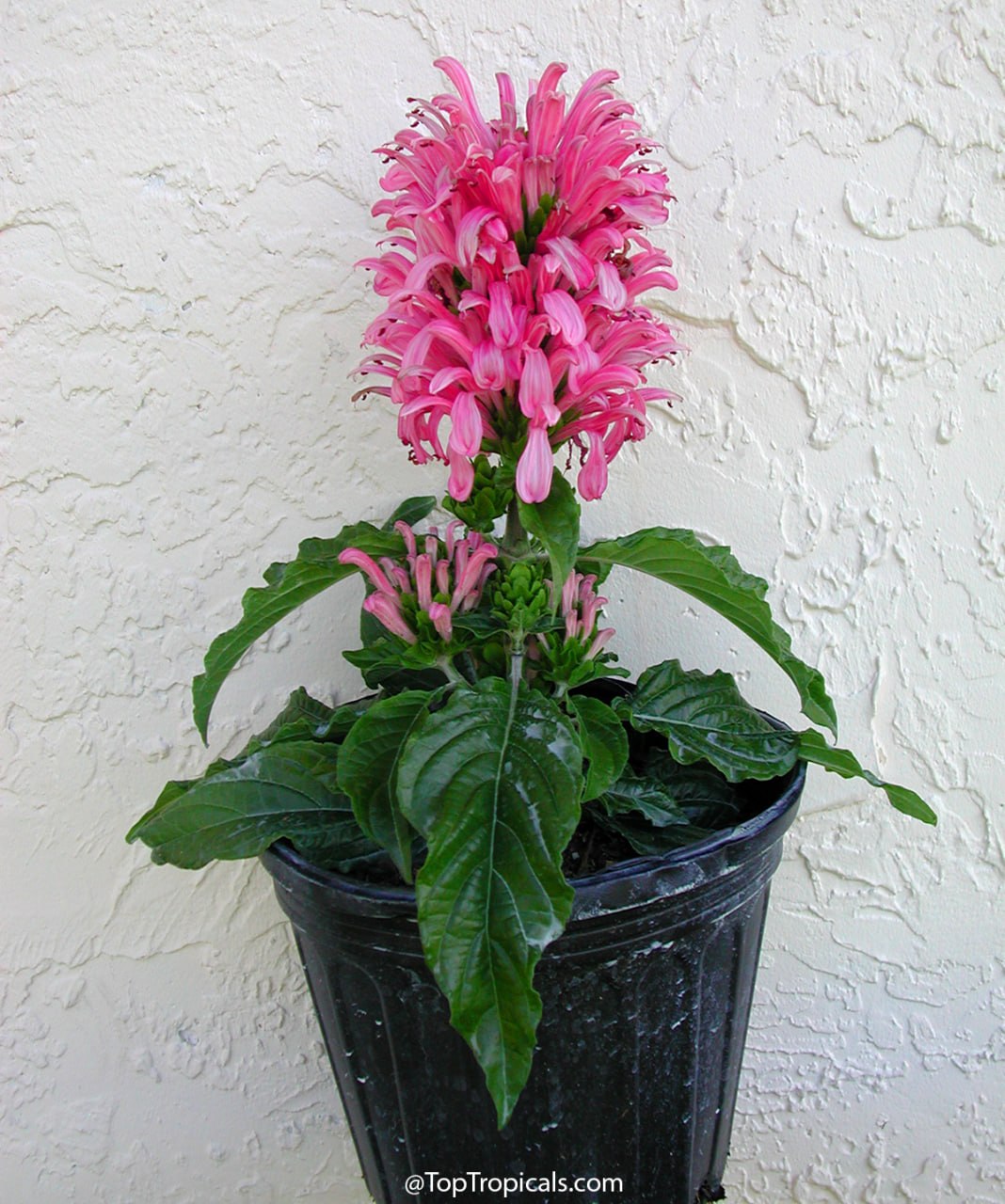
Justicia carnea - the Pink Brazilian Plume

Justicia carnea - the Pink Brazilian Plume in a pot

Justicia carnea - the Pink Brazilian Plume in a pot

The Tropical Survivor: Why This Pink Plume Defied a 25F Freeze


When Central Florida temperatures plummeted to 25F for two days, many gardeners braced for a total loss; and while most tropicals melted into black mush, Justicia carnea - the Pink Brazilian Plume or Jacobinia - proved that looks can be deceiving.

Brazilian Plume Plant Facts

Botanical name: Justicia carnea, Jacobinia carnea
Also known as: Brazilian Plume, Flamingo Flower
USDA Zone: 9 - 11
Highligths Small plant 2-5 ftSemi-shadeFull sunWatering: Regular. Let topsoil dry slightlyWhite, off-white flowersPink flowersPlant attracts butterflies, hummingbirdsSubtropical plant. Mature plant cold hardy at least to 30s F for a short time
Get personalized tips for your region


Tougher Than it Looks


As many other tropical plants from Acanthaceae family - Justicia plants are much hardier than they look.

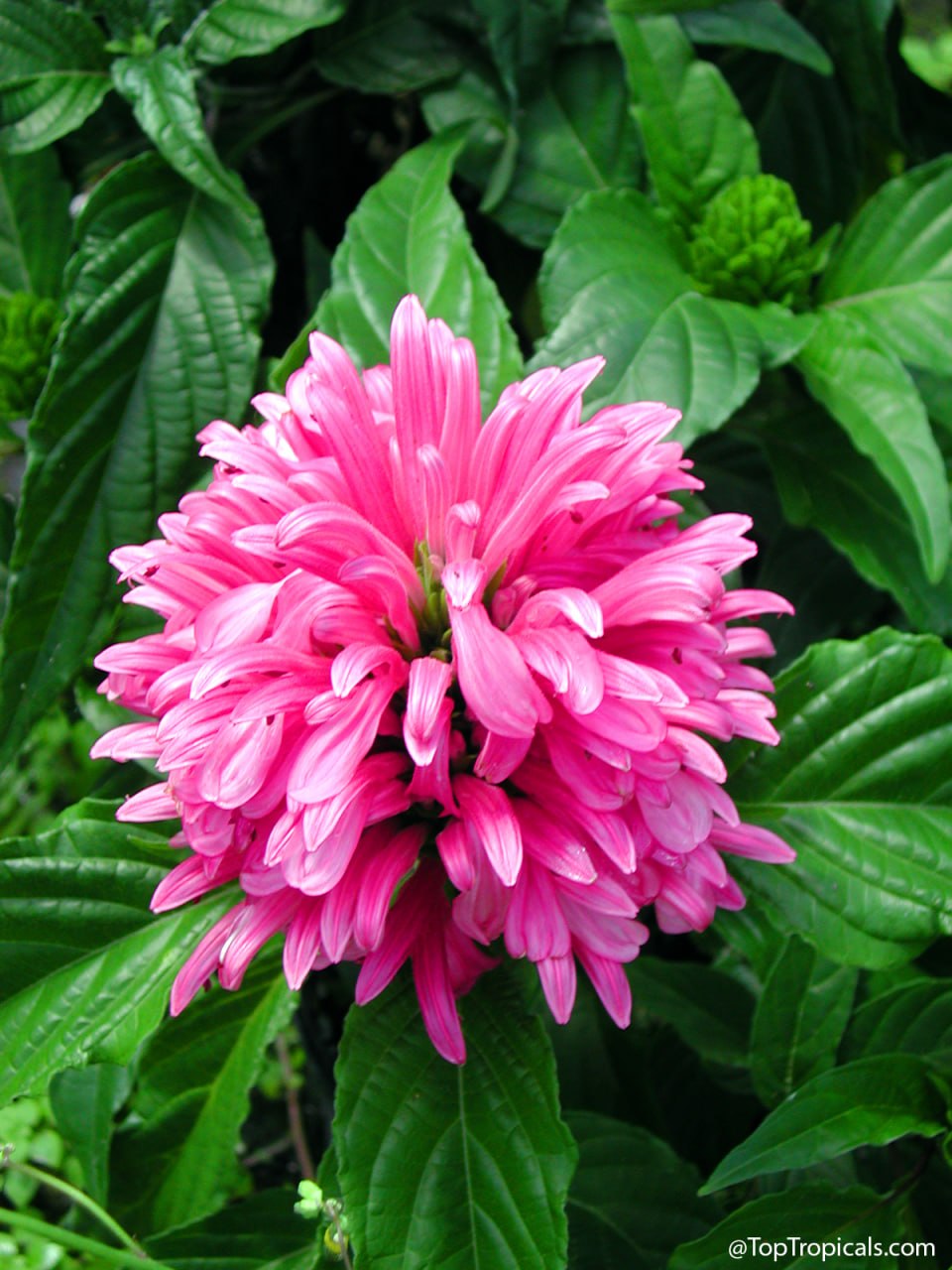
At first glance, the Brazilian Plume looks like a greenhouse diva. It boasts huge, lush leaves and giant, cotton-candy pink flower clusters. However, it harbors a secret: it behaves more like a hardy perennial than a delicate shrub.

Even when a hard freeze burns the top growth to the ground, the root system remains remarkably resilient. Once the soil warms, fresh shoots often push through the dirt faster than expected.

A Hummingbird Magnet for the Shade


The real draw of Justicia carnea isn't just its survival skills - it’s the show-stopping blooms.

Large upright plumes can reach the size of a football. The tubular flowers are a primary target for hummingbirds and butterflies. Unlike most tropical bloomers, it thrives in filtered light and bright shade, making it perfect for understory planting.

👉 Gardener’s Tip:


Don't dig it up too soon! Freeze-damaged stems may look finished for weeks, but patience usually rewards you with new growth by late spring.

🌱 Quick Care Guide


Light: Bright shade or filtered sun
Soil: Rich, well-draining
Water: Regular moisture during heat
Best For: Pool areas, woodland gardens, and pollinator beds

For gardeners wanting that high-impact tropical aesthetic without the heartbreak of constant replanting, this Jacobinia is the ultimate comeback kid.

🛒 Plant beautiful and hardy Jacobinia

📚 Learn more:


· Justicia plants in Plant Encyclopedia
· Top 20 plants for a Butterfly Haven
· What flowers do NOT attract bees?
· Five best butterfly attractors for a Southern garden
· What tropical plants survived Florida's historic freeze without protection

#Butterfly_Plants #Discover #Container_Garden

🟢 Join 👉 TopTropicals
Date: 7 May 2026

3 Best Trees for a Fast-Fruit Garden

3 Best Trees for a "Fast-Fruit" Garden

3 Best Trees for a "Fast-Fruit" Garden

3 Best Trees for a "Fast-Fruit" Garden 🍒

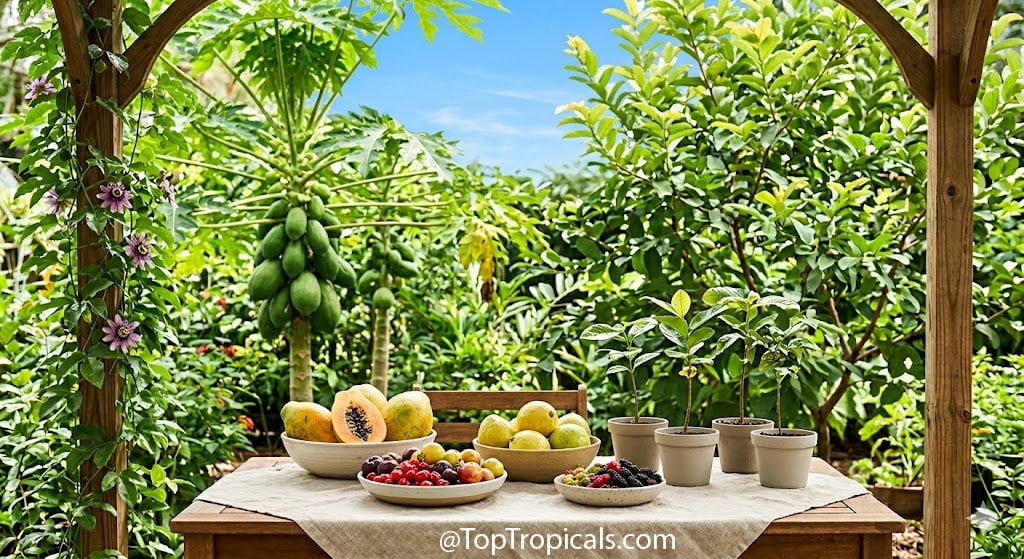
Want fruit without the wait? These tropical powerhouses deliver a "fast-food" garden in record time.

🍓 The Top 3 Speed Demons


1. The Favorite: Papaya 🍊
If you want speed, Papaya is king. It can go from a small seedling to heavy fruit in 6-10 months. It behaves more like a giant herb than a tree: it is fast, has shallow roots, and is incredibly responsive to water and fertilizer. In warm climates, it is a plant it and watch it go legend. More details

2. The Reliable: Guava 🍉
Guava is the most forgiving fruit tree you can own. It handles heat, poor soil, and the occasional week of neglect without missing a beat. Most varieties begin producing in just 1-2 years, staying compact enough for small yards or large pots. More details

3. The Surprise: Eugenias 🍒
This family (including Surinam Cherry, Grumichama, Cherry of the Rio Grande, and Pitomba) often flies under the radar. They look like ornamental shrubs, but they establish quickly and can fruit within year two. They handle pruning beautifully, making them perfect for edible hedges. More details

🍓 The Fast-Fruit Honor Roll


🍓 Ultra-Fast (Under 1 Year)


Papaya and Banana: The heavyweight champions of speed.
Strawberry Tree (Muntingia calabura): Non-stop cotton candy berries.
Grafted Favorites: High-quality Mango, Avocado, Peach, Nectarine, and Persimmon.

Mango Plant Facts

Botanical name: Mangifera indica
Also known as: Mango
USDA Zone: 9 - 11
Highligths Large tree taller than 20 ftSmall tree 10-20 ftFull sunWatering: Moderate. Water when top soil feels dryYellow, orange flowersPink flowersEdible plantSeaside, salt tolerant plant
Get personalized tips for your region

Avocado Plant Facts

Botanical name: Persea americana, Persea gratissima
Also known as: Avocado, Alligator Pear, Aguacate, Abacate
USDA Zone: 9 - 11
Highligths Large tree taller than 20 ftSmall tree 10-20 ftFull sunWatering: Regular. Let topsoil dry slightlyEdible plantSubtropical plant. Mature plant cold hardy at least to 30s F for a short time
Get personalized tips for your region

Peach Plant Facts

Botanical name: Prunus persica, Amygdalus persica
Also known as: Peach
USDA Zone: 5 - 10
Highligths Small tree 10-20 ftFull sunWatering: Regular. Let topsoil dry slightlyWhite, off-white flowersPink flowersEdible plantDeciduous plantSubtropical plant. Mature plant cold hardy at least to 30s F for a short time
Get personalized tips for your region


🍓 Very Fast (1-2 Years)


The Berries: Mulberry (especially Everbearing), Fig, and Barbados Cherry.
The Exotics: Strawberry Guava, Loquat, and the curious Peanut Butter Tree (Bunchosia).
The Sweet Treats: Blackberry Jam Fruit (Randia formosa).

🍓 Tropical Staples (2-3 Years)


Starfruit (Carambola): A heavy producer that looks stunning in the garden.
Annona Family: Sweet Sugar Apples and creamy Atemoyas.
Macadamia Nut: A long-term investment that starts surprisingly early.

🍓 Fast Climbers and Bush Fruit


Passionfruit: Will cover a fence and fruit in a single season.
Berries: Mysore Raspberry and classic Blackberries for quick returns.

🛒 Ready to harvest? Shop the "Fast-Fruit" Collection

📚 Learn more:


· Eugenia cherries in Plant Encyclopedia
· 10 best fruit trees to grow in Florida and Southern landscapes
· Top 10 fast-fruiting trees
· 5 fast-growing fruit trees and shrubs for quick, low-effort harvests (Top Tropicals experts for Martha Stuart)

#Food_Forest #How_to #Discover

🟢 Join 👉 TopTropicals

Date: 10 Jun 2026

Pitaya Purple Haze: dragon fruit beyond pink and white - A Collectors Guide

Pitaya Purple Haze, dragon fruit, Hylocereus

Pitaya Purple Haze, dragon fruit, Hylocereus

🍉 Pitaya Purple Haze: dragon fruit beyond pink and white - A Collector's Guide


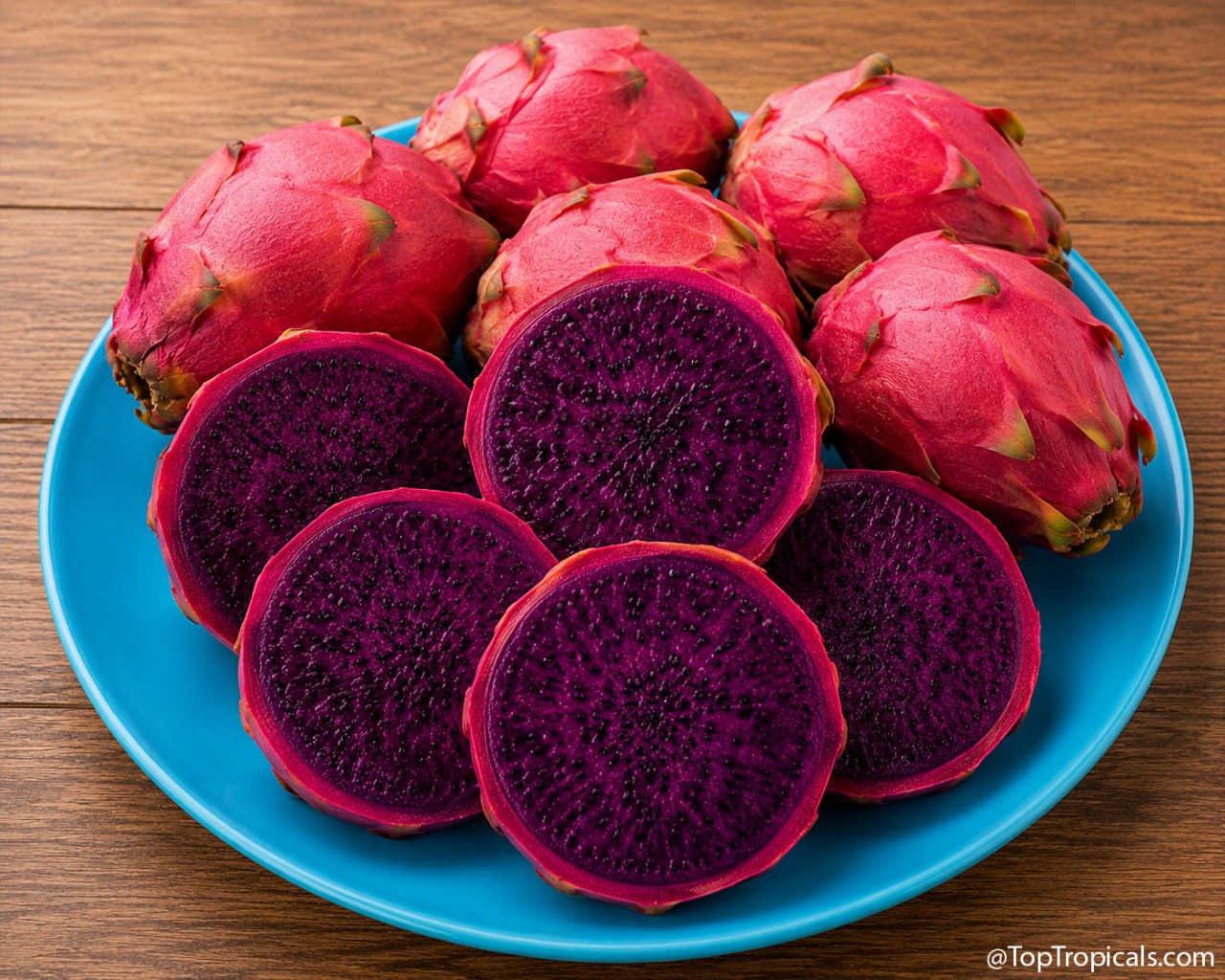
If Red Dragon Fruits are impressive, Purple Haze takes color to another level. This famous hybrid combines Hylocereus guatemalensis and Hylocereus polyrhizus to produce some of the most intensely colored fruit in the dragon fruit world. Cut one open and you'll find rich purple flesh so deeply pigmented that it rivals beetroot.

🔸 The dragon fruit that looks almost unreal


Purple Haze produces large fruit with bright pink skin, green-tipped fins, and vivid purple flesh packed with tiny edible seeds. Individual fruit commonly weigh between one and two pounds, making them among the larger dragon fruit varieties available to home gardeners.

The intense purple color comes from exceptionally high levels of betalains - the same natural pigments responsible for the color of beets. Among dragon fruits, Purple Haze is often considered one of the richest sources of these beneficial antioxidants.

🔸 A flavor that keeps people coming back


Many dragon fruits are valued for appearance. Purple Haze earns praise for both looks and flavor.

The flesh is sweet, juicy, and refreshing with a distinctive grape-like flavor that sets it apart from typical white-fleshed varieties. The small seeds add a pleasant texture without distracting from the fruit's smooth eating quality.

For many collectors, Purple Haze ranks among the best-tasting dragon fruits available.

🔸 Big crops and multiple harvests


Purple Haze is not just beautiful - it's productive.

Established plants are known for heavy yields and can produce as many as three fruiting cycles per year under favorable conditions. The variety is considered a reliable producer, making it popular with both collectors and home gardeners.

Growers seeking extra-large fruit often thin developing buds, allowing the remaining fruit to reach impressive size.

🔸 Why collectors love it


Purple Haze combines nearly everything dragon fruit enthusiasts look for - large fruit, exceptional flavor, stunning color, high productivity, and multiple harvests each year.

It is a variety that proves dragon fruit can be much more than a novelty. With its rich purple flesh and sweet grape-like flavor, Purple Haze is one of the standout stars in the colorful world of dragon fruits. 👉 More...

🛒 Explore and collect Dragon Fruit varieties

📚 Learn more:

Pitaya Plant Facts

Botanical name: Hylocereus sp.
Also known as: Pitaya, Pitahaya, Dragon Fruit, Strawberry Pear
USDA Zone: 9 - 11
Highligths Large shrub 5-10 ft tallVine or creeper plantSemi-shadeFull sunWatering: Moderate. Water when top soil feels dryWhite, off-white flowersThorny or spinyEdible plantSubtropical plant. Mature plant cold hardy at least to 30s F for a short timeSeaside, salt tolerant plant
Get personalized tips for your region

· Dragon fruit Hylocereus in Plant Encyclopedia
· Pitaya Hana: dragon fruit beyond pink and white
· Pitaya Eureka Red: dragon fruit beyond pink and white
· Pitaya David Bowie: Dragon Fruit Beyond Pink and White
· A Quick Guide to Dragon fruit varieties: Red, White, Yellow, Purple and more...
· What is the best Dragon fruit with red flesh?
· Planting your own Dragon Fruit plantation
· Do-It-Yourself Support Structure for Dragon Fruit
· Why you need to grow your own dragon fruit
· Do red, white and yellow Dragon fruit taste differently?

#Food_Forest #Dragon_Fruit #Discover

🟢 Join 👉 TopTropicals

Date: 7 Jun 2026

Which jaboticaba to grow: a quick guide to the most popular varieties

Myrciaria cauliflora Jaboticaba tree

Myrciaria cauliflora Jaboticaba tree

Myrciaria cauliflora Jaboticaba fruit

Myrciaria cauliflora Jaboticaba fruit

Myrciaria cauliflora Jaboticaba fruit

🍇Which jaboticaba to grow: a quick guide to the most popular varieties

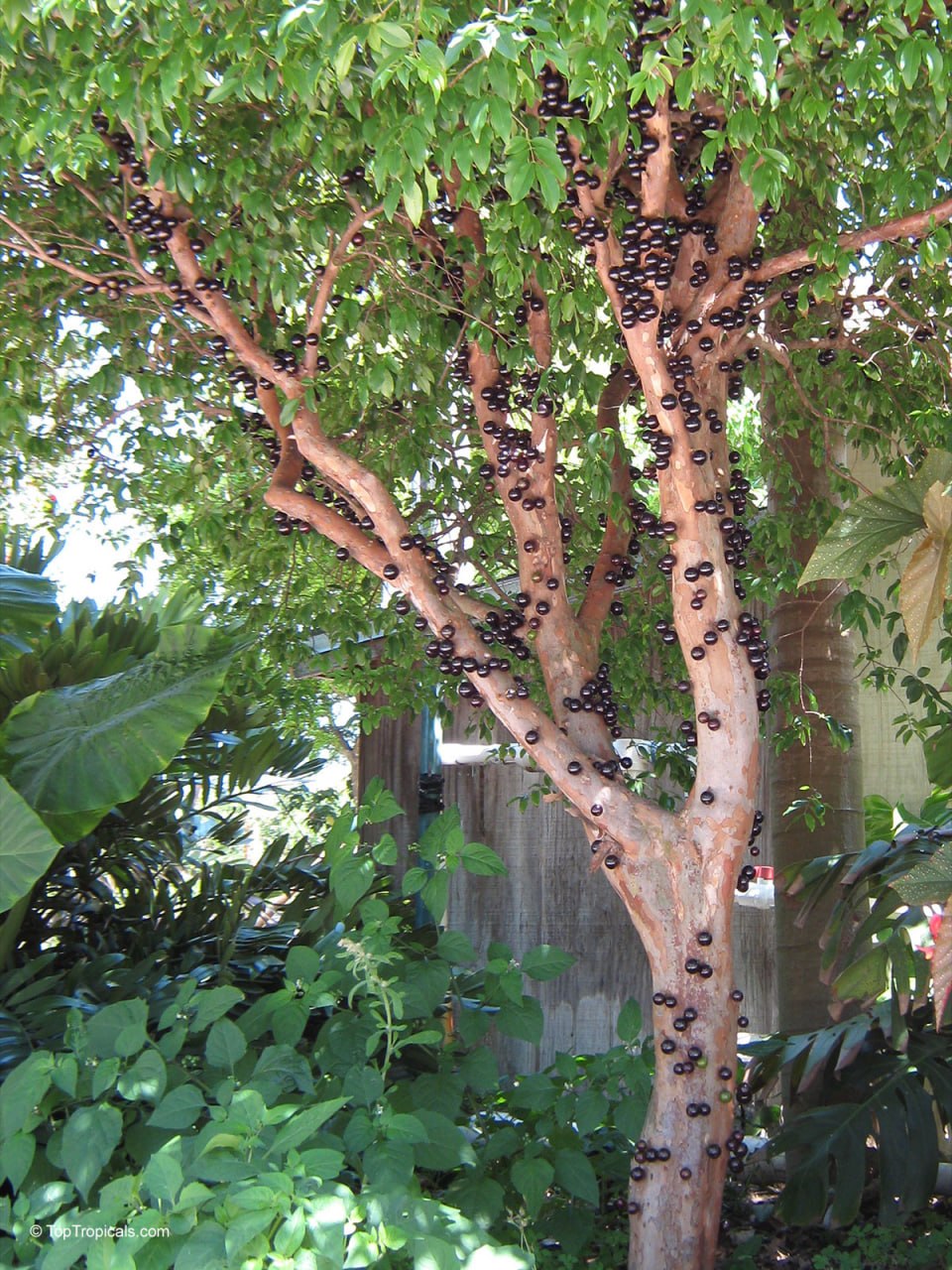
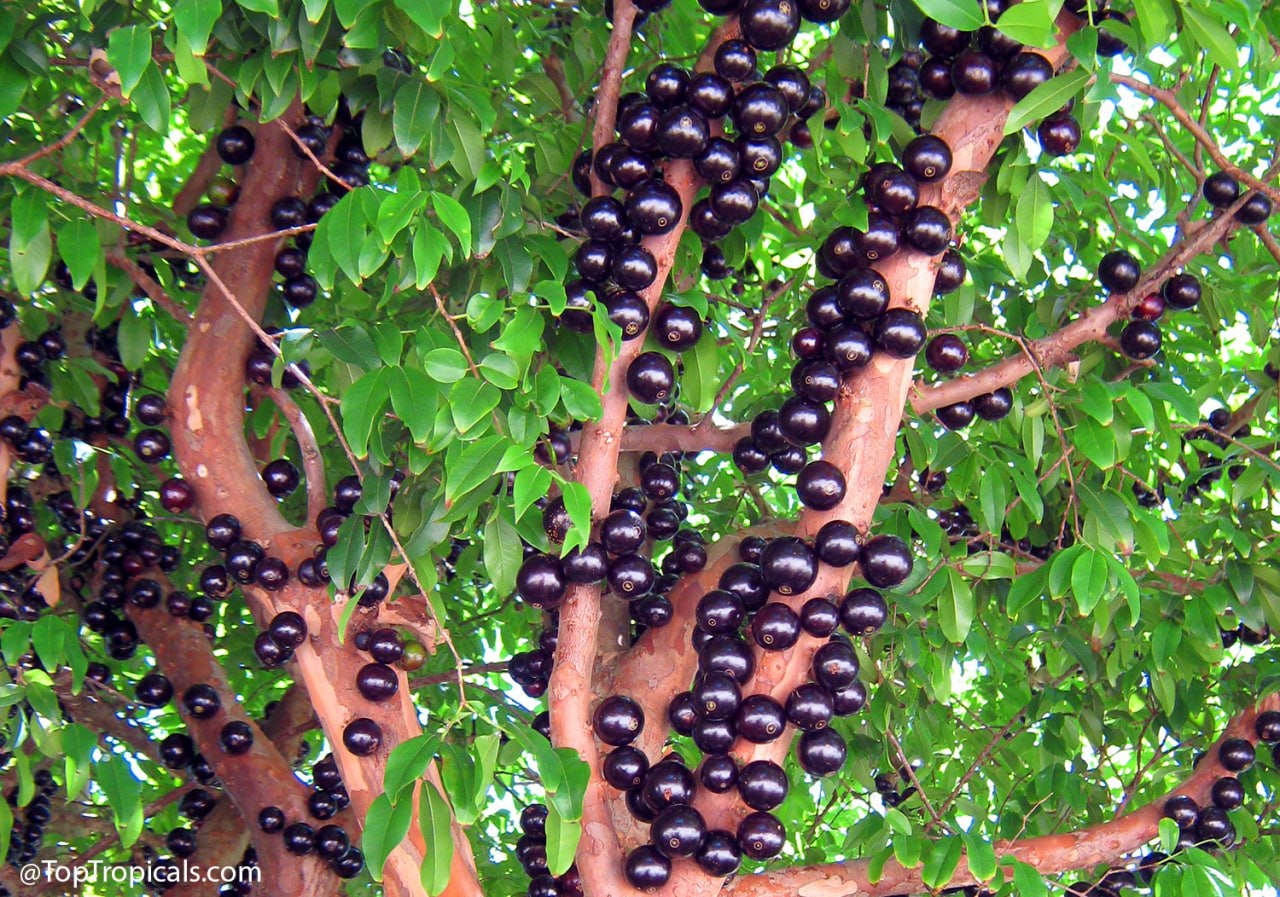
Jaboticabas are among the most unusual fruit trees in the world. Native to Brazil, they produce grape-like fruit directly on the trunk and branches. Most varieties have sweet pulp, can fruit multiple times per year, and grow well in containers.

Despite their tropical appearance, jaboticabas are surprisingly cold hardy. During our historic Florida freeze, established trees handled 25F for two nights and nearly two weeks of unusual cold without protection. Many varieties can tolerate temperatures into the 20s, making them one of the more cold-hardy tropical fruit trees for Florida.

From fast-fruiting dwarfs to giant-fruited collectors' varieties, each jaboticaba offers something a little different. Here's a practical guide to some of the most popular selections.

For beginners: Precoce Dwarf (Red Scarlet)


One of the fastest-fruiting jaboticabas, often producing in 3-5 years. Compact, container-friendly, ideal for gardeners who want fruit sooner.

•  Fruits young
•  Naturally compact
•  Excellent container plant
•  Good for cooler climates where winter protection is needed

The classic choice: Sabara


The classic Brazilian jaboticaba and still the most widely grown variety. Small, exceptionally sweet fruit with thin skin and juicy pulp. Can produce several crops per year.

•  Traditional jaboticaba flavor
•  Thin-skinned fruit
•  Sweet and juicy
•  Excellent for bonsai and containers
•  One of Brazil's most popular wine varieties

For large fruit: Grimal


Often called Giant Jaboticaba, with much larger fruit than most varieties. Thick juicy pulp, small seeds, heavy production.

•  Larger fruit
•  Thick pulp
•  Heavy producer
•  Excellent fresh eating quality

For exceptional flavor: ESALQ


Known for large, exceptionally sweet fruit and relatively early production.

•  Outstanding sweetness
•  Large fruit
•  Fruits in about 4-5 years
•  Collector favorite

For beauty and productivity: Branca Vinho


One of the most ornamental jaboticabas, with attractive foliage, upright growth, and excellent white-fleshed fruit. Fruits young and often several times per year.

•  Beautiful foliage and trunk
•  White-fleshed fruit
•  Excellent flavor
•  Multiple crops per year
•  Good cold tolerance

For collectors: Blue Jaboticaba


A close jaboticaba relative (Myrciaria vexator) producing blue-purple fruit with a sweet grape-like flavor. Often grown as much for its beauty as its fruit.

•  Unique blue fruit
•  Sweet grape-like flavor
•  Ornamental tree
•  Rare and unusual

For faster growth: Volcano Red (La Vinotinto)


More vigorous and faster growing than traditional jaboticabas. Famous in Hawaii for Volcano Red wine.

•  Faster growth
•  More vigorous tree
•  Good adaptability
•  Tolerates occasional waterlogging
•  Source of Hawaiian Volcano Red wine

Which one is right for you?


•  Fastest fruit: Precoce Dwarf
•  Classic flavor: Sabara
•  Largest fruit: Grimal
•  Sweetest fruit: ESALQ
•  Best ornamental: Branca Vinho or Blue Jaboticaba
•  Fastest growth: Volcano Red

👉 All jaboticabas share the same magical trait - flowers and fruit appearing directly on the trunk. The differences are in fruit size, growth rate, and how quickly you'll enjoy your first harvest. Jaboticabas are notoriously slow growing, and large fruiting-size trees can take many years to develop. Established specimens are hard to find and can save years of waiting. If you've been thinking about adding one to your garden, remember: the best time to plant a jaboticaba was years ago - the second-best time is today.

🛒 Select from Jaboticaba varieties

📚 Learn more:

Jaboticaba Plant Facts

Botanical name: Myrciaria cauliflora, Plinia cauliflora, Eugenia cauliflora
Also known as: Jaboticaba, Duhat
USDA Zone: 9 - 11
Highligths Plant used for bonsaiSmall tree 10-20 ftFull sunKeep soil moistEdible plantSubtropical plant. Mature plant cold hardy at least to 30s F for a short timeFlood tolerant plant
Get personalized tips for your region

Jaboticaba (Myrciaria cauliflora) in Plant Encyclopedia
Before you open a bottle of wine, meet the Secret Wine Tree from Brazil
What does Blue Jaboticaba taste like?
How Blue Jaboticaba is different from regular Jaboticaba?
What is Jaboticaba? I like the sound of this word!

#Food_Forest #Discover #How_to

🟢 Join 👉 TopTropicals

Date: 6 Jun 2026

The easy orchid that blooms like a tropical sunrise: Epidendrum

Orange Reed Ground Orchid or Sunrise Orchid - Epidendrum

🌅 The easy orchid that blooms like a tropical sunrise: Epidendrum


Most people think orchids are fussy plants that belong in greenhouses or on windowsills. Epidendrum radicans - also known as Orange Reed Ground Orchid or Sunrise Orchid - proves otherwise. This colorful orchid grows in the ground, tolerates heat and humidity, multiplies easily, and can bloom for months with very little care.

🔥 Not your typical orchid


Unlike many orchids that grow on trees, Epidendrum radicans is a terrestrial orchid native to Mexico, Central America, and northern South America. It naturally grows on the ground and even among rocks.

Its upright reed-like stems are topped by clusters of brilliant orange flowers with golden-yellow highlights. A single mature stem can carry dozens of blooms, and large plantings resemble patches of miniature tropical sunrises.

🔥 Easy to grow, easy to share


Epidendrum thrives in Florida's heat and humidity and performs best in bright light and well-drained soil. In warm climates it often blooms throughout the year.

One reason gardeners love it is its ability to spread. The stems naturally produce roots along their length, making division and propagation remarkably easy. A single plant can eventually develop into a large, colorful colony.

🔥 A pollinator favorite


The vivid orange flowers attract butterflies and hummingbirds and stand out brightly against green foliage. This makes Epidendrum a valuable addition to pollinator gardens and tropical landscapes.

🔥 Better than a flowering annual


Unlike annual flowers that must be replaced each season, Epidendrum returns year after year and gradually expands into larger clumps. It works well along walkways, patios, entryways, borders, and mixed tropical beds where its upright growth adds height and color.

🔥 The orchid that deserves more attention


Some plants become famous because they are difficult or rare. Epidendrum radicans deserves attention for the opposite reason.
It is colorful, dependable, beginner-friendly, and generous with flowers. Give it sunshine, good drainage, and a place to grow, and it will reward you with months of vibrant blooms that bring the warmth and energy of a tropical sunrise into your garden. 👉 More...

💡 #Fun_facts:

📌 The common name "Crucifix Orchid" comes from the tiny cross-shaped structure in the center of each flower.
📌 Unlike many orchids, it naturally produces roots along its stems, which is one reason it spreads and propagates so easily.
📌 In Florida, it's often used as a landscape orchid rather than a houseplant.

📚 Learn more:

Bamboo Orchid Plant Facts

Botanical name: Arundina graminifolia, Arundina affinis, Bletia graminifolia
Also known as: Bamboo Orchid, Bird Orchid
USDA Zone: 9 - 10
Highligths Small plant 2-5 ftSemi-shadeShadeFull sunWatering: Regular. Let topsoil dry slightlyEpiphyte plantWhite, off-white flowersPink flowers
Get personalized tips for your region

· Epidendrum in Plant Encyclopedia
· Orange Reed Ground Orchid, Sunrise
· The "Fake" Bamboo That Blooms Like a Rare Orchid Year-Round
· The prettiest flower for shade
· Ground orchids: all-summer colors
· Why do we love Ground Orchids
· Terrestrial orchids
· What orchids can be grown in the ground
🎥 Ground orchids: all-summer colors for shady gardens

🛒 Shop Ground Orchids

#Container_Garden #Shade_Garden #Discover

🟢 Join 👉 TopTropicals