Garden Blog - Top Tropicals

Date: 4 Feb 2026

Top nine plants of love, desire, and the senses: aphrodisiacs and sensory connections
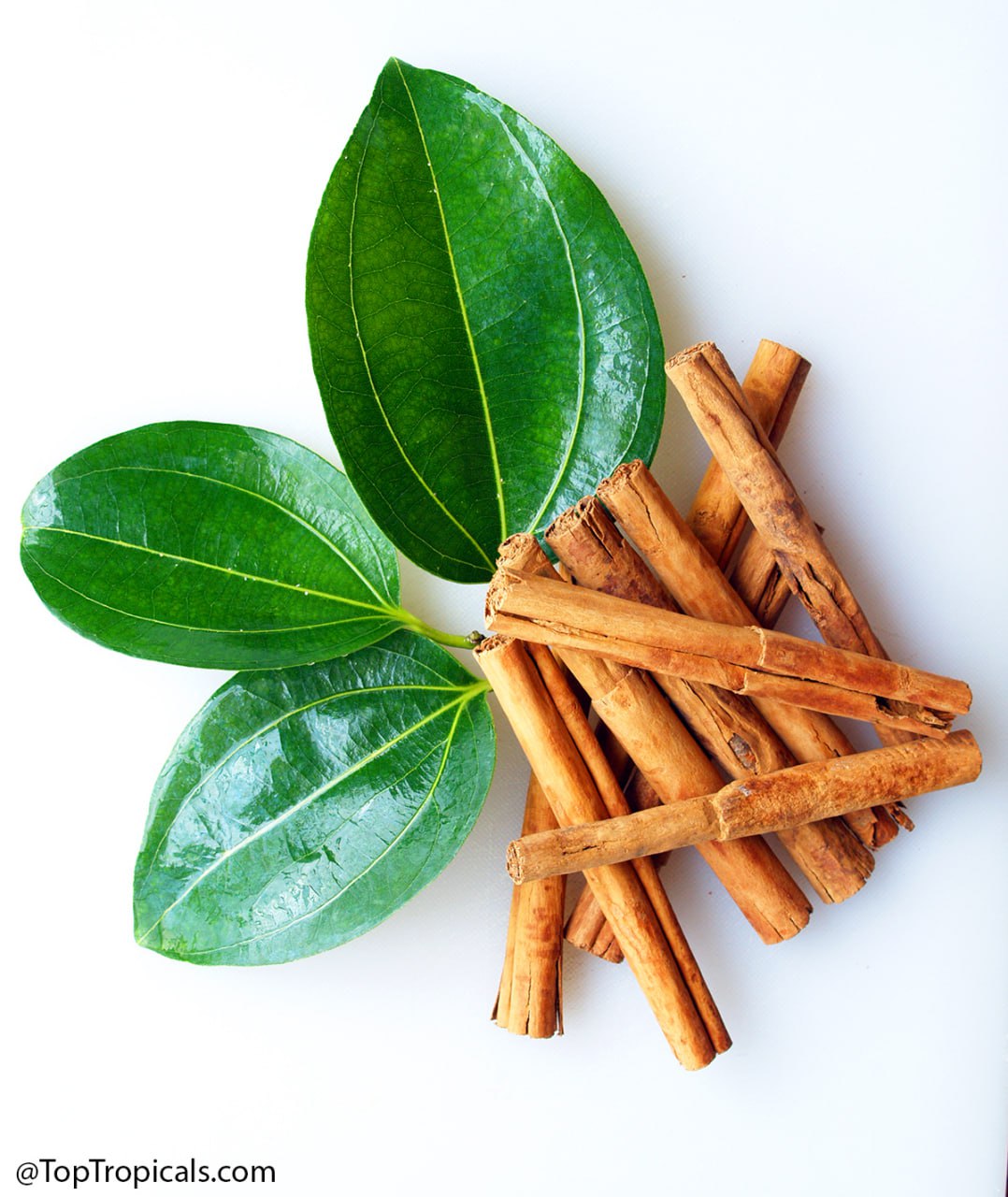
Cinnamon (Cinnamomum zeylanicum)
Cinnamon (Cinnamomum zeylanicum)

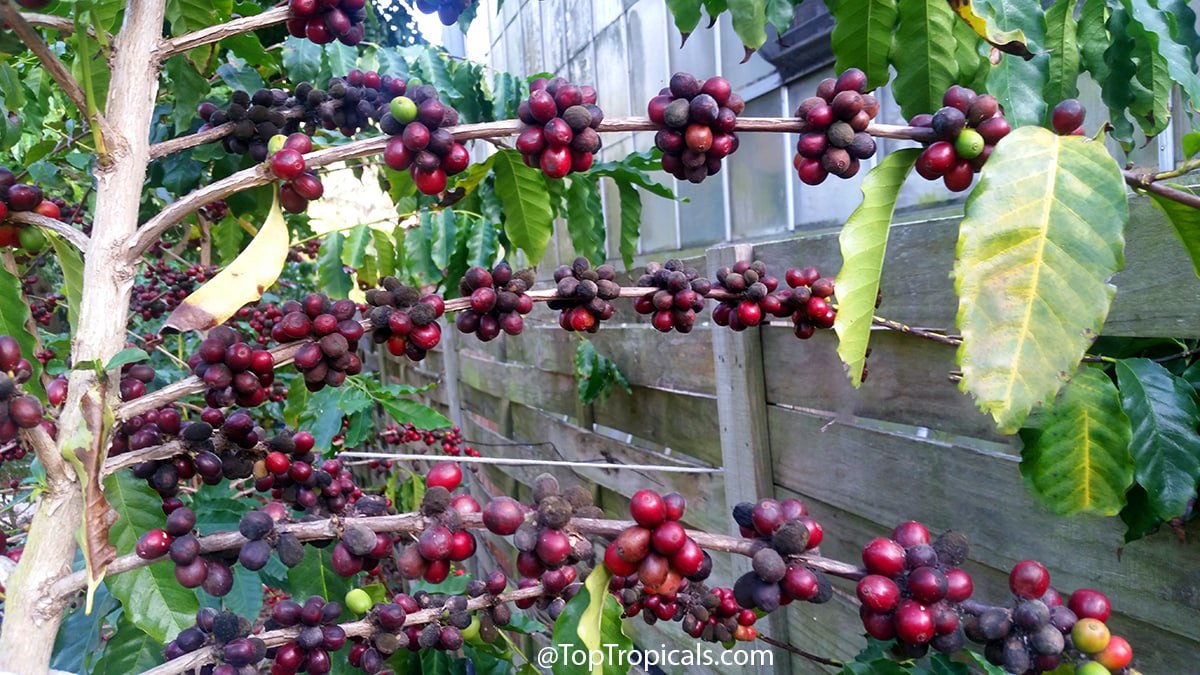
Coffee - Coffea arabica
Coffee - Coffea arabica

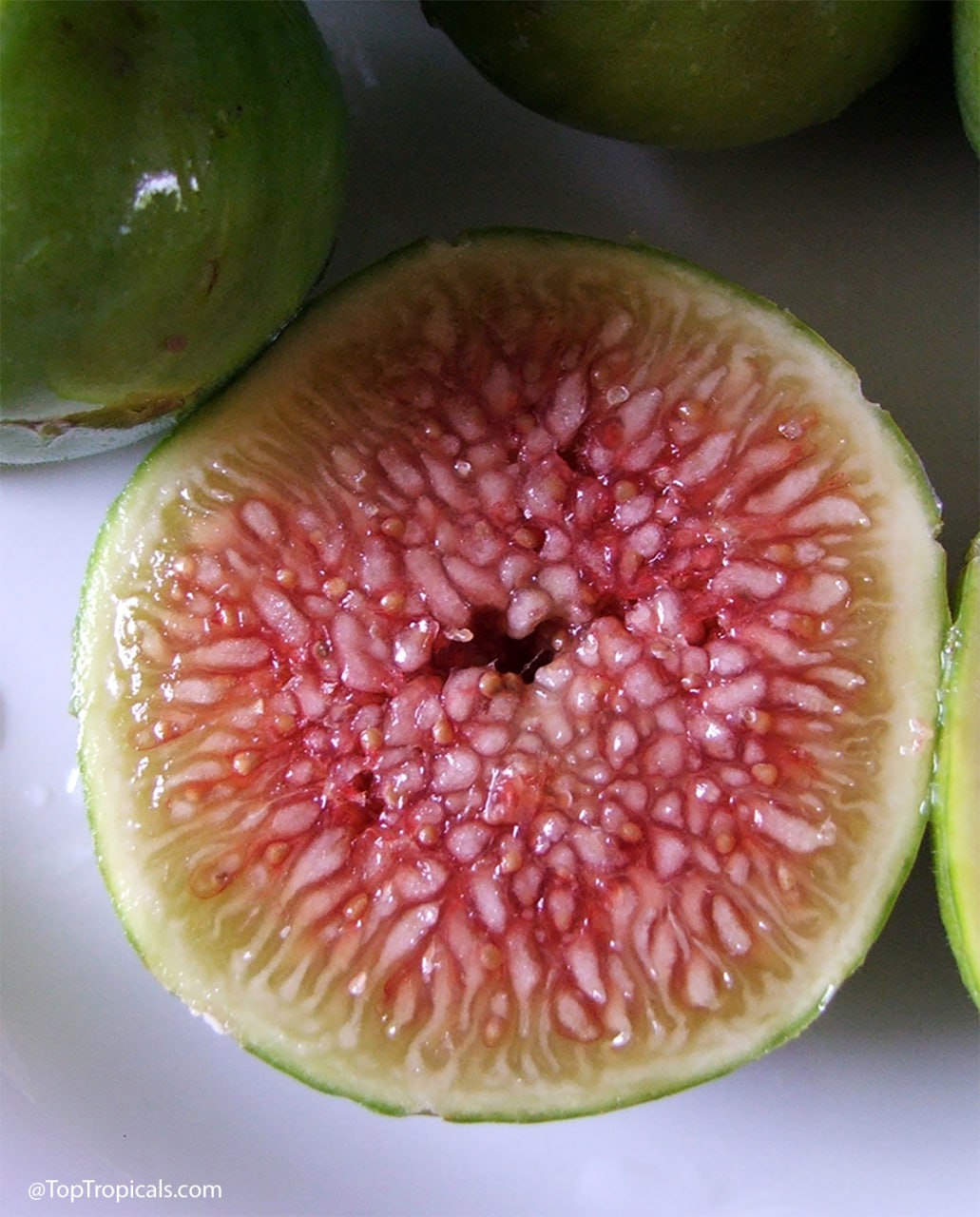
Fig tree fruit (Ficus carica)
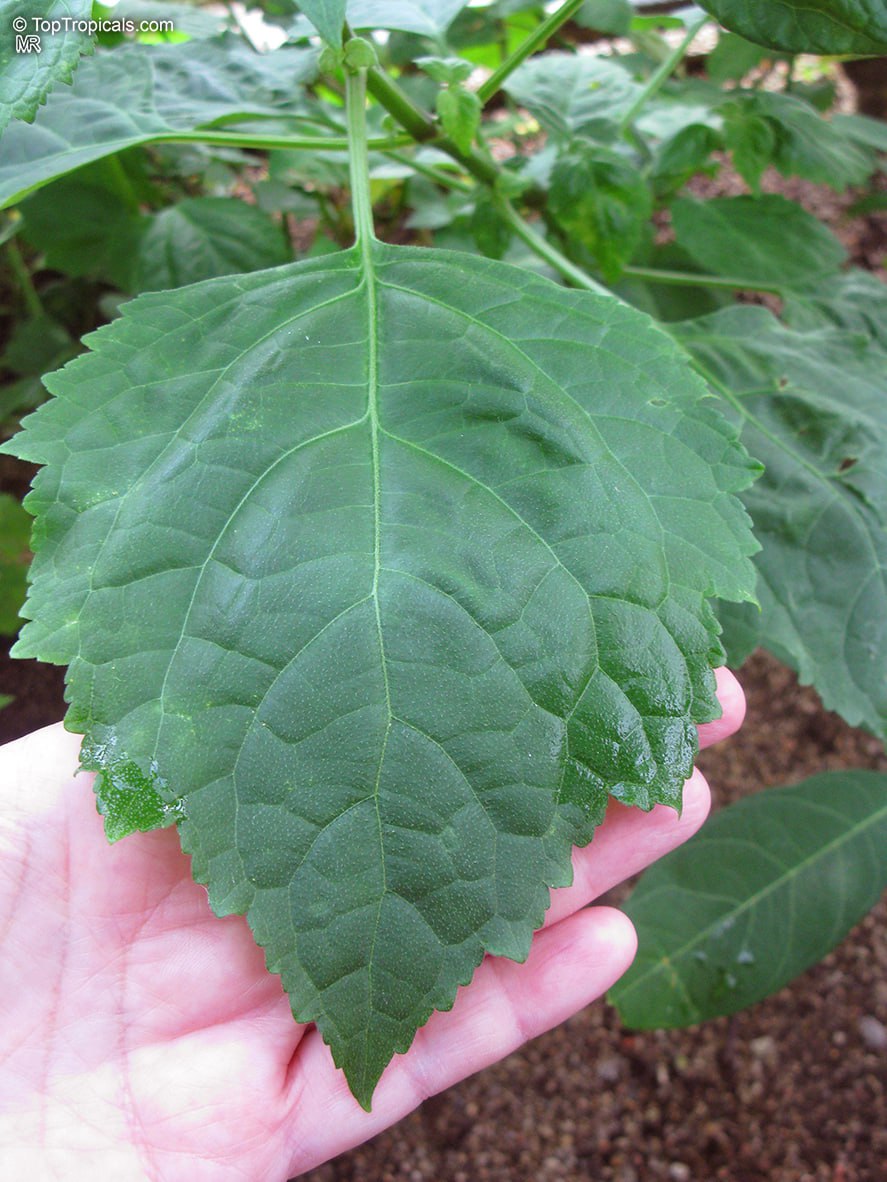
Fig tree fruit (Ficus carica)

Patchouli - Pogostemon cablin
Patchouli - Pogostemon cablin

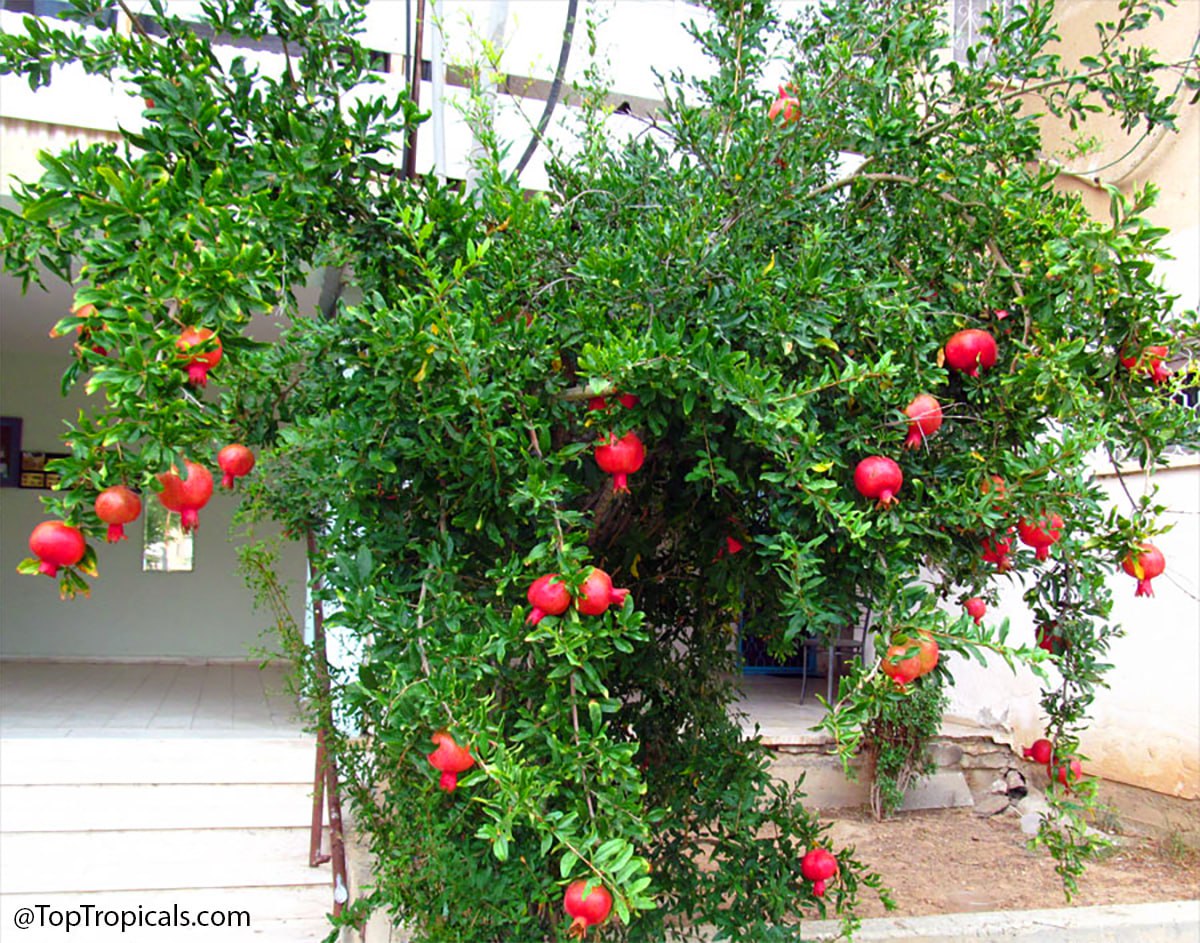
Pomegranate (Punica granatum)
Pomegranate (Punica granatum)

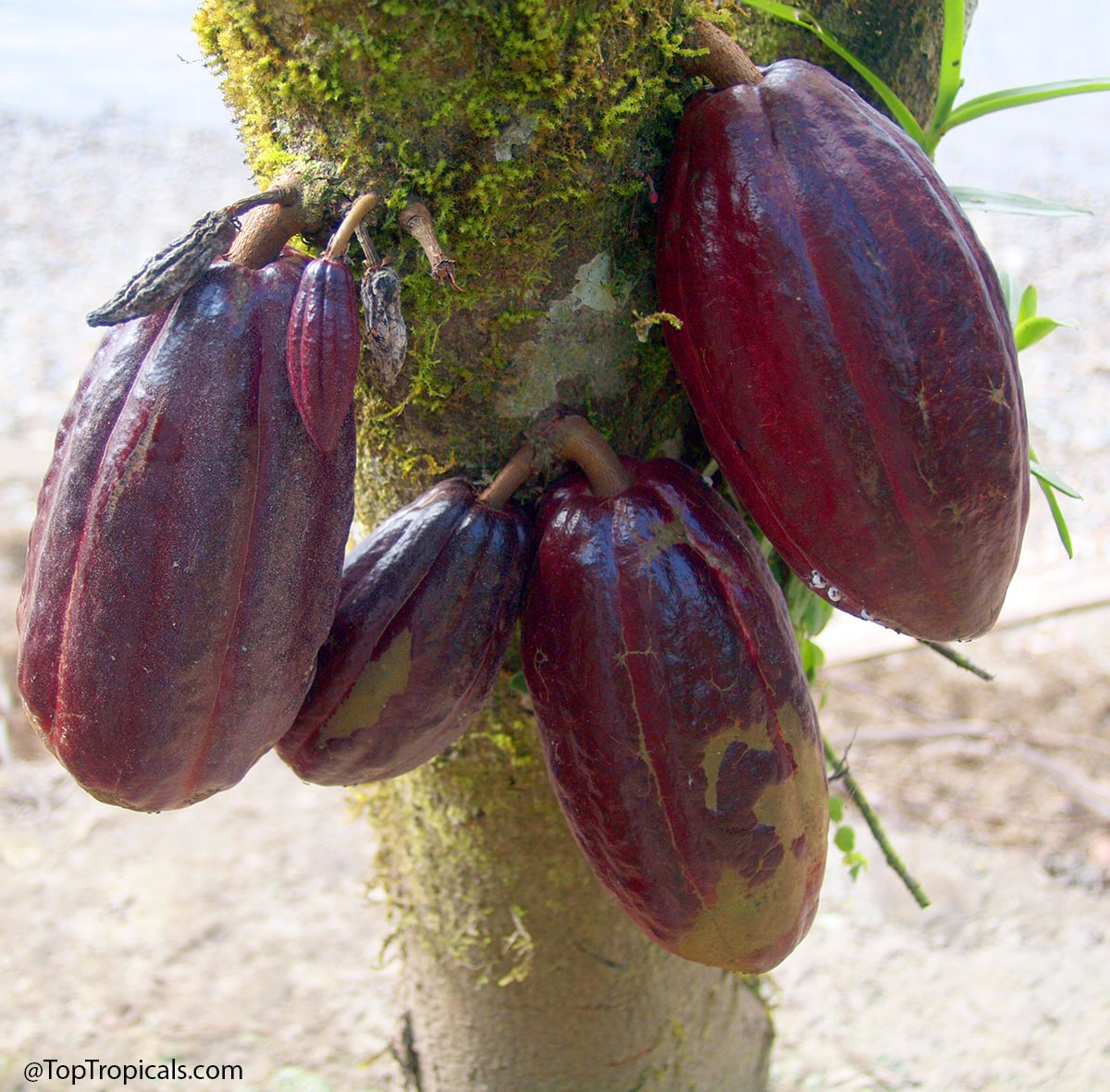
Cacao - Chocolate Tree (Theobroma cacao)

Cacao - Chocolate Tree (Theobroma cacao)

💖 Top nine plants of love, desire, and the senses: aphrodisiacs and sensory connections


Across cultures, love has also been expressed through taste, scent, warmth, and shared ritual. These tropical plants were valued not just for beauty, but for how they awaken the body and deepen connection.

💘 1. Cacao


Cacao - Chocolate Tree (Theobroma cacao) - has one of the strongest global associations with love. Revered by the Aztecs as a “food of the gods”, it was consumed to increase desire and emotional bonding. Chocolate contains compounds linked to feelings of pleasure and infatuation, making cacao a natural Valentine symbol.

Chocolate Tree Plant Facts

Botanical name: Theobroma cacao
Also known as: Chocolate Tree, Cacao, Cocoa Tree
USDA Zone: 10 - 11
Highligths Large shrub 5-10 ft tallSmall tree 10-20 ftSemi-shadeFull sunWatering: Regular. Let topsoil dry slightlyYellow, orange flowersWhite, off-white flowersPink flowersEdible plantEthnomedical plant.
Plants marked as ethnomedical and/or described as medicinal, are not offered as medicine but rather as ornamentals or plant collectibles.
Ethnomedical statements / products have not been evaluated by the FDA and are not intended to diagnose, treat, cure, or prevent any disease. We urge all customers to consult a physician before using any supplements, herbals or medicines advertised here or elsewhere.
Get personalized tips for your region

👉 Chocolate Tree gift

💘 2. Vanilla Orchid


Vanilla (Vanilla planifolia) is both an orchid and one of the most sensual plant aromas known. Historically paired with cacao in love remedies, vanilla represents intimacy, warmth, and attraction. Its fragrance alone carries powerful emotional associations.

Madagascar Bourbon Vanilla Bean Plant Facts

Botanical name: Vanilla planifolia, Vanilla fragrans
Also known as: Madagascar Bourbon Vanilla Bean, French Vanilla, Vanilla Orchid
USDA Zone: 9 - 11
Highligths Vine or creeper plantSemi-shadeWatering: Regular. Let topsoil dry slightlyYellow, orange flowersEdible plantSpice or herb plantFragrant plantSubtropical plant. Mature plant cold hardy at least to 30s F for a short time
Get personalized tips for your region

👉 Vanilla orchid gift

💘 3. Ginger


Ginger symbolizes heat, vitality, and passion. Used worldwide to stimulate circulation and warm the body, it represents spark, chemistry, and physical energy.
👉 Ginger gift

💘 4. Cinnamon


Cinnamon (Cinnamomum zeylanicum) has long been associated with attraction and stimulation. Its warm, lingering aroma makes it a classic plant of desire, comfort, and emotional warmth.

Cinnamon Plant Facts

Botanical name: Cinnamomum zeylanicum, Cinnamomum verum
Also known as: Cinnamon
USDA Zone: 9 - 11
Highligths Large shrub 5-10 ft tallSmall tree 10-20 ftFull sunWatering: Regular. Let topsoil dry slightlyOrnamental foliageEdible plantSpice or herb plantEthnomedical plant.
Plants marked as ethnomedical and/or described as medicinal, are not offered as medicine but rather as ornamentals or plant collectibles.
Ethnomedical statements / products have not been evaluated by the FDA and are not intended to diagnose, treat, cure, or prevent any disease. We urge all customers to consult a physician before using any supplements, herbals or medicines advertised here or elsewhere.Fragrant plantSubtropical plant. Mature plant cold hardy at least to 30s F for a short timeFlood tolerant plant
Get personalized tips for your region

👉 Cinnamon gift

💘 5. Pomegranate


Pomegranate (Punica granatum) has long symbolized love, fertility, and union, with its many ruby-red seeds representing abundance and deep connection. In ancient traditions, it was linked to goddesses of love and marriage and remains a symbol of passion balanced by continuity and commitment.

Pomegranate Plant Facts

Botanical name: Punica granatum
Also known as: Pomegranate, Granada, Grenade, Pomegranate, Granada, Anar, Granaatappel, Pomo Granato, Romeira, Melo Grano
USDA Zone: 8 - 11
Highligths Large shrub 5-10 ft tallSmall tree 10-20 ftFull sunWatering: Moderate. Water when top soil feels dryRed, crimson, vinous flowersThorny or spinyEdible plantDeciduous plantEthnomedical plant.
Plants marked as ethnomedical and/or described as medicinal, are not offered as medicine but rather as ornamentals or plant collectibles.
Ethnomedical statements / products have not been evaluated by the FDA and are not intended to diagnose, treat, cure, or prevent any disease. We urge all customers to consult a physician before using any supplements, herbals or medicines advertised here or elsewhere.Subtropical plant. Mature plant cold hardy at least to 30s F for a short timeSeaside, salt tolerant plant
Get personalized tips for your region

👉 Pomegranate gift

💘 6. Coffee


Coffee (Coffea arabica) represents connection through shared ritual. Sacred to African Sufis for its stimulating properties, coffee symbolizes conversation, alertness, and social bonding rather than purely romantic love.

Coffee Plant Facts

Botanical name: Coffea arabica
Also known as: Coffee
USDA Zone: 9 - 11
Highligths Large shrub 5-10 ft tallSmall tree 10-20 ftSemi-shadeShadeKeep soil moistWhite, off-white flowersEdible plantEthnomedical plant.
Plants marked as ethnomedical and/or described as medicinal, are not offered as medicine but rather as ornamentals or plant collectibles.
Ethnomedical statements / products have not been evaluated by the FDA and are not intended to diagnose, treat, cure, or prevent any disease. We urge all customers to consult a physician before using any supplements, herbals or medicines advertised here or elsewhere.Fragrant plantSubtropical plant. Mature plant cold hardy at least to 30s F for a short time
Get personalized tips for your region

👉 Coffee tree gift

💘 7. Fig Tree


Figs (Ficus carica) have ancient associations with fertility, sensuality, and indulgence. Their voluptuous form, sweet flesh, and rich texture made them symbols of desire and abundance in many cultures.

Fig Tree Plant Facts

Botanical name: Ficus carica
Also known as: Fig Tree, Brevo
USDA Zone: 7 - 10
Highligths Plant used for bonsaiSmall tree 10-20 ftFull sunWatering: Moderate. Water when top soil feels dryOrnamental foliageEdible plantDeciduous plantSubtropical plant. Mature plant cold hardy at least to 30s F for a short timeFlood tolerant plantSeaside, salt tolerant plant
Get personalized tips for your region

👉 Fig tree gift

💘 8. Betel Leaf and Betel Nut


Betel Leaf (Piper betle) is a powerful symbol of love, respect, and partnership across South and Southeast Asia. It is exchanged in courtship, weddings, and ceremonies, representing acceptance and shared experience. Its heart-shaped leaves reinforce its Valentine symbolism.
Betel nut (Areca catechu) - traditionally used as a stimulant and aphrodisiac, betel nut represents intensity, ritual, and sensory awakening. In this context, it is best presented as a cultural symbol rather than a casual love plant.

Betel Leaf Plant Facts

Botanical name: Piper betle
Also known as: Betel Leaf
USDA Zone: 9 - 11
Highligths Vine or creeper plantSemi-shadeShadeFull sunWatering: Moderate. Water when top soil feels dryOrnamental foliageSpice or herb plantEthnomedical plant.
Plants marked as ethnomedical and/or described as medicinal, are not offered as medicine but rather as ornamentals or plant collectibles.
Ethnomedical statements / products have not been evaluated by the FDA and are not intended to diagnose, treat, cure, or prevent any disease. We urge all customers to consult a physician before using any supplements, herbals or medicines advertised here or elsewhere.Subtropical plant. Mature plant cold hardy at least to 30s F for a short time
Get personalized tips for your region

👉 Betel gift

💘 9. Patchouli


Patchouli (Pogostemon cablin) represents deep attraction and emotional grounding. Its earthy, musky scent has long been associated with intimacy and physical presence. Unlike sweet florals, patchouli symbolizes mature, rooted love that lingers.

Patchouli Plant Facts

Botanical name: Pogostemon cablin, Pogostemon patchouli, Pogostemon heyneanous
Also known as: Patchouli, Pucha-pat
USDA Zone: 9 - 11
Highligths Groundcover and low-growing 2ft plantSmall plant 2-5 ftSemi-shadeFull sunWatering: Moderate. Water when top soil feels dryWatering: Regular. Let topsoil dry slightlyOrnamental foliageSpice or herb plantEthnomedical plant.
Plants marked as ethnomedical and/or described as medicinal, are not offered as medicine but rather as ornamentals or plant collectibles.
Ethnomedical statements / products have not been evaluated by the FDA and are not intended to diagnose, treat, cure, or prevent any disease. We urge all customers to consult a physician before using any supplements, herbals or medicines advertised here or elsewhere.Fragrant plant
Get personalized tips for your region

👉 Patchouli gift

🛒 Explore gift plants
🎁 Get a Gift Card

📚 Learn more:


Valentines day Best Gift Plant Ideas
Cacao: fruit of Money and Love
How to plant vanilla orchid
Most interesting edible gingers
Plants of Love: Aphrodisiacs of the plant world
How to increase libido?
How to Grow Your Own Cinnamon Tree
Healing drops of blood: why Pomegranate is a superfood
Don't drink your coffee until you see this!
The fruit tree that every garden must have: Figs
How to grow your own Pepper plants. Five most valuable Pipers
How to grow Patchouli indoors
Valentine’s plants from around the world that symbolize love, connection, and appreciation
Eight favorite plants of romance, affection, and emotional connection
Four popular plants of friendship, appreciation, and shared connection

🎥 Secret Sex Life of Vanilla Orchid: how to produce your own vanilla

#Shade_Garden #Container_Garden

🟢 Join 👉 TopTropicals
Date: 7 Aug 2025

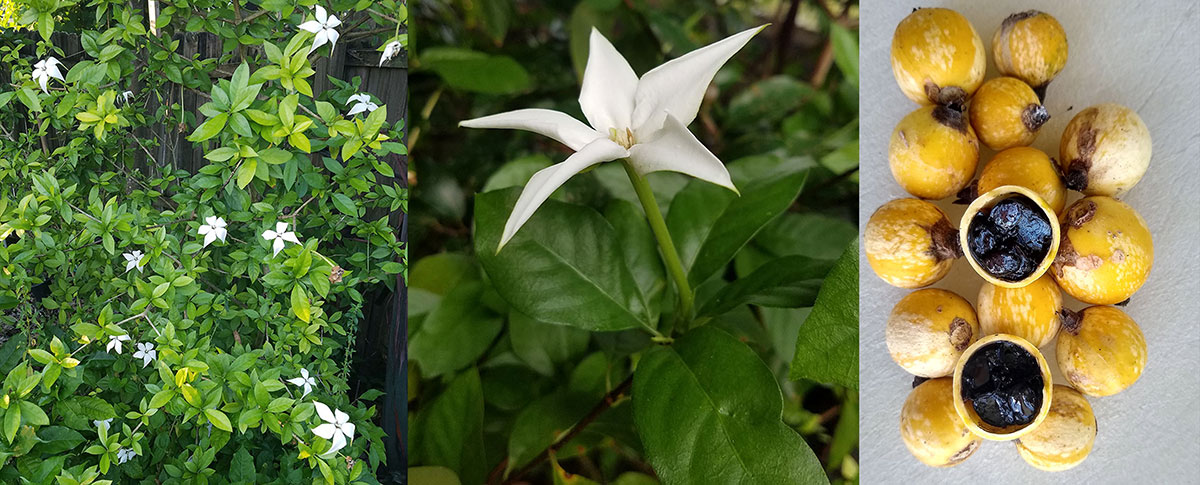
Randia  formosa  shrub  in  bloom  with  white  star-shaped  flowers,  close-up  of  single  bloom,  and  ripe  yellow  fruit  with  black  pulp  that  looks  like  blackberry  jam

Randia formosa - Blackberry Jam Fruit Tree with Flowers and Ripe Fruit

You know how some plants just surprise you?

That's Randia formosa - the Blackberry Jam Fruit Tree. At first, it just looks like a cute little gardenia-type shrub. Glossy leaves, sweet white flowers. Nice enough. But then the fruit shows up… and you crack one open and go, “Wait - this tastes like jam?!”

And not just any jam - like real, fresh blackberry jam. No sugar, no cooking. Just soft black pulp inside this golden little fruit. It's weirdly satisfying. One of those things you make everyone taste just to see their face.

What's even cooler is how easy it is. This thing starts blooming and fruiting when it's barely 2 feet tall. You can grow it in a pot on your porch, or even inside if it gets enough light. And while most of your other plants take the winter off, this one keeps going - flowers, fruit, the whole show.

If you've got a spot with filtered light and a little curiosity, it's absolutely worth a try. Honestly, it's just… fun.

This rare South American evergreen shrub checks all the boxes: fragrant, compact, easy, and edible.

✅ Grows in pots ✅ Indoors ✅ Small yards

Randia formosa – Blackberry Jam Fruit Tree – FAQ

What is Randia formosa?

Randia formosa, also known as Blackberry Jam Fruit or Jasmin de Rosa, is a compact tropical shrub that produces fragrant white flowers and small yellow fruits filled with soft, black pulp that tastes remarkably like blackberry jam. It belongs to the Rubiaceae family, the same as Gardenia and Coffea.

Why gardeners love Randia

  • Delicious jam-flavored fruit – no sugar needed.
  • Compact grower – perfect for patios and indoor spaces.
  • Fast results – blooms and fruits within 1–1.5 years.
  • Big yield in a small pot – 25–30 fruits at once!
  • Fall–Winter performer – keeps going when others stop.
  • Kid favorite – fun to grow, fun to eat.

What does the fruit taste like?

The pulp inside the fruit tastes just like fresh blackberry jam - sweet, tangy, and rich. It is edible fresh, without any processing or sweeteners, and is loved by both kids and adults.

How big does the plant get?

In the ground, Randia formosa typically reaches 4 to 5 feet tall. In containers, it usually stays smaller, around 3 to 4 feet, making it perfect for small gardens, patios, or indoor growing.

How soon will it fruit?

Very quickly! This is one of the fastest fruiting tropicals. Plants begin to flower and produce fruit within two years from seed. Еstablished plants in 3 gallon containers may begin fruiting at just 2 feet tall.

Does it need full sun?

No. It actually prefers filtered light or partial shade, especially in hot climates. Leaves tend to look healthier and greener when grown in dappled light.

Can I grow Randia formosa indoors?

Yes! Its compact size and shade tolerance make it an excellent choice for bright indoor spaces. Just be sure to provide good air circulation, high humidity if possible, and avoid cold drafts.

How cold-hardy is it?

Mature plants can tolerate temperatures down to about 26F for short period of time, but young plants are more sensitive and should be protected from frost. It is best grown outdoors in USDA zones 9b and up or kept as a container plant that can be brought indoors in winter.

What kind of soil does it need?

Randia formosa requires acidic, well-draining soil. Avoid alkaline soils, which may cause leaf chlorosis (yellowing with green veins).

How often should I water it?

Keep soil evenly moist but not soggy. It is sensitive to overwatering, especially in cooler weather. During winter, reduce watering. Underwatering may cause sudden leaf drop - but the plant usually recovers quickly once watered again.

What fertilizer does it need?

Yes. Use a slow-release fertilizer formulated for acid-loving plants. Regular applications of micronutrients (especially iron and magnesium) help prevent chlorosis. Foliar sprays can also be helpful. Apply Sunshine C-Cibus Booster or Green Magic controlled release fertilizer to keep your plant happy: Blackberry Jam Fruit is a heavy feeder!

When does it flower and fruit?

This plant can bloom and fruit for several months, often from summer through winter. It is known to bloom off-season, making it a fun and productive plant when others are dormant.

Are the flowers fragrant?

Yes, the white star-shaped tubular flowers have a light, sweet fragrance, similar to gardenias but less intense. The flowers open at night.

Is it self-pollinating?

Yes. A single plant can set fruit on its own, although insect activity can improve fruit set.

Are there any common problems?

The most common issue is chlorosis, which shows up as yellowing leaves with green veins - usually due to overwatering, poor drainage, or alkaline soil. It's fixable with acidification and micronutrients. The plant may also drop leaves suddenly if underwatered but tends to bounce back.

Is this plant related to Gardenia?

Yes. It is in the same plant family (Rubiaceae) as Gardenia and Coffee. That's why the flowers look similar and why it tolerates similar care needs.

Can it be used for bonsai or miniature tree styling?

Yes, due to its slow growth and branching habit, Randia formosa can be shaped into a miniature tree form and is quite attractive when trained.

Is it drought-tolerant?

Once established, it shows moderate drought tolerance. However, young plants need regular watering and are more vulnerable to drying out.

Read Garden Blog about Blackberry Jam Fruit

Get your Blackberry Jam Fruit

Date: 12 Apr 2023

Colocasia vs Alocasia

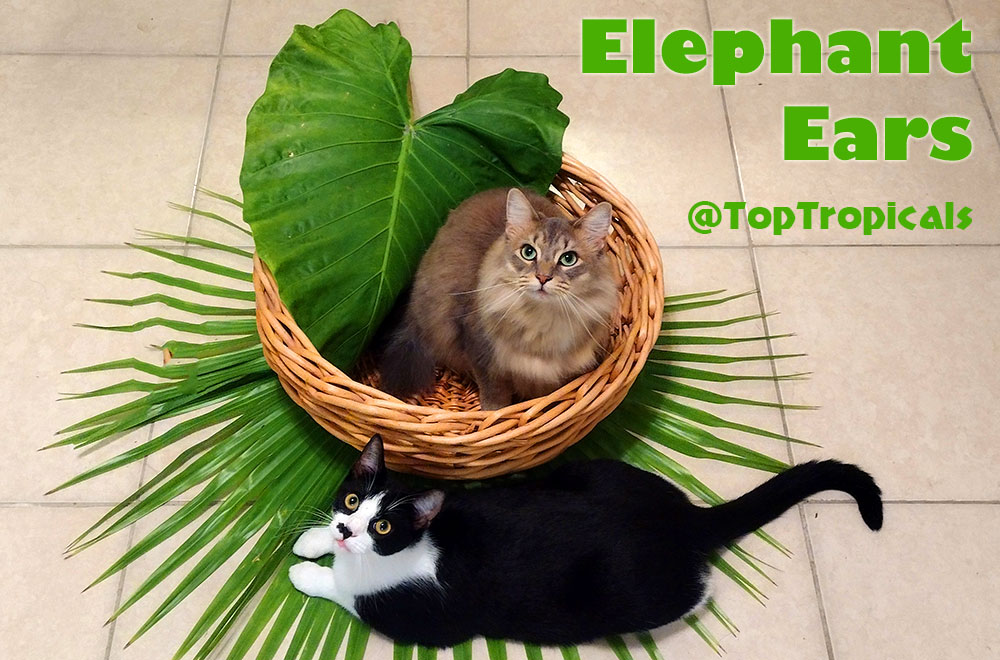
Cats  with  elephant  ears

Q: What is the difference between Alocasia and Colocasia? They both are called Elephant Ears...

A: Alocasia and Colocasia are exotic tropical-looking plants with large, arrow- or heart-shaped leaves resembling elephant ears, hence the common name. They are both members of the Araceae family and are often confused with each other due to their similar appearance. The key differences between the two plants:

Leaf shape: The leaves of Alocasia are typically arrowhead-shaped and have a more elongated appearance. The leaves of Colocasia, on the other hand, are more heart-shaped and broader.

Leaf texture: Alocasia leaves have a smooth, glossy texture, while Colocasia leaves are typically more matte and have a slightly rough texture.

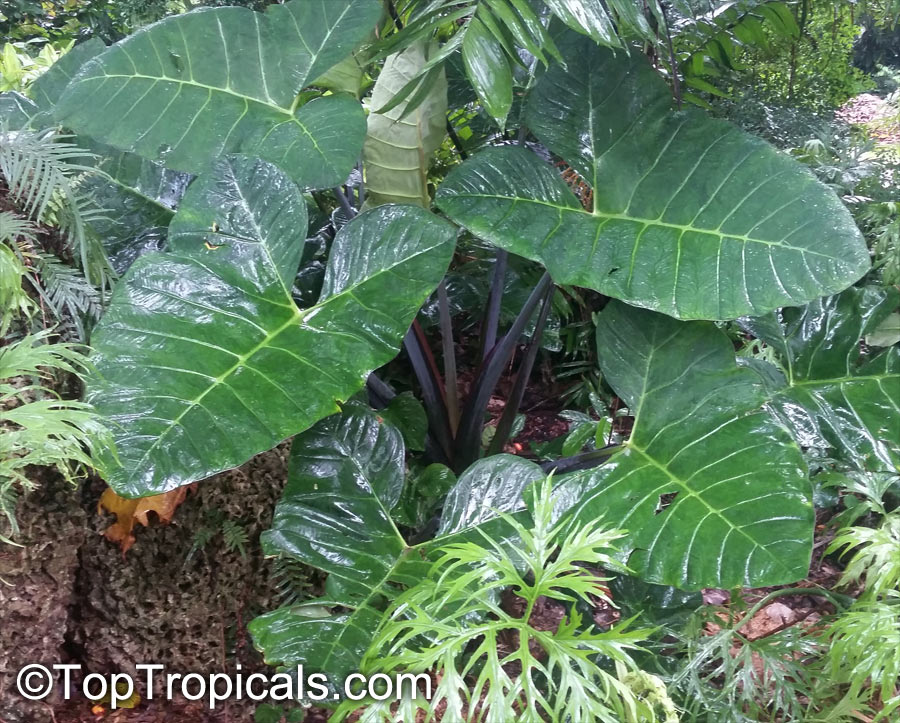
Stem color: The stems of Alocasia plants are typically green, while the stems of Colocasia plants are usually purplish, dark or almost black.

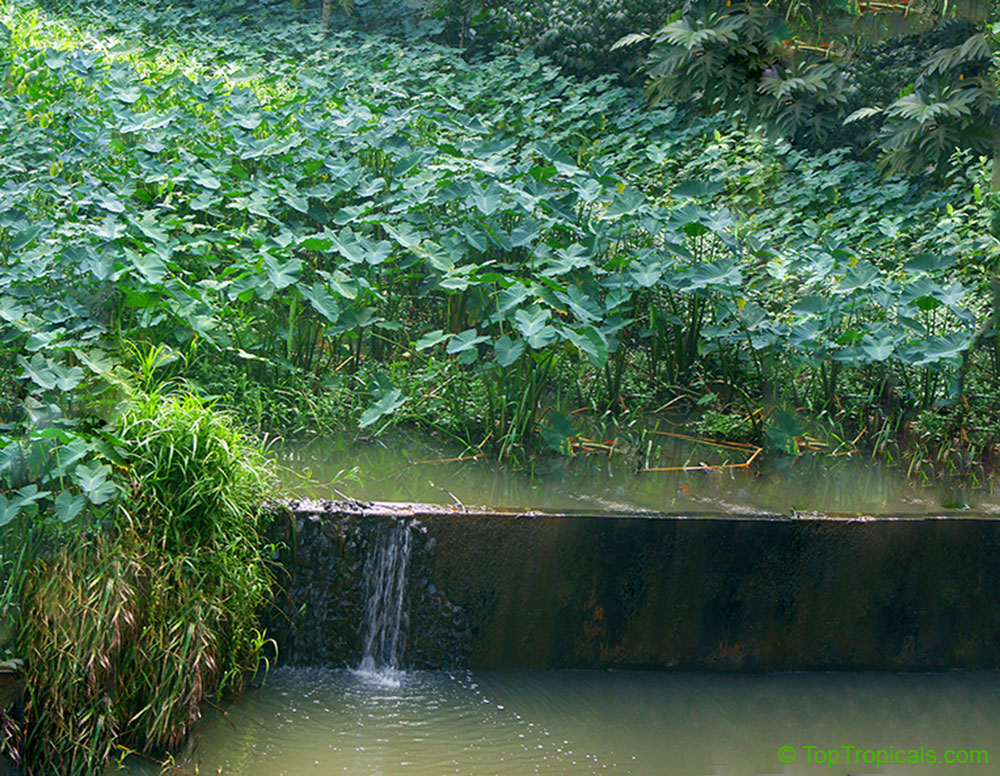
Growing conditions: Alocasia plants prefer bright, indirect light and well-draining soil, prefering to stay on a dry side, while Colocasia plants prefer partial to full shade and moist soil.

Hardiness: Colocasia plants are generally more cold-hardy than Alocasia plants and can tolerate colder temperatures. Both Alocasia and Colocasia may go dormant in Winter especially in cooler climates, and grow new leaves in Spring.

Elephant Ears are absolutely gorgeous tropical plants. They add bold texture, tropical flair, and thrive in filtered light, making it a unique and low maintenance addition to any garden, especially shaded locations.

Xanthosoma  violaceum

Colocasia  in  water

Date: 8 Feb 2023

Gift Plants

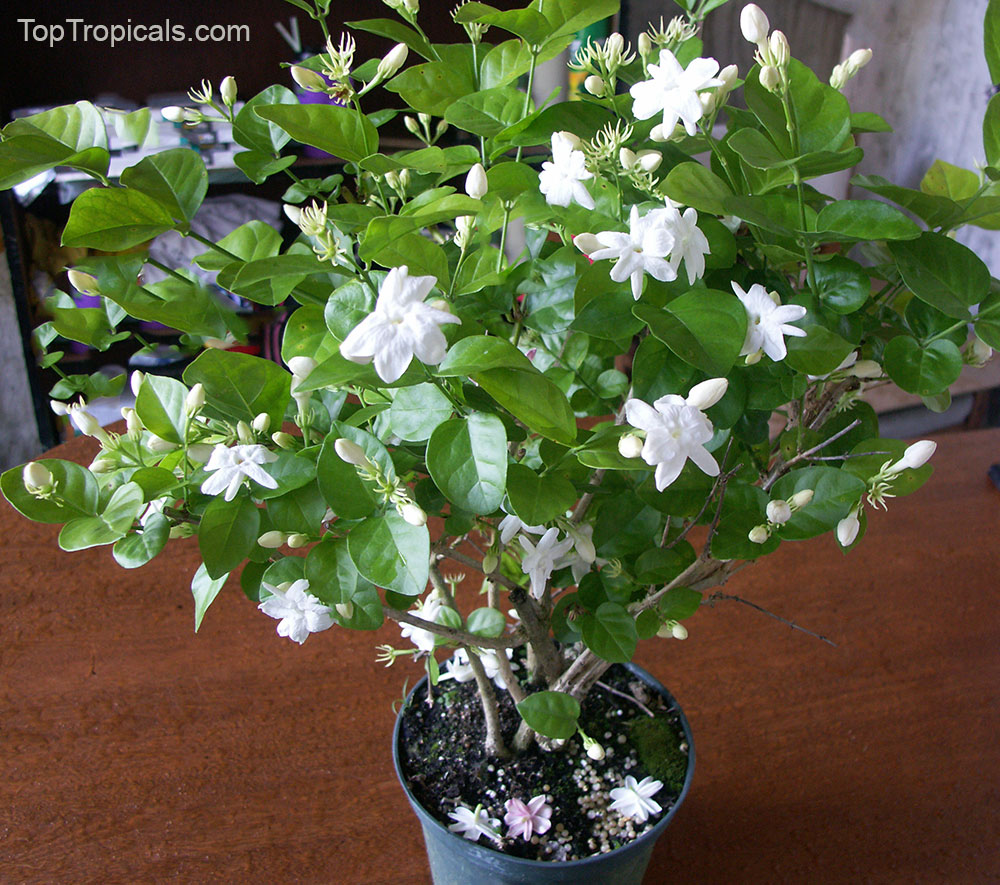
Jasmine  Sambac  Maid  of  Orleans

In the photo: fragrant Jasmine Sambac Maid of Orleans

How to make the best gift plant?

1. Consider her/his interests and environment: Think about the recipient's favorite colors, preferred growing conditions (e.g. sunlight, temperature), and any specific plants they already have and like.

2. Choose an easy plant, especially when giving it to inexperienced gardener. Desert roses, Plumerias, Indoor plants are great for both beginners and experts.

3. Something to enjoy right away: Select an established plant with developed roots and foliage. Grafted fruit trees will produce soon, and aroma of a spice tree can be appreciated without waiting for it to grow bigger. House plants such as Philodendrons with ornamental foliage will brighten the room.

4. Presentation matters: Wrap the plant in decorative paper or a gift bag, and consider adding a bow or tag for a personal touch.

5. Add a personal touch: Consider pairing the plant with a personalized message or a small item such as a watering can, plant food, or a pretty planter. Your thoughtfulness will make the gift even more special.

Some gift plant ideas: Jasmines - Desert Roses - Gingers - Mango - Avocado - Spice plants - Indoor plants - easy maintenance plants - Plants of Love: Aphrodisiacs.

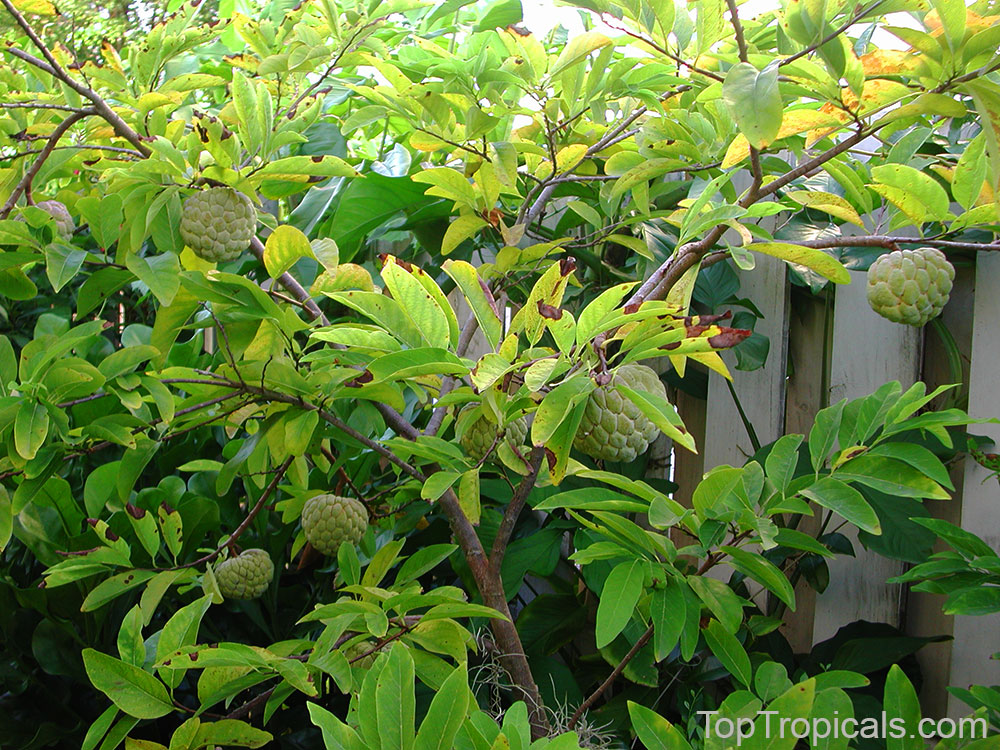
Annona  Tree  Sugar  Apple  with  fruit  on  it

In the photo: Annonas are one of the most popular tropical fruit trees, fast fruiting, suitable for small gardens and container culture

Date: 2 Dec 2022

Plant Horoscope - Sagittarius
Zodiac Lucky Plants 11/22-12/21

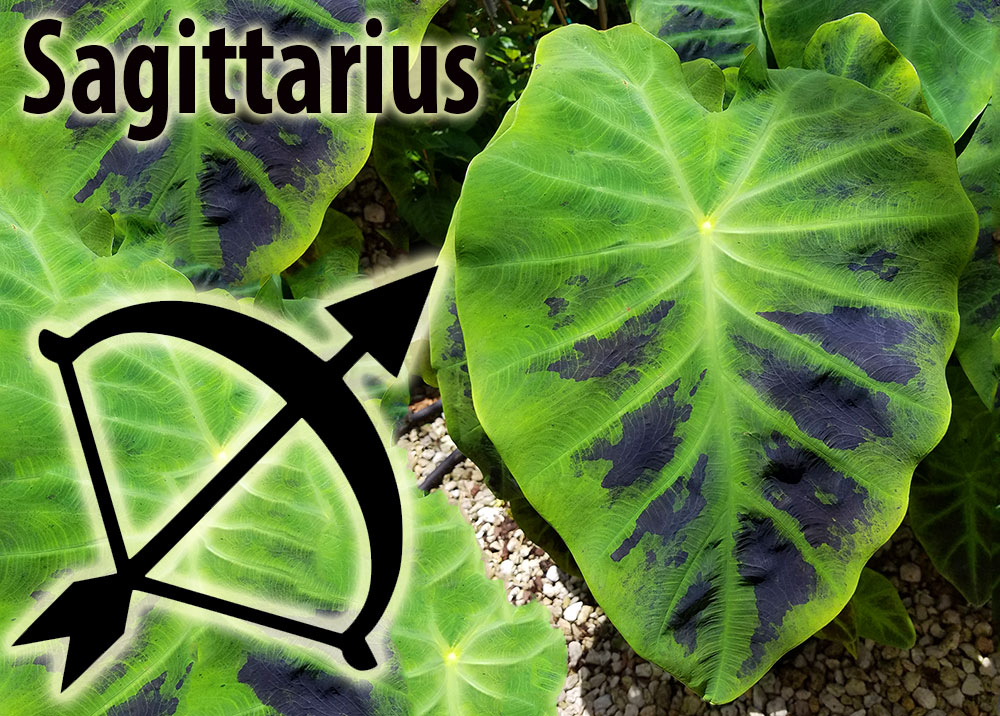
Colocasia  -  Sagittarius  Zodiac  Lucky  Plant

By Alex Butova, the Witch of Herbs and Cats

...Of all three fire signs, Sagittarius is the least likely to care with growing plants.... In the short hours of rest, he will gladly look and smell, and taste, and even will delighted with them (if time remains), thinking: "Beautiful! I hadn't noticed before?" And, instructing someone to start growing the plants he likes, this tireless Archer will hurry further... Plants that can attract the attention of Sagittarius most often have large spectacular flowers with a pronounced scent, often they have large, elongated leathery leaves. And he also really likes fruits and nuts - he loves a deliciousness....
...Colocasia's and Alocasia's heart-shaped leaves,  arrow-like (named also sagittate!) shoots, and overall rarity makes these plants stand out next to more traditional house plants. These plants are known as needing little more love and care, but also for being able to return these benefits to their gardener. Alocasias are so perfect for Sagittarius, he feels their vibrations, which are so necessary for him in achieving his goals. They are the real talisman for this sign...

CONTINUE READING >>

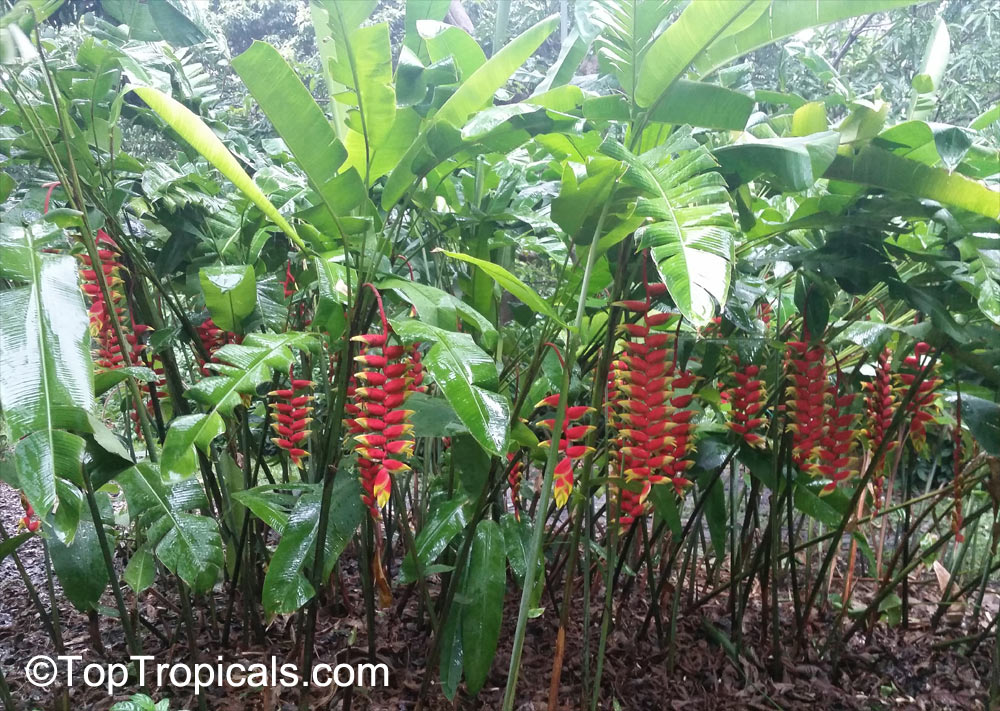
Heliconia  rostrata  (Lobster  Claw)  -  Sagittarius  Zodiac  Lucky  Plant

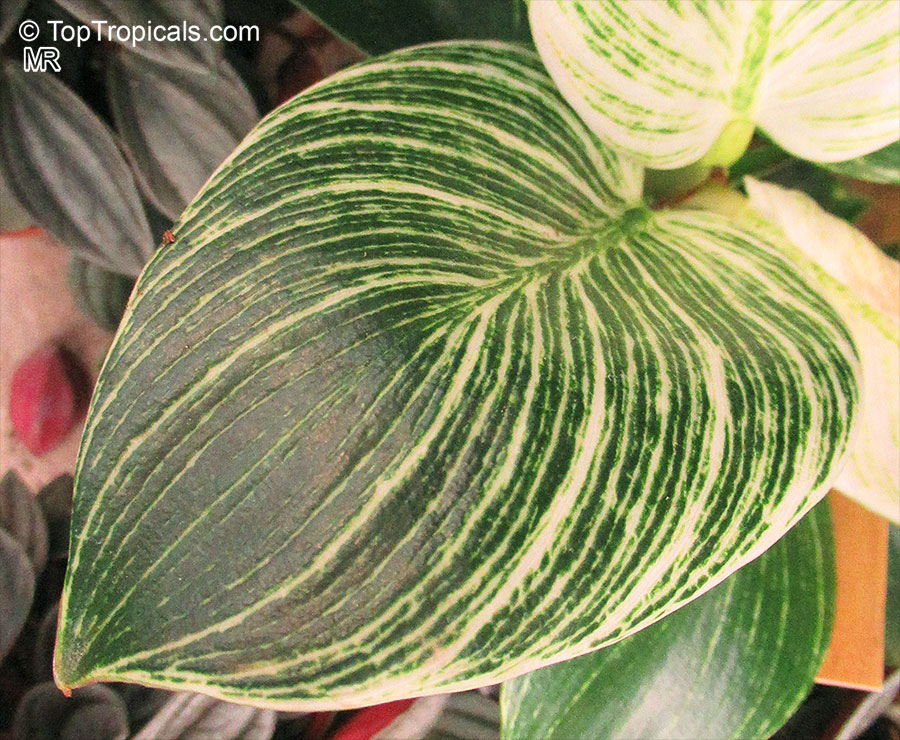
Philodendron  Birkin
Striped  Delight  -  Sagittarius  Zodiac  Lucky  Plant